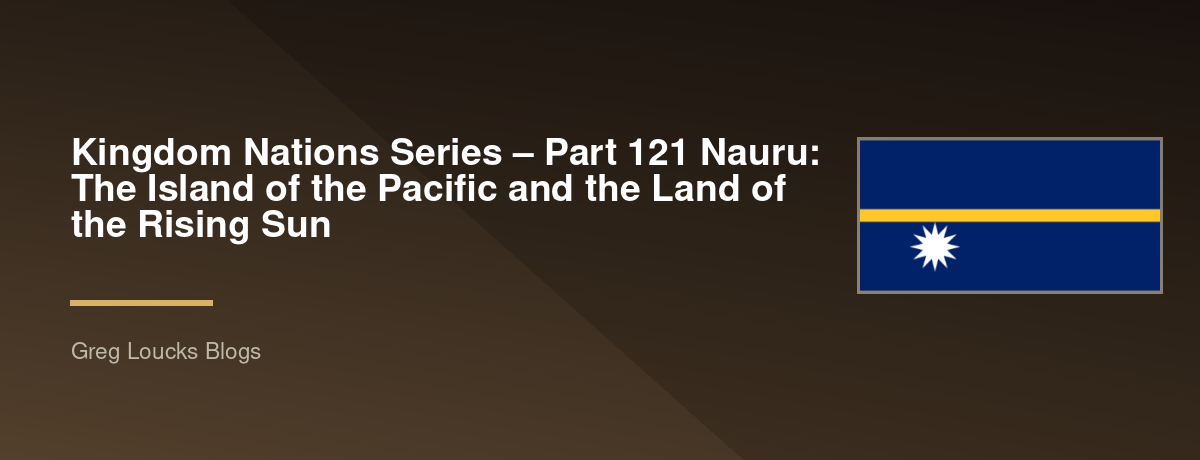
🌎 Kingdom Nations Series – Part 121 🇳🇷 Nauru: The Island of the Pacific and the Land of the Rising Sun

🌎 Kingdom Nations Series – Part 121 🇳🇷 Chapter 1 – Part 1 Nauru: The Island of the Pacific and the Land of the Rising Sun Nauru, Yaren, Anibare, Buada, Aiwo, Anetan, Boe, Denigomodu, Meneng, Nibok, Uaboe, Baiti, Ijuw, Ewa, Anabar, Phosphate, Pacific Ocean, Micronesia, Central Pacific, Coral Reef, Lagoon, Buada Lagoon, Anibare Bay, Command Ridge, Japanese Occupation, German Empire, Australian Administration, League of Nations, United Nations, Independence, 1968, Nauruan People, Nauruan Language, English, Christianity, Congregational Church, Pacific Island Culture, Fishing, Coconut, Pandanus, Phosphate Mining, Environmental Restoration, Climate Change, Sea-Level Rise, Ocean Stewardship, Island Nation, and Nauru's Kingdom Calling "The earth is the LORD'S, and all its fullness, the world and those who dwell therein." — Psalm 24:1 Introduction The: Republic of Nauru is: A: Small: Island: Country in: The: Central Pacific Ocean. Nauru Nauru is: One of: The: World's: Smallest: Independent: Countries. Pacific Ocean Nauru lies: In: The: Central: Pacific. Micronesia Nauru is: Part of: The: Cultural: And: Geographic: Region known as: Micronesia. Island Nation Unlike: Many: Pacific: Island: States Nauru consists of: A: Single: Main: Island. Coral Island Nauru is: A: Raised: Coral: Island. Geography The: Island is: Roughly: Circular in: Shape. Coastal Plain Most of: Nauru's: Population lives along: The: Narrow: Coastal: Plain. Central Plateau The: Interior was: Historically: Dominated by: Phosphate: Deposits. Phosphate Phosphate became: The: Central: Economic: Resource of: Nauru. Phosphate Mining Large-scale: Mining transformed: Much of: The: Island's: Interior. Environmental Cost Phosphate: Mining also: Created: Severe: Environmental: Damage. Raised Coral The: Interior contains: Exposed: Coral: Limestone: Formations created by: Mining. Coastal Communities Most: Homes. Businesses. Government: Facilities. And: Services are: Located near: The: Coast. Anibare Bay Anibare Bay is: One of: Nauru's: Most: Beautiful: Coastal: Areas. Anibare Anibare contains: A: Long: Sandy: Beach and: Coral: Coastline. Buada Lagoon Buada Lagoon is: Nauru's: Most: Important: Interior: Freshwater: Lagoon. Buada Buada is: Located within: The: Island's: Interior. Freshwater Freshwater is: A: Critical: Resource for: Nauru. Rainfall Nauru receives: Rainfall that: Replenishes: Some: Freshwater: Resources. Water Security Water: Security remains: One of: The: Island's: Major: Challenges. Desalination Desalination and: Imported: Water can: Help: Meet: Demand. Pacific Climate Nauru is: Highly: Vulnerable to: Climate: Change. Sea-Level Rise Rising: Sea: Levels threaten: Low-lying: Coastal: Communities. Ocean The: Ocean surrounds: Nauru on: Every: Side. Ocean Stewardship The: Ocean is: Therefore: Central to: Nauru's: Future. Yaren Yaren is: The: District where: Many of: The: National: Government: Offices are: Located. Capital Nauru does: Not: Have: An: Officially: Designated: Capital: City. Government Government: Offices are: Concentrated in: The: Yaren: District. Yaren Yaren therefore: Functions as: Nauru's: De facto: Administrative: Center. Parliament The: Parliament of Nauru is: Located in: Yaren. Districts Nauru is: Divided into: 14 districts. Aiwo Aiwo is: One of: Nauru's: Most: Developed: Districts. Anetan Anetan lies along: The: Northern: Coast. Anabar Anabar is: One of: The: Island's: Northern: Districts. Baiti Baiti lies on: The: Northwestern: Coast. Boe Boe is: One of: The: Southern: Districts. Buada Buada surrounds: The: Interior: Lagoon. Denigomodu Denigomodu is: A: Major: Settlement and: Historic: Mining: Area. Ewa Ewa is: Located on: The: Northern: Part of: The: Island. Ijuw Ijuw lies on: The: Eastern: Coast. Meneng Meneng is: Located on: The: Southeastern: Coast. Nibok Nibok is: A: District in: Western: Nauru. Uaboe Uaboe lies along: The: Western: Coast. Nauruan People The: Nauruan People are: The: Indigenous: People of: Nauru. Micronesian Heritage Nauruan: Culture contains: Micronesian: And: Pacific: Heritage. Polynesian Influence Nauru also: Has: Historical: Connections with: Other: Pacific: Island: Peoples. Language Nauru has: Two: Main: Languages in: Public: Life. Nauruan Nauruan is: The: Indigenous: Language of: The: Island. English English is: Widely: Used in: Government. Education. Business. And: International: Communication. Nauruan Identity Nauruan: Identity is: Strongly: Connected to: Family. Land. Clan. Island: History. And: Ocean. Clans Traditional: Nauruan: Society was: Organized around: Clans. Family Family remains: Central to: Nauruan: Social: Life. Community Community is: Essential within: A: Small: Island: Society. Hospitality Hospitality is: An: Important: Pacific: Value. Pacific Culture Nauru shares: Many: Cultural: Characteristics with: Other: Pacific: Island: Communities. Christianity Christianity became: A: Major: Religion in: Nauru. Missionaries Christian: Missionaries arrived during: The: Nineteenth: Century. Congregational Church The: Congregational Church became: A: Major: Christian: Tradition in: Nauru. Christianity Christian: Faith became: Deeply: Integrated into: Nauruan: Community: Life. Church Churches became: Centers of: Worship. Community. Education. And: Social: Life. Traditional Culture Traditional: Nauruan: Culture continues: To: Influence: Identity. Music Music is: Important to: Nauruan: Cultural: Life. Dance Dance is: Part of: Pacific: Celebrations. Community Celebrations Celebrations can: Include: Singing. Dancing. Food. And: Family: Gatherings. Food Nauruan: Cuisine reflects: Pacific: Island: Traditions. Fish Fish is: An: Important: Traditional: Food. Coconut Coconut is: A: Traditional: Pacific: Resource. Pandanus Pandanus is: Also: Important throughout: Pacific: Island: Cultures. Breadfruit Breadfruit has: Historically: Been: Important in: Pacific: Food: Systems. Fishing Fishing is: Important to: Nauru's: Culture and: Food: Security. Ocean The: Ocean provides: Fish. Marine: Resources. Transportation. And: Cultural: Connection. Phosphate Discovery Phosphate was: Discovered on: Nauru during: The: Late: Nineteenth: Century. German Empire Nauru became: Part of: The: German Empire's colonial: Possessions in: The: Pacific. German Rule German: Administration began in: The: Late: Nineteenth: Century. Pacific Colonialism European: Colonialism changed: Nauru's: Political. Economic. And: Social: Life. Phosphate Mining Commercial: Phosphate: Mining began in: The: Early: Twentieth: Century. Phosphate Nauru's: Phosphate became: Extremely: Valuable for: Agriculture around: The: World. Fertilizer Phosphate was: Used to: Produce: Agricultural: Fertilizer. Global Trade Nauru became: Connected to: Global: Agricultural: Markets. Australia Australia became: Deeply: Involved in: Nauru's: Phosphate: Industry. British Empire British: Interests also: Became: Involved in: Phosphate: Administration. Pacific Mandate After: World: War: I Nauru was: Placed under: A: League of: Nations: Mandate. Mandate Administration Australia. New: Zealand. And: The: United: Kingdom administered: The: Territory. World War II World: War: II brought: Major: Hardship to: Nauru. Japanese Occupation Japan occupied: Nauru during: World: War: II. Japanese Rule The: Occupation caused: Severe: Disruption to: Nauruan: Life. Deportations Many: Nauruans were: Deported by: Japanese: Authorities to: Truk in: The: Caroline: Islands. Forced Labor Nauruan: People experienced: Severe: Hardship. Disease. Hunger. And: Forced: Labor during: The: War. Return Surviving: Nauruans returned after: The: War. United Nations After: World: War: II Nauru became: A: United: Nations: Trust: Territory. Trusteeship Australia continued: To: Administer: Nauru under: The: Trusteeship: System. Independence Nauru achieved: Independence on: January 31, 1968. Republic of Nauru Nauru became: The: Republic of Nauru. Hammer DeRoburt Hammer DeRoburt was: A: Major: Leader of: Nauru's: Independence: Movement. Independence Nauru's: Independence gave: The: Nauruan: People Control over: Their: Own: Government. Phosphate Wealth After: Independence Nauru received: Major: Revenues from: Phosphate: Exports. Wealth For: A: Time Nauru was: Among: The: World's: Wealthiest: Countries on: A: Per-capita: Basis. Phosphate Dependency The: Economy became: Highly: Dependent on: Phosphate. Depletion The: Highest-quality: Phosphate deposits were: Eventually: Depleted. Economic Crisis The: Decline of: Phosphate created: Severe: Economic: Challenges. Environmental Damage Mining left: Large: Areas of: The: Interior heavily: Degraded. Pinnacles The: Mined: Interior contains: Distinctive: Limestone: Pinnacles. Rehabilitation Restoring: Mined: Land is: A: Long-term: Challenge. Land Rehabilitation Nauru continues: To: Explore: Ways to: Restore: Its: Interior. Economy Nauru's: Economy now: Depends on: A: Mixture of: Government: Services. Fishing. Foreign: Aid. Regional: Partnerships. And: Other: Activities. Offshore Fisheries Nauru has: Important: Interests in: Pacific: Fisheries. Tuna Tuna is: One of: The: Pacific's: Most: Important: Fishery: Resources. Fisheries Sustainable: Fishing is: Important to: The: Future of: Pacific: Island: States. Pacific Islands Forum Nauru participates in: Regional: Pacific: Organizations. Pacific Cooperation Regional: Cooperation helps: Small: Island: States address: Shared: Challenges. Climate Change Climate: Change is: One of: Nauru's: Greatest: Long-term: Challenges. Sea-Level Rise Sea-level: Rise can: Threaten: Coastal: Infrastructure. Coastal Erosion Coastal: Erosion can: Damage: Beaches. Roads. Homes. And: Public: Facilities. Extreme Weather Pacific: Island: Countries face: Increasing: Risks from: Extreme: Weather. Ocean Warming Ocean: Warming can: Affect: Coral: Reefs. Fish: Stocks. And: Marine: Ecosystems. Coral Reefs Coral: Reefs provide: Habitat for: Fish and: Protect: Coastlines. Reef Protection Protecting: Reefs is: Essential to: Nauru's: Environmental: Future. Water Security Freshwater is: One of: Nauru's: Most: Important: Resources. Rainwater Rainwater: Collection can: Improve: Water: Security. Desalination Desalination can: Provide: Additional: Freshwater. Food Security Food: Security is: A: Major: Concern for: Small: Island: States. Imported Food Nauru depends heavily on: Imported: Food. Local Food Expanding: Local: Fishing. Gardening. And: Agriculture can: Improve: Food: Security. Health Nauru faces: Significant: Public: Health: Challenges. Pacific Health Small: Pacific: Island: Countries face: High: Rates of: Lifestyle-related: Health: Problems. Healthy Food Improving: Access to: Healthy: Food can: Strengthen: Community: Well-being. Sport Sport is: Important to: Nauruan: Culture. Australian Rules Football Australian rules football is: Especially: Popular in: Nauru. Nauru National Team Nauru has: A: National: Australian: Rules: Football: Team. Weightlifting Weightlifting has: Also: Become: Important to: Nauru's: International: Sporting: Identity. Olympians Nauruan: Athletes have: Represented: The: Country at: International: Competitions. Education Education is: Important to: Nauru's: Future. Schools Schools serve: Children throughout: The: Island. Higher Education Many: Nauruan: Students pursue: Higher: Education abroad. Australia Australia is: An: Important: Destination for: Nauruan: Students. Pacific Youth Young: Nauruans can: Become: Leaders in: Climate. Science. Politics. Business. Education. And: Conservation. Technology Digital: Technology can: Help: Nauru overcome: Its: Geographic: Isolation. Internet Reliable: Internet can: Connect: Nauru to: Education. Healthcare. Business. And: Global: Markets. Blue Economy Nauru has: Potential to: Develop: A: Sustainable: Blue Economy. Blue Economy A: Blue: Economy uses: Ocean: Resources while: Protecting: Marine: Ecosystems. Fisheries Sustainable: Fisheries can: Provide: Long-term: Income. Tourism Tourism can: Provide: Additional: Economic: Opportunity. Eco-Tourism Nauru can: Develop: Small-scale: Eco-tourism focused on: Nature. Culture. History. And: The: Ocean. Anibare Bay Anibare could: Become: A: Center for: Responsible: Coastal: Tourism. Buada Lagoon Buada can: Become: A: Center for: Environmental: Education. Phosphate Heritage The: Phosphate: Mining: Landscape can: Tell: The: Story of: Nauru's: Economic: Transformation. History Nauru's: History contains: A: Powerful: Lesson about: Natural: Resources. Resource Wealth Phosphate created: Extraordinary: Wealth. Resource Depletion But: Resource: Depletion created: Extraordinary: Vulnerability. Stewardship Nauru therefore: Carries: A: Powerful: Lesson in: Resource: Stewardship. Island Stewardship The: Future requires: Protecting: Land. Water. Reefs. Fish. And: People. Pacific Community Nauru is: Part of: A: Larger: Pacific: Community. Pacific Islands Pacific: Island: Nations share: Common: Challenges. Climate Diplomacy Small: Island: States have: Played: Important: Roles in: Global: Climate: Negotiations. Nauru's Voice Even: A: Very: Small: Country can: Have: A: Voice in: International: Affairs. United Nations Nauru became: A: Member of: The: United: Nations in: 1999. International Community Nauru participates in: International: Organizations and: Regional: Pacific: Institutions. Sovereignty Nauru's: Small: Size does: Not: Remove: Its: Sovereignty. Island Nation Nauru demonstrates: That: A: Nation does: Not: Need to: Be: Large to: Have: A: Distinct: Identity. Kingdom Assignment Nauru's: Kingdom: Assignment can: Be: Summarized as: Pacific island nation. Micronesian nation. Coral island nation. Ocean nation. Anibare Bay nation. Buada Lagoon nation. Yaren nation. Island community nation. Nauruan nation. Pacific heritage nation. Fishing nation. Tuna nation. Phosphate nation. Mining heritage nation. Independence nation. 1968 nation. Christian nation. Congregational nation. Family nation. Hospitality nation. Australian-rules-football nation. Weightlifting nation. Blue economy nation. Climate-vulnerable nation. Ocean stewardship nation. Coral reef nation. Water-security nation. Environmental restoration nation. Pacific diplomacy nation. United Nations nation. Island resilience nation. Small-nation sovereignty nation. Prayer for Nauru Pray: For Nauru. For Yaren. For Aiwo. For Anetan. For Anabar. For Baiti. For Boe. For Buada. For Denigomodu. For Ewa. For Ijuw. For Meneng. For Nibok. For Uaboe. For Anibare. For every Nauruan family. For children. For youth. For women. For men. For elders. For fishermen. For workers. For teachers. For students. For athletes. For entrepreneurs. For government leaders. For churches. For pastors. For Christians. For every Nauruan community. For the Nauruan language. For English speakers. For education. For healthcare. For clean water. For food security. For fishing. For sustainable fisheries. For tuna stocks. For coral reefs. For marine life. For Anibare Bay. For Buada Lagoon. For the coastline. For the interior. For mined land. For environmental restoration. For phosphate heritage. For economic diversification. For tourism. For eco-tourism. For the blue economy. For renewable energy. For solar power. For climate resilience. For sea-level protection. For coastal communities. For disaster preparedness. For the Pacific Ocean. For Pacific island nations. For regional cooperation. For climate diplomacy. For Nauru's international relationships. For wise leadership. For honest government. For sovereignty. For peace. For justice. For prosperity. For Nauru's future. For Nauruans living abroad. For every Nauruan athlete. For Australian-rules football. For weightlifting. For young Nauruans. For universities. For science. For technology. For digital connectivity. For Nauru to become: A nation of stewardship. A nation of resilience. A nation of wisdom. A nation of peace. A nation of hospitality. A nation of healthy families. A nation of environmental restoration. A nation of ocean conservation. A nation of sustainable development. A nation of education. A nation of innovation. A nation of service. For Micronesia. For the Pacific Islands. For Australia. For New Zealand. For the nations of Oceania. Nauru Before the Throne The: Island has: Known: Traditional: Nauruan: Clans. It: Has: Known: Pacific: Voyages. Fishing. Coconut. Pandanus. Community. And: Ocean: Life. Then: German: Colonial: Rule. Then: Phosphate. Then: Australian: Administration. Then: Japanese: Occupation. Then: War. Then: Trusteeship. Then: Independence. Then: Phosphate: Wealth. Then: Phosphate: Decline. Then: Environmental: Restoration. And: Now: The: Island faces: A: New: Future. From Coral Reef to Nation Nauru demonstrates: That: A: Tiny: Island can: Carry: A: Distinct: National: Identity. From Phosphate to Prosperity Nauru demonstrates: The: Potential of: Natural: Resources to: Transform: An: Economy. From Phosphate to Depletion Nauru demonstrates: The: Danger of: Depending upon: One: Resource. From Mining to Restoration Nauru demonstrates: The: Necessity of: Environmental: Stewardship. From Ocean to Economy Nauru demonstrates: The: Importance of: The: Blue: Economy. From Fishing to Sustainability Nauru demonstrates: That: Ocean: Resources must: Be: Managed for: Future: Generations. From Climate Vulnerability to Climate Leadership Nauru demonstrates: That: Small: Island: States can: Have: A: Large: Voice in: Global: Climate: Policy. From War to Independence Nauru demonstrates: The: Resilience of: A: People who: Survived: Colonialism. Occupation. Displacement. And: Economic: Transformation. From Yaren to the World Nauru demonstrates: That: A: Small: Administrative: Center can: Represent: A: Sovereign: Nation on: The: World: Stage. Kingdom Perspective Nauru teaches: Size does not determine significance. A small island can carry a great responsibility for its people, its ocean, its environment, and its future generations. Ocean Teaches: Dependence. Reef Teaches: Interconnection. Lagoon Teaches: Protection. Phosphate Teaches: Stewardship. Mining Teaches: Consequences. Restoration Teaches: Hope. Fishing Teaches: Provision. Island Teaches: Resilience. Family Teaches: Community. Christianity Teaches: Faith. Hospitality Teaches: Generosity. Climate Change Teaches: Responsibility. Sovereignty Teaches: Dignity. Kingdom Calling Nauru's: Kingdom: Calling can: Be: Understood as: To become a model of island resilience, environmental restoration, ocean stewardship, sustainable fisheries, community strength, and faithful service while using its small but sovereign voice to advocate for vulnerable Pacific peoples and the protection of creation. Nauru's Future Nauru can: Continue: Restoring: Its: Land. Phosphate Lands Former: Mining: Areas can: Be: Rehabilitated through: Long-term: Restoration. Forests Restored: Land can: Support: Vegetation. Wildlife. And: Community: Uses. Water Nauru can: Improve: Water: Security through: Rainwater: Harvesting. Storage. Recycling. And: Desalination. Food Nauru can: Strengthen: Food: Security through: Local: Gardening. Fishing. And: Sustainable: Agriculture. Ocean Nauru can: Become: A: Leader in: Ocean: Stewardship. Fisheries Sustainable: Fisheries can: Provide: Long-term: Income without: Destroying: Marine: Ecosystems. Coral Reefs Coral: Reefs can: Be: Protected through: Marine: Conservation. Climate Nauru can: Continue: Advocating for: Climate: Action. Renewable Energy Solar: Power can: Reduce: Dependence on: Imported: Fuels. Blue Economy Nauru can: Build: A: Blue: Economy based on: Fishing. Marine: Research. Tourism. Conservation. And: Ocean: Technology. Tourism Nauru can: Develop: Responsible: Tourism based on: Culture. History. Beaches. Diving. Fishing. And: Environmental: Education. Anibare Anibare can: Become: A: Center for: Sustainable: Coastal: Tourism. Buada Buada can: Become: A: Center for: Freshwater. Ecology. And: Environmental: Education. History Nauru can: Preserve: Its: History of: Phosphate. Colonialism. War. Occupation. Independence. And: Environmental: Transformation. Education Education can: Prepare: Young: Nauruans for: The: Future. Technology Technology can: Connect: Nauru to: The: World. Youth Nauru's: Young: People can: Lead: The: Island into: A: New: Era. Final Commission May Nauru become a nation of: Resilience. Wisdom. Stewardship. Peace. Hospitality. Faith. Education. Conservation. Innovation. And: Service. May Yaren flourish. May Aiwo flourish. May Anetan flourish. May Anabar flourish. May Baiti flourish. May Boe flourish. May Buada flourish. May Denigomodu flourish. May Ewa flourish. May Ijuw flourish. May Meneng flourish. May Nibok flourish. May Uaboe flourish. May Anibare flourish. May every Nauruan family flourish. May every child flourish. May every young person flourish. May every elder receive: Honor. May fishermen prosper. May workers prosper. May teachers prosper. May students prosper. May athletes prosper. May entrepreneurs prosper. May churches flourish. May Christians flourish. May the Nauruan language flourish. May education flourish. May healthcare flourish. May clean water become: Secure. May food security strengthen. May fisheries become: Sustainable. May tuna stocks remain: Healthy. May coral reefs flourish. May Anibare Bay remain: Protected. May Buada Lagoon remain: Protected. May the coastline remain: Protected. May the interior be: Restored. May mined land be: Rehabilitated. May Nauru's: Phosphate: History be: Remembered. May Nauru's: Environmental: Lessons be: Learned. May the Pacific Ocean remain: Healthy. May marine life flourish. May sustainable fishing flourish. May renewable energy flourish. May solar power flourish. May climate resilience strengthen. May Nauru's: Voice be: Heard in: The: Nations. May Pacific island nations stand: Together. May Nauru's: Sovereignty remain: Strong. May Nauru's: Government receive: Wisdom. May its: Leaders pursue: Justice. May its: People walk in: Peace. May Nauru become: A: Model of: Island: Resilience. May Nauru become: A: Model of: Environmental: Restoration. May Nauru become: A: Model of: Ocean: Stewardship. May Nauru become: A: Model of: Sustainable: Fisheries. May Nauru become: A: Model of: Climate: Leadership. May Nauru become: A: Model of: Pacific: Hospitality. May Nauru become: A: Model of: Small-nation: Diplomacy. May Nauru become: A: Model of: Hope. The Island and the Ocean Nauru cannot: Separate: Its: Future from: The: Ocean. The: Ocean provides: Food. Climate. Connection. And: Life. Therefore: Protecting: The: Ocean is: Protecting: Nauru. Protecting: The: Reef is: Protecting: The: Future. Protecting: The: Lagoon is: Protecting: The: Community. Restoring: The: Interior is: Restoring: The: Land. Protecting: The: Climate is: Protecting: The: Island. A Small Nation With a Large Calling Nauru is: Small in: Land: Area. But: It: Is: Not: Small in: Significance. Its: People have: Survived: Colonial: Rule. War. Occupation. Displacement. Economic: Boom. Economic: Collapse. And: Environmental: Damage. The: Island now: Faces: A: New: Challenge. To: Build: A: Sustainable: Future. That: Future can: Be: Built on: Stewardship. Not: Extraction. On: Conservation. Not: Depletion. On: Community. Not: Isolation. On: Wisdom. Not: Short-term: Thinking. On: Hope. Not: Fear. Biblical Reflection The: Island may: Be: Small. But: Creation is: Not: Measured by: Size. The: Ocean may: Be: Vast. But: One: Island can: Still: Bear: Witness. The: People may: Be: Few. But: Every: Person has: Dignity. The: Resources may: Be: Limited. But: Wisdom can: Multiply: What: Is: Available. And: The: Future may: Be: Uncertain. But: Hope can: Still: Guide: The: Way. "The earth is the LORD'S, and all its fullness, the world and those who dwell therein." Psalm 24:1 Final Blessing May the: People of: Nauru be: Protected. May their: Families be: Strengthened. May their: Children be: Educated. May their: Elders be: Honored. May their: Land be: Restored. May their: Water be: Protected. May their: Ocean be: Healthy. May their: Reefs be: Alive. May their: Fisheries be: Sustainable. May their: Economy be: Diversified. May their: Government be: Wise. May their: Churches be: Faithful. May their: Young: People be: Hopeful. May their: Athletes be: Strong. May their: Teachers be: Equipped. May their: Scientists be: Creative. May their: Leaders be: Just. May their: Nation be: Peaceful. May Nauru become: A restored island. A resilient people. A protected ocean. A sustainable economy. A faithful community. A sovereign nation. A voice for the Pacific. And a steward of creation. From: The coral island to: The open ocean. From: Phosphate to: Restoration. From: Mining to: Stewardship. From: War to: Independence. From: 1968 to: The future. From: Buada Lagoon to: Anibare Bay. From: Yaren to: The nations. From: Nauru to: The Kingdom. Amen. 🇳🇷 Kingdom Nations Series – Part 121 Nauru From ancient Pacific heritage to the modern republic. From Micronesia to the Central Pacific. From coral reef to island nation. From traditional clans to modern government. From Nauruan culture to a sovereign Pacific identity. From German colonial rule to Australian administration. From phosphate discovery to global trade. From phosphate wealth to economic transformation. From environmental damage to restoration. From Japanese occupation to independence. From January 31, 1968 to the Republic of Nauru. From Yaren to the world. From Buada Lagoon to Anibare Bay. From fishing to the blue economy. From tuna to sustainable fisheries. From coral reefs to ocean stewardship. From climate vulnerability to climate leadership. From a small island to a large international voice. From Pacific heritage to Pacific diplomacy. From Nauru to the nations. From Nauru to the throne. From Nauru to the Kingdom. End of Kingdom Nations Series – Part 121: 🇳🇷 Nauru
Read more 🌎 Kingdom Nations Series – Part 121 🇳🇷 Nauru: The Island of the Pacific and the Land of the Rising Sun

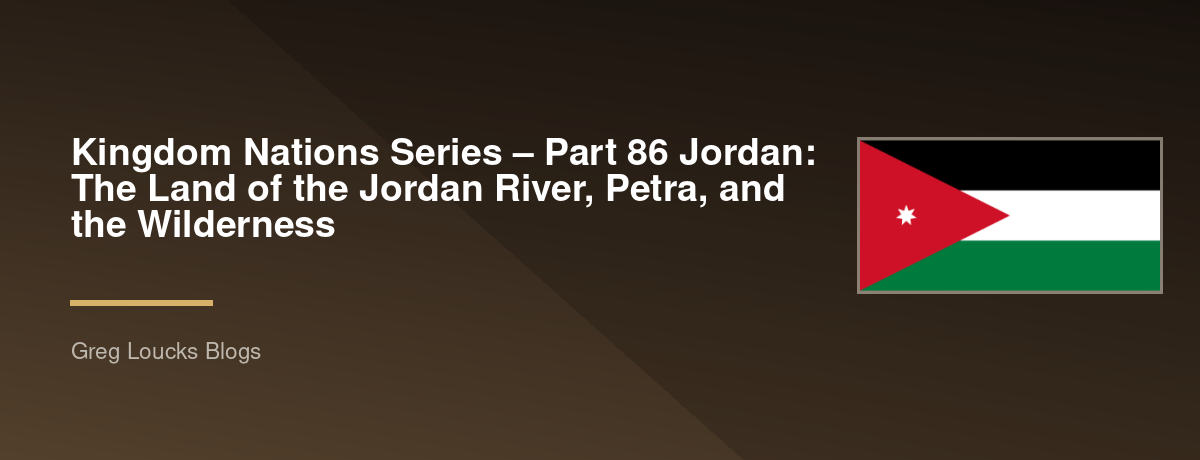
🌎 Kingdom Nations Series – Part 86 🇯🇴 Jordan: The Land of the Jordan River, Petra, and the Wilderness

🌎 Kingdom Nations Series – Part 86 🇯🇴 Chapter 1 – Part 1 Jordan: The Land of the Jordan River, Petra, and the Wilderness Jordan, Amman, Aqaba, Petra, Wadi Rum, Jerash, Madaba, Mount Nebo, the Jordan River, the Dead Sea, the Red Sea, the Gulf of Aqaba, the King's Highway, the Desert Highway, Edom, Moab, Ammon, Nabataea, the Decapolis, Roman Jordan, Byzantine Jordan, the Hashemite Kingdom, the Hashemite Dynasty, Bedouin Heritage, Arab Culture, Arabic, Islam, Christianity, Orthodox Christianity, Catholic Christianity, Baptism, John the Baptist, Jesus Christ, Moses, Mount Nebo, the Promised Land, the Exodus, Abraham, Lot, Amman, Rabbath-Ammon, Philadelphia, Petra, the Nabataeans, the Rose City, Wadi Rum, the Desert, Lawrence of Arabia, the Great Rift Valley, the Dead Sea, the Jordan River, Aqaba, Trade Routes, Archaeology, Hospitality, and Jordan's Kingdom Calling "Behold, how good and how pleasant it is for brethren to dwell together in unity!" — Psalm 133:1 Introduction The: Hashemite Kingdom of Jordan is: A: Country in: The: Middle East. Jordan Jordan lies: At: The: Heart of: The: Levant. The Levant Jordan stands at: A: Historic: Crossroads between: The: Arabian: Peninsula. The: Levant. Mesopotamia. And: The: Mediterranean: World. Neighbors Jordan borders: Syria. Iraq. Saudi Arabia. And: Israel. Jordan also: Shares: A: Boundary with: The: West Bank. Amman Amman is: The: Capital of: Jordan. Amman Amman is: The: Nation's: Largest: City and: Major: Political. Economic. Educational. And: Cultural: Center. Ancient Amman Amman was: Known in: Antiquity as: Rabbath-Ammon. Ammon The: Ancient: Ammonites established: Their: Capital at: Rabbath-Ammon. Philadelphia During: The: Hellenistic: And: Roman: Periods the: City was: Known as: Philadelphia. Amman Citadel The: Amman Citadel contains: Layers of: Ancient: History. Roman Theatre Amman contains: A: Large: Roman: Theatre built during: The: Roman: Period. Jordan River The: Jordan River is: One of: The: Most: Important: Rivers in: Biblical: History. Jordan The: Country takes: Its: Name from: The: Jordan: River. Jordan River The: River flows southward into: The: Dead Sea. Dead Sea The: Dead Sea lies along: Jordan's: Western: Border. Dead Sea The: Dead: Sea is: One of: The: Saltiest: Large: Bodies of: Water on: Earth. Salt Its: High: Salinity makes: It: Difficult for: Most: Fish and: Aquatic: Life to: Survive. Lowest Point The: Dead: Sea lies at: One of: The: Lowest: Elevations on: Earth. Jordan Valley The: Jordan: Valley forms: Part of: The: Great: Rift: Valley. Great Rift Valley The: Great: Rift: Valley extends from: The: Middle: East through: Eastern: Africa. Aqaba Aqaba is: Jordan's: Only: Major: Port on: The: Red Sea. Gulf of Aqaba Aqaba lies on: The: Gulf of Aqaba. Red Sea Jordan therefore: Has: A: Small but: Strategically: Important: Coastline on: The: Red: Sea. Aqaba Aqaba is: A: Center for: Trade. Tourism. Fishing. And: Marine: Activities. Coral Reefs The: Gulf of: Aqaba contains: Important: Coral: Reefs. Desert Much of: Jordan is: Covered by: Desert. Eastern Desert The: Eastern: Part of: Jordan contains: Large: Desert: Landscapes. Wadi Rum Wadi Rum is: One of: Jordan's: Most: Spectacular: Natural: Landscapes. Valley of the Moon Wadi: Rum is: Often: Called: The: Valley of the Moon. Wadi Rum The: Landscape contains: Vast: Sand: Valleys. Granite: Mountains. Sandstone: Cliffs. And: Natural: Rock: Formations. Lawrence of Arabia Wadi: Rum became: Famous internationally through: The: Story of: T. E. Lawrence. Lawrence Lawrence spent: Time in: The: Arab: Revolt and: Wadi: Rum during: World: War: I. Bedouin Heritage The: Region has: Long: Been: Home to: Bedouin: Communities. Bedouin Bedouin: Culture contains: Strong: Traditions of: Hospitality. Family. Poetry. Horsemanship. Travel. And: Desert: Knowledge. Petra Petra is: Jordan's: Most: Famous: Archaeological: Site. Petra Petra was: The: Capital of: The: Nabataean Kingdom. Nabataeans The: Nabataeans were: An: Ancient: Arab: People who: Built: A: Powerful: Kingdom in: The: Desert. Trade The: Nabataeans controlled: Important: Trade: Routes between: Arabia. The: Levant. Egypt. And: The: Mediterranean. Frankincense Frankincense was: One of: The: Important: Commodities moving through: The: Region. Myrrh Myrrh was: Also: A: Major: Trade: Commodity. Spices Spices from: Arabia and: The: Indian: Ocean moved through: Nabataean: Trade: Networks. Petra Petra was: Carved into: Rose-colored: Sandstone. Rose City Petra is: Often: Called: The: Rose City. Treasury The: Treasury is: Petra's: Most: Famous: Monument. Treasury The: Structure is: Carved directly into: The: Rock. Monastery The: Monastery is: Another: Massive: Rock-cut: Monument at: Petra. Siq Visitors enter: Petra through: The: Siq. Siq The: Siq is: A: Narrow: Natural: Rock: Canyon. Nabataean Engineering The: Nabataeans developed: Sophisticated: Water: Management: Systems. Water Petra survived in: A: Dry: Environment because of: Advanced: Water: Engineering. Cisterns The: Nabataeans built: Cisterns. Channels. Dams. And: Water: Storage: Systems. Desert Civilization Petra demonstrates: That: Desert: Civilizations could: Develop: Sophisticated: Urban: Centers. Roman Empire Rome annexed: The: Nabataean: Kingdom in: 106 AD. Roman Arabia The: Region became: Part of: The: Roman: Province of: Arabia Petraea. Via Nova Traiana The: Romans built: The: Via Nova Traiana through: The: Region. King's Highway The: Ancient: Trade: Network continued through: The: Historic: King's Highway. King's Highway The: King's: Highway connected: Ancient: Settlements across: The: Levant. Biblical Lands Jordan contains: Many: Places associated with: The: Bible. Ammon The: Ancient: Kingdom of: Ammon occupied: Part of: Modern: Jordan. Moab The: Ancient: Kingdom of: Moab occupied: Territories east of: The: Dead: Sea. Edom The: Ancient: Kingdom of: Edom occupied: Parts of: Southern: Jordan. Ammonites The: Ammonites appear frequently in: The: Hebrew: Bible. Moabites The: Moabites also: Appear frequently in: Biblical: History. Edomites The: Edomites were: Associated with: The: Southern: Regions of: The: Levant. Lot The: Biblical: Account of: Lot is: Associated with: The: Region east of: The: Dead: Sea. Sodom and Gomorrah The: Biblical: Account of: Sodom and Gomorrah is: Traditionally: Associated with: The: Region around: The: Dead: Sea. Abraham Abraham traveled through: The: Lands of: The: Ancient: Levant. Jacob The: Patriarchal: Stories also: Connect: The: Region with: The: Family of: Jacob. Moses Moses is: Strongly: Associated with: Jordan's: Western: And: Eastern: Landscapes. Mount Nebo Mount Nebo is: One of: Jordan's: Most: Important: Biblical: Sites. Moses According to: The: Bible: Moses viewed: The: Promised: Land from: Mount: Nebo. Deuteronomy The: Book of: Deuteronomy records: Moses' Final: Journey and: His: View of: The: Land. Mount Nebo From: Mount: Nebo the: Israelite: Land could: Be: Seen to: The: West. Moses Memorial A: Church and: Memorial at: Mount: Nebo commemorate: The: Biblical: Tradition. Madaba Madaba is: Famous for: Its: Byzantine: Mosaics. Madaba Map The: Madaba Map is: One of: The: Most: Important: Early: Maps of: The: Holy: Land. Madaba Map The: Map was: Created from: Thousands of: Mosaic: Tiles. Holy Land The: Map depicts: Jerusalem. The: Jordan: River. The: Dead: Sea. And: Other: Biblical: Sites. Byzantine Jordan Christianity flourished in: Jordan during: The: Byzantine: Period. Churches Many: Ancient: Churches were: Built throughout: The: Region. Mosaics Jordan contains: Some of: The: Middle: East's: Most: Important: Early: Christian: Mosaics. Baptism of Jesus The: Jordan: River is: Associated with: The: **Baptism of: Jesus.** John the Baptist John the Baptist preached and: Baptized in: The: Jordan: Region. Bethany Beyond the Jordan Bethany Beyond the Jordan is: A: Major: Christian: Pilgrimage: Site. Baptism Site The: Site is: Associated with: The: Baptism of: Jesus by: John. Christianity Jordan has: A: Long: Christian: History. Early Christianity Christian: Communities existed throughout: Jordan from: The: Early: Centuries of: Christianity. Eastern Christianity Eastern: Christian: Traditions remain: Part of: Jordan's: Religious: Heritage. Orthodox Christianity Jordan contains: Greek: Orthodox: Christian: Communities. Catholicism Catholic: Communities also: Maintain: Churches. Schools. And: Institutions. Christian Minority Christians are: A: Minority within: Modern: Jordan but: Have: A: Long: Historical: Presence. Islam Islam became: The: Dominant: Religion following: The: Arab: Muslim: Conquests of: The: Seventh: Century. Arab Conquest The: Region became: Part of: The: Early: Islamic: Caliphates. Umayyad The: Umayyad Caliphate was: Centered in: Damascus. Jordan Jordan contains: Important: Remains from: The: Early: Islamic: Period. Desert Castles Jordan is: Famous for: Its: Desert Castles. Qasr Amra Qasr Amra is: One of: The: Most: Famous: Umayyad: Desert: Castles. Qasr Amra Its: Frescoes are: Important: Examples of: Early: Islamic: Art. Islamic Heritage Jordan therefore: Contains: Roman. Byzantine. Christian. Islamic. Ottoman. And: Modern: Arab: Heritage. Ottoman Empire Jordan remained: Part of: The: Ottoman Empire for: Several: Centuries. Arab Revolt During: World: War: I the: Arab Revolt challenged: Ottoman: Rule. Hashemite Family The: Hashemite Family played: A: Central: Role in: The: Arab: Revolt. Sharif Hussein Sharif Hussein bin Ali was: A: Major: Leader of: The: Arab: Revolt. Abdullah I His: Son: Abdullah I became: The: Founder of: The: Modern: Jordanian: State. Transjordan The: Territory was: Known as: The: Emirate of Transjordan. 1921 The: Emirate was: Established under: British: Oversight in: 1921. Independence Transjordan achieved: Full: Independence in: 1946. Hashemite Kingdom The: Country became: The: Hashemite Kingdom of Transjordan. Jordan The: Name was: Later: Shortened to: The: Hashemite Kingdom of Jordan. Hashemite Dynasty The: Hashemite: Dynasty continues: To: Rule: Jordan. King Hussein King Hussein ruled: Jordan from: 1952 until: 1999. King Hussein He: Became: One of: The: Middle: East's: Most: Recognized: Monarchs. King Abdullah II King Abdullah II became: King in: 1999. Jordanian Monarchy Jordan is: A: Constitutional: Monarchy. Amman Amman has: Grown into: A: Major: Regional: City. Jordanian Identity Jordanian: Identity contains: Arab. Bedouin. Levantine. Islamic. Christian. And: Ancient: Heritage. Arabic Arabic is: The: Official: Language of: Jordan. Jordanian Arabic Jordanian: Arabic contains: Local: Dialects within: The: Levantine: Arabic: Family. Bedouin Dialects Bedouin: Communities maintain: Distinct: Linguistic: Traditions. Culture Jordanian: Culture emphasizes: Hospitality. Family. Honor. Generosity. And: Community. Hospitality Hospitality is: One of: The: Most: Important: Values in: Jordanian: Culture. Coffee Arabic: Coffee is: An: Important: Symbol of: Hospitality. Tea Tea is: Also: Commonly: Served to: Guests. Family Family is: Central to: Jordanian: Social: Life. Weddings Jordanian: Weddings can: Include: Music. Dance. Food. Poetry. And: Large: Family: Gatherings. Dabke Dabke is: A: Traditional: Levantine: Dance performed at: Celebrations. Music Jordanian: Music includes: Traditional: Bedouin. Levantine. And: Modern: Arab: Styles. Poetry Poetry has: A: Long: Tradition in: Arab: Culture. Nabataean Heritage Petra stands as: A: Reminder of: The: Ancient: Arab: Civilizations of: The: Region. Food Jordanian: Cuisine reflects: Levantine. Arab. Bedouin. And: Mediterranean: Influences. Mansaf Mansaf is: Jordan's: Most: Famous: Traditional: Dish. Mansaf Mansaf is: Typically: Made with: Lamb. Rice. And: A: Fermented: Yogurt: Sauce called: Jameed. Jameed Jameed is: A: Traditional: Dried: Yogurt used in: Mansaf. Maqluba Maqluba is: Another: Popular: Dish of: The: Region. Falafel Falafel is: Widely: Consumed throughout: Jordan. Hummus Hummus is: A: Common: Part of: Jordanian: And: Levantine: Cuisine. Olive Oil Olive: Oil is: An: Important: Ingredient in: Jordanian: Food. Agriculture Jordan faces: A: Major: Challenge: Water: Scarcity. Water Jordan is: One of: The: World's: Most: Water-stressed: Countries. Desert Much of: The: Country is: Arid. Rainfall Rainfall is: Limited and: Unevenly: Distributed. Jordan Valley The: Jordan: Valley supports: Agriculture through: Irrigation. Fruits Jordan produces: Olives. Citrus. Tomatoes. Vegetables. And: Other: Crops. Olives Olive: Cultivation has: A: Long: History in: The: Levant. Livestock Sheep. Goats. And: Camels are: Important to: Rural and: Bedouin: Communities. Dead Sea Minerals The: Dead: Sea contains: Mineral: Resources. Potash Potash is: Produced from: Dead: Sea: Mineral: Resources. Bromine Bromine is: Also: Extracted from: The: Dead: Sea. Phosphate Phosphate is: Another: Important: Jordanian: Mineral: Resource. Economy Jordan has: An: Economy based on: Services. Tourism. Manufacturing. Mining. Agriculture. And: Trade. Tourism Tourism is: Extremely: Important to: Jordan. Petra Petra is: A: Major: International: Tourism: Destination. Wadi Rum Wadi: Rum attracts: Visitors for: Desert: Tours. Camping. Hiking. And: Rock: Climbing. Dead Sea The: Dead: Sea attracts: Visitors for: Its: Mineral-rich: Waters. Aqaba Aqaba attracts: Visitors for: Diving. Snorkeling. Beaches. And: Coral: Reefs. Jerash Jerash is: One of: Jordan's: Most: Important: Roman: Archaeological: Sites. Jerash The: Ancient: City was: Part of: The: Decapolis. Decapolis The: Decapolis was: A: Group of: Greco-Roman: Cities in: The: Levant. Jerash Jerash contains: Colonnaded: Streets. Temples. Theatres. Baths. And: Public: Squares. Oval Plaza The: Oval Plaza is: One of: Jerash's: Most: Famous: Features. Hadrian The: Emperor: Hadrian visited: Jerash during: The: Second: Century. Roman Jordan Roman: Jordan was: A: Major: Part of: The: Empire's: Eastern: Frontier. Umm Qais Umm Qais is: Another: Important: Decapolis: Site. Gadara Umm: Qais stands near: The: Ancient: City of: Gadara. Biblical Gadara Gadara is: Mentioned in: The: New: Testament traditions associated with: The: Gospels. Pella Pella was: Another: Important: Ancient: City in: The: Region. Madaba Madaba contains: Important: Byzantine: Christian: Heritage. Mount Nebo Mount: Nebo stands above: The: Jordan: Valley. Biblical Geography Jordan therefore: Contains: An: Extraordinary: Concentration of: Biblical. Archaeological. And: Religious: Heritage. Christianity and Pilgrimage Christian: Pilgrims travel to: Jordan to: Visit: Biblical: Sites. Baptism The: Jordan: River is: Especially: Important to: Christian: Pilgrimage. Moses Mount: Nebo is: Important to: Jewish. Christian. And: Biblical: Tradition. Exodus Jordan contains: Landscapes associated with: The: Biblical: Exodus: Tradition. Promised Land From: Mount: Nebo Moses is: Traditionally: Said to: Have: Viewed: The: Promised: Land. Wilderness The: Deserts of: Jordan also: Reflect: The: Biblical: Theme of: Wilderness. Wilderness The: Wilderness is: A: Place of: Testing. Preparation. Encounter. And: Transformation within: Biblical: Narrative. Jordan Jordan therefore: Carries: Deep: Biblical: Symbolism. Jordan River The: River can: Represent: Transition. Crossing Biblical: Israel crossed: The: Jordan into: The: Promised: Land. Baptism John baptized: In: The: Jordan. Jesus Jesus was: Baptized in: The: Jordan according to: Christian: Tradition. Water Water therefore: Carries: Themes of: Life. Cleansing. Transition. And: Renewal. Dead Sea The: Dead: Sea provides: A: Striking: Contrast. Jordan River Life-giving: Water flows toward: The: Dead: Sea. Kingdom Perspective Jordan can: Be: Seen as: A: Land of: Crossings. Crossing Abraham. Moses. Israel. John. Jesus. Pilgrims. Traders. Armies. And: Nations have: Passed through: This: Region. Crossroads Jordan is: A: Geographic: Bridge between: Continents. Trade Ancient: Trade: Routes connected: Arabia with: The: Mediterranean. King's Highway The: King's: Highway carried: People. Animals. Goods. And: Ideas. Petra Petra became: Rich because of: Its: Position on: These: Trade: Networks. Amman Amman continues: This: Tradition as: A: Modern: Regional: Center. Jordanian Hospitality The: Desert teaches: The: Importance of: Hospitality. Bedouin Hospitality In: A: Harsh: Environment the: Traveler depends upon: The: Generosity of: Others. Hospitality Hospitality therefore: Becomes: More than: Courtesy. It: Becomes: Survival. Kingdom Calling Jordan's: Kingdom: Calling can: Be: Summarized as: Crossroads nation. Jordan River nation. Biblical lands nation. Moses nation. Mount Nebo nation. John the Baptist nation. Baptism nation. Dead Sea nation. Red Sea nation. Aqaba nation. Petra nation. Nabataean nation. Rose City nation. Wadi Rum nation. Desert nation. Bedouin nation. Ammon nation. Moab nation. Edom nation. Roman nation. Byzantine nation. Jerash nation. Madaba nation. Decapolis nation. Christian heritage nation. Islamic heritage nation. Arab nation. Hashemite nation. Hospitality nation. Trade-route nation. Archaeological nation. Pilgrimage nation. Water-stressed nation. Desert stewardship nation. Peace nation. Diplomatic nation. Refuge nation. Levantine nation. Bridge nation. Prayer for Jordan Pray: For Jordan. For Amman. For Aqaba. For Petra. For Jerash. For Madaba. For Mount Nebo. For Wadi Rum. For the Jordan River. For the Dead Sea. For the Gulf of Aqaba. For the Jordan Valley. For every city. For every village. For every governorate. For Jordanian families. For children. For youth. For women. For men. For elders. For farmers. For workers. For entrepreneurs. For teachers. For students. For doctors. For nurses. For engineers. For scientists. For artists. For musicians. For pastors. For priests. For imams. For Christians. For Muslims. For Orthodox Christians. For Catholics. For every religious community. For religious freedom. For peaceful coexistence. For Bedouin communities. For Jordanian tribes. For Palestinian communities. For refugees. For migrants. For the poor. For the vulnerable. For those without homes. For Jordan's water resources. For the Jordan River. For the Dead Sea. For groundwater. For agriculture. For the Jordan Valley. For farmers. For water conservation. For renewable energy. For solar energy. For responsible development. For the desert. For Wadi Rum. For wildlife. For nature reserves. For Petra. For the Nabataean heritage. For Jerash. For the Roman heritage. For Madaba. For Byzantine heritage. For Mount Nebo. For Christian pilgrims. For the Baptism Site. For churches. For monasteries. For mosques. For archaeological sites. For cultural preservation. For tourism. For Aqaba. For coral reefs. For marine life. For the Red Sea. For Jordan's economy. For education. For healthcare. For employment. For innovation. For entrepreneurs. For wise leadership. For King Abdullah II. For the Hashemite Kingdom. For the Jordanian government. For peace. For justice. For wisdom. For regional reconciliation. For Jordan's neighbors. For Israel. For Palestine. For Syria. For Iraq. For Saudi Arabia. For Lebanon. For the wider Middle East. For Jordan to become: A nation of peace. A nation of hospitality. A nation of wisdom. A nation of reconciliation. A nation of stewardship. A nation of justice. A nation of education. A nation of innovation. A nation of service. A nation that protects its ancient heritage. For the nations of the Middle East. Jordan Before the Throne The: Land has: Known: Ammon. Moab. Edom. Israel. Edomite: Trade. Nabataean: Civilization. Rome. Byzantium. Islamic: Caliphates. The: Ottoman: Empire. The: Arab: Revolt. Transjordan. And: The: Modern: Hashemite: Kingdom. It: Has: Known: Abraham. Lot. Moses. John the Baptist. Jesus. The: Apostles. Nabataean: Kings. Roman: Governors. Byzantine: Christians. Muslim: Caliphs. Bedouin: Tribes. And: Hashemite: Kings. From Ammon to Amman Jordan demonstrates: How: Ancient: Cities can: Become: Modern: Capitals. From Petra to Aqaba Jordan demonstrates: How: Trade can: Connect: Desert. Sea. And: Civilization. From the Nabataeans to the Modern Economy Jordan demonstrates: The: Power of: Strategic: Location. From the King's Highway to Modern Roads Jordan demonstrates: How: Routes of: Travel become: Routes of: Commerce. From Mount Nebo to the Jordan River Jordan demonstrates: The: Importance of: Land within: Biblical: Memory. From Moses to John the Baptist Jordan demonstrates: The: Spiritual: Importance of: Water. From the Jordan River to Baptism Jordan demonstrates: The: Symbolism of: Crossing. Cleansing. And: Renewal. From the Dead Sea to the Desert Jordan demonstrates: The: Extreme: Beauty of: Arid: Landscapes. From Wadi Rum to Bedouin Heritage Jordan demonstrates: The: Wisdom required to: Live in: The: Desert. From Petra to Jerash Jordan demonstrates: The: Layering of: Arab. Roman. Christian. And: Islamic: Civilization. From Madaba to the Modern Map Jordan demonstrates: The: Importance of: Preserving: Geographic. Religious. And: Historical: Memory. From the Arab Revolt to the Hashemite Kingdom Jordan demonstrates: The: Continuing: Importance of: Arab: Political: Identity. From Independence to Modern Jordan Jordan demonstrates: The: Challenge of: Building: Stability within: A: Difficult: Regional: Environment. Kingdom Perspective Jordan teaches: A nation positioned at the crossroads of ancient civilizations carries a unique responsibility to become a bridge rather than a battlefield, a keeper of sacred memory rather than a destroyer of heritage, and a place of hospitality in the midst of the wilderness. Jordan River Teaches: Transition. Dead Sea Teaches: Contrast. Mount Nebo Teaches: Vision. Petra Teaches: Ingenuity. Wadi Rum Teaches: Endurance. Desert Teaches: Dependence. Bedouin Hospitality Teaches: Generosity. Amman Teaches: Continuity. Jerash Teaches: Civilization. Madaba Teaches: Memory. Aqaba Teaches: Connection. Nabataeans Teach: Resourcefulness. Hashemites Teach: Leadership. Christianity Teaches: Faith. Islam Teaches: Submission to: God. Jordan Teaches: Peace. Kingdom Calling Jordan's: Kingdom: Calling can: Be: Understood as: To serve as a bridge between peoples and civilizations, to preserve the sacred and archaeological heritage entrusted to the nation, to protect the Jordan River and the desert environment, to practice hospitality toward the stranger, and to become a voice for peace and reconciliation in the Middle East. Jordan's Future Jordan can: Continue: Building: Peace. Water Jordan can: Lead in: Water: Conservation. Desalination Desalination can: Help: Expand: Water: Security. Solar Energy Jordan has: Excellent: Potential for: Solar: Power. Desert The: Desert can: Become: A: Source of: Renewable: Energy. Agriculture Jordan can: Increase: Agricultural: Efficiency through: Modern: Irrigation. Jordan Valley The: Jordan: Valley can: Continue: Supporting: Food: Production. Dead Sea The: Dead: Sea can: Be: Protected through: Regional: Water: Management. Jordan River The: Jordan: River can: Be: Restored through: Cooperation between: Neighboring: Communities. Petra Petra can: Remain: Protected for: Future: Generations. Wadi Rum Wadi: Rum can: Remain: Protected through: Responsible: Tourism. Aqaba Aqaba can: Protect: Its: Coral: Reefs while: Growing: Marine: Tourism. Archaeology Jordan can: Continue: Preserving: Its: Ancient: Sites. Christianity Christian: Pilgrimage can: Continue: Bringing: People from: Around: The: World to: Jordan. Hospitality Jordan can: Continue: Being: Known for: Hospitality. Refugees Jordan can: Continue: Providing: Humanitarian: Service while: The: International: Community shares: The: Burden. Education Jordan can: Continue: Investing in: Education. Youth Jordan's: Young: People can: Become: Leaders in: Technology. Science. Business. Arts. And: Diplomacy. Diplomacy Jordan can: Continue: Serving as: A: Diplomatic: Bridge within: The: Middle: East. Peace Jordan can: Continue: Supporting: Peaceful: Solutions to: Regional: Conflicts. Final Commission May Jordan become a nation of: Peace. Wisdom. Hospitality. Justice. Reconciliation. Stewardship. Faith. Education. Innovation. And: Service. May Amman flourish. May Aqaba flourish. May Petra flourish. May Jerash flourish. May Madaba flourish. May Mount Nebo flourish. May Wadi Rum flourish. May every city flourish. May every village flourish. May every community flourish. May Jordanian families flourish. May children flourish. May youth flourish. May women flourish. May men flourish. May elders receive: Honor. May farmers prosper. May workers prosper. May entrepreneurs prosper. May teachers prosper. May students prosper. May scientists prosper. May doctors prosper. May nurses prosper. May engineers prosper. May artists prosper. May musicians prosper. May pastors prosper. May priests prosper. May imams prosper. May religious communities live: In: Peace. May Christians flourish. May Muslims flourish. May Orthodox Christians flourish. May Catholics flourish. May every community receive: Dignity. May refugees receive: Compassion. May the vulnerable receive: Protection. May the Jordan River be: Protected. May the Dead Sea be: Protected. May the Gulf of Aqaba be: Protected. May the coral reefs flourish. May marine life flourish. May the Jordan Valley flourish. May agriculture flourish. May water conservation flourish. May renewable energy flourish. May solar energy flourish. May the deserts remain: Protected. May Wadi Rum remain: Protected. May Petra remain: Protected. May Jerash remain: Protected. May Madaba remain: Protected. May Mount Nebo remain: Protected. May the Baptism Site remain: Protected. May churches remain: Protected. May monasteries remain: Protected. May mosques remain: Protected. May archaeological sites remain: Protected. May the Nabataean heritage remain: Preserved. May the Roman heritage remain: Preserved. May the Byzantine heritage remain: Preserved. May the Islamic heritage remain: Preserved. May the Bedouin heritage remain: Preserved. May Jordanian culture remain: Strong. May Jordan's: Hospitality remain: A: Witness to: The: Nations. May the Hashemite Kingdom remain: Stable. May Jordan's: Leaders receive: Wisdom. May Jordan's: Government pursue: Justice. May Jordan's: Young: People receive: Opportunity. May Jordan's: Universities produce: Wisdom. May Jordan's: Businesses produce: Prosperity. May Jordan's: Artists produce: Beauty. May Jordan's: Scientists produce: Discovery. May Jordan's: Diplomats produce: Peace. May Jordan become: A: Bridge between: Peoples. May Jordan become: A: Bridge between: Faiths. May Jordan become: A: Bridge between: Civilizations. May Jordan become: A: Bridge between: The: Past and: The: Future. May Jordan become: A: Bridge between: The: Desert and: The: Sea. May Jordan become: A: Bridge between: The: Arabian: World and: The: Mediterranean. May Jordan become: A: Bridge between: The: Nations. And may the Jordan River remind the world: Every crossing can become a beginning. Biblical Blessing May the: River that: Carried: The: Memory of: Israel's: Crossing. The: Waters where: John Baptized. The: Land where: Moses looked toward: The: Promise. And: The: Wilderness where: Generations learned: Dependence upon: God continue: To: Speak to: The: Nations. May Jordan's: Mountains speak: Of: Strength. May Jordan's: Deserts speak: Of: Faith. May Jordan's: River speak: Of: Renewal. May Jordan's: Dead: Sea speak: Of: The: Fragility of: Creation. May Petra speak: Of: Human: Ingenuity. May Jerash speak: Of: Civilization. May Madaba speak: Of: Memory. May Mount Nebo speak: Of: Vision. May Aqaba speak: Of: Connection. May Wadi Rum speak: Of: Endurance. May Bedouin: Hospitality speak: Of: Generosity. May Jordanian: Families speak: Of: Community. May Jordanian: Christians and: Muslims speak: Of: Peace. May Jordan's: Leaders speak: With: Wisdom. May Jordan's: People walk: In: Peace. And may Jordan become: A keeper of ancient paths. A guardian of sacred places. A steward of scarce waters. A host to the stranger. A bridge among nations. A witness to history. A servant of peace. And a land of hope. From: Ammon to: Amman. From: Edom to: Petra. From: Moab to: Mount Nebo. From: The Nabataeans to: The Hashemites. From: The King's Highway to: Modern Jordan. From: The Jordan River to: The Dead Sea. From: The wilderness to: The cities. From: Petra to: Aqaba. From: Jerash to: Madaba. From: Moses to: John the Baptist. From: Biblical memory to: Modern mission. From: Jordan to: The nations. From: Jordan to: The Kingdom. Amen. 🇯🇴 Kingdom Nations Series – Part 86 Jordan From ancient Ammon to modern Amman. From Moab to Mount Nebo. From Edom to Petra. From the Nabataeans to the Hashemites. From the King's Highway to modern roads. From desert caravans to international trade. From the Rose City to the modern kingdom. From Petra to Wadi Rum. From Wadi Rum to Aqaba. From the Red Sea to the Dead Sea. From the Jordan River to the Great Rift Valley. From Moses to Mount Nebo. From John the Baptist to the Jordan River. From the baptism of Jesus to Christian pilgrimage. From Byzantine churches to Islamic desert castles. From Roman Jerash to modern Amman. From Madaba's ancient mosaic to the modern map. From Bedouin hospitality to Jordanian identity. From the Arab Revolt to the Hashemite Kingdom. From King Abdullah I to King Hussein. From King Hussein to King Abdullah II. From ancient civilizations to modern diplomacy. From scarce water to the call for stewardship. From desert wilderness to renewable energy. From Petra to the nations. From the Jordan River to the throne. From Jordan to the Kingdom. End of Kingdom Nations Series – Part 86: 🇯🇴 Jordan

Read more 🌎 Kingdom Nations Series – Part 86 🇯🇴 Jordan: The Land of the Jordan River, Petra, and the Wilderness

🌎 Kingdom Nations Series – Part 90 🇽🇰 Kosovo: The Land of the Crossroads and the Ancient Balkans

🌎 Kingdom Nations Series – Part 196 🇽🇰 Chapter 1 – Part 1 Kosovo: The Land of the Crossroads and the Ancient Balkans Kosovo, Pristina, Prizren, Peja, Mitrovica, Kosovo Polje, the Šar Mountains, Rugova Canyon, the White Drin, Gazivoda Lake, the Balkans, Dardania, Illyrians, Romans, Byzantines, Slavs, medieval Serbia, the Serbian Orthodox heritage, the Kosovo Polje, the Battle of Kosovo, Ottoman Kosovo, Albanian heritage, Serbian heritage, Bosniak heritage, Gorani heritage, Turkish heritage, Roma communities, Albanian, Serbian, Islam, Christianity, Orthodox Christianity, Catholic Christianity, Prizren, Gračanica, Visoki Dečani, Patriarchate of Peć, Kosovo's independence, and Kosovo's Kingdom Calling "The earth is the LORD'S, and all its fullness, the world and those who dwell therein." — Psalm 24:1 Introduction Kosovo is: A: Landlocked: Territory in: The: Balkan Peninsula. Kosovo Kosovo lies: At: The: Heart of: The: Western: Balkans. Balkan Crossroads Its: Location places: It: Between: Central: Europe. Southern: Europe. And: The: Eastern: Mediterranean. Neighbors Kosovo borders: Serbia. Montenegro. Albania. And: North Macedonia. Pristina Pristina is: The: Capital of: Kosovo. Pristina Pristina is: The: Political. Economic. Educational. And: Cultural: Center of: The: Country. Prizren Prizren is: One of: Kosovo's: Most: Historic: Cities. Prizren The: City contains: A: Remarkable: Mixture of: Albanian. Serbian. Ottoman. Islamic. Orthodox. Catholic. And: Other: Cultural: Heritage. Prizren Fortress The: Prizren Fortress rises above: The: Historic: City. Fortress The: Fortress provides: Views across: The: Prizren: Valley. Peja Peja is: A: Historic: City at: The: Foot of: The: Rugova: Mountains. Rugova Canyon The: Rugova Canyon is: One of: Kosovo's: Most: Spectacular: Natural: Landscapes. Rugova The: Canyon was: Carved through: Mountain: Rock by: Water and: Geological: Processes. Šar Mountains The: Šar Mountains extend along: The: Southern: Part of: Kosovo. Mountains Kosovo contains: Mountainous: Landscapes. Forests. Valleys. Rivers. And: Meadows. White Drin The: White Drin is: One of: Kosovo's: Important: Rivers. White Drin Waterfall The: White Drin Waterfall is: A: Popular: Natural: Attraction. Gazivoda Lake Gazivoda Lake is: A: Major: Reservoir in: Northern: Kosovo. Kosovo's Geography Kosovo contains: Highlands. Basins. Valleys. And: Mountain: Ranges. Kosovo Field The: Kosovo Polje means: "Field of Kosovo." Kosovo Polje The: Plain became: One of: The: Most: Historically: Important: Landscapes in: The: Balkans. Ancient Dardania Before: The: Roman: Period the: Region was: Associated with: The: Ancient: Kingdom and: Region of: Dardania. Dardanians The: Dardanians were: An: Ancient: People of: The: Central: Balkans. Dardania Dardania became: An: Important: Region within: The: Ancient: Balkan: World. Roman Empire The: Romans eventually: Incorporated: Dardania into: The: Roman: World. Roman Heritage Roman: Roads. Settlements. And: Administrative: Structures left: Their: Mark on: The: Region. Ulpiana Ulpiana was: An: Important: Roman: City in: The: Region. Ulpiana Its: Archaeological: Remains provide: Evidence of: Roman: Urban: Life. Byzantine Empire After: The: Division of: The: Roman: Empire the: Region became: Part of: The: Eastern: Roman: Or: Byzantine Empire. Christianity Christianity spread throughout: The: Balkans during: The: Roman and: Byzantine: Periods. Orthodox Christianity Eastern: Orthodox: Christianity became: Deeply: Connected with: The: Medieval: Serbian: Cultural: Heritage of: Kosovo. Serbian Medieval Heritage During: The: Middle: Ages Kosovo became: A: Major: Center of: The: Medieval: Serbian: State. Serbian Kingdom The: Region became: Important under: Medieval: Serbian: Rulers. Stefan Nemanja The: Nemanja: Dynasty played: A: Major: Role in: The: Development of: Medieval: Serbia. Stefan Dušan Stefan Dušan expanded: The: Medieval: Serbian: Empire during: The: Fourteenth: Century. Prizren Prizren became: An: Important: Center during: The: Medieval: Serbian: Period. Serbian Orthodox Monasteries Kosovo contains: Several: Important: Serbian: Orthodox: Monasteries and: Churches. Gračanica Monastery The: Gračanica Monastery is: One of: The: Most: Important: Medieval: Serbian: Orthodox: Monuments in: Kosovo. Gračanica The: Monastery was: Founded under: King: Stefan Milutin in: The: Fourteenth: Century. Visoki Dečani The: Visoki Dečani Monastery is: Another: Major: Serbian: Orthodox: Monument. Dečani The: Monastery is: Famous for: Its: Medieval: Frescoes. Patriarchate of Peć The: Patriarchate of Peć is: A: Major: Serbian: Orthodox: Heritage: Site. Peć The: Patriarchate became: An: Important: Center of: Serbian: Orthodox: Church: History. Medieval Heritage These: Monasteries are: Important to: Serbian: Religious. Historical. And: Cultural: Identity. Battle of Kosovo The: Battle of Kosovo was: Fought in: 1389. Kosovo Polje The: Battle took: Place on: The: Kosovo: Plain. Serbian Prince Lazar Prince Lazar led: The: Serbian: Army during: The: Battle. Ottoman Empire The: Ottoman: Army was: Led by: Sultan Murad I and: His: Forces. Battle The: Battle became: One of: The: Most: Important: Events in: Serbian: Historical: Memory. Serbian Tradition The: Battle became: Connected with: Themes of: Sacrifice. Courage. Faith. And: National: Memory. Kosovo Epic Tradition The: Battle became: Central to: Serbian: Epic: Poetry. Songs. And: Oral: Tradition. Medieval Memory Kosovo therefore: Carries: Deep: Historical: Meaning for: Serbian: Identity. Ottoman Period The: Ottoman: Empire eventually: Established: Long-term: Control over: Kosovo. Ottoman Kosovo The: Ottoman: Period lasted: For: Several: Centuries. Islam Islam expanded through: The: Ottoman: Period. Albanian Heritage Albanian: Communities became: A: Major: Part of: Kosovo's: Population. Albanian Language Albanian became: The: Dominant: Language of: Most of: Kosovo's: Population. Albanian Culture Albanian: Culture includes: Strong: Family. Hospitality. Music. Food. And: Community: Traditions. Gheg Albanian Most: Kosovar: Albanians speak: Varieties of: Gheg Albanian. Serbian Language Serbian is: Also: An: Official: Language of: Kosovo. Multilingual Kosovo Kosovo contains: Communities speaking: Albanian. Serbian. Bosnian. Turkish. Romani. And: Other: Languages. Bosniak Communities Bosniak: Communities live in: Several: Parts of: Kosovo. Turkish Communities Turkish: Communities also: Contribute to: Kosovo's: Cultural: Heritage. Gorani The: Gorani are: A: Distinct: Slavic: Muslim: Community of: The: Southern: Balkans. Roma Roma: Communities have: A: Long: History in: Kosovo. Religion Kosovo contains: Muslim. Orthodox. Catholic. And: Other: Religious: Communities. Islam The: Majority of: Kosovo's: Population is: Muslim. Sunni Islam Most: Kosovar: Muslims belong to: The: Sunni tradition. Sufi Traditions Sufi: Orders have: Also: Played: Historical: Roles in: Kosovo. Catholicism Kosovo also: Contains: A: Historic: Catholic: Community. Mother Teresa Mother Teresa was: Born in: Skopje to: An: Albanian: Family. Albanian Heritage Her: Legacy has: Become: Important to: Many: Albanians throughout: The: Balkans including: Kosovo. Ottoman Architecture The: Ottoman: Period left: Mosques. Bridges. Bazaars. Baths. And: Other: Architectural: Heritage. Sinan Pasha Mosque The: Sinan Pasha Mosque is: One of: Prizren's: Most: Recognizable: Ottoman: Monuments. Prizren Prizren therefore: Contains: Layers of: Roman. Byzantine. Serbian. Ottoman. Albanian. And: Modern: History. Albanian National Movement During: The: Nineteenth: Century Kosovo became: Important to: The: Albanian: National: Movement. League of Prizren The: League of Prizren was: Founded in: 1878. League of Prizren The: Organization sought: To: Protect: Albanian: Territories. Culture. And: Political: Interests within: The: Ottoman: Empire. Prizren Prizren therefore: Became: A: Major: Center of: Albanian: National: History. Balkan Wars The: Balkan: Wars of: 1912–1913 dramatically: Changed: The: Political: Map of: The: Region. Serbia Kosovo came: Under: The: Control of: The: Kingdom of: Serbia. First World War The: First: World: War again: Changed: Control of: The: Region. Yugoslavia After: The: War Kosovo became: Part of: The: Kingdom of: The: Serbs. Croats. And: Slovenes. Yugoslavia The: State later: Became: Known as: Yugoslavia. Socialist Yugoslavia After: The: Second: World: War Kosovo became: An: Autonomous: Province within: The: Socialist: Republic of: Serbia inside: Yugoslavia. Autonomy Kosovo received: Greater: Autonomy under: The: 1974 Yugoslav Constitution. 1980s Political: Tensions increased during: The: 1980s. 1989 In: 1989 Serbia under: Slobodan Milošević reduced: Kosovo's: Autonomy. Conflict Political: And: Ethnic: Tensions continued: To: Increase. Kosovo War The: Kosovo War took: Place in: 1998–1999. NATO In: 1999 NATO conducted: An: Air: Campaign against: The: Federal: Republic of: Yugoslavia. 1999 The: War ended with: The: Withdrawal of: Yugoslav: And: Serbian: Security: Forces from: Kosovo. United Nations Kosovo was: Placed under: United: Nations: Administration through: UN Security Council Resolution 1244. UNMIK The: United Nations Interim Administration Mission in Kosovo was: Established to: Administer: The: Territory. KFOR NATO also: Maintained: The: Kosovo Force known as: KFOR. Independence Kosovo declared: Independence on: February 17, 2008. Republic of Kosovo Kosovo declared: Itself: The: Republic of Kosovo. Recognition Kosovo has: Been: Recognized by: Many: Countries around: The: World. Serbia Serbia does: Not: Recognize: Kosovo's: Independence. International Status Kosovo's: International: Status remains: Disputed. United Nations Kosovo is: Not: A: Member of: The: United: Nations. European Union Kosovo maintains: Relations with: The: European: Union. European Future European: Integration is: An: Important: Political: Goal for: Kosovo. Economy Kosovo has: A: Young: Population and: Developing: Economy. Services The: Service: Sector plays: An: Important: Role in: The: Economy. Construction Construction has: Been: An: Important: Economic: Sector. Agriculture Agriculture remains: Important to: Rural: Communities. Wheat Wheat is: Cultivated in: Kosovo. Corn Corn is: Also: Cultivated. Livestock Cattle. Sheep. Goats. And: Poultry support: Rural: Livelihoods. Minerals Kosovo possesses: Significant: Mineral: Resources. Lignite Lignite is: One of: Kosovo's: Important: Energy: Resources. Coal Kosovo has: Historically: Relied heavily on: Coal-fired: Electricity. Energy Energy: Modernization is: A: Major: Development: Challenge. Renewable Energy Kosovo has: Potential for: Solar. Wind. And: Hydropower. Mountains Kosovo's: Mountains provide: Opportunities for: Tourism. Hiking. Skiing. And: Ecotourism. Brezovica Brezovica is: A: Mountain: Resort in: The: Šar: Mountains. Winter Tourism The: Region has: Potential for: Winter: Sports and: Mountain: Tourism. Rugova Rugova provides: Opportunities for: Hiking. Rock: Climbing. And: Outdoor: Adventure. Caves Kosovo contains: Numerous: Caves and: Karst: Landscapes. Gadime Cave Gadime Cave is: One of: Kosovo's: Best: Known: Cave: Systems. Nature Kosovo contains: Forests. Meadows. Mountains. Rivers. And: Diverse: Habitats. Wildlife Wild: Areas support: Wolves. Brown: Bears. Lynx. Foxes. Wild: Boar. Deer. And: Many: Bird: Species. Balkan Lynx The: Balkan lynx is: One of: The: Region's: Most: Threatened: Animals. Conservation Protecting: Kosovo's: Mountain: Habitats is: Important for: Biodiversity. Culture Kosovo has: A: Rich: Cultural: Life. Music Music plays: An: Important: Role in: Kosovar: Culture. Albanian Music Albanian: Music includes: Traditional: Instruments. Polyphonic: Singing. And: Modern: Popular: Music. Serbian Music Serbian: Cultural: Traditions include: Epic: Songs. Folk: Music. And: Orthodox: Liturgical: Music. Dance Traditional: Dance remains: Important at: Weddings. Festivals. And: Cultural: Events. Food Kosovar: Cuisine reflects: Albanian. Ottoman. Balkan. And: Mediterranean: Influences. Flia Flia is: A: Traditional: Layered: Dish associated with: Kosovo and: Albanian: Cuisine. Pite Pite is: A: Traditional: Pastry found throughout: The: Balkans. Tavë Tavë and: Other: Baked: Dishes are: Popular in: Kosovo. Coffee Coffee is: An: Important: Part of: Kosovar: Social: Life. Prizren Coffee Culture Prizren contains: Historic: Cafés and: Ottoman-era: Coffee: Traditions. Hospitality Hospitality is: Highly: Valued within: Kosovar: Culture. Family Family remains: Central to: Social: Life. Weddings Kosovar: Weddings can: Include: Music. Dance. Traditional: Clothing. And: Large: Family: Gatherings. Albanian Heritage Traditional: Albanian: Clothing and: Crafts remain: Important to: Cultural: Identity. Serbian Heritage Serbian: Orthodox: Architecture. Frescoes. Music. And: Religious: Traditions remain: Important to: Serbian: Cultural: Identity. Cultural Heritage Kosovo therefore: Contains: Multiple: Layers of: Balkan: Civilization. Prizren Prizren may: Be: The: Best: Example of: This: Cultural: Layering. Crossroads Roman. Byzantine. Serbian. Ottoman. Albanian. Islamic. Orthodox. Catholic. And: Modern: European: Influences meet within: Kosovo. Kosovo Kosovo is: Therefore: A: Land of: Crossroads. Kingdom Perspective Kosovo's: History contains: Deep: Themes of: Identity. Memory. Faith. Conflict. Sacrifice. Resilience. And: Reconciliation. Kosovo Polje The: Field of: Kosovo became: A: Symbol of: Memory. Great Churches The: Medieval: Churches became: Symbols of: Serbian: Spiritual: Heritage. Albanian Heritage The: League of: Prizren became: A: Symbol of: Albanian: National: Awakening. Modern Kosovo Independence became: A: Symbol of: Kosovo's: Political: Self-determination for: Its: Albanian-majority: Population. Reconciliation Yet: Kosovo also: Faces: The: Challenge of: Reconciliation between: Its: Different: Communities. Serbs Kosovo's: Serbian: Community has: Its: Own: Religious. Cultural. And: Historical: Heritage. Albanians Kosovo's: Albanian: Majority has: Its: Own: Historical. Cultural. And: National: Memory. Shared Land Both: Communities share: The: Same: Land. Shared Future Both: Communities therefore: Have: A: Stake in: Kosovo's: Future. Peace Peace requires: Security. Justice. Memory. Dialogue. And: Protection of: Cultural: Heritage. Heritage Protection Churches. Mosques. Cemeteries. Monasteries. Historic: Neighborhoods. And: Archaeological: Sites all: Require: Protection. Young Generation Kosovo has: A: Young: Population. Youth Young: People can: Help: Build: A: Future based on: Education. Innovation. Technology. And: Peace. Technology Kosovo has: Developing: Technology and: Digital: Industries. Diaspora The: Kosovo: Diaspora is: Large and: Important to: The: Economy. Remittances Remittances from: The: Diaspora support: Many: Families. Europe Large: Kosovar: Communities live throughout: Western: Europe. Germany Germany contains: A: Large: Kosovar: Diaspora. Switzerland Switzerland also: Contains: A: Large: Kosovar: Community. Diaspora The: Diaspora can: Contribute: Investment. Skills. Education. And: International: Connections. Kingdom Assignment Kosovo's: Kingdom: Assignment can: Be: Summarized as: Balkan nation. Crossroads nation. Dardania nation. Ancient Balkan nation. Roman heritage nation. Byzantine heritage nation. Serbian medieval heritage nation. Kosovo Polje nation. Prince Lazar nation. Battle of Kosovo nation. Serbian Orthodox heritage nation. Gračanica nation. Visoki Dečani nation. Patriarchate of Peć nation. Ottoman heritage nation. Albanian heritage nation. League of Prizren nation. Prizren nation. Islamic heritage nation. Catholic heritage nation. Bosniak heritage nation. Gorani heritage nation. Turkish heritage nation. Roma heritage nation. Multilingual nation. Young nation. Diaspora nation. Mountain nation. Rugova nation. Šar Mountains nation. White Drin nation. Balkan lynx nation. Cultural crossroads nation. Reconciliation nation. European nation. Independence nation. Peace nation. Prayer for Kosovo Pray: For Kosovo. For Pristina. For Prizren. For Peja. For Mitrovica. For every city. For every village. For every community. For Albanians. For Serbs. For Bosniaks. For Gorani. For Turks. For Roma. For every ethnic community. For every language. For Albanian speakers. For Serbian speakers. For Bosnian speakers. For Turkish speakers. For Romani speakers. For families. For children. For youth. For women. For men. For elders. For farmers. For workers. For entrepreneurs. For teachers. For students. For doctors. For nurses. For engineers. For artists. For musicians. For pastors. For priests. For imams. For religious communities. For Muslims. For Orthodox Christians. For Catholics. For religious freedom. For peace. For justice. For reconciliation. For protection of civilians. For protection of cultural heritage. For monasteries. For churches. For mosques. For cemeteries. For archaeological sites. For Great Kosovo Polje. For the memory of the Battle of Kosovo. For Serbian cultural heritage. For Albanian cultural heritage. For Prizren. For the League of Prizren heritage. For the Rugova Mountains. For the Šar Mountains. For the White Drin. For Gazivoda. For forests. For wildlife. For the Balkan lynx. For brown bears. For wolves. For deer. For birds. For environmental protection. For agriculture. For energy. For renewable energy. For economic development. For education. For technology. For entrepreneurship. For the diaspora. For Kosovars living abroad. For wise leadership. For honest government. For peaceful relations with neighbors. For dialogue between communities. For security. For justice. For reconciliation. For Kosovo to become: A nation of peace. A nation of wisdom. A nation of reconciliation. A nation of cultural preservation. A nation of education. A nation of innovation. A nation of hospitality. A nation of justice. A nation of service. For the Balkans. For Serbia. For Albania. For Montenegro. For North Macedonia. For the nations of Europe. Kosovo Before the Throne The: Land has: Known: Dardania. Rome. Byzantium. Medieval: Serbia. The: Battle of: Kosovo. The: Ottoman: Empire. The: League of: Prizren. Yugoslavia. The: Kosovo: War. UN: Administration. And: Independence. It: Has: Known: Albanian. Serbian. Bosniak. Gorani. Turkish. Roma. And: Other: Communities. It: Has: Known: Islam. Orthodox: Christianity. Catholic: Christianity. And: Traditional: Heritage. It: Has: Known: Prizren. Peja. Pristina. Mitrovica. Gračanica. Dečani. And: The: Patriarchate of: Peć. From Dardania to Kosovo Kosovo demonstrates: The: Deep: Historical: Continuity of: The: Balkan: Crossroads. From Rome to Byzantium Kosovo demonstrates: How: Empires can: Leave: Layers of: Architecture. Language. Religion. And: Culture. From Medieval Serbia to the Battle of Kosovo Kosovo demonstrates: The: Power of: Historical: Memory. From the Battle of Kosovo to Serbian Memory Kosovo demonstrates: How: A: Landscape can: Become: A: Symbol of: Identity. From the Ottoman Empire to the League of Prizren Kosovo demonstrates: The: Power of: National: Awakening. From Prizren to Albanian National Heritage Kosovo demonstrates: The: Importance of: Language. Culture. And: Political: Identity. From Yugoslavia to Independence Kosovo demonstrates: The: Complexity of: National: Self-determination. From War to Peace Kosovo demonstrates: The: Need for: Reconciliation. From Conflict to Cooperation Kosovo demonstrates: That: Former: Enemies can: Build: Shared: Institutions and: Shared: Futures. From Monasteries to Mosques Kosovo demonstrates: The: Importance of: Protecting: Sacred: Places belonging to: Different: Communities. From Prizren to the Balkans Kosovo demonstrates: The: Power of: Cultural: Crossroads. From Mountains to Valleys Kosovo demonstrates: The: Beauty of: The: Balkan: Landscape. Kingdom Perspective Kosovo teaches: A land marked by competing memories can become a place where memory is honored without allowing history to become a permanent prison. Dardania Teaches: Antiquity. Rome Teaches: Civilization. Byzantium Teaches: Continuity. Medieval Serbia Teaches: Heritage. Kosovo Polje Teaches: Memory. Prince Lazar Teaches: Sacrifice. Prizren Teaches: Cultural: Complexity. League of Prizren Teaches: National: Awakening. Ottoman Heritage Teaches: Cultural: Exchange. Gračanica Teaches: Faith. Dečani Teaches: Beauty. Patriarchate of Peć Teaches: Spiritual: Memory. Islam Teaches: Faithfulness. Albanian Culture Teaches: Resilience. Serbian Culture Teaches: Memory. Rugova Teaches: Wonder. Mountains Teach: Endurance. Youth Teaches: Hope. Diaspora Teaches: Connection. Reconciliation Teaches: The: Future. Kingdom Calling Kosovo's: Kingdom: Calling can: Be: Understood as: To become a place where the deep histories of the Balkans are preserved, where Albanian and Serbian communities can pursue a shared future, where sacred heritage is protected regardless of tradition, and where a land once marked by conflict becomes a testimony of reconciliation, peace, and cultural stewardship. Kosovo's Future Kosovo can: Continue: Building: Peace. Reconciliation Kosovo can: Strengthen: Dialogue between: Communities. Heritage Kosovo can: Protect: Monasteries. Churches. Mosques. Cemeteries. Fortresses. Archaeological: Sites. And: Historic: Cities. Prizren Prizren can: Remain: A: Model of: Cultural: Layering and: Shared: Heritage. Serbian Heritage Serbian: Orthodox: Sites can: Be: Protected as: Part of: The: Historical: Heritage of: Kosovo. Albanian Heritage Albanian: Cultural: Sites can: Also: Be: Protected and: Preserved. Environment Kosovo can: Protect: Its: Mountains. Forests. Rivers. And: Wildlife. Balkan Lynx The: Balkan: Lynx can: Remain: Protected through: Habitat: Conservation. Rugova Rugova can: Become: A: Center for: Responsible: Mountain: Tourism. Šar Mountains The: Šar: Mountains can: Support: Skiing. Hiking. Tourism. And: Biodiversity: Conservation. Agriculture Kosovo can: Strengthen: Rural: Communities through: Modern: Agriculture. Energy Kosovo can: Reduce: Dependence on: Polluting: Energy through: Solar. Wind. Hydropower. And: Energy: Efficiency. Technology Kosovo can: Develop: Its: Technology: Sector and: Become: A: Digital: Bridge between: The: Balkans and: The: European: Economy. Youth Kosovo's: Young: Population can: Become: A: Source of: Innovation. Diaspora The: Diaspora can: Bring: Investment. Skills. Education. And: International: Connections. European Integration Kosovo can: Continue: Pursuing: Closer: Integration with: European: Institutions. Peace Kosovo can: Become: A: Model of: Post-conflict: Reconciliation. Final Commission May Kosovo become a nation of: Peace. Wisdom. Reconciliation. Justice. Heritage. Hospitality. Education. Innovation. Culture. And: Service. May Pristina flourish. May Prizren flourish. May Peja flourish. May Mitrovica flourish. May every city flourish. May every village flourish. May every community flourish. May Albanian families flourish. May Serbian families flourish. May Bosniak families flourish. May Gorani families flourish. May Turkish families flourish. May Roma families flourish. May every community receive: Dignity. May every language be: Respected. May every child receive: Education. May every young person receive: Opportunity. May every family receive: Security. May farmers prosper. May workers prosper. May entrepreneurs prosper. May teachers prosper. May students prosper. May doctors prosper. May nurses prosper. May engineers prosper. May artists prosper. May musicians prosper. May pastors prosper. May priests prosper. May imams prosper. May religious communities live: In: Peace. May churches remain: Protected. May monasteries remain: Protected. May mosques remain: Protected. May cemeteries remain: Protected. May archaeological sites remain: Protected. May Gračanica remain: Protected. May Visoki Dečani remain: Protected. May the Patriarchate of Peć remain: Protected. May Prizren's: Heritage remain: Protected. May the League of Prizren's: Memory remain: Preserved. May Kosovo Polje remain: A: Place of: Historical: Memory rather than: Future: Conflict. May the Rugova Mountains flourish. May the Šar Mountains flourish. May the White Drin flourish. May Gazivoda remain: Protected. May the forests flourish. May the meadows flourish. May the Balkan lynx survive. May brown bears survive. May wolves survive. May deer survive. May birds flourish. May biodiversity flourish. May agriculture flourish. May renewable energy flourish. May technology flourish. May education flourish. May entrepreneurship flourish. May the diaspora remain: Connected. May Kosovo's: Young: People find: Reason to: Build: Their: Future at: Home. May Kosovo's: Neighbors find: Reason to: Cooperate. May Serbia and: Kosovo find: Paths toward: Peaceful: Relations. May Albania and: Kosovo continue: To: Strengthen: Peaceful: Cultural: Connections. May Montenegro and: North: Macedonia remain: Partners in: Regional: Development. May the Balkans become: A: Region of: Peace. May historical: Memory lead to: Wisdom rather than: Hatred. May cultural: Heritage lead to: Respect rather than: Division. May religious: Heritage lead to: Reverence rather than: Conflict. May Kosovo become: A: Bridge. A: Bridge between: Albanian and: Serbian: Communities. A: Bridge between: The: Balkans and: Europe. A: Bridge between: Past and: Future. A: Bridge between: Memory and: Reconciliation. A: Bridge between: Different: Faiths. A: Bridge between: Different: Cultures. A: Bridge between: Different: Generations. And: A: Bridge toward: Peace. May Kosovo become: A testimony that reconciliation is possible. May the land of Kosovo no longer be known primarily for war. May it become known for: Peace. Wisdom. Culture. Heritage. Hospitality. Innovation. Youth. And: Hope. And may Kosovo remember: "Blessed are the peacemakers, for they shall be called sons of God." — Matthew 5:9 May the stones of its ancient cities speak. May the bells of its churches ring. May the calls to prayer rise. May its cultural traditions continue. May its mountains remain green. May its rivers remain clean. May its children grow in peace. May its families flourish. May its communities learn to live together. May its wounds heal. May its memories become wisdom. May its future become brighter. From: Dardania to: Kosovo. From: Rome to: Byzantium. From: Medieval Serbia to: The Ottoman Empire. From: The League of Prizren to: Modern Kosovo. From: Conflict to: Reconciliation. From: Memory to: Wisdom. From: Kosovo to: The Kingdom. Amen. 🇽🇰 Kingdom Nations Series – Part 196 Kosovo From ancient Dardania to modern Kosovo. From the Roman world to Byzantium. From medieval Serbia to the Kosovo Polje. From Prince Lazar to the Battle of Kosovo. From Serbian Orthodox heritage to the monasteries of Gračanica and Dečani. From the Patriarchate of Peć to centuries of spiritual memory. From the Ottoman Empire to the cultural crossroads of Prizren. From Islam to Orthodox Christianity. From Catholic heritage to Albanian tradition. From the League of Prizren to Albanian national awakening. From Yugoslavia to the Kosovo War. From war to international administration. From 1999 to independence in 2008. From disputed status to the continuing search for peace. From Albanians to Serbs. From Bosniaks to Gorani. From Turks to Roma. From many languages to one shared land. From Pristina to Prizren. From Peja to Mitrovica. From Kosovo Polje to the Rugova Mountains. From the White Drin to Gazivoda. From the Šar Mountains to the Balkan lynx. From ancient fortresses to modern cities. From monasteries to mosques. From sacred places to cultural heritage. From conflict to reconciliation. From memory to wisdom. From division to cooperation. From the Balkans to Europe. From Kosovo to the nations. From Kosovo to the throne. End of Kingdom Nations Series – Part 196: 🇽🇰 Kosovo

Read more 🌎 Kingdom Nations Series – Part 90 🇽🇰 Kosovo: The Land of the Crossroads and the Ancient Balkans

🌎 Kingdom Nations Series – Part 196 🇿🇼 Zimbabwe: The Land of Great Zimbabwe and the Mighty Zambezi

🌎 Kingdom Nations Series – Part 195 🇿🇼 Chapter 1 – Part 1 Zimbabwe: The Land of Great Zimbabwe and the Mighty Zambezi Zimbabwe, Harare, Bulawayo, Victoria Falls, Great Zimbabwe, the Zambezi River, Lake Kariba, the Limpopo River, the Matobo Hills, Hwange, Mana Pools, Gonarezhou, the Eastern Highlands, Nyanga, Chimanimani, the Shona, Ndebele, Kalanga, Tonga, Chewa, Venda, English, Shona, Ndebele, Great Zimbabwe Civilization, Kingdom of Zimbabwe, Mutapa, Rozvi, Mthwakazi, Cecil Rhodes, Southern Rhodesia, Independence, Robert Mugabe, Joshua Nkomo, Christianity, Traditional Religion, Ancestors, Mbira, Stone Sculpture, Music, Dance, Agriculture, Tobacco, Maize, Gold, Platinum, Diamonds, Lithium, Elephants, Lions, Leopards, Rhinoceroses, Buffalo, African Wild Dogs, Victoria Falls, Mosi-oa-Tunya, and Zimbabwe's Kingdom Calling "The earth is the LORD'S, and all its fullness, the world and those who dwell therein." — Psalm 24:1 Introduction The: Republic of Zimbabwe is: A: Landlocked: Country in: Southern Africa. Zimbabwe Zimbabwe is: Named after: The: Ancient: City of: Great Zimbabwe. Great Zimbabwe Great: Zimbabwe was: One of: The: Greatest: Stone: Cities of: Medieval: Africa. Zimbabwe The: Name: Zimbabwe is: Associated with: The: Shona: Word for: A: Stone: House or: Stone: Enclosure. Neighbors Zimbabwe borders: Zambia. Mozambique. South Africa. And: Botswana. Zambezi To: The: North lies: The: Zambezi River. Limpopo To: The: South flows: The: Limpopo River. Central Southern Africa Zimbabwe occupies: A: Strategic: Position between: Southern: Africa's: Major: River: Systems. Harare Harare is: The: Capital of: Zimbabwe. Harare Harare is: The: Nation's: Largest: City and: Major: Political. Economic. Educational. And: Cultural: Center. Bulawayo Bulawayo is: Zimbabwe's: Second: Largest: City. Bulawayo Bulawayo is: An: Important: Industrial. Commercial. And: Cultural: Center. Victoria Falls Zimbabwe shares: The: World-famous: Victoria Falls with: Zambia. Victoria Falls The: Falls are: Located on: The: Zambezi. Mosi-oa-Tunya The: Falls are: Known as: Mosi-oa-Tunya in: The: Lozi: Language. The Smoke That Thunders Mosi-oa-Tunya means: "The Smoke That Thunders." Victoria Falls The: Waterfall is: One of: The: World's: Most: Spectacular: Natural: Landmarks. Zambezi River The: Zambezi forms: Part of: Zimbabwe's: Northern: Boundary. Zambezi The: River provides: Water. Fish. Energy. Transportation. Tourism. And: Wildlife: Habitat. Lake Kariba Lake Kariba lies along: The: Zambezi between: Zimbabwe and: Zambia. Lake Kariba The: Reservoir was: Created by: The: Construction of: Kariba Dam. Kariba Dam The: Dam provides: Hydroelectric: Power for: Zimbabwe and: Zambia. Limpopo River The: Limpopo River forms: Part of: Zimbabwe's: Southern: Border. Rivers Zimbabwe's: Rivers support: Agriculture. Wildlife. Fishing. Hydropower. And: Communities. Great Zimbabwe Great: Zimbabwe is: The: Nation's: Most: Important: Archaeological: Site. Great Zimbabwe Civilization Great: Zimbabwe was: The: Center of: A: Powerful: Medieval: African: Civilization. Stone City The: Site contains: Massive: Stone: Walls. Towers. Enclosures. And: Structures. Great Enclosure The: Great Enclosure is: One of: The: Most: Famous: Structures at: Great: Zimbabwe. Stone Walls The: Walls were: Built without: Modern: Mortar. Architecture The: Construction demonstrates: Advanced: Engineering. Stoneworking. Planning. And: Organization. Hill Complex The: Hill Complex occupies: A: Granite: Hill above: The: Main: Ruins. Great Zimbabwe The: City flourished roughly between: The: 11th and: 15th centuries. Trade Great: Zimbabwe participated in: Long-distance: Trade across: Southern: Africa. Indian Ocean Trade: Connections extended toward: The: Indian: Ocean. Gold Gold was: One of: The: Region's: Important: Trade: Commodities. Ivory Ivory was: Also: Part of: Historic: Trade: Networks. Beads Imported: Beads provide: Archaeological: Evidence of: Long-distance: Trade. China Chinese: Ceramics have: Been: Found at: Great: Zimbabwe. Persia Persian: And: Other: Foreign: Trade: Goods also: Reached: The: Region. Great Zimbabwe The: City therefore: Demonstrates: That: Medieval: Africa participated in: Extensive: International: Trade. Soapstone Birds The: Zimbabwe Birds are: Among: The: Most: Famous: Artifacts from: Great: Zimbabwe. Zimbabwe Bird The: Birds were: Carved from: Soapstone. National Symbol The: Zimbabwe: Bird became: A: National: Symbol after: Independence. Shona The: Shona are: The: Largest: Ethnolinguistic: Community in: Zimbabwe. Shona Shona: Culture is: Central to: The: Historical: Identity of: Great: Zimbabwe. Ndebele The: Ndebele are: Another: Major: Cultural: Community. Mthwakazi Ndebele: Political: History is: Associated with: The: Kingdom of: Mthwakazi. Kalanga The: Kalanga have: Deep: Historical: Connections with: The: Great: Zimbabwe: Region. Tonga The: Tonga live especially along: The: Zambezi: Valley. Chewa The: Chewa also: Have: Communities in: Northeastern: Zimbabwe. Venda The: Venda have: Historical: Connections across: Zimbabwe's: Southern: Border with: South: Africa. Languages Zimbabwe is: A: Highly: Multilingual: Country. English English is: An: Official: Language. Shona Shona is: One of: The: Most: Widely: Spoken: Languages. Ndebele Ndebele is: Widely: Spoken especially in: Western: Zimbabwe. Other Languages Zimbabwe also: Recognizes: Several: Other: Indigenous: Languages. Language Language preserves: History. Identity. Oral: Tradition. And: Community: Knowledge. Oral Tradition Zimbabwean: Communities have: Long: Used: Storytelling to: Preserve: History. Genealogy. Proverbs. Songs. And: Moral: Instruction. Shona Spirituality Traditional: Shona: Spiritual: Beliefs include: Respect for: Ancestors. Ancestors Ancestors are: Often: Seen as: Important: Members of: The: Continuing: Community. Mwari The: Concept of: Mwari has: A: Major: Place in: Traditional: Shona: Religious: Thought. Mwari Mwari is: Associated with: The: Supreme: Creator. Matobo Hills The: Matobo Hills are: An: Important: Cultural. Historical. And: Spiritual: Landscape. Matobo Traditional: Communities have: Long: Associated: The: Hills with: Spiritual: Traditions. Njelele The: Njelele Shrine is: One of: The: Important: Traditional: Sacred: Sites in: The: Matobo: Region. Christianity Christianity has: A: Major: Place in: Modern: Zimbabwe. Missionaries Christian: Missionaries established: Churches. Schools. Hospitals. And: Missions during: The: Colonial: Period. Catholicism Catholic: Communities have: A: Long: History in: Zimbabwe. Protestantism Protestant: Churches have: Also: Played: Major: Roles in: Education. Healthcare. And: Community: Life. African Independent Churches African: Independent: Churches have: Become: Important within: Zimbabwean: Christianity. Pentecostalism Pentecostal: Christianity has: Grown: Significantly in: Modern: Zimbabwe. Christianity and Culture Christian: Faith has: Interacted with: Indigenous: Cultural: Traditions in: Complex: Ways. David Livingstone David Livingstone visited: The: Region during: His: Explorations of: Southern: Africa. European Exploration European: Exploration increased during: The: Nineteenth: Century. Cecil Rhodes Cecil Rhodes became: A: Major: Figure in: The: Colonial: History of: The: Territory. British South Africa Company The: British South Africa Company expanded: Colonial: Control over: The: Region. Southern Rhodesia The: Territory became: Known as: Southern Rhodesia. Colonial Rule Colonial: Rule transformed: Land: Ownership. Mining. Agriculture. Transportation. Education. And: Urban: Development. Land Land: Dispossession became: One of: The: Major: Sources of: Conflict during: Colonial: Rule. African Resistance African: Communities resisted: Colonial: Conquest through: Various: Political. Military. And: Cultural: Movements. First Chimurenga The: First Chimurenga refers to: Major: Resistance against: Colonial: Conquest in: The: 1890s. Second Chimurenga The: Second Chimurenga refers to: The: Liberation: War that: Eventually: Led to: Independence. Liberation War The: War was: Fought against: The: Rhodesian: Government. Joshua Nkomo Joshua Nkomo was: One of: Zimbabwe's: Major: Nationalist: Leaders. ZAPU Nkomo was: Associated with: The: Zimbabwe African People's Union. Robert Mugabe Robert Mugabe became: A: Major: Leader of: The: Liberation: Movement. ZANU Mugabe was: Associated with: The: Zimbabwe African National Union. Independence Zimbabwe achieved: Independence in: 1980. Republic of Zimbabwe The: Country became: The: Republic of Zimbabwe. Robert Mugabe Mugabe became: The: First: Prime: Minister of: Independent: Zimbabwe. President He: Later: Became: President. Independence Independence ended: Formal: White-minority: Rule. National Identity Great: Zimbabwe became: A: Powerful: Symbol of: National: Identity. Zimbabwe Bird The: Zimbabwe: Bird appeared on: The: National: Flag and: Coat of: Arms. Great Zimbabwe The: Ancient: City became: A: Symbol of: African: Civilization. Agriculture Agriculture is: Important to: Zimbabwe's: Economy. Maize Maize is: A: Major: Food: Crop. Tobacco Tobacco is: One of: Zimbabwe's: Major: Agricultural: Exports. Cotton Cotton is: Also: Cultivated. Wheat Wheat is: Produced in: Some: Agricultural: Regions. Livestock Cattle. Goats. Sheep. And: Other: Livestock support: Rural: Livelihoods. Agriculture Zimbabwe has: Historically: Been: Known for: Its: Agricultural: Potential. Land Fertile: Soils and: Seasonal: Rainfall support: Agriculture in: Many: Regions. Drought Zimbabwe faces: Periodic: Drought. Climate Change Climate: Change increases: Pressure on: Water. Agriculture. And: Food: Security. Mining Mining is: A: Major: Part of: Zimbabwe's: Economy. Gold Gold is: One of: Zimbabwe's: Important: Mineral: Resources. Platinum Zimbabwe possesses: Large: Platinum resources. Diamonds Diamonds are: Also: Found in: Zimbabwe. Lithium Zimbabwe has: Become: Increasingly: Important for: Lithium production. Lithium Lithium is: Important to: Modern: Battery: Technology. Mining Future Zimbabwe's: Mineral: Resources could: Support: Economic: Development when: Managed: Responsibly. Responsible Mining Mining requires: Environmental: Protection. Worker: Safety. Community: Investment. And: Transparent: Governance. Tourism Zimbabwe contains: Some of: Southern: Africa's: Greatest: Natural: And: Cultural: Attractions. Victoria Falls Victoria: Falls is: The: Country's: Most: Famous: Tourism: Landmark. Hwange Hwange National Park is: Zimbabwe's: Largest: National: Park. Hwange Hwange is: Famous for: Its: Large: Elephant: Population. Elephants Elephants are: Among: Zimbabwe's: Most: Iconic: Animals. Mana Pools Mana Pools National Park lies along: The: Zambezi. Mana Pools The: Park is: Known for: Its: Floodplains. Woodlands. And: Wildlife. Gonarezhou Gonarezhou National Park lies in: Southeastern: Zimbabwe. Gonarezhou The: Name means: "Place of Elephants." Elephants The: Park is: Part of: The: Great: Limpopo: Transfrontier: Conservation: Area. Matobo National Park Matobo National Park protects: The: Matobo: Hills. Rhino Matobo is: Known for: Its: Rhinoceros: Conservation. Black Rhino Black: Rhinoceros are: Among: The: Important: Species protected in: Zimbabwe. White Rhino White: Rhinoceros are: Also: Present in: Protected: Areas. Lions Lions are: Major: Predators within: Zimbabwe's: Wildlife: Areas. Leopards Leopards are: Also: Found throughout: The: Country's: Wilderness. African Wild Dogs African: Wild: Dogs are: An: Important: Conservation: Species in: Zimbabwe. Buffalo African: Buffalo are: Common in: Many: Protected: Areas. Hippopotamus Hippos are: Common along: The: Zambezi. Crocodiles Nile: Crocodiles inhabit: Zimbabwe's: Major: Rivers. Birdlife Zimbabwe contains: Hundreds of: Bird: Species. Eastern Highlands The: Eastern Highlands contain: Mountain: Landscapes near: The: Mozambique: Border. Nyanga Nyanga National Park contains: Mountains. Waterfalls. Grasslands. And: Forests. Mount Nyangani Mount Nyangani is: The: Highest: Mountain in: Zimbabwe. Chimanimani The: Chimanimani Mountains contain: Spectacular: Highland: Scenery. Eastern Highlands The: Highlands have: A: Cooler: Climate than: Much of: The: Country. Great Zimbabwe The: Granite: Landscapes around: Great: Zimbabwe are: Part of: The: Country's: Distinctive: Geography. Matobo Hills The: Matobo: Hills contain: Large: Granite: Boulders. Balancing Rocks Zimbabwe is: Known for: Natural: Balancing Rocks. Harare Harare contains: Several: Parks. Gardens. And: Cultural: Institutions. National Gallery The: National Gallery of Zimbabwe preserves: Zimbabwean: Art. Stone Sculpture Zimbabwe became: Internationally: Known for: Its: Stone Sculpture. Shona Sculpture Shona: Stone: Sculpture often: Explores: Themes of: Family. Spirituality. Ancestors. Nature. And: Human: Experience. Music Zimbabwean: Music contains: Strong: Traditional: And: Modern: Forms. Mbira The: mbira is: One of: Zimbabwe's: Most: Famous: Musical: Instruments. Mbira The: Instrument is: Often: Called: The: thumb piano in: English. Mbira The: Mbira has: Deep: Connections to: Shona: Ceremonial: And: Spiritual: Traditions. Hosho Hosho are: Traditional: Rattles used in: Zimbabwean: Music. Drums Drums are: Important to: Traditional: Music. Singing Choral: Singing is: Important to: Many: Zimbabwean: Christian: And: Cultural: Traditions. Dance Dance is: Used for: Celebration. Ceremony. Worship. Initiation. And: Community: Gatherings. Food Zimbabwean: Cuisine contains: Maize. Sorghum. Millet. Beans. Vegetables. Meat. And: Groundnuts. Sadza Sadza is: One of: Zimbabwe's: Most: Important: Staple: Foods. Sadza Sadza is: Usually: Made from: Maize: Meal. Relishes Sadza is: Often: Served with: Vegetable. Bean. Meat. Or: Fish: Relishes. Traditional Food Traditional: Food connects: Agriculture. Family. Hospitality. And: Community. Hospitality Hospitality is: An: Important: Part of: Zimbabwean: Social: Life. Family Family and: Extended: Kinship remain: Central to: Many: Communities. Elders Elders are: Often: Respected as: Keepers of: Wisdom. Education Education has: Long: Been: Highly: Valued in: Zimbabwe. Schools Mission: Schools played: A: Major: Role in: The: Development of: Formal: Education. Literacy Zimbabwe has: Historically: Had: Relatively: High: Literacy: Levels within: The: Region. Universities Universities and: Colleges serve: Students throughout: The: Country. Science Zimbabwe has: Potential for: Growth in: Science. Technology. Agriculture. Mining. And: Environmental: Research. Water Water is: A: Critical: Resource for: Zimbabwe. Zambezi The: Zambezi supports: Large: Ecosystems. Limpopo The: Limpopo supports: Southern: Agriculture and: Wildlife. Wetlands Wetlands provide: Important: Habitat for: Birds. Fish. Hippos. Crocodiles. And: Other: Species. Conservation Zimbabwe has: A: Long: History of: Wildlife: Conservation. Protected Areas National: Parks. Wildlife: Reserves. And: Conservancies protect: Large: Areas of: Habitat. CAMPFIRE The: CAMPFIRE program became: Known for: Community: Based: Natural: Resource: Management. Community Conservation The: Concept is: That: Local: Communities can: Benefit from: Responsible: Wildlife: Management. Transfrontier Conservation Zimbabwe participates in: Regional: Conservation: Areas. Great Limpopo The: Great Limpopo Transfrontier Conservation Area connects: Protected: Areas across: Zimbabwe. South: Africa. And: Mozambique. Kavango-Zambezi Zimbabwe also: Participates in: The: Kavango-Zambezi Transfrontier Conservation Area. KAZA KAZA is: One of: Africa's: Largest: Conservation: Landscapes. Wildlife Corridors Transfrontier: Conservation helps: Wildlife Move across: International: Borders. Climate Zimbabwe faces: Increasing: Climate: Pressure. Drought Drought can: Reduce: Harvests. Water: Supplies. And: Livestock: Health. Flooding Flooding can: Also: Damage: Communities. Infrastructure. And: Agriculture. Climate Resilience Zimbabwe can: Strengthen: Climate: Resilience through: Water: Storage. Irrigation. Soil: Conservation. Forest: Protection. And: Drought-resistant: Crops. Renewable Energy Zimbabwe has: Significant: Potential for: Solar: Energy. Solar Strong: Sunlight provides: Opportunities for: Distributed: Electricity: Generation. Hydropower The: Zambezi provides: Hydroelectric: Potential. Agriculture Zimbabwe can: Increase: Agricultural: Productivity while: Protecting: Soils. Forests. And: Water. Mining Mineral: Wealth can: Support: National: Development if: Managed: Responsibly. Lithium Lithium can: Connect: Zimbabwe to: The: Global: Battery: And: Energy: Economy. Platinum Platinum can: Support: Industrial: Development. Gold Gold can: Provide: Economic: Opportunity. Diamonds Diamonds can: Contribute to: National: Revenue when: Governed: Transparently. Great Zimbabwe The: Ancient: City can: Continue: Serving as: A: Symbol of: African: Civilization. National Identity Zimbabwe's: Name itself comes from: Its: Ancient: Heritage. Zimbabwe Bird The: Zimbabwe: Bird can: Continue: Serving as: A: Symbol of: National: Unity. Kingdom Assignment Zimbabwe's: Kingdom: Assignment can: Be: Summarized as: Southern African nation. Great Zimbabwe nation. Stone civilization nation. Zambezi nation. Limpopo nation. Victoria Falls nation. Mosi-oa-Tunya nation. Smoke That Thunders nation. Lake Kariba nation. Shona nation. Ndebele nation. Kalanga nation. Tonga nation. Chewa nation. Venda nation. Multilingual nation. Mwari heritage nation. Christian nation. Mbira nation. Stone sculpture nation. Matobo nation. Great Zimbabwe Bird nation. Mutapa heritage nation. Rozvi heritage nation. Mthwakazi heritage nation. Southern Rhodesia nation. Independence nation. Joshua Nkomo nation. Robert Mugabe nation. Agricultural nation. Maize nation. Sadza nation. Tobacco nation. Gold nation. Platinum nation. Diamond nation. Lithium nation. Mining nation. Hwange nation. Mana Pools nation. Gonarezhou nation. Matobo Hills nation. Eastern Highlands nation. Nyanga nation. Chimanimani nation. Elephant nation. Rhino nation. Lion nation. Leopard nation. Wild dog nation. Buffalo nation. Zambezi wilderness nation. Great Limpopo nation. KAZA nation. Conservation nation. Safari nation. African civilization nation. Prayer for Zimbabwe Pray: For Zimbabwe. For Harare. For Bulawayo. For Victoria Falls. For Great Zimbabwe. For Mutare. For every city. For every village. For every province. For the Zambezi. For the Limpopo. For Lake Kariba. For the Matobo Hills. For the Eastern Highlands. For Nyanga. For Chimanimani. For Hwange. For Mana Pools. For Gonarezhou. For the Shona. For the Ndebele. For the Kalanga. For the Tonga. For the Chewa. For the Venda. For every ethnic community. For every Zimbabwean language. For families. For children. For youth. For women. For men. For elders. For farmers. For miners. For workers. For entrepreneurs. For teachers. For students. For scientists. For doctors. For nurses. For engineers. For artists. For sculptors. For musicians. For pastors. For missionaries. For churches. For Christians. For traditional communities. For religious freedom. For peace. For justice. For reconciliation. For wise leadership. For honest government. For economic stability. For food security. For healthcare. For education. For clean water. For electricity. For agriculture. For mining. For the Copperbelt. For gold miners. For platinum miners. For lithium workers. For diamond communities. For environmental protection. For forests. For rivers. For wetlands. For wildlife. For elephants. For rhinos. For lions. For leopards. For wild dogs. For buffalo. For hippos. For crocodiles. For birds. For national parks. For conservationists. For park rangers. For safari guides. For tourism workers. For Victoria Falls. For Great Zimbabwe. For the Zimbabwe Bird. For the Matobo sacred landscapes. For Great Zimbabwe's archaeological heritage. For traditional arts. For mbira musicians. For stone sculptors. For storytellers. For Zimbabwe's children. For Zimbabwe's future. For Zimbabweans living abroad. For Zimbabwe to become: A nation of peace. A nation of wisdom. A nation of justice. A nation of stewardship. A nation of prosperity. A nation of creativity. A nation of conservation. A nation of education. A nation of innovation. A nation of service. For Southern Africa. For the nations surrounding Zimbabwe. For Africa. Zimbabwe Before the Throne The: Land has: Known: Ancient: Peoples. Shona. Kalanga. Tonga. Ndebele. Chewa. Venda. And: Many: Other: Communities. It: Built: Great: Zimbabwe. It: Established: Long-distance: Trade. It: Developed: Stone: Architecture. It: Created: The: Zimbabwe: Birds. It: Developed: Kingdoms. Mutapa. Rozvi. Mthwakazi. It: Experienced: Colonial: Conquest. Southern: Rhodesia. It: Experienced: Liberation: War. It: Achieved: Independence. Zimbabwe then: Became: A: Modern: Republic. From Great Zimbabwe to the Modern Nation Zimbabwe demonstrates: The: Long: Continuity of: African: Civilization. From Stone Walls to National Identity Zimbabwe demonstrates: The: Power of: Architecture to: Preserve: Memory. From the Zimbabwe Bird to the Flag Zimbabwe demonstrates: How: Ancient: Symbols can: Become: Modern: National: Identity. From the Shona to Modern Zimbabwe Zimbabwe demonstrates: The: Importance of: Indigenous: Culture. From Mwari to Christianity Zimbabwe demonstrates: The: Complex: Interaction of: Traditional: Spirituality and: Christian: Faith. From Oral Tradition to Education Zimbabwe demonstrates: The: Power of: Knowledge to: Move from: Generation to: Generation. From Colonial Rule to Independence Zimbabwe demonstrates: The: Power of: National: Self-determination. From Liberation War to Republic Zimbabwe demonstrates: The: Cost of: Political: Struggle. From Agriculture to Mining Zimbabwe demonstrates: The: Importance of: Balancing: Natural: Resources with: Broad: Economic: Development. From Gold to Lithium Zimbabwe demonstrates: The: Changing: Value of: Mineral: Resources in: The: Global: Economy. From Great Zimbabwe to Global Trade Zimbabwe demonstrates: That: Africa has: Long: Participated in: International: Commerce. From Victoria Falls to Tourism Zimbabwe demonstrates: The: Power of: Natural: Beauty to: Connect: Nations. From Hwange to Wildlife Conservation Zimbabwe demonstrates: The: Importance of: Protecting: Large: Landscapes. From Mana Pools to the Zambezi Zimbabwe demonstrates: The: Connection between: Rivers. Wetlands. Forests. And: Wildlife. From Matobo to Sacred Landscapes Zimbabwe demonstrates: The: Importance of: Protecting: Places that: Carry: Spiritual: Memory. From Mbira to Modern Music Zimbabwe demonstrates: The: Ability of: Traditional: Art to: Continue: Speaking to: The: Modern: World. Kingdom Perspective Zimbabwe teaches: A nation whose very name comes from an ancient stone civilization carries a responsibility to remember its history, steward its land, protect its people, and build a future worthy of its inheritance. Great Zimbabwe Teaches: Civilization. Stone Walls Teach: Endurance. Zimbabwe Bird Teaches: Identity. Zambezi Teaches: Life. Victoria Falls Teaches: Majesty. Matobo Teaches: Reverence. Mbira Teaches: Memory. Great Zimbabwe Teaches: Ingenuity. Shona Teaches: Heritage. Ndebele Teaches: Resilience. Agriculture Teaches: Provision. Mining Teaches: Responsibility. Wildlife Teaches: Stewardship. Conservation Teaches: Long-term: Thinking. Independence Teaches: Self-determination. Reconciliation Teaches: Hope. Kingdom Calling Zimbabwe's: Kingdom: Calling can: Be: Understood as: To preserve the testimony of Great Zimbabwe, honor the many peoples and languages of the nation, steward the Zambezi and Limpopo river systems, protect its extraordinary wildlife and sacred landscapes, develop its agricultural and mineral resources responsibly, and become a nation of wisdom, creativity, reconciliation, and service within Southern Africa. Zimbabwe's Future Zimbabwe can: Continue: Building: Peace. Reconciliation Zimbabwe can: Strengthen: Unity among: Its: Many: Communities. Education Zimbabwe can: Continue: Building on: Its: Strong: Educational: Tradition. Science Zimbabwe can: Invest in: Science. Technology. Agriculture. Mining. Healthcare. And: Environmental: Research. Agriculture Zimbabwe can: Increase: Food: Production through: Irrigation. Improved: Seeds. Soil: Conservation. And: Climate: Resilience. Water Zimbabwe can: Expand: Water: Storage. Irrigation. And: Efficient: Water: Management. Mining Zimbabwe can: Develop: Gold. Platinum. Diamonds. Lithium. And: Other: Minerals responsibly. Lithium Lithium can: Connect: Zimbabwe to: The: Global: Battery: Economy. Platinum Platinum can: Support: Industrial: Development. Gold Gold can: Provide: Economic: Opportunity. Responsible Mining Mining can: Create: Employment. Infrastructure. Education. And: Community: Development while: Protecting: The: Environment. Wildlife Zimbabwe can: Continue: Protecting: Elephants. Rhinos. Lions. Leopards. Wild: Dogs. Buffalo. Hippos. Crocodiles. And: Birdlife. National Parks Hwange. Mana: Pools. Gonarezhou. Matobo. Nyanga. And: Other: Protected: Areas can: Remain: Strong: Centers of: Conservation. Great Limpopo Zimbabwe can: Continue: Working with: South: Africa and: Mozambique to: Protect: The: Great: Limpopo: Landscape. KAZA Zimbabwe can: Continue: Working with: Neighboring: Countries to: Protect: The: Kavango-Zambezi: Ecosystem. Victoria Falls Victoria: Falls can: Remain: Protected for: Future: Generations. Great Zimbabwe Great: Zimbabwe can: Remain: A: Center of: Archaeology. Education. Tourism. And: Cultural: Memory. Zimbabwe Bird The: Zimbabwe: Bird can: Remain: A: Symbol of: National: Unity. Matobo The: Matobo: Hills can: Remain: Protected as: A: Cultural. Spiritual. And: Natural: Landscape. Traditional Arts Zimbabwe can: Continue: Preserving: Mbira. Drumming. Dance. Storytelling. Poetry. And: Stone: Sculpture. Languages Zimbabwe can: Continue: Protecting: Its: Many: Languages as: Treasures of: Human: Knowledge. Christianity Christian: Communities can: Continue: Serving: The: Poor. The: Sick. The: Orphan. The: Widow. The: Vulnerable. And: The: Marginalized. Human Dignity Every: Zimbabwean can: Be: Treated with: Dignity. Final Commission May Zimbabwe become a nation of: Peace. Wisdom. Justice. Reconciliation. Stewardship. Prosperity. Creativity. Conservation. Education. Unity. And: Service. May Harare flourish. May Bulawayo flourish. May Victoria Falls flourish. May Great Zimbabwe flourish. May Mutare flourish. May every city flourish. May every village flourish. May every province flourish. May the Zambezi flourish. May the Limpopo flourish. May Lake Kariba flourish. May the Matobo Hills flourish. May the Eastern Highlands flourish. May Nyanga flourish. May Chimanimani flourish. May Hwange flourish. May Mana Pools flourish. May Gonarezhou flourish. May the Shona flourish. May the Ndebele flourish. May the Kalanga flourish. May the Tonga flourish. May the Chewa flourish. May the Venda flourish. May every ethnic community flourish. May every language be: Preserved. May families flourish. May children flourish. May youth flourish. May women flourish. May men flourish. May elders receive: Honor. May farmers prosper. May miners prosper. May workers prosper. May entrepreneurs prosper. May teachers prosper. May students prosper. May scientists prosper. May doctors prosper. May nurses prosper. May engineers prosper. May artists prosper. May sculptors prosper. May musicians prosper. May pastors prosper. May missionaries serve: Faithfully. May churches flourish. May Christian communities flourish. May traditional communities flourish. May religious freedom flourish. May peace flourish. May justice flourish. May reconciliation flourish. May wise leadership flourish. May honest government flourish. May education flourish. May healthcare flourish. May clean water become: Accessible. May electricity become: Accessible. May agriculture flourish. May maize provide: Food. May tobacco provide: Responsible: Economic: Opportunity. May cattle provide: Livelihood. May fisheries provide: Provision. May gold provide: Opportunity. May platinum provide: Opportunity. May lithium provide: Opportunity. May diamonds provide: Opportunity. May mining communities receive: Justice. May workers receive: Safety. May forests remain: Protected. May wetlands remain: Protected. May rivers remain: Healthy. May wildlife remain: Protected. May elephants flourish. May rhinos flourish. May lions flourish. May leopards flourish. May wild dogs flourish. May buffalo flourish. May hippos flourish. May crocodiles flourish. May birds flourish. May national parks remain: Protected. May conservationists receive: Strength. May rangers receive: Protection. May safari guides prosper. May tourism provide: Employment. May Great Zimbabwe remain: A: Witness to: African: Civilization. May the Zimbabwe Bird remain: A: Symbol of: National: Identity. May Matobo remain: A: Protected: Sacred: Landscape. May mbira music continue: To: Speak. May stone sculpture continue: To: Create. May storytelling continue: To: Preserve: Wisdom. May Zimbabwe become: A leader in conservation. May Zimbabwe become: A leader in responsible mining. May Zimbabwe become: A leader in agricultural development. May Zimbabwe become: A leader in education. May Zimbabwe become: A leader in renewable energy. May Zimbabwe become: A leader in cultural preservation. May Zimbabwe become: A leader in peaceful development. May Zimbabwe become: A leader in humanitarian service. May Zimbabwe contribute: To peace in Southern Africa. May Zimbabwe contribute: To wildlife conservation. May Zimbabwe contribute: To food security. May Zimbabwe contribute: To scientific discovery. May Zimbabwe contribute: To cultural understanding. May Zimbabwe contribute: To the flourishing of Africa. May its rivers provide: Life. May its fields provide: Food. May its minerals provide: Opportunity. May its forests provide: Shelter. May its wildlife provide: Wonder. May its culture provide: Memory. May its people provide: Hospitality. May its churches provide: Service. May its schools provide: Wisdom. May its future provide: Hope. And may Zimbabwe remember: "The earth is the LORD'S, and all its fullness, the world and those who dwell therein." (Psalm 24:1) May Great Zimbabwe continue to stand. May its stone walls continue to testify. May the Zimbabwe Bird continue to rise. May the Zambezi continue to flow. May Victoria Falls continue to thunder. May the elephants continue to roam. May the rhinos continue to survive. May the lions continue to hunt. May the forests continue to breathe. May the rivers continue to nourish. May the people continue to create. May the languages continue to speak. May the churches continue to serve. May the nation continue to pursue peace. May Zimbabwe become: A keeper of memory. A steward of creation. A protector of wildlife. A cultivator of wisdom. A builder of reconciliation. A servant of Southern Africa. And may the stones of Great Zimbabwe remind every generation: Civilizations rise. Kingdoms change. Empires pass. Nations transform. But: Wisdom must be preserved. Creation must be stewarded. People must be honored. And the future must be built. From: Great Zimbabwe to: The nations. From: The Zambezi to: The throne. From: Zimbabwe to: The Kingdom. Amen. 🇿🇼 Kingdom Nations Series – Part 195 Zimbabwe From Great Zimbabwe to the modern republic. From ancient stone cities to national identity. From the Shona to the Ndebele. From the Kalanga to the Tonga. From the Chewa to the Venda. From many languages to one nation. From Great Zimbabwe to Mutapa. From Mutapa to Rozvi. From Mthwakazi to modern Zimbabwe. From stone walls to the Zimbabwe Bird. From ancient trade to the Indian Ocean. From gold and ivory to international commerce. From medieval civilization to modern Africa. From Mwari to Christianity. From traditional spirituality to modern faith. From oral tradition to education. From David Livingstone to the Zambezi. From Cecil Rhodes to Southern Rhodesia. From colonial rule to liberation. From Joshua Nkomo to the independence movement. From Robert Mugabe to independence. From 1980 to the Republic of Zimbabwe. From maize to sadza. From tobacco to agriculture. From gold to platinum. From diamonds to lithium. From mining to the call for stewardship. From the Zambezi to Lake Kariba. From the Limpopo to the southern frontier. From Victoria Falls to Mosi-oa-Tunya. From Hwange to the elephants. From Mana Pools to the floodplains. From Gonarezhou to the "Place of Elephants." From Matobo to sacred landscapes. From Nyanga to the Eastern Highlands. From Chimanimani to the mountains. From elephants to rhinos. From lions to leopards. From wild dogs to buffalo. From wildlife to conservation. From Great Limpopo to KAZA. From mbira to stone sculpture. From storytelling to national memory. From Great Zimbabwe to African civilization. From Zimbabwe to Southern Africa. From Southern Africa to the nations. From the stone city to the Kingdom. From Zimbabwe to the throne. End of Kingdom Nations Series – Part 195: 🇿🇼 Zimbabwe

Read more 🌎 Kingdom Nations Series – Part 196 🇿🇼 Zimbabwe: The Land of Great Zimbabwe and the Mighty Zambezi

🌎 Kingdom Nations Series – Part 195 🇿🇲 Zambia: The Land of the Great River and Thunder

🌎 Kingdom Nations Series – Part 194 🇿🇲 Chapter 1 – Part 1 Zambia: The Land of the Great River and Thunder Zambia, Lusaka, Livingstone, Victoria Falls, Mosi-oa-Tunya, the Zambezi River, Lake Kariba, Lake Tanganyika, Lake Bangweulu, the Luangwa Valley, Lower Zambezi, Kafue, Barotse Floodplain, Liuwa Plain, Miombo Woodlands, Copperbelt, Copper, Cobalt, Bemba, Tonga, Lozi, Chewa, Lunda, Kaonde, Nkoya, Tumbuka, Nyanja, English, Christianity, Indigenous Traditions, David Livingstone, Cecil Rhodes, British South Africa Company, Northern Rhodesia, Independence, Kenneth Kaunda, Ubuntu, Agriculture, Maize, Copper Mining, Wildlife, Elephants, Lions, Leopards, Hippos, Crocodiles, Safaris, Traditional Music, Drums, Dance, Victoria Falls, and Zambia's Kingdom Calling "The earth is the LORD'S, and all its fullness, the world and those who dwell therein." — Psalm 24:1 Introduction The: Republic of Zambia is: A: Landlocked: Country in: Southern Africa. Zambia Zambia is: Named after: The: Zambezi River. Zambezi River The: Zambezi is: One of: Southern: Africa's: Great: Rivers. Neighbors Zambia borders: Democratic Republic of the Congo. Tanzania. Malawi. Mozambique. Zimbabwe. Botswana. Namibia. And: Angola. Central Africa Zambia occupies: A: Strategic: Position between: Central. Eastern. And: Southern: Africa. Lusaka Lusaka is: The: Capital of: Zambia. Lusaka Lusaka is: The: Nation's: Largest: City and: Major: Political. Economic. Educational. And: Cultural: Center. Livingstone Livingstone is: A: Major: Tourism: Center in: Southern: Zambia. Victoria Falls Livingstone is: Located near: The: World-famous: Victoria Falls. Mosi-oa-Tunya The: Falls are: Known in: The: Lozi: Language as: Mosi-oa-Tunya. The Smoke That Thunders Mosi-oa-Tunya means: "The Smoke That Thunders." Victoria Falls Victoria: Falls is: One of: The: World's: Greatest: Waterfalls. Zambezi The: Zambezi plunges over: The: Falls before: Continuing: Eastward. Water The: Mist from: The: Falls can: Rise: High above: The: Gorge. Thunder The: Sound of: The: Water can: Be: Heard from: A: Great: Distance. Zambezi River The: Zambezi provides: Water. Fish. Transportation. Agriculture. Energy. And: Wildlife: Habitat. Zambezi Basin The: Zambezi: Basin connects: Several: African: Countries. Lake Kariba Lake Kariba was: Created by: A: Dam on: The: Zambezi. Lake Kariba The: Lake is: One of: Africa's: Great: Reservoirs. Hydroelectricity The: Zambezi supports: Major: Hydroelectric: Power: Generation. Kariba Dam The: Kariba Dam is: A: Major: Engineering: Project on: The: Zambezi. Kafue The: Kafue River is: One of: Zambia's: Important: Rivers. Kafue The: River flows through: The: Kafue National Park and: Important: Wetland: Regions. Kafue National Park Kafue National Park is: One of: Africa's: Largest: National: Parks. Wildlife Kafue contains: Elephants. Lions. Leopards. Hippos. Crocodiles. Antelope. And: Hundreds of: Bird: Species. South Luangwa The: South Luangwa National Park is: One of: Zambia's: Most: Famous: Wildlife: Destinations. Luangwa River The: Luangwa River flows through: The: Luangwa: Valley. Luangwa Valley The: Valley contains: Large: Populations of: Wildlife. Walking Safari Zambia is: Especially: Known for: Walking Safaris. Walking Safaris Walking: Safaris allow: Visitors to: Experience: Wildlife on: Foot with: Trained: Guides. Lower Zambezi The: Lower Zambezi National Park lies along: The: Zambezi. Lower Zambezi The: Park contains: Elephants. Buffalo. Hippos. Lions. Leopards. And: Other: Wildlife. Elephants Elephants are: Among: Zambia's: Most: Iconic: Animals. Lions Lions are: Major: Predators within: Zambia's: National: Parks. Leopards Leopards are: Also: Found throughout: The: Country's: Wild: Areas. Hippos Hippos are: Especially: Associated with: Zambia's: Rivers. Lakes. And: Wetlands. Crocodiles Nile: Crocodiles inhabit: Many: Zambian: Waterways. Antelope Zambia contains: Many: Species of: Antelope. Puku The: puku is: A: Famous: Antelope associated with: The: Zambezi: And: Luangwa: Regions. Lechwe The: lechwe is: A: Wetland: Antelope adapted to: Floodplains. Shoebill The: shoebill is: One of: Africa's: Most: Distinctive: Birds. Bangweulu Bangweulu Wetlands are: One of: Zambia's: Most: Important: Wetland: Systems. Bangweulu The: Wetlands contain: Floodplains. Lakes. Marshes. And: Grasslands. Shoebill Habitat Bangweulu is: Known for: Its: Shoebill: Population. Barotse Floodplain The: Barotse Floodplain lies along: The: Upper: Zambezi. Barotse The: Floodplain is: Central to: The: Traditional: Life of: The: Lozi: People. Kuomboka The: Kuomboka is: A: Famous: Lozi: Ceremony. Kuomboka The: Ceremony marks: The: Movement of: The: Litunga from: The: Floodplain to: Higher: Ground during: The: Flood: Season. Litunga The: Litunga is: The: Traditional: King of: The: Lozi. Lozi The: Lozi are: One of: Zambia's: Important: Cultural: Communities. Barotseland The: Lozi historically: Established: The: Kingdom of: Barotseland. Zambezi The: Zambezi was: Central to: The: Development of: Lozi: Civilization. Indigenous Peoples Zambia contains: Many: Ethnic: Communities. Bemba The: Bemba are: One of: Zambia's: Largest: Ethnic: Groups. Tonga The: Tonga are: Especially: Associated with: Southern: Zambia and: The: Zambezi: Valley. Chewa The: Chewa live across: Zambia. Malawi. And: Mozambique. Lunda The: Lunda have: Historical: Connections across: Zambia. Angola. And: The: Democratic: Republic of: The: Congo. Kaonde The: Kaonde are: A: Major: Community of: Western: And: Central: Zambia. Nkoya The: Nkoya are: Associated with: Western: Zambia. Tumbuka The: Tumbuka are: Especially: Associated with: Eastern: Zambia and: Neighboring: Countries. Nyanja The: Nyanja language is: Widely: Spoken in: Eastern: And: Central: Zambia. Languages Zambia is: A: Highly: Multilingual: Country. English English is: The: Official: Language. Bemba Bemba is: Widely: Used in: Northern: And: Central: Regions. Nyanja Nyanja is: Widely: Used in: Eastern: And: Central: Regions. Tonga Tonga is: Widely: Used in: Southern: Zambia. Lozi Lozi is: Important in: Western: Zambia. Indigenous Languages Many: Other: Zambian: Languages continue: To: Carry: Cultural: Knowledge. Oral Tradition Oral: Tradition has: Played: A: Major: Role in: Preserving: History. Genealogy. Proverbs. Songs. And: Community: Memory. Proverbs African: Proverbs often: Communicate: Wisdom through: Short: Memorable: Statements. Ubuntu The: Concept of: Ubuntu emphasizes: Human: Community. Relationship. And: Shared: Humanity. Community Traditional: Zambian: Communities often: Emphasize: Family. Kinship. Hospitality. And: Mutual: Responsibility. Christianity Christianity has: A: Major: Place in: Modern: Zambian: Society. Missionaries Christian: Missionaries arrived in: The: Nineteenth: Century and: Established: Schools. Missions. And: Medical: Services. David Livingstone David Livingstone was: A: Scottish: Missionary. Explorer. And: Abolitionist. Livingstone Livingstone traveled through: Southern: Africa and: Reached: The: Zambezi. Victoria Falls Livingstone famously: Saw: The: Falls in: 1855. Missionary Livingstone sought: To: Combine: Christian: Mission. Exploration. And: Opposition to: The: Slave: Trade. Christianity Christian: Communities expanded through: Mission: Schools. Churches. Hospitals. And: Local: Leadership. Catholicism Catholic: Communities also: Developed throughout: Zambia. Protestantism Protestant: Christianity became: Important in: Many: Regions. Pentecostalism Pentecostal: Christianity has: Also: Become: Influential in: Modern: Zambia. African Independent Churches African: Independent: Churches also: Contribute to: Zambian: Christian: Life. Traditional Religion Traditional: African: Religious: Beliefs continue: To: Influence: Culture. Family. Ceremony. And: Community: Life. Ancestors Many: Traditional: Communities maintain: Respect for: Ancestors and: Community: Elders. Creation Traditional: Knowledge often: Contains: Detailed: Understanding of: Plants. Animals. Seasons. Water. And: Land. Zambia The: Name: Zambia comes from: The: Zambezi. Zambezi The: River therefore: Forms: A: Geographic: And: Symbolic: Foundation of: National: Identity. Colonial History European: Colonial: Expansion reached: The: Region during: The: Nineteenth: Century. Cecil Rhodes Cecil Rhodes became: A: Major: Figure in: The: Colonial: History of: The: Region. British South Africa Company The: British South Africa Company administered: The: Territory that: Became: Northern: Rhodesia. Northern Rhodesia The: Territory was: Known as: Northern Rhodesia. British Rule British: Colonial: Rule transformed: Administration. Mining. Transportation. Education. And: Urban: Development. Copper Copper became: Central to: The: Modern: Economy of: Northern: Rhodesia. Copperbelt The: Copperbelt became: One of: Africa's: Major: Mining: Regions. Copperbelt The: Region contains: Major: Mining: Cities such as: Kitwe. Ndola. And: Chingola. Copper Copper remains: One of: Zambia's: Most: Important: Natural: Resources. Cobalt Zambia also: Produces: Cobalt and: Other: Mineral: Resources. Mining Mining has: Provided: Employment. Exports. Government: Revenue. And: Infrastructure. Mining Responsibility Mining also: Requires: Responsible: Environmental: Management. Independence Zambia became: Independent from: British: Rule on: October 24, 1964. Republic The: Country became: The: Republic of Zambia. Kenneth Kaunda Kenneth Kaunda became: Zambia's: First: President. Kenneth Kaunda Kaunda became: One of: Africa's: Important: Postcolonial: Leaders. Independence Zambia played: A: Role in: Supporting: Liberation: Movements in: Southern: Africa. Southern Africa Zambia supported: Anti-colonial: And: Anti-apartheid: Movements in: Neighboring: Countries. Lusaka Lusaka became: A: Diplomatic: Center for: Southern: African: Liberation: Movements. Zambia Zambia therefore: Played: A: Role in: The: Regional: Struggle against: Colonialism. And: Apartheid. Agriculture Agriculture remains: Important to: Zambia's: Economy. Maize Maize is: One of: Zambia's: Most: Important: Food: Crops. Corn Maize provides: Food for: Millions of: Zambians. Cassava Cassava is: Also: An: Important: Staple: Crop. Groundnuts Groundnuts are: Cultivated in: Several: Regions. Tobacco Tobacco is: An: Important: Commercial: Crop. Cotton Cotton is: Also: Produced in: Zambia. Sugar Sugarcane is: Cultivated in: Zambia. Livestock Cattle. Goats. Sheep. And: Poultry are: Important to: Rural: Livelihoods. Fisheries Zambia's: Lakes. Rivers. And: Wetlands support: Fishing. Lake Tanganyika Northern: Zambia touches: Lake Tanganyika. Lake Tanganyika Lake: Tanganyika is: One of: Africa's: Great: Lakes. Lake Bangweulu Bangweulu is: Another: Major: Lake: System within: Zambia. Wetlands Wetlands provide: Fish. Water. Pasture. And: Wildlife: Habitat. Miombo Woodlands Large: Parts of: Zambia are: Covered by: Miombo Woodlands. Miombo Miombo: Woodlands are: One of: Southern: Africa's: Most: Important: Ecosystems. Forests These: Woodlands support: Wildlife. Carbon: Storage. Water: Cycles. And: Rural: Livelihoods. Deforestation Zambia faces: Challenges from: Deforestation. Charcoal: Production. Agricultural: Expansion. And: Climate: Change. Climate Zambia has: A: Seasonal: Climate with: Distinct: Wet and: Dry: Periods. Rainy Season The: Rainy: Season supports: Agriculture. Rivers. Wetlands. And: Wildlife. Dry Season The: Dry: Season concentrates: Wildlife around: Water: Sources. Wildlife This: Seasonal: Pattern makes: Zambia a: Major: Safari: Destination. Safari Zambia is: Known for: Low-density: Wildlife: Tourism. Walking Safari Walking: Safari is: A: Particularly: Distinctive: Zambian: Experience. South Luangwa South: Luangwa is: Especially: Famous for: Walking: Safaris. Kafue Kafue provides: Vast: Wilderness. Lower Zambezi Lower: Zambezi provides: River: Safari: Experiences. Canoe Safaris Visitors can: Explore: Parts of: The: Zambezi by: Canoe. Elephants Elephant: Herds move through: Zambian: National: Parks. Buffalo Large: Herds of: African: Buffalo also: Occupy: Zambian: Wilderness. Lions Lions hunt within: The: Grasslands and: Woodlands. Leopards Leopards are: Especially: Known for: Their: Secretive: Nature. Wild Dogs African wild dogs are: Also: Found in: Zambia. Conservation Zambia has: Large: Protected: Areas dedicated to: Wildlife: Conservation. National Parks National: Parks protect: Wildlife. Habitats. Rivers. Wetlands. And: Forests. Community Conservation Conservation can: Also: Provide: Benefits to: Local: Communities. Tourism Tourism can: Create: Employment. Foreign: Exchange. And: Incentives for: Wildlife: Protection. Victoria Falls Victoria: Falls is: One of: Zambia's: Greatest: Tourism: Symbols. Mosi-oa-Tunya Mosi-oa-Tunya also: Carries: A: Deep: Indigenous: Cultural: Meaning. The Smoke That Thunders The: Name captures: The: Power of: The: Waterfall. Zambezi The: River creates: A: Natural: Connection between: People. Wildlife. And: Countries. Music Zambian: Music contains: Many: Regional: Traditions. Drums Drums are: Important to: Traditional: Music. Singing Choral: Singing is: Important to: Many: Christian: And: Community: Traditions. Dance Traditional: Dance is: Used for: Celebrations. Initiation. Marriage. Harvest. And: Community: Ceremonies. Ceremonies Traditional: Ceremonies preserve: History. Identity. And: Community: Memory. Kuomboka Kuomboka is: One of: The: Most: Famous: Traditional: Ceremonies in: Zambia. Litunga The: Litunga travels in: A: Ceremonial: Boat during: The: Kuomboka. Lozi Culture The: Ceremony celebrates: The: Relationship between: The: Lozi. The: Floodplain. And: The: Zambezi. Food Zambian: Cuisine is: Based on: Maize. Cassava. Beans. Vegetables. Meat. And: Fish. Nshima Nshima is: One of: Zambia's: Most: Important: Staple: Foods. Nshima It: Is: Made primarily from: Maize: Meal and: Served with: Relishes. Ifisashi Ifisashi is: A: Traditional: Dish often: Made with: Vegetables and: Peanuts. Chikanda Chikanda is: A: Traditional: Zambian: Food sometimes: Called: African: Polony. Fish Fish from: Rivers. Lakes. And: Wetlands is: Important to: Many: Communities. Hospitality Hospitality is: An: Important: Part of: Zambian: Culture. Family Family and: Extended: Kinship remain: Important to: Community: Life. Children Children are: Often: Raised within: Broad: Networks of: Family. Elders Elders are: Often: Respected as: Keepers of: Wisdom. Education Education is: Important to: Zambia's: Future. Universities Zambia has: Universities and: Higher: Education: Institutions throughout: The: Country. Literacy Education provides: Opportunities for: Economic: Development. Health Healthcare remains: A: Major: Development: Priority. Rural Communities Many: Rural: Communities face: Challenges with: Access to: Healthcare. Water. Electricity. And: Education. Development Zambia has: Significant: Opportunities for: Sustainable: Development. Solar Energy Zambia's: Strong: Sunlight provides: Potential for: Solar: Energy. Hydropower Its: Rivers provide: Significant: Hydroelectric: Potential. Renewable Energy Renewable: Energy can: Help: Expand: Electricity: Access while: Reducing: Dependence on: Traditional: Fuels. Copper Future Zambia's: Copper and: Cobalt resources can: Support: The: Global: Energy: Transition. Responsible Mining Mining must: Be: Combined with: Environmental: Protection. Worker: Safety. And: Community: Development. Kingdom Assignment Zambia's: Kingdom: Assignment can: Be: Summarized as: Southern African nation. Zambezi nation. Victoria Falls nation. Mosi-oa-Tunya nation. Smoke That Thunders nation. River nation. Water nation. Lake Kariba nation. Lake Tanganyika nation. Bangweulu nation. Kafue nation. Luangwa nation. Barotse nation. Lozi nation. Kuomboka nation. Bemba nation. Tonga nation. Chewa nation. Lunda nation. Kaonde nation. Nkoya nation. Tumbuka nation. Nyanja nation. Multilingual nation. Christian nation. Mission nation. Ubuntu nation. Traditional heritage nation. David Livingstone nation. Independence nation. Kenneth Kaunda nation. Copper nation. Cobalt nation. Copperbelt nation. Agricultural nation. Maize nation. Nshima nation. Safari nation. Elephant nation. Lion nation. Leopard nation. Hippo nation. Wild dog nation. Shoebill nation. Miombo nation. Wetland nation. Floodplain nation. Walking safari nation. Wildlife conservation nation. Victoria Falls tourism nation. Zambezi basin nation. Southern African crossroads nation. Prayer for Zambia Pray: For Zambia. For Lusaka. For Livingstone. For Kitwe. For Ndola. For Chingola. For every city. For every village. For every province. For the Zambezi. For the Kafue. For the Luangwa. For Lake Kariba. For Lake Tanganyika. For Lake Bangweulu. For the Barotse Floodplain. For the Kafue wetlands. For the Luangwa Valley. For the Lower Zambezi. For Victoria Falls. For Mosi-oa-Tunya. For the Smoke That Thunders. For the Lozi. For the Bemba. For the Tonga. For the Chewa. For the Lunda. For the Kaonde. For the Nkoya. For the Tumbuka. For the Nyanja. For every ethnic community. For every Zambian language. For families. For children. For youth. For women. For men. For elders. For farmers. For fishermen. For miners. For factory workers. For entrepreneurs. For teachers. For students. For scientists. For doctors. For nurses. For engineers. For artists. For musicians. For pastors. For missionaries. For churches. For Christians. For traditional communities. For religious freedom. For peace. For justice. For reconciliation. For wise government. For honest leadership. For economic opportunity. For rural communities. For urban communities. For healthcare. For education. For clean water. For electricity. For agriculture. For responsible mining. For the Copperbelt. For copper workers. For cobalt workers. For environmental protection. For the forests. For the Miombo woodlands. For wetlands. For rivers. For lakes. For wildlife. For elephants. For lions. For leopards. For hippos. For crocodiles. For wild dogs. For antelope. For shoebills. For every endangered species. For national parks. For conservationists. For park rangers. For safari guides. For tourism workers. For Victoria Falls. For Mosi-oa-Tunya. For the Zambezi. For sustainable water management. For renewable energy. For solar energy. For hydropower. For Zambia's future. For Zambians living abroad. For Zambia to become: A nation of peace. A nation of wisdom. A nation of stewardship. A nation of prosperity. A nation of conservation. A nation of education. A nation of innovation. A nation of hospitality. A nation of service. For Southern Africa. For the nations surrounding Zambia. For the African continent. Zambia Before the Throne The: Land has: Known: Ancient: African: Communities. Bemba. Tonga. Lozi. Chewa. Lunda. Kaonde. Nkoya. Tumbuka. Nyanja. And: Many: Other: Peoples. It: Has: Known: The: Zambezi. The: Kafue. The: Luangwa. The: Barotse: Floodplain. And: The: Great: African: Lakes. Then: European: Exploration. David: Livingstone. Colonial: Rule. Northern: Rhodesia. Copper. The: Copperbelt. Independence. Kenneth: Kaunda. The: Republic. Modern: Zambia. And: The: Continuing: Call to: Steward: The: Land. From the Zambezi to the Nation Zambia demonstrates: How: A: River can: Become: A: National: Symbol. From Mosi-oa-Tunya to the World Zambia demonstrates: The: Power of: Natural: Beauty to: Draw: The: Nations. From the Barotse Floodplain to Kuomboka Zambia demonstrates: The: Connection between: Land. Water. Culture. And: Leadership. From the Litunga to the People Zambia demonstrates: The: Importance of: Traditional: Leadership and: Cultural: Memory. From Indigenous Languages to National Unity Zambia demonstrates: The: Possibility of: Many: Languages living within: One: Nation. From David Livingstone to Christian Mission Zambia demonstrates: The: Historical: Impact of: Christian: Missionaries on: Education. Healthcare. And: Religious: Life. From Northern Rhodesia to Independence Zambia demonstrates: The: Transformation from: Colonial: Rule to: National: Sovereignty. From Kaunda to the Republic Zambia demonstrates: The: Importance of: Leadership during: The: Birth of: A: Nation. From Copper to Development Zambia demonstrates: The: Potential of: Natural: Resources to: Finance: National: Development. From Mining to Stewardship Zambia demonstrates: The: Need to: Balance: Economic: Growth with: Environmental: Responsibility. From Maize to Nshima Zambia demonstrates: The: Central: Importance of: Agriculture to: Community: Life. From the Forest to the Field Zambia demonstrates: The: Interconnection between: Forests. Agriculture. Water. And: Human: Livelihoods. From Wetlands to Wildlife Zambia demonstrates: The: Importance of: Water: Systems to: Biodiversity. From Elephants to Conservation Zambia demonstrates: The: Responsibility to: Protect: Creation. From Walking Safaris to Stewardship Zambia demonstrates: How: Tourism can: Support: Conservation when: Managed: Responsibly. From Victoria Falls to the Nations Zambia demonstrates: The: Power of: Creation to: Speak across: Languages. Kingdom Perspective Zambia teaches: The nation that bears the name of a great river is called to remember that water, land, wildlife, people, and future generations are all part of one stewardship. Zambezi Teaches: Life. Victoria Falls Teaches: Majesty. Mosi-oa-Tunya Teaches: Wonder. Barotse Floodplain Teaches: Adaptation. Kuomboka Teaches: Movement. Litunga Teaches: Leadership. Bemba Teaches: Community. Tonga Teaches: Heritage. Chewa Teaches: Cultural: Connection. Christianity Teaches: Faith. Ubuntu Teaches: Human: Dignity. Copper Teaches: Responsibility. Maize Teaches: Provision. Nshima Teaches: Community. Miombo Teaches: Stewardship. Wildlife Teaches: Protection. Walking Safari Teaches: Humility. Victoria Falls Teaches: The: Power of: Creation. Kingdom Calling Zambia's: Kingdom: Calling can: Be: Understood as: To steward the Zambezi and its waters, protect the extraordinary wildlife and forests of the nation, honor its many peoples and languages, cultivate peace and Christian service, develop its mineral wealth responsibly, and become a nation whose resources create life and opportunity for generations to come. Zambia's Future Zambia can: Continue: Building: Peace. Reconciliation Zambia can: Strengthen: Unity among: Its: Many: Communities. Education Zambia can: Continue: Investing in: Schools. Universities. Science. Technology. And: Vocational: Training. Agriculture Zambia can: Increase: Agricultural: Productivity while: Protecting: Soil. Water. Forests. And: Biodiversity. Copper Zambia can: Use: Copper to: Support: Broad: Economic: Development. Cobalt Cobalt can: Contribute to: The: Global: Energy: Transition. Responsible Mining Mining can: Provide: Employment. Infrastructure. And: Revenue while: Protecting: Communities and: The: Environment. Renewable Energy Zambia can: Expand: Solar. Hydropower. And: Other: Renewable: Energy. Zambezi The: Zambezi can: Remain: A: Shared: Source of: Life for: The: Region. Victoria Falls Mosi-oa-Tunya can: Remain: Protected for: Future: Generations. Wildlife Zambia can: Continue: Protecting: Elephants. Lions. Leopards. Hippos. Wild: Dogs. Antelope. Birds. And: Other: Wildlife. National Parks National: Parks can: Continue: Supporting: Conservation. Research. Tourism. And: Local: Communities. Community Conservation Local: Communities can: Share in: The: Benefits of: Conservation. Tourism Zambia can: Continue: Developing: Responsible: Safari: Tourism. Walking Safaris Walking: Safaris can: Remain: A: Signature: Zambian: Experience. Culture Zambia can: Continue: Preserving: Music. Dance. Drums. Poetry. Languages. Ceremonies. And: Traditional: Arts. Kuomboka The: Kuomboka can: Continue: As: A: Living: Expression of: Lozi: Heritage. Languages Zambia can: Protect: Its: Many: Languages as: Treasures of: Human: Knowledge. Christianity Christian: Communities can: Continue: Serving: The: Poor. The: Sick. The: Orphan. The: Widow. The: Vulnerable. And: The: Marginalized. Human Dignity Every: Zambian can: Be: Treated with: Dignity. Hospitality Zambia can: Continue: Being: Known for: Hospitality. Final Commission May Zambia become a nation of: Peace. Wisdom. Stewardship. Prosperity. Justice. Unity. Hospitality. Creativity. Conservation. Education. And: Service. May Lusaka flourish. May Livingstone flourish. May Kitwe flourish. May Ndola flourish. May Chingola flourish. May every city flourish. May every village flourish. May every province flourish. May the Zambezi flourish. May the Kafue flourish. May the Luangwa flourish. May Lake Kariba flourish. May Lake Tanganyika flourish. May Lake Bangweulu flourish. May the Barotse Floodplain flourish. May the wetlands flourish. May the forests flourish. May the Miombo woodlands flourish. May the national parks flourish. May Victoria Falls remain: Protected. May Mosi-oa-Tunya remain: A: Witness to: The: Power of: Creation. May the Lozi flourish. May the Bemba flourish. May the Tonga flourish. May the Chewa flourish. May the Lunda flourish. May the Kaonde flourish. May the Nkoya flourish. May the Tumbuka flourish. May the Nyanja flourish. May every ethnic community flourish. May every language be: Preserved. May families flourish. May children flourish. May youth flourish. May women flourish. May men flourish. May elders receive: Honor. May farmers prosper. May fishermen prosper. May miners prosper. May workers prosper. May entrepreneurs prosper. May teachers prosper. May students prosper. May scientists prosper. May doctors prosper. May nurses prosper. May engineers prosper. May artists prosper. May musicians prosper. May pastors prosper. May missionaries serve: Faithfully. May churches flourish. May Christian communities flourish. May traditional communities flourish. May religious freedom flourish. May peace flourish. May justice flourish. May reconciliation flourish. May wise government flourish. May honest leadership flourish. May education flourish. May healthcare flourish. May clean water become: Accessible. May electricity become: Accessible. May agriculture flourish. May maize provide: Food. May cassava provide: Food. May fisheries provide: Provision. May copper provide: Responsible: Development. May cobalt provide: Opportunity. May mining communities receive: Justice. May workers receive: Safety. May forests remain: Protected. May wetlands remain: Protected. May rivers remain: Healthy. May wildlife remain: Protected. May elephants flourish. May lions flourish. May leopards flourish. May hippos flourish. May crocodiles flourish. May wild dogs flourish. May antelope flourish. May shoebills flourish. May national parks remain: Protected. May conservationists receive: Strength. May rangers receive: Protection. May safari guides prosper. May tourism provide: Employment. May Zambia become: A leader in conservation. May Zambia become: A leader in sustainable development. May Zambia become: A leader in renewable energy. May Zambia become: A leader in responsible mining. May Zambia become: A leader in agricultural development. May Zambia become: A leader in education. May Zambia become: A leader in peaceful democracy. May Zambia become: A leader in humanitarian service. May Zambia contribute: To peace in Southern Africa. May Zambia contribute: To protection of the Zambezi. May Zambia contribute: To regional energy security. May Zambia contribute: To wildlife conservation. May Zambia contribute: To food security. May Zambia contribute: To scientific discovery. May Zambia contribute: To the flourishing of Africa. May its rivers provide: Life. May its lakes provide: Provision. May its forests provide: Shelter. May its fields provide: Food. May its minerals provide: Opportunity. May its wildlife provide: Wonder. May its culture provide: Memory. May its people provide: Hospitality. May its churches provide: Service. May its schools provide: Wisdom. May its future provide: Hope. And may Zambia remember: "The earth is the LORD'S, and all its fullness, the world and those who dwell therein." (Psalm 24:1) May Zambia's great river continue to flow. May the Smoke That Thunders continue to roar. May the forests continue to breathe. May the wetlands continue to nourish. May the wildlife continue to roam. May the people continue to flourish. May the many languages continue to speak. May the churches continue to serve. May the nation continue to pursue peace. May Zambia become: A steward of creation. A protector of wildlife. A cultivator of wisdom. A builder of peace. A servant of the nations. And may the Zambezi become not only a river flowing through the nation, but a reminder: Life flows from what we choose to steward. Water flows. Generations flow. Wisdom flows. Culture flows. Faith flows. And hope flows. From: The Zambezi to: The nations. From: Victoria Falls to: The throne. From: Zambia to: The Kingdom. Amen. 🇿🇲 Kingdom Nations Series – Part 194 Zambia From the ancient peoples of Southern Africa to the modern republic. From Bemba to Tonga. From Chewa to Lozi. From Lunda to Kaonde. From Tumbuka to Nyanja. From many languages to one nation. From the Zambezi to Zambia. From the Kafue to the Luangwa. From Lake Tanganyika to Lake Bangweulu. From Lake Kariba to the Barotse Floodplain. From the Lozi to Kuomboka. From the Litunga to traditional leadership. From Indigenous knowledge to modern conservation. From oral tradition to national memory. From David Livingstone to Victoria Falls. From Mosi-oa-Tunya to the Smoke That Thunders. From missionary history to Christian Zambia. From traditional religion to modern faith. From Northern Rhodesia to independence. From the British South Africa Company to the Republic. From the Copperbelt to the global economy. From copper to cobalt. From mining to the call for stewardship. From maize to nshima. From agriculture to national provision. From Miombo woodlands to biodiversity. From wetlands to wildlife. From elephants to lions. From leopards to hippos. From wild dogs to shoebills. From South Luangwa to Kafue. From Lower Zambezi to the wilderness. From walking safaris to conservation. From Victoria Falls to the nations. From the Great River to the Kingdom. From Zambia to the throne. End of Kingdom Nations Series – Part 194: 🇿🇲 Zambia

Read more 🌎 Kingdom Nations Series – Part 195 🇿🇲 Zambia: The Land of the Great River and Thunder

🌎 Kingdom Nations Series – Part 194 🇾🇪 Yemen: The Land of Arabia's Ancient Kingdoms

🌎 Kingdom Nations Series – Part 193 🇾🇪 Chapter 1 – Part 1 Yemen: The Land of Arabia's Ancient Kingdoms Yemen, Sana'a, Aden, Taiz, Hadhramaut, Socotra, the Red Sea, the Gulf of Aden, the Arabian Sea, the Bab el-Mandeb, the Arabian Peninsula, Sheba, Saba, Himyar, Qataban, Hadhramaut, Ma'in, ancient incense routes, frankincense, myrrh, the Queen of Sheba, Marib, the Great Dam of Marib, ancient South Arabian languages, Arabic, Islam, Christianity, Judaism, Zaydi tradition, Hadrami culture, Yemeni coffee, Mocha, agriculture, terraced mountains, traditional architecture, mud-brick towers, Sana'a, Shibam, Socotra's dragon blood trees, biodiversity, maritime trade, ancient kingdoms, and Yemen's Kingdom Calling "For the earth is the LORD'S, and all its fullness." — Psalm 24:1 Introduction The: Republic of Yemen is: A: Country at: The: Southern: End of: The: Arabian Peninsula. Yemen Yemen faces: The: Red Sea to: The: West and: The: Gulf of Aden to: The: South. Arabian Sea Beyond: The: Gulf lies: The: Arabian Sea. Bab el-Mandeb Yemen stands beside: The: Bab el-Mandeb strait. Bab el-Mandeb The: Bab: el-Mandeb connects: The: Red: Sea with: The: Gulf of: Aden. Strategic Location Yemen therefore: Occupies: One of: The: Most: Strategically: Important: Maritime: Positions in: The: World. Neighbors Yemen shares: A: Land: Border with: Saudi Arabia and: Oman. Sana'a Sana'a is: The: Capital of: Yemen. Sana'a Sana'a is: One of: The: World's: Historic: Cities. Old Sana'a The: Old: City of: Sana'a contains: Historic: Buildings. Mosques. Markets. And: Traditional: Houses. Sana'a Architecture Traditional: Sana'a architecture is: Known for: Tall: Multi-story: Buildings decorated with: Geometric: Patterns. Windows Traditional: Buildings often: Feature: Decorative: Windows known as: qamariyah. Qamariyah These: Windows often: Contain: Colored: Glass and: Intricate: Plaster: Work. Mud Brick Traditional: Yemeni: Architecture makes: Extensive: Use of: Mud: Brick. Taiz Taiz is: One of: Yemen's: Major: Historic: Cities. Aden Aden is: A: Major: Port on: The: Gulf of: Aden. Aden The: City occupies: A: Strategic: Location near: The: Bab: el-Mandeb. Port Aden became: An: Important: Port for: Maritime: Trade between: The: Indian: Ocean and: The: Red: Sea. Hadhramaut Hadhramaut is: A: Historic: Region of: Southern: Arabia. Hadhramaut The: Region contains: Deep: Valleys. Deserts. Mountains. And: Historic: Settlements. Shibam Shibam is: Famous for: Its: Tall: Mud-brick: Buildings. Shibam The: City is: Sometimes: Called: The: "Manhattan of the Desert." Ancient Architecture Shibam demonstrates: How: Ancient: Communities adapted to: Harsh: Desert: Environments. Socotra Socotra is: An: Archipelago belonging to: Yemen. Socotra The: Island lies in: The: Arabian: Sea. Socotra Biodiversity Socotra is: Famous for: Its: Extraordinary: Biodiversity. Endemic Species Many: Plants and: Animals on: Socotra are: Found Nowhere: Else in: The: World. Dragon Blood Tree The: dragon blood tree is: One of: Socotra's: Most: Famous: Plants. Dragon Blood Tree Its: Distinctive: Umbrella-shaped: Crown has: Become: A: Symbol of: Socotra. Dragon's Blood The: Tree produces: A: Red: Resin traditionally: Known as: dragon's blood. Frankincense Yemen was: Historically: Connected to: The: Ancient: frankincense trade. Myrrh Myrrh was: Another: Important: Incense: Product of: Ancient: Arabia. Incense Routes Frankincense and: Myrrh traveled through: Ancient: Trade: Routes toward: The: Mediterranean. Arabia Felix The: Southern: Arabian: Region was: Known to: Classical: Writers as: Arabia Felix. Arabia Felix The: Name reflected: The: Region's: Fertility. Wealth. And: Importance in: The: Incense: Trade. Ancient Yemen Yemen was: Home to: Several: Powerful: Ancient: Kingdoms. Saba The: Kingdom of: Saba was: One of: The: Most: Famous. Sheba Saba is: Widely: Associated with: The: Biblical: Sheba. Queen of Sheba The: Queen of Sheba is: One of: The: Most: Famous: Figures associated with: Ancient: South: Arabia. Solomon The: Bible records: The: Queen of: Sheba visiting: King Solomon. 1 Kings The: Story appears in: 1 Kings 10 and: 2 Chronicles 9. Queen of Sheba She: Came to: Test: Solomon with: Difficult: Questions. Solomon's Wisdom She: Witnessed: His: Wisdom. His: Palace. His: Servants. And: His: Worship. Queen of Sheba She: Declared: That: The: Reports she: Had: Heard about: Solomon did: Not: Tell: The: Whole: Story. Biblical Connection Yemen therefore: Occupies: A: Possible: Historical: And: Geographical: Context for: One of: The: Bible's: Most: Famous: Royal: Encounters. Sheba and Arabia The: Kingdom of: Saba was: Centered in: Southern: Arabia. Marib Marib was: A: Major: Center of: The: Sabaean: Kingdom. Marib The: Region became: Important because of: Its: Agricultural: Water: Systems. Great Dam of Marib The: Great Dam of Marib was: One of: Ancient: Arabia's: Great: Engineering: Achievements. Dam The: Dam helped: Control: Water and: Support: Agriculture. Irrigation Irrigation allowed: Communities to: Cultivate: Land within: A: Dry: Environment. Ancient Agriculture Yemen's: Ancient: Kingdoms developed: Sophisticated: Agricultural: Systems. Terraces Mountain: Communities constructed: Terraced: Fields across: Steep: Slopes. Mountain Agriculture Terraces helped: Reduce: Erosion and: Capture: Water. Coffee Yemen became: Historically: Important to: The: Global: Coffee: Trade. Mocha The: Port of: Mocha became: Famous for: Its: Coffee: Trade. Mocha Coffee The: Word: mocha became: Associated with: Coffee because of: The: Historic: Yemeni: Port. Coffee Coffee cultivation became: Important in: Yemen's: Mountain: Regions. Yemeni Coffee Traditional: Yemeni: Coffee is: Known for: Distinctive: Flavors and: Traditional: Preparation. Qishr Qishr is: A: Traditional: Yemeni: Drink made from: Coffee: Cherries' Husks. Agriculture Yemeni: Agriculture includes: Coffee. Sorghum. Wheat. Barley. Fruits. Vegetables. And: Other: Crops. Mountains Much of: Yemen contains: Mountainous: Terrain. Yemeni Highlands The: Highlands contain: Some of: The: Country's: Most: Densely: Settled: Areas. Terraced Mountains Terraces cover: Many: Mountain: Slopes. Water Water has: Always: Been: One of: Yemen's: Most: Important: Resources. Ancient Water Management Ancient: Yemeni: Civilizations developed: Complex: Water: Management: Systems. Kingdoms of Yemen Several: Kingdoms rose in: Ancient: South: Arabia. Qataban The: Kingdom of: Qataban was: An: Important: Ancient: South: Arabian: State. Hadhramaut Kingdom The: Kingdom of: Hadhramaut became: Important in: The: Incense: Trade. Ma'in The: Kingdom of: Ma'in was: Another: Important: Ancient: Trading: Power. Himyar The: Himyarite Kingdom eventually: Became: One of: The: Most: Powerful: Kingdoms in: Southern: Arabia. Himyar Himyar controlled: Large: Parts of: Southern: Arabia during: Its: Peak. Judaism Judaism became: Influential among: Some: Himyarite: Rulers. Dhu Nuwas Dhu Nuwas was: A: Himyarite: King associated with: Judaism. Christianity Christianity also: Reached: Southern: Arabia during: Late: Antiquity. Najran Najran became: An: Important: Center of: Arabian: Christianity. Christian Martyrs Christian: Communities in: Southern: Arabia experienced: Persecution during: The: Himyarite: Period. Ethiopian Intervention The: Kingdom of: Aksum intervened in: Southern: Arabia. Aksum Aksum was: A: Powerful: Christian: Kingdom in: East: Africa. Abraha Abraha became: A: Major: Aksumite: Ruler in: Yemen. Arabian Christianity The: History of: Yemen therefore: Includes: Jewish. Christian. And: Arabian: Religious: Traditions. Islam Islam reached: Yemen during: The: Lifetime of: The: Prophet: Muhammad. Early Islam Yemen became: Part of: The: Expanding: Islamic: World. Sana'a Mosque The: Great Mosque of Sana'a is: One of: The: Historic: Mosques of: Yemen. Islam in Yemen Islam became: The: Dominant: Religion of: Yemen. Zaydi Tradition Northern: Yemen became: A: Major: Center of: Zaydi Islamic: Tradition. Zaydism Zaydism is: A: Branch of: Shia: Islam. Sunni Islam Sunni: Islam also: Has: A: Long: History in: Yemen. Shafi'i The: Shafi'i school became: Especially: Influential in: Southern: And: Coastal: Yemen. Religious Heritage Yemen therefore: Contains: A: Long: History of: Religious: Diversity. Jewish Yemen Yemen once: Contained: One of: The: Oldest: Jewish: Communities outside: The: Land of: Israel. Yemeni Jews Yemeni: Jewish: Traditions developed over: Many: Centuries. Jewish Heritage Yemeni: Jewish: Culture included: Distinctive: Music. Poetry. Religious: Practice. And: Craftsmanship. Migration Large: Numbers of: Yemeni: Jews later: Migrated to: Israel and: Other: Countries. Arabic Arabic is: The: Official: Language of: Yemen. Ancient South Arabian Languages Ancient: South: Arabia contained: Several: Languages and: Writing: Systems. Musnad Ancient: South: Arabian: Languages were: Written using: Scripts such as: Musnad. Sabaean Sabaean was: One of: The: Major: Ancient: South: Arabian: Languages. Qatabanian Qatabanian was: Another: Ancient: South: Arabian: Language. Hadramitic Hadramitic was: Associated with: Hadhramaut. Minaean Minaean was: Associated with: The: Kingdom of: Ma'in. Ancient Scripts Ancient: Yemeni: Inscriptions provide: Evidence for: The: Region's: Languages. Kings. Religions. Trade. And: Society. Maritime Trade Yemen's: Location made: It: A: Bridge between: Africa. Arabia. India. And: The: Mediterranean: World. Red Sea The: Red: Sea connected: Yemen to: Egypt. Sudan. Eritrea. And: The: Horn of: Africa. Indian Ocean The: Gulf of: Aden connected: Yemen to: The: Indian: Ocean. India Ancient: Yemeni: Merchants participated in: Trade with: India. East Africa Yemen maintained: Long: Connections with: East: Africa. Hadrami Diaspora Hadhrami: Merchants established: Communities throughout: The: Indian: Ocean: World. Indonesia Hadhrami: Communities developed in: Southeast: Asia. Malaysia Hadhrami: Migration also: Influenced: Malayan: And: Southeast: Asian: Societies. East Africa Hadhrami: Families also: Established: Communities in: East: Africa. Maritime Civilization Yemen therefore: Belongs to: A: Long: Maritime: Network stretching from: Africa to: India and: Southeast: Asia. Socotra Socotra also: Served as: A: Strategic: Island within: These: Maritime: Networks. Socotran Language Soqotri is: A: Modern: South: Arabian: Language spoken on: Socotra. Modern South Arabian Languages Other: Modern: South: Arabian: Languages include: Mehri. Shehret. Harsusi. And: Jibbali. Linguistic Heritage These: Languages preserve: Important: Elements of: The: Ancient: Linguistic: Heritage of: Southern: Arabia. Traditional Architecture Yemen is: Famous for: Traditional: Architecture. Tower Houses Tall: Tower: Houses became: A: Distinctive: Feature of: Yemeni: Cities. Sana'a Tower Houses Sana'a contains: Historic: Multi-story: Buildings with: Decorated: Exteriors. Shibam Tower Houses Shibam contains: Dense: Clusters of: Mud-brick: Tower: Houses. Architecture Yemeni: Architecture combines: Function. Climate: Adaptation. Security. And: Beauty. Markets Traditional: Souqs remain: Important to: Yemeni: Urban: Culture. Silver Yemeni: Craftsmen became: Known for: Silver: Jewelry. Jambiya The: jambiya is: A: Traditional: Curved: Dagger associated with: Yemeni: Culture. Jambiya It: Has: Long: Cultural: And: Ceremonial: Associations. Clothing Traditional: Yemeni: Clothing varies by: Region. Community. And: Social: Tradition. Music Yemeni: Music contains: Distinctive: Poetry. Rhythm. And: Melodic: Traditions. Poetry Poetry has: A: Long: History in: Arabian: Culture. Yemeni Poetry Yemeni: Poetry has: Been: Used to: Preserve: History. Love. Religion. Tribal: Identity. And: Social: Memory. Hadrami Culture Hadhrami: Culture has: A: Distinctive: Maritime: And: Commercial: Heritage. Food Yemeni: Cuisine reflects: Arabian. African. Indian. And: Red: Sea: Influences. Saltah Saltah is: A: Traditional: Yemeni: Dish often: Considered: A: National: Specialty. Mandi Mandi is: A: Rice: And: Meat: Dish associated with: Southern: Arabia. Fahsa Fahsa is: A: Traditional: Yemeni: Meat: Dish. Bread Yemeni: Cuisine contains: Many: Traditional: Breads. Coffee Coffee remains: An: Important: Part of: Yemeni: Hospitality. Qat Qat is: A: Leaf traditionally: Chewed in: Yemen and: Other: Parts of: The: Arabian: Peninsula. Social Tradition Qat has: Played: A: Major: Role in: Yemeni: Social: Life. Environment Yemen contains: Several: Distinct: Environmental: Regions. Mountains The: Western: Highlands contain: Steep: Mountains. Desert Eastern: Yemen contains: Large: Arid: Regions. Coast The: Red: Sea and: Gulf of: Aden contain: Coastal: Plains. Islands Yemen contains: Many: Islands. Socotra Socotra is: By: Far: The: Most: Famous. Biodiversity Socotra's: Isolation produced: Extraordinary: Evolutionary: Diversity. Dragon Blood Trees The: Dragon: Blood: Tree has: Become: A: Symbol of: Socotra's: Uniqueness. Frankincense Trees Socotra also: Contains: Distinctive: Frankincense: Species. Birds Socotra contains: Several: Endemic: Bird: Species. Reptiles Socotra contains: Many: Endemic: Reptile: Species. Marine Life The: Waters around: Socotra contain: Rich: Marine: Ecosystems. Conservation Socotra requires: Strong: Environmental: Protection. Yemen and the Red Sea Yemen's: Coast forms: Part of: The: Red: Sea: Ecosystem. Coral Reefs Red: Sea: Coral: Reefs are: Among: The: World's: Important: Marine: Habitats. Fishing Fishing has: Long: Been: Important to: Coastal: Yemeni: Communities. Ports Aden. Mocha. Hodeidah. And: Other: Ports connected: Yemen to: International: Trade. Hodeidah Hodeidah is: A: Major: Red: Sea: Port. Maritime Trade Yemen's: Ports have: Long: Served as: Gateways between: Arabia. Africa. And: Asia. Modern History Yemen experienced: Major: Political: Changes during: The: Twentieth: Century. North Yemen The: Northern: Part of: Yemen developed as: A: Distinct: Political: Entity. South Yemen Southern: Yemen was: Influenced by: British: Colonial: Rule. Aden Colony Aden became: A: Major: British: Colonial: Port. British Rule British: Control of: Aden lasted for: More than: A: Century. Independence South: Yemen became: Independent in: 1967. People's Democratic Republic South: Yemen became: The: People's Democratic Republic of Yemen. North Yemen North: Yemen was: The: Yemen Arab Republic. Unification North and: South Yemen unified in: 1990. Republic of Yemen The: Modern: Republic of: Yemen was: Established through: Unification. Modern Conflict Yemen has: Experienced: Severe: Political: Conflict and: Humanitarian: Crisis in: Recent: Decades. Humanitarian Crisis Millions of: Yemenis have: Been: Affected by: Conflict. Displacement. Food: Insecurity. Disease. And: Economic: Collapse. Children Children have: Been: Among: Those: Most: Affected by: The: Crisis. Humanitarian Service Humanitarian: Organizations have: Worked to: Provide: Food. Water. Medicine. Shelter. And: Medical: Care. Peace Yemen needs: Peace. Reconciliation. Justice. Security. And: Humanitarian: Relief. Kingdom Perspective Yemen's: History demonstrates: The: Danger of: War and: The: Importance of: Peace. Queen of Sheba Yemen also: Reminds: The: Biblical: Reader of: The: Queen of: Sheba. Solomon The: Queen traveled to: Hear: Solomon's: Wisdom. Wisdom Her: Story connects: Southern: Arabia with: The: Biblical: Tradition of: Wisdom. Matthew 12 Jesus later: Referred to: The: Queen of: The: South in: His: Teaching. "The queen of the South will rise up in the judgment with this generation and condemn it." — Matthew 12:42 Queen of the South The: Queen of: The: South therefore: Remains: Part of: Jesus': Teaching in: The: New: Testament. Sheba Yemen's: Association with: Sheba gives: The: Nation a: Unique: Place within: Biblical: Geography and: History. Christianity in Ancient Yemen Christianity also: Has: Ancient: Roots in: Southern: Arabia. Najran Martyrs The: Christian: Martyrs of: Najran are: Remembered in: Christian: History. Faith Yemen's: Religious: History includes: Judaism. Christianity. And: Islam. Kingdom Calling Yemen's: Kingdom: Calling can: Be: Understood as: To preserve the memory of ancient wisdom, steward the crossroads between Africa, Arabia, and Asia, protect its extraordinary natural heritage, cultivate peace among its communities, and become a bridge of reconciliation across the Red Sea and Arabian world. Kingdom Assignment Yemen's: Kingdom: Assignment can: Be: Summarized as: Arabian nation. Red Sea nation. Gulf of Aden nation. Bab el-Mandeb nation. Arabian Sea nation. Ancient kingdom nation. Saba nation. Sheba nation. Queen of Sheba nation. Solomon nation. Marib nation. Great Dam nation. Himyar nation. Qataban nation. Hadhramaut nation. Ma'in nation. Incense nation. Frankincense nation. Myrrh nation. Coffee nation. Mocha nation. Mountain nation. Terrace nation. Agricultural nation. Sana'a nation. Aden nation. Shibam nation. Socotra nation. Dragon Blood Tree nation. Biodiversity nation. Maritime nation. Trade nation. Arabic nation. Ancient South Arabian heritage nation. Musnad heritage nation. Jewish heritage nation. Christian heritage nation. Islamic nation. Zaydi heritage nation. Shafi'i heritage nation. Hadhrami nation. Red Sea culture nation. Indian Ocean nation. African-Arabian bridge nation. Peace nation. Reconciliation nation. Prayer for Yemen Pray: For Yemen. For Sana'a. For Aden. For Taiz. For Marib. For Hodeidah. For Hadhramaut. For Socotra. For every city. For every village. For every tribe. For every family. For every child. For every mother. For every father. For every elder. For the mountains. For the deserts. For the Red Sea. For the Gulf of Aden. For the Arabian Sea. For the Bab el-Mandeb. For the islands. For the coral reefs. For the fishermen. For the farmers. For coffee growers. For shepherds. For merchants. For craftsmen. For teachers. For students. For doctors. For nurses. For engineers. For scholars. For historians. For archaeologists. For artists. For poets. For musicians. For journalists. For humanitarian workers. For religious communities. For Muslims. For Christians. For Jews. For every religious community. For religious freedom. For peaceful coexistence. For justice. For reconciliation. For honest leadership. For wise government. For peace. For an end to violence. For protection of civilians. For protection of children. For displaced families. For refugees. For the hungry. For the thirsty. For the sick. For hospitals. For schools. For clean water. For food security. For humanitarian organizations. For peacebuilders. For diplomats. For the ancient heritage of Yemen. For Sana'a's historic architecture. For Shibam. For Marib. For ancient inscriptions. For archaeological sites. For the Great Dam of Marib. For the heritage of Sheba. For the memory of the Queen of Sheba. For the descendants of Yemen's ancient peoples. For Socotra. For dragon blood trees. For endemic wildlife. For marine ecosystems. For coral reefs. For forests. For traditional agriculture. For terraced mountains. For sustainable water management. For responsible development. For Yemen to become: A nation of peace. A nation of reconciliation. A nation of wisdom. A nation of hospitality. A nation of stewardship. A nation of cultural preservation. A bridge between continents. For the Arabian Peninsula. For the Red Sea. For East Africa. For the nations of the Middle East. For the nations of Asia. For the nations of Africa. Yemen Before the Throne The: Land has: Known: Saba. Sheba. Qataban. Hadhramaut. Ma'in. Himyar. The: Incense: Routes. The: Great: Dam of: Marib. The: Queen of: Sheba. Solomon. Judaism. Christianity. Islam. Aksum. Abraha. The: Rise of: Islam. Zaydi: Traditions. Shafi'i: Traditions. Aden. British: Rule. North: Yemen. South: Yemen. Unification. Modern: Conflict. And: The: Longing for: Peace. From Sheba to Yemen Yemen demonstrates: The: Deep: Historical: Continuity of: Southern: Arabia. From the Queen of Sheba to Solomon Yemen demonstrates: The: Ancient: Connections between: Arabia and: The: Biblical: World. From Marib to Modern Engineering Yemen demonstrates: The: Importance of: Water to: Civilization. From Terraces to Agriculture Yemen demonstrates: The: Ability of: People to: Cultivate: Life in: Difficult: Environments. From Frankincense to Global Trade Yemen demonstrates: The: Power of: Trade to: Connect: Civilizations. From Mocha to Coffee Yemen demonstrates: How: A: Single: Port can: Influence: Global: Culture. From Sana'a to Shibam Yemen demonstrates: The: Beauty of: Architecture adapted to: Climate. From Aden to the Indian Ocean Yemen demonstrates: The: Strategic: Importance of: Maritime: Trade. From Socotra to Biodiversity Yemen demonstrates: The: Extraordinary: Value of: Isolated: Ecosystems. From Judaism to Christianity Yemen demonstrates: The: Ancient: Religious: Diversity of: Southern: Arabia. From Christianity to Islam Yemen demonstrates: The: Transformation of: Religious: Civilization across: The: Centuries. From North and South to Unity Yemen demonstrates: The: Possibility of: Political: Unification. From Conflict to Peace Yemen demonstrates: The: Urgent: Need for: Reconciliation. Kingdom Perspective Yemen teaches: A land that once connected kingdoms, merchants, prophets, cultures, and continents can become a bridge of peace rather than a battlefield of division. Sheba Teaches: Wisdom. Solomon Teaches: Discernment. Marib Teaches: Stewardship. The Dam Teaches: Engineering. Terraces Teach: Patience. Frankincense Teaches: Trade. Mocha Teaches: Global: Influence. Sana'a Teaches: Architecture. Shibam Teaches: Adaptation. Socotra Teaches: Uniqueness. Dragon Blood Tree Teaches: Resilience. Red Sea Teaches: Connection. Bab el-Mandeb Teaches: Strategic: Importance. Ancient Kingdoms Teach: Civilization. Religious Heritage Teaches: Memory. Modern Conflict Teaches: The: Cost of: Division. Peace Teaches: Hope. Kingdom Calling Yemen's: Kingdom: Calling is: To: Become: A: Bridge. A: Bridge between: Arabia and: Africa. A: Bridge between: The: Red: Sea and: The: Indian: Ocean. A: Bridge between: Ancient: Memory and: Modern: Life. A: Bridge between: Different: Communities. A: Bridge between: Faiths. A: Bridge between: Cultures. A: Bridge between: Nations. A: Bridge toward: Peace. Yemen's Future Yemen can: Restore: Its: Peace. Reconciliation Yemen can: Pursue: Reconciliation between: Communities. Water Yemen can: Invest in: Sustainable: Water: Management. Agriculture Yemen can: Strengthen: Traditional: Terraced: Agriculture. Coffee Yemen can: Revitalize: Its: Historic: Coffee: Industry. Maritime Trade Yemen can: Develop: Its: Ports as: Peaceful: Centers of: Trade. Tourism Yemen can: Develop: Responsible: Cultural: And: Ecological: Tourism. Heritage Yemen can: Protect: Sana'a. Shibam. Marib. Ancient: Inscriptions. Mosques. Historic: Markets. And: Traditional: Architecture. Socotra Socotra can: Become: A: Global: Model for: Biodiversity: Conservation. Dragon Blood Trees The: Dragon: Blood: Tree can: Remain: A: Living: Symbol of: Socotra's: Heritage. Red Sea Yemen can: Help: Protect: The: Red: Sea's: Marine: Ecosystems. Humanitarian Recovery Yemen can: Rebuild: Schools. Hospitals. Homes. Water: Systems. Roads. Ports. And: Communities. Children Yemen can: Give: Its: Children: Education. Safety. Food. Healthcare. And: Hope. Final Commission May Yemen become a nation of: Peace. Wisdom. Reconciliation. Stewardship. Hospitality. Justice. Courage. Creativity. Learning. Trade. And: Service. May Sana'a flourish. May Aden flourish. May Taiz flourish. May Marib flourish. May Hodeidah flourish. May Hadhramaut flourish. May Socotra flourish. May every city flourish. May every village flourish. May every family flourish. May every child flourish. May every community flourish. May the mountains flourish. May the deserts remain: Protected. May the Red Sea flourish. May the Gulf of Aden flourish. May the Arabian Sea flourish. May the Bab el-Mandeb remain: A: Gateway of: Peace. May the coral reefs flourish. May fishermen prosper. May farmers prosper. May coffee growers prosper. May merchants prosper. May craftsmen prosper. May teachers prosper. May students prosper. May doctors prosper. May nurses prosper. May scholars prosper. May archaeologists prosper. May historians prosper. May artists prosper. May poets prosper. May musicians prosper. May humanitarian workers receive: Strength. May Muslims flourish. May Christians flourish. May Jewish heritage be: Remembered. May religious communities live: In: Peace. May religious freedom flourish. May justice flourish. May reconciliation flourish. May honest leadership flourish. May wise government flourish. May violence cease. May civilians be: Protected. May children be: Protected. May families be: Protected. May the displaced find: Homes. May the hungry receive: Food. May the thirsty receive: Water. May the sick receive: Medicine. May hospitals flourish. May schools flourish. May humanitarian organizations receive: Resources. May peacebuilders receive: Wisdom. May diplomats receive: Discernment. May the ancient heritage of Yemen be: Preserved. May Sana'a's historic architecture be: Protected. May Shibam be: Preserved. May Marib be: Protected. May ancient inscriptions be: Preserved. May the Great Dam's memory remain: A: Witness to: Human: Ingenuity. May the memory of Sheba remain: A: Witness to: Ancient: Wisdom. May the Queen of Sheba remain: A: Reminder of: The: Search for: Wisdom. May Socotra remain: Protected. May dragon blood trees flourish. May endemic species survive. May marine ecosystems flourish. May Yemen's terraces remain: Productive. May its coffee once again become: A: Source of: Prosperity. May its ports become: Gateways of: Peaceful: Trade. May Yemen become: A: Bridge between: Africa and: Arabia. May Yemen become: A: Bridge between: The: Red: Sea and: The: Indian: Ocean. May Yemen become: A: Bridge between: Ancient: Civilizations and: The: Modern: World. May Yemen become: A: Bridge between: Communities. May Yemen become: A: Bridge between: Cultures. May Yemen become: A: Bridge between: Nations. May Yemen become: A: Bridge of: Peace. May Yemen's: Children inherit: A: Better: Future than: The: Generation before: Them. May Yemen's: Mountains rise as: Symbols of: Strength. May Yemen's: Rivers provide: Life. May Yemen's: Terraces provide: Food. May Yemen's: Ports provide: Trade. May Yemen's: Culture provide: Beauty. May Yemen's: History provide: Wisdom. May Yemen's: People provide: Hospitality. May Yemen's: Future provide: Hope. And may Yemen remember: "Blessed are the peacemakers, for they shall be called sons of God." — Matthew 5:9 May the ancient land of Sheba become a land of peace. May the land of the Queen of Sheba become a land of wisdom. May the land of Marib become a land of provision. May the land of Sana'a become a land of learning. May the land of Aden become a gateway of peaceful trade. May Socotra become a sanctuary of creation. May Yemen become a bridge between peoples. And may the nations see: Peace instead of war. Wisdom instead of division. Provision instead of hunger. Hope instead of despair. Reconciliation instead of hatred. Life instead of destruction. And justice instead of oppression. For: "Blessed are the peacemakers." (Matthew 5:9) Amen. 🇾🇪 Kingdom Nations Series – Part 193 Yemen From the ancient kingdom of Saba to modern Yemen. From Sheba to Solomon. From the Queen of Sheba to the biblical tradition of wisdom. From Marib to the Great Dam. From irrigation to civilization. From terraced mountains to agriculture. From frankincense to myrrh. From ancient incense routes to global commerce. From Qataban to Hadhramaut. From Ma'in to Himyar. From ancient kingdoms to Islamic Yemen. From Judaism to Christianity. From Christianity to Islam. From Zaydi tradition to Shafi'i tradition. From Sana'a to Aden. From Shibam to Hadhramaut. From mud-brick towers to ancient markets. From the Red Sea to the Gulf of Aden. From the Bab el-Mandeb to the Arabian Sea. From Africa to Arabia. From Arabia to India. From maritime trade to the Hadhrami diaspora. From Mocha to coffee. From Yemeni mountains to the world's coffee culture. From Socotra to the Arabian Sea. From dragon blood trees to biodiversity. From ancient South Arabian languages to Arabic. From Musnad inscriptions to preserved memory. From the Queen of Sheba to the nations. From ancient wisdom to modern responsibility. From political division to the hope of reconciliation. From humanitarian crisis to rebuilding. From war to peace. From Yemen to the Red Sea. From the Red Sea to Africa. From the Arabian Peninsula to Asia. From the crossroads of civilizations to a bridge between nations. From the Land of Ancient Kingdoms to the Kingdom. From Yemen to the throne. End of Kingdom Nations Series – Part 193: 🇾🇪 Yemen

Read more 🌎 Kingdom Nations Series – Part 194 🇾🇪 Yemen: The Land of Arabia's Ancient Kingdoms

🌎 Kingdom Nations Series – Part 193 🇻🇳 Vietnam: The Land of the Ascending Dragon

🌎 Kingdom Nations Series – Part 192 🇻🇳 Chapter 1 – Part 1 Vietnam: The Land of the Ascending Dragon Vietnam, Hanoi, Ho Chi Minh City, Ha Long Bay, the Red River, the Mekong Delta, the South China Sea, the Annamite Mountains, the Red River Delta, the Central Highlands, Sapa, Ha Giang, Hue, Hoi An, Da Nang, Nha Trang, the Cham, the Kinh, the Tay, the Hmong, the Dao, the Khmer, Vietnamese Language, Chữ Quốc Ngữ, Đông Sơn, the Red River Civilization, Đại Việt, the Trưng Sisters, Lý Thường Kiệt, Trần Hưng Đạo, Lê Lợi, Nguyễn Trãi, Hồ Chí Minh, French Indochina, Independence, the Vietnam War, Reunification, Buddhism, Confucianism, Taoism, Christianity, Ancestor Veneration, Rice, Coffee, Tea, Pho, Bánh Mì, Áo Dài, Water Puppetry, Dragons, the Temple of Literature, Imperial Hue, and Vietnam's Kingdom Calling "Blessed is the nation whose God is the LORD, the people He has chosen as His own inheritance." — Psalm 33:12 Introduction The: Socialist Republic of Vietnam is: A: Country in: Southeast Asia. It: Occupies: The: Eastern: Side of: The: Indochinese: Peninsula. Vietnam Vietnam is: A: Long: Narrow: Country stretching from: The: Northern: Mountains to: The: Mekong: Delta in: The: South. Neighbors Vietnam shares: Land: Borders with: China. Laos. And: Cambodia. South China Sea To: The: East and: South lies: The: South China Sea. Coast Vietnam has: A: Long: Coastline containing: Beaches. Bays. Deltas. Islands. And: Fishing: Communities. Hanoi Hanoi is: The: Capital of: Vietnam. Hanoi Hanoi lies in: Northern: Vietnam near: The: Red River Delta. Red River The: Red River is: One of: Northern: Vietnam's: Great: Rivers. Red River Delta The: Red: River: Delta has: Supported: Dense: Human: Settlement for: Thousands of: Years. Ho Chi Minh City Ho Chi Minh City is: Vietnam's: Largest: City and: Major: Economic: Center. Saigon The: City was: Historically: Known as: Saigon. Mekong Delta The: Mekong Delta occupies: Much of: Southern: Vietnam. Mekong River The: Mekong River flows through: Multiple: Countries before: Reaching: The: Sea through: The: Mekong: Delta. Mekong The: River supports: Rice. Fishing. Aquaculture. Transportation. And: Millions of: People. Rice Rice is: Central to: Vietnamese: Agriculture. Rice Paddies Rice: Fields shape: Much of: Vietnam's: Landscape. Rice Civilization Vietnam developed: One of: Asia's: Great: Rice: Cultures. Red River Civilization Northern: Vietnam developed: Around: The: Red: River: Delta. Đông Sơn The: Đông Sơn culture is: One of: Ancient: Vietnam's: Most: Important: Archaeological: Traditions. Đông Sơn Drums The: Culture is: Famous for: Elaborate: **Bronze: Drums.** Bronze Drums Dong: Son: Drums contain: Images of: Birds. Boats. Warriors. Ceremonies. And: Geometric: Patterns. Ancient Vietnam Vietnamese: Civilization developed through: A: Long: Interaction of: Local: Southeast: Asian: Cultures and: Chinese: Civilization. Văn Lang Ancient: Traditions associate: The: Early: Vietnamese: Kingdom of: Văn Lang with: The: Hùng: Kings. Hùng Kings The: Hùng: Kings are: Central to: Vietnamese: Origin: Traditions. Âu Lạc The: Ancient: Kingdom of: Âu Lạc followed: Văn: Lang. An Dương Vương An Dương Vương is: Associated with: The: Kingdom of: Âu: Lạc. Chinese Rule Northern: Vietnam experienced: Periods of: Chinese: Imperial: Rule. Han Empire The: Han: Empire incorporated: Northern: Vietnam into: Its: Imperial: System. Resistance Vietnamese: Resistance to: Foreign: Rule became: A: Major: Theme of: National: History. Trưng Sisters The: Trưng Sisters led: A: Major: Rebellion against: Chinese: Rule in: The: First: Century. Trưng Trắc Trưng Trắc became: A: National: Heroine. Trưng Nhị Trưng Nhị fought: Alongside: Her: Sister. Vietnamese Identity The: Trưng: Sisters remain: Symbols of: Courage. Independence. And: National: Identity. Independence Vietnam regained: Long-term: Independence from: Chinese: Imperial: Rule in: The: Tenth: Century. Đại Việt The: Kingdom of: Đại Việt became: One of: Vietnam's: Historic: Political: Identities. Lý Dynasty The: Lý Dynasty established: A: Strong: Central: Vietnamese: State. Thăng Long Thăng Long was: Established as: An: Important: Imperial: Capital. Hanoi Thăng: Long eventually: Became: Modern: Hanoi. Temple of Literature The: Temple of Literature in: Hanoi is: Associated with: Confucian: Learning. Confucianism Confucianism deeply: Influenced: Vietnamese: Education. Government. Family. And: Social: Ethics. Education Scholarship became: A: Major: Path to: Government: Service. Imperial Examinations Vietnamese: Governments used: Confucian: Examinations to: Select: Officials. Nguyễn Dynasty The: Nguyễn Dynasty was: The: Last: Imperial: Dynasty of: Vietnam. Huế Huế became: The: Imperial: Capital of: The: Nguyễn: Dynasty. Imperial City The: Imperial City of Huế contains: Palaces. Temples. Gates. Gardens. And: Ceremonial: Spaces. Hue Huế represents: A: Major: Center of: Vietnamese: Imperial: Heritage. Hoi An Hội An is: A: Historic: Trading: City in: Central: Vietnam. Ancient Trade Hội: An was: Connected to: Maritime: Trade across: Asia. Cham The: Cham were: A: Major: Historical: People of: Central: And: Southern: Vietnam. Champa The: **Kingdom of: Champa** developed along: Vietnam's: Central: Coast. Cham Civilization Champa was: Influenced by: Indian: Culture. Hinduism. Buddhism. And: Maritime: Trade. Mỹ Sơn The: Mỹ Sơn Sanctuary contains: Ancient: Cham: Temple: Complexes. Hindu Heritage Some: Cham: Communities historically: Followed: Hindu: Traditions. Islam Some: Cham: Communities later: Adopted: Islam. Indigenous Peoples Vietnam contains: Many: Ethnic: Communities beyond: The: Kinh: Majority. Kinh The: Kinh are: The: Largest: Ethnic: Group. Tay The: Tày are: One of: Vietnam's: Major: Ethnic: Minorities. Hmong The: Hmong live especially in: Northern: Mountainous: Regions. Dao The: Dao also: Live in: Northern: Vietnam. Khmer The: Khmer live especially in: The: Mekong: Delta. Highland Peoples Vietnam's: Central: Highlands contain: Numerous: Indigenous: And: Ethnic: Communities. Languages Vietnamese is: The: Official: Language. Vietnamese Vietnamese is: A: Major: Austroasiatic: Language. Chữ Quốc Ngữ Modern: Vietnamese is: Written primarily using: Chữ Quốc Ngữ. Latin Alphabet Chữ: Quốc: Ngữ uses: A: Modified: Latin: Alphabet with: Extensive: Diacritics. Tones Vietnamese is: A: Tonal: Language. Vietnamese Writing Tone: Marks and: Vowel: Diacritics help: Distinguish: Words. Chinese Characters Historically: Vietnamese was: Also: Written using: Classical: Chinese: Characters and: Chữ Nôm. Chữ Nôm Chữ: Nôm was: A: Vietnamese: Writing: System that: Adapted: Chinese: Characters for: Vietnamese. Buddhism Buddhism has: Deep: Roots in: Vietnam. Mahayana Buddhism Vietnamese: Buddhism has: Strong: Mahayana: Traditions. Zen Vietnam developed: Distinct: Zen: Traditions. Thiền Vietnamese: Zen is: Known as: Thiền. Confucianism Confucianism shaped: Education. Government. Family. And: Social: Order. Taoism Taoism also: Influenced: Vietnamese: Religious: And: Cultural: Life. Folk Religion Vietnamese: Folk: Traditions include: Ancestor: Veneration. Local: Spirits. Village: Deities. And: Seasonal: Ceremonies. Ancestor Veneration Honoring: Ancestors is: An: Important: Feature of: Traditional: Vietnamese: Family: Life. Family The: Family has: Historically: Been: A: Central: Unit of: Vietnamese: Society. Christianity Christianity also: Has: A: Long: History in: Vietnam. Catholicism Catholic: Missionaries arrived during: The: Early: Modern: Period. Catholic Church Vietnam has: A: Large: Catholic: Population. Protestantism Protestant: Christianity also: Exists in: Vietnam. Gospel Christian: Communities in: Vietnam proclaim: The: Gospel within: A: Religiously: Diverse: Society. Missionaries Christian: Missionaries contributed to: Education. Translation. And: Medical: Service. Alexandre de Rhodes Alexandre de Rhodes was: A: French: Jesuit associated with: The: Development of: Romanized: Vietnamese: Writing. Quốc Ngữ The: Romanized: Writing: System eventually: Became: The: Modern: Vietnamese: Writing: System. French Indochina Vietnam became: Part of: French Indochina. French Colonial Rule French: Colonial: Rule transformed: Vietnamese: Cities. Education. Infrastructure. Economy. And: Politics. Hanoi Hanoi became: An: Important: Colonial: Administrative: Center. Saigon Saigon became: A: Major: Colonial: Commercial: Center. Colonial Architecture French: Colonial: Architecture remains: Visible in: Hanoi. Ho: Chi: Minh: City. And: Other: Cities. Independence Movement Vietnamese: Nationalism grew during: The: Twentieth: Century. Phan Bội Châu Phan Bội Châu was: An: Important: Vietnamese: Nationalist. Phan Châu Trinh Phan Châu Trinh advocated: Political. Educational. And: Social: Reform. Hồ Chí Minh Hồ Chí Minh became: The: Most: Important: Leader of: Vietnam's: Twentieth-century: Independence: Movement. Ho Chi Minh He: Played: A: Central: Role in: The: Vietnamese: Revolutionary: Movement. Declaration of Independence Vietnam declared: Independence in: 1945. Democratic Republic of Vietnam The: Democratic Republic of Vietnam was: Established in: The: North. First Indochina War Vietnamese: Forces fought: France during: The: First Indochina War. Điện Biên Phủ The: Battle of Điện Biên Phủ in: 1954 became: A: Decisive: Vietnamese: Victory. Geneva Accords The: Geneva Accords followed the: End of: French: Colonial: Rule in: Indochina. Division Vietnam was: Temporarily: Divided into: Northern and: Southern: Political: Zones. North Vietnam The: North was: Led by: The: Democratic: Republic of: Vietnam. South Vietnam The: South became: The: **Republic of: Vietnam.** Vietnam War The: Conflict that: Followed became: Known as: The: Vietnam War. Vietnam War The: War was: One of: The: Most: Destructive: Conflicts of: The: Twentieth: Century. United States The: United: States became: Deeply: Involved in: The: Conflict. Soviet Union The: Soviet: Union supported: North: Vietnam. China China also: Supported: North: Vietnam. Ho Chi Minh Trail The: Ho Chi Minh Trail supported: The: Movement of: Troops. Supplies. And: Equipment through: Indochina. Hue Huế became: One of: The: Major: Battlefields during: The: War. Da Nang Da Nang was: A: Major: Military: And: Logistical: Center during: The: Conflict. Saigon Saigon was: The: Capital of: South: Vietnam. Reunification The: War ended in: 1975. Reunification Vietnam was: Reunified as: A: Single: State in: 1976. Ho Chi Minh City Saigon was: Renamed: Ho Chi Minh City. Modern Vietnam Modern: Vietnam has: Developed: A: Rapidly: Growing: Economy. Manufacturing Manufacturing is: A: Major: Part of: Vietnam's: Economy. Electronics Vietnam has: Become: An: Important: Manufacturing: Center for: Electronics. Textiles Textile: Production is: Also: Important. Footwear Vietnam is: A: Major: Producer of: Footwear. Agriculture Agriculture remains: Important to: The: Nation. Coffee Vietnam is: One of: The: World's: Major: Coffee: Producers. Central Highlands The: Central: Highlands are: A: Major: Coffee: Growing: Region. Robusta Vietnam is: Especially: Known for: **Robusta: Coffee.** Tea Tea is: Also: Cultivated in: Vietnam. Pepper Vietnam is: A: Major: Producer of: Black: Pepper. Seafood Seafood is: Important to: Vietnam's: Economy. Aquaculture Fish: And: Shrimp: Farming are: Major: Industries. Rice Exports Vietnam is: One of: The: World's: Major: Rice: Exporters. Pho Phở is: One of: Vietnam's: Most: Famous: Foods. Pho Phở is: A: Noodle: Soup traditionally: Made with: Broth. Rice: Noodles. Herbs. And: Meat. Bánh Mì Bánh mì is: A: Vietnamese: Sandwich influenced by: French: Colonial: Cuisine. Bánh Mì It: Combines: French-style: Bread with: Vietnamese: Ingredients. Bún Bún refers to: Rice: Vermicelli used in: Many: Vietnamese: Dishes. Spring Rolls Vietnamese: Spring: Rolls are: Known around: The: World. Fish Sauce Nước mắm is: A: Traditional: Vietnamese: Fish: Sauce. Rice Rice is: Not: Only: An: Economic: Crop. It: Is: Also: A: Cultural: Foundation. Áo Dài The: Áo dài is: One of: Vietnam's: Most: Recognizable: Traditional: Garments. Áo Dài The: Garment is: Associated with: Elegance. Ceremony. Education. And: National: Identity. Water Puppetry Water puppetry is: A: Distinctive: Vietnamese: Performing: Art. Water Puppets Puppets are: Operated over: Water while: Musicians provide: Music. Music Vietnamese: Music includes: Traditional: Court: Music. Folk: Music. Religious: Music. And: Modern: Popular: Music. Ca Trù Ca trù is: A: Traditional: Vietnamese: Musical: Form. Nhã Nhạc Nhã nhạc is: Vietnamese: Court: Music associated with: The: Imperial: Court of: Huế. Gong Culture Central: Highland: Communities maintain: Important: Gong: Traditions. Festivals Vietnam contains: Many: Traditional: Festivals. Tết Tết is: The: Vietnamese: Lunar: New: Year. Tết Tết is: One of: Vietnam's: Most: Important: Annual: Celebrations. Ancestors Families often: Honor: Their: Ancestors during: Tết. Family Reunion Tết is: Associated with: Family: Reunion. Dragon The: Dragon is: One of: The: Most: Important: Symbols in: Vietnamese: Culture. Dragon The: Dragon is: Associated with: Power. Water. Royalty. And: Prosperity. Lạc Long Quân Vietnamese: Origin: Traditions include: The: Legend of: Lạc Long Quân and: Âu Cơ. Dragon and Fairy The: Legend describes: Lạc: Long: Quân as: A: Dragon: Lord and: Âu: Cơ as: A: Fairy: Mother. Hundred Eggs The: Legend says: Their: Union produced: One: Hundred: Eggs. Hundred Sons The: Eggs became: One: Hundred: Sons. Vietnamese Origins The: Legend symbolically: Connects: Vietnamese: People as: A: Shared: Family. Mountains Vietnam contains: Mountain: Ranges throughout: The: North and: Center. Fansipan Fansipan is: The: Highest: Mountain in: Vietnam. Sapa Sapa is: A: Mountain: Town known for: Terraced: Rice: Fields. Ha Giang Hà Giang is: Known for: Dramatic: Mountain: Scenery. Ha Long Bay Hạ Long Bay is: One of: Vietnam's: Most: Famous: Natural: Landscapes. Ha Long The: Bay contains: Thousands of: Limestone: Islands and: Karst: Formations. Dragon Descending The: Name: Hạ Long is: Often: Translated as: "Descending Dragon." Dragon The: Dragon therefore: Appears again in: Vietnam's: Geography. Ha Long Bay The: Landscape has: Become: An: International: Symbol of: Vietnam. Phong Nha Phong Nha-Kẻ Bàng contains: Spectacular: Limestone: Mountains. Caves. And: Underground: Rivers. Son Doong Sơn Đoòng Cave is: One of: The: World's: Largest: Known: Cave: Passages. Caves Vietnam's: Karst: Landscapes contain: Extensive: Cave: Systems. Coast Vietnam's: Coast contains: Many: Beaches. Nha Trang Nha Trang is: A: Major: Coastal: City known for: Beaches. Marine: Tourism. And: Coral: Reefs. Da Nang Da Nang is: A: Major: Central: Vietnamese: City. My Khe Da: Nang is: Known for: Its: Long: Beach. Son Tra The: Sơn Trà Peninsula contains: Important: Forest: Habitat near: Da: Nang. Red-Shanked Douc The: red-shanked douc is: A: Beautiful: Primate found in: Vietnam. Biodiversity Vietnam contains: Exceptional: Biodiversity across: Mountains. Forests. Rivers. Wetlands. And: Coastal: Habitats. Saola The: saola is: One of: The: World's: Rarest: Large: Mammals. Saola It: Was: Scientifically: Described only in: The: Late: Twentieth: Century. Conservation Vietnam faces: Challenges including: Deforestation. Habitat: Loss. Illegal: Wildlife: Trade. Pollution. And: Climate: Change. Mekong Delta The: Mekong: Delta faces: Risks from: Sea-level: Rise. Saltwater: Intrusion. And: Changing: River: Flows. Climate Vietnam is: Highly: Exposed to: Typhoons. Flooding. Drought. And: Sea-level: Rise. Typhoons Tropical: Storms regularly: Affect: Vietnam's: Coast. Floods Flooding can: Affect: River: Deltas and: Mountain: Communities. Mountains Mountain: Communities often: Maintain: Distinct: Cultures. Languages. And: Agricultural: Traditions. Kingdom Assignment Vietnam's: Kingdom: Assignment can: Be: Summarized as: Southeast Asian nation. Indochinese nation. Red River nation. Mekong nation. South China Sea nation. Rice nation. Dragon nation. Đông Sơn nation. Hùng Kings nation. Văn Lang heritage nation. Đại Việt heritage nation. Imperial nation. Hanoi nation. Huế nation. Hội An nation. Cham heritage nation. Kinh nation. Tày nation. Hmong nation. Dao nation. Khmer nation. Indigenous heritage nation. Buddhist nation. Confucian heritage nation. Taoist heritage nation. Ancestor-veneration nation. Christian nation. Catholic heritage nation. Vietnamese-language nation. Chữ Quốc Ngữ nation. French Indochina nation. Independence nation. Trưng Sisters nation. Lê Lợi nation. Trần Hưng Đạo nation. Hồ Chí Minh nation. Reunification nation. Coffee nation. Rice-exporting nation. Pho nation. Bánh mì nation. Áo dài nation. Water-puppetry nation. Joropo-like folk tradition nation. Ha Long Bay nation. Tepui-like karst nation. Mekong Delta nation. Tropical nation. Mountain nation. Coastal nation. Maritime nation. Manufacturing nation. Biodiversity nation. Prayer for Vietnam Pray: For Vietnam. For Hanoi. For Ho Chi Minh City. For Huế. For Hội An. For Da Nang. For Nha Trang. For Sapa. For Hà Giang. For every province. For every city. For every village. For the Red River. For the Mekong. For the Mekong Delta. For the mountains. For the Central Highlands. For the coast. For the islands. For Ha Long Bay. For Phong Nha. For Sơn Đoòng. For the forests. For the wetlands. For the coral reefs. For the rivers. For the farmers. For rice farmers. For coffee farmers. For tea farmers. For fishermen. For aquaculture workers. For factory workers. For entrepreneurs. For teachers. For students. For scientists. For doctors. For nurses. For engineers. For artists. For musicians. For writers. For athletes. For families. For children. For youth. For women. For men. For elders. For the Kinh. For the Tày. For the Hmong. For the Dao. For the Khmer. For the Cham. For every ethnic community. For every Indigenous tradition. For every language. For Buddhism. For traditional spiritual communities. For Catholics. For Protestants. For Christians. For people of every faith. For religious freedom. For peaceful communities. For wise leaders. For honest government. For justice. For reconciliation. For peace. For education. For healthcare. For economic development. For responsible manufacturing. For agriculture. For sustainable fisheries. For environmental protection. For the Mekong Delta. For the Red River Delta. For forests. For endangered wildlife. For the saola. For the red-shanked douc. For elephants. For tigers. For bears. For sea turtles. For marine life. For climate resilience. For protection from typhoons. For protection from floods. For protection from drought. For communities affected by climate change. For Vietnam's future. For Vietnamese people around the world. For reconciliation among nations. For peace throughout Southeast Asia. For Vietnam to become: A leader in environmental stewardship. A leader in education. A leader in scientific research. A leader in sustainable agriculture. A leader in responsible manufacturing. A leader in cultural preservation. A leader in humanitarian service. A leader in peaceful cooperation. For the nations of Asia. Vietnam Before the Throne The: Land has: Known: Ancient: Red: River: Communities. Đông: Sơn: Culture. Hùng: Kings. Văn: Lang. Âu: Lạc. Chinese: Empires. The: Trưng: Sisters. Đại: Việt. The: Lý: Dynasty. The: Trần: Dynasty. The: Lê: Dynasty. The: Nguyễn: Dynasty. Champa. Khmer: Communities. French: Colonial: Rule. Independence. War. Reunification. And: Modern: Vietnam. From Đông Sơn to Vietnam Vietnam demonstrates: The: Long: Continuity of: Civilization in: The: Red: River: Region. From Bronze Drums to Modern Cities Vietnam demonstrates: The: Ability of: A: Civilization to: Transform while: Preserving: Cultural: Memory. From the Trưng Sisters to Independence Vietnam demonstrates: The: Enduring: Power of: National: Resistance. From Đại Việt to the Republic Vietnam demonstrates: The: Transformation of: Political: Institutions across: Centuries. From Confucian Scholars to Modern Education Vietnam demonstrates: The: Long: Value placed on: Learning. From Huế to Hanoi Vietnam demonstrates: The: Importance of: Historic: Capitals to: National: Memory. From Champa to Modern Vietnam Vietnam demonstrates: The: Complex: Interaction of: Different: Civilizations within: One: Region. From Buddhism to Christianity Vietnam demonstrates: The: Ability of: Different: Religious: Traditions to: Shape: A: Single: Culture. From Chữ Nôm to Quốc Ngữ Vietnam demonstrates: The: Power of: Writing to: Transform: Education and: Communication. From French Indochina to Independence Vietnam demonstrates: The: Power of: National: Self-determination. From Điện Biên Phủ to Reunification Vietnam demonstrates: The: Extraordinary: Human: Cost of: War. From Saigon to Ho Chi Minh City Vietnam demonstrates: The: Power of: Historical: Memory in: National: Identity. From Rice to the World Vietnam demonstrates: The: Importance of: Agriculture to: National: Life. From Coffee to Global Markets Vietnam demonstrates: The: Global: Reach of: Local: Agriculture. From Pho to Global Cuisine Vietnam demonstrates: The: Power of: Food to: Carry: Culture across: Borders. From Áo Dài to National Identity Vietnam demonstrates: The: Power of: Clothing to: Express: Heritage. From Water Puppetry to the World Vietnam demonstrates: The: Power of: Traditional: Art to: Survive: Modernization. From Ha Long Bay to Conservation Vietnam demonstrates: The: Need to: Protect: Natural: Beauty. From the Mekong to the Future Vietnam demonstrates: The: Importance of: Protecting: River: Systems. From Mountains to Coast Vietnam demonstrates: The: Interconnection of: Entire: Ecosystems. Kingdom Perspective Vietnam teaches: A nation's deepest strength is found not only in its economic growth, but in the wisdom, resilience, culture, and stewardship passed from generation to generation. Red River Teaches: Foundation. Mekong Teaches: Connection. Rice Teaches: Provision. Dragon Teaches: Strength. Trưng Sisters Teach: Courage. Confucian Scholars Teach: Learning. Buddhist Tradition Teaches: Reflection. Christian Tradition Teaches: Faith. Huế Teaches: Memory. Hội An Teaches: Exchange. Cham Heritage Teaches: Cultural: Diversity. Ha Long Bay Teaches: Wonder. Sơn Đoòng Teaches: Hidden: Grandeur. Mekong Delta Teaches: Adaptation. Mountains Teach: Endurance. Rice Fields Teach: Patience. Áo Dài Teaches: Beauty. Water Puppetry Teaches: Creativity. Vietnam War Teaches: The: Cost of: Conflict. Reunification Teaches: The: Possibility of: National: Unity. Kingdom Calling Vietnam's: Kingdom: Calling can: Be: Understood as: To steward its rivers, mountains, forests, rice fields, coastlines, and seas; preserve the wisdom of its ancient civilizations and ethnic peoples; pursue peace after generations of conflict; cultivate education and creativity; and use its growing influence to serve the flourishing of Southeast Asia and the nations. Vietnam's Future Vietnam can: Continue: Building: A: Strong: And: Prosperous: Society. Education Vietnam can: Continue: Investing in: Education. Research. Science. And: Innovation. Agriculture Vietnam can: Continue: Strengthening: Rice. Coffee. Tea. Pepper. Fruit. Seafood. And: Other: Agricultural: Industries. Manufacturing Vietnam can: Continue: Developing: High: Value: Manufacturing while: Protecting: Workers and: The: Environment. Technology Vietnam can: Continue: Growing: Its: Technology: Sector. Mekong Vietnam can: Protect: The: Mekong: Delta through: Water: Management. Wetland: Protection. And: Climate: Adaptation. Red River Vietnam can: Protect: The: Red: River: Delta from: Flooding. Pollution. And: Land: Subsidence. Forests Vietnam can: Continue: Restoring: Forests and: Protecting: Biodiversity. Wildlife Vietnam can: Strengthen: Protection for: Endangered: Species. Saola The: Saola can: Become: A: Symbol of: Vietnam's: Commitment to: Conservation. Coast Vietnam can: Protect: Its: Coastal: Habitats. Mangroves. Coral: Reefs. And: Marine: Life. Climate Vietnam can: Strengthen: Resilience against: Typhoons. Floods. Drought. Heat. And: Sea-level: Rise. Culture Vietnam can: Continue: Preserving: Traditional: Music. Dance. Food. Clothing. Crafts. Architecture. And: Festivals. Languages Vietnam can: Continue: Protecting: Its: Ethnic: Languages and: Cultural: Traditions. Religious Heritage Vietnam can: Continue: Preserving: Its: Buddhist. Confucian. Taoist. Folk. Catholic. And: Protestant: Heritage. Christianity Christian: Communities can: Continue: Serving: The: Poor. The: Sick. The: Orphan. The: Widow. And: Those in: Need. Peace Vietnam can: Continue: Building: Peace within: Its: Society and: Across: Southeast: Asia. Regional Cooperation Vietnam can: Continue: Working with: China. Laos. Cambodia. Thailand. The: Philippines. Malaysia. Indonesia. Singapore. And: Other: Asian: Nations for: Peace. Trade. And: Environmental: Protection. Final Commission May Vietnam become a nation of: Wisdom. Peace. Learning. Courage. Creativity. Stewardship. Prosperity. Hospitality. Justice. And: Service. May Hanoi flourish. May Ho Chi Minh City flourish. May Huế flourish. May Hội An flourish. May Da Nang flourish. May Nha Trang flourish. May Sapa flourish. May Hà Giang flourish. May every province flourish. May every city flourish. May every village flourish. May the Red River flourish. May the Mekong flourish. May the Mekong Delta flourish. May the mountains flourish. May the Central Highlands flourish. May the coast flourish. May the islands flourish. May Ha Long Bay remain: Protected. May Phong Nha remain: Protected. May Sơn Đoòng remain: Protected. May the forests flourish. May the wetlands flourish. May the coral reefs flourish. May the rivers remain: Healthy. May farmers prosper. May fishermen prosper. May aquaculture workers prosper. May coffee farmers prosper. May tea farmers prosper. May factory workers prosper. May entrepreneurs prosper. May teachers prosper. May students prosper. May scientists prosper. May doctors prosper. May nurses prosper. May engineers prosper. May artists prosper. May musicians prosper. May writers prosper. May athletes prosper. May families flourish. May children flourish. May youth flourish. May women flourish. May men flourish. May elders receive: Honor. May the Kinh flourish. May the Tày flourish. May the Hmong flourish. May the Dao flourish. May the Khmer flourish. May the Cham flourish. May every ethnic community flourish. May every language be: Preserved. May Buddhism flourish. May traditional communities flourish. May Catholics flourish. May Protestants flourish. May Christians flourish. May people of every faith flourish. May religious freedom flourish. May education flourish. May universities flourish. May science flourish. May technology flourish. May agriculture flourish. May manufacturing flourish. May responsible development flourish. May the Mekong remain: Protected. May the Red River remain: Protected. May the forests remain: Protected. May the saola survive. May the red-shanked douc survive. May wildlife flourish. May sea turtles flourish. May marine ecosystems flourish. May coastal communities flourish. May Vietnam become: A leader in environmental stewardship. May Vietnam become: A leader in education. May Vietnam become: A leader in scientific research. May Vietnam become: A leader in sustainable agriculture. May Vietnam become: A leader in responsible manufacturing. May Vietnam become: A leader in cultural preservation. May Vietnam become: A leader in humanitarian service. May Vietnam become: A leader in peaceful cooperation. May Vietnam contribute: To peace in Southeast Asia. May Vietnam contribute: To protection of the Mekong. May Vietnam contribute: To protection of the South China Sea. May Vietnam contribute: To preservation of Indigenous and ethnic cultures. May Vietnam contribute: To scientific discovery. May Vietnam contribute: To food security. May Vietnam contribute: To sustainable development. May Vietnam contribute: To the flourishing of the nations. May its rivers provide: Life. May its rice fields provide: Food. May its mountains provide: Water. May its forests provide: Shelter. May its seas provide: Abundance. May its farmers provide: Provision. May its artists provide: Beauty. May its scholars provide: Wisdom. May its people provide: Hospitality. May its history provide: Lessons. May its future provide: Hope. And may the people of Vietnam, together with every nation, tribe, people, and language, remember: "The earth is the LORD'S, and all its fullness, the world and those who dwell therein." (Psalm 24:1) Amen. 🇻🇳 Kingdom Nations Series – Part 192 Vietnam From the Đông Sơn drums to the modern nation. From the Hùng Kings to Đại Việt. From Văn Lang to Âu Lạc. From ancient kingdoms to imperial dynasties. From Chinese rule to Vietnamese independence. From the Trưng Sisters to national resistance. From the Lý Dynasty to Thăng Long. From Confucian scholars to the Temple of Literature. From Đại Việt to the Nguyễn Dynasty. From Huế to the Imperial City. From Champa to the Cham heritage of Vietnam. From Buddhism to Thiền. From Confucianism to education. From Taoism to folk traditions. From ancestor veneration to family. From Christianity to Catholic and Protestant communities. From French Indochina to independence. From Hồ Chí Minh to the declaration of independence. From Điện Biên Phủ to the end of French colonial rule. From North and South to reunification. From Saigon to Ho Chi Minh City. From the Red River to the Mekong. From rice paddies to the world's markets. From Central Highlands coffee to global coffee culture. From tea to pepper. From aquaculture to seafood. From phở to bánh mì. From áo dài to national identity. From Tết to family reunion. From dragons to Vietnamese mythology. From Lạc Long Quân to Âu Cơ. From one hundred eggs to a shared people. From Hà Long's descending dragon to the South China Sea. From the mountains of Sapa to the fields of the Mekong Delta. From Hà Giang to Huế. From Hội An to Da Nang. From Nha Trang to the islands. From Phong Nha to Sơn Đoòng. From the saola to the red-shanked douc. From forests to wetlands. From rivers to the sea. From ancient memory to modern innovation. From war to reunification. From suffering to resilience. From Vietnam to Southeast Asia. From Southeast Asia to the nations. From the Land of the Ascending Dragon to the Kingdom. From Vietnam to the throne. End of Kingdom Nations Series – Part 192: 🇻🇳 Vietnam

Read more 🌎 Kingdom Nations Series – Part 193 🇻🇳 Vietnam: The Land of the Ascending Dragon

🌎 Kingdom Nations Series – Part 192: 🇻🇪 Venezuela: The Land of Great Waters ## Venezuela, Caracas, Lake Maracaibo, the Orinoco River, Angel Falls, Canaima, the Guiana Highlands, the tepuis, the Caribbean Sea, the Atlantic

🌎 Kingdom Nations Series – Part 192 🇻🇪 Chapter 1 – Part 1 Venezuela: The Land of Great Waters Venezuela, Caracas, Lake Maracaibo, the Orinoco River, Angel Falls, Canaima, the Guiana Highlands, the tepuis, the Caribbean Sea, the Atlantic Ocean, the Andes, the Llanos, the Amazon, Indigenous Peoples, Warao, Pemón, Wayuu, Spanish Colonization, Simón Bolívar, Gran Colombia, Independence, the Venezuelan Republic, Oil, Agriculture, Cattle, Arepas, Hallacas, Baseball, Music, Dance, Caribbean Culture, Biodiversity, Rainforests, Waterfalls, and Venezuela's Kingdom Calling "The earth is the LORD'S, and all its fullness, the world and those who dwell therein." — Psalm 24:1 Introduction The: Bolivarian Republic of Venezuela is: A: Country in: Northern South America. It: Faces: The: Caribbean Sea and: The: Atlantic Ocean. Venezuela Venezuela is: One of: South: America's: Most: Geographically: Diverse: Nations. Geography Its: Landscape includes: Caribbean: Coast. Islands. Mountains. Grasslands. Rainforests. Rivers. Wetlands. Deserts. And: Massive: Waterfalls. Neighbors Venezuela borders: Colombia. Brazil. And: Guyana. Caribbean Sea To: The: North lies: The: Caribbean: Sea. Atlantic Ocean To: The: Northeast lies: The: Atlantic: Ocean. Caracas Caracas is: The: Capital of: Venezuela. Caracas Caracas lies: In: A: Mountain: Valley near: The: Caribbean: Coast. Ávila The: Mountain known as: El Ávila rises: Above: Caracas. El Ávila The: Mountain is: Now: Protected as: Waraira Repano National Park. Caracas The: City developed as: Venezuela's: Political. Economic. Cultural. And: Educational: Center. Maracaibo Maracaibo is: One of: Venezuela's: Major: Cities. Lake Maracaibo Lake Maracaibo is: One of: The: World's: Largest: Lakes or: Lake-like: Bodies of: Water. Lake Maracaibo The: Lake has: Played: A: Major: Role in: Venezuela's: Oil: Industry. Catatumbo Lightning The: Catatumbo Lightning phenomenon occurs near: Lake: Maracaibo. Catatumbo Frequent: Lightning makes: The: Region one of: The: World's: Most: Famous: Natural: Lightning: Locations. Orinoco River The: Orinoco River is: One of: South: America's: Great: Rivers. Orinoco The: River flows through: Venezuela before: Reaching: The: Atlantic: Ocean. Orinoco Basin The: Orinoco: Basin supports: Forests. Wetlands. Grasslands. Wildlife. And: Human: Communities. Delta The: Orinoco Delta contains: A: Vast: Network of: Channels. Islands. Wetlands. And: Forests. Warao The: Warao have: Long: Lived within: The: Orinoco: Delta. Indigenous Peoples Venezuela is: Home to: Numerous: Indigenous: Peoples. Warao Warao: Communities are: Strongly: Associated with: The: Orinoco: Delta. Pemón The: Pemón live in: The: Guiana: Highlands and: Areas around: Canaima. Wayuu The: Wayuu live primarily in: The: Guajira: Region of: Venezuela and: Colombia. Yanomami The: Yanomami live in: The: Amazon: Region of: Venezuela and: Brazil. Indigenous Languages Venezuela contains: A: Rich: Collection of: Indigenous: Languages. Indigenous Heritage Indigenous: Knowledge has: Shaped: Traditional: Agriculture. Fishing. Navigation. Medicine. Crafts. And: Forest: Stewardship. Guiana Highlands The: Guiana Highlands occupy: Large: Areas of: Southern: Venezuela. Tepuis The: Guiana: Highlands are: Famous for: Their: Tabletop: Mountains known as: tepuis. Tepui A: Tepui is: A: Flat-topped: Mountain with: Steep: Cliffs. Canaima Canaima National Park is: One of: Venezuela's: Great: Natural: Treasures. Canaima The: Park contains: Tepuis. Waterfalls. Rivers. Forests. And: Unique: Ecosystems. Angel Falls Angel Falls is: The: World's: Highest: Uninterrupted: Waterfall. Angel Falls Its: Water drops from: A: Tepui in: Canaima: National: Park. Kerepakupai Vená The: Waterfall is: Known in: The: Pemón: Language as: Kerepakupai Vená. Indigenous Name The: Indigenous: Name is: Increasingly: Recognized alongside: The: Name: Angel: Falls. Auyán-tepui Auyán-tepui is: The: Tepui from: Which: Angel: Falls descends. Gran Sabana The: Gran Sabana is: A: Vast: Landscape of: Grasslands. Rivers. Forests. And: Tepuis. Roraima Mount Roraima is: One of: The: Most: Famous: Tepuis. Mount Roraima The: Mountain stands near: The: Borders of: Venezuela. Guyana. And: Brazil. Arthur Conan Doyle Mount: Roraima helped: Inspire: The: Setting of: Arthur: Conan: Doyle's: Novel: The Lost World. Amazon Southern: Venezuela extends into: The: Amazon: Rainforest. Amazon Rainforest The: Amazon contains: Extraordinary: Biological: Diversity. Biodiversity Venezuela contains: Thousands of: Plant. Animal. Bird. Fish. Reptile. And: Insect: Species. Wildlife Venezuela is: Home to: Jaguars. Pumas. Tapirs. Capybaras. Monkeys. Anacondas. Caimans. And: Many: Bird: Species. Jaguar The: Jaguar is: One of: The: Amazon's: Great: Predators. Capybara The: Capybara is: The: World's: Largest: Rodent. Anaconda The: Amazon: Region contains: Large: Snake: Species including: Anacondas. Harpy Eagle The: Harpy Eagle is: One of: The: Region's: Most: Powerful: Birds. Coastal Venezuela Northern: Venezuela contains: Long: Caribbean: Coastlines. Beaches The: Country has: Numerous: Tropical: Beaches. Margarita Island Margarita Island is: One of: Venezuela's: Most: Famous: Tourist: Destinations. Los Roques The: Los Roques Archipelago contains: Coral: Reefs. Islands. Sand: Cays. And: Turquoise: Waters. Morrocoy Morrocoy National Park is: Known for: Its: Coastal: Ecosystems. Mangroves. Islands. And: Coral: Reefs. Andes Western: Venezuela contains: Part of: The: Andes Mountains. Mérida Mérida is: A: Major: Mountain: City in: The: Venezuelan: Andes. Pico Bolívar Pico Bolívar is: Venezuela's: Highest: Mountain. Mérida Cable Car The: Mukumbarí Cable Car is: One of: The: World's: Highest: And: Longest: Cable: Car: Systems. Llanos Central: Venezuela contains: The: Vast: Llanos grasslands. Llanos The: Llanos are: Seasonally: Flooded: Savannas. Cattle Cattle: Ranching became: Important to: The: Llanos. Llanero The: Llanero is: The: Traditional: Cowboy of: The: Venezuelan: Plains. Llanero Culture Llanero: Culture includes: Horseback: Riding. Cattle: Ranching. Music. Poetry. And: Traditional: Food. Joropo Joropo is: One of: Venezuela's: Most: Important: Traditional: Musical: Styles. Cuatro The: cuatro is: A: Small: Four-string: Instrument central to: Venezuelan: Music. Harp The: Venezuelan: Harp is: Another: Important: Instrument of: Llanero: Music. Maracas Maracas are: Also: Common in: Traditional: Venezuelan: Music. Music Venezuelan: Music combines: Indigenous. African. European. And: Caribbean: Influences. Dance Dance is: An: Important: Part of: Venezuelan: Culture. Carnival Carnival is: Celebrated in: Many: Venezuelan: Communities. Spanish Colonization Spain colonized: The: Region beginning in: The: Sixteenth: Century. Indigenous Resistance Indigenous: Peoples resisted: Spanish: Expansion in: Many: Regions. Spanish Settlements Spanish: Settlements expanded along: The: Coast. And: Into: The: Interior. Caracas Caracas was: Founded in: 1567. Colonial Venezuela The: Region became: Part of: The: Spanish: Empire. New Granada Venezuela was: At: Various: Times administered within: Larger: Spanish: Colonial: Political: Structures. Captaincy General The: Captaincy General of Venezuela was: Established in: 1777. Independence Venezuela became: One of: The: Central: Theaters of: South: American: Independence. Francisco de Miranda Francisco de Miranda was: An: Early: Leader of: The: Venezuelan: Independence: Movement. Miranda Miranda became: An: Important: Precursor to: The: Independence: Struggle. Simón Bolívar Simón Bolívar became: Venezuela's: Most: Famous: Independence: Leader. Bolívar Bolívar was: Born in: Caracas in: 1783. Liberator Bolívar became: Known as: El Libertador. Independence Venezuela declared: Independence in: 1811. War of Independence The: Independence: War continued for: Years. Battle of Carabobo The: Battle of Carabobo in: 1821 became: A: Decisive: Victory for: Independence: Forces. Gran Colombia Bolívar helped: Create: The: Republic of: Gran Colombia. Gran Colombia Gran: Colombia included: Modern: Venezuela. Colombia. Ecuador. And: Panama. Bolívar's Vision Bolívar dreamed of: A: United: Political: Community across: Northern: South: America. Great Colombia The: Project eventually: Fragmented into: Separate: Nations. Venezuela Venezuela became: A: Separate: Republic. Bolívar Bolívar died in: 1830. Bolívar's Legacy His: Legacy became: Central to: Venezuelan: National: Identity. Bolivarian The: Term: Bolivarian became: Deeply: Associated with: Venezuelan: Political: Identity. Oil Venezuela possesses: Some of: The: World's: Largest: Known: Crude: Oil: Reserves. Oil Industry Oil became: The: Dominant: Force in: The: Modern: Venezuelan: Economy. Lake Maracaibo The: Lake: Maracaibo: Region became: An: Important: Early: Oil: Production: Center. Petroleum Petroleum transformed: Venezuela's: Economy. Cities. Infrastructure. And: Politics. Caracas Oil: Revenue helped: Transform: Caracas into: A: Major: Modern: City. OPEC Venezuela was: A: Founding: Member of: OPEC. Oil Dependency Heavy: Dependence on: Oil also: Created: Economic: Vulnerability when: Oil: Prices fell. Agriculture Before: Oil became: Dominant, Agriculture was: Central to: Venezuela's: Economy. Coffee Coffee became: An: Important: Historical: Export. Cocoa Venezuelan: Cocoa became: Known for: Its: Quality. Chocolate Venezuela has: A: Long: Tradition of: Cocoa: Cultivation. Sugar Sugarcane is: Also: Cultivated. Corn Corn is: A: Major: Food: Crop. Rice Rice is: Produced in: Several: Agricultural: Regions. Cattle Cattle remain: Important to: The: Llanos. Arepa The: arepa is: One of: Venezuela's: Most: Important: Foods. Arepa Arepas are: Made primarily from: Cornmeal. Arepas They: Can: Be: Filled with: Cheese. Meat. Beans. Avocado. Chicken. Or: Other: Ingredients. Hallaca Hallaca is: A: Traditional: Venezuelan: Christmas: Food. Hallaca It: Combines: Corn: Dough. Meat. Olives. Raisins. And: Other: Ingredients wrapped in: Banana: Leaves. Pabellón Criollo Pabellón Criollo is: Another: Traditional: Venezuelan: Dish. Pabellón It: Combines: Rice. Black: Beans. Shredded: Beef. And: Fried: Plantains. Cachapa Cachapa is: A: Sweet: Corn: Pancake often: Served with: Cheese. Tropical Fruit Venezuela produces: Mangoes. Papayas. Pineapples. Bananas. Guavas. And: Other: Tropical: Fruits. Baseball Baseball is: One of: Venezuela's: Most: Popular: Sports. Major League Baseball Venezuela has: Produced: Many: Major: League: Baseball: Players. Baseball Academy Baseball has: Become: An: Important: Path for: Young: Venezuelan: Athletes. Football Football also: Has: A: Growing: Following. Basketball Basketball is: Also: Popular in: Venezuela. Boxing Venezuela has: Produced: Successful: Boxers. Cycling Cycling is: Popular especially in: The: Andean: Region. National Identity Venezuelan: Identity contains: Indigenous. African. Spanish. Caribbean. And: South: American: Influences. African Heritage African: Heritage became: An: Important: Part of: Venezuelan: Music. Food. Dance. And: Community: Life. Caribbean Culture Northern: Venezuela shares: Deep: Cultural: Connections with: The: Caribbean. South American Culture Venezuela also: Shares: Deep: Connections with: The: Andean. Amazonian. And: Llanos: Regions. Languages Spanish is: The: Official: Language. Spanish Venezuelan: Spanish contains: Regional: Variations across: The: Country. Indigenous Languages Many: Indigenous: Languages continue: To: Be: Spoken. Literature Venezuela has: Produced: Important: Writers. Poets. Essayists. And: Intellectuals. Andrés Bello Andrés Bello was: A: Major: Venezuelan: Scholar. Poet. Teacher. And: Intellectual. Andrés Bello His: Work influenced: Education. Language. Law. And: Literature throughout: Latin: America. Teresa Carreño Teresa Carreño was: A: Famous: Venezuelan: Pianist. Composer. And: Performer. Art Venezuelan: Artists have: Worked across: Painting. Sculpture. Photography. And: Contemporary: Art. Architecture Venezuela contains: Colonial. Modernist. And: Contemporary: Architecture. National Pantheon The: National Pantheon in: Caracas contains: The: Remains of: Important: Venezuelan: Historical: Figures. Bolívar's Tomb Simón: Bolívar is: Buried at: The: National: Pantheon. Bolívar His: Memory remains: Central to: The: Nation. Democracy Venezuela developed: A: Modern: Democratic: Political: System after: Periods of: Military: Rule. Political History Venezuelan: Politics have: Experienced: Major: Periods of: Political: Transformation. 20th Century The: Twentieth: Century brought: Rapid: Urbanization. Oil: Expansion. Political: Change. And: Social: Transformation. Oil Wealth Oil: Revenue helped: Fund: Infrastructure. Education. Healthcare. And: Public: Programs. Economic Vulnerability Oil: Dependence also: Made: The: Economy Highly: Sensitive to: Global: Oil: Prices. Migration Venezuela has: Experienced: Large: Population: Movements within: The: Country and: Across: Its: Borders. Venezuelan Diaspora Millions of: Venezuelans have: Built: Communities throughout: Latin: America. The: Caribbean. North: America. Europe. And: Beyond. Regional Connections Venezuela has: Deep: Historical: Connections with: Colombia. Colombia The: Border with: Colombia is: One of: The: Most: Important: Land: Borders in: The: Region. Guyana Venezuela also: Shares: A: Long: Border with: Guyana. Essequibo The: Essequibo territorial: Dispute between: Venezuela and: Guyana has: Deep: Historical: Roots. Brazil Venezuela also: Borders: Brazil across: Large: Amazonian: Regions. Amazon Border The: Southern: Border contains: Remote: Rainforest: Communities. Caribbean Venezuela has: Strong: Maritime: Connections with: The: Caribbean. Islands Venezuela possesses: Numerous: Offshore: Islands and: Island: Groups. Nueva Esparta The: State of: Nueva Esparta includes: Margarita. Coche. And: Cubagua. Marine Ecosystems Venezuelan: Coastal: Waters contain: Coral: Reefs. Mangroves. Seagrass. And: Marine: Wildlife. Mangroves Mangrove: Forests protect: Coastlines and: Provide: Habitat for: Fish. Birds. And: Other: Wildlife. Sea Turtles Sea: Turtles use: Venezuelan: Beaches for: Nesting. Dolphins Dolphins inhabit: Coastal: Waters. Whale Sharks Whale: Sharks can: Occur in: Venezuelan: Waters. National Parks Venezuela contains: Many: National: Parks. Canaima Canaima is: Among: The: Most: Famous. Henri Pittier Henri Pittier National Park protects: Forests. Mountains. And: Coastal: Ecosystems. Morrocoy Morrocoy protects: Marine: And: Coastal: Habitats. Médanos de Coro Médanos de Coro National Park contains: Vast: Coastal: Sand: Dunes. Desert The: Coro: Dunes demonstrate: Venezuela's: Remarkable: Environmental: Diversity. From Desert to Rainforest Within: One: Country Venezuela contains: Desert. Grassland. Mountain. Rainforest. Wetland. And: Marine: Environments. Kingdom Assignment Venezuela's: Kingdom: Assignment can: Be: Summarized as: Caribbean nation. South American nation. Orinoco nation. Amazonian nation. Atlantic nation. Andean nation. Llanos nation. Guiana Highlands nation. Tepui nation. Waterfall nation. Angel Falls nation. Canaima nation. Lake Maracaibo nation. Catatumbo nation. Caribbean coast nation. Indigenous heritage nation. Warao nation. Pemón nation. Wayuu nation. Yanomami nation. Llanero nation. Joropo nation. Arepa nation. Hallaca nation. Cocoa nation. Coffee nation. Oil nation. Baseball nation. Bolívar nation. Liberation nation. Gran Colombia nation. Spanish heritage nation. African heritage nation. Caribbean culture nation. Amazon rainforest nation. Biodiversity nation. River nation. Rainforest nation. Grassland nation. Mountain nation. Island nation. Tropical nation. Prayer for Venezuela Pray: For Venezuela. For Caracas. For Maracaibo. For Mérida. For every state. For every city. For every village. For the Llanos. For the Andes. For the Amazon. For the Orinoco. For Lake Maracaibo. For the Caribbean coast. For the islands. For Canaima. For the Gran Sabana. For the tepuis. For Angel Falls. For the Orinoco Delta. For the Warao. For the Pemón. For the Wayuu. For the Yanomami. For every Indigenous people. For every Indigenous language. For families. For children. For youth. For women. For men. For elders. For farmers. For ranchers. For llaneros. For fishermen. For workers. For entrepreneurs. For teachers. For students. For scientists. For doctors. For nurses. For engineers. For artists. For musicians. For writers. For athletes. For baseball players. For churches. For pastors. For missionaries. For Christians. For people of every faith. For religious freedom. For justice. For peace. For reconciliation. For wise government. For honest leadership. For economic stability. For families facing hardship. For Venezuelans living abroad. For Venezuelans returning home. For refugees and migrants. For humanitarian workers. For the poor. For the hungry. For the sick. For children in need. For education. For universities. For healthcare. For agriculture. For sustainable development. For responsible oil production. For renewable energy. For the Orinoco River. For Lake Maracaibo. For the Catatumbo region. For the Amazon. For the Llanos. For the Andes. For the Guiana Highlands. For the tepuis. For coral reefs. For mangroves. For forests. For wildlife. For jaguars. For capybaras. For sea turtles. For dolphins. For birds. For Venezuela to become: A leader in peace. A leader in reconciliation. A leader in environmental stewardship. A leader in sustainable energy. A leader in agriculture. A leader in education. A leader in humanitarian service. A leader in cultural preservation. For the nations of South America. Venezuela Before the Throne The: Land has: Known: Ancient: Indigenous: Peoples. Warao. Pemón. Wayuu. Yanomami. And: Many: Other: Nations. Then: Spanish: Exploration. Colonization. Caracas. The: Captaincy: General. Independence. Miranda. Bolívar. Carabobo. Gran: Colombia. The: Venezuelan: Republic. Oil. Urbanization. Modern: Venezuela. And: The: Global: Venezuelan: Diaspora. From Indigenous Nations to Venezuela Venezuela demonstrates: The: Deep: Continuity of: Indigenous: Cultures within: A: Modern: Nation. From the Orinoco to the Caribbean Venezuela demonstrates: The: Power of: Rivers to: Connect: Interior and: Coast. From the Andes to the Amazon Venezuela demonstrates: The: Extraordinary: Geographic: Diversity that: Can: Exist within: One: Country. From the Llanos to the Llanero Venezuela demonstrates: The: Cultural: Power of: Grassland: Life. From the Tepuis to Angel Falls Venezuela demonstrates: The: Majesty of: Creation. From Canaima to the Amazon Venezuela demonstrates: The: Importance of: Protecting: Unique: Ecosystems. From Spanish Rule to Independence Venezuela demonstrates: The: Power of: National: Liberation: Movements. From Miranda to Bolívar Venezuela demonstrates: The: Importance of: Visionary: Leadership. From Carabobo to Gran Colombia Venezuela demonstrates: The: Ambition of: Building: Larger: Political: Unions. From Gran Colombia to the Republic Venezuela demonstrates: The: Complexity of: National: Formation. From Bolívar to the Bolivarian Tradition Venezuela demonstrates: How: Historical: Figures can: Become: Central to: National: Identity. From Agriculture to Oil Venezuela demonstrates: How: Natural: Resources can: Transform: An: Economy. From Oil Wealth to Vulnerability Venezuela demonstrates: The: Danger of: Depending too: Heavily on: One: Resource. From the Llanos to Baseball Venezuela demonstrates: The: Diversity of: Its: Cultural: Life. From Arepas to Hallacas Venezuela demonstrates: The: Power of: Food to: Preserve: Family: Memory. From Joropo to Caribbean Music Venezuela demonstrates: The: Power of: Music to: Connect: Regions. From the Caribbean to South America Venezuela demonstrates: The: Unique: Position of: A: Country that: Belongs to: Both: Worlds. Kingdom Perspective Venezuela teaches: A nation blessed with extraordinary natural wealth must learn to steward that wealth for the flourishing of its people and creation. Orinoco Teaches: Life. Angel Falls Teaches: Majesty. Tepuis Teach: Endurance. Amazon Teaches: Interdependence. Llanos Teach: Provision. Andes Teach: Strength. Caribbean Teaches: Connection. Bolívar Teaches: Vision. Llanero Teaches: Courage. Arepa Teaches: Community. Joropo Teaches: Joy. Indigenous Peoples Teach: Stewardship. Oil Teaches: Responsibility. Kingdom Calling Venezuela's: Kingdom: Calling can: Be: Understood as: To steward its extraordinary rivers, forests, mountains, grasslands, coastlines, and mineral resources; honor its Indigenous, African, Spanish, Caribbean, and South American heritage; cultivate justice and reconciliation; and use its natural and human wealth for the flourishing of its people and the nations. Venezuela's Future Venezuela can: Continue: Restoring: Its: Institutions. Reconciliation Venezuela needs: Peaceful: Reconciliation among: Its: People. Economy Venezuela can: Diversify beyond: Oil. Agriculture Venezuela can: Strengthen: Agriculture. Coffee. Cocoa. Corn. Rice. Fruit. And: Livestock. Oil Oil can: Remain: An: Important: Resource while: Being: Managed responsibly. Energy Venezuela can: Expand: Hydroelectric. Solar. Wind. And: Other: Renewable: Energy. Orinoco The: Orinoco can: Be: Protected for: Future: Generations. Lake Maracaibo Lake: Maracaibo can: Be: Restored through: Environmental: Protection. Amazon The: Amazon can: Be: Protected from: Illegal: Deforestation. Indigenous Rights Indigenous: Peoples can: Have: Their: Land. Languages. Culture. And: Traditional: Knowledge protected. Canaima Canaima can: Remain: A: Protected: Natural: Treasure. Angel Falls Kerepakupai: Vená can: Remain: A: Symbol of: Venezuela's: Natural: Heritage. Tourism Venezuela can: Develop: Sustainable: Tourism around: Its: Mountains. Waterfalls. Beaches. Rainforests. And: Historic: Cities. Education Venezuela can: Strengthen: Schools. Universities. Research. And: Scientific: Institutions. Healthcare Venezuela can: Strengthen: Healthcare for: All: Communities. Diaspora Venezuelans around: The: World can: Continue: Contributing to: The: Nation's: Future. Culture Venezuela can: Continue: Preserving: Joropo. Cuatro. Harp. Maracas. Arepas. Hallacas. Cocoa. And: Traditional: Arts. Final Commission May Venezuela become a nation of: Peace. Justice. Reconciliation. Wisdom. Courage. Creativity. Stewardship. Hospitality. Prosperity. And: Service. May Caracas flourish. May Maracaibo flourish. May Mérida flourish. May every state flourish. May every city flourish. May every village flourish. May the Llanos flourish. May the Andes flourish. May the Amazon flourish. May the Orinoco flourish. May Lake Maracaibo flourish. May the Caribbean coast flourish. May the islands flourish. May Canaima flourish. May the Gran Sabana flourish. May the tepuis remain: Protected. May Angel Falls remain: Protected. May Kerepakupai Vená remain: Honored. May the Orinoco Delta flourish. May the Warao flourish. May the Pemón flourish. May the Wayuu flourish. May the Yanomami flourish. May every Indigenous people flourish. May every Indigenous language be: Preserved. May families flourish. May children flourish. May youth flourish. May women flourish. May men flourish. May elders receive: Honor. May farmers prosper. May ranchers prosper. May llaneros prosper. May fishermen prosper. May workers prosper. May entrepreneurs prosper. May teachers prosper. May students prosper. May scientists prosper. May doctors prosper. May nurses prosper. May engineers prosper. May artists prosper. May musicians prosper. May writers prosper. May athletes prosper. May baseball players prosper. May churches flourish. May pastors prosper. May missionaries serve: Faithfully. May Christians flourish. May people of every faith flourish. May religious freedom flourish. May justice flourish. May peace flourish. May reconciliation flourish. May wise government flourish. May honest leadership flourish. May economic stability return. May families facing hardship receive: Help. May Venezuelans abroad receive: Peace. May Venezuelans returning home receive: Welcome. May refugees receive: Compassion. May migrants receive: Dignity. May humanitarian workers receive: Strength. May the poor receive: Provision. May the hungry receive: Food. May the sick receive: Healing. May children receive: Education. May universities flourish. May healthcare flourish. May agriculture flourish. May coffee flourish. May cocoa flourish. May corn flourish. May rice flourish. May fruit orchards flourish. May cattle flourish. May responsible oil production flourish. May renewable energy flourish. May the Orinoco remain: Healthy. May Lake Maracaibo be: Restored. May Catatumbo remain: A: Wonder of: Creation. May the Amazon remain: Protected. May the Llanos remain: Productive. May the Andes remain: Protected. May the Guiana Highlands remain: Protected. May the tepuis remain: Protected. May coral reefs flourish. May mangroves flourish. May forests flourish. May wildlife flourish. May jaguars flourish. May capybaras flourish. May sea turtles flourish. May dolphins flourish. May birds flourish. May Venezuela become: A leader in peace. May Venezuela become: A leader in reconciliation. May Venezuela become: A leader in environmental stewardship. May Venezuela become: A leader in sustainable energy. May Venezuela become: A leader in agriculture. May Venezuela become: A leader in education. May Venezuela become: A leader in humanitarian service. May Venezuela become: A leader in cultural preservation. May Venezuela contribute: To peace in South America. May Venezuela contribute: To Caribbean cooperation. May Venezuela contribute: To Amazon conservation. May Venezuela contribute: To the protection of Indigenous peoples. May Venezuela contribute: To sustainable energy. May Venezuela contribute: To food production. May Venezuela contribute: To scientific discovery. May Venezuela contribute: To the flourishing of the nations. May its rivers provide: Life. May its mountains provide: Water. May its forests provide: Shelter. May its grasslands provide: Provision. May its fields provide: Food. May its oil provide: Responsible: Development. May its people provide: Hospitality. May its music provide: Joy. May its culture provide: Memory. May its history provide: Wisdom. May its future provide: Hope. And may the people of Venezuela, together with every nation, tribe, people, and language, remember: "The earth is the LORD'S, and all its fullness, the world and those who dwell therein." (Psalm 24:1) Amen. 🇻🇪 Kingdom Nations Series – Part 191 Venezuela From Indigenous nations to the modern republic. From the Warao to the Pemón. From the Wayuu to the Yanomami. From the Caribbean to the Amazon. From the Andes to the Llanos. From the Guiana Highlands to the Orinoco. From the Orinoco to the Atlantic. From Lake Maracaibo to Catatumbo lightning. From the tepuis to Angel Falls. From Canaima to the Gran Sabana. From Auyán-tepui to Kerepakupai Vená. From Mount Roraima to the Guiana Shield. From the Amazon rainforest to the Caribbean coast. From mangroves to coral reefs. From sea turtles to jaguars. From capybaras to harpy eagles. From Spanish colonization to independence. From Francisco de Miranda to Simón Bolívar. From Caracas to Carabobo. From independence to Gran Colombia. From Gran Colombia to Venezuela. From Bolívar to El Libertador. From the Bolivarian legacy to the modern republic. From agriculture to oil. From coffee to cocoa. From cattle to the Llanero. From the Llanos to joropo. From the cuatro to the Venezuelan harp. From maracas to dance. From corn to the arepa. From hallaca to Christmas. From pabellón to national cuisine. From baseball to the world. From the Caribbean to South America. From oil wealth to the call for stewardship. From natural resources to responsibility. From the Orinoco to the nations. From Venezuela to the Kingdom. From the Land of Great Waters to the throne. End of Kingdom Nations Series – Part 191: 🇻🇪 Venezuela

Read more 🌎 Kingdom Nations Series – Part 192: 🇻🇪 Venezuela: The Land of Great Waters ## Venezuela, Caracas, Lake Maracaibo, the Orinoco River, Angel Falls, Canaima, the Guiana Highlands, the tepuis, the Caribbean Sea, the Atlantic

🌎 Kingdom Nations Series – Part 191 🇻🇦 Vatican City: The City Within the City

🌎 Kingdom Nations Series – Part 190 🇻🇦 Chapter 1 – Part 1 Vatican City: The City Within the City Vatican City, Rome, St. Peter's Basilica, St. Peter's Square, the Vatican Museums, the Sistine Chapel, the Apostolic Palace, the Vatican Gardens, the Holy See, the Roman Catholic Church, the Papacy, St. Peter, the Apostles, the Early Church, the Martyrs of Rome, Constantine, the Papal States, the Renaissance, Michelangelo, Raphael, the Reformation, the Lateran Treaty, the world's smallest sovereign state, Catholic Christianity, Christian art, Christian scholarship, the Vatican Library, the Vatican Archives, and Vatican City's Kingdom Calling "For where two or three are gathered together in My name, I am there in the midst of them." — Matthew 18:20 Introduction The: Vatican City State is: A: Sovereign: City-State located within: Rome, Italy. Vatican City Vatican City is: The: World's: Smallest: Independent: State by: Area and: Population. Rome The: Vatican is: Completely: Surrounded by: The: City of: Rome. Italy Italy surrounds: Vatican: City on: Every: Side. The Holy See The: Vatican: City: State must: Be: Distinguished from: The: Holy See. Holy See The: Holy: See is: The: Central: Governing: Authority of: The: Roman: Catholic: Church. Vatican City State Vatican: City: State is: The: Territorial: Sovereign: Entity that: Provides: The: Holy: See with: An: Independent: Territory. Catholic Church The: Roman: Catholic: Church is: One of: The: World's: Largest: Christian: Communities. Rome Rome has: Played: A: Central: Role in: Christian: History for: Nearly: Two: Millennia. St. Peter According to: Catholic: Tradition, Saint Peter was: The: Chief: Among: The: Apostles and: The: First: Bishop of: Rome. Peter Peter was: One of: Jesus': Twelve: Apostles. The Apostles The: Apostles were: Commissioned by: Jesus to: Proclaim: The: Gospel to: The: Nations. Great Commission Jesus said: "Go therefore and make disciples of all the nations." — Matthew 28:19 Early Christianity Christianity spread through: The: Roman: Empire during: The: First: Centuries after: Christ. Rome Rome became: One of: The: Most: Important: Centers of: Early: Christianity. Christian Martyrs Many: Early: Christians were: Persecuted and: Martyred within: The: Roman: Empire. Martyrs of Rome The: Memory of: Christian: Martyrs became: An: Important: Part of: Roman: Christian: Identity. Peter's Martyrdom Catholic: Tradition holds that: Peter was: Martyred in: Rome. Peter's Tomb Catholic: Tradition also: Associates: Peter's: Burial: Place with: The: Site beneath: St.: Peter's: Basilica. St. Peter's Basilica St. Peter's Basilica is: One of: The: Most: Recognizable: Churches in: The: World. Basilica The: Present: Basilica was: Constructed over: Many: Decades during: The: Renaissance and: Early: Modern: Periods. Michelangelo Michelangelo played: A: Major: Role in: The: Design of: The: Basilica's: Great: Dome. Dome The: Dome became: One of: Rome's: Most: Recognizable: Landmarks. St. Peter's Square St. Peter's Square stands: Before: The: Basilica. Bernini Gian Lorenzo Bernini designed: The: Great: Colonnades that: Embrace: The: Square. Colonnades The: Columns create: A: Monumental: Visual: Expression of: Welcome. St. Peter's Square The: Square can: Gather: Thousands of: Pilgrims and: Visitors. Papal Blessings Major: Catholic: Celebrations can: Bring: Large: Crowds to: St.: Peter's: Square. Sistine Chapel The: Sistine Chapel is: One of: The: Most: Famous: Sacred: Buildings in: The: World. Michelangelo's Ceiling Michelangelo painted: The: Famous: Ceiling of: The: Sistine: Chapel. Creation of Adam The: Creation of Adam became: One of: The: Most: Recognizable: Images in: Western: Art. Last Judgment Michelangelo also: Painted: The: Last Judgment on: The: Altar: Wall of: The: Sistine: Chapel. Conclave The: Sistine: Chapel is: Also: Associated with: The: Election of: The: Pope. Papal Conclave When: A: Pope Dies or: Resigns, Eligible: Cardinal: Electors gather to: Choose: A: New: Pope. Pope The: Pope is: The: Bishop of: Rome and: The: Leader of: The: Roman: Catholic: Church. Papacy The: Papacy is: One of: The: Oldest: Continuing: Institutions in: The: World. Apostolic Succession Catholic: Teaching understands: The: Episcopal: Office through: A: Tradition of: Apostolic: Succession. Cardinals Cardinals are: Senior: Church: Leaders who: Advise: The: Pope and: Participate in: The: Election of: A: New: Pope when: Required. Bishops Bishops oversee: Dioceses throughout: The: World. Priests Priests serve: Local: Parishes and: Christian: Communities. Deacons Deacons serve: The: Church through: Ministry. Service. And: Charity. Vatican Museums The: Vatican Museums contain: One of: The: World's: Greatest: Collections of: Art. Archaeology. History. And: Christian: Heritage. Raphael Raphael created: Some of: The: Most: Famous: Frescoes in: The: Vatican. Raphael Rooms The: Raphael Rooms contain: Major: Renaissance: Works. School of Athens Raphael's: School of Athens is: One of: The: Most: Famous: Works in: The: Vatican: Museums. Christian and Classical Heritage The: Vatican preserves: Both: Christian and: Classical: Cultural: Heritage. Vatican Library The: Vatican Apostolic Library preserves: Historic: Manuscripts. Books. Maps. Documents. And: Other: Scholarly: Materials. Manuscripts The: Library contains: Manuscripts from: Many: Centuries and: Regions. Vatican Apostolic Archives The: Vatican Apostolic Archives preserves: Historical: Records of: The: Holy: See. Archives Historical: Archives provide: Researchers with: Evidence about: Church: History. European: History. Diplomacy. Politics. And: Culture. Scholarship The: Vatican has: Long: Supported: Scholarship in: Theology. Philosophy. History. Languages. Art. Science. And: Other: Fields. Christian Scholarship Christian: Scholarship helped: Preserve: Ancient: Texts during: Centuries of: European: History. Latin Latin has: Played: A: Central: Role in: Western: Christian: History. Greek Greek is: Also: Essential to: The: History of: The: New: Testament and: Early: Christian: Literature. Hebrew Hebrew is: Central to: The: Hebrew: Bible and: The: Scriptural: Heritage of: Christianity. Scripture The: Bible stands at: The: Center of: Christian: Faith. Old Testament The: Old: Testament contains: The: Scriptures of: Israel received by: Christians as: Sacred: Scripture. New Testament The: New: Testament contains: The: Gospels. Acts. Letters. And: Revelation. Gospels The: Four: Gospels are: Matthew. Mark. Luke. And: John. Jesus Christ Christianity centers on: Jesus Christ. Incarnation Christian: Faith proclaims: That: The: Son of: God became: Human in: Jesus: Christ. Crucifixion Jesus was: Crucified under: Roman: Authority. Resurrection Christian: Faith proclaims: That: Jesus rose from: The: Dead. Ascension Christian: Tradition proclaims: Christ's: Ascension and: His: Continuing: Lordship. Pentecost The: Early: Church was: Empowered for: Mission through: The: Holy: Spirit. The Holy Spirit The: Holy: Spirit is: Central to: Christian: Theology. The Church The: Church was: Called to: Proclaim: The: Gospel. Nations Jesus commissioned: His: Followers to: Reach: All nations. Vatican Mission The: Holy: See has: Diplomatic: Relations with: A: Large: Number of: Countries around: The: World. Diplomacy The: Holy: See participates in: International: Diplomacy. Peace Vatican: Diplomacy has: Historically: Emphasized: Peace. Dialogue. Human: Dignity. And: Humanitarian: Concerns. Human Dignity Catholic: Social: Teaching places: Strong: Emphasis on: Human: Dignity. Poor The: Church has: A: Long: Tradition of: Serving: The: Poor. Hospitals Catholic: Institutions operate: Hospitals. Clinics. Schools. And: Charitable: Organizations throughout: The: World. Education Catholic: Education has: Produced: Universities. Schools. Seminaries. And: Research: Institutions. Universities Catholic: Universities operate in: Many: Countries. Monasticism Christian: Monasticism played: A: Major: Role in: European: History. Monks Monks preserved: Books. Manuscripts. Music. Agricultural: Knowledge. And: Theological: Learning. Benedictines The: Benedictine tradition became: One of: Western: Christianity's: Most: Important: Monastic: Traditions. Franciscans The: Franciscan tradition emphasized: Poverty. Service. And: Care for: Creation. Dominicans The: Dominican tradition became: Known for: Preaching. Education. And: Theological: Scholarship. Jesuits The: Jesuit tradition became: Known for: Education. Mission. Scholarship. And: Global: Service. Papal States Before: Modern: Vatican: City, Popes ruled: The: Papal States. Papal States The: Papal: States controlled: Territories across: Central: Italy for: Many: Centuries. Italian Unification During: The: Nineteenth: Century, Italian: Unification reduced: The: Territorial: Power of: The: Papacy. Rome Rome was: Incorporated into: The: Kingdom of: Italy in: 1870. Roman Question The: Political: Dispute between: The: Italian: State and: The: Papacy became: Known as: The: Roman Question. Lateran Treaty The: Lateran Treaty of: 1929 established: The: Modern: Vatican: City: State. Vatican Sovereignty The: Treaty recognized: Vatican: City as: A: Sovereign: State. Sovereignty Vatican: City therefore: Possesses: Its: Own: Territory. Government. Citizenship. Laws. And: International: Legal: Personality. Swiss Guard The: Pontifical Swiss Guard is: One of: The: Most: Recognizable: Military: Units in: The: World. Swiss Guard The: Guard protects: The: Pope and: Important: Vatican: Locations. Vatican Gendarmerie The: Vatican also: Maintains: A: Gendarmerie: Force responsible for: Security. Vatican Flag The: Vatican: Flag contains: Two: Vertical: Fields. Gold and White The: Colors are: Gold and: White. Keys of Saint Peter The: Flag contains: The: Crossed: Keys of Saint Peter. Papal Tiara The: Vatican: Coat of: Arms includes: The: Keys and: Papal: Tiara. St. Peter's Keys The: Keys represent: The: Traditional: Catholic: Association with: The: Words of: Jesus to: Peter. Matthew 16 Jesus said: "I will give you the keys of the kingdom of heaven." — Matthew 16:19 Kingdom The: Language of: The: Kingdom of God is: Central to: The: Christian: Message. Kingdom of God Jesus proclaimed: The: Kingdom of: God. Lord's Prayer Jesus taught: His: Disciples to: Pray: "Your kingdom come. Your will be done on earth as it is in heaven." — Matthew 6:10 Vatican and the Kingdom The: Vatican therefore: Exists within: A: Christian: Tradition deeply: Connected to: The: Language of: Kingdom. But the Kingdom Is Greater The: Kingdom of: God is: Not: The: Same as: A: Human: Political: State. Earthly Institutions The: Vatican is: A: Human: Institution with: A: Historical: Mission. Heavenly Kingdom The: Kingdom of: God is: A: Spiritual: And: Eternal: Reality centered on: God. Christ Christian: Faith proclaims: That: Christ is: King. Christ the King Jesus is: Proclaimed as: King of kings. Revelation The: Book of: Revelation declares: "KING OF KINGS AND LORD OF LORDS." — Revelation 19:16 Rome and Christianity Rome became: One of: The: Most: Important: Christian: Cities in: History. Christian Art The: Vatican contains: Some of: Humanity's: Greatest: Collections of: Christian: Art. Renaissance The: Renaissance transformed: European: Art. Architecture. Science. And: Learning. Vatican Renaissance Popes became: Major: Patrons of: Renaissance: Artists. Michelangelo Michelangelo combined: Artistic: Mastery with: Monumental: Christian: Themes. Raphael Raphael combined: Classical: Composition with: Christian: Subject: Matter. Bernini Bernini transformed: The: Architecture and: Sculpture of: Rome. Christian Art Christian: Art became: A: Visual: Language for: Biblical: Stories. Creation The: Creation of: Adam visualizes: Humanity's: Relationship with: God. Judgment The: Last: Judgment visualizes: The: Christian: Expectation of: Divine: Judgment. Cross The: Cross stands at: The: Center of: Christian: Symbolism. Resurrection Christian: Art also: Proclaims: Hope through: The: Resurrection. Vatican Gardens The: Vatican Gardens occupy: A: Significant: Part of: The: Vatican: Territory. Gardens The: Gardens contain: Trees. Flowers. Paths. Chapels. And: Places of: Prayer. Prayer The: Vatican contains: Many: Spaces dedicated to: Prayer. Pilgrimage Millions of: People visit: Rome and: The: Vatican as: Pilgrims and: Tourists. Pilgrims Pilgrims come to: Pray. Worship. Learn. Remember. And: Seek: Spiritual: Renewal. Global Catholicism Catholic: Communities exist on: Every: Populated: Continent. Africa Catholic: Christianity has: Grown: Significantly across: Africa. Asia Catholic: Communities exist throughout: Asia. Europe Europe contains: Many: Historic: Catholic: Centers. Latin America Latin: America contains: A: Large: Share of: The: World's: Catholic: Population. North America Catholic: Communities are: Also: Major: Parts of: North: American: Christianity. Oceania Catholic: Communities also: Exist throughout: The: Pacific. Mission The: Church understands: Its: Mission as: Proclaiming: Christ. Serving: Humanity. And: Making: Disciples. Charity Catholic: Charity has: Served: The: Poor. The: Sick. The: Hungry. The: Homeless. Refugees. And: Victims of: War. Humanitarian Service The: Church operates: A: Global: Network of: Charitable: Organizations. Christian Unity The: Vatican also: Participates in: Ecumenical: Dialogue with: Other: Christian: Traditions. Eastern Christianity Dialogue has: Included: Eastern: Orthodox. Oriental: Orthodox. And: Other: Ancient: Christian: Churches. Protestant Christianity The: Catholic: Church also: Participates in: Dialogue with: Protestant: Christian: Communities. Christian Unity Jesus prayed: For: The: Unity of: His: Followers. "That they all may be one." — John 17:21 Vatican Council The: Second Vatican Council met from: 1962 to 1965. Vatican II The: Council addressed: The: Church's: Relationship with: The: Modern: World. Liturgy The: Council contributed to: Major: Changes in: Catholic: Worship. Laity The: Council also: Emphasized: The: Role of: Lay: Catholics in: The: Life of: The: Church. Mission Vatican II emphasized: The: Universal: Mission of: The: Church. Modern World The: Church engaged: Questions of: Peace. Justice. Human: Dignity. Poverty. War. And: Development. Vatican Diplomacy The: Holy: See has: Played: Diplomatic: Roles in: International: Affairs. Peacebuilding The: Holy: See has: Often: Advocated for: Dialogue rather than: War. Human Dignity Catholic: Social: Teaching emphasizes: The: Dignity of: Every: Human: Person. Creation Catholic: Teaching also: Emphasizes: Human: Responsibility for: Creation. Stewardship The: Earth is: Presented as: A: Gift that: Humanity must: Steward. Laudato Si' Pope: Francis' Laudato Si' focused on: Care for: Our: Common: Home. Creation Care Christian: Stewardship requires: Care for: Land. Water. Animals. Air. And: Future: Generations. Vatican Necropolis Beneath: Parts of: St.: Peter's: Basilica lies: An: Ancient: Necropolis. Ancient Rome The: Vatican therefore: Contains: Layers of: History from: Ancient: Rome through: Modern: Christianity. Archaeology Archaeological: Research has: Helped: Illuminate: The: History of: The: Site. Obelisk An: Ancient: Egyptian: Obelisk stands at: The: Center of: St.: Peter's: Square. Obelisk The: Obelisk was: Transported to: Rome during: The: Roman: Imperial: Period. Vatican Hill The: Vatican stands on: The: Vatican: Hill on: The: Western: Side of: The: Tiber: River. Tiber River The: Tiber is: One of: Rome's: Historic: Geographic: Features. Rome The: Vatican therefore: Exists within: A: City whose: History includes: Roman. Jewish. Christian. Medieval. Renaissance. And: Modern: Civilizations. Jewish Heritage Rome has: An: Ancient: Jewish: Community. Christian-Jewish History Christian: History and: Jewish: History have: Been: Deeply: Interconnected in: Rome. Biblical Heritage The: Vatican preserves: Many: Objects associated with: Biblical: And: Christian: History. Global Heritage Vatican: City is: Not: Only: A: Political: State. It: Is: Also: A: Major: Center of: Global: Cultural: Heritage. World Heritage The: Vatican is: Recognized as: A: Major: World: Cultural: Heritage: Site. Kingdom Assignment Vatican: City's: Kingdom: Assignment can: Be: Summarized as: Christian heritage nation. Holy See nation. Catholic Christian center. Rome nation. St. Peter nation. Apostolic heritage nation. Pilgrimage nation. Church nation. Papacy nation. Bible heritage nation. Latin heritage nation. Greek heritage nation. Hebrew heritage nation. Christian art nation. Renaissance nation. Michelangelo nation. Raphael nation. Bernini nation. Sistine Chapel nation. St. Peter's Basilica nation. Vatican Museums nation. Library nation. Archive nation. Scholarship nation. Diplomacy nation. Peace nation. Humanitarian nation. Pilgrim nation. Prayer nation. Global Christian center. World's smallest sovereign state. City-state nation. Prayer for Vatican City Pray: For Vatican City. For Rome. For the Holy See. For the Roman Catholic Church. For Catholic Christians throughout the world. For the Pope. For Cardinals. For Bishops. For Priests. For Deacons. For Religious Orders. For Monks. For Nuns. For Missionaries. For Catholic families. For Catholic children. For Catholic youth. For Catholic schools. For Catholic universities. For Catholic hospitals. For Catholic charities. For Christian communities. For Christian unity. For dialogue between Christians. For peace between religions. For Jews. For Muslims. For Protestants. For Orthodox Christians. For all people seeking God. For religious liberty. For freedom of conscience. For the poor. For the hungry. For refugees. For the sick. For the elderly. For children without families. For victims of war. For victims of persecution. For people suffering injustice. For humanitarian workers. For diplomats. For peacebuilders. For scholars. For historians. For archaeologists. For artists. For musicians. For writers. For translators. For theologians. For biblical scholars. For preservation of manuscripts. For preservation of Christian art. For the Vatican Library. For the Vatican Archives. For the Vatican Museums. For St. Peter's Basilica. For St. Peter's Square. For the Sistine Chapel. For the Vatican Gardens. For pilgrims. For tourists. For people seeking spiritual renewal. For Christian missionaries. For evangelism. For biblical literacy. For discipleship. For Christian service. For care of creation. For human dignity. For peace among nations. For wise diplomacy. For truthful scholarship. For integrity in leadership. For protection of children. For protection of vulnerable people. For justice. For mercy. For reconciliation. For humility. For holiness. For the nations. For the Gospel of Jesus Christ to reach every people. For the Church to serve rather than seek worldly power. For Christian leaders to remain faithful to Christ. For believers to remember that Christ—not any earthly institution—is King. For Vatican City to become: A center of prayer. A center of scholarship. A center of Christian art. A center of humanitarian service. A center of peace. A center of Christian unity. A center of biblical learning. A center of truthful historical preservation. For the nations. Vatican City Before the Throne The: Land has: Known: Ancient: Rome. Roman: Empire. Jewish: Communities. Early: Christians. Apostles. Martyrs. Bishops. Basilicas. Monks. Scholars. Popes. Papal: States. Renaissance: Artists. Reformers. Italian: Nationalists. The: Roman: Question. The: Lateran: Treaty. And: The: Modern: Vatican: City: State. From Peter to Rome Vatican: History is: Closely: Connected to: The: Tradition of: Peter and: The: Early: Church. From Martyrs to Basilica The: Memory of: Christian: Martyrs became: A: Foundation of: Sacred: Memory in: Rome. From Constantine to Christian Rome The: Rise of: Christianity within: The: Roman: Empire transformed: Rome. From Medieval Rome to the Papacy The: Papacy became: One of: The: Most: Influential: Institutions of: Medieval: Europe. From Papal States to Vatican City The: Modern: Vatican emerged from: Centuries of: Political. Religious. And: Diplomatic: Transformation. From Renaissance to Michelangelo The: Vatican became: A: Patron of: Some of: Humanity's: Greatest: Artists. From Raphael to the School of Athens The: Vatican demonstrates: That: Faith. Philosophy. Art. And: Scholarship can: Interact within: A: Single: Cultural: Center. From Scripture to Art The: Bible became: A: Source of: Visual: Storytelling for: Generations. From Sistine Chapel to Conclave The: Same: Chapel that: Contains: Some of: The: World's: Greatest: Art also: Serves as: A: Setting for: The: Election of: A: Pope. From Library to Scholarship The: Vatican demonstrates: The: Importance of: Preserving: Knowledge. From Archives to Memory The: Archives demonstrate: That: Institutions carry: Memory across: Generations. From Diplomacy to Peace The: Holy: See demonstrates: How: A: Religious: Institution can: Participate in: International: Diplomacy. From Charity to Service The: Church demonstrates: The: Importance of: Serving: Those in: Need. From Earthly Power to Spiritual Mission The: History of: The: Papacy also: Demonstrates: The: Danger of: Confusing: Earthly: Power with: The: Kingdom of: God. Kingdom Perspective Vatican: City teaches: A human institution can preserve an enormous heritage, but no earthly institution can replace the Kingdom of God. St. Peter Teaches: Faithfulness. St. Paul Teaches: Mission. St. Peter's Basilica Teaches: Memory. St. Peter's Square Teaches: Gathering. Sistine Chapel Teaches: Beauty. Michelangelo Teaches: Creative: Excellence. Raphael Teaches: Harmony. Bernini Teaches: Monumental: Expression. Vatican Library Teaches: Knowledge. Vatican Archives Teach: Memory. Vatican Diplomacy Teaches: Dialogue. Catholic Charity Teaches: Service. Christian Martyrs Teach: Courage. The Cross Teaches: Sacrifice. The Resurrection Teaches: Hope. The Kingdom Teaches: That: Christ is: King. Kingdom Calling Vatican City's: Kingdom: Calling can: Be: Understood as: To preserve Christian memory, protect sacred and cultural heritage, advance scholarship, encourage peace and humanitarian service, proclaim the Gospel, and point beyond every earthly institution to Jesus Christ and the eternal Kingdom of God. Vatican City's Future Vatican: City can: Continue: Preserving: Christian: Heritage. Scholarship The: Vatican can: Continue: Supporting: Biblical. Historical. Theological. Philosophical. Archaeological. And: Cultural: Scholarship. Archives The: Vatican can: Continue: Preserving: Historical: Documents for: Future: Generations. Art The: Vatican can: Continue: Protecting: The: World's: Great: Christian: Artistic: Heritage. Museums The: Vatican: Museums can: Continue: Educating: The: World about: History. Art. Archaeology. And: Christian: Culture. Scripture The: Church can: Continue: Encouraging: People to: Read: The: Bible. Mission The: Church can: Continue: Proclaiming: Jesus: Christ to: The: Nations. Service The: Church can: Continue: Serving: The: Poor. The: Sick. The: Hungry. The: Refugee. The: Orphan. The: Widow. And: The: Vulnerable. Peace The: Holy: See can: Continue: Working for: Peace. Dialogue. Reconciliation. And: Human: Dignity. Christian Unity The: Church can: Continue: Seeking: Greater: Unity among: Christians. Creation The: Church can: Continue: Teaching: Humanity to: Care for: Creation. Global Christianity The: Vatican can: Continue: Serving as: A: Global: Center of: Catholic: Christian: Communication. Final Commission May Vatican City become a place of: Prayer. Wisdom. Truth. Humility. Scholarship. Beauty. Service. Peace. Mercy. Justice. And: Faithfulness. May Rome flourish. May Vatican City flourish. May the Holy See serve: Faithfully. May the Church serve: Humbly. May Christian leaders seek: Wisdom. May Cardinals seek: Truth. May Bishops seek: Justice. May Priests serve: Faithfully. May Deacons serve: Compassionately. May missionaries proclaim: Christ. May monks preserve: Wisdom. May religious communities serve: Humanity. May Catholic families flourish. May children flourish. May youth flourish. May schools flourish. May universities flourish. May hospitals flourish. May charities flourish. May the poor receive: Help. May the hungry receive: Food. May the sick receive: Care. May refugees receive: Welcome. May victims of war receive: Protection. May victims of persecution receive: Justice. May humanitarian workers receive: Strength. May diplomats pursue: Peace. May scholars pursue: Truth. May historians preserve: Memory. May archaeologists uncover: Truth. May artists create: Beauty. May writers communicate: Wisdom. May translators connect: Languages. May theologians pursue: Faithfulness. May biblical scholars pursue: Truth. May the Vatican Library preserve: Knowledge. May the Vatican Archives preserve: Memory. May the Vatican Museums preserve: Heritage. May St. Peter's Basilica remain: A: Place of: Prayer. May St. Peter's Square remain: A: Place of: Gathering. May the Sistine Chapel remain: A: Place of: Beauty. May the Vatican Gardens remain: A: Place of: Peace. May pilgrims find: Hope. May visitors encounter: Truth. May seekers encounter: Christ. May Christians remember: Their: Calling. May the Church remember: Its: Mission. May leaders remember: Their: Servanthood. May institutions remember: Their: Limits. May humanity remember: Its: Creator. May the nations pursue: Peace. May governments protect: Human: Dignity. May the powerful serve: The: Weak. May the wealthy remember: The: Poor. May the educated teach: The: Unlearned. May the Church care: For: Creation. May Christian unity grow. May reconciliation grow. May mercy grow. May justice grow. May holiness grow. May faith grow. May hope grow. May love grow. And above all: May: Jesus Christ be: Exalted. May: Christ remain: The: Center. May: Christ remain: The: Head of: His: Church. May: Christ remain: The: Hope of: The: Nations. May: Christ remain: The: King. For: "KING OF KINGS AND LORD OF LORDS." (Revelation 19:16) May Vatican City serve its historic purpose without confusing itself with the eternal Kingdom. May every earthly institution point beyond itself. May every cathedral point to Christ. May every work of Christian art point to Christ. May every act of Christian charity point to Christ. May every faithful prayer point to Christ. May every act of reconciliation point to Christ. May every proclamation of the Gospel point to Christ. And may the nations hear the invitation of the Gospel: Come to Christ. Follow Christ. Serve Christ. Love God. Love your neighbor. Seek the Kingdom of God. For: "Your kingdom come. Your will be done on earth as it is in heaven." (Matthew 6:10) And may the people of Vatican City, Rome, Italy, the Catholic Church, every Christian tradition, and every nation, tribe, people, and language remember: "The earth is the LORD'S, and all its fullness, the world and those who dwell therein." (Psalm 24:1) Amen. 🇻🇦 Kingdom Nations Series – Part 190 Vatican City From Peter to Rome. From the Apostles to the Church. From the early Christians to the martyrs. From persecution to public worship. From Constantine to Christian Rome. From the ancient basilicas to St. Peter's Basilica. From Peter's tradition to the Papacy. From the Papal States to modern sovereignty. From the Roman Question to the Lateran Treaty. From 1929 to Vatican City State. From St. Peter's Square to the pilgrims. From the Sistine Chapel to Michelangelo. From Raphael to the School of Athens. From Bernini to the great colonnades. From the Renaissance to Christian art. From Scripture to sacred imagery. From the Vatican Museums to world heritage. From manuscripts to the Vatican Library. From historical records to the Vatican Archives. From Latin to the language of Western Christianity. From Greek to the language of the New Testament. From Hebrew to the Scriptures of Israel. From theology to scholarship. From monasteries to the preservation of knowledge. From Benedictines to monastic tradition. From Franciscans to service. From Dominicans to preaching. From Jesuits to education and mission. From charity to humanitarian service. From diplomacy to peace. From human dignity to social teaching. From creation to stewardship. From Christian unity to ecumenical dialogue. From Rome to the nations. From the smallest sovereign state to a global spiritual institution. From the earthly city to the heavenly city. From human authority to divine authority. From earthly kingdoms to the Kingdom of God. From St. Peter to Christ. From the Cross to the Resurrection. From the Resurrection to the Great Commission. From the Great Commission to the nations. From the nations to the Kingdom. From Vatican City to the throne. From the City Within the City to the King of Kings. End of Kingdom Nations Series – Part 190: 🇻🇦 Vatican City

Read more 🌎 Kingdom Nations Series – Part 191 🇻🇦 Vatican City: The City Within the City

🌎 Kingdom Nations Series – Part 190 🇻🇺 Vanuatu: The Islands of Fire and Ocean

🌎 Kingdom Nations Series – Part 189 🇻🇺 Chapter 1 – Part 1 Vanuatu: The Islands of Fire and Ocean Port Vila, Luganville, Efate, Espiritu Santo, Tanna, Pentecost, Malakula, Ambrym, the Coral Sea, the Pacific Ocean, Melanesian Heritage, Ni-Vanuatu Peoples, Ancient Navigation, Lapita Heritage, Kastom, Christianity, Mission History, Languages, Bislama, English, French, Volcanic Islands, Coral Reefs, Tropical Forests, Cyclones, Agriculture, Kava, Lap-Lap, Coconut, Fishing, Tourism, Independence, Parliament, and Vanuatu's Kingdom Calling "The earth is the LORD'S, and all its fullness, the world and those who dwell therein." — Psalm 24:1 Introduction The: Republic of Vanuatu is: An: Island: Nation in: The: South: Pacific: Ocean. It: Belongs to: The: Region of: Melanesia. Vanuatu Vanuatu is: An: Archipelago of: More: Than: Eighty: Islands. Pacific Ocean Vanuatu lies: In: The: South: Pacific: Ocean between: The: Solomon: Islands and: New: Caledonia. Melanesia Vanuatu is: Part of: The: Melanesian: Cultural: Region. Neighbors Vanuatu is: Located near: Solomon Islands. Fiji. New Caledonia. And: Australia. Port Vila Port Vila is: The: Capital of: Vanuatu. Port Vila Port: Vila is: Located on: Efate Island. Efate Efate is: One of: Vanuatu's: Most: Important: Islands. Efate The: Island contains: Port: Vila and: Many: Coastal: Communities. Luganville Luganville is: The: Second: Largest: Urban: Center of: Vanuatu. Espiritu Santo Espiritu Santo is: Vanuatu's: Largest: Island. Espiritu Santo The: Island contains: Mountains. Forests. Rivers. Beaches. Coral: Reefs. And: Blue: Lagoons. Blue Holes Espiritu: Santo is: Famous for: Its: Freshwater: Blue Holes. Tanna Tanna Island is: Famous for: Its: Volcano. Mount Yasur Mount Yasur is: One of: The: World's: Most: Accessible: Active: Volcanoes. Volcanoes Vanuatu lies within: The: Pacific Ring of Fire. Ring of Fire The: Region contains: Active: Volcanoes. Earthquakes. And: Deep: Ocean: Trenches. Ambrym Ambrym is: Another: Volcanic: Island of: Vanuatu. Ambrym Volcanoes Ambrym contains: Major: Volcanic: Landscapes. Pentecost Pentecost Island became: Famous for: Its: Traditional: Land: Diving: Ceremony. Naghol Naghol is: A: Traditional: Ceremony involving: Men jumping from: Tall: Wooden: Towers with: Vines attached to: Their: Feet. Land Diving The: Ceremony is: Often: Considered: A: Cultural: Precursor to: Modern: Bungee: Jumping. Malakula Malakula is: One of: Vanuatu's: Larger: Islands. Malakula The: Island contains: Many: Traditional: Communities. Languages Vanuatu is: One of: The: World's: Most: Linguistically: Diverse: Countries. Indigenous Languages More than: One: Hundred: Indigenous: Languages are: Spoken across: The: Archipelago. Bislama Bislama is: One of: Vanuatu's: Three: Official: Languages. English English is: An: Official: Language. French French is: Also: An: Official: Language. Bislama Bislama developed as: A: Creole: Language and: Became: A: Major: Language of: National: Communication. Ni-Vanuatu The: People of: Vanuatu are: Commonly: Known as: Ni-Vanuatu. Melanesian Peoples Ni-Vanuatu: Communities possess: Distinct: Languages. Customs. Songs. Dances. And: Traditional: Political: Structures. Kastom Kastom refers to: Traditional: Customs. Practices. Beliefs. And: Social: Institutions of: Vanuatu. Kastom Kastom remains: Important to: Many: Communities across: The: Islands. Village Life Traditional: Village: Communities often: Center around: Family. Land. Chiefs. Custom. And: Community: Responsibility. Chiefs Traditional: Chiefs continue: To: Hold: Important: Roles in: Many: Communities. Customary Land Customary: Land is: Extremely: Important in: Vanuatu. Land Land is: Connected to: Family. Ancestors. Identity. And: Community. Ocean The: Ocean is: Central to: Vanuatu's: Life. Navigation Melanesian: Peoples developed: Sophisticated: Knowledge of: Ocean: Navigation. Canoes Traditional: Canoes were: Used for: Fishing. Travel. Trade. And: Inter-island: Communication. Pacific Navigation Pacific: Islanders navigated: Vast: Ocean: Distances using: Knowledge of: Stars. Waves. Currents. Winds. Birds. And: Clouds. Lapita Heritage Vanuatu is: Part of: The: Broader: Lapita archaeological: Tradition of: The: Pacific. Lapita Lapita: Communities were: Among: The: Early: Austronesian: Settlers of: The: Pacific. Austronesian Heritage Vanuatu's: Languages and: Population: History reflect: Ancient: Austronesian: Migration. Melanesian Heritage Over: Time, Austronesian: Settlers interacted with: Melanesian: Communities. Archaeology Archaeological: Sites across: Vanuatu provide: Evidence of: Ancient: Pacific: Settlement. European Exploration European: Exploration reached: Vanuatu during: The: Age of: Sailing. James Cook James Cook visited: The: Islands in: The: Eighteenth: Century. New Hebrides European: Powers later: Called: The: Archipelago the: New Hebrides. Condominium Vanuatu became: One of: The: World's: Most: Unusual: Colonial: Arrangements. Anglo-French Condominium Britain and: France jointly: Administered: The: New: Hebrides. Two Administrations The: Anglo-French: Condominium created: Parallel: British and: French: Institutions. Independence The: New: Hebrides became: Independent as: Vanuatu in: 1980. Independence Day Vanuatu celebrates: Independence on: 30 July. Republic The: Country became: The: Republic of Vanuatu. Flag The: Vanuatu: Flag contains: Colors and: Symbols representing: The: Nation's: Identity. Y-Shape The: Black: Y-shape represents: The: Shape of: The: Archipelago. Christianity Christianity became: A: Major: Religion in: Vanuatu. Missionaries Christian: Missionaries arrived during: The: Nineteenth: Century. Presbyterianism Presbyterian: Missionaries played: A: Major: Role in: The: Christianization of: Parts of: Vanuatu. Anglicanism Anglican: Christianity also: Developed in: The: Islands. Catholicism Catholic: Communities also: Developed across: Vanuatu. Christianity and Kastom Vanuatu's: Christian: Communities often: Exist alongside: Traditional: Kastom: Practices. Churches Churches are: Important: Centers of: Community: Life across: Many: Islands. Prayer Prayer is: An: Important: Part of: Christian: Life for: Many: Ni-Vanuatu. Agriculture Agriculture is: Central to: The: Economy and: Daily: Life of: Many: People. Coconut Coconut is: One of: Vanuatu's: Important: Crops. Copra Copra is: Dried: Coconut: Kernel used for: Oil and: Other: Products. Kava Kava is: A: Traditional: Pacific: Drink made from: The: Kava: Plant. Kava Kava has: Important: Social. Ceremonial. And: Cultural: Uses. Lap-Lap Lap-lap is: One of: Vanuatu's: Traditional: Foods. Lap-Lap It: Is: Prepared from: Root: Crops such as: Yam. Taro. Or: Cassava. Taro Taro is: An: Important: Traditional: Food: Crop. Yam Yams are: Also: Important in: Traditional: Agriculture. Cassava Cassava became: Another: Important: Staple. Breadfruit Breadfruit is: Another: Important: Pacific: Food. Fishing Fishing is: Central to: Coastal: Communities. Reef Fishing Coral: Reefs provide: Fish. Shellfish. And: Other: Marine: Resources. Coral Reefs Vanuatu contains: Extensive: Coral: Reef: Systems. Marine Life The: Waters contain: Tropical: Fish. Sea: Turtles. Dolphins. Whales. And: Other: Marine: Life. Sea Turtles Sea: Turtles nest on: Some of: Vanuatu's: Beaches. Whales Humpback: Whales migrate through: Pacific: Waters near: Vanuatu. Forests Vanuatu contains: Tropical: Forests with: Rich: Biodiversity. Biodiversity The: Islands contain: Many: Unique: Plants. Birds. Reptiles. And: Marine: Species. Birds Vanuatu is: Home to: Many: Pacific: Bird: Species. Fruit Bats Fruit: Bats play: Important: Ecological: Roles in: Forest: Ecosystems. Cyclones Vanuatu is: Highly: Vulnerable to: Tropical: Cyclones. Cyclone Pam Cyclone Pam struck: Vanuatu in: 2015. Cyclone Harold Cyclone Harold also: Affected: Vanuatu in: 2020. Climate Climate: Resilience is: A: Major: National: Concern. Rising Seas Sea-level: Rise poses: Risks to: Coastal: Communities. Coral Reefs Ocean: Warming can: Threaten: Coral: Reefs. Traditional Knowledge Traditional: Environmental: Knowledge can: Help: Communities adapt to: Changing: Conditions. Tourism Tourism is: An: Important: Economic: Activity. Beaches Vanuatu is: Known for: Tropical: Beaches. Blue Holes Espiritu: Santo's: Blue: Holes are: Major: Natural: Attractions. Diving Vanuatu is: Known for: Scuba: Diving. SS President Coolidge The: SS President Coolidge is: A: Famous: World: War: II: Shipwreck near: Espiritu: Santo. Shipwreck Diving The: Wreck attracts: Divers from: Around: The: World. WWII Vanuatu became: An: Important: Allied: Base during: World: War: II. Espiritu Santo Espiritu: Santo hosted: Large: American: Military: Facilities. Million Dollar Point Million Dollar Point is: A: Famous: WWII-era: Site where: Large: Amounts of: Military: Equipment were: Disposed into: The: Sea. Port Vila Port: Vila also: Became: An: Important: Wartime: Center. Pacific War Vanuatu's: Strategic: Location made: The: Islands Important to: Allied: Operations in: The: Pacific. Independence After: Decades of: Colonial: Administration, Vanuatu became: Independent in:   Parliament Vanuatu has: A: Parliamentary: Government. Democracy The: Country operates as: A: Republic with: Elected: Institutions. Constitution The: Constitution recognizes: Traditional: Institutions alongside: Modern: Government. Chiefs' Council The: Malvatumauri is: The: National: Council of: Chiefs. Malvatumauri The: Council provides: A: Formal: Role for: Traditional: Leadership in: National: Life. Kastom and Government Vanuatu therefore: Combines: Modern: Republican: Institutions with: Traditional: Customary: Authority. Justice Customary: Processes can: Play: Important: Roles in: Community: Dispute: Resolution. Community The: Community remains: A: Central: Feature of: Vanuatu's: Social: Structure. Village Village: Life often: Centers around: Land. Family. Church. Chiefs. And: Community: Gatherings. Music Music is: Central to: Vanuatu's: Culture. Singing Traditional: Singing plays: An: Important: Role in: Community: Life. Dance Traditional: Dance is: Performed during: Ceremonies. Festivals. And: Community: Events. String Bands String bands became: A: Popular: Musical: Tradition in: Vanuatu. Art Traditional: Art includes: Woodcarving. Weaving. Body: Decoration. And: Ceremonial: Objects. Weaving Women in: Many: Communities maintain: Traditional: Weaving: Traditions. Woodcarving Woodcarving is: An: Important: Traditional: Art. Masks Ceremonial: Masks are: Used in: Some: Traditional: Performances. Navigation Ancient: Navigation is: One of: The: Great: Achievements of: Pacific: Civilization. Stars Navigators used: Stars to: Determine: Direction. Waves Ocean: Swells could: Help: Experienced: Navigators Recognize: Land from: Far: Away. Birds Bird: Behavior could: Also: Provide: Clues about: Nearby: Islands. Clouds Cloud: Patterns could: Help: Navigators identify: Distant: Land. Pacific Civilization Vanuatu forms: Part of: One of: Humanity's: Great: Maritime: Civilizations. Kingdom Assignment Vanuatu's: Kingdom: Assignment can: Be: Summarized as: Pacific nation. Melanesian nation. Island nation. Ocean nation. Volcanic nation. Coral reef nation. Tropical forest nation. Lapita heritage nation. Austronesian heritage nation. Ni-Vanuatu nation. Kastom nation. Chiefly tradition nation. Christian heritage nation. Bislama nation. English-speaking nation. French-speaking nation. Multilingual nation. Canoe nation. Navigation nation. Coconut nation. Kava nation. Lap-lap nation. Fishing nation. Agricultural nation. Tourism nation. Cyclone-resilient nation. Blue-hole nation. Diving nation. WWII Pacific nation. Democratic republic. Traditional-modern bridge nation. South Pacific nation. Prayer for Vanuatu Pray: For Vanuatu. For Port Vila. For Luganville. For Efate. For Espiritu Santo. For Tanna. For Pentecost. For Malakula. For Ambrym. For every island. For every village. For every community. For Ni-Vanuatu peoples. For traditional chiefs. For the Malvatumauri. For families. For children. For youth. For women. For men. For elders. For farmers. For fishermen. For sailors. For teachers. For students. For doctors. For nurses. For builders. For workers. For entrepreneurs. For artists. For musicians. For churches. For pastors. For missionaries. For Christians. For people of every faith. For religious freedom. For Bislama. For English. For French. For every Indigenous language. For traditional knowledge. For kastom. For traditional navigation. For traditional crafts. For music. For dance. For woodcarving. For weaving. For agriculture. For coconut farmers. For kava growers. For fishermen. For tourism workers. For divers. For marine conservation. For coral reefs. For tropical forests. For rivers. For lagoons. For beaches. For sea turtles. For whales. For dolphins. For fish. For wildlife. For volcanoes. For safe communities. For cyclone preparedness. For climate resilience. For disaster recovery. For clean water. For sustainable agriculture. For renewable energy. For education. For healthcare. For infrastructure. For Parliament. For the government. For traditional chiefs. For justice. For peace. For national unity. For Vanuatu to become: A leader in climate resilience. A leader in marine conservation. A leader in sustainable tourism. A leader in Pacific cultural preservation. A leader in traditional knowledge. A leader in peaceful democracy. A leader in humanitarian service. For the Pacific nations. Vanuatu Before the Throne The: Islands have: Known: Ancient: Austronesian: Voyagers. Lapita: Communities. Melanesian: Peoples. Traditional: Chiefs. Ocean: Navigators. Gardeners. Fishermen. And: Village: Communities. Then: European: Exploration. The: New: Hebrides. Anglo-French: Condominium. Christian: Missions. World: War: II. The: Independence: Movement. And: The: Republic of: Vanuatu. From Lapita to Vanuatu Vanuatu demonstrates: The: Extraordinary: Achievement of: Pacific: Migration and: Settlement. From Canoes to Islands Vanuatu demonstrates: How: Human: Beings crossed: Vast: Oceans without: Modern: Navigation: Technology. From Stars to Navigation Vanuatu demonstrates: The: Power of: Traditional: Environmental: Knowledge. From Kastom to the Republic Vanuatu demonstrates: That: Traditional: Institutions can: Continue alongside: Modern: Government. From Chiefs to Parliament Vanuatu demonstrates: The: Possibility of: Combining: Customary: Leadership with: Representative: Government. From Missionaries to Churches Vanuatu demonstrates: The: Deep: Transformation brought by: Christianity across: The: Pacific. From Bislama to National Unity Vanuatu demonstrates: How: A: Shared: Creole: Language can: Connect: People across: Extreme: Linguistic: Diversity. From Coconut to Community Vanuatu demonstrates: The: Importance of: Agriculture to: Island: Life. From Kava to Hospitality Vanuatu demonstrates: The: Power of: Ceremony and: Community. From Naghol to Tradition Vanuatu demonstrates: The: Continuing: Power of: Traditional: Ceremonies. From Volcanoes to Creation Vanuatu demonstrates: The: Raw: Geological: Power of: The: Earth. From Coral Reefs to Life Vanuatu demonstrates: The: Interdependence of: Ocean. Reef. Forest. And: People. From Cyclones to Resilience Vanuatu demonstrates: The: Strength of: Communities facing: Natural: Disaster. From WWII to Independence Vanuatu demonstrates: How: Small: Islands can: Become: Strategically: Important in: Global: History. Kingdom Perspective Vanuatu teaches: The smallest islands can carry enormous cultural memory. Pacific Ocean Teaches: Immensity. Canoe Teaches: Journey. Stars Teach: Direction. Ocean Teaches: Dependence. Volcano Teaches: Power. Coral Reef Teaches: Interconnection. Kastom Teaches: Memory. Village Teaches: Community. Church Teaches: Faith. Kava Teaches: Hospitality. Land Diving Teaches: Courage. Cyclone Teaches: Resilience. Kingdom Calling Vanuatu's: Calling can: Be: Understood as: To steward its islands, oceans, forests, reefs, and traditional cultures; preserve the wisdom of Pacific navigation and kastom; strengthen resilient communities; and serve as a witness of faith, hospitality, courage, and peaceful cooperation among the peoples of the Pacific. Vanuatu's Future Vanuatu can: Continue: Building: Resilient: Communities. Climate Resilience Vanuatu can: Continue: Strengthening: Protection against: Cyclones. Storm: Surges. Flooding. And: Sea-level: Rise. Marine Conservation Vanuatu can: Continue: Protecting: Coral: Reefs. Fish. Sea: Turtles. Whales. And: Other: Marine: Life. Forests Vanuatu can: Continue: Protecting: Tropical: Forests and: Native: Biodiversity. Agriculture Vanuatu can: Continue: Strengthening: Sustainable: Agriculture. Traditional Knowledge Vanuatu can: Continue: Preserving: Kastom. Navigation. Traditional: Medicine. Agriculture. Crafts. Music. And: Storytelling. Education Vanuatu can: Continue: Expanding: Access to: Education across: The: Islands. Healthcare Vanuatu can: Continue: Strengthening: Healthcare for: Remote: Communities. Infrastructure Vanuatu can: Continue: Improving: Roads. Ports. Airports. Communications. And: Renewable: Energy. Tourism Vanuatu can: Develop: Sustainable: Tourism that: Protects: The: Environment while: Supporting: Local: Communities. Pacific Cooperation Vanuatu can: Continue: Working with: Pacific: Nations on: Climate. Oceans. Fisheries. Disaster: Response. And: Regional: Peace. Final Commission May Vanuatu become a nation of: Wisdom. Faith. Courage. Hospitality. Resilience. Community. Stewardship. Peace. And: Service. May Port Vila flourish. May Luganville flourish. May Efate flourish. May Espiritu Santo flourish. May Tanna flourish. May Pentecost flourish. May Malakula flourish. May Ambrym flourish. May every island flourish. May every village flourish. May every community flourish. May every Ni-Vanuatu family flourish. May traditional chiefs receive: Wisdom. May the Malvatumauri serve: Faithfully. May families flourish. May children flourish. May youth flourish. May women flourish. May men flourish. May elders receive: Honor. May farmers prosper. May fishermen prosper. May sailors prosper. May teachers prosper. May students prosper. May doctors prosper. May nurses prosper. May workers prosper. May entrepreneurs prosper. May artists prosper. May musicians prosper. May churches flourish. May pastors prosper. May missionaries serve: Wisely. May Christians flourish. May people of every faith flourish. May religious freedom flourish. May Bislama flourish. May English flourish. May French flourish. May every Indigenous language flourish. May kastom be: Preserved. May traditional navigation be: Preserved. May traditional crafts flourish. May music flourish. May dance flourish. May woodcarving flourish. May weaving flourish. May agriculture flourish. May coconut production flourish. May kava traditions flourish. May fishing communities flourish. May tourism flourish. May coral reefs flourish. May tropical forests flourish. May rivers flourish. May lagoons flourish. May beaches remain: Protected. May sea turtles flourish. May whales flourish. May dolphins flourish. May fish populations flourish. May marine ecosystems flourish. May volcanoes remain: Carefully: Monitored. May communities become: More: Resilient. May cyclone preparedness strengthen. May disaster response strengthen. May climate resilience strengthen. May clean water become: Secure. May sustainable agriculture flourish. May renewable energy flourish. May education flourish. May healthcare flourish. May infrastructure strengthen. May Parliament serve: Wisely. May government serve: Faithfully. May traditional leaders and elected leaders cooperate: Peacefully. May justice flourish. May peace flourish. May national unity flourish. May Vanuatu become: A leader in climate resilience. May Vanuatu become: A leader in marine conservation. May Vanuatu become: A leader in sustainable tourism. May Vanuatu become: A leader in Pacific cultural preservation. May Vanuatu become: A leader in traditional knowledge. May Vanuatu become: A leader in peaceful democracy. May Vanuatu become: A leader in humanitarian service. May Vanuatu contribute: To peace in the Pacific. May Vanuatu contribute: To the protection of the oceans. May Vanuatu contribute: To climate action. May Vanuatu contribute: To Pacific cultural preservation. May Vanuatu contribute: To disaster response. May Vanuatu contribute: To the flourishing of the nations. May its islands provide: Home. May its oceans provide: Life. May its forests provide: Shelter. May its reefs provide: Abundance. May its gardens provide: Food. May its villages provide: Community. May its churches provide: Faith. May its chiefs provide: Wisdom. May its people provide: Hospitality. And may the people of Vanuatu, together with every nation, tribe, people, and language, remember: "The earth is the LORD'S, and all its fullness, the world and those who dwell therein." (Psalm 24:1) Amen. 🇻🇺 Kingdom Nations Series – Part 189 Vanuatu From Lapita voyagers to Ni-Vanuatu peoples. From ancient canoes to the modern republic. From stars to Pacific navigation. From ocean currents to island settlement. From Melanesian heritage to national identity. From kastom to Parliament. From chiefs to democracy. From Bislama to national communication. From English to French. From more than a hundred languages to one archipelago. From Efate to Port Vila. From Espiritu Santo to Luganville. From Tanna to Mount Yasur. From Ambrym to volcanic fire. From Pentecost to Naghol. From Malakula to traditional communities. From coral reefs to marine life. From tropical forests to biodiversity. From coconut to copra. From kava to hospitality. From taro to traditional agriculture. From yam to community gardens. From lap-lap to family. From fishing to the ocean. From canoes to navigation. From stars to direction. From whales to the Pacific. From sea turtles to the beaches. From blue holes to Espiritu Santo. From diving to the ocean depths. From the SS President Coolidge to World War II. From Million Dollar Point to Pacific history. From the New Hebrides to independence. From the Anglo-French Condominium to Vanuatu. From 1980 to the Republic. From churches to Christian community. From kastom to cultural preservation. From chiefs to national leadership. From village life to modern government. From cyclones to resilience. From climate threats to adaptation. From coral reefs to conservation. From forests to biodiversity. From agriculture to food security. From tourism to sustainable development. From the South Pacific to the nations. From Vanuatu to the Kingdom. From the Islands of Fire and Ocean to the throne. End of Kingdom Nations Series – Part 189: 🇻🇺 Vanuatu

Read more 🌎 Kingdom Nations Series – Part 190 🇻🇺 Vanuatu: The Islands of Fire and Ocean

🌎 Kingdom Nations Series – Part 188 🇺🇿 Uzbekistan: The Heart of Central Asia

🌎 Kingdom Nations Series – Part 188 🇺🇿 Chapter 1 – Part 1 Uzbekistan: The Heart of Central Asia Tashkent, Samarkand, Bukhara, Khiva, the Amu Darya, the Syr Darya, the Aral Sea, the Kyzylkum Desert, the Tian Shan, the Silk Road, Sogdians, Bactria, Khwarazm, the Kushan Empire, Islamic Civilization, Imam al-Bukhari, Al-Khwarizmi, Avicenna, Ulugh Beg, Timur, the Timurid Renaissance, Uzbek Khanates, Russian Rule, Soviet Uzbekistan, Independence, Uzbek Language, Mahalla, Cotton, Agriculture, Natural Gas, Gold, Silk, Ceramics, Suzani, Plov, Chay, and Uzbekistan's Kingdom Calling "The earth is the LORD'S, and all its fullness, the world and those who dwell therein." — Psalm 24:1 Introduction The: Republic of Uzbekistan is: A: Landlocked: Country in: Central Asia. It: Occupies: A: Strategic: Position between: The: Great: Civilizations of: Europe. The: Middle: East. South: Asia. And: East: Asia. Central Asia Uzbekistan is: One of: The: Central: Asian: Republics that: Became: Independent after: The: Dissolution of: The: Soviet: Union. Neighbors Uzbekistan borders: Kazakhstan. Kyrgyzstan. Tajikistan. Afghanistan. And: Turkmenistan. Double Landlocked Uzbekistan is: One of: The: World's: Two: Doubly: Landlocked: Countries. Tashkent Tashkent is: The: Capital of: Uzbekistan. Tashkent Tashkent is: The: Largest: City in: Central: Asia. Tashkent The: City has: Developed as: A: Major: Center of: Government. Business. Education. Transportation. And: Culture. Chorsu Bazaar Chorsu Bazaar is: One of: Tashkent's: Historic: Markets. Tashkent Metro The: Tashkent Metro became: One of: Central: Asia's: Most: Distinctive: Underground: Transportation: Systems. Samarkand Samarkand is: One of: The: Most: Famous: Cities of: The: Silk: Road. Samarkand The: City contains: A: Remarkable: Collection of: Islamic: Architecture. Registan The: Registan is: One of: Central: Asia's: Most: Famous: Architectural: Complexes. Registan Its: Madrasas represent: The: Great: Architectural: Tradition of: Timurid: Samarkand. Bukhara Bukhara is: Another: Ancient: Silk: Road: City. Bukhara For: Centuries, Bukhara served as: A: Major: Center of: Trade. Scholarship. Religion. And: Culture. Khiva Khiva is: A: Historic: City associated with: Khwarazm. Itchan Kala Itchan Kala is: The: Walled: Historic: Core of: Khiva. Khwarazm Khwarazm was: An: Ancient: Civilizational: Region around: The: Lower: Amu: Darya. Amu Darya The: Amu Darya is: One of: Central: Asia's: Great: Rivers. Syr Darya The: Syr Darya is: Another: Major: River of: Central: Asia. Aral Sea The: Aral Sea was: Once: One of: The: World's: Largest: Inland: Bodies of: Water. Aral Sea Disaster During: The: Soviet: Period, Large: Scale: Diversion of: River: Water for: Irrigation contributed to: The: Severe: Shrinking of: The: Aral: Sea. Aral Sea The: Aral: Sea became: One of: The: World's: Most: Famous: Environmental: Disasters. Kyzylkum Desert The: Kyzylkum Desert covers: Large: Areas of: Central: Uzbekistan. Kyzylkum Its: Name means: "Red Sand." Mountains Eastern: Uzbekistan reaches toward: The: Mountain: Systems of: Central: Asia. Tian Shan The: Tian Shan extends across: Central: Asia and: Reaches into: Eastern: Uzbekistan. Fergana Valley The: Fergana Valley is: One of: Central: Asia's: Most: Fertile: And: Densely: Populated: Regions. Fergana Valley The: Valley is: Shared by: Uzbekistan. Kyrgyzstan. And: Tajikistan. Agriculture Agriculture has: Played: A: Central: Role in: Uzbekistan's: Economy. Cotton Cotton became: One of: Uzbekistan's: Most: Important: Crops. Cotton Soviet: Agricultural: Policy greatly: Expanded: Cotton: Production. Environmental Cost Intensive: Irrigation contributed to: Water: Stress. Soil: Degradation. And: The: Aral: Sea: Crisis. Wheat Uzbekistan also: Produces: Large: Quantities of: Wheat. Fruits The: Fertile: Valleys produce: Fruits. Vegetables. Grapes. And: Melons. Melons Uzbek: Melons have: Long: Been: Known throughout: Central: Asia. Silk Silk: Production has: Ancient: Roots in: Central: Asia. Silk Road Uzbekistan lies at: The: Heart of: The: Historic: Silk Road. Silk Road The: Silk: Road was: Not: One: Road. It: Was: A: Network of: Trade: Routes connecting: East: Asia. Central: Asia. South: Asia. The: Middle: East. And: Europe. Sogdians The: Sogdians became: Important: Merchants along: The: Silk: Road. Sogdiana Sogdiana was: An: Ancient: Region centered in: Parts of: Modern: Uzbekistan and: Tajikistan. Sogdian Merchants Sogdian: Merchants helped: Connect: Chinese. Iranian. Indian. Turkic. And: Other: Peoples. Bactria Bactria was: An: Ancient: Civilization centered around: Northern: Afghanistan and: Adjacent: Areas of: Central: Asia. Alexander the Great Alexander the Great conquered: Parts of: Central: Asia during: The: Fourth: Century: BC. Hellenistic Central Asia Greek: Influence entered: The: Region through: Hellenistic: Kingdoms. Kushan Empire The: Kushan Empire became: A: Major: Power connecting: Central: Asia. India. And: China. Buddhism Buddhism spread through: Parts of: Central: Asia along: Trade: Routes. Zoroastrianism Zoroastrian: Traditions also: Influenced: Ancient: Central: Asia. Iranian Heritage Ancient: Iranian: Languages and: Cultures were: Important to: The: Region before: Turkic: Languages became: Dominant. Turkic Peoples Turkic: Peoples gradually: Became: Major: Populations across: Central: Asia. Turkic Languages The: Uzbek Language belongs to: The: Turkic: Language: Family. Uzbek Language Uzbek is: The: Official: Language of: Uzbekistan. Uzbek Uzbek belongs to: The: Karluk: Branch of: The: Turkic: Language: Family. Cyrillic Uzbek was: Written in: Cyrillic during: Much of: The: Soviet: Period. Latin Alphabet Modern: Uzbek officially: Uses: A: Latin-based: Alphabet. Persian Influence Uzbek: Culture contains: Strong: Historical: Persian: Influence. Arabic Influence Arabic became: A: Major: Language of: Religion. Scholarship. And: Science after: The: Islamic: Conquest. Islam Islam became: One of: The: Most: Important: Foundations of: Uzbekistan's: Civilizational: Heritage. Islamic Conquest Arab: Armies entered: Central: Asia during: The: Seventh and: Eighth: Centuries. Islamization Islam gradually: Spread through: Trade. Scholarship. Political: Rule. And: Religious: Communities. Samanids The: Samanid Empire became: An: Important: Center of: Persian-Islamic: Culture. Bukhara Bukhara flourished as: A: Center of: Islamic: Scholarship under: The: Samanids. Imam al-Bukhari Imam al-Bukhari was: Born near: Bukhara. Sahih al-Bukhari His: Sahih al-Bukhari became: One of: The: Most: Important: Collections of: Hadith in: Sunni: Islam. Islamic Scholarship Central: Asia produced: Many: Major: Scholars of: Islam. Al-Khwarizmi Muhammad ibn Musa al-Khwarizmi became: One of: History's: Most: Important: Mathematicians. Algebra Al-Khwarizmi's: Work gave: The: World the: Term: algebra. Algorithm His: Name also: Gave: Rise to: The: Word: algorithm. Mathematics Central: Asian: Scholars made: Major: Contributions to: Mathematics. Astronomy. Medicine. Geography. And: Philosophy. Avicenna Ibn Sina also: Known as: Avicenna, was: One of: The: Most: Influential: Physicians and: Philosophers of: The: Medieval: World. Canon of Medicine Avicenna's: Canon of Medicine became: A: Major: Medical: Text for: Centuries. Al-Biruni Abu Rayhan al-Biruni became: A: Major: Scholar of: Astronomy. Geography. Mathematics. And: History. Ulugh Beg Ulugh Beg became: A: Timurid: Ruler. Astronomer. And: Mathematician. Ulugh Beg Observatory The: Ulugh Beg Observatory in: Samarkand became: One of: The: Most: Important: Astronomical: Centers of: The: Medieval: World. Timurid Empire The: Timurid Empire became: A: Major: Central: Asian: Empire. Timur Timur also: Known as: Tamerlane, established: A: Vast: Empire based in: Central: Asia. Timur Samarkand became: The: Center of: Timurid: Power. Timurid Renaissance The: Timurid: Period became: Known for: Architecture. Art. Literature. Astronomy. Mathematics. And: Scholarship. Samarkand Timurid: Samarkand became: One of: The: Great: Cultural: Centers of: The: Medieval: World. Bibi-Khanym The: Bibi-Khanym Mosque became: One of: Samarkand's: Great: Architectural: Landmarks. Gur-e-Amir The: Gur-e-Amir became: The: Mausoleum of: Timur. Shah-i-Zinda The: Shah-i-Zinda complex became: One of: Samarkand's: Most: Famous: Sacred: Sites. Registan The: Registan became: A: Symbol of: Timurid: And: Later: Central: Asian: Architecture. Babur Babur was: A: Descendant of: Timur and: The: Founder of: The: Mughal Empire in: India. Mughal Connection Uzbekistan therefore: Possesses: A: Historical: Connection to: The: Imperial: History of: India. Shaybanids After: The: Timurids, The: Shaybanids became: A: Major: Power in: Transoxiana. Khanates Later: Central: Asian: Politics included: Several: Major: Khanates. Khanate of Bukhara The: Khanate of Bukhara became: A: Major: Political: Entity. Khiva The: Khanate of Khiva controlled: Parts of: Khwarazm. Kokand The: Khanate of Kokand became: A: Major: Power in: The: Fergana: Valley. Russian Expansion During: The: Nineteenth: Century, The: Russian: Empire expanded into: Central: Asia. Russian Turkestan Large: Parts of: Modern: Uzbekistan became: Part of: Russian: Imperial: Rule. Tashkent Tashkent became: A: Major: Administrative: Center under: Russian: Rule. Soviet Union After: The: Russian: Revolution, The: Region became: Part of: The: Soviet: Union. Uzbek Soviet Socialist Republic The: Uzbek Soviet Socialist Republic was: Established in: The: Soviet: National: Reorganization of: Central: Asia. Soviet Modernization Soviet: Rule brought: Industrialization. Urbanization. Education. And: Large-scale: Agricultural: Projects. Cotton Cotton became: Extremely: Important to: The: Soviet: Uzbek: Economy. Aral Sea Cotton: Irrigation also: Contributed to: The: Catastrophic: Decline of: The: Aral: Sea. Independence Uzbekistan declared: Independence on: 31 August 1991. Independence Day Uzbekistan celebrates: Independence: Day on: 1 September. Republic The: Country became: The: Republic of Uzbekistan. National Identity Modern: Uzbekistan draws from: Turkic. Persian. Islamic. Silk: Road. Timurid. Soviet. And: Modern: National: Heritages. Mahalla The: Mahalla is: A: Traditional: Community: Institution found throughout: Uzbekistan. Mahalla Mahallas can: Serve as: Local: Social: Communities and: Neighborhood: Institutions. Family Family plays: A: Major: Role in: Uzbek: Society. Hospitality Uzbek: Culture is: Famous for: Hospitality. Plov Plov is: One of: Uzbekistan's: Most: Famous: Foods. Uzbek Plov Plov is: Typically: Prepared with: Rice. Meat. Carrots. And: Spices. Bread Non is: Traditional: Uzbek: Bread. Uzbek Bread Bread holds: Important: Cultural: And: Social: Significance. Samsa Samsa is: A: Popular: Pastry often: Filled with: Meat. Shashlik Shashlik is: Grilled: Meat served as: A: Popular: Food in: Uzbekistan. Chay Tea is: A: Central: Part of: Uzbek: Hospitality. Green Tea Green: Tea is: Especially: Popular in: Uzbekistan. Ceramics Uzbekistan has: A: Long: Tradition of: Ceramic: Art. Rishtan Rishtan became: Famous for: Its: Ceramics. Suzani Suzani is: A: Traditional: Textile: Art featuring: Elaborate: Embroidery. Silk Silk production and: Crafts remain: Important to: Uzbek: Cultural: Heritage. Ikat Ikat textiles are: Associated with: Central: Asian: Craft: Traditions. Architecture Uzbekistan contains: Remarkable: Islamic: Architecture. Mosques Mosques dominate: Many: Historic: Cityscapes. Madrasas Madrasas served as: Centers of: Religious: And: Intellectual: Education. Mausoleums Mausoleums preserve: The: Memory of: Important: Rulers. Scholars. And: Religious: Figures. Blue Tiles Blue: Glazed: Tiles became: A: Signature of: Central: Asian: Islamic: Architecture. Samarkand Blue Samarkand is: Famous for: Its: Blue: Domes. Mosaics. And: Tilework. Bukhara Bukhara contains: Historic: Mosques. Madrasas. Markets. And: Mausoleums. Khiva Khiva preserves: One of: The: Most: Complete: Historic: Urban: Centers of: Central: Asia. Silk Road Cities Samarkand. Bukhara. And: Khiva form: A: Remarkable: Trio of: Historic: Silk: Road: Cities. Tourism Historic: Architecture has: Made: Uzbekistan an: Important: Cultural: Tourism: Destination. Education Uzbekistan possesses: A: Large: Education: System. Science Central: Asian: Scientific: Heritage remains: A: Major: Part of: Uzbek: National: Identity. Astronomy Ulugh: Beg's: Legacy continues: To: Connect: Modern: Uzbekistan with: The: History of: Astronomy. Mathematics Al-Khwarizmi's: Legacy connects: Uzbekistan with: The: History of: Mathematics. Medicine Avicenna's: Legacy connects: Central: Asia with: The: History of: Medicine. Modern Economy Uzbekistan has: A: Diversified: Economy based on: Agriculture. Industry. Mining. Energy. Services. And: Manufacturing. Gold Uzbekistan possesses: Major: Gold: Resources. Muruntau The: Muruntau Gold Mine is: One of: The: World's: Major: Gold: Mining: Operations. Natural Gas Natural: Gas is: Another: Important: Energy: Resource. Uranium Uzbekistan also: Has: Important: Uranium: Resources. Copper Copper and: Other: Minerals also: Contribute to: The: Economy. Industry Uzbekistan has: Industries in: Textiles. Automobiles. Chemicals. Food: Processing. Machinery. And: Energy. Textiles Cotton supports: A: Large: Textile: Industry. Automobiles Uzbekistan developed: A: Significant: Automotive: Manufacturing: Sector. Renewable Energy Solar: Energy has: Growing: Potential in: Uzbekistan because of: Its: Abundant: Sunlight. Water Water is: One of: Uzbekistan's: Most: Important: Strategic: Resources. Amu Darya The: Amu: Darya remains: Critical for: Agriculture and: Regional: Water: Security. Syr Darya The: Syr: Darya also: Supports: Agriculture across: Central: Asia. Aral Basin The: Aral: Basin requires: Continued: Environmental: Restoration and: Regional: Cooperation. Central Asian Cooperation Water. Energy. Trade. Security. And: Transportation connect: Uzbekistan to: Its: Central: Asian: Neighbors. Ancient Crossroads Uzbekistan has: Always: Been: A: Crossroads between: Civilizations. East and West Caravans once: Moved: Goods. Ideas. Religions. Languages. And: Technologies through: Its: Cities. Silk Road Legacy The: Silk: Road left: A: Civilizational: Legacy that: Remains: Visible today. Kingdom Assignment Uzbekistan's: Kingdom: Assignment can: Be: Summarized as: Central Asian nation. Silk Road nation. Crossroads nation. Turkic nation. Islamic heritage nation. Persianate heritage nation. Timurid heritage nation. Samarkand nation. Bukhara nation. Khiva nation. Tashkent nation. Amu Darya nation. Syr Darya nation. Aral Sea nation. Fergana Valley nation. Kyzylkum nation. Mountain nation. Desert nation. Agricultural nation. Cotton nation. Gold nation. Natural gas nation. Textile nation. Craft nation. Ceramics nation. Suzani nation. Plov nation. Mate? No: Chay nation. Mahalla nation. Hospitality nation. Astronomy nation. Mathematics nation. Medical heritage nation. Caravan nation. Trade nation. Central Asian bridge nation. Doubly landlocked nation. Prayer for Uzbekistan Pray: For Uzbekistan. For Tashkent. For Samarkand. For Bukhara. For Khiva. For the Fergana Valley. For every region. For every city. For every village. For rural communities. For families. For children. For youth. For women. For men. For elders. For farmers. For workers. For entrepreneurs. For teachers. For students. For scientists. For mathematicians. For astronomers. For doctors. For engineers. For artists. For craftsmen. For musicians. For writers. For historians. For religious communities. For Muslims. For Christians. For people of every faith. For religious freedom. For peace. For justice. For wise government. For education. For universities. For research. For innovation. For agriculture. For cotton farmers. For livestock farmers. For the Amu Darya. For the Syr Darya. For the Aral Sea. For the Fergana Valley. For the Kyzylkum Desert. For the Tian Shan. For forests. For wetlands. For wildlife. For clean water. For sustainable irrigation. For environmental restoration. For the preservation of historic cities. For Samarkand. For Bukhara. For Khiva. For Islamic architectural heritage. For Silk Road heritage. For Uzbek language. For minority languages. For traditional crafts. For ceramics. For Suzani. For silk. For traditional music. For plov. For bread. For tea. For Uzbek hospitality. For mahallas. For tourism. For technology. For renewable energy. For responsible mining. For natural gas. For industry. For transportation. For regional cooperation. For Central Asian peace. For water cooperation. For Uzbekistan to become: A leader in education. A leader in science. A leader in mathematics. A leader in astronomy. A leader in sustainable agriculture. A leader in renewable energy. A leader in cultural preservation. A leader in regional cooperation. A leader in humanitarian service. For the nations. Uzbekistan Before the Throne The: Land has: Known: Ancient: Bactria. Sogdiana. Khwarazm. Kushan: Civilization. Hellenistic: Kingdoms. Turkic: Empires. Islamic: Dynasties. Samanids. Khwarazmians. Timurids. Shaybanids. Khanates. Russian: Rule. Soviet: Uzbekistan. Independence. And: The: Modern: Republic. From Sogdiana to the Silk Road Uzbekistan demonstrates: The: Power of: Trade to: Connect: Civilizations. From Bactria to the Kushans Uzbekistan demonstrates: The: Layered: Nature of: Central: Asian: Civilization. From Alexander to Islam The: Region demonstrates: How: Different: Civilizations can: Leave: Deep: Cultural: Layers. From the Samanids to Bukhara Uzbekistan demonstrates: The: Power of: Scholarship. From Al-Khwarizmi to Algebra Uzbekistan's: Civilizational: Heritage reminds: The: World that: Mathematics can: Travel across: Languages. Cultures. And: Centuries. From Avicenna to Medicine Central: Asian: Scholarship demonstrates: The: Importance of: Preserving: Knowledge. From Ulugh Beg to Astronomy Samarkand demonstrates: The: Connection between: Government. Science. And: Learning. From Timur to the Timurid Renaissance Uzbekistan demonstrates: How: Political: Power can: Become: A: Patron of: Architecture. Art. And: Scholarship. From Samarkand to India The: Legacy of: Timur continued through: Babur and: The: Mughal: Empire. From Khiva to the Aral Sea Uzbekistan demonstrates: The: Importance of: Water in: Central: Asian: Civilization. From Cotton to Environmental Crisis Uzbekistan demonstrates: That: Agricultural: Development must: Be: Balanced with: Environmental: Stewardship. From Soviet Rule to Independence Uzbekistan demonstrates: The: Transformation of: A: Soviet: Republic into: An: Independent: Nation. From the Mahalla to Modern Society Uzbekistan demonstrates: The: Importance of: Local: Community. From Chay to Hospitality Uzbek: Culture demonstrates: The: Power of: Hospitality to: Build: Relationships. From Plov to Family Food can: Become: A: Carrier of: Cultural: Memory. From Ceramics to Heritage Craft can: Preserve: Civilization. From the Silk Road to Modern Trade Uzbekistan remains: A: Natural: Bridge between: East. West. North. And: South. Kingdom Perspective Uzbekistan teaches: A landlocked nation can stand at the center of civilizations. Amu Darya Teaches: Life. Syr Darya Teaches: Connection. Aral Sea Teaches: Stewardship. Samarkand Teaches: Greatness. Bukhara Teaches: Scholarship. Khiva Teaches: Memory. Tashkent Teaches: Modernization. Fergana Valley Teaches: Fertility. Kyzylkum Teaches: Endurance. Silk Road Teaches: Connection. Al-Khwarizmi Teaches: Mathematics. Avicenna Teaches: Medicine. Ulugh Beg Teaches: Astronomy. Timurid Architecture Teaches: Beauty. Mahalla Teaches: Community. Hospitality Teaches: Welcome. Kingdom Calling Uzbekistan's: Calling can: Be: Understood as: To serve as a bridge between civilizations, preserve the intellectual and cultural treasures of Central Asia, steward its scarce water and fertile lands wisely, and carry forward the legacy of scholarship, mathematics, medicine, astronomy, craftsmanship, hospitality, and Silk Road exchange. Uzbekistan's Future Uzbekistan can: Continue: Building: Its: Role as: A: Central: Asian: Bridge. Water Uzbekistan can: Continue: Cooperating with: Its: Neighbors over: Water. Energy. And: Agriculture. Aral Sea Uzbekistan can: Continue: Supporting: Environmental: Restoration in: The: Aral: Sea: Region. Agriculture Uzbekistan can: Continue: Moving toward: More: Water-efficient: Agriculture. Energy Uzbekistan can: Expand: Solar. Wind. And: Other: Clean: Energy: Sources. Science Uzbekistan can: Continue: Building on: The: Legacy of: Al-Khwarizmi. Avicenna. Al-Biruni. And: Ulugh: Beg. Education Uzbekistan can: Continue: Strengthening: Schools. Universities. Research. And: Technical: Education. Culture Uzbekistan can: Continue: Preserving: Uzbek. Persianate. Islamic. Turkic. And: Silk: Road: Heritage. Historic Cities Samarkand. Bukhara. And: Khiva can: Remain: Living: Centers of: Culture. Crafts Ceramics. Suzani. Silk. Ikat. And: Traditional: Crafts can: Continue: To: Support: Communities. Tourism Uzbekistan can: Continue: Welcoming: Visitors to: Its: Historic: Cities. Central Asian Future Uzbekistan can: Serve as: A: Bridge between: Central: Asia. China. Russia. South: Asia. The: Middle: East. And: Europe. Final Commission May Uzbekistan become a nation of: Wisdom. Peace. Knowledge. Hospitality. Justice. Stewardship. Creativity. Scholarship. Innovation. And: Service. May Tashkent flourish. May Samarkand flourish. May Bukhara flourish. May Khiva flourish. May the Fergana Valley flourish. May every city flourish. May every village flourish. May every mahalla flourish. May every family flourish. May every child flourish. May every young person flourish. May elders receive: Honor. May farmers prosper. May workers prosper. May entrepreneurs prosper. May teachers prosper. May students prosper. May scientists prosper. May mathematicians prosper. May astronomers prosper. May doctors prosper. May engineers prosper. May artists prosper. May craftsmen prosper. May musicians prosper. May writers prosper. May religious communities flourish. May Muslims flourish. May Christians flourish. May people of every faith flourish. May religious freedom flourish. May education flourish. May universities flourish. May research flourish. May innovation flourish. May agriculture flourish. May cotton production become: More: Sustainable. May wheat flourish. May fruit orchards flourish. May livestock flourish. May the Amu Darya remain: Healthy. May the Syr Darya remain: Healthy. May the Aral Sea region be: Restored. May the Fergana Valley remain: Fertile. May the Kyzylkum remain: Protected. May the Tian Shan remain: Protected. May wetlands flourish. May wildlife flourish. May clean water become: More: Secure. May irrigation become: More: Efficient. May historic cities remain: Protected. May Samarkand remain: A: City of: Scholarship. May Bukhara remain: A: City of: Learning. May Khiva remain: A: City of: Memory. May Tashkent remain: A: City of: Innovation. May Uzbek language flourish. May traditional crafts flourish. May ceramics flourish. May Suzani flourish. May silk traditions flourish. May mahalla communities flourish. May hospitality flourish. May plov traditions flourish. May bread traditions flourish. May chay culture flourish. May tourism flourish. May technology flourish. May renewable energy flourish. May responsible mining flourish. May industry flourish. May regional cooperation flourish. May Central Asian peace flourish. May water cooperation flourish. May Uzbekistan become: A leader in education. May Uzbekistan become: A leader in science. May Uzbekistan become: A leader in mathematics. May Uzbekistan become: A leader in astronomy. May Uzbekistan become: A leader in sustainable agriculture. May Uzbekistan become: A leader in renewable energy. May Uzbekistan become: A leader in cultural preservation. May Uzbekistan become: A leader in regional cooperation. May Uzbekistan become: A leader in humanitarian service. May Uzbekistan contribute: To peace in Central Asia. May Uzbekistan contribute: To the preservation of Silk Road heritage. May Uzbekistan contribute: To scientific discovery. May Uzbekistan contribute: To mathematics. May Uzbekistan contribute: To medicine. May Uzbekistan contribute: To astronomy. May Uzbekistan contribute: To environmental restoration. May Uzbekistan contribute: To the flourishing of the nations. May its rivers provide: Life. May its valleys provide: Provision. May its deserts provide: Endurance. May its cities provide: Knowledge. May its mosques provide: Memory. May its universities provide: Wisdom. May its craftsmen provide: Beauty. May its people provide: Hospitality. And may the people of Uzbekistan, together with every nation, tribe, people, and language, remember: "The earth is the LORD'S, and all its fullness, the world and those who dwell therein." (Psalm 24:1) Amen. 🇺🇿 Kingdom Nations Series – Part 188 Uzbekistan From Bactria to the modern republic. From Sogdiana to the Silk Road. From Sogdian merchants to global trade. From Khwarazm to Khiva. From the Amu Darya to the Aral Sea. From the Syr Darya to the Fergana Valley. From the Kyzylkum to the Tian Shan. From Alexander to the Hellenistic world. From the Kushans to Buddhist Central Asia. From Turkic peoples to Uzbek civilization. From Islam to Bukhara. From the Samanids to scholarship. From Imam al-Bukhari to hadith scholarship. From al-Khwarizmi to algebra. From algorithms to modern computing. From Avicenna to medicine. From al-Biruni to geography and astronomy. From Ulugh Beg to the stars. From the observatory of Samarkand to the history of science. From Timur to the Timurid Renaissance. From Registan to Islamic architecture. From Bibi-Khanym to monumental design. From Gur-e-Amir to Timurid memory. From Babur to the Mughal Empire. From the Shaybanids to the Uzbek Khanates. From Bukhara to Khiva. From Kokand to the Fergana Valley. From Russian expansion to Russian Turkestan. From Soviet rule to the Uzbek SSR. From cotton to the Aral Sea crisis. From Soviet modernization to independence. From 1991 to the Republic of Uzbekistan. From mahalla to community. From hospitality to chay. From plov to family. From bread to tradition. From ceramics to Rishtan. From Suzani to textile heritage. From silk to craftsmanship. From Tashkent to the modern city. From Samarkand to the ancient world. From Bukhara to Islamic scholarship. From Khiva to preserved history. From the Fergana Valley to agriculture. From cotton to textiles. From gold to mining. From natural gas to energy. From solar potential to renewable energy. From the Aral Sea crisis to environmental restoration. From Central Asia to the world. From the Silk Road to modern trade. From mathematics to algorithms. From astronomy to the stars. From medicine to healing. From scholarship to knowledge. From Uzbekistan to Central Asia. From Central Asia to the nations. From the Heart of Central Asia to the Kingdom. From the crossroads of civilizations to the throne. End of Kingdom Nations Series – Part 188: 🇺🇿 Uzbekistan    

Read more 🌎 Kingdom Nations Series – Part 188 🇺🇿 Uzbekistan: The Heart of Central Asia

🌎 Kingdom Nations Series – Part 188 🇺🇾 Uruguay: The Eastern Shore of the River Plate

🌎 Kingdom Nations Series – Part 187 🇺🇾 Chapter 1 – Part 1 Uruguay: The Eastern Shore of the River Plate Montevideo, the Río de la Plata, the Uruguay River, the Atlantic Ocean, the Pampas, the Gaucho, Indigenous Heritage, Charrúa History, Spanish Colonization, Portuguese Rivalry, José Gervasio Artigas, Independence, the Oriental Republic, Art Nouveau, Candombe, Tango, Mate, Beef, Estancias, Agriculture, Soccer, Colonia del Sacramento, Punta del Este, Rocha, Salto, Paysandú, Tacuarembó, Renewable Energy, Education, Democracy, and Uruguay's Kingdom Calling "The earth is the LORD'S, and all its fullness, the world and those who dwell therein." — Psalm 24:1 Introduction The: Oriental Republic of Uruguay is: A: Country in: South America. It: Occupies: The: Eastern: Side of: The: Río: De: La: Plata. Uruguay Uruguay is: One of: South: America's: Smaller: Countries by: Area. Yet: Its: Geographic: Position has: Given: It: An: Important: Role in: The: Southern: Cone. Southern Cone Uruguay lies between: Argentina and: Brazil. Argentina To: The: West and: Southwest lies: Argentina. Brazil To: The: North and: Northeast lies: Brazil. Atlantic Ocean To: The: Southeast lies: The: Atlantic Ocean. Río de la Plata The: Río de la Plata forms: A: Massive: Estuary between: Uruguay and: Argentina. Uruguay River The: Uruguay River forms: Much of: Uruguay's: Western: Border. Uruguay River The: River flows Southward toward: The: Río: De: La: Plata. Montevideo Montevideo is: The: Capital of: Uruguay. Montevideo Montevideo is: The: Country's: Largest: City. Montevideo The: City stands along: The: Río: De: La: Plata. Montevideo Montevideo became: The: Political. Economic. Cultural. And: Maritime: Center of: Uruguay. Ciudad Vieja Ciudad Vieja contains: Some of: Montevideo's: Oldest: Historic: Buildings. Plaza Independencia Plaza Independencia is: One of: Montevideo's: Most: Important: Public: Spaces. Palacio Salvo The: Palacio Salvo became: One of: Montevideo's: Most: Recognizable: Landmarks. Rambla Montevideo's: Rambla stretches: Along: The: Waterfront. Río de la Plata The: Rambla connects: Urban: Life with: The: Wide: Waters of: The: Río: De: La: Plata. Uruguay's Landscape Uruguay is: Known for: Rolling: Grasslands. Pastures. Rivers. Lagoons. Wetlands. Forests. And: Atlantic: Coastline. Pampas The: Country forms: Part of: The: Broader: Pampas: Landscape of: The: Southern: Cone. Grasslands Grasslands have: Played: A: Central: Role in: Uruguay's: Economy. Cattle Cattle: Ranching became: One of: The: Foundations of: Uruguay's: Economy. Beef Uruguay became: Internationally: Known for: Its: Beef: Production. Estancias Traditional: Estancias are: Large: Rural: Properties associated with: Livestock. Agriculture. And: Gaucho: Culture. Gauchos The: Gaucho became: One of: The: Most: Important: Symbols of: Uruguayan: Heritage. Gaucho Gauchos were: Skilled: Horsemen. Cowhands. Hunters. And: Travelers of: The: Grasslands. Horse The: Horse became: Essential to: Gaucho: Life. Cattle The: Introduction of: European: Cattle transformed: The: Grasslands of: The: Río: De: La: Plata. Leather Cattle also: Supported: Traditional: Leather: Industries. Mate Mate is: One of: The: Most: Important: Cultural: Traditions of: Uruguay. Yerba Mate Mate is: Prepared using: Yerba mate leaves. Mate Culture People often: Share: Mate within: Families. Friendships. Workplaces. And: Social: Circles. Indigenous Peoples Long: Before: European: Colonization, The: Territory of: Modern: Uruguay was: Home to: Indigenous: Peoples. Charrúa The: Charrúa became: One of: The: Most: Historically: Important: Indigenous: Peoples associated with: Uruguay. Indigenous Heritage Other: Indigenous: Peoples also: Lived within: The: Region. Guaraní Guaraní: Peoples and: Language influenced: The: Broader: Southern: Cone. Indigenous Languages Indigenous: Languages left: Traces within: Regional: Place: Names. Place Names The: Name: Uruguay is: Generally: Associated with: The: Uruguay: River, although: Its: Exact: Etymology has: Been: Interpreted in: Different: Ways. Pre-Colonial Uruguay The: Region contained: Mobile: Hunter-gatherer. Fishing. And: Mixed: Subsistence: Communities. Rivers Rivers were: Important for: Travel. Fishing. Water. And: Settlement. Atlantic Coast The: Atlantic: Coast provided: Marine: Resources. Lagoons Uruguay's: Eastern: Coast contains: Important: Coastal: Lagoons. Rocha Rocha is: Known for: Its: Atlantic: Coast. Lagoons. Wetlands. And: Natural: Landscapes. Cabo Polonio Cabo Polonio became: One of: Uruguay's: Most: Distinctive: Coastal: Areas. Punta del Este Punta del Este became: A: Major: International: Beach: Destination. Punta del Este Its: Coast attracts: Visitors from: Across: South: America and: Beyond. Colonia del Sacramento Colonia del Sacramento is: One of: Uruguay's: Most: Important: Historic: Cities. Colonia The: Historic: Quarter preserves: Architecture associated with: Portuguese. Spanish. And: Colonial: History. Portuguese Empire Portugal established: A: Settlement at: Colonia in: 1680. Portuguese-Spanish Rivalry The: Region became: A: Strategic: Borderland between: Portuguese and: Spanish: Interests. Spanish Empire Spain controlled: Large: Parts of: The: Río: De: La: Plata: Region. Buenos Aires Across: The: Estuary lies: Buenos Aires. Buenos Aires Buenos: Aires became: A: Major: Spanish: Colonial: Center. Montevideo Spain established: Montevideo as: A: Strategic: Port and: Military: Position. Montevideo The: City became: A: Counterweight to: Portuguese: Expansion. Banda Oriental The: Territory of: Modern: Uruguay was: Historically: Known as: The: Banda Oriental. Eastern Bank "Banda Oriental" refers to: The: Eastern: Side of: The: Uruguay: River and: Río: De: La: Plata. José Gervasio Artigas José Gervasio Artigas became: The: Central: Figure of: Uruguay's: Independence: Tradition. Artigas Artigas led: A: Movement for: Political: Autonomy in: The: Banda: Oriental. Federalism Artigas advocated: A: Federal: Political: Vision for: The: Region. Artigas His: Political: Program emphasized: Local: Autonomy. Land. And: Federal: Organization. Artigas He: Became: Known as: The: "Protector of the Peoples." Independence Uruguay's: Path to: Independence was: Complex. Portuguese-Brazilian Invasion Portuguese: Forces invaded: The: Banda: Oriental. Cisplatine Province The: Territory was: Later: Incorporated into: The: Portuguese: And: Brazilian: Empire as: The: Cisplatine Province. Thirty-Three Orientals A: Group known as: The: Thirty-Three Orientals launched: A: Revolutionary: Movement in: 1825. Thirty-Three Orientals Their: Movement sought: To: End: Brazilian: Control. Independence Uruguay ultimately: Became: An: Independent: State through: International: Diplomatic: Settlement. 1828 The: Treaty of Montevideo in: 1828 recognized: Uruguay's: Independence. Oriental Republic The: Official: Name became: The: Oriental Republic of Uruguay. Constitution Uruguay adopted: Its: First: Constitution in: 1830. National Identity Uruguayan: Identity developed through: A: Combination of: Indigenous. Spanish. Portuguese. African. Italian. And: Other: European: Influences. Immigration During: The: Nineteenth and: Early: Twentieth: Centuries, Uruguay received: Large: Numbers of: European: Immigrants. Italians Italian: Immigration had: A: Major: Influence on: Uruguayan: Culture. Spaniards Spanish: Immigration also: Played: A: Major: Role. Africans Afro-Uruguayan: Communities became: An: Important: Part of: National: Culture. Candombe Candombe is: One of: Uruguay's: Most: Important: Afro-Uruguayan: Cultural: Traditions. Candombe Drums Candombe is: Built around: Traditional: Drumming. Dance. And: Community: Performance. Montevideo Montevideo became: A: Major: Center of: Candombe. Carnival Uruguay has: A: Strong: Carnival: Tradition. Murga Murga became: A: Distinctive: Uruguayan: Performance: Tradition. Murga Murga combines: Music. Theater. Costume. Humor. And: Social: Commentary. Tango Tango developed in: The: Río: De: La: Plata: Region. Río de la Plata Culture Uruguay and: Argentina share: Deep: Cultural: Connections through: Tango. Mate. Gaucho: Heritage. And: The: Río: De: La: Plata. Music Uruguayan: Music contains: European. African. Indigenous. And: Regional: Influences. Literature Uruguay has: Produced: Important: Writers. Poets. Essayists. And: Journalists. José Enrique Rodó José Enrique Rodó became: One of: Uruguay's: Most: Influential: Intellectuals. Ariel Rodó's: Ariel became: A: Major: Latin: American: Intellectual: Work. Juana de Ibarbourou Juana de Ibarbourou became: One of: Uruguay's: Most: Important: Poets. Horacio Quiroga Horacio Quiroga became: A: Major: Uruguayan: Writer known for: Short: Stories. Education Education became: A: Major: Part of: Uruguay's: National: Development. University of the Republic The: University of the Republic became: The: Country's: Major: Public: University. José Pedro Varela José Pedro Varela became: A: Major: Figure in: Uruguayan: Educational: Reform. Public Education Uruguay developed: A: Strong: Tradition of: Public: Education. Secular State Uruguay also: Developed: A: Strong: Tradition of: State: Secularism. Democracy Uruguay developed: A: Long: Tradition of: Representative: Government. Political Traditions The: Country became: Known for: Strong: Political: Institutions. José Batlle y Ordóñez José Batlle y Ordóñez became: One of: Uruguay's: Most: Important: Political: Leaders. Batllismo Batllismo became: A: Major: Political: Tradition emphasizing: Social: Reform. State: Institutions. And: Economic: Modernization. Social Reform Uruguay introduced: Numerous: Social: Reforms during: The: Early: Twentieth: Century. Welfare State The: Country developed: One of: Latin: America's: Earlier: Welfare: States. Labor Workers' Rights became: An: Important: Part of: National: Politics. Rural Life Despite: Modernization, Rural: Uruguay remained: Central to: National: Identity. Estancia The: Estancia became: A: Symbol of: Uruguayan: Rural: Life. Gaucho The: Gaucho became: A: National: Symbol of: Freedom. Horse: Culture. And: The: Open: Grasslands. Agriculture Agriculture remains: Important to: The: Uruguayan: Economy. Soybeans Soybeans became: An: Important: Agricultural: Export. Rice Rice is: Produced especially in: Eastern: Uruguay. Wheat Wheat is: Also: An: Important: Crop. Beef Beef remains: One of: The: Country's: Most: Important: Exports. Wool Uruguay has: A: Long: History of: Sheep: Ranching. Dairy Dairy: Production also: Plays: An: Important: Role in: Agriculture. Forestry Forestry expanded: As: An: Important: Economic: Activity. Renewable Energy Uruguay became: Internationally: Recognized for: Its: High: Share of: Electricity generated from: Renewable: Sources. Wind Energy Wind: Power became: A: Major: Part of: Uruguay's: Electricity: System. Hydroelectricity Hydroelectric: Power also: Became: Important. Solar Energy Solar: Energy has: Expanded as: Part of: Uruguay's: Energy: Diversification. Energy Transformation Uruguay demonstrated: That: A: Small: Country can: Transform: Its: Electricity: System through: Long-term: Planning. Ports Montevideo remains: A: Major: Port for: The: Southern: Cone. Maritime Trade Uruguay's: Geographic: Position allows: It to: Participate in: Regional: Trade between: Argentina. Brazil. And: The: Atlantic. Tourism Tourism became: An: Important: Part of: The: Economy. Punta del Este Punta: Del: Este became: A: Major: Resort. Rocha Rocha offers: More: Natural: And: Less: Urbanized: Coastal: Landscapes. Colonia Colonia attracts: Visitors interested in: Colonial: History. Cabo Polonio Cabo: Polonio is: Known for: Its: Dunes. Coast. Wildlife. And: Distinctive: Settlement. Uruguay's Beaches The: Atlantic: Coast contains: Long: Sandy: Beaches. Marine Life Uruguay's: Coastal: Waters support: Marine: Ecosystems. Sea Lions Sea: Lions can: Be: Found along: The: Atlantic: Coast. Whales Southern: Right: Whales visit: Uruguayan: Coastal: Waters seasonally. Lagoons Eastern: Lagoons provide: Important: Wetland: Habitats. Wetlands Wetlands support: Birds. Fish. Amphibians. And: Other: Wildlife. Rocha Lagoon Laguna de Rocha is: An: Important: Coastal: Ecosystem. Esteros de Farrapos The: Esteros de Farrapos wetlands are: An: Important: Protected: Area along: The: Uruguay: River. Native Wildlife Uruguay contains: Grassland. Wetland. Forest. And: Coastal: Wildlife. Ñandú The: ñandú is: A: Large: Flightless: Bird of: The: Southern: Cone. Capybara The: capybara is: Found in: Wetland: Habitats of: The: Region. Armadillo Armadillos are: Part of: Uruguay's: Native: Fauna. Soccer Football is: Perhaps: The: Most: Important: Sport in: Uruguay. Celeste Uruguay's: National: Team is: Known as: La Celeste. 1930 World Cup Uruguay hosted the: First: FIFA World Cup in: 1930. First World Cup Uruguay won: The: First: World: Cup. 1950 Uruguay won: The: World: Cup again in: 1950. Maracanazo The: 1950: Victory over: Brazil at: The: Maracanã became: Known as: The: Maracanazo. Football Heritage Football became: A: Major: Part of: Uruguayan: National: Identity. Club Football Club Nacional de Football and: Peñarol became: Two of: The: Country's: Most: Famous: Clubs. Nacional Nacional became: One of: South: America's: Historic: Football: Institutions. Peñarol Peñarol also: Became: A: Major: International: Club. Basketball Basketball also: Has: A: Strong: Following in: Uruguay. Cycling Cycling is: Also: Popular. Mate and Football Mate and: Football together: Represent: Important: Elements of: Everyday: Uruguayan: Culture. Food Uruguayan: Cuisine reflects: Its: Grassland. Immigration. And: Río: De: La: Plata: Heritage. Asado Asado is: One of: The: Most: Important: Uruguayan: Foods. Asado Asado is: A: Traditional: Barbecue often: Centered around: Beef. Chivito The: chivito is: A: Famous: Uruguayan: Sandwich. Dulce de Leche Dulce de leche is: Popular throughout: Uruguay. Wine Uruguay is: Known for: Its: Wine: Production. Tannat Tannat became: Uruguay's: Signature: Wine: Grape. Tannat The: Grape was: Originally: Associated with: Southwestern: France but: Found: An: Important: Home in: Uruguay. National Identity Uruguayan: Identity is: Built from: Many: Layers. Indigenous Indigenous: Heritage. Spanish Spanish: Colonial: Heritage. Portuguese Portuguese: Borderland: Heritage. African Afro-Uruguayan: Heritage. Italian Italian: Immigration. Gaucho Gaucho: Grassland: Heritage. Río de la Plata Río: De: La: Plata: Culture. Atlantic Atlantic: Coastal: Culture. Kingdom Assignment Uruguay's: Kingdom: Assignment can: Be: Summarized as: River nation. Atlantic nation. Río de la Plata nation. Uruguay River nation. Pampas nation. Grassland nation. Gaucho nation. Estancia nation. Cattle nation. Beef nation. Mate nation. Candombe nation. Carnival nation. Tango nation. Football nation. Artigas nation. Oriental Republic. Indigenous heritage nation. Afro-Uruguayan heritage nation. Spanish heritage nation. Portuguese borderland nation. Italian heritage nation. Agricultural nation. Maritime nation. Port nation. Renewable-energy nation. Democratic nation. Educational nation. Literary nation. Coastal nation. Wetland nation. Southern Cone nation. Atlantic gateway nation. Prayer for Uruguay Pray: For Uruguay. For Montevideo. For every department. For every city. For every town. For every rural community. For the Uruguayan people. For Indigenous descendants. For Charrúa heritage. For Guaraní heritage. For Afro-Uruguayan communities. For immigrants. For families. For children. For youth. For women. For men. For elders. For farmers. For ranchers. For gauchos. For fishermen. For sailors. For workers. For entrepreneurs. For teachers. For students. For scientists. For doctors. For nurses. For artists. For writers. For poets. For musicians. For football players. For churches. For Christians. For people of every faith. For religious liberty. For education. For universities. For public institutions. For democracy. For justice. For wise government. For peaceful politics. For Montevideo's port. For the Río de la Plata. For the Uruguay River. For the Atlantic Ocean. For the Pampas. For the grasslands. For the estancias. For cattle. For sheep. For agriculture. For forests. For wetlands. For coastal lagoons. For beaches. For Cabo Polonio. For Punta del Este. For Rocha. For Colonia del Sacramento. For Laguna de Rocha. For Esteros de Farrapos. For ñandú. For capybara. For armadillos. For sea lions. For whales. For marine life. For renewable energy. For wind power. For hydroelectricity. For solar power. For sustainable agriculture. For clean water. For healthy ecosystems. For Uruguayan culture. For mate culture. For candombe. For murga. For tango. For carnival. For literature. For music. For football. For Nacional. For Peñarol. For Uruguay's national team. For the Celeste. For future generations. For Uruguay to become: A leader in renewable energy. A leader in sustainable agriculture. A leader in environmental stewardship. A leader in education. A leader in peaceful democracy. A leader in cultural preservation. A leader in humanitarian service. For the nations. Uruguay Before the Throne The: Land has: Known: Indigenous: Nations. Rivers. Grasslands. Wetlands. Atlantic: Coasts. Then: Portuguese: And: Spanish: Expansion. Colonial: Fortifications. Montevideo. The: Banda: Oriental. Artigas. The: Federal: Struggle. Portuguese: And: Brazilian: Rule. The: Thirty-Three: Orientals. The: Treaty of: Montevideo. The: Oriental: Republic. Immigration. Gaucho: Culture. Candombe. Mate. Agriculture. Football. Democracy. And: The: Modern: Uruguayan: Nation. From the Charrúa to the Modern Republic Uruguay demonstrates: The: Deep: History of: Peoples who: Lived in: The: Southern: Cone long: Before: The: Modern: State. From Rivers to Borders Uruguay demonstrates: The: Power of: Geography in: Shaping: Political: Identity. From Portuguese and Spanish Rivalry to Independence Uruguay demonstrates: How: A: Borderland can: Become: A: Nation in: Its: Own: Right. From Artigas to the Republic Uruguay demonstrates: The: Importance of: Political: Vision. Federalism. And: Local: Autonomy. From Gauchos to Agriculture Uruguay demonstrates: The: Economic: Power of: Grasslands. From Cattle to Global Trade Uruguay demonstrates: How: Agricultural: Resources can: Connect: A: Small: Nation to: The: World. From Mate to Community Uruguay demonstrates: The: Power of: Simple: Traditions to: Create: Social: Connection. From Candombe to National Culture Uruguay demonstrates: How: African: Heritage can: Become: A: Central: Part of: National: Identity. From Carnival to Creativity Uruguay demonstrates: The: Power of: Music. Performance. Humor. And: Community. From 1930 to the World Cup Uruguay demonstrates: How: A: Small: Nation can: Achieve: Global: Recognition through: Sport. From 1950 to Maracanazo Uruguay demonstrates: The: Power of: Courage. Determination. And: National: Unity. From Education to Democracy Uruguay demonstrates: The: Importance of: Education in: Building: Institutions. From Wind to Energy Uruguay demonstrates: That: A: Small: Country can: Undertake: Large-scale: Energy: Transformation. From the Río de la Plata to the Atlantic Uruguay demonstrates: The: Strategic: Importance of: Its: Maritime: Geography. Kingdom Perspective Uruguay teaches: A small nation does not need enormous territory to possess enormous cultural identity. Río de la Plata Teaches: Connection. Uruguay River Teaches: Boundaries. Grasslands Teach: Provision. Gaucho Teaches: Freedom. Mate Teaches: Community. Candombe Teaches: Memory. Football Teaches: Courage. Artigas Teaches: Leadership. Renewable Energy Teaches: Stewardship. Kingdom Calling Uruguay's: Calling can: Be: Understood as: To steward the fertile grasslands and waters of the Southern Cone, preserve the memory of its Indigenous, African, European, and gaucho peoples, cultivate education and democratic institutions, and serve as a peaceful bridge between the great nations of South America. Uruguay's Future Uruguay can: Continue: Leading in: Renewable: Energy. Agriculture Uruguay can: Continue: Developing: Sustainable: Livestock. Agriculture. And: Food: Production. Technology Uruguay can: Continue: Developing: Digital: Technology. Software. And: Innovation. Education Uruguay can: Continue: Investing in: Public: Education. Universities. Research. And: Human: Capital. Environment Uruguay can: Continue: Protecting: Grasslands. Wetlands. Forests. Rivers. Lagoons. And: Atlantic: Coasts. Culture Uruguay can: Continue: Preserving: Mate. Candombe. Murga. Tango. Gaucho: Heritage. And: Traditional: Music. Maritime Future Uruguay can: Continue: Strengthening: Its: Ports and: Maritime: Trade. Southern Cone Uruguay can: Continue: Serving as: A: Bridge between: Argentina. Brazil. And: The: Wider: Atlantic: World. Final Commission May Uruguay become a nation of: Wisdom. Peace. Justice. Unity. Education. Creativity. Stewardship. Hospitality. Courage. And: Service. May Montevideo flourish. May Colonia flourish. May Punta del Este flourish. May Rocha flourish. May Salto flourish. May Paysandú flourish. May Tacuarembó flourish. May every department flourish. May every city flourish. May every village flourish. May every estancia flourish. May every rural community flourish. May the Uruguayan people flourish. May Indigenous heritage be: Honored. May Charrúa heritage be: Remembered. May Guaraní heritage be: Remembered. May Afro-Uruguayan heritage flourish. May immigrant communities flourish. May families flourish. May children flourish. May youth flourish. May women flourish. May men flourish. May elders receive: Honor. May farmers prosper. May ranchers prosper. May gauchos prosper. May fishermen prosper. May sailors prosper. May workers prosper. May entrepreneurs prosper. May teachers prosper. May students prosper. May scientists prosper. May doctors prosper. May nurses prosper. May artists prosper. May writers prosper. May poets prosper. May musicians prosper. May football players prosper. May churches flourish. May Christians flourish. May people of every faith flourish. May religious liberty flourish. May education flourish. May universities flourish. May research flourish. May democracy flourish. May justice flourish. May wise government flourish. May peaceful politics flourish. May Montevideo's port flourish. May the Río de la Plata remain: Healthy. May the Uruguay River remain: Healthy. May the Atlantic Ocean remain: Healthy. May the Pampas remain: Productive. May the grasslands remain: Healthy. May the estancias flourish. May cattle flourish. May sheep flourish. May agriculture flourish. May forests flourish. May wetlands flourish. May coastal lagoons flourish. May beaches remain: Protected. May Cabo Polonio remain: Protected. May Punta del Este flourish. May Rocha flourish. May Colonia del Sacramento remain: Preserved. May Laguna de Rocha remain: Protected. May Esteros de Farrapos remain: Protected. May ñandú flourish. May capybara flourish. May armadillos flourish. May sea lions flourish. May whales flourish. May marine life flourish. May renewable energy flourish. May wind power flourish. May hydroelectricity flourish. May solar power flourish. May sustainable agriculture flourish. May clean water remain: Abundant. May Uruguayan culture flourish. May mate culture flourish. May candombe flourish. May murga flourish. May tango flourish. May carnival flourish. May literature flourish. May music flourish. May football flourish. May Nacional flourish. May Peñarol flourish. May La Celeste flourish. May future generations inherit: A: Healthy: Land. May Uruguay become: A leader in renewable energy. May Uruguay become: A leader in sustainable agriculture. May Uruguay become: A leader in environmental stewardship. May Uruguay become: A leader in education. May Uruguay become: A leader in peaceful democracy. May Uruguay become: A leader in cultural preservation. May Uruguay become: A leader in humanitarian service. May Uruguay contribute: To peace in South America. May Uruguay contribute: To cooperation between Argentina and Brazil. May Uruguay contribute: To Atlantic commerce. May Uruguay contribute: To environmental stewardship. May Uruguay contribute: To education. May Uruguay contribute: To the flourishing of the nations. May its rivers provide: Life. May its grasslands provide: Provision. May its cattle provide: Sustenance. May its fields provide: Abundance. May its wetlands provide: Habitat. May its coast provide: Beauty. May its ports provide: Connection. May its culture provide: Memory. May its people provide: Hospitality. And may the people of Uruguay, together with every nation, tribe, people, and language, remember: "The earth is the LORD'S, and all its fullness, the world and those who dwell therein." (Psalm 24:1) Amen. 🇺🇾 Kingdom Nations Series – Part 187 Uruguay From the Charrúa to the modern republic. From Indigenous peoples to the Oriental Republic. From rivers to grasslands. From the Uruguay River to the Río de la Plata. From the Atlantic to the Southern Cone. From the Banda Oriental to independence. From Portuguese rivalry to Spanish rule. From Artigas to federalism. From the Thirty-Three Orientals to independence. From 1828 to the Oriental Republic. From Montevideo to the world. From Colonia to colonial heritage. From the gaucho to the estancia. From cattle to beef. From sheep to wool. From agriculture to global trade. From mate to community. From candombe to Afro-Uruguayan heritage. From murga to carnival. From tango to the Río de la Plata. From literature to national identity. From education to democracy. From Artigas to Batlle. From public education to national development. From Montevideo to maritime commerce. From Punta del Este to the Atlantic coast. From Rocha to coastal wilderness. From Cabo Polonio to conservation. From Laguna de Rocha to wetlands. From forests to grasslands. From ñandú to capybara. From cattle country to renewable energy. From wind power to a cleaner future. From hydroelectricity to energy independence. From 1930 to the first World Cup. From 1950 to the Maracanazo. From La Celeste to national pride. From Nacional to Peñarol. From football to the world. From the Río de la Plata to the Atlantic. From Argentina to Brazil. From the Southern Cone to the nations. From Uruguay to the Kingdom. From the Eastern Shore of the River Plate to the throne. End of Kingdom Nations Series – Part 187: 🇺🇾 Uruguay

Read more 🌎 Kingdom Nations Series – Part 188 🇺🇾 Uruguay: The Eastern Shore of the River Plate

🌎 Kingdom Nations Series – Part 186 🇬🇧 United Kingdom: The Isles of Kings and Nations

🌎 Kingdom Nations Series – Part 186 🇬🇧 Chapter 1 – Part 1 United Kingdom: The Isles of Kings and Nations England, Scotland, Wales, Northern Ireland, Great Britain, the British Isles, London, Edinburgh, Cardiff, Belfast, the Thames, the Severn, the Scottish Highlands, the Welsh Mountains, Cornwall, the Lake District, Celtic Heritage, Anglo-Saxon England, Norman Conquest, Magna Carta, Parliament, the Reformation, the Industrial Revolution, the British Empire, the Commonwealth, Christianity, Literature, Science, Engineering, Maritime Power, the Royal Family, and the United Kingdom's Kingdom Calling "The earth is the LORD'S, and all its fullness, the world and those who dwell therein." — Psalm 24:1 Introduction The: United Kingdom is: A: Sovereign: State made: Up of: Four: Constituent: Countries. They: Are: England. Scotland. Wales. And: Northern Ireland. Great Britain Great Britain is: The: Island containing: England. Scotland. And: Wales. United Kingdom The: Full: Name is: United Kingdom of Great Britain and Northern Ireland. England England is: The: Largest: Country within: The: United: Kingdom. Scotland Scotland occupies: The: Northern: Part of: Great: Britain. Wales Wales lies: Along: The: Western: Part of: Great: Britain. Northern Ireland Northern: Ireland occupies: The: Northeastern: Part of: The: Island of: Ireland. London London is: The: Capital of: The: United: Kingdom. London London stands on: The: River Thames. Thames The: Thames has: Played: A: Central: Role in: London's: History. Edinburgh Edinburgh is: The: Capital of: Scotland. Cardiff Cardiff is: The: Capital of: Wales. Belfast Belfast is: The: Capital of: Northern: Ireland. Four Nations The: United: Kingdom contains: Distinct: National: Identities. English Identity England has: A: Long: History of: Monarchy. Parliament. Literature. Science. Industry. And: Global: Influence. Scottish Identity Scotland possesses: A: Distinctive: Cultural: Heritage including: Gaelic. Clans. Bagpipes. Highland: Traditions. And: A: Long: Political: History. Welsh Identity Wales possesses: A: Strong: Celtic: Identity. Its: Welsh: Language is: One of: Europe's: Oldest: Living: Languages. Northern Irish Identity Northern: Ireland contains: Complex: British. Irish. Gaelic. Ulster. And: Christian: Heritages. Celtic Heritage The: British: Isles contain: Deep: Celtic: Heritage. Celtic Peoples Celtic: Languages and: Cultural: Traditions survive especially in: Wales. Scotland. Ireland. And: Cornwall. Welsh Language Welsh belongs to: The: Brythonic: Branch of: The: Celtic: Language: Family. Scottish Gaelic Scottish Gaelic belongs to: The: Goidelic: Branch of: The: Celtic: Language: Family. Cornish Cornish is: Another: Brythonic: Celtic: Language. English English is: A: Germanic: Language that: Developed in: England. Anglo-Saxons The: Early: English: Kingdoms developed through: Interactions between: Brittonic. Germanic. And: Other: Peoples. Anglo-Saxon Kingdoms Several: Kingdoms developed in: Early: Medieval: England. Heptarchy The: Traditional: Term for: The: Seven: Major: Anglo-Saxon: Kingdoms is: The: Heptarchy. Wessex Wessex became: One of: The: Most: Powerful: Kingdoms. Alfred the Great Alfred the Great became: One of: England's: Most: Important: Medieval: Kings. Alfred Alfred defended: Wessex against: Viking: Armies. Learning Alfred also: Supported: Education. Translation. And: Literature. Vikings Scandinavian: Vikings raided and: Settled in: Parts of: Britain. Danelaw Large: Parts of: England came under: Danish: Influence in: The: Danelaw. Scotland Scotland developed its: Own: Kingdom and: Political: Traditions. Picts The: Picts were: An: Important: Ancient: People of: Northern: Britain. Gaelic Scotland Gaelic: Culture became: Deeply: Established in: Scotland. Kenneth MacAlpin Kenneth MacAlpin is: Traditionally: Associated with: The: Formation of: The: Kingdom of: Scotland. Wales Welsh: Kingdoms survived for: Centuries against: Anglo-Saxon and: Later: Norman: Expansion. Gwynedd Gwynedd became: One of: The: Most: Powerful: Welsh: Kingdoms. Llywelyn the Great Llywelyn the Great became: A: Major: Welsh: Prince. Llywelyn ap Gruffudd Llywelyn ap Gruffudd was: The: Last: Welsh: Prince to: Hold: The: Title of: Prince of: Wales before: Edwardian: Conquest. Norman Conquest In: 1066, William: Duke of: Normandy invaded: England. William the Conqueror William the Conqueror became: King of: England. Norman Rule The: Normans transformed: England's: Political. Legal. Architectural. And: Cultural: Landscape. Tower of London The: Tower of London was: Among: The: Most: Famous: Norman: Fortifications. Castles Norman: Rule produced: A: Major: Expansion of: Castle: Building. Domesday Book The: Domesday Book was: Commissioned by: William in: 1086. Medieval England England developed: A: Strong: Monarchy. Church. Nobility. And: Legal: System. Magna Carta In: 1215, Magna Carta was: Issued. Magna Carta It: Became: A: Symbol of: The: Principle that: Political: Power is: Subject to: Law. Parliament England gradually: Developed: Institutions of: Representative: Government. Parliament The: English: Parliament became: One of: The: World's: Most: Influential: Legislative: Institutions. Scotland and England The: Kingdoms of: Scotland and: England remained: Separate for: Centuries. Wars of Independence Scotland fought: For: Independence from: England during: The: Late: Thirteenth and: Fourteenth: Centuries. William Wallace William Wallace became: A: Symbol of: Scottish: Resistance. Robert the Bruce Robert the Bruce became: King of: Scots and: Led: Scottish: Forces during: The: Wars of: Independence. Bannockburn The: Battle of Bannockburn in: 1314 became: A: Major: Scottish: Victory. Scottish Crown Scotland retained: Its: Own: Monarchy until: The: Crowns were: United. Union of the Crowns In: 1603, King: James VI of: Scotland became: James I of: England. James VI and I This: Created: A: Union of the Crowns while: England and: Scotland remained: Separate: Kingdoms. King James Bible During: James's: Reign, The: King James Version of: The: Bible was: Published in: 1611. Bible Translation The: King: James: Bible became: One of: The: Most: Influential: English: Translations in: History. Wales and England Wales was: Gradually: Integrated into: The: English: Political: System. Laws in Wales The: Laws in Wales Acts of: The: Sixteenth: Century formally: Integrated: Wales with: England. Reformation The: Sixteenth: Century brought: Major: Religious: Changes to: Britain. Henry VIII Henry VIII broke: With: Papal: Authority and: Established: The: Church of England. Church of England The: Church became: England's: Established: Church. Anglican Tradition Anglicanism became: A: Major: Christian: Tradition around: The: World. Scotland The: Scottish: Reformation established: A: Predominantly: Reformed: Protestant: Tradition. John Knox John Knox became: A: Major: Leader of: The: Scottish: Reformation. Presbyterianism Scotland developed: A: Strong: Presbyterian: Tradition. Wales Wales also: Developed: Strong: Nonconformist: Christian: Communities. Northern Ireland Northern: Ireland contains: Deep: Christian: Heritage across: Catholic. Protestant. Presbyterian. And: Anglican: Traditions. Great Britain In: 1707, The: Kingdoms of: England and: Scotland entered: The: Kingdom of Great Britain. Union The: Union created: A: Single: Kingdom while: Retaining: Distinct: Scottish. English. And: Welsh: Identities. Act of Union The: Union created: A: New: Political: State with: A: Shared: Parliament. Ireland The: Kingdom of: Ireland was: Later: United with: Great: Britain. United Kingdom In: 1801, The: United Kingdom of Great Britain and Ireland was: Created. Irish Independence In: The: Twentieth: Century, Most of: Ireland became: Independent. Northern Ireland Northern: Ireland remained: Part of: The: United: Kingdom. Industrial Revolution Britain became: The: Birthplace of: The: Industrial Revolution. Coal Coal powered: Factories. Railways. Ships. And: Industry. Steam Engine The: Steam: Engine transformed: Transportation and: Manufacturing. James Watt James Watt played: A: Major: Role in: Improving: The: Steam: Engine. Textile Industry Britain developed: Large: Textile: Industries. Manchester Manchester became: A: Major: Industrial: City. Birmingham Birmingham became: A: Major: Center of: Manufacturing. Engineering. And: Metalworking. Liverpool Liverpool became: A: Major: Port of: The: Industrial: Age. Railways Britain developed: Modern: Railway: Technology. George Stephenson George Stephenson became: A: Pioneer of: Railway: Engineering. Steamships British: Engineers transformed: Ocean: Transportation. Maritime Power The: Royal: Navy became: One of: The: Most: Powerful: Navies in: The: World. Empire Britain built: A: Global: Empire. British Empire At: Its: Height, The: British: Empire controlled: Territories across: Every: Major: Region of: The: World. Colonial Legacy The: Empire left: A: Deep: And: Complicated: Legacy. Trade British: Ships connected: Ports across: The: World. India India became: The: Most: Important: Territory within: The: British: Empire. Africa Britain controlled: Large: Areas of: Africa. Canada Canada developed as: A: Major: British: Dominion. Australia Australia became: Another: Major: British: Dominion. New Zealand New: Zealand also: Developed within: The: British: Imperial: System. Caribbean British: Colonies developed throughout: The: Caribbean. Commonwealth After: Decolonization, Many: Former: British: Territories became: Members of: The: Commonwealth. English Language British: Expansion helped: Make: English a: Global: Language. Science Britain produced: Major: Scientific: Discoveries. Isaac Newton Isaac Newton transformed: Physics. Mathematics. And: Astronomy. Newton His: Work became: Foundational to: Modern: Science. Charles Darwin Charles Darwin developed: The: Theory of: Evolution by: Natural: Selection. Michael Faraday Michael Faraday made: Major: Contributions to: Electromagnetism. James Clerk Maxwell James Clerk Maxwell developed: Foundational: Theories of: Electromagnetism. Alan Turing Alan Turing became: One of: The: Founders of: Modern: Computer: Science. Computing Britain played: A: Major: Role in: The: Development of: Modern: Computing. Bletchley Park Bletchley Park became: A: Major: Center for: Codebreaking during: World: War: II. Enigma British: Codebreakers worked to: Break: German: Military: Codes. Alan Turing Turing's: Work contributed: Significantly to: Allied: Codebreaking. Literature Britain has: Produced: Some of: The: World's: Most: Influential: Writers. William Shakespeare William Shakespeare is: Perhaps: The: Most: Famous: English: Writer in: History. Shakespeare His: Plays continue: To: Influence: Theater. Literature. Film. And: Language. Geoffrey Chaucer Geoffrey Chaucer helped: Shape: Middle: English: Literature. Jane Austen Jane Austen became: One of: The: Most: Influential: English: Novelists. Charles Dickens Charles Dickens documented: The: Social: Conditions of: Industrial: Britain through: Literature. J.R.R. Tolkien J.R.R. Tolkien transformed: Modern: Fantasy: Literature. C.S. Lewis C.S. Lewis became: One of: The: Most: Influential: Christian: Writers of: The: Twentieth: Century. George Herbert Christian: Poetry also: Has: Deep: Roots in: British: Literature. Music Britain has: Produced: Global: Musical: Movements. The Beatles The Beatles transformed: Popular: Music in: The: Twentieth: Century. British Rock British: Rock became: A: Major: Global: Cultural: Export. Architecture Britain contains: Ancient. Medieval. Georgian. Victorian. And: Modern: Architecture. Stonehenge Stonehenge is: One of: Britain's: Most: Famous: Prehistoric: Monuments. Stonehenge Its: Purpose remains: Part of: An: Ongoing: Archaeological: Study. Roman Britain The: Romans conquered: Large: Parts of: Britain. Hadrian's Wall Hadrian's Wall marked: The: Northern: Frontier of: Roman: Britain. Bath Bath contains: Remarkable: Roman: Heritage. Roman Roads Roman: Roads helped: Connect: Settlements across: Britain. Medieval Cathedrals Britain contains: Some of: Europe's: Great: Medieval: Cathedrals. Canterbury Cathedral Canterbury Cathedral became: A: Major: Center of: English: Christianity. York Minster York Minster became: A: Major: Gothic: Cathedral in: Northern: England. Westminster Abbey Westminster Abbey became: One of: The: Most: Important: Royal. Religious. And: Historical: Sites in: Britain. Monarchy The: British: Monarchy is: One of: The: World's: Oldest: Continuing: Monarchical: Institutions. Crown The: Crown represents: Continuity. Tradition. And: National: Ceremony. Parliament The: United: Kingdom is: A: Constitutional: Monarchy with: A: Parliamentary: Government. Westminster The: Palace of Westminster houses: The: UK: Parliament. House of Commons The: House of Commons is: The: Elected: Lower: House. House of Lords The: House of Lords is: The: Upper: House. Democracy The: United: Kingdom has: Played: A: Major: Role in: The: Development of: Modern: Parliamentary: Democracy. Constitutional Tradition Britain does: Not: Have: A: Single: Codified: Constitution in: The: Same: Form as: Many: Other: Countries. Common Law British: Common Law became: One of: The: World's: Most: Influential: Legal: Traditions. Rule of Law The: Rule of: Law became: A: Central: Principle of: British: Political: Tradition. Habeas Corpus The: Principle of: Protection against: Unlawful: Detention became: Important in: British: Legal: History. Human Rights British: Political: And: Legal: Traditions contributed to: Modern: Discussions of: Rights and: Liberty. World Wars Britain played: A: Major: Role in: Both: World: Wars. World War I British: Forces fought across: Europe. The: Middle: East. Africa. And: The: Seas. World War II Britain became: A: Major: Base for: The: Allied: War: Effort. Winston Churchill Winston Churchill became: One of: The: Most: Famous: British: Leaders of: World: War: II. Churchill His: Speeches became: Symbols of: British: Resistance. Battle of Britain The: Battle of Britain became: A: Major: Air: Campaign of: World: War: II. Royal Air Force The: Royal Air Force played: A: Central: Role in: Defending: Britain. Commonwealth Britain maintained: Deep: Relationships with: Commonwealth: Nations. London London became: A: Global: Center of: Finance. Culture. Politics. Media. Education. And: Arts. Financial City The: City of London became: One of: The: World's: Major: Financial: Centers. Technology Modern: Britain possesses: Strong: Industries in: Technology. Finance. Pharmaceuticals. Aerospace. Media. And: Creative: Industries. BBC The: BBC became: One of: The: World's: Most: Influential: Public: Broadcasters. Film Britain has: A: Major: Film: Industry. Pinewood Pinewood Studios became: An: Important: Center for: British and: International: Film: Production. James Bond The: James Bond film: Franchise became: One of: Britain's: Most: Successful: Cultural: Exports. National Parks Britain contains: Beautiful: National: Landscapes. Lake District The: Lake District contains: Mountains. Lakes. Valleys. And: Historic: Communities. Scottish Highlands The: Scottish Highlands contain: Some of: Britain's: Most: Dramatic: Landscapes. Loch Ness Loch Ness is: One of: Scotland's: Most: Famous: Lakes. Ben Nevis Ben Nevis is: The: Highest: Mountain in: The: United: Kingdom. Wales Wales contains: Mountainous: Landscapes. Snowdonia Eryri National Park formerly: Known as: Snowdonia, contains: Some of: Wales's: Most: Dramatic: Mountain: Scenery. Cornwall Cornwall possesses: A: Distinctive: Coastal. Celtic. And: Mining: Heritage. Northern Ireland Northern: Ireland contains: Dramatic: Coastal: Landscapes. Giant's Causeway The: Giant's Causeway is: A: World: Famous: Basalt: Formation. Ulster Ulster contains: A: Complex: Cultural: And: Historical: Heritage. Agriculture Britain has: Long: Been: An: Agricultural: Country. Sheep Sheep: Farming is: Especially: Important in: Wales. Scotland. And: Northern: England. Highlands Scottish: Highland: Farming developed under: Challenging: Climatic: Conditions. Fisheries Fishing has: Long: Been: Important to: Coastal: Communities. Maritime Heritage Britain's: Island: Geography helped: Create: A: Powerful: Maritime: Tradition. Royal Navy The: Royal: Navy remains: A: Major: Institution of: The: United: Kingdom. Merchant Navy Merchant: Shipping helped: Build: Britain's: Global: Trade: Networks. Kingdom Assignment The: United: Kingdom's: Kingdom: Assignment can: Be: Summarized as: Island nation. Four-nations nation. English nation. Scottish nation. Welsh nation. Northern Irish nation. Celtic heritage nation. Anglo-Saxon heritage nation. Norman heritage nation. Christian heritage nation. Anglican nation. Presbyterian heritage nation. Parliamentary nation. Monarchical nation. Common-law nation. Maritime nation. Industrial nation. Scientific nation. Literary nation. Technological nation. Financial nation. Commonwealth nation. Global English-language nation. Royal Navy nation. Atlantic nation. North Sea nation. English Channel nation. Celtic Sea nation. Thames nation. Scottish Highlands nation. Welsh mountain nation. Northern Irish nation. Island bridge nation. Prayer for the United Kingdom Pray: For the United Kingdom. For England. For Scotland. For Wales. For Northern Ireland. For London. For Edinburgh. For Cardiff. For Belfast. For Manchester. For Birmingham. For Liverpool. For Glasgow. For every city. For every village. For every island. For every community. For the Royal Family. For the government. For Parliament. For the House of Commons. For the House of Lords. For local governments. For judges. For public servants. For teachers. For students. For scientists. For engineers. For doctors. For nurses. For farmers. For fishermen. For sailors. For soldiers. For veterans. For police. For firefighters. For entrepreneurs. For business owners. For artists. For writers. For musicians. For filmmakers. For journalists. For churches. For Anglican communities. For Presbyterian communities. For Catholic communities. For Orthodox Christians. For other Christian communities. For Muslims. For Jews. For people of every faith. For religious freedom. For the English language. For Welsh. For Scottish Gaelic. For Cornish. For Irish Gaelic heritage. For Celtic culture. For Anglo-Saxon heritage. For Norman heritage. For traditional music. For literature. For poetry. For theater. For film. For the BBC. For British arts. For British science. For British technology. For universities. For Oxford. For Cambridge. For research institutions. For innovation. For artificial intelligence. For cybersecurity. For aerospace. For medicine. For engineering. For the Thames. For the Severn. For the Clyde. For the Forth. For the Mersey. For the Scottish lochs. For Welsh rivers. For Northern Irish lakes. For the North Sea. For the Atlantic. For the English Channel. For the Celtic Sea. For the Scottish Highlands. For the Welsh mountains. For Cornwall. For the Lake District. For the Giant's Causeway. For Stonehenge. For Hadrian's Wall. For Westminster Abbey. For Canterbury. For York. For ancient churches. For historic cathedrals. For forests. For wetlands. For wildlife. For marine ecosystems. For sustainable agriculture. For fisheries. For renewable energy. For energy security. For environmental protection. For the United Kingdom to become: A leader in science. A leader in technology. A leader in medicine. A leader in literature. A leader in the arts. A leader in environmental stewardship. A leader in maritime security. A leader in peaceful diplomacy. A leader in humanitarian service. For the nations. Britain Before the Throne The: Islands have: Known: Ancient: Hunter-gatherers. Farmers. Celtic: Peoples. Roman: Rule. Anglo-Saxon: Kingdoms. Viking: Settlement. Norman: Conquest. Medieval: Kingdoms. Christian: Monasteries. The: Magna: Carta. Parliament. The: Reformation. The: Union of: The: Crowns. The: Kingdom of: Great: Britain. The: United: Kingdom. The: Industrial: Revolution. The: British: Empire. The: World: Wars. The: Commonwealth. And: The: Modern: United: Kingdom. From Stonehenge to Westminster Britain demonstrates: The: Extraordinary: Continuity of: Human: Settlement across: Thousands of: Years. From Roman Britain to Anglo-Saxon Kingdoms Britain demonstrates: How: Civilizations can: Transform while: Leaving: Layers of: Cultural: Memory. From Vikings to England Britain demonstrates: How: Migration and: Conflict can: Create: New: Cultures. From Alfred to Parliament Britain demonstrates: The: Development of: Political: Institutions over: Centuries. From William the Conqueror to Magna Carta Britain demonstrates: That: Monarchical: Power can: Become: Bound by: Law. From the Scottish Wars of Independence Britain demonstrates: The: Power of: National: Identity. From Wales to Celtic Preservation Britain demonstrates: The: Resilience of: Ancient: Languages and: Cultures. From James VI and I to Great Britain Britain demonstrates: The: Complex: Process of: Political: Union. From Great Britain to the United Kingdom Britain demonstrates: The: Evolution of: A: Multi-national: State. From Reformation to Christianity Britain demonstrates: The: Power of: Religious: Transformation. From Steam Engines to Industry Britain demonstrates: The: Transformative: Power of: Engineering. From Manchester to the World Britain demonstrates: How: Industrial: Innovation can: Change: Global: Economics. From Newton to Turing Britain demonstrates: The: Power of: Scientific: Discovery. From Shakespeare to Tolkien Britain demonstrates: The: Global: Power of: Literature. From Ships to Empire Britain demonstrates: The: Power and: Responsibility of: Maritime: Connection. From Empire to Commonwealth Britain demonstrates: The: Complex: Legacy of: Imperial: History. From Churchill to the Modern World Britain demonstrates: The: Importance of: Leadership during: National: Crisis. From Bletchley Park to Computing Britain demonstrates: How: Mathematics. Engineering. And: Intelligence can: Transform: History. From London to the Commonwealth Britain demonstrates: The: Continuing: Influence of: A: Global: Language and: Institutional: Networks. Kingdom Perspective The: United: Kingdom teaches: A nation can contain multiple historic peoples while maintaining a shared political framework. England. Scotland. Wales. Northern: Ireland. Each: Has: Its: Own: History. Yet: All: Participate in: A: Shared: State. Thames Teaches: Connection. Highlands Teach: Endurance. Welsh Mountains Teach: Perseverance. Stonehenge Teaches: Mystery. Cathedrals Teach: Worship. Parliament Teaches: Accountability. Magna Carta Teaches: Law. Shakespeare Teaches: Imagination. Newton Teaches: Discovery. Turing Teaches: Innovation. Kingdom Calling The: United: Kingdom's: Calling can: Be: Understood as: To serve as a steward of parliamentary and legal traditions, a center of scientific and cultural creativity, a guardian of historic Christian heritage, and a bridge connecting the peoples of the British Isles with nations across the wider world. The United Kingdom's Future The: United: Kingdom can: Continue: Leading in: Science. Technology. Medicine. Finance. Arts. Education. And: Diplomacy. England England can: Continue: Serving as: A: Major: Center of: Finance. Culture. Education. And: Innovation. Scotland Scotland can: Continue: Preserving: Its: Distinctive: Culture. Gaelic: Heritage. And: Highland: Traditions. Wales Wales can: Continue: Preserving: Its: Language. Music. Mountains. And: Celtic: Heritage. Northern Ireland Northern: Ireland can: Continue: Building: Peace. Economic: Opportunity. And: Cultural: Connection. British Science Britain can: Continue: Advancing: Medicine. Physics. Engineering. Artificial: Intelligence. And: Space: Science. British Culture Britain can: Continue: Producing: Literature. Music. Film. Television. Theater. And: Art. Environment Britain can: Expand: Renewable: Energy. Marine: Conservation. Reforestation. And: Sustainable: Agriculture. Maritime Future The: United: Kingdom can: Continue: Serving as: A: Major: Atlantic: And: North: Sea: Maritime: Power. Commonwealth The: United: Kingdom can: Continue: Building: Peaceful: Relationships with: Commonwealth: Nations. Final Commission May the United Kingdom become a nation of: Wisdom. Justice. Peace. Creativity. Faith. Science. Freedom. Stewardship. And: Service. May England flourish. May Scotland flourish. May Wales flourish. May Northern Ireland flourish. May London flourish. May Edinburgh flourish. May Cardiff flourish. May Belfast flourish. May Manchester flourish. May Birmingham flourish. May Liverpool flourish. May Glasgow flourish. May every city flourish. May every village flourish. May every island flourish. May every community flourish. May the Royal Family flourish. May Parliament flourish. May wise government flourish. May justice flourish. May the rule of law flourish. May democracy flourish. May public servants prosper. May teachers prosper. May students prosper. May scientists prosper. May engineers prosper. May doctors prosper. May nurses prosper. May farmers prosper. May fishermen prosper. May sailors prosper. May soldiers prosper. May veterans prosper. May entrepreneurs prosper. May artists prosper. May writers prosper. May musicians prosper. May filmmakers prosper. May journalists prosper. May churches flourish. May Anglican communities flourish. May Presbyterian communities flourish. May Catholic communities flourish. May Orthodox Christians flourish. May every Christian community flourish. May Muslims flourish. May Jews flourish. May every religious community flourish. May religious freedom flourish. May English flourish. May Welsh flourish. May Scottish Gaelic flourish. May Cornish flourish. May Celtic heritage flourish. May traditional music flourish. May literature flourish. May poetry flourish. May theater flourish. May film flourish. May the BBC flourish. May British science flourish. May British technology flourish. May universities flourish. May research flourish. May innovation flourish. May artificial intelligence be developed: Wisely. May cybersecurity strengthen. May aerospace flourish. May medicine flourish. May engineering flourish. May the Thames remain: Healthy. May the Severn remain: Healthy. May the Clyde remain: Healthy. May the Forth remain: Healthy. May the Mersey remain: Healthy. May Scotland's lochs remain: Protected. May Welsh rivers remain: Protected. May Northern Ireland's lakes remain: Protected. May the North Sea remain: Healthy. May the Atlantic remain: Healthy. May the English Channel remain: Healthy. May the Celtic Sea remain: Healthy. May the Scottish Highlands remain: Protected. May the Welsh mountains remain: Protected. May Cornwall flourish. May the Lake District flourish. May the Giant's Causeway remain: Protected. May Stonehenge remain: Protected. May Hadrian's Wall remain: Protected. May Westminster Abbey remain: Preserved. May Canterbury remain: A: Place of: Christian: Heritage. May historic cathedrals remain: Protected. May forests flourish. May wetlands flourish. May wildlife flourish. May marine ecosystems flourish. May sustainable agriculture flourish. May fisheries flourish. May renewable energy flourish. May energy security strengthen. May environmental stewardship flourish. May the United Kingdom become: A leader in science. May the United Kingdom become: A leader in technology. May the United Kingdom become: A leader in medicine. May the United Kingdom become: A leader in literature. May the United Kingdom become: A leader in the arts. May the United Kingdom become: A leader in environmental stewardship. May the United Kingdom become: A leader in maritime security. May the United Kingdom become: A leader in peaceful diplomacy. May the United Kingdom become: A leader in humanitarian service. May the United Kingdom contribute: To peace in Europe. May the United Kingdom contribute: To peace across the Atlantic. May the United Kingdom contribute: To the protection of the seas. May the United Kingdom contribute: To scientific discovery. May the United Kingdom contribute: To the preservation of Christian heritage. May the United Kingdom contribute: To the flourishing of the Commonwealth. May the United Kingdom contribute: To the flourishing of the nations. May its rivers provide: Life. May its mountains provide: Strength. May its fields provide: Provision. May its seas provide: Connection. May its universities provide: Knowledge. May its writers provide: Wisdom. May its scientists provide: Discovery. May its artists provide: Beauty. May its people provide: Hospitality. And may the peoples of the United Kingdom, together with every nation, tribe, people, and language, remember: "The earth is the LORD'S, and all its fullness, the world and those who dwell therein." (Psalm 24:1) Amen. 🇬🇧 Kingdom Nations Series – Part 186 United Kingdom From Stonehenge to Westminster. From ancient Britons to Celtic kingdoms. From Picts to Scotland. From Gwynedd to Wales. From Anglo-Saxon kingdoms to England. From Vikings to the Danelaw. From Alfred the Great to Wessex. From William the Conqueror to Norman England. From castles to the Tower of London. From Domesday to medieval government. From Magna Carta to the rule of law. From William Wallace to Scottish independence. From Robert the Bruce to Bannockburn. From James VI and I to the Union of the Crowns. From the King James Bible to the English-speaking world. From Henry VIII to the Church of England. From John Knox to Presbyterian Scotland. From Celtic Christianity to the Reformation. From England and Scotland to Great Britain. From Ireland to the United Kingdom. From the Industrial Revolution to the modern world. From coal to steam. From Manchester to industry. From Birmingham to engineering. From Liverpool to maritime trade. From railways to global transportation. From the Royal Navy to the seas. From the British Empire to the Commonwealth. From Newton to modern physics. From Faraday to electricity. From Maxwell to electromagnetism. From Darwin to modern biology. From Turing to computing. From Bletchley Park to codebreaking. From Shakespeare to world literature. From Austen to the novel. From Dickens to social commentary. From Tolkien to fantasy. From C.S. Lewis to Christian literature. From the bandstand to British rock. From the Beatles to global music. From Stonehenge to modern architecture. From Roman Britain to Hadrian's Wall. From Canterbury to Christian heritage. From Westminster Abbey to the Crown. From Parliament to representative government. From London to global finance. From Oxford to Cambridge. From science to technology. From medicine to innovation. From the Lake District to the Scottish Highlands. From Cornwall to the Giant's Causeway. From the Thames to the Atlantic. From England to Scotland. From Scotland to Wales. From Wales to Northern Ireland. From the four nations to one United Kingdom. From Britain to Europe. From Britain to the Commonwealth. From the British Isles to the nations. From the United Kingdom to the Kingdom. From the Isles of Kings and Nations to the throne. End of Kingdom Nations Series – Part 186: 🇬🇧 United Kingdom

Read more 🌎 Kingdom Nations Series – Part 186 🇬🇧 United Kingdom: The Isles of Kings and Nations

🌎 Kingdom Nations Series – Part 185 🇦🇪 United Arab Emirates: The Gateway of the Gulf

🌎 Kingdom Nations Series – Part 185 🇦🇪 Chapter 1 – Part 1 United Arab Emirates: The Gateway of the Gulf Abu Dhabi, Dubai, Sharjah, Ajman, Umm Al Quwain, Ras Al Khaimah, Fujairah, the Arabian Gulf, the Empty Quarter, Ancient Trade Routes, Bedouin Heritage, Pearl Diving, Islam, the Trucial States, Sheikh Zayed, Federation, Oil, Gas, Aviation, Ports, Finance, Technology, Masdar, Expo 2020, Burj Khalifa, Jebel Jais, Al Ain, Liwa, Hajar Mountains, Desert Conservation, and the UAE's Kingdom Calling "The earth is the LORD'S, and all its fullness, the world and those who dwell therein." — Psalm 24:1 Introduction The: United Arab Emirates is: A: Federation of: Seven: Emirates located on: The: Arabian: Peninsula. The: Seven: Emirates are: Abu Dhabi. Dubai. Sharjah. Ajman. Umm Al Quwain. Ras Al Khaimah. Fujairah. The Gulf The: United: Arab: Emirates faces: The: Arabian Gulf. The: Gulf has: Connected: Arabia with: Mesopotamia. Persia. India. East: Africa. And: The: Wider: Indian: Ocean: World. Abu Dhabi Abu Dhabi is: The: Capital of: The: United: Arab: Emirates. Abu Dhabi Emirate Abu Dhabi is: The: Largest of: The: Seven: Emirates by: Area. Dubai Dubai is: The: Most: Internationally: Recognized: City of: The: Federation. Dubai Dubai has: Become: A: Major: Center for: Trade. Finance. Tourism. Aviation. Real: Estate. Technology. And: International: Business. Sharjah Sharjah is: Known for: Its: Cultural. Educational. And: Artistic: Institutions. Ajman Ajman is: The: Smallest: Emirate by: Area. Umm Al Quwain Umm Al Quwain contains: Important: Coastal. Marine. And: Archaeological: Heritage. Ras Al Khaimah Ras Al Khaimah is: Known for: Mountains. Desert. Agriculture. And: Historical: Sites. Fujairah Fujairah is: The: Only: Emirate located entirely on: The: Gulf of: Oman coast. Gulf of Oman The: Gulf of: Oman connects the: Arabian: Gulf with: The: Arabian: Sea. Hajar Mountains The: Hajar Mountains stretch through: The: Eastern: United: Arab: Emirates. Jebel Jais Jebel Jais in: Ras Al Khaimah is: The: Highest: Mountain in: The: United: Arab: Emirates. Al Ain Al Ain is: An: Historic: Oasis in: The: Abu Dhabi: Emirate. Oasis Oases have: Long: Provided: Water. Food. Shade. And: Settlement in: The: Arabian: Desert. Liwa The: Liwa Oasis lies: Along: The: Northern: Edge of: The: Empty: Quarter. Empty Quarter The: Rub' al Khali or: Empty Quarter is: One of: The: Largest: Continuous: Sand: Deserts in: The: World. Desert The: Desert has: Shaped: Emirati: Culture for: Thousands of: Years. Bedouin Heritage Bedouin: Communities developed: Sophisticated: Knowledge of: Desert: Travel. Water. Animals. Weather. And: Navigation. Desert Navigation Desert: Travelers learned: To: Navigate using: Stars. Landmarks. Wells. Dunes. And: Traditional: Knowledge. Camels The: camel was: Essential to: Traditional: Arabian: Life. Camel Camels provided: Transportation. Milk. Meat. And: Trade: Capacity. Arabian Horses The: Arabian horse has: A: Long: History in: The: Arabian: Peninsula. Horses Arabian: Horses became: Known for: Endurance. Speed. And: Adaptability. Falconry Falconry is: One of: The: Most: Important: Traditional: Heritages of: The: Gulf. Falcons Falcons were: Used in: Hunting and: Became: Symbols of: Honor. Skill. And: Heritage. Pearling Before: Oil, the: Pearl: Industry was: Central to: The: Economy of: The: Gulf. Pearl Diving Pearl: Divers entered: The: Gulf to: Collect: Oysters. Pearls Pearls were: Exported to: Markets across: The: Indian: Ocean. Pearl Culture Pearling required: Courage. Skill. Endurance. And: Community: Organization. Fishing Fishing was: Another: Important: Traditional: Industry. Maritime Heritage Emirati: Communities maintained: Strong: Connections with: The: Sea. Dhow The: dhow became: A: Traditional: Arabian: Trading: Vessel. Indian Ocean Dhows connected: The: Gulf with: India. Pakistan. East: Africa. And: Other: Indian: Ocean: Ports. Trade Long-distance: Trade helped: Create: Connections between: Arabia and: The: Wider: World. Ancient Settlements Archaeological: Evidence shows: That: People have: Lived in: The: UAE for: Thousands of: Years. Umm Al Nar The: Umm Al Nar culture flourished during: The: Third: Millennium: BC. Umm Al Nar Its: People participated in: Regional: Trade networks. Magan Ancient: Texts associate: Parts of: The: Oman: Peninsula with: A: Land known as: Magan. Copper Copper was: One of: The: Important: Resources traded through: The: Ancient: Region. Mesopotamia Trade connected: The: Gulf with: Ancient: Mesopotamia. India Maritime: Routes connected: Arabia with: The: Indian: Subcontinent. East Africa Trade also: Connected: The: Arabian: Peninsula with: East: Africa. Islam Islam became: The: Foundational: Religion of: The: Region during: The: Seventh: Century. Prophet Muhammad The: Rise of: Islam transformed: The: Arabian: Peninsula and: Connected: Arab: Communities through: A: Common: Faith. Islam The: UAE is: A: Muslim-majority: Federation. Mosque Mosques remain: Central to: Community: Life. Sheikh Zayed Grand Mosque The: Sheikh Zayed Grand Mosque in: Abu Dhabi is: One of: The: Nation's: Most: Recognizable: Landmarks. Abu Dhabi Abu Dhabi became: The: Political: Center of: The: Federation. Dubai Dubai developed: A: Distinctive: Commercial: Identity. Sharjah Sharjah became: A: Major: Cultural: Center. Trucial States Before: Federation, The: Emirates were: Known as: The: Trucial States. British Relations Britain established: Treaty: Relationships with: The: Coastal: Sheikhdoms. Maritime Truce Treaties helped: Reduce: Maritime: Conflict and: Protect: Trade. British Influence British: Influence continued until: The: End of: The: Protectorate: Arrangement. Federation The: United: Arab: Emirates was: Established on: 2 December 1971. Seven Emirates Six: Emirates joined the: Federation at: Its: Founding. Ras Al Khaimah Ras Al Khaimah joined the: Federation in: 1972. Sheikh Zayed Sheikh Zayed bin Sultan Al Nahyan was: The: Founding: President of: The: UAE. Sheikh Zayed He: Played: A: Central: Role in: Building: The: Federation. Federation Building The: UAE demonstrated: That: Separate: Emirates could: Cooperate within: A: Unified: Federal: State. Abu Dhabi Oil: Wealth provided: The: Financial: Foundation for: Large-scale: Development. Oil The: UAE possesses: Major: Petroleum: Resources. Abu Dhabi Oil Abu Dhabi contains: The: Majority of: The: Federation's: Oil: Reserves. Natural Gas Natural: Gas is: Also: Important to: The: Energy: Sector. Energy The: Energy: Industry became: A: Foundation for: Infrastructure: Development. Infrastructure The: UAE invested: Heavily in: Roads. Ports. Airports. Schools. Hospitals. Utilities. And: Cities. Modernization The: Nation transformed: Rapidly during: The: Late: Twentieth: Century. Dubai Dubai became: One of: The: World's: Major: Business: Hubs. Burj Khalifa The: Burj Khalifa became: One of: The: Most: Recognizable: Buildings on: Earth. Dubai Skyline Dubai's: Skyline became: A: Symbol of: Rapid: Urban: Development. Palm Jumeirah The: Palm Jumeirah became: A: Major: Example of: Large-scale: Coastal: Development. Ports The: UAE possesses: Major: International: Ports. Jebel Ali Jebel Ali Port in: Dubai became: A: Major: Global: Shipping: Hub. Maritime Trade The: UAE became: A: Major: Gateway between: Asia. Europe. Africa. And: The: Middle: East. Aviation Aviation became: One of: The: UAE's: Most: Important: Industries. Dubai International Airport Dubai International Airport became: One of: The: World's: Major: International: Air: Hubs. Emirates Emirates became: A: Globally: Recognized: Airline based in: Dubai. Abu Dhabi Abu Dhabi also: Developed: Major: Aviation: Infrastructure. Etihad Airways Etihad Airways became: The: National: Airline of: The: UAE. Trade The: UAE became: A: Major: Re-export: Center. Free Zones Free: Zones helped: Attract: International: Businesses. Finance Dubai and: Abu Dhabi developed: Important: Financial: Centers. Abu Dhabi Global Market Abu Dhabi developed: An: International: Financial: Center known as: ADGM. Dubai International Financial Centre Dubai developed: The: DIFC as: A: Major: Financial: District. Technology The: UAE has: Invested in: Technology. Artificial: Intelligence. Robotics. Space. And: Digital: Government. Artificial Intelligence The: UAE has: Made: Artificial: Intelligence a: National: Strategic: Priority. Masdar Masdar in: Abu Dhabi became: A: Major: Center for: Clean: Energy and: Sustainable: Development. Masdar City Masdar City was: Developed as: A: Model for: Sustainable: Urban: Development. Solar Energy The: UAE has: Invested heavily in: Solar: Energy. Mohammed bin Rashid Solar Park The: Mohammed bin Rashid Al Maktoum Solar Park in: Dubai is: One of: The: World's: Large: Solar: Energy: Projects. Nuclear Energy The: UAE also: Developed: Civilian: Nuclear: Power. Barakah The: Barakah Nuclear Energy Plant in: Abu Dhabi became: The: Arab: World's: First: Commercial: Nuclear: Power: Plant. Space The: UAE has: Developed: A: National: Space: Program. Emirates Mars Mission The: Hope Probe reached: Mars in: 2021. Hope Probe The: Mission studied: The: Martian: Atmosphere. Space Ambition The: UAE has: Demonstrated: That: A: Young: Federation can: Participate in: Advanced: Scientific: Research. Education Education has: Been: A: Major: National: Priority. Universities The: UAE hosts: Universities. Research: Centers. And: International: Academic: Institutions. NYU Abu Dhabi NYU Abu Dhabi is: One of: The: International: Universities operating in: The: Country. Culture The: UAE has: Invested in: Museums. Libraries. Arts. Heritage. And: Cultural: Institutions. Louvre Abu Dhabi The: Louvre Abu Dhabi became: A: Major: International: Museum. Sharjah Sharjah has: Developed: A: Strong: Cultural: Identity. Museums Museums preserve: Archaeology. Islamic: Art. Maritime: Heritage. And: Emirati: Culture. Poetry Arabic: Poetry has: Long: Been: Important to: Arabian: Culture. Nabati Poetry Nabati poetry is: A: Traditional: Gulf: Poetic: Tradition. Oral Tradition Poetry was: Historically: Used to: Preserve: History. Wisdom. Genealogy. And: Social: Memory. Arabic Language Arabic is: The: Official: Language of: The: UAE. Gulf Arabic Emirati: Arabic belongs to: The: Gulf: Arabic: Linguistic: Environment. English English is: Widely: Used in: Business. Education. Tourism. And: International: Communication. Population The: UAE has: A: Large: Expatriate: Population. Global Community People from: Asia. Africa. Europe. The: Middle: East. And: Many: Other: Regions live and: Work in: The: UAE. Multicultural Society The: UAE has: Become: One of: The: World's: Most: International: Societies. Indian Ocean Connections Large: South: Asian: Communities reflect: The: Historic: Trade: Connections between: The: Gulf and: Indian: Ocean. Food Emirati: Cuisine reflects: Arabian. Persian. Indian. African. And: Other: Regional: Influences. Dates Dates have: Long: Been: An: Important: Food in: Arabian: Culture. Rice Rice became: An: Important: Part of: Modern: Gulf: Cuisine. Fish Fish remains: An: Important: Traditional: Food. Al Harees Al harees is: A: Traditional: Emirati: Dish made with: Wheat and: Meat. Machboos Machboos is: A: Popular: Rice: Dish prepared with: Meat or: Fish. Desert Life The: Desert remains: A: Central: Part of: National: Identity. Desert Conservation The: UAE has: Created: Protected: Areas for: Desert: Wildlife. Arabian Oryx The: Arabian oryx became: A: Symbol of: Successful: Conservation. Reintroduction Conservation: Programs helped: Reintroduce: The: Oryx into: Protected: Habitats. Gazelles Gazelles remain: Important: Desert: Wildlife. Sea Turtles Coastal: Areas provide: Habitat for: Sea: Turtles. Mangroves Mangroves help: Protect: Coastal: Ecosystems. Abu Dhabi Mangroves Abu Dhabi contains: Extensive: Mangrove: Habitats. Marine Conservation The: UAE has: Developed: Marine: Protected: Areas. Houbara The: houbara bustard has: Long: Been: Associated with: Traditional: Falconry. Falconry Conservation Falconry has: Also: Become: Connected with: Conservation: Programs. Traditional Sports Camel: Racing. Falconry. Horse: Riding. And: Traditional: Boating remain: Important to: Emirati: Heritage. Camel Racing Camel: Racing is: A: Popular: Traditional: Sport. Heritage Traditional: Sports help: Connect: Modern: Emiratis with: Desert: Heritage. National Day 2 December is: UAE: National: Day. Federation The: Union is: A: Central: Part of: National: Identity. Seven Emirates The: Seven: Emirates retain: Their: Own: Local: Governments. Federal System The: Federal: Government handles: National: Responsibilities. Sheikh The: Rulers of: The: Emirates are: Known as: Sheikhs. Abu Dhabi Ruling Family The: Al Nahyan family rules: Abu Dhabi. Dubai Ruling Family The: Al Maktoum family rules: Dubai. Leadership The: UAE has: Developed: A: Political: System combining: Federal: Institutions with: Traditional: Ruling: Families. Diplomacy The: UAE has: Become: An: Important: Diplomatic: And: Economic: Actor in: The: Middle: East. Regional Connections The: UAE is: Connected with: Gulf: Cooperation: Council: States. GCC The: Gulf Cooperation Council includes: Six: Arabian: Gulf: Monarchies. Global Trade The: UAE has: Built: Strong: Economic: Relationships with: Asia. Europe. Africa. And: The: Americas. Dubai Expo Expo 2020 Dubai brought: Countries from: Around: The: World together in: The: UAE. Global Gateway The: UAE has: Positioned: Itself as: A: Gateway between: Continents. Ports Its: Ports connect: The: Indian: Ocean. The: Gulf. And: Global: Shipping: Networks. Aviation Its: Airports connect: The: World. Finance Its: Financial: Centers connect: Capital. Technology Its: Technology: Investments connect: Innovation. Tourism Its: Hotels. Resorts. Museums. Deserts. And: Skylines attract: Visitors from: Around: The: World. Burj Khalifa The: Burj: Khalifa stands as: A: Symbol of: Modern: Engineering. Desert Yet: Beyond: The: Skyscrapers lies: A: Much: Older: Civilization of: Desert. Sea. Oasis. And: Trade. Kingdom Heritage The: UAE shows: How: Ancient: Arabian: Heritage can: Exist alongside: Modern: Technology. Desert and City The: UAE contains: A: Remarkable: Contrast between: Traditional: Desert: Life and: Modern: Metropolitan: Life. Kingdom Assignment The: UAE's: Kingdom: Assignment can: Be: Summarized as: Arabian nation. Gulf nation. Federation nation. Abu Dhabi nation. Dubai nation. Sharjah nation. Ajman nation. Umm Al Quwain nation. Ras Al Khaimah nation. Fujairah nation. Bedouin heritage nation. Pearl-diving nation. Maritime nation. Dhow nation. Desert nation. Oasis nation. Camel nation. Falconry nation. Arabian horse nation. Islamic nation. Arabic-language nation. Gulf trade nation. Oil nation. Natural gas nation. Port nation. Aviation nation. Finance nation. Technology nation. Space nation. Solar-energy nation. Nuclear-energy nation. Conservation nation. Cultural nation. Museum nation. Global gateway nation. Prayer for the United Arab Emirates Pray: For the United Arab Emirates. For Abu Dhabi. For Dubai. For Sharjah. For Ajman. For Umm Al Quwain. For Ras Al Khaimah. For Fujairah. For Al Ain. For Liwa. For every city. For every village. For every Emirati family. For children. For youth. For women. For men. For elders. For citizens. For expatriates. For workers. For entrepreneurs. For business owners. For teachers. For students. For doctors. For nurses. For scientists. For engineers. For pilots. For sailors. For fishermen. For farmers. For artists. For writers. For poets. For musicians. For conservationists. For religious communities. For Muslims. For Christians. For people of every faith. For religious tolerance. For Arabic. For Emirati culture. For Bedouin heritage. For pearl-diving heritage. For dhow builders. For traditional navigation. For falconry. For camel racing. For Arabian horses. For traditional poetry. For Nabati poetry. For traditional foods. For dates. For fishing. For the Arabian Gulf. For the Gulf of Oman. For the Hajar Mountains. For Jebel Jais. For the Empty Quarter. For Liwa Oasis. For Al Ain's oases. For mangroves. For coral reefs. For sea turtles. For Arabian oryx. For gazelles. For houbara. For marine life. For desert wildlife. For conservation. For clean energy. For solar power. For nuclear safety. For Masdar. For technology. For artificial intelligence. For robotics. For space exploration. For the Hope Probe. For education. For universities. For scientific research. For aviation. For ports. For shipping. For finance. For tourism. For international trade. For Expo heritage. For museums. For the Louvre Abu Dhabi. For Sharjah's cultural institutions. For the federal government. For the rulers of the Emirates. For the people of the Emirates. For wisdom in leadership. For justice. For peace. For prosperity. For responsible resource management. For the UAE to become: A leader in clean energy. A leader in desert conservation. A leader in marine conservation. A leader in technology. A leader in space science. A leader in international commerce. A leader in cultural preservation. A leader in humanitarian service. For the nations. The UAE Before the Throne The: Land of: The: Modern: UAE has: Known: Ancient: Settlements. Umm: Al: Nar. Magan. Copper: Trade. Mesopotamian: Connections. Indian: Ocean: Trade. Pearling. Fishing. Bedouin: Life. Oases. Camels. Falcons. Dhows. Islam. Arabian: Tribal: Society. European: Maritime: Contact. The: Trucial: States. British: Treaties. The: End of: The: Protectorate. Federation. Sheikh: Zayed. Oil. Modernization. Dubai: Trade. Abu: Dhabi: Energy. Sharjah: Culture. And: The: Transformation of: A: Desert: Federation into: A: Global: Gateway. From Desert to Federation The: UAE demonstrates: That: Cooperation between: Separate: Political: Communities can: Create: A: Unified: Nation. From Pearls to Petroleum The: UAE demonstrates: The: Extraordinary: Economic: Transformation of: The: Gulf. From Dhows to Container Ships The: UAE demonstrates: The: Continuity of: Maritime: Commerce. From Camels to Aviation The: UAE demonstrates: How: Transportation can: Transform: A: Nation's: Connection with: The: World. From Oases to Skyscrapers The: UAE demonstrates: The: Contrast between: Ancient: Water: Management and: Modern: Urban: Engineering. From Falconry to Space The: UAE demonstrates: The: Ability to: Preserve: Ancient: Heritage while: Pursuing: Future: Technology. From Oil to Solar The: UAE demonstrates: The: Importance of: Preparing for: An: Energy: Transition. From Desert to Conservation The: UAE demonstrates: That: Desert: Ecosystems can: Be: Protected. From Gulf Trade to Global Trade The: UAE demonstrates: The: Strategic: Power of: Geography. From Abu Dhabi to the World The: UAE demonstrates: That: A: Nation located at: The: Crossroads of: Continents can: Become: A: Global: Connector. Kingdom Perspective The: UAE teaches: Geography can become an assignment. The: Arabian: Peninsula lies between: Continents. The: Gulf connects: Oceans. The: Desert connects: Communities. And: Trade connects: Nations. Desert Teaches: Endurance. Oasis Teaches: Provision. Pearl Teaches: Hidden: Treasure. Dhow Teaches: Navigation. Falcon Teaches: Vision. Camel Teaches: Perseverance. Mountain Teaches: Strength. Gulf Teaches: Connection. Federation Teaches: Unity. Kingdom Calling The: UAE's: Calling can: Be: Understood as: To serve as a bridge between Arabia and the wider world, preserving the wisdom of desert and maritime civilization while stewarding resources, developing technology, protecting creation, encouraging peaceful commerce, and building connections between peoples and continents. The UAE's Future The: UAE can: Continue: Diversifying: Beyond: Oil. Energy The: Nation can: Expand: Solar. Nuclear. Hydrogen. And: Other: Low-carbon: Energy. Technology The: UAE can: Continue: Investing in: Artificial: Intelligence. Robotics. Biotechnology. Space. And: Advanced: Manufacturing. Space The: UAE can: Expand: Its: Role in: Space: Science. Education The: Nation can: Continue: Developing: World-class: Universities. Research: Centers. And: Scientific: Institutions. Conservation The: UAE can: Continue: Protecting: Desert. Marine. Mountain. And: Oasis: Ecosystems. Water Water: Security will: Remain: Critical in: An: Extremely: Arid: Environment. Desalination Desalination will: Continue: Playing: A: Major: Role in: Water: Security. Agriculture The: UAE can: Continue: Developing: Water-efficient: Agriculture. Food Security The: Nation can: Strengthen: Food: Security through: Technology. Trade. Controlled: Environment: Agriculture. And: International: Partnerships. Culture The: UAE can: Continue: Preserving: Emirati: Heritage while: Welcoming: Global: Cultures. Global Gateway The: UAE can: Remain: A: Gateway between: Asia. Africa. Europe. And: The: Arab: World. Final Commission May the United Arab Emirates become a nation of: Wisdom. Peace. Justice. Unity. Hospitality. Innovation. Stewardship. Prosperity. And: Vision. May Abu Dhabi flourish. May Dubai flourish. May Sharjah flourish. May Ajman flourish. May Umm Al Quwain flourish. May Ras Al Khaimah flourish. May Fujairah flourish. May Al Ain flourish. May Liwa flourish. May every city flourish. May every village flourish. May every Emirati family flourish. May children flourish. May youth flourish. May women flourish. May men flourish. May elders receive: Honor. May citizens prosper. May expatriates prosper. May workers prosper. May entrepreneurs prosper. May business owners prosper. May teachers prosper. May students prosper. May doctors prosper. May nurses prosper. May scientists prosper. May engineers prosper. May pilots prosper. May sailors prosper. May fishermen prosper. May farmers prosper. May artists prosper. May writers prosper. May poets prosper. May musicians prosper. May conservationists prosper. May communities flourish. May Muslims flourish. May Christians flourish. May people of every faith flourish. May religious tolerance flourish. May Arabic flourish. May Emirati culture flourish. May Bedouin heritage flourish. May pearl-diving heritage remain: Preserved. May dhow-building traditions remain: Preserved. May traditional navigation remain: Remembered. May falconry flourish. May camel racing flourish. May Arabian horses flourish. May Nabati poetry flourish. May traditional foods flourish. May dates flourish. May fishing communities prosper. May the Arabian Gulf remain: Healthy. May the Gulf of Oman remain: Healthy. May the Hajar Mountains remain: Protected. May Jebel Jais remain: Protected. May the Empty Quarter remain: Protected. May Liwa Oasis flourish. May Al Ain's oases flourish. May mangroves flourish. May coral reefs flourish. May sea turtles flourish. May Arabian oryx flourish. May gazelles flourish. May houbara flourish. May marine life flourish. May desert wildlife flourish. May conservation flourish. May clean energy flourish. May solar power flourish. May nuclear safety remain: A: Priority. May Masdar flourish. May artificial intelligence flourish. May robotics flourish. May space science flourish. May the Hope Probe inspire: Future: Generations. May education flourish. May universities flourish. May scientific research flourish. May aviation flourish. May ports flourish. May shipping flourish. May finance flourish. May tourism flourish. May international trade flourish. May museums flourish. May cultural institutions flourish. May the Louvre Abu Dhabi flourish. May Sharjah's cultural institutions flourish. May federal institutions flourish. May wise leadership flourish. May justice flourish. May peace flourish. May prosperity flourish. May responsible resource management flourish. May the UAE become: A leader in clean energy. May the UAE become: A leader in desert conservation. May the UAE become: A leader in marine conservation. May the UAE become: A leader in technology. May the UAE become: A leader in space science. May the UAE become: A leader in international commerce. May the UAE become: A leader in cultural preservation. May the UAE become: A leader in humanitarian service. May the UAE contribute: To peace in the Gulf. May the UAE contribute: To peace in the Middle East. May the UAE contribute: To international commerce. May the UAE contribute: To scientific discovery. May the UAE contribute: To environmental stewardship. May the UAE contribute: To the flourishing of the nations. May its deserts provide: Wisdom. May its oases provide: Life. May its seas provide: Provision. May its ports provide: Connection. May its mountains provide: Strength. May its falcons provide: Vision. May its camels provide: Memory. May its cities provide: Innovation. May its people provide: Hospitality. And may the people of the United Arab Emirates, together with every nation, tribe, people, and language, remember: "The earth is the LORD'S, and all its fullness, the world and those who dwell therein." (Psalm 24:1) Amen. 🇦🇪 Kingdom Nations Series – Part 185 United Arab Emirates From ancient settlements to the federation. From Magan to maritime trade. From Mesopotamia to the Gulf. From copper to commerce. From fishing to pearling. From pearls to petroleum. From Bedouin camps to modern cities. From camels to aviation. From dhows to container ships. From desert paths to global highways. From oases to skyscrapers. From Abu Dhabi to Dubai. From Sharjah to Ajman. From Umm Al Quwain to Ras Al Khaimah. From Fujairah to the Gulf of Oman. From the Hajar Mountains to the Empty Quarter. From Jebel Jais to Liwa. From Al Ain to the desert oasis. From falconry to conservation. From pearl diving to maritime heritage. From Arabian horses to national identity. From Nabati poetry to cultural memory. From Islam to the modern federation. From the Trucial States to independence. From treaties to federation. From 2 December 1971 to the United Arab Emirates. From Sheikh Zayed to national development. From oil to infrastructure. From natural gas to energy security. From ports to global commerce. From Jebel Ali to international shipping. From Dubai International Airport to global aviation. From Emirates to the world. From Etihad to international connection. From finance to investment. From DIFC to global capital. From ADGM to international finance. From Masdar to clean energy. From solar power to a new energy future. From Barakah to civilian nuclear power. From the Hope Probe to Mars. From artificial intelligence to the digital future. From Expo 2020 to global connection. From the Louvre Abu Dhabi to world culture. From desert conservation to the Arabian oryx. From mangroves to marine protection. From traditional heritage to modern innovation. From the Gulf to the Indian Ocean. From Arabia to Asia. From Arabia to Africa. From Arabia to Europe. From the Gulf to the nations. From the United Arab Emirates to the Kingdom. From the Gateway of the Gulf to the throne. End of Kingdom Nations Series – Part 185: 🇦🇪 United Arab Emirates    

Read more 🌎 Kingdom Nations Series – Part 185 🇦🇪 United Arab Emirates: The Gateway of the Gulf

🌎 Kingdom Nations Series – Part 184: 🇺🇦 Ukraine — From Trypillia and Scythians, Sarmatians and Greek colonies, Kyivan Rus', Volodymyr the Great, Christianization, the Cossacks, the Crimean Khanate, the Polish-Lithuanian Commonwealth, the Hetmanate

🌎 Kingdom Nations Series – Part 184 🇺🇦 Chapter 1 – Part 1 Ukraine: The Land of the Dnipro and the Golden Fields Trypillia, Scythians, Sarmatians, Greek Colonies, Kyivan Rus', Volodymyr the Great, Christianization, the Cossacks, the Crimean Khanate, the Polish-Lithuanian Commonwealth, the Hetmanate, Russian and Habsburg Rule, Ukrainian National Revival, Independence, Kyiv, Lviv, Odesa, Kharkiv, the Dnipro, the Carpathians, the Black Sea, Ukrainian Language, Orthodox and Catholic Heritage, Wheat, Sunflowers, Industry, Technology, Arts, Music, and Ukraine's Kingdom Calling "The earth is the LORD'S, and all its fullness, the world and those who dwell therein." — Psalm 24:1 Introduction Ukraine is: A great Eastern European nation whose history has been shaped by rivers, fertile plains, steppe peoples, ancient kingdoms, Christianity, trade, empires, Cossack freedom, cultural revival, and the struggle for national sovereignty. It lies: In: Eastern Europe. It borders: Belarus to: The north. Russia to: The northeast and east. Moldova to: The southwest. Romania and: Hungary to: The west. Slovakia and: Poland to: The west. Its southern shores reach: The: Black Sea and: Sea of Azov. Its capital is: Kyiv. The Land Ukraine possesses: Vast: Agricultural: Plains. Forests. Rivers. Wetlands. Mountains. Steppes. And: Black Sea: Coastline. The Dnipro The: Dnipro River is: One of: Ukraine's: Great: Geographic: And: Historical: Features. Dnipro The: River flows from: Northern: Eastern: Europe through: Belarus and: Ukraine toward: The: Black: Sea. Dnipro Civilization The: Dnipro provided: Transportation. Water. Fishing. Agriculture. And: Trade. Kyiv Kyiv stands on: The: Dnipro. Kyiv The: City became: The: Political. Religious. And: Cultural: Center of: Kyivan: Rus'. Black Sea The: Black: Sea has: Connected: Ukraine with: The: Mediterranean. Balkans. Caucasus. Anatolia. And: The: wider: World. Sea of Azov The: Sea of Azov lies: Between: Ukraine and: Russia. Ukrainian Steppe Southern: Ukraine forms: Part of: The: Great: Eurasian: Steppe. Carpathians Western: Ukraine contains: The: Ukrainian Carpathian Mountains. Hoverla Mount Hoverla is: The: Highest: Mountain in: Ukraine. Polissia Northern: Ukraine contains: The: Polissia region. Forest-Steppe Central: Ukraine contains: A: Transition: Zone between: Forest and: Steppe. Chernozem Ukraine is: Famous for: Its: Extremely: Fertile: Chernozem or: Black: Earth. Black Earth This: Rich: Soil has: Helped: Make: Ukraine one of: Europe's: Great: Agricultural: Regions. Ancient Peoples Ukraine has: Been: Inhabited for: Thousands of: Years. Trypillia Culture The: Trypillia culture flourished in: Parts of: Modern: Ukraine and: Neighboring: Regions during: The: Neolithic and: Copper: Age. Trypillia Trypillian: Settlements could: Become: Very: Large for: Their: Time. Agriculture Trypillia: Communities cultivated: Crops. Raised: Animals. And: Produced: Pottery. Pottery Trypillian: Pottery is: Known for: Its: Distinctive: Decorations. Ancient Europe Trypillia forms: An: Important: Part of: The: Archaeological: History of: Eastern: Europe. Scythians Later: The: Ukrainian: Steppe became: Home to: The: Scythians. Scythian Culture The: Scythians were: Iranian-speaking: Steppe: Peoples known for: Horse: Culture. Warfare. Trade. And: Animal: Art. Golden Scythian Art Scythian: Gold: Objects are: Among: The: Most: Famous: Archaeological: Treasures of: The: Ukrainian: Steppe. Sarmatians The: Sarmatians later: Became: Major: Powers across: The: Steppe. Greek Colonies Greek: Settlers established: Colonies along: The: Black: Sea: Coast. Chersonesus Chersonesus near: Modern: Sevastopol became: An: Important: Greek: City. Olbia Olbia was: Another: Important: Greek: Colony on: The: Northern: Black: Sea. Trade Greek: Cities traded with: Steppe: Peoples. Roman Influence The: Northern: Black: Sea also: Experienced: Roman: Influence during: Antiquity. Goths Gothic: Groups also: Moved through: Parts of: The: Region. Huns The: Huns later: Transformed: The: Political: Landscape of: Eastern: Europe. Slavic Peoples Slavic: Communities expanded across: Eastern: Europe during: The: Early: Medieval: Period. The Rus' The: Medieval: Political: World that: Developed around: Kyiv became: Known as: Rus'. Kyivan Rus' Kyivan Rus' emerged as: A: Major: Medieval: East: European: State. Kyiv Kyiv became: Its: Great: Political: Center. Dnipro Trade Route The: Dnipro connected: The: Baltic: World with: The: Black: Sea. Route from the Varangians to the Greeks The: Famous: Trade: Network was: Known as: The: route from the Varangians to the Greeks. Vikings Norse: Traders and: Warriors known as: Varangians participated in: The: Trade: Networks of: Eastern: Europe. Slavic and Norse Worlds The: Rus': World developed through: Interactions between: Slavic. Norse. Finnic. Baltic. Steppe. And: Byzantine: Peoples. Prince Oleh Oleh of Kyiv is: Traditionally: Associated with: The: Early: Consolidation of: Kyivan: Rus'. Prince Ihor Ihor continued: The: Dynastic: Tradition of: The: Rus': Princes. Princess Olha Princess Olha of Kyiv became: One of: The: Most: Important: Women in: Early: Rus': History. Olha She: Is: Traditionally: Remembered for: Her: Political: Intelligence. Volodymyr the Great Volodymyr the Great became: One of: The: Most: Important: Rulers of: Kyivan: Rus'. Christianization In: 988, Volodymyr adopted: Christianity and: Supported: The: Christianization of: Rus'. Byzantine Christianity The: Christian: Tradition came: Strongly from: The: Byzantine Empire. Kyiv Christianity Kyiv became: A: Major: Center of: Eastern: Christianity. St. Sophia Saint Sophia Cathedral in: Kyiv became: One of: The: Great: Monuments of: Rus': Civilization. Monasticism Monasteries became: Centers of: Prayer. Learning. Writing. And: Art. Kyiv Pechersk Lavra The: Kyiv Pechersk Lavra became: One of: The: Most: Important: Monastic: Centers of: Eastern: Europe. Written Culture Christianity helped: Expand: Literacy. Book: Production. Chronicles. And: Religious: Literature. Yaroslav the Wise Yaroslav the Wise became: One of: The: Most: Important: Rulers of: Kyivan: Rus'. Golden Age Under: Yaroslav, Kyiv became: A: Major: European: Capital. Law The: Rus' Justice or: Russkaya Pravda became: An: Important: Medieval: Legal: Tradition. Dynastic Europe The: Kyivan: Dynasty formed: Marriage: Connections with: European: Royal: Families. Anna of Kyiv Anna of Kyiv became: Queen of: France after: Her: Marriage to: King: Henry I. European Connections Kyivan: Rus' was: Deeply: Connected to: The: European: World. Mongol Invasion In: The: Thirteenth: Century: Mongol: Armies invaded: Rus'. Destruction of Kyiv Kyiv was: Severely: Devastated in: 1240. Golden Horde Much of: The: Region came under: The: Influence of: The: Golden Horde. Galicia-Volhynia Western: Rus': Territories developed under: The: Kingdom of Galicia-Volhynia. Daniel of Galicia Daniel of Galicia became: A: Major: Ruler of: The: Kingdom. Crown Daniel was: Crowned as: A: King in: The: Thirteenth: Century. Lithuania Over: Time: Large: Parts of: Ukrainian: Territory came: Under: The: Grand Duchy of Lithuania. Polish-Lithuanian Commonwealth Later: Many: Ukrainian: Lands became: Part of: The: Polish-Lithuanian Commonwealth. Ruthenian Identity The: Population possessed: Distinctive: Ruthenian: Cultural. Religious. And: Linguistic: Traditions. Orthodox Christianity Eastern: Orthodox: Christianity remained: Deeply: Rooted among: Many: Ukrainian: Communities. Union of Brest In: 1596, The: Union of Brest created: A: Church: Union with: Rome while: Retaining: Eastern: Christian: Liturgical: Tradition. Ukrainian Greek Catholic Church The: Tradition later: Developed into: The: Ukrainian Greek Catholic Church. Cossacks The: Cossacks became: One of: The: Most: Important: Forces in: Ukrainian: History. Zaporizhian Cossacks The: Zaporizhian Cossacks developed around: The: Lower: Dnipro. Sich The: Zaporizhian Sich became: A: Center of: Cossack: Military: And: Political: Life. Cossack Freedom Cossack: Culture became: Associated with: Military: Independence. Self-government. And: Frontier: Freedom. Bohdan Khmelnytsky Bohdan Khmelnytsky became: The: Most: Famous: Cossack: Hetman of: The: Seventeenth: Century. Khmelnytsky Uprising In: 1648, Khmelnytsky led: A: Major: Uprising against: The: Polish-Lithuanian: Commonwealth. Hetmanate The: Cossack Hetmanate emerged as: A: Major: Ukrainian: Political: Entity. Pereiaslav In: 1654, Khmelnytsky entered: An: Alliance with: The: Tsardom of: Russia. Complex History The: Relationship between: Cossack: Ukraine and: Russia would: Change dramatically over: The: Following: Centuries. Ivan Mazepa Ivan Mazepa became: One of: The: Most: Important: Hetmans in: Ukrainian: History. Mazepa Mazepa sought: Greater: Political: Independence for: The: Hetmanate. Poltava In: 1709, The: Battle of: Poltava became: A: Major: Turning: Point in: The: Region. Russian Empire The: Russian: Empire gradually: Reduced: Cossack: Political: Autonomy. Destruction of the Sich The: Russian: Empire destroyed: The: Zaporizhian: Sich in: 1775. Partitioned Lands Ukrainian: Territories were: Divided among: Different: Empires. Russian Empire Much of: Central and: Eastern: Ukraine came: Under: Russian: Rule. Habsburg Empire Western: Ukrainian: Territories came: Under: The: **Habsburg: Monarchy.** Galicia Galicia became: An: Important: Center of: Ukrainian: Cultural: Development. Lviv Lviv became: One of: The: Major: Centers of: Ukrainian: National: Life. Ukrainian National Revival During: The: Nineteenth: Century, Ukrainian: Intellectuals developed: A: Modern: National: Movement. Taras Shevchenko Taras Shevchenko became: Ukraine's: Most: Famous: Poet. Shevchenko His: Poetry helped: Strengthen: Ukrainian: Language. Culture. And: National: Identity. Ukrainian Language Ukrainian belongs to: The: East Slavic branch of: The: Indo-European: Language: Family. Language Ukrainian developed through: Centuries of: Interaction with: Polish. Belarusian. Russian. Church: Slavonic. Yiddish. Crimean: Tatar. And: Other: Languages. Ukrainian Literature Ukrainian: Literature expanded during: The: Nineteenth: Century. Ivan Franko Ivan Franko became: An: Important: Writer. Poet. Scholar. And: Political: Thinker. Lesya Ukrainka Lesya Ukrainka became: One of: Ukraine's: Most: Important: Poets and: Writers. Ukrainian Music Ukraine possesses: A: Rich: Musical: Heritage. Bandura The: bandura is: One of: Ukraine's: Most: Recognizable: Traditional: Instruments. Kobzars Traditional: kobzars performed: Songs. Epic: Poetry. And: Historical: Ballads. Hutsul Culture The: Hutsul people of: The: Carpathians possess: Distinctive: Music. Dress. Crafts. And: Traditions. Carpathian Culture Western: Ukraine contains: A: Rich: Mountain: Culture. Embroidery Ukrainian: Embroidery is: An: Important: Cultural: Tradition. Vyshyvanka The: vyshyvanka is: A: Traditional: Embroidered: Ukrainian: Shirt. Pysanky Pysanky are: Decorated: Ukrainian: Easter: Eggs with: Ancient: Symbolic: Designs. Ukrainian Cuisine Ukraine is: Known for: Traditional: Foods such as: Borscht. Varenyky. Holubtsi. Deruny. And: Various: Bread: Traditions. Wheat Wheat has: Long: Been: Central to: Ukrainian: Agriculture. Bread Bread possesses: Deep: Cultural: Significance in: Ukrainian: Life. Sunflowers The: sunflower has: Become: One of: Ukraine's: Most: Recognizable: Symbols. Agriculture Ukraine has: Historically: Been: One of: Europe's: Great: Grain: Producing: Regions. Black Sea Ports Ports such as: Odesa connect: Ukraine with: Global: Markets. Odesa Odesa is: A: Major: Black: Sea: Port. Kharkiv Kharkiv developed as: A: Major: Industrial. Educational. And: Scientific: Center. Dnipro Dnipro is: A: Major: Industrial: City on: The: River that: Shares: Its: Name. Donbas The: Donbas became: One of: The: Most: Important: Industrial: Regions of: Ukraine. Coal Coal supported: The: Industrial: Development of: Eastern: Ukraine. Steel Steel: Production became: Central to: The: Industrial: Economy. Railways Ukraine developed: A: Major: Railway: Network. Ukrainian Aviation Ukraine developed: Important: Aerospace: And: Aircraft: Industries. Antonov The: Antonov design: tradition became: Famous for: Large: Aircraft. Technology Ukraine developed: Strong: Capabilities in: Engineering. Software. Cybersecurity. Aerospace. And: Information: Technology. Chernobyl In: 1986, The: Chernobyl nuclear disaster became: One of: The: Worst: Nuclear: Accidents in: History. Chernobyl The: Disaster caused: Long-lasting: Environmental. Health. Economic. And: Social: Consequences. Soviet Ukraine Ukraine was: One of: The: Largest: Republics of: The: Soviet Union. Ukrainian SSR The: Ukrainian Soviet Socialist Republic experienced: Industrialization. Collectivization. Urbanization. And: Political: Repression. Holodomor In: 1932–1933, Ukraine experienced: A: Catastrophic: Famine known as: The: Holodomor. Famine Millions of: People died during: The: Famine. Memory The: Holodomor remains: A: Central: Part of: Modern: Ukrainian: Historical: Memory. World War II Ukraine became: One of: The: Major: Battlefields of: The: Second: World: War. Nazi Occupation Nazi: Germany occupied: Large: Parts of: Ukraine. Destruction Cities. Villages. Infrastructure. And: Communities were: Devastated. Jewish Heritage Ukraine historically: Contained: Large: Jewish: Communities. Babyn Yar Babyn Yar near: Kyiv became: The: Site of: Mass: Murder during: The: Holocaust. Independence Ukraine declared: Independence on: 24 August 1991. Independence Referendum On: 1 December 1991, Ukrainian: Voters overwhelmingly: Confirmed: Independence. Modern Ukraine Ukraine became: A: Sovereign: European: State. Kyiv Kyiv remains: The: Political. Cultural. And: Spiritual: Center of: Ukraine. Ukrainian Identity Modern: Ukrainian: Identity contains: Many: Layers. Rus' Heritage Kyivan: Rus' is: A: Major: Part of: Ukraine's: Historical: Heritage. Cossack Heritage Cossack: Traditions remain: Central to: National: Memory. Christian Heritage Orthodox. Greek: Catholic. Roman: Catholic. And: Protestant: Communities all: Contribute to: Ukraine's: Religious: Landscape. Orthodox Christianity Eastern: Orthodoxy has: Deep: Historical: Roots in: Ukraine. Ukrainian Greek Catholicism The: Ukrainian: Greek: Catholic: Church has: Deep: Roots especially in: Western: Ukraine. Religious Freedom Modern: Ukraine contains: Multiple: Religious: Communities. Black Sea Ukraine's: Black: Sea: Coast provides: A: Historic: Gateway to: International: Trade. Odesa Odesa became: One of: The: Black: Sea's: Great: Ports. Crimea Crimea has: A: Long: And: Complex: History. Crimean Tatars The: Crimean Tatars are: The: Indigenous: Turkic: People of: Crimea. Crimean Khanate The: Crimean Khanate was: A: Major: State centered in: Crimea. Bakhchysarai Bakhchysarai was: The: Capital of: The: Crimean: Khanate. Crimean Culture Crimean: Tatar: Language. Cuisine. Music. Architecture. And: Islamic: Heritage remain: Important to: Crimean: Identity. Deportation In: 1944, Soviet: Authorities deported: The: Crimean: Tatars from: Crimea. Return Many: Crimean: Tatars later: Returned to: Their: Homeland. Ukraine and Europe Ukraine has: Long: Maintained: Connections with: Central. Eastern. And: Western: Europe. European Identity Ukraine's: Modern: Identity includes: A: Strong: European: Orientation. Revolution of Dignity In: 2013–2014, Large: Protests known as: The: Revolution of Dignity took: Place. Maidan The: Maidan became: A: Symbol of: Popular: Political: Mobilization. War In: 2014, Russia annexed: Crimea and: Conflict began in: Eastern: Ukraine. Full-Scale Invasion On: 24 February 2022, Russia launched: A: Full-scale: Invasion of: Ukraine. National Resistance Ukraine mounted: A: Large: National: Defense. Ukrainian Resilience The: War has: Produced: Enormous: Human. Economic. And: Environmental: Costs. Cities Ukrainian: Cities have: Experienced: Destruction. Displacement. And: Reconstruction: Challenges. Humanitarian Crisis Millions of: Ukrainians have: Been: Displaced by: The: War. Global Impact The: War has: Affected: Food: Security. Energy: Markets. Migration. And: International: Security. Grain Ukraine has: Long: Been: A: Major: Exporter of: Wheat. Corn. And: Sunflower: Products. Breadbasket Ukraine has: Often: Been: Called: A: breadbasket because of: Its: Fertile: Soils. Sunflower Oil Ukraine has: Been: A: Major: Producer and: Exporter of: Sunflower: Oil. Agricultural Future Ukraine possesses: Huge: Potential for: Modern: Sustainable: Agriculture. Technology Ukraine has: A: Strong: Technology: Sector. Software Ukrainian: Developers work in: Software. Cybersecurity. Artificial: Intelligence. Engineering. And: Digital: Services. Arts Ukraine possesses: Rich: Traditions of: Literature. Music. Dance. Theater. Film. Painting. And: Architecture. Music Ukrainian: Folk: Music includes: Distinctive: Vocal: Traditions. Choirs Choral: Music has: A: Long: History in: Ukrainian: Culture. Bandura The: Bandura remains: A: Powerful: Symbol of: Ukrainian: Musical: Identity. Architecture Kyiv. Lviv. Odesa. Chernihiv. And: Other: Cities contain: Historic: Architectural: Treasures. Lviv Lviv possesses: A: Remarkable: Historic: Center reflecting: Ukrainian. Polish. Jewish. Armenian. Austrian. And: Other: European: Influences. Kyiv Architecture Kyiv contains: Ancient: Churches. Monasteries. Modern: Buildings. And: Monuments. Ukrainian Flag The: Ukrainian: Flag is: Blue and: Yellow. Blue Blue is: Often: Associated with: The: Sky. Yellow Yellow is: Often: Associated with: The: Golden: Wheat: Fields. National Symbolism The: Blue: And: Yellow together have: Become: A: Powerful: Symbol of: Ukraine. Kingdom Assignment Ukraine's: Kingdom: Assignment can: Be: Summarized as: Eastern European nation. Dnipro nation. Black Sea nation. Carpathian nation. Steppe nation. Chernozem nation. Kyivan Rus' nation. Christianization nation. Kyiv nation. Cossack nation. Zaporizhian nation. Hetmanate nation. Crimean Tatar heritage nation. European nation. Orthodox heritage nation. Greek Catholic heritage nation. Ukrainian language nation. Shevchenko nation. Bandura nation. Vyshyvanka nation. Pysanky nation. Wheat nation. Sunflower nation. Black Earth nation. Agricultural nation. Industrial nation. Technology nation. Aerospace nation. Black Sea port nation. Carpathian nation. Great River nation. European cultural bridge nation. Resilience nation. Sovereign nation. Prayer for Ukraine Pray: For Ukraine. For Kyiv. For Lviv. For Odesa. For Kharkiv. For Dnipro. For Chernihiv. For Poltava. For Zaporizhzhia. For every city. For every village. For every region. For Crimea. For Crimean Tatars. For Donbas. For the Carpathians. For the Black Sea coast. For the Dnipro. For the Dniester. For the Desna. For every river. For every lake. For Ukrainian families. For children. For youth. For women. For men. For elders. For farmers. For soldiers. For veterans. For displaced people. For refugees. For teachers. For students. For doctors. For nurses. For engineers. For scientists. For programmers. For entrepreneurs. For artists. For musicians. For writers. For pastors. For priests. For Orthodox Christians. For Greek Catholics. For Roman Catholics. For Protestants. For Muslims. For Crimean Tatar communities. For every religious community. For religious freedom. For Ukrainian language. For every language community. For Ukrainian literature. For Ukrainian music. For the bandura. For kobzars. For Ukrainian embroidery. For vyshyvanka. For pysanky. For traditional crafts. For Ukrainian agriculture. For wheat. For sunflower. For corn. For barley. For coffee? For fruit. For vineyards. For livestock. For fisheries. For the Black Sea. For the Sea of Azov. For forests. For wetlands. For the Carpathians. For wildlife. For national parks. For environmental protection. For responsible reconstruction. For infrastructure. For energy security. For renewable energy. For nuclear safety. For technology. For aerospace. For cybersecurity. For universities. For scientific research. For honest government. For justice. For peace. For sovereignty. For territorial integrity. For reconciliation. For healing. For reconstruction. For national unity. For Ukraine to become: A leader in sustainable agriculture. A leader in technology. A leader in aerospace. A leader in renewable energy. A leader in cultural preservation. A leader in Black Sea commerce. A leader in European agricultural production. A leader in rebuilding after war. For the nations. Ukraine Before the Throne Ukraine has experienced: Trypillia. Scythians. Sarmatians. Greek colonies. Roman influence. Goths. Huns. Slavic settlement. Kyivan Rus'. Kyiv. Varangian trade. Volodymyr the Great. Christianization. Yaroslav the Wise. The: Golden: Age of: Kyiv. Mongol invasion. The: Golden Horde. Galicia-Volhynia. Lithuanian rule. The: Polish-Lithuanian: Commonwealth. Orthodox Christianity. The: Union of Brest. Cossacks. The: Zaporizhian Sich. Bohdan Khmelnytsky. The: Hetmanate. Ivan Mazepa. Russian imperial expansion. Habsburg Galicia. The: Ukrainian national revival. Taras Shevchenko. Ivan Franko. Lesya Ukrainka. Ukrainian literature. Ukrainian music. The: Ukrainian: SSR. The: Holodomor. World War II. The: Holocaust. Chernobyl. Soviet rule. Independence. The: Revolution of Dignity. War. Resistance. And: A: New: Future. From Trypillia to Ukraine Ukraine demonstrates: The: Extraordinary: Depth of: Human: History in: Eastern: Europe. From Scythians to Cossacks Ukraine demonstrates: The: Enduring: Importance of: The: Steppe to: Its: History. From Kyiv to Europe Ukraine demonstrates: That: The: Dnipro was: A: Bridge between: Civilizations. From Volodymyr to Christianity Ukraine demonstrates: The: Long: Influence of: Christianity on: Eastern: European: Civilization. From Yaroslav to European Dynasties Ukraine demonstrates: That: Kyiv was: Once: Deeply: Connected to: The: European: Royal: World. From Cossacks to the Hetmanate Ukraine demonstrates: The: Power of: Self-government. Military: Organization. And: Frontier: Culture. From Mazepa to Sovereignty Ukraine demonstrates: The: Longing for: Political: Autonomy. From Shevchenko to National Identity Ukraine demonstrates: The: Power of: Language. Poetry. And: Art to: Preserve: A: People. From the Carpathians to the Steppe Ukraine demonstrates: The: Geographic: Diversity of: Europe. From Chernozem to Wheat Ukraine demonstrates: The: Relationship between: Land. Agriculture. And: Civilization. From Sunflowers to National Symbol Ukraine demonstrates: How: A: Plant can: Become: A: Symbol of: Hope. From Chernobyl to Responsibility Ukraine demonstrates: The: Consequences of: Technological: Failure and: The: Importance of: Environmental: Stewardship. From Independence to Sovereignty Ukraine demonstrates: The: Importance of: National: Self-determination. From War to Resilience Ukraine demonstrates: The: Strength of: A: People determined to: Defend: Their: Home. Kingdom Perspective Ukraine teaches: A people can preserve its identity through language, faith, memory, art, land, and courage even when empires rise and fall around it. Dnipro Teaches: Flow. Chernozem Teaches: Fruitfulness. Carpathians Teach: Endurance. Kyiv Teaches: Heritage. Cossacks Teach: Courage. Shevchenko Teaches: Voice. Sunflower Teaches: Hope. Bread Teaches: Provision. Kingdom Calling Ukraine's: Calling can: Be: Understood as: To serve as a bridge between Eastern and Western Europe, a guardian of the Dnipro and Black Sea, a cultivator of the fertile earth, a preserver of Christian and cultural heritage, and a witness to the power of national identity, resilience, freedom, and renewal. Ukraine's Future Ukraine: Can: Continue: Rebuilding. Modernizing: Agriculture. Expanding: Technology. Developing: Renewable: Energy. Protecting: Its: Environment. Strengthening: Its: Institutions. And: Preserving: Its: Cultural: Heritage. Kyiv Kyiv: Can: Remain: A: Major: European: Capital. Lviv Lviv: Can: Remain: A: Major: Center of: Culture. Education. And: Tourism. Odesa Odesa: Can: Remain: A: Major: Black: Sea: Port. Kharkiv Kharkiv: Can: Remain: A: Major: Scientific. Industrial. And: Technological: Center. Dnipro Dnipro: Can: Continue: Serving as: A: Major: Industrial and: Engineering: Center. Carpathians The: Carpathians can: Remain: Protected for: Future: Generations. Agriculture Ukraine can: Continue: Feeding: Its: People and: Contributing to: Global: Food: Security. Wheat Wheat can: Remain: A: Symbol of: The: Fertile: Ukrainian: Land. Sunflower Sunflowers can: Remain: A: Symbol of: Hope. Black Sea The: Black: Sea can: Continue: Connecting: Ukraine with: Global: Commerce. Technology Ukraine can: Become: An: Even: Greater: Center for: Technology. Cybersecurity. Artificial: Intelligence. Engineering. And: Aerospace. Reconstruction Reconstruction can: Become: An: Opportunity to: Build: Safer. Cleaner. More: Modern: Cities. Peace Ukraine needs: Peace. Security. Justice. And: The: Opportunity to: Rebuild. Final Commission May Ukraine become a nation of: Peace. Freedom. Wisdom. Courage. Justice. Fruitfulness. Creativity. Faith. And: Hope. May Kyiv flourish. May Lviv flourish. May Odesa flourish. May Kharkiv flourish. May Dnipro flourish. May Chernihiv flourish. May Poltava flourish. May Zaporizhzhia flourish. May every city flourish. May every village flourish. May every region flourish. May Crimea flourish. May Crimean Tatars flourish. May Donbas communities flourish. May Carpathian communities flourish. May every Ukrainian community flourish. May children flourish. May youth flourish. May women flourish. May men flourish. May elders receive: Honor. May farmers prosper. May soldiers return: Home. May veterans receive: Honor. May displaced people find: Home. May refugees find: Safety. May teachers prosper. May students prosper. May doctors prosper. May nurses prosper. May engineers prosper. May scientists prosper. May programmers prosper. May entrepreneurs prosper. May artists prosper. May musicians prosper. May writers prosper. May pastors prosper. May priests prosper. May Orthodox Christians flourish. May Greek Catholics flourish. May Roman Catholics flourish. May Protestants flourish. May Muslims flourish. May Crimean Tatar communities flourish. May every religious community flourish. May religious freedom flourish. May the Ukrainian language flourish. May Ukrainian literature flourish. May Ukrainian music flourish. May the bandura flourish. May the kobzar tradition be: Preserved. May Ukrainian embroidery flourish. May the vyshyvanka remain: A: Symbol of: Identity. May pysanky remain: Preserved. May traditional crafts flourish. May Ukrainian agriculture flourish. May wheat flourish. May sunflowers flourish. May corn flourish. May barley flourish. May fruits flourish. May vineyards flourish. May livestock flourish. May fisheries flourish. May the Black Sea remain: Healthy. May the Sea of Azov remain: Protected. May the Dnipro remain: Healthy. May the Dniester remain: Healthy. May the Desna remain: Healthy. May every river remain: Protected. May the Carpathians remain: Protected. May forests flourish. May wetlands flourish. May wildlife flourish. May national parks flourish. May environmental protection flourish. May reconstruction be: Wise. May infrastructure be: Rebuilt. May energy security strengthen. May renewable energy flourish. May nuclear safety remain: A: Priority. May technology flourish. May aerospace flourish. May cybersecurity flourish. May universities flourish. May scientific research flourish. May honest government flourish. May justice flourish. May sovereignty be: Protected. May territorial integrity be: Restored. May peace come. May healing come. May reconciliation come. May national unity strengthen. May Ukraine become: A leader in sustainable agriculture. May Ukraine become: A leader in technology. May Ukraine become: A leader in aerospace. May Ukraine become: A leader in renewable energy. May Ukraine become: A leader in cultural preservation. May Ukraine become: A leader in Black Sea commerce. May Ukraine become: A leader in European agricultural production. May Ukraine become: A leader in rebuilding after war. May Ukraine contribute: To peace in Europe. May Ukraine contribute: To the protection of the Black Sea. May Ukraine contribute: To European food security. May Ukraine contribute: To technology and innovation. May Ukraine contribute: To the preservation of Christian heritage. May Ukraine contribute: To the flourishing of the nations. May its rivers provide: Life. May its black earth provide: Abundance. May its mountains provide: Strength. May its forests provide: Shelter. May its fields provide: Food. May its sunflowers provide: Hope. May its churches provide: Memory. May its music provide: Voice. May its people provide: Courage. And may the people of Ukraine, together with every nation, tribe, people, and language, remember: "The earth is the LORD'S, and all its fullness, the world and those who dwell therein." (Psalm 24:1) Amen. 🇺🇦 Kingdom Nations Series – Part 184 Ukraine From Trypillia to the Ukrainian nation. From ancient farmers to the golden fields. From Scythians to the steppe. From Sarmatians to the Black Sea. From Greek colonies to international trade. From the Varangians to Kyiv. From the Dnipro to the Black Sea. From Kyivan Rus' to European civilization. From Kyiv to Volodymyr the Great. From 988 to Christianization. From Yaroslav the Wise to the golden age of Kyiv. From Saint Sophia to Christian architecture. From Kyiv Pechersk Lavra to monastic scholarship. From Galicia-Volhynia to western Rus'. From Lithuania to the Polish-Lithuanian Commonwealth. From Orthodox Christianity to the Union of Brest. From the Cossacks to the Zaporizhian Sich. From Bohdan Khmelnytsky to the Hetmanate. From Ivan Mazepa to the struggle for autonomy. From Poltava to imperial transformation. From the Russian Empire to Habsburg Galicia. From Lviv to the Ukrainian national revival. From Taras Shevchenko to Ukrainian identity. From Ivan Franko to literature. From Lesya Ukrainka to poetry. From kobzars to the bandura. From Hutsul culture to the Carpathians. From vyshyvanka to national heritage. From pysanky to ancient symbolism. From wheat to the breadbasket. From sunflowers to national hope. From Odesa to the Black Sea. From Kharkiv to science and industry. From Dnipro to engineering. From Donbas to industrialization. From Antonov to aerospace. From Chernobyl to environmental responsibility. From the Holodomor to historical memory. From World War II to national survival. From Babyn Yar to remembrance. From Soviet Ukraine to independence. From 24 August 1991 to sovereignty. From the referendum to national confirmation. From the Revolution of Dignity to political transformation. From 2014 to resistance. From 2022 to national defense. From war to resilience. From displacement to return. From reconstruction to renewal. From the Dnipro to Europe. From the Carpathians to the Black Sea. From Ukraine to Eastern Europe. From Ukraine to Europe. From Ukraine to the nations. From Ukraine to the Kingdom. From the Land of the Dnipro and the Golden Fields to the throne. End of Kingdom Nations Series – Part 184: 🇺🇦 Ukraine    

Read more 🌎 Kingdom Nations Series – Part 184: 🇺🇦 Ukraine — From Trypillia and Scythians, Sarmatians and Greek colonies, Kyivan Rus', Volodymyr the Great, Christianization, the Cossacks, the Crimean Khanate, the Polish-Lithuanian Commonwealth, the Hetmanate

🌎 Kingdom Nations Series – Part 183: 🇺🇬 Uganda — From the Great Lakes of Africa, ancient kingdoms, Buganda, Bunyoro, Tooro, Ankole, Nilotic and Bantu peoples, Lake Victoria, the Nile, the Rwenzori Mountains, the source of the White Nile, Christianity

🌎 Kingdom Nations Series – Part 183 🇺🇬 Chapter 1 – Part 1 Uganda: The Pearl of Africa Great Lakes of Africa, Ancient Kingdoms, Buganda, Bunyoro, Tooro, Ankole, Nilotic and Bantu Peoples, Lake Victoria, the Nile, the Rwenzori Mountains, Murchison Falls, Bwindi, Mountain Gorillas, Chimpanzees, Christianity, Islam, British Colonial Rule, Independence, Kampala, Entebbe, Jinja, Coffee, Bananas, Tea, Agriculture, Wildlife, National Parks, and Uganda's Kingdom Calling "The earth is the LORD'S, and all its fullness, the world and those who dwell therein." — Psalm 24:1 Introduction Uganda is: A Great Lakes nation at the heart of East Africa. It lies: In: East Africa. It borders: South Sudan to: The north. Kenya to: The east. Tanzania to: The south. Rwanda to: The southwest. And: Democratic Republic of the Congo to: The west. Uganda is: A: Landlocked: Country. Yet: It contains: A: Vast: Network of: Lakes. Rivers. Wetlands. Forests. Savannas. Mountains. And: Agricultural: Land. The Great Lakes Uganda is: Part of: The: African Great Lakes region. Lake Victoria Lake Victoria is: Africa's: Largest: Lake by: Surface: Area. Lake Victoria The: Lake is: Shared by: Uganda. Kenya. And: Tanzania. Lake Kyoga Lake Kyoga lies: Within: Central: Uganda. Lake Albert Lake Albert lies: Along: Uganda's: Western: Border with: The: Democratic: Republic of: The: Congo. Lake Edward Lake Edward lies: In: Western: Uganda along: The: Congo: Border. Lake George Lake George lies: Near: Queen: Elizabeth: National: Park. The Nile Uganda is: Closely: Connected with: The: Nile River system. Victoria Nile The: Victoria Nile flows: From: Lake: Victoria toward: Lake: Kyoga and: Lake: Albert. Albert Nile The: River continues northward as: The: Albert Nile. White Nile The: Nile eventually: Continues toward: South: Sudan and: Egypt. Jinja Jinja is: Located near: The: Outlet of: The: Nile from: Lake: Victoria. Source of the Nile Jinja became: Famous as: A: Major: Tourist: Center associated with: The: Nile. Geography Uganda contains: A: Remarkably: Diverse: Landscape. Mountains The: Country contains: Several: Important: Mountain: Systems. Rwenzori Mountains The: Rwenzori Mountains rise: Along: Uganda's: Western: Border. Mountains of the Moon The: Rwenzori have: Long: Been: Associated with: The: Ancient: Description of: The: Mountains of the Moon. Margherita Peak Margherita Peak is: The: Highest: Point of: Uganda. Mount Elgon Mount Elgon stands: Along: The: Uganda-Kenya: Border. Mount Elgon It: Is: An: Ancient: Volcanic: Mountain with: A: Large: Caldera. Savanna Much of: Uganda contains: Grasslands. Wetlands Wetlands are: Important for: Water. Wildlife. Agriculture. And: Flood: Control. Forests Uganda contains: Tropical: Forests with: Remarkable: Biodiversity. Ancient Peoples Uganda has: A: Long: History of: Human: Settlement. Bantu Peoples Large: Parts of: Southern: And: Western: Uganda are: Home to: Bantu-speaking: Peoples. Nilotic Peoples Northern: And: Northeastern: Uganda include: Many: Nilotic: Communities. Central Sudanic Peoples Uganda also: Contains: Communities belonging to: Central: Sudanic: Language: Groups. Cultural Diversity Uganda is: One of: Africa's: Most: Linguistically: And: Culturally: Diverse: Countries. Buganda The: Kingdom of Buganda became: One of: The: Most: Powerful: Kingdoms in: The: Great: Lakes: Region. Ganda People The: Baganda are: The: People of: Buganda. Kabaka The: King of: Buganda is: Known as: The: Kabaka. Buganda Buganda developed: A: Centralized: Political: System. Kampala Modern: Kampala developed within: The: Historical: Territory of: Buganda. Mengo Mengo became: An: Important: Center of: Buganda's: Political: Life. Kasubi Tombs The: Kasubi Tombs are: One of: Uganda's: Most: Important: Cultural: Sites. Kabakas The: Tombs serve as: A: Burial: Place for: Several: Buganda: Kings. Bunyoro The: Kingdom of Bunyoro-Kitara was: Another: Major: Great: Lakes: Kingdom. Bunyoro Bunyoro was: Especially: Powerful in: Western: Uganda. Omukama The: Traditional: King of: Bunyoro is: Known as: The: Omukama. Tooro The: Kingdom of Tooro developed in: Western: Uganda. Omukama of Tooro The: King of: Tooro is: Also: Known as: The: Omukama. Ankole The: Historical: Kingdom of Ankole was: Centered in: Southwestern: Uganda. Banyankole The: Banyankole are: The: Major: People associated with: Ankole. Bahima The: Bahima have: Historically: Been: Associated with: Cattle: Keeping in: Ankole. Rwenzururu The: Rwenzururu region has: Its: Own: Distinctive: Cultural: And: Political: History. Luo Peoples Northern: Uganda also: Contains: Luo-speaking: Communities. Acholi The: Acholi are: One of: Uganda's: Major: Northern: Peoples. Lango The: Lango are: Another: Important: Community in: Northern: Uganda. Karamojong Northeastern: Uganda is: Home to: The: Karamojong and: Related: Pastoral: Communities. Pastoralism Cattle: Remain: Important to: Many: Ugandan: Communities. Agriculture Agriculture is: Central to: Uganda's: Economy. Coffee Coffee is: One of: Uganda's: Most: Important: Export: Products. Robusta Coffee Uganda is: A: Major: Producer of: Robusta coffee. Arabica Coffee Arabica: Coffee is: Also: Grown in: Highland: Areas. Bananas Matoke or: Cooking: Bananas are: A: Staple: Food in: Many: Parts of: Uganda. Matoke Matoke is: Especially: Important in: Central and: Western: Uganda. Tea Tea is: Grown in: Several: Highland: Regions. Cotton Cotton has: Historically: Been: An: Important: Agricultural: Crop. Cocoa Cocoa production has: Also: Expanded in: Uganda. Fishing Fishing supports: Communities around: Uganda's: Many: Lakes. Livestock Cattle. Goats. Sheep. And: Poultry are: Important to: Rural: Economies. Christianity Christianity is: The: Dominant: Religion in: Uganda. Catholicism Catholic: Communities are: Large and: Historically: Important. Anglicanism Anglican: Christianity also: Has: A: Major: Presence. Uganda Martyrs The: Uganda Martyrs are: Among: The: Most: Important: Christian: Figures in: Ugandan: History. Uganda Martyrs In: The: Late: Nineteenth: Century, Christian: Converts were: Killed under: The: Court of: Kabaka: Mwanga II. Namugongo Namugongo became: A: Major: Christian: Pilgrimage: Site. Martyrs Shrine The: Uganda Martyrs Shrine is: Visited by: Pilgrims from: Uganda and: Around: The: World. Islam Islam also: Has: A: Long: History in: Uganda. Muslim Communities Muslim: Communities are: Especially: Important in: Urban: Centers and: Many: Other: Parts of: The: Country. Kampala Mosque The: Uganda National Mosque is: One of: Kampala's: Major: Landmarks. Swahili Swahili has: Long: Served as: A: Regional: Language of: Trade in: East: Africa. Luganda Luganda is: One of: Uganda's: Most: Widely: Used: Local: Languages. English English is: The: Official: Language of: Uganda. Language Diversity Uganda contains: Dozens of: Languages representing: Several: Language: Families. European Contact European: Exploration in: The: Great: Lakes: Region increased during: The: Nineteenth: Century. John Hanning Speke John Hanning Speke became: Associated with: European: Exploration of: The: Nile. Richard Francis Burton Richard Francis Burton also: Explored the: Great: Lakes: Region. David Livingstone David Livingstone became: One of: The: Most: Famous: European: Missionary: Explorers in: Africa. Henry Morton Stanley Henry Morton Stanley traveled through: The: Great: Lakes: Region and: Established: Connections with: Kingdoms in: The: Area. Christian Missions Christian: Missionaries established: Schools. Churches. And: Medical: Institutions. British Rule Britain established: Colonial: Control over: Uganda during: The: Late: Nineteenth and: Early: Twentieth: Centuries. Uganda Protectorate The: Uganda Protectorate was: Established in: 1894. Buganda Agreement The: 1900 Buganda Agreement became: A: Major: Turning: Point in: Colonial: Administration. Colonial Economy British: Rule expanded: Cash: Crop: Agriculture. Cotton Cotton became: A: Major: Colonial: Export: Crop. Coffee Coffee later: Became: Increasingly: Important. Railways Railway: Infrastructure connected: Uganda with: The: East: African: Coast. Kampala Kampala grew as: A: Major: Colonial: Urban: Center. Entebbe Entebbe became: An: Important: Administrative: Center. Lake Victoria Lake: Victoria became: A: Major: Transportation: And: Commercial: Route. Independence Uganda gained: Independence from: Britain on: 9 October 1962. Milton Obote Milton Obote became: Uganda's: First: Prime: Minister. Republic Uganda became: A: Republic in: 1963. Political Crisis The: Country experienced: Increasing: Political: Conflict during: The: 1960s. Idi Amin In: 1971, Idi Amin seized: Power. Amin Regime His: Government became: Known for: Severe: Repression. Expulsion of Asians In: 1972, Amin ordered: The: Expulsion of: Many: Ugandan: Asians. Economic Damage The: Expulsions caused: Major: Economic: Disruption. Uganda-Tanzania War Amin's: Regime was: Overthrown in: 1979 after: War with: Tanzania and: Ugandan: Allies. Political Instability Uganda experienced: Further: Political: Instability during: The: Early: 1980s. Yoweri Museveni Yoweri Museveni came to: Power in: 1986. National Resistance Movement The: National Resistance Movement became: The: Dominant: Political: Force. Modern Uganda Uganda has: Experienced: Economic: Growth while: Still: Facing: Political. Economic. And: Social: Challenges. Kampala Kampala is: Uganda's: Capital and: Largest: City. Entebbe Entebbe is: An: Important: Airport: And: Lakeside: City. Jinja Jinja is: Famous for: Its: Connection with: The: Nile. Mbarara Mbarara is: A: Major: City in: Western: Uganda. Gulu Gulu is: A: Major: City in: Northern: Uganda. Fort Portal Fort Portal is: A: Major: Center near: The: Rwenzori: Mountains. Wildlife Uganda possesses: Extraordinary: Wildlife: Diversity. Mountain Gorillas The: mountain gorilla is: One of: Uganda's: Most: Important: Wildlife: Treasures. Bwindi Bwindi Impenetrable National Park is: One of: The: World's: Most: Important: Habitats for: Mountain: Gorillas. Gorilla Conservation Conservation: Programs have: Helped: Protect: Gorilla: Populations. Mgahinga Mgahinga Gorilla National Park also: Protects: Mountain: Gorilla: Habitat. Chimpanzees Uganda is: Also: Famous for: Its: Chimpanzee: Populations. Kibale Kibale National Park is: Known for: Its: Large: Chimpanzee: Population. Queen Elizabeth National Park Queen Elizabeth National Park contains: Savanna. Forests. Wetlands. Lakes. And: Wildlife. Murchison Falls Murchison Falls National Park contains: The: Famous: Murchison Falls. Murchison Falls The: Nile is: Forced through: A: Narrow: Rock: Gorge. Water Power The: River then: Expands into: A: Broad: Waterway. Wildlife The: Park contains: Elephants. Lions. Hippos. Giraffes. Buffalo. And: Many: Bird: Species. Kidepo Kidepo Valley National Park lies: In: Northeastern: Uganda. Kidepo It: Contains: Dramatic: Savanna: Landscapes. Wildlife Tourism Tourism is: Growing around: Uganda's: Wildlife: Heritage. Birds Uganda is: One of: Africa's: Important: Birdwatching: Destinations. Shoebill The: shoebill is: One of: Uganda's: Most: Famous: Birds. Biodiversity Uganda's: Combination of: Forest. Savanna. Wetland. Lake. And: Mountain: Habitats creates: Exceptional: Biodiversity. Kingdom Heritage Uganda is: Unusual among: African: States because: Several: Traditional: Kingdoms continue: To: Exist within: The: Modern: Republic. Traditional Kings Traditional: Kings remain: Important as: Cultural: Leaders. Buganda Buganda's: Kabaka remains: A: Major: Symbol of: Ganda: Identity. Bunyoro The: Omukama remains: A: Symbol of: Bunyoro: Heritage. Tooro The: Omukama remains: A: Symbol of: Tooro: Heritage. Cultural Kingdoms These: Institutions demonstrate: How: Traditional: Political: Structures can: Survive within: A: Modern: Republic. Education Uganda has: Expanded: Access to: Education. Universities The: Country contains: Universities. Colleges. And: Research: Institutions. Makerere Makerere University in: Kampala is: One of: Africa's: Most: Recognized: Universities. Healthcare Uganda has: Expanded: Healthcare: Services while: Continuing to: Face: Significant: Challenges. Public Health Public: Health remains: Important to: National: Development. Economy Uganda's: Economy is: Based on: Agriculture. Services. Manufacturing. Mining. Tourism. And: Emerging: Energy: Industries. Oil Uganda has: Developed: Significant: Petroleum: Resources in: The: Lake: Albert: Region. Oil Development The: Oil: Sector could: Transform: Uganda's: Economy if: Managed: Responsibly. Environmental Stewardship Oil: Development must: Balance: Economic: Growth with: Protection of: Lakes. Wetlands. Wildlife. And: Communities. Renewable Energy Uganda also: Possesses: Strong: Potential for: Hydroelectric. Solar. And: Other: Renewable: Energy. Hydroelectricity The: Nile provides: Significant: Hydropower: Potential. Agriculture Uganda is: Often: Called: A: Highly: Fertile: African: Country. Green Landscape Its: Climate and: Rainfall support: A: Wide: Range of: Crops. Coffee Coffee remains: A: Major: Export. Bananas Bananas remain: A: Major: Food: Crop. Tea Tea is: An: Important: Export. Cocoa Cocoa provides: Growing: Export: Potential. Flowers Uganda also: Produces: Flowers for: International: Markets. Livestock Cattle: Production is: Important in: Many: Regions. Fishing Lake: Fisheries support: Many: Communities. Tourism Uganda's: Tourism: Industry is: Based on: Wildlife. Mountains. Lakes. Rivers. Forests. And: Cultural: Heritage. Gorilla Tourism Mountain: Gorilla: Tracking has: Become: One of: Uganda's: Most: Important: Tourism: Activities. Chimpanzee Tourism Chimpanzee: Tracking is: Also: Important. Nile Tourism The: Nile supports: Rafting. Fishing. Boat: Tours. And: Adventure: Tourism. Cultural Tourism Traditional: Kingdoms provide: Opportunities for: Cultural: Tourism. Religious Tourism Namugongo attracts: Large: Christian: Pilgrimages. Kingdom Assignment Uganda's: Kingdom: Assignment can: Be: Summarized as: Great Lakes nation. Nile nation. East African nation. Buganda nation. Bunyoro nation. Tooro nation. Ankole heritage nation. Nilotic nation. Bantu nation. Luo heritage nation. Pastoralist nation. Lake Victoria nation. Rwenzori nation. Mount Elgon nation. Mountain gorilla nation. Chimpanzee nation. Wildlife nation. Coffee nation. Banana nation. Tea nation. Agricultural nation. Christian nation. Muslim heritage nation. Traditional kingdom nation. Nile hydropower nation. Great Lakes nation. African biodiversity nation. Pearl of Africa nation. Prayer for Uganda Pray: For Uganda. For Kampala. For Entebbe. For Jinja. For Mbarara. For Gulu. For Fort Portal. For every district. For every city. For every village. For Buganda. For Bunyoro. For Tooro. For Ankole heritage. For Rwenzururu. For Acholi communities. For Lango communities. For Karamojong communities. For every ethnic community. For Bantu peoples. For Nilotic peoples. For Central Sudanic peoples. For children. For youth. For women. For men. For elders. For farmers. For fishermen. For cattle keepers. For coffee growers. For tea growers. For banana farmers. For cocoa farmers. For entrepreneurs. For workers. For teachers. For students. For doctors. For nurses. For scientists. For engineers. For conservationists. For park rangers. For guides. For artists. For musicians. For pastors. For priests. For Muslim communities. For Christian communities. For every religious community. For religious freedom. For Luganda. For English. For Swahili. For every Ugandan language. For Lake Victoria. For Lake Kyoga. For Lake Albert. For Lake Edward. For Lake George. For the Nile. For the Victoria Nile. For the Albert Nile. For the Rwenzori Mountains. For Mount Elgon. For wetlands. For forests. For savannas. For wildlife. For mountain gorillas. For chimpanzees. For elephants. For lions. For giraffes. For hippos. For shoebills. For every species. For Bwindi. For Mgahinga. For Kibale. For Queen Elizabeth National Park. For Murchison Falls. For Kidepo. For every national park. For wildlife conservation. For forest conservation. For wetland conservation. For fisheries. For sustainable development. For coffee. For bananas. For tea. For cocoa. For livestock. For responsible oil development. For Lake Albert. For renewable energy. For hydropower. For solar power. For education. For healthcare. For infrastructure. For economic development. For honest government. For justice. For peace. For national unity. For traditional kingdoms. For the Kabaka. For the Omukama of Bunyoro. For the Omukama of Tooro. For cultural preservation. For Uganda to become: A leader in wildlife conservation. A leader in sustainable agriculture. A leader in Great Lakes environmental stewardship. A leader in coffee production. A leader in ecotourism. A leader in gorilla conservation. A leader in renewable energy. A leader in responsible resource development. For the nations. Uganda Before the Throne Uganda has experienced: Ancient: African: Settlement. Bantu: Migration. Nilotic: Migration. Great: Lakes: Civilization. Buganda. Bunyoro. Tooro. Ankole. Rwenzururu. Pastoral: Societies. Lake: Victoria. The: Nile. European: Exploration. Christian: Missionaries. Islamic: Influence. British: Colonial: Rule. The: Uganda: Protectorate. The: 1900 Buganda Agreement. Cotton. Coffee. Railways. Independence. Milton: Obote. Idi: Amin. The: Uganda-Tanzania: War. Yoweri: Museveni. Modern: Uganda. Wildlife: Conservation. Gorilla: Protection. Coffee: Exports. Oil: Development. And: A: New: Future. From the Great Lakes to Kingdoms Uganda demonstrates: The: Political: Complexity of: Great: Lakes: Africa. From Buganda to Kampala Uganda demonstrates: How: Ancient: Kingdoms continue: Influencing: Modern: National: Identity. From Bunyoro to Tooro Uganda demonstrates: The: Enduring: Importance of: Cultural: Institutions. From Lake Victoria to the Nile Uganda demonstrates: The: Power of: Water to: Connect: Nations. From the Rwenzori to the Great Lakes Uganda demonstrates: The: Extraordinary: Geographic: Diversity of: Africa. From the Nile to Murchison Falls Uganda demonstrates: The: Power of: Rivers to: Shape: Landscapes. From Bwindi to the Mountain Gorilla Uganda demonstrates: The: Importance of: Protecting: Species that: Cannot: Be: Replaced. From Kibale to Chimpanzees Uganda demonstrates: The: Scientific: And: Ecological: Importance of: Tropical: Forests. From Coffee to Global Markets Uganda demonstrates: How: Small: Farmers can: Connect with: The: World. From Christianity to Namugongo Uganda demonstrates: The: Power of: Faith to: Shape: National: Memory. From Islam to Modern Uganda Uganda demonstrates: The: Plural: Religious: Heritage of: East: Africa. From Colonial Rule to Independence Uganda demonstrates: The: Journey from: Empire to: Sovereignty. From Amin to Recovery Uganda demonstrates: The: Long: Process of: National: Healing after: Political: Violence. From Agriculture to Oil Uganda demonstrates: The: Potential and: Responsibility that: Come with: Natural: Resources. Kingdom Perspective Uganda teaches: A nation rich in water, fertile land, kingdoms, cultures, and wildlife must understand that prosperity is not merely the possession of resources but the wisdom to steward them. Lake Victoria Teaches: Abundance. Nile Teaches: Flow. Rwenzori Teaches: Strength. Buganda Teaches: Heritage. Bunyoro Teaches: Continuity. Tooro Teaches: Cultural: Identity. Gorilla Teaches: Protection. Coffee Teaches: Fruitfulness. Matoke Teaches: Provision. Kingdom Calling Uganda's: Calling can: Be: Understood as: To serve as a guardian of the Great Lakes and Nile waters, a steward of African biodiversity, a cultivator of fertile land, and a bridge between ancient kingdoms, diverse peoples, Christian and Muslim communities, and the modern nations of East Africa. Uganda's Future Uganda: Can: Continue: Developing: Agriculture. Coffee. Tourism. Technology. Manufacturing. Renewable: Energy. Education. Healthcare. And: Responsible: Energy: Resources. Kampala Kampala: Can: Remain: A: Major: East: African: City. Entebbe Entebbe: Can: Continue: Serving as: An: International: Gateway to: Uganda. Jinja Jinja: Can: Become: An: Even: Greater: Center for: Nile: Tourism. Adventure. And: Hydropower: Innovation. Buganda Buganda: Can: Continue: Preserving: Its: Cultural: Heritage. Bunyoro Bunyoro: Can: Preserve: Its: Ancient: Kingdom: Traditions. Tooro Tooro: Can: Continue: Developing: Cultural: And: Environmental: Tourism. Rwenzori The: Rwenzori can: Remain: Protected for: Future: Generations. Lake Victoria Lake: Victoria must: Be: Protected from: Pollution. Overfishing. And: Environmental: Degradation. Nile The: Nile must: Be: Managed through: Regional: Cooperation. Wildlife Uganda: Can: Become: An: Even: Greater: Global: Leader in: Wildlife: Conservation. Gorillas Mountain: Gorillas must: Remain: Protected. Forests Uganda's: Forests must: Remain: Protected from: Illegal: Logging. Agriculture Uganda: Can: Increase: Agricultural: Productivity while: Protecting: Soil. Water. And: Biodiversity. Coffee Ugandan: Coffee can: Continue: Growing as: A: Premium: Global: Product. Bananas Matoke can: Continue: Supporting: Food: Security. Tea Ugandan: Tea can: Continue: Serving: International: Markets. Oil Uganda's: Oil resources can: Support: National: Development if: Managed: With: Transparency. Environmental: Protection. And: Long-term: Vision. Renewable Energy Uganda can: Expand: Hydroelectric. Solar. Geothermal. And: Other: Renewable: Energy. Education Uganda can: Continue: Strengthening: Schools. Universities. Research. And: Technical: Training. Healthcare Uganda can: Continue: Expanding: Healthcare: Access. Tourism Uganda can: Develop: Sustainable: Tourism around: Its: Wildlife. Mountains. Lakes. Rivers. Forests. And: Kingdoms. Final Commission May Uganda become a nation of: Peace. Wisdom. Strength. Fruitfulness. Stewardship. Hospitality. Justice. Faith. And: Prosperity. May Kampala flourish. May Entebbe flourish. May Jinja flourish. May Mbarara flourish. May Gulu flourish. May Fort Portal flourish. May every district flourish. May every city flourish. May every village flourish. May Buganda flourish. May Bunyoro flourish. May Tooro flourish. May Ankole heritage flourish. May Rwenzururu communities flourish. May Acholi communities flourish. May Lango communities flourish. May Karamojong communities flourish. May every ethnic community flourish. May Bantu peoples flourish. May Nilotic peoples flourish. May Central Sudanic peoples flourish. May children flourish. May youth flourish. May women flourish. May men flourish. May elders receive: Honor. May farmers prosper. May fishermen prosper. May cattle keepers prosper. May coffee growers prosper. May tea growers prosper. May banana farmers prosper. May cocoa farmers prosper. May entrepreneurs prosper. May workers prosper. May teachers prosper. May students prosper. May doctors prosper. May nurses prosper. May scientists prosper. May engineers prosper. May conservationists prosper. May park rangers prosper. May guides prosper. May artists prosper. May musicians prosper. May pastors prosper. May priests prosper. May Muslim communities flourish. May Christian communities flourish. May every religious community flourish. May religious freedom flourish. May Luganda flourish. May English flourish. May Swahili flourish. May every Ugandan language flourish. May Lake Victoria remain: Healthy. May Lake Kyoga remain: Healthy. May Lake Albert remain: Healthy. May Lake Edward remain: Healthy. May Lake George remain: Healthy. May the Nile remain: Healthy. May the Victoria Nile remain: Protected. May the Albert Nile remain: Protected. May the Rwenzori Mountains remain: Protected. May Mount Elgon remain: Protected. May wetlands flourish. May forests flourish. May savannas flourish. May wildlife flourish. May mountain gorillas flourish. May chimpanzees flourish. May elephants flourish. May lions flourish. May giraffes flourish. May hippos flourish. May shoebills flourish. May every species flourish. May Bwindi remain: Protected. May Mgahinga remain: Protected. May Kibale remain: Protected. May Queen Elizabeth National Park remain: Protected. May Murchison Falls remain: Protected. May Kidepo remain: Protected. May every national park remain: Protected. May wildlife conservation flourish. May forest conservation flourish. May wetland conservation flourish. May fisheries flourish. May sustainable development flourish. May coffee flourish. May bananas flourish. May tea flourish. May cocoa flourish. May livestock flourish. May responsible oil development flourish. May Lake Albert remain: Protected. May renewable energy flourish. May hydropower flourish. May solar power flourish. May education flourish. May healthcare flourish. May infrastructure flourish. May economic development flourish. May honest government flourish. May justice flourish. May peace flourish. May national unity flourish. May traditional kingdoms remain: Protected as: Cultural: Institutions. May the Kabaka flourish. May the Omukama of Bunyoro flourish. May the Omukama of Tooro flourish. May cultural preservation flourish. May Uganda become: A leader in wildlife conservation. May Uganda become: A leader in sustainable agriculture. May Uganda become: A leader in Great Lakes environmental stewardship. May Uganda become: A leader in coffee production. May Uganda become: A leader in ecotourism. May Uganda become: A leader in gorilla conservation. May Uganda become: A leader in renewable energy. May Uganda become: A leader in responsible resource development. May Uganda contribute: To peace in East Africa. May Uganda contribute: To the protection of the Nile. May Uganda contribute: To the protection of the Great Lakes. May Uganda contribute: To the preservation of African biodiversity. May Uganda contribute: To the flourishing of the nations. May its lakes provide: Life. May its rivers provide: Flow. May its mountains provide: Strength. May its forests provide: Shelter. May its farms provide: Abundance. May its coffee provide: Fruitfulness. May its wildlife provide: Wonder. May its kingdoms provide: Memory. May its people provide: Hospitality. And may the people of Uganda, together with every nation, tribe, people, and language, remember: "The earth is the LORD'S, and all its fullness, the world and those who dwell therein." (Psalm 24:1) Amen. 🇺🇬 Kingdom Nations Series – Part 183 Uganda From the Great Lakes to the Nile. From Lake Victoria to Jinja. From the Nile to Murchison Falls. From the Rwenzori to the Mountains of the Moon. From Mount Elgon to eastern Uganda. From ancient peoples to Bantu civilization. From Nilotic peoples to northern Uganda. From Central Sudanic peoples to cultural diversity. From Buganda to the Kabaka. From Bunyoro to the Omukama. From Tooro to western Uganda. From Ankole to cattle culture. From Acholi to northern heritage. From Karamojong pastoralists to northeastern Uganda. From Lake Victoria to the Great Lakes. From the Victoria Nile to the Albert Nile. From Christianity to the Uganda Martyrs. From Namugongo to Christian pilgrimage. From Islam to Uganda's Muslim communities. From Luganda to Uganda's linguistic heritage. From European explorers to the Nile. From Christian missions to education. From British rule to the Uganda Protectorate. From the 1900 Buganda Agreement to colonial transformation. From cotton to cash-crop agriculture. From coffee to global markets. From independence on 9 October 1962 to nationhood. From Milton Obote to political crisis. From Idi Amin to national trauma. From the Uganda-Tanzania War to regime change. From Museveni to modern Uganda. From Kampala to East Africa. From Entebbe to the world. From Jinja to the Nile. From Bwindi to mountain gorillas. From Kibale to chimpanzees. From Queen Elizabeth to African wildlife. From Murchison Falls to the power of water. From Kidepo to the northeastern wilderness. From coffee to prosperity. From matoke to food security. From tea to international trade. From Lake Albert to oil. From hydropower to energy. From forests to biodiversity. From wetlands to ecological protection. From traditional kingdoms to cultural continuity. From Uganda to the Great Lakes. From Uganda to the Nile. From Uganda to East Africa. From Uganda to Africa. From Uganda to the nations. From Uganda to the Kingdom. From the Pearl of Africa to the throne. End of Kingdom Nations Series – Part 183: 🇺🇬 Uganda Coming Next: 🌎 Kingdom Nations Series – Part 184: 🇺🇦 Ukraine — From Trypillia and Scythians, Sarmatians and Greek colonies, Kyivan Rus', Volodymyr the Great, Christianization, the Cossacks, the Crimean Khanate, the Polish-Lithuanian Commonwealth, the Hetmanate, Russian and Habsburg rule, the Ukrainian national revival, independence, Kyiv, Lviv, Odesa, Kharkiv, the Dnipro, the Carpathians, the Black Sea, Ukrainian language, Orthodox and Catholic heritage, wheat, sunflower oil, industry, technology, arts, music, and Ukraine's Kingdom calling.

Read more 🌎 Kingdom Nations Series – Part 183: 🇺🇬 Uganda — From the Great Lakes of Africa, ancient kingdoms, Buganda, Bunyoro, Tooro, Ankole, Nilotic and Bantu peoples, Lake Victoria, the Nile, the Rwenzori Mountains, the source of the White Nile, Christianity

🌎 Kingdom Nations Series – Part 182 🇹🇻 Tuvalu: The Islands of the Rising Ocean

🌎 Kingdom Nations Series – Part 182 🇹🇻 Chapter 1 – Part 1 Tuvalu: The Islands of the Rising Ocean Polynesian Heritage, Ancient Voyaging, Atolls, Funafuti, Nanumea, Vaitupu, Nukufetau, Nukulaelae, Niutao, Nui, Niulakita, the Pacific Ocean, Traditional Navigation, Fishing, Coconut Palms, Pulaka Pits, Community Life, Christianity, Colonial History, Independence, Climate Change, Marine Conservation, Blue Economy, and Tuvalu's Kingdom Calling "The earth is the LORD'S, and all its fullness, the world and those who dwell therein." — Psalm 24:1 Introduction Tuvalu is: A small Polynesian island nation scattered across the central Pacific Ocean. It consists of: Nine principal islands and atolls. Its capital is: Funafuti. Tuvalu lies: Between: Hawaii and: Australia. It is surrounded by: The: Pacific Ocean. Tuvalu is one of the world's: Smallest: Countries by: Land area. Yet: Its: Maritime: Territory is: Enormous. The Pacific Ocean The: Pacific is: The: Defining: Geographic: Feature of: Tuvalu. Ocean Nation Tuvalu is: Not: Simply: A: Nation of: Islands. It is: A: Nation of: Ocean. Polynesia Tuvalu belongs to: The: Polynesian cultural world. Polynesian Peoples Polynesian: Peoples developed: Remarkable: Traditions of: Navigation. Voyaging. Fishing. Agriculture. Navigation. Oral: History. And: Community: Organization. Ancient Voyaging Long: Before: European: Exploration, Polynesian: Navigators crossed: Vast: Distances of: The: Pacific. Navigation Traditional: Navigators used: Knowledge of: Stars. Waves. Currents. Wind. Birds. Clouds. And: Ocean: Patterns. Stars The: Night: Sky served as: A: Natural: Navigation: System. Ocean Knowledge Generations of: Pacific: Islanders developed: Detailed: Knowledge of: The: Ocean. Tuvaluan Heritage Tuvaluan: Culture is: Rooted in: Polynesian: Tradition and: Island: Community. The Islands of Tuvalu Tuvalu contains: Nine: Principal: Islands and: Atolls. Funafuti Funafuti is: The: Capital and: Largest: Population: Center. Funafuti Atoll Funafuti is: An: Atoll consisting of: A: Lagoon. Reef. And: Small: Coral: Islets. Fongafale Fongafale is: The: Most: Developed: Islet within: Funafuti: Atoll. Nanumea Nanumea is: The: Northernmost: Atoll of: Tuvalu. Nanumaga Nanumaga is: Another: Northern: Island. Niutao Niutao is: A: Northern: Coral: Island. Nui Nui has: A: Distinctive: Cultural: History within: Tuvalu. Vaitupu Vaitupu is: One of: Tuvalu's: Larger: And: More: Populated: Islands. Nukufetau Nukufetau is: A: Large: Atoll with: A: Central: Lagoon. Funafuti Funafuti is: The: Political: Center of: The: Nation. Nukulaelae Nukulaelae is: A: Southern: Atoll. Niulakita Niulakita is: Tuvalu's: Southernmost: Island. Atolls Atolls are: Among: The: Most: Distinctive: Landforms on: Earth. Coral Reefs Coral: Reefs form: The: Foundation of: Many of: Tuvalu's: Islands. Lagoon Atoll: Lagoons provide: Sheltered: Marine: Habitats. Marine Life Tuvalu's: Waters contain: Fish. Corals. Mollusks. Crustaceans. Sea: Turtles. And: Many: Other: Marine: Species. Ocean Resources Fishing has: Long: Been: Central to: Island: Life. Fishing Traditional: Fishing provided: Food and: Supported: Community: Life. Tuna The: Pacific contains: Major: Tuna: Fisheries. Skipjack Tuna Skipjack tuna is: Among: The: Most: Important: Commercial: Fish in: The: Central: Pacific. Coconut The: Coconut palm is: One of: The: Most: Important: Plants of: Pacific: Island: Life. Coconut Coconuts provide: Food. Oil. Fiber. Wood. And: Other: Materials. Coconut Culture The: Palm has: Supported: Island: Communities for: Generations. Breadfruit Breadfruit is: Another: Important: Pacific: Crop. Taro Taro has: Long: Been: Cultivated across: Polynesia. Pulaka Pulaka is: An: Important: Traditional: Root: Crop in: Tuvalu. Pulaka Pits Pulaka is: Often: Grown in: Deep: Pits where: Fresh: Water can: Be: Maintained below: The: Surface. Agriculture Limited: Land means: Tuvaluan: Agriculture must: Adapt to: Island: Conditions. Fresh Water Fresh: Water is: One of: Tuvalu's: Most: Important: Resources. Rainwater Rainwater: Collection is: Extremely: Important to: Island: Communities. Water Security Climate: Change and: Saltwater: Intrusion make: Fresh: Water: Protection increasingly: Important. Community Traditional: Tuvaluan: Society places: Strong: Emphasis on: Community. Family Extended: Family networks remain: Important to: Social: Life. Falekaupule The: Falekaupule is: A: Traditional: Community: Institution in: Tuvaluan: Society. Community Governance Traditional: Leadership has: Played: An: Important: Role in: Island: Decision: Making. Island Identity Each: Island possesses: Its: Own: History. Traditions. And: Community: Identity. Oral Tradition Stories. Genealogies. Songs. And: Legends have: Helped: Preserve: Island: History. Songs Music is: An: Important: Part of: Tuvaluan: Culture. Dance Traditional: Dance expresses: Community. History. Celebration. And: Identity. Language Tuvaluan is: The: Primary: Indigenous: Language. Tuvaluan Tuvaluan belongs to: The: Polynesian branch of: The: Austronesian: Language: Family. English English is: Also: An: Official: Language and: Is: Used in: Government and: Education. Polynesian Linguistic Heritage Tuvaluan is: Related to: Other: Polynesian: Languages. Christianity Christianity became: Deeply: Established in: Tuvaluan: Society. Congregational Christianity The: Congregational Christian Church of Tuvalu has: Played: A: Major: Role in: The: Nation's: Religious: And: Community: Life. Faith Churches are: Important: Community: Institutions. Sunday Sunday has: Traditionally: Been: A: Significant: Day of: Worship. Community. And: Rest. Missionaries Christian: Missionaries arrived in: The: Nineteenth: Century. Traditional Beliefs Before: Christianization: Tuvaluan: Communities possessed: Traditional: Polynesian: Beliefs and: Spiritual: Practices. Cultural Transformation Christianity became: Integrated into: Tuvaluan: Community: Life. European Contact European: Exploration reached: The: Tuvaluan: Islands during: The: Age of: Pacific: Exploration. Álvaro de Mendaña Spanish: Explorer: Álvaro de Mendaña encountered: Pacific: Islands in: The: Sixteenth: Century. European Maps The: Islands were: Gradually: Placed on: European: Maps. Ellice Islands During: The: Colonial: Period: The: Islands became: Known as: The: Ellice Islands. British Influence The: Ellice: Islands became: Part of: British: Colonial: Administration in: The: Pacific. Gilbert and Ellice Islands Tuvalu was: Administered together with: The: Gilbert: Islands for: Much of: The: Colonial: Period. Kiribati The: Gilbert: Islands later: Became: The: Independent: Nation of: Kiribati. Tuvalu Independence Tuvalu became: Independent on: 1 October 1978. National Identity Independence gave: Tuvalu its: Modern: National: Identity as: A: Sovereign: Polynesian: State. Government Tuvalu is: A: Parliamentary: Democracy. Funafuti Funafuti serves as: The: Seat of: Government. Small-State Governance Tuvalu demonstrates: That: Even: A: Very: Small: Nation can: Maintain: Its: Own: Government. Culture. Language. And: International: Identity. United Nations Tuvalu joined: The: United Nations in: 2000. International Voice Tuvalu has: Become: An: Important: Voice on: Climate: Change despite: Its: Small: Population. Climate Change Climate: Change is: One of: Tuvalu's: Most: Serious: National: Concerns. Sea-Level Rise Rising: Sea: Levels pose: A: Major: Threat to: Low-lying: Atolls. Coastal Erosion Waves. Storms. And: Coastal: Erosion can: Damage: Shorelines. Saltwater Intrusion Saltwater can: Enter: Fresh: Water: Supplies and: Agricultural: Soils. King Tides Very: High: Tides can: Flood: Low-lying: Areas. Storms Severe: Storms can: Damage: Homes. Infrastructure. Crops. And: Coastal: Ecosystems. Climate Justice Tuvalu has: Argued that: Small: Island: States should: Not: Bear: Disproportionate: Costs for: A: Problem they: Did: Little to: Create. Global Climate Leadership Tuvalu has: Become: A: Prominent: International: Advocate for: Climate: Action. Oceans Tuvalu also: Advocates for: Protection of: The: Oceans. Blue Economy The: Ocean can: Provide: Sustainable: Economic: Opportunities. Fisheries Sustainable: Fisheries can: Support: National: Revenue. Marine Conservation Protecting: Coral: Reefs is: Essential to: Tuvalu's: Future. Coral Reefs Reefs protect: Shorelines and: Provide: Habitat for: Marine: Life. Mangroves Mangrove: Ecosystems also: Help: Protect: Coastal: Areas. Biodiversity Tuvalu's: Marine: Territory contains: Important: Biodiversity. Exclusive Economic Zone Although: Tuvalu has: Very: Little: Land, its: Exclusive Economic Zone covers: A: Vast: Area of: Ocean. Ocean Stewardship Tuvalu therefore: Has: A: Major: Responsibility for: Marine: Stewardship. Economy Tuvalu's: Economy is: Small and: Highly: Dependent on: External: Connections. Fisheries Revenue Fishing: Access: Agreements provide: Important: National: Revenue. Remittances Money sent: Home by: Tuvaluans living and: Working abroad supports: Families and: Communities. Tuvaluans Abroad Migration has: Created: Important: Connections between: Tuvalu and: Countries such as: New: Zealand. Australia. And: Fiji. Labor Mobility Employment: Opportunities abroad can: Provide: Income for: Tuvaluan: Families. .tv One of: Tuvalu's: Most: Famous: International: Economic: Assets is: Its: .tv internet: Domain. Internet Domain The: .tv domain is: Associated with: Tuvalu and: Has: Generated: Revenue through: Domain: Licensing. Digital Future Digital: Connectivity can: Help: Small: Island: States overcome: Geographic: Isolation. Education Education is: Essential to: Tuvalu's: Future. Youth Young: Tuvaluans face: The: Challenge of: Balancing: Traditional: Culture with: Global: Modernization. Diaspora The: Tuvaluan: Diaspora can: Remain: Connected to: The: Islands through: Digital: Communication. Aviation Air: Travel is: Essential to: Connecting: Tuvalu with: The: Wider: World. Funafuti International Airport The: Airport on: Funafuti is: A: Major: Connection to: The: Outside: World. Maritime Transport Ships remain: Essential for: Transporting: Food. Fuel. Construction: Materials. And: Other: Supplies. Island Infrastructure Building: Infrastructure on: Small: Coral: Islands requires: Special: Planning. Housing Homes must: Be: Designed to: Withstand: Heat. Storms. Humidity. And: Coastal: Conditions. Renewable Energy Solar: Power offers: Potential for: Reducing: Dependence on: Imported: Fuel. Solar Energy Tuvalu has: Strong: Solar: Potential because of: Its: Tropical: Location. Energy Security Renewable: Energy can: Increase: National: Resilience. Traditional Architecture Traditional: Island: Architecture uses: Locally: Available: Materials and: Responds to: The: Tropical: Climate. Coconut Materials Coconut: Leaves. Wood. And: Fiber have: Historically: Been: Used for: Buildings. Tools. Rope. And: Crafts. Handicrafts Traditional: Crafts help: Preserve: Cultural: Knowledge. Food Culture Tuvaluan: Cuisine is: Based on: Fish. Coconut. Root: Crops. Breadfruit. And: Other: Island: Foods. Fish Fish remains: Central to: The: Traditional: Diet. Coconut Coconut provides: Milk. Cream. Oil. And: Other: Foods. Pulaka Pulaka provides: A: Traditional: Source of: Carbohydrates. Breadfruit Breadfruit is: Another: Important: Traditional: Food. Community Feasts Shared: Meals strengthen: Family and: Community: Relationships. Tuvaluan Dance Dance is: An: Important: Form of: Cultural: Expression. Fatele The: fatele is: A: Traditional: Tuvaluan: Dance and: Musical: Performance. Celebration Fatele can: Be: Performed during: Celebrations. Community: Events. And: National: Occasions. Sports Sport is: Also: Important to: Modern: Tuvaluan: Life. Football Football is: Played in: Tuvalu and: Provides: A: Connection to: The: Wider: Pacific. Athletics Tuvaluan: Athletes have: Represented: The: Nation internationally. Pacific Identity Tuvalu is: Part of: A: Broader: Pacific: Family of: Island: Nations. Pacific Community Tuvalu works with: Other: Pacific: Island: States on: Climate. Fisheries. Development. And: Regional: Security. Neighboring Nations Tuvalu maintains: Strong: Regional: Connections with: Fiji. Kiribati. Samoa. Tonga. Solomon: Islands. Vanuatu. And: Other: Pacific: Nations. Tuvalu and Fiji Fiji has: Long: Served as: An: Important: Regional: Center for: Tuvaluans. Tuvalu and New Zealand New: Zealand has: Become: An: Important: Partner in: Education. Development. And: Labor: Mobility. Tuvalu and Australia Australia is: Another: Important: Development and: Regional: Partner. Ocean Diplomacy Tuvalu has: Demonstrated: That: A: Small: Nation can: Have: A: Large: Diplomatic: Voice. Kingdom Assignment Tuvalu's: Kingdom: Assignment can: Be: Summarized as: Polynesian nation. Pacific nation. Ocean nation. Atoll nation. Island nation. Funafuti nation. Nanumea nation. Nanumaga nation. Niutao nation. Nui nation. Vaitupu nation. Nukufetau nation. Nukulaelae nation. Niulakita nation. Coral reef nation. Lagoon nation. Voyaging nation. Navigation nation. Fishing nation. Coconut nation. Pulaka nation. Christian nation. Tuvaluan language nation. Polynesian cultural nation. Community nation. Climate-vulnerable nation. Climate-advocacy nation. Marine conservation nation. Blue economy nation. .tv digital nation. Pacific diplomacy nation. Prayer for Tuvalu Pray: For Tuvalu. For Funafuti. For Nanumea. For Nanumaga. For Niutao. For Nui. For Vaitupu. For Nukufetau. For Nukulaelae. For Niulakita. For every island. For every atoll. For every village. For every family. For every community. For Tuvaluan people. For Tuvaluan culture. For Tuvaluan language. For Polynesian heritage. For traditional navigation. For traditional fishing. For fishermen. For farmers. For coconut growers. For pulaka growers. For families. For children. For youth. For women. For men. For elders. For teachers. For students. For doctors. For nurses. For workers. For sailors. For pilots. For entrepreneurs. For artists. For musicians. For dancers. For athletes. For pastors. For Christian communities. For every religious community. For religious freedom. For the Tuvaluan language. For English speakers. For traditional songs. For traditional dances. For the fatele. For oral history. For traditional knowledge. For community institutions. For the Falekaupule. For island leadership. For the Pacific Ocean. For coral reefs. For lagoons. For mangroves. For sea turtles. For fish. For tuna. For marine biodiversity. For sustainable fisheries. For the Exclusive Economic Zone. For ocean stewardship. For climate resilience. For coastal protection. For freshwater security. For rainwater harvesting. For agricultural land. For pulaka pits. For coconut palms. For breadfruit. For taro. For fisheries revenue. For sustainable development. For renewable energy. For solar power. For digital connectivity. For aviation. For maritime transport. For education. For healthcare. For infrastructure. For housing. For disaster preparedness. For climate adaptation. For Tuvalu's international voice. For Pacific cooperation. For Australia. For New Zealand. For Fiji. For Samoa. For Tonga. For Kiribati. For every Pacific nation. For Tuvalu to become: A leader in ocean conservation. A leader in climate diplomacy. A leader in sustainable fisheries. A leader in renewable island energy. A leader in Polynesian cultural preservation. A leader in community resilience. For the nations. Tuvalu Before the Throne Tuvalu has experienced: Ancient: Polynesian: Voyaging. Traditional: Navigation. Island: Settlement. Fishing. Agriculture. Coconut: Cultivation. Pulaka: Cultivation. Community: Governance. Oral: Tradition. Christian: Missionization. European: Exploration. The: Ellice: Islands. British: Colonial: Administration. The: Gilbert and Ellice Islands. The: Transition to: Self-government. Independence. Modern: Democracy. Pacific: Diplomacy. Climate: Advocacy. And: A: New: Future as: An: Ocean: Nation. From the Ocean to the Islands Tuvalu demonstrates: That: The: Ocean can: Be: A: Highway. A: Source of: Food. A: Source of: Culture. And: A: Source of: Identity. From Polynesian Voyagers to Modern Tuvalu Tuvalu demonstrates: The: Enduring: Power of: Navigation. From Stars to Satellites Traditional: Navigators read: The: Stars. Modern: Tuvaluans use: Digital: Networks. Yet: Both connect: People across: Distance. From Coconut to Community Tuvalu demonstrates: The: Importance of: Simple: Natural: Resources to: Island: Life. From Pulaka Pits to Food Security Tuvalu demonstrates: The: Creativity required to: Grow: Food on: Low-lying: Coral: Islands. From Coral Reefs to Protection Tuvalu demonstrates: That: The: Health of: The: Ocean is: Directly: Connected to: The: Health of: The: Nation. From Colonial Rule to Independence Tuvalu demonstrates: The: Power of: A: Small: People to: Preserve: National: Identity. From Independence to Diplomacy Tuvalu demonstrates: That: Population: Size does: Not: Determine: The: Importance of: A: Nation's: Voice. From Climate Vulnerability to Climate Leadership Tuvalu demonstrates: That: Those: Most: Exposed to: Global: Change can: Become: Among: The: Strongest: Voices for: Stewardship. From Atolls to the World Tuvalu demonstrates: That: A: Small: Place can: Carry: A: Global: Message. Kingdom Perspective Tuvalu teaches: Smallness is not insignificance. A: Nation may: Possess: Little: Land and: Still: Possess: Great: Cultural. Spiritual. Ecological. And: Diplomatic: Importance. Ocean Teaches: Humility. Atoll Teaches: Resilience. Lagoon Teaches: Protection. Coral Reef Teaches: Interdependence. Coconut Teaches: Provision. Navigator Teaches: Wisdom. Community Teaches: Togetherness. Climate Teaches: Stewardship. Kingdom Calling Tuvalu's: Calling can: Be: Understood as: To serve as a guardian of the Pacific Ocean, a preserver of Polynesian heritage, a steward of coral reefs and island ecosystems, and a prophetic voice reminding the nations that even the smallest people and places possess dignity, purpose, and responsibility before God. Tuvalu's Future Tuvalu: Can: Continue: Building: Climate: Resilience. Marine: Conservation. Sustainable: Fisheries. Renewable: Energy. Digital: Infrastructure. Education. Healthcare. And: International: Partnerships. Funafuti Funafuti: Can: Become: A: Model for: Climate-resilient: Island: Urban: Development. Water Tuvalu: Can: Expand: Rainwater: Harvesting. Water: Storage. Desalination. And: Freshwater: Protection. Energy Tuvalu: Can: Increase: Solar: Energy and: Reduce: Dependence on: Imported: Fuels. Fisheries Tuvalu: Can: Develop: Sustainable: Fisheries while: Protecting: Marine: Ecosystems. Coral Reefs Tuvalu: Can: Become: A: Global: Example of: Coral: Reef: Protection. Mangroves Mangroves: Can: Help: Protect: Shorelines and: Support: Marine: Life. Traditional Knowledge Tuvalu: Can: Preserve: Traditional: Navigation. Fishing. Dance. Music. Language. And: Oral: History. Digital Future The: Internet can: Connect: Tuvaluans around: The: World. Diaspora The: Tuvaluan: Diaspora can: Remain: Connected to: Island: Communities while: Contributing: Knowledge. Skills. And: Resources. Climate Diplomacy Tuvalu can: Continue: Giving: The: World a: Voice from: The: Frontline of: Climate: Change. Ocean Diplomacy Tuvalu can: Help: Protect: The: Pacific for: Future: Generations. Final Commission May Tuvalu become a nation of: Peace. Wisdom. Resilience. Community. Stewardship. Faith. Hospitality. And: Hope. May Funafuti flourish. May Nanumea flourish. May Nanumaga flourish. May Niutao flourish. May Nui flourish. May Vaitupu flourish. May Nukufetau flourish. May Nukulaelae flourish. May Niulakita flourish. May every island flourish. May every atoll flourish. May every village flourish. May every family flourish. May Tuvaluan people flourish. May Tuvaluan culture flourish. May the Tuvaluan language flourish. May Polynesian heritage flourish. May traditional navigation be: Remembered. May traditional fishing be: Preserved. May fishermen prosper. May farmers prosper. May coconut growers prosper. May pulaka growers prosper. May children flourish. May youth flourish. May women flourish. May men flourish. May elders receive: Honor. May teachers prosper. May students prosper. May doctors prosper. May nurses prosper. May workers prosper. May sailors prosper. May pilots prosper. May entrepreneurs prosper. May artists prosper. May musicians prosper. May dancers prosper. May athletes prosper. May pastors prosper. May Christian communities flourish. May every religious community flourish. May religious freedom flourish. May the Tuvaluan language flourish. May traditional songs flourish. May traditional dances flourish. May the fatele remain: Preserved. May oral history remain: Alive. May traditional knowledge remain: Protected. May community institutions flourish. May the Falekaupule flourish. May wise island leadership flourish. May the Pacific Ocean remain: Healthy. May coral reefs remain: Alive. May lagoons remain: Healthy. May mangroves flourish. May sea turtles flourish. May fish stocks flourish. May tuna fisheries remain: Sustainable. May marine biodiversity flourish. May the Exclusive Economic Zone be: Wisely: Stewarded. May ocean conservation flourish. May climate resilience strengthen. May coastal protection strengthen. May freshwater security strengthen. May rainwater harvesting expand. May agricultural land remain: Productive. May pulaka pits remain: Protected. May coconut palms flourish. May breadfruit flourish. May taro flourish. May fisheries revenue support: The: People. May sustainable development flourish. May renewable energy flourish. May solar power flourish. May digital connectivity expand. May aviation connections strengthen. May maritime transport strengthen. May education flourish. May healthcare flourish. May infrastructure flourish. May housing become: Safer. May disaster preparedness strengthen. May climate adaptation strengthen. May Tuvalu's international voice remain: Strong. May Pacific cooperation flourish. May Australia and Tuvalu cooperate: Peacefully. May New Zealand and Tuvalu cooperate: Peacefully. May Fiji and Tuvalu cooperate: Peacefully. May Samoa and Tuvalu cooperate: Peacefully. May Tonga and Tuvalu cooperate: Peacefully. May Kiribati and Tuvalu cooperate: Peacefully. May every Pacific nation flourish. May Tuvalu become: A leader in ocean conservation. May Tuvalu become: A leader in climate diplomacy. May Tuvalu become: A leader in sustainable fisheries. May Tuvalu become: A leader in renewable island energy. May Tuvalu become: A leader in Polynesian cultural preservation. May Tuvalu become: A leader in community resilience. May Tuvalu contribute: To peace in the Pacific. May Tuvalu contribute: To the protection of the oceans. May Tuvalu contribute: To the preservation of Polynesian civilization. May Tuvalu contribute: To the flourishing of the nations. May its islands provide: Home. May its reefs provide: Protection. May its lagoons provide: Life. May its ocean provide: Abundance. May its coconut palms provide: Provision. May its navigators provide: Wisdom. May its communities provide: Hospitality. May its people provide: A: Voice for: The: Pacific. And may the people of Tuvalu, together with every nation, tribe, people, and language, remember: "The earth is the LORD'S, and all its fullness, the world and those who dwell therein." (Psalm 24:1) Amen. 🇹🇻 Kingdom Nations Series – Part 182 Tuvalu From ancient Polynesian voyagers to the islands of today. From stars to navigation. From waves to ocean knowledge. From Polynesia to Tuvalu. From Nanumea to Nanumaga. From Niutao to Nui. From Vaitupu to Nukufetau. From Nukulaelae to Niulakita. From Funafuti to the capital. From coral reefs to atolls. From lagoons to ocean life. From fishing to food security. From tuna to the Pacific economy. From coconut palms to island life. From breadfruit to traditional agriculture. From taro to Polynesian food culture. From pulaka pits to resilience. From family to community. From community to the Falekaupule. From oral tradition to cultural memory. From songs to dance. From fatele to celebration. From Tuvaluan to Polynesian language heritage. From traditional beliefs to Christianity. From missionaries to modern faith. From European exploration to the Ellice Islands. From the Ellice Islands to British administration. From the Gilbert and Ellice Islands to independence. From 1 October 1978 to sovereignty. From independence to democracy. From Funafuti to international diplomacy. From the United Nations to a global voice. From small islands to climate leadership. From rising seas to climate justice. From coastal erosion to resilience. From saltwater intrusion to water stewardship. From coral reefs to marine conservation. From fisheries to the blue economy. From the Pacific Ocean to global responsibility. From solar energy to resilience. From digital connectivity to the world. From the .tv domain to the digital age. From Tuvaluans abroad to the global diaspora. From Fiji to New Zealand. From Australia to the wider Pacific. From island communities to international partnerships. From Polynesian heritage to national identity. From the smallest islands to a great diplomatic voice. From Tuvalu to the Pacific. From Tuvalu to Oceania. From Tuvalu to the nations. From Tuvalu to the Kingdom. From the Islands of the Rising Ocean to the throne. End of Kingdom Nations Series – Part 182: 🇹🇻 Tuvalu Coming Next: 🌎 Kingdom Nations Series – Part 183: 🇺🇬 Uganda — From the Great Lakes of Africa, ancient kingdoms, Buganda, Bunyoro, Tooro, Ankole, Nilotic and Bantu peoples, Lake Victoria, the Nile, the Rwenzori Mountains, the source of the White Nile, Christianity, Islam, British colonial rule, independence, Milton Obote, Idi Amin, Yoweri Museveni, Kampala, Entebbe, Jinja, Murchison Falls, Bwindi, mountain gorillas, chimpanzees, coffee, bananas, tea, agriculture, wildlife, national parks, and Uganda's Kingdom calling.

Read more 🌎 Kingdom Nations Series – Part 182 🇹🇻 Tuvalu: The Islands of the Rising Ocean

🌎 Kingdom Nations Series – Part 181: 🇹🇲 Turkmenistan — From ancient Central Asian peoples, Margiana, the Oxus civilization, Parthia, the Silk Road, Merv, the Sasanian world, Arab conquest, Islam, Seljuk influence, Mongol invasions, Timurid heritage

🌎 Kingdom Nations Series – Part 181 🇹🇲 Chapter 1 – Part 1 Turkmenistan: The Land of the Karakum and the Silk Road Ancient Central Asian Peoples, Margiana, the Oxus Civilization, Parthia, the Silk Road, Merv, the Sasanian World, Arab Conquest, Islam, Seljuk Influence, Mongol Invasions, Timurid Heritage, Turkmen Tribes, Khiva and Regional Khanates, Russian Expansion, the Soviet Era, Independence, Ashgabat, the Karakum Desert, the Caspian Sea, Kopet Dag Mountains, Akhal-Teke Horses, Carpet Weaving, Turkmen Language, Cotton, Natural Gas, Ancient Ruins, and Turkmenistan's Kingdom Calling "The earth is the LORD'S, and all its fullness, the world and those who dwell therein." — Psalm 24:1 Introduction Turkmenistan is: A vast Central Asian nation where desert, mountains, ancient cities, nomadic traditions, and enormous natural-gas resources meet. It lies: In: Central Asia. Its western boundary reaches: The: Caspian Sea. It borders: Kazakhstan to: The north. Uzbekistan to: The northeast. Afghanistan to: The southeast. And: Iran to: The south. Its capital is: Ashgabat. Turkmenistan is dominated by: The: Karakum Desert. Yet beneath and around this desert are: Ancient: Cities. Oases. Mountain: Valleys. Historic: Trade: Routes. And: A: Remarkable: Cultural: Heritage. Central Asia Turkmenistan occupies: A: Strategic: Position between: The: Caspian Sea. Iran. Afghanistan. And: The: Historic: Heart of: Central Asia. The Karakum Desert The: Karakum Desert covers: Most of: The: Country. Karakum The name: Karakum means: "Black Sand." Desert Civilization The: Karakum may: Appear: Empty. Yet: For: Thousands of: Years: People have: Lived along: Its: Oases. Oases Water has: Always: Been: The: Foundation of: Life in: Turkmenistan. Amu Darya The: Amu Darya has: Historically: Provided: Water to: Eastern: Turkmenistan and: Neighboring: Central: Asian: Regions. Murghab The: Murghab River helped: Create: One of: The: Great: Agricultural: Oases of: Ancient: Margiana. Kopet Dag The: Kopet Dag Mountains rise: Along: The: Southern: Border of: Turkmenistan. Mountain and Desert The: Country therefore: Contains: A: Dramatic: Contrast between: Mountain. Desert. And: Oasis. Caspian Sea The: Caspian Sea forms: Turkmenistan's: Western: Frontier. Caspian Coast The: Coast contains: Ports. Fishing: Communities. And: Energy: Infrastructure. Ancient Peoples Turkmenistan has: A: Human: History stretching: Back: Thousands of: Years. Oxus Civilization The: Bactria-Margiana Archaeological Complex is: One of: The: Most: Important: Bronze: Age: Civilizations of: Central: Asia. Margiana Ancient: Margiana centered around: The: Murghab: Oasis. Gonur Depe Gonur Depe is: One of: The: Most: Important: Archaeological: Sites of: Ancient: Margiana. Bronze Age The: People of: Margiana built: Large: Settlements. Temples. Fortifications. And: Complex: Water: Systems. Irrigation Irrigation: Allowed: Agriculture to: Flourish within: An: Otherwise: Arid: Environment. Ancient Agriculture Farmers: Cultivated: Wheat. Barley. And: Other: Crops. Trade Margiana was: Connected to: Distant: Civilizations through: Long-distance: Trade. Iran Ancient: Turkmenistan maintained: Connections with: The: Iranian: Plateau. Indus Civilization Archaeological: Evidence also: Shows: Connections between: Central: Asia and: The: Indus: World. Ancient Networks Turkmenistan therefore: Sat at: An: Early: Crossroads between: Civilizations. Parthia The: Region later: Became: Important to: The: Parthian Empire. Nisa Nisa is: One of: Turkmenistan's: Most: Important: Ancient: Sites. Old Nisa Old Nisa was: A: Major: Parthian: Center. Parthian Empire The: Parthians became: One of: Rome's: Great: Rivals in: The: Ancient: Near: East. Roman-Parthian Relations Trade. Diplomacy. And: War connected: The: Roman and: Parthian: Worlds. Silk Road Turkmenistan became: A: Major: Part of: The: Silk Road. Merv The: Ancient: City of: Merv became: One of: The: Greatest: Cities of: The: Medieval: World. Merv Merv was: Located at: A: Major: Oasis along: The: Silk: Road. Ancient Merv Merv contained: Multiple: Historic: Urban: Centers developed over: Centuries. UNESCO Ancient: Merv is: Recognized as: A: UNESCO: World: Heritage: Site. Merv and Trade Merchants: Carried: Silk. Spices. Metal. Textiles. Horses. And: Other: Goods through: The: Region. Sasanian Empire The: Region was: Also: Part of: The: Wider: Iranian: Imperial: World. Sasanian Rule The: Sasanian Empire controlled: Parts of: Central: Asia at: Different: Periods. Zoroastrian Heritage Ancient: Iranian: Religious: Traditions influenced: The: Region. Arab Conquest During: The: Seventh and: Eighth: Centuries: Arab: Muslim: Armies expanded into: Central: Asia. Islam Islam gradually: Became: The: Dominant: Religion of: The: Region. Islamic Merv Merv became: A: Major: Center of: Islamic: Culture. Learning. And: Trade. Scholarship Merv produced: Scholars in: Science. Medicine. Mathematics. And: Islamic: Studies. Seljuks The: Seljuk Turks eventually: Rose to: Power across: Much of: The: Islamic: World. Merv under the Seljuks Merv became: A: Major: Seljuk: Capital. Sultan Sanjar Ahmad Sanjar was: One of: The: Great: Seljuk: Rulers. Sanjar's Mausoleum The: Mausoleum of Sultan Sanjar remains: One of: Merv's: Most: Important: Monuments. Seljuk Civilization The: Seljuk: Period brought: Architecture. Scholarship. Trade. And: Political: Power. Mongol Invasion In: The: Thirteenth: Century: The: Mongols invaded: Central: Asia. Merv Destroyed Merv was: Devastated during: The: Mongol: Conquest. Human Cost The: Invasion caused: Enormous: Loss of: Life. Water Systems Destruction of: Irrigation systems also: Damaged: The: Region's: Agricultural: Base. Timurid Era Later: The: Region came: Under: The: Influence of: The: Timurid Empire. Timur Timur, also known as: Tamerlane, built: A: Powerful: Central: Asian: Empire. Timurid Culture The: Timurid: Period became: Known for: Architecture. Science. Art. And: Literature. Central Asian Renaissance Timurid: Cities became: Centers of: Intellectual: And: Artistic: Development. Turkmen Tribes Over: The: Centuries: Turkmen: Tribal: Confederations developed across: The: Region. Turkmen The: Turkmen are: A: Turkic: People with: A: Distinctive: Language. Culture. And: Tribal: Heritage. Turkmen Language Turkmen belongs to: The: Oghuz branch of: The: Turkic: Language: Family. Oghuz Heritage Turkmen: Culture shares: Historical: Connections with: Other: Oghuz: Peoples. Tribal Identity Traditional: Turkmen: Society was: Strongly: Organized around: Tribal: Affiliation. Five Major Tribes Five: Major: Traditional: Turkmen: Tribal: Groups are: Often: Identified as: Teke. Yomut. Ersari. Chowdur. And: Saryk. Teke The: Teke became: One of: The: Most: Politically: Influential: Turkmen: Tribes. Yomut The: Yomut were: Historically: Associated with: Western: Turkmenistan and: The: Caspian: Region. Ersari The: Ersari were: Especially: Associated with: Eastern: Turkmenistan. Saryk The: Saryk developed: Strong: Connections with: The: Merv: Region. Turkmen Confederations Tribal: Alliances changed over: Time as: Political: Conditions: Changed. Khiva Turkmen: Communities maintained: Connections with: The: Khanate of Khiva. Bukhara The: Emirate of Bukhara also: Influenced: The: Region. Persian World Turkmen: Groups also: Maintained: Connections with: Persian: States. Nomadic Life Many: Turkmen: Communities traditionally: Practiced: Pastoralism. Sheep Sheep: Were: Important to: Nomadic: Livelihoods. Camels Camels: Were: Essential for: Desert: Transportation. Horses Horses: Were: Central to: Turkmen: Culture. Akhal-Teke The: Akhal-Teke horse is: One of: Turkmenistan's: Most: Famous: National: Symbols. Akhal-Teke The: Breed is: Known for: Its: Speed. Endurance. And: Distinctive: Appearance. Golden Horse The: Akhal-Teke is: Sometimes: Called: The: "Golden Horse." Horse Culture Horses: Were: Central to: Travel. Warfare. Sport. And: Social: Status. Turkmen Carpets Turkmenistan is: World-famous for: Its: Carpet weaving. Carpet Culture Carpets: Were: Historically: Made by: Women within: Turkmen: Communities. Gul Traditional: Carpet: Patterns include: Distinctive: Guls. Carpet Tribes Different: Tribal: Groups developed: Distinctive: Carpet: Designs. Tekke Carpets The: Tekke tradition is: Especially: Famous for: Its: Carpet: Patterns. Carpet Heritage Carpet: Weaving preserves: History. Identity. And: Tribal: Memory. Russian Expansion During: The: Nineteenth: Century: The: Russian: Empire expanded into: Central: Asia. Battle of Geok Tepe The: Battle of Geok Tepe in: 1881 became: A: Major: Event in: Turkmen: History. Geok Tepe Russian: Forces defeated: Turkmen: Defenders at: Geok: Tepe. Russian Rule Turkmen: Territories were: Incorporated into: The: Russian: Imperial: System. Trans-Caspian Railway The: Trans-Caspian Railway connected: The: Region with: Russian: Central: Asia. Ashgabat Ashgabat developed as: An: Important: Administrative: Center. Soviet Era After: The: Russian: Revolution: Turkmenistan became: Part of: The: Soviet: Union. Turkmen Soviet Socialist Republic In: 1925: The: Turkmen Soviet Socialist Republic was: Established. Soviet Transformation Soviet: Rule brought: Industrialization. Collectivized: Agriculture. Urbanization. And: Large: Infrastructure: Projects. Cotton Cotton became: A: Major: Soviet: Agricultural: Crop. Irrigation Large: Irrigation: Projects expanded: Cotton: Production. Aral Sea Water: Diversion for: Agriculture across: Central: Asia contributed to: The: Devastation of: The: Aral Sea. Environmental Cost The: Soviet: Agricultural: System created: Severe: Environmental: Problems. Independence Turkmenistan declared: Independence on: 27 October 1991. Ashgabat Ashgabat became: The: Capital of: The: Independent: State. Modern Turkmenistan Turkmenistan is: Known for: Its: Large: Natural: Gas: Reserves. Natural Gas Natural: Gas is: The: Foundation of: The: Modern: Economy. Gas Fields Turkmenistan possesses: Some of: The: World's: Largest: Natural: Gas: Reserves. Galkynysh The: Galkynysh Gas Field is: One of: The: World's: Largest: Natural: Gas: Fields. Energy Natural: Gas provides: Major: Export: Revenue. China China became: A: Major: Destination for: Turkmen: Natural: Gas. Central Asia–China Gas Pipeline Gas: Pipelines connect: Turkmenistan with: China through: Central: Asia. Caspian Energy Turkmenistan also: Possesses: Important: Energy: Resources around: The: Caspian: Region. Economy The: Economy depends: Heavily on: Natural: Gas. Cotton. Agriculture. And: Petroleum: Products. Agriculture Despite: Its: Desert: Landscape: Agriculture remains: Important. Cotton Cotton: Is: One of: The: Country's: Most: Important: Crops. Wheat Wheat: Production is: Also: Important to: Food: Security. Melons Turkmen: Melons are: Famous across: Central: Asia. Fruits The: Country also: Produces: Grapes. Apples. Apricots. And: Other: Fruits. Irrigation Modern: Agriculture depends heavily on: Irrigation. Water Water: Scarcity is: One of: Turkmenistan's: Major: Challenges. Karakum Canal The: Karakum Canal is: One of: The: Largest: Irrigation: Canals in: The: World. Canal It: Carries: Water from: The: Amu: Darya across: Large: Parts of: The: Country. Environmental Challenges Water: Loss. Desertification. Soil: Salinization. And: Climate: Change pose: Major: Challenges. Darvaza The: Darvaza Gas Crater is: One of: Turkmenistan's: Most: Famous: Modern: Landmarks. Door to Hell The: Crater became: Known internationally as: The: "Door to Hell." Karakum The: Crater sits: Within: The: Karakum: Desert. Tourism Turkmenistan has: Potential for: Historical. Cultural. Desert. And: Adventure: Tourism. Ancient Merv Merv is: A: Major: Historical: Attraction. Nisa Nisa is: Another: Major: Archaeological: Destination. Köýtendag The: Köýtendag Mountains contain: Caves. Gorges. And: Unique: Natural: Landscapes. Dinosaur Footprints Köýtendag is: Famous for: Ancient: Dinosaur: Footprints. Caspian Coast The: Caspian: Coast offers: Marine: And: Desert: Landscapes. Avaza Avaza is: A: Modern: Tourism: Development on: The: Caspian: Coast. Ashgabat Ashgabat is: Known for: Its: Monumental: Architecture. White Marble The: City became: Famous for: Large: White: Marble: Buildings. Modern Capital Ashgabat contains: Government: Buildings. Monuments. Parks. And: Large: Public: Spaces. Cultural Heritage Turkmenistan preserves: Traditional: Music. Dance. Carpets. Horse: Culture. And: Oral: Traditions. Music Traditional: Music often: Uses: The: Dutar. Dutar The: Dutar is: A: Traditional: Two-stringed: Instrument. Epic Tradition Turkmen: Oral: Traditions include: Long: Epic: Narratives. Görogly The: Epic of Görogly is: One of: The: Most: Important: Works of: Turkmen: Oral: Heritage. Poetry Turkmen: Poetry has: A: Long: Tradition. Magtymguly Pyragy Magtymguly Pyragy is: Turkmenistan's: Most: Famous: Poet. Magtymguly His: Poetry emphasized: Unity. Wisdom. Morality. And: National: Identity. Turkmen Identity Turkmen: Identity combines: Tribal: Heritage. Islam. Turkic: Language. Nomadic: Traditions. Carpet: Art. Horse: Culture. And: Modern: National: Identity. Islam Islam is: The: Dominant: Religion of: Turkmenistan. Sunni Islam Most: Turkmen: Muslims are: Sunni. Sufi Heritage Sufi: Traditions also: Influenced: Central: Asian: Islamic: Culture. Shrines Historical: Islamic: Shrines remain: Important to: The: Cultural: Landscape. Kingdom Assignment Turkmenistan's: Kingdom: Assignment can: Be: Summarized as: Central Asian nation. Karakum nation. Caspian nation. Kopet Dag nation. Turkic nation. Oghuz nation. Turkmen nation. Margiana nation. Oxus civilization nation. Parthian nation. Silk Road nation. Merv nation. Seljuk nation. Timurid heritage nation. Nomadic heritage nation. Horse nation. Akhal-Teke nation. Carpet nation. Islamic nation. Cotton nation. Natural gas nation. Desert nation. Oasis nation. Caspian energy nation. Ashgabat nation. Ancient ruins nation. Karakum Canal nation. Magtymguly nation. Prayer for Turkmenistan Pray: For Turkmenistan. For Ashgabat. For Türkmenabat. For Mary. For Turkmenbaşy. For Balkanabat. For Daşoguz. For Köýtendag. For every province. For every city. For every village. For Turkmen people. For Teke communities. For Yomut communities. For Ersari communities. For Chowdur communities. For Saryk communities. For every tribal heritage. For children. For youth. For women. For men. For elders. For farmers. For shepherds. For horse breeders. For carpet weavers. For merchants. For entrepreneurs. For teachers. For students. For doctors. For nurses. For scientists. For engineers. For archaeologists. For historians. For artists. For musicians. For poets. For Muslims. For Islamic scholars. For every religious community. For religious freedom. For the Turkmen language. For Oghuz linguistic heritage. For oral traditions. For the Epic of Görogly. For Magtymguly Pyragy's legacy. For carpet weaving. For the Akhal-Teke horse. For horse breeders. For Merv. For Nisa. For Gonur Depe. For ancient Margiana. For the Oxus civilization. For Seljuk heritage. For Timurid heritage. For the Karakum Desert. For the Caspian Sea. For the Kopet Dag Mountains. For Köýtendag. For the Amu Darya. For the Murghab. For the Karakum Canal. For water security. For the desert ecosystem. For wildlife. For Caspian marine life. For agriculture. For cotton farmers. For wheat farmers. For melon growers. For fruit growers. For natural-gas workers. For energy workers. For engineers. For manufacturers. For transport workers. For responsible resource development. For environmental protection. For desertification prevention. For soil conservation. For sustainable irrigation. For tourism. For archaeological tourism. For desert tourism. For Caspian tourism. For cultural tourism. For Ashgabat. For Merv. For Nisa. For Darvaza. For Köýtendag. For Avaza. For education. For healthcare. For infrastructure. For honest government. For justice. For peace. For national unity. For Turkmenistan to become: A leader in Central Asian heritage preservation. A leader in sustainable desert management. A leader in responsible natural-gas development. A leader in horse conservation. A leader in carpet arts. A leader in archaeological research. A leader in water stewardship. For the nations. Turkmenistan Before the Throne Turkmenistan has experienced: Ancient settlement. The Oxus civilization. Margiana. Gonur Depe. Parthia. Nisa. The Silk Road. Merv. The Sasanian world. Arab conquest. Islam. Seljuk rule. Merv as a Seljuk capital. Mongol invasion. The destruction of Merv. Timurid influence. Turkmen tribal confederations. Khiva. Bukhara. Persian influence. Nomadic pastoralism. Akhal-Teke horses. Carpet weaving. Russian expansion. Geok Tepe. The Trans-Caspian Railway. Ashgabat. Soviet rule. Cotton production. Irrigation. Independence. Natural gas. The Karakum. And: Modern: Turkmenistan. From Margiana to Civilization Turkmenistan demonstrates: The: Power of: Human: Communities to: Build: Civilization in: Extremely: Arid: Environments. From Gonur Depe to Irrigation Turkmenistan demonstrates: The: Importance of: Water to: Civilization. From Nisa to Parthia Turkmenistan demonstrates: The: Strategic: Importance of: Central: Asia. From Merv to the Silk Road Turkmenistan demonstrates: The: Power of: Trade to: Connect: Distant: Civilizations. From Seljuk Merv to Islamic Scholarship Turkmenistan demonstrates: The: Intellectual: Power of: Oasis: Cities. From the Mongols to Recovery Turkmenistan demonstrates: The: Resilience of: Civilizations after: Catastrophe. From Turkmen Tribes to National Identity Turkmenistan demonstrates: The: Power of: Tribal: Memory to: Shape: Modern: Identity. From the Akhal-Teke to the Modern Nation Turkmenistan demonstrates: The: Enduring: Importance of: The: Horse to: Culture. From Carpets to Memory Turkmenistan demonstrates: The: Power of: Art to: Preserve: History. From Geok Tepe to Independence Turkmenistan demonstrates: The: Long: Journey of: A: People through: Imperial: Transformation. From Soviet Cotton to Water Crisis Turkmenistan demonstrates: The: Environmental: Cost of: Poorly: Managed: Resource: Systems. From Gas to the Future Turkmenistan demonstrates: The: Potential and: Responsibility of: Natural: Resources. Kingdom Perspective Turkmenistan teaches: A desert is not empty; it is a landscape requiring wisdom, adaptation, stewardship, and respect for the precious gift of water. Karakum Teaches: Endurance. Oasis Teaches: Provision. Merv Teaches: Connection. Nisa Teaches: Strategy. Akhal-Teke Teaches: Strength. Carpet Teaches: Memory. Magtymguly Teaches: Wisdom. Kopet Dag Teaches: Stability. Caspian Sea Teaches: Connection. Kingdom Calling Turkmenistan's: Calling can: Be: Understood as: To serve as a guardian and gateway between the civilizations of Central Asia, preserving its ancient oasis heritage, Turkic traditions, horses, carpets, and archaeological treasures while stewarding its desert, water, Caspian environment, and natural resources for future generations. Turkmenistan's Future Turkmenistan: Can: Continue: Developing: Natural: Gas. Agriculture. Manufacturing. Transportation. Tourism. Archaeology. Renewable: Energy. And: Cultural: Industries. Ashgabat Ashgabat: Can: Remain: A: Major: Political: And: Cultural: Center of: Central: Asia. Merv Merv: Can: Become: An: Even: Greater: Center of: Archaeological: Research and: Cultural: Tourism. Nisa Nisa: Can: Continue: Preserving: The: Memory of: Parthia. Gonur Depe Gonur: Can: Help: The: World Understand: The: Ancient: Oxus: Civilization. Akhal-Teke Turkmenistan: Can: Protect: The: Akhal-Teke as: A: National: Treasure. Carpets Turkmen: Carpet: Weaving can: Continue: Supporting: Artisans. Families. And: Cultural: Preservation. Water Turkmenistan: Must: Protect: Its: Water: Resources. Karakum Canal The: Karakum: Canal can: Be: Managed with: Greater: Efficiency and: Sustainability. Desert The: Karakum can: Be: Protected from: Desertification. Caspian Sea Turkmenistan: Can: Strengthen: Protection of: Its: Caspian: Environment. Natural Gas Natural: Gas can: Provide: Resources for: National: Development while: The: Country diversifies its: Economy. Renewable Energy Turkmenistan: Has: Significant: Potential for: Solar: Energy. Agriculture Agriculture: Can: Become: More: Water: Efficient. Cotton Cotton: Can: Be: Produced with: Greater: Environmental: Responsibility. Tourism Turkmenistan: Can: Develop: High-quality: Cultural: And: Archaeological: Tourism. Final Commission May Turkmenistan become a nation of: Wisdom. Strength. Stewardship. Peace. Knowledge. Hospitality. Creativity. Prosperity. May Ashgabat flourish. May Türkmenabat flourish. May Mary flourish. May Turkmenbaşy flourish. May Balkanabat flourish. May Daşoguz flourish. May Köýtendag flourish. May every province flourish. May every city flourish. May every village flourish. May the Turkmen people flourish. May Teke communities flourish. May Yomut communities flourish. May Ersari communities flourish. May Chowdur communities flourish. May Saryk communities flourish. May every tribal heritage be: Remembered. May children flourish. May youth flourish. May women flourish. May men flourish. May elders receive: Honor. May farmers prosper. May shepherds prosper. May horse breeders prosper. May carpet weavers prosper. May merchants prosper. May entrepreneurs prosper. May teachers prosper. May students prosper. May doctors prosper. May nurses prosper. May scientists prosper. May engineers prosper. May archaeologists prosper. May historians prosper. May artists prosper. May musicians prosper. May poets prosper. May Muslims flourish. May Islamic scholars flourish. May every religious community flourish. May religious freedom flourish. May Turkmen flourish. May Oghuz linguistic heritage flourish. May oral traditions flourish. May the Epic of Görogly remain: Preserved. May Magtymguly Pyragy's legacy remain: Honored. May carpet weaving flourish. May the Akhal-Teke horse flourish. May horse breeders prosper. May Merv remain: Protected. May Nisa remain: Protected. May Gonur Depe remain: Protected. May ancient Margiana remain: Protected. May the Oxus heritage be: Preserved. May Seljuk heritage be: Preserved. May Timurid heritage be: Preserved. May the Karakum Desert remain: Protected. May the Caspian Sea remain: Healthy. May the Kopet Dag Mountains remain: Protected. May Köýtendag flourish. May the Amu Darya remain: Healthy. May the Murghab remain: Protected. May the Karakum Canal be: Managed: Wisely. May water security strengthen. May desert ecosystems flourish. May wildlife flourish. May Caspian marine life flourish. May agriculture flourish. May cotton farmers prosper. May wheat farmers prosper. May melon growers prosper. May fruit growers prosper. May natural-gas workers prosper. May energy workers prosper. May manufacturers prosper. May transport workers prosper. May responsible resource development flourish. May environmental protection flourish. May desertification be: Reduced. May soil conservation flourish. May sustainable irrigation flourish. May tourism flourish. May archaeological tourism flourish. May desert tourism flourish. May Caspian tourism flourish. May cultural tourism flourish. May Ashgabat flourish. May Merv flourish. May Nisa flourish. May Darvaza be: Protected. May Köýtendag remain: Protected. May Avaza develop: Responsibly. May education flourish. May healthcare flourish. May infrastructure flourish. May honest government flourish. May justice flourish. May peace flourish. May national unity flourish. May Turkmenistan become: A leader in Central Asian heritage preservation. May Turkmenistan become: A leader in sustainable desert management. May Turkmenistan become: A leader in responsible natural-gas development. May Turkmenistan become: A leader in horse conservation. May Turkmenistan become: A leader in carpet arts. May Turkmenistan become: A leader in archaeological research. May Turkmenistan become: A leader in water stewardship. May Turkmenistan contribute: To peace in Central Asia. May Turkmenistan contribute: To the preservation of ancient civilization. May Turkmenistan contribute: To responsible resource development. May Turkmenistan contribute: To the flourishing of the nations. May its mountains provide: Water. May its rivers provide: Life. May its oases provide: Food. May its desert provide: Beauty. May its horses provide: Strength. May its carpets provide: Memory. May its ancient cities provide: Wisdom. May its people provide: Hospitality. And may the people of Turkmenistan, together with every nation, tribe, people, and language, remember: "The earth is the LORD'S, and all its fullness, the world and those who dwell therein." (Psalm 24:1) Amen. 🇹🇲 Kingdom Nations Series – Part 181 Turkmenistan From ancient peoples to Margiana. From Margiana to the Oxus civilization. From Gonur Depe to Bronze Age civilization. From irrigation to oasis life. From Nisa to Parthia. From Parthia to the Iranian world. From Merv to the Silk Road. From Merv to the Sasanian world. From Arab conquest to Islam. From Islamic Merv to scholarship. From the Seljuks to Sultan Sanjar. From Sanjar to Merv's greatness. From the Mongols to devastation. From destruction to resilience. From Timur to Central Asian cultural revival. From Turkmen tribes to national identity. From Teke to Yomut. From Ersari to Saryk. From pastoralism to settlement. From Khiva to regional power. From Bukhara to Central Asian commerce. From camels to desert transportation. From horses to the Akhal-Teke. From carpets to cultural memory. From guls to tribal identity. From Russian expansion to Geok Tepe. From Geok Tepe to imperial rule. From the Trans-Caspian Railway to Ashgabat. From the Russian Empire to the Soviet Union. From Soviet cotton to irrigation. From irrigation to environmental crisis. From independence to modern Turkmenistan. From Ashgabat to the modern state. From the Karakum to the Caspian. From the Kopet Dag to the desert. From natural gas to global energy markets. From Galkynysh to energy wealth. From cotton to agriculture. From melons to Central Asian markets. From the Karakum Canal to water stewardship. From Darvaza to the modern desert. From Merv to archaeological tourism. From Nisa to Parthian memory. From Köýtendag to ancient landscapes. From dinosaur footprints to deep time. From Magtymguly to Turkmen literary identity. From Görogly to oral tradition. From dutar to music. From carpets to art. From Akhal-Teke horses to national symbolism. From Turkmenistan to Central Asia. From Turkmenistan to the Caspian. From Turkmenistan to the Silk Road. From Turkmenistan to the nations. From Turkmenistan to the Kingdom. From the Land of the Karakum and the Silk Road to the throne. End of Kingdom Nations Series – Part 181: 🇹🇲 Turkmenistan Coming Next:  🌎 Kingdom Nations Series – Part 182 🇹🇻 Chapter 1 – Part 1 Tuvalu: The Islands of the Rising Ocean    

Read more 🌎 Kingdom Nations Series – Part 181: 🇹🇲 Turkmenistan — From ancient Central Asian peoples, Margiana, the Oxus civilization, Parthia, the Silk Road, Merv, the Sasanian world, Arab conquest, Islam, Seljuk influence, Mongol invasions, Timurid heritage

🌎 Kingdom Nations Series – Part 181: 🇹🇷 Türkiye — From ancient Anatolian peoples, Hittites, Phrygians, Lydians, Greeks, Persian empires, Alexander the Great, Rome, Byzantium, Constantinople, the Seljuks, the Ottoman Empire, the rise of the Republic

🌎 Kingdom Nations Series – Part 180 🇹🇷 Chapter 1 – Part 1 Türkiye: The Bridge Between Continents Ancient Anatolian Peoples, Hittites, Phrygians, Lydians, Greeks, Persian Empires, Alexander the Great, Rome, Byzantium, Constantinople, the Seljuks, the Ottoman Empire, the Republic, Mustafa Kemal Atatürk, Istanbul, Ankara, Cappadocia, Mount Ararat, the Bosporus, the Black Sea, Aegean and Mediterranean Coasts, Turkish Language, Anatolian Civilizations, Islamic Heritage, Hagia Sophia, Topkapı Palace, Ottoman Architecture, Agriculture, Manufacturing, Technology, Tourism, and Türkiye's Kingdom Calling "The heavens declare the glory of God; the skies proclaim the work of his hands." — Psalm 19:1 Introduction Türkiye is: A nation standing at the crossroads of Europe and Asia. Its territory spans: Anatolia and: Eastern Thrace. It connects: Europe. Asia. The: Black Sea. The: Mediterranean. The: Aegean. And: The: Middle East. Its largest city is: Istanbul. Its capital is: Ankara. Türkiye's history includes: Hittites. Phrygians. Lydians. Greeks. Persians. Alexander the Great. Rome. Byzantium. Constantinople. The: Seljuk Turks. The: Ottoman Empire. And: The: Modern: Republic. Anatolia Anatolia: Has: Been: One of: Humanity's: Great: Civilizational: Crossroads. Ancient Anatolia Thousands of: Years of: Human: Settlement have: Produced: A: Remarkable: Archaeological: Landscape. Göbekli Tepe Göbekli Tepe is: One of: The: World's: Most: Important: Prehistoric: Archaeological: Sites. Neolithic Anatolia The: Site demonstrates: The: Complexity of: Human: Communities long: Before: Classical: Civilization. Çatalhöyük Çatalhöyük was: Another: Major: Neolithic: Settlement. Early Agriculture Anatolia became: A: Major: Center of: Early: Agriculture. Hittites The: Hittites established: A: Major: Kingdom in: Central: Anatolia. Hattusa Hattusa became: The: Hittite: Capital. Hittite Empire The: Hittites became: A: Major: Power of: The: Ancient: Near: East. Kadesh The: Hittites fought: Egypt at: The: Battle of Kadesh. Peace Treaty The: Hittite-Egyptian: Peace: Treaty became: One of: The: Earliest: Known: International: Peace: Treaties. Phrygians After: The: Hittite: Empire declined: The: Phrygians became: Important in: Central: Anatolia. King Midas Phrygian: Tradition is: Associated with: King Midas. Lydians In: Western: Anatolia: The: Lydians developed: A: Powerful: Kingdom. Sardis Sardis became: The: Lydian: Capital. Croesus Croesus became: Famous for: His: Wealth. Coinage The: Lydians are: Strongly: Associated with: The: Development of: Early: Coinage. Greeks Greek: Colonies developed along: The: Aegean: Coast. Ionian Cities Cities such as: Ephesus. Miletus. And: Smyrna became: Important: Centers of: Trade. Learning. And: Philosophy. Ephesus Ephesus became: One of: The: Great: Cities of: The: Ancient: Mediterranean. Temple of Artemis The: Temple of Artemis at: Ephesus was: One of: The: Seven: Wonders of: The: Ancient: World. Miletus Miletus became: A: Center of: Early: Greek: Philosophy. Persian Empire The: Achaemenid Persian Empire conquered: Much of: Anatolia. Persian Roads Persian: Administration connected: Anatolia with: The: Wider: Empire. Alexander the Great Alexander the Great invaded: Anatolia in: The: Fourth: Century: BC. Hellenistic Anatolia Greek: Culture expanded: Across: The: Region. Pergamon Pergamon became: A: Major: Hellenistic: Center. Roman Anatolia Rome eventually: Established: Control over: Anatolia. Roman Roads Roman: Engineers built: Extensive: Road: Networks. Roman Cities Cities: Expanded. Trade: Expanded. And: Urban: Culture: Flourished. Christianity Christianity spread: Rapidly across: Anatolia. Paul The: Apostle: Paul traveled through: Anatolia and: Established: Or: Strengthened: Christian: Communities. Seven Churches The: Book of: Revelation addresses: Seven: Churches in: Asia. Ephesus Ephesus was: One of: The: Most: Important: Early: Christian: Centers. Smyrna Smyrna was: Another: Church addressed in: Revelation. Pergamum Pergamum was: Also: One of: The: Seven: Churches. Sardis Sardis was: Another: City named in: Revelation. Philadelphia Ancient: Philadelphia was: Located in: Western: Anatolia. Laodicea Laodicea was: Another: Important: Christian: Center. Hierapolis Hierapolis was: Located: Near: Laodicea. Byzantium Before: Constantinople: The: City of: Byzantium stood at: The: Bosporus. Constantinople Roman: Emperor: Constantine the Great made: Constantinople the: Capital of: The: Eastern: Roman: Empire in: 330 AD. Strategic Location Constantinople controlled: The: Passage between: The: Black: Sea and: The: Mediterranean. Byzantine Empire The: Eastern: Roman: Empire became: Known as: The: Byzantine Empire. Constantinople The: City became: One of: The: World's: Greatest: Urban: Centers. Hagia Sophia Hagia Sophia became: One of: The: Greatest: Architectural: Achievements of: The: Byzantine: World. Orthodox Christianity Constantinople became: A: Major: Center of: Eastern: Christianity. Byzantine Anatolia Anatolia became: The: Heartland of: The: Byzantine: Empire. Seljuk Turks Turkic: Peoples migrated into: Anatolia after: The: Battle of: Manzikert in: 1071. Seljuk Sultanate The: Seljuk Sultanate of Rum established: A: Major: Turkic: State in: Anatolia. Konya Konya became: A: Major: Seljuk: Center. Rumi Jalal al-Din Rumi lived in: Konya. Rumi His: Poetry became: Influential across: The: Islamic: World and: Beyond. Seljuk Architecture Seljuk: Architecture produced: Mosques. Madrassas. Caravanserais. And: Monuments. Caravanserais Caravanserais supported: Long-distance: Trade across: Anatolia. Ottoman Turks The: Ottoman Empire emerged in: Northwestern: Anatolia. Osman I The: Dynasty was: Founded by: Osman I. Ottoman Expansion The: Ottomans expanded: Across: Anatolia. The: Balkans. And: Eventually: The: Middle: East. Constantinople Falls In: 1453, Sultan: Mehmed II conquered: Constantinople. Istanbul The: City became: The: Capital of: The: Ottoman: Empire. Mehmed II Mehmed II became: Known as: Mehmed the Conqueror. Ottoman Empire The: Ottoman: Empire became: One of: History's: Great: Imperial: Powers. Three Continents At: Its: Height, The: Ottoman: Empire controlled: Territories in: Europe. Asia. And: Africa. Ottoman Culture Ottoman: Civilization combined: Turkish. Islamic. Persian. Arab. Byzantine. Balkan. And: Other: Cultural: Influences. Topkapı Palace Topkapı Palace became: The: Imperial: Center of: Ottoman: Rule. Ottoman Mosques Ottoman: Architects developed: Monumental: Mosques. Sinan Mimar Sinan became: The: Ottoman: Empire's: Greatest: Architect. Süleymaniye Mosque The: Süleymaniye Mosque became: One of: Istanbul's: Greatest: Monuments. Blue Mosque The: Sultan Ahmed Mosque is: Better: Known as: The: Blue Mosque. Ottoman Science The: Ottoman: World supported: Astronomy. Medicine. Mathematics. Geography. And: Engineering. Ottoman Trade Istanbul became: A: Major: Trade: Center between: Europe and: Asia. Silk Road Anatolia served as: A: Major: Land: Bridge for: Trade. Bosporus The: Bosporus remains: One of: The: World's: Most: Strategic: Waterways. Black Sea The: Black: Sea lies: North of: Türkiye. Aegean Sea The: Aegean lies: West of: Anatolia. Mediterranean Sea The: Mediterranean lies: South of: Türkiye. Dardanelles The: Dardanelles connect: The: Aegean with: The: Sea of: Marmara. Gallipoli The: Gallipoli peninsula became: A: Major: Battlefield during: World: War: I. Ottoman Decline The: Ottoman: Empire declined during: The: Nineteenth and: Early: Twentieth: Centuries. World War I The: Ottoman: Empire fought on: The: Central: Powers' side during: World: War: I. Turkish War of Independence After: The: War, Turkish: Nationalists fought for: Independence. Mustafa Kemal Atatürk Mustafa Kemal Atatürk led: The: National: Movement. Republic of Türkiye The: Republic was: Founded in: 1923. Ankara Ankara became: The: Capital of: The: New: Republic. Atatürk Atatürk introduced: Major: Political. Legal. Educational. And: Social: Reforms. Alphabet Reform Türkiye adopted: The: Latin: Alphabet in: 1928. Secularism The: Republic established: A: Strong: Tradition of: State: Secularism. Turkish Language The: Turkish language belongs to: The: Turkic: Language: Family. Turkish Turkish is: Spoken throughout: Türkiye and: By: Large: Diaspora: Communities. Anatolian Languages Before: Turkish: Dominance: Anatolia contained: Many: Languages. Greek Greek: Communities had: Ancient: Roots across: Western: Anatolia. Armenian Armenian: Communities also: Have: Ancient: Historical: Roots in: Anatolia. Kurdish Kurdish: Communities are: Especially: Important in: Eastern and: Southeastern: Türkiye. Arabic Arabic is: Also: Spoken in: Some: Communities. Cultural Diversity Türkiye: Contains: A: Rich: Mixture of: Ethnic. Linguistic. And: Religious: Heritages. Mount Ararat Mount Ararat is: One of: The: Most: Recognizable: Mountains associated with: Anatolia. Noah's Ark Tradition Mount Ararat has: Long: Been: Associated with: The: Biblical: Tradition of: Noah's Ark. Eastern Türkiye Eastern: Türkiye contains: High: Mountains. Plateaus. And: Deep: Valleys. Lake Van Lake Van is: Türkiye's: Largest: Lake. Cappadocia Cappadocia is: One of: Türkiye's: Most: Unique: Landscapes. Fairy Chimneys Cappadocia is: Famous for: Its: Fairy chimneys. Underground Cities Cappadocia contains: Ancient: Underground: Cities. Göreme Göreme contains: Important: Rock: Churches and: Monasteries. Christian Cappadocia Early: Christians used: Cappadocia's: Caves and: Underground: Settlements for: Worship. Pamukkale Pamukkale is: Famous for: Its: White: Travertine: Terraces. Ephesus Ephesus: Remains: One of: Türkiye's: Most: Visited: Archaeological: Sites. Troy Troy is: Another: Famous: Ancient: Site in: Türkiye. Troy Its: Name is: Forever: Connected with: The: Iliad and: The: Trojan: War. Pergamon Pergamon: Preserves: Major: Hellenistic: And: Roman: Heritage. Antalya Antalya is: A: Major: Mediterranean: City. Mediterranean Coast Türkiye's: Southern: Coast contains: Resorts. Ancient: Ruins. Forests. And: Beaches. Black Sea Coast The: Black: Sea coast is: Known for: Green: Mountains. Tea. Hazelnuts. And: Forests. Tea Türkiye has: A: Major: Tea: Growing: Region around: The: Eastern: Black: Sea. Hazelnuts Türkiye is: One of: The: World's: Major: Hazelnut: Producers. Agriculture Türkiye: Has: A: Highly: Diverse: Agricultural: Sector. Wheat Wheat is: A: Major: Crop. Barley Barley is: Also: Widely: Cultivated. Cotton Cotton is: Important in: Southern: And: Southeastern: Regions. Olives Olives are: Important along: The: Aegean and: Mediterranean: Coasts. Grapes Grapes are: Cultivated across: Many: Regions. Figs Türkiye is: A: Major: Producer of: Figs. Cherries Türkiye is: Also: A: Major: Cherry: Producer. Pistachios The: Gaziantep: Region is: Famous for: Pistachios. Manufacturing Türkiye has: A: Large: Manufacturing: Economy. Automobiles Automotive: Manufacturing is: Important to: The: Economy. Textiles Textile: Production is: Another: Major: Industry. Machinery Türkiye produces: Industrial: Machinery. Electronics Electronics: Manufacturing has: Expanded. Technology Türkiye has: Growing: Technology: And: Defense: Industries. Aerospace The: Country has: Developed: Aerospace: Capabilities. Tourism Tourism is: A: Major: Economic: Sector. Istanbul Istanbul attracts: Millions of: Visitors. Cappadocia Cappadocia is: Famous for: Hot: Air: Balloon: Flights. Antalya Antalya attracts: Visitors to: Its: Mediterranean: Coast. Ephesus Ephesus attracts: Visitors interested in: Ancient: History. Hagia Sophia Hagia Sophia remains: One of: Istanbul's: Most: Important: Landmarks. Grand Bazaar The: Grand Bazaar is: One of: The: World's: Largest: Historic: Covered: Markets. Turkish Cuisine Türkiye has: One of: The: World's: Most: Influential: Culinary: Traditions. Kebabs Kebab traditions are: Central to: Turkish: Cuisine. Meze Meze consists of: Small: Dishes served as: Appetizers or: Shared: Meals. Baklava Baklava is: One of: The: Most: Famous: Turkish: Desserts. Turkish Coffee Turkish coffee is: A: Major: Cultural: Tradition. Tea Turkish: Tea is: A: Daily: Social: Tradition for: Millions of: People. Bread Bread: Remains: Central to: Turkish: Cuisine. Islamic Heritage Islamic: Architecture is: Visible throughout: Türkiye. Mosques Mosques are: Central to: Many: Cities. Ottoman Architecture Ottoman: Architecture combined: Byzantine. Persian. Islamic. And: Turkish: Traditions. Hagia Sophia Hagia Sophia has: Passed through: Multiple: Religious: And: Political: Periods. Topkapı Palace Topkapı preserves: Important: Ottoman: Imperial: Heritage. Mevlana Konya remains: A: Major: Center for: The: Legacy of: Rumi. Sufi Tradition Sufi: Traditions have: Played: An: Important: Role in: Anatolian: Islamic: Culture. Christianity in Türkiye Türkiye also: Contains: Important: Christian: Historical: Sites. Ephesus Ephesus: Was: A: Major: Early: Christian: Center. Cappadocia Cappadocia preserves: Early: Christian: Churches. Antioch Antioch near: Modern: Antakya was: One of: Early: Christianity's: Most: Important: Centers. Antioch According to: The: New: Testament: The: Followers of: Jesus were: First: Called: Christians in: Antioch. Seven Churches The: Seven: Churches of: Revelation remain: Important to: Christian: History. Biblical Anatolia Türkiye: Contains: A: Remarkable: Concentration of: Biblical: Geography. Trade Türkiye's: Location makes: It: A: Major: Trade: Bridge. Europe and Asia The: Country connects: European: Markets with: Asian: Markets. Bosporus The: Bosporus is: Central to: This: Role. Energy Corridors Pipelines cross: Türkiye connecting: Energy: Suppliers with: European: Markets. Transport Türkiye is: Developing: Major: Rail. Road. Port. And: Airport: Infrastructure. Istanbul Airport Istanbul Airport is: One of: Europe's: Major: Air: Hubs. Regional Influence Türkiye has: Strong: Connections with: The: Balkans. Caucasus. Central: Asia. Middle: East. And: Mediterranean. Kingdom Assignment Türkiye's: Kingdom: Assignment can: Be: Summarized as: Anatolian nation. European-Asian bridge nation. Turkic nation. Mediterranean nation. Black Sea nation. Aegean nation. Bosporus nation. Hittite nation. Phrygian nation. Lydian nation. Greek heritage nation. Roman nation. Byzantine nation. Constantinople nation. Seljuk nation. Ottoman nation. Islamic heritage nation. Christian heritage nation. Biblical Anatolia nation. Rumi nation. Cappadocia nation. Mount Ararat nation. Agricultural nation. Manufacturing nation. Technology nation. Tourism nation. Trade nation. Bosporus gateway nation. Prayer for Türkiye Pray: For Türkiye. For Istanbul. For Ankara. For Izmir. For Antalya. For Konya. For Bursa. For Gaziantep. For Trabzon. For every province. For every city. For every village. For Turkish people. For Kurdish communities. For Armenian communities. For Greek heritage communities. For Arab communities. For Laz communities. For Circassian communities. For every cultural community. For children. For youth. For women. For men. For elders. For farmers. For fishermen. For workers. For entrepreneurs. For teachers. For students. For doctors. For nurses. For scientists. For engineers. For artists. For historians. For archaeologists. For Muslims. For Christians. For Jews. For every religious community. For religious freedom. For Turkish. For Kurdish. For Armenian. For Greek. For Arabic. For every language community. For Göbekli Tepe. For Çatalhöyük. For Hattusa. For Ephesus. For Sardis. For Pergamon. For Troy. For Cappadocia. For Göreme. For Pamukkale. For Antioch. For Constantinople. For Hagia Sophia. For Topkapı Palace. For the Grand Bazaar. For Konya. For Rumi's heritage. For Mount Ararat. For Lake Van. For the Bosporus. For the Dardanelles. For the Black Sea. For the Aegean Sea. For the Mediterranean. For the forests. For the mountains. For the rivers. For agricultural land. For wheat farmers. For tea growers. For hazelnut farmers. For olive growers. For grape growers. For fig farmers. For cherry farmers. For pistachio farmers. For cotton farmers. For manufacturers. For textile workers. For automobile workers. For technology workers. For engineers. For entrepreneurs. For tourism workers. For cultural tourism. For archaeological tourism. For Mediterranean tourism. For Black Sea tourism. For Cappadocia tourism. For responsible development. For environmental protection. For earthquake preparedness. For disaster recovery. For education. For healthcare. For infrastructure. For honest government. For justice. For peace. For national unity. For Türkiye to become: A bridge between Europe and Asia. A guardian of Anatolian heritage. A leader in archaeology. A leader in cultural preservation. A leader in sustainable tourism. A leader in technology and manufacturing. A leader in Mediterranean and Black Sea stewardship. For the nations. Türkiye Before the Throne Türkiye has experienced: Göbekli Tepe. Çatalhöyük. The Hittites. Hattusa. The Phrygians. King Midas. The Lydians. Sardis. Greek colonies. Ephesus. Miletus. The Persian Empire. Alexander the Great. Pergamon. Rome. Christianity. Paul. The Seven Churches. Byzantium. Constantinople. The Byzantine Empire. Hagia Sophia. The Seljuks. Manzikert. Konya. Rumi. The Ottoman Empire. Osman I. Mehmed II. The conquest of Constantinople. Topkapı Palace. Mimar Sinan. The Ottoman world. World War I. Gallipoli. Mustafa Kemal Atatürk. The Turkish War of Independence. The Republic. Ankara. Modernization. And: Modern: Türkiye. From Göbekli Tepe to Civilization Türkiye demonstrates: The: Deep: Antiquity of: Human: Civilization. From Hattusa to Empire Türkiye demonstrates: The: Political: Power of: Ancient: Anatolian: Kingdoms. From Sardis to Coinage Türkiye demonstrates: The: Importance of: Innovation in: Economic: History. From Ephesus to Christianity Türkiye demonstrates: The: Central: Role of: Anatolia in: Early: Christianity. From Constantinople to Byzantium Türkiye demonstrates: The: Strategic: Importance of: The: Bosporus. From Manzikert to the Seljuks Türkiye demonstrates: The: Transformation of: Anatolia through: Turkic: Migration and: Political: Change. From Konya to Rumi Türkiye demonstrates: The: Power of: Poetry. Spirituality. And: Learning. From Osman to the Ottomans Türkiye demonstrates: How: A: Small: Anatolian: State can: Grow into: A: World: Empire. From Constantinople to Istanbul Türkiye demonstrates: The: Continuity and: Transformation of: A: Global: City. From Topkapı to Ankara Türkiye demonstrates: The: Transition from: Empire to: Republic. From Atatürk to Modern Türkiye Türkiye demonstrates: The: Power of: National: Reform. From Cappadocia to Mount Ararat Türkiye demonstrates: The: Geological: And: Geographic: Diversity of: Anatolia. From Black Sea to Mediterranean Türkiye demonstrates: The: Power of: A: Nation with: Multiple: Maritime: Identities. Kingdom Perspective Türkiye teaches: A bridge becomes powerful not merely because it connects two places, but because it allows peoples, ideas, goods, cultures, and knowledge to pass between worlds. Bosporus Teaches: Connection. Anatolia Teaches: Continuity. Constantinople Teaches: Strategic: Importance. Cappadocia Teaches: Adaptation. Hittites Teach: Organization. Lydians Teach: Innovation. Ephesus Teaches: Commerce. Kairouan? No — Türkiye's: Konya teaches: Spiritual: Reflection. Rumi Teaches: Love. Ottoman Architecture Teaches: Beauty. Atatürk Teaches: National: Transformation. Kingdom Calling Türkiye's: Calling can: Be: Understood as: To serve as a bridge between continents and civilizations, preserving the deep inheritance of Anatolia while connecting Europe, Asia, the Middle East, the Caucasus, Central Asia, and the Mediterranean through trade, culture, knowledge, technology, and stewardship. Türkiye's Future Türkiye: Can: Continue: Developing: Technology. Manufacturing. Agriculture. Tourism. Archaeology. Education. Transportation. Renewable: Energy. And: Regional: Trade. Istanbul Istanbul: Can: Remain: One of: The: World's: Great: Bridge: Cities. Ankara Ankara: Can: Continue: Serving as: The: Political: Heart of: The: Republic. Anatolia Anatolia: Can: Continue: Preserving: Thousands of: Years of: Human: Heritage. Archaeology Türkiye: Can: Become: An: Even: Greater: Center of: Archaeological: Research. Biblical Heritage Türkiye: Can: Preserve: Its: Ancient: Christian: Sites. Islamic Heritage Türkiye: Can: Preserve: Its: Seljuk. Ottoman. And: Islamic: Heritage. Cultural Heritage Türkiye: Can: Protect: Turkish. Kurdish. Armenian. Greek. Arab. Laz. Circassian. And: Other: Cultural: Heritages. Agriculture Türkiye: Can: Continue: Supporting: Farmers while: Modernizing: Agriculture. Technology Türkiye: Can: Become: An: Increasingly: Important: Technology: Center between: Europe and: Asia. Manufacturing Manufacturing: Can: Continue: Supporting: National: Prosperity. Tourism Türkiye: Can: Build: Sustainable: Tourism around: Its: Ancient: Cities. Mountains. Coasts. Mosques. Churches. Museums. And: Natural: Landscapes. Final Commission May Türkiye become a nation of: Wisdom. Peace. Creativity. Stewardship. Knowledge. Hospitality. Justice. Prosperity. May Istanbul flourish. May Ankara flourish. May Izmir flourish. May Antalya flourish. May Konya flourish. May Bursa flourish. May Gaziantep flourish. May Trabzon flourish. May every province flourish. May every city flourish. May every village flourish. May Turkish communities flourish. May Kurdish communities flourish. May Armenian communities flourish. May Greek heritage communities flourish. May Arab communities flourish. May Laz communities flourish. May Circassian communities flourish. May every cultural community flourish. May children flourish. May youth flourish. May women flourish. May men flourish. May elders receive: Honor. May farmers prosper. May fishermen prosper. May workers prosper. May entrepreneurs prosper. May teachers prosper. May students prosper. May doctors prosper. May nurses prosper. May scientists prosper. May engineers prosper. May artists prosper. May historians prosper. May archaeologists prosper. May Muslims flourish. May Christians flourish. May Jews flourish. May every religious community flourish. May religious freedom flourish. May Turkish flourish. May Kurdish flourish. May Armenian flourish. May Greek flourish. May Arabic flourish. May every language community flourish. May Göbekli Tepe remain: Protected. May Çatalhöyük remain: Protected. May Hattusa remain: Protected. May Ephesus remain: Protected. May Sardis remain: Protected. May Pergamon remain: Protected. May Troy remain: Protected. May Cappadocia remain: Protected. May Göreme remain: Protected. May Pamukkale remain: Protected. May Antioch's heritage remain: Protected. May Constantinople's heritage remain: Protected. May Hagia Sophia remain: Protected. May Topkapı Palace remain: Protected. May the Grand Bazaar remain: Protected. May Konya remain: A: Center of: Cultural: Heritage. May Rumi's legacy remain: Honored. May Mount Ararat remain: Protected. May Lake Van remain: Healthy. May the Bosporus remain: Clean. May the Dardanelles remain: Protected. May the Black Sea remain: Healthy. May the Aegean remain: Healthy. May the Mediterranean remain: Healthy. May forests flourish. May mountains remain: Protected. May rivers remain: Clean. May agricultural land remain: Productive. May wheat farmers prosper. May tea growers prosper. May hazelnut farmers prosper. May olive growers prosper. May grape growers prosper. May fig farmers prosper. May cherry farmers prosper. May pistachio farmers prosper. May cotton farmers prosper. May manufacturers prosper. May textile workers prosper. May automobile workers prosper. May technology workers prosper. May engineers prosper. May entrepreneurs prosper. May tourism workers prosper. May cultural tourism flourish. May archaeological tourism flourish. May Mediterranean tourism flourish. May Black Sea tourism flourish. May Cappadocia tourism flourish. May responsible development flourish. May environmental protection flourish. May earthquake preparedness strengthen. May disaster recovery strengthen. May education flourish. May healthcare flourish. May infrastructure flourish. May honest government flourish. May justice flourish. May peace flourish. May national unity flourish. May Türkiye become: A bridge between Europe and Asia. May Türkiye become: A guardian of Anatolian heritage. May Türkiye become: A leader in archaeology. May Türkiye become: A leader in cultural preservation. May Türkiye become: A leader in sustainable tourism. May Türkiye become: A leader in technology and manufacturing. May Türkiye become: A leader in Mediterranean and Black Sea stewardship. May Türkiye contribute: To peace between civilizations. May Türkiye contribute: To regional cooperation. May Türkiye contribute: To the preservation of ancient knowledge. May Türkiye contribute: To the flourishing of the nations. May its mountains provide: Water. May its valleys provide: Food. May its fields provide: Abundance. May its seas provide: Life. May its cities provide: Connection. May its universities provide: Knowledge. May its heritage provide: Wisdom. May its people provide: Hospitality. And may the people of Türkiye, together with every nation, tribe, people, and language, remember: "The heavens declare the glory of God; the skies proclaim the work of his hands." (Psalm 19:1) Amen. 🇹🇷 Kingdom Nations Series – Part 180 Türkiye From Göbekli Tepe to the dawn of civilization. From Çatalhöyük to settled communities. From Anatolia to the Hittites. From Hattusa to empire. From the Hittites to the Phrygians. From Midas to ancient Anatolian legend. From Phrygia to Lydia. From Sardis to coinage. From Greek colonies to philosophy. From Ephesus to Mediterranean commerce. From Miletus to intellectual history. From Persia to imperial Anatolia. From Alexander to the Hellenistic world. From Pergamon to cultural power. From Rome to Roman Anatolia. From Paul to the early churches. From Ephesus to Revelation. From the Seven Churches to Biblical Anatolia. From Byzantium to Constantinople. From Constantine to the Eastern Roman Empire. From Constantinople to Byzantium. From Hagia Sophia to Christian civilization. From Anatolia to the Byzantine heartland. From Manzikert to the Seljuks. From Konya to Rumi. From caravanserais to Silk Road commerce. From Osman I to the Ottoman dynasty. From Mehmed II to the conquest of Constantinople. From Constantinople to Istanbul. From Topkapı Palace to imperial power. From Sinan to Ottoman architecture. From Süleymaniye to the skyline of Istanbul. From the Bosporus to global trade. From the Black Sea to the Mediterranean. From the Aegean to the Balkans. From Gallipoli to modern history. From Mustafa Kemal Atatürk to the Republic. From Ankara to national government. From alphabet reform to modern Turkish identity. From Turkish to the Turkic world. From Mount Ararat to biblical memory. From Lake Van to eastern Anatolia. From Cappadocia to Christian heritage. From Pamukkale to natural wonder. From Troy to ancient legend. From Antalya to Mediterranean tourism. From tea to the Black Sea. From hazelnuts to agricultural power. From pistachios to Gaziantep. From textiles to manufacturing. From technology to the future. From Istanbul to Europe. From Anatolia to Asia. From Türkiye to the Mediterranean. From Türkiye to the nations. From Türkiye to the Kingdom. From the Bridge Between Continents to the throne. End of Kingdom Nations Series – Part 180: 🇹🇷 Türkiye Coming Next: 🌎 Kingdom Nations Series – Part 181: 🇹🇲 Turkmenistan — From ancient Central Asian peoples, Margiana, the Oxus civilization, Parthia, the Silk Road, Merv, the Sasanian world, Arab conquest, Islam, Seljuk influence, Mongol invasions, Timurid heritage, Turkmen tribes, Khiva and regional khanates, Russian expansion, the Soviet era, independence, Ashgabat, the Karakum Desert, the Caspian Sea, Kopet Dag Mountains, Akhal-Teke horses, carpet weaving, Turkmen language, cotton, natural gas, ancient ruins, and Turkmenistan's Kingdom calling.    

Read more 🌎 Kingdom Nations Series – Part 181: 🇹🇷 Türkiye — From ancient Anatolian peoples, Hittites, Phrygians, Lydians, Greeks, Persian empires, Alexander the Great, Rome, Byzantium, Constantinople, the Seljuks, the Ottoman Empire, the rise of the Republic

🌎 Kingdom Nations Series – Part 180: 🇹🇳 Tunisia — From ancient Berber and Phoenician peoples, Carthage, Hannibal, Rome, Byzantine Africa, Arab conquest, Islam, Kairouan, the Aghlabids, Fatimids, Zirids, Almohads, Hafsids, Ottoman Tunisia, the Husainid

🌎 Kingdom Nations Series – Part 179 🇹🇳 Chapter 1 – Part 1 Tunisia: The Ancient Crossroads of Africa and the Mediterranean Indigenous Amazigh Peoples, Phoenicians, Carthage, Hannibal, Rome, Byzantine Africa, Arab Conquest, Kairouan, Islam, Aghlabids, Fatimids, Zirids, Almohads, Hafsids, Ottoman Tunisia, the Husainid Dynasty, French Protectorate, Independence, Habib Bourguiba, Tunis, Carthage, the Atlas Mountains, the Sahara, Mediterranean Trade, Olive Cultivation, Dates, Citrus, Phosphates, Tourism, Ancient Ruins, Islamic Scholarship, Arabic, Tamazight Heritage, and Tunisia's Kingdom Calling "And He it is Who has made you successors upon the earth." — Qur'an 6:165 Introduction Tunisia is: A North African nation at the crossroads of the Mediterranean, Africa, and the Arab world. It lies: At the: Northernmost: Edge of: Africa. Its shores face: The: Mediterranean Sea. It borders: Algeria to: The west. And: Libya to: The southeast. Its capital is: Tunis. Tunisia possesses: Ancient: Carthaginian ruins. Roman cities. Islamic monuments. Amazigh heritage. Mediterranean: Coasts. Olive groves. Desert landscapes. Mountain ranges. Oases. And: A history stretching: Across: Thousands: Of: Years. North Africa Tunisia occupies: A: Strategic: Position between: The: Mediterranean and: The: Sahara. Mediterranean Sea The: Mediterranean has: Shaped: Tunisia's: History for: Millennia. Africa Tunisia is: Firmly: An: African: Nation. Yet: Its: Location has: Connected: It with: Europe. The: Middle East. And: The: Wider: Mediterranean: World. Indigenous Amazigh Peoples Before: Phoenician: Colonization: North Africa was: Home to: Amazigh peoples. Amazigh The: Amazigh have: Ancient: Roots across: North: Africa. Tamazight Tamazight refers to: The: Family of: Amazigh: Languages. Amazigh Heritage Amazigh: Culture remains: An: Important: Part of: Tunisia's: Historical: Identity. Ancient Settlements Amazigh: Communities developed: Agriculture. Pastoralism. Trade. And: Local: Political: Systems. Phoenicians Phoenician: Sailors from: The: Levant established: Trading: Settlements across: The: Mediterranean. Carthage The: Most: Famous of: These: Settlements was: Carthage. Carthage Carthage was: Established near: Modern: Tunis and: Eventually: Became: A: Major: Mediterranean: Power. Carthaginian Civilization Carthage developed: A: Powerful: Maritime: Economy. Mediterranean Trade Carthaginian: Merchants traded: Across: The: Mediterranean. Agriculture Carthage also: Developed: Highly: Productive: Agriculture. Olive Cultivation Olives: Became: An: Important: Agricultural: Crop. Carthaginian Agriculture Carthaginian: Agricultural: Knowledge was: Highly: Developed. Hannibal Hannibal Barca became: Carthage's: Most: Famous: Military: Commander. Hannibal He: Led: Carthaginian: Forces against: Rome during: The: Second Punic War. Alps Hannibal famously: Crossed: The: Alps with: His: Army. War with Rome Carthage and: Rome fought: Three: Major: Punic: Wars. Second Punic War The: Second: Punic: War became: One of: The: Great: Conflicts of: The: Ancient: Mediterranean. Cannae Hannibal's: Victory at: Cannae became: One of: History's: Most: Famous: Military: Victories. Rome Despite: Hannibal's: Successes: Rome eventually: Defeated: Carthage. 146 BC Carthage was: Destroyed by: Rome in: 146 BC. Roman Africa Rome established: A: Major: Province in: North: Africa. Africa Proconsularis The: Region became: One of: The: Roman: Empire's: Important: Agricultural: Centers. Roman Agriculture Tunisia became: A: Major: Producer of: Grain. Olive: Oil. And: Other: Agricultural: Products. Roman Roads Roman: Engineers built: Roads. Bridges. Aqueducts. And: Cities. El Jem El Jem contains: One of: The: Greatest: Roman: Amphitheaters in: North: Africa. El Jem Amphitheatre The: Amphitheater could: Hold: Tens: Of: Thousands of: Spectators. Dougga Dougga is: One of: Tunisia's: Most: Important: Ancient: Roman: Sites. Dougga Its: Ruins include: Temples. Theaters. Public: Buildings. And: Roman: Infrastructure. Carthage Today The: Ruins of: Carthage remain: A: Major: Historical: Landmark. Byzantine Africa After: The: Western: Roman: Empire declined: North: Africa came: Under: The: Byzantine Empire. Byzantine Rule Byzantine: Africa continued: Many: Roman: Institutions. Christianity Christianity became: A: Major: Religion in: Late: Roman: North: Africa. Augustine Augustine of Hippo was: One of: North: Africa's: Most: Influential: Christian: Thinkers. Augustine Although: Hippo is: In: Modern: Algeria, Augustine's: Intellectual: World was: Part of: The: Wider: Roman: African: Civilization that: Included: Modern: Tunisia. Arab Conquest During: The: Seventh: Century: Arab: Muslim: Armies entered: North: Africa. Islam Islam gradually: Became: The: Dominant: Religion of: The: Region. Kairouan Kairouan was: Founded in: The: Seventh: Century and: Became: One of: The: Most: Important: Cities of: The: Islamic: Maghreb. Great Mosque of Kairouan The: Great Mosque of Kairouan became: A: Major: Center of: Islamic: Scholarship. Kairouan Kairouan became: A: Center for: Learning. Law. Theology. And: Trade. Aghlabids The: Aghlabid dynasty ruled: Ifriqiya from: The: Ninth: Century. Ifriqiya Ifriqiya was: The: Historical: Name for: A: Large: Part of: Modern: Tunisia and: Surrounding: Regions. Aghlabid Development The: Aghlabids developed: Irrigation. Agriculture. Architecture. And: Urban: Centers. Raqqada Raqqada became: An: Important: Aghlabid: Center. Fatimids The: Fatimid dynasty rose: In: North: Africa. Fatimid Origins The: Fatimids established: Their: Early: Power in: Ifriqiya. Mahdia The: Fatimids established: Mahdia as: A: Major: Political: Center. Egypt The: Fatimids later: Conquered: Egypt and: Established: Cairo as: Their: New: Capital. Zirids The: Zirid dynasty later: Ruled: Ifriqiya. Mahdia Mahdia continued: To: Serve as: A: Major: Coastal: Center. Almohads The: Almohad Empire expanded: Across: Much of: The: Maghreb. Hafsids The: Hafsid dynasty established: A: Long-lasting: State centered on: Tunis. Tunis Under: The: Hafsids: Tunis became: A: Major: Mediterranean: City. Medieval Trade Tunis connected: North: Africa with: Europe. The: Middle: East. And: Sub-Saharan: Africa. Islamic Scholarship Tunisian: Cities became: Centers of: Islamic: Learning. Al-Zaytuna The: Zaytuna Mosque became: One of: The: Most: Important: Centers of: Islamic: Scholarship in: North: Africa. Arabic Arabic became: The: Dominant: Language of: Administration. Scholarship. Religion. And: Trade. Ottoman Tunisia The: Ottoman: Empire established: Control over: Tunisia during: The: Sixteenth: Century. Tunis Tunis remained: A: Major: Mediterranean: Port. Husainid Dynasty The: Husainid dynasty ruled: Tunisia for: Nearly: Three: Centuries. Beys Tunisia was: Governed by: The: Beys under: Ottoman: Sovereignty. Tunisian Autonomy The: Beys often: Exercised: Considerable: Autonomy. Mediterranean Commerce Tunisia maintained: Trade: Connections with: Italy. France. Spain. And: Other: Mediterranean: Markets. French Protectorate France established: A: Protectorate over: Tunisia in: 1881. French Colonial Rule French: Authorities controlled: Major: Political: And: Economic: Institutions. Agriculture Colonial: Agriculture expanded: Large: European: Farming: Operations. Infrastructure Railways. Roads. Ports. And: Urban: Infrastructure were: Expanded. Colonial Inequality Economic: Development was: Accompanied by: Deep: Political. Economic. And: Social: Inequality. Nationalism Tunisian: Nationalism grew during: The: Twentieth: Century. Destour The: Destour movement became: An: Important: Nationalist: Force. Neo Destour The: Neo Destour movement was: Led by: Habib Bourguiba. Habib Bourguiba Habib Bourguiba became: The: Most: Important: Leader of: Tunisia's: Independence: Movement. Independence Tunisia gained: Independence from: France on: 20 March 1956. Republic Tunisia became: A: Republic in: 1957. Bourguiba Bourguiba became: The: Country's: First: President. Modernization Bourguiba promoted: Education. Women's: Rights. State: Institutions. And: Modernization. Education Tunisia developed: A: Strong: National: Education: System. Women Bourguiba introduced: Major: Legal: Reforms affecting: Women's: Status. Personal Status Code The: Code of Personal Status became: A: Major: Part of: Modern: Tunisian: Law. Secular State The: Tunisian: State developed: Strong: Secular: Institutions. Zine El Abidine Ben Ali Bourguiba was: Removed from: Power in: 1987. Ben Ali Zine El Abidine Ben Ali became: President. Authoritarianism Ben Ali's: Government became: Increasingly: Authoritarian. Economic Development Tunisia continued: Developing: Tourism. Manufacturing. Agriculture. And: Services. Tourism Tourism became: One of: Tunisia's: Major: Economic: Sectors. Mediterranean Beaches Visitors were: Attracted to: Tunisia's: Mediterranean: Coast. Djerba Djerba became: One of: Tunisia's: Most: Popular: Tourist: Destinations. Hammamet Hammamet became: Famous for: Its: Beaches. Hotels. And: Mediterranean: Tourism. Sousse Sousse became: Another: Major: Coastal: Tourist: Center. Revolution In: 2010–2011, Tunisia became: The: Birthplace of: The: Arab: Spring. Mohamed Bouazizi Mohamed Bouazizi became: A: Symbol of: The: Movement. Jasmine Revolution The: Tunisian: Uprising became: Known as: The: Jasmine Revolution. Ben Ali Leaves Ben Ali left: Tunisia in: January: 2011. Arab Spring The: Tunisian: Revolution inspired: Protests across: The: Arab: World. Democracy Tunisia entered: A: Period of: Political: Transition. Constitution A: New: Constitution was: Adopted in: 2014. Political Dialogue Tunisia became: Known for: Its: National: Dialogue and: Political: Compromise. Nobel Peace Prize The: Tunisian National Dialogue Quartet received: The: 2015 Nobel Peace Prize. Modern Tunisia Tunisia continues: To: Face: Political. Economic. And: Social: Challenges. Tunis Tunis remains: The: Political. Economic. And: Cultural: Center of: The: Country. Medina of Tunis The: Medina of Tunis contains: Centuries of: Islamic: Architecture. Markets. Mosques. And: Traditional: Homes. Souks Traditional: Souks sell: Textiles. Leather. Ceramics. Spices. Jewelry. And: Crafts. Carthage Carthage remains: One of: Tunisia's: Most: Important: Archaeological: Sites. Sidi Bou Said Sidi Bou Said is: Famous for: Its: White: Buildings and: Blue: Doors. Mediterranean Architecture The: Coastal: Architecture reflects: Centuries of: Mediterranean: Exchange. Ancient Ruins Tunisia contains: Roman. Punic. Byzantine. Islamic. And: Ottoman: Heritage. Dougga Dougga: Shows: The: Complex: Civilization of: Roman: Africa. El Jem El Jem: Shows: The: Scale of: Roman: Entertainment: Architecture. Bardo Museum The: Bardo National Museum contains: Major: Collections of: Roman. Punic. Greek. And: Islamic: Art. Mediterranean Crossroads Tunisia has: Always: Been: A: Meeting: Place of: Civilizations. Mountains Northern: Tunisia contains: Mountainous: Regions. Atlas Mountains The: Atlas mountain system extends into: Northwestern: Tunisia. Tell The: Northern: Landscape includes: Fertile: Hills. Valleys. And: Agricultural: Plains. Agriculture Agriculture remains: Important to: The: Tunisian: Economy. Olives Tunisia is: One of: The: World's: Major: Producers of: Olive oil. Olive Groves Large: Olive: Groves cover: Vast: Areas of: Central: And: Southern: Tunisia. Olive Oil Tunisian: Olive: Oil is: An: Important: Export. Dates Dates are: Another: Important: Agricultural: Product. Deglet Nour The: Deglet Nour date is: Especially: Associated with: North: Africa. Oases Southern: Tunisia contains: Oasis: Communities. Tozeur Tozeur is: Famous for: Its: Palm: Groves and: Desert: Landscape. Chott el Jerid The: Chott el Jerid is: A: Huge: Salt: Lake in: Southern: Tunisia. Sahara Southern: Tunisia extends into: The: Sahara Desert. Desert The: Sahara occupies: A: Large: Part of: Tunisia's: South. Douz Douz is: Known as: A: Gateway to: The: Sahara. Desert Tourism Visitors travel to: Southern: Tunisia for: Desert: Excursions. Star Wars Tunisia also: Became: Famous as: A: Filming: Location for: Star Wars. Tataouine Tataouine inspired: The: Name of: The: Fictional: Planet Tatooine. Ksour Southern: Tunisia contains: Traditional: Fortified: Granaries known as: Ksour. Berber Architecture These: Structures reflect: Amazigh: And: Saharan: Heritage. Matmata Matmata is: Known for: Its: Traditional: Troglodyte: Homes. Desert Culture Southern: Tunisia preserves: A: Distinctive: Blend of: Amazigh. Arab. And: Saharan: Culture. Phosphates Tunisia possesses: Important: Phosphate: Resources. Mining Phosphate: Mining became: A: Major: Economic: Activity. Industry Tunisia developed: Manufacturing. Textiles. Chemicals. Food: Processing. And: Mechanical: Industries. Textiles Textiles are: An: Important: Manufacturing: Sector. Olive Oil Agriculture and: Food: Processing remain: Important to: Exports. Citrus Citrus: Fruits are: Cultivated in: Northern: Regions. Grain Wheat. Barley. And: Other: Grains are: Important: Crops. Fishing Mediterranean: Fishing supports: Coastal: Communities. Tourism Tunisia's: Tourism: Industry includes: Beaches. Ancient: Ruins. Deserts. Oases. And: Islamic: Heritage. Cultural Tourism Carthage. Dougga. El Jem. Kairouan. And: Tunis attract: Visitors interested in: History. Religious Tourism Kairouan is: Important for: Islamic: Heritage. UNESCO Tunisia contains: Multiple: UNESCO: World: Heritage: Sites. Language Arabic is: The: Official: Language of: Tunisia. Tunisian Arabic Most: Daily: Conversation takes: Place in: Tunisian Arabic. French French remains: Widely: Used in: Business. Education. Science. And: Administration. Amazigh Languages Amazigh: Languages survive in: Some: Tunisian: Communities. Djerba Amazigh Heritage Djerba contains: Important: Amazigh: Cultural: Heritage. Jewish Heritage Tunisia also: Has: An: Ancient: Jewish: History. Djerba Synagogue The: El Ghriba Synagogue on: Djerba is: One of: The: Oldest: Jewish: Pilgrimage: Sites in: The: World. Religious Heritage Tunisia therefore: Contains: Muslim. Jewish. Christian. And: Amazigh: Historical: Heritage. El Ghriba The: El Ghriba: Pilgrimage draws: Jewish: Visitors from: Around: The: World. Cuisine Tunisian: Cuisine combines: Amazigh. Arab. Mediterranean. Ottoman. And: Other: Influences. Couscous Couscous is: A: Central: North: African: Food. Harissa Harissa is: One of: Tunisia's: Most: Famous: Culinary: Products. Olive Oil Olive: Oil is: Central to: Tunisian: Cuisine. Dates Dates are: Important to: Southern: Cuisine. Brik Brik is: A: Popular: Tunisian: Dish. Cultural Identity Tunisia's: Identity combines: Amazigh. Punic. Roman. Arab. Islamic. Mediterranean. Ottoman. French. And: Modern: Tunisian: Elements. Kingdom Assignment Tunisia's: Kingdom: Assignment can: Be: Summarized as: North African nation. Mediterranean nation. Amazigh heritage nation. Punic nation. Carthaginian nation. Hannibal nation. Roman Africa nation. Byzantine nation. Islamic nation. Kairouan nation. Aghlabid nation. Fatimid nation. Zirid nation. Hafsid nation. Ottoman nation. Husainid nation. Arabic nation. Tamazight heritage nation. Olive oil nation. Date nation. Cocoa? No — Tunisia is primarily an olive, date, citrus, grain, and phosphate nation. Phosphate nation. Sahara nation. Oasis nation. Mediterranean tourism nation. Carthage nation. Kairouan nation. Tunis nation. Djerba nation. Desert nation. Ancient civilization nation. Islamic scholarship nation. Crossroads nation. Prayer for Tunisia Pray: For Tunisia. For Tunis. For Carthage. For Kairouan. For Sousse. For Sfax. For Hammamet. For Djerba. For Tozeur. For Douz. For Tataouine. For Matmata. For every governorate. For every city. For every village. For Amazigh communities. For Arab communities. For every cultural community. For children. For youth. For women. For men. For elders. For farmers. For olive growers. For date farmers. For citrus growers. For grain farmers. For fishermen. For merchants. For entrepreneurs. For teachers. For students. For doctors. For nurses. For scientists. For engineers. For artists. For historians. For archaeologists. For Muslim communities. For Jewish communities. For Christian communities. For every religious community. For religious freedom. For Arabic. For Tunisian Arabic. For French speakers. For Amazigh languages. For cultural preservation. For Kairouan. For Al-Zaytuna. For Islamic scholarship. For Carthage. For the Roman ruins. For Dougga. For El Jem. For the Bardo Museum. For Djerba. For the El Ghriba Synagogue. For the Mediterranean. For the northern mountains. For the fertile plains. For the olive groves. For the oases. For Tozeur. For Chott el Jerid. For the Sahara. For Douz. For the desert communities. For ksour. For Matmata. For Amazigh heritage. For Tunisia's archaeological treasures. For phosphate workers. For miners. For textile workers. For manufacturers. For food producers. For tourism workers. For fishermen. For coastal communities. For economic development. For environmental protection. For desert conservation. For water security. For sustainable agriculture. For responsible mining. For tourism. For cultural tourism. For religious tourism. For desert tourism. For marine conservation. For education. For healthcare. For infrastructure. For honest government. For justice. For peace. For national unity. For democratic institutions. For Tunisia to become: A leader in Mediterranean conservation. A leader in olive oil production. A leader in desert sustainability. A leader in archaeological preservation. A leader in Islamic scholarship. A leader in Amazigh cultural preservation. A leader in peaceful political development. For the nations. Tunisia Before the Throne Tunisia has experienced: Amazigh civilization. Phoenician settlement. Carthage. Hannibal. The Punic Wars. Roman Africa. Christian North Africa. Byzantine rule. Arab conquest. Islam. Kairouan. The Aghlabids. The Fatimids. The Zirids. The Almohads. The Hafsids. Ottoman rule. The Husainid dynasty. French colonialism. Destour. Neo Destour. Habib Bourguiba. Independence. The Tunisian Republic. The Ben Ali era. The 2011 Revolution. The Arab Spring. And: Modern: Tunisian: Nationhood. From Amazigh Roots to Carthage Tunisia demonstrates: The: Deep: Indigenous: Foundations of: North: African: Civilization. From Carthage to Rome Tunisia demonstrates: How: Mediterranean: Powers competed for: Control of: Trade. From Hannibal to History Tunisia demonstrates: The: Extraordinary: Military: And: Political: Legacy of: Carthage. From Rome to Byzantine Africa Tunisia demonstrates: The: Continuity of: Mediterranean: Civilization. From Christianity to Islam Tunisia demonstrates: The: Transformation of: North: African: Religious: History. From Kairouan to Islamic Scholarship Tunisia demonstrates: The: Power of: Cities to: Become: Centers of: Knowledge. From the Fatimids to Cairo Tunisia demonstrates: How: Political: Movements born in: Ifriqiya could: Reshape: The: Wider: Islamic: World. From Hafsid Tunis to Mediterranean Trade Tunisia demonstrates: The: Strategic: Importance of: Its: Location. From Ottoman Rule to the Husainids Tunisia demonstrates: The: Complex: Relationship between: Empire and: Local: Autonomy. From French Rule to Independence Tunisia demonstrates: The: Long: Journey from: Colonial: Rule to: National: Sovereignty. From Bourguiba to Modern Tunisia Tunisia demonstrates: The: Importance of: Education. Legal: Reform. And: Institution: Building. From the Jasmine Revolution to the Arab Spring Tunisia demonstrates: The: Power of: Ordinary: People to: Demand: Change. From Carthage to the Sahara Tunisia demonstrates: The: Extraordinary: Geographic: Diversity of: North: Africa. From Olive Groves to Oases Tunisia demonstrates: The: Importance of: Water. Agriculture. And: Stewardship. From Mediterranean Shores to Desert Tunisia demonstrates: The: Connection between: Two: Worlds: The: Mediterranean and: The: Sahara. Kingdom Perspective Tunisia teaches: A nation positioned at the meeting point of civilizations can become a keeper of memory, knowledge, trade, agriculture, faith, and cultural exchange. Carthage Teaches: Strategic: Vision. Hannibal Teaches: Courage. Kairouan Teaches: Knowledge. Al-Zaytuna Teaches: Scholarship. Olive Groves Teach: Patience. Oases Teach: Stewardship. Sahara Teaches: Endurance. Djerba Teaches: Cultural: Continuity. Carthage's Ruins Teach: The: Importance of: Remembering: History. Kingdom Calling Tunisia's: Calling can: Be: Understood as: To serve as a bridge between Africa, the Mediterranean, and the wider Islamic world while preserving its Amazigh, Carthaginian, Roman, Islamic, Jewish, Mediterranean, and modern Tunisian heritage and stewarding its land, water, archaeological treasures, and cultural memory. Tunisia's Future Tunisia: Can: Continue: Developing: Olive: Agriculture. Date: Production. Citrus. Grain. Tourism. Manufacturing. Technology. Renewable: Energy. Cultural: Tourism. Desert: Tourism. Marine: Conservation. Tunis Tunis: Can: Remain: A: Major: Mediterranean: Capital. Carthage Carthage: Can: Remain: A: Global: Center of: Ancient: Mediterranean: Heritage. Kairouan Kairouan: Can: Remain: A: Center of: Islamic: Learning and: Cultural: Heritage. Djerba Djerba: Can: Preserve: Its: Amazigh. Jewish. Muslim. And: Mediterranean: Heritage. Olive Oil Tunisia: Can: Continue: Building: A: Premium: Global: Olive: Oil: Industry. Dates Tunisian: Dates can: Continue: Reaching: International: Markets. Sahara Tunisia: Can: Develop: Sustainable: Desert: Tourism while: Protecting: Fragile: Ecosystems. Renewable Energy Tunisia: Has: Significant: Potential for: Solar: Energy because of: Its: Saharan: Climate. Archaeology Tunisia: Can: Become: An: Even: Greater: International: Center for: Archaeological: Research. Islamic Scholarship Tunisia: Can: Continue: Its: Long: Tradition of: Islamic: Scholarship. Amazigh Heritage Tunisia: Can: Continue: Preserving: Amazigh: Languages. Traditions. Architecture. And: Memory. Final Commission May Tunisia become a nation of: Peace. Wisdom. Knowledge. Stewardship. Justice. Hospitality. Prosperity. May Tunis flourish. May Carthage flourish. May Kairouan flourish. May Sousse flourish. May Sfax flourish. May Hammamet flourish. May Djerba flourish. May Tozeur flourish. May Douz flourish. May Tataouine flourish. May Matmata flourish. May every governorate flourish. May every city flourish. May every village flourish. May Amazigh communities flourish. May Arab communities flourish. May every cultural community flourish. May children flourish. May youth flourish. May women flourish. May men flourish. May elders receive: Honor. May farmers prosper. May olive growers prosper. May date farmers prosper. May citrus growers prosper. May grain farmers prosper. May fishermen prosper. May merchants prosper. May entrepreneurs prosper. May teachers prosper. May students prosper. May doctors prosper. May nurses prosper. May scientists prosper. May engineers prosper. May artists prosper. May historians prosper. May archaeologists prosper. May Muslim communities flourish. May Jewish communities flourish. May Christian communities flourish. May every religious community flourish. May religious freedom flourish. May Arabic flourish. May Tunisian Arabic flourish. May French-speaking communities flourish. May Amazigh languages flourish. May cultural preservation flourish. May Kairouan flourish. May Al-Zaytuna flourish. May Islamic scholarship flourish. May Carthage remain: Protected. May Roman ruins remain: Protected. May Dougga remain: Protected. May El Jem remain: Protected. May the Bardo Museum preserve: History. May Djerba remain: A: Center of: Cultural: Continuity. May the El Ghriba Synagogue remain: Protected. May the Mediterranean remain: Healthy. May northern mountains remain: Protected. May fertile plains flourish. May olive groves flourish. May oases flourish. May Tozeur flourish. May Chott el Jerid remain: Protected. May the Sahara remain: Protected. May Douz flourish. May desert communities prosper. May ksour remain: Protected. May Matmata's traditional architecture remain: Protected. May Tunisia's archaeological treasures remain: Protected. May phosphate workers prosper. May miners prosper. May textile workers prosper. May manufacturers prosper. May food producers prosper. May tourism workers prosper. May fishermen prosper. May coastal communities flourish. May economic development flourish. May environmental protection flourish. May desert conservation flourish. May water security strengthen. May sustainable agriculture flourish. May responsible mining flourish. May tourism flourish. May cultural tourism flourish. May religious tourism flourish. May desert tourism flourish. May marine conservation flourish. May education flourish. May healthcare flourish. May infrastructure flourish. May honest government flourish. May justice flourish. May peace flourish. May national unity flourish. May democratic institutions flourish. May Tunisia become: A leader in Mediterranean conservation. May Tunisia become: A leader in olive oil production. May Tunisia become: A leader in desert sustainability. May Tunisia become: A leader in archaeological preservation. May Tunisia become: A leader in Islamic scholarship. May Tunisia become: A leader in Amazigh cultural preservation. May Tunisia become: A leader in peaceful political development. May Tunisia contribute: To peace in North Africa. May Tunisia contribute: To Mediterranean cooperation. May Tunisia contribute: To African development. May Tunisia contribute: To cultural understanding. May Tunisia contribute: To the flourishing of the nations. May its mountains provide: Water. May its olive groves provide: Abundance. May its oases provide: Life. May its Mediterranean shores provide: Opportunity. May its ancient cities provide: Wisdom. May its scholars provide: Knowledge. May its people provide: Hospitality. And may the people of Tunisia, together with every nation, tribe, people, and language, remember: "And He it is Who has made you successors upon the earth." (Qur'an 6:165) Amen. 🇹🇳 Kingdom Nations Series – Part 179 Tunisia From Amazigh peoples to North African civilization. From ancient settlement to Phoenician trade. From Phoenicians to Carthage. From Carthage to Hannibal. From Hannibal to the Punic Wars. From Carthage to Rome. From Roman Africa to Byzantine Africa. From Christianity to Islam. From Arab conquest to Kairouan. From Kairouan to Islamic scholarship. From the Aghlabids to Ifriqiya. From the Fatimids to Mahdia. From Mahdia to Cairo. From the Zirids to North African power. From the Almohads to the Maghreb. From the Hafsids to Tunis. From Tunis to Mediterranean commerce. From the Zaytuna Mosque to Islamic scholarship. From Ottoman Tunisia to the Husainids. From the Beys to local autonomy. From Mediterranean commerce to European influence. From French protection to colonial rule. From Destour to Tunisian nationalism. From Neo Destour to Habib Bourguiba. From Bourguiba to independence. From 20 March 1956 to sovereignty. From the republic to modernization. From education to national development. From legal reform to women's rights. From Ben Ali to authoritarianism. From Mohamed Bouazizi to revolution. From the Jasmine Revolution to the Arab Spring. From Tunis to Carthage. From Carthage to Dougga. From Dougga to El Jem. From Roman ruins to living history. From Djerba to Amazigh heritage. From El Ghriba to Jewish continuity. From Mediterranean shores to mountain landscapes. From olive groves to agricultural prosperity. From dates to oasis culture. From Tozeur to the Sahara. From Chott el Jerid to desert landscapes. From Douz to desert tourism. From Tataouine to ksour. From Matmata to troglodyte architecture. From phosphates to industry. From Tunisian Arabic to linguistic identity. From Tamazight to ancient heritage. From Tunisia to North Africa. From Tunisia to the Mediterranean. From Tunisia to Africa. From Tunisia to the nations. From Tunisia to the Kingdom. From the Ancient Crossroads of Africa and the Mediterranean to the throne. End of Kingdom Nations Series – Part 179: 🇹🇳 Tunisia Coming Next: 🌎 Kingdom Nations Series – Part 180: 🇹🇷 Türkiye — From ancient Anatolian peoples, Hittites, Phrygians, Lydians, Greeks, Persian empires, Alexander the Great, Rome, Byzantium, Constantinople, the Seljuks, the Ottoman Empire, the rise of the Republic, Mustafa Kemal Atatürk, Istanbul, Ankara, Cappadocia, Mount Ararat, the Bosporus, the Black Sea, Aegean and Mediterranean coasts, Turkish language, Anatolian civilizations, Islamic heritage, Hagia Sophia, Topkapı Palace, Ottoman architecture, agriculture, manufacturing, technology, tourism, and Türkiye's Kingdom calling.    

Read more 🌎 Kingdom Nations Series – Part 180: 🇹🇳 Tunisia — From ancient Berber and Phoenician peoples, Carthage, Hannibal, Rome, Byzantine Africa, Arab conquest, Islam, Kairouan, the Aghlabids, Fatimids, Zirids, Almohads, Hafsids, Ottoman Tunisia, the Husainid

🌎 Kingdom Nations Series – Part 179: 🇹🇹 Trinidad and Tobago — From Indigenous peoples, Arawak and Carib heritage, Spanish Trinidad, Tobago's colonial rivalry, British rule, African and Indian heritage, emancipation, indentureship, Carnival, calypso

🌎 Kingdom Nations Series – Part 178 🇹🇹 Chapter 1 – Part 1 Trinidad and Tobago: The Twin-Island Nation of Carnival and Creation Indigenous Peoples, Arawak and Carib Heritage, Spanish Trinidad, Tobago's Colonial Rivalry, British Rule, African and Indian Heritage, Emancipation, Indentureship, Carnival, Calypso, Soca, Steelpan, Hinduism, Islam, Christianity, Port of Spain, San Fernando, Chaguanas, the Northern Range, Pitch Lake, Asa Wright, Tobago's Coral Reefs, Oil and Natural Gas, Agriculture, Cocoa, Sugar, Tourism, Biodiversity, the Caribbean Sea, and Trinidad and Tobago's Kingdom Calling "The heavens declare the glory of God; and the firmament sheweth his handywork." — Psalm 19:1 Introduction Trinidad and Tobago is: A twin-island nation at the southern gateway of the Caribbean. It consists principally of: Trinidad and: Tobago. The country lies: Just north of: Venezuela. And: Near: The: Orinoco Delta. Its position gives it: A distinctive connection between: The: Caribbean. South America. And: The: Atlantic Ocean. Its capital is: Port of Spain. Other major cities include: San Fernando. Chaguanas. And: Arima. Trinidad and Tobago is famous for: Carnival. Calypso. Soca. Steelpan. Cricket. Oil. Natural gas. Cocoa. Beaches. Rainforests. Birdlife. Coral reefs. And: An extraordinary: Multicultural: Heritage. The Two Islands The country contains: Two principal islands. Trinidad. And: Tobago. Trinidad Trinidad is: The: Larger. More: Populous. And: More: Industrial: Island. Tobago Tobago is: Smaller. More: Mountainous. And: Strongly: Associated with: Tourism. Marine: Life. And: Ecotourism. The Caribbean Sea Trinidad and Tobago sits: At: The: Southern edge of: The: Caribbean: Region. Atlantic Ocean Its eastern and: Southern: Waters open: Toward: The: Atlantic. Venezuela Trinidad lies: Very: Close to: Venezuela. Orinoco The: Orinoco River in: Venezuela has: Strong: Environmental: Influence on: Trinidad's: Coastal: Waters. Indigenous Trinidad Long before: European: Colonization: Trinidad was: Home to: Indigenous: Peoples. Arawak Arawakan-speaking: Peoples were: Present in: The: Region. Carib Cariban-speaking: Peoples also: Had: Connections with: The: Lesser: Antilles and: Northern: South: America. Indigenous Heritage The Indigenous: History of: Trinidad and Tobago forms: An: Important: Foundation of: The: Nation. First Peoples Indigenous: Communities used: Fishing. Hunting. Agriculture. And: Maritime: Travel. Amerindian Agriculture Crops: Included: Cassava. Maize. Sweet: Potatoes. And: Other: Plants. Cassava Cassava: Became: An: Important: Staple in: The: Caribbean. Indigenous Fishing The: Islands' Rivers. Coasts. Lagoons. And: Estuaries provided: Rich: Fishing: Grounds. Indigenous Canoes Canoes: Allowed: Travel between: Islands. Spanish Arrival Christopher Columbus reached: Trinidad in: 1498. Trinidad The: Island became: Part of: The: Spanish: Empire. Spanish Trinidad Spanish: Colonization was: Gradual. Indigenous Population European: Diseases. Conflict. Forced: Labor. And: Colonial: Disruption had: Devastating: Effects on: Indigenous: Communities. Missions Catholic: Missionaries participated in: Spanish: Colonial: Administration. Catholicism Christianity: Began: To: Become: Part of: The: Island's: Cultural: Landscape. Tobago Tobago: Experienced: A: Different: Colonial: History. Colonial Rivalry Tobago: Was: Contested by: European: Powers. Dutch The: Dutch established: Settlements in: Tobago. Courlanders The: Duchy of: Courland also: Attempted: Colonization of: Tobago. British Britain: Eventually: Established: Control over: Tobago. French France: Also: Contested: Tobago. Colonial Wars Tobago: Changed: Hands multiple: Times. Tobago Its: Colonial: History was: Marked by: European: Competition. Plantations Sugar. Cotton. And: Other: Plantation: Crops became: Important. Slavery Plantation: Agriculture depended upon: Enslaved: African: Labor. African Diaspora Millions of: Africans were: Forced into: The: Atlantic: Slave: System. Trinidad Enslaved: Africans became: An: Important: Part of: Trinidad's: Population. Tobago The: Same: Plantation: System developed in: Tobago. Human Cost Slavery: Produced: Enormous: Human: Suffering. Resistance Enslaved: People resisted: Through: Rebellion. Escape. Cultural: Preservation. And: Community: Building. Maroons Escaped: Enslaved: People formed: Independent: Communities in: Various: Parts of: The: Caribbean. Emancipation Slavery was: Abolished throughout: The: British: Empire in: The: 1830s. 1834 Emancipation: Began in: 1834, with: Full: Abolition following after: The: Apprenticeship: Period. Freedom Formerly: Enslaved: People began: Building: New: Communities and: Economic: Lives. Indian Indentureship After: Emancipation: Plantation: Owners sought: New: Sources of: Labor. India Indentured: Workers were: Brought from: India. Indian Heritage Indo-Trinidadian: And: Indo-Tobagonian: Communities became: A: Major: Part of: National: Identity. Indentured Labor Indian: Workers worked on: Sugar. Cocoa. And: Other: Agricultural: Estates. Indian Culture Indian: Heritage brought: Languages. Food. Music. Religion. Clothing. And: Festivals. Hinduism Hinduism: Became: An: Important: Religion in: Trinidad and Tobago. Islam Muslim: Communities also: Developed through: Indian: And: Other: Migration. Christianity Christianity: Remained: A: Major: Religious: Tradition. Religious Diversity Trinidad and Tobago: Developed: One of: The: Caribbean's: Most: Distinctive: Religious: Landscapes. Divali Divali became: A: National: Celebration of: Hindu: Heritage. Eid Muslim: Communities celebrate: Eid and: Other: Islamic: Festivals. Christmas Christian: Communities celebrate: Christmas as: A: Major: National: Holiday. Spiritual Diversity The: Country contains: Christian. Hindu. Muslim. And: Other: Religious: Communities. Orisha African: Religious: Heritage survived through: Traditions including: Orisha. Spiritual Heritage African: Diaspora: Religions preserved: Connections to: African: Cultural: Memory. Spiritual Syncretism Caribbean: History often: Produced: Interactions between: African. European. Indian. And: Indigenous: Traditions. Port of Spain Port of Spain became: The: Capital of: Trinidad and Tobago. Port of Spain The: City became: A: Major: Political. Commercial. And: Cultural: Center. San Fernando San Fernando is: One of: The: Country's: Largest: Cities. Chaguanas Chaguanas became: A: Major: Commercial: Center in: Central: Trinidad. Arima Arima retains: Important: Indigenous: Heritage. Northern Range The: Northern Range runs: Across: Northern: Trinidad. El Cerro del Aripo El Cerro del Aripo is: The: Highest: Point in: Trinidad and Tobago. Rainforest The: Northern: Range contains: Tropical: Rainforest. Asa Wright The: Asa Wright Nature Centre is: One of: The: Country's: Most: Important: Ecotourism: Sites. Birdlife Trinidad and Tobago: Is: Famous for: Birds. Scarlet Ibis The: Scarlet Ibis is: One of: Trinidad's: Most: Recognizable: Birds. Cocrico The: Cocrico is: The: National: Bird of: Trinidad and Tobago. Hummingbirds The: Islands contain: Numerous: Hummingbird: Species. Biodiversity Trinidad and Tobago: Possesses: Exceptional: Biodiversity because of: Its: Position between: South: America and: The: Caribbean. Tobago Forests Tobago contains: Important: Forest: Habitats. Main Ridge The: Main Ridge Forest Reserve is: One of: The: Oldest: Protected: Rainforest: Reserves in: The: Western: Hemisphere. Tobago The: Island is: Known for: Its: Beaches. Forests. Coral: Reefs. And: Marine: Life. Buccoo Reef The: Buccoo Reef is: One of: Tobago's: Most: Famous: Marine: Ecosystems. Coral Reefs Tobago's: Coral: Reefs support: Fish. Turtles. Corals. And: Other: Marine: Life. Leatherback Turtles Trinidad: Is: A: Major: Nesting: Site for: Leatherback sea turtles. Matura Matura Beach is: Famous for: Leatherback: Turtle: Nesting. Turtle Conservation Conservation: Groups and: Local: Communities have: Played: Important: Roles in: Protecting: Turtles. Pitch Lake Trinidad: Contains: The: Pitch Lake near: La Brea. Pitch Lake Pitch Lake is: One of: The: World's: Largest: Natural: Asphalt: Deposits. Asphalt Natural: Asphalt has: Been: Extracted from: The: Lake for: Many: Years. Geology Pitch Lake demonstrates: Trinidad's: Unique: Geological: History. Oil Trinidad: Became: One of: The: Caribbean's: Major: Petroleum: Producers. Petroleum Oil: Transformed: The: Economy. Natural Gas Natural: Gas became: Even: More: Important to: The: Modern: Economy. Energy Trinidad and Tobago: Developed: A: Major: Energy: Industry. Petrochemicals Petrochemical: Manufacturing became: A: Major: Industry. LNG Liquefied: Natural: Gas became: An: Important: Export. Ammonia Trinidad: Developed: A: Large: Ammonia: Industry. Methanol Methanol: Production also: Became: Important. Energy Wealth Oil and: Gas provided: Significant: Government: Revenue. Economic Challenge Resource: Wealth also: Creates: The: Need for: Economic: Diversification. Agriculture Agriculture: Remains: Important to: Rural: Communities. Cocoa Trinidad and Tobago: Has: A: Long: Cocoa: Tradition. Fine Cocoa Trinidad: Is: Known for: High-quality: Cacao. Cocoa Heritage The: Country's: Cocoa: Tradition can: Support: Premium: Chocolate: Markets. Sugar Sugar: Was: Historically: One of: The: Most: Important: Crops. Sugar Estates Sugar: Plantations shaped: The: Landscape and: Society. Sugar Industry The: Sugar: Industry declined: Significantly during: The: Modern: Period. Coconut Coconut: Production remains: Important in: Some: Areas. Fruits Farmers: Produce: Mangoes. Pineapples. Bananas. Papayas. And: Other: Tropical: Fruits. Fisheries Fishing: Supports: Coastal: Communities. Caribbean Cuisine Trinidad and Tobago's: Food reflects: African. Indian. European. Chinese. Indigenous. And: Creole: Influences. Doubles Doubles is: One of: The: Country's: Most: Famous: Foods. Doubles It: Consists of: Two: Pieces of: Bara filled with: Curried: Chickpeas. Roti Roti reflects: Strong: Indian: Cultural: Influence. Bake and Shark Bake and shark became: A: Famous: Trinidadian: Street: Food. Callaloo Callaloo reflects: African: And: Caribbean: Culinary: Traditions. Pelau Pelau is: Another: Popular: Creole: Dish. Carnival Trinidad and Tobago: Is: World-famous for: Carnival. Carnival Origins Carnival: Developed through: The: Interaction of: European: Carnival: Traditions. African: Cultural: Practices. And: Local: Creole: Culture. Canboulay Canboulay was: An: Important: Predecessor to: Modern: Carnival. Canboulay It: Contained: African: Drumming. Dance. And: Street: Performance. Carnival Resistance Carnival: Also: Became: A: Space for: African: Cultural: Expression after: Emancipation. Steelpan The: steelpan is: One of: Trinidad and Tobago's: Greatest: Cultural: Innovations. Steelpan It: Developed in: Trinidad during: The: Twentieth: Century. Steel Orchestra Steel: Orchestras became: Central to: Carnival. Pan "Pan" became: A: Distinctive: National: Instrument. Calypso Calypso developed in: Trinidad. Calypso It: Became: A: Vehicle for: Social: Commentary. Politics. Humor. And: Storytelling. Mighty Sparrow The Mighty Sparrow became: One of: Calypso's: Most: Famous: Performers. Lord Kitchener Lord Kitchener was: Another: Major: Calypso: Figure. Soca Soca developed from: Calypso with: Strong: African: And: Indian: Musical: Influences. Soca Soca: Became: A: Major: Caribbean: Music: Genre. Chutney Chutney music developed from: Indo-Caribbean: Musical: Traditions. Chutney Soca Chutney: Soca combined: Indian: And: African: Caribbean: Musical: Elements. Cultural Fusion Trinidad and Tobago: Demonstrates: The: Power of: Cultural: Fusion. Carnival Carnival: Brings: Together: Music. Dance. Costume. Food. And: Community. Mas Mas, or: Masquerade, is: Central to: Carnival. Steelpan Steelpan: Represents: Innovation from: Ordinary: Materials. Calypso Calypso: Represents: Voice. Soca Soca: Represents: Celebration. Cricket Cricket: Is: Deeply: Popular in: Trinidad and Tobago. Brian Lara Brian Lara became: One of: Cricket's: Greatest: Batsmen. Sport Football: Is: Also: Popular. Trinidad and Tobago Football The: National: Team qualified for: The: 2006 FIFA World Cup. National Identity Trinidad and Tobago's: Identity was: Built through: Many: Peoples. African Heritage African: Heritage is: Central to: National: Culture. Indian Heritage Indian: Heritage is: Equally: Important to: The: Nation's: Identity. European Heritage Spanish. French. And: British: Influences remain: Visible. Chinese Heritage Chinese: Migration also: Contributed to: National: Culture. Syrian and Lebanese Heritage Syrian: And: Lebanese: Communities also: Became: Part of: The: Nation. Jewish Heritage Jewish: Communities also: Contributed to: The: Country's: Historical: Development. Multiculturalism Trinidad and Tobago: Is: One of: The: Caribbean's: Most: Distinctive: Multicultural: Societies. Language English is: The: Official: Language. Trinidadian English Creole Creole: Speech developed through: The: Interaction of: European. African. Indian. And: Other: Languages. Trinidadian Hindustani Historical: Indo-Caribbean: Communities also: Preserved: Hindustani: Heritage. Tobago Tobago: Has: A: Distinctive: Creole: Culture. Tobago Heritage Tobago: Contains: Strong: African: And: European: Historical: Influences. Buccoo Buccoo: Is: Associated with: Tobago's: Traditional: Culture. Goat Racing Goat racing became: A: Distinctive: Tobagonian: Tradition. Crab Racing Crab racing is: Another: Traditional: Tobagonian: Activity. Tourism Tourism: Is: Especially: Important to: Tobago. Pigeon Point Pigeon Point is: One of: Tobago's: Most: Famous: Beach: Destinations. Tobago Tourism Tobago: Offers: Beaches. Diving. Snorkeling. Whale: Watching. Forests. And: Cultural: Tourism. Ecotourism The: Country has: Strong: Potential for: Ecotourism. Asa Wright Bird: Watching at: Asa Wright attracts: International: Visitors. Main Ridge The: Main Ridge protects: Important: Rainforest: Habitat. Environmental Challenges Trinidad and Tobago: Faces: Climate: Change. Coastal: Erosion. Habitat: Loss. Pollution. And: Pressure from: Development. Marine Conservation Coral: Reefs require: Protection. Leatherbacks Leatherback: Turtles require: Continued: Protection during: Nesting: Season. Forests Rainforests: Protect: Biodiversity. Water. And: Soils. Pitch Lake Pitch Lake: Shows: The: Geological: Uniqueness of: Trinidad. Oil and Gas Energy: Resources have: Provided: National: Wealth. Future Economy The: Country can: Continue: Diversifying into: Tourism. Technology. Agriculture. Creative: Industries. And: Financial: Services. Creative Industries Trinidad and Tobago: Has: An: Extraordinary: Creative: Tradition. Music Calypso. Soca. Chutney. Chutney Soca. Steelpan. And: Other: Genres have: Influenced: The: World. Carnival Economy Carnival: Supports: Musicians. Designers. Costume: Makers. Artists. Vendors. And: Tourism: Businesses. Cultural Export Trinidadian: Culture has: Spread across: The: Caribbean. Caribbean Influence Soca. Calypso. Steelpan. And: Carnival have: Become: International: Cultural: Exports. Kingdom Assignment Trinidad and Tobago's: Kingdom: Assignment can: Be: Summarized as: Caribbean nation. Twin-island nation. Gulf of Paria nation. Caribbean Sea nation. Atlantic nation. Indigenous heritage nation. African diaspora nation. Indo-Caribbean nation. Christian nation. Hindu nation. Muslim nation. Multicultural nation. Carnival nation. Calypso nation. Soca nation. Steelpan nation. Cricket nation. Cocoa nation. Energy nation. Oil nation. Natural gas nation. Petrochemical nation. Rainforest nation. Coral reef nation. Leatherback turtle nation. Pitch Lake nation. Port nation. Tourism nation. Tobago nation. Cultural fusion nation. Prayer for Trinidad and Tobago Pray: For Trinidad and Tobago. For Port of Spain. For San Fernando. For Chaguanas. For Arima. For Scarborough. For Tobago. For Trinidad. For every community. For every village. For Indigenous peoples. For African-descended communities. For Indo-Trinidadian communities. For Indo-Tobagonian communities. For Chinese communities. For Syrian and Lebanese communities. For European-descended communities. For every cultural community. For children. For youth. For women. For men. For elders. For farmers. For fishermen. For workers. For entrepreneurs. For teachers. For students. For doctors. For nurses. For scientists. For engineers. For artists. For musicians. For steelpan players. For calypsonians. For soca artists. For Carnival designers. For costume makers. For athletes. For cricket players. For footballers. For churches. For pastors. For priests. For Hindus. For Muslims. For traditional spiritual communities. For every religious community. For religious freedom. For English. For Creole languages. For Indigenous language heritage. For schools. For universities. For libraries. For historians. For archaeologists. For Indigenous heritage. For Port of Spain. For San Fernando. For Chaguanas. For Arima. For Scarborough. For the Northern Range. For El Cerro del Aripo. For the rainforests. For Asa Wright. For Tobago's Main Ridge. For Buccoo Reef. For coral reefs. For leatherback turtles. For Matura. For Pitch Lake. For the Gulf of Paria. For the Caribbean Sea. For the Atlantic Ocean. For marine ecosystems. For fisheries. For oil workers. For natural gas workers. For petrochemical workers. For the energy industry. For responsible resource development. For cocoa farmers. For sugar communities. For coconut growers. For fruit farmers. For fishermen. For rural communities. For tourism. For Tobago tourism. For ecotourism. For whale watching. For diving. For snorkeling. For cultural tourism. For Carnival. For calypso. For soca. For steelpan. For chutney. For chutney soca. For the creative industries. For entrepreneurs. For markets. For small businesses. For economic diversification. For environmental protection. For coastal protection. For forest conservation. For marine conservation. For climate resilience. For clean water. For clean air. For education. For healthcare. For infrastructure. For honest government. For justice. For peace. For national unity. For Trinidad and Tobago to become: A leader in Caribbean culture. A leader in steelpan. A leader in creative industries. A leader in marine conservation. A leader in leatherback turtle protection. A leader in tropical biodiversity. A leader in sustainable tourism. A leader in responsible energy development. For the nations. Trinidad and Tobago Before the Throne Trinidad and Tobago has experienced: Indigenous settlement. Arawak peoples. Carib peoples. Spanish exploration. Spanish colonialism. French influence. Dutch influence. British rule. Plantation agriculture. African slavery. Emancipation. Indian indentureship. African heritage. Indian heritage. European heritage. Chinese migration. Islam. Hinduism. Christianity. Orisha traditions. Carnival. Canboulay. Calypso. Steelpan. Soca. Chutney. Cricket. Oil. Natural gas. Petrochemicals. Cocoa. Tourism. And: Modern: Multicultural: Nationhood. From Indigenous Peoples to Modern Trinidad Trinidad and Tobago demonstrates: The: Long: Continuity of: Caribbean: Peoples. From Columbus to Colonialism Trinidad demonstrates: The: Transformation of: The: Caribbean through: European: Expansion. From Slavery to Emancipation Trinidad and Tobago demonstrates: The: Endurance of: People under: Extreme: Oppression. From India to the Caribbean The: Country demonstrates: How: Migration can: Create: Entirely: New: Cultures. From Africa and India to Carnival Trinidad and Tobago demonstrates: The: Creative: Power of: Cultural: Fusion. From Canboulay to Carnival Trinidad demonstrates: How: Cultural: Expression can: Survive. From Steel to Steelpan Trinidad demonstrates: How: Innovation can: Transform: Ordinary: Materials into: Art. From Calypso to Social Commentary Trinidad demonstrates: The: Power of: Music to: Speak: Truth. From Soca to Global Culture Trinidad demonstrates: The: Power of: Culture to: Cross: Borders. From Pitch Lake to Petroleum Trinidad demonstrates: The: Geological: Wealth of: The: Earth. From Oil to Natural Gas Trinidad demonstrates: The: Importance of: Resource: Management. From Rainforest to Reef Trinidad and Tobago demonstrates: The: Extraordinary: Biodiversity of: The: Caribbean: Region. From Tobago to the Sea Tobago demonstrates: The: Importance of: Marine: Stewardship. Kingdom Perspective Trinidad and Tobago teaches: A nation can transform a complicated history of migration, colonialism, slavery, indentureship, and cultural difference into an extraordinary expression of shared creativity. Carnival Teaches: Celebration. Calypso Teaches: Voice. Steelpan Teaches: Innovation. Soca Teaches: Joy. Cocoa Teaches: Patience. Pitch Lake Teaches: Natural: Provision. Rainforest Teaches: Stewardship. Coral Reef Teaches: Interdependence. Leatherback Turtle Teaches: Perseverance. Tobago Teaches: Beauty. Kingdom Calling Trinidad and Tobago's: Calling can: Be: Understood as: To serve as a cultural bridge between Africa, India, Europe, the Caribbean, and South America, transforming its extraordinary diversity into creativity, hospitality, economic opportunity, environmental stewardship, and peaceful national unity. Trinidad and Tobago's Future Trinidad and Tobago: Can: Continue: Developing: Creative: Industries. Steelpan. Calypso. Soca. Carnival. Tourism. Cocoa. Agriculture. Technology. Energy. Marine: Conservation. Rainforest: Protection. Port of Spain Port of Spain: Can: Remain: A: Major: Cultural: Capital of: The: Caribbean. San Fernando San Fernando: Can: Continue: Serving: Southern: Trinidad. Chaguanas Chaguanas: Can: Remain: A: Major: Commercial: Center. Tobago Tobago: Can: Become: An: Even: Stronger: Model of: Sustainable: Island: Tourism. Carnival Carnival: Can: Continue: Serving as: A: Global: Expression of: Trinidadian: Creativity. Steelpan Steelpan: Can: Become: Even: More: Widely: Recognized as: A: Global: Musical: Instrument. Cocoa Trinidad and Tobago: Can: Build: A: Premium: Cocoa: Industry. Energy Oil and: Gas can: Continue: Supporting: Development while: The: Country diversifies into: New: Industries. Biodiversity Trinidad and Tobago: Can: Become: A: Global: Leader in: Tropical: Biodiversity: Protection. Leatherbacks Trinidad: Can: Remain: A: Global: Center for: Leatherback: Turtle: Conservation. Tobago Reefs Tobago: Can: Become: A: Model of: Coral: Reef: Protection. Final Commission May Trinidad and Tobago become a nation of: Peace. Creativity. Unity. Hospitality. Wisdom. Stewardship. Justice. Prosperity. May Port of Spain flourish. May San Fernando flourish. May Chaguanas flourish. May Arima flourish. May Scarborough flourish. May Trinidad flourish. May Tobago flourish. May every community flourish. May every village flourish. May Indigenous communities flourish. May African-descended communities flourish. May Indo-Trinidadian communities flourish. May Indo-Tobagonian communities flourish. May Chinese communities flourish. May Syrian and Lebanese communities flourish. May European-descended communities flourish. May every cultural community flourish. May children flourish. May youth flourish. May women flourish. May men flourish. May elders receive: Honor. May farmers prosper. May fishermen prosper. May workers prosper. May entrepreneurs prosper. May teachers prosper. May students prosper. May doctors prosper. May nurses prosper. May scientists prosper. May engineers prosper. May artists prosper. May steelpan players prosper. May calypsonians prosper. May soca artists prosper. May Carnival designers prosper. May costume makers prosper. May athletes prosper. May cricket players prosper. May footballers prosper. May churches flourish. May pastors flourish. May priests flourish. May Hindu communities flourish. May Muslim communities flourish. May traditional spiritual communities flourish. May every religious community flourish. May religious freedom flourish. May English flourish. May Creole languages flourish. May Indigenous language heritage be: Preserved. May schools flourish. May universities flourish. May libraries flourish. May historians flourish. May archaeologists flourish. May Indigenous heritage be: Protected. May Port of Spain flourish. May San Fernando flourish. May Chaguanas flourish. May Arima flourish. May Scarborough flourish. May the Northern Range remain: Protected. May El Cerro del Aripo remain: Protected. May the rainforests flourish. May Asa Wright flourish. May Tobago's Main Ridge remain: Protected. May Buccoo Reef remain: Protected. May coral reefs flourish. May leatherback turtles flourish. May Matura remain: Protected. May Pitch Lake remain: Protected. May the Gulf of Paria remain: Healthy. May the Caribbean Sea remain: Healthy. May the Atlantic Ocean remain: Healthy. May marine ecosystems flourish. May fisheries flourish. May oil workers prosper. May natural gas workers prosper. May petrochemical workers prosper. May the energy industry develop: Responsibly. May cocoa farmers prosper. May sugar communities prosper. May coconut growers prosper. May fruit farmers prosper. May fishermen prosper. May rural communities flourish. May tourism flourish. May Tobago tourism flourish. May ecotourism flourish. May whale watching flourish. May diving flourish. May snorkeling flourish. May cultural tourism flourish. May Carnival flourish. May calypso flourish. May soca flourish. May steelpan flourish. May chutney flourish. May chutney soca flourish. May the creative industries flourish. May entrepreneurs prosper. May markets flourish. May small businesses prosper. May economic diversification flourish. May environmental protection flourish. May coastal protection improve. May forest conservation flourish. May marine conservation flourish. May climate resilience strengthen. May clean water reach: Every community. May clean air become: A: Reality. May education flourish. May healthcare flourish. May infrastructure flourish. May honest government flourish. May justice flourish. May peace flourish. May national unity flourish. May Trinidad and Tobago become: A leader in Caribbean culture. May Trinidad and Tobago become: A leader in steelpan. May Trinidad and Tobago become: A leader in creative industries. May Trinidad and Tobago become: A leader in marine conservation. May Trinidad and Tobago become: A leader in leatherback turtle protection. May Trinidad and Tobago become: A leader in tropical biodiversity. May Trinidad and Tobago become: A leader in sustainable tourism. May Trinidad and Tobago become: A leader in responsible energy development. May Trinidad and Tobago contribute: To peace in the Caribbean. May Trinidad and Tobago contribute: To cultural understanding. May Trinidad and Tobago contribute: To environmental stewardship. May Trinidad and Tobago contribute: To the flourishing of the nations. May its forests provide: Life. May its rivers provide: Water. May its farms provide: Food. May its cocoa provide: Prosperity. May its reefs provide: Beauty. May its oceans provide: Abundance. May its music provide: Joy. May its Carnival provide: Celebration. May its people provide: Hospitality. And may the people of Trinidad and Tobago, together with every nation, tribe, people, and language, remember: "The heavens declare the glory of God; and the firmament sheweth his handywork." (Psalm 19:1) Amen. 🇹🇹 Kingdom Nations Series – Part 178 Trinidad and Tobago From Indigenous peoples to Caribbean civilization. From Arawak and Carib heritage to island identity. From Columbus to Spanish Trinidad. From Spain to European colonial competition. From Dutch Tobago to British Tobago. From France to Britain. From plantations to the Atlantic economy. From slavery to emancipation. From Africa to the Caribbean. From India to Trinidad. From indentureship to Indo-Caribbean civilization. From Hinduism to Divali. From Islam to Eid. From Christianity to national faith. From Orisha to African spiritual heritage. From Port of Spain to national identity. From San Fernando to southern Trinidad. From Chaguanas to commerce. From Arima to Indigenous memory. From the Northern Range to rainforest. From Asa Wright to birdlife. From scarlet ibis to national symbolism. From Tobago Main Ridge to forest conservation. From Buccoo Reef to marine life. From Matura to leatherback turtles. From Pitch Lake to geological wonder. From sugar to plantation history. From cocoa to agricultural heritage. From oil to energy wealth. From natural gas to petrochemicals. From LNG to global markets. From Carnival to cultural expression. From Canboulay to emancipation-era creativity. From steel to steelpan. From calypso to social commentary. From soca to celebration. From chutney to Indian-Caribbean heritage. From chutney soca to cultural fusion. From cricket to national pride. From Brian Lara to sporting greatness. From Trinidad to Tobago. From Tobago to the Caribbean Sea. From the Caribbean to South America. From the Orinoco to the Atlantic. From Trinidad and Tobago to the Caribbean. From Trinidad and Tobago to the nations. From Trinidad and Tobago to the Kingdom. From the Twin-Island Nation of Carnival and Creation to the throne. End of Kingdom Nations Series – Part 178: 🇹🇹 Trinidad and Tobago Coming Next: 🌎 Kingdom Nations Series – Part 179: 🇹🇳 Tunisia — From ancient Berber and Phoenician peoples, Carthage, Hannibal, Rome, Byzantine Africa, Arab conquest, Islam, Kairouan, the Aghlabids, Fatimids, Zirids, Almohads, Hafsids, Ottoman Tunisia, the Husainid dynasty, French protectorate, independence, Habib Bourguiba, the modern republic, Tunis, Carthage, the Atlas Mountains, the Sahara, Mediterranean trade, olive cultivation, dates, citrus, phosphate mining, tourism, ancient ruins, Islamic scholarship, Arabic, Tamazight heritage, and Tunisia's Kingdom calling.

Read more 🌎 Kingdom Nations Series – Part 179: 🇹🇹 Trinidad and Tobago — From Indigenous peoples, Arawak and Carib heritage, Spanish Trinidad, Tobago's colonial rivalry, British rule, African and Indian heritage, emancipation, indentureship, Carnival, calypso

🌎 Kingdom Nations Series – Part 178: 🇹🇴 Tonga — From ancient Polynesian voyagers, Lapita culture, Austronesian migration, traditional Tuʻi Tonga rulers, the Tuʻi Kanokupolu dynasty, Christianity, Wesleyan missionaries, King George Tupou I, constitution

🌎 Kingdom Nations Series – Part 177 🇹🇴 Chapter 1 – Part 1 Tonga: The Kingdom of the Pacific Ancient Polynesian Voyagers, Lapita Culture, Austronesian Migration, the Tuʻi Tonga Empire, Tuʻi Kanokupolu, Christianity, Wesleyan Missionaries, King George Tupou I, Constitutional Monarchy, Nukuʻalofa, Tongatapu, Haʻapai, Vavaʻu, Coral Islands, Volcanoes, the Pacific Ocean, Tongan Language, Tapa Cloth, Kava, Royal Heritage, Agriculture, Fishing, Coconuts, Squash Exports, Remittances, Tourism, Whales, Marine Conservation, Polynesian Identity, and Tonga's Kingdom Calling "The earth is the LORD'S, and the fulness thereof; the world, and they that dwell therein." — Psalm 24:1 Introduction Tonga is: A Polynesian kingdom scattered across the southwestern Pacific Ocean. It is: One of the world's few remaining: Kingdoms. And: The only: Pacific island monarchy that has maintained: A continuous: Indigenous: Monarchical: Tradition into: The modern era. Tonga consists of: More than: 170 islands, although only: A portion are: Permanently: Inhabited. Its: Three major island groups are: Tongatapu. Haʻapai. And: Vavaʻu. Its capital is: Nukuʻalofa. The Pacific Ocean Tonga lies: Deep within: The: South Pacific. Its geographic position: Connects: Polynesia with: The: Wider: Pacific: World. Polynesia Tonga is: Part of: Polynesia. The Polynesian world includes: A vast: Oceanic: Triangle stretching: From: Hawaiʻi to: Aotearoa/New Zealand to: Rapa Nui. Ocean Voyagers The ancestors of: The: Tongan people were: Among: The: Greatest: Ocean: Voyagers in: Human: History. Austronesian Migration Their ancestors were: Part of: The: Great: Austronesian: Migration across: The: Pacific. Lapita Culture The: Lapita culture played: A: Major: Role in: The: Early: Settlement of: The: Pacific. Pottery Lapita: Communities produced: Distinctive: Decorated: Pottery. Navigation Pacific: Voyagers navigated: Using: The: Stars. Sun. Moon. Winds. Waves. Currents. Birds. And: Ocean: Patterns. Wayfinding Traditional: Wayfinding allowed: Voyagers to: Cross: Thousands of: Kilometers of: Open: Ocean. Tonga Tonga became: One of: The: Major: Centers of: Early: Polynesian: Civilization. Ancient Tonga Tongan: Settlement extends: Back: More than: Three: Thousand: Years. Tongatapu Tongatapu became: The: Political: Heart of: The: Tongan: Kingdom. Tongatapu The name: Tongatapu is: Often: Interpreted as: "Sacred Tonga." Ancient Tonga Tongan: Society developed: Complex: Political: Structures. Tuʻi Tonga The: Tuʻi Tonga became: The: Traditional: High: Ruler of: Tonga. Tuʻi Tonga Empire The: Tuʻi Tonga: Political: Sphere eventually: Extended: Across: Much of: Western: Polynesia. Maritime Power Tongan: Influence reached: Parts of: Samoa. Fiji. Niue. And: Other: Pacific: Islands. Tongan Empire The: Tuʻi Tonga developed: A: Large: Network of: Tribute. Trade. Marriage. And: Political: Relationships. Tonga and Samoa Tonga and: Samoa maintained: Deep: Historical: Connections. Tonga and Fiji Tongan: Influence also: Extended into: Fiji. Tuʻi Kanokupolu Another: Tongan: Political: Lineage rose: To: Prominence: The: Tuʻi Kanokupolu. Political Transformation Over: Time: The: Tuʻi Kanokupolu became: Increasingly: Powerful. Tongan Society Traditional: Tongan: Society was: Highly: Structured. Chiefs Nobility: Held: Important: Political: And: Social: Roles. Family Family: And: Kinship remain: Central to: Tongan: Culture. Land Land: Is: Closely: Connected to: Family. Community. And: Identity. Christianity Christianity: Transformed: Tonga during: The: Nineteenth: Century. Missionaries Wesleyan: Missionaries became: Especially: Important. Wesleyan Mission The: Wesleyan Methodist movement expanded: Across: Tonga. Taufaʻahau Taufaʻahau became: The: Most: Important: Political: Leader of: The: Christianization: Era. King George Tupou I Taufaʻahau later: Became: King George Tupou I. Unification He: Unified: Much of: Tonga under: His: Leadership. Christianity and Monarchy Christianity: Became: Integrated into: Tongan: National: Identity. Catholicism Catholic: Communities also: Became: Established. Protestantism Methodist: Traditions remain: Highly: Influential. Sunday Sunday: Became: A: Particularly: Important: Day in: Tongan: Society. Sacred Time Christian: Faith became: Deeply: Embedded in: National: Life. Constitution King George Tupou I introduced: A: Constitution in: 1875. Constitutional Monarchy Tonga became: A: Constitutional: Monarchy. 1875 Constitution The: 1875: Constitution became: A: Foundational: Document of: Modern: Tonga. Land The: Constitution also: Established: Important: Principles concerning: Land. Nukuʻalofa Nukuʻalofa became: The: Capital of: The: Kingdom. Royal Palace The: Royal Palace stands: Near: The: Waterfront of: Nukuʻalofa. Royal Heritage The: Tongan: Monarchy remains: Central to: National: Identity. Tonga's Kings Tonga has: Continued: Its: Indigenous: Royal: Tradition through: The: Modern: Period. King George Tupou II Tupou I was: Succeeded by: Later: Tupou: Kings. Queen Salote Queen Sālote Tupou III became: One of: Tonga's: Most: Beloved: Monarchs. Queen Salote She became: Internationally: Famous during: The: 1953: Coronation of: Queen Elizabeth II. Tongan Hospitality Queen Sālote: Became: Famous for: Her: Warm: Hospitality. Royal Culture The: Monarchy continues: To: Represent: Tongan: History. Unity. And: Tradition. Modern Constitution Tonga: Remains: A: Constitutional: Monarchy. Political Reform Tonga: Has: Undergone: Significant: Political: Reforms. Democracy The: Modern: Parliament includes: Elected: Representatives. Tongan Parliament The: Legislative Assembly of Tonga is: The: Country's: Parliament. Traditional Nobility Tonga retains: A: Distinctive: System of: Nobles. Nobles Nobles: Continue: To: Hold: Constitutionally: Recognized: Roles. Land System Tonga's: Land: System is: Distinctive within: The: Pacific. Customary Identity Land: Remains: Closely: Connected with: Tongan: Identity. Haʻapai The: Haʻapai island: Group contains: Numerous: Small: Islands. Haʻapai The: Region is: Known for: Beaches. Coral: Reefs. And: Quiet: Island: Communities. Vavaʻu The: Vavaʻu island: Group lies: North of: Haʻapai. Vavaʻu Vavaʻu: Is: Famous for: Its: Natural: Harbors. Islands. And: Marine: Life. Whales Vavaʻu: Became: One of: The: World's: Famous: Whale: Watching: Destinations. Humpback Whales Humpback whales migrate: Through: Tongan: Waters. Whale Conservation Tonga's: Waters provide: Important: Habitat for: Whales. Marine Life Tonga: Contains: Rich: Marine: Ecosystems. Coral Reefs Coral: Reefs surround: Many: Tongan: Islands. Coral Triangle Connection Tonga: Lies: East of: The: Coral: Triangle but: Shares: Broader: Western: Pacific: Marine: Connections. Ocean Conservation Marine: Conservation is: Essential to: Tonga's: Future. Volcanoes Tonga: Is: Located within: The: Pacific: Ring of Fire. Tongan Volcanic Arc The: Tonga: Volcanic: Arc contains: Active: Submarine: Volcanoes. Hunga Tonga-Hunga Haʻapai The: Hunga Tonga–Hunga Haʻapai volcano erupted: Massively in: January 2022. 2022 Eruption The: Eruption produced: A: Huge: Atmospheric: Shockwave. Tsunami It: Generated: Tsunami: Waves across: The: Pacific. Volcanic Geography Tonga's: Geography is: Constantly: Shaped by: Volcanic: Activity. Pacific Islands Some: Tongan: Islands are: Raised: Coral: Islands. Others Others are: Volcanic: Islands. Climate Tonga: Has: A: Tropical: Climate. Cyclones Tonga: Faces: Tropical: Cyclones. Climate Change Climate: Change creates: Major: Risks for: Small: Island: Nations. Sea-Level Rise Rising: Sea: Levels threaten: Low-lying: Islands. Coastal Protection Coastal: Protection is: Essential. Agriculture Agriculture: Remains: Important to: Tongan: Life. Coconuts Coconut: Palms are: Common across: Tonga. Root Crops Tongan: Farmers grow: Taro. Cassava. Sweet: Potatoes. And: Yams. Taro Taro: Is: An: Important: Traditional: Food. Yams Yams: Are: Also: Important to: Traditional: Tongan: Cuisine. Breadfruit Breadfruit: Is: Another: Important: Pacific: Crop. Bananas Bananas: Are: Widely: Grown. Squash Tonga: Became: Known for: Squash: Exports to: Japan. Squash Agriculture Squash: Became: An: Important: Commercial: Crop for: Tongan: Farmers. Fishing Fishing: Remains: Important to: Island: Communities. Seafood Fish: And: Seafood are: Important: Parts of: Tongan: Cuisine. Coconut Coconut: Provides: Food. Oil. Fiber. And: Other: Products. Tourism Tourism: Is: An: Important: Economic: Opportunity. Whale Watching Whale: Watching is: One of: Tonga's: Most: Distinctive: Tourism: Industries. Diving Diving: And: Snorkeling are: Also: Important. Beaches Tonga's: Beaches attract: Visitors seeking: Less: Commercialized: Pacific: Destinations. Island Tourism Tonga: Offers: A: Different: Tourism: Experience from: More: Heavily: Developed: Pacific: Destinations. Remittances Remittances: From: Tongans living: Abroad are: Extremely: Important to: The: Economy. Tongan Diaspora Large: Tongan: Communities live: In: New: Zealand. Australia. And: The: United: States. Diaspora The: Tongan: Diaspora maintains: Strong: Connections with: The: Homeland. Family Family: Networks often: Connect: People across: The: Pacific. Tongan Language Tongan is: A: Polynesian: Language. Polynesian Languages Tongan: Is: Related to: Samoan. Hawaiian. Māori. Tahitians. And: Other: Polynesian: Languages. Linguistic Heritage The: Tongan: Language preserves: A: Deep: Cultural: Heritage. Oral Tradition Traditional: Knowledge has: Often: Been: Passed: Through: Oral: Tradition. Genealogy Genealogy: Is: Important to: Tongan: Identity. Royal Genealogy Royal: Lineages are: Especially: Important within: The: Kingdom. Tapa Cloth Tapa is: A: Traditional: Pacific: Textile made from: Tree: Bark. Ngatu In: Tonga: Tapa is: Often: Known as: Ngatu. Ngatu Ngatu: Can: Be: Decorated with: Traditional: Patterns. Ceremonies Ngatu: Is: Important at: Weddings. Funerals. Royal: Ceremonies. And: Other: Major: Events. Kava Kava is: A: Traditional: Pacific: Drink with: Important: Ceremonial: Roles. Tongan Kava Kava: Ceremonies can: Accompany: Community: Gatherings. Dance Tongan: Dance is: A: Major: Expression of: Culture. Lakalaka The: lakalaka is: A: Traditional: Tongan: Dance and: Performance: Tradition. UNESCO The: Lakalaka has: Been: Recognized by: UNESCO as: Intangible: Cultural: Heritage. Music Tongan: Music combines: Traditional: Chant. Drumming. Singing. And: Modern: Styles. Church Singing Church: Singing is: Especially: Important in: Tongan: Communities. Christianity Christian: Faith is: Deeply: Integrated into: Tongan: Society. Sunday Sunday: Is: Traditionally: Observed with: Great: Reverence. Churches Churches: Serve: As: Major: Community: Institutions. Wesleyan Tradition Methodism: Has: A: Particularly: Strong: Presence. Catholic Church Catholic: Communities also: Play: Important: Roles. Other Churches Free: Churches. Pentecostal: Churches. And: Other: Christian: Communities also: Exist. Tonga's Identity Tonga: Combines: Ancient: Polynesian: Heritage. Christian: Faith. Royal: Tradition. Island: Culture. And: Modern: Global: Connections. Kingdom Assignment Tonga's: Kingdom: Assignment can: Be: Summarized as: Polynesian nation. Pacific kingdom. Island nation. Ocean voyaging nation. Austronesian nation. Lapita heritage nation. Tuʻi Tonga nation. Tuʻi Kanokupolu nation. Royal nation. Constitutional monarchy. Christian nation. Methodist nation. Tongatapu nation. Haʻapai nation. Vavaʻu nation. Whale nation. Coral reef nation. Volcanic nation. Tropical nation. Coconut nation. Taro nation. Squash-export nation. Fishing nation. Maritime nation. Tapa nation. Kava nation. Lakalaka nation. Diaspora nation. Pacific Ocean nation. Prayer for Tonga Pray: For Tonga. For Nukuʻalofa. For Tongatapu. For Haʻapai. For Vavaʻu. For ʻEua. For Niuafoʻou. For Niuatoputapu. For every island. For every village. For the Tongan people. For Tongan communities abroad. For the Tongan diaspora. For families. For children. For youth. For women. For men. For elders. For farmers. For fishermen. For sailors. For teachers. For students. For doctors. For nurses. For scientists. For engineers. For entrepreneurs. For artists. For musicians. For weavers. For craftspeople. For the royal family. For the king. For the nobles. For Parliament. For constitutional institutions. For churches. For pastors. For priests. For Methodist communities. For Catholic communities. For Pentecostal communities. For every Christian community. For religious freedom. For the Tongan language. For Polynesian languages. For schools. For universities. For historians. For archaeologists. For traditional knowledge. For genealogy. For royal heritage. For Tuʻi Tonga history. For Tuʻi Kanokupolu history. For Tongatapu. For Haʻapai. For Vavaʻu. For the Pacific Ocean. For the Timor Sea? No — for: The waters surrounding Tonga. The coral reefs. The fisheries. The whales. The marine ecosystems. The beaches. The volcanic islands. Hunga Tonga-Hunga Haʻapai. The forests. The coconut groves. The agricultural lands. For farmers. For taro growers. For yam growers. For cassava growers. For coconut growers. For squash farmers. For fishermen. For tourism. For whale watching. For diving. For snorkeling. For marine conservation. For climate resilience. For cyclone preparedness. For coastal protection. For disaster recovery. For economic development. For responsible tourism. For sustainable fisheries. For agriculture. For food security. For remittance families. For Tongan communities in New Zealand. For Tongan communities in Australia. For Tongan communities in the United States. For the Pacific diaspora. For Tonga to become: A leader in whale conservation. A leader in marine stewardship. A leader in Polynesian cultural preservation. A leader in sustainable island tourism. A leader in climate resilience. A leader in traditional arts. For the nations. Tonga Before the Throne Tonga has experienced: Austronesian migration. Lapita culture. Ocean voyaging. Polynesian settlement. Ancient chiefdoms. The Tuʻi Tonga. A regional maritime empire. Connections with Samoa. Connections with Fiji. Tuʻi Kanokupolu. Christian missionaries. Wesleyan missions. King Taufaʻahau. King George Tupou I. The 1875 Constitution. The Tongan monarchy. Queen Sālote. Modern constitutional government. Pacific Island life. Agriculture. Fishing. Squash exports. Remittances. Tourism. Whale conservation. Volcanic eruptions. Climate challenges. And: Modern: Tongan: Nationhood. From Lapita to Polynesia Tonga demonstrates: The: Extraordinary: Achievement of: Ancient: Ocean: Voyagers. From Ocean Navigation to Kingdom Tonga demonstrates: That: Island: Civilizations could: Develop: Complex: Political: Systems. From Tuʻi Tonga to Modern Monarchy Tonga demonstrates: The: Continuity of: Indigenous: Royal: Tradition. From Missionaries to Christianity Tonga demonstrates: How: A: New: Religion can: Become: Integrated into: An: Existing: Cultural: World. From Taufaʻahau to George Tupou I Tonga demonstrates: The: Power of: Political: Unification. From 1875 to Today Tonga demonstrates: The: Potential for: Traditional: Monarchy and: Constitutional: Government to: Coexist. From Tongatapu to Vavaʻu Tonga demonstrates: The: Importance of: Island: Networks. From Tapa to Identity Tonga demonstrates: The: Power of: Traditional: Art to: Carry: Cultural: Memory. From Kava to Community Tonga demonstrates: The: Importance of: Ceremony. From Whales to Conservation Tonga demonstrates: The: Value of: Marine: Stewardship. From Volcanoes to Resilience Tonga demonstrates: The: Power of: A: People to: Recover from: Natural: Disaster. Kingdom Perspective Tonga teaches: A small island kingdom can carry a history far larger than its physical size. Ocean Teaches: Navigation. Islands Teach: Community. Royalty Teaches: Continuity. Christianity Teaches: Faith. Tapa Teaches: Memory. Kava Teaches: Community. Whales Teach: Stewardship. Volcanoes Teach: Resilience. Diaspora Teaches: Connection. Kingdom Calling Tonga's: Calling can: Be: Understood as: To preserve and share Polynesian heritage while serving as a guardian of Pacific waters, marine life, cultural tradition, family networks, and constitutional monarchy, becoming a model of resilience and stewardship for island nations. Tonga's Future Tonga: Can: Continue: Developing: Marine: Conservation. Whale: Tourism. Sustainable: Fisheries. Agriculture. Cultural: Tourism. Traditional: Arts. Renewable: Energy. Climate: Resilience. Nukuʻalofa Nukuʻalofa: Can: Remain: The: Political: Heart of: The: Kingdom. Tongatapu Tongatapu: Can: Remain: The: Historical: Heart of: Tongan: Royal: Culture. Haʻapai Haʻapai: Can: Become: A: Model of: Sustainable: Island: Tourism. Vavaʻu Vavaʻu: Can: Remain: A: Center of: Whale: Conservation. Whales Tonga: Can: Become: An: International: Leader in: Whale: Protection. Coral Reefs Tonga: Can: Protect: Its: Coral: Reefs for: Future: Generations. Agriculture Tonga: Can: Increase: Food: Security through: Sustainable: Farming. Squash Squash: Exports can: Continue: Providing: Income while: Farmers: Diversify: Their: Crops. Coconut Coconut: Can: Support: Food. Crafts. Agriculture. And: Small: Businesses. Tourism Tonga: Can: Build: A: Sustainable: Tourism: Industry based on: Culture. Whales. Beaches. And: Marine: Life. Climate Tonga: Can: Become: A: Leader in: Climate: Resilience for: Small: Island: States. Final Commission May Tonga become a nation of: Peace. Wisdom. Faith. Hospitality. Stewardship. Resilience. Prosperity. May Nukuʻalofa flourish. May Tongatapu flourish. May Haʻapai flourish. May Vavaʻu flourish. May ʻEua flourish. May Niuafoʻou flourish. May Niuatoputapu flourish. May every island flourish. May every village flourish. May the Tongan people flourish. May the Tongan diaspora flourish. May families remain: Strong. May children flourish. May youth flourish. May women flourish. May men flourish. May elders receive: Honor. May farmers prosper. May fishermen prosper. May sailors prosper. May teachers prosper. May students prosper. May doctors prosper. May nurses prosper. May scientists prosper. May engineers prosper. May entrepreneurs prosper. May artists prosper. May musicians prosper. May weavers prosper. May craftspeople prosper. May the royal family be: Strengthened. May the king be: Granted: Wisdom. May the nobles serve: With: Integrity. May Parliament serve: The: People. May constitutional institutions flourish. May churches flourish. May pastors flourish. May priests flourish. May Methodist communities flourish. May Catholic communities flourish. May Pentecostal communities flourish. May every Christian community flourish. May religious freedom flourish. May Tongan flourish. May Polynesian languages flourish. May schools flourish. May universities flourish. May historians flourish. May archaeologists flourish. May traditional knowledge be: Preserved. May genealogy remain: Honored. May royal heritage remain: Protected. May Tuʻi Tonga history be: Remembered. May Tuʻi Kanokupolu history be: Remembered. May Tongatapu remain: Protected. May Haʻapai remain: Protected. May Vavaʻu remain: Protected. May the Pacific Ocean remain: Healthy. May coral reefs flourish. May fisheries flourish. May whales flourish. May humpback whales remain: Protected. May marine ecosystems flourish. May beaches remain: Clean. May volcanic islands remain: Protected. May Hunga Tonga-Hunga Haʻapai remain: Closely: Monitored. May forests flourish. May coconut groves flourish. May agricultural lands flourish. May taro farmers prosper. May yam farmers prosper. May cassava farmers prosper. May coconut farmers prosper. May squash farmers prosper. May fisheries flourish. May tourism flourish. May whale watching flourish. May diving flourish. May snorkeling flourish. May marine conservation flourish. May climate resilience strengthen. May cyclone preparedness improve. May coastal protection improve. May disaster recovery become: Stronger. May economic development flourish. May responsible tourism flourish. May sustainable fisheries flourish. May agriculture flourish. May food security strengthen. May remittance families prosper. May Tongan communities in New Zealand prosper. May Tongan communities in Australia prosper. May Tongan communities in the United States prosper. May the Pacific diaspora remain: Connected. May Tonga become: A leader in whale conservation. May Tonga become: A leader in marine stewardship. May Tonga become: A leader in Polynesian cultural preservation. May Tonga become: A leader in sustainable island tourism. May Tonga become: A leader in climate resilience. May Tonga become: A leader in traditional arts. May Tonga contribute: To peace in the Pacific. May Tonga contribute: To the protection of the oceans. May Tonga contribute: To Polynesian cultural preservation. May Tonga contribute: To the flourishing of the nations. May its oceans provide: Abundance. May its islands provide: Home. May its reefs provide: Life. May its farms provide: Food. May its traditions provide: Identity. May its monarchy provide: Continuity. May its faith provide: Hope. May its people provide: Hospitality. And may the people of Tonga, together with every nation, tribe, people, and language, remember: "The earth is the LORD'S, and the fulness thereof; the world, and they that dwell therein." (Psalm 24:1) Amen. 🇹🇴 Kingdom Nations Series – Part 177 Tonga From Austronesian migration to Lapita culture. From Lapita pottery to Polynesian settlement. From ancient voyagers to ocean navigation. From the stars to wayfinding. From Tongatapu to the Pacific. From ancient Tonga to Polynesian civilization. From Tuʻi Tonga to maritime power. From Tonga to Samoa. From Tonga to Fiji. From tribute to political relationships. From Tuʻi Tonga to Tuʻi Kanokupolu. From chiefs to kingdom. From traditional society to constitutional monarchy. From Wesleyan missionaries to Christianity. From Taufaʻahau to King George Tupou I. From unification to the modern kingdom. From 1875 to constitutional government. From Nukuʻalofa to the royal palace. From Queen Sālote to royal heritage. From nobility to Parliament. From Tongatapu to Haʻapai. From Haʻapai to Vavaʻu. From Vavaʻu to the whales. From humpback whales to marine conservation. From coral reefs to ocean stewardship. From volcanoes to Hunga Tonga-Hunga Haʻapai. From eruption to resilience. From coconuts to agriculture. From taro to traditional food. From yams to island farming. From squash to international exports. From fishing to maritime livelihoods. From Tongan to Polynesian language heritage. From ngatu to cultural memory. From kava to community. From lakalaka to living heritage. From church singing to Tongan faith. From family to diaspora. From New Zealand to Australia. From America to the Pacific. From remittances to economic connection. From tourism to whale watching. From beaches to marine life. From climate change to resilience. From Tonga to Polynesia. From Tonga to the Pacific Ocean. From Tonga to the nations. From Tonga to the Kingdom. From the Kingdom of the Pacific to the throne. End of Kingdom Nations Series – Part 177: 🇹🇴 Tonga Coming Next: 🌎 Kingdom Nations Series – Part 178: 🇹🇹 Trinidad and Tobago — From Indigenous peoples, Arawak and Carib heritage, Spanish Trinidad, Tobago's colonial rivalry, British rule, African and Indian heritage, emancipation, indentureship, Carnival, calypso, soca, steelpan, Hinduism, Islam, Christianity, San Fernando, Port of Spain, Chaguanas, the Northern Range, Pitch Lake, Asa Wright, Tobago's coral reefs, oil and natural gas, agriculture, cocoa, sugar, tourism, biodiversity, the Caribbean Sea, and Trinidad and Tobago's Kingdom calling.    

Read more 🌎 Kingdom Nations Series – Part 178: 🇹🇴 Tonga — From ancient Polynesian voyagers, Lapita culture, Austronesian migration, traditional Tuʻi Tonga rulers, the Tuʻi Kanokupolu dynasty, Christianity, Wesleyan missionaries, King George Tupou I, constitution

🌎 Kingdom Nations Series – Part 177: 🇹🇬 Togo — From ancient Ewe and Mina peoples, traditional kingdoms, the slave coast, German Togoland, French rule, independence, Sylvanus Olympio, Lomé, Lake Togo, Mount Agou, the Gulf of Guinea, Voodoo

🌎 Kingdom Nations Series – Part 176 🇹🇬 Chapter 1 – Part 1 Togo: The Gateway of West Africa Ancient Peoples, Ewe and Mina Heritage, Traditional Kingdoms, the Slave Coast, German Togoland, French Rule, Independence, Sylvanus Olympio, Lomé, Lake Togo, Mount Agou, the Gulf of Guinea, Traditional Religions, Christianity, Islam, Ewe Culture, Kabyé Communities, Cocoa, Coffee, Cotton, Phosphates, Palm Products, Textiles, Markets, Coastal Trade, National Parks, Biodiversity, and Togo's Kingdom Calling "He shall have dominion also from sea to sea, and from the river unto the ends of the earth." — Psalm 72:8 Introduction Togo is: A narrow nation stretching from the Gulf of Guinea into the heart of West Africa. Although geographically small, Togo possesses: A remarkable diversity of: Peoples. Languages. Landscapes. Religions. Cultures. And: Economic traditions. It borders: Ghana to: The west. Benin to: The east. And: Burkina Faso to: The north. To the south lies: The: Gulf of Guinea. Its capital is: Lomé. Togo contains: Coastal plains. Lagoons. Savannas. Forests. Mountains. Plateaus. And: Agricultural regions. The Gulf of Guinea The: Gulf of Guinea has shaped: Togo's: History. Economy. Culture. And: Trade. Coastal Togo The southern portion of Togo contains: Lowlands. Lagoons. Wetlands. And: Coastal: Communities. Lake Togo Lake Togo is: One of: The country's most important: Lakes. Lake Civilization Lake Togo has: Supported: Fishing. Agriculture. Transportation. And: Local: Communities. Lomé Lomé is: The: Capital. Largest: City. And: Major: Commercial: Center of: Togo. Port of Lomé The: Port of Lomé is: One of: West Africa's important: Maritime: Trade: Centers. Regional Trade Togo's location gives: It: Connections to: Ghana. Benin. Burkina Faso. And: The: Wider: West African: Region. A Narrow Nation Togo stretches: From: The: Gulf of Guinea northward: Toward: The: Sahel. Mountains The: Togo Mountains run: Through: The: Country. Mount Agou Mount Agou is: The: Highest: Point in: Togo. Mount Agou It rises: To: Approximately: 986 meters. Mountain Agriculture The mountain region: Supports: Agriculture. Coffee Coffee is: Grown in: The: Highland: Regions. Cocoa Cocoa is: Also: Cultivated in: Togo's: Southern: And: Central: Regions. Northern Togo Northern Togo becomes: Increasingly: Savanna: Landscape. Sahelian Transition The far north: Transitions: Toward: The: Sahel. Savannah Savanna ecosystems: Support: Livestock. Agriculture. And: Wildlife. Ancient Peoples Togo has: A: Long: Human: History. Ewe The: Ewe are: One of: Togo's most: Important: Peoples. Ewe Homeland Ewe communities: Live across: Togo. Ghana. And: Benin. Ewe Language Ewe is: A: Kwa: Language within: The: Niger-Congo: Family. Ewe Culture Ewe culture includes: Music. Dance. Weaving. Fishing. Agriculture. And: Traditional: Religious: Practices. Mina The: Mina are: Another: Important: Coastal: Community. Mina Heritage Mina communities: Developed: Strong: Connections with: Coastal: Trade. Gen Gen is: A: Language associated with: The: Mina: Cultural: World. Guin The: Guin people are: Historically: Associated with: Lomé and: The: Coastal: Region. Kabyé The: Kabyé are: One of: Northern Togo's: Major: Peoples. Kabyé Culture Kabyé communities: Have: Strong: Agricultural: Traditions. Tem The: Tem people are: Another: Important: Community in: Central: Togo. Gurma Gurma-speaking: Communities are: Found in: Northern: Togo and: Neighboring: Countries. Bassar The: Bassar people have: A: Long: History of: Ironworking. Ironworking Ironworking: Played: An: Important: Role in: Many: West African: Societies. Traditional Kingdoms Before: European: Colonialism: Togo contained: Numerous: Chiefdoms. Kingdoms. And: Local: Political: Systems. Political Diversity There was: No: Single: Ancient: "Togo": Kingdom. Instead: Many: Communities developed: Their: Own: Systems. Ewe States Ewe-speaking: Communities developed: Various: Political: Centers. Notsé Notsé is: A: Major: Historic: Center of: Ewe: History. Notsé Tradition Ewe traditions: Associate: Notsé with: Important: Early: Political: Development. Slave Coast Togo's: Southern: Coast became: Part of: The: Historic: Slave Coast. Atlantic Trade European: Merchants became: Connected to: West African: Coastal: Trade. Human Trafficking The: Transatlantic: Slave: Trade caused: Enormous: Human: Suffering. European Forts European: Powers established: Trading: Posts along: The: West African: Coast. Guns Firearms: Became: Part of: The: Atlantic: Trading: System. Textiles European: Textiles were: Traded for: African: Goods. Alcohol Alcohol also: Entered: The: Coastal: Trade: System. Resistance African: Communities were: Not: Passive. They: Negotiated. Resisted. Adapted. And: Developed: Their: Own: Political: Strategies. Christianity Christian missionaries: Eventually: Established: Missions in: Togo. Catholic Missions Catholic: Missionaries established: Schools. Churches. And: Medical: Institutions. Protestant Missions Protestant: Missions also: Expanded. Traditional Religion Traditional: Religious: Systems remained: Important. Vodun Vodun is: One of: The: Most: Important: Traditional: Religious: Traditions of: The: Region. Vodun Vodun traditions: Are: Especially: Associated with: Ewe. Fon. And: Related: Peoples. Spiritual World Traditional: Beliefs often: Include: A: Supreme: Creator. Spirits. Ancestors. And: Sacred: Natural: Forces. Christianity and Traditional Religion In: Many: Communities: Christianity exists: Alongside: Traditional: Cultural: Practices. Islam Islam is: Especially: Important in: Northern: Togo. Muslim Communities Muslim: Communities have: Long: Connections with: West African: Trade: Networks. Religious Diversity Togo therefore: Contains: Christian. Muslim. And: Traditional: Religious: Communities. German Togoland European: Colonial: Competition eventually: Transformed: Togo. German Rule Germany: Established: Colonial: Control over: Togo in: The: Nineteenth: Century. Togoland The: Territory became: Known as: Togoland. Colonial Administration German: Authorities developed: Roads. Railways. Plantations. And: Administrative: Structures. Forced Labor Colonial: Development also: Involved: Coercion. Taxation. And: Forced: Labor. World War I World War I: Ended: German: Colonial: Rule in: Togoland. British and French Partition Togoland was: Divided between: British and: French: Administrations. French Togo The: Eastern: Portion became: French: Togoland. British Togoland The: Western: Portion was: Administered by: Britain. Ghana Connection British: Togoland was: Eventually: Integrated into: Ghana. Modern Border This: Helped: Shape: The: Modern: Border between: Togo and: Ghana. Independence Togo became: Independent on: 27 April 1960. Sylvanus Olympio Sylvanus Olympio became: Togo's: First: President. Olympio Olympio promoted: National: Independence. Economic: Development. And: Greater: Self-reliance. 1963 Olympio was: Assassinated in: 1963. Political Instability His: Death was: Followed by: Political: Instability. Gnassingbé Eyadéma Gnassingbé Eyadéma came: To: Power in: The: 1960s. Long Rule Eyadéma became: One of: Africa's: Longest-serving: Leaders. Modern Togo Togo's: Political: History has: Included: Periods of: Authoritarian: Rule. Political: Reform. Elections. And: Opposition: Movements. Democracy Togo has: Continued: Working toward: Stronger: Democratic: Institutions. Lomé Lomé: Became: The: Political: And: Economic: Heart of: Togo. Grand Marché The: Grand Marché is: One of: Lomé's: Major: Commercial: Centers. Markets Markets: Remain: Central to: Togolese: Economic: Life. Women Traders Women: Play: A: Major: Role in: Regional: Commerce. Nana Benz The: Famous: Nana Benz women became: Powerful: Textile: Traders in: Lomé. Wax Prints Togo became: Famous for: The: Trading of: Wax: Print: Textiles. Textile Culture Textiles: Remain: An: Important: Part of: West African: Cultural: Identity. Lomé Market Culture Lomé's: Markets connect: Togo with: Regional: Consumers. Port of Lomé The: Port connects: Togo to: International: Shipping: Networks. Economy Togo's: Economy depends: Upon: Agriculture. Trade. Mining. Services. And: Manufacturing. Phosphates Phosphate mining is: One of: Togo's: Most: Important: Industries. Phosphate Rock Togo possesses: Significant: Phosphate: Deposits. Agriculture Agriculture: Employs: A: Large: Share of: The: Population. Cotton Cotton is: One of: Togo's: Important: Cash: Crops. Cocoa Cocoa is: Grown in: Southern: Regions. Coffee Coffee is: Cultivated in: The: Plateau: Regions. Palm Products Oil palm and: Other: Palm: Products are: Important to: Agriculture. Food Crops Farmers: Grow: Maize. Cassava. Yams. Rice. Millet. Sorghum. And: Other: Staples. Yams Yams: Are: Especially: Important in: Many: West African: Food: Systems. Cassava Cassava provides: A: Major: Source of: Food. Livestock Cattle. Goats. Sheep. And: Poultry are: Important to: Rural: Economies. Fishing Fishing supports: Coastal: Communities around: The: Gulf of Guinea. Lake Togo Fishing: Also: Supports: Communities around: Lake Togo. Manufacturing Togo has: Developed: Food: Processing. Textiles. Construction: Materials. And: Other: Manufacturing: Industries. Trade Togo's: Geographical: Position makes: It: A: Regional: Trade: Gateway. Burkina Faso Goods: Move: Through: Togo toward: Burkina Faso. Niger Regional: Trade: Networks also: Connect: Togo with: Niger. Ghana Togo: Shares: Deep: Economic: Connections with: Ghana. Benin Togo: Also: Maintains: Strong: Commercial: Connections with: Benin. West African Cooperation Togo is: A: Member of: Regional: Organizations including: ECOWAS. Lomé Diplomacy Lomé: Has: Hosted: Important: Regional: Diplomatic: Meetings. African Diplomacy Togo: Can: Serve: As: A: Bridge between: Coastal: West Africa and: The: Sahel. National Parks Togo possesses: Protected: Natural: Areas. Kéran The: Kéran National Park is: One of: Northern: Togo's: Important: Protected: Areas. Fazao-Malfakassa The: Fazao-Malfakassa National Park contains: Forests. Mountains. And: Wildlife. Wildlife Togo's: Wildlife includes: Elephants. Antelope. Monkeys. Warthogs. And: Many: Bird: Species. Forests Southern: And: Central: Togo contain: Forest: Habitats. Savanna Northern: Togo contains: Savanna: Ecosystems. Biodiversity Togo's: Small: Size does: Not: Prevent: It from: Having: Significant: Biodiversity. Environmental Challenges Togo faces: Deforestation. Soil: Degradation. Coastal: Erosion. Climate: Change. And: Pressure on: Wildlife. Coastal Erosion The: Gulf of: Guinea is: Experiencing: Significant: Coastal: Erosion. Forest Protection Forest: Conservation is: Important for: Biodiversity. Water. And: Agriculture. Traditional Agriculture Many: Farmers continue: Using: Traditional: Knowledge. Climate Togo: Contains: Multiple: Climate: Zones. Coast The: South has: A: Humid: Tropical: Climate. Interior The: Interior becomes: Increasingly: Seasonal. North Northern: Togo has: A: More: Savanna: Climate. Mount Agou Region The: Plateau: Region contains: Fertile: Agricultural: Land. Ewe Culture Ewe culture: Is: Rich in: Music. Dance. Textiles. And: Storytelling. Drumming Drumming: Is: Central to: Many: West African: Musical: Traditions. Dance Traditional: Dance often: Accompanies: Ceremonies. Festivals. And: Community: Events. Kente Kente: Is: Strongly: Associated with: Ghana and: Ewe/Akan: Cultural: Traditions. Weaving Weaving: Is: An: Important: Cultural: Craft. Storytelling Oral: Tradition preserves: History. Genealogy. Moral: Teaching. And: Community: Memory. Food Togolese: Cuisine reflects: West African: Agricultural: Traditions. Corn Maize: Is: A: Major: Staple. Pâte Pâte is: A: Common: Starchy: Food made: From: Cereals. Fufu Fufu: Is: Also: Consumed. Yams Yams: Remain: An: Important: Food. Akpan Akpan is: A: Traditional: Fermented: Corn: Food associated with: The: Ewe: Cultural: Region. Seafood Coastal: Communities consume: Fish. Crabs. Shrimp. And: Other: Seafood. Palm Palm: Products are: Widely: Used in: Food. Cooking. And: Commerce. Coffee Togolese: Coffee has: Potential for: Specialty: Markets. Cocoa Togolese: Cocoa can: Provide: Rural: Income. Cotton Cotton: Connects: Togo with: International: Agricultural: Markets. Lomé Lomé: Is: Not: Only: A: Capital. It: Is: A: Marketplace. Port. Cultural: Center. And: Regional: Gateway. Gateway Togo's: Strategic: Position allows: It to: Connect: The: Gulf with: The: Sahel. Kingdom Assignment Togo's: Kingdom: Assignment can: Be: Summarized: As: West African nation. Gulf of Guinea nation. Ewe nation. Mina nation. Kabyé nation. Tem nation. Vodun heritage nation. Christian nation. Muslim nation. Agricultural nation. Cotton nation. Cocoa nation. Coffee nation. Phosphate nation. Textile nation. Market nation. Port nation. Trade gateway nation. Mountain nation. Savanna nation. Lake nation. Forest nation. Biodiversity nation. Lomé nation. ECOWAS nation. Regional bridge nation. Prayer for Togo Pray: For Togo. For Lomé. For Notsé. For Kpalimé. For Atakpamé. For Sokodé. For Kara. For Dapaong. For every region. For every city. For every village. For the Ewe. For the Mina. For the Guin. For the Kabyé. For the Tem. For the Bassar. For Gurma communities. For every ethnic community. For every language community. For children. For youth. For women. For men. For elders. For farmers. For fishermen. For merchants. For market women. For teachers. For students. For doctors. For nurses. For scientists. For engineers. For entrepreneurs. For artists. For musicians. For weavers. For craftspeople. For Christians. For Muslims. For traditional religious communities. For Vodun practitioners. For churches. For mosques. For traditional communities. For religious freedom. For Ewe. For Kabyé. For Tem. For Mina. For every Indigenous language. For schools. For universities. For libraries. For historians. For archaeologists. For cultural preservation. For Notsé. For traditional kingdoms. For Lake Togo. For Mount Agou. For the Togo Mountains. For the Gulf of Guinea. For coastal communities. For fisheries. For marine ecosystems. For forests. For savannas. For Kéran. For Fazao-Malfakassa. For elephants. For antelope. For monkeys. For birds. For wildlife. For conservationists. For wildlife rangers. For agriculture. For cotton farmers. For cocoa farmers. For coffee farmers. For palm growers. For maize farmers. For yam farmers. For cassava farmers. For livestock keepers. For rural communities. For the Port of Lomé. For merchants. For transport workers. For regional trade. For Ghana. For Benin. For Burkina Faso. For Niger. For regional cooperation. For ECOWAS. For diplomacy. For economic development. For responsible phosphate mining. For manufacturing. For textiles. For food processing. For markets. For Nana Benz traders. For entrepreneurship. For tourism. For eco-tourism. For cultural tourism. For coastal tourism. For national parks. For environmental protection. For coastal erosion protection. For forests. For soil conservation. For climate resilience. For clean water. For education. For healthcare. For infrastructure. For honest government. For justice. For peace. For national unity. For democratic institutions. For Togo to become: A leader in regional trade. A leader in sustainable agriculture. A leader in textile commerce. A leader in cultural preservation. A leader in coastal conservation. A leader in West African diplomacy. A leader in responsible development. For the nations. Togo Before the Throne Togo has experienced: Ancient settlement. Ewe migrations. Mina communities. Kabyé traditions. Tem communities. Bassar ironworking. Traditional kingdoms. Notsé. Vodun. Christianity. Islam. The Slave Coast. Atlantic commerce. European merchants. German Togoland. British and French partition. French rule. Independence. Sylvanus Olympio. Political upheaval. Long authoritarian rule. Political reform. Lomé. Phosphate mining. Cotton. Cocoa. Coffee. Textiles. Regional trade. And: Modern: Togolese nationhood. From Notsé to the Nation Togo demonstrates: The importance of: Cultural: Memory. From Vodun to Religious Diversity Togo demonstrates: The endurance of: Traditional: Spiritual: Heritage. From the Slave Coast to Modern Commerce Togo demonstrates: The transformation of: Coastal: Trade. From German Togoland to Independence Togo demonstrates: The: Long: Journey from: Colonialism to: National: Sovereignty. From Sylvanus Olympio to Modern Politics Togo demonstrates: The: Challenges of: Building: Stable: Institutions. From Lomé to the Sahel Togo demonstrates: The: Power of: Geography to: Connect: Regions. From Mount Agou to Lake Togo Togo demonstrates: The: Diversity of: Its: Natural: Landscape. From Cocoa to Cotton Togo demonstrates: The: Importance of: Agriculture to: National: Prosperity. From Nana Benz to Modern Markets Togo demonstrates: The: Economic: Power of: Entrepreneurship. From Phosphates to Development Togo demonstrates: The: Potential and: Risks of: Natural: Resources. From Traditional Religion to Christianity and Islam Togo demonstrates: The: Complex: Religious: Landscape of: West: Africa. Kingdom Perspective Togo teaches: A nation does not have to be large to become a gateway; its position, people, culture, and relationships can give it influence far beyond its borders. Gulf of Guinea Teaches: Connection. Lake Togo Teaches: Provision. Mount Agou Teaches: Elevation. Notsé Teaches: Memory. Vodun Teaches: The importance of: Cultural: Heritage. Markets Teach: Entrepreneurship. Port of Lomé Teaches: Regional: Connection. Agriculture Teaches: Stewardship. Textiles Teach: Creativity. Kingdom Calling Togo's: Calling can: Be: Understood as: To serve as a gateway between the Gulf of Guinea and the interior of West Africa, using its port, markets, agriculture, cultural diversity, and regional connections to promote commerce, peace, sustainable development, and cooperation across the region. Togo's Future Togo can: Continue: Developing: Regional: Trade. Sustainable: Agriculture. Textiles. Manufacturing. Tourism. Marine: Conservation. Cultural: Preservation. Lomé Lomé: Can: Remain: A: Major: Commercial: Gateway to: West: Africa. Port of Lomé The: Port can: Continue: Connecting: The: Gulf with: The: Sahel. Notsé Notsé: Can: Become: A: Greater: Center of: Ewe: Heritage. Mount Agou Mount Agou: Can: Support: Sustainable: Mountain: Tourism. Lake Togo Lake Togo: Can: Support: Fishing. Tourism. And: Environmental: Protection. Agriculture Togo: Can: Increase: Productivity while: Protecting: Soils. Cocoa Cocoa: Can: Become: A: Higher-value: Agricultural: Export. Coffee Coffee: Can: Develop: Premium: Markets. Cotton Cotton: Can: Support: Local: Textile: Manufacturing. Textiles Togo: Can: Build: Greater: Value: From: Its: Textile: Heritage. Phosphates Phosphate: Resources can: Be: Managed: Responsibly. Environment Togo: Can: Protect: Forests. Savannas. Wetlands. Coasts. And: Wildlife. Coastal Protection Togo: Can: Lead: In: Solutions to: Gulf of: Guinea: Coastal: Erosion. Regional Cooperation Togo: Can: Strengthen: Connections with: Ghana. Benin. Burkina Faso. Niger. And: The: Wider: ECOWAS: Region. Final Commission May Togo become a nation of: Peace. Wisdom. Commerce. Hospitality. Stewardship. Creativity. Justice. Prosperity. May Lomé flourish. May Notsé flourish. May Kpalimé flourish. May Atakpamé flourish. May Sokodé flourish. May Kara flourish. May Dapaong flourish. May every region flourish. May every city flourish. May every village flourish. May the Ewe flourish. May the Mina flourish. May the Guin flourish. May the Kabyé flourish. May the Tem flourish. May the Bassar flourish. May Gurma communities flourish. May every ethnic community flourish. May every language community flourish. May children flourish. May youth flourish. May women flourish. May men flourish. May elders receive: Honor. May farmers prosper. May fishermen prosper. May merchants prosper. May market women prosper. May teachers prosper. May students prosper. May doctors prosper. May nurses prosper. May scientists prosper. May engineers prosper. May entrepreneurs prosper. May artists prosper. May musicians prosper. May weavers prosper. May craftspeople prosper. May Christians flourish. May Muslims flourish. May traditional religious communities flourish. May Vodun heritage be: Preserved. May churches flourish. May mosques flourish. May traditional communities flourish. May religious freedom flourish. May Ewe flourish. May Kabyé flourish. May Tem flourish. May Mina flourish. May every Indigenous language flourish. May schools flourish. May universities flourish. May libraries flourish. May historians flourish. May archaeologists flourish. May cultural preservation flourish. May Notsé remain: Protected. May traditional heritage remain: Protected. May Lake Togo remain: Healthy. May Mount Agou remain: Protected. May the Togo Mountains remain: Protected. May the Gulf of Guinea remain: Healthy. May coastal communities flourish. May fisheries flourish. May marine ecosystems flourish. May forests flourish. May savannas flourish. May Kéran remain: Protected. May Fazao-Malfakassa remain: Protected. May elephants flourish. May antelope flourish. May monkeys flourish. May birds flourish. May wildlife flourish. May conservationists be: Strengthened. May wildlife rangers be: Protected. May agriculture flourish. May cotton farmers prosper. May cocoa farmers prosper. May coffee farmers prosper. May palm growers prosper. May maize farmers prosper. May yam farmers prosper. May cassava farmers prosper. May livestock keepers prosper. May rural communities flourish. May the Port of Lomé flourish. May merchants prosper. May transport workers prosper. May regional trade flourish. May Ghana-Togo cooperation flourish. May Benin-Togo cooperation flourish. May Burkina Faso-Togo cooperation flourish. May Niger-Togo cooperation flourish. May ECOWAS cooperation flourish. May regional diplomacy flourish. May economic development flourish. May responsible phosphate mining flourish. May manufacturing flourish. May textiles flourish. May food processing flourish. May markets flourish. May Nana Benz entrepreneurship be: Remembered. May new generations of entrepreneurs arise. May tourism flourish. May eco-tourism flourish. May cultural tourism flourish. May coastal tourism flourish. May national parks flourish. May environmental protection flourish. May coastal erosion be: Reduced. May forests be: Protected. May soils be: Restored. May climate resilience flourish. May clean water reach: Every community. May education flourish. May healthcare flourish. May infrastructure flourish. May honest government flourish. May justice flourish. May peace flourish. May national unity flourish. May democratic institutions flourish. May Togo become: A leader in regional trade. May Togo become: A leader in sustainable agriculture. May Togo become: A leader in textile commerce. May Togo become: A leader in cultural preservation. May Togo become: A leader in coastal conservation. May Togo become: A leader in West African diplomacy. May Togo become: A leader in responsible development. May Togo contribute: To peace in West Africa. May Togo contribute: To cooperation between the coast and the Sahel. May Togo contribute: To the flourishing of the nations. May its mountains provide: Water. May its lakes provide: Life. May its forests provide: Shelter. May its farms provide: Food. May its port provide: Connection. May its markets provide: Opportunity. May its textiles provide: Beauty. May its people provide: Hospitality. And may the people of Togo, together with every nation, tribe, people, and language, remember: "He shall have dominion also from sea to sea, and from the river unto the ends of the earth." (Psalm 72:8) Amen. 🇹🇬 Kingdom Nations Series – Part 176 Togo From ancient peoples to Ewe civilization. From Ewe to Mina. From Mina to the coastal world. From Kabyé to northern Togo. From Tem to central Togo. From Bassar ironworking to West African technology. From Notsé to Ewe memory. From traditional kingdoms to modern Togo. From Vodun to spiritual heritage. From Christianity to mission communities. From Islam to northern trade networks. From the Gulf of Guinea to Atlantic commerce. From the Slave Coast to modern history. From European merchants to colonial rule. From German Togoland to French Togo. From British Togoland to Ghana. From colonial borders to modern nations. From Sylvanus Olympio to independence. From 1960 to national sovereignty. From political instability to modern institutions. From Lomé to regional commerce. From the Grand Marché to entrepreneurship. From Nana Benz to textile trade. From the Port of Lomé to the Sahel. From Lake Togo to fishing communities. From Mount Agou to the highlands. From cocoa to agriculture. From coffee to mountain farming. From cotton to textiles. From palm products to rural livelihoods. From phosphates to natural resources. From Kéran to wildlife conservation. From Fazao-Malfakassa to forests and mountains. From the Gulf of Guinea to coastal ecosystems. From coastal erosion to environmental stewardship. From Togo to Ghana. From Togo to Benin. From Togo to Burkina Faso. From Togo to Niger. From Togo to ECOWAS. From Togo to West Africa. From Togo to the nations. From Togo to the Kingdom. From the Gateway of West Africa to the throne. End of Kingdom Nations Series – Part 176: 🇹🇬 Togo Coming Next: 🌎 Kingdom Nations Series – Part 177: 🇹🇴 Tonga — From ancient Polynesian voyagers, Lapita culture, Austronesian migration, traditional Tuʻi Tonga rulers, the Tuʻi Kanokupolu dynasty, Christianity, Wesleyan missionaries, King George Tupou I, constitutional monarchy, Nukuʻalofa, Tongatapu, Haʻapai, Vavaʻu, coral islands, volcanoes, the Pacific Ocean, traditional culture, Tongan language, tapa cloth, kava, royal heritage, agriculture, fishing, coconuts, squash exports, remittances, tourism, whales, marine conservation, Polynesian identity, and Tonga's Kingdom calling.    

Read more 🌎 Kingdom Nations Series – Part 177: 🇹🇬 Togo — From ancient Ewe and Mina peoples, traditional kingdoms, the slave coast, German Togoland, French rule, independence, Sylvanus Olympio, Lomé, Lake Togo, Mount Agou, the Gulf of Guinea, Voodoo

🌎 Kingdom Nations Series – Part 176: 🇹🇱 Timor-Leste — From ancient Austronesian and Papuan peoples, Timorese kingdoms, animist traditions, Portuguese Timor, Dominican missions, sandalwood trade, Dutch and Portuguese rivalry, the Timorese resistance

🌎 Kingdom Nations Series – Part 175 🇹🇱 Chapter 1 – Part 1 Timor-Leste: The Rising Nation of the Timor Sea Ancient Austronesian and Papuan Peoples, Timorese Kingdoms, Animist Traditions, Sandalwood, Portuguese Timor, Dominican Missions, Dutch-Portuguese Rivalry, World War II, Japanese Occupation, Indonesian Occupation, Resistance, Independence, Xanana Gusmão, Dili, the Timor Sea, Mountains, Coral Reefs, Coffee, Agriculture, Tetum, Portuguese, Indigenous Languages, Catholic Christianity, Traditional Houses, Tais, Maritime Culture, Oil and Gas, Reconciliation, and Timor-Leste's Kingdom Calling "Blessed are the peacemakers: for they shall be called the children of God." — Matthew 5:9 Introduction Timor-Leste is: A young nation with an ancient history. It occupies: The eastern portion of: Timor Island. It also includes: Atauro Island. Jaco Island. And: A small: Oecusse-Ambeno exclave surrounded by: Indonesian West Timor. To the south lies: The: Timor Sea. To the north lies: The: Wetar Strait. And beyond the surrounding seas are: Indonesia. And: Australia. Timor-Leste is: A nation of: Mountains. Forests. Coral reefs. Traditional villages. Coffee plantations. Sandalwood history. Catholic churches. Ancient customs. And: A remarkably resilient people. Its capital is: Dili. The Island of Timor Timor is: One of: The major islands of: The Lesser Sunda Islands. Timor The island is divided between: Timor-Leste and: Indonesia. Timor-Leste The eastern portion became: The independent nation of: Timor-Leste. Mountains Timor-Leste is: A predominantly: Mountainous country. Mount Ramelau Mount Ramelau, also known as: Tatamailau, is: The highest mountain in: Timor-Leste. Tatamailau The mountain rises: To approximately: 2,963 meters. Mountain Communities Timorese communities have: Historically adapted: To: Mountainous terrain. Rivers Timor-Leste contains: Numerous: Short: Mountain rivers. Rainy Season Heavy seasonal rainfall: Can: Transform: Dry valleys into: Rapid: Watercourses. Timor Sea The: Timor Sea lies: South of: Timor-Leste. Maritime Civilization The sea has: Long connected: Timor with: Australia. Indonesia. And: The wider: Indian Ocean and: Southeast Asian: World. Ancient Peoples Timor's human history: Reaches: Thousands of: Years. Austronesian Peoples Austronesian-speaking peoples: Settled: Across: The island world of: Southeast Asia. Papuan Connections Timor also preserves: Languages and: Cultural traditions with: Papuan: Connections. Linguistic Diversity Timor-Leste contains: Numerous: Indigenous: Languages. Tetum Tetum became: The country's: Most important: National: Language. Portuguese Portuguese is: One of: Timor-Leste's: Official: Languages. Indigenous Languages Other languages include: Mambai. Makasae. Fataluku. Kemak. And: Many: Others. Language Heritage Timor-Leste therefore possesses: A remarkable: Linguistic: Diversity. Traditional Religion Before: Christianity: Timorese communities maintained: Traditional: Animist: Beliefs. Ancestor Traditions Ancestors were: Often: Honored within: Traditional: Communities. Sacred Places Mountains. Trees. Rocks. Springs. And: Other: Natural places could: Carry: Spiritual: Significance. Uma Lulik The: Uma Lulik is: A traditional: Sacred: House. Sacred House Uma Lulik traditions: Remain: Important to: Timorese: Cultural: Identity. Timorese Kingdoms Before: European colonial: Rule: Timor contained: Multiple: Local: Kingdoms. Liurai Traditional Timorese rulers: Were often: Known as: Liurai. Liurai The liurai: Governed: Local: Kingdoms and: Communities. Political Structure Timorese political systems: Were: Often: Decentralized. Sandalwood Timor became: Famous for: Its: Sandalwood. Sandalwood Trade Sandalwood became: One of: Timor's most: Important: Export: Resources. Indian Ocean Trade Sandalwood traveled: Across: Regional: Trade: Networks. Chinese Trade Chinese merchants: Were: Connected with: Timor's: Sandalwood: Trade. Southeast Asian Trade Timor also: Participated: In: Southeast Asian: Maritime: Networks. Portuguese Arrival The: Portuguese arrived: In: Timor during: The: sixteenth: Century. Portuguese Timor Portugal gradually: Established: Colonial: Control over: Eastern: Timor. Dominican Missionaries Dominican missionaries played: An important: Role in: Portuguese: Timor. Christianity Catholic Christianity: Gradually: Expanded. Catholicism Catholicism eventually: Became: A central: Element of: Timorese: Identity. Dutch-Portuguese Rivalry The: Dutch also: Expanded: Across: The: East Indies. Timor Division Dutch and: Portuguese: Influence eventually: Helped establish: The: Division between: Eastern and: Western: Timor. West Timor Western Timor became: Part of: The: Dutch East Indies. East Timor Eastern Timor remained: Under: Portuguese: Rule. Oecusse Oecusse remained: A: Portuguese: Enclave within: Dutch-controlled: West Timor. Dili Dili became: The: Colonial: Capital of: Portuguese: Timor. Portuguese Culture Portuguese rule left: Deep: Linguistic. Religious. Architectural. And: Political: Influences. Catholic Church The Catholic Church: Became: An important: Institution within: Timorese: Society. Schools Missionaries: Established: Schools. Education Formal education: Expanded: Gradually. World War II World War II: Brought: Devastation to: Timor. Japanese Occupation Japan: Occupied: Timor. Timor Timor became: A: Major: Theater of: Conflict. Allied Forces Australian forces: Operated: In: Timor during: The: Japanese: Occupation. Timorese Support Many Timorese: Supported: Australian: Soldiers. Guerrilla Warfare Timorese communities: Assisted: Resistance: Operations against: Japanese: Forces. Japanese Repression The Japanese occupation: Caused: Severe: Suffering. Destruction Villages. Crops. And: Infrastructure were: Destroyed. Postwar Portugal After: World War II: Portugal: Returned: To: Timor. Portuguese Decolonization Portugal's: African: And: Asian: Colonial: Empire eventually: Began: To: Dissolve. 1974 Portugal's: Carnation Revolution accelerated: Decolonization. Political Parties East Timorese political: Movements emerged. Fretilin FRETILIN became: A major: Independence: Movement. UDT The: UDT also: Became: A significant: Political: Force. Civil Conflict Political conflict: Developed: Within: East Timor. Declaration of Independence East Timor: Declared: Independence in: 1975. Indonesian Invasion Indonesia: Invaded: East Timor in: 1975. Occupation Indonesia: Occupied: East Timor for: Nearly: Twenty-four: Years. Resistance Timorese resistance: Continued: Throughout: The: Occupation. FALINTIL The: FALINTIL became: The: Armed: Resistance: Movement. Xanana Gusmão Xanana Gusmão became: One of: The most: Important: Leaders of: The: Resistance. Resistance Leadership Gusmão represented: The: Timorese: Struggle for: Self-determination. José Ramos-Horta José Ramos-Horta became: A major: Diplomatic: Voice for: Timorese: Independence. International Diplomacy Timorese leaders: Worked: Internationally to: Build: Support for: Self-determination. Bishop Belo Bishop Carlos Filipe Ximenes Belo became: A major: Voice for: Peace. Human: Rights. And: Timorese: People. Nobel Peace Prize Belo and: Ramos-Horta were: Awarded: The: Nobel Peace Prize in: 1996. Santa Cruz The: Santa Cruz massacre in: 1991 became: A major: Turning: Point in: International: Awareness of: Timor's: Situation. International Attention Images of: The: Santa Cruz: Massacre helped: Bring: Global: Attention to: The: Occupation. 1999 Referendum In: 1999, Timorese voters: Overwhelmingly: Chose: Independence. Violence The referendum: Was: Followed: By: Severe: Violence. International Force An: International: Peacekeeping: Force was: Deployed. United Nations The: United Nations administered: A: Transition toward: Independence. Independence Timor-Leste: Restored: Its: Independence on: 20 May 2002. Youngest Nation Timor-Leste became: One of: The world's: Newest: Independent: States. Dili Dili became: The: Capital of: The: Independent: Republic. Xanana Gusmão Gusmão became: The country's: First: President. José Ramos-Horta Ramos-Horta later: Served: As: President and: Prime Minister. Democracy Timor-Leste established: A: Democratic: Political: System. Reconciliation Reconciliation became: A: Central: National: Challenge. Memory Timorese society: Continues: To: Remember: The: Occupation. National Identity Independence: Strengthened: Timorese: National: Identity. Catholic Christianity Timor-Leste is: One of: Asia's most: Predominantly: Catholic: Countries. Catholic Identity Catholicism became: Closely: Connected with: Timorese: National: Identity. Church and Resistance During: The: Occupation: Church: Leaders often: Provided: Important: Spaces for: Community. Faith For many: Timorese: People: Faith became: Connected with: Hope. Resistance. And: National: Identity. Tetum Tetum became: The: Primary: National: Language. Portuguese Portuguese became: A: Second: Official: Language. English English became: Important in: International: Relations. Indonesian Indonesian remains: Widely: Understood because of: Historical: Connections. Tais Tais is: Traditional: Timorese: Textile: Art. Traditional Weaving Tais textiles: Contain: Distinctive: Patterns. Colors. And: Symbols. Cultural Identity Tais represents: Timorese: Heritage. Traditional Houses Traditional houses: Reflect: Local: Cultural: Identity. Uma Lulik Sacred houses: Connect: Families. Communities. Ancestors. And: Tradition. Mountains The: Timorese: Landscape is: Dominated by: Mountains. Mount Ramelau Tatamailau: Stands as: A: National: Symbol. Sunrise The: Mountain's: Summit provides: Spectacular: Views over: Timor. Timor-Leste The country's: Name: Means: "East Timor." Timor The word: "Timor" is: Related to: Austronesian: Terms associated with: East. Sea The: Timor Sea has: Played: A: Major: Role in: The country's: Modern: Economy. Petroleum Oil and: Natural: Gas resources have: Provided: Major: Government: Revenue. Greater Sunrise The: Greater Sunrise petroleum: Fields have: Been: Central to: Economic: And: Political: Discussions. Petroleum Fund Timor-Leste established: A: Petroleum Fund to: Manage: Energy: Revenue. Natural Resources The country's: Natural: Resource: Wealth provides: Opportunities but: Also: Creates: Challenges. Economic Diversification Timor-Leste seeks: To: Develop: Other: Economic: Sectors. Coffee Coffee is: One of: Timor-Leste's: Most: Important: Agricultural: Exports. Timorese Coffee Coffee is: Often: Grown in: Mountain: Regions. Small Farmers Coffee production: Supports: Many: Rural: Families. Organic Potential Timorese: Coffee has: Potential for: Premium: Markets. Agriculture Agriculture remains: Central to: Rural: Life. Crops Farmers grow: Coffee. Maize. Rice. Cassava. Sweet potatoes. And: Other: Crops. Livestock Cattle. Pigs. Goats. And: Chickens are: Important to: Rural: Households. Fishing Coastal: Communities depend upon: Fishing. Coral Reefs Timor-Leste possesses: Extremely: Rich: Marine: Biodiversity. Coral Triangle The: Timor Sea region lies: Near: The: Coral Triangle, one of: The world's: Most: Biologically: Diverse: Marine: Regions. Atauro Island Atauro Island is: Known for: Exceptional: Marine: Biodiversity. Diving Atauro has: Become: A: Destination for: Diving. Marine Conservation Timor-Leste has: Important: Opportunities for: Marine: Conservation. Jaco Island Jaco Island is: A: Beautiful: Protected: Island in: Eastern: Timor-Leste. Beaches Timor-Leste has: Numerous: Unspoiled: Beaches. Tourism Tourism remains: A: Developing: Industry. Eco-Tourism Timor-Leste has: Strong: Potential for: Eco-tourism. Mountain Tourism Trekking: Can: Support: Mountain: Communities. Cultural Tourism Traditional villages. Tais. Sacred houses. And: Historical sites can: Support: Cultural: Tourism. Maritime Tourism Diving. Snorkeling. Fishing. And: Marine: Tourism can: Expand. Resistance Tourism Historical sites can: Help: Visitors: Understand: Timor-Leste's: Modern: History. Dili Dili combines: Portuguese: Architecture. Timorese: Culture. Modern: Government. And: Coastal: Life. Cristo Rei The: Cristo Rei of Dili is: One of: The city's: Most: Recognizable: Landmarks. Christ The: Christ: Statue stands: Above: The: Dili: Coastline. Catholic Heritage Cristo Rei reflects: The: Importance of: Catholic: Christianity to: Timorese: Identity. Timorese Culture Timorese culture combines: Austronesian: Heritage. Papuan: Connections. Indigenous: Traditions. Portuguese: Influence. Catholic: Christianity. Indonesian: Connections. And: Modern: National: Identity. Music Music remains: Important to: Timorese: Community: Life. Dance Traditional: Dance forms remain: Important at: Festivals. Traditional Ceremony Traditional: Ceremonies often: Connect: Families. Ancestors. Marriage. And: Community. Uma Lulik The sacred house: Remains: A: Powerful: Symbol of: Continuity. Family Family: And: Community remain: Central to: Timorese: Life. Hospitality Hospitality is: Highly: Valued. National Resilience Perhaps: Timor-Leste's: Greatest: Story is: Its: Resilience. Colonialism The people endured: Centuries of: Colonial: Rule. World War II They endured: War. Occupation They endured: Occupation. Resistance They endured: Decades of: Resistance. Independence And: They achieved: Independence. Reconciliation Now: They face: The: Challenge of: Building: Peaceful: Institutions. Kingdom Assignment Timor-Leste's Kingdom assignment can be summarized as: East Timor nation. Timor Sea nation. Mountain nation. Island nation. Austronesian nation. Papuan-connected nation. Tetum nation. Portuguese-speaking nation. Catholic nation. Sandalwood nation. Tais nation. Uma Lulik nation. Coffee nation. Coral Triangle nation. Atauro nation. Maritime nation. Resistance nation. Independence nation. Reconciliation nation. Young nation. Resilient nation. Prayer for Timor-Leste Pray: For Timor-Leste. For Dili. For Baucau. For Maliana. For Suai. For Ermera. For Aileu. For Same. For Oecusse. For Atauro. For Jaco Island. For every municipality. For every village. For every mountain community. For the Timorese people. For Tetum speakers. For Mambai speakers. For Makasae speakers. For Fataluku speakers. For Kemak speakers. For every Indigenous language community. For children. For youth. For women. For men. For elders. For farmers. For coffee growers. For fishermen. For teachers. For students. For doctors. For nurses. For engineers. For scientists. For entrepreneurs. For artists. For musicians. For weavers. For craftspeople. For veterans. For families. For churches. For priests. For Catholic communities. For every religious community. For religious freedom. For Tetum. For Portuguese. For Indigenous languages. For schools. For universities. For libraries. For historians. For archaeologists. For cultural preservation. For Uma Lulik traditions. For Tais weaving. For traditional villages. For Mount Ramelau. For Tatamailau. For the mountains. For the forests. For the rivers. For the Timor Sea. For Atauro Island. For Jaco Island. For coral reefs. For marine ecosystems. For fisheries. For divers. For conservationists. For wildlife. For coffee farmers. For maize farmers. For rice farmers. For cassava farmers. For livestock keepers. For rural communities. For agriculture. For sustainable development. For responsible energy development. For the Petroleum Fund. For the Greater Sunrise fields. For economic diversification. For tourism. For eco-tourism. For mountain tourism. For cultural tourism. For maritime tourism. For historical tourism. For Dili. For Cristo Rei. For national memorials. For veterans. For reconciliation. For healing from the past. For national unity. For democratic institutions. For honest government. For justice. For peace. For Timor-Leste's future generations. For Timor-Leste to become: A leader in marine conservation. A leader in sustainable coffee. A leader in cultural preservation. A leader in reconciliation. A leader in eco-tourism. A leader in Timorese language scholarship. A leader in peaceful democratic development. For the nations. Timor-Leste Before the Throne Timor-Leste has experienced: Ancient settlement. Austronesian migration. Papuan connections. Indigenous kingdoms. Liurai. Animist traditions. Ancestor veneration. Sandalwood. Indian Ocean trade. Chinese trade. Portuguese arrival. Dominican missions. Catholic Christianity. Dutch-Portuguese rivalry. The division of Timor. Portuguese colonial rule. World War II. Japanese occupation. Timorese resistance. Indonesian occupation. FALINTIL. Xanana Gusmão. José Ramos-Horta. Bishop Belo. Santa Cruz. The 1999 referendum. United Nations administration. Independence. Democracy. Reconciliation. And: Modern: Timorese nationhood. From Ancient Timor to the Modern Nation Timor-Leste demonstrates: The remarkable: Continuity of: People. Language. Tradition. And: Identity. From Sandalwood to Coffee Timor-Leste demonstrates: How: Natural resources can: Shape: Economic: History. From Liurai to Democracy Timor-Leste demonstrates: The transformation of: Political: Authority. From Uma Lulik to Modern Government Timor-Leste demonstrates: That: Modern: Institutions can: Coexist with: Ancient: Traditions. From Portuguese Timor to Independence Timor-Leste demonstrates: The: Long: Journey from: Colonialism to: Self-determination. From War to Reconciliation Timor-Leste demonstrates: That: A people can: Move from: Conflict toward: Peace. From Resistance to Nationhood Timor-Leste demonstrates: The: Power of: Perseverance. From Tetum to National Unity Timor-Leste demonstrates: The: Power of: Language to: Build: Identity. From Tais to Cultural Memory Timor-Leste demonstrates: That: Art can: Carry: History across: Generations. From the Mountains to the Sea Timor-Leste demonstrates: The: Connection between: Land. People. And: Ocean. Kingdom Perspective Timor-Leste teaches: A small nation can possess enormous cultural strength when its people preserve their identity through language, faith, memory, family, tradition, and perseverance. Mountains Teach: Endurance. Ocean Teaches: Connection. Sandalwood Teaches: Value. Coffee Teaches: Patience. Tais Teaches: Memory. Uma Lulik Teaches: Continuity. Catholic Faith Teaches: Hope. Resistance Teaches: Courage. Independence Teaches: Freedom. Reconciliation Teaches: Peace. Kingdom Calling Timor-Leste's calling can be understood as: To become a model of reconciliation, cultural preservation, democratic resilience, sustainable development, and marine stewardship while serving as a bridge between Southeast Asia and the Pacific world. Timor-Leste's Future Timor-Leste can continue to develop: Coffee. Agriculture. Eco-tourism. Marine conservation. Tais production. Cultural tourism. Mountain tourism. Fisheries. Renewable energy. Responsible petroleum development. Education. Healthcare. Infrastructure. Dili Dili can remain: The: Political. Cultural. And: Economic: Heart of: Timor-Leste. Oecusse Oecusse can become: A: Bridge between: Timor-Leste and: Indonesia. Atauro Atauro can become: A: Global: Model for: Marine: Conservation. Coffee Timorese coffee can: Reach: Premium: Global: Markets. Tais Tais can: Become: A: Global: Cultural: Ambassador for: Timor-Leste. Coral Reefs Timor-Leste can: Become: A: Leader in: Coral: Conservation. Tourism Timor-Leste can: Build: A: Sustainable: Tourism: Industry. Reconciliation Timor-Leste can: Become: A: Global: Example of: Post-conflict: Reconciliation. Final Commission May Timor-Leste become a nation of: Peace. Hope. Wisdom. Resilience. Justice. Hospitality. Stewardship. Prosperity. May Dili flourish. May Baucau flourish. May Maliana flourish. May Suai flourish. May Oecusse flourish. May Atauro flourish. May Jaco Island remain: Protected. May every municipality flourish. May every village flourish. May every mountain community flourish. May Timorese families flourish. May children flourish. May youth flourish. May women flourish. May men flourish. May elders receive: Honor. May farmers prosper. May coffee growers prosper. May fishermen prosper. May teachers prosper. May students prosper. May doctors prosper. May nurses prosper. May engineers prosper. May scientists prosper. May entrepreneurs prosper. May artists prosper. May weavers prosper. May craftspeople prosper. May veterans receive: Honor. May families experience: Healing. May Catholic communities flourish. May churches flourish. May every religious community flourish. May religious freedom flourish. May Tetum flourish. May Portuguese flourish. May every Indigenous language flourish. May schools flourish. May universities flourish. May libraries flourish. May historians flourish. May archaeologists flourish. May traditional knowledge be: Preserved. May Uma Lulik traditions be: Respected. May Tais weaving flourish. May traditional arts flourish. May Mount Ramelau remain: Protected. May Tatamailau remain: Protected. May the mountains flourish. May forests flourish. May rivers remain: Healthy. May the Timor Sea remain: Healthy. May Atauro's reefs remain: Protected. May Jaco Island remain: Protected. May coral reefs flourish. May marine ecosystems flourish. May fisheries flourish. May conservationists be: Strengthened. May coffee farmers prosper. May maize farmers prosper. May rice farmers prosper. May cassava farmers prosper. May livestock keepers prosper. May rural communities flourish. May agriculture flourish. May sustainable development flourish. May the Petroleum Fund be: Wisely managed. May Greater Sunrise development benefit: The: People of: Timor-Leste. May economic diversification flourish. May tourism flourish. May eco-tourism flourish. May mountain tourism flourish. May cultural tourism flourish. May maritime tourism flourish. May Dili flourish. May Cristo Rei remain: A: Symbol of: Hope. May national memorials preserve: Truth. May veterans receive: Honor. May reconciliation deepen. May healing continue. May democratic institutions flourish. May honest government flourish. May justice flourish. May peace flourish. May national unity flourish. May Timor-Leste become: A leader in marine conservation. May Timor-Leste become: A leader in sustainable coffee. May Timor-Leste become: A leader in cultural preservation. May Timor-Leste become: A leader in reconciliation. May Timor-Leste become: A leader in eco-tourism. May Timor-Leste become: A leader in Timorese language scholarship. May Timor-Leste become: A leader in peaceful democratic development. May Timor-Leste contribute: To peace in Southeast Asia. May Timor-Leste contribute: To cooperation across the Timor Sea. May Timor-Leste contribute: To reconciliation among nations. May Timor-Leste contribute: To the flourishing of the nations. May its mountains provide: Strength. May its forests provide: Life. May its farms provide: Food. May its coffee provide: Prosperity. May its ocean provide: Abundance. May its reefs provide: Beauty. May its traditions provide: Identity. May its language provide: Unity. May its faith provide: Hope. May its people provide: Hospitality. And may the people of Timor-Leste, together with every nation, tribe, people, and language, remember: "Blessed are the peacemakers: for they shall be called the children of God." (Matthew 5:9) Amen. 🇹🇱 Kingdom Nations Series – Part 175 Timor-Leste From ancient Timor to modern nationhood. From Austronesian peoples to Timorese civilization. From Papuan connections to linguistic diversity. From indigenous kingdoms to the liurai. From ancestor traditions to Uma Lulik. From sacred mountains to Timorese identity. From sandalwood to maritime trade. From Chinese merchants to Southeast Asian commerce. From Portugal to Portuguese Timor. From Dominican missionaries to Catholic Christianity. From Dutch-Portuguese rivalry to the division of Timor. From Dili to Portuguese colonial administration. From World War II to Japanese occupation. From Australian forces to Timorese resistance. From destruction to survival. From Portuguese decolonization to political awakening. From FRETILIN to independence. From 1975 to Indonesian occupation. From FALINTIL to resistance. From Xanana Gusmão to national leadership. From José Ramos-Horta to international diplomacy. From Bishop Belo to peace and human rights. From Santa Cruz to international awareness. From 1999 to self-determination. From United Nations administration to independence. From 20 May 2002 to nationhood. From resistance to reconciliation. From occupation to freedom. From Tetum to national unity. From Portuguese to international connection. From Indigenous languages to cultural preservation. From Catholic faith to national identity. From Tais to cultural memory. From Uma Lulik to ancestral continuity. From Mount Ramelau to mountain resilience. From the Timor Sea to maritime opportunity. From petroleum to national development. From Greater Sunrise to resource stewardship. From coffee to rural prosperity. From agriculture to food security. From Atauro to marine conservation. From Jaco Island to protected wilderness. From coral reefs to biodiversity. From Dili to national government. From Oecusse to regional connection. From mountains to the sea. From a small nation to a resilient nation. From Timor-Leste to Southeast Asia. From Timor-Leste to the Pacific world. From Timor-Leste to the nations. From Timor-Leste to the Kingdom. From the Rising Nation of the Timor Sea to the throne. End of Kingdom Nations Series – Part 175: 🇹🇱 Timor-Leste Coming Next: 🌎 Kingdom Nations Series – Part 176: 🇹🇬 Togo — From ancient Ewe and Mina peoples, traditional kingdoms, the slave coast, German Togoland, French rule, independence, Sylvanus Olympio, Lomé, Lake Togo, Mount Agou, the Gulf of Guinea, Voodoo and traditional religions, Christianity, Islam, Ewe culture, Kabyé communities, cocoa, coffee, cotton, phosphates, palm products, textiles, markets, coastal trade, Lake Togo, national parks, biodiversity, and Togo's Kingdom calling.    

Read more 🌎 Kingdom Nations Series – Part 176: 🇹🇱 Timor-Leste — From ancient Austronesian and Papuan peoples, Timorese kingdoms, animist traditions, Portuguese Timor, Dominican missions, sandalwood trade, Dutch and Portuguese rivalry, the Timorese resistance

Everything

One feed with all of it - requests, prayers and news, as they are posted.

Or choose a section

Follow the blogs

Every blog is filed under one of four sections. Take the lot, or just the ones you want.

What would you like to be sent?

One confirmation email, then only the posts.

Feed readers: RSS Atom JSON

Subscribe to the blogs

Choose which blogs you want. Every post in a section you pick reaches you by email.

What would you like to hear about?

Comments and reactions 0

No comments yet. Yours would be the first.

Add emoji to your comment (optional, as many as you like)