🌍🎨 COLOR REVOLUTION SERIES — PART 4 🇷🇸 SERBIA

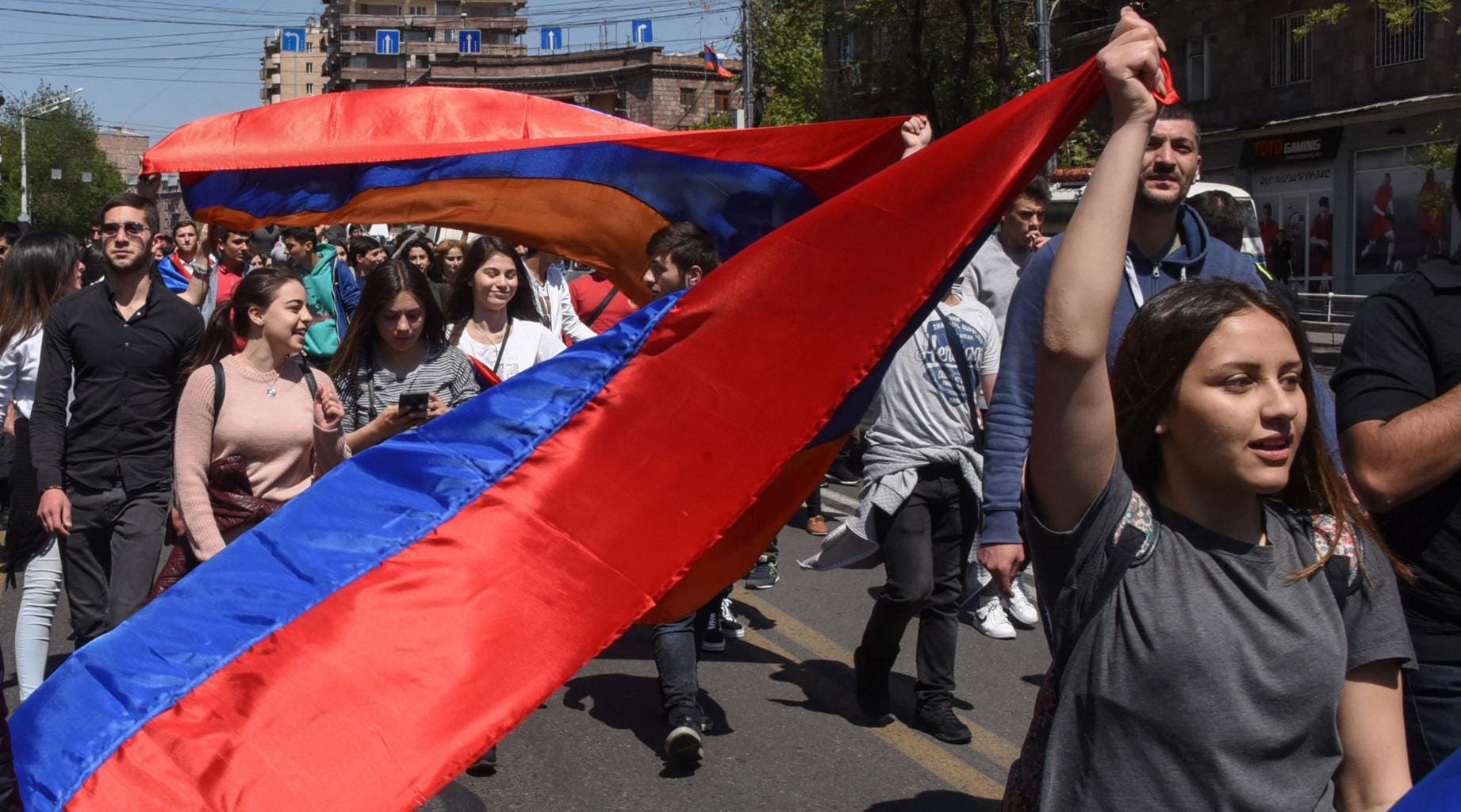
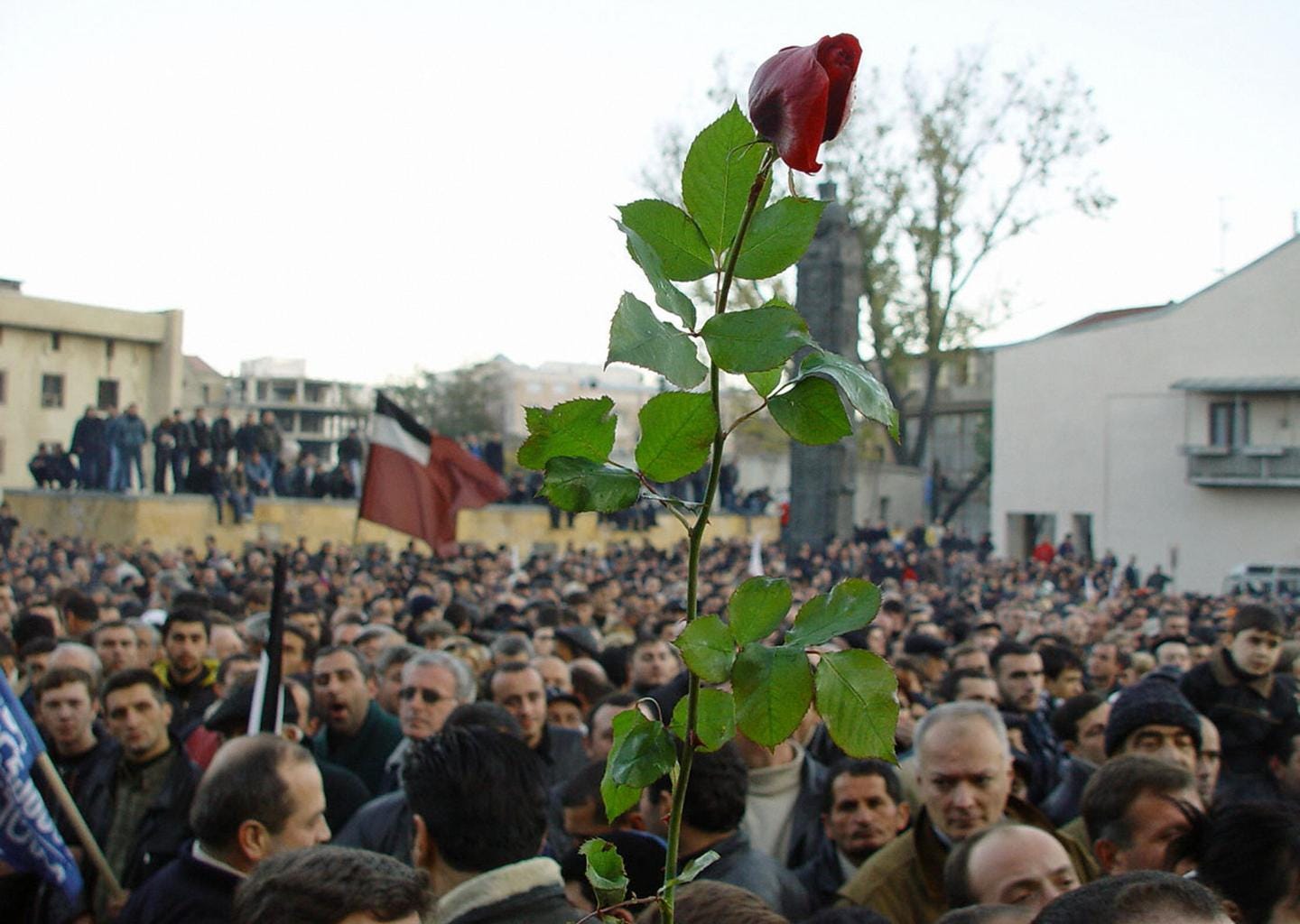
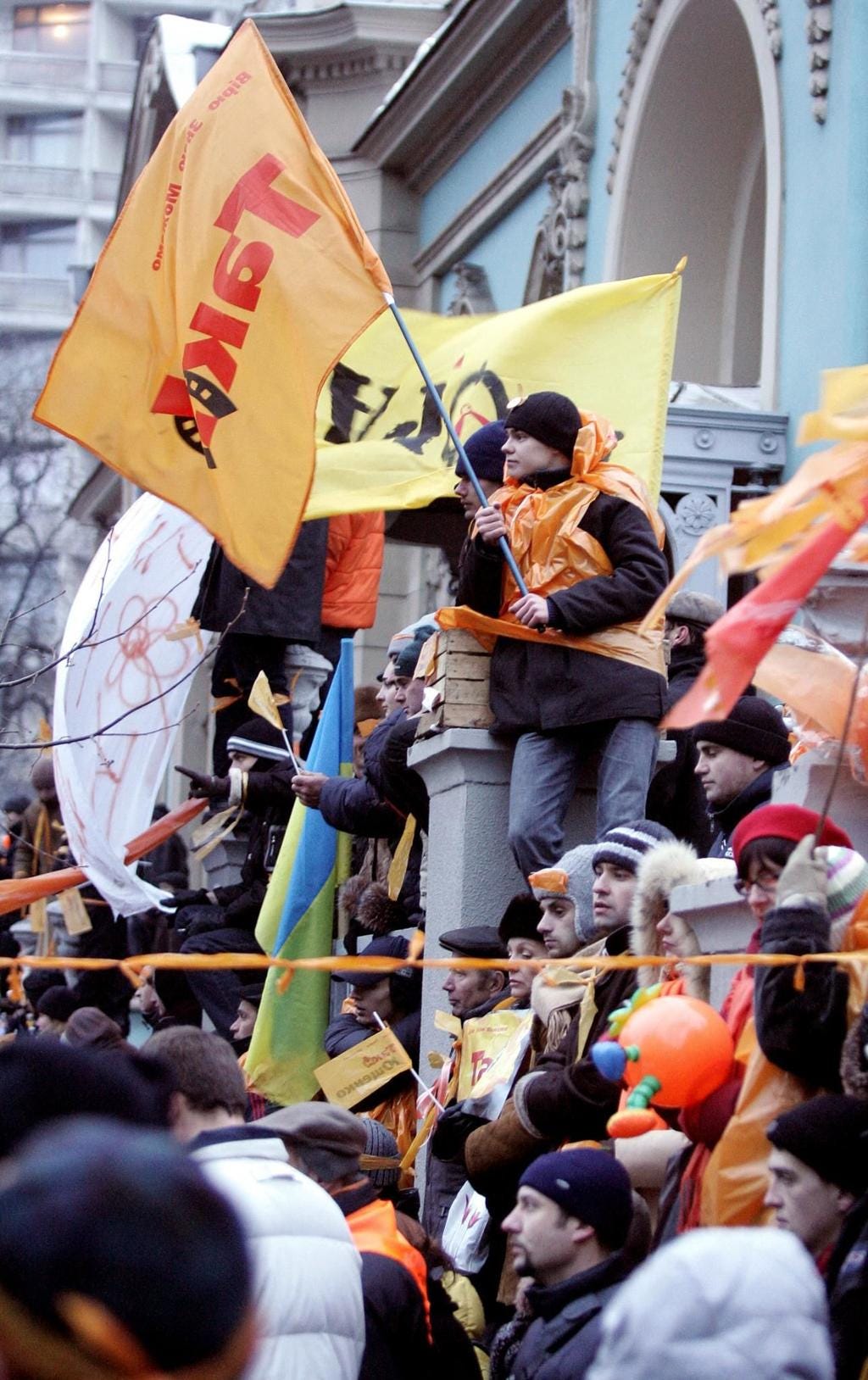
🌍🎨 COLOR REVOLUTION SERIES — PART 7 🇷🇸 SERBIA The Bulldozer Revolution: How Serbia Became the Prototype for the Modern Color Revolution By Greg Loucks Introduction: Before the Colors Came the Bulldozer When people hear the term Color Revolution, they often think of the Rose Revolution in Georgia, the Orange Revolution in Ukraine, or the Tulip Revolution in Kyrgyzstan. But the story begins earlier. Before roses appeared in the streets of Georgia, before orange became the symbol of Ukrainian protest, and before tulips became associated with political change in Central Asia, another movement had already demonstrated how a government could be challenged through mass mobilization, civil resistance, youth activism, strategic messaging, and international pressure. That movement took place in Serbia in 2000. It became known as the: Bulldozer Revolution The name came from one of the most dramatic images of the uprising: protesters using heavy machinery during the occupation of government buildings in Belgrade. But the bulldozer itself was only the symbol. The deeper story was about an opposition movement that had spent years developing organizational networks, political messaging, youth activism, election monitoring, media strategies, and nonviolent resistance. The eventual overthrow of Slobodan Milošević became one of the most important events in the development of modern protest politics. The source material describes Serbia as the foundational event that influenced later movements in Georgia, Ukraine, and Kyrgyzstan. To understand the Color Revolution phenomenon, we therefore have to begin in Serbia. 🇷🇸 Chapter 1: Serbia After Yugoslavia To understand the 2000 uprising, we first have to understand the environment in which it occurred. The breakup of Yugoslavia had produced enormous political, economic, and social upheaval. The 1990s brought: Wars International sanctions Economic collapse Political instability Nationalism Refugee movements International isolation Serbia became the center of many of these conflicts. At the center of Serbian politics stood Slobodan Milošević. 🏛️ Chapter 2: The Rise of Milošević Milošević emerged as one of the most powerful political figures in Yugoslavia during the late 1980s and 1990s. He eventually became president of Serbia and later president of the Federal Republic of Yugoslavia. His political career became closely associated with Serbian nationalism and opposition to Western intervention. His government also became increasingly controversial internationally. To supporters, Milošević represented Serbian national interests during a period when Yugoslavia was under enormous pressure. To opponents, he represented authoritarianism, nationalism, corruption, and political repression. By the end of the 1990s, the country was deeply divided. ⚔️ Chapter 3: The Wars of the 1990s The wars surrounding the breakup of Yugoslavia profoundly changed Serbia. The conflicts in Croatia, Bosnia and Herzegovina, and Kosovo produced enormous human suffering. Serbia became internationally isolated. Economic sanctions damaged the country's economy. Inflation became devastating. Living standards deteriorated. Political opposition grew. The population became increasingly exhausted by years of crisis. 💰 Chapter 4: Economic Collapse Political dissatisfaction was not the only problem. Ordinary people were struggling economically. Years of sanctions and conflict damaged Serbia's economy. Many citizens experienced: Inflation Unemployment Falling purchasing power Shortages Economic uncertainty This mattered politically. Governments can survive criticism. They have much greater difficulty surviving when large numbers of citizens believe their economic future is disappearing. 📰 Chapter 5: The Information Environment Media became one of the central battlegrounds. Government-controlled media presented one version of events. Opposition media presented another. International media presented yet another. This created competing realities. One of the central lessons of the Serbian experience was that controlling political power also meant controlling the narrative. Opposition activists therefore recognized that they needed their own communication networks. ✊ Chapter 6: The Birth of Otpor One of the most important organizations in the Serbian movement was: Otpor! The name means "Resistance." Otpor was primarily a youth movement. Its activists developed a distinctive visual identity. The organization used: A clenched-fist symbol Posters Stickers Humor Political satire Street theater Youth activism Nonviolent resistance Its branding became internationally recognizable. ✊ Chapter 7: The Power of the Fist The clenched fist became one of the most recognizable symbols of the movement. It was simple. It was easy to reproduce. It could be painted. Printed. Posted. Sprayed. Copied. The symbol communicated resistance without requiring a long political message. This was an important development in political communication. A movement could create an identity almost like a commercial brand. 🎨 Chapter 8: Protest as Branding This is one of the most important lessons of the Color Revolution model. Political movements do not only communicate through speeches. They communicate through: Colors Symbols Logos Slogans Posters Clothing Music Images A recognizable identity can transform thousands of individuals into something that looks like a unified movement. Otpor understood this extremely well. 😂 Chapter 9: Humor as a Political Weapon Otpor also understood something governments often struggle to control: humor. Rather than responding to government propaganda with equally complicated political speeches, activists often used satire. They mocked political leaders. They created humorous demonstrations. They turned political criticism into entertainment. This had an important psychological effect. It could make an authoritarian government appear less powerful. If people were willing to laugh at the government, they were less afraid of it. 🧑‍🎓 Chapter 10: The Youth Movement Young people became particularly important. Students were less invested in the existing political system. They were also highly connected through universities and social networks. They could distribute information quickly. They could organize demonstrations. They could create protest art. They could engage international media. Otpor therefore became closely associated with Serbia's younger generation. 🧠 Chapter 11: Nonviolent Resistance Otpor's strategy was heavily influenced by theories of nonviolent resistance. The objective was not necessarily to defeat the government militarily. The objective was to make continued government control increasingly difficult. This could involve: Strikes Demonstrations Boycotts Road blockades Public gatherings Symbolic protests Civil disobedience The strategy depended on participation. The larger the movement became, the harder it became for the government to suppress it without creating even greater opposition. 🌍 Chapter 12: International Networks This is where the Serbian story becomes especially important to the Color Revolution debate. Otpor did not exist in complete isolation from the international political environment. Western governments and organizations were deeply interested in political change in Serbia. The country had been under sanctions. Milošević was internationally controversial. Western governments wanted political change. Civil-society organizations were also active. This created an international ecosystem around the Serbian opposition. 💵 Chapter 13: Foreign Assistance International organizations provided various forms of assistance to Serbian opposition groups and civil society. Support could include: Training Funding Communications assistance Election monitoring Organizational advice International networking Supporters argued that these programs strengthened democratic forces. Critics argued that they represented foreign interference in Serbia's internal politics. This debate would become one of the defining controversies surrounding Color Revolutions. ⚖️ Chapter 14: The Two Interpretations The Serbian uprising can therefore be interpreted in two very different ways. Interpretation One: The Serbian people were genuinely dissatisfied with Milošević, and international organizations simply helped an existing democratic movement become more effective. Interpretation Two: Foreign governments and organizations deliberately cultivated and supported opposition networks in order to remove a government they opposed. The reality can be more complicated than either extreme. Domestic dissatisfaction was real. International involvement was also real. The key historical question is how those forces interacted. 🗳️ Chapter 15: The 2000 Election The decisive confrontation came with the presidential election of September 2000. The opposition united behind: Vojislav Koštunica. The opposition argued that Milošević had lost the election. Milošević's government disputed the opposition's interpretation of the results. The dispute quickly became a national crisis. 🗳️ Chapter 16: Election Results Become the Trigger The election provided something extremely important to the opposition: a clear political demand. Rather than simply saying: "We don't like the government." the movement could say: "The election must be respected." This transformed political dissatisfaction into a concrete constitutional question. Who won? Who had the right to govern? Would Milošević leave? 📢 Chapter 17: The Opposition Mobilizes Opposition parties and activist groups began mobilizing. The message spread throughout the country. Demonstrations grew. Workers became involved. Students became involved. Trade unions became involved. Local communities became involved. The movement was no longer simply an activist campaign. It was becoming a national political confrontation. ⛏️ Chapter 18: The Miners Join the Movement One of the most important developments involved miners at the Kolubara coal mine. Their strike became a major symbol of resistance. The mine was economically important. A major labor strike therefore created pressure that was difficult for the government to ignore. This demonstrated another principle of nonviolent resistance: A government depends upon the cooperation of society. If enough parts of society stop cooperating, political power becomes increasingly difficult to exercise. 🚛 Chapter 19: The Road to Belgrade As protests expanded, demonstrators began moving toward Belgrade. The capital became the center of the confrontation. The movement had reached the point where the government could no longer simply wait for the protests to disappear. The question was becoming existential: Would Milošević remain in power? Or would the opposition take control? 🚜 Chapter 20: The Bulldozer Then came the image that gave the revolution its name. On October 5, 2000, massive demonstrations filled Belgrade. Heavy machinery entered the capital. A bulldozer was used during the occupation of the parliament building. The image became symbolic of the entire uprising. The source describes truck drivers and miners bringing heavy machinery into Belgrade and a protester using a bulldozer to break through the parliament doors. The bulldozer became the symbol. But the movement behind it was much larger. 🏛️ Chapter 21: Parliament Is Occupied Government buildings were occupied. Protesters overwhelmed the political center of the country. Police and security forces were confronted with enormous crowds. At some point, the government's ability to suppress the movement began to collapse. This was the decisive moment. The state still possessed weapons. It still possessed police. It still possessed institutional authority. But political power depends on more than physical force. It depends on obedience. 👮 Chapter 22: The Security Forces One of the most important questions during any revolution is: Will the security forces continue defending the government? If police and military units remain completely loyal, a government can sometimes suppress enormous protests. If they refuse to act, political power can collapse rapidly. In Serbia, security forces eventually failed to suppress the movement decisively. That became crucial. 🏛️ Chapter 23: The Fall of Milošević The pressure became overwhelming. Milošević eventually accepted that he could no longer remain in power. He resigned. Vojislav Koštunica became president. The political order that had dominated Serbia throughout the 1990s had collapsed. The Serbian uprising had succeeded. 🌍 Chapter 24: Why Serbia Changed Political Activism Forever The significance of Serbia went far beyond Serbia. Activists from other countries studied what happened. They studied: Otpor Protest branding Nonviolent resistance Election monitoring Youth mobilization Media strategy Symbolic demonstrations The Serbian model became a reference point. 🇬🇪 Chapter 25: From Serbia to Georgia Three years later, Georgia experienced the Rose Revolution. The Georgian youth movement Kmara drew inspiration from Otpor. The source notes that Kmara activists were influenced by Serbian protest strategies involving nonviolent resistance, symbolic imagery, and media-focused activism. This was one of the first major examples of the Serbian model spreading internationally. 🇺🇦 Chapter 26: From Georgia to Ukraine Then came Ukraine. The Orange Revolution of 2004 demonstrated many of the same characteristics: Youth activism Election disputes Mass demonstrations Symbolic colors Civil society International media The source identifies Serbia, Georgia, and Ukraine as part of the evolution of this broader protest model. 🇰🇬 Chapter 27: Central Asia Follows In 2005, Kyrgyzstan experienced the Tulip Revolution. Again, familiar characteristics appeared: Election disputes Public anger Opposition mobilization Youth activism Media Mass demonstrations The source describes the Serbian movement as one of the foundational events that influenced later movements in Georgia, Ukraine, and Kyrgyzstan. 🧩 Chapter 28: The Protest Template By this point, a recognizable pattern had emerged. Step One: Identify widespread dissatisfaction. Step Two: Build an opposition network. Step Three: Mobilize young activists. Step Four: Develop recognizable symbols. Step Five: Use media to amplify the message. Step Six: Challenge disputed elections or political decisions. Step Seven: Bring large numbers of citizens into the streets. Step Eight: Encourage security forces and institutions to stop supporting the government. Step Nine: Force political transition. This became the basic Color Revolution model. 📺 Chapter 29: Media Becomes a Battlefield The Serbian revolution also demonstrated that political movements were increasingly fought through information. The government had its media. The opposition needed its own communication system. International media became extremely important. Images from Belgrade could be transmitted around the world. The more dramatic the demonstrations became, the more international attention they received. 🌐 Chapter 30: International Legitimacy International media coverage could provide a movement with something extremely valuable: legitimacy. If global audiences saw enormous crowds protesting peacefully, the movement could appear to represent the nation. If government forces responded violently, the government could appear increasingly illegitimate. This created an information feedback loop. Protests generated media. Media generated international attention. International attention increased pressure. Pressure encouraged more protest. 📡 Chapter 31: The Information Revolution Before Social Media Serbia's revolution occurred before Facebook, Twitter, and modern livestreaming became dominant. That makes the Serbian case especially interesting. The movement demonstrated that modern information politics did not require today's social-media platforms. Activists could use: Television Radio Newspapers Websites Flyers Posters SMS messages International news The technology was less advanced than during Euromaidan. But the underlying principle was already developing. 📱 Chapter 32: From Flyers to Smartphones The Color Revolution model evolved rapidly. Serbia — 2000 Television, radio, newspapers, SMS. Georgia — 2003 Television plus expanding internet communication. Ukraine — 2004 Television, internet, mobile communications. Ukraine — 2013–2014 Smartphones, social media, livestreaming. Armenia — 2018 Social media and live video became central. The technology changed. The basic political logic remained recognizable. 🧠 Chapter 33: The Psychology of Mass Participation One of the most important aspects of Serbia's movement was psychological. People often fear being the first person to protest. But once thousands of people are protesting, the psychological calculation changes. The individual begins to think: I'm not alone. Then: There are millions of us. Then: Maybe the government isn't as powerful as I thought. That psychological transformation can be extraordinarily powerful. ✊ Chapter 34: Breaking the Fear Barrier Authoritarian governments often depend partly upon fear. Citizens may privately oppose the government while publicly remaining silent. A successful protest movement breaks that silence. Once citizens see others protesting without being destroyed, participation becomes easier. This creates a snowball effect. More participation creates more confidence. More confidence creates more participation. 🚨 Chapter 35: Government Response Governments facing mass protests have several options. They can: Negotiate Make concessions Arrest leaders Restrict media Deploy police Use force Call new elections Wait for the movement to collapse Each option has risks. Violence can increase participation. Concessions can appear weak. Arrests can create martyrs. Ignoring the movement can allow it to grow. The Serbian government ultimately failed to regain control of the situation. 🌍 Chapter 36: Western Governments Western governments had their own interests in Serbia. Milošević had become a major international adversary during the Yugoslav wars. His removal was therefore welcomed by many Western governments. This created a geopolitical dimension to the revolution. The movement was not occurring in a vacuum. Serbia was already at the center of international politics. ⚖️ Chapter 37: Democracy or Geopolitical Change? This brings us back to the central Color Revolution debate. Was Serbia's revolution primarily about democracy? Yes, in the sense that many Serbian citizens genuinely wanted political change. Was it also geopolitically important? Absolutely. Milošević's departure changed Serbia's relationship with Western governments. Therefore, domestic democratic change and international geopolitical interests overlapped. 🧩 Chapter 38: The Problem With Simple Explanations It would be too simplistic to say: "Foreign governments created the revolution." Millions of Serbian citizens participated. Their grievances were real. At the same time, it would also be simplistic to say: "International influence had nothing to do with it." Foreign governments and organizations were involved in Serbia's opposition environment. The better explanation is that domestic and international forces interacted. 🧑‍🎓 Chapter 39: Why Youth Mattered Young activists became one of the most powerful components of the movement. They had fewer institutional loyalties. They were willing to experiment. They understood popular culture. They understood symbolism. They understood humor. They understood media. This made them unusually effective at communicating political ideas. 🎯 Chapter 40: Simple Messages Otpor understood that political communication works best when people can repeat the message easily. Complicated political platforms are difficult to mobilize around. Simple messages travel. Simple symbols travel. Simple slogans travel. This principle would become increasingly important as social media transformed politics. 🖼️ Chapter 41: The Visual Revolution The Color Revolution phenomenon would eventually become associated with colors and symbols. But Serbia showed that the movement did not necessarily need a color. It needed an identity. The clenched fist served that function. Georgia used roses. Ukraine used orange. Kyrgyzstan used tulips. Each movement created an image that could communicate political identity instantly. 🌹 Chapter 42: Why Georgia Adopted the Model The Rose Revolution demonstrated how easily the Serbian strategy could be adapted. Georgia had its own domestic grievances. But activists could also learn from what had happened in Serbia. The source specifically describes Georgia's Kmara movement as drawing inspiration from Otpor. This created a direct historical connection between the two movements. 🇺🇦 Chapter 43: Ukraine Adapts It Again Ukraine's Orange Revolution would add another element: color branding. The color orange became associated with Yushchenko's campaign. Protesters adopted it. The international media adopted it. Suddenly the entire movement had a visual identity. The idea of political protest as a branded movement had matured. 🇰🇬 Chapter 44: Kyrgyzstan Adapts It Again Kyrgyzstan's Tulip Revolution showed that the model could travel beyond Eastern Europe. The movement occurred in a completely different cultural and political environment. Yet similar elements appeared: Election disputes Opposition mobilization Mass protest Media Political instability This demonstrated the adaptability of the model. 🇷🇸 Chapter 45: The Serbian Legacy Serbia's greatest contribution to the Color Revolution story was not simply the overthrow of Milošević. It was the development of a repeatable political strategy. That strategy could be studied. It could be taught. It could be adapted. It could be modified. And it could be exported into other political environments. 📚 Chapter 46: Activism Becomes a Field of Study After Serbia, strategic nonviolent resistance became an increasingly important subject for activists around the world. Movements began studying: Organization Communications Symbolism Civil resistance Political psychology Media strategy The protest movement itself became something that could be analyzed almost like military strategy. 🧠 Chapter 47: Politics as Strategy This represents a major change in modern politics. Traditional political movements often relied on: Political parties Elections Newspapers Speeches Modern protest movements increasingly relied on: Networks Branding Digital communication Youth organizations Viral imagery International attention Serbia helped demonstrate the potential of this new approach. ⚠️ Chapter 48: But Success Does Not Guarantee Stability The Serbian revolution also offers another important lesson. Removing a leader does not automatically solve every problem. After Milošević left, Serbia still had to deal with: Economic problems Political divisions War-crimes controversies Kosovo Relations with the West Relations with Russia Institutional reform The revolution solved one problem. It did not solve everything. 🏛️ Chapter 49: The Difficult Transition Post-revolutionary governments often face a paradox. The opposition may unite around one goal: Remove the old government. But once that happens, disagreements emerge. Who should lead? What reforms should happen? How quickly? Which institutions should be dismantled? Which should be preserved? What should foreign policy look like? These questions can divide revolutionary coalitions. 🇷🇸 Chapter 50: Serbia's Unfinished Transformation The Serbian experience therefore cannot simply be described as: "The revolution succeeded." It succeeded in removing Milošević. But Serbia's transformation afterward was much more complicated. That is an important distinction. A revolution can succeed as a regime-change event while producing mixed results as a long-term institutional transformation. 🌍 Chapter 51: The Birth of the Color Revolution Era By 2000, a new political model had emerged. The Serbian uprising demonstrated that: Mass civil resistance could remove an entrenched leader. Georgia demonstrated that the model could spread. Ukraine demonstrated that it could become a massive national movement. Kyrgyzstan demonstrated that it could spread into Central Asia. Lebanon demonstrated that similar methods could appear outside the former Soviet sphere. Armenia later demonstrated that a peaceful movement could once again produce rapid political transformation. 🧩 Chapter 52: The Pattern Across Countries When these cases are placed next to one another, common themes appear. Serbia Bulldozer Georgia Rose Ukraine Orange Kyrgyzstan Tulip Lebanon Cedar Armenia Velvet Different names. Different cultures. Different political systems. Different geopolitical environments. But recurring methods. 🔥 Chapter 53: The Great Debate The central debate remains: Are these revolutions primarily grassroots democratic movements, or are they instruments of geopolitical influence? The evidence suggests that neither explanation is sufficient by itself. Citizens can have genuine grievances. Activists can organize genuinely. Foreign governments can have geopolitical interests. NGOs can provide support. Media can amplify events. All of these things can happen simultaneously. 🌐 Chapter 54: The Information Age Changes Everything The Serbian movement occurred at the beginning of a technological transition. Today, political movements can reach millions of people instantly. A protest can be livestreamed. A speech can become a viral video. A photograph can become a global symbol. A hashtag can organize thousands of people. A government response can be viewed worldwide within minutes. The political environment has changed dramatically since 2000. 📱 Chapter 55: From Otpor to TikTok The basic principle remains recognizable. Otpor used: Posters. Modern movements use: Social media. Otpor used: Street theater. Modern movements use: Memes and viral videos. Otpor used: The clenched fist. Modern movements use: Logos, hashtags, profile images, and viral symbols. The technology changes. The psychology remains surprisingly similar. 📰 Chapter 56: Narrative Becomes Power The Serbian revolution demonstrated that controlling the narrative can be almost as important as controlling physical territory. If citizens believe a government is legitimate, they are more likely to obey it. If citizens believe a government has lost legitimacy, obedience becomes harder. The opposition therefore needed to convince people that: Milošević's government no longer represented Serbia. That narrative eventually became powerful enough to change political reality. 🌍 Chapter 57: The International Media Effect International coverage also mattered. When the world watched the demonstrations in Belgrade, Serbia's political crisis became an international event. This increased diplomatic pressure. It also helped reinforce the image of the movement as a democratic uprising. International media can therefore become an indirect participant in political change. Not necessarily because journalists are coordinating with activists. Simply because visibility changes political calculations. ⚖️ Chapter 58: Propaganda Versus Information But there is another side. Every political movement produces narratives. Governments produce narratives. Opposition groups produce narratives. Foreign governments produce narratives. International media produce narratives. Social media users produce narratives. This means political conflict increasingly becomes an information contest. The question becomes: Who gets to define what is happening? 🧠 Chapter 59: The Lesson of Serbia Serbia's greatest lesson may therefore be this: Political power depends upon legitimacy, organization, communication, and participation—not merely upon control of government buildings. Milošević had the institutions. The opposition eventually had the people. And when enough citizens stopped accepting the existing political order, the system changed. 🇷🇸 Chapter 60: Why the Bulldozer Revolution Still Matters More than two decades later, the Serbian uprising remains one of the most important cases in modern political history. It helped demonstrate: The power of youth movements The effectiveness of nonviolent resistance The importance of election disputes The power of visual symbolism The importance of independent media The role of international networks The psychological importance of mass participation And most importantly: It created a model that others would study. 🌍 Chapter 61: From One Revolution to a Global Phenomenon The Color Revolution story did not end in Serbia. It had just begun. The Serbian model traveled. It reached Georgia. It reached Ukraine. It reached Kyrgyzstan. Similar strategies appeared elsewhere. And as technology developed, the methods became even more sophisticated. The movement from Serbia to Ukraine to Armenia demonstrates a remarkable evolution: From posters and television to websites and mobile phones to social media and livestreaming. 🇷🇸 Conclusion: The Bulldozer That Started a Political Era The Bulldozer Revolution was more than the fall of Slobodan Milošević. It was a demonstration. It demonstrated that an entrenched government could be challenged by a coordinated civilian movement. It demonstrated the power of youth activism. It demonstrated the importance of political branding. It demonstrated how nonviolent resistance could undermine a government without requiring a conventional military rebellion. And it demonstrated something that would become increasingly important in the twenty-first century: The battle for political power is also a battle for information. The source material identifies Serbia as the foundational event that shaped the later Color Revolution movements in Georgia, Ukraine, and Kyrgyzstan. The clenched fist of Otpor became one of the earliest symbols of this new political era. The rose would come next. Then orange. Then the tulip. Then the cedar. Then velvet. Different countries. Different circumstances. Different outcomes. But connected by a growing international vocabulary of: mass mobilization, civil resistance, youth activism, media strategy, political symbolism, international networks, and geopolitical competition. And that brings us to the next major chapter. 🇱🇧 NEXT — PART 8 Lebanon: The Cedar Revolution and the Struggle for Sovereignty The next chapter will examine Lebanon's 2005 Cedar Revolution, including: The assassination of Rafik Hariri The massive Beirut demonstrations The demand for Syrian withdrawal Hezbollah and the political divide Lebanon's sectarian political system The role of the United States and France International pressure Media coverage The symbolism of the cedar Whether the movement fits the traditional Color Revolution model The competing Lebanese and international narratives The withdrawal of Syrian forces The political aftermath And why Lebanon demonstrates that Color Revolution-style movements do not always begin with disputed elections.

Read more 🌍🎨 COLOR REVOLUTION SERIES — PART 4 🇷🇸 SERBIA

🌍🎨 COLOR REVOLUTION SERIES — PART 3 🇦🇲 ARMENIA

🌍🎨 COLOR REVOLUTION SERIES — PART 3 🇦🇲 ARMENIA Armenia After the Soviet Union: Independence, War, Corruption, and the Rise of the Political Elite By Greg Loucks Introduction: Before the Velvet Revolution When people think about Armenia's Velvet Revolution of 2018, they often remember the images of enormous crowds filling the streets of Yerevan. They remember young people. They remember flags. They remember blocked roads. They remember Nikol Pashinyan walking through the country. They remember peaceful demonstrations. And ultimately, they remember the resignation of Prime Minister Serzh Sargsyan. The revolution appeared to happen almost overnight. But it did not. The conditions that produced the Velvet Revolution had been developing for decades. Armenia's story begins with the collapse of the Soviet Union. Independence brought freedom and national sovereignty. But it also brought war. The newly independent republic faced a devastating conflict with Azerbaijan over Nagorno-Karabakh. The economy suffered. Borders became restricted. Millions of Armenians experienced economic hardship. Large numbers of people emigrated. And a political system developed in which a relatively small group of powerful figures dominated the country. By the 2010s, Armenia had elections and political institutions, but many citizens believed that those institutions did not provide meaningful political change. The same political forces seemed to remain in control. The economy offered limited opportunities. Corruption remained a major concern. Young people increasingly looked abroad for opportunities. And eventually, a constitutional change created the immediate political crisis that would bring people into the streets. The Velvet Revolution was therefore not simply a protest against one politician. It was the culmination of years of accumulated frustration. 🇦🇲 Chapter 1: Armenia Becomes Independent Armenia declared independence from the Soviet Union in 1991. For Armenians, independence represented a historic transformation. After decades within the Soviet system, Armenia once again became an independent state. The new country had to establish: A government A constitution Political institutions An economy Armed forces Diplomatic relationships National borders A functioning legal system The challenge was enormous. Armenia was not becoming independent under peaceful circumstances. The country was already deeply involved in a conflict that would dominate its politics for decades. ⚔️ Chapter 2: The Nagorno-Karabakh Conflict The conflict over Nagorno-Karabakh was central to modern Armenian politics. Nagorno-Karabakh was a disputed territory between Armenia and Azerbaijan. The conflict intensified during the final years of the Soviet Union and became a full-scale war after the Soviet collapse. The war produced: Heavy casualties Economic disruption Displacement Regional instability Long-term hostility between Armenia and Azerbaijan A ceasefire eventually halted much of the fighting. But a ceasefire is not necessarily a peace treaty. The underlying dispute remained unresolved. That meant Armenia's security environment remained difficult. 🪖 Chapter 3: A Country Living With War The Karabakh conflict influenced almost every aspect of Armenian political life. National security became a major political concern. The military became an important institution. Relations with neighboring countries were shaped by the conflict. Economic development was affected. And Armenia's relationship with Russia became particularly important. The country's leadership needed security guarantees. Russia became Armenia's major military and security partner. At the same time, Armenia also wanted economic and political relationships with Europe. This created a strategic balancing act that would continue long after the Soviet Union disappeared. 🌍 Chapter 4: Armenia's Difficult Geography Armenia's geography is one of the most important factors in understanding its politics. The country is surrounded by: Turkey Georgia Azerbaijan Iran Its relationship with Turkey has been historically difficult. Its relationship with Azerbaijan has been dominated by the Karabakh conflict. Georgia provides an important route to the outside world. Iran provides another important regional relationship. Armenia therefore occupies a complicated position between several competing geopolitical spheres. It cannot simply choose a foreign-policy direction without considering its security environment. 🇷🇺 Chapter 5: The Russian Connection Russia became one of Armenia's most important strategic partners. The relationship included military and security cooperation. For Armenia, Russian support was especially important because of the unresolved conflict with Azerbaijan and the country's difficult regional position. Russia also became economically important. Armenia's security relationship with Moscow therefore became deeply embedded in the country's political system. But Armenia did not completely abandon its relationships with the West. The country also sought cooperation with European institutions. This created a delicate balance. Armenia needed Russia. But many Armenians also wanted stronger relationships with Europe. That tension would become increasingly important after the Velvet Revolution. 🏚️ Chapter 6: The Economic Shock of Independence Political independence did not automatically produce economic prosperity. Armenia had been integrated into the Soviet economic system. When that system collapsed, traditional economic relationships were disrupted. Factories closed. Production declined. Employment opportunities became scarce. The transition to a market economy was difficult. Many citizens experienced a dramatic decline in living standards. The economic transformation created a generation that associated independence with both national freedom and economic hardship. 💼 Chapter 7: Limited Opportunities Economic opportunity became one of the major concerns for ordinary Armenians. Young people in particular faced difficult choices. Should they remain in Armenia and search for limited employment? Should they leave the country? Should they seek work abroad? Emigration became a significant issue. The departure of young and economically active citizens created another problem. A country can lose more than workers when people leave. It can lose: Entrepreneurs Professionals Students Future political leaders Skilled workers Families The resulting demographic pressure became part of Armenia's long-term challenge. 👥 Chapter 8: Emigration and the Armenian Diaspora Armenia has one of the world's most significant diasporas. Large Armenian communities exist around the world. The diaspora became an important source of cultural, political, and economic connections. Remittances helped families inside Armenia. Diaspora organizations supported Armenian causes. The diaspora also followed Armenian politics closely. This meant that Armenia's political story was never limited to the people physically living inside the country. Millions of Armenians around the world had an interest in the country's future. That would become especially important during the Velvet Revolution. 🏛️ Chapter 9: The Rise of the Political Elite As Armenia's political system developed, power became concentrated among a relatively small group of influential political and economic figures. Political leaders developed strong networks. Business interests became connected to politics. Government institutions were influenced by established elites. Opposition parties existed. Elections took place. But many citizens believed that the political system was not truly competitive. The same networks appeared to remain in power. This created a growing sense of political frustration. 🗳️ Chapter 10: Elections Without Enough Change A functioning democracy requires more than holding elections. Citizens need to believe that elections can actually change who governs. If voters believe that the same political group will remain in power regardless of the result, participation and trust can decline. This became a central criticism of Armenia's political system. Citizens could vote. But many believed meaningful political change remained difficult. That perception became particularly powerful among younger Armenians. 💰 Chapter 11: Corruption Corruption was another persistent source of frustration. Citizens complained about the relationship between political power and economic opportunity. Government institutions were sometimes viewed as serving insiders rather than ordinary citizens. Business success could appear connected to political relationships. This created a sense that the system was unfair. The problem was therefore larger than individual bribery. It was about whether ordinary people believed they had an equal opportunity to succeed. 🏛️ Chapter 12: The Republican Party Era The Republican Party of Armenia became a dominant force in Armenian politics. Its influence extended throughout government. Serzh Sargsyan emerged as one of the country's most powerful political figures. He eventually became president. The Republican political establishment became associated with the existing system. To supporters, it represented stability. To critics, it represented entrenched political power. That difference in perception would become crucial. 👤 Chapter 13: Serzh Sargsyan Serzh Sargsyan was a central figure in Armenia's post-Soviet political system. He had extensive political experience. He served as president from 2008 to 2018. During his presidency, Armenia continued its relationship with Russia while also maintaining cooperation with Europe and Western institutions. But dissatisfaction with the political establishment continued to grow. Economic concerns remained. Corruption remained a major political issue. And the opposition increasingly argued that Armenia needed genuine political change. ⚠️ Chapter 14: The 2008 Political Crisis Armenia had already experienced major political unrest before the Velvet Revolution. The 2008 presidential election became highly controversial. Protests erupted in Yerevan. The demonstrations eventually became violent. People were killed. The government declared a state of emergency. The events left a lasting political scar. For many Armenians, 2008 demonstrated the potential consequences of confronting the political establishment. It also reinforced the importance of maintaining discipline and avoiding violence. A decade later, the Velvet Revolution would take a dramatically different approach. 🧠 Chapter 15: A New Generation of Opposition Among the people who emerged from Armenia's political opposition was Nikol Pashinyan. Pashinyan was originally known as a journalist and political activist. He criticized the government. He became involved in opposition politics. He was imprisoned following the political unrest of 2008. Eventually, he returned to political life. Over time, he became one of the most prominent critics of the ruling establishment. His political style was different from that of the traditional opposition. He emphasized direct contact with ordinary citizens. He used media extensively. And he increasingly focused on peaceful political mobilization. 📰 Chapter 16: The Journalist Becomes a Politician Pashinyan's background as a journalist influenced his political style. He understood the importance of communication. He understood how political narratives spread. And he understood how to speak directly to an audience. This would become extremely important in 2018. Instead of relying solely on traditional political institutions, Pashinyan would communicate directly with citizens. His message would travel through: Facebook YouTube Twitter Messaging applications Live broadcasts Independent media The revolution would therefore be significantly more digital than earlier Color Revolutions. 📱 Chapter 17: A Changing Armenia By the 2010s, Armenia had changed significantly. The internet had become more important. Social media was increasingly influential. Young people were more connected to international culture. Citizens could communicate outside traditional political institutions. Political information no longer depended entirely upon television and newspapers. This created new opportunities for opposition movements. A political leader no longer needed to rely entirely upon traditional media organizations to reach thousands of people. A smartphone could become a broadcasting station. 🌐 Chapter 18: The Digital Generation The younger generation was especially comfortable with digital communication. A protest announcement could spread rapidly. A live video could reach thousands. A blocked road could be documented immediately. A police action could be recorded. A political speech could be shared. The result was a new kind of political environment. Government authorities could no longer completely control the information environment. Citizens could become their own reporters. Activists could become their own broadcasters. And political leaders could communicate directly with followers. 🏛️ Chapter 19: The Constitutional Question The immediate political crisis that eventually produced the Velvet Revolution came from a constitutional transformation. In 2015, Armenia held a constitutional referendum. The changes moved Armenia from a presidential system toward a parliamentary system. Supporters argued that the reform would strengthen parliament and democratic institutions. The government presented the changes as institutional reform. But critics suspected another motive. They believed the constitutional transformation could allow Serzh Sargsyan to remain politically powerful after his presidential term ended. ⏳ Chapter 20: Sargsyan's Second Term Sargsyan had already served two presidential terms. Under the existing constitutional arrangement, he could not simply run for president again. That created an obvious political question: What would Sargsyan do after leaving the presidency? The parliamentary system provided another possible position of power. If Sargsyan became prime minister, he could remain at the center of Armenian politics. For critics, this appeared to defeat the purpose of term limits. They saw the constitutional reform as a mechanism for maintaining political control. 🔥 Chapter 21: The Announcement In April 2018, Sargsyan announced that he would become prime minister. For the opposition, this was the moment the constitutional controversy became a political crisis. The message from the government was that Armenia was moving into a new parliamentary system. The message from opponents was different: Sargsyan was simply changing offices to stay in power. Public frustration rapidly intensified. The political opposition began mobilizing. And Nikol Pashinyan prepared to take the movement directly to the people. 🚶 Chapter 22: Pashinyan Begins His March Pashinyan launched a march across Armenia. The purpose was to build a nationwide movement against Sargsyan's continued rule. He called for peaceful resistance. As the march continued, people joined. The movement expanded from a political protest into a national campaign. This was an important moment. Pashinyan was not simply asking citizens to attend one demonstration. He was building momentum. Each additional city became part of the movement. Each new participant demonstrated that the opposition was growing. ✊ Chapter 23: Civil Disobedience The movement began using civil-disobedience tactics. These included: Road blockades Student strikes Mass rallies Sit-ins Marches Public demonstrations The objective was to make normal government operations increasingly difficult. But the movement maintained a strong commitment to nonviolence. This was a crucial distinction from the events of 2008. The new movement wanted to demonstrate that Armenia could change its government without bloodshed. 🏙️ Chapter 24: Yerevan Becomes the Center As demonstrations grew, Yerevan became the center of the movement. Republic Square filled with protesters. Large crowds gathered. Students joined. Workers joined. Professionals joined. Families joined. The movement became broader than Pashinyan's political organization. It became a mass civic movement. That breadth was one of its greatest strengths. 👨‍👩‍👧‍👦 Chapter 25: A Broad Coalition The Velvet Revolution did not belong to one social group. Students participated. Professionals participated. Workers participated. Families participated. People with different political backgrounds joined. This broad participation made it difficult for the government to characterize the movement simply as a fringe opposition campaign. It was becoming a national political movement. 🌹 Chapter 26: The Velvet Revolution Unlike many revolutions that involve violence, Armenia's movement retained a remarkably peaceful character. That is why it became known as the Velvet Revolution. The term “velvet” suggested softness rather than force. It conveyed the idea of political transformation without widespread violence. This was not simply a branding exercise. The movement's nonviolent discipline became strategically important. 🕊️ Chapter 27: Why Nonviolence Worked Nonviolence created several advantages. It made the movement more accessible to ordinary citizens. Parents could participate. Students could participate. Workers could participate. People did not need weapons. The movement also made it politically more difficult for the government to justify extreme repression. A government violently attacking peaceful protesters could lose public legitimacy very quickly. The protesters therefore turned peaceful behavior into a political weapon. 📱 Chapter 28: Pashinyan Goes Live Pashinyan frequently communicated through live video. He could speak directly to supporters. He could announce new actions. He could respond to government statements. He could encourage peaceful participation. And he could keep the movement synchronized. This was a significant evolution from the earlier Color Revolutions. Georgia had relied heavily on television. Ukraine had combined television with early internet activism. Armenia was entering a world where social media could become a central organizing infrastructure. 🌐 Chapter 29: The Diaspora Watches The Armenian diaspora closely followed the protests. Images and videos spread internationally. Armenians living outside the country could follow developments almost in real time. The movement therefore had an international audience from the beginning. This created another layer of political pressure. The government was not operating in an information vacuum. The world was watching. ⚡ Chapter 30: The Breaking Point The larger the demonstrations became, the harder it became for Sargsyan's government to maintain control. Attempts to suppress or discourage the demonstrations could produce additional participation. Every confrontation generated new images. Every arrest could create new sympathy. Every public statement could be shared online. The movement was accelerating. The political establishment faced a choice: Escalate against the protesters or negotiate. Either option carried risks. 🚪 Chapter 31: Sargsyan Resigns On April 23, 2018, Serzh Sargsyan announced his resignation. The announcement represented the decisive victory of the protest movement. After only a short period as prime minister, Sargsyan was gone. The political establishment had been defeated through mass peaceful mobilization. Pashinyan's movement had succeeded. The revolution had achieved its immediate objective. 🏛️ Chapter 32: Pashinyan Becomes Prime Minister The next stage was equally important. A revolution is not complete simply because a leader resigns. Someone has to govern. Armenia's parliament eventually elected Nikol Pashinyan as prime minister. The transition occurred without widespread violence. The political system continued functioning. Government institutions did not collapse. The military did not seize power. A peaceful transfer had taken place. That made Armenia's revolution especially significant. 🇦🇲 Chapter 33: What Had Actually Changed? The Velvet Revolution had demonstrated that Armenia's political system could be transformed through mass civic action. But the deeper question remained: Would the new government actually change the system? Pashinyan promised reform. He promised greater democracy. He promised to fight corruption. He promised to change the relationship between citizens and government. He promised to create a more accountable political system. The expectations were enormous. 🌍 Chapter 34: Armenia's Unique Revolution The Armenian case already differed from some earlier Color Revolutions. There was no major armed confrontation. There was no immediate state collapse. There was no civil war. There was no major foreign military intervention during the revolution itself. The government changed through sustained public pressure. That made Armenia's experience particularly important. It demonstrated that the Color Revolution pattern could evolve. The basic ingredients remained familiar: Public dissatisfaction. Political mobilization. Mass demonstrations. Civil society. Media. Youth participation. But the tools had changed. The smartphone had become as important as the television camera. 🔎 Chapter 35: The Questions That Remain The peaceful nature of the Velvet Revolution does not mean there are no controversial questions. As with Georgia and Ukraine, analysts have asked: How important were NGOs? What role did foreign-funded civil society play? How influential were international democracy organizations? Did Western governments encourage the movement? How much was genuinely grassroots? Did Pashinyan's government represent a geopolitical shift? Would Armenia move away from Russia? Could Armenia maintain its security relationship with Moscow? These questions became even more important after Pashinyan took power. 🇷🇺 Chapter 36: The Geopolitical Dilemma Pashinyan inherited a complicated foreign-policy situation. Armenia remained heavily dependent on Russia for security. At the same time, many Armenians wanted stronger relationships with Europe. The new government therefore faced a difficult balancing act. A dramatic geopolitical realignment could have security consequences. But remaining too closely tied to Russia could disappoint citizens who had demanded political change and greater independence. The revolution had changed Armenia's domestic politics. It had not eliminated its geopolitical constraints. 🧭 Chapter 37: The Revolution Is Not Over By the time Pashinyan became prime minister, the first chapter of the Velvet Revolution had ended. But the larger story had only begun. The new government needed to answer fundamental questions: Could it eliminate corruption? Could it reform institutions? Could it maintain economic growth? Could it strengthen democracy? Could it maintain relations with Russia? Could it build stronger relationships with Europe? Could it resolve the Karabakh conflict? And could it protect Armenia's security while changing its political system? These questions would determine the true legacy of the revolution. 🇦🇲 Conclusion: The Road to the Velvet Revolution Armenia's Velvet Revolution was not an isolated event. It grew from decades of political and economic development. The Soviet Union collapsed. Armenia became independent. War transformed the country's security environment. Economic hardship created frustration. Political elites became entrenched. Corruption weakened public confidence. Elections failed to convince many citizens that meaningful change was possible. The 2015 constitutional referendum created new suspicions. Sargsyan's decision to become prime minister transformed those suspicions into a political crisis. Nikol Pashinyan mobilized citizens. Young people joined. Students protested. Roads were blocked. Social media spread the movement. Yerevan filled with demonstrators. And on April 23, 2018, Sargsyan resigned. The Velvet Revolution had succeeded. But victory in the streets was only the beginning. The next question was much harder: Could the revolution transform the Armenian state itself? And beyond Armenia's borders, another question was waiting: Would a revolution that changed Armenia's domestic political system eventually change Armenia's relationship with Russia and the West? Those questions would define the next stage. 🇦🇲 NEXT — PART 2 The Constitutional Shift: From Presidential Rule to Parliamentary Government and the Crisis That Followed Part 2 will go much deeper into the constitutional transformation that preceded the revolution: Armenia's presidential system Sargsyan's presidency Term limits The 2015 constitutional referendum The transition toward parliamentary government Arguments for and against the reforms Why critics suspected a plan to preserve Sargsyan's power The Republican Party's political dominance The 2018 prime-ministerial transition Why Sargsyan's announcement triggered such a rapid backlash Pashinyan's political strategy And how a constitutional change became the immediate spark for the Velvet Revolution. The revolution did not begin when Pashinyan entered Republic Square. It began with a question about who would control Armenia after Sargsyan's presidency ended. 🌍🎨 COLOR REVOLUTION SERIES — PART 2 🇦🇲 ARMENIA The Constitutional Shift: From Presidential Rule to Parliamentary Government and the Crisis That Followed By Greg Loucks Introduction: The Constitutional Question The Velvet Revolution of 2018 is often described as a spontaneous uprising against Serzh Sargsyan. That description captures the immediate event, but it leaves out one of the most important pieces of the story. Before Armenians filled the streets of Yerevan, before Nikol Pashinyan's march crossed the country, and before Sargsyan resigned, Armenia had undergone a major constitutional transformation. The country had changed the structure of its government. The presidency was being weakened. The parliament and prime minister were becoming more important. On paper, this could be understood as a democratic reform. A parliamentary system can distribute political power differently and potentially strengthen legislative institutions. But the timing created enormous suspicion. Serzh Sargsyan was approaching the end of his second presidential term. He could not simply remain president indefinitely. Then Armenia changed its constitutional system. And after leaving the presidency, Sargsyan became prime minister. For his supporters, this was a legitimate constitutional transition. For his opponents, it looked like a carefully designed method of keeping the same leader in power. That perception became explosive. The constitutional question became a political question. The political question became a protest. And the protest became a revolution. The original article identifies the 2015 constitutional referendum as the immediate background to the Velvet Revolution and notes that critics suspected the reforms were designed to allow Sargsyan to remain in power. 🏛️ Chapter 1: Armenia's Presidential System To understand why the constitutional change mattered, we first need to understand how Armenia had traditionally been governed. For much of the post-Soviet period, the presidency was the dominant political institution. The president possessed substantial executive authority. The government depended heavily on presidential leadership. Political power was concentrated around the presidency and the ruling political establishment. This system had advantages from the perspective of stability. A strong president could make decisions quickly. The government could maintain a consistent direction. Foreign policy could be coordinated through a powerful executive. But there was another side. When political power becomes concentrated around one office, the political system can become dependent upon the individual occupying that office. That makes presidential succession extremely important. Whoever controlled the presidency controlled much of the political system. 👤 Chapter 2: Serzh Sargsyan's Presidency Serzh Sargsyan became president in 2008. His presidency followed a period of serious political controversy. The presidential election that year had generated widespread opposition protests. The unrest ultimately became violent. The government declared a state of emergency. The events left Armenia deeply divided. Sargsyan nevertheless remained at the center of Armenian politics for the next decade. He became associated with the ruling political establishment. The Republican Party of Armenia dominated the political system. For supporters, Sargsyan represented continuity and stability. For opponents, he represented an entrenched political elite that had controlled Armenia for too long. 🗳️ Chapter 3: The Problem of Term Limits Presidential term limits created a political deadline. Sargsyan could not simply remain president indefinitely. He had already served two terms. That created a basic political question: What would happen after 2018? There were several theoretical possibilities. Sargsyan could retire from politics. He could remain influential behind the scenes. He could support a successor. Or he could move into another powerful political position. The constitutional reform created that final possibility. 📜 Chapter 4: The 2015 Constitutional Referendum In 2015, Armenia held a referendum on major constitutional changes. The reforms moved Armenia toward a parliamentary system. The presidency would become less powerful. The parliament would become more important. The prime minister would become the central figure in the executive government. Supporters described the transformation as institutional modernization. The argument was that parliamentary government could produce greater accountability and distribute political power more broadly. But critics looked at the timing. They asked: Why was this reform happening as Sargsyan approached the end of his presidency? That question would become central to the political crisis three years later. ⚖️ Chapter 5: The Official Argument for Reform The government had a constitutional argument. A parliamentary system could strengthen political parties. It could increase the importance of parliament. It could reduce the concentration of power in the presidency. It could create greater institutional continuity. And theoretically, it could make the political system more parliamentary and less dependent on one individual. From this perspective, the constitutional changes were not inherently anti-democratic. In fact, parliamentary systems are common among democratic countries. The mere fact that a country changes from presidential to parliamentary government does not indicate authoritarian intent. The question was how the system would actually operate. 🔎 Chapter 6: The Opposition's Suspicion The opposition saw the situation differently. Sargsyan had spent years at the center of Armenian politics. He was approaching the end of his presidential term. The constitution was being changed. The ruling Republican Party remained dominant. And then the same political establishment appeared positioned to continue governing through the prime minister's office. Critics therefore argued that the constitutional reform was less about strengthening parliament and more about preserving political control. The suspicion became: Sargsyan was not leaving power. He was changing positions. Whether that was the original intention or not, this perception became politically powerful. 🧩 Chapter 7: The Difference Between Legality and Legitimacy This distinction is extremely important. Something can be legal and still be viewed as politically illegitimate. If Armenia's constitution allowed the transition, supporters could argue: Sargsyan followed the law. Opponents could respond: The law itself was changed to make the transition possible. That creates a deeper legitimacy problem. Citizens may obey the law while simultaneously believing that the political system has been manipulated. That is exactly the kind of environment in which mass political movements can emerge. 🏛️ Chapter 8: The Role of Parliament The new constitutional system gave parliament greater importance. The prime minister would become the dominant executive figure. The president would have a more limited role. This meant that parliamentary elections would become especially important. But there was a problem. If the same political party controlled parliament, then changing the constitutional structure might not substantially change who controlled the country. The institutional form could change while the political elite remained largely the same. This was one of the opposition's central criticisms. 🗳️ Chapter 9: The 2017 Parliamentary Election The parliamentary election held in 2017 occurred under the new constitutional framework. The Republican Party remained dominant. Sargsyan's political network retained substantial influence. For the opposition, this reinforced the idea that constitutional reform had not fundamentally changed political competition. The structure of government had changed. But the ruling establishment remained powerful. This distinction would become important in 2018. 👥 Chapter 10: The Republican Party Machine The Republican Party was more than a conventional political party. It had deep relationships throughout Armenian political and economic life. Its influence extended into government institutions. Supporters saw this as political organization. Opponents saw it as an entrenched political machine. The party's strength made it difficult for opposition forces to achieve meaningful change through ordinary elections alone. That encouraged a different form of political strategy. Instead of waiting for the next election, opposition activists increasingly focused on public mobilization. 📰 Chapter 11: Opposition Media Armenia maintained an opposition media environment. Journalists and political activists criticized the government. Independent publications helped spread alternative political narratives. Television remained important. But the internet was becoming increasingly influential. By 2018, political communication had changed dramatically compared with the 2008 crisis. Citizens could organize online. Activists could broadcast live. Protesters could document events. Political leaders could speak directly to supporters. The information environment was becoming decentralized. 📱 Chapter 12: The Rise of Social Media Politics Social media changed the political equation. Facebook was particularly important. Activists could create events. They could distribute messages. They could mobilize supporters. They could publish video. They could coordinate demonstrations. And they could bypass traditional political institutions. The government could no longer depend upon controlling television or newspapers to shape the national narrative. The internet created an alternative communications infrastructure. 👨‍💻 Chapter 13: Nikol Pashinyan's Political Development Nikol Pashinyan had spent years criticizing the ruling establishment. His background as a journalist had given him experience in political communication. He had participated in opposition politics. He had faced imprisonment following the 2008 unrest. Rather than disappearing from politics, he eventually returned. By the late 2010s, he had become one of Armenia's most prominent opposition figures. His political strategy emphasized direct engagement with citizens. That would become crucial in 2018. 🚶 Chapter 14: The March Pashinyan's strategy was not initially based upon immediately filling Yerevan's streets with tens of thousands of people. He began by marching. The march was designed to generate momentum. Every additional participant increased the movement's visibility. Every town visited provided another opportunity to recruit supporters. The movement therefore expanded geographically before reaching its climax in Yerevan. This was a classic mobilization strategy. But it had a distinctly Armenian character. 🛣️ Chapter 15: Civil Disobedience Pashinyan's movement emphasized civil disobedience. The protesters used: Road blockades Sit-ins Marches Student strikes Mass rallies These tactics were designed to disrupt normal political life without resorting to armed violence. The source specifically identifies road blockades, student strikes, mass rallies, and civil-disobedience actions as central elements of the movement. The strategy was straightforward: If the government refuses to listen, citizens will make normal political operations increasingly difficult until it does. 🧑‍🎓 Chapter 16: The Students Students became particularly important. Universities provided a natural organizing environment. Young people were less invested in the existing political system. They were more comfortable with social media. And many were frustrated by the limited economic opportunities available to them. The movement therefore became partly a generational revolt. The older political establishment represented continuity. The younger generation demanded change. 🌐 Chapter 17: The Armenian Diaspora The movement also reached Armenians outside the country. The Armenian diaspora followed developments closely. Social media allowed people living in: The United States France Russia Canada Europe The Middle East Australia and elsewhere to follow the protests. The diaspora could share information and discuss events. This gave the movement an international audience. It also helped reinforce the idea that the events in Armenia were historically significant. 🔥 Chapter 18: The Spark The decisive political spark came when Sargsyan announced that he would become prime minister. For his supporters, this was a legitimate consequence of the new parliamentary system. For his opponents, it confirmed their worst fears. The man who had reached the constitutional limit of his presidency was now moving into the position that had become more powerful under the new system. The constitutional reform suddenly looked different. It was no longer an abstract institutional question. It had become personal. 👤 Chapter 19: Sargsyan Becomes Prime Minister Sargsyan became prime minister in April 2018. The opposition immediately mobilized. Pashinyan demanded his resignation. The protests grew. The government initially appeared confident that it could withstand the demonstrations. After all, the ruling party still controlled parliament. The constitutional system was functioning. Sargsyan had been legally appointed. From a formal institutional perspective, the government appeared secure. But political legitimacy was rapidly collapsing. 🤝 Chapter 20: The Meeting One of the most dramatic moments occurred when Pashinyan and Sargsyan met publicly. Pashinyan demanded Sargsyan's resignation. Sargsyan rejected the demand. The confrontation became symbolic. The old political establishment was facing the leader of a rapidly expanding street movement. The government still possessed formal power. Pashinyan increasingly possessed popular power. The two forms of power were colliding. 📺 Chapter 21: The Confrontation Goes Public The political confrontation was broadcast and discussed widely. Social media amplified every development. People who were not physically present could watch what was happening. The movement therefore continued growing even beyond the streets. The government was losing control of the narrative. Every additional confrontation risked producing more protesters. 🧑‍🤝‍🧑 Chapter 22: The Movement Expands The protests increasingly attracted people who were not necessarily committed members of Pashinyan's political organization. This was important. Successful mass movements often expand beyond their original organizers. People may join because they are: Angry about corruption Frustrated with political elites Concerned about economic opportunity Opposed to one leader Seeking democratic reform Simply responding to a national moment The Velvet Revolution became a broad civic movement. 🕊️ Chapter 23: Nonviolence Becomes Strategy The protesters' commitment to nonviolence was central. Armenia had already experienced deadly political violence in 2008. The memory of that violence was still present. The new movement therefore had a powerful incentive to avoid repeating the past. Pashinyan emphasized peaceful resistance. The movement's legitimacy depended partly on its discipline. If protesters had turned violent, the government could have justified a much stronger response. Instead, the peaceful nature of the demonstrations made repression politically more difficult. 🚔 Chapter 24: The Security Forces The behavior of security forces was ultimately crucial. A government can survive demonstrations if the security apparatus remains completely loyal and willing to use force. But if security forces refuse to escalate, the government's options become limited. Armenia did not descend into a large-scale armed confrontation. The political system therefore remained intact. That helped make the eventual transition relatively orderly. 📉 Chapter 25: The Collapse of Political Authority Sargsyan's formal position did not automatically translate into political authority. His government faced: Growing demonstrations Public anger Opposition pressure Media scrutiny International attention Increasing participation The cost of remaining in power was rising rapidly. The question became whether the government could maintain control without causing a much larger crisis. 🚪 Chapter 26: April 23, 2018 On April 23, Sargsyan resigned. His resignation came after a remarkably short period as prime minister. The statement effectively acknowledged that the protest movement had succeeded. The political establishment had lost. Pashinyan had won. And the transition occurred without the country descending into widespread violence. The event became one of the most remarkable peaceful political transformations in the post-Soviet world. 🇦🇲 Chapter 27: The Constitutional System Survives One of the interesting aspects of the revolution was that the constitutional system did not collapse. The parliament remained. The government remained. The state remained. The military remained under civilian authority. The change occurred within the existing institutional framework. This distinguishes Armenia's experience from a traditional revolutionary overthrow. The protesters forced a change in political leadership. But they did not destroy the state. 🗳️ Chapter 28: Pashinyan's Election After Sargsyan's resignation, Pashinyan became prime minister. The political balance shifted dramatically. The opposition movement had transformed into a governing movement. But Pashinyan still faced an important question: Did he have enough parliamentary legitimacy to govern effectively? Eventually, early parliamentary elections would provide the answer. Pashinyan's political alliance won an overwhelming victory. The revolution had therefore moved from the streets back into electoral politics. ⚖️ Chapter 29: The Paradox of the Revolution This created an interesting paradox. The protesters had rejected the idea that constitutional procedures alone guaranteed democratic legitimacy. Yet after forcing Sargsyan out, they ultimately returned to elections. This demonstrates an important distinction. Street protest can change political power. But democratic institutions are necessary to legitimize the new political order. The Velvet Revolution therefore combined both. First: Mass mobilization. Then: Institutional confirmation. 🌍 Chapter 30: The International Reaction Western governments welcomed the peaceful nature of the transition. International organizations praised the absence of large-scale violence. The revolution was widely described as a democratic awakening. This helped strengthen Armenia's international reputation. But geopolitical questions remained. Russia was watching closely. Armenia's security relationship with Moscow remained extremely important. Pashinyan therefore faced a difficult challenge. He had won a revolution. But he had not won the ability to ignore geography. 🇷🇺 Chapter 31: Russia Watches Armenia Armenia's relationship with Russia was fundamentally different from Georgia's relationship with Russia. Georgia had moved aggressively toward NATO. Armenia was part of Russia-led security structures. Russia maintained a military presence in Armenia. Armenia depended heavily on Russia for security. The new Armenian government therefore could not simply copy Georgia's foreign-policy path. Pashinyan needed to maintain the country's security while pursuing domestic democratic reform. 🇪🇺 Chapter 32: Europe Watches Armenia At the same time, Armenia had strong relationships with European institutions. Armenia had pursued cooperation with the European Union. It had signed a Comprehensive and Enhanced Partnership Agreement with the EU in 2017. The country therefore had an existing framework for European cooperation. Pashinyan could strengthen those relationships without immediately seeking full geopolitical realignment. This created the possibility of a balanced foreign policy. 🧭 Chapter 33: A Different Kind of Color Revolution The Armenian experience demonstrates why the term Color Revolution can sometimes be misleading. There was no single foreign-backed master plan controlling the movement. There was no military overthrow. There was no civil war. There was no immediate collapse of government institutions. Instead, Armenia experienced: Mass civic mobilization combined with constitutional politics and peaceful leadership change. The revolution was radical in political effect but moderate in physical destruction. 🔎 Chapter 34: The Bigger Question of Foreign Influence Nevertheless, international networks remained part of the story. Armenia had civil-society organizations supported by international institutions. The source specifically identifies organizations including: Open Society Foundations National Endowment for Democracy National Democratic Institute International Republican Institute Supporters argue that these organizations strengthen democratic participation. Critics argue that international involvement can influence domestic political outcomes. But the available source itself emphasizes that most observers regard the Velvet Revolution as primarily driven by domestic dissatisfaction with entrenched leadership. That distinction should remain central. 🧠 Chapter 35: Domestic Grievance Versus Foreign Influence The most useful way to understand the Armenian case is not as an either-or question. It is possible for: Domestic dissatisfaction and international civil-society support to exist simultaneously. The presence of foreign-funded NGOs does not prove that those organizations created the revolution. But their existence also means Armenia's civil society was part of a broader international network. Both facts can be true. 🌹 Chapter 36: Why the Constitutional Issue Was So Powerful The constitutional question succeeded because it connected an abstract political reform to an easily understood personal issue. Most citizens do not spend their days thinking about constitutional structures. But they understand: “The president's term is ending.” and “The president is becoming prime minister.” That made the issue emotionally powerful. The opposition could argue that the political system was being manipulated for one individual. Whether citizens agreed with every constitutional argument was less important than the perception that the same leadership was attempting to remain in control. 🔥 Chapter 37: The Final Lesson The Velvet Revolution demonstrates how a political crisis can develop through several stages. First: Institutional reform. Then: Public suspicion. Then: Political announcement. Then: Opposition mobilization. Then: Mass participation. Then: Civil disobedience. Then: Loss of government legitimacy. Then: Leadership resignation. Finally: A new electoral mandate. The process happened remarkably quickly. But the underlying conditions had been developing for years. 🇦🇲 Conclusion: The Constitution Became the Spark The 2015 constitutional reform did not automatically create the Velvet Revolution. The deeper causes were much broader: Economic frustration Corruption Political concentration Limited political competition Dissatisfaction with the ruling elite Memories of earlier political violence Generational change Increasing digital communication But the constitutional transformation provided a powerful immediate trigger. Sargsyan was approaching the end of his presidency. The system changed. Sargsyan remained politically powerful. He became prime minister. The opposition concluded that the ruling establishment was attempting to preserve itself. Pashinyan mobilized citizens. The streets filled. The government lost legitimacy. And Sargsyan resigned. The Velvet Revolution had begun as a constitutional controversy. It became a national movement. And it ultimately became a change of government. But the most controversial questions were still ahead. Once Pashinyan took power, international observers immediately began asking whether Armenia would move closer to Europe and farther from Russia. Would the revolution become a geopolitical revolution as well as a domestic one? Or would Armenia attempt to maintain its longstanding security relationship with Moscow? And what role would the international civil-society network play in the new Armenia? Those questions would define the next chapter. 🇦🇲 NEXT — PART 3 Nikol Pashinyan and the Birth of the Velvet Revolution: The March, the Students, Civil Disobedience, Social Media, and the Fall of Sargsyan Part 3 will zoom in on the actual days of the revolution, including: Pashinyan's political background His march across Armenia How the movement recruited participants Road blockades Student strikes Mass rallies Republic Square Facebook and YouTube Pashinyan's live broadcasts The role of smartphones The Armenian diaspora The meeting between Pashinyan and Sargsyan The government's response The security forces The rapid collapse of Sargsyan's authority April 23, 2018 The resignation And the moment when the Velvet Revolution crossed from protest into political victory. This is where the revolution moves from constitutional controversy to the streets. 🌍🎨 COLOR REVOLUTION SERIES — PART 3 🇦🇲 ARMENIA Nikol Pashinyan and the Birth of the Velvet Revolution: The March, the Students, Social Media, Civil Disobedience, and the Fall of Sargsyan By Greg Loucks Introduction: The Revolution Takes to the Streets The constitutional crisis had created the political spark. But a spark does not automatically become a revolution. Someone has to organize people. Someone has to give the movement a message. Someone has to create momentum. And someone has to convince ordinary citizens that change is actually possible. In Armenia in April 2018, that person was Nikol Pashinyan. Pashinyan was not a newcomer to political opposition. He had spent years criticizing Armenia's ruling establishment. He had worked as a journalist. He had participated in opposition politics. He had experienced imprisonment. And he had remained politically active despite the risks. By 2018, he had developed a reputation as one of the country's most determined opponents of the ruling political establishment. But even Pashinyan could not know exactly what would happen when he began his march. The movement that followed would grow faster than many expected. Students would join. Workers would join. Families would join. Roads would be blocked. Universities would become centers of protest. Social media would carry the movement beyond the streets. Yerevan would fill with demonstrators. And within days, a government that had appeared firmly established would collapse. 🚶 Chapter 1: Nikol Pashinyan Before the Revolution Pashinyan's political career began outside the traditional political establishment. He was known as a journalist and critic of the government. Journalism gave him a particular understanding of political communication. He understood the importance of headlines. He understood the power of images. He understood how political narratives could spread. And he understood that political movements needed to communicate directly with ordinary people. That experience would become extremely valuable in 2018. 📰 Chapter 2: The Journalist Becomes an Opposition Leader Pashinyan eventually moved from journalism into politics. He became increasingly involved in opposition movements. His political career was shaped by confrontation with the existing establishment. The events surrounding the 2008 presidential election were especially important. Opposition demonstrations had turned violent. The government responded with force. Pashinyan became associated with the opposition movement and later spent time in prison. That experience left him with an understanding of the dangers of political confrontation. A decade later, his strategy would be very different. Instead of seeking confrontation through force, he emphasized: Mass participation. Civil disobedience. Nonviolence. Direct communication. 🧠 Chapter 3: Learning From the Past The memory of 2008 mattered. Armenians had already experienced a political crisis that ended with deaths and violence. The country did not want to repeat that experience. The 2018 movement therefore developed a different political culture. The protesters emphasized peaceful resistance. They wanted the government to face political pressure without creating an excuse for widespread repression. This did not mean the movement was weak. In fact, its nonviolence became one of its greatest strengths. 🗣️ Chapter 4: A Simple Political Message Pashinyan's message was direct. The ruling political establishment had remained in power too long. Sargsyan had promised that he would not seek the prime minister's office after leaving the presidency. Then he became prime minister. For Pashinyan and his supporters, this represented a betrayal of the political expectations surrounding the constitutional transition. The movement's message could therefore be understood quickly: Sargsyan must go. The simplicity of the demand helped mobilize people. 🚶 Chapter 5: The March Begins In April 2018, Pashinyan began a march across Armenia. This was more than a symbolic walk. It was a political organizing strategy. Every town offered an opportunity to speak with citizens. Every gathering could become another group of supporters. Every mile created additional media coverage. The march allowed the movement to grow before reaching its decisive confrontation in Yerevan. The source describes the march as a central part of the movement and notes that participation increased as it progressed. 🛣️ Chapter 6: Taking the Movement to the People Rather than waiting for people to come to Yerevan, Pashinyan took the message to them. This was politically important. A national movement needs to demonstrate that its support extends beyond the capital. If only a few thousand people in Yerevan protest, the government can dismiss the movement as a narrow urban opposition. But if demonstrations spread across the country, the political calculation changes. The movement begins to look national. 👥 Chapter 7: The Movement Grows As Pashinyan's march continued, participation expanded. People who had not previously been active in opposition politics began joining. The movement became larger than a single political party. That was one of its greatest strengths. The protesters were not all necessarily motivated by exactly the same concerns. Some were opposed to Sargsyan. Others were frustrated with corruption. Others wanted political reform. Others were simply tired of seeing the same political establishment dominate Armenia. Different grievances could therefore converge around a single demand. 🧑‍🎓 Chapter 8: Students Join Students became one of the most visible parts of the movement. They organized demonstrations. They participated in strikes. They helped block roads. They used social media to spread information. And they brought energy to the movement. Their participation also carried symbolic significance. The young generation was saying that it did not want to inherit the political system created by the previous generation. The protests therefore became partly a generational movement. 🎓 Chapter 9: Student Strikes Student strikes were particularly effective because they demonstrated that the movement was disrupting ordinary life. Universities could no longer simply operate normally. Students were leaving classrooms. They were gathering in public. They were marching. And they were encouraging other students to participate. The movement was becoming increasingly difficult for the government to contain. The source specifically identifies student strikes as one of the principal civil-disobedience tactics used during the revolution. 🛣️ Chapter 10: Road Blockades Road blockades became another major tactic. Protesters could create disruption without attacking government buildings. A blocked road communicates something very simple: Normal life cannot continue until the political crisis is addressed. The tactic also made the movement visible. Drivers encountered protesters. Pedestrians encountered demonstrations. Businesses saw disruptions. The political crisis became part of everyday life. ✋ Chapter 11: Civil Disobedience Civil disobedience differs from ordinary protest. A protest says: We disagree. Civil disobedience says: We will deliberately disrupt normal operations until the government responds. This can include: Blocking roads Refusing to attend classes Occupying public spaces Organizing mass sit-ins Marching through government districts Encouraging workers and students to participate The strategy creates pressure without requiring weapons. 🕊️ Chapter 12: The Importance of Nonviolence Nonviolence was not simply a moral principle. It was also strategically useful. A violent protest movement gives the government an argument for repression. A peaceful movement creates a much more difficult political situation. If peaceful protesters are attacked, the government risks losing legitimacy. If the government does not respond, the protests can continue growing. The protesters therefore placed the government in a difficult position. Every possible response carried risks. 📱 Chapter 13: The Smartphone Revolution The Velvet Revolution occurred in a different technological era from the earlier Georgian and Ukrainian revolutions. In Georgia in 2003, television was extremely important. In Ukraine in 2004, television and early internet communication played major roles. By Armenia in 2018, smartphones and social media were everywhere. A protester could: Record video Broadcast live Send messages Share instructions Photograph police activity Recruit friends Follow Pashinyan All from one device. The information environment had changed dramatically. 📲 Chapter 14: Facebook Facebook became an important communication platform. Activists could announce demonstrations. Participants could share locations. Political statements could spread quickly. Videos could reach large audiences. The platform also allowed people outside Armenia to follow events. The movement was no longer dependent upon newspapers or television networks. It could create its own media ecosystem. 🐦 Chapter 15: Twitter and Real-Time Politics Twitter provided another mechanism for rapid information distribution. Political developments could be discussed almost immediately. Journalists could follow events. International observers could monitor the movement. Statements could spread beyond Armenia. The revolution therefore existed simultaneously in two spaces: The physical streets and the digital world. ▶️ Chapter 16: YouTube YouTube gave the movement another advantage. Longer videos could be preserved. Speeches could be watched after the event. Demonstrations could be documented. Pashinyan's statements could reach people who had missed them live. The movement therefore accumulated a growing visual archive. That archive helped reinforce the political narrative. 📡 Chapter 17: Pashinyan Goes Live One of the most important developments was Pashinyan's use of live video. Rather than relying exclusively upon journalists to explain what he was doing, he could speak directly to supporters. He could announce: Where protesters should gather What actions were taking place What had happened during negotiations How citizens should respond Why nonviolence mattered The source specifically identifies Pashinyan's live broadcasts as a mechanism for coordinating actions, sharing real-time information, and encouraging peaceful participation. 📺 Chapter 18: Bypassing Traditional Media This represented a major change in political communication. In previous revolutions, activists often needed sympathetic television networks to reach mass audiences. In 2018, a political leader could potentially reach thousands or even millions directly. That reduced the power of traditional media gatekeepers. Pashinyan could speak. His supporters could share. Journalists could report. International observers could watch. The message could circulate without waiting for a television editor to approve it. 🌐 Chapter 19: The Movement Becomes International The digital environment also meant that the revolution was being watched outside Armenia. Videos circulated internationally. News organizations covered the demonstrations. Armenians living abroad followed events closely. The Armenian diaspora became an important international audience. The movement was therefore simultaneously: Local National and International. 🌍 Chapter 20: The Armenian Diaspora The Armenian diaspora has deep historical and cultural connections with Armenia. Millions of Armenians live outside the country. The revolution therefore attracted attention far beyond Armenia's borders. Diaspora Armenians could follow the protests online. They could discuss developments. They could share information. And they could amplify the movement through their own networks. The source specifically notes that the diaspora followed events closely and helped amplify the movement internationally. 🏙️ Chapter 21: Yerevan Becomes the Center Eventually, the movement reached its decisive phase in Yerevan. The capital became filled with protesters. The most important gathering place was Republic Square. Crowds grew increasingly large. The demonstrations were no longer a peripheral political event. They were now the center of national life. 👨‍👩‍👧‍👦 Chapter 22: Who Was in the Streets? One of the remarkable features of the movement was its breadth. It was not limited to students. It included: Students Workers Professionals Families Activists Opposition supporters Ordinary citizens This broad participation made the movement much harder to dismiss. It was increasingly difficult to portray the protesters as merely a small political faction. 🇦🇲 Chapter 23: National Symbols The Armenian flag became an important visual feature of the demonstrations. The protesters were not presenting themselves as enemies of Armenia. They were presenting themselves as citizens defending the country's future. That distinction was politically important. The movement was not calling for the destruction of the state. It was calling for a change in who governed it. 🧱 Chapter 24: The Government's Dilemma Sargsyan's government now faced a difficult choice. It could attempt to suppress the demonstrations. But repression could increase participation. It could negotiate. But negotiations might make the opposition appear stronger. It could wait. But the movement might continue growing. Every option carried political risk. 🤝 Chapter 25: The Meeting Between Pashinyan and Sargsyan As the crisis intensified, Pashinyan and Sargsyan met. The meeting became one of the most dramatic moments of the revolution. Pashinyan demanded that Sargsyan resign. Sargsyan rejected the demand. The confrontation represented the broader political struggle. On one side: The constitutional government. On the other: The mass movement in the streets. The government possessed formal authority. The protesters increasingly possessed public legitimacy. 📺 Chapter 26: The Power of the Confrontation The confrontation became part of the national conversation. Citizens could watch. Commentators could analyze it. Activists could respond. Social media could distribute clips. The political crisis was no longer hidden inside government offices. It was occurring publicly. The government was losing control over the political narrative. ⚠️ Chapter 27: Pressure Intensifies The protests continued. The crowds grew. Civil disobedience expanded. Students participated. Roads were blocked. The government faced increasingly difficult choices. The more pressure accumulated, the more difficult it became for Sargsyan to present himself as the unquestioned center of political authority. 🚔 Chapter 28: The Security Question At this stage, the behavior of Armenia's security forces became extremely important. Governments survive large demonstrations when security institutions remain willing to use force. But when security institutions hesitate, political movements can become much stronger. Armenia avoided the kind of large-scale armed confrontation that had characterized other political crises in the region. That helped preserve the movement's peaceful character. 🕊️ Chapter 29: Avoiding a Second 2008 The memory of 2008 remained significant. A decade earlier, political confrontation had produced deaths. The 2018 movement demonstrated that Armenia could experience a major political transition without repeating that violence. That became one of the defining features of the Velvet Revolution. The protesters had succeeded without a civil war. They had not needed to seize military installations. They had not needed armed militias. They had used public pressure. 📈 Chapter 30: Momentum One of the most important characteristics of mass movements is momentum. At first, joining a protest can feel risky. If only a few people participate, citizens may fear being isolated. But once thousands participate, the psychological calculation changes. People see that they are not alone. Then thousands can become tens of thousands. The movement begins to appear inevitable. That appears to have happened in Armenia. 🔥 Chapter 31: The Tipping Point Eventually, the political balance shifted. Sargsyan's government still existed. But its authority was rapidly weakening. The demonstrations were too large to ignore. The movement was too visible to suppress quietly. The protesters were too peaceful to portray easily as an armed threat. And the political demand had become simple: Sargsyan must resign. 🚪 Chapter 32: April 23, 2018 On April 23, Sargsyan resigned. His resignation was the decisive moment of the Velvet Revolution. The government had lost the political confrontation. Pashinyan's movement had won. The source states that Sargsyan acknowledged that the protest movement had succeeded and that he had misjudged the situation. For the protesters, it was an extraordinary victory. A leader who had appeared capable of remaining at the center of Armenian politics had been forced out after only days of mass demonstrations. 🇦🇲 Chapter 33: The Streets Celebrate The resignation produced enormous celebrations. For many participants, the moment represented more than the removal of one politician. It represented the possibility that ordinary citizens could actually change their government. The protesters had spent days blocking roads, marching, gathering, and demonstrating. Now their central demand had been met. 🏛️ Chapter 34: The Revolution Moves Into Parliament But Armenia still needed a government. The streets could force a resignation. They could not permanently govern the country. The next step therefore had to take place inside the constitutional system. Parliament became the next arena. Pashinyan needed to transform street legitimacy into institutional authority. 🗳️ Chapter 35: Pashinyan Becomes Prime Minister Parliament eventually elected Nikol Pashinyan prime minister. The transition occurred without widespread violence. This was important. The state did not collapse. The bureaucracy continued functioning. The parliament continued functioning. The military did not take power. The government changed through political pressure followed by institutional procedures. The revolution had therefore succeeded without destroying the state. 🔄 Chapter 36: From Protester to Prime Minister Pashinyan now faced an entirely different challenge. As a protest leader, he could demand change. As prime minister, he had to deliver it. He had to manage: The economy Government institutions Foreign policy National security Relations with Russia Relations with Europe The Karabakh conflict Domestic political opposition The expectations were enormous. 🧩 Chapter 37: The Revolution's First Contradiction The movement had been unified by opposition to the old political establishment. But governing requires decisions that can divide supporters. People who agree that they want change may disagree about: Economic policy Foreign policy Security Taxes Government spending Relations with Russia Relations with Europe The unity of protest does not automatically translate into unity of government. That would become one of Pashinyan's greatest challenges. 🌍 Chapter 38: The International Audience The Velvet Revolution was celebrated internationally as an example of peaceful political transformation. Western governments welcomed the transition. Democracy organizations praised the movement. International media highlighted the absence of widespread violence. Armenia had become a powerful example of a peaceful post-Soviet political transition. But international praise also raised another question. Would Armenia's foreign policy change? 🇷🇺 Chapter 39: Russia's Position Russia remained Armenia's most important security partner. Armenia could not simply ignore Moscow. The country remained geographically surrounded by difficult relationships. The conflict with Azerbaijan continued. Turkey remained a complicated neighbor. Russia provided security support. Therefore, even though the revolution represented a major domestic political change, it did not necessarily mean Armenia would immediately abandon its relationship with Russia. 🇪🇺 Chapter 40: The West's Expectations Western governments saw an opportunity to strengthen relations with the new Armenian government. The revolution appeared to demonstrate that Armenia wanted greater democratic accountability. European institutions had already developed relationships with Armenia. The United States had supported democracy and civil-society programs. The new government therefore had opportunities to deepen cooperation with the West. But Pashinyan had to balance those relationships against Armenia's security realities. ⚖️ Chapter 41: Domestic Revolution, Geopolitical Continuity This is one of the most important aspects of the Armenian case. A revolution can dramatically change domestic politics without immediately changing foreign policy. Armenia's political leadership had changed. But geography had not. The Karabakh conflict had not disappeared. Turkey had not disappeared. Azerbaijan had not disappeared. Russia had not disappeared. Armenia's security needs remained. Pashinyan therefore inherited many of the same geopolitical constraints faced by his predecessors. 🔎 Chapter 42: The NGO Question As with Georgia and Ukraine, questions were raised about the role of NGOs and international organizations. Armenia had an established civil-society sector. Organizations connected with democratic governance and civil society had operated in the country for years. Among those mentioned in the source are: Open Society Foundations National Endowment for Democracy National Democratic Institute International Republican Institute The debate over their influence would continue. Supporters saw them as strengthening democratic participation. Critics saw international funding as a potential source of foreign political influence. But the source emphasizes that the revolution was primarily driven by domestic dissatisfaction with entrenched leadership. 🧠 Chapter 43: The Central Historical Question The most useful question is therefore not simply: “Who funded the revolution?” A better set of questions is: Why were Armenians willing to protest? Why did so many people join? Why did the government lose legitimacy? Why did the security forces not turn the crisis into a large-scale violent confrontation? How did social media accelerate mobilization? How important were civil-society networks? And how much did international support matter compared with domestic grievances? Those questions produce a much more complete picture. 🌹 Chapter 44: Why the Velvet Revolution Was Different The Armenian revolution shared characteristics with earlier Color Revolutions. It involved: Mass protests Civil society Opposition politics Media Youth participation Political mobilization A disputed or contested political process International attention But it also differed significantly. There was no major armed uprising. There was no immediate state collapse. There was no prolonged civil conflict. And the political transition remained within constitutional institutions. The source similarly emphasizes the revolution's peaceful and orderly character. 📱 Chapter 45: The Digital Revolution Perhaps the biggest difference was technology. The Rose Revolution occurred in the early social-media era. The Orange Revolution occurred when the internet was becoming politically important. The Velvet Revolution took place in a world of smartphones and livestreaming. That changed the speed of political mobilization. Information could spread almost instantly. Political leaders could communicate directly. Citizens could document events. International audiences could watch. The revolution therefore moved at digital speed. 🕊️ Chapter 46: Peace as Political Power The most important lesson of Armenia's revolution may be that peaceful protest is not necessarily passive. It can be disruptive. It can be organized. It can be strategic. It can bring enormous crowds into the streets. And it can force political leaders to make decisions they would otherwise never make. The Armenian protesters demonstrated that nonviolence can function as a form of political power. 🇦🇲 Chapter 47: A Government Falls On April 23, 2018, the political system changed. Sargsyan resigned. Pashinyan rose. The old political establishment had lost its dominant position. The protesters had demonstrated their power. And Armenia entered a new political era. But the hardest work had just begun. Conclusion: The Power of the Streets The Velvet Revolution demonstrated how rapidly political conditions can change when several forces converge. A controversial constitutional transformation created suspicion. Sargsyan's decision to become prime minister created anger. Pashinyan provided leadership. The march created momentum. Students expanded the movement. Road blockades disrupted normal life. Mass rallies demonstrated public support. Social media accelerated communication. Live video bypassed traditional media. The diaspora amplified the movement internationally. And the commitment to nonviolence made repression politically difficult. The result was extraordinary. A government that had appeared firmly established lost its political authority in a matter of days. On April 23, 2018, Serzh Sargsyan resigned. Soon afterward, parliament elected Nikol Pashinyan prime minister. The revolution had achieved its immediate objective. But the question of what came next was far more complicated. Could Pashinyan actually reform Armenia? Could he fight corruption without creating another concentration of political power? Could he preserve Armenia's relationship with Russia while strengthening ties with Europe? Could he resolve the Nagorno-Karabakh conflict? And could the new government fulfill the enormous expectations created by the revolution? Those questions would determine whether the Velvet Revolution became merely a successful change of leadership—or the beginning of a genuine transformation of Armenia. 🇦🇲 NEXT — PART 4 The Digital Revolution: Social Media, Civil Society, NGOs, Soros, NED, NDI, IRI, and the International Dimension of Armenia's Uprising Part 4 will examine the controversial international side of the Velvet Revolution in much greater depth: Armenia's civil-society ecosystem Open Society Foundations George Soros NED NDI IRI International democracy-promotion programs Youth organizations Activist training Election monitoring Media networks Social-media mobilization The Armenian diaspora Western diplomatic support What is documented What is disputed What can reasonably be described as influence And what cannot responsibly be described as proof of foreign control. The revolution was Armenian—but Armenia was not politically isolated from the outside world.   🌍🎨 COLOR REVOLUTION SERIES — PART 4 🇦🇲 ARMENIA The Digital Revolution: Social Media, Civil Society, NGOs, Soros, NED, NDI, IRI, and the International Dimension of Armenia's Uprising By Greg Loucks Introduction: Was the Velvet Revolution Entirely Domestic? The Velvet Revolution is often presented in very simple terms. Ordinary Armenians became frustrated with corruption and entrenched political power. Nikol Pashinyan organized protests. Young people filled the streets. Serzh Sargsyan resigned. A peaceful revolution succeeded. There is considerable truth in that description. The source material itself identifies domestic dissatisfaction with entrenched leadership as the primary driver of the revolution. But Armenia did not exist in isolation. Long before 2018, Armenia had developed a substantial civil-society sector. International organizations operated programs inside the country. Democracy-promotion organizations supported elections, civic participation, political development, and civil society. Western governments maintained diplomatic relationships with Armenia. The Armenian diaspora connected the country to communities around the world. And social media created an information environment in which events inside Armenia could immediately become an international story. This creates an important historical question: How much of the Velvet Revolution was purely spontaneous grassroots mobilization, and how much was facilitated by organizations and networks that had been developing for years? That question needs to be approached carefully. The existence of foreign-funded organizations does not, by itself, prove that a foreign government created or controlled the revolution. At the same time, it would be incomplete to pretend that international civil society had no presence in Armenia. The reality is considerably more complicated. 🌍 Chapter 1: Armenia Was Never Politically Isolated Armenia's geographic position has always made international relationships important. The country sits between major regional powers. It borders: Turkey Georgia Azerbaijan Iran And Russia has historically played an enormous role in Armenian security. At the same time, Armenia developed relationships with: European institutions The United States International organizations Global Armenian communities That meant Armenian politics existed within several overlapping networks. Domestic politics was Armenian. But the political environment surrounding Armenia was international. 🏛️ Chapter 2: The Growth of Civil Society After independence, Armenia experienced the development of a substantial nongovernmental sector. Organizations emerged around issues such as: Human rights Elections Transparency Women's rights Journalism Youth participation Democracy Government accountability Civic education Some organizations were Armenian. Others received international support. Some worked with foreign institutions. This created an increasingly sophisticated civil-society ecosystem. 🤝 Chapter 3: What Does "Civil Society" Actually Mean? The phrase civil society can sound abstract. In practice, it refers broadly to organizations and groups operating outside the government and traditional state institutions. These can include: Charities Advocacy organizations Community groups Professional associations Human-rights organizations Independent media Election-monitoring organizations Youth groups Educational organizations Civil society can strengthen democracy. But it can also become politically influential. That is why civil-society organizations frequently become part of political debates. 🇦🇲 Chapter 4: Armenian Civil Society Before 2018 The important point is that Armenia did not suddenly develop civil society in April 2018. Networks already existed. Organizations had already been working with citizens. Activists had already gained experience. Election observers had already monitored voting. Journalists had already challenged government narratives. Young people had already participated in civic campaigns. The revolution therefore entered an environment that already contained organizational infrastructure. 🌐 Chapter 5: International Democracy Programs A number of international organizations supported democratic-development programs in Armenia. The source identifies several organizations in connection with the civil-society debate: Open Society Foundations National Endowment for Democracy National Democratic Institute International Republican Institute These organizations have different structures and missions. They should not simply be treated as one organization. Nor should their involvement automatically be interpreted as evidence that they controlled the Armenian government or the revolution. Their programs varied. 💰 Chapter 6: The Question of Foreign Funding Foreign funding is one of the most controversial issues surrounding Color Revolutions. Critics ask: Why would foreign organizations spend money supporting political and civil-society activity in another country? Supporters have a straightforward answer: Democratic institutions often need resources. Election monitoring costs money. Journalism costs money. Civic education costs money. Training activists costs money. Human-rights organizations require funding. From this perspective, international assistance strengthens civil society. Critics see another possibility. They argue that funding can influence which political causes receive resources and which ideas gain institutional strength. Both perspectives are part of the broader debate. 🏦 Chapter 7: Open Society Foundations One organization frequently mentioned in discussions of post-Soviet civil society is the Open Society Foundations, founded by George Soros. The organization has supported civil-society initiatives in numerous countries. In Armenia, its activities became part of the broader debate over foreign influence. Supporters see organizations like Open Society Foundations as contributors to: Open government Civil rights Independent institutions Democratic participation Critics question whether such organizations can indirectly influence political outcomes by strengthening particular networks. The existence of funding is factual. The interpretation of its political impact is where disagreement begins. 👤 Chapter 8: George Soros and the Political Debate George Soros became a particularly controversial figure in discussions about Color Revolutions. His name is frequently associated with movements in Eastern Europe and the former Soviet Union. That association has produced two dramatically different narratives. One narrative describes Soros-funded organizations as part of a broad effort to strengthen democratic institutions. Another describes them as instruments of Western political influence. The important distinction is between: Funding civil society and directing a revolution. Those are not automatically the same thing. 🏛️ Chapter 9: The National Endowment for Democracy The National Endowment for Democracy, or NED, is another organization frequently discussed in relation to democracy-promotion efforts. NED supports projects involving democratic institutions and civil society. Its programs can include support for: Political parties Independent media Civic organizations Election-related activities Democratic institutions Critics argue that because NED receives U.S. government funding, its activities can also serve broader American foreign-policy interests. Supporters argue that its purpose is to strengthen democratic institutions. Again, the political interpretation differs. 🗳️ Chapter 10: The National Democratic Institute The National Democratic Institute, commonly known as NDI, has worked internationally on democratic development. Its work can involve: Parliamentary development Political-party development Citizen participation Election processes Democratic institutions Such activities can help political systems become more competitive. But they can also affect the capabilities of opposition groups. That distinction matters. Helping citizens understand democratic participation is one thing. Helping a political movement develop organizational capacity can have more direct political consequences. 🏛️ Chapter 11: The International Republican Institute The International Republican Institute, or IRI, is another organization involved in democracy-promotion programs internationally. Despite its name, its international work is not simply a continuation of American Republican Party politics. It is an institution focused on democratic development and political participation. Its programs have included work with political parties, civic organizations, and democratic institutions. The organization has operated in numerous countries. Its presence in Armenia therefore fits into a broader international democracy-promotion network. 🧩 Chapter 12: The Network Effect One organization by itself may have limited influence. But multiple organizations can create a broader ecosystem. Consider the possible network: International funding ↓ Civil-society organizations ↓ Training and education ↓ Activists ↓ Independent media ↓ Youth networks ↓ Political participation ↓ Mass mobilization That does not prove that an international organization planned a revolution. But it demonstrates how political capacity can develop over time. 🧑‍🎓 Chapter 13: Youth and Activist Networks Young Armenians were particularly important to the revolution. They were comfortable with: Social media Online communication Video Messaging apps Digital organizing They were also less politically invested in the existing establishment. That made them receptive to a message of political change. International civic programs may have provided opportunities for some young people to develop organizational experience. But participation in such programs does not mean that every participant was acting on behalf of a foreign organization. 📚 Chapter 14: Activist Training One of the most debated subjects surrounding Color Revolutions is activist training. Nonviolent movements have developed systematic methods for organizing. These can include: Mass demonstrations Civil disobedience Public messaging Symbolic imagery Decentralized organizing Media strategy Coalition building The source material on Color Revolutions notes that organizations associated with democracy-promotion initiatives have supported training involving nonviolent protest, media messaging, and political organization. These methods are not inherently foreign. People can independently develop them. But international networks can help spread knowledge about them. ✊ Chapter 15: The Otpor Connection Earlier Color Revolutions had demonstrated the effectiveness of strategic nonviolent resistance. The Serbian movement Otpor became particularly famous after helping mobilize opposition to Slobodan Milošević. Its methods influenced activists elsewhere. The basic philosophy was that political systems could sometimes be challenged through organized nonviolent resistance rather than armed rebellion. The ideas spread internationally. This became part of the intellectual background surrounding later movements. 🧠 Chapter 16: Strategic Civil Resistance Strategic civil resistance treats political protest as something that can be organized systematically. The objective is not simply: “Go protest.” It is: Build a movement capable of applying sustained pressure. That can involve: Recruitment Messaging Leadership Organization Public demonstrations Civil disobedience Media strategy Coalition building The Armenian movement demonstrated many of these characteristics. But the presence of such characteristics does not establish who invented or controlled the movement. 📱 Chapter 17: Social Media Changes Everything The biggest transformation between earlier Color Revolutions and Armenia in 2018 was technology. Social media had become a central part of everyday life. A political movement could coordinate thousands of people without requiring a traditional centralized organization. A single live video could reach thousands. A photograph could be shared repeatedly. A message could spread through dozens of networks. The source identifies Facebook, Twitter, YouTube, and messaging applications as important communication tools during the Velvet Revolution. 📡 Chapter 18: Information Becomes Decentralized Traditional political systems depended heavily on information gatekeepers. Television networks decided what appeared on television. Newspapers decided what appeared in print. Editors controlled headlines. The internet changed that. Now: Everyone could publish. That meant the government could no longer completely control the national narrative. It also meant opposition movements could create narratives of their own. 🎥 Chapter 19: Everyone Becomes a Reporter During the revolution, citizens could record events on their phones. A demonstration could be filmed from dozens of perspectives. Police actions could be recorded. Speeches could be broadcast. Crowds could document their own size. The revolution therefore created its own visual evidence. This was powerful because political movements depend heavily upon perception. If people believe a movement is growing, they are more likely to join. 🔁 Chapter 20: The Feedback Loop Social-media movements can create a powerful feedback loop. One person posts a protest. ↓ Ten people see it. ↓ Those people share it. ↓ Hundreds see it. ↓ More people attend. ↓ The larger demonstration produces more photographs and videos. ↓ Those images are shared. ↓ Even more people join. The movement therefore becomes self-reinforcing. This helps explain how a protest can grow extremely quickly. 🌍 Chapter 21: The International Audience The same system that mobilized Armenians also mobilized international attention. People outside Armenia could watch events as they happened. News organizations could monitor social media. Diaspora communities could discuss developments. Foreign governments could see the political situation changing. The revolution was therefore not only being experienced inside Armenia. It was being watched around the world. 🇦🇲 Chapter 22: The Armenian Diaspora as a Political Network The Armenian diaspora is unique in its size and historical importance. Armenian communities exist across multiple continents. Many diaspora Armenians have deep emotional connections to Armenia. When the revolution began, these communities were able to follow developments immediately. They could share information with friends and family. They could discuss events with their own communities. They could amplify Armenian voices internationally. This gave the revolution an additional communications network that did not depend upon the Armenian government. 📰 Chapter 23: Independent Media Independent media also played an important role. Political movements need journalists who are willing to report from the streets. The media can: Document events Interview protesters Interview officials Challenge government claims Broadcast demonstrations Explain political developments The existence of independent media makes it harder for governments to maintain a single official narrative. ⚠️ Chapter 24: But Media Is Not Neutral There is another side. Media does not simply record history. It can influence how history is perceived. The choice of: Which protester gets interviewed Which image becomes the headline Which speech is broadcast Which confrontation receives attention can affect public opinion. That does not mean journalists are secretly coordinating a revolution. It means media is inherently influential. 🧠 Chapter 25: Narrative Power Political movements fight over more than physical territory. They fight over narratives. The government may say: The state is stable. The protesters may say: The government has lost legitimacy. The government may say: The protesters represent a minority. The protesters may respond: The streets represent the people. Whichever narrative becomes dominant can influence the behavior of undecided citizens. 🏛️ Chapter 26: Civil Society and Political Legitimacy Civil society can strengthen a movement by giving it legitimacy. A demonstration supported by: Journalists Lawyers Human-rights organizations Students Civic groups Religious figures Community organizations can appear broader than a demonstration organized by one political party. This helps explain why civil society matters. It creates connections between political movements and ordinary society. 💵 Chapter 27: Funding Does Not Equal Control This distinction deserves emphasis. Suppose an international organization provides funding to an Armenian civic organization. That establishes: Financial support. It does not automatically establish: Political command. To prove political control, one would need evidence of things such as: Direct instructions Strategic coordination Operational control Explicit political objectives Evidence connecting funding to specific actions Without that evidence, claims of direct control go beyond what funding records alone establish. 🔎 Chapter 28: What We Can Say With Confidence Based on the source material, we can say that: International organizations were active in Armenia. Civil-society networks existed before the revolution. Organizations such as Open Society Foundations, NED, NDI, and IRI were part of the broader civil-society environment. Social media was important. The Armenian diaspora amplified information internationally. The revolution was primarily driven by domestic dissatisfaction with entrenched leadership. Those are substantially different claims from saying: “Foreign organizations created the revolution.” The source does not establish that stronger claim. ⚖️ Chapter 29: The Competing Interpretations There are therefore at least three broad interpretations. Interpretation One: Grassroots Revolution According to this view, ordinary Armenians became frustrated with the political establishment. Pashinyan gave them leadership. Social media helped organize them. The revolution was fundamentally domestic. Interpretation Two: Civil-Society Facilitated Revolution This interpretation accepts that domestic frustration was real but emphasizes that years of civil-society development helped create the organizational environment in which a mass movement could succeed. Interpretation Three: Geopolitical Influence The most skeptical interpretation argues that international organizations and Western governments deliberately cultivated political networks in Armenia as part of a broader effort to weaken Russian influence. The evidence needed to establish this third interpretation is much stronger than simply demonstrating that international organizations funded Armenian civil society. 🧭 Chapter 30: Why the Distinction Matters These interpretations lead to very different conclusions. If the revolution was entirely grassroots, then the main lesson is: Armenians peacefully overthrew an entrenched political establishment. If international civil society substantially facilitated the movement, then the lesson becomes: Domestic grievances were amplified by organizational networks that had received outside support. If the revolution was primarily a geopolitical operation, then the lesson becomes: Armenia's domestic political transformation was part of a larger struggle between Russia and the West. The historical record needs to distinguish between these possibilities rather than automatically assuming one. 🇷🇺 Chapter 31: The Russian Perspective Russia had obvious reasons to be concerned about political change in Armenia. Armenia was a Russian security partner. Russian military forces were present in the country. Armenia depended heavily on Russian security relationships. A new government with closer relationships to Western institutions could potentially change the regional balance. Therefore, Moscow had a strategic interest in what happened. But strategic interest is not the same thing as proof of control by the opposing side. 🇺🇸 Chapter 32: The American Perspective The United States had long supported democratic institutions and civil society in Armenia. American democracy-promotion organizations had relationships with Armenian organizations. From Washington's perspective, strengthening democratic institutions could be viewed as a legitimate foreign-policy objective. But democratic assistance can also have geopolitical consequences. If a country becomes more politically independent from an authoritarian regional power, Western strategic interests may benefit even if the original purpose of the program was democratic development. That is one reason these programs remain controversial. 🇪🇺 Chapter 33: The European Dimension Europe also had an interest in Armenia. The European Union had developed political and economic relationships with the country. Armenia had pursued closer institutional cooperation with European structures. The revolution therefore occurred within an existing European-Armenian relationship. This was not a completely new geopolitical direction created overnight in April 2018. 🌍 Chapter 34: Armenia's Balancing Act The new government had to navigate all these relationships simultaneously. Russia offered security. Europe offered political and economic cooperation. The United States offered diplomatic and civil-society relationships. Iran was an important regional neighbor. Georgia provided a major route to the outside world. Turkey remained strategically important. A dramatic foreign-policy shift could therefore carry serious consequences. ⚖️ Chapter 35: The Revolution Did Not Immediately Become a Geopolitical Revolution One of the most important facts is that Armenia did not immediately abandon Russia after the Velvet Revolution. The source describes the new government's approach as a balanced strategy, maintaining relationships with both Russia and Western institutions. That complicates the simplest Color Revolution narrative. If the revolution's primary purpose had been immediate geopolitical realignment, one might expect a dramatic and rapid foreign-policy break. Instead, Armenia initially attempted to maintain balance. 🧩 Chapter 36: Domestic Change, Foreign-Policy Continuity This illustrates an important distinction. Pashinyan could change: Who governed Armenia without immediately changing: Who Armenia depended upon for security. Those are separate questions. The revolution was primarily about domestic political power. Geopolitical consequences came afterward. 📲 Chapter 37: The Real Revolution May Have Been Communication Perhaps the most important technological lesson from Armenia is that social media had transformed political organization. The revolution did not require a giant centralized command structure. Instead, people could coordinate horizontally. A message could move from: Pashinyan to activists to students to families to diaspora communities in minutes. This created a distributed political movement. 🔥 Chapter 38: The Movement Becomes Self-Sustaining At a certain point, movements can become self-sustaining. The original organizers may remain important. But thousands of participants begin organizing themselves. One group blocks a road. Another organizes a march. Students organize at universities. Citizens share videos. Families bring food. Journalists document events. The movement becomes a society-wide phenomenon. At that point, it becomes increasingly difficult to identify one organization as being "in control." 🕊️ Chapter 39: Peaceful Organization as a Force Multiplier Nonviolence also increased the movement's ability to attract participants. A person who would never join an armed uprising might join a peaceful demonstration. A parent might allow a child to participate. A university student might join a strike. A business owner might support protesters. A family might attend a rally. The lower perceived risk made mass participation easier. 📈 Chapter 40: Why the Movement Expanded So Quickly Several factors came together: Political frustration   A clear demand   Leadership   Civil-society networks   Youth participation   Social media   Mass demonstrations   Nonviolence = Rapid political mobilization No single factor explains the revolution by itself. The power came from their combination. 🌹 Chapter 41: The Color Revolution Pattern The Armenian experience fits several characteristics of the broader Color Revolution pattern. The source identifies: Mass protests Civil-society mobilization Strong use of media and messaging while also emphasizing that Armenia demonstrated that political change did not necessarily have to result in violence or instability. This is an important distinction. A movement can resemble other Color Revolutions without being identical to them. 🔍 Chapter 42: What Armenia Adds to the Pattern Armenia adds three particularly important developments. First: Digital Mobilization The movement showed how social media could organize political action at extraordinary speed. Second: Nonviolent Discipline The movement demonstrated that large-scale political change could occur without widespread armed conflict. Third: Geopolitical Balance The revolution changed domestic politics without immediately producing a complete geopolitical break with Russia. 🇦🇲 Chapter 43: The Revolution Belonged to Armenia Whatever role international organizations played, the people who filled the streets were Armenians. The students were Armenian. The workers were Armenian. The families were Armenian. The people blocking roads were Armenian. The people demanding Sargsyan's resignation were Armenian. And the political crisis was rooted in Armenia's own history. This should not be lost when examining foreign involvement. 🌎 Chapter 44: But Armenia Was Part of a Global Network At the same time, Armenia's citizens lived in an increasingly connected world. They had access to: International media Foreign political ideas Global civil-society networks Diaspora communities Social media International organizations Modern political movements rarely exist completely inside national borders. Ideas cross borders. Money crosses borders. Technology crosses borders. People cross borders. Information crosses borders. The Velvet Revolution was therefore both Armenian and globally connected. ⚠️ Chapter 45: Avoiding the Two Extremes There are two analytical mistakes worth avoiding. The first is: “Everything was spontaneous, and international actors had absolutely nothing to do with the environment.” That ignores the documented existence of international civil-society programs. The second is: “Foreign organizations created the revolution and controlled everything.” That goes far beyond what the source establishes. The stronger historical approach is to recognize the interaction between: Domestic grievances and international networks. 🧠 Chapter 46: The Larger Lesson Political revolutions rarely have one cause. They develop through layers. A population may become dissatisfied. Civil-society organizations may build organizational capacity. Political leaders may emerge. Technology may accelerate communication. International organizations may provide resources. Media may amplify events. And then one political decision can trigger everything. In Armenia, that decision was Sargsyan's move into the prime minister's office. 🇦🇲 Chapter 47: From Networks to Revolution By April 2018, Armenia possessed all the ingredients necessary for rapid political mobilization. There was: A dissatisfied population. An established opposition. Experienced activists. Civil-society organizations. Independent media. Social media. A large diaspora. International attention. And most importantly: A political trigger. The trigger turned an existing political environment into a national uprising. Conclusion: The Digital Age of Revolution The Velvet Revolution demonstrated that the modern revolution is no longer fought only in streets and government buildings. It is also fought through: Smartphones. Livestreams. Facebook posts. YouTube videos. Messaging applications. Independent media. Diaspora networks. Civil-society organizations. The revolution was physically located in Armenia. But its information environment was global. International organizations were part of Armenia's civil-society landscape. Foreign governments had interests in the country's future. The Armenian diaspora amplified the movement. And digital technology allowed the entire world to watch. Yet none of those facts alone proves that the revolution was externally controlled. The source's own framing is important: while international civil-society organizations and their influence remain subjects of debate, the Velvet Revolution was primarily driven by domestic dissatisfaction with entrenched leadership. That may ultimately be the most important lesson. Foreign influence can shape an environment. International networks can provide resources. Technology can accelerate a movement. But none of those things can guarantee mass participation. At some point, ordinary people have to decide to walk into the streets. In Armenia, they did. And when they did, the political establishment collapsed remarkably quickly. But the revolution created a new problem. Winning the streets was one thing. Governing Armenia was another. 🇦🇲 NEXT — PART 5 Pashinyan Takes Power: The New Government, Anti-Corruption Campaign, Democratic Reform, and the First Test of the Velvet Revolution Part 5 will move beyond the actual uprising and examine what happened after the revolution succeeded: Pashinyan's first days in power How the new government was formed The early parliamentary transition The 2018 elections The Republican Party's collapse Anti-corruption investigations Former officials and oligarchs Democratic reforms The promise of a new Armenia Economic expectations Pashinyan's relationship with civil society The changing political landscape The continued Russian relationship Western expectations And the first major question of the post-revolution era: Did the Velvet Revolution actually transform Armenia—or did it simply replace one political elite with another? 🌍🎨 COLOR REVOLUTION SERIES — PART 5 🇦🇲 ARMENIA Pashinyan Takes Power: The New Government, Democratic Reform, Anti-Corruption, and the First Test of the Velvet Revolution By Greg Loucks Introduction: The Revolution Has Won — Now What? A revolution can be measured in different ways. One measure is whether the old leader leaves. By that standard, Armenia's Velvet Revolution was an extraordinary success. Serzh Sargsyan resigned. Nikol Pashinyan became prime minister. The political establishment that had dominated Armenia for years suddenly found itself facing a completely different political environment. But removing a leader is not the same thing as transforming a country. That is where the real test begins. Once the crowds leave the streets, someone has to govern. Someone has to collect taxes. Someone has to manage the economy. Someone has to oversee the police. Someone has to negotiate with foreign governments. Someone has to manage the military. Someone has to address corruption. Someone has to reform political institutions. And someone has to answer the expectations of the millions of citizens who believed the revolution would create a fundamentally better Armenia. Pashinyan therefore inherited something that could be more difficult than overthrowing the old political establishment: the responsibility to replace it. The source describes the post-revolution period as one marked by continuing challenges involving economic reform, political restructuring, regional security, and the conflict with Azerbaijan. The revolution had changed the government. Now it had to prove that it could change the country. 🇦🇲 Chapter 1: The Morning After the Revolution When Sargsyan resigned on April 23, 2018, the immediate objective of the protest movement had been achieved. The streets celebrated. But Armenia itself remained. The same government ministries existed. The same borders existed. The same economic problems existed. The same security concerns existed. The same unresolved conflict with Azerbaijan existed. The same relationship with Russia existed. The same relationship with Europe existed. The revolution had changed the political leadership. It had not magically eliminated the problems that had produced the revolution. That distinction would become increasingly important. 🏛️ Chapter 2: Pashinyan Enters Government Nikol Pashinyan moved rapidly from opposition leader to head of government. That transition represented one of the defining characteristics of the Velvet Revolution. The person who had been standing in the streets demanding political change was now responsible for the institutions he had spent years criticizing. The role was fundamentally different. As an opposition leader, Pashinyan could say: The government is failing. As prime minister, he had to answer: What are you going to do about it? 🔄 Chapter 3: From Protest Movement to Political Movement The revolution had brought together people with different motivations. Some wanted Sargsyan gone. Some wanted corruption reduced. Some wanted greater democracy. Some wanted better economic opportunities. Some wanted a new generation of leaders. Some simply wanted an end to the dominance of the old political establishment. These groups could agree on removing Sargsyan. But governing required them to agree on much more. That is where revolutionary coalitions often encounter their first major challenge. 🗳️ Chapter 4: Returning to the Ballot Box The revolution had begun in the streets. But the new government needed electoral legitimacy. This is one of the most important transitions in any peaceful political revolution. Street demonstrations can force a government to resign. They can demonstrate public anger. They can change political calculations. But elections provide another kind of legitimacy. They allow citizens to formally choose who should govern. The Armenian transition therefore moved from: Civil resistance to constitutional government and eventually toward electoral confirmation. 🏛️ Chapter 5: The Collapse of the Old Political Order The old ruling establishment had appeared extremely powerful before the revolution. The Republican Party had dominated Armenian politics. Sargsyan had occupied the country's most important political positions. The constitutional system had been reorganized. The government had parliamentary support. Yet within weeks, the political landscape had changed dramatically. This demonstrated something important: Political power can appear much stronger than it actually is. A political system can remain stable for years and then change extremely rapidly once its legitimacy collapses. 👥 Chapter 6: The People Expect Results The revolution created enormous expectations. Citizens had not taken to the streets merely to change the name on the prime minister's office. They wanted a different Armenia. That meant expectations surrounding: Corruption Economic opportunity Political accountability Government transparency Democratic institutions Political competition Public services The new government therefore faced a difficult problem. Expectations can rise much faster than governments can deliver results. 💰 Chapter 7: The Economic Question Economic frustration had been one of the underlying causes of dissatisfaction before the revolution. The source identifies: Limited economic opportunities High unemployment Large-scale emigration of young people as persistent problems that frustrated Armenians before 2018. Pashinyan therefore inherited an economy that citizens wanted to see transformed. The challenge was enormous. Economic reform cannot usually be accomplished as quickly as political change. A government can resign in one day. An economy cannot be rebuilt in one day. 👨‍💼 Chapter 8: The Young Generation Wants a Future One of the most important groups behind the revolution was the younger generation. Young Armenians had experienced: Limited economic opportunities Unemployment Emigration Political frustration A sense that established elites controlled too much of the system The revolution therefore carried a generational promise. Young people were not simply demanding a different prime minister. They wanted a country in which they could imagine building their lives. ✈️ Chapter 9: The Emigration Problem For years, Armenia had struggled with emigration. When young people leave, the consequences extend beyond population numbers. The country can lose: Skilled workers Entrepreneurs Professionals Students Future leaders A successful post-revolution government therefore needed to create reasons for people to stay. Political reform alone would not be enough. Armenia also needed economic opportunity. ⚖️ Chapter 10: The Corruption Question Corruption had been one of the central grievances behind the revolution. Citizens had become frustrated with a political system they believed favored insiders. The new government therefore faced enormous pressure to demonstrate that the old relationship between political power and economic privilege was changing. Anti-corruption policy became more than a legal issue. It became a test of whether the revolution was real. 🔎 Chapter 11: Accountability The idea of accountability was central to the new political environment. Under the old system, critics had argued that political elites were protected by their connections. The revolution created a new expectation: No one should be above the law. That principle sounds simple. Implementing it is considerably more complicated. A government must investigate corruption without turning prosecutions into political revenge. That distinction becomes particularly important after revolutionary transitions. ⚖️ Chapter 12: Justice or Political Revenge? Every political revolution faces this dilemma. If former officials are investigated, supporters may say: Justice is finally being done. Opponents may say: The new government is persecuting its political enemies. The difference depends upon institutions. Are investigations transparent? Are courts independent? Are defendants treated according to law? Are the same standards applied to allies and opponents? These questions become critical when a new government attempts to dismantle the old political order. 🏛️ Chapter 13: Building Institutions A successful revolution cannot depend permanently upon one charismatic leader. If Pashinyan personally becomes the center of everything, the system has not truly changed. The deeper test is whether institutions become stronger. A democratic transformation requires: Independent courts Competitive elections A functioning parliament Independent media Transparent government Rule of law Civil society Peaceful transfers of power The revolution therefore had to become institutional. 🗳️ Chapter 14: Democracy Beyond Elections The source emphasizes that the Velvet Revolution demonstrated the power of peaceful civic resistance. But civic resistance is only one component of democracy. Democracy also requires what happens after the protest. Citizens need to be able to challenge their government without taking to the streets every few years. They need institutions that allow political disagreement to exist peacefully. The ultimate success of the revolution therefore depends on whether Armenia could build a political system in which citizens did not need another revolution to change their government. 📰 Chapter 15: Independent Media Independent media remained important after the revolution. During the uprising, media had helped spread information and maintain momentum. After the revolution, media had a different responsibility. It had to scrutinize the new government. That is harder than criticizing an unpopular old government. A healthy democracy needs journalists willing to criticize whoever is in power. The new government therefore had to tolerate scrutiny from the same media environment that had helped bring it to power. 📱 Chapter 16: Social Media Changes Political Expectations The revolution had demonstrated the power of digital communication. But social media creates a challenge for governments. Citizens can communicate immediately. They can criticize officials immediately. They can organize immediately. They can compare promises with results. A government can therefore lose public confidence much faster in the digital age. Pashinyan had used social media effectively as an opposition leader. Now he had to govern in the same environment. 🧑‍🤝‍🧑 Chapter 17: The Activists Become Citizens Again One of the interesting questions after a revolution is what happens to the activists. During the revolution, they have a clear mission. They oppose the old government. Once the old government is gone, their relationship with the new government changes. Some become supporters. Some become critics. Some enter government. Others remain outside. This is healthy for democracy. A movement that demands accountability should continue demanding accountability after its preferred leader takes power. 🧠 Chapter 18: The Danger of Revolutionary Loyalty Every successful revolutionary government can face a temptation. Its supporters may begin thinking: We fought for this government, so criticizing it helps the old system. That can be dangerous. Democracy requires criticism even of leaders who were democratically elected. The revolution's principles therefore had to become bigger than Pashinyan himself. The goal was not supposed to be: Pashinyan must always win. The goal was: Citizens must have the power to choose their government. 🌍 Chapter 19: Armenia's International Reputation The peaceful nature of the revolution gave Armenia a powerful international image. The country became associated with: Peaceful political change Mass civic participation Nonviolence Digital activism Democratic reform The source specifically identifies the lack of large-scale conflict, civil war, or state collapse as one of the reasons the Velvet Revolution became such a notable political transformation. That international reputation created opportunities. But it also created expectations. 🇪🇺 Chapter 20: Europe and the New Armenia European institutions had already maintained relationships with Armenia before the revolution. The new government had an opportunity to deepen those relationships. European cooperation could involve: Economic development Institutional reform Governance Trade Democratic standards Pashinyan therefore had an opportunity to strengthen Armenia's European connections without necessarily abandoning its other relationships. 🇷🇺 Chapter 21: Russia Remains But Russia remained. That fact could not simply be removed by political revolution. The source describes Russia as providing Armenia with important military and security support. Armenia's geographic and security circumstances therefore required caution. Pashinyan could not treat foreign policy as if Armenia were operating in isolation. ⚖️ Chapter 22: The Balancing Strategy Rather than immediately breaking with Moscow, the new government pursued a balanced approach. The source specifically describes Armenia as maintaining relationships with both Russia and Western institutions after the revolution. This was significant. It demonstrated that domestic democratic change did not automatically require immediate geopolitical realignment. Pashinyan's revolution was primarily a political revolution inside Armenia. Foreign policy remained constrained by Armenia's strategic environment. 🇷🇺 Chapter 23: The Question of Russian Influence Russia remained a major factor in Armenian politics. That created a difficult question. Could Armenia become more democratic while maintaining a close security relationship with Russia? The answer would determine whether the revolution could successfully balance domestic reform with geopolitical necessity. Pashinyan had to convince Armenians that the new government could protect the country's security. At the same time, he had to convince Western partners that Armenia's democratic transformation was genuine. 🇦🇲 Chapter 24: The Azerbaijan Problem And then there was Azerbaijan. The revolution did not eliminate the conflict. The source identifies regional security and the ongoing conflict with Azerbaijan as major post-revolution challenges. This meant Pashinyan's government could not focus exclusively on domestic politics. National security remained an existential issue. 🪖 Chapter 25: Security and Democracy A government can promise democratic reform. But if the country faces a serious security threat, national-security concerns can dominate political life. Military spending matters. Defense matters. Borders matter. Diplomacy matters. A government has to protect the country while simultaneously maintaining democratic accountability. This is one of the hardest challenges facing any government. 🗺️ Chapter 26: The Karabakh Legacy The conflict over Nagorno-Karabakh had shaped Armenia's political system long before the Velvet Revolution. It influenced: National identity Security policy Relations with Russia Relations with Azerbaijan Relations with Turkey Military priorities Pashinyan inherited all of these issues. The revolution did not give him the luxury of starting with a blank page. 🧩 Chapter 27: The Revolution Meets Reality This is where the difference between revolutionary politics and government becomes clearest. During the protests, the message was: Change the government. After taking power, the message becomes: How do we solve the problems of the country? Those are very different questions. A government must make choices. Every choice creates winners and losers. Every reform creates opposition. Every budget creates disagreement. Every foreign-policy decision has consequences. 📉 Chapter 28: Expectations Versus Results Revolutions can create unrealistic expectations. Citizens may expect: Immediate economic growth Immediate elimination of corruption Immediate political reform Immediate prosperity Immediate security improvements But institutional transformation takes time. If expectations rise too quickly, disappointment can follow. The new government therefore had to demonstrate progress while explaining why some problems could not be solved immediately. 🔄 Chapter 29: Political Restructuring Political restructuring became another major challenge. The old political establishment had not simply consisted of one man. It included: Political parties Government officials Business relationships Institutional networks Established political figures Removing Sargsyan did not automatically remove all of those structures. A genuine political transformation therefore required changing the broader system. 🏛️ Chapter 30: The Old Elite Does Not Disappear Overnight Political elites accumulate experience, relationships, and resources over many years. A revolution can remove them from office. But it cannot instantly erase their networks. Former officials may remain influential. Businesses continue operating. Political parties can reorganize. Media organizations remain. The new government therefore had to decide how much of the old system should be dismantled and how much could be reformed. ⚖️ Chapter 31: Reform Versus Continuity This creates another paradox. If the new government destroys too much of the old system, it can create instability. If it preserves too much of it, citizens may conclude that nothing really changed. The challenge is finding the balance between: Continuity and Transformation. 🔥 Chapter 32: The Revolution's First Major Test The first major test was therefore not whether Pashinyan could defeat the old government. He already had. The test was whether he could build institutions that would survive beyond his own leadership. If the revolution created another dominant political personality, it would not have fully solved the problem it originally confronted. If it created stronger institutions, then the revolution would have achieved something much deeper. 🧑‍⚖️ Chapter 33: The Rule of Law The rule of law became central. A democratic government cannot simply punish people because they were associated with the previous administration. At the same time, corruption cannot be ignored simply because the accused person is politically powerful. The solution must be institutional. Investigations must be based on evidence. Courts must operate independently. Defendants must have legal rights. And political allies must be held to the same standards as political opponents. 🗣️ Chapter 34: The Opposition Returns Eventually, Pashinyan would face political opposition. This is not necessarily evidence that the revolution failed. In a functioning democracy, opposition is normal. The question is whether opposition parties can operate freely. Can they criticize the government? Can they organize? Can they campaign? Can they win elections? Can they peacefully replace the government? That is the real test. 🗳️ Chapter 35: The Ultimate Test of the Velvet Revolution The most powerful test is therefore simple: Could Armenia eventually replace Pashinyan peacefully if voters wanted someone else? If the answer is yes, then the revolution has created a democratic system rather than merely a new political elite. If the answer becomes no, then the country may simply have exchanged one dominant political establishment for another. This is why institutional reform matters more than the popularity of any one leader. 🌍 Chapter 36: The Color Revolution Question This brings us back to the larger Color Revolution series. Critics often argue that these movements simply replace one political elite with another. Supporters argue that they open political systems and give citizens greater power. Armenia provides an important test of both claims. The revolution unquestionably changed the political leadership. The harder question is whether it permanently changed the political system. 🕊️ Chapter 37: Why Peaceful Change Matters Whatever one's political interpretation, the peaceful character of Armenia's transition remains significant. The country experienced: Mass demonstrations Civil disobedience Political confrontation Leadership change without descending into large-scale civil war. The source emphasizes this as one of the defining characteristics of the Armenian case. That is an important historical achievement. 📱 Chapter 38: The Citizen Becomes the Political Actor The revolution also demonstrated something larger about modern politics. Citizens no longer need to wait for political parties to tell them when to organize. They can communicate themselves. They can create movements. They can document events. They can mobilize online. They can challenge governments directly. Technology has therefore changed the relationship between citizens and political institutions. 🔥 Chapter 39: The Power of Peaceful Resistance The Armenian example demonstrates that peaceful resistance does not necessarily mean weak resistance. The movement disrupted normal political life. It created enormous public pressure. It forced negotiations. It changed political calculations. And ultimately, it produced a change of government. The revolution therefore demonstrated that political power does not always come from weapons. Sometimes it comes from numbers. Sometimes it comes from legitimacy. Sometimes it comes from organization. And sometimes it comes from citizens simply refusing to accept the political status quo. 🇦🇲 Chapter 40: What the Revolution Accomplished At minimum, the Velvet Revolution accomplished several things. It removed Serzh Sargsyan. It elevated Nikol Pashinyan. It demonstrated the effectiveness of mass nonviolent protest. It increased the political importance of civil society. It showed the power of digital communication. It changed Armenia's political direction. And it demonstrated that political change could occur without widespread violence. The source explicitly identifies these characteristics as central to the significance of the revolution. ⚠️ Chapter 41: What the Revolution Did Not Solve But the revolution did not automatically solve: Economic problems Unemployment Emigration Political restructuring Regional security The Azerbaijan conflict The source specifically identifies these as continuing challenges. That is perhaps the most important lesson. A revolution can change political leadership. It cannot instantly change geography. It cannot instantly rebuild an economy. It cannot instantly resolve a decades-old conflict. 🧭 Chapter 42: The Difference Between Revolution and Transformation A revolution is an event. Transformation is a process. April 2018 was an event. Building a stronger Armenia is a process. The revolution opened the door. What happened afterward would determine what was actually behind that door. 🌹 Chapter 43: The Velvet Revolution's Promise The promise was enormous. A more democratic Armenia. A less corrupt Armenia. A more accountable government. Greater economic opportunity. A political system where citizens mattered. A government that could be changed peacefully. That was what people had taken to the streets to demand. The question was whether those promises could survive contact with reality. 🇦🇲 Chapter 44: Armenia's Continuing Story The Velvet Revolution remains a defining moment in Armenian history. It demonstrated that citizens could challenge an entrenched political establishment through peaceful and organized action. It showed the power of social media. It demonstrated the importance of civil society. And it created a new political generation. But it also created new responsibilities. The new government had to prove that democratic change could produce effective government. It had to show that reform could produce opportunity. It had to maintain national security. And it had to navigate the complicated relationship between Russia and the West. 🌍 Chapter 45: The Larger Color Revolution Lesson Armenia adds an important lesson to the broader Color Revolution story. These movements should not be understood simply as moments when governments fall. They should be understood as moments when: Political legitimacy civil society technology mass participation international networks and geopolitics intersect. The Armenian case demonstrates that a movement can be profoundly domestic while operating inside a much larger international environment. 🧠 Chapter 46: The Central Question Ultimately, the Velvet Revolution leaves us with one central question: Did Armenia change its government—or did Armenia change its political system? Those are not necessarily the same thing. Changing the government is relatively easy to identify. A new leader takes office. Changing the political system is much deeper. It means institutions become stronger. Elections become more meaningful. Corruption becomes harder. Citizens become more powerful. Opposition becomes legitimate. And governments become replaceable. That is the standard by which the Velvet Revolution should ultimately be judged. 🇦🇲 Conclusion: The Revolution Had Only Just Begun The crowds had won. Sargsyan was gone. Pashinyan was prime minister. But the real revolution was now beginning. The streets had demonstrated what citizens could do. Now the government had to demonstrate what institutions could do. Armenia needed economic reform. It needed political restructuring. It needed accountability. It needed security. It needed to manage its relationship with Russia. It needed to maintain relationships with Europe and the West. And it needed to confront the unresolved conflict with Azerbaijan. The source's summary is clear: the years after the revolution continued to be defined by economic reform, political restructuring, regional security, and the conflict with Azerbaijan. The Velvet Revolution therefore cannot be judged solely by the moment when Sargsyan resigned. That was the beginning of the experiment. The real question was whether the new Armenia could survive the pressures that followed. And those pressures would soon become much more serious. Because Armenia's domestic revolution was about to collide with the country's most difficult problem: war and the future of Nagorno-Karabakh. 🇦🇲 NEXT — PART 6 The Geopolitical Revolution: Pashinyan, Russia, Europe, the United States, Azerbaijan, and the Nagorno-Karabakh Question Part 6 will take the story beyond domestic politics and into Armenia's geopolitical struggle: Armenia's relationship with Russia Russia's military role Armenia's relationship with Europe U.S. involvement Pashinyan's balancing strategy The Armenia-Azerbaijan conflict Nagorno-Karabakh Turkey's role Why Armenia could not simply choose between Russia and the West How the Velvet Revolution affected Armenia's foreign policy Whether the revolution represented a geopolitical realignment And the enormous security challenge Pashinyan inherited after taking power. The streets had changed Armenia's government. Now geography, war, and geopolitics would test whether the new government could survive. 🌍🎨 COLOR REVOLUTION SERIES — PART 6 🇦🇲 ARMENIA The Geopolitical Revolution: Pashinyan, Russia, Europe, the United States, Azerbaijan, and Nagorno-Karabakh By Greg Loucks Introduction: A Revolution Caught Between Powers The Velvet Revolution changed Armenia's government. But it did not change Armenia's geography. That distinction is critical. Armenia sits in one of the most strategically complicated regions of the former Soviet Union. It is surrounded by powerful and competing interests, while its own security situation has been shaped for decades by its relationship with Russia, its conflict with Azerbaijan, its closed border with Turkey, and its desire for stronger economic and political relationships with Europe. The source describes Armenia as occupying a unique position between major global powers, maintaining strong ties with Russia, which provides military and security support, while also seeking economic and political cooperation with European institutions. That meant Pashinyan inherited an extraordinarily difficult balancing act. He could change the government. He could challenge the old political elite. He could promise democratic reform. But he could not simply move Armenia somewhere else on the map. And he could not eliminate Armenia's security problems through political reform. The question after 2018 therefore became: Would Armenia's Velvet Revolution remain primarily a domestic democratic transformation, or would it eventually become part of the larger geopolitical competition between Russia and the West? 🇦🇲 Chapter 1: Armenia's Strategic Geography Armenia's geography has always shaped its politics. The country borders: Turkey Georgia Azerbaijan Iran It is also located within a broader region where Russia, Turkey, Iran, Europe, and the United States have competing interests. That creates a difficult environment for a small state. Armenia cannot make foreign-policy decisions without considering its neighbors. Every major diplomatic decision has potential consequences for: National security Trade Energy Transportation Military alliances Regional stability The Velvet Revolution therefore occurred inside a geopolitical environment that was already extremely complicated. 🇷🇺 Chapter 2: Russia's Importance to Armenia Russia has historically been one of Armenia's most important strategic partners. The source specifically identifies Russia as providing military and security support to Armenia. That relationship mattered enormously. Armenia faces a difficult security environment. Azerbaijan is a neighboring state with which Armenia has a long-running conflict. Turkey, another neighboring state, has historically had tense relations with Armenia. In that environment, Russian security relationships became especially important to Armenia. 🛡️ Chapter 3: Security Is Different From Politics This creates an important distinction. A government can change politically without immediately changing its security architecture. Pashinyan's movement was deeply critical of Armenia's domestic political establishment. But criticizing corruption and entrenched political power was not the same thing as announcing that Armenia would immediately abandon its relationship with Russia. That would have been a far more dramatic decision. And it could have carried serious security consequences. 🇪🇺 Chapter 4: Armenia and Europe At the same time, Armenia had developed relationships with European institutions. Those relationships included interests in: Economic cooperation Political reform Democratic institutions Trade Governance The revolution therefore created an opportunity for Armenia to strengthen its relationship with Europe. But there was an important difference between: closer cooperation with Europe and joining a Western military alliance. Those should not automatically be treated as the same thing. 🇺🇸 Chapter 5: The United States The United States was another important international actor. American organizations had already been involved in democracy-promotion and civil-society programs in Armenia. The source identifies organizations including: Open Society Foundations National Endowment for Democracy National Democratic Institute International Republican Institute as part of the broader civil-society environment surrounding the Armenian uprising. This became politically controversial. Supporters argued that these organizations strengthened democratic participation. Critics argued that international involvement could influence domestic political outcomes. The source nevertheless emphasizes that the revolution was primarily driven by domestic dissatisfaction with entrenched leadership. ⚖️ Chapter 6: Democracy Promotion or Geopolitical Influence? This question sits at the center of the Color Revolution debate. One interpretation is straightforward: Western organizations support democratic institutions because they believe democracy is beneficial. Another interpretation is more geopolitical: Democracy-promotion programs can strengthen political forces that are more sympathetic to Western institutions and less dependent upon Russia. Both interpretations can coexist to some degree. An organization can genuinely support democratic institutions while its activities simultaneously produce geopolitical consequences. The important question is therefore not simply: "Was foreign funding present?" The more important question is: "What political consequences did that funding and organizational activity produce?" 🧩 Chapter 7: The Armenian Balancing Strategy After the revolution, Armenia did not immediately choose one side of the geopolitical divide. Instead, the source describes the new government as pursuing a balanced approach, maintaining relationships with both Russia and the West. This was logical from Armenia's perspective. A small country surrounded by competing powers has strong incentives to avoid unnecessary confrontation. Pashinyan therefore had to communicate two messages simultaneously. To Western governments: Armenia is becoming more democratic. To Russia: Armenia is not necessarily abandoning its strategic relationship with Moscow. That balancing act would become increasingly difficult. 🌍 Chapter 8: Why the Ukrainian Example Matters The broader Color Revolution series has already shown why geopolitical consequences matter. Ukraine demonstrates what can happen when domestic political conflict becomes intertwined with competing Russian and Western visions. The source describes Ukraine as a strategic crossroads between European institutions and Russia's sphere of influence. But Armenia was not Ukraine. Its geography was different. Its security circumstances were different. Its relationship with Russia was different. Its relationship with the West was different. And its political revolution developed differently. That distinction is important. 🇬🇪 Chapter 9: Georgia as Another Warning Georgia provides another comparison. The Rose Revolution produced a government that moved strongly toward Western institutions. The source describes Georgia's post-revolutionary government as pursuing reforms and closer Western alignment. But Georgia's relationship with Russia subsequently became extremely tense. The 2008 war demonstrated how domestic political transformation could become entangled with geopolitical competition. The source describes the conflict as an example of how Color Revolutions and geopolitical rivalry could become connected to military conflict. Armenia had reason to pay attention. ⚠️ Chapter 10: The Georgian Lesson For Armenia, the Georgian experience presented a warning. Moving rapidly toward one geopolitical bloc could produce consequences for relations with the other. Armenia therefore had to be more cautious. The country could pursue democratic reform without necessarily declaring itself an enemy of Russia. That was the strategy Pashinyan initially pursued. 🇦🇲 Chapter 11: Pashinyan's Difficult Position Pashinyan had come to power through a movement that challenged the old political establishment. He had strong popular support. But he inherited institutions and foreign relationships that had existed before him. That meant he could not simply erase the previous government's foreign-policy commitments. He had to manage continuity while introducing change. This is one of the least understood aspects of revolutionary politics. A revolution can dramatically change leadership while leaving much of the state's strategic infrastructure intact. 🛡️ Chapter 12: The Security Relationship For Armenia, security was not theoretical. The Nagorno-Karabakh conflict had already shaped Armenian politics for decades. The source describes the conflict as one of the major factors influencing Armenia after independence, with the early-1990s war producing heavy casualties, economic disruption, and regional instability. The ceasefire did not eliminate the underlying dispute. It simply froze much of the conflict. 🗺️ Chapter 13: Nagorno-Karabakh Nagorno-Karabakh became one of the central questions of Armenian national security. The region had been disputed between Armenia and Azerbaijan. The conflict created a permanent strategic problem. For Armenia, the issue involved: National security Territory Identity Military defense Relations with Azerbaijan Relations with Turkey Relations with Russia The political revolution could not separate itself from this reality. 🇦🇿 Chapter 14: Azerbaijan Azerbaijan represented the other side of Armenia's central security dilemma. The two countries had a long history of conflict surrounding Nagorno-Karabakh. That meant Armenia's foreign policy was never simply: Russia versus the West. There was another question: How does Armenia survive in a hostile regional environment? This consideration shaped everything. 🇹🇷 Chapter 15: Turkey Turkey also mattered. Armenia's relationship with Turkey has been complicated by history, borders, and regional politics. Turkey's close relationship with Azerbaijan further complicated Armenia's strategic position. Armenia therefore faced pressure from multiple directions. Its foreign-policy calculations could not be reduced to one relationship. 🧭 Chapter 16: The Four-Direction Problem Armenia's strategic dilemma could be visualized like this: North Georgia A critical transportation and economic route. East Azerbaijan The central security adversary. West Turkey A major regional power with close ties to Azerbaijan. South Iran An important regional neighbor and economic connection. And beyond Armenia's immediate borders: Russia The major security partner. Europe and the United States Important political and economic partners. This is why Armenia's foreign policy required balancing. 🔥 Chapter 17: The Revolution Does Not Remove Geography This is perhaps the most important geopolitical lesson. A revolution can change: Who governs. It can change: Domestic institutions. It can change: Political culture. But it cannot change: Where the country is located. Armenia remained surrounded by the same neighbors after Pashinyan came to power. Its security challenges remained. Its economic dependencies remained. Its transportation limitations remained. And the Nagorno-Karabakh dispute remained. ⚖️ Chapter 18: Domestic Democracy Versus Foreign Policy Pashinyan therefore had to separate two questions. Question One: What kind of government should Armenia have? His answer was increasingly democratic and reform-oriented. Question Two: Which geopolitical bloc should Armenia join? The answer was considerably less straightforward. The source indicates that the government initially maintained relationships with both Russia and Western institutions. That distinction is crucial. 🌎 Chapter 19: Why the Revolution Was Not Immediately Anti-Russian The existence of Western civil-society organizations in Armenia has sometimes encouraged the assumption that the revolution was designed to remove Armenia from Russian influence. But the source does not establish that. Instead, it states that the post-revolutionary government maintained relationships with both Russia and the West. This makes the Armenian case more complicated than a simple East-versus-West revolution. 🧠 Chapter 20: The Difference Between Political Orientation and Strategic Alignment A country can become more democratic without immediately changing its military alliances. It can become more economically connected to Europe without immediately abandoning Russia. It can cooperate with the United States without becoming an American ally. This distinction is essential. International relationships exist on multiple levels. There is: Political cooperation Economic cooperation Military cooperation Diplomatic cooperation Cultural exchange Civil-society cooperation One does not automatically determine all the others. 🏛️ Chapter 21: The New Government's Message Pashinyan therefore had to reassure multiple audiences. To Armenians: The old political system is changing. To Russia: Armenia's security relationship remains important. To Europe: Armenia is becoming more democratic. To the United States: Armenia is open to democratic cooperation. To Azerbaijan: Armenia will defend its national interests. To the Armenian diaspora: The new Armenia needs your support. This was an extraordinarily complicated diplomatic position. 🌐 Chapter 22: The Diaspora Dimension The Armenian diaspora also mattered internationally. The source notes that the diaspora followed the Velvet Revolution closely and helped amplify the movement internationally. That gave Armenia another international network. Unlike a foreign government, the diaspora represented people with cultural and familial connections to Armenia. Its interests could therefore be simultaneously Armenian, political, humanitarian, and international. 📡 Chapter 23: The Information War Modern geopolitics is not fought exclusively through armies. The Color Revolution series has emphasized the growing importance of: Media narratives Social media International diplomacy Public perception The Ukraine case illustrates how competing narratives can portray the same protest movement in radically different ways. Armenia's revolution also existed inside this information environment. 📰 Chapter 24: Two Narratives One narrative presented the Velvet Revolution as: A peaceful democratic uprising against entrenched political power. Another possible narrative emphasized: Western civil-society networks, foreign funding, and geopolitical influence. The important point is that these narratives are not equally supported by every piece of evidence. The source explicitly says the revolution was primarily driven by domestic dissatisfaction. But it also acknowledges international organizations and civil-society networks. A serious analysis has to hold both facts at once. ⚠️ Chapter 25: The Danger of Oversimplification It is tempting to say: "The revolution was completely spontaneous." That ignores the broader civil-society environment. It is equally tempting to say: "Foreign organizations created the revolution." The source does not establish that. The more complicated explanation is: Armenians had genuine domestic grievances, while operating inside an international network of civil society, media, and geopolitical relationships. That is a much more useful framework. 🇦🇲 Chapter 26: Armenia Was Not Ukraine This point deserves repeating. Ukraine's geopolitical position was fundamentally different. Ukraine was much larger. It had a major Russian-speaking population. It directly bordered Russia. Its political factions were deeply divided over European versus Russian alignment. Armenia had different strategic dependencies. Russia's security role was particularly important. The Armenian revolution therefore did not immediately produce the same geopolitical consequences as the Ukrainian revolutions. 🇦🇲 Chapter 27: Armenia Was Not Georgia Georgia also provides an imperfect comparison. Georgia's post-revolutionary government pursued much stronger Western alignment. Armenia's government initially pursued balance. The source specifically contrasts Armenia's post-revolutionary approach by noting the maintenance of relations with both Russia and Western institutions. That difference would prove important. 🧩 Chapter 28: The Color Revolution Pattern Evolves The Armenian case therefore expands the definition of a Color Revolution. The common features remained: Mass protests Civil-society mobilization Media Messaging Political change But the geopolitical result was different. The revolution did not immediately produce a dramatic Western realignment. This shows that similar protest methods can produce different geopolitical outcomes. 🌹 Chapter 29: The Velvet Revolution's Unique Character The Armenian movement became known as the Velvet Revolution partly because of its peaceful character. The source emphasizes: Nonviolent mass protest Digital communication Rapid political change Lack of large-scale conflict as central characteristics. This made Armenia stand out from more violent revolutionary experiences. ⚔️ Chapter 30: But Peace Does Not Mean Security The peaceful revolution did not mean Armenia had entered a peaceful geopolitical environment. Inside Armenia: Political change was peaceful. Around Armenia: Security tensions remained. That distinction would become increasingly important. The revolution solved one kind of crisis. It did not solve the strategic crisis surrounding the country. 🧭 Chapter 31: The Unfinished Security Problem Pashinyan therefore inherited an unresolved equation: Democratic reform   Economic reform   Russian security relationship   Western cooperation   Azerbaijan conflict   Turkish regional influence = Armenia's post-revolution foreign policy challenge There was no easy answer. 🏛️ Chapter 32: The Cost of Choosing Sides For Armenia, choosing a side could carry serious costs. Moving aggressively toward the West could anger Russia. Moving aggressively toward Russia could disappoint Western partners and supporters. Maintaining balance could frustrate both sides. But balance may have appeared to be the safest strategy for a small state surrounded by larger powers. 🇷🇺 Chapter 33: Russia Watches the Revolution From Moscow's perspective, any political revolution in a neighboring post-Soviet country deserved attention. Russia had already seen: Georgia's Rose Revolution Ukraine's Orange Revolution Ukraine's Euromaidan In those cases, political transformations had significant geopolitical consequences. Armenia therefore presented an obvious question: Would this revolution become another movement pulling a post-Soviet state away from Russia? Initially, the answer was not clear. 🇺🇸 Chapter 34: Washington Watches Armenia The United States also had an interest in Armenia's democratic development. The existence of U.S.-linked democracy-promotion organizations meant that American institutions already had relationships with Armenian civil society. But the source's description is important: international involvement was debated, while the revolution itself was primarily understood as arising from domestic dissatisfaction. The evidence therefore supports a complicated relationship rather than a simple command structure. 🇪🇺 Chapter 35: Europe Sees an Opportunity Europe could view the peaceful revolution as an opportunity for stronger democratic and economic cooperation. A peaceful political transition is generally easier for outside institutions to engage with than a violent revolution. Armenia's new government could therefore seek deeper cooperation without necessarily severing its existing alliances. This was the logic behind the balancing strategy. 🇦🇿 Chapter 36: Azerbaijan Watches Too But Armenia's neighbors were also watching. Azerbaijan had its own strategic interests. The political revolution inside Armenia did not eliminate the territorial dispute. In fact, a new government could potentially change the diplomatic approach to the conflict. That meant every Armenian political change had regional implications. 🪖 Chapter 37: The Military Reality The Armenian government could not ignore its military. Whatever political reforms occurred in Yerevan, national security remained a fundamental responsibility. The government needed to ensure: Military readiness Border security Defense planning Diplomatic support Strategic alliances Political legitimacy would mean little if the state could not protect itself. 🧠 Chapter 38: The Trap of Revolutionary Optimism Revolutionary movements often produce optimism. People believe: Everything is possible now. That optimism can be powerful. But national security operates according to different rules. A country cannot simply declare that old conflicts no longer matter. The government must deal with reality. Borders remain. Armies remain. Treaties remain. Strategic interests remain. Geography remains. 🌍 Chapter 39: The Geopolitical Test The true geopolitical test of the Velvet Revolution was therefore not: Did Armenia become more democratic? The more difficult question was: Could Armenia become more democratic without becoming strategically isolated? That was the challenge Pashinyan inherited. ⚖️ Chapter 40: The Balancing Act The source's description of the post-revolutionary strategy is remarkably concise: Armenia maintained relations with both Russia and the West. That sentence captures the central foreign-policy dilemma. Armenia needed: Russia for security. Europe for economic and political cooperation. The United States for diplomatic and institutional relationships. Iran and Georgia for regional connectivity. And it needed to manage: Azerbaijan and Turkey. 🔥 Chapter 41: The Question That Would Not Go Away Everything ultimately came back to Nagorno-Karabakh. The dispute had survived the Soviet Union. It had survived Armenian independence. It had survived years of negotiations. It had survived multiple Armenian governments. And now it had survived the Velvet Revolution. Pashinyan could change the political system. But he could not simply erase the dispute. 🇦🇲 Chapter 42: Revolution Meets the Battlefield This is where the story of the Velvet Revolution becomes darker. The revolution had been peaceful. The geopolitical environment was not. Armenia's future would depend not only on whether its citizens could organize peacefully. It would depend on whether the government could protect the country while navigating increasingly dangerous regional tensions. The source already identifies regional security and the Azerbaijan conflict as continuing post-revolutionary challenges. 🧭 Chapter 43: The Bigger Color Revolution Question The Armenian experience also raises a broader question for the entire Color Revolution series. What happens when a peaceful democratic uprising occurs inside a country located at the intersection of competing geopolitical powers? Does the revolution remain domestic? Does it become geopolitically useful to foreign powers? Can a movement remain independent after foreign governments begin responding to it? Can civil society cooperate internationally without becoming an instrument of foreign policy? These questions have no simple answers. 🌎 Chapter 44: Domestic and International Forces Interact The best way to understand Armenia may be as an intersection of forces. Domestic forces: Corruption Economic frustration Political stagnation Public dissatisfaction Desire for democratic change Organizational forces: Civil society Activists NGOs Media Social networks International forces: Russia Europe United States Diaspora networks Regional forces: Azerbaijan Turkey Georgia Iran The revolution occurred where all of these forces met. 🧠 Chapter 45: No Single Actor Explains Everything That is perhaps the most important conclusion. There was no need for a single organization to control every event. Domestic frustration could be genuine. Activists could organize independently. International organizations could provide resources. Foreign governments could have geopolitical interests. Media could amplify the movement. And citizens could still make their own decisions. Political events are often produced by the interaction of these forces rather than by one central command. 🇦🇲 Chapter 46: What Changed in 2018? The Velvet Revolution unquestionably changed Armenia's political leadership. The source states that the movement forced Sargsyan to resign and brought Pashinyan to power. It also demonstrated the effectiveness of nonviolent mass participation. But the geopolitical system surrounding Armenia remained. Russia remained. Azerbaijan remained. Turkey remained. Europe remained. The United States remained. The strategic dilemma remained. ⚠️ Chapter 47: The Unfinished Revolution This is why the Velvet Revolution should not be viewed as a single event. It was the beginning of a much longer political experiment. First came: The overthrow of the old leadership. Then: The construction of a new political system. Then: The challenge of governing. And eventually: The challenge of national security. Each stage became more difficult. 🇦🇲 Chapter 48: The Calm Before the Storm For a time, Armenia's peaceful transition created an image of successful democratic transformation. The country had changed governments without descending into widespread violence. The international community watched. The new government promised reform. The old political establishment had been weakened. But beneath that political success remained an unresolved regional conflict. And that conflict would eventually test the new government's greatest promises. ⚔️ Chapter 49: When Politics Meets War The most important lesson from the earlier Color Revolutions was that political transformation can have consequences far beyond the streets where the protests began. Georgia demonstrated this. Ukraine demonstrated this even more dramatically. Armenia would face its own test. The question would no longer be: Can citizens peacefully change their government? They had already demonstrated that they could. The question would become: Can the new government protect the country while navigating a regional conflict involving much larger powers? 🇦🇲 Chapter 50: The Velvet Revolution's Geopolitical Legacy The Armenian Velvet Revolution therefore occupies an unusual position within the Color Revolution story. It shared the recognizable characteristics: Mass mobilization Civil society Digital communication Nonviolent resistance Leadership change But it initially produced a different geopolitical result. Rather than immediately abandoning Russia, Armenia attempted to maintain relationships with both Russia and the West. That made Armenia a particularly interesting case. It demonstrated that democratic revolution does not automatically equal geopolitical realignment. Conclusion: The Revolution Could Change the Government — But Could It Change Armenia's Strategic Reality? The Velvet Revolution changed Armenia from within. It demonstrated that a population could challenge entrenched political leadership. It demonstrated the power of social media. It demonstrated the effectiveness of nonviolent resistance. It brought Pashinyan to power. But Armenia remained where it had always been: Between larger powers. Beside Azerbaijan. Beside Turkey. Near Georgia. Near Iran. Dependent upon important relationships with Russia. And increasingly connected to Europe and the West. The source summarizes the central reality clearly: after the revolution, Armenia pursued a balanced approach, maintaining relationships with both Russia and Western institutions. The revolution had therefore changed the political equation without immediately eliminating the geopolitical one. But there was another problem. The Nagorno-Karabakh conflict had never truly gone away. And eventually, the new Armenian government would have to confront it. That confrontation would become the defining test of the post-revolutionary era. 🇦🇲 NEXT — PART 7 The Nagorno-Karabakh Crisis: Pashinyan, Azerbaijan, Russia, Turkey, and the War That Changed the Meaning of the Velvet Revolution Part 7 will examine the security crisis that followed the revolution: The history of Nagorno-Karabakh Armenia and Azerbaijan Pashinyan's approach to the conflict The role of Russia Turkey's relationship with Azerbaijan The changing military balance The 2020 war The ceasefire Russian peacekeepers Armenia's political crisis afterward The debate over whether the Velvet Revolution strengthened or weakened Armenia The impact of the war on Pashinyan's legitimacy And the devastating question that followed: How can a revolution that successfully changes a government be judged when the country later suffers a major military defeat?      

Read more 🌍🎨 COLOR REVOLUTION SERIES — PART 3 🇦🇲 ARMENIA

🌍🎨 COLOR REVOLUTION SERIES — PART 2 🇬🇪 GEORGIA

🌍🎨 COLOR REVOLUTION SERIES — PART 1 🇬🇪 GEORGIA From Soviet Republic to Revolution: The Collapse of Georgia and the Road to the Rose Revolution By Greg Loucks Introduction: Before the Roses When people hear the words “Rose Revolution,” they often picture a single dramatic scene. Thousands of protesters. Flowers in their hands. A young opposition leader walking into parliament. A government collapsing without a conventional armed revolution. A president resigning. And a new generation of leaders promising to transform the country. That image became one of the defining pictures of the post-Soviet era. But the Rose Revolution did not emerge from nowhere. It was the culmination of more than a decade of political instability, economic hardship, corruption, separatist conflict, institutional weakness, and growing frustration with Georgia's political establishment. To understand why the revolution happened, we have to begin before the roses. We have to begin with the collapse of the Soviet Union. Georgia entered independence in 1991 with enormous hopes. It also inherited enormous problems. The country had to build a functioning state almost from scratch while simultaneously dealing with economic collapse, armed conflict, separatist movements, political violence, organized crime, and competing visions of Georgia's future. The first decade of independence would be extraordinarily turbulent. By the early 2000s, many Georgians had become convinced that the government of President Eduard Shevardnadze was no longer capable of solving the country's problems. The 2003 parliamentary election would provide the spark. But the conditions for the explosion had been developing for years. 🇬🇪 Chapter 1: Georgia Before Independence Georgia has an ancient and distinctive national history. Located in the South Caucasus between the Black Sea, Russia, Turkey, Armenia, and Azerbaijan, Georgia has historically occupied a crossroads between Europe and Asia. Its geography has brought both opportunity and danger. The region has been influenced by competing empires for centuries. Georgia was incorporated into the Russian Empire during the 19th century. Following the Russian Revolution, Georgia briefly established an independent republic. That independence did not last. In 1921, the Red Army invaded Georgia, and the country eventually became part of the Soviet Union. For decades, Georgia existed as one of the Soviet republics. But Georgian national identity remained strong. Language, culture, history, and national traditions continued to distinguish Georgia from the larger Soviet system. When the Soviet Union began weakening in the late 1980s, Georgian nationalism became increasingly powerful. The movement for independence accelerated. And by 1991, Georgia was once again independent. 🟥 Chapter 2: Zviad Gamsakhurdia Georgia's first democratically elected president was Zviad Gamsakhurdia. Gamsakhurdia was a prominent Georgian dissident and nationalist. He had opposed Soviet rule and advocated Georgian independence. For many Georgians, his election represented the realization of a dream. After decades inside the Soviet Union, Georgia was finally sovereign. But the transition was extraordinarily difficult. Gamsakhurdia's government quickly became controversial. Political opponents accused him of authoritarian tendencies. The political environment became increasingly polarized. Opposition forces mobilized against him. The conflict eventually became violent. ⚔️ Chapter 3: The 1992 Coup In early 1992, Gamsakhurdia was overthrown following armed conflict in Tbilisi. The government collapsed. Gamsakhurdia fled. Georgia entered another period of instability. This was an ominous beginning for the country's post-Soviet independence. The new state was attempting to establish democratic institutions while simultaneously experiencing political violence. The transition was not peaceful. And the country was about to face an even greater challenge. 🧑‍💼 Chapter 4: Eduard Shevardnadze Returns Following the collapse of Gamsakhurdia's government, Eduard Shevardnadze emerged as Georgia's dominant political figure. Shevardnadze was not an unknown politician. He had been one of the most important diplomats in the Soviet Union. As Soviet foreign minister under Mikhail Gorbachev, he played a prominent role during the diplomacy that helped bring the Cold War to an end. His international reputation gave Georgia something it desperately needed: legitimacy and stability. Many Georgians hoped that Shevardnadze could restore order. He had experience. He had international relationships. He understood diplomacy. And he was respected abroad. But governing Georgia would prove far more difficult than negotiating international agreements. 💥 Chapter 5: The Breakaway Regions Georgia's problems were not limited to political disagreements in Tbilisi. The country also faced separatist conflicts. Two regions became particularly important: Abkhazia and South Ossetia Both had populations with complicated ethnic, linguistic, and political identities. Conflict erupted as Georgia attempted to consolidate its authority after independence. The result was war and displacement. Georgia lost effective control over significant portions of both territories. Russia became deeply involved in the conflicts. Russian peacekeeping forces operated in the region. The unresolved status of these territories would become one of the most important security issues in Georgia's modern history. It would also eventually become central to the 2008 war with Russia. 🏚️ Chapter 6: A Country in Crisis The 1990s were extraordinarily difficult for Georgia. The Soviet economic system had collapsed. The country lost many of its established trade relationships. Industrial production declined. Government institutions were weak. Infrastructure deteriorated. Electricity supplies were unreliable. Poverty became widespread. Organized crime expanded. Corruption became deeply embedded in government. For ordinary Georgians, independence did not immediately mean prosperity. Instead, many experienced uncertainty and economic hardship. The promise of independence was increasingly competing with the reality of everyday life. ⚡ Chapter 7: Electricity and Infrastructure One of the most visible signs of Georgia's problems was the unreliable electricity supply. Blackouts became common. Public services struggled. Infrastructure deteriorated. The state frequently lacked the capacity to provide basic services consistently. This matters politically. A government does not maintain legitimacy merely through elections. It also needs to demonstrate that it can perform basic functions. When citizens cannot depend upon electricity, roads, law enforcement, healthcare, or other basic institutions, confidence in government declines. By the early 2000s, Georgia's government had accumulated a substantial credibility problem. 💰 Chapter 8: The Corruption Problem Corruption became one of the defining issues of the Shevardnadze era. Bribery was widespread. Government positions could provide opportunities for personal enrichment. Businesses often required political connections. Public institutions were frequently viewed as corrupt. The police became particularly associated with bribery and abuse. The problem was not simply individual corruption. It was increasingly viewed as systemic corruption. The state itself appeared to be functioning through informal networks. This created a powerful political message for the opposition: The system itself needed to change. 🕴️ Chapter 9: Organized Crime and Weak Institutions Georgia also struggled with organized crime. Criminal networks became influential during the chaotic post-Soviet transition. The weakness of state institutions created opportunities for powerful unofficial actors. The distinction between politics, business, and criminal networks could sometimes become difficult to define. For ordinary citizens, this reinforced the perception that the government was incapable of maintaining order. Shevardnadze's government had restored a degree of stability compared with the early 1990s. But stability was not the same thing as effective governance. 🌍 Chapter 10: Georgia's Strategic Location Georgia's geography made its political future important beyond its borders. The country sits between: Russia Turkey Armenia Azerbaijan The Black Sea The Caspian energy region This placed Georgia along important transportation and energy routes. Oil and gas infrastructure became increasingly significant. Western governments viewed Georgia as an important part of the emerging energy corridor connecting the Caspian region with European markets while reducing dependence on Russian routes. Russia, meanwhile, viewed the South Caucasus as part of its traditional security environment. Georgia was therefore not simply a small post-Soviet republic. It occupied a strategic crossroads. 🇺🇸 Chapter 11: Growing Western Engagement During the 1990s and early 2000s, Western governments increasingly engaged with Georgia. The United States supported: Democratic development Economic reform Civil society Military cooperation Institutional development Energy infrastructure Georgia increasingly looked toward Western institutions. NATO became an important aspiration. European integration became increasingly attractive. The government wanted foreign investment. Western organizations supported civil-society programs. This created another layer of Georgia's political development. The country was no longer simply rebuilding after the Soviet collapse. It was increasingly becoming part of the broader geopolitical competition between Russia and the West. 👥 Chapter 12: A New Generation By the beginning of the 2000s, a new generation of Georgian politicians had emerged. Many were younger than Shevardnadze. Some had studied abroad. Some spoke English fluently. Many had direct relationships with Western political institutions. They wanted Georgia to become more modern, democratic, economically open, and integrated with the West. Among the most important was Mikheil Saakashvili. Saakashvili had studied law and had spent time in the United States and Europe. He represented a new political generation. He was younger. He was energetic. He was outspoken. And he was increasingly critical of the government. 👨‍⚖️ Chapter 13: Mikheil Saakashvili Saakashvili initially served in Shevardnadze's government. He became Georgia's Minister of Justice. But he became increasingly frustrated with corruption within the political system. Eventually, he left the government and entered opposition politics. His message was straightforward: Georgia needed fundamental reform. He criticized corruption. He criticized government inefficiency. He criticized political elites. He called for stronger democratic institutions. And he increasingly presented himself as the leader of a new generation. The political confrontation between Saakashvili and Shevardnadze was beginning. 🗳️ Chapter 14: The 2003 Parliamentary Election The immediate trigger for the Rose Revolution was the November 2003 parliamentary election. The election was highly controversial. Opposition parties accused the government of manipulating the vote. International observers reported serious irregularities. Exit polls produced results that differed substantially from the official results. The opposition argued that the government was attempting to maintain power through electoral manipulation. The government defended the election process. But public confidence in the results deteriorated rapidly. And this time, the opposition was prepared to mobilize. 📊 Chapter 15: The Election Dispute Election disputes can sometimes be resolved through courts or recounts. Georgia's dispute quickly moved beyond institutional mechanisms. Opposition leaders argued that the official results could not be trusted. Supporters gathered in Tbilisi. The political opposition demanded changes. Demonstrations grew. The election became a referendum on the Shevardnadze government itself. The opposition message was increasingly clear: The government had lost legitimacy. 🌹 Chapter 16: The Rose Appears The defining symbol of the movement was the rose. The choice was extraordinarily effective. A rose represented peace. It represented nonviolent resistance. It provided an immediate visual identity. And it communicated a message to international audiences. The protesters were not presenting themselves as an armed revolutionary movement. They were presenting themselves as citizens demanding political change without bloodshed. The image was powerful. When Saakashvili entered parliament holding roses, the symbolism became unforgettable. 🏛️ Chapter 17: The Parliament Confrontation On November 22, 2003, President Shevardnadze was addressing parliament. Opposition protesters entered the building. Saakashvili was among them. He carried roses. The dramatic images were broadcast internationally. The confrontation demonstrated that the government was losing control. Shevardnadze left the chamber. The political situation had reached a breaking point. The next day, negotiations began. Within hours, the political balance shifted dramatically. 🚪 Chapter 18: Shevardnadze Resigns On November 23, 2003, Eduard Shevardnadze resigned as president. The resignation prevented the crisis from becoming a prolonged armed confrontation. The government had fallen. The opposition had won. The revolution had succeeded. The event was remarkably fast. A government that had appeared firmly established only weeks earlier had collapsed. The Rose Revolution became one of the earliest major examples of a post-Soviet government being removed through sustained mass mobilization and political pressure without a prolonged civil war. ⚖️ Chapter 19: The Election Is Repeated Georgia's Supreme Court annulled the results of the disputed parliamentary election. New elections were scheduled. This was an important feature of the revolution. The opposition did not simply declare itself the new government. The electoral process was restarted. The new presidential election took place in January 2004. Saakashvili won overwhelmingly. A new political era had begun. 🌍 Chapter 20: A Revolution Is Born The Rose Revolution immediately attracted international attention. Western governments welcomed the political transition. International media celebrated the peaceful nature of the movement. Georgia was presented as an example of democratic transformation in the post-Soviet world. The imagery was irresistible. A young generation had challenged an aging political establishment. Protesters had carried flowers rather than weapons. A president had resigned. An opposition leader had won a new election. The movement appeared to demonstrate that peaceful mass political action could successfully transform a government. But beneath this inspiring narrative was a more complicated story. 🔎 Chapter 21: The Questions Behind the Revolution Who organized the movement? How spontaneous was it? What role did opposition political parties play? What role did youth organizations play? Who trained the activists? Who funded civil-society organizations? What role did foreign governments play? How important were Western democracy-promotion programs? How influential was the Serbian movement Otpor? What role did media organizations such as Rustavi-2 play? And how much of the revolution was the product of genuine Georgian frustration? These questions would become central to the broader Color Revolution debate. 🌐 Chapter 22: Georgia as a Color Revolution Model The Rose Revolution became an important model for later movements. It contained many of the characteristics that would later appear elsewhere: A disputed election A powerful opposition movement Youth activists Civil-society networks A simple protest symbol Mass demonstrations International media attention Western diplomatic support A political transition without a prolonged armed uprising The revolution demonstrated that political power could be challenged through organization, communication, symbolism, and sustained public pressure. The model would later appear in different forms in Ukraine and Kyrgyzstan. 🎨 Chapter 23: But What Came Next? The most important question about any revolution is what happens after victory. Saakashvili inherited a country with enormous problems. He promised transformation. His government would attempt one of the most aggressive reform programs in the post-Soviet world. Police would be transformed. Corruption would be attacked. Taxes would be changed. Government institutions would be reorganized. Foreign investment would be encouraged. Georgia would move rapidly toward Western institutions. The results would be impressive in some areas. But the new government would also become controversial. The same leader who became famous for peaceful revolution would later face accusations of authoritarianism. The same government celebrated for reform would be accused of restricting political opposition. And Georgia's increasingly pro-Western orientation would eventually bring it into direct confrontation with Russia. 🇬🇪 Conclusion: The Stage Is Set The Rose Revolution did not begin with roses. It began with the collapse of the Soviet Union. It grew through: Political instability. Economic hardship. Corruption. Separatist conflict. Weak institutions. Public frustration. A new generation of politicians. International engagement. Civil-society organizations. Media activism. And finally, a disputed election. The 2003 parliamentary election transformed years of frustration into a political crisis. Saakashvili and other opposition leaders were able to mobilize the public. Young activists helped organize demonstrations. Television helped spread the message. Roses provided a powerful symbol. International media amplified the story. And Shevardnadze eventually resigned. Georgia had experienced its first major Color Revolution. But the revolution was only beginning to reveal its consequences. The new government would attempt to transform Georgia from a struggling post-Soviet state into a modern, Western-oriented country. That transformation would produce remarkable reforms. It would also produce powerful opponents. And eventually, it would place Georgia directly in the path of Russia. 🌹 NEXT — PART 2 The Rose Revolution: The 2003 Election, Saakashvili, Shevardnadze, Kmara, and the Battle for Georgia Part 2 will go much deeper into the actual revolutionary movement: The 2003 election campaign The opposition parties Mikheil Saakashvili Nino Burjanadze Zurab Zhvania The youth movement Kmara The influence of Otpor Protest organization Election monitoring Exit polls The disputed results The role of Rustavi-2 The roses and protest symbolism The parliament confrontation Shevardnadze's resignation The Supreme Court The repeat election Saakashvili's landslide victory And the first indications that Georgia's revolution was connected to a much larger international network. The roses were only the beginning.   🌍🎨 COLOR REVOLUTION SERIES — PART 2 🇬🇪 GEORGIA The Rose Revolution: The 2003 Election, Saakashvili, Kmara, and the Fall of Shevardnadze By Greg Loucks Introduction: The Election That Changed Georgia The Rose Revolution did not begin with a revolution. It began with an election. That distinction is important. Georgia had spent more than a decade struggling to build a functioning democracy after the collapse of the Soviet Union. By 2003, the country had elections, political parties, a parliament, an independent media sector, and a growing civil society. But the institutions remained weak. Corruption was widespread. The economy was struggling. The government was unpopular. And President Eduard Shevardnadze's political establishment was increasingly viewed as incapable of delivering meaningful change. The November 2003 parliamentary election became the moment when all of those problems collided. The opposition accused the government of manipulating the results. International observers reported serious irregularities. Exit polls contradicted official results. And thousands of Georgians took to the streets. At the center of the movement was a younger generation of politicians and activists. Among them was Mikheil Saakashvili. Behind the scenes was a network of civil-society organizations and youth activists. And above everything was a simple but powerful symbol: the rose. 🗳️ Chapter 1: The 2003 Parliamentary Election The parliamentary election held in November 2003 was supposed to demonstrate Georgia's democratic development. Instead, it became a test of whether the country's political institutions could be trusted. Opposition parties accused the government of manipulating the election. International observers identified irregularities. The opposition argued that the official results did not accurately reflect the votes cast by Georgian citizens. The disagreement quickly became a national political crisis. This was particularly dangerous because elections are the foundation of political legitimacy. If citizens believe elections are fair, they can accept losing. If they believe elections are fraudulent, the losing side may refuse to accept the result. That is precisely what happened in Georgia. 📊 Chapter 2: Official Results Versus Exit Polls One of the most important elements of the crisis was the difference between official results and independent polling. Exit polls suggested that opposition forces had performed much better than the government results indicated. This created immediate suspicion. Opposition leaders argued that the government was attempting to manipulate parliament in order to preserve the existing political establishment. The government rejected those accusations. But the credibility of the official results continued to deteriorate. The dispute was no longer simply about numbers. It became a question of legitimacy. Who had actually won? And more importantly: Who had the right to govern Georgia? 📺 Chapter 3: Television Becomes a Political Weapon Television played a central role in the crisis. Georgia had developed an increasingly influential independent television environment. One of the most important networks was Rustavi-2. The station had developed a reputation for investigative reporting and criticism of the government. It broadcast stories about corruption and government failures. During the election crisis, television provided a platform for opposition politicians and helped distribute information about the protests. The effect was enormous. A protest in one part of Tbilisi could quickly become a national event. Citizens could watch demonstrations from their homes. They could hear opposition speeches. They could see police responses. They could follow the political confrontation almost in real time. The television screen became another battlefield. 👨‍⚖️ Chapter 4: Mikheil Saakashvili Mikheil Saakashvili was one of the central figures in the opposition. He was young compared with Shevardnadze. He had studied law. He had spent time in the United States and Europe. He had experience inside government. And he had developed a reputation as a passionate critic of corruption. Saakashvili had served as Georgia's Minister of Justice. But he eventually broke with Shevardnadze. He concluded that the existing political system could not reform itself from within. He therefore turned toward opposition politics. His message was increasingly direct: Georgia needed fundamental political change. 👥 Chapter 5: The Opposition Coalition Saakashvili was not acting alone. Georgia's opposition consisted of several political groups and personalities. Among the most important were: Mikheil Saakashvili Nino Burjanadze Zurab Zhvania Other opposition politicians and parliamentary groups They did not necessarily agree on every political issue. But they shared opposition to the Shevardnadze establishment. This created an important political coalition. The opposition could combine: Political leadership with Grassroots mobilization. That combination would become essential. 👩‍⚖️ Chapter 6: Nino Burjanadze Nino Burjanadze was an important figure in the opposition movement. She had previously served as Speaker of Parliament. Her position gave the opposition significant institutional credibility. She was not simply an activist outside the political system. She had experience inside it. That mattered because the opposition needed to convince citizens and international observers that it was capable of governing. The movement therefore contained both: Experienced political figures Younger reform-oriented activists This combination gave the opposition unusual strength. 🧑‍💼 Chapter 7: Zurab Zhvania Another important figure was Zurab Zhvania. Zhvania had been involved in Georgian politics since the early post-Soviet period. He became an important opposition leader and later played a major role in the new government. Zhvania, Burjanadze, and Saakashvili would eventually become associated with the political leadership that emerged from the Rose Revolution. Each brought something different. Saakashvili brought energy and mass appeal. Burjanadze brought parliamentary experience. Zhvania brought political organization and government experience. Together, they represented a new political generation. 🧑‍🎓 Chapter 8: The Youth Movement One of the most interesting features of the Rose Revolution was the role of young activists. A youth organization known as Kmara, meaning “Enough,” became an important part of the movement. Its message was simple. The old political establishment had been in power long enough. Young Georgians were increasingly unwilling to accept corruption and ineffective government as normal. Kmara activists organized demonstrations. They distributed materials. They encouraged students to participate. They used humor and symbolism. And they helped make political activism accessible to a generation that had grown up after the Soviet collapse. ✊ Chapter 9: “Enough” The word Kmara was deliberately simple. It meant: Enough. Enough corruption. Enough political manipulation. Enough ineffective government. Enough election fraud. The slogan was easy to remember. That mattered. Successful protest movements often require a message that ordinary people can understand immediately. Kmara's name itself became a political statement. It communicated frustration without requiring a long ideological explanation. 🇷🇸 Chapter 10: The Serbian Connection Kmara's activists drew inspiration from the Serbian movement Otpor. Otpor had played an important role in the movement that helped remove Serbian president Slobodan Milošević in 2000. Otpor became famous for its use of: Youth activism Humor Nonviolent resistance Simple symbols Creative demonstrations Strategic communications Mass mobilization The Georgian activists studied these techniques. This became one of the most important connections in the broader Color Revolution story. The same methods of nonviolent political resistance that had been used in Serbia were now appearing in Georgia. 🌐 Chapter 11: Nonviolent Resistance The philosophy behind these movements was fundamentally different from conventional revolutionary warfare. The objective was not necessarily to defeat the government militarily. It was to make the government increasingly unable to function politically. Nonviolent movements can apply pressure through: Demonstrations Strikes Boycotts Sit-ins Public gatherings Political defections Media campaigns Election monitoring Civil disobedience The goal is to create enough political pressure that government leaders can no longer maintain control. Georgia would become one of the most prominent examples of this strategy. 🧠 Chapter 12: Why Youth Activism Mattered Young activists provided several advantages. They were energetic. They were willing to spend long hours protesting. They were comfortable with new communication technologies. They were less attached to the political structures of the Soviet era. And they could communicate a powerful generational message. The movement therefore became more than a dispute between political parties. It became a conflict between generations. The older political establishment represented the past. The young activists presented themselves as the future. 💰 Chapter 13: Civil Society and Foreign Funding The Rose Revolution also raised questions about international funding. Georgia had received substantial support for civil-society development from Western organizations. Among the organizations involved in various democracy-promotion and civil-society programs were: Open Society Foundations National Endowment for Democracy National Democratic Institute International Republican Institute These organizations supported activities involving civic participation, political development, independent media, election processes, and civil society. Supporters argued that such programs strengthened democracy. Critics argued that they created networks that could facilitate political transformation and move Georgia toward Western geopolitical alignment. The distinction is important. Foreign support for civil society does not automatically prove that a foreign government controlled a revolution. But foreign support can nevertheless influence the political environment in which a revolution develops. 🌍 Chapter 14: The International Democracy Network By the early 2000s, a broad international network of democracy-promotion organizations existed. These organizations operated in many countries. Their programs could include: Election monitoring Civic education Leadership development Journalism Anti-corruption programs Political party development Youth activism Human-rights education Georgia became an important laboratory for these activities. This is one reason the Rose Revolution later became so important to analysts studying Color Revolutions. It demonstrated how domestic political movements could interact with international civil-society networks. 📰 Chapter 15: The Information Strategy The opposition understood that winning the political argument required more than organizing demonstrations. They needed to communicate a story. That story was simple: The government had stolen the election. The opposition presented itself as defending democracy. Shevardnadze's government was portrayed as corrupt and outdated. Saakashvili represented a younger generation. The protesters represented ordinary citizens. The roses represented peaceful resistance. This created an extremely powerful narrative. It could be understood in Georgia. It could be understood in Europe. And it could be understood around the world. 🌹 Chapter 16: The Rose as a Weapon of Symbolism The rose was politically brilliant. It was peaceful. It was visually striking. It was easy for television cameras to capture. It communicated a message without words. A protester holding a rose did not look like a conventional revolutionary. The image suggested: We are not here to destroy the country. We are here to change the government. That distinction was essential. The movement wanted international legitimacy. Images of protesters carrying flowers helped create that legitimacy. 🏙️ Chapter 17: The Streets of Tbilisi As the election crisis continued, demonstrations expanded in Tbilisi. Crowds gathered. Speeches were delivered. Opposition leaders addressed supporters. Flags filled the streets. Television crews recorded the demonstrations. The atmosphere became increasingly tense. But the movement continued presenting itself as peaceful. That was important because the government faced a difficult choice. If it used force, it risked creating martyrs. If it did nothing, the opposition could continue expanding. The government was becoming trapped. ⚠️ Chapter 18: Shevardnadze Loses Control Shevardnadze remained president. But his political authority was weakening. The opposition was gaining momentum. Public demonstrations were increasing. International pressure was increasing. Media coverage was increasingly unfavorable. The parliament itself was becoming contested. The government needed to demonstrate that it remained in control. But every attempt to suppress the opposition risked making the protests larger. The situation was approaching a tipping point. 🏛️ Chapter 19: November 22 On November 22, 2003, the newly elected parliament was scheduled to convene. Shevardnadze was addressing the legislature. Opposition protesters entered the building. Saakashvili entered holding roses. The image became iconic. The protesters interrupted the parliamentary session. Shevardnadze left the chamber. The government had lost control of the symbolic center of political power. The revolution had reached its decisive moment. 🌹 Chapter 20: The Moment of the Roses The image of Saakashvili holding roses became one of the defining photographs of the early 21st-century political era. It was reproduced internationally. It appeared on television. It appeared in newspapers. It became associated with peaceful revolution. The symbolism was so powerful that the entire movement became known as the: Rose Revolution. The name itself demonstrated the importance of imagery. A political crisis had been transformed into a recognizable global brand. 🤝 Chapter 21: Negotiations After the confrontation in parliament, negotiations intensified. International actors became involved. The political situation was becoming too dangerous to ignore. A violent confrontation could destabilize the country. The opposition wanted Shevardnadze to resign. The government wanted to avoid losing power through street pressure. But Shevardnadze's options were shrinking. The security forces did not appear willing to launch a massive crackdown. That was critical. A government can survive protests if its security institutions remain fully loyal and willing to use force. But if the security forces refuse to escalate, the government's position becomes much weaker. 🚪 Chapter 22: Shevardnadze Resigns On November 23, 2003, Eduard Shevardnadze resigned. The resignation ended the immediate crisis. There was no prolonged civil war. No military coup. No large-scale massacre. Instead, a political transition took place. The opposition had won. But Georgia still needed to establish a legitimate political process. The country needed a new election. ⚖️ Chapter 23: The Supreme Court Georgia's Supreme Court annulled the results of the disputed parliamentary election. New elections were scheduled. This was significant because it provided an institutional mechanism for resolving the political crisis. The opposition had taken power in the streets. But it now needed to return to the ballot box. That distinction helped strengthen the legitimacy of the transition. 🗳️ Chapter 24: Saakashvili Wins In January 2004, Mikheil Saakashvili won the presidential election by an overwhelming margin. The Rose Revolution now had a democratically elected president. The political transition was complete. Shevardnadze was gone. Saakashvili was in power. A new generation had taken control. And the promises were enormous. Georgia would become: More democratic Less corrupt More economically successful More transparent More closely integrated with the West Saakashvili intended to move quickly. 🚔 Chapter 25: The Revolution Enters Government The biggest challenge now began. Protesting is one thing. Governing is another. The activists and opposition politicians who had demanded change now had to actually deliver it. They inherited: Weak institutions Corrupt bureaucracy Poor infrastructure A struggling economy Separatist conflicts A weak police system Political divisions Russian pressure Saakashvili responded with an extraordinarily aggressive reform agenda. 🔥 Chapter 26: The Revolution's First Test The first test would be corruption. Saakashvili believed Georgia could not become a modern state while corruption remained embedded in everyday government. His administration moved rapidly. Officials were dismissed. Police institutions were reorganized. Bribery was aggressively targeted. Government agencies were restructured. The message was unmistakable: The old system was over. 🌍 Chapter 27: The International Reaction Western governments strongly supported Georgia's new direction. The United States viewed Saakashvili as a reformer. European governments welcomed the political transition. International institutions saw Georgia as an important democratic reform case. Foreign investment became increasingly attractive. Georgia's new government sought to demonstrate that a post-Soviet country could rapidly transform itself. The Rose Revolution therefore became more than a domestic event. It became a model. 🔎 Chapter 28: But Was It Really a Spontaneous Revolution? This question would become increasingly controversial. There is no question that large numbers of Georgians genuinely protested. There is no question that public frustration with Shevardnadze was real. There is no question that the election dispute was a major trigger. But there was also a sophisticated network of: Opposition politicians Youth activists Civil-society organizations Independent media Election monitors International democracy organizations Western diplomatic relationships The debate therefore became: Was this primarily a grassroots uprising, an internationally supported democratic transition, or a combination of both? The answer matters because the Rose Revolution became a template for understanding later Color Revolutions. 🧩 Chapter 29: The Pattern Emerges Looking backward, the Georgian case contains a recognizable sequence: 1. A weak political system Georgia entered the 2000s with widespread dissatisfaction. 2. A disputed election The 2003 election created a legitimacy crisis. 3. Opposition mobilization Political parties organized demonstrations. 4. Youth activism Kmara helped mobilize young people. 5. Civil-society networks Domestic and international organizations supported civic activity. 6. Media amplification Television spread the protest message. 7. Symbolism Roses gave the movement a recognizable identity. 8. International attention Western governments and media followed events closely. 9. Political collapse Shevardnadze resigned. 10. New leadership Saakashvili won a new presidential election. This sequence would later be compared with events in Ukraine and Kyrgyzstan. 🇬🇪 Chapter 30: Georgia Has Changed By early 2004, Georgia was entering a completely different era. The old Soviet-era political generation was fading. A younger generation was taking control. The country's foreign policy was becoming increasingly Western-oriented. Reform was becoming the central political objective. The government wanted to build a modern state. But there was a major problem. Russia was watching. And Georgia's strategic location meant that its political transformation would have consequences far beyond Tbilisi. 🇷🇺 Chapter 31: Moscow Watches The Kremlin had reasons to be concerned. Georgia was moving closer to the United States. The new government supported NATO membership. Western investment was increasing. Georgia's strategic importance was growing. The country was becoming part of a larger Western energy and security corridor. Russia had long considered the Caucasus strategically important. A strongly pro-Western Georgia therefore represented a challenge to Russian influence. The relationship between Moscow and Tbilisi would deteriorate. Eventually, it would lead to war. But before that happened, Saakashvili would attempt to transform Georgia internally. 🎨 Conclusion: The Rose Revolution Succeeds The Rose Revolution achieved its immediate objective. Shevardnadze was gone. The disputed election was annulled. A new election was held. Saakashvili won. A new political generation came to power. But the revolution had now entered its most difficult stage. Could the new government actually transform Georgia? Could it eliminate corruption? Could it reform the police? Could it build a modern economy? Could it restore Georgia's territorial integrity? Could it integrate the country into NATO and Europe? And could it accomplish all of this without provoking a catastrophic confrontation with Russia? Those questions would define the Saakashvili era. And the answers would be complicated. The Rose Revolution had removed the old government. Now it had to prove that the new government could do something the old one could not: build a functioning state. 🌹 NEXT — PART 3 Kmara, Otpor, NGOs, Soros, and the International Network Behind the Rose Revolution Part 3 will go much deeper into the controversial side of the story: What exactly was Kmara? How did it organize? What did activists learn from Serbia's Otpor? How did nonviolent resistance strategies work? Who funded Georgian civil society? The role of Open Society Foundations NED, NDI, and IRI Democracy-promotion programs Election monitoring International training The relationship between local activists and foreign organizations What is documented versus what is alleged The argument that these programs strengthened democracy The opposing argument that they helped create a pro-Western political network And the larger question: Can a revolution be genuinely grassroots while simultaneously receiving substantial international support? That question is at the heart of the entire Color Revolution debate. 🌍🎨 COLOR REVOLUTION SERIES — PART 3 🇬🇪 GEORGIA Kmara, Otpor, NGOs, Soros, and the International Network Behind the Rose Revolution By Greg Loucks Introduction: The Network Behind the Movement The Rose Revolution is often remembered through one image: Mikheil Saakashvili entering parliament with a rose in his hand. That image captures the drama of the final hours of Eduard Shevardnadze's government. But it does not explain how the movement became capable of mobilizing thousands of people, communicating across the country, monitoring elections, organizing demonstrations, and maintaining pressure on the government. Behind the visible protests was a much larger political and civil-society ecosystem. There were Georgian opposition parties. There were journalists. There were youth activists. There were election-monitoring organizations. There were independent civic groups. There were international democracy-promotion organizations. There were foreign donors. There were activists who had studied the methods of previous movements. And there were connections to organizations in other countries that had already experimented with nonviolent political mobilization. This does not automatically mean that a foreign government secretly manufactured the Rose Revolution. The evidence does not support such a simplistic conclusion. But neither does it make sense to pretend that the revolution developed in complete isolation from international networks. The more interesting question is: How did Georgian grievances interact with international resources, ideas, organizations, and political relationships? That is where the story becomes much more complicated. 🧑‍🎓 Chapter 1: Meet Kmara One of the most recognizable organizations associated with the Rose Revolution was Kmara. The Georgian word means: “Enough.” The name itself communicated the organization's purpose. Young Georgians were saying that they had had enough of: Corruption Government incompetence Election manipulation Political stagnation Abuse of power The old political establishment Kmara became particularly associated with students and younger activists. Its members used demonstrations, posters, stickers, public performances, and other forms of political communication. The organization did not possess the resources of a government. But it did possess something extremely important: Energy. 🧑‍🎓 Chapter 2: Why Students Became Important Students were uniquely positioned to participate in political movements. They had relatively flexible schedules. They could organize on university campuses. They could move through cities. They were comfortable communicating with peers. And they represented the future of the country. That last point was particularly important. The Rose Revolution was partly a generational movement. The government was associated with the older post-Soviet political establishment. The activists represented a younger Georgia. They had grown up after the collapse of communism. They were more exposed to Western culture. They were more likely to speak foreign languages. And many had traveled or studied abroad. Their political expectations were therefore different. 🇷🇸 Chapter 3: The Serbian Example Georgia's young activists did not invent every technique they used. They had a recent example to study. In Serbia, the youth movement Otpor had helped mobilize opposition to Slobodan Milošević. Otpor had become famous for its creative approach to nonviolent political resistance. Its methods included: Humor Political satire Simple visual symbols Youth organizing Decentralized activism Demonstrations Civil disobedience Strategic communications The Serbian experience attracted international attention. Activists in other countries studied it. Georgia was one of them. ⚫ Chapter 4: The Fist Otpor had become associated with a distinctive clenched-fist symbol. The symbol represented resistance. It was simple. It could be reproduced cheaply. It could be printed on posters. It could be painted on walls. It could be recognized from a distance. The Georgian movement adopted some of the same visual and organizational concepts, although Kmara developed its own identity. This demonstrated something important about modern protest movements: Political techniques can travel across borders. A successful movement creates a body of knowledge. Other activists study what worked. They adapt it to their own political circumstances. 🧠 Chapter 5: The Idea of Strategic Nonviolence The philosophy behind these movements was influenced by the broader literature of nonviolent resistance. One important concept was that governments depend upon cooperation. A government needs: Bureaucrats Police Soldiers Businesses Taxpayers Media Political parties Citizens If enough of those groups stop cooperating, government authority can weaken. The objective is therefore not necessarily to defeat the government militarily. It is to make the existing government increasingly unable to function. This is a very different understanding of revolution. It turns politics into a struggle over legitimacy and cooperation. 🧩 Chapter 6: The Pillars of Power Nonviolent resistance theory often asks activists to identify the institutions supporting a government. For Georgia, those institutions included: Parliament Political parties Police Bureaucracy Business networks Media Regional political leaders Security forces The opposition did not need to defeat all of them. It needed to create enough pressure that the government could no longer rely upon them effectively. This helps explain why the loyalty of security forces became so important. If the police had been willing to launch a large-scale crackdown, the revolution could have become much bloodier. Instead, the government's ability to use force was constrained. 📰 Chapter 7: Media as a Force Multiplier Activists also understood that political movements need communication. A demonstration that nobody sees has limited political impact. Television therefore became a force multiplier. Georgia's independent television environment gave opposition forces an important platform. Rustavi-2 played a particularly prominent role. The station's reporting helped expose corruption and government failures. It also provided extensive coverage of the opposition. This created a feedback loop: Protests generated news. ↓ News generated more public attention. ↓ Public attention generated more protesters. ↓ More protesters generated more news. The movement could therefore grow rapidly. 📺 Chapter 8: Images Matter The Rose Revolution was unusually effective visually. Consider the images: Young protesters Roses Georgian flags Large crowds Saakashvili speaking Parliament Peaceful demonstrations Shevardnadze leaving office These images were easy to understand. International television did not need to explain every detail of Georgian politics. The pictures communicated a simple narrative: People were peacefully demanding democratic change. That narrative was extremely powerful. 🌹 Chapter 9: The Rose Versus the Fist There is an interesting contrast between Georgia and Serbia. Otpor became associated with the fist. Georgia became associated with the rose. The difference was strategically significant. The fist communicates resistance. The rose communicates peaceful transformation. The Georgian movement therefore developed an especially strong international image. It suggested that the revolution was not about destruction. It was about renewal. The symbol helped distinguish the movement from conventional revolutionary violence. 💵 Chapter 10: Who Paid for Civil Society? This is where the story becomes controversial. Georgia's civil-society sector received substantial international financial support. Western governments and private foundations supported programs related to: Democracy Elections Civil society Independent media Human rights Political participation Youth activism Institutional reform Organizations associated with these programs included the National Endowment for Democracy, National Democratic Institute, International Republican Institute, and organizations connected with George Soros's Open Society network. These organizations did not all perform the same functions. They had different structures. They had different missions. They supported different organizations. It is therefore inaccurate to treat them as one centralized organization. 🏛️ Chapter 11: The National Endowment for Democracy The National Endowment for Democracy, commonly called NED, is a U.S.-based organization established during the Reagan administration. Its stated purpose is to support democratic institutions and civil society internationally. NED provides grants to organizations working on issues such as: Elections Political participation Independent media Rule of law Civil society Democratic institutions Georgia received support from organizations operating in this democracy-promotion ecosystem. The existence of such grants is documented. The interpretation is where disagreement begins. 🇺🇸 Chapter 12: Democracy Promotion Versus Political Intervention Supporters of democracy-promotion programs argue that these activities strengthen societies. Their reasoning is straightforward. If an authoritarian or corrupt government controls the political system, independent organizations can help citizens: Monitor elections Understand their rights Organize politically Investigate corruption Develop independent media Participate in public life From this perspective, foreign assistance does not create democracy. It helps citizens build the tools necessary to demand it themselves. Critics have a different interpretation. They argue that foreign-funded organizations can create political networks that are more aligned with Western interests than with the country's traditional political establishment. The distinction is important. Support does not necessarily equal control. But support can still have influence. 🏛️ Chapter 13: The Open Society Network George Soros and his Open Society network became particularly controversial in discussions about the Color Revolutions. Soros had established foundations throughout Eastern Europe and the former Soviet Union. The organizations supported: Education Civil society Human rights Independent media Democratic institutions Public-policy initiatives Georgia was one of the countries where the Open Society network operated. Critics later pointed to this involvement as evidence that Western interests were helping create political change. Supporters argued that the organizations were supporting Georgian civil society rather than selecting governments. Again, the historical question is not whether these organizations existed. They did. The question is how much influence their activities actually had on the outcome. 🔍 Chapter 14: What the Evidence Does — and Does Not — Show This distinction is essential. There is substantial evidence that: Foreign organizations supported Georgian civil society. International organizations supported election-related activities. Western governments supported democratic development. Georgian activists interacted with foreign activists. Kmara activists were influenced by the Serbian experience. Western governments welcomed the political transition. That is different from proving that: A foreign government directly ordered Georgian protesters to overthrow Shevardnadze. The available evidence does not establish such a simple chain of command. A serious historical analysis must distinguish: Documented relationships from Political interpretation and from Speculation. 🧠 Chapter 15: Influence Does Not Require Control This is perhaps the most useful concept for understanding Color Revolutions. A foreign organization does not need to control a movement to influence it. Imagine an organization provides: Training Funding Communication skills Election-monitoring expertise Leadership development The activists still make their own decisions. But their capacity has been increased. That is influence. The same principle applies to governments. A government can support another country's civil society without directly controlling the political outcome. But it may still shape the political environment. This distinction becomes especially important when examining Ukraine. 🌍 Chapter 16: The International Democracy Community By 2003, Georgia was connected to a broad international community of democracy organizations. These organizations could exchange: Training materials Activist experiences Election-monitoring techniques Communications strategies Leadership development programs Legal expertise Organizational models Georgia therefore did not exist in political isolation. The country's activists were part of a larger international conversation about democratic transitions. That was one of the major changes after the Cold War. Political knowledge had become global. 🧑‍🏫 Chapter 17: Training Activists Training can be extremely powerful. An inexperienced protester might simply organize a march. A trained activist might understand: How to recruit volunteers How to create a recognizable message How to manage demonstrations How to communicate with journalists How to document election irregularities How to organize decentralized groups How to maintain nonviolent discipline How to respond to government pressure The difference can determine whether a movement survives. This is one reason activist training became controversial. Supporters called it democratic education. Critics called it revolutionary preparation. 📰 Chapter 18: Election Monitoring Election monitoring was another important component. International and domestic observers could document: Polling irregularities Voter intimidation Ballot problems Counting procedures Campaign conditions Media access Election monitoring can strengthen democracy. But it can also create political pressure. If observers conclude that an election was deeply flawed, opposition movements can use those findings to challenge the legitimacy of the government. This is exactly what happened in Georgia. 📊 Chapter 19: Exit Polls Exit polls became particularly important during the 2003 crisis. If official results differ dramatically from credible independent polling, citizens naturally become suspicious. Opposition groups used those differences as evidence that the election had been manipulated. The government disputed the opposition's interpretation. But the disagreement made the election results increasingly difficult to defend politically. The result was a legitimacy crisis. ⚠️ Chapter 20: The Government's Mistake One of the greatest mistakes made by the Shevardnadze government may have been its failure to understand the changing political environment. The government appeared to believe that it could survive through traditional political mechanisms. But Georgia had changed. The opposition had better communication. The media environment had changed. Civil society had become stronger. Young activists were more politically engaged. International observers were watching. And the government's legitimacy was already weak. The old political methods were becoming ineffective. 🏛️ Chapter 21: The State Versus Civil Society This created a fundamental conflict. The government represented the formal state. Civil-society organizations represented networks outside the state. The opposition connected the two. If the government controlled the state but lost legitimacy among citizens, civil society could mobilize against it. If the opposition controlled public support but lacked institutional power, it needed the streets. The Rose Revolution occurred at the intersection of these two systems. 📣 Chapter 22: The Protest Network The movement could be thought of as a network rather than a traditional political party. Different groups performed different functions. Political leaders Provided direction. Youth activists Mobilized people. NGOs Provided organizational capacity. Election observers Provided evidence. Journalists Provided information. International organizations Provided resources and connections. Protesters Provided numbers. No single group needed to control the entire movement. Together, however, they created enormous political pressure. 🌐 Chapter 23: The Role of Foreign Governments Foreign governments also played a role. The United States and European governments publicly supported democratic elections. Western diplomats monitored the crisis. Foreign governments urged peaceful resolution. They recognized the new political leadership after the transition. But this does not mean that foreign governments necessarily designed every step of the movement. Diplomatic support is different from operational control. The distinction matters because claims of foreign orchestration often collapse these two things into one. 🇷🇺 Chapter 24: Russia's Perspective Russia viewed Georgia's political transformation with concern. The Kremlin had longstanding interests in Georgia. Russia wanted to maintain influence in the South Caucasus. The new Georgian leadership was increasingly pro-Western. Saakashvili supported NATO membership. The United States was becoming more involved. Georgia's relationship with Russia was deteriorating. From Moscow's perspective, the Rose Revolution represented another example of Western influence moving into the former Soviet space. This perception would become extremely important. ⚔️ Chapter 25: The Geopolitical Dimension The Rose Revolution therefore had two dimensions. Domestic Georgians were protesting against corruption, poor governance, and election manipulation. International Georgia was moving increasingly toward Western institutions and away from Russian influence. These two dimensions were connected. The domestic reform movement strengthened a political leadership that favored Western integration. That naturally affected Georgia's foreign policy. And Georgia's foreign-policy direction affected Russia's security calculations. 🧩 Chapter 26: Was the Revolution “Made” Abroad? This is the wrong question if asked too simplistically. A revolution cannot be understood as either: 100% spontaneous or 100% foreign-controlled. Real political movements are more complicated. A better question is: What proportion of the movement's energy came from domestic grievances, and what proportion was enabled or amplified by international networks? The evidence strongly supports significant domestic grievances. It also supports significant international support. The two facts are not mutually exclusive. 🔥 Chapter 27: The Domestic Grievances Were Real This point cannot be overlooked. Georgians were experiencing: Corruption Poverty Weak public services Political frustration Election concerns Economic instability Territorial conflicts Government dysfunction These conditions created fertile ground for protest. Foreign organizations could provide training. They could provide money. They could provide connections. But they could not simply manufacture widespread dissatisfaction out of nothing. The government had already accumulated years of public frustration. 🌍 Chapter 28: But International Networks Made a Difference At the same time, it would be equally inaccurate to pretend that international support was irrelevant. Foreign funding helped strengthen civil society. International organizations provided expertise. Serbian activists provided strategic lessons. Western governments provided diplomatic support. International media amplified the movement. The combination created a highly favorable environment for political transition. The revolution was therefore both: Georgian and internationally connected. 🌹 Chapter 29: The Color Revolution Model Georgia became an important example of a new type of political transformation. The model looked something like this: Public dissatisfaction ↓ Election controversy ↓ Civil-society mobilization ↓ Youth activism ↓ International networking ↓ Media amplification ↓ Mass demonstrations ↓ Political defections ↓ Government legitimacy collapses ↓ Leadership changes The model was not automatic. It depended upon local conditions. But it demonstrated a repeatable strategy. 🇺🇦 Chapter 30: Why Ukraine Watched Georgia The Rose Revolution became an example for activists elsewhere. Ukraine's Orange Revolution followed only about a year later. Ukrainian activists had their own grievances. Their own political parties. Their own election controversy. Their own media. Their own civil-society organizations. But they could also study what had happened in Georgia. The Georgian experience demonstrated that a disputed election could become the center of a mass political movement. The Ukrainian movement would eventually use many of the same concepts. 🧭 Chapter 31: The Limits of the Model But there was a major problem. Removing an unpopular government is easier than building a successful replacement. The Rose Revolution produced enormous expectations. Saakashvili now had to deliver. He would attempt to do so through radical reform. The government would attack corruption. It would reorganize police. It would reduce bureaucracy. It would pursue economic liberalization. It would strengthen the state. These reforms would become the strongest argument for the revolution's success. But they would also produce new controversies. ⚡ Chapter 32: The Revolution's Contradiction The Rose Revolution had been fought in the name of democracy. But Saakashvili's government would eventually face accusations that power was becoming concentrated around the presidency. This created a fundamental contradiction. A movement can overthrow an authoritarian or corrupt government in the name of democracy. But its own leaders can later become increasingly authoritarian. This is not unique to Georgia. It is one of the recurring dangers of revolutionary politics. The movement's original ideals can collide with the realities of governing. 🇬🇪 Conclusion: The Network Was Real — But So Was the Revolution The Rose Revolution cannot honestly be reduced to a foreign conspiracy. The evidence shows that Georgians had substantial domestic reasons to oppose the Shevardnadze government. Corruption was real. Election problems were real. Public frustration was real. Political opposition was real. The protests were real. At the same time, the revolution did not happen in isolation. International democracy organizations supported Georgian civil society. Young activists studied Serbia's Otpor. Western governments supported democratic development. Foreign funding strengthened NGOs and independent media. International observers documented election problems. And global media amplified the movement. The most accurate description is therefore not: “Foreigners created the revolution.” Nor is it: “Foreigners had nothing to do with it.” The more historically defensible conclusion is: The Rose Revolution was a genuine domestic uprising that developed within an internationally connected network of democracy promotion, civil society, media, and political activism. That distinction is important. Because the next question is even more consequential. What happened when the activists who had demanded change finally controlled the government? Saakashvili promised to rebuild Georgia. He would move extraordinarily fast. The police would be transformed. Bribery would be attacked. Taxes would be simplified. The bureaucracy would shrink. Foreign investment would increase. The state would become stronger. For a time, Georgia would be held up internationally as one of the most successful reform stories in the post-Soviet world. But the reforms came with costs. And the stronger the Georgian state became, the more aggressively Saakashvili would pursue the country's territorial disputes and Western integration. That would bring him into direct conflict with Russia. 🌹 NEXT — PART 4 Saakashvili's Georgia: Anti-Corruption, Police Reform, Economic Transformation, and the Making of a New State Part 4 will examine the post-revolution transformation of Georgia: Saakashvili's landslide victory The new government The war against corruption The dismantling of the old traffic police Police reform Public-sector reform Tax reform Privatization Deregulation Foreign investment Economic growth The construction boom Georgia's Western orientation NATO aspirations Military modernization Relations with the United States The fight over Abkhazia and South Ossetia The successes of the reform program And the criticism that the same government that built a more effective state was also concentrating political power. The revolution had won. Now Saakashvili wanted to remake the country.   🌍🎨 COLOR REVOLUTION SERIES — PART 4 🇬🇪 GEORGIA Saakashvili's Georgia: Anti-Corruption, Police Reform, Economic Transformation, and the Making of a New State By Greg Loucks Introduction: The Revolution Enters Government The Rose Revolution had accomplished the seemingly impossible. Eduard Shevardnadze was gone. A new political generation had taken power. Mikheil Saakashvili had won the presidency with overwhelming support. The international community was watching Georgia closely. Now came the hardest part. Governing. It is relatively easy for a political movement to tell citizens what is wrong with a country. It is much harder to fix it. Saakashvili inherited a state that was weak in many areas but surprisingly powerful in others. The government could be corrupt and inefficient while still possessing enormous authority. The challenge was therefore not simply to make the government stronger. It was to make the government more effective without allowing that power to become concentrated in ways that undermined democracy. Saakashvili's administration moved rapidly. Some reforms became international success stories. Others became controversial. Georgia's police force was transformed. Bribery was attacked aggressively. Taxes were simplified. Government agencies were reorganized. Public services became more efficient. Foreign investment increased. The economy grew. The state became more capable. But political opposition increasingly accused Saakashvili of centralizing power. The revolution had promised democracy. The new government was building a powerful state. The question became: Could Georgia build a strong state without creating another strongman government? 🇬🇪 Chapter 1: Saakashvili Takes the Presidency Mikheil Saakashvili entered office in January 2004. He was young, energetic, highly ambitious, and deeply committed to changing Georgia. His political philosophy was heavily influenced by Western liberal democracy and market economics. He wanted Georgia to become: Democratic Economically liberal Less corrupt More efficient More secure More closely integrated with Europe More closely integrated with NATO He also wanted to restore the authority of the Georgian state. That final objective was particularly important. The Georgian government had lost effective control over significant territories. Corruption had weakened state institutions. Criminal networks had become influential. Public services were unreliable. Saakashvili believed Georgia could not become a successful democracy without first becoming a functioning state. 🏛️ Chapter 2: Building the State The new administration began restructuring government. Old bureaucratic structures were dismantled. Government agencies were reorganized. Officials were dismissed. New personnel were brought in. The government emphasized professionalism and performance. The philosophy was straightforward: The state must work. This sounds obvious. But in post-Soviet Georgia, it represented a major transformation. For years, citizens had often viewed government offices as places where paperwork could be delayed unless someone received a bribe. Saakashvili wanted to change that culture. 🚔 Chapter 3: The Police Problem Few institutions symbolized the old system more clearly than the police. Traffic police in particular had become associated with corruption. Drivers could be stopped. Officers could demand money. Citizens frequently understood that paying a bribe was often easier than fighting the system. Saakashvili's government decided not to reform the existing traffic police gradually. It took a much more radical approach. The government essentially dismantled the old traffic police force. Thousands of officers were dismissed. A new police structure was created. The message was dramatic: The old police culture was finished. 🚓 Chapter 4: Rebuilding the Police The government recruited and trained new officers. The new force was presented as professional, modern, and less corrupt. Salaries were improved. Training was expanded. Recruitment standards changed. New uniforms and vehicles were introduced. The public could visibly see the transformation. This mattered politically. Reform was no longer an abstract promise. Citizens could literally see different police officers driving different vehicles. The state looked different. And increasingly, it behaved differently. 💰 Chapter 5: Attacking Everyday Bribery Saakashvili's government understood that corruption had to be attacked at the everyday level. A government can announce anti-corruption laws. But if citizens still have to pay bribes to: Register a vehicle Obtain a license Get a document Deal with police Interact with officials then corruption remains part of daily life. The Georgian reforms attempted to break this pattern. Government services were increasingly standardized. Processes were simplified. Officials were placed under greater scrutiny. Bribery became much more dangerous for government employees. ⚖️ Chapter 6: The Anti-Corruption Campaign The anti-corruption campaign was one of Saakashvili's most celebrated achievements. Officials accused of corruption were investigated. Some were arrested. The government publicly demonstrated that powerful people could be prosecuted. This created a deterrent effect. Officials increasingly understood that corruption could result in serious consequences. The campaign was popular with many citizens. After years of frustration, people could see the government actually doing something. 🧹 Chapter 7: Cleaning Out the Old System Saakashvili did not believe gradual reform was enough. His administration moved rapidly. Entire agencies were reorganized. Thousands of civil servants were dismissed. Some institutions were effectively rebuilt from scratch. This created enormous disruption. People who had worked for the state for years lost their jobs. Critics argued that the government was replacing one political network with another. Supporters argued that gradual reform would have allowed corrupt networks to survive. This was one of the central contradictions of the Saakashvili era. The government wanted to destroy the old system quickly. But rapid institutional destruction can also reduce institutional continuity. 🏦 Chapter 8: Economic Reform The government also moved aggressively on economic policy. Saakashvili favored: Lower taxes Deregulation Privatization Simplified business procedures Reduced bureaucracy Foreign investment Free-market reforms The objective was to make Georgia one of the easiest places in the region to do business. The government believed economic growth would strengthen the country. More businesses meant more jobs. More investment meant more tax revenue. More revenue meant a stronger state. A stronger state meant greater security. Economic reform was therefore connected directly to national strategy. 💵 Chapter 9: Tax Reform Georgia's tax system had previously been complicated and difficult to navigate. Saakashvili's government simplified it. The number of taxes was reduced. Tax administration became more centralized. The government sought to make compliance easier. At the same time, enforcement became stronger. The objective was to create a system in which businesses could operate legally without having to navigate endless bureaucracy. This helped change Georgia's reputation among foreign investors. 🏢 Chapter 10: Privatization The government also pursued extensive privatization. State-owned assets were sold. Businesses were transferred into private ownership. The government argued that private ownership would improve efficiency and attract investment. Critics questioned whether privatization was always transparent. Some argued that politically connected individuals benefited disproportionately. This became one of the recurring debates surrounding post-revolutionary Georgia. Economic liberalization could produce rapid growth. But it could also concentrate wealth. 📈 Chapter 11: Economic Growth Georgia experienced substantial economic growth during the Saakashvili period. Foreign investment increased. Construction expanded. Tourism became increasingly important. Infrastructure projects accelerated. The capital city of Tbilisi changed rapidly. New buildings appeared. Roads improved. Businesses opened. Georgia increasingly presented itself as a modern, Western-oriented economy. For supporters of the revolution, these changes demonstrated that reform was working. 🌆 Chapter 12: The Transformation of Tbilisi Tbilisi became a visible symbol of the new Georgia. The government invested in: Roads Public spaces Buildings Tourism infrastructure Transportation Government facilities The city increasingly looked different from the Georgia of the 1990s. The transformation was deliberate. The government wanted citizens and foreign visitors to see evidence of modernization. The physical environment became part of the political message. Georgia was changing. 🌉 Chapter 13: Infrastructure Infrastructure was another priority. The government invested in roads and transportation. Electricity reliability improved. Public infrastructure expanded. The goal was to make Georgia more connected internally and internationally. This was especially important because Georgia's geography gives it strategic importance as a transit country. Roads, ports, pipelines, railways, and airports were not simply economic assets. They were part of Georgia's geopolitical strategy. 🛢️ Chapter 14: Energy and the Caucasus Georgia's location between the Caspian region and Europe made it important for energy transportation. Oil and gas infrastructure connecting Azerbaijan with Turkey and Europe increased Georgia's strategic importance. The Baku–Tbilisi–Ceyhan pipeline became a major symbol of this emerging energy corridor. The route allowed Caspian oil to reach Mediterranean markets without passing through Russia. For Georgia, this was economically valuable. For the United States and European governments, it supported efforts to diversify energy routes. For Russia, the development of alternative routes represented a reduction in Russian leverage. Economic infrastructure was therefore deeply connected to geopolitics. 🇺🇸 Chapter 15: The United States and Georgia The United States became one of Saakashvili's strongest international supporters. Washington supported: Economic reforms Democratic institutions Military modernization Anti-corruption efforts Border security Georgia's territorial integrity NATO cooperation Saakashvili also developed a close personal relationship with American political leaders. Georgia became one of the strongest U.S. partners in the post-Soviet Caucasus. This relationship would become increasingly important. 🪖 Chapter 16: Military Reform Saakashvili believed that Georgia needed a modern military. The country's armed forces had been weak during the 1990s. The government began investing heavily in: Training Equipment Professionalization Communications Logistics Officer education The United States provided substantial military assistance. Georgia participated in international military exercises. Georgian troops eventually participated in U.S.-led coalition operations, including deployments to Iraq. The military was becoming one of the most modern institutions in the Georgian state. But this also created a new strategic problem. 🛡️ Chapter 17: NATO Saakashvili wanted Georgia to join NATO. The government viewed NATO membership as a security guarantee. It also represented Georgia's broader political orientation. Membership would place Georgia firmly within the Western security system. Russia strongly opposed the idea. Moscow viewed NATO expansion toward the former Soviet space as a strategic threat. Georgia therefore found itself in a dangerous position. The more strongly it pursued NATO membership, the more concerned Russia became. But the more concerned Georgia became about Russia, the more strongly it wanted NATO protection. The security dilemma was intensifying. 🇷🇺 Chapter 18: Relations With Russia Relations between Georgia and Russia deteriorated rapidly. There were disputes over: Abkhazia South Ossetia Russian military bases Energy Trade Borders NATO Western influence Saakashvili increasingly presented Russia as the primary external threat to Georgian sovereignty. Russia increasingly viewed Saakashvili as a dangerous pro-Western leader. The relationship became increasingly personal as well as geopolitical. 🗺️ Chapter 19: Abkhazia Abkhazia had been outside effective Georgian government control since the war of the early 1990s. The region had its own political structures. Russia maintained significant influence. Georgia continued to claim sovereignty. Saakashvili wanted to restore the country's territorial integrity. But doing so required either a negotiated settlement or the use of force. The government initially emphasized peaceful reintegration. But tensions continued. 🏔️ Chapter 20: South Ossetia South Ossetia represented another unresolved conflict. The region had a complicated relationship with Georgia. Russian forces and peacekeepers were present. The Georgian government wanted to restore its authority. Saakashvili believed territorial integrity was essential to national sovereignty. The region became increasingly militarized. Both sides accused the other of provocation. The situation became a dangerous cycle. ⚠️ Chapter 21: The Security Dilemma Inside Georgia The same security dilemma existed within the separatist territories. Georgia saw military reform as necessary to defend its sovereignty. Russia saw Georgian military expansion as threatening. The separatist authorities saw Georgian forces as threatening. Georgia saw Russian support for the separatists as threatening. Each side therefore interpreted the other's defensive measures as offensive preparations. This made accidental escalation increasingly likely. 🕊️ Chapter 22: The Push for Reintegration Saakashvili repeatedly called for the peaceful reintegration of Georgia's breakaway regions. He presented the Georgian government as offering: Economic development Political participation Autonomy Security Reconciliation But the separatist authorities distrusted Tbilisi. Russia remained heavily involved. The diplomatic environment was therefore extremely difficult. Georgia wanted sovereignty. The separatists wanted security and recognition. Russia wanted influence. Western governments wanted stability. These objectives were difficult to reconcile. 📺 Chapter 23: The New Georgian Narrative Saakashvili's government also became highly skilled at political communication. The administration presented a clear narrative: Old Georgia was corrupt and weak. New Georgia was modern and strong. The government used: Television Government websites International conferences Foreign media Diplomatic events Public speeches The reform story became part of Georgia's international identity. The country was marketed as a successful reformer. 🌍 Chapter 24: Georgia as a Reform Model International organizations and Western governments frequently pointed to Georgia as a successful example of post-Soviet reform. The country's progress in reducing petty corruption was particularly notable. Business regulations became easier. Government services improved. Economic growth accelerated. Police corruption declined dramatically. For a country that had struggled so badly during the 1990s, the transformation was remarkable. But success brought a new problem. The government became increasingly confident in its own methods. ⚠️ Chapter 25: The Beginning of the Criticism By the middle of the 2000s, critics began warning that Saakashvili was accumulating too much power. The government controlled a strong parliamentary majority. The presidency was powerful. Opposition parties remained relatively weak. The administration was increasingly dominant. Critics accused the government of: Pressuring opponents Restricting media independence Using state resources politically Concentrating power Weakening institutional checks The government rejected many of these accusations. It argued that strong reforms required strong political leadership. This created a fundamental tension. 🗞️ Chapter 26: Media Freedom Media freedom became increasingly controversial. Georgia retained independent media organizations. But critics argued that the government exerted pressure on television networks and journalists. Supporters pointed out that the media environment remained more open than during the Soviet era. The debate was not simply about whether independent media existed. It was about: How much freedom did journalists actually have to challenge the government? This distinction would become increasingly important. 🏛️ Chapter 27: A Strong Executive Saakashvili believed Georgia needed a strong executive branch. His reasoning was understandable. The country had spent years with weak institutions. A government unable to enforce laws could not fight corruption. A government unable to collect taxes could not provide services. A government unable to control its territory could not guarantee sovereignty. So Saakashvili strengthened the state. But the same institutional power that allowed him to implement reforms also gave the presidency enormous influence. The question became whether Georgia's institutions were strong enough to constrain the government when necessary. 🔥 Chapter 28: The 2007 Crisis The growing opposition eventually exploded into a major political crisis in 2007. Large demonstrations were held against Saakashvili's government. Opposition groups accused the administration of authoritarianism. The government responded forcefully. Police dispersed protesters. A state of emergency was declared. The events damaged Georgia's international image. The government maintained that it was defending public order. Critics saw the crackdown as evidence that the Rose Revolution had produced another authoritarian political system. The contradiction became impossible to ignore. 🗳️ Chapter 29: Saakashvili Calls an Election Following the crisis, Saakashvili announced early presidential elections. He sought a new mandate. The election was intended to demonstrate that the government retained democratic legitimacy. Saakashvili won. But the controversy surrounding the election remained. International observers criticized aspects of the campaign environment while also recognizing the competitive nature of the election. The result demonstrated a recurring problem in post-revolutionary politics: Elections can restore legitimacy, but only if citizens trust the institutions conducting them. 🧠 Chapter 30: The Paradox of Saakashvili Saakashvili's Georgia therefore contained a powerful contradiction. The government was: More effective than its predecessor. But critics argued it was also: More centralized. It was: Less corrupt in many everyday interactions. But critics accused political elites of retaining significant power. It was: More economically liberal. But inequality and privatization generated controversy. It was: More Western-oriented. But its confrontation with Russia became increasingly dangerous. The Rose Revolution had therefore produced both achievements and new risks. 🇬🇪 Chapter 31: What the Revolution Accomplished There is no need to deny the accomplishments. Georgia changed dramatically. Corruption declined substantially. Police institutions were transformed. Government services improved. Economic growth accelerated. Infrastructure developed. Foreign investment increased. Georgia became more closely integrated with Western institutions. The country became more capable of functioning as a modern state. These were real achievements. But the question remained whether the political system was becoming equally democratic. ⚖️ Chapter 32: Reform Versus Democracy This became one of the central debates surrounding Saakashvili. Supporters argued: You cannot build democracy without a functioning state. Critics responded: You cannot call a state democratic if its government becomes too powerful. Both arguments contain an element of truth. Weak institutions can allow corruption and criminal networks to dominate. But strong institutions without effective checks can produce authoritarianism. Georgia was attempting to find the balance. And the balance was becoming increasingly difficult. 🧭 Chapter 33: The Bigger Geopolitical Problem While Georgia was undergoing internal transformation, the international environment was changing. NATO expansion was continuing. Russia was becoming increasingly assertive. The United States was deepening its relationship with Georgia. Georgia wanted NATO membership. The separatist conflicts remained unresolved. Military spending increased. The political relationship between Moscow and Tbilisi deteriorated. By 2008, the situation was becoming extremely dangerous. ⚠️ Chapter 34: The Road to War By the summer of 2008, tensions in South Ossetia were extremely high. There were exchanges of fire. Military forces were moving. Both sides accused the other of aggression. Georgia believed its territorial integrity was being undermined. Russia viewed Georgian military movements with alarm. The United States and European governments urged restraint. But the crisis was escalating. Then, in August 2008, Georgia launched a major military operation against South Ossetia. Russia responded with overwhelming military force. The conflict became the Russo-Georgian War of 2008. 💥 Chapter 35: The Revolution Meets Russia This was the moment when the domestic legacy of the Rose Revolution collided directly with geopolitics. Saakashvili had built a stronger Georgian state. He had modernized the military. He had aligned Georgia more closely with the West. He had sought NATO membership. He had promised to restore territorial integrity. Now Georgia was at war with Russia. The consequences would be devastating. Russian forces advanced deep into Georgia. The United States and European governments condemned the Russian military intervention. A ceasefire was negotiated. But the territorial issue was not resolved. 🇬🇪 Conclusion: A Stronger Georgia, a More Dangerous Georgia The Rose Revolution transformed Georgia. The government became more capable. Corruption was attacked. Police reform became a model. The economy expanded. Infrastructure improved. The country became more closely connected with the West. But the transformation also created new tensions. The government became increasingly powerful. Opposition groups became increasingly critical. Media freedom became contested. Russia became increasingly hostile. Georgia's NATO aspirations intensified. And the unresolved conflicts in Abkhazia and South Ossetia became more dangerous. The revolution had succeeded in building a stronger Georgian state. But a stronger Georgia was now confronting a much stronger regional power. In 2008, that confrontation exploded. The Rose Revolution had begun as a peaceful political movement. Five years later, its political legacy was being tested on a battlefield. 🌹 NEXT — PART 5 The Dark Side of the Rose Revolution: Saakashvili, Opposition, Media Freedom, the 2007 Crackdown, and the Crisis of Democratic Legitimacy Part 5 will examine the side of Saakashvili's government that is often left out of the success story: The concentration of presidential power Opposition movements The 2007 protests The police crackdown The state of emergency Media controversies Political prosecutions Business and political power The 2008 election Civil liberties Western criticism Whether Georgia remained a democracy The tension between rapid reform and institutional checks And whether the Rose Revolution ultimately replaced one flawed political system with another. The revolution had built a stronger state. The question was whether it had built a freer one.  

Read more 🌍🎨 COLOR REVOLUTION SERIES — PART 2 🇬🇪 GEORGIA

🌍🎨 COLOR REVOLUTION SERIES — PART 1 🇺🇦 UKRAINE

🌍🎨 COLOR REVOLUTION SERIES — PART 1 🇺🇦 UKRAINE From Independence to the Orange Revolution: How Ukraine Became the Battleground Between East and West By Greg Loucks Introduction: Before the Revolution When people talk about the political crisis that eventually produced the Orange Revolution, Euromaidan, the war in Donbas, and ultimately the full-scale Russia-Ukraine war, it is tempting to begin the story in 2004. That is where the Orange Revolution entered the history books. But Ukraine's story did not begin in 2004. To understand why Ukraine became one of the most strategically important countries in the world, why its population became divided over competing visions of the nation's future, and why political movements in Kyiv eventually became connected to a much larger confrontation between Russia and the West, we have to go much further back. We have to begin with the collapse of the Soviet Union. We have to understand Ukraine's complicated historical relationship with Russia. We have to examine the country's geography. We have to understand the political and economic conditions Ukraine inherited when it became independent. And we have to examine how competing visions for Ukraine developed during the country's first decade and a half of independence. The Orange Revolution did not emerge from nowhere. It was the product of a political environment that had been developing for years. Ukraine entered independence carrying enormous historical, economic, cultural, and geopolitical burdens. It was simultaneously: A newly independent nation A former Soviet republic A neighbor of Russia A European country A major agricultural power An industrial center A country with a large Russian-speaking population A country seeking international recognition A country with powerful regional differences And a strategically important piece of territory between Russia and Western Europe That combination made Ukraine extraordinarily important. It also made Ukraine extraordinarily vulnerable to geopolitical competition. 🇺🇦 Chapter 1: The Birth of an Independent Ukraine In August 1991, Ukraine declared independence from the Soviet Union. The declaration came during one of the most dramatic periods in modern European history. The Soviet system was collapsing. Communist governments across Eastern Europe had already fallen. The Berlin Wall had come down. The Warsaw Pact was disappearing. And the Soviet Union itself was approaching its final days. On December 1, 1991, Ukrainians went to the polls to vote on independence. The result was overwhelming. A large majority voted in favor of becoming an independent country. The referendum was followed by Ukraine's formal emergence as a sovereign state. Within weeks, the Soviet Union itself ceased to exist. For Ukraine, this represented an extraordinary historical transformation. A republic that had existed inside the Soviet Union for decades suddenly became an independent nation. But independence brought a difficult question: What kind of country would Ukraine become? Would it become a strongly European-oriented state? Would it maintain close relations with Russia? Would it attempt to balance between the two? Or would it develop an entirely independent geopolitical identity? There was no easy answer. 🗺️ Chapter 2: Ukraine's Strategic Geography Geography is one of the most important keys to understanding Ukraine. Ukraine is enormous by European standards. It occupies a vast territory between Russia and Central Europe and possesses access to the Black Sea. Its location gives it enormous economic and strategic importance. For Russia, Ukraine has historically represented much more than a neighboring country. Ukraine has been deeply connected to Russian history, culture, economics, religion, and military strategy. For Western Europe and the United States, Ukraine represented something different. An independent Ukraine helped create a geopolitical barrier between Russia and the rest of Europe. The emergence of an independent Ukrainian state therefore changed the strategic map of Europe. For Russia, the collapse of the Soviet Union represented a historic loss of territory and influence. For Western governments, the independence of Ukraine represented an important element of the post-Cold War order. This difference in perspective would become increasingly important. Ukraine itself was attempting to establish its own identity between these competing geopolitical realities. 🇷🇺 Chapter 3: The Historical Relationship With Russia Ukraine and Russia share a complicated history that stretches back centuries. The medieval state of Kyivan Rus' occupies an important place in the historical narratives of both Ukrainians and Russians. Later, large portions of Ukrainian territory became incorporated into the Russian Empire. Other Ukrainian territories experienced different political histories and influences, including periods under Polish-Lithuanian rule and other European powers. The modern Ukrainian national identity developed over centuries through these overlapping influences. The Soviet period added another layer. Ukraine became one of the constituent republics of the Soviet Union. Millions of Ukrainians lived under Soviet rule. Russian became widely used throughout Ukraine, particularly in eastern and southern regions and in major cities. Industrial regions developed deep economic connections with other Soviet republics. Military industries were integrated into the broader Soviet defense system. Energy networks crossed republic borders. Transportation infrastructure connected Ukraine directly to Russia and the rest of the Soviet economy. When the Soviet Union collapsed, those relationships did not simply disappear. Political borders changed much faster than economic and cultural relationships. This created one of the fundamental tensions of independent Ukraine: Ukraine was politically independent, but it remained deeply connected to the country from which it had just separated. 🏭 Chapter 4: The Economic Inheritance Political independence did not immediately produce economic independence. Ukraine inherited a massive industrial economy that had been designed as part of the Soviet system. Factories were interconnected across Soviet republics. Energy supplies depended heavily on regional networks. Industrial production was frequently oriented toward Soviet markets. Military manufacturing was connected to the Soviet defense industry. Agriculture had been integrated into the Soviet economic system. After independence, these relationships became increasingly difficult to manage. Ukraine experienced severe economic disruption during the 1990s. Production declined. Inflation became a major problem. Living standards fell. Many state-owned enterprises struggled. The transition from a centrally planned economy to a market economy created enormous uncertainty. A relatively small group of politically connected businessmen accumulated significant wealth. These individuals would eventually become known as oligarchs. Their influence would become one of the defining characteristics of Ukrainian politics. 💰 Chapter 5: The Rise of the Oligarchs The transition from communism to capitalism created enormous opportunities for individuals with political connections. State assets were privatized. Businesses changed ownership. Industries were reorganized. Banks and financial institutions emerged. Some individuals became extraordinarily wealthy. The result was the creation of a powerful oligarchic class. These wealthy businessmen did not simply own companies. Many developed influence over: Television networks Newspapers Political parties Banks Industrial enterprises Energy companies Government officials Regional political organizations This created a political system in which money, media, business, and politics became deeply intertwined. Political competition was therefore not simply about ideology. It was also about competing networks of wealth and influence. A political candidate could have supporters among ordinary citizens while simultaneously receiving support from wealthy business interests. This would become extremely important during the Orange Revolution. 🗳️ Chapter 6: Ukraine's Political Divide During the first decade of independence, Ukraine's political landscape gradually developed around several competing visions. One group favored closer relations with Europe. Another favored maintaining strong relations with Russia. Others attempted to balance between both. The divisions were not always clean. A Ukrainian citizen could support economic cooperation with Russia while also supporting closer relations with Europe. Another person could identify strongly with Ukrainian national independence while speaking Russian as their primary language. Regional political preferences were also significant. Western Ukraine generally demonstrated stronger support for European integration and Ukrainian nationalism. Eastern and southern regions tended to have stronger historical, linguistic, economic, and cultural connections with Russia. Again, this should not be reduced to the idea that every Ukrainian in the west was pro-Western and every Ukrainian in the east was pro-Russian. Reality was considerably more complicated. But regional differences influenced elections. And elections increasingly became battles over the country's geopolitical direction. ⚖️ Chapter 7: Leonid Kuchma and the Post-Soviet Political System One of the most important figures of Ukraine's early independence was Leonid Kuchma. Kuchma served as president from 1994 until 2005. His presidency represented the balancing act that would characterize much of Ukrainian politics. Ukraine maintained relations with Russia while simultaneously developing relationships with Western institutions. Kuchma's government pursued its own interests while attempting to navigate between larger geopolitical powers. But his presidency was also associated with accusations of corruption, political pressure, media restrictions, and abuses of power. The government became increasingly controversial. Opposition movements grew. The murder of investigative journalist Georgiy Gongadze in 2000 became one of the major political scandals of the Kuchma era. The scandal contributed to growing public distrust in the government. The opposition increasingly portrayed the Kuchma system as corrupt and authoritarian. The government and its supporters disputed many of the accusations. But the political environment was changing. By the early 2000s, Ukraine had developed a powerful opposition movement that was increasingly capable of mobilizing citizens. 📺 Chapter 8: The Media Becomes a Political Weapon The Ukrainian media environment played a critical role in the development of political opposition. Television was particularly important. Because wealthy businessmen controlled many major media organizations, television networks often reflected the interests of their owners. Political competition therefore extended into the media. Different television channels could present dramatically different interpretations of the same political events. The government attempted to influence the information environment. Opposition forces attempted to break through government influence. Journalists increasingly became political actors simply by choosing which stories to investigate and which events to emphasize. This was an early example of a phenomenon that would become much more powerful during Euromaidan: Political power depends partly upon control of information. Whoever controls the narrative can influence how citizens understand political events. 🌎 Chapter 9: The Post-Cold War World Ukraine's political development cannot be separated from the larger transformation taking place around it. The Cold War had ended. The Soviet Union had disappeared. The United States emerged as the world's dominant superpower. NATO expanded into Central and Eastern Europe. The European Union expanded as well. Former communist countries increasingly sought integration with Western institutions. At the same time, Russia was attempting to rebuild its economic and political strength. From Moscow's perspective, the expansion of Western institutions toward Russia's borders represented a growing strategic concern. From Washington and Brussels, NATO and EU expansion was generally presented as the sovereign choice of independent nations seeking security, economic development, and democratic institutions. These competing interpretations would eventually collide over Ukraine. Ukraine was too important geographically for the country's political direction to be viewed as merely an internal matter. 🛡️ Chapter 10: NATO and the Question of Security NATO's post-Cold War expansion became one of the most important geopolitical developments surrounding Ukraine. Countries that had once belonged to the Soviet sphere increasingly joined the Western alliance. Poland, Hungary, and the Czech Republic joined NATO in 1999. Other former communist and Soviet-aligned countries followed. From the Western perspective, these countries were sovereign nations choosing their own security arrangements. From the Russian perspective, NATO was moving steadily closer to Russian territory. Ukraine occupied a particularly sensitive position. It shared a long border with Russia. It possessed major military and industrial infrastructure. It had access to the Black Sea. It had historical ties with Russia. And it was located directly between Russia and NATO members. Ukraine's future security alignment therefore carried enormous strategic implications. 🇪🇺 Chapter 11: The European Union's Growing Attraction At the same time, Europe became increasingly attractive to many Ukrainians. The European Union represented: Economic opportunity Political stability Freedom of movement Democratic institutions Greater integration with European markets Higher living standards Access to Western investment For younger Ukrainians in particular, Europe represented a different future. They did not necessarily see Ukraine's Soviet past as something worth preserving. They wanted greater opportunities. They wanted stronger institutions. They wanted less corruption. They wanted the ability to travel and work throughout Europe. The European project therefore became more than a foreign-policy question. For many Ukrainians, it became a question of identity. What kind of country should Ukraine become? That question would eventually become the central issue of the Orange Revolution and, later, Euromaidan. 🇷🇺 Chapter 12: Russia's Perspective To understand Ukraine's political crisis, it is also necessary to understand how Russia viewed the situation. Russian leaders did not necessarily view Ukraine as simply another foreign country. Historical, cultural, economic, and security relationships were deeply intertwined. The Black Sea Fleet was based in Crimea. Russian businesses had major economic interests in Ukraine. Millions of people in Ukraine spoke Russian. Families crossed the Ukrainian-Russian border. Energy infrastructure connected the two countries. Ukraine was also an important transit route for Russian natural gas exports to Europe. From Moscow's perspective, losing political influence in Ukraine represented a major strategic setback. Russia therefore had a strong interest in maintaining close relations with Ukrainian political leaders. Western governments had their own reasons for wanting Ukraine to remain independent and increasingly connected to Western institutions. Ukraine found itself between these competing powers. 🔥 Chapter 13: The Stage Is Set By the beginning of the 2000s, Ukraine possessed all of the ingredients for a major political confrontation. There was: A powerful opposition movement A controversial government Widespread allegations of corruption A powerful oligarchic class Competing television networks Regional political divisions Competing political parties Strong Russian influence Growing Western involvement Increasing European aspirations A strategically important geographic position A population increasingly divided over the country's geopolitical direction The next presidential election would therefore be much more than a normal election. It would become a referendum on the future direction of Ukraine. On one side stood Viktor Yanukovych, backed by powerful political and economic networks and associated with closer relations with Russia. On the other stood Viktor Yushchenko, who represented a more Western-oriented political vision. The election would become one of the most controversial political contests in post-Soviet history. And when the results were announced, Ukraine would enter the streets. 🟧 Chapter 14: The Orange Revolution Begins The 2004 presidential election became the moment when years of political tension finally exploded. Yanukovych and Yushchenko emerged as the primary contenders. The election campaign became intensely polarized. Yushchenko's supporters accused the government of attempting to manipulate the electoral process. Yanukovych's supporters accused the opposition of using political pressure to overturn legitimate election results. Then came the vote. Election authorities announced that Viktor Yanukovych had won. The opposition rejected the result. Claims of widespread electoral fraud spread rapidly. Protests began. Kyiv became the center of a massive political mobilization. Orange flags filled Independence Square. Demonstrators established camps. People traveled from throughout Ukraine to join the protests. The political crisis had moved from polling stations into the streets. And Ukraine was about to experience its first major Color Revolution. 🎨 To Be Continued The Orange Revolution would become one of the most famous examples of a modern Color Revolution. But what exactly happened? Who organized the protests? How much of the movement was spontaneous? What role did Ukrainian civil-society organizations play? What role did Western governments and international NGOs play? How did organizations such as the National Endowment for Democracy, International Republican Institute, National Democratic Institute, and Open Society Foundations become part of the debate? What role did activist training play? How did the Serbian Otpor movement influence the techniques used by activists? How did international media coverage affect the political crisis? And how did the Ukrainian Supreme Court ultimately intervene? Those questions will form the focus of Part 2. The Orange Revolution was not simply a protest. It was the moment when Ukraine's internal political struggle became an international geopolitical event. And once the world became involved, Ukraine's political future would never be the same. 🌍🎨 COLOR REVOLUTION SERIES — PART 2 🇺🇦 UKRAINE The Orange Revolution: Election, Protest, Foreign Influence, and the Battle for Ukraine's Future By Greg Loucks Introduction: The Election That Changed Ukraine In Part 1, we examined how Ukraine emerged from the collapse of the Soviet Union with a complicated political identity, a struggling economy, powerful oligarchs, competing regional interests, and a strategic position between Russia and the West. By 2004, those tensions had reached a critical point. Ukraine was preparing for a presidential election that would determine more than who occupied the presidential palace. The election would help determine the country's broader political direction. Would Ukraine remain closely connected to Russia? Would it move toward the European Union and NATO? Would it attempt to balance between East and West? Or would one side of the political divide gain enough power to fundamentally redirect the country? The two leading candidates represented competing political camps. On one side stood Viktor Yanukovych, the sitting prime minister and candidate associated with the political establishment and closer relations with Russia. On the other stood Viktor Yushchenko, the opposition candidate who increasingly became the symbol of a more Western-oriented and reformist Ukraine. What followed became known around the world as the Orange Revolution. But to understand the revolution, we first need to understand the election itself. 🗳️ Chapter 1: The 2004 Presidential Election The Ukrainian presidential election of 2004 was held in a highly competitive political environment. The first round took place on October 31, 2004. No candidate received the majority required to win outright. The two candidates advancing to the second round were Viktor Yushchenko and Viktor Yanukovych. According to the OSCE/ODIHR's official election record, Yushchenko received approximately 39.87% in the first round, while Yanukovych received approximately 39.32%. The second round was scheduled for November 21. This was when the election crisis exploded. The contest had become extremely close. Both campaigns were mobilizing their supporters. International observers were present. Foreign governments were watching. Ukrainian media organizations were intensely engaged. And millions of Ukrainians understood that the election could determine the country's direction for years to come. 🟦 Chapter 2: Viktor Yushchenko Viktor Yushchenko represented the opposition movement. He had previously served as prime minister and had developed a reputation among supporters as a reformer. His campaign emphasized: Political reform Greater government transparency Fighting corruption Ukrainian national identity Stronger relations with Europe Greater independence from Moscow Yushchenko's supporters increasingly viewed the election as a choice between two different futures. One future maintained stronger connections with Russia. The other moved Ukraine toward Europe. That framing became enormously powerful. The campaign was no longer simply about two politicians. It became a referendum on what Ukraine itself should become. 🟥 Chapter 3: Viktor Yanukovych Viktor Yanukovych represented a very different political coalition. He had strong support in eastern and southern Ukraine and was associated with powerful regional political and economic networks. He favored closer economic and political relations with Russia. Yanukovych's supporters did not necessarily see themselves as anti-Ukrainian or anti-European. Many believed that Ukraine's economic interests required maintaining strong relationships with Russia. Ukraine's heavy industry was deeply connected to Russia and other former Soviet markets. Energy relationships were also critical. For many voters, therefore, the choice was not simply ideological. It involved questions about jobs, trade, energy, language, regional identity, and economic security. Yanukovych represented one answer to those questions. Yushchenko represented another. ⚠️ Chapter 4: A Campaign Under Pressure The campaign became increasingly bitter. The opposition accused the government of using state resources to favor Yanukovych. Questions were raised about media bias. Government officials were accused of putting pressure on public-sector workers. Opposition supporters claimed that the electoral system was being manipulated. The government and Yanukovych's supporters disputed many of these accusations. The OSCE's election observers, however, documented serious concerns. The international observation mission reported that the first-round election failed to meet a considerable number of OSCE, Council of Europe, and other European standards for democratic elections. That did not mean every aspect of the election was fraudulent. It meant that the overall electoral environment contained significant problems. This distinction matters. The Orange Revolution cannot accurately be understood by simply declaring that every vote was fake. The controversy centered on the conduct of the election, administrative interference, media conditions, pressure on voters, and ultimately the credibility of the results. 🗳️ Chapter 5: The Second Round The second round took place on November 21, 2004. The election was extremely close. When the Central Election Commission began reporting the results, Yanukovych was declared the winner. The official figures ultimately gave Yanukovych approximately 49.46% and Yushchenko approximately 46.61%. Yushchenko's campaign rejected the result. The opposition claimed that the election had been stolen. The dispute rapidly escalated into a national political crisis. And then the streets of Kyiv began filling with people. 🟧 Chapter 6: The Color Orange Yushchenko's campaign had adopted orange as its campaign color. As demonstrations grew, orange became the visual identity of the opposition. Orange scarves. Orange flags. Orange ribbons. Orange clothing. Orange banners. The color became a political symbol. This was not merely decoration. Modern political movements understand the power of visual identity. A recognizable color allows thousands of individuals to become part of one recognizable movement. It creates psychological unity. It makes television coverage immediately identifiable. It gives photographers a powerful image. And it transforms a political campaign into something that feels larger than a political party. The Orange Revolution therefore became one of the clearest early examples of modern protest branding. 🏙️ Chapter 7: Independence Square The heart of the movement became Maidan Nezalezhnosti — Independence Square — in Kyiv. Thousands gathered. Then tens of thousands. Eventually, hundreds of thousands of people participated in demonstrations across Ukraine. Protest camps were established. Tents filled the center of Kyiv. Volunteers brought food. People provided clothing. Medical teams assisted protesters. Musicians performed. Speakers addressed crowds. Political leaders appeared on stages. The square became more than a protest location. It became a temporary political community. People could spend days or weeks there. The protest had its own organization, symbolism, communication systems, and logistics. This was one of the characteristics that made Color Revolutions different from traditional demonstrations. The objective was not simply to protest for an afternoon. The objective was to maintain pressure until the political system responded. ❄️ Chapter 8: Protest in the Cold The demonstrations continued despite the weather. Winter had arrived. Temperatures fell. But protesters remained in the streets. The images became powerful. Television audiences around the world saw enormous crowds standing in Kyiv's central square. The protest movement appeared disciplined and persistent. The longer the demonstrations continued, the harder it became for the government to simply ignore them. The political crisis had become an international story. 📺 Chapter 9: The Media War Television played a critical role. Ukraine's major television networks had enormous political influence. Some networks were aligned with powerful political and business interests. Others became increasingly sympathetic to the opposition. The result was a highly contested information environment. Different channels presented different versions of events. The opposition accused government-controlled media of propaganda. Government supporters accused opposition media of manipulating public opinion. International media organizations increasingly focused on the demonstrations. The political struggle was therefore occurring simultaneously in the streets and on television screens. This was an early example of a principle that would become even more important during Euromaidan: A political movement must fight for control of the narrative as well as control of the physical space. The images coming out of Kyiv influenced how the rest of the world understood the crisis. 🌍 Chapter 10: The International Community Enters the Crisis The election attracted enormous international attention. The United States and European governments expressed concern about the conduct of the election. European institutions became involved. The OSCE maintained a major election observation mission. The international community was not merely watching the crisis from a distance. Diplomats were actively attempting to help find a political solution. The OSCE had deployed hundreds of observers during the election process, and its mission was eventually expanded dramatically after the disputed second round. The crisis had therefore become both a Ukrainian political struggle and an international diplomatic crisis. 👁️ Chapter 11: What Did the Election Observers Find? This is one of the most important questions because it allows us to move beyond competing political narratives. The OSCE/ODIHR observation mission documented significant problems. Its preliminary assessment of the November 21 second round concluded that the election failed to meet a considerable number of international democratic-election commitments and that the electoral process lacked sufficient transparency. The observers also reported concerns involving pressure on public-sector employees and students. The final OSCE report later documented serious problems with the vote tabulation process. Among the most controversial issues were extremely high turnout figures reported in some eastern regions. The report specifically noted that turnout figures in Donetsk exceeded 96% and that evidence emerged showing that some figures had been increased after polling stations had closed. The Central Election Commission eventually announced Yanukovych as the winner. But the credibility of that announcement was rapidly collapsing. ⚖️ Chapter 12: The Supreme Court The dispute eventually moved into Ukraine's judicial system. The opposition challenged the election results. The Ukrainian Supreme Court became the central institution responsible for resolving the crisis. On December 3, 2004, the Supreme Court invalidated the Central Election Commission's decision declaring Yanukovych the winner. The court ordered that the second round be repeated. The OSCE confirms that the court's decision resulted in a new vote being scheduled for December 26, 2004. This was an extraordinary development. A presidential election had effectively been restarted. The political system had reached a point where the original result could no longer be accepted as legitimate. But this raises another important question. Why was the second round considered so different from the first? The answer involves more than the Supreme Court. The entire electoral environment was changed. 🛠️ Chapter 13: Changing the Election System Following the Supreme Court decision, Ukraine made changes to the electoral process. The government and election authorities came under intense international scrutiny. Election administration became more transparent. International observers were expanded. The media environment received much greater attention. The election authorities faced pressure to demonstrate that the new vote would be legitimate. The OSCE ultimately deployed a record number of observers for the repeat election. More than 1,300 international observers were deployed for the December 26 vote. The scale of international observation demonstrated just how important Ukraine's election had become. 🟠 Chapter 14: The Repeat Election On December 26, 2004, Ukrainians returned to the polls. This time, the environment was substantially different. The OSCE/ODIHR later concluded that the repeat second round brought Ukraine substantially closer to meeting international standards. The mission reported: More equal campaign conditions Fewer reports of pressure on voters Greater transparency in election administration More balanced media coverage Improved procedures for the voting and counting process The result was significantly different. Viktor Yushchenko won the repeat election. The Orange Revolution had achieved its immediate political objective. 🏆 Chapter 15: The Victory of Viktor Yushchenko Yushchenko's victory was celebrated by his supporters as a triumph for democracy. The images of the orange-clad crowds became symbolic throughout the world. For many Western observers, Ukraine had demonstrated that peaceful protest could successfully challenge an allegedly manipulated election. The revolution became an international symbol of democratic resistance. It also became an inspiration for activists in other post-Soviet countries. The National Endowment for Democracy itself described the Orange Revolution in strongly favorable terms in its 2004 annual report and highlighted its potential influence on democratic activists elsewhere in the region. But there was another side to the story. 💰 Chapter 16: The Foreign Funding Question One of the most controversial questions surrounding the Orange Revolution concerns foreign funding. Western organizations had supported Ukrainian civil society and democracy-related programs before the election. Organizations associated with democracy promotion included the: National Endowment for Democracy International Republican Institute National Democratic Institute Open Society Foundations The existence of such support is not merely a conspiracy theory. The organizations themselves openly document their democracy-promotion activities. The National Endowment for Democracy, for example, describes its role as providing grants to organizations involved in pluralism, free elections, civil society, and related programs. The debate is therefore not simply about whether foreign organizations provided support. The more difficult question is: How much influence did that support actually have on the political outcome? 🧩 Chapter 17: Democracy Promotion or Political Influence? Supporters of foreign-funded civil-society programs argue that there is an important distinction between: Helping citizens participate in democracy and Controlling the political outcome of an election. According to this argument, providing training, election monitoring, civic education, independent media assistance, and organizational resources does not mean foreign governments control the people receiving that assistance. Critics make a different argument. They contend that foreign funding can influence political movements indirectly by strengthening particular networks, giving opposition groups organizational advantages, and helping create a political environment favorable to Western geopolitical interests. This debate is central to understanding Color Revolutions. The important point is that foreign assistance does not automatically prove that a revolution was externally controlled. At the same time, the existence of grassroots participation does not automatically prove that foreign influence was irrelevant. Both things can be true at the same time. Ukrainian citizens could have genuine grievances. And foreign organizations could support Ukrainian civil society. The key analytical question is determining where those interests overlapped and where they diverged. 🌐 Chapter 18: The International Stakes The Orange Revolution was important because Ukraine's political direction mattered to much more than Ukrainians. If Yushchenko succeeded in moving Ukraine toward Europe, Russia would lose political influence over an extremely important neighboring state. If Yanukovych remained in power, Russia would retain a stronger political relationship with Kyiv. The stakes involved: Energy Trade Military cooperation Black Sea security NATO European integration Russian influence Western influence Regional security The election was therefore a domestic event with international consequences. This is one of the defining characteristics of Ukraine's modern history. Every major political decision in Kyiv increasingly had consequences beyond Ukraine's borders. 🇷🇺 Chapter 19: Russia Watches The Orange Revolution was deeply concerning to Moscow. Russia had supported Yanukovych. Russian political figures had publicly backed him. The Kremlin viewed Ukraine as strategically important. The successful opposition movement therefore represented a significant political setback for Russian influence. Yushchenko's victory suggested that Ukraine could move more decisively toward Europe. That possibility would shape Russian-Ukrainian relations for years. The political battle over Ukraine had not ended. It had simply entered a new phase. 🇺🇸 Chapter 20: Washington's Perspective The United States viewed democratic development in Ukraine as strategically significant. Washington had invested heavily in post-Soviet democracy promotion and civil society initiatives. American policymakers generally viewed an independent, democratic Ukraine as favorable to the post-Cold War European order. But this created a fundamental geopolitical contradiction. From the American perspective: Ukraine had the right to choose its own political and security relationships. From the Russian perspective: Ukraine's movement toward Western institutions threatened Russia's strategic security and historical sphere of influence. Both positions would become increasingly important. The Orange Revolution was therefore not simply a Ukrainian story. It was an early chapter in the larger confrontation between Russia and the West over the post-Soviet order. 🧠 Chapter 21: Was the Orange Revolution a Genuine Revolution? This question deserves a careful answer. Yes, there was genuine grassroots participation. Hundreds of thousands of Ukrainians actually went into the streets. They endured cold weather. They established protest camps. They organized supplies. They demanded political change. The movement could not simply be dismissed as an artificial creation. But that does not automatically mean that international actors had no influence. Political movements can be simultaneously: Grassroots and organized. Domestic and internationally connected. Spontaneous and strategically supported. Driven by genuine grievances and influenced by outside actors. That complexity is essential. The Orange Revolution should therefore not be reduced to either: “The Ukrainian people spontaneously saved democracy.” or “Foreign governments secretly manufactured the entire revolution.” Both explanations are too simplistic. The historical reality involves far more moving parts. 📡 Chapter 22: The Revolution as an Information Campaign One of the most important lessons from the Orange Revolution was the power of political imagery. The orange color. The enormous crowds. The tents. The stage. The speeches. The flags. The cold-weather protests. The images of Yushchenko. The allegations of election fraud. These became an international narrative. The story could be communicated visually in seconds. A viewer who knew little about Ukraine could immediately understand that something extraordinary was happening. This is the beginning of a transformation in political communication that would become even more powerful during Euromaidan. In 2004, television and websites helped spread the movement. By 2013, smartphones and social media would allow political movements to broadcast themselves globally in real time. The Orange Revolution was therefore a bridge between two eras. 🎨 Chapter 23: The Color Revolution Model The events in Ukraine helped popularize the concept of the Color Revolution. The basic pattern appeared familiar: A contested political system A disputed election or political decision A highly organized opposition A recognizable protest symbol Large demonstrations International media attention International diplomatic pressure Political negotiations Institutional intervention A change in political leadership The model was not identical in every country. But the similarities were enough to generate intense international interest. Activists elsewhere studied Ukraine. Governments studied Ukraine. Political strategists studied Ukraine. Foreign-policy organizations studied Ukraine. And critics began asking whether a new method of political transformation was emerging. 🏛️ Chapter 24: The Revolution's Immediate Success The immediate objective of the Orange Revolution was achieved. The disputed election was repeated. Yushchenko won. The opposition movement succeeded. Yanukovych lost. The international community largely accepted the new result. The OSCE's assessment of the repeat vote was substantially more positive than its assessment of the earlier rounds. For a moment, it appeared that Ukraine had successfully crossed a historic threshold. The country had rejected political manipulation. A democratic movement had forced a new election. A new president had been elected. The future seemed full of possibility. But revolutions are ultimately judged not only by how they begin. They are judged by what happens after victory. ⚠️ Chapter 25: The Problem With Revolution Winning a revolution is one thing. Governing a country is another. Yushchenko inherited: A struggling economy Powerful oligarchs Weak political institutions Deep regional divisions Corruption Competing political factions Strong Russian influence Growing Western expectations The coalition that had united behind him was not necessarily united on everything else. Some supporters wanted rapid European integration. Others wanted stronger Ukrainian nationalism. Others wanted economic reform. Others wanted anti-corruption measures. Still others primarily wanted Yanukovych removed. Once the common enemy was gone, the coalition began to fracture. This would become one of the most important lessons of the Orange Revolution. A successful revolution can remove a government without solving the problems that caused the revolution in the first place. 🔥 Chapter 26: The Revolution's Unfinished Business The Orange Revolution created enormous expectations. People expected corruption to decline. They expected political reform. They expected economic improvement. They expected Ukraine to become more democratic. They expected greater European integration. But transforming a political system is much harder than organizing a protest. The same oligarchic networks remained powerful. Political factions began fighting among themselves. Economic problems continued. The relationship between Yushchenko and his former allies became increasingly strained. Political unity disappeared. The revolution had changed the government. But it had not fundamentally transformed every institution underneath the government. That distinction would become crucial. 🇺🇦 Chapter 27: The Road to Yanukovych's Return The political disappointment following the Orange Revolution eventually created an opening. Yushchenko's popularity declined. Political infighting weakened his coalition. Public frustration returned. And Viktor Yanukovych was not finished. He remained one of the most powerful political figures in Ukraine. Eventually, he would return. In 2010, Yanukovych won the presidential election. The political pendulum swung back toward the side that had lost the Orange Revolution. Ukraine had entered another phase. And the same fundamental question remained unresolved: Would Ukraine move toward Europe or maintain close relations with Russia? This time, the answer would be connected directly to an agreement with the European Union. And that decision would eventually produce a second massive uprising. 🔎 What the Orange Revolution Changed The Orange Revolution changed Ukraine in several important ways. First, it demonstrated that mass mobilization could force political institutions to reconsider a disputed election. Second, it strengthened Ukrainian civil society. Third, it increased international attention on Ukrainian politics. Fourth, it demonstrated the importance of international election monitoring. Fifth, it increased Ukraine's political orientation toward the West. Sixth, it intensified Russia's concern about losing influence in Ukraine. Seventh, it established the Maidan as a symbol of political protest. And finally, it created a precedent. When Ukrainians again returned to Independence Square nearly a decade later, they already had a historical memory of what mass mobilization could accomplish. The Orange Revolution became part of Ukraine's political DNA. 🎨 Conclusion: The First Revolution Was Not the End The Orange Revolution was a turning point. But it did not settle Ukraine's future. It did not permanently eliminate corruption. It did not destroy oligarchic influence. It did not resolve Ukraine's relationship with Russia. It did not resolve the debate over European integration. And it did not eliminate the geopolitical competition surrounding Ukraine. Instead, it temporarily moved the country in a new direction. The revolution demonstrated the power of: Mass protest. Political symbolism. Civil society. International election monitoring. Media influence. Foreign diplomatic pressure. Legal institutions. Information campaigns. And perhaps most importantly, it demonstrated that Ukraine's political future had become a matter of international strategic importance. The Orange Revolution was therefore both a domestic political uprising and a geopolitical turning point. But the story was far from over. The revolution's failure to consolidate its gains would eventually contribute to the political comeback of Viktor Yanukovych. And when Yanukovych returned to power, the same fundamental question that had driven the Orange Revolution returned with him: Where does Ukraine belong? East? West? Both? Neither? That question would eventually become explosive. In 2013, Yanukovych would make a decision concerning Ukraine's proposed agreement with the European Union. The decision would ignite protests. Police would confront demonstrators. Students would take to the streets. Independence Square would once again fill with protesters. But this time, the world had smartphones. This time, there was Facebook, Twitter, YouTube, livestreaming, and viral video. This time, the political crisis would become even more international. And this time, the consequences would be far more devastating. 🇺🇦 NEXT — PART 3 The Failure of the Orange Revolution: Yushchenko, Political Infighting, Oligarchs, and the Return of Viktor Yanukovych In Part 3, we will examine what happened after the Orange Revolution. We will look at: Yushchenko's presidency The collapse of the Orange coalition Yulia Tymoshenko The struggle between Yushchenko and Tymoshenko The continuing power of Ukraine's oligarchs Economic problems Corruption and political disappointment The 2006 parliamentary elections The 2007 political crisis Ukraine's continuing struggle between Russia and Europe Yanukovych's political comeback The 2010 presidential election The competing geopolitical interests surrounding Ukraine And how the failure to consolidate the Orange Revolution created the political conditions that would eventually lead to Euromaidan. The first revolution changed Ukraine. But it did not settle Ukraine's future. The second revolution was already beginning to take shape. 🌍🎨 COLOR REVOLUTION SERIES — PART 3 🇺🇦 UKRAINE The Failure of the Orange Revolution: Yushchenko, Political Infighting, Oligarchs, and the Return of Viktor Yanukovych By Greg Loucks Introduction: What Happens After a Revolution? The Orange Revolution had achieved what appeared to be an extraordinary victory. Viktor Yushchenko had won the repeat presidential election. Viktor Yanukovych had been defeated. The disputed election had been overturned. Hundreds of thousands of Ukrainians had demonstrated that they could mobilize against a political establishment they believed had violated their democratic rights. Around the world, Ukraine became a symbol of peaceful political resistance. But there was a problem. The Orange Revolution had been much better at removing a political outcome than it was at creating a stable political system to replace it. The coalition that had united behind Yushchenko was made up of people and political organizations with different priorities. They agreed that the old system needed to change. They did not necessarily agree about what should replace it. And once the immediate crisis had passed, those disagreements became increasingly difficult to contain. The revolution had united people against a common political enemy. Now its leaders had to govern. That proved considerably more difficult. The next several years would demonstrate one of the fundamental challenges of revolutionary politics: Removing a government is often easier than rebuilding the institutions that produced it. 🟧 Chapter 1: The Orange Coalition Takes Power Following his victory in the December 2004 repeat election, Viktor Yushchenko became president. The expectations were enormous. His supporters wanted political reform. They wanted corruption reduced. They wanted the influence of oligarchs weakened. They wanted stronger democratic institutions. They wanted Ukraine to move closer to Europe. They wanted the government to become more accountable. And many believed the Orange Revolution had created an historic opportunity to rebuild the country. Yushchenko did not govern alone. One of the most important figures in the new political order was Yulia Tymoshenko. Tymoshenko had become one of the most recognizable faces of the Orange Revolution. She was charismatic, highly energetic, politically ambitious, and strongly associated with the opposition movement. For many protesters, Yushchenko and Tymoshenko represented the two most important faces of the revolution. Their partnership therefore appeared extremely important. But it would not last. 👩‍💼 Chapter 2: Yulia Tymoshenko Yulia Tymoshenko was already a major political figure before the Orange Revolution. She had developed a reputation as a powerful political organizer and had become one of the most visible opponents of the old political establishment. During the Orange Revolution, she became famous for her speeches from the stage at Independence Square. Her distinctive hairstyle and political image made her internationally recognizable. Supporters viewed her as a passionate defender of the Ukrainian people. Critics viewed her as another ambitious politician operating within Ukraine's highly competitive political system. Whatever one's political interpretation, there was no question that Tymoshenko possessed enormous political influence. When Yushchenko became president, Tymoshenko became prime minister. The two leaders were now responsible for governing together. And that partnership would soon become one of the most important political conflicts in post-revolutionary Ukraine. ⚔️ Chapter 3: The Orange Coalition Begins to Fracture The problem was simple. Yushchenko and Tymoshenko did not always agree about how Ukraine should be governed. There were disagreements over economic policy. There were disagreements over appointments. There were disagreements over relationships with business interests. There were disagreements over the pace and direction of reforms. And there were disagreements over political strategy. The coalition that had been so effective at challenging Yanukovych was becoming increasingly divided. This created an unusual situation. The political movement that had promised to overcome Ukraine's old system was now becoming consumed by internal political competition. The revolution's leaders were fighting each other. 💰 Chapter 4: The Oligarch Problem Remains One of the biggest challenges facing Yushchenko was the continuing power of Ukraine's oligarchs. The Orange Revolution had not eliminated them. They still controlled enormous economic resources. They still possessed media influence. They still had relationships with political parties. They still had connections throughout government. The problem was structural. Ukraine had developed a political-economic system in which wealth and political influence were closely connected. Changing the president did not automatically change that system. The oligarchs remained. Political parties still needed money. Television stations still depended upon wealthy owners. Businesses still needed access to government. Government officials still had relationships with major industries. The revolution had changed the political leadership. It had not completely dismantled the networks underneath it. 🏭 Chapter 5: Privatization and Economic Power The economic transition of the 1990s had created enormous concentrations of wealth. Some of Ukraine's most valuable industries were controlled by extremely wealthy businessmen. Major sectors included: Steel Coal Energy Banking Telecommunications Media Transportation Chemicals These industries were strategically important to the Ukrainian economy. They also created political leverage. A businessman who controlled a major television network could influence public opinion. A businessman who controlled major industries could influence employment and regional politics. A wealthy political donor could support candidates. A politician could help create favorable conditions for business. The relationship between politics and wealth therefore remained one of the biggest challenges facing Ukraine. 📺 Chapter 6: The Media Remains Divided The media environment remained highly competitive. Television continued to be the most powerful mass political communication tool. Different oligarchs controlled different media organizations. Political alliances frequently overlapped with media ownership. The result was a political environment where public opinion could be influenced through competing television networks. This was important because Ukraine's political system was increasingly dependent on public perception. Political leaders needed media exposure. Opposition movements needed media exposure. Business interests needed favorable coverage. Foreign governments needed ways to communicate their positions. The information battlefield therefore remained active even after the Orange Revolution ended. 🇪🇺 Chapter 7: The European Dream One of Yushchenko's central political objectives was to move Ukraine closer to Europe. The government sought stronger relations with the European Union. European integration became an important part of the new political identity. For Yushchenko's supporters, this represented more than economics. Europe symbolized: Democratic institutions Rule of law Political freedom Economic opportunity Greater international integration A break with the Soviet past Yushchenko wanted Ukraine to be recognized as a European nation. But European integration was not automatic. Ukraine had to address corruption, economic instability, institutional weakness, and political disputes. And Russia remained an enormous factor. 🇷🇺 Chapter 8: Russia Remains Next Door The Orange Revolution had shifted Ukraine's political leadership. It had not moved Ukraine geographically. Russia remained directly across Ukraine's eastern border. The two countries remained connected economically. Energy remained a major issue. Russian businesses retained interests in Ukraine. Millions of Ukrainians had family connections to Russia. Russian-language media remained influential. And Crimea remained home to Russia's Black Sea Fleet under a bilateral agreement. The relationship between Kyiv and Moscow therefore remained unavoidable. Yushchenko wanted closer relations with Europe. Russia wanted to preserve its influence. Ukraine attempted to navigate between these pressures. That balancing act would become increasingly difficult. 🔥 Chapter 9: The Gas Question One of the most important sources of tension between Russia and Ukraine was energy. Ukraine depended heavily on Russian natural gas. Russia depended upon Ukrainian pipelines to transport significant quantities of gas to European customers. This created mutual dependence. But it also created leverage. Energy prices became political issues. Gas contracts became political issues. Pipeline access became political issues. And disagreements over pricing eventually produced major disputes. The gas relationship demonstrated how economics and geopolitics could not be separated. Energy was not simply about energy. It was also about national security and political influence. ⚠️ Chapter 10: The First Major Political Crisis By 2005, the Orange coalition was beginning to break down. Tensions between Yushchenko and Tymoshenko intensified. The government faced accusations of corruption. Political infighting became increasingly public. The credibility of the revolutionary coalition began to decline. In September 2005, Yushchenko dismissed Tymoshenko as prime minister. The political partnership that had symbolized the Orange Revolution had effectively collapsed. This was a major turning point. The people who had stood together on Independence Square were now competing for political power. 🧩 Chapter 11: Why the Coalition Failed There were several reasons. First, the coalition contained different political personalities. Yushchenko and Tymoshenko had different leadership styles and political ambitions. Second, the coalition contained different economic interests. Third, Ukraine's political institutions were still weak. Fourth, the oligarchic system remained powerful. Fifth, the revolution had created expectations that the new government struggled to satisfy. And finally, the political opposition had disappeared as a unifying force. When Yanukovych was the common opponent, the coalition had a clear purpose. Once Yanukovych was temporarily defeated, the coalition had to answer a much harder question: What exactly should the revolution produce? There was no single answer. 🗳️ Chapter 12: The 2006 Parliamentary Election The next major test came in the parliamentary elections of 2006. The results demonstrated that the Orange Revolution had not permanently eliminated Yanukovych's political base. Yanukovych's Party of Regions performed strongly. Yulia Tymoshenko's political bloc also performed strongly. Yushchenko's political force, however, performed far less well than expected. This was significant. The Ukrainian electorate was showing that the Orange Revolution had not created permanent support for one political faction. Instead, the electorate remained divided. Yanukovych was still politically powerful. Tymoshenko remained powerful. Yushchenko remained president. The three-way competition produced a complicated political environment. 🏛️ Chapter 13: A New Coalition After the 2006 election, negotiations began over the formation of a government. For a time, it appeared that the Orange parties would reunite. But the negotiations eventually failed. Instead, political alliances shifted. Yanukovych and the Party of Regions gained greater influence. Eventually, Yanukovych returned to the position of prime minister. This was an extraordinary development. Only two years earlier, Yanukovych had been defeated by the Orange Revolution. Now he was back at the center of Ukrainian government. The revolution had not destroyed his political base. It had merely interrupted his rise to power. 🔄 Chapter 14: The Political Pendulum Ukraine's politics increasingly began to resemble a pendulum. The country would move toward one political faction. Then toward another. Then back again. The electorate remained divided. Political parties were often personality-driven. Oligarchs remained influential. Regional political loyalties remained significant. And the fundamental geopolitical question remained unresolved. Ukraine had not chosen permanently between Russia and Europe. Instead, each election became another contest over the country's direction. ⚖️ Chapter 15: Constitutional Reform Another important development was constitutional reform. Changes made during the Orange Revolution period altered the distribution of power between the presidency and parliament. The reforms strengthened the role of parliament and the prime minister. This was intended in part to prevent excessive concentration of power. But the new arrangement also created opportunities for political conflict. Who was ultimately responsible for major decisions? The president? The prime minister? Parliament? The constitutional changes created a complicated system in which political cooperation became extremely important. When leaders cooperated, the system could function. When they fought, institutional conflict became almost inevitable. Yushchenko and Tymoshenko would demonstrate exactly how difficult this could become. 🔥 Chapter 16: The 2007 Political Crisis The rivalry between Yushchenko and Yanukovych intensified. Parliament became increasingly difficult to govern. Political defections and coalition changes produced instability. Yushchenko eventually dissolved parliament and called for new elections. The 2007 parliamentary election followed. Again, the results produced a divided political landscape. Tymoshenko's political bloc performed strongly. The Orange parties were able to form another governing coalition. Yulia Tymoshenko returned as prime minister. But the fundamental political divisions had not disappeared. The same personalities remained. The same oligarchic networks remained. The same geopolitical competition remained. The Orange Revolution had changed the political leadership. It had not eliminated the structural causes of political instability. 👩‍⚖️ Chapter 17: Yushchenko and Tymoshenko Again The relationship between Yushchenko and Tymoshenko remained difficult. Both were ambitious. Both had national political bases. Both had different visions for Ukraine. Both wanted influence over the country's future. The result was repeated political conflict. This was particularly damaging because Ukrainians had expected the Orange coalition to deliver reform. Instead, they saw political leaders fighting among themselves. The revolutionary government increasingly looked like the political system it had promised to replace. Public disappointment grew. 📉 Chapter 18: The Decline of Yushchenko Yushchenko's popularity gradually deteriorated. Several factors contributed. Economic problems persisted. Political infighting continued. Corruption remained a major issue. Reforms were slower than many supporters expected. The relationship with Tymoshenko remained unstable. And the public began to question whether the Orange Revolution had actually delivered meaningful change. This was perhaps the most important political consequence of the period. The revolution had created enormous expectations. When those expectations were not met, disappointment became politically powerful. 💔 Chapter 19: The Disappointment of the Revolution Revolutions are often powered by hope. People believe that change will produce a better future. They expect: Better government Better economic conditions Less corruption More accountability Greater political freedom Stronger institutions But when those improvements do not arrive quickly, public enthusiasm can disappear. Ukraine experienced this phenomenon. The Orange Revolution had been emotionally powerful. But governing required difficult institutional reforms. It required confronting powerful economic interests. It required changing political culture. It required building institutions. Those tasks were far more complicated than organizing a mass protest. 💼 Chapter 20: The Oligarchs Survive the Revolution Perhaps the clearest evidence of the revolution's limitations was the continuing influence of the oligarchs. The revolution had not destroyed the economic structures that produced oligarchic power. Many wealthy businessmen remained influential. They adapted. They changed political alliances. Some supported different candidates. Some controlled media organizations. Some developed relationships with multiple political factions. This flexibility made the oligarchic system extremely resilient. The revolution could change presidents. The oligarchic networks could survive. 🧭 Chapter 21: Ukraine's Unresolved Identity Beneath the political conflicts was a deeper question. What does it mean to be Ukrainian? For some, Ukrainian identity meant distancing the country from Russia and embracing Europe. For others, Ukrainian identity was compatible with maintaining close cultural and economic ties with Russia. For still others, Ukraine's identity was fundamentally independent of both. These competing identities could coexist for years. But political events increasingly forced Ukrainians to choose between competing geopolitical directions. The European Union and Russia both offered different economic and political futures. The challenge was determining whether Ukraine could maintain relationships with both. 🇪🇺 Chapter 22: The European Association Agreement The European Union became increasingly important to Ukraine's political future. Negotiations eventually began concerning an Association Agreement. The agreement was designed to deepen political and economic relationships between Ukraine and the European Union. For supporters, it represented a major step toward Europe. For Russia, Ukraine's deeper integration with the EU carried significant strategic implications. Moscow had its own plans for economic integration in the former Soviet space. Russia sought to strengthen regional economic institutions and maintain close ties with neighboring countries. Ukraine was therefore being pulled in two directions. The question was no longer merely theoretical. Soon, Ukraine would have to make a concrete decision. 🇷🇺 Chapter 23: Russia's Economic Alternative Russia offered Ukraine alternative economic arrangements. The Ukrainian economy remained heavily connected to Russia. Industrial regions relied on trade. Energy remained a critical issue. Russia had the ability to offer financial incentives. At the same time, Russia could potentially impose economic costs if Ukraine moved too far toward European integration. This created a difficult choice for Ukrainian leaders. European integration offered long-term opportunities. Russian economic ties remained essential to significant parts of the existing economy. The government therefore attempted to balance both relationships. But eventually the balancing act would begin to fail. 🗳️ Chapter 24: The 2010 Presidential Election By 2010, Yushchenko's political position had weakened dramatically. The public had become increasingly frustrated with the Orange leadership. The election once again featured the major figures who had dominated Ukrainian politics for years. Viktor Yanukovych returned as a presidential candidate. Yulia Tymoshenko also ran. Yushchenko was no longer the dominant political force he had been in 2004. The first round produced a runoff between Yanukovych and Tymoshenko. The political pendulum was about to swing again. 🟥 Chapter 25: Yanukovych Returns In the second round of the 2010 presidential election, Viktor Yanukovych defeated Yulia Tymoshenko. The OSCE/ODIHR described the election as meeting most international commitments and characterized the process as an overall assessment of the election that represented considerable progress compared with previous elections. Yanukovych was now president. The man whose election had triggered the Orange Revolution six years earlier had returned to power through an election that international observers considered substantially more credible. This was one of the great ironies of Ukrainian political history. The Orange Revolution had removed Yanukovych's disputed 2004 victory. But it had not eliminated his political base. Six years later, he returned through the electoral process. 🔄 Chapter 26: The Pendulum Swings Back Yanukovych's return demonstrated that Ukraine's political struggle had never truly been resolved. The country remained divided over its future. The Orange Revolution had moved Ukraine toward Europe. Yanukovych now sought to reestablish stronger relationships with Russia. But he did not immediately abandon Europe. Instead, his government attempted to negotiate with both sides. Ukraine wanted economic benefits from Europe. It also wanted favorable relations with Russia. For a time, this balancing strategy appeared possible. But the underlying geopolitical competition was becoming more intense. 🛡️ Chapter 27: The Security Dimension Ukraine's relationship with NATO remained controversial. Yushchenko had supported closer relations with NATO. Yanukovych moved away from the possibility of NATO membership and emphasized a nonaligned status. This reflected both domestic politics and Russian concerns. Moscow viewed Ukrainian NATO membership as a major strategic threat. Yanukovych understood that maintaining close relations with Russia was politically important. At the same time, Ukraine continued to cooperate with Western institutions. The country remained caught between two geopolitical systems. ⚓ Chapter 28: Crimea Crimea was particularly important. The peninsula had a unique historical and demographic character. A large portion of its population was Russian-speaking. Russia's Black Sea Fleet was based at Sevastopol under agreements between Russia and Ukraine. The naval base gave Crimea enormous strategic importance. For Russia, maintaining access to the Black Sea was a major security interest. For Ukraine, Crimea was sovereign Ukrainian territory. The question of Crimea would eventually become one of the most explosive issues in the region. But in 2010, the immediate issue was the lease for the Russian Black Sea Fleet. Yanukovych's government reached an agreement extending Russia's use of the naval facilities. The decision strengthened Russia's position in Crimea. It also demonstrated that the geopolitical direction of Ukraine was changing. 🏛️ Chapter 29: The Tymoshenko Prosecution One of the most controversial developments under Yanukovych was the prosecution of Yulia Tymoshenko. Tymoshenko was arrested and later convicted on charges connected to a natural-gas agreement with Russia. Yanukovych's government maintained that the prosecution was based on legitimate allegations of abuse of office. Tymoshenko and her supporters argued that the case was politically motivated. Western governments and European institutions expressed serious concerns about the fairness and political context of the prosecution. The issue became an important obstacle in Ukraine's relationship with the European Union. The Tymoshenko case became symbolic of a larger question: Was Ukraine becoming more democratic, or was political power once again becoming concentrated around the ruling establishment? ⚠️ Chapter 30: The Old Problems Return By the early 2010s, many of the problems that had fueled the Orange Revolution remained. Corruption remained. Oligarchic influence remained. Political polarization remained. Regional divisions remained. The geopolitical question remained. The difference was that Ukraine now had a different president. The revolutionary moment had passed. The political system had returned to normal competition. But beneath the surface, tensions were building again. And this time, the issue would be even more explosive. 🇪🇺 Chapter 31: The Association Agreement Comes to a Head Ukraine continued negotiating with the European Union over the Association Agreement. For many Ukrainians, the agreement represented the culmination of years of European aspirations. For Russia, it threatened to pull Ukraine further into the European economic and political orbit. The situation became increasingly difficult for Yanukovych. If he signed the agreement, Russia could respond economically and politically. If he refused to sign it, many Ukrainians would see the decision as abandoning the European future they had been promised. The balancing strategy was reaching its limits. The government had to choose. And in November 2013, Yanukovych made the decision that would change Ukraine forever. He suspended preparations for signing the EU Association Agreement. 🔥 Chapter 32: The Spark The decision immediately generated protests. At first, the demonstrations were relatively small. Students and pro-European activists gathered in Kyiv. They demanded that the government reconsider. The demonstrations initially focused primarily on the European agreement. Then security forces violently dispersed protesters. The images spread rapidly. This time, the information environment was dramatically different from 2004. There were smartphones everywhere. There was Facebook. There was Twitter. There was YouTube. There were livestreams. Citizens could immediately publish video of what was happening. The crackdown transformed the political situation. What had begun as a protest over an international agreement became a broader uprising against the government. The movement would become known as Euromaidan. 🧨 Chapter 33: The Second Revolution The Orange Revolution had created the precedent. Euromaidan would create something much larger. The first revolution had challenged a disputed election. The second would challenge an entire government. The first had been dominated by television. The second would be dominated by social media. The first had orange flags. The second would use Ukrainian and European symbols. The first had ended with a Supreme Court decision and a new election. The second would end with Yanukovych fleeing the country. And the consequences would be dramatically more severe. 🌍 Chapter 34: From Political Crisis to Geopolitical Crisis The moment Yanukovych abandoned the EU agreement, Ukraine's domestic political struggle once again became an international confrontation. Europe wanted Ukraine closer. Russia wanted Ukraine to remain within its strategic orbit. Ukrainians themselves were divided. The West increasingly supported the protest movement. Russia increasingly condemned it. The information war intensified. Diplomats became involved. Political leaders traveled to Kyiv. Foreign governments issued statements. NGOs and civil-society organizations continued operating. The streets became increasingly occupied. And Ukraine was moving toward another historic confrontation. 🔎 What We Learned From the Failure of the Orange Revolution The period between 2004 and 2013 provides one of the most important lessons in understanding Color Revolutions. A revolution can succeed at one objective while failing to solve the underlying political problems. The Orange Revolution successfully changed the 2004 election outcome. But it did not eliminate: Corruption Oligarchic influence Political infighting Weak institutions Regional divisions Economic problems Russian influence Western geopolitical competition The result was not stability. It was another cycle of political conflict. The electorate eventually returned Yanukovych to power. And his government then faced the same fundamental geopolitical choice that had existed in 2004. Europe or Russia? The answer was becoming increasingly difficult. 🎨 Conclusion: The Revolution Before the Revolution The Orange Revolution was not the end of Ukraine's political transformation. It was the beginning of a much longer struggle. Yushchenko's presidency demonstrated the difficulty of converting revolutionary energy into institutional reform. The collapse of the Orange coalition demonstrated how quickly political unity can disappear. The continued power of the oligarchs demonstrated the resilience of Ukraine's political-economic system. Yanukovych's return demonstrated that political movements cannot permanently eliminate opposing political forces. And the 2010 election demonstrated that the Ukrainian electorate remained deeply divided. By 2013, Ukraine was once again facing a fundamental decision about its future. The European Union was offering closer political and economic integration. Russia was offering its own economic and geopolitical alternative. Yanukovych attempted to balance both. But the balance was collapsing. When he suspended the European agreement, protesters returned to Independence Square. At first, they came carrying European flags. Then came the police. Then came the violence. Then came the barricades. Then came the livestreams. Then came the international media. And eventually, the government itself would fall. But unlike 2004, the consequences would extend far beyond a disputed election. The second uprising would bring down Yanukovych. It would produce a new government. It would trigger Russia's seizure of Crimea. It would contribute to war in Donbas. And it would fundamentally alter the relationship between Russia and the West. The Orange Revolution had been a warning. Euromaidan would become the explosion. 🇺🇦 NEXT — PART 4 Euromaidan Begins: The EU Agreement, the Student Protests, the Police Crackdown, and the Birth of the Revolution of Dignity Part 4 will examine the events of November 2013 through the beginning of 2014 in detail: Why Yanukovych suspended the EU Association Agreement The role of Russia and economic pressure The first Euromaidan demonstrations Student protesters The November 30 police crackdown The enormous demonstrations that followed The rise of the Maidan protest camp Protest organization and logistics Political opposition parties Foreign diplomats and Western officials NGOs and civil-society networks Social media and livestreaming The role of Ukrainian nationalist groups The emergence of self-defense units Government countermeasures The growing confrontation between protesters and security forces And how a protest over an EU agreement became a movement demanding the removal of the president. The second revolution had begun. 🌍🎨 COLOR REVOLUTION SERIES — PART 4 🇺🇦 UKRAINE Euromaidan Begins: The EU Agreement, the Student Protests, the Police Crackdown, and the Birth of the Revolution of Dignity By Greg Loucks Introduction: The Second Revolution The Orange Revolution of 2004 changed Ukraine's political landscape, but it did not resolve the fundamental question at the heart of Ukrainian politics: Should Ukraine move decisively toward Europe, remain closely connected to Russia, or attempt to balance between both? For nearly a decade, Ukrainian governments attempted different versions of that balancing act. By 2013, however, the question had become much more concrete. Ukraine was negotiating an Association Agreement with the European Union. For many Ukrainians, the agreement represented an opportunity to move toward Europe. For Russia, Ukraine's deeper integration with the European economic and political system represented a serious strategic challenge. President Viktor Yanukovych therefore faced enormous pressure from both directions. What happened next transformed Ukraine. A disagreement over an international agreement became a protest. The protest became a mass movement. The mass movement became a political revolution. And the revolution ultimately became the beginning of a geopolitical crisis that would reshape Europe. This is the story of how Euromaidan began. 🇪🇺 Chapter 1: The European Association Agreement The European Union had been negotiating a major Association Agreement with Ukraine for years. The agreement was intended to establish a much deeper relationship between Ukraine and the EU. It included political cooperation and extensive economic provisions, including the creation of a Deep and Comprehensive Free Trade Area. For supporters, the agreement represented a major opportunity. It could: Increase trade with European markets Encourage economic reform Strengthen political institutions Improve regulatory standards Increase European investment Bring Ukrainian businesses closer to European markets Strengthen Ukraine's political relationship with the EU But there was a larger symbolic meaning. For many Ukrainians, signing the agreement meant declaring: Ukraine's future belongs in Europe. That was precisely what made the issue so politically sensitive. 🇷🇺 Chapter 2: Russia's View Russia saw the situation very differently. Moscow had powerful economic and strategic interests in Ukraine. Russia and Ukraine shared: A long border Historical connections Family relationships Economic ties Energy infrastructure Industrial supply chains Military connections Cultural connections A shared Soviet history Ukraine was also an important part of Russia's broader regional strategy. Russia was attempting to strengthen economic integration among former Soviet republics. Moscow was promoting the Customs Union, which eventually developed into the Eurasian Economic Union. Ukraine's participation would have been enormously significant. If Ukraine instead entered a deep economic relationship with the EU, Russia's economic influence would be reduced. The choice facing Kyiv was therefore not merely: Europe or Russia? It was also: Which economic system will Ukraine become integrated into? 💰 Chapter 3: Economic Pressure The Ukrainian government found itself under pressure from both sides. The European Union wanted Ukraine to proceed with the Association Agreement. Russia wanted Ukraine to reject it and participate more closely in Russia-led economic integration. Moscow also possessed substantial economic leverage. Russia could affect Ukrainian exports, trade relationships, energy arrangements, and other economic interests. Ukrainian officials complained about Russian trade restrictions and pressure during the negotiations. From Moscow's perspective, however, it was reasonable to protect Russian economic interests. The dispute demonstrated a fundamental reality of geopolitics: Economic policy can become foreign policy. Trade agreements can influence strategic alignment. Energy prices can become diplomatic weapons. Markets can become geopolitical battlefields. And a country's economic choices can determine which larger political bloc it gradually becomes part of. ⚖️ Chapter 4: Yanukovych's Balancing Strategy Yanukovych did not initially present himself as simply choosing Russia over Europe. His government attempted to negotiate with both sides. Ukraine wanted access to European markets. At the same time, it wanted to preserve its relationship with Russia. This was not an unreasonable objective. Ukraine's economy was connected to both. But the deeper the negotiations went, the more difficult the balancing strategy became. Russia wanted Ukraine to participate in its economic integration project. The European Union wanted Ukraine to adopt the Association Agreement. The two arrangements created competing economic directions. Eventually, Yanukovych faced an increasingly difficult choice. ⏳ Chapter 5: November 2013 In November 2013, the Ukrainian government announced that it was suspending preparations to sign the Association Agreement with the European Union. The government cited the need to protect Ukraine's economic interests and develop stronger economic relationships with Russia. The decision shocked many Ukrainians. For supporters of European integration, it represented a betrayal. They believed the government had promised to move toward Europe. Now it appeared to be reversing course. Small demonstrations began in Kyiv. At first, the movement was primarily about the European agreement. People gathered in Independence Square. European Union flags appeared alongside Ukrainian flags. The protest quickly acquired a name: Euromaidan. 📱 Chapter 6: A New Generation Takes the Streets One of the most important characteristics of Euromaidan was the role of young Ukrainians. Students were among the early participants. Many had grown up after the collapse of the Soviet Union. They did not view the Soviet experience in the same way as older generations. Europe represented travel. Education. Economic opportunity. Political freedom. Modern technology. A different future. For many young Ukrainians, the European question was deeply personal. It was not simply about an international treaty. It was about what kind of society they wanted to live in. 🌐 Chapter 7: Social Media Changes Everything The Orange Revolution had occurred during the early stages of the internet era. Euromaidan happened during the smartphone revolution. This difference was enormous. By 2013, Ukrainians had access to: Facebook Twitter YouTube Smartphones Livestreaming Messaging applications Online news Digital photography Instant video distribution A protester could record an event and distribute it internationally within seconds. A journalist could livestream from the center of a confrontation. A citizen could organize a demonstration without waiting for a television station to cover it. Social media transformed the protest movement into a decentralized communications network. 📡 Chapter 8: The Protest Becomes Its Own Media Organization The protesters did not depend entirely upon traditional news organizations. They created their own information ecosystem. Videos were uploaded. Photographs circulated. Protest schedules were published. Supplies were requested. Locations were communicated. People were warned about police movements. Speakers addressed online audiences. Livestreams allowed people outside Kyiv to watch the events. The distinction between activist and journalist increasingly blurred. A protester with a smartphone could become a source of breaking news. This dramatically increased the speed at which the movement could grow. 🚨 Chapter 9: November 30 The turning point came on November 30, 2013. Police moved against protesters who had gathered in Independence Square. The crackdown particularly affected students and young demonstrators. Images of the police action rapidly spread through Ukrainian social media. The response was immediate. What had previously been a relatively focused protest over European integration became something much larger. The question changed. It was no longer simply: Why didn't Yanukovych sign the EU agreement? It became: Why did the government use force against peaceful protesters? 🔥 Chapter 10: The Protest Explodes The crackdown produced the opposite of what the government may have hoped to accomplish. Instead of ending the demonstrations, it dramatically increased public participation. Thousands became tens of thousands. Eventually, enormous crowds filled central Kyiv. The protests spread beyond the original group of students. Families joined. Workers joined. Opposition politicians joined. Religious leaders appeared. Civil-society organizations became involved. Activists arrived from different parts of Ukraine. The movement had become national. 🏙️ Chapter 11: Independence Square Becomes a City Within a City Maidan developed its own infrastructure. Tents were established. Stages were constructed. Food distribution systems appeared. Medical stations were organized. Volunteers provided clothing. Barricades were constructed. Security groups formed. Public speeches continued. Musicians performed. Religious services were conducted. Journalists reported continuously. The square became a temporary community. People who had never met before worked together. The movement increasingly resembled a parallel civic society. This was one reason the government faced such difficulty dismantling it. There was no single headquarters that could simply be shut down. There were thousands of people. Thousands of relationships. Thousands of communication channels. 🛡️ Chapter 12: The Self-Defense Units As tensions increased, protesters organized self-defense groups. These groups were intended to protect the protest camp from police and other threats. They established checkpoints. They helped maintain order. They protected entrances. They assisted injured protesters. They also became increasingly militarized as the confrontation escalated. This development would later become controversial. Supporters argued that protesters needed protection from government violence. Critics argued that armed and militant elements transformed a peaceful protest into something more dangerous. Both realities became part of the movement. 🏛️ Chapter 13: Opposition Political Parties The Euromaidan movement was not controlled entirely by opposition politicians. But political parties quickly became major participants. Three major opposition forces were particularly important: Batkivshchyna, associated with Yulia Tymoshenko UDAR, associated with Vitali Klitschko Svoboda, associated with Oleh Tyahnybok These parties did not have identical ideologies. They had different political constituencies. They had different goals. They did not always agree with each other. But they shared opposition to Yanukovych's government. The Maidan therefore brought together political groups that might not normally have cooperated. 👊 Chapter 14: Vitali Klitschko One of the most recognizable opposition figures was Vitali Klitschko. Known internationally as a former heavyweight boxing champion, Klitschko had transformed himself into a political leader. His UDAR party emphasized European integration and political reform. His public profile gave the opposition a highly recognizable figure. Klitschko's presence also demonstrated the increasingly diverse nature of the movement. Euromaidan was no longer simply a student protest. It had become a national political movement involving activists, politicians, journalists, business interests, religious figures, nationalists, and ordinary citizens. 🟦 Chapter 15: Arseniy Yatsenyuk Another important opposition figure was Arseniy Yatsenyuk. Yatsenyuk became one of the major political leaders associated with the opposition. He participated in negotiations with the government and eventually became an important figure in the government that followed Yanukovych's removal. His role became particularly important as the political crisis intensified. The opposition was gradually developing an alternative political leadership structure. This mattered because the movement was no longer simply demanding a policy change. It was increasingly challenging the legitimacy of the government itself. ⚫ Chapter 16: Svoboda and the Nationalist Element One of the most controversial elements of Euromaidan was the presence of Ukrainian nationalist organizations. The Svoboda party had significant support among some segments of the population, particularly in western Ukraine. There were also more radical nationalist organizations operating around the protests. Their presence became a major part of Russian media coverage. Russian outlets frequently emphasized nationalist and far-right elements within the movement. Western media often focused more heavily on the broader protest population. The reality was complicated. Most people participating in Euromaidan were not members of extremist organizations. But radical groups were present. They became particularly important during violent confrontations. This would later become one of the most fiercely contested aspects of the competing narratives about the revolution. 🇺🇸 Chapter 17: Western Diplomats Arrive As the protests grew, Western governments became increasingly involved. European and American diplomats visited Kyiv. They met with Ukrainian government officials. They met with opposition leaders. They visited the protest camp. They publicly commented on the situation. One of the most recognizable American officials involved was Victoria Nuland, then Assistant Secretary of State for European and Eurasian Affairs. Her presence became controversial. The United States publicly supported the protesters' right to peaceful assembly and urged the Ukrainian government to respect democratic rights. Russia interpreted Western involvement very differently. Moscow increasingly accused Western governments of interfering in Ukraine's internal political affairs. This disagreement would become central to the broader geopolitical narrative. ☎️ Chapter 18: The Nuland-Pyatt Conversation One of the most controversial episodes occurred in early 2014 when a private telephone conversation between Victoria Nuland and U.S. Ambassador to Ukraine Geoffrey Pyatt was leaked. The conversation included discussion of Ukrainian political figures and the future composition of a possible government. The recording became international news. Russia cited it as evidence of American interference in Ukraine's political transition. The United States argued that the conversation reflected normal diplomatic efforts to understand and influence a developing crisis. The episode nevertheless became extremely significant because it provided a rare glimpse into private diplomatic discussions. It reinforced the perception among critics that Washington was not simply observing events. It was actively considering Ukraine's political future. 💰 Chapter 19: NGOs and Civil Society As with the Orange Revolution, international NGOs and democracy-promotion organizations became part of the broader debate. Organizations such as: National Endowment for Democracy International Republican Institute National Democratic Institute Open Society Foundations had longstanding programs involving Ukrainian civil society. Their supporters described these activities as democracy promotion. Programs could involve: Civic education Election monitoring Government transparency Political participation Independent media Civil-society development Anti-corruption efforts Critics argued that such programs created networks capable of influencing political outcomes. The existence of these programs does not by itself prove that the organizations controlled Euromaidan. But their presence is relevant to understanding the larger ecosystem surrounding Ukrainian politics. The key question remains one of degree: Were these organizations simply supporting democratic civil society, or did their activities also contribute to the political infrastructure that enabled the opposition to challenge Yanukovych? 📰 Chapter 20: The Media Battle Intensifies As the protests continued, the information war became increasingly intense. Western media frequently presented images of: Peaceful protesters Students Families Ukrainian flags European flags Medical volunteers Police violence Russian media frequently emphasized: Nationalist organizations Violence Burning barricades Armed protesters Western political involvement Anti-Russian sentiment Both narratives contained real events. But each emphasized different aspects. This is how information warfare works. The goal is not necessarily to invent every fact. The goal can be to determine which facts receive attention and how they are interpreted. 📺 Chapter 21: Television Versus Livestreaming Euromaidan represented a major transition in political communication. Traditional television remained important. But livestreaming increasingly became just as powerful. People around the world could watch events directly. They did not have to wait for a nightly news broadcast. The protest movement could communicate without going through traditional gatekeepers. This created opportunities. But it also created problems. Videos could be misleading. Old footage could be presented as new. Context could disappear. Rumors could spread rapidly. Propaganda could become viral. The same technology that helped document government violence could also spread misinformation. The information battlefield had become decentralized. 🔥 Chapter 22: Barricades As the protests continued, barricades became increasingly prominent. Protesters blocked roads. Police attempted to maintain control. The center of Kyiv became divided between government-controlled areas and protest-controlled areas. The physical geography of the city reflected the political division. Maidan became a symbol of resistance. The government viewed the occupation as a threat to public order. Protesters viewed the government's attempts to remove them as evidence of authoritarianism. Each side increasingly interpreted the other's actions as confirmation of its own fears. This created a dangerous feedback loop. ⚠️ Chapter 23: The Anti-Protest Laws In January 2014, Ukraine's parliament passed a package of laws widely criticized by the opposition and Western governments as restricting protest and civil liberties. The legislation increased penalties associated with certain forms of protest and imposed restrictions on civil society and public demonstrations. The opposition argued that the laws represented an attempt by Yanukovych to suppress the movement. The government argued that it was responding to escalating disorder. The new measures intensified the confrontation. The protest movement became increasingly radicalized. 🔥 Chapter 24: Violence Spreads By January and February 2014, clashes between protesters and security forces became increasingly violent. Buildings were occupied. Barricades burned. Molotov cocktails were used by some protesters. Police deployed riot-control weapons. People were injured. Some died. The situation was moving beyond the possibility of a simple political compromise. The streets of Kyiv had become a battlefield. And the question was becoming increasingly clear: Could Yanukovych survive politically? 🕯️ Chapter 25: The Deadly Days February 2014 became the most violent period of the crisis. Protesters and security forces clashed in central Kyiv. Dozens of people were killed over the course of the confrontation. The deaths shocked Ukraine and the international community. Images of casualties circulated globally. The political pressure on Yanukovych became overwhelming. European governments attempted to negotiate. Opposition leaders demanded political transition. The United States and European governments increased pressure on the Ukrainian government. Russia supported Yanukovych. Ukraine was now at the center of an international crisis. 🇪🇺 Chapter 26: European Mediation European diplomats attempted to negotiate a settlement. Representatives from Germany, France, and Poland became involved. The proposed agreement envisioned a political transition, constitutional reform, and early presidential elections. For a brief period, it appeared that a negotiated solution might be possible. But the political situation was moving faster than diplomacy. Events on the ground were increasingly difficult to control. The opposition was gaining strength. The government was losing authority. And Yanukovych's position was deteriorating rapidly. 🏃 Chapter 27: Yanukovych Leaves Kyiv By late February, Yanukovych had left Kyiv. He eventually fled Ukraine. The Ukrainian parliament declared that he had withdrawn from performing his constitutional duties and moved to establish a new political order. Yanukovych later appeared in Russia. His departure effectively ended his presidency inside Ukraine. But the manner in which he was removed remains one of the most controversial questions surrounding Euromaidan. ⚖️ Chapter 28: Revolution or Coup? This question remains central to the historical debate. Supporters of Euromaidan describe the events as a Revolution of Dignity. Their argument is that: Yanukovych lost legitimacy The government used violence against protesters Parliament acted after Yanukovych abandoned Kyiv The people had exercised their democratic power New elections were eventually held Critics describe the events as a coup. Their argument is that: Yanukovych had been elected The constitutional procedures for removing a president were not followed normally Armed protesters played a role Foreign governments interfered Parliament removed the president under extraordinary circumstances These competing interpretations remain central to the geopolitical dispute. The historical record is complicated enough that reducing the entire event to one word can obscure important details. 🧠 Chapter 29: What We Can Say With Confidence There are several things that are not seriously disputed. Large numbers of Ukrainians participated in the protests. The demonstrations began over the government's decision to suspend the EU agreement. The November 30 police crackdown dramatically expanded the movement. Opposition political parties became increasingly involved. Western governments openly supported democratic rights and engaged diplomatically. Russian officials strongly opposed the movement. Violence escalated dramatically. Dozens of people died. Yanukovych eventually left Kyiv and Ukraine. A new political order emerged. The disagreement concerns how these facts should be interpreted. That distinction is important. History involves both facts and interpretation. The facts establish what happened. Interpretation attempts to explain why it happened and what it meant. 🌍 Chapter 30: The Geopolitical Transformation By February 2014, Ukraine had undergone another political revolution. But unlike 2004, the consequences were immediately geopolitical. The government had changed. Russia believed its influence in Ukraine was under severe threat. Western governments supported the new political authorities. Ukraine's political orientation was moving rapidly toward Europe. Crimea became the next flashpoint. Within days, unidentified armed forces would seize strategic locations on the peninsula. Russia would take control. Ukraine would lose control of Crimea. And armed conflict would begin in the Donbas. The political revolution was about to become a territorial crisis. 🎨 Conclusion: From Maidan to a Geopolitical Crisis Euromaidan began with a relatively simple demand: Sign the agreement with Europe. But the movement quickly became much larger. The police crackdown transformed the protest. Social media transformed its reach. Opposition parties transformed its political structure. Western governments transformed its international significance. Russian opposition transformed it into a geopolitical confrontation. Violence transformed it into a revolutionary crisis. And Yanukovych's departure transformed it into a change of government. The Orange Revolution had demonstrated the power of mass protest. Euromaidan demonstrated that the same model could produce an even more dramatic political transformation. But this time there was no peaceful conclusion. The revolution had removed a government. Now the country faced a much more dangerous question: What would Russia do? 🇺🇦 NEXT — PART 5 The Fall of Yanukovych: The New Government, Crimea, the Birth of the Donbas War, and Russia's Response Part 5 will examine the critical weeks after Yanukovych's departure: The formation of the interim Ukrainian government The constitutional controversy surrounding Yanukovych's removal Oleksandr Turchynov Arseniy Yatsenyuk The presidential election process Russia's reaction The seizure of Crimea The role of Russian forces The referendum in Crimea Russia's annexation of Crimea The beginning of armed separatism in Donetsk and Luhansk The emergence of the Donetsk and Luhansk “People's Republics” Ukrainian military operations Russian involvement Western sanctions The beginning of the Minsk process And how a political revolution in Kyiv became an armed conflict between Ukraine and Russian-backed forces. The Color Revolution had become a war. 🌍🎨 COLOR REVOLUTION SERIES — PART 5 🇺🇦 UKRAINE The Fall of Yanukovych: The New Government, Crimea, the Donbas War, and Russia's Response By Greg Loucks Introduction: When Revolution Becomes Geopolitics The events of Euromaidan transformed Ukraine. What had begun as a protest over an agreement with the European Union had become a nationwide political uprising. The government had lost control of Kyiv. President Viktor Yanukovych had fled the capital. Ukraine's parliament had established a new political order. For supporters of the movement, this was the culmination of months of sacrifice. For Russia, however, the events represented something much more dangerous. A Ukrainian government friendly toward Moscow had fallen. A new political leadership was emerging. Western governments were openly supporting the political transition. Ukraine's relationship with Europe was moving in a new direction. And Russia feared that Ukraine was rapidly moving beyond its strategic influence. The political revolution was therefore immediately followed by a geopolitical crisis. Within days, Crimea became the center of attention. Within weeks, armed conflict erupted in eastern Ukraine. The country that had spent years attempting to balance between Russia and the West was suddenly caught in the middle of an international confrontation. ⚖️ Chapter 1: The Constitutional Crisis The removal of Viktor Yanukovych remains one of the most controversial aspects of the entire Ukrainian crisis. After leaving Kyiv, Yanukovych did not immediately resign. Instead, he maintained that he remained the legitimate president. The Ukrainian parliament took a different position. The Verkhovna Rada declared that Yanukovych had withdrawn from carrying out his constitutional duties and moved to establish a new government. The circumstances were extraordinary. The normal political process had broken down. The president had left the capital. The government had lost control over important parts of the city. Security forces were divided. Protesters remained mobilized. Political opposition parties had gained enormous power. The country needed a functioning government. Parliament therefore moved quickly. Supporters of the revolution argued that extraordinary circumstances required extraordinary action. Critics argued that the constitutional process for removing a president had not been followed properly. This disagreement would remain important for years. 🏛️ Chapter 2: The Interim Government With Yanukovych effectively removed from power, Ukraine needed a new government. Oleksandr Turchynov became acting president. Arseniy Yatsenyuk became prime minister. The new government included politicians associated with the opposition movement. Some had participated directly in the Maidan movement. Others had been involved in Ukrainian politics for years. The new administration immediately faced enormous challenges. Ukraine's economy was in serious trouble. The government faced pressure from Russia. Crimea was becoming increasingly unstable. Eastern regions were politically divided. The military was struggling. The police and security services were politically fractured. And the country was facing the possibility of territorial disintegration. The revolution had succeeded. Now the revolutionaries had to govern. 🇺🇦 Chapter 3: The New Political Direction The new government strongly favored closer relations with Europe. The political direction of the country changed rapidly. The government moved toward signing the political and economic portions of the EU Association Agreement. Western governments offered financial and political assistance. The United States and European Union recognized the new authorities. Russia did not. Moscow viewed the new government as illegitimate. This difference was fundamental. For the West, the new government represented the outcome of a popular uprising against an increasingly authoritarian president. For Russia, the new government represented an unconstitutional seizure of power facilitated by Western governments. These competing interpretations would shape everything that followed. 🇷🇺 Chapter 4: Moscow Responds Russia's response was rapid. The Kremlin had watched the Maidan protests grow for months. From Moscow's perspective, Ukraine had now crossed a major strategic threshold. Yanukovych was gone. The opposition had taken power. The new government was openly seeking closer relations with Europe. Russia feared that Ukraine could eventually become integrated into Western security structures. The geopolitical stakes were enormous. Ukraine was not simply another neighboring state. It bordered Russia directly. The Black Sea Fleet was based in Crimea. Russia had major economic interests in Ukraine. Millions of people had Russian cultural and linguistic connections. And Ukraine's geographical position was strategically important. Moscow therefore viewed the new political situation as a direct threat to Russian interests. ⚓ Chapter 5: Why Crimea Was So Important Crimea occupies a unique position in Ukrainian and Russian history. The peninsula has long been strategically important because of its location on the Black Sea. The city of Sevastopol is particularly important because it has served as a major naval base. Russia's Black Sea Fleet was headquartered there. Under agreements between Russia and Ukraine, the Russian fleet had been permitted to maintain its facilities in Crimea. For Moscow, losing access to Sevastopol would have been a major strategic setback. For Ukraine, Crimea was sovereign Ukrainian territory. This created a situation in which the political crisis in Kyiv could quickly become a military crisis in Crimea. And that is exactly what happened. 🟢 Chapter 6: The Little Green Men In late February 2014, armed men without clearly visible national insignia began appearing around Crimea. They wore military-style uniforms. They carried weapons. They moved into strategic locations. They took control of important infrastructure. They surrounded Ukrainian military installations. The men became internationally known as the “little green men.” Russia initially denied that they were Russian military forces. The men themselves were presented in some Russian narratives as local self-defense forces. But later, Russian President Vladimir Putin acknowledged that Russian military personnel had been involved. The revelation became one of the defining moments of the crisis. Russia had effectively taken control of Crimea without a conventional declaration of war. 🏛️ Chapter 7: Control of the Crimean Government Armed forces took control of key government buildings in Crimea. A new political leadership emerged. The Crimean parliament voted to hold a referendum on the region's future. The referendum was organized rapidly. Ukraine's central government rejected the process. Western governments rejected the legitimacy of the referendum. Russia supported it. The situation was moving extremely quickly. Ukrainian forces remained stationed throughout Crimea. But Kyiv faced an extraordinarily difficult decision. A military confrontation with Russian forces could produce a much larger war. The Ukrainian government therefore faced a dilemma: Attempt to fight immediately and risk escalation, or avoid major confrontation and potentially lose Crimea. The second option ultimately prevailed. 🗳️ Chapter 8: The Crimean Referendum The referendum took place in March 2014. According to the official results announced by the Crimean authorities, an overwhelming majority voted in favor of joining Russia. Russia recognized the result. The Ukrainian government rejected it. The United States and European governments rejected it. The United Nations General Assembly later adopted a resolution affirming Ukraine's territorial integrity and stating that the referendum had no validity as a basis for altering Crimea's status. The controversy remains central to the history of the crisis. Russia argues that Crimea exercised its right to self-determination. Ukraine and most Western governments argue that the referendum occurred under Russian military occupation and violated Ukrainian sovereignty and international law. The disagreement is not simply historical. It remains one of the fundamental unresolved issues between Russia and the West. 🇷🇺 Chapter 9: Crimea Joins Russia Following the referendum, Russia formally incorporated Crimea. For Russia, the event was celebrated as the return of Crimea to Russia. For Ukraine, it was the loss of sovereign territory. For the West, it represented a dangerous precedent. The annexation dramatically changed the international response to the Ukrainian crisis. Western governments imposed sanctions against Russia. Diplomatic relations deteriorated. NATO increased attention to its eastern members. Russia increasingly faced isolation from Western governments. The political crisis in Ukraine had now become an international confrontation between Russia and the West. 🌍 Chapter 10: The Sanctions The United States and European Union imposed sanctions on Russian officials and organizations connected to the annexation of Crimea. The sanctions initially targeted individuals and entities considered responsible for undermining Ukrainian sovereignty. Over time, the sanctions regime expanded. Financial restrictions were introduced. Restrictions were placed on certain sectors. Travel bans were imposed. Assets were frozen. The sanctions represented an important change in Western policy. The United States and European governments were no longer merely criticizing Russia diplomatically. They were attempting to impose economic costs. Russia responded with sanctions and countermeasures of its own. Economic warfare had become another dimension of the conflict. 🗺️ Chapter 11: The Crisis Moves East The loss of Crimea was only the beginning. Attention shifted toward eastern Ukraine. The Donbas region was heavily industrialized. It had strong economic ties with Russia. Russian was widely spoken. Political support for Yanukovych had been relatively strong. The region also contained large numbers of people who were skeptical of the new government in Kyiv. This created an environment in which political unrest could spread. Pro-Russian demonstrations began appearing in several cities. Government buildings were occupied. Flags changed. Political demands became increasingly radical. The central government struggled to maintain control. 🏴 Chapter 12: Donetsk and Luhansk Two regions became the center of the conflict: Donetsk and Luhansk Separatist forces declared the creation of self-proclaimed political entities known as the: Donetsk People's Republic and Luhansk People's Republic Ukraine rejected these declarations. The central government regarded the armed groups as separatists and terrorists. Russia presented a more sympathetic narrative, emphasizing the rights of Russian-speaking populations and local opposition to Kyiv. The conflict quickly moved beyond peaceful demonstrations. Armed men seized government buildings. Weapons appeared. Checkpoints were established. Ukrainian security forces were deployed. The Donbas was entering a war. ⚔️ Chapter 13: The Ukrainian Military Responds The Ukrainian government launched what it called an “Anti-Terrorist Operation” against armed separatist groups. Ukrainian military and security forces attempted to regain control of occupied territory. Fighting intensified. Artillery was used. Aircraft were deployed. Cities came under attack. Civilians became trapped between opposing forces. The political revolution had become an armed conflict. Ukraine's new government now faced a military emergency. 🇷🇺 Chapter 14: Russian Involvement Russia consistently denied directly controlling the separatist movement during much of the early conflict. However, Ukraine and Western governments accused Russia of providing: Weapons Equipment Funding Military personnel Training Intelligence Logistical assistance Russia acknowledged that Russian volunteers had traveled to the Donbas but disputed claims that the Russian military was directly conducting the war. The question of exactly how extensive Russian military involvement was became one of the central disputes of the conflict. Over time, evidence of Russian military involvement became increasingly substantial. The conflict was therefore not simply a domestic Ukrainian rebellion. Nor was it simply a conventional Russian invasion at that stage. It was a hybrid conflict involving local fighters, Ukrainian forces, Russian support, foreign volunteers, political organizations, intelligence networks, and competing information campaigns. 🛰️ Chapter 15: Hybrid Warfare The war in Donbas became one of the clearest examples of what analysts increasingly called hybrid warfare. Hybrid warfare combines different forms of power. It can involve: Conventional military forces Irregular fighters Intelligence operations Cyber operations Propaganda Economic pressure Political influence Information warfare Foreign volunteers Covert support The battlefield therefore existed on multiple levels. A military unit could fight on the ground while propaganda organizations fought online. Political leaders negotiated internationally while soldiers fought locally. Governments imposed sanctions while businesses attempted to preserve economic relationships. The war was simultaneously military, political, economic, and informational. 📱 Chapter 16: The Information War Social media became a major weapon. Videos from the battlefield spread online. Each side published its own claims. Russian media emphasized Ukrainian military attacks against Russian-speaking civilians. Ukrainian media emphasized Russian military support for separatists. Western media increasingly focused on Russian involvement. Images and videos were often used as evidence. But the information environment was extremely difficult to verify. Old photographs could be reused. Videos could be taken out of context. Casualty numbers could be disputed. Military movements could be misrepresented. The war demonstrated how difficult it had become to separate battlefield events from information warfare. ✈️ Chapter 17: Malaysia Airlines Flight MH17 One of the most devastating events of the Donbas conflict occurred on July 17, 2014. Malaysia Airlines Flight MH17 was flying from Amsterdam to Kuala Lumpur when it was shot down over eastern Ukraine. All 298 people aboard were killed. The tragedy immediately became an international crisis. Investigators concluded that the aircraft had been destroyed by a surface-to-air missile. The international investigation ultimately concluded that the missile system had been brought into eastern Ukraine from Russia and that the missile launcher was returned to Russia afterward. Russia disputed responsibility. The tragedy intensified international condemnation and contributed to stronger Western sanctions. The event also demonstrated how a regional conflict could have global consequences. 🕊️ Chapter 18: The Minsk Process As the war intensified, international diplomatic efforts began. The goal was to establish a ceasefire and political settlement. The first major agreement was known as Minsk I. The agreement attempted to establish: A ceasefire Prisoner exchanges Decentralization Withdrawal of armed formations Political dialogue Greater autonomy arrangements for parts of Donbas The ceasefire did not permanently end the war. Fighting continued. A second agreement, Minsk II, was negotiated in February 2015. Germany and France played major diplomatic roles alongside Ukraine and Russia. The agreement established a more detailed framework for ending the conflict. But implementation remained deeply disputed. ⚠️ Chapter 19: Why Minsk Failed The Minsk agreements contained a fundamental problem. Different parties interpreted the order of political and military steps differently. Ukraine wanted security and control of its border before major political concessions. The separatist authorities and Russia emphasized political arrangements and special status. Questions remained over: Elections Autonomy Border control Withdrawal of forces Constitutional reform Amnesty Political recognition The agreements slowed the conflict but did not resolve its underlying political causes. The Donbas war continued at a lower intensity for years. Thousands more people would die. Millions would be displaced. And the political dispute remained unresolved. 🛡️ Chapter 20: NATO's Response The crisis also transformed NATO's relationship with Eastern Europe. Russia's annexation of Crimea and support for separatist forces convinced many NATO members that the security environment had fundamentally changed. NATO increased its military presence in Eastern Europe. Exercises expanded. Member states increased defense spending. The alliance began emphasizing deterrence. For countries bordering Russia, the events in Ukraine reinforced concerns about Russian military power. For Russia, NATO's response reinforced the perception that the alliance was expanding its military capabilities around Russia. The security dilemma intensified. Each side increasingly viewed the other's actions as confirmation of its own fears. 🇺🇸 Chapter 21: American Support for Ukraine The United States became increasingly involved in supporting Ukraine. Washington provided: Financial assistance Political support Economic assistance Training Military equipment Intelligence cooperation The United States viewed Ukraine as a sovereign state defending itself against Russian aggression. Russia viewed American support as evidence that Washington was using Ukraine as part of a broader strategy against Moscow. Again, two competing narratives emerged. From Washington: Ukraine has the right to defend its sovereignty. From Moscow: The West is using Ukraine to weaken Russia and expand its strategic influence. These competing perspectives would dominate international politics for years. 🇪🇺 Chapter 22: Europe's Role European governments also became deeply involved. The European Union imposed sanctions. European diplomats participated in negotiations. Germany and France became central to the Minsk process. At the same time, Europe remained economically connected to Russia. Energy dependence created difficult political choices. European governments had to balance: Security Energy Trade Sanctions Diplomacy Relations with Washington Relations with Moscow The Ukraine crisis therefore created enormous pressure inside Europe itself. 💥 Chapter 23: The Revolution's Unintended Consequences The Color Revolution narrative becomes particularly complicated at this point. The original Euromaidan protesters had demanded closer relations with Europe and political reform. Few ordinary protesters could have predicted that the movement would be followed by: The fall of Yanukovych Russia's annexation of Crimea War in Donbas Western sanctions against Russia A major deterioration in Russia-West relations Increased NATO military activity A long-term confrontation between Russia and Ukraine This demonstrates an important reality of political movements. Political actors can initiate change without controlling the consequences of that change. The people who started a protest may not determine what happens afterward. Once political systems destabilize, other actors enter. Governments respond. Opposition groups compete. Foreign powers intervene. Military organizations mobilize. Economic interests adapt. And events can rapidly move beyond the control of the original protesters. 🧠 Chapter 24: Was Crimea Inevitable? This is another question that produces sharply different interpretations. One argument is that Russia would have reacted militarily regardless because Ukraine's geopolitical shift threatened core Russian security interests. Another argument is that Russia's response was driven primarily by the sudden collapse of its preferred government in Kyiv and the possibility that Ukraine would move into the Western security system. Others emphasize Crimea's unique historical and demographic circumstances. There is no simple answer. Crimea had been transferred from the Russian SFSR to the Ukrainian SSR in 1954, but remained within the Soviet Union until Ukrainian independence in 1991. When the Soviet Union collapsed, Crimea became part of independent Ukraine. The dispute therefore involved competing understandings of: History Sovereignty Self-determination Security Ethnicity International law Russian strategic interests The crisis brought all of these questions together simultaneously. 🧭 Chapter 25: Ukraine's New Direction After 2014, Ukraine moved decisively toward the West. The Association Agreement with the European Union was signed. Economic integration with Europe increased. Ukraine increasingly sought closer cooperation with NATO. Military reforms began. Western governments increased assistance. At the same time, Ukraine's relationship with Russia deteriorated dramatically. The old balancing strategy was effectively over. Ukraine had moved from trying to balance between East and West to increasingly aligning itself with the West. That transformation was one of the most significant consequences of Euromaidan. 🇺🇦 Chapter 26: A Nation at War Ukraine entered a new period of national identity. The loss of Crimea became a defining national trauma. The war in Donbas created hundreds of thousands of displaced people. Ukrainian nationalism strengthened. Military service became increasingly important. The Ukrainian armed forces underwent major reforms. The experience of war changed how many Ukrainians viewed Russia. The relationship between the two countries became increasingly hostile. For many Ukrainians, Russia was no longer viewed primarily as a historical neighbor. It was increasingly viewed as a military threat. This transformation would have enormous consequences in the years ahead. 🕯️ Chapter 27: The Human Cost Behind all the geopolitical arguments were ordinary people. Families were separated. Homes were destroyed. Cities were damaged. Businesses disappeared. People fled their communities. Soldiers died. Civilians died. Millions of people experienced displacement or disruption. The Donbas conflict became a frozen or semi-frozen war for years. For those living in the region, the geopolitical debate was not abstract. It was their daily life. 🌍 Chapter 28: The New Europe The events of 2014 fundamentally changed the European security environment. The assumption that major territorial changes through force were largely a thing of the past in Europe was shattered. Russia's annexation of Crimea became a defining issue. NATO began reassessing its strategy. Eastern European governments increased defense spending. Germany reconsidered its relationship with Russia. European energy policy became increasingly politicized. The United States became more deeply involved in European security. The Cold War was over. But the assumptions of the post-Cold War era were beginning to collapse. 🔥 Chapter 29: From Color Revolution to Frozen Conflict The events of 2014 therefore created a new political reality. Ukraine had undergone another revolution. Russia had responded by taking Crimea and supporting separatists. The West had responded with sanctions and increased support for Kyiv. The Donbas war continued. The Minsk agreements froze portions of the conflict without solving it. The political divide remained. The geopolitical confrontation remained. And the underlying security dilemma continued to grow. For several years, the conflict remained largely contained within eastern Ukraine. But it never truly disappeared. ⏳ Chapter 30: The Eight-Year Interlude From 2014 until 2022, Ukraine and Russia existed in a state of unresolved conflict. There was no comprehensive peace. There was no return to the pre-2014 status quo. Ukraine continued strengthening its military. Russia continued supporting the separatist territories. Western countries continued imposing sanctions. NATO continued strengthening its eastern defenses. Ukraine continued moving toward European institutions. And Russia continued warning that Ukrainian integration into Western security structures represented a major threat. The conflict had become a long-term strategic confrontation. Then, in 2021, tensions began increasing dramatically. Russia began moving large numbers of troops around Ukraine. Western governments warned that a major invasion could be coming. Russia demanded security guarantees. Among Moscow's demands was a halt to further NATO expansion and major changes to the European security architecture. The diplomatic negotiations failed. And in February 2022, the conflict entered an entirely new phase. ⚔️ Chapter 31: The Road to February 2022 The eight years between Euromaidan and the full-scale invasion are critical. During those years: Ukraine's military became stronger. Western military cooperation increased. Ukraine's relationship with NATO deepened. Ukraine's relationship with Russia deteriorated further. Crimea remained under Russian control. Donbas remained divided. Minsk remained unresolved. Russia became increasingly concerned about Ukrainian Western integration. Each side increasingly viewed the other's actions as threatening. Ukraine saw Russian military pressure as evidence that it needed stronger Western security guarantees. Russia saw growing Western military support for Ukraine as evidence that Ukraine was becoming a de facto member of the Western security system. The security dilemma became increasingly severe. 🧨 Chapter 32: The Revolution's Long Shadow The events of 2013–2014 therefore cannot be separated from what happened afterward. Euromaidan changed Ukraine's political orientation. Russia responded. The West responded to Russia. Ukraine responded to both. The resulting cycle continued for years. This does not mean that Euromaidan mechanically caused the 2022 invasion. History does not work that way. There were numerous decisions made by numerous governments over many years. Russia made choices. Ukraine made choices. The United States made choices. European governments made choices. NATO made choices. The separatist leadership made choices. The political environment evolved continuously. But Euromaidan was undeniably one of the central turning points in the chain of events. 🎨 Chapter 33: The Color Revolution Question Revisited At this stage, the central question of the series returns. Was Euromaidan a Color Revolution? Supporters of the Color Revolution interpretation point to: Foreign NGO involvement Western diplomatic support Activist networks Protest training International funding Media campaigns Political opposition Strategic communications Foreign political intervention Critics of that interpretation point to: Genuine public anger Millions of Ukrainians participating Government corruption Police violence Yanukovych's loss of legitimacy The independent decisions of Ukrainian citizens The spontaneous growth of the demonstrations Both sets of facts matter. The existence of foreign involvement does not automatically erase grassroots agency. The existence of grassroots participation does not automatically eliminate foreign influence. The more useful question is: How did domestic grievances and international networks interact? That is the question this series must continue to examine. 🔎 Chapter 34: The Larger Pattern Ukraine's experience now reveals a broader pattern. A political system becomes unstable. Citizens become frustrated. Opposition groups organize. International organizations support civil society. Foreign governments take an interest. Media organizations amplify the crisis. A protest movement grows. The government responds. The movement becomes more radical. Political leadership changes. Foreign powers react. Territorial disputes emerge. Military forces become involved. And a domestic political crisis becomes an international conflict. This is precisely why Color Revolutions deserve careful study. They are not simply about protesters. They are about systems of power. 🇺🇦 Conclusion: The Revolution Becomes a War The events of 2014 marked the transformation of Ukraine's political crisis into an armed conflict. Yanukovych was gone. A new government was in power. Ukraine moved toward Europe. Russia seized Crimea. War erupted in Donbas. Western sanctions followed. NATO changed its posture. The relationship between Russia and the West deteriorated. And the conflict settled into an uneasy stalemate. For eight years, the war remained largely contained to eastern Ukraine. But the underlying conflict was never solved. The Minsk agreements did not produce a lasting settlement. Crimea remained disputed. Donbas remained divided. Ukraine continued strengthening its relationship with the West. Russia continued viewing that movement as a strategic threat. The political crisis that began in Kyiv had therefore created a new European security crisis. But the biggest confrontation was still ahead. In 2021 and early 2022, Russia began massing troops around Ukraine. Western governments warned that a full-scale invasion was possible. Moscow demanded major changes to Europe's security architecture. Negotiations failed. And on February 24, 2022, Russia launched its full-scale invasion of Ukraine. The conflict that had begun with protests in Kyiv had become a major international war. 🇺🇦 NEXT — PART 6 From Donbas to Full-Scale War: NATO Expansion, Minsk, Zelensky, the 2019 Election, and the Road to February 2022 Part 6 will cover the crucial 2015–2022 period, including: Minsk I and Minsk II The unresolved Donbas conflict Ukraine's military transformation Western military assistance NATO-Ukraine relations Russia's changing security doctrine The 2019 election of Volodymyr Zelenskyy Zelenskyy's promises to end the Donbas war His relationship with Russia Ukraine's growing relationship with NATO The 2021 Russian military buildup Russia's security demands The December 2021 proposals to the United States and NATO The diplomatic negotiations of early 2022 The competing Russian and Western explanations for the crisis And finally, February 24, 2022 — the full-scale invasion. The next part takes us from a frozen conflict to the largest European war of the 21st century.   🌍🎨 COLOR REVOLUTION SERIES — PART 6 🇺🇦 UKRAINE From Frozen Conflict to Full-Scale War: Minsk, Zelensky, NATO, Russia's Security Demands, and the Road to February 2022 By Greg Loucks Introduction: Eight Years That Changed Everything The events of 2014 did not end the Ukrainian crisis. They changed its form. Crimea was under Russian control. The Donbas had become a war zone. Ukraine had a new government. The country was moving increasingly toward Europe. Russia's relationship with Ukraine had deteriorated dramatically. The United States and European governments had imposed sanctions on Moscow. NATO was reassessing its military posture. And yet, despite all of this, the conflict did not immediately become a full-scale war. Instead, it settled into a prolonged and unstable confrontation. For approximately eight years, the Donbas conflict continued. There were ceasefires. There were negotiations. There were prisoner exchanges. There were elections in the separatist-controlled territories that Ukraine did not recognize. There were artillery exchanges and military casualties. There were diplomatic agreements. There were repeated attempts to establish peace. But the fundamental political questions remained unresolved. What would happen to the Donbas? Would Ukraine regain control of its border? Would the separatist-held territories receive special political status? Would Russia retain influence over Ukrainian affairs? Would Ukraine eventually join NATO? Could Ukraine maintain neutrality? Would Crimea ever return to Ukrainian control? And perhaps the most important question: Could Russia accept a Ukraine that was increasingly integrated into Western political, economic, and security structures? For years, the answers remained unclear. Then came 2019. Ukraine elected a political outsider who promised to end the war. His name was Volodymyr Zelenskyy. 🕊️ Chapter 1: The Minsk Agreements The first major diplomatic effort to end the Donbas conflict was the Minsk Protocol, negotiated in September 2014. The agreement sought to establish a ceasefire and create a political framework for resolving the conflict. The process involved Ukraine, Russia, the Organization for Security and Co-operation in Europe, and representatives connected to the separatist-held areas. The initial agreement did not end the fighting. Violence continued. The situation deteriorated further during the winter. A second agreement was therefore negotiated. It became known as Minsk II. 📜 Chapter 2: Minsk II Minsk II was negotiated in February 2015. The agreement was significantly more detailed. Its provisions included: A ceasefire Withdrawal of heavy weapons Release of prisoners Humanitarian access Political dialogue Constitutional reform Decentralization Special status for certain areas of Donetsk and Luhansk Restoration of Ukrainian control over its international border On paper, Minsk II provided a potential path toward ending the war. In practice, however, implementation became extremely difficult. The central disagreement involved sequencing. Ukraine emphasized security first. The separatist side and Russia emphasized political arrangements. This disagreement would continue for years. ⚖️ Chapter 3: The Sequencing Problem Imagine a political agreement requiring two things: A. Hold elections and grant special political status. B. Restore control of the border. The question becomes: Which happens first? That was essentially one of the major problems surrounding Minsk. Ukraine feared that holding elections before regaining security control would allow Russia-backed political forces to influence Ukrainian politics from inside the country. Russia and separatist representatives argued that political settlement was necessary before Ukraine could regain full control. The disagreement became a political deadlock. Neither side trusted the other enough to make the concessions necessary to move forward. 🪖 Chapter 4: The War Continues Minsk reduced the intensity of the conflict at various points. But it did not eliminate fighting. The front line gradually became more fixed. Trenches appeared. Artillery positions were established. Soldiers lived in fortified positions. The conflict increasingly resembled a frozen war. For civilians living near the front, however, it was not frozen. Shelling continued. Infrastructure was damaged. Families were separated. Travel became difficult. Economic activity suffered. The conflict became part of everyday life. 🇺🇦 Chapter 5: Ukraine Rebuilds Its Military One of the most important consequences of the 2014 war was the transformation of the Ukrainian military. Before 2014, Ukraine's armed forces suffered from serious institutional weaknesses. There were problems with: Funding Training Equipment Command structures Logistics Readiness Morale The experience of war changed those priorities. Ukraine began rebuilding its military. Western countries increasingly provided assistance. Military training programs expanded. Ukraine's armed forces gained combat experience. The country began moving away from the military structure it had inherited from the Soviet era. The transformation would become extremely important in 2022. 🇺🇸 Chapter 6: American Military Assistance The United States became one of Ukraine's most important military partners. American assistance included: Training Equipment Communications systems Medical assistance Military education Defensive weapons Institutional support The United States viewed this assistance as helping Ukraine defend its sovereignty. Russia viewed growing American military support as evidence that Ukraine was becoming increasingly integrated into the Western military system. The same event therefore produced two radically different interpretations. Washington saw deterrence. Moscow increasingly saw encirclement. 🇪🇺 Chapter 7: European Support European countries also increased support for Ukraine. The European Union deepened economic integration. Ukraine implemented reforms connected with its Association Agreement. Trade with Europe increased. European governments provided financial assistance. Political cooperation expanded. The direction that had been debated for decades was becoming increasingly visible. Ukraine was moving toward Europe. At the same time, Russia's economic relationship with Ukraine was shrinking dramatically. The political transformation was becoming permanent. 🛡️ Chapter 8: NATO and Ukraine One of the most controversial issues was Ukraine's relationship with NATO. Ukraine was not a member of NATO. But cooperation increased substantially. Ukraine participated in NATO exercises. Western military personnel trained Ukrainian forces. Military standards became more closely aligned. Political cooperation increased. Ukraine repeatedly expressed its desire for closer integration with the alliance. Russia strongly opposed this. Moscow argued that Ukrainian NATO membership would create an unacceptable security threat. Western governments countered that Ukraine was a sovereign country with the right to determine its own foreign and security policy. This disagreement would become one of the most important issues in the crisis leading up to 2022. 🇷🇺 Chapter 9: Russia's Security Perspective To understand the events of 2022, it is necessary to understand Russia's stated security concerns. Russian leaders repeatedly argued that NATO had moved too close to Russia's borders. They pointed to NATO enlargement after the Cold War. They cited the admission of former Warsaw Pact and Soviet-aligned countries. They pointed to NATO cooperation with Ukraine. And they increasingly focused on the possibility of Ukraine becoming a full NATO member. From Russia's perspective, Ukraine represented a strategic red line. The Kremlin argued that Russia required security guarantees preventing further NATO expansion. The United States and NATO rejected the idea that Russia should possess a veto over the foreign-policy choices of sovereign states. This created a fundamental clash. 🧭 Chapter 10: The Security Dilemma The situation can be understood through the concept of a security dilemma. One side takes an action because it believes the action will make it safer. The other side sees that action as threatening. The second side responds by taking its own security measures. The first side then sees those measures as confirmation that it was right to be concerned. The cycle continues. Ukraine sought stronger Western security relationships because it feared Russia. Russia viewed those stronger Western relationships as a threat. Russia increased military pressure. Ukraine sought even stronger Western relationships. The cycle became increasingly dangerous. 🇺🇦 Chapter 11: The 2019 Presidential Election In 2019, Ukraine held a presidential election that transformed the country's political leadership. Volodymyr Zelenskyy, a former actor and television personality, entered politics as an outsider. He had become famous for playing a fictional schoolteacher who unexpectedly becomes president in the television series Servant of the People. His political image was deliberately built around being an outsider. He presented himself as someone who could challenge Ukraine's traditional political establishment. His central message included fighting corruption and ending the war in Donbas. The political establishment underestimated him. Zelenskyy won the election decisively. 🟩 Chapter 12: Zelenskyy's Landslide Zelenskyy's victory was extraordinary. He defeated incumbent president Petro Poroshenko by a huge margin in the second round. The result demonstrated the depth of public frustration with Ukraine's established political leadership. Voters wanted change. They wanted less corruption. They wanted economic improvement. And many desperately wanted the war in Donbas to end. Zelenskyy had promised exactly that. 🕊️ Chapter 13: The Peace Promise One of Zelenskyy's most important political promises was to end the Donbas war. He understood that millions of Ukrainians were exhausted by the conflict. Families had lost loved ones. Soldiers had been deployed for years. The economy had suffered. Displaced people wanted to return home. Zelenskyy therefore attempted to restart negotiations. He met with Russian officials. Prisoner exchanges took place. Some troops were withdrawn from portions of the front. Diplomatic talks resumed. There was briefly renewed hope that the conflict could be resolved. 🤝 Chapter 14: The Normandy Format The diplomatic process involved the Normandy Format. The principal participants were: Ukraine Russia Germany France Germany and France attempted to mediate between Ukraine and Russia. The goal was to implement the Minsk agreements and create a political settlement. For a time, there was cautious optimism. But the fundamental disagreements remained. Ukraine wanted sovereignty and security. Russia wanted political guarantees and influence. The separatist territories wanted recognition and special status. The West wanted a negotiated settlement while supporting Ukrainian sovereignty. These objectives did not easily fit together. ⚠️ Chapter 15: Zelenskyy's Dilemma Zelenskyy faced a difficult political problem. If he made major concessions to Russia, nationalist and opposition forces could accuse him of surrendering Ukrainian sovereignty. If he refused concessions, the war could continue indefinitely. If he moved too quickly toward Russia, he could lose support among Ukrainians who wanted stronger Western integration. If he moved too strongly toward the West, Russia could increase pressure. Zelenskyy therefore faced the same strategic dilemma that had confronted Ukrainian leaders for decades. Ukraine wanted peace. But it did not want peace at the cost of sovereignty. 🏛️ Chapter 16: Domestic Opposition Zelenskyy's peace efforts generated opposition inside Ukraine. Some Ukrainian nationalists and veterans opposed concessions to Russia. They argued that the Donbas conflict should be resolved through Ukrainian sovereignty rather than political compromise. Demonstrations were organized. Political pressure increased. Zelenskyy had to balance diplomacy with domestic political realities. The lesson was clear: Ending a war can sometimes be politically harder than starting negotiations. Any agreement would require concessions. And every concession could be portrayed as betrayal. 🇷🇺 Chapter 17: Russia's Position Russia continued to deny that it was simply controlling the separatist territories as puppets. Moscow emphasized the political rights and interests of Russian-speaking populations. It argued that Kyiv needed to implement the political provisions of Minsk. Russia also demanded security guarantees from the West. The Kremlin increasingly framed Ukraine not only as a bilateral issue but as part of a much broader European security problem. This was critical. Russia was no longer asking only: What will Ukraine do? It was increasingly asking: What will NATO do? 🌍 Chapter 18: NATO's Growing Role By the late 2010s and early 2020s, Ukraine had become deeply connected to NATO without actually being a NATO member. This distinction became increasingly important. Ukraine did not have the formal Article 5 security guarantee enjoyed by NATO members. But military cooperation had expanded significantly. Training increased. Weapons assistance increased. Joint exercises increased. Intelligence cooperation increased. Political coordination increased. Russia viewed the cumulative effect as strategically significant. The West argued that these activities were defensive and intended to strengthen Ukraine's ability to protect itself. The disagreement over their meaning became increasingly intense. 🛰️ Chapter 19: The Intelligence Environment By 2021, Western intelligence agencies were increasingly warning that Russia might be preparing for a major military operation. Satellite imagery showed Russian troop movements. Military equipment was moved toward Ukraine. Large-scale exercises were conducted. Troops gathered near Ukraine's borders. Western officials repeatedly warned that Russia could launch an invasion. Russia denied that it intended to invade. The situation became a dangerous mixture of military buildup, diplomatic pressure, intelligence warnings, and competing narratives. 🪖 Chapter 20: The Russian Military Buildup During 2021, Russia began concentrating increasingly large numbers of troops and equipment near Ukraine. The buildup occurred in multiple areas. For months, the situation remained uncertain. Was Russia attempting to intimidate Ukraine? Was it preparing for negotiations? Was it conducting military exercises? Or was it preparing for an invasion? The answer became clearer as the buildup continued. By the end of 2021, the scale of the deployment had become impossible to ignore. 📜 Chapter 21: Russia's December 2021 Demands In December 2021, Russia formally presented the United States and NATO with proposed security agreements. The proposals demanded major changes to the European security system. Among the most important demands were restrictions on further NATO expansion. Russia also sought limits on certain military deployments and activities in Europe. The Ukrainian question was central. Moscow wanted guarantees that Ukraine would not join NATO. The United States and NATO rejected the idea of giving Russia a veto over NATO membership. The diplomatic confrontation intensified. 🇺🇸 Chapter 22: The American Response The United States argued that sovereign countries must have the right to choose their own alliances. Washington also emphasized that Russia should not dictate the foreign-policy choices of neighboring countries. At the same time, the United States offered to discuss legitimate security concerns. Negotiations were therefore attempted. But the two sides were starting from fundamentally different premises. Russia wanted binding guarantees. The United States wanted dialogue without conceding the principle of sovereign choice. The gap proved extremely difficult to bridge. 🇪🇺 Chapter 23: Europe on Alert European governments were increasingly alarmed. A major war in Europe appeared possible. Germany and France continued diplomatic efforts. The United Kingdom increased support for Ukraine. Eastern European governments warned that Russia posed a growing threat. NATO strengthened readiness. The diplomatic environment became increasingly tense. The question was no longer whether the Ukraine crisis was serious. The question was: Would it become a full-scale war? ⚠️ Chapter 24: The Failure of Diplomacy Negotiations took place between Russia, the United States, NATO, and European governments. But the fundamental disagreement remained unresolved. Russia demanded security guarantees. The West refused to guarantee that Ukraine would permanently be excluded from NATO. Russia viewed NATO's position as unacceptable. The West viewed Russia's demands as an attempt to establish a sphere of influence over independent countries. The diplomatic process stalled. Military forces remained deployed. The possibility of war became increasingly obvious. 🇷🇺 Chapter 25: Recognition of Donetsk and Luhansk In February 2022, Russia recognized the self-proclaimed Donetsk People's Republic and Luhansk People's Republic as independent entities. The move represented a major escalation. Russia then announced that Russian forces would enter the territories under agreements with the newly recognized entities. Western governments condemned the action. Sanctions were expanded. Diplomatic relations deteriorated further. The Minsk framework was effectively collapsing. 🌑 Chapter 26: February 24, 2022 Then came the moment that changed the entire European security system. On February 24, 2022, Russia launched a full-scale invasion of Ukraine. Missiles struck targets across the country. Russian forces crossed the border from multiple directions. Military operations began in: Northern Ukraine Eastern Ukraine Southern Ukraine Kyiv became a major military objective. Kharkiv came under attack. Southern regions became battlefields. Ukraine mobilized. The war that had existed in the Donbas since 2014 had become a national war. ⚔️ Chapter 27: The Initial Russian Strategy Russia's initial military operation appeared to involve multiple objectives. Russian forces advanced toward Kyiv from Belarus. Other forces moved from Russia into northeastern Ukraine. Russian forces moved from Crimea toward southern Ukraine. The operation appeared designed to place enormous pressure on the Ukrainian government. The initial expectation in some quarters was that Kyiv could fall quickly. Instead, Ukrainian resistance was far stronger than many expected. The Ukrainian government remained in Kyiv. President Zelenskyy remained in the capital. The Ukrainian military continued fighting. 🇺🇦 Chapter 28: Zelenskyy Remains One of the defining images of the early war was Zelenskyy remaining in Kyiv. He recorded videos from the capital. He addressed Ukrainians directly. He appealed to Western governments for military assistance. He became the central symbol of Ukrainian resistance. The political outsider who had entered office promising peace was now leading a country fighting for survival. The transformation was extraordinary. 🛡️ Chapter 29: The West Responds The United States and European governments responded rapidly. Massive sanctions were imposed on Russia. Russian banks were targeted. Individuals were sanctioned. Technology exports were restricted. Russian access to Western financial systems was reduced. Military aid to Ukraine expanded dramatically. The conflict became an international economic war as well as a military war. The post-Cold War European order had fundamentally changed. 🌍 Chapter 30: NATO's Transformation The invasion transformed NATO. Countries that had previously been divided over defense spending became more united. European military budgets increased. NATO reinforced its eastern flank. Countries historically concerned about Russian power became even more committed to the alliance. And two countries that had previously maintained military nonalignment began reconsidering their positions. The invasion had produced an outcome that Russia had sought to prevent: greater Western military unity. 🇫🇮🇸🇪 Chapter 31: Finland and Sweden The Russian invasion dramatically changed the strategic calculations of Finland and Sweden. Both countries had maintained long-standing military nonalignment. The invasion caused public and political support for NATO membership to increase sharply. Both ultimately applied to join the alliance. Their decisions demonstrated how profoundly the war had changed European security calculations. Russia had argued that NATO expansion threatened Russian security. Yet the invasion contributed to further NATO enlargement. The European security landscape was being transformed. 🧠 Chapter 32: The Competing Explanations At this point, the central debate surrounding the entire Ukraine crisis becomes unavoidable. Why did Russia invade? There is no single universally accepted explanation. Different perspectives emphasize different causes. The Ukrainian and Western interpretation According to this perspective, Russia invaded because it sought to undermine Ukrainian sovereignty, prevent Ukraine from integrating with Europe and NATO, and restore Russian influence over Ukraine. The Russian interpretation Russia argues that NATO expansion, Western military involvement in Ukraine, and the possibility of Ukrainian NATO membership created an unacceptable security threat. A broader geopolitical interpretation A third perspective argues that the invasion resulted from the interaction of multiple factors: Russian security concerns NATO expansion Ukrainian nationalism Western intervention Russian imperial or geopolitical ambitions The unresolved Donbas conflict The failure of Minsk Ukraine's Western integration Domestic Russian politics The collapse of trust between Russia and the West These explanations overlap in some areas and sharply disagree in others. Understanding the conflict requires examining all of them. 🔎 Chapter 33: Did NATO Expansion Cause the War? This is one of the most controversial questions. Russia argues that NATO expansion created a direct security threat. Western governments argue that NATO is defensive and that countries freely chose to join. Both statements reflect important aspects of the historical record. NATO did expand significantly after the Cold War. At the same time, Eastern European countries voluntarily sought NATO membership partly because they feared Russian power. That created a classic security dilemma. Countries joined NATO because they feared Russia. Russia viewed NATO expansion as threatening partly because those countries were joining a military alliance near Russia. Ukraine became the most dangerous unresolved case. 🇺🇦 Chapter 34: Did Euromaidan Cause the Invasion? Again, the answer depends on how causation is defined. Euromaidan clearly changed Ukraine's political direction. It contributed to the removal of Yanukovych. It was followed by Russia's annexation of Crimea and the war in Donbas. It strengthened Ukraine's relationship with the West. Those developments formed part of the historical chain leading to 2022. But that does not mean the revolution mechanically caused the invasion. Russia made the decision to launch the full-scale invasion in February 2022. The invasion was a separate military decision made after years of developments. The distinction is important. Historical causation can involve many contributing factors without making every earlier event directly responsible for a later decision. ⚠️ Chapter 35: The Tragedy of the Security Dilemma The Ukraine crisis demonstrates one of the most dangerous patterns in international relations. Ukraine sought security because it feared Russia. Russia perceived Ukraine's security partnerships as threats. Ukraine then sought even greater Western support. Russia increased pressure. Western governments increased military assistance. Russia interpreted this as further evidence of Western encroachment. The cycle continued. Eventually, diplomacy failed. Military power replaced negotiation. And millions of people paid the price. 🌍 Chapter 36: The End of the Post-Cold War Era The February 2022 invasion represented more than another war. It marked the collapse of many assumptions that had shaped Europe since 1991. The idea that major interstate war had largely disappeared from Europe was shattered. Borders could once again be changed through military force. Energy became a security issue. Military alliances regained importance. Defense spending increased. Economic interdependence became a potential weapon. Information warfare became central to international conflict. The world was entering a new geopolitical era. 🎨 Chapter 37: What Happened to the Color Revolution? This brings us back to the central theme of this series. The Color Revolution framework begins with political change. But the Ukrainian case demonstrates how political change can have consequences far beyond the original movement. The chain looks roughly like this: Orange Revolution ↓ Political instability ↓ Yanukovych's return ↓ Euromaidan ↓ Yanukovych's removal ↓ Russian response ↓ Crimea ↓ Donbas war ↓ Minsk ↓ Ukraine's Western integration ↓ Russian security demands ↓ Diplomatic breakdown ↓ Full-scale invasion This does not mean that every event was inevitable. It means that each stage changed the political environment in which the next stage occurred. 🧭 Chapter 38: The Central Question The central question of the entire Ukraine case study is therefore not simply: Who was right? A more useful question is: How did a political struggle inside Ukraine become the center of a confrontation between Russia and the West? The answer requires examining: Ukrainian domestic politics Russian strategic interests Western foreign policy NATO expansion European integration Economic relationships Energy Civil society NGOs Media Information warfare National identity Military strategy Security dilemmas Political revolutions No single factor explains the entire story. 🇺🇦 Conclusion: From Revolution to War Ukraine's journey from the Orange Revolution to the full-scale war of 2022 was not a straight line. It was a chain of political crises. The Orange Revolution changed Ukraine. Its failure to consolidate its gains contributed to political instability. Yanukovych returned. His government eventually suspended the European agreement. Euromaidan erupted. Yanukovych fled. Russia seized Crimea. War erupted in Donbas. Minsk attempted to end the conflict. The conflict remained unresolved. Ukraine strengthened its military and its Western relationships. Russia became increasingly concerned about NATO and Ukraine. Zelenskyy attempted to negotiate peace. Diplomacy failed. Russia demanded security guarantees. The West refused to give Russia a veto over Ukraine's alliances. Russia recognized Donetsk and Luhansk. And then Russia invaded. The result was a war that would reshape Europe. The Color Revolution that began as a political movement had ultimately become part of a much larger geopolitical confrontation. But there is still another layer to the story. The events of 2022 cannot be understood simply by examining Russia and Ukraine. They also require examining the information war that developed around the conflict. Every side began fighting not only for territory, but for the world's understanding of what was happening. Images became weapons. Social media became battlefields. Governments released competing narratives. Western media and Russian media presented radically different interpretations. Ukraine launched an extraordinary international communications campaign. Russia attempted to justify its invasion through its own historical and security narrative. And ordinary people around the world were suddenly forced to navigate an unprecedented flood of competing information. The battlefield was no longer only Ukraine. The battlefield was the global information space. 🌍 NEXT — PART 7 The Information War: Propaganda, Social Media, Western Media, Russian Media, NGOs, Intelligence, and the Battle for the Global Narrative Part 7 will step away from the battlefield temporarily and examine the information war surrounding Ukraine in depth: Russian state media Western mainstream media Ukrainian government communications Social media warfare Telegram YouTube TikTok Twitter/X Facebook Propaganda versus information Psychological operations Bot networks Disinformation Fact-checking Intelligence disclosures Satellite imagery Deepfakes and AI-generated media The role of journalists The role of NGOs International public opinion Competing narratives about NATO Competing narratives about the 2014 revolution Competing narratives about Crimea Competing narratives about Donbas Competing narratives about the 2022 invasion And most importantly: How do you determine what is true when every side is fighting to control the story? That is the next battlefield in the Color Revolution series.

Read more 🌍🎨 COLOR REVOLUTION SERIES — PART 1 🇺🇦 UKRAINE

🌎 Kingdom Nations Series – Part 121 🇳🇷 Nauru: The Island of the Pacific and the Land of the Rising Sun

🌎 Kingdom Nations Series – Part 121 🇳🇷 Chapter 1 – Part 1 Nauru: The Island of the Pacific and the Land of the Rising Sun Nauru, Yaren, Anibare, Buada, Aiwo, Anetan, Boe, Denigomodu, Meneng, Nibok, Uaboe, Baiti, Ijuw, Ewa, Anabar, Phosphate, Pacific Ocean, Micronesia, Central Pacific, Coral Reef, Lagoon, Buada Lagoon, Anibare Bay, Command Ridge, Japanese Occupation, German Empire, Australian Administration, League of Nations, United Nations, Independence, 1968, Nauruan People, Nauruan Language, English, Christianity, Congregational Church, Pacific Island Culture, Fishing, Coconut, Pandanus, Phosphate Mining, Environmental Restoration, Climate Change, Sea-Level Rise, Ocean Stewardship, Island Nation, and Nauru's Kingdom Calling "The earth is the LORD'S, and all its fullness, the world and those who dwell therein." — Psalm 24:1 Introduction The: Republic of Nauru is: A: Small: Island: Country in: The: Central Pacific Ocean. Nauru Nauru is: One of: The: World's: Smallest: Independent: Countries. Pacific Ocean Nauru lies: In: The: Central: Pacific. Micronesia Nauru is: Part of: The: Cultural: And: Geographic: Region known as: Micronesia. Island Nation Unlike: Many: Pacific: Island: States Nauru consists of: A: Single: Main: Island. Coral Island Nauru is: A: Raised: Coral: Island. Geography The: Island is: Roughly: Circular in: Shape. Coastal Plain Most of: Nauru's: Population lives along: The: Narrow: Coastal: Plain. Central Plateau The: Interior was: Historically: Dominated by: Phosphate: Deposits. Phosphate Phosphate became: The: Central: Economic: Resource of: Nauru. Phosphate Mining Large-scale: Mining transformed: Much of: The: Island's: Interior. Environmental Cost Phosphate: Mining also: Created: Severe: Environmental: Damage. Raised Coral The: Interior contains: Exposed: Coral: Limestone: Formations created by: Mining. Coastal Communities Most: Homes. Businesses. Government: Facilities. And: Services are: Located near: The: Coast. Anibare Bay Anibare Bay is: One of: Nauru's: Most: Beautiful: Coastal: Areas. Anibare Anibare contains: A: Long: Sandy: Beach and: Coral: Coastline. Buada Lagoon Buada Lagoon is: Nauru's: Most: Important: Interior: Freshwater: Lagoon. Buada Buada is: Located within: The: Island's: Interior. Freshwater Freshwater is: A: Critical: Resource for: Nauru. Rainfall Nauru receives: Rainfall that: Replenishes: Some: Freshwater: Resources. Water Security Water: Security remains: One of: The: Island's: Major: Challenges. Desalination Desalination and: Imported: Water can: Help: Meet: Demand. Pacific Climate Nauru is: Highly: Vulnerable to: Climate: Change. Sea-Level Rise Rising: Sea: Levels threaten: Low-lying: Coastal: Communities. Ocean The: Ocean surrounds: Nauru on: Every: Side. Ocean Stewardship The: Ocean is: Therefore: Central to: Nauru's: Future. Yaren Yaren is: The: District where: Many of: The: National: Government: Offices are: Located. Capital Nauru does: Not: Have: An: Officially: Designated: Capital: City. Government Government: Offices are: Concentrated in: The: Yaren: District. Yaren Yaren therefore: Functions as: Nauru's: De facto: Administrative: Center. Parliament The: Parliament of Nauru is: Located in: Yaren. Districts Nauru is: Divided into: 14 districts. Aiwo Aiwo is: One of: Nauru's: Most: Developed: Districts. Anetan Anetan lies along: The: Northern: Coast. Anabar Anabar is: One of: The: Island's: Northern: Districts. Baiti Baiti lies on: The: Northwestern: Coast. Boe Boe is: One of: The: Southern: Districts. Buada Buada surrounds: The: Interior: Lagoon. Denigomodu Denigomodu is: A: Major: Settlement and: Historic: Mining: Area. Ewa Ewa is: Located on: The: Northern: Part of: The: Island. Ijuw Ijuw lies on: The: Eastern: Coast. Meneng Meneng is: Located on: The: Southeastern: Coast. Nibok Nibok is: A: District in: Western: Nauru. Uaboe Uaboe lies along: The: Western: Coast. Nauruan People The: Nauruan People are: The: Indigenous: People of: Nauru. Micronesian Heritage Nauruan: Culture contains: Micronesian: And: Pacific: Heritage. Polynesian Influence Nauru also: Has: Historical: Connections with: Other: Pacific: Island: Peoples. Language Nauru has: Two: Main: Languages in: Public: Life. Nauruan Nauruan is: The: Indigenous: Language of: The: Island. English English is: Widely: Used in: Government. Education. Business. And: International: Communication. Nauruan Identity Nauruan: Identity is: Strongly: Connected to: Family. Land. Clan. Island: History. And: Ocean. Clans Traditional: Nauruan: Society was: Organized around: Clans. Family Family remains: Central to: Nauruan: Social: Life. Community Community is: Essential within: A: Small: Island: Society. Hospitality Hospitality is: An: Important: Pacific: Value. Pacific Culture Nauru shares: Many: Cultural: Characteristics with: Other: Pacific: Island: Communities. Christianity Christianity became: A: Major: Religion in: Nauru. Missionaries Christian: Missionaries arrived during: The: Nineteenth: Century. Congregational Church The: Congregational Church became: A: Major: Christian: Tradition in: Nauru. Christianity Christian: Faith became: Deeply: Integrated into: Nauruan: Community: Life. Church Churches became: Centers of: Worship. Community. Education. And: Social: Life. Traditional Culture Traditional: Nauruan: Culture continues: To: Influence: Identity. Music Music is: Important to: Nauruan: Cultural: Life. Dance Dance is: Part of: Pacific: Celebrations. Community Celebrations Celebrations can: Include: Singing. Dancing. Food. And: Family: Gatherings. Food Nauruan: Cuisine reflects: Pacific: Island: Traditions. Fish Fish is: An: Important: Traditional: Food. Coconut Coconut is: A: Traditional: Pacific: Resource. Pandanus Pandanus is: Also: Important throughout: Pacific: Island: Cultures. Breadfruit Breadfruit has: Historically: Been: Important in: Pacific: Food: Systems. Fishing Fishing is: Important to: Nauru's: Culture and: Food: Security. Ocean The: Ocean provides: Fish. Marine: Resources. Transportation. And: Cultural: Connection. Phosphate Discovery Phosphate was: Discovered on: Nauru during: The: Late: Nineteenth: Century. German Empire Nauru became: Part of: The: German Empire's colonial: Possessions in: The: Pacific. German Rule German: Administration began in: The: Late: Nineteenth: Century. Pacific Colonialism European: Colonialism changed: Nauru's: Political. Economic. And: Social: Life. Phosphate Mining Commercial: Phosphate: Mining began in: The: Early: Twentieth: Century. Phosphate Nauru's: Phosphate became: Extremely: Valuable for: Agriculture around: The: World. Fertilizer Phosphate was: Used to: Produce: Agricultural: Fertilizer. Global Trade Nauru became: Connected to: Global: Agricultural: Markets. Australia Australia became: Deeply: Involved in: Nauru's: Phosphate: Industry. British Empire British: Interests also: Became: Involved in: Phosphate: Administration. Pacific Mandate After: World: War: I Nauru was: Placed under: A: League of: Nations: Mandate. Mandate Administration Australia. New: Zealand. And: The: United: Kingdom administered: The: Territory. World War II World: War: II brought: Major: Hardship to: Nauru. Japanese Occupation Japan occupied: Nauru during: World: War: II. Japanese Rule The: Occupation caused: Severe: Disruption to: Nauruan: Life. Deportations Many: Nauruans were: Deported by: Japanese: Authorities to: Truk in: The: Caroline: Islands. Forced Labor Nauruan: People experienced: Severe: Hardship. Disease. Hunger. And: Forced: Labor during: The: War. Return Surviving: Nauruans returned after: The: War. United Nations After: World: War: II Nauru became: A: United: Nations: Trust: Territory. Trusteeship Australia continued: To: Administer: Nauru under: The: Trusteeship: System. Independence Nauru achieved: Independence on: January 31, 1968. Republic of Nauru Nauru became: The: Republic of Nauru. Hammer DeRoburt Hammer DeRoburt was: A: Major: Leader of: Nauru's: Independence: Movement. Independence Nauru's: Independence gave: The: Nauruan: People Control over: Their: Own: Government. Phosphate Wealth After: Independence Nauru received: Major: Revenues from: Phosphate: Exports. Wealth For: A: Time Nauru was: Among: The: World's: Wealthiest: Countries on: A: Per-capita: Basis. Phosphate Dependency The: Economy became: Highly: Dependent on: Phosphate. Depletion The: Highest-quality: Phosphate deposits were: Eventually: Depleted. Economic Crisis The: Decline of: Phosphate created: Severe: Economic: Challenges. Environmental Damage Mining left: Large: Areas of: The: Interior heavily: Degraded. Pinnacles The: Mined: Interior contains: Distinctive: Limestone: Pinnacles. Rehabilitation Restoring: Mined: Land is: A: Long-term: Challenge. Land Rehabilitation Nauru continues: To: Explore: Ways to: Restore: Its: Interior. Economy Nauru's: Economy now: Depends on: A: Mixture of: Government: Services. Fishing. Foreign: Aid. Regional: Partnerships. And: Other: Activities. Offshore Fisheries Nauru has: Important: Interests in: Pacific: Fisheries. Tuna Tuna is: One of: The: Pacific's: Most: Important: Fishery: Resources. Fisheries Sustainable: Fishing is: Important to: The: Future of: Pacific: Island: States. Pacific Islands Forum Nauru participates in: Regional: Pacific: Organizations. Pacific Cooperation Regional: Cooperation helps: Small: Island: States address: Shared: Challenges. Climate Change Climate: Change is: One of: Nauru's: Greatest: Long-term: Challenges. Sea-Level Rise Sea-level: Rise can: Threaten: Coastal: Infrastructure. Coastal Erosion Coastal: Erosion can: Damage: Beaches. Roads. Homes. And: Public: Facilities. Extreme Weather Pacific: Island: Countries face: Increasing: Risks from: Extreme: Weather. Ocean Warming Ocean: Warming can: Affect: Coral: Reefs. Fish: Stocks. And: Marine: Ecosystems. Coral Reefs Coral: Reefs provide: Habitat for: Fish and: Protect: Coastlines. Reef Protection Protecting: Reefs is: Essential to: Nauru's: Environmental: Future. Water Security Freshwater is: One of: Nauru's: Most: Important: Resources. Rainwater Rainwater: Collection can: Improve: Water: Security. Desalination Desalination can: Provide: Additional: Freshwater. Food Security Food: Security is: A: Major: Concern for: Small: Island: States. Imported Food Nauru depends heavily on: Imported: Food. Local Food Expanding: Local: Fishing. Gardening. And: Agriculture can: Improve: Food: Security. Health Nauru faces: Significant: Public: Health: Challenges. Pacific Health Small: Pacific: Island: Countries face: High: Rates of: Lifestyle-related: Health: Problems. Healthy Food Improving: Access to: Healthy: Food can: Strengthen: Community: Well-being. Sport Sport is: Important to: Nauruan: Culture. Australian Rules Football Australian rules football is: Especially: Popular in: Nauru. Nauru National Team Nauru has: A: National: Australian: Rules: Football: Team. Weightlifting Weightlifting has: Also: Become: Important to: Nauru's: International: Sporting: Identity. Olympians Nauruan: Athletes have: Represented: The: Country at: International: Competitions. Education Education is: Important to: Nauru's: Future. Schools Schools serve: Children throughout: The: Island. Higher Education Many: Nauruan: Students pursue: Higher: Education abroad. Australia Australia is: An: Important: Destination for: Nauruan: Students. Pacific Youth Young: Nauruans can: Become: Leaders in: Climate. Science. Politics. Business. Education. And: Conservation. Technology Digital: Technology can: Help: Nauru overcome: Its: Geographic: Isolation. Internet Reliable: Internet can: Connect: Nauru to: Education. Healthcare. Business. And: Global: Markets. Blue Economy Nauru has: Potential to: Develop: A: Sustainable: Blue Economy. Blue Economy A: Blue: Economy uses: Ocean: Resources while: Protecting: Marine: Ecosystems. Fisheries Sustainable: Fisheries can: Provide: Long-term: Income. Tourism Tourism can: Provide: Additional: Economic: Opportunity. Eco-Tourism Nauru can: Develop: Small-scale: Eco-tourism focused on: Nature. Culture. History. And: The: Ocean. Anibare Bay Anibare could: Become: A: Center for: Responsible: Coastal: Tourism. Buada Lagoon Buada can: Become: A: Center for: Environmental: Education. Phosphate Heritage The: Phosphate: Mining: Landscape can: Tell: The: Story of: Nauru's: Economic: Transformation. History Nauru's: History contains: A: Powerful: Lesson about: Natural: Resources. Resource Wealth Phosphate created: Extraordinary: Wealth. Resource Depletion But: Resource: Depletion created: Extraordinary: Vulnerability. Stewardship Nauru therefore: Carries: A: Powerful: Lesson in: Resource: Stewardship. Island Stewardship The: Future requires: Protecting: Land. Water. Reefs. Fish. And: People. Pacific Community Nauru is: Part of: A: Larger: Pacific: Community. Pacific Islands Pacific: Island: Nations share: Common: Challenges. Climate Diplomacy Small: Island: States have: Played: Important: Roles in: Global: Climate: Negotiations. Nauru's Voice Even: A: Very: Small: Country can: Have: A: Voice in: International: Affairs. United Nations Nauru became: A: Member of: The: United: Nations in: 1999. International Community Nauru participates in: International: Organizations and: Regional: Pacific: Institutions. Sovereignty Nauru's: Small: Size does: Not: Remove: Its: Sovereignty. Island Nation Nauru demonstrates: That: A: Nation does: Not: Need to: Be: Large to: Have: A: Distinct: Identity. Kingdom Assignment Nauru's: Kingdom: Assignment can: Be: Summarized as: Pacific island nation. Micronesian nation. Coral island nation. Ocean nation. Anibare Bay nation. Buada Lagoon nation. Yaren nation. Island community nation. Nauruan nation. Pacific heritage nation. Fishing nation. Tuna nation. Phosphate nation. Mining heritage nation. Independence nation. 1968 nation. Christian nation. Congregational nation. Family nation. Hospitality nation. Australian-rules-football nation. Weightlifting nation. Blue economy nation. Climate-vulnerable nation. Ocean stewardship nation. Coral reef nation. Water-security nation. Environmental restoration nation. Pacific diplomacy nation. United Nations nation. Island resilience nation. Small-nation sovereignty nation. Prayer for Nauru Pray: For Nauru. For Yaren. For Aiwo. For Anetan. For Anabar. For Baiti. For Boe. For Buada. For Denigomodu. For Ewa. For Ijuw. For Meneng. For Nibok. For Uaboe. For Anibare. For every Nauruan family. For children. For youth. For women. For men. For elders. For fishermen. For workers. For teachers. For students. For athletes. For entrepreneurs. For government leaders. For churches. For pastors. For Christians. For every Nauruan community. For the Nauruan language. For English speakers. For education. For healthcare. For clean water. For food security. For fishing. For sustainable fisheries. For tuna stocks. For coral reefs. For marine life. For Anibare Bay. For Buada Lagoon. For the coastline. For the interior. For mined land. For environmental restoration. For phosphate heritage. For economic diversification. For tourism. For eco-tourism. For the blue economy. For renewable energy. For solar power. For climate resilience. For sea-level protection. For coastal communities. For disaster preparedness. For the Pacific Ocean. For Pacific island nations. For regional cooperation. For climate diplomacy. For Nauru's international relationships. For wise leadership. For honest government. For sovereignty. For peace. For justice. For prosperity. For Nauru's future. For Nauruans living abroad. For every Nauruan athlete. For Australian-rules football. For weightlifting. For young Nauruans. For universities. For science. For technology. For digital connectivity. For Nauru to become: A nation of stewardship. A nation of resilience. A nation of wisdom. A nation of peace. A nation of hospitality. A nation of healthy families. A nation of environmental restoration. A nation of ocean conservation. A nation of sustainable development. A nation of education. A nation of innovation. A nation of service. For Micronesia. For the Pacific Islands. For Australia. For New Zealand. For the nations of Oceania. Nauru Before the Throne The: Island has: Known: Traditional: Nauruan: Clans. It: Has: Known: Pacific: Voyages. Fishing. Coconut. Pandanus. Community. And: Ocean: Life. Then: German: Colonial: Rule. Then: Phosphate. Then: Australian: Administration. Then: Japanese: Occupation. Then: War. Then: Trusteeship. Then: Independence. Then: Phosphate: Wealth. Then: Phosphate: Decline. Then: Environmental: Restoration. And: Now: The: Island faces: A: New: Future. From Coral Reef to Nation Nauru demonstrates: That: A: Tiny: Island can: Carry: A: Distinct: National: Identity. From Phosphate to Prosperity Nauru demonstrates: The: Potential of: Natural: Resources to: Transform: An: Economy. From Phosphate to Depletion Nauru demonstrates: The: Danger of: Depending upon: One: Resource. From Mining to Restoration Nauru demonstrates: The: Necessity of: Environmental: Stewardship. From Ocean to Economy Nauru demonstrates: The: Importance of: The: Blue: Economy. From Fishing to Sustainability Nauru demonstrates: That: Ocean: Resources must: Be: Managed for: Future: Generations. From Climate Vulnerability to Climate Leadership Nauru demonstrates: That: Small: Island: States can: Have: A: Large: Voice in: Global: Climate: Policy. From War to Independence Nauru demonstrates: The: Resilience of: A: People who: Survived: Colonialism. Occupation. Displacement. And: Economic: Transformation. From Yaren to the World Nauru demonstrates: That: A: Small: Administrative: Center can: Represent: A: Sovereign: Nation on: The: World: Stage. Kingdom Perspective Nauru teaches: Size does not determine significance. A small island can carry a great responsibility for its people, its ocean, its environment, and its future generations. Ocean Teaches: Dependence. Reef Teaches: Interconnection. Lagoon Teaches: Protection. Phosphate Teaches: Stewardship. Mining Teaches: Consequences. Restoration Teaches: Hope. Fishing Teaches: Provision. Island Teaches: Resilience. Family Teaches: Community. Christianity Teaches: Faith. Hospitality Teaches: Generosity. Climate Change Teaches: Responsibility. Sovereignty Teaches: Dignity. Kingdom Calling Nauru's: Kingdom: Calling can: Be: Understood as: To become a model of island resilience, environmental restoration, ocean stewardship, sustainable fisheries, community strength, and faithful service while using its small but sovereign voice to advocate for vulnerable Pacific peoples and the protection of creation. Nauru's Future Nauru can: Continue: Restoring: Its: Land. Phosphate Lands Former: Mining: Areas can: Be: Rehabilitated through: Long-term: Restoration. Forests Restored: Land can: Support: Vegetation. Wildlife. And: Community: Uses. Water Nauru can: Improve: Water: Security through: Rainwater: Harvesting. Storage. Recycling. And: Desalination. Food Nauru can: Strengthen: Food: Security through: Local: Gardening. Fishing. And: Sustainable: Agriculture. Ocean Nauru can: Become: A: Leader in: Ocean: Stewardship. Fisheries Sustainable: Fisheries can: Provide: Long-term: Income without: Destroying: Marine: Ecosystems. Coral Reefs Coral: Reefs can: Be: Protected through: Marine: Conservation. Climate Nauru can: Continue: Advocating for: Climate: Action. Renewable Energy Solar: Power can: Reduce: Dependence on: Imported: Fuels. Blue Economy Nauru can: Build: A: Blue: Economy based on: Fishing. Marine: Research. Tourism. Conservation. And: Ocean: Technology. Tourism Nauru can: Develop: Responsible: Tourism based on: Culture. History. Beaches. Diving. Fishing. And: Environmental: Education. Anibare Anibare can: Become: A: Center for: Sustainable: Coastal: Tourism. Buada Buada can: Become: A: Center for: Freshwater. Ecology. And: Environmental: Education. History Nauru can: Preserve: Its: History of: Phosphate. Colonialism. War. Occupation. Independence. And: Environmental: Transformation. Education Education can: Prepare: Young: Nauruans for: The: Future. Technology Technology can: Connect: Nauru to: The: World. Youth Nauru's: Young: People can: Lead: The: Island into: A: New: Era. Final Commission May Nauru become a nation of: Resilience. Wisdom. Stewardship. Peace. Hospitality. Faith. Education. Conservation. Innovation. And: Service. May Yaren flourish. May Aiwo flourish. May Anetan flourish. May Anabar flourish. May Baiti flourish. May Boe flourish. May Buada flourish. May Denigomodu flourish. May Ewa flourish. May Ijuw flourish. May Meneng flourish. May Nibok flourish. May Uaboe flourish. May Anibare flourish. May every Nauruan family flourish. May every child flourish. May every young person flourish. May every elder receive: Honor. May fishermen prosper. May workers prosper. May teachers prosper. May students prosper. May athletes prosper. May entrepreneurs prosper. May churches flourish. May Christians flourish. May the Nauruan language flourish. May education flourish. May healthcare flourish. May clean water become: Secure. May food security strengthen. May fisheries become: Sustainable. May tuna stocks remain: Healthy. May coral reefs flourish. May Anibare Bay remain: Protected. May Buada Lagoon remain: Protected. May the coastline remain: Protected. May the interior be: Restored. May mined land be: Rehabilitated. May Nauru's: Phosphate: History be: Remembered. May Nauru's: Environmental: Lessons be: Learned. May the Pacific Ocean remain: Healthy. May marine life flourish. May sustainable fishing flourish. May renewable energy flourish. May solar power flourish. May climate resilience strengthen. May Nauru's: Voice be: Heard in: The: Nations. May Pacific island nations stand: Together. May Nauru's: Sovereignty remain: Strong. May Nauru's: Government receive: Wisdom. May its: Leaders pursue: Justice. May its: People walk in: Peace. May Nauru become: A: Model of: Island: Resilience. May Nauru become: A: Model of: Environmental: Restoration. May Nauru become: A: Model of: Ocean: Stewardship. May Nauru become: A: Model of: Sustainable: Fisheries. May Nauru become: A: Model of: Climate: Leadership. May Nauru become: A: Model of: Pacific: Hospitality. May Nauru become: A: Model of: Small-nation: Diplomacy. May Nauru become: A: Model of: Hope. The Island and the Ocean Nauru cannot: Separate: Its: Future from: The: Ocean. The: Ocean provides: Food. Climate. Connection. And: Life. Therefore: Protecting: The: Ocean is: Protecting: Nauru. Protecting: The: Reef is: Protecting: The: Future. Protecting: The: Lagoon is: Protecting: The: Community. Restoring: The: Interior is: Restoring: The: Land. Protecting: The: Climate is: Protecting: The: Island. A Small Nation With a Large Calling Nauru is: Small in: Land: Area. But: It: Is: Not: Small in: Significance. Its: People have: Survived: Colonial: Rule. War. Occupation. Displacement. Economic: Boom. Economic: Collapse. And: Environmental: Damage. The: Island now: Faces: A: New: Challenge. To: Build: A: Sustainable: Future. That: Future can: Be: Built on: Stewardship. Not: Extraction. On: Conservation. Not: Depletion. On: Community. Not: Isolation. On: Wisdom. Not: Short-term: Thinking. On: Hope. Not: Fear. Biblical Reflection The: Island may: Be: Small. But: Creation is: Not: Measured by: Size. The: Ocean may: Be: Vast. But: One: Island can: Still: Bear: Witness. The: People may: Be: Few. But: Every: Person has: Dignity. The: Resources may: Be: Limited. But: Wisdom can: Multiply: What: Is: Available. And: The: Future may: Be: Uncertain. But: Hope can: Still: Guide: The: Way. "The earth is the LORD'S, and all its fullness, the world and those who dwell therein." Psalm 24:1 Final Blessing May the: People of: Nauru be: Protected. May their: Families be: Strengthened. May their: Children be: Educated. May their: Elders be: Honored. May their: Land be: Restored. May their: Water be: Protected. May their: Ocean be: Healthy. May their: Reefs be: Alive. May their: Fisheries be: Sustainable. May their: Economy be: Diversified. May their: Government be: Wise. May their: Churches be: Faithful. May their: Young: People be: Hopeful. May their: Athletes be: Strong. May their: Teachers be: Equipped. May their: Scientists be: Creative. May their: Leaders be: Just. May their: Nation be: Peaceful. May Nauru become: A restored island. A resilient people. A protected ocean. A sustainable economy. A faithful community. A sovereign nation. A voice for the Pacific. And a steward of creation. From: The coral island to: The open ocean. From: Phosphate to: Restoration. From: Mining to: Stewardship. From: War to: Independence. From: 1968 to: The future. From: Buada Lagoon to: Anibare Bay. From: Yaren to: The nations. From: Nauru to: The Kingdom. Amen. 🇳🇷 Kingdom Nations Series – Part 121 Nauru From ancient Pacific heritage to the modern republic. From Micronesia to the Central Pacific. From coral reef to island nation. From traditional clans to modern government. From Nauruan culture to a sovereign Pacific identity. From German colonial rule to Australian administration. From phosphate discovery to global trade. From phosphate wealth to economic transformation. From environmental damage to restoration. From Japanese occupation to independence. From January 31, 1968 to the Republic of Nauru. From Yaren to the world. From Buada Lagoon to Anibare Bay. From fishing to the blue economy. From tuna to sustainable fisheries. From coral reefs to ocean stewardship. From climate vulnerability to climate leadership. From a small island to a large international voice. From Pacific heritage to Pacific diplomacy. From Nauru to the nations. From Nauru to the throne. From Nauru to the Kingdom. End of Kingdom Nations Series – Part 121: 🇳🇷 Nauru

Read more 🌎 Kingdom Nations Series – Part 121 🇳🇷 Nauru: The Island of the Pacific and the Land of the Rising Sun

🌎 Kingdom Nations Series – Part 86 🇯🇴 Jordan: The Land of the Jordan River, Petra, and the Wilderness

🌎 Kingdom Nations Series – Part 86 🇯🇴 Chapter 1 – Part 1 Jordan: The Land of the Jordan River, Petra, and the Wilderness Jordan, Amman, Aqaba, Petra, Wadi Rum, Jerash, Madaba, Mount Nebo, the Jordan River, the Dead Sea, the Red Sea, the Gulf of Aqaba, the King's Highway, the Desert Highway, Edom, Moab, Ammon, Nabataea, the Decapolis, Roman Jordan, Byzantine Jordan, the Hashemite Kingdom, the Hashemite Dynasty, Bedouin Heritage, Arab Culture, Arabic, Islam, Christianity, Orthodox Christianity, Catholic Christianity, Baptism, John the Baptist, Jesus Christ, Moses, Mount Nebo, the Promised Land, the Exodus, Abraham, Lot, Amman, Rabbath-Ammon, Philadelphia, Petra, the Nabataeans, the Rose City, Wadi Rum, the Desert, Lawrence of Arabia, the Great Rift Valley, the Dead Sea, the Jordan River, Aqaba, Trade Routes, Archaeology, Hospitality, and Jordan's Kingdom Calling "Behold, how good and how pleasant it is for brethren to dwell together in unity!" — Psalm 133:1 Introduction The: Hashemite Kingdom of Jordan is: A: Country in: The: Middle East. Jordan Jordan lies: At: The: Heart of: The: Levant. The Levant Jordan stands at: A: Historic: Crossroads between: The: Arabian: Peninsula. The: Levant. Mesopotamia. And: The: Mediterranean: World. Neighbors Jordan borders: Syria. Iraq. Saudi Arabia. And: Israel. Jordan also: Shares: A: Boundary with: The: West Bank. Amman Amman is: The: Capital of: Jordan. Amman Amman is: The: Nation's: Largest: City and: Major: Political. Economic. Educational. And: Cultural: Center. Ancient Amman Amman was: Known in: Antiquity as: Rabbath-Ammon. Ammon The: Ancient: Ammonites established: Their: Capital at: Rabbath-Ammon. Philadelphia During: The: Hellenistic: And: Roman: Periods the: City was: Known as: Philadelphia. Amman Citadel The: Amman Citadel contains: Layers of: Ancient: History. Roman Theatre Amman contains: A: Large: Roman: Theatre built during: The: Roman: Period. Jordan River The: Jordan River is: One of: The: Most: Important: Rivers in: Biblical: History. Jordan The: Country takes: Its: Name from: The: Jordan: River. Jordan River The: River flows southward into: The: Dead Sea. Dead Sea The: Dead Sea lies along: Jordan's: Western: Border. Dead Sea The: Dead: Sea is: One of: The: Saltiest: Large: Bodies of: Water on: Earth. Salt Its: High: Salinity makes: It: Difficult for: Most: Fish and: Aquatic: Life to: Survive. Lowest Point The: Dead: Sea lies at: One of: The: Lowest: Elevations on: Earth. Jordan Valley The: Jordan: Valley forms: Part of: The: Great: Rift: Valley. Great Rift Valley The: Great: Rift: Valley extends from: The: Middle: East through: Eastern: Africa. Aqaba Aqaba is: Jordan's: Only: Major: Port on: The: Red Sea. Gulf of Aqaba Aqaba lies on: The: Gulf of Aqaba. Red Sea Jordan therefore: Has: A: Small but: Strategically: Important: Coastline on: The: Red: Sea. Aqaba Aqaba is: A: Center for: Trade. Tourism. Fishing. And: Marine: Activities. Coral Reefs The: Gulf of: Aqaba contains: Important: Coral: Reefs. Desert Much of: Jordan is: Covered by: Desert. Eastern Desert The: Eastern: Part of: Jordan contains: Large: Desert: Landscapes. Wadi Rum Wadi Rum is: One of: Jordan's: Most: Spectacular: Natural: Landscapes. Valley of the Moon Wadi: Rum is: Often: Called: The: Valley of the Moon. Wadi Rum The: Landscape contains: Vast: Sand: Valleys. Granite: Mountains. Sandstone: Cliffs. And: Natural: Rock: Formations. Lawrence of Arabia Wadi: Rum became: Famous internationally through: The: Story of: T. E. Lawrence. Lawrence Lawrence spent: Time in: The: Arab: Revolt and: Wadi: Rum during: World: War: I. Bedouin Heritage The: Region has: Long: Been: Home to: Bedouin: Communities. Bedouin Bedouin: Culture contains: Strong: Traditions of: Hospitality. Family. Poetry. Horsemanship. Travel. And: Desert: Knowledge. Petra Petra is: Jordan's: Most: Famous: Archaeological: Site. Petra Petra was: The: Capital of: The: Nabataean Kingdom. Nabataeans The: Nabataeans were: An: Ancient: Arab: People who: Built: A: Powerful: Kingdom in: The: Desert. Trade The: Nabataeans controlled: Important: Trade: Routes between: Arabia. The: Levant. Egypt. And: The: Mediterranean. Frankincense Frankincense was: One of: The: Important: Commodities moving through: The: Region. Myrrh Myrrh was: Also: A: Major: Trade: Commodity. Spices Spices from: Arabia and: The: Indian: Ocean moved through: Nabataean: Trade: Networks. Petra Petra was: Carved into: Rose-colored: Sandstone. Rose City Petra is: Often: Called: The: Rose City. Treasury The: Treasury is: Petra's: Most: Famous: Monument. Treasury The: Structure is: Carved directly into: The: Rock. Monastery The: Monastery is: Another: Massive: Rock-cut: Monument at: Petra. Siq Visitors enter: Petra through: The: Siq. Siq The: Siq is: A: Narrow: Natural: Rock: Canyon. Nabataean Engineering The: Nabataeans developed: Sophisticated: Water: Management: Systems. Water Petra survived in: A: Dry: Environment because of: Advanced: Water: Engineering. Cisterns The: Nabataeans built: Cisterns. Channels. Dams. And: Water: Storage: Systems. Desert Civilization Petra demonstrates: That: Desert: Civilizations could: Develop: Sophisticated: Urban: Centers. Roman Empire Rome annexed: The: Nabataean: Kingdom in: 106 AD. Roman Arabia The: Region became: Part of: The: Roman: Province of: Arabia Petraea. Via Nova Traiana The: Romans built: The: Via Nova Traiana through: The: Region. King's Highway The: Ancient: Trade: Network continued through: The: Historic: King's Highway. King's Highway The: King's: Highway connected: Ancient: Settlements across: The: Levant. Biblical Lands Jordan contains: Many: Places associated with: The: Bible. Ammon The: Ancient: Kingdom of: Ammon occupied: Part of: Modern: Jordan. Moab The: Ancient: Kingdom of: Moab occupied: Territories east of: The: Dead: Sea. Edom The: Ancient: Kingdom of: Edom occupied: Parts of: Southern: Jordan. Ammonites The: Ammonites appear frequently in: The: Hebrew: Bible. Moabites The: Moabites also: Appear frequently in: Biblical: History. Edomites The: Edomites were: Associated with: The: Southern: Regions of: The: Levant. Lot The: Biblical: Account of: Lot is: Associated with: The: Region east of: The: Dead: Sea. Sodom and Gomorrah The: Biblical: Account of: Sodom and Gomorrah is: Traditionally: Associated with: The: Region around: The: Dead: Sea. Abraham Abraham traveled through: The: Lands of: The: Ancient: Levant. Jacob The: Patriarchal: Stories also: Connect: The: Region with: The: Family of: Jacob. Moses Moses is: Strongly: Associated with: Jordan's: Western: And: Eastern: Landscapes. Mount Nebo Mount Nebo is: One of: Jordan's: Most: Important: Biblical: Sites. Moses According to: The: Bible: Moses viewed: The: Promised: Land from: Mount: Nebo. Deuteronomy The: Book of: Deuteronomy records: Moses' Final: Journey and: His: View of: The: Land. Mount Nebo From: Mount: Nebo the: Israelite: Land could: Be: Seen to: The: West. Moses Memorial A: Church and: Memorial at: Mount: Nebo commemorate: The: Biblical: Tradition. Madaba Madaba is: Famous for: Its: Byzantine: Mosaics. Madaba Map The: Madaba Map is: One of: The: Most: Important: Early: Maps of: The: Holy: Land. Madaba Map The: Map was: Created from: Thousands of: Mosaic: Tiles. Holy Land The: Map depicts: Jerusalem. The: Jordan: River. The: Dead: Sea. And: Other: Biblical: Sites. Byzantine Jordan Christianity flourished in: Jordan during: The: Byzantine: Period. Churches Many: Ancient: Churches were: Built throughout: The: Region. Mosaics Jordan contains: Some of: The: Middle: East's: Most: Important: Early: Christian: Mosaics. Baptism of Jesus The: Jordan: River is: Associated with: The: **Baptism of: Jesus.** John the Baptist John the Baptist preached and: Baptized in: The: Jordan: Region. Bethany Beyond the Jordan Bethany Beyond the Jordan is: A: Major: Christian: Pilgrimage: Site. Baptism Site The: Site is: Associated with: The: Baptism of: Jesus by: John. Christianity Jordan has: A: Long: Christian: History. Early Christianity Christian: Communities existed throughout: Jordan from: The: Early: Centuries of: Christianity. Eastern Christianity Eastern: Christian: Traditions remain: Part of: Jordan's: Religious: Heritage. Orthodox Christianity Jordan contains: Greek: Orthodox: Christian: Communities. Catholicism Catholic: Communities also: Maintain: Churches. Schools. And: Institutions. Christian Minority Christians are: A: Minority within: Modern: Jordan but: Have: A: Long: Historical: Presence. Islam Islam became: The: Dominant: Religion following: The: Arab: Muslim: Conquests of: The: Seventh: Century. Arab Conquest The: Region became: Part of: The: Early: Islamic: Caliphates. Umayyad The: Umayyad Caliphate was: Centered in: Damascus. Jordan Jordan contains: Important: Remains from: The: Early: Islamic: Period. Desert Castles Jordan is: Famous for: Its: Desert Castles. Qasr Amra Qasr Amra is: One of: The: Most: Famous: Umayyad: Desert: Castles. Qasr Amra Its: Frescoes are: Important: Examples of: Early: Islamic: Art. Islamic Heritage Jordan therefore: Contains: Roman. Byzantine. Christian. Islamic. Ottoman. And: Modern: Arab: Heritage. Ottoman Empire Jordan remained: Part of: The: Ottoman Empire for: Several: Centuries. Arab Revolt During: World: War: I the: Arab Revolt challenged: Ottoman: Rule. Hashemite Family The: Hashemite Family played: A: Central: Role in: The: Arab: Revolt. Sharif Hussein Sharif Hussein bin Ali was: A: Major: Leader of: The: Arab: Revolt. Abdullah I His: Son: Abdullah I became: The: Founder of: The: Modern: Jordanian: State. Transjordan The: Territory was: Known as: The: Emirate of Transjordan. 1921 The: Emirate was: Established under: British: Oversight in: 1921. Independence Transjordan achieved: Full: Independence in: 1946. Hashemite Kingdom The: Country became: The: Hashemite Kingdom of Transjordan. Jordan The: Name was: Later: Shortened to: The: Hashemite Kingdom of Jordan. Hashemite Dynasty The: Hashemite: Dynasty continues: To: Rule: Jordan. King Hussein King Hussein ruled: Jordan from: 1952 until: 1999. King Hussein He: Became: One of: The: Middle: East's: Most: Recognized: Monarchs. King Abdullah II King Abdullah II became: King in: 1999. Jordanian Monarchy Jordan is: A: Constitutional: Monarchy. Amman Amman has: Grown into: A: Major: Regional: City. Jordanian Identity Jordanian: Identity contains: Arab. Bedouin. Levantine. Islamic. Christian. And: Ancient: Heritage. Arabic Arabic is: The: Official: Language of: Jordan. Jordanian Arabic Jordanian: Arabic contains: Local: Dialects within: The: Levantine: Arabic: Family. Bedouin Dialects Bedouin: Communities maintain: Distinct: Linguistic: Traditions. Culture Jordanian: Culture emphasizes: Hospitality. Family. Honor. Generosity. And: Community. Hospitality Hospitality is: One of: The: Most: Important: Values in: Jordanian: Culture. Coffee Arabic: Coffee is: An: Important: Symbol of: Hospitality. Tea Tea is: Also: Commonly: Served to: Guests. Family Family is: Central to: Jordanian: Social: Life. Weddings Jordanian: Weddings can: Include: Music. Dance. Food. Poetry. And: Large: Family: Gatherings. Dabke Dabke is: A: Traditional: Levantine: Dance performed at: Celebrations. Music Jordanian: Music includes: Traditional: Bedouin. Levantine. And: Modern: Arab: Styles. Poetry Poetry has: A: Long: Tradition in: Arab: Culture. Nabataean Heritage Petra stands as: A: Reminder of: The: Ancient: Arab: Civilizations of: The: Region. Food Jordanian: Cuisine reflects: Levantine. Arab. Bedouin. And: Mediterranean: Influences. Mansaf Mansaf is: Jordan's: Most: Famous: Traditional: Dish. Mansaf Mansaf is: Typically: Made with: Lamb. Rice. And: A: Fermented: Yogurt: Sauce called: Jameed. Jameed Jameed is: A: Traditional: Dried: Yogurt used in: Mansaf. Maqluba Maqluba is: Another: Popular: Dish of: The: Region. Falafel Falafel is: Widely: Consumed throughout: Jordan. Hummus Hummus is: A: Common: Part of: Jordanian: And: Levantine: Cuisine. Olive Oil Olive: Oil is: An: Important: Ingredient in: Jordanian: Food. Agriculture Jordan faces: A: Major: Challenge: Water: Scarcity. Water Jordan is: One of: The: World's: Most: Water-stressed: Countries. Desert Much of: The: Country is: Arid. Rainfall Rainfall is: Limited and: Unevenly: Distributed. Jordan Valley The: Jordan: Valley supports: Agriculture through: Irrigation. Fruits Jordan produces: Olives. Citrus. Tomatoes. Vegetables. And: Other: Crops. Olives Olive: Cultivation has: A: Long: History in: The: Levant. Livestock Sheep. Goats. And: Camels are: Important to: Rural and: Bedouin: Communities. Dead Sea Minerals The: Dead: Sea contains: Mineral: Resources. Potash Potash is: Produced from: Dead: Sea: Mineral: Resources. Bromine Bromine is: Also: Extracted from: The: Dead: Sea. Phosphate Phosphate is: Another: Important: Jordanian: Mineral: Resource. Economy Jordan has: An: Economy based on: Services. Tourism. Manufacturing. Mining. Agriculture. And: Trade. Tourism Tourism is: Extremely: Important to: Jordan. Petra Petra is: A: Major: International: Tourism: Destination. Wadi Rum Wadi: Rum attracts: Visitors for: Desert: Tours. Camping. Hiking. And: Rock: Climbing. Dead Sea The: Dead: Sea attracts: Visitors for: Its: Mineral-rich: Waters. Aqaba Aqaba attracts: Visitors for: Diving. Snorkeling. Beaches. And: Coral: Reefs. Jerash Jerash is: One of: Jordan's: Most: Important: Roman: Archaeological: Sites. Jerash The: Ancient: City was: Part of: The: Decapolis. Decapolis The: Decapolis was: A: Group of: Greco-Roman: Cities in: The: Levant. Jerash Jerash contains: Colonnaded: Streets. Temples. Theatres. Baths. And: Public: Squares. Oval Plaza The: Oval Plaza is: One of: Jerash's: Most: Famous: Features. Hadrian The: Emperor: Hadrian visited: Jerash during: The: Second: Century. Roman Jordan Roman: Jordan was: A: Major: Part of: The: Empire's: Eastern: Frontier. Umm Qais Umm Qais is: Another: Important: Decapolis: Site. Gadara Umm: Qais stands near: The: Ancient: City of: Gadara. Biblical Gadara Gadara is: Mentioned in: The: New: Testament traditions associated with: The: Gospels. Pella Pella was: Another: Important: Ancient: City in: The: Region. Madaba Madaba contains: Important: Byzantine: Christian: Heritage. Mount Nebo Mount: Nebo stands above: The: Jordan: Valley. Biblical Geography Jordan therefore: Contains: An: Extraordinary: Concentration of: Biblical. Archaeological. And: Religious: Heritage. Christianity and Pilgrimage Christian: Pilgrims travel to: Jordan to: Visit: Biblical: Sites. Baptism The: Jordan: River is: Especially: Important to: Christian: Pilgrimage. Moses Mount: Nebo is: Important to: Jewish. Christian. And: Biblical: Tradition. Exodus Jordan contains: Landscapes associated with: The: Biblical: Exodus: Tradition. Promised Land From: Mount: Nebo Moses is: Traditionally: Said to: Have: Viewed: The: Promised: Land. Wilderness The: Deserts of: Jordan also: Reflect: The: Biblical: Theme of: Wilderness. Wilderness The: Wilderness is: A: Place of: Testing. Preparation. Encounter. And: Transformation within: Biblical: Narrative. Jordan Jordan therefore: Carries: Deep: Biblical: Symbolism. Jordan River The: River can: Represent: Transition. Crossing Biblical: Israel crossed: The: Jordan into: The: Promised: Land. Baptism John baptized: In: The: Jordan. Jesus Jesus was: Baptized in: The: Jordan according to: Christian: Tradition. Water Water therefore: Carries: Themes of: Life. Cleansing. Transition. And: Renewal. Dead Sea The: Dead: Sea provides: A: Striking: Contrast. Jordan River Life-giving: Water flows toward: The: Dead: Sea. Kingdom Perspective Jordan can: Be: Seen as: A: Land of: Crossings. Crossing Abraham. Moses. Israel. John. Jesus. Pilgrims. Traders. Armies. And: Nations have: Passed through: This: Region. Crossroads Jordan is: A: Geographic: Bridge between: Continents. Trade Ancient: Trade: Routes connected: Arabia with: The: Mediterranean. King's Highway The: King's: Highway carried: People. Animals. Goods. And: Ideas. Petra Petra became: Rich because of: Its: Position on: These: Trade: Networks. Amman Amman continues: This: Tradition as: A: Modern: Regional: Center. Jordanian Hospitality The: Desert teaches: The: Importance of: Hospitality. Bedouin Hospitality In: A: Harsh: Environment the: Traveler depends upon: The: Generosity of: Others. Hospitality Hospitality therefore: Becomes: More than: Courtesy. It: Becomes: Survival. Kingdom Calling Jordan's: Kingdom: Calling can: Be: Summarized as: Crossroads nation. Jordan River nation. Biblical lands nation. Moses nation. Mount Nebo nation. John the Baptist nation. Baptism nation. Dead Sea nation. Red Sea nation. Aqaba nation. Petra nation. Nabataean nation. Rose City nation. Wadi Rum nation. Desert nation. Bedouin nation. Ammon nation. Moab nation. Edom nation. Roman nation. Byzantine nation. Jerash nation. Madaba nation. Decapolis nation. Christian heritage nation. Islamic heritage nation. Arab nation. Hashemite nation. Hospitality nation. Trade-route nation. Archaeological nation. Pilgrimage nation. Water-stressed nation. Desert stewardship nation. Peace nation. Diplomatic nation. Refuge nation. Levantine nation. Bridge nation. Prayer for Jordan Pray: For Jordan. For Amman. For Aqaba. For Petra. For Jerash. For Madaba. For Mount Nebo. For Wadi Rum. For the Jordan River. For the Dead Sea. For the Gulf of Aqaba. For the Jordan Valley. For every city. For every village. For every governorate. For Jordanian families. For children. For youth. For women. For men. For elders. For farmers. For workers. For entrepreneurs. For teachers. For students. For doctors. For nurses. For engineers. For scientists. For artists. For musicians. For pastors. For priests. For imams. For Christians. For Muslims. For Orthodox Christians. For Catholics. For every religious community. For religious freedom. For peaceful coexistence. For Bedouin communities. For Jordanian tribes. For Palestinian communities. For refugees. For migrants. For the poor. For the vulnerable. For those without homes. For Jordan's water resources. For the Jordan River. For the Dead Sea. For groundwater. For agriculture. For the Jordan Valley. For farmers. For water conservation. For renewable energy. For solar energy. For responsible development. For the desert. For Wadi Rum. For wildlife. For nature reserves. For Petra. For the Nabataean heritage. For Jerash. For the Roman heritage. For Madaba. For Byzantine heritage. For Mount Nebo. For Christian pilgrims. For the Baptism Site. For churches. For monasteries. For mosques. For archaeological sites. For cultural preservation. For tourism. For Aqaba. For coral reefs. For marine life. For the Red Sea. For Jordan's economy. For education. For healthcare. For employment. For innovation. For entrepreneurs. For wise leadership. For King Abdullah II. For the Hashemite Kingdom. For the Jordanian government. For peace. For justice. For wisdom. For regional reconciliation. For Jordan's neighbors. For Israel. For Palestine. For Syria. For Iraq. For Saudi Arabia. For Lebanon. For the wider Middle East. For Jordan to become: A nation of peace. A nation of hospitality. A nation of wisdom. A nation of reconciliation. A nation of stewardship. A nation of justice. A nation of education. A nation of innovation. A nation of service. A nation that protects its ancient heritage. For the nations of the Middle East. Jordan Before the Throne The: Land has: Known: Ammon. Moab. Edom. Israel. Edomite: Trade. Nabataean: Civilization. Rome. Byzantium. Islamic: Caliphates. The: Ottoman: Empire. The: Arab: Revolt. Transjordan. And: The: Modern: Hashemite: Kingdom. It: Has: Known: Abraham. Lot. Moses. John the Baptist. Jesus. The: Apostles. Nabataean: Kings. Roman: Governors. Byzantine: Christians. Muslim: Caliphs. Bedouin: Tribes. And: Hashemite: Kings. From Ammon to Amman Jordan demonstrates: How: Ancient: Cities can: Become: Modern: Capitals. From Petra to Aqaba Jordan demonstrates: How: Trade can: Connect: Desert. Sea. And: Civilization. From the Nabataeans to the Modern Economy Jordan demonstrates: The: Power of: Strategic: Location. From the King's Highway to Modern Roads Jordan demonstrates: How: Routes of: Travel become: Routes of: Commerce. From Mount Nebo to the Jordan River Jordan demonstrates: The: Importance of: Land within: Biblical: Memory. From Moses to John the Baptist Jordan demonstrates: The: Spiritual: Importance of: Water. From the Jordan River to Baptism Jordan demonstrates: The: Symbolism of: Crossing. Cleansing. And: Renewal. From the Dead Sea to the Desert Jordan demonstrates: The: Extreme: Beauty of: Arid: Landscapes. From Wadi Rum to Bedouin Heritage Jordan demonstrates: The: Wisdom required to: Live in: The: Desert. From Petra to Jerash Jordan demonstrates: The: Layering of: Arab. Roman. Christian. And: Islamic: Civilization. From Madaba to the Modern Map Jordan demonstrates: The: Importance of: Preserving: Geographic. Religious. And: Historical: Memory. From the Arab Revolt to the Hashemite Kingdom Jordan demonstrates: The: Continuing: Importance of: Arab: Political: Identity. From Independence to Modern Jordan Jordan demonstrates: The: Challenge of: Building: Stability within: A: Difficult: Regional: Environment. Kingdom Perspective Jordan teaches: A nation positioned at the crossroads of ancient civilizations carries a unique responsibility to become a bridge rather than a battlefield, a keeper of sacred memory rather than a destroyer of heritage, and a place of hospitality in the midst of the wilderness. Jordan River Teaches: Transition. Dead Sea Teaches: Contrast. Mount Nebo Teaches: Vision. Petra Teaches: Ingenuity. Wadi Rum Teaches: Endurance. Desert Teaches: Dependence. Bedouin Hospitality Teaches: Generosity. Amman Teaches: Continuity. Jerash Teaches: Civilization. Madaba Teaches: Memory. Aqaba Teaches: Connection. Nabataeans Teach: Resourcefulness. Hashemites Teach: Leadership. Christianity Teaches: Faith. Islam Teaches: Submission to: God. Jordan Teaches: Peace. Kingdom Calling Jordan's: Kingdom: Calling can: Be: Understood as: To serve as a bridge between peoples and civilizations, to preserve the sacred and archaeological heritage entrusted to the nation, to protect the Jordan River and the desert environment, to practice hospitality toward the stranger, and to become a voice for peace and reconciliation in the Middle East. Jordan's Future Jordan can: Continue: Building: Peace. Water Jordan can: Lead in: Water: Conservation. Desalination Desalination can: Help: Expand: Water: Security. Solar Energy Jordan has: Excellent: Potential for: Solar: Power. Desert The: Desert can: Become: A: Source of: Renewable: Energy. Agriculture Jordan can: Increase: Agricultural: Efficiency through: Modern: Irrigation. Jordan Valley The: Jordan: Valley can: Continue: Supporting: Food: Production. Dead Sea The: Dead: Sea can: Be: Protected through: Regional: Water: Management. Jordan River The: Jordan: River can: Be: Restored through: Cooperation between: Neighboring: Communities. Petra Petra can: Remain: Protected for: Future: Generations. Wadi Rum Wadi: Rum can: Remain: Protected through: Responsible: Tourism. Aqaba Aqaba can: Protect: Its: Coral: Reefs while: Growing: Marine: Tourism. Archaeology Jordan can: Continue: Preserving: Its: Ancient: Sites. Christianity Christian: Pilgrimage can: Continue: Bringing: People from: Around: The: World to: Jordan. Hospitality Jordan can: Continue: Being: Known for: Hospitality. Refugees Jordan can: Continue: Providing: Humanitarian: Service while: The: International: Community shares: The: Burden. Education Jordan can: Continue: Investing in: Education. Youth Jordan's: Young: People can: Become: Leaders in: Technology. Science. Business. Arts. And: Diplomacy. Diplomacy Jordan can: Continue: Serving as: A: Diplomatic: Bridge within: The: Middle: East. Peace Jordan can: Continue: Supporting: Peaceful: Solutions to: Regional: Conflicts. Final Commission May Jordan become a nation of: Peace. Wisdom. Hospitality. Justice. Reconciliation. Stewardship. Faith. Education. Innovation. And: Service. May Amman flourish. May Aqaba flourish. May Petra flourish. May Jerash flourish. May Madaba flourish. May Mount Nebo flourish. May Wadi Rum flourish. May every city flourish. May every village flourish. May every community flourish. May Jordanian families flourish. May children flourish. May youth flourish. May women flourish. May men flourish. May elders receive: Honor. May farmers prosper. May workers prosper. May entrepreneurs prosper. May teachers prosper. May students prosper. May scientists prosper. May doctors prosper. May nurses prosper. May engineers prosper. May artists prosper. May musicians prosper. May pastors prosper. May priests prosper. May imams prosper. May religious communities live: In: Peace. May Christians flourish. May Muslims flourish. May Orthodox Christians flourish. May Catholics flourish. May every community receive: Dignity. May refugees receive: Compassion. May the vulnerable receive: Protection. May the Jordan River be: Protected. May the Dead Sea be: Protected. May the Gulf of Aqaba be: Protected. May the coral reefs flourish. May marine life flourish. May the Jordan Valley flourish. May agriculture flourish. May water conservation flourish. May renewable energy flourish. May solar energy flourish. May the deserts remain: Protected. May Wadi Rum remain: Protected. May Petra remain: Protected. May Jerash remain: Protected. May Madaba remain: Protected. May Mount Nebo remain: Protected. May the Baptism Site remain: Protected. May churches remain: Protected. May monasteries remain: Protected. May mosques remain: Protected. May archaeological sites remain: Protected. May the Nabataean heritage remain: Preserved. May the Roman heritage remain: Preserved. May the Byzantine heritage remain: Preserved. May the Islamic heritage remain: Preserved. May the Bedouin heritage remain: Preserved. May Jordanian culture remain: Strong. May Jordan's: Hospitality remain: A: Witness to: The: Nations. May the Hashemite Kingdom remain: Stable. May Jordan's: Leaders receive: Wisdom. May Jordan's: Government pursue: Justice. May Jordan's: Young: People receive: Opportunity. May Jordan's: Universities produce: Wisdom. May Jordan's: Businesses produce: Prosperity. May Jordan's: Artists produce: Beauty. May Jordan's: Scientists produce: Discovery. May Jordan's: Diplomats produce: Peace. May Jordan become: A: Bridge between: Peoples. May Jordan become: A: Bridge between: Faiths. May Jordan become: A: Bridge between: Civilizations. May Jordan become: A: Bridge between: The: Past and: The: Future. May Jordan become: A: Bridge between: The: Desert and: The: Sea. May Jordan become: A: Bridge between: The: Arabian: World and: The: Mediterranean. May Jordan become: A: Bridge between: The: Nations. And may the Jordan River remind the world: Every crossing can become a beginning. Biblical Blessing May the: River that: Carried: The: Memory of: Israel's: Crossing. The: Waters where: John Baptized. The: Land where: Moses looked toward: The: Promise. And: The: Wilderness where: Generations learned: Dependence upon: God continue: To: Speak to: The: Nations. May Jordan's: Mountains speak: Of: Strength. May Jordan's: Deserts speak: Of: Faith. May Jordan's: River speak: Of: Renewal. May Jordan's: Dead: Sea speak: Of: The: Fragility of: Creation. May Petra speak: Of: Human: Ingenuity. May Jerash speak: Of: Civilization. May Madaba speak: Of: Memory. May Mount Nebo speak: Of: Vision. May Aqaba speak: Of: Connection. May Wadi Rum speak: Of: Endurance. May Bedouin: Hospitality speak: Of: Generosity. May Jordanian: Families speak: Of: Community. May Jordanian: Christians and: Muslims speak: Of: Peace. May Jordan's: Leaders speak: With: Wisdom. May Jordan's: People walk: In: Peace. And may Jordan become: A keeper of ancient paths. A guardian of sacred places. A steward of scarce waters. A host to the stranger. A bridge among nations. A witness to history. A servant of peace. And a land of hope. From: Ammon to: Amman. From: Edom to: Petra. From: Moab to: Mount Nebo. From: The Nabataeans to: The Hashemites. From: The King's Highway to: Modern Jordan. From: The Jordan River to: The Dead Sea. From: The wilderness to: The cities. From: Petra to: Aqaba. From: Jerash to: Madaba. From: Moses to: John the Baptist. From: Biblical memory to: Modern mission. From: Jordan to: The nations. From: Jordan to: The Kingdom. Amen. 🇯🇴 Kingdom Nations Series – Part 86 Jordan From ancient Ammon to modern Amman. From Moab to Mount Nebo. From Edom to Petra. From the Nabataeans to the Hashemites. From the King's Highway to modern roads. From desert caravans to international trade. From the Rose City to the modern kingdom. From Petra to Wadi Rum. From Wadi Rum to Aqaba. From the Red Sea to the Dead Sea. From the Jordan River to the Great Rift Valley. From Moses to Mount Nebo. From John the Baptist to the Jordan River. From the baptism of Jesus to Christian pilgrimage. From Byzantine churches to Islamic desert castles. From Roman Jerash to modern Amman. From Madaba's ancient mosaic to the modern map. From Bedouin hospitality to Jordanian identity. From the Arab Revolt to the Hashemite Kingdom. From King Abdullah I to King Hussein. From King Hussein to King Abdullah II. From ancient civilizations to modern diplomacy. From scarce water to the call for stewardship. From desert wilderness to renewable energy. From Petra to the nations. From the Jordan River to the throne. From Jordan to the Kingdom. End of Kingdom Nations Series – Part 86: 🇯🇴 Jordan

Read more 🌎 Kingdom Nations Series – Part 86 🇯🇴 Jordan: The Land of the Jordan River, Petra, and the Wilderness

🌎 Kingdom Nations Series – Part 90 🇽🇰 Kosovo: The Land of the Crossroads and the Ancient Balkans

🌎 Kingdom Nations Series – Part 196 🇽🇰 Chapter 1 – Part 1 Kosovo: The Land of the Crossroads and the Ancient Balkans Kosovo, Pristina, Prizren, Peja, Mitrovica, Kosovo Polje, the Šar Mountains, Rugova Canyon, the White Drin, Gazivoda Lake, the Balkans, Dardania, Illyrians, Romans, Byzantines, Slavs, medieval Serbia, the Serbian Orthodox heritage, the Kosovo Polje, the Battle of Kosovo, Ottoman Kosovo, Albanian heritage, Serbian heritage, Bosniak heritage, Gorani heritage, Turkish heritage, Roma communities, Albanian, Serbian, Islam, Christianity, Orthodox Christianity, Catholic Christianity, Prizren, Gračanica, Visoki Dečani, Patriarchate of Peć, Kosovo's independence, and Kosovo's Kingdom Calling "The earth is the LORD'S, and all its fullness, the world and those who dwell therein." — Psalm 24:1 Introduction Kosovo is: A: Landlocked: Territory in: The: Balkan Peninsula. Kosovo Kosovo lies: At: The: Heart of: The: Western: Balkans. Balkan Crossroads Its: Location places: It: Between: Central: Europe. Southern: Europe. And: The: Eastern: Mediterranean. Neighbors Kosovo borders: Serbia. Montenegro. Albania. And: North Macedonia. Pristina Pristina is: The: Capital of: Kosovo. Pristina Pristina is: The: Political. Economic. Educational. And: Cultural: Center of: The: Country. Prizren Prizren is: One of: Kosovo's: Most: Historic: Cities. Prizren The: City contains: A: Remarkable: Mixture of: Albanian. Serbian. Ottoman. Islamic. Orthodox. Catholic. And: Other: Cultural: Heritage. Prizren Fortress The: Prizren Fortress rises above: The: Historic: City. Fortress The: Fortress provides: Views across: The: Prizren: Valley. Peja Peja is: A: Historic: City at: The: Foot of: The: Rugova: Mountains. Rugova Canyon The: Rugova Canyon is: One of: Kosovo's: Most: Spectacular: Natural: Landscapes. Rugova The: Canyon was: Carved through: Mountain: Rock by: Water and: Geological: Processes. Šar Mountains The: Šar Mountains extend along: The: Southern: Part of: Kosovo. Mountains Kosovo contains: Mountainous: Landscapes. Forests. Valleys. Rivers. And: Meadows. White Drin The: White Drin is: One of: Kosovo's: Important: Rivers. White Drin Waterfall The: White Drin Waterfall is: A: Popular: Natural: Attraction. Gazivoda Lake Gazivoda Lake is: A: Major: Reservoir in: Northern: Kosovo. Kosovo's Geography Kosovo contains: Highlands. Basins. Valleys. And: Mountain: Ranges. Kosovo Field The: Kosovo Polje means: "Field of Kosovo." Kosovo Polje The: Plain became: One of: The: Most: Historically: Important: Landscapes in: The: Balkans. Ancient Dardania Before: The: Roman: Period the: Region was: Associated with: The: Ancient: Kingdom and: Region of: Dardania. Dardanians The: Dardanians were: An: Ancient: People of: The: Central: Balkans. Dardania Dardania became: An: Important: Region within: The: Ancient: Balkan: World. Roman Empire The: Romans eventually: Incorporated: Dardania into: The: Roman: World. Roman Heritage Roman: Roads. Settlements. And: Administrative: Structures left: Their: Mark on: The: Region. Ulpiana Ulpiana was: An: Important: Roman: City in: The: Region. Ulpiana Its: Archaeological: Remains provide: Evidence of: Roman: Urban: Life. Byzantine Empire After: The: Division of: The: Roman: Empire the: Region became: Part of: The: Eastern: Roman: Or: Byzantine Empire. Christianity Christianity spread throughout: The: Balkans during: The: Roman and: Byzantine: Periods. Orthodox Christianity Eastern: Orthodox: Christianity became: Deeply: Connected with: The: Medieval: Serbian: Cultural: Heritage of: Kosovo. Serbian Medieval Heritage During: The: Middle: Ages Kosovo became: A: Major: Center of: The: Medieval: Serbian: State. Serbian Kingdom The: Region became: Important under: Medieval: Serbian: Rulers. Stefan Nemanja The: Nemanja: Dynasty played: A: Major: Role in: The: Development of: Medieval: Serbia. Stefan Dušan Stefan Dušan expanded: The: Medieval: Serbian: Empire during: The: Fourteenth: Century. Prizren Prizren became: An: Important: Center during: The: Medieval: Serbian: Period. Serbian Orthodox Monasteries Kosovo contains: Several: Important: Serbian: Orthodox: Monasteries and: Churches. Gračanica Monastery The: Gračanica Monastery is: One of: The: Most: Important: Medieval: Serbian: Orthodox: Monuments in: Kosovo. Gračanica The: Monastery was: Founded under: King: Stefan Milutin in: The: Fourteenth: Century. Visoki Dečani The: Visoki Dečani Monastery is: Another: Major: Serbian: Orthodox: Monument. Dečani The: Monastery is: Famous for: Its: Medieval: Frescoes. Patriarchate of Peć The: Patriarchate of Peć is: A: Major: Serbian: Orthodox: Heritage: Site. Peć The: Patriarchate became: An: Important: Center of: Serbian: Orthodox: Church: History. Medieval Heritage These: Monasteries are: Important to: Serbian: Religious. Historical. And: Cultural: Identity. Battle of Kosovo The: Battle of Kosovo was: Fought in: 1389. Kosovo Polje The: Battle took: Place on: The: Kosovo: Plain. Serbian Prince Lazar Prince Lazar led: The: Serbian: Army during: The: Battle. Ottoman Empire The: Ottoman: Army was: Led by: Sultan Murad I and: His: Forces. Battle The: Battle became: One of: The: Most: Important: Events in: Serbian: Historical: Memory. Serbian Tradition The: Battle became: Connected with: Themes of: Sacrifice. Courage. Faith. And: National: Memory. Kosovo Epic Tradition The: Battle became: Central to: Serbian: Epic: Poetry. Songs. And: Oral: Tradition. Medieval Memory Kosovo therefore: Carries: Deep: Historical: Meaning for: Serbian: Identity. Ottoman Period The: Ottoman: Empire eventually: Established: Long-term: Control over: Kosovo. Ottoman Kosovo The: Ottoman: Period lasted: For: Several: Centuries. Islam Islam expanded through: The: Ottoman: Period. Albanian Heritage Albanian: Communities became: A: Major: Part of: Kosovo's: Population. Albanian Language Albanian became: The: Dominant: Language of: Most of: Kosovo's: Population. Albanian Culture Albanian: Culture includes: Strong: Family. Hospitality. Music. Food. And: Community: Traditions. Gheg Albanian Most: Kosovar: Albanians speak: Varieties of: Gheg Albanian. Serbian Language Serbian is: Also: An: Official: Language of: Kosovo. Multilingual Kosovo Kosovo contains: Communities speaking: Albanian. Serbian. Bosnian. Turkish. Romani. And: Other: Languages. Bosniak Communities Bosniak: Communities live in: Several: Parts of: Kosovo. Turkish Communities Turkish: Communities also: Contribute to: Kosovo's: Cultural: Heritage. Gorani The: Gorani are: A: Distinct: Slavic: Muslim: Community of: The: Southern: Balkans. Roma Roma: Communities have: A: Long: History in: Kosovo. Religion Kosovo contains: Muslim. Orthodox. Catholic. And: Other: Religious: Communities. Islam The: Majority of: Kosovo's: Population is: Muslim. Sunni Islam Most: Kosovar: Muslims belong to: The: Sunni tradition. Sufi Traditions Sufi: Orders have: Also: Played: Historical: Roles in: Kosovo. Catholicism Kosovo also: Contains: A: Historic: Catholic: Community. Mother Teresa Mother Teresa was: Born in: Skopje to: An: Albanian: Family. Albanian Heritage Her: Legacy has: Become: Important to: Many: Albanians throughout: The: Balkans including: Kosovo. Ottoman Architecture The: Ottoman: Period left: Mosques. Bridges. Bazaars. Baths. And: Other: Architectural: Heritage. Sinan Pasha Mosque The: Sinan Pasha Mosque is: One of: Prizren's: Most: Recognizable: Ottoman: Monuments. Prizren Prizren therefore: Contains: Layers of: Roman. Byzantine. Serbian. Ottoman. Albanian. And: Modern: History. Albanian National Movement During: The: Nineteenth: Century Kosovo became: Important to: The: Albanian: National: Movement. League of Prizren The: League of Prizren was: Founded in: 1878. League of Prizren The: Organization sought: To: Protect: Albanian: Territories. Culture. And: Political: Interests within: The: Ottoman: Empire. Prizren Prizren therefore: Became: A: Major: Center of: Albanian: National: History. Balkan Wars The: Balkan: Wars of: 1912–1913 dramatically: Changed: The: Political: Map of: The: Region. Serbia Kosovo came: Under: The: Control of: The: Kingdom of: Serbia. First World War The: First: World: War again: Changed: Control of: The: Region. Yugoslavia After: The: War Kosovo became: Part of: The: Kingdom of: The: Serbs. Croats. And: Slovenes. Yugoslavia The: State later: Became: Known as: Yugoslavia. Socialist Yugoslavia After: The: Second: World: War Kosovo became: An: Autonomous: Province within: The: Socialist: Republic of: Serbia inside: Yugoslavia. Autonomy Kosovo received: Greater: Autonomy under: The: 1974 Yugoslav Constitution. 1980s Political: Tensions increased during: The: 1980s. 1989 In: 1989 Serbia under: Slobodan Milošević reduced: Kosovo's: Autonomy. Conflict Political: And: Ethnic: Tensions continued: To: Increase. Kosovo War The: Kosovo War took: Place in: 1998–1999. NATO In: 1999 NATO conducted: An: Air: Campaign against: The: Federal: Republic of: Yugoslavia. 1999 The: War ended with: The: Withdrawal of: Yugoslav: And: Serbian: Security: Forces from: Kosovo. United Nations Kosovo was: Placed under: United: Nations: Administration through: UN Security Council Resolution 1244. UNMIK The: United Nations Interim Administration Mission in Kosovo was: Established to: Administer: The: Territory. KFOR NATO also: Maintained: The: Kosovo Force known as: KFOR. Independence Kosovo declared: Independence on: February 17, 2008. Republic of Kosovo Kosovo declared: Itself: The: Republic of Kosovo. Recognition Kosovo has: Been: Recognized by: Many: Countries around: The: World. Serbia Serbia does: Not: Recognize: Kosovo's: Independence. International Status Kosovo's: International: Status remains: Disputed. United Nations Kosovo is: Not: A: Member of: The: United: Nations. European Union Kosovo maintains: Relations with: The: European: Union. European Future European: Integration is: An: Important: Political: Goal for: Kosovo. Economy Kosovo has: A: Young: Population and: Developing: Economy. Services The: Service: Sector plays: An: Important: Role in: The: Economy. Construction Construction has: Been: An: Important: Economic: Sector. Agriculture Agriculture remains: Important to: Rural: Communities. Wheat Wheat is: Cultivated in: Kosovo. Corn Corn is: Also: Cultivated. Livestock Cattle. Sheep. Goats. And: Poultry support: Rural: Livelihoods. Minerals Kosovo possesses: Significant: Mineral: Resources. Lignite Lignite is: One of: Kosovo's: Important: Energy: Resources. Coal Kosovo has: Historically: Relied heavily on: Coal-fired: Electricity. Energy Energy: Modernization is: A: Major: Development: Challenge. Renewable Energy Kosovo has: Potential for: Solar. Wind. And: Hydropower. Mountains Kosovo's: Mountains provide: Opportunities for: Tourism. Hiking. Skiing. And: Ecotourism. Brezovica Brezovica is: A: Mountain: Resort in: The: Šar: Mountains. Winter Tourism The: Region has: Potential for: Winter: Sports and: Mountain: Tourism. Rugova Rugova provides: Opportunities for: Hiking. Rock: Climbing. And: Outdoor: Adventure. Caves Kosovo contains: Numerous: Caves and: Karst: Landscapes. Gadime Cave Gadime Cave is: One of: Kosovo's: Best: Known: Cave: Systems. Nature Kosovo contains: Forests. Meadows. Mountains. Rivers. And: Diverse: Habitats. Wildlife Wild: Areas support: Wolves. Brown: Bears. Lynx. Foxes. Wild: Boar. Deer. And: Many: Bird: Species. Balkan Lynx The: Balkan lynx is: One of: The: Region's: Most: Threatened: Animals. Conservation Protecting: Kosovo's: Mountain: Habitats is: Important for: Biodiversity. Culture Kosovo has: A: Rich: Cultural: Life. Music Music plays: An: Important: Role in: Kosovar: Culture. Albanian Music Albanian: Music includes: Traditional: Instruments. Polyphonic: Singing. And: Modern: Popular: Music. Serbian Music Serbian: Cultural: Traditions include: Epic: Songs. Folk: Music. And: Orthodox: Liturgical: Music. Dance Traditional: Dance remains: Important at: Weddings. Festivals. And: Cultural: Events. Food Kosovar: Cuisine reflects: Albanian. Ottoman. Balkan. And: Mediterranean: Influences. Flia Flia is: A: Traditional: Layered: Dish associated with: Kosovo and: Albanian: Cuisine. Pite Pite is: A: Traditional: Pastry found throughout: The: Balkans. Tavë Tavë and: Other: Baked: Dishes are: Popular in: Kosovo. Coffee Coffee is: An: Important: Part of: Kosovar: Social: Life. Prizren Coffee Culture Prizren contains: Historic: Cafés and: Ottoman-era: Coffee: Traditions. Hospitality Hospitality is: Highly: Valued within: Kosovar: Culture. Family Family remains: Central to: Social: Life. Weddings Kosovar: Weddings can: Include: Music. Dance. Traditional: Clothing. And: Large: Family: Gatherings. Albanian Heritage Traditional: Albanian: Clothing and: Crafts remain: Important to: Cultural: Identity. Serbian Heritage Serbian: Orthodox: Architecture. Frescoes. Music. And: Religious: Traditions remain: Important to: Serbian: Cultural: Identity. Cultural Heritage Kosovo therefore: Contains: Multiple: Layers of: Balkan: Civilization. Prizren Prizren may: Be: The: Best: Example of: This: Cultural: Layering. Crossroads Roman. Byzantine. Serbian. Ottoman. Albanian. Islamic. Orthodox. Catholic. And: Modern: European: Influences meet within: Kosovo. Kosovo Kosovo is: Therefore: A: Land of: Crossroads. Kingdom Perspective Kosovo's: History contains: Deep: Themes of: Identity. Memory. Faith. Conflict. Sacrifice. Resilience. And: Reconciliation. Kosovo Polje The: Field of: Kosovo became: A: Symbol of: Memory. Great Churches The: Medieval: Churches became: Symbols of: Serbian: Spiritual: Heritage. Albanian Heritage The: League of: Prizren became: A: Symbol of: Albanian: National: Awakening. Modern Kosovo Independence became: A: Symbol of: Kosovo's: Political: Self-determination for: Its: Albanian-majority: Population. Reconciliation Yet: Kosovo also: Faces: The: Challenge of: Reconciliation between: Its: Different: Communities. Serbs Kosovo's: Serbian: Community has: Its: Own: Religious. Cultural. And: Historical: Heritage. Albanians Kosovo's: Albanian: Majority has: Its: Own: Historical. Cultural. And: National: Memory. Shared Land Both: Communities share: The: Same: Land. Shared Future Both: Communities therefore: Have: A: Stake in: Kosovo's: Future. Peace Peace requires: Security. Justice. Memory. Dialogue. And: Protection of: Cultural: Heritage. Heritage Protection Churches. Mosques. Cemeteries. Monasteries. Historic: Neighborhoods. And: Archaeological: Sites all: Require: Protection. Young Generation Kosovo has: A: Young: Population. Youth Young: People can: Help: Build: A: Future based on: Education. Innovation. Technology. And: Peace. Technology Kosovo has: Developing: Technology and: Digital: Industries. Diaspora The: Kosovo: Diaspora is: Large and: Important to: The: Economy. Remittances Remittances from: The: Diaspora support: Many: Families. Europe Large: Kosovar: Communities live throughout: Western: Europe. Germany Germany contains: A: Large: Kosovar: Diaspora. Switzerland Switzerland also: Contains: A: Large: Kosovar: Community. Diaspora The: Diaspora can: Contribute: Investment. Skills. Education. And: International: Connections. Kingdom Assignment Kosovo's: Kingdom: Assignment can: Be: Summarized as: Balkan nation. Crossroads nation. Dardania nation. Ancient Balkan nation. Roman heritage nation. Byzantine heritage nation. Serbian medieval heritage nation. Kosovo Polje nation. Prince Lazar nation. Battle of Kosovo nation. Serbian Orthodox heritage nation. Gračanica nation. Visoki Dečani nation. Patriarchate of Peć nation. Ottoman heritage nation. Albanian heritage nation. League of Prizren nation. Prizren nation. Islamic heritage nation. Catholic heritage nation. Bosniak heritage nation. Gorani heritage nation. Turkish heritage nation. Roma heritage nation. Multilingual nation. Young nation. Diaspora nation. Mountain nation. Rugova nation. Šar Mountains nation. White Drin nation. Balkan lynx nation. Cultural crossroads nation. Reconciliation nation. European nation. Independence nation. Peace nation. Prayer for Kosovo Pray: For Kosovo. For Pristina. For Prizren. For Peja. For Mitrovica. For every city. For every village. For every community. For Albanians. For Serbs. For Bosniaks. For Gorani. For Turks. For Roma. For every ethnic community. For every language. For Albanian speakers. For Serbian speakers. For Bosnian speakers. For Turkish speakers. For Romani speakers. For families. For children. For youth. For women. For men. For elders. For farmers. For workers. For entrepreneurs. For teachers. For students. For doctors. For nurses. For engineers. For artists. For musicians. For pastors. For priests. For imams. For religious communities. For Muslims. For Orthodox Christians. For Catholics. For religious freedom. For peace. For justice. For reconciliation. For protection of civilians. For protection of cultural heritage. For monasteries. For churches. For mosques. For cemeteries. For archaeological sites. For Great Kosovo Polje. For the memory of the Battle of Kosovo. For Serbian cultural heritage. For Albanian cultural heritage. For Prizren. For the League of Prizren heritage. For the Rugova Mountains. For the Šar Mountains. For the White Drin. For Gazivoda. For forests. For wildlife. For the Balkan lynx. For brown bears. For wolves. For deer. For birds. For environmental protection. For agriculture. For energy. For renewable energy. For economic development. For education. For technology. For entrepreneurship. For the diaspora. For Kosovars living abroad. For wise leadership. For honest government. For peaceful relations with neighbors. For dialogue between communities. For security. For justice. For reconciliation. For Kosovo to become: A nation of peace. A nation of wisdom. A nation of reconciliation. A nation of cultural preservation. A nation of education. A nation of innovation. A nation of hospitality. A nation of justice. A nation of service. For the Balkans. For Serbia. For Albania. For Montenegro. For North Macedonia. For the nations of Europe. Kosovo Before the Throne The: Land has: Known: Dardania. Rome. Byzantium. Medieval: Serbia. The: Battle of: Kosovo. The: Ottoman: Empire. The: League of: Prizren. Yugoslavia. The: Kosovo: War. UN: Administration. And: Independence. It: Has: Known: Albanian. Serbian. Bosniak. Gorani. Turkish. Roma. And: Other: Communities. It: Has: Known: Islam. Orthodox: Christianity. Catholic: Christianity. And: Traditional: Heritage. It: Has: Known: Prizren. Peja. Pristina. Mitrovica. Gračanica. Dečani. And: The: Patriarchate of: Peć. From Dardania to Kosovo Kosovo demonstrates: The: Deep: Historical: Continuity of: The: Balkan: Crossroads. From Rome to Byzantium Kosovo demonstrates: How: Empires can: Leave: Layers of: Architecture. Language. Religion. And: Culture. From Medieval Serbia to the Battle of Kosovo Kosovo demonstrates: The: Power of: Historical: Memory. From the Battle of Kosovo to Serbian Memory Kosovo demonstrates: How: A: Landscape can: Become: A: Symbol of: Identity. From the Ottoman Empire to the League of Prizren Kosovo demonstrates: The: Power of: National: Awakening. From Prizren to Albanian National Heritage Kosovo demonstrates: The: Importance of: Language. Culture. And: Political: Identity. From Yugoslavia to Independence Kosovo demonstrates: The: Complexity of: National: Self-determination. From War to Peace Kosovo demonstrates: The: Need for: Reconciliation. From Conflict to Cooperation Kosovo demonstrates: That: Former: Enemies can: Build: Shared: Institutions and: Shared: Futures. From Monasteries to Mosques Kosovo demonstrates: The: Importance of: Protecting: Sacred: Places belonging to: Different: Communities. From Prizren to the Balkans Kosovo demonstrates: The: Power of: Cultural: Crossroads. From Mountains to Valleys Kosovo demonstrates: The: Beauty of: The: Balkan: Landscape. Kingdom Perspective Kosovo teaches: A land marked by competing memories can become a place where memory is honored without allowing history to become a permanent prison. Dardania Teaches: Antiquity. Rome Teaches: Civilization. Byzantium Teaches: Continuity. Medieval Serbia Teaches: Heritage. Kosovo Polje Teaches: Memory. Prince Lazar Teaches: Sacrifice. Prizren Teaches: Cultural: Complexity. League of Prizren Teaches: National: Awakening. Ottoman Heritage Teaches: Cultural: Exchange. Gračanica Teaches: Faith. Dečani Teaches: Beauty. Patriarchate of Peć Teaches: Spiritual: Memory. Islam Teaches: Faithfulness. Albanian Culture Teaches: Resilience. Serbian Culture Teaches: Memory. Rugova Teaches: Wonder. Mountains Teach: Endurance. Youth Teaches: Hope. Diaspora Teaches: Connection. Reconciliation Teaches: The: Future. Kingdom Calling Kosovo's: Kingdom: Calling can: Be: Understood as: To become a place where the deep histories of the Balkans are preserved, where Albanian and Serbian communities can pursue a shared future, where sacred heritage is protected regardless of tradition, and where a land once marked by conflict becomes a testimony of reconciliation, peace, and cultural stewardship. Kosovo's Future Kosovo can: Continue: Building: Peace. Reconciliation Kosovo can: Strengthen: Dialogue between: Communities. Heritage Kosovo can: Protect: Monasteries. Churches. Mosques. Cemeteries. Fortresses. Archaeological: Sites. And: Historic: Cities. Prizren Prizren can: Remain: A: Model of: Cultural: Layering and: Shared: Heritage. Serbian Heritage Serbian: Orthodox: Sites can: Be: Protected as: Part of: The: Historical: Heritage of: Kosovo. Albanian Heritage Albanian: Cultural: Sites can: Also: Be: Protected and: Preserved. Environment Kosovo can: Protect: Its: Mountains. Forests. Rivers. And: Wildlife. Balkan Lynx The: Balkan: Lynx can: Remain: Protected through: Habitat: Conservation. Rugova Rugova can: Become: A: Center for: Responsible: Mountain: Tourism. Šar Mountains The: Šar: Mountains can: Support: Skiing. Hiking. Tourism. And: Biodiversity: Conservation. Agriculture Kosovo can: Strengthen: Rural: Communities through: Modern: Agriculture. Energy Kosovo can: Reduce: Dependence on: Polluting: Energy through: Solar. Wind. Hydropower. And: Energy: Efficiency. Technology Kosovo can: Develop: Its: Technology: Sector and: Become: A: Digital: Bridge between: The: Balkans and: The: European: Economy. Youth Kosovo's: Young: Population can: Become: A: Source of: Innovation. Diaspora The: Diaspora can: Bring: Investment. Skills. Education. And: International: Connections. European Integration Kosovo can: Continue: Pursuing: Closer: Integration with: European: Institutions. Peace Kosovo can: Become: A: Model of: Post-conflict: Reconciliation. Final Commission May Kosovo become a nation of: Peace. Wisdom. Reconciliation. Justice. Heritage. Hospitality. Education. Innovation. Culture. And: Service. May Pristina flourish. May Prizren flourish. May Peja flourish. May Mitrovica flourish. May every city flourish. May every village flourish. May every community flourish. May Albanian families flourish. May Serbian families flourish. May Bosniak families flourish. May Gorani families flourish. May Turkish families flourish. May Roma families flourish. May every community receive: Dignity. May every language be: Respected. May every child receive: Education. May every young person receive: Opportunity. May every family receive: Security. May farmers prosper. May workers prosper. May entrepreneurs prosper. May teachers prosper. May students prosper. May doctors prosper. May nurses prosper. May engineers prosper. May artists prosper. May musicians prosper. May pastors prosper. May priests prosper. May imams prosper. May religious communities live: In: Peace. May churches remain: Protected. May monasteries remain: Protected. May mosques remain: Protected. May cemeteries remain: Protected. May archaeological sites remain: Protected. May Gračanica remain: Protected. May Visoki Dečani remain: Protected. May the Patriarchate of Peć remain: Protected. May Prizren's: Heritage remain: Protected. May the League of Prizren's: Memory remain: Preserved. May Kosovo Polje remain: A: Place of: Historical: Memory rather than: Future: Conflict. May the Rugova Mountains flourish. May the Šar Mountains flourish. May the White Drin flourish. May Gazivoda remain: Protected. May the forests flourish. May the meadows flourish. May the Balkan lynx survive. May brown bears survive. May wolves survive. May deer survive. May birds flourish. May biodiversity flourish. May agriculture flourish. May renewable energy flourish. May technology flourish. May education flourish. May entrepreneurship flourish. May the diaspora remain: Connected. May Kosovo's: Young: People find: Reason to: Build: Their: Future at: Home. May Kosovo's: Neighbors find: Reason to: Cooperate. May Serbia and: Kosovo find: Paths toward: Peaceful: Relations. May Albania and: Kosovo continue: To: Strengthen: Peaceful: Cultural: Connections. May Montenegro and: North: Macedonia remain: Partners in: Regional: Development. May the Balkans become: A: Region of: Peace. May historical: Memory lead to: Wisdom rather than: Hatred. May cultural: Heritage lead to: Respect rather than: Division. May religious: Heritage lead to: Reverence rather than: Conflict. May Kosovo become: A: Bridge. A: Bridge between: Albanian and: Serbian: Communities. A: Bridge between: The: Balkans and: Europe. A: Bridge between: Past and: Future. A: Bridge between: Memory and: Reconciliation. A: Bridge between: Different: Faiths. A: Bridge between: Different: Cultures. A: Bridge between: Different: Generations. And: A: Bridge toward: Peace. May Kosovo become: A testimony that reconciliation is possible. May the land of Kosovo no longer be known primarily for war. May it become known for: Peace. Wisdom. Culture. Heritage. Hospitality. Innovation. Youth. And: Hope. And may Kosovo remember: "Blessed are the peacemakers, for they shall be called sons of God." — Matthew 5:9 May the stones of its ancient cities speak. May the bells of its churches ring. May the calls to prayer rise. May its cultural traditions continue. May its mountains remain green. May its rivers remain clean. May its children grow in peace. May its families flourish. May its communities learn to live together. May its wounds heal. May its memories become wisdom. May its future become brighter. From: Dardania to: Kosovo. From: Rome to: Byzantium. From: Medieval Serbia to: The Ottoman Empire. From: The League of Prizren to: Modern Kosovo. From: Conflict to: Reconciliation. From: Memory to: Wisdom. From: Kosovo to: The Kingdom. Amen. 🇽🇰 Kingdom Nations Series – Part 196 Kosovo From ancient Dardania to modern Kosovo. From the Roman world to Byzantium. From medieval Serbia to the Kosovo Polje. From Prince Lazar to the Battle of Kosovo. From Serbian Orthodox heritage to the monasteries of Gračanica and Dečani. From the Patriarchate of Peć to centuries of spiritual memory. From the Ottoman Empire to the cultural crossroads of Prizren. From Islam to Orthodox Christianity. From Catholic heritage to Albanian tradition. From the League of Prizren to Albanian national awakening. From Yugoslavia to the Kosovo War. From war to international administration. From 1999 to independence in 2008. From disputed status to the continuing search for peace. From Albanians to Serbs. From Bosniaks to Gorani. From Turks to Roma. From many languages to one shared land. From Pristina to Prizren. From Peja to Mitrovica. From Kosovo Polje to the Rugova Mountains. From the White Drin to Gazivoda. From the Šar Mountains to the Balkan lynx. From ancient fortresses to modern cities. From monasteries to mosques. From sacred places to cultural heritage. From conflict to reconciliation. From memory to wisdom. From division to cooperation. From the Balkans to Europe. From Kosovo to the nations. From Kosovo to the throne. End of Kingdom Nations Series – Part 196: 🇽🇰 Kosovo

Read more 🌎 Kingdom Nations Series – Part 90 🇽🇰 Kosovo: The Land of the Crossroads and the Ancient Balkans

🌎 Kingdom Nations Series – Part 196 🇿🇼 Zimbabwe: The Land of Great Zimbabwe and the Mighty Zambezi

🌎 Kingdom Nations Series – Part 195 🇿🇼 Chapter 1 – Part 1 Zimbabwe: The Land of Great Zimbabwe and the Mighty Zambezi Zimbabwe, Harare, Bulawayo, Victoria Falls, Great Zimbabwe, the Zambezi River, Lake Kariba, the Limpopo River, the Matobo Hills, Hwange, Mana Pools, Gonarezhou, the Eastern Highlands, Nyanga, Chimanimani, the Shona, Ndebele, Kalanga, Tonga, Chewa, Venda, English, Shona, Ndebele, Great Zimbabwe Civilization, Kingdom of Zimbabwe, Mutapa, Rozvi, Mthwakazi, Cecil Rhodes, Southern Rhodesia, Independence, Robert Mugabe, Joshua Nkomo, Christianity, Traditional Religion, Ancestors, Mbira, Stone Sculpture, Music, Dance, Agriculture, Tobacco, Maize, Gold, Platinum, Diamonds, Lithium, Elephants, Lions, Leopards, Rhinoceroses, Buffalo, African Wild Dogs, Victoria Falls, Mosi-oa-Tunya, and Zimbabwe's Kingdom Calling "The earth is the LORD'S, and all its fullness, the world and those who dwell therein." — Psalm 24:1 Introduction The: Republic of Zimbabwe is: A: Landlocked: Country in: Southern Africa. Zimbabwe Zimbabwe is: Named after: The: Ancient: City of: Great Zimbabwe. Great Zimbabwe Great: Zimbabwe was: One of: The: Greatest: Stone: Cities of: Medieval: Africa. Zimbabwe The: Name: Zimbabwe is: Associated with: The: Shona: Word for: A: Stone: House or: Stone: Enclosure. Neighbors Zimbabwe borders: Zambia. Mozambique. South Africa. And: Botswana. Zambezi To: The: North lies: The: Zambezi River. Limpopo To: The: South flows: The: Limpopo River. Central Southern Africa Zimbabwe occupies: A: Strategic: Position between: Southern: Africa's: Major: River: Systems. Harare Harare is: The: Capital of: Zimbabwe. Harare Harare is: The: Nation's: Largest: City and: Major: Political. Economic. Educational. And: Cultural: Center. Bulawayo Bulawayo is: Zimbabwe's: Second: Largest: City. Bulawayo Bulawayo is: An: Important: Industrial. Commercial. And: Cultural: Center. Victoria Falls Zimbabwe shares: The: World-famous: Victoria Falls with: Zambia. Victoria Falls The: Falls are: Located on: The: Zambezi. Mosi-oa-Tunya The: Falls are: Known as: Mosi-oa-Tunya in: The: Lozi: Language. The Smoke That Thunders Mosi-oa-Tunya means: "The Smoke That Thunders." Victoria Falls The: Waterfall is: One of: The: World's: Most: Spectacular: Natural: Landmarks. Zambezi River The: Zambezi forms: Part of: Zimbabwe's: Northern: Boundary. Zambezi The: River provides: Water. Fish. Energy. Transportation. Tourism. And: Wildlife: Habitat. Lake Kariba Lake Kariba lies along: The: Zambezi between: Zimbabwe and: Zambia. Lake Kariba The: Reservoir was: Created by: The: Construction of: Kariba Dam. Kariba Dam The: Dam provides: Hydroelectric: Power for: Zimbabwe and: Zambia. Limpopo River The: Limpopo River forms: Part of: Zimbabwe's: Southern: Border. Rivers Zimbabwe's: Rivers support: Agriculture. Wildlife. Fishing. Hydropower. And: Communities. Great Zimbabwe Great: Zimbabwe is: The: Nation's: Most: Important: Archaeological: Site. Great Zimbabwe Civilization Great: Zimbabwe was: The: Center of: A: Powerful: Medieval: African: Civilization. Stone City The: Site contains: Massive: Stone: Walls. Towers. Enclosures. And: Structures. Great Enclosure The: Great Enclosure is: One of: The: Most: Famous: Structures at: Great: Zimbabwe. Stone Walls The: Walls were: Built without: Modern: Mortar. Architecture The: Construction demonstrates: Advanced: Engineering. Stoneworking. Planning. And: Organization. Hill Complex The: Hill Complex occupies: A: Granite: Hill above: The: Main: Ruins. Great Zimbabwe The: City flourished roughly between: The: 11th and: 15th centuries. Trade Great: Zimbabwe participated in: Long-distance: Trade across: Southern: Africa. Indian Ocean Trade: Connections extended toward: The: Indian: Ocean. Gold Gold was: One of: The: Region's: Important: Trade: Commodities. Ivory Ivory was: Also: Part of: Historic: Trade: Networks. Beads Imported: Beads provide: Archaeological: Evidence of: Long-distance: Trade. China Chinese: Ceramics have: Been: Found at: Great: Zimbabwe. Persia Persian: And: Other: Foreign: Trade: Goods also: Reached: The: Region. Great Zimbabwe The: City therefore: Demonstrates: That: Medieval: Africa participated in: Extensive: International: Trade. Soapstone Birds The: Zimbabwe Birds are: Among: The: Most: Famous: Artifacts from: Great: Zimbabwe. Zimbabwe Bird The: Birds were: Carved from: Soapstone. National Symbol The: Zimbabwe: Bird became: A: National: Symbol after: Independence. Shona The: Shona are: The: Largest: Ethnolinguistic: Community in: Zimbabwe. Shona Shona: Culture is: Central to: The: Historical: Identity of: Great: Zimbabwe. Ndebele The: Ndebele are: Another: Major: Cultural: Community. Mthwakazi Ndebele: Political: History is: Associated with: The: Kingdom of: Mthwakazi. Kalanga The: Kalanga have: Deep: Historical: Connections with: The: Great: Zimbabwe: Region. Tonga The: Tonga live especially along: The: Zambezi: Valley. Chewa The: Chewa also: Have: Communities in: Northeastern: Zimbabwe. Venda The: Venda have: Historical: Connections across: Zimbabwe's: Southern: Border with: South: Africa. Languages Zimbabwe is: A: Highly: Multilingual: Country. English English is: An: Official: Language. Shona Shona is: One of: The: Most: Widely: Spoken: Languages. Ndebele Ndebele is: Widely: Spoken especially in: Western: Zimbabwe. Other Languages Zimbabwe also: Recognizes: Several: Other: Indigenous: Languages. Language Language preserves: History. Identity. Oral: Tradition. And: Community: Knowledge. Oral Tradition Zimbabwean: Communities have: Long: Used: Storytelling to: Preserve: History. Genealogy. Proverbs. Songs. And: Moral: Instruction. Shona Spirituality Traditional: Shona: Spiritual: Beliefs include: Respect for: Ancestors. Ancestors Ancestors are: Often: Seen as: Important: Members of: The: Continuing: Community. Mwari The: Concept of: Mwari has: A: Major: Place in: Traditional: Shona: Religious: Thought. Mwari Mwari is: Associated with: The: Supreme: Creator. Matobo Hills The: Matobo Hills are: An: Important: Cultural. Historical. And: Spiritual: Landscape. Matobo Traditional: Communities have: Long: Associated: The: Hills with: Spiritual: Traditions. Njelele The: Njelele Shrine is: One of: The: Important: Traditional: Sacred: Sites in: The: Matobo: Region. Christianity Christianity has: A: Major: Place in: Modern: Zimbabwe. Missionaries Christian: Missionaries established: Churches. Schools. Hospitals. And: Missions during: The: Colonial: Period. Catholicism Catholic: Communities have: A: Long: History in: Zimbabwe. Protestantism Protestant: Churches have: Also: Played: Major: Roles in: Education. Healthcare. And: Community: Life. African Independent Churches African: Independent: Churches have: Become: Important within: Zimbabwean: Christianity. Pentecostalism Pentecostal: Christianity has: Grown: Significantly in: Modern: Zimbabwe. Christianity and Culture Christian: Faith has: Interacted with: Indigenous: Cultural: Traditions in: Complex: Ways. David Livingstone David Livingstone visited: The: Region during: His: Explorations of: Southern: Africa. European Exploration European: Exploration increased during: The: Nineteenth: Century. Cecil Rhodes Cecil Rhodes became: A: Major: Figure in: The: Colonial: History of: The: Territory. British South Africa Company The: British South Africa Company expanded: Colonial: Control over: The: Region. Southern Rhodesia The: Territory became: Known as: Southern Rhodesia. Colonial Rule Colonial: Rule transformed: Land: Ownership. Mining. Agriculture. Transportation. Education. And: Urban: Development. Land Land: Dispossession became: One of: The: Major: Sources of: Conflict during: Colonial: Rule. African Resistance African: Communities resisted: Colonial: Conquest through: Various: Political. Military. And: Cultural: Movements. First Chimurenga The: First Chimurenga refers to: Major: Resistance against: Colonial: Conquest in: The: 1890s. Second Chimurenga The: Second Chimurenga refers to: The: Liberation: War that: Eventually: Led to: Independence. Liberation War The: War was: Fought against: The: Rhodesian: Government. Joshua Nkomo Joshua Nkomo was: One of: Zimbabwe's: Major: Nationalist: Leaders. ZAPU Nkomo was: Associated with: The: Zimbabwe African People's Union. Robert Mugabe Robert Mugabe became: A: Major: Leader of: The: Liberation: Movement. ZANU Mugabe was: Associated with: The: Zimbabwe African National Union. Independence Zimbabwe achieved: Independence in: 1980. Republic of Zimbabwe The: Country became: The: Republic of Zimbabwe. Robert Mugabe Mugabe became: The: First: Prime: Minister of: Independent: Zimbabwe. President He: Later: Became: President. Independence Independence ended: Formal: White-minority: Rule. National Identity Great: Zimbabwe became: A: Powerful: Symbol of: National: Identity. Zimbabwe Bird The: Zimbabwe: Bird appeared on: The: National: Flag and: Coat of: Arms. Great Zimbabwe The: Ancient: City became: A: Symbol of: African: Civilization. Agriculture Agriculture is: Important to: Zimbabwe's: Economy. Maize Maize is: A: Major: Food: Crop. Tobacco Tobacco is: One of: Zimbabwe's: Major: Agricultural: Exports. Cotton Cotton is: Also: Cultivated. Wheat Wheat is: Produced in: Some: Agricultural: Regions. Livestock Cattle. Goats. Sheep. And: Other: Livestock support: Rural: Livelihoods. Agriculture Zimbabwe has: Historically: Been: Known for: Its: Agricultural: Potential. Land Fertile: Soils and: Seasonal: Rainfall support: Agriculture in: Many: Regions. Drought Zimbabwe faces: Periodic: Drought. Climate Change Climate: Change increases: Pressure on: Water. Agriculture. And: Food: Security. Mining Mining is: A: Major: Part of: Zimbabwe's: Economy. Gold Gold is: One of: Zimbabwe's: Important: Mineral: Resources. Platinum Zimbabwe possesses: Large: Platinum resources. Diamonds Diamonds are: Also: Found in: Zimbabwe. Lithium Zimbabwe has: Become: Increasingly: Important for: Lithium production. Lithium Lithium is: Important to: Modern: Battery: Technology. Mining Future Zimbabwe's: Mineral: Resources could: Support: Economic: Development when: Managed: Responsibly. Responsible Mining Mining requires: Environmental: Protection. Worker: Safety. Community: Investment. And: Transparent: Governance. Tourism Zimbabwe contains: Some of: Southern: Africa's: Greatest: Natural: And: Cultural: Attractions. Victoria Falls Victoria: Falls is: The: Country's: Most: Famous: Tourism: Landmark. Hwange Hwange National Park is: Zimbabwe's: Largest: National: Park. Hwange Hwange is: Famous for: Its: Large: Elephant: Population. Elephants Elephants are: Among: Zimbabwe's: Most: Iconic: Animals. Mana Pools Mana Pools National Park lies along: The: Zambezi. Mana Pools The: Park is: Known for: Its: Floodplains. Woodlands. And: Wildlife. Gonarezhou Gonarezhou National Park lies in: Southeastern: Zimbabwe. Gonarezhou The: Name means: "Place of Elephants." Elephants The: Park is: Part of: The: Great: Limpopo: Transfrontier: Conservation: Area. Matobo National Park Matobo National Park protects: The: Matobo: Hills. Rhino Matobo is: Known for: Its: Rhinoceros: Conservation. Black Rhino Black: Rhinoceros are: Among: The: Important: Species protected in: Zimbabwe. White Rhino White: Rhinoceros are: Also: Present in: Protected: Areas. Lions Lions are: Major: Predators within: Zimbabwe's: Wildlife: Areas. Leopards Leopards are: Also: Found throughout: The: Country's: Wilderness. African Wild Dogs African: Wild: Dogs are: An: Important: Conservation: Species in: Zimbabwe. Buffalo African: Buffalo are: Common in: Many: Protected: Areas. Hippopotamus Hippos are: Common along: The: Zambezi. Crocodiles Nile: Crocodiles inhabit: Zimbabwe's: Major: Rivers. Birdlife Zimbabwe contains: Hundreds of: Bird: Species. Eastern Highlands The: Eastern Highlands contain: Mountain: Landscapes near: The: Mozambique: Border. Nyanga Nyanga National Park contains: Mountains. Waterfalls. Grasslands. And: Forests. Mount Nyangani Mount Nyangani is: The: Highest: Mountain in: Zimbabwe. Chimanimani The: Chimanimani Mountains contain: Spectacular: Highland: Scenery. Eastern Highlands The: Highlands have: A: Cooler: Climate than: Much of: The: Country. Great Zimbabwe The: Granite: Landscapes around: Great: Zimbabwe are: Part of: The: Country's: Distinctive: Geography. Matobo Hills The: Matobo: Hills contain: Large: Granite: Boulders. Balancing Rocks Zimbabwe is: Known for: Natural: Balancing Rocks. Harare Harare contains: Several: Parks. Gardens. And: Cultural: Institutions. National Gallery The: National Gallery of Zimbabwe preserves: Zimbabwean: Art. Stone Sculpture Zimbabwe became: Internationally: Known for: Its: Stone Sculpture. Shona Sculpture Shona: Stone: Sculpture often: Explores: Themes of: Family. Spirituality. Ancestors. Nature. And: Human: Experience. Music Zimbabwean: Music contains: Strong: Traditional: And: Modern: Forms. Mbira The: mbira is: One of: Zimbabwe's: Most: Famous: Musical: Instruments. Mbira The: Instrument is: Often: Called: The: thumb piano in: English. Mbira The: Mbira has: Deep: Connections to: Shona: Ceremonial: And: Spiritual: Traditions. Hosho Hosho are: Traditional: Rattles used in: Zimbabwean: Music. Drums Drums are: Important to: Traditional: Music. Singing Choral: Singing is: Important to: Many: Zimbabwean: Christian: And: Cultural: Traditions. Dance Dance is: Used for: Celebration. Ceremony. Worship. Initiation. And: Community: Gatherings. Food Zimbabwean: Cuisine contains: Maize. Sorghum. Millet. Beans. Vegetables. Meat. And: Groundnuts. Sadza Sadza is: One of: Zimbabwe's: Most: Important: Staple: Foods. Sadza Sadza is: Usually: Made from: Maize: Meal. Relishes Sadza is: Often: Served with: Vegetable. Bean. Meat. Or: Fish: Relishes. Traditional Food Traditional: Food connects: Agriculture. Family. Hospitality. And: Community. Hospitality Hospitality is: An: Important: Part of: Zimbabwean: Social: Life. Family Family and: Extended: Kinship remain: Central to: Many: Communities. Elders Elders are: Often: Respected as: Keepers of: Wisdom. Education Education has: Long: Been: Highly: Valued in: Zimbabwe. Schools Mission: Schools played: A: Major: Role in: The: Development of: Formal: Education. Literacy Zimbabwe has: Historically: Had: Relatively: High: Literacy: Levels within: The: Region. Universities Universities and: Colleges serve: Students throughout: The: Country. Science Zimbabwe has: Potential for: Growth in: Science. Technology. Agriculture. Mining. And: Environmental: Research. Water Water is: A: Critical: Resource for: Zimbabwe. Zambezi The: Zambezi supports: Large: Ecosystems. Limpopo The: Limpopo supports: Southern: Agriculture and: Wildlife. Wetlands Wetlands provide: Important: Habitat for: Birds. Fish. Hippos. Crocodiles. And: Other: Species. Conservation Zimbabwe has: A: Long: History of: Wildlife: Conservation. Protected Areas National: Parks. Wildlife: Reserves. And: Conservancies protect: Large: Areas of: Habitat. CAMPFIRE The: CAMPFIRE program became: Known for: Community: Based: Natural: Resource: Management. Community Conservation The: Concept is: That: Local: Communities can: Benefit from: Responsible: Wildlife: Management. Transfrontier Conservation Zimbabwe participates in: Regional: Conservation: Areas. Great Limpopo The: Great Limpopo Transfrontier Conservation Area connects: Protected: Areas across: Zimbabwe. South: Africa. And: Mozambique. Kavango-Zambezi Zimbabwe also: Participates in: The: Kavango-Zambezi Transfrontier Conservation Area. KAZA KAZA is: One of: Africa's: Largest: Conservation: Landscapes. Wildlife Corridors Transfrontier: Conservation helps: Wildlife Move across: International: Borders. Climate Zimbabwe faces: Increasing: Climate: Pressure. Drought Drought can: Reduce: Harvests. Water: Supplies. And: Livestock: Health. Flooding Flooding can: Also: Damage: Communities. Infrastructure. And: Agriculture. Climate Resilience Zimbabwe can: Strengthen: Climate: Resilience through: Water: Storage. Irrigation. Soil: Conservation. Forest: Protection. And: Drought-resistant: Crops. Renewable Energy Zimbabwe has: Significant: Potential for: Solar: Energy. Solar Strong: Sunlight provides: Opportunities for: Distributed: Electricity: Generation. Hydropower The: Zambezi provides: Hydroelectric: Potential. Agriculture Zimbabwe can: Increase: Agricultural: Productivity while: Protecting: Soils. Forests. And: Water. Mining Mineral: Wealth can: Support: National: Development if: Managed: Responsibly. Lithium Lithium can: Connect: Zimbabwe to: The: Global: Battery: And: Energy: Economy. Platinum Platinum can: Support: Industrial: Development. Gold Gold can: Provide: Economic: Opportunity. Diamonds Diamonds can: Contribute to: National: Revenue when: Governed: Transparently. Great Zimbabwe The: Ancient: City can: Continue: Serving as: A: Symbol of: African: Civilization. National Identity Zimbabwe's: Name itself comes from: Its: Ancient: Heritage. Zimbabwe Bird The: Zimbabwe: Bird can: Continue: Serving as: A: Symbol of: National: Unity. Kingdom Assignment Zimbabwe's: Kingdom: Assignment can: Be: Summarized as: Southern African nation. Great Zimbabwe nation. Stone civilization nation. Zambezi nation. Limpopo nation. Victoria Falls nation. Mosi-oa-Tunya nation. Smoke That Thunders nation. Lake Kariba nation. Shona nation. Ndebele nation. Kalanga nation. Tonga nation. Chewa nation. Venda nation. Multilingual nation. Mwari heritage nation. Christian nation. Mbira nation. Stone sculpture nation. Matobo nation. Great Zimbabwe Bird nation. Mutapa heritage nation. Rozvi heritage nation. Mthwakazi heritage nation. Southern Rhodesia nation. Independence nation. Joshua Nkomo nation. Robert Mugabe nation. Agricultural nation. Maize nation. Sadza nation. Tobacco nation. Gold nation. Platinum nation. Diamond nation. Lithium nation. Mining nation. Hwange nation. Mana Pools nation. Gonarezhou nation. Matobo Hills nation. Eastern Highlands nation. Nyanga nation. Chimanimani nation. Elephant nation. Rhino nation. Lion nation. Leopard nation. Wild dog nation. Buffalo nation. Zambezi wilderness nation. Great Limpopo nation. KAZA nation. Conservation nation. Safari nation. African civilization nation. Prayer for Zimbabwe Pray: For Zimbabwe. For Harare. For Bulawayo. For Victoria Falls. For Great Zimbabwe. For Mutare. For every city. For every village. For every province. For the Zambezi. For the Limpopo. For Lake Kariba. For the Matobo Hills. For the Eastern Highlands. For Nyanga. For Chimanimani. For Hwange. For Mana Pools. For Gonarezhou. For the Shona. For the Ndebele. For the Kalanga. For the Tonga. For the Chewa. For the Venda. For every ethnic community. For every Zimbabwean language. For families. For children. For youth. For women. For men. For elders. For farmers. For miners. For workers. For entrepreneurs. For teachers. For students. For scientists. For doctors. For nurses. For engineers. For artists. For sculptors. For musicians. For pastors. For missionaries. For churches. For Christians. For traditional communities. For religious freedom. For peace. For justice. For reconciliation. For wise leadership. For honest government. For economic stability. For food security. For healthcare. For education. For clean water. For electricity. For agriculture. For mining. For the Copperbelt. For gold miners. For platinum miners. For lithium workers. For diamond communities. For environmental protection. For forests. For rivers. For wetlands. For wildlife. For elephants. For rhinos. For lions. For leopards. For wild dogs. For buffalo. For hippos. For crocodiles. For birds. For national parks. For conservationists. For park rangers. For safari guides. For tourism workers. For Victoria Falls. For Great Zimbabwe. For the Zimbabwe Bird. For the Matobo sacred landscapes. For Great Zimbabwe's archaeological heritage. For traditional arts. For mbira musicians. For stone sculptors. For storytellers. For Zimbabwe's children. For Zimbabwe's future. For Zimbabweans living abroad. For Zimbabwe to become: A nation of peace. A nation of wisdom. A nation of justice. A nation of stewardship. A nation of prosperity. A nation of creativity. A nation of conservation. A nation of education. A nation of innovation. A nation of service. For Southern Africa. For the nations surrounding Zimbabwe. For Africa. Zimbabwe Before the Throne The: Land has: Known: Ancient: Peoples. Shona. Kalanga. Tonga. Ndebele. Chewa. Venda. And: Many: Other: Communities. It: Built: Great: Zimbabwe. It: Established: Long-distance: Trade. It: Developed: Stone: Architecture. It: Created: The: Zimbabwe: Birds. It: Developed: Kingdoms. Mutapa. Rozvi. Mthwakazi. It: Experienced: Colonial: Conquest. Southern: Rhodesia. It: Experienced: Liberation: War. It: Achieved: Independence. Zimbabwe then: Became: A: Modern: Republic. From Great Zimbabwe to the Modern Nation Zimbabwe demonstrates: The: Long: Continuity of: African: Civilization. From Stone Walls to National Identity Zimbabwe demonstrates: The: Power of: Architecture to: Preserve: Memory. From the Zimbabwe Bird to the Flag Zimbabwe demonstrates: How: Ancient: Symbols can: Become: Modern: National: Identity. From the Shona to Modern Zimbabwe Zimbabwe demonstrates: The: Importance of: Indigenous: Culture. From Mwari to Christianity Zimbabwe demonstrates: The: Complex: Interaction of: Traditional: Spirituality and: Christian: Faith. From Oral Tradition to Education Zimbabwe demonstrates: The: Power of: Knowledge to: Move from: Generation to: Generation. From Colonial Rule to Independence Zimbabwe demonstrates: The: Power of: National: Self-determination. From Liberation War to Republic Zimbabwe demonstrates: The: Cost of: Political: Struggle. From Agriculture to Mining Zimbabwe demonstrates: The: Importance of: Balancing: Natural: Resources with: Broad: Economic: Development. From Gold to Lithium Zimbabwe demonstrates: The: Changing: Value of: Mineral: Resources in: The: Global: Economy. From Great Zimbabwe to Global Trade Zimbabwe demonstrates: That: Africa has: Long: Participated in: International: Commerce. From Victoria Falls to Tourism Zimbabwe demonstrates: The: Power of: Natural: Beauty to: Connect: Nations. From Hwange to Wildlife Conservation Zimbabwe demonstrates: The: Importance of: Protecting: Large: Landscapes. From Mana Pools to the Zambezi Zimbabwe demonstrates: The: Connection between: Rivers. Wetlands. Forests. And: Wildlife. From Matobo to Sacred Landscapes Zimbabwe demonstrates: The: Importance of: Protecting: Places that: Carry: Spiritual: Memory. From Mbira to Modern Music Zimbabwe demonstrates: The: Ability of: Traditional: Art to: Continue: Speaking to: The: Modern: World. Kingdom Perspective Zimbabwe teaches: A nation whose very name comes from an ancient stone civilization carries a responsibility to remember its history, steward its land, protect its people, and build a future worthy of its inheritance. Great Zimbabwe Teaches: Civilization. Stone Walls Teach: Endurance. Zimbabwe Bird Teaches: Identity. Zambezi Teaches: Life. Victoria Falls Teaches: Majesty. Matobo Teaches: Reverence. Mbira Teaches: Memory. Great Zimbabwe Teaches: Ingenuity. Shona Teaches: Heritage. Ndebele Teaches: Resilience. Agriculture Teaches: Provision. Mining Teaches: Responsibility. Wildlife Teaches: Stewardship. Conservation Teaches: Long-term: Thinking. Independence Teaches: Self-determination. Reconciliation Teaches: Hope. Kingdom Calling Zimbabwe's: Kingdom: Calling can: Be: Understood as: To preserve the testimony of Great Zimbabwe, honor the many peoples and languages of the nation, steward the Zambezi and Limpopo river systems, protect its extraordinary wildlife and sacred landscapes, develop its agricultural and mineral resources responsibly, and become a nation of wisdom, creativity, reconciliation, and service within Southern Africa. Zimbabwe's Future Zimbabwe can: Continue: Building: Peace. Reconciliation Zimbabwe can: Strengthen: Unity among: Its: Many: Communities. Education Zimbabwe can: Continue: Building on: Its: Strong: Educational: Tradition. Science Zimbabwe can: Invest in: Science. Technology. Agriculture. Mining. Healthcare. And: Environmental: Research. Agriculture Zimbabwe can: Increase: Food: Production through: Irrigation. Improved: Seeds. Soil: Conservation. And: Climate: Resilience. Water Zimbabwe can: Expand: Water: Storage. Irrigation. And: Efficient: Water: Management. Mining Zimbabwe can: Develop: Gold. Platinum. Diamonds. Lithium. And: Other: Minerals responsibly. Lithium Lithium can: Connect: Zimbabwe to: The: Global: Battery: Economy. Platinum Platinum can: Support: Industrial: Development. Gold Gold can: Provide: Economic: Opportunity. Responsible Mining Mining can: Create: Employment. Infrastructure. Education. And: Community: Development while: Protecting: The: Environment. Wildlife Zimbabwe can: Continue: Protecting: Elephants. Rhinos. Lions. Leopards. Wild: Dogs. Buffalo. Hippos. Crocodiles. And: Birdlife. National Parks Hwange. Mana: Pools. Gonarezhou. Matobo. Nyanga. And: Other: Protected: Areas can: Remain: Strong: Centers of: Conservation. Great Limpopo Zimbabwe can: Continue: Working with: South: Africa and: Mozambique to: Protect: The: Great: Limpopo: Landscape. KAZA Zimbabwe can: Continue: Working with: Neighboring: Countries to: Protect: The: Kavango-Zambezi: Ecosystem. Victoria Falls Victoria: Falls can: Remain: Protected for: Future: Generations. Great Zimbabwe Great: Zimbabwe can: Remain: A: Center of: Archaeology. Education. Tourism. And: Cultural: Memory. Zimbabwe Bird The: Zimbabwe: Bird can: Remain: A: Symbol of: National: Unity. Matobo The: Matobo: Hills can: Remain: Protected as: A: Cultural. Spiritual. And: Natural: Landscape. Traditional Arts Zimbabwe can: Continue: Preserving: Mbira. Drumming. Dance. Storytelling. Poetry. And: Stone: Sculpture. Languages Zimbabwe can: Continue: Protecting: Its: Many: Languages as: Treasures of: Human: Knowledge. Christianity Christian: Communities can: Continue: Serving: The: Poor. The: Sick. The: Orphan. The: Widow. The: Vulnerable. And: The: Marginalized. Human Dignity Every: Zimbabwean can: Be: Treated with: Dignity. Final Commission May Zimbabwe become a nation of: Peace. Wisdom. Justice. Reconciliation. Stewardship. Prosperity. Creativity. Conservation. Education. Unity. And: Service. May Harare flourish. May Bulawayo flourish. May Victoria Falls flourish. May Great Zimbabwe flourish. May Mutare flourish. May every city flourish. May every village flourish. May every province flourish. May the Zambezi flourish. May the Limpopo flourish. May Lake Kariba flourish. May the Matobo Hills flourish. May the Eastern Highlands flourish. May Nyanga flourish. May Chimanimani flourish. May Hwange flourish. May Mana Pools flourish. May Gonarezhou flourish. May the Shona flourish. May the Ndebele flourish. May the Kalanga flourish. May the Tonga flourish. May the Chewa flourish. May the Venda flourish. May every ethnic community flourish. May every language be: Preserved. May families flourish. May children flourish. May youth flourish. May women flourish. May men flourish. May elders receive: Honor. May farmers prosper. May miners prosper. May workers prosper. May entrepreneurs prosper. May teachers prosper. May students prosper. May scientists prosper. May doctors prosper. May nurses prosper. May engineers prosper. May artists prosper. May sculptors prosper. May musicians prosper. May pastors prosper. May missionaries serve: Faithfully. May churches flourish. May Christian communities flourish. May traditional communities flourish. May religious freedom flourish. May peace flourish. May justice flourish. May reconciliation flourish. May wise leadership flourish. May honest government flourish. May education flourish. May healthcare flourish. May clean water become: Accessible. May electricity become: Accessible. May agriculture flourish. May maize provide: Food. May tobacco provide: Responsible: Economic: Opportunity. May cattle provide: Livelihood. May fisheries provide: Provision. May gold provide: Opportunity. May platinum provide: Opportunity. May lithium provide: Opportunity. May diamonds provide: Opportunity. May mining communities receive: Justice. May workers receive: Safety. May forests remain: Protected. May wetlands remain: Protected. May rivers remain: Healthy. May wildlife remain: Protected. May elephants flourish. May rhinos flourish. May lions flourish. May leopards flourish. May wild dogs flourish. May buffalo flourish. May hippos flourish. May crocodiles flourish. May birds flourish. May national parks remain: Protected. May conservationists receive: Strength. May rangers receive: Protection. May safari guides prosper. May tourism provide: Employment. May Great Zimbabwe remain: A: Witness to: African: Civilization. May the Zimbabwe Bird remain: A: Symbol of: National: Identity. May Matobo remain: A: Protected: Sacred: Landscape. May mbira music continue: To: Speak. May stone sculpture continue: To: Create. May storytelling continue: To: Preserve: Wisdom. May Zimbabwe become: A leader in conservation. May Zimbabwe become: A leader in responsible mining. May Zimbabwe become: A leader in agricultural development. May Zimbabwe become: A leader in education. May Zimbabwe become: A leader in renewable energy. May Zimbabwe become: A leader in cultural preservation. May Zimbabwe become: A leader in peaceful development. May Zimbabwe become: A leader in humanitarian service. May Zimbabwe contribute: To peace in Southern Africa. May Zimbabwe contribute: To wildlife conservation. May Zimbabwe contribute: To food security. May Zimbabwe contribute: To scientific discovery. May Zimbabwe contribute: To cultural understanding. May Zimbabwe contribute: To the flourishing of Africa. May its rivers provide: Life. May its fields provide: Food. May its minerals provide: Opportunity. May its forests provide: Shelter. May its wildlife provide: Wonder. May its culture provide: Memory. May its people provide: Hospitality. May its churches provide: Service. May its schools provide: Wisdom. May its future provide: Hope. And may Zimbabwe remember: "The earth is the LORD'S, and all its fullness, the world and those who dwell therein." (Psalm 24:1) May Great Zimbabwe continue to stand. May its stone walls continue to testify. May the Zimbabwe Bird continue to rise. May the Zambezi continue to flow. May Victoria Falls continue to thunder. May the elephants continue to roam. May the rhinos continue to survive. May the lions continue to hunt. May the forests continue to breathe. May the rivers continue to nourish. May the people continue to create. May the languages continue to speak. May the churches continue to serve. May the nation continue to pursue peace. May Zimbabwe become: A keeper of memory. A steward of creation. A protector of wildlife. A cultivator of wisdom. A builder of reconciliation. A servant of Southern Africa. And may the stones of Great Zimbabwe remind every generation: Civilizations rise. Kingdoms change. Empires pass. Nations transform. But: Wisdom must be preserved. Creation must be stewarded. People must be honored. And the future must be built. From: Great Zimbabwe to: The nations. From: The Zambezi to: The throne. From: Zimbabwe to: The Kingdom. Amen. 🇿🇼 Kingdom Nations Series – Part 195 Zimbabwe From Great Zimbabwe to the modern republic. From ancient stone cities to national identity. From the Shona to the Ndebele. From the Kalanga to the Tonga. From the Chewa to the Venda. From many languages to one nation. From Great Zimbabwe to Mutapa. From Mutapa to Rozvi. From Mthwakazi to modern Zimbabwe. From stone walls to the Zimbabwe Bird. From ancient trade to the Indian Ocean. From gold and ivory to international commerce. From medieval civilization to modern Africa. From Mwari to Christianity. From traditional spirituality to modern faith. From oral tradition to education. From David Livingstone to the Zambezi. From Cecil Rhodes to Southern Rhodesia. From colonial rule to liberation. From Joshua Nkomo to the independence movement. From Robert Mugabe to independence. From 1980 to the Republic of Zimbabwe. From maize to sadza. From tobacco to agriculture. From gold to platinum. From diamonds to lithium. From mining to the call for stewardship. From the Zambezi to Lake Kariba. From the Limpopo to the southern frontier. From Victoria Falls to Mosi-oa-Tunya. From Hwange to the elephants. From Mana Pools to the floodplains. From Gonarezhou to the "Place of Elephants." From Matobo to sacred landscapes. From Nyanga to the Eastern Highlands. From Chimanimani to the mountains. From elephants to rhinos. From lions to leopards. From wild dogs to buffalo. From wildlife to conservation. From Great Limpopo to KAZA. From mbira to stone sculpture. From storytelling to national memory. From Great Zimbabwe to African civilization. From Zimbabwe to Southern Africa. From Southern Africa to the nations. From the stone city to the Kingdom. From Zimbabwe to the throne. End of Kingdom Nations Series – Part 195: 🇿🇼 Zimbabwe

Read more 🌎 Kingdom Nations Series – Part 196 🇿🇼 Zimbabwe: The Land of Great Zimbabwe and the Mighty Zambezi

🌎 Kingdom Nations Series – Part 195 🇿🇲 Zambia: The Land of the Great River and Thunder

🌎 Kingdom Nations Series – Part 194 🇿🇲 Chapter 1 – Part 1 Zambia: The Land of the Great River and Thunder Zambia, Lusaka, Livingstone, Victoria Falls, Mosi-oa-Tunya, the Zambezi River, Lake Kariba, Lake Tanganyika, Lake Bangweulu, the Luangwa Valley, Lower Zambezi, Kafue, Barotse Floodplain, Liuwa Plain, Miombo Woodlands, Copperbelt, Copper, Cobalt, Bemba, Tonga, Lozi, Chewa, Lunda, Kaonde, Nkoya, Tumbuka, Nyanja, English, Christianity, Indigenous Traditions, David Livingstone, Cecil Rhodes, British South Africa Company, Northern Rhodesia, Independence, Kenneth Kaunda, Ubuntu, Agriculture, Maize, Copper Mining, Wildlife, Elephants, Lions, Leopards, Hippos, Crocodiles, Safaris, Traditional Music, Drums, Dance, Victoria Falls, and Zambia's Kingdom Calling "The earth is the LORD'S, and all its fullness, the world and those who dwell therein." — Psalm 24:1 Introduction The: Republic of Zambia is: A: Landlocked: Country in: Southern Africa. Zambia Zambia is: Named after: The: Zambezi River. Zambezi River The: Zambezi is: One of: Southern: Africa's: Great: Rivers. Neighbors Zambia borders: Democratic Republic of the Congo. Tanzania. Malawi. Mozambique. Zimbabwe. Botswana. Namibia. And: Angola. Central Africa Zambia occupies: A: Strategic: Position between: Central. Eastern. And: Southern: Africa. Lusaka Lusaka is: The: Capital of: Zambia. Lusaka Lusaka is: The: Nation's: Largest: City and: Major: Political. Economic. Educational. And: Cultural: Center. Livingstone Livingstone is: A: Major: Tourism: Center in: Southern: Zambia. Victoria Falls Livingstone is: Located near: The: World-famous: Victoria Falls. Mosi-oa-Tunya The: Falls are: Known in: The: Lozi: Language as: Mosi-oa-Tunya. The Smoke That Thunders Mosi-oa-Tunya means: "The Smoke That Thunders." Victoria Falls Victoria: Falls is: One of: The: World's: Greatest: Waterfalls. Zambezi The: Zambezi plunges over: The: Falls before: Continuing: Eastward. Water The: Mist from: The: Falls can: Rise: High above: The: Gorge. Thunder The: Sound of: The: Water can: Be: Heard from: A: Great: Distance. Zambezi River The: Zambezi provides: Water. Fish. Transportation. Agriculture. Energy. And: Wildlife: Habitat. Zambezi Basin The: Zambezi: Basin connects: Several: African: Countries. Lake Kariba Lake Kariba was: Created by: A: Dam on: The: Zambezi. Lake Kariba The: Lake is: One of: Africa's: Great: Reservoirs. Hydroelectricity The: Zambezi supports: Major: Hydroelectric: Power: Generation. Kariba Dam The: Kariba Dam is: A: Major: Engineering: Project on: The: Zambezi. Kafue The: Kafue River is: One of: Zambia's: Important: Rivers. Kafue The: River flows through: The: Kafue National Park and: Important: Wetland: Regions. Kafue National Park Kafue National Park is: One of: Africa's: Largest: National: Parks. Wildlife Kafue contains: Elephants. Lions. Leopards. Hippos. Crocodiles. Antelope. And: Hundreds of: Bird: Species. South Luangwa The: South Luangwa National Park is: One of: Zambia's: Most: Famous: Wildlife: Destinations. Luangwa River The: Luangwa River flows through: The: Luangwa: Valley. Luangwa Valley The: Valley contains: Large: Populations of: Wildlife. Walking Safari Zambia is: Especially: Known for: Walking Safaris. Walking Safaris Walking: Safaris allow: Visitors to: Experience: Wildlife on: Foot with: Trained: Guides. Lower Zambezi The: Lower Zambezi National Park lies along: The: Zambezi. Lower Zambezi The: Park contains: Elephants. Buffalo. Hippos. Lions. Leopards. And: Other: Wildlife. Elephants Elephants are: Among: Zambia's: Most: Iconic: Animals. Lions Lions are: Major: Predators within: Zambia's: National: Parks. Leopards Leopards are: Also: Found throughout: The: Country's: Wild: Areas. Hippos Hippos are: Especially: Associated with: Zambia's: Rivers. Lakes. And: Wetlands. Crocodiles Nile: Crocodiles inhabit: Many: Zambian: Waterways. Antelope Zambia contains: Many: Species of: Antelope. Puku The: puku is: A: Famous: Antelope associated with: The: Zambezi: And: Luangwa: Regions. Lechwe The: lechwe is: A: Wetland: Antelope adapted to: Floodplains. Shoebill The: shoebill is: One of: Africa's: Most: Distinctive: Birds. Bangweulu Bangweulu Wetlands are: One of: Zambia's: Most: Important: Wetland: Systems. Bangweulu The: Wetlands contain: Floodplains. Lakes. Marshes. And: Grasslands. Shoebill Habitat Bangweulu is: Known for: Its: Shoebill: Population. Barotse Floodplain The: Barotse Floodplain lies along: The: Upper: Zambezi. Barotse The: Floodplain is: Central to: The: Traditional: Life of: The: Lozi: People. Kuomboka The: Kuomboka is: A: Famous: Lozi: Ceremony. Kuomboka The: Ceremony marks: The: Movement of: The: Litunga from: The: Floodplain to: Higher: Ground during: The: Flood: Season. Litunga The: Litunga is: The: Traditional: King of: The: Lozi. Lozi The: Lozi are: One of: Zambia's: Important: Cultural: Communities. Barotseland The: Lozi historically: Established: The: Kingdom of: Barotseland. Zambezi The: Zambezi was: Central to: The: Development of: Lozi: Civilization. Indigenous Peoples Zambia contains: Many: Ethnic: Communities. Bemba The: Bemba are: One of: Zambia's: Largest: Ethnic: Groups. Tonga The: Tonga are: Especially: Associated with: Southern: Zambia and: The: Zambezi: Valley. Chewa The: Chewa live across: Zambia. Malawi. And: Mozambique. Lunda The: Lunda have: Historical: Connections across: Zambia. Angola. And: The: Democratic: Republic of: The: Congo. Kaonde The: Kaonde are: A: Major: Community of: Western: And: Central: Zambia. Nkoya The: Nkoya are: Associated with: Western: Zambia. Tumbuka The: Tumbuka are: Especially: Associated with: Eastern: Zambia and: Neighboring: Countries. Nyanja The: Nyanja language is: Widely: Spoken in: Eastern: And: Central: Zambia. Languages Zambia is: A: Highly: Multilingual: Country. English English is: The: Official: Language. Bemba Bemba is: Widely: Used in: Northern: And: Central: Regions. Nyanja Nyanja is: Widely: Used in: Eastern: And: Central: Regions. Tonga Tonga is: Widely: Used in: Southern: Zambia. Lozi Lozi is: Important in: Western: Zambia. Indigenous Languages Many: Other: Zambian: Languages continue: To: Carry: Cultural: Knowledge. Oral Tradition Oral: Tradition has: Played: A: Major: Role in: Preserving: History. Genealogy. Proverbs. Songs. And: Community: Memory. Proverbs African: Proverbs often: Communicate: Wisdom through: Short: Memorable: Statements. Ubuntu The: Concept of: Ubuntu emphasizes: Human: Community. Relationship. And: Shared: Humanity. Community Traditional: Zambian: Communities often: Emphasize: Family. Kinship. Hospitality. And: Mutual: Responsibility. Christianity Christianity has: A: Major: Place in: Modern: Zambian: Society. Missionaries Christian: Missionaries arrived in: The: Nineteenth: Century and: Established: Schools. Missions. And: Medical: Services. David Livingstone David Livingstone was: A: Scottish: Missionary. Explorer. And: Abolitionist. Livingstone Livingstone traveled through: Southern: Africa and: Reached: The: Zambezi. Victoria Falls Livingstone famously: Saw: The: Falls in: 1855. Missionary Livingstone sought: To: Combine: Christian: Mission. Exploration. And: Opposition to: The: Slave: Trade. Christianity Christian: Communities expanded through: Mission: Schools. Churches. Hospitals. And: Local: Leadership. Catholicism Catholic: Communities also: Developed throughout: Zambia. Protestantism Protestant: Christianity became: Important in: Many: Regions. Pentecostalism Pentecostal: Christianity has: Also: Become: Influential in: Modern: Zambia. African Independent Churches African: Independent: Churches also: Contribute to: Zambian: Christian: Life. Traditional Religion Traditional: African: Religious: Beliefs continue: To: Influence: Culture. Family. Ceremony. And: Community: Life. Ancestors Many: Traditional: Communities maintain: Respect for: Ancestors and: Community: Elders. Creation Traditional: Knowledge often: Contains: Detailed: Understanding of: Plants. Animals. Seasons. Water. And: Land. Zambia The: Name: Zambia comes from: The: Zambezi. Zambezi The: River therefore: Forms: A: Geographic: And: Symbolic: Foundation of: National: Identity. Colonial History European: Colonial: Expansion reached: The: Region during: The: Nineteenth: Century. Cecil Rhodes Cecil Rhodes became: A: Major: Figure in: The: Colonial: History of: The: Region. British South Africa Company The: British South Africa Company administered: The: Territory that: Became: Northern: Rhodesia. Northern Rhodesia The: Territory was: Known as: Northern Rhodesia. British Rule British: Colonial: Rule transformed: Administration. Mining. Transportation. Education. And: Urban: Development. Copper Copper became: Central to: The: Modern: Economy of: Northern: Rhodesia. Copperbelt The: Copperbelt became: One of: Africa's: Major: Mining: Regions. Copperbelt The: Region contains: Major: Mining: Cities such as: Kitwe. Ndola. And: Chingola. Copper Copper remains: One of: Zambia's: Most: Important: Natural: Resources. Cobalt Zambia also: Produces: Cobalt and: Other: Mineral: Resources. Mining Mining has: Provided: Employment. Exports. Government: Revenue. And: Infrastructure. Mining Responsibility Mining also: Requires: Responsible: Environmental: Management. Independence Zambia became: Independent from: British: Rule on: October 24, 1964. Republic The: Country became: The: Republic of Zambia. Kenneth Kaunda Kenneth Kaunda became: Zambia's: First: President. Kenneth Kaunda Kaunda became: One of: Africa's: Important: Postcolonial: Leaders. Independence Zambia played: A: Role in: Supporting: Liberation: Movements in: Southern: Africa. Southern Africa Zambia supported: Anti-colonial: And: Anti-apartheid: Movements in: Neighboring: Countries. Lusaka Lusaka became: A: Diplomatic: Center for: Southern: African: Liberation: Movements. Zambia Zambia therefore: Played: A: Role in: The: Regional: Struggle against: Colonialism. And: Apartheid. Agriculture Agriculture remains: Important to: Zambia's: Economy. Maize Maize is: One of: Zambia's: Most: Important: Food: Crops. Corn Maize provides: Food for: Millions of: Zambians. Cassava Cassava is: Also: An: Important: Staple: Crop. Groundnuts Groundnuts are: Cultivated in: Several: Regions. Tobacco Tobacco is: An: Important: Commercial: Crop. Cotton Cotton is: Also: Produced in: Zambia. Sugar Sugarcane is: Cultivated in: Zambia. Livestock Cattle. Goats. Sheep. And: Poultry are: Important to: Rural: Livelihoods. Fisheries Zambia's: Lakes. Rivers. And: Wetlands support: Fishing. Lake Tanganyika Northern: Zambia touches: Lake Tanganyika. Lake Tanganyika Lake: Tanganyika is: One of: Africa's: Great: Lakes. Lake Bangweulu Bangweulu is: Another: Major: Lake: System within: Zambia. Wetlands Wetlands provide: Fish. Water. Pasture. And: Wildlife: Habitat. Miombo Woodlands Large: Parts of: Zambia are: Covered by: Miombo Woodlands. Miombo Miombo: Woodlands are: One of: Southern: Africa's: Most: Important: Ecosystems. Forests These: Woodlands support: Wildlife. Carbon: Storage. Water: Cycles. And: Rural: Livelihoods. Deforestation Zambia faces: Challenges from: Deforestation. Charcoal: Production. Agricultural: Expansion. And: Climate: Change. Climate Zambia has: A: Seasonal: Climate with: Distinct: Wet and: Dry: Periods. Rainy Season The: Rainy: Season supports: Agriculture. Rivers. Wetlands. And: Wildlife. Dry Season The: Dry: Season concentrates: Wildlife around: Water: Sources. Wildlife This: Seasonal: Pattern makes: Zambia a: Major: Safari: Destination. Safari Zambia is: Known for: Low-density: Wildlife: Tourism. Walking Safari Walking: Safari is: A: Particularly: Distinctive: Zambian: Experience. South Luangwa South: Luangwa is: Especially: Famous for: Walking: Safaris. Kafue Kafue provides: Vast: Wilderness. Lower Zambezi Lower: Zambezi provides: River: Safari: Experiences. Canoe Safaris Visitors can: Explore: Parts of: The: Zambezi by: Canoe. Elephants Elephant: Herds move through: Zambian: National: Parks. Buffalo Large: Herds of: African: Buffalo also: Occupy: Zambian: Wilderness. Lions Lions hunt within: The: Grasslands and: Woodlands. Leopards Leopards are: Especially: Known for: Their: Secretive: Nature. Wild Dogs African wild dogs are: Also: Found in: Zambia. Conservation Zambia has: Large: Protected: Areas dedicated to: Wildlife: Conservation. National Parks National: Parks protect: Wildlife. Habitats. Rivers. Wetlands. And: Forests. Community Conservation Conservation can: Also: Provide: Benefits to: Local: Communities. Tourism Tourism can: Create: Employment. Foreign: Exchange. And: Incentives for: Wildlife: Protection. Victoria Falls Victoria: Falls is: One of: Zambia's: Greatest: Tourism: Symbols. Mosi-oa-Tunya Mosi-oa-Tunya also: Carries: A: Deep: Indigenous: Cultural: Meaning. The Smoke That Thunders The: Name captures: The: Power of: The: Waterfall. Zambezi The: River creates: A: Natural: Connection between: People. Wildlife. And: Countries. Music Zambian: Music contains: Many: Regional: Traditions. Drums Drums are: Important to: Traditional: Music. Singing Choral: Singing is: Important to: Many: Christian: And: Community: Traditions. Dance Traditional: Dance is: Used for: Celebrations. Initiation. Marriage. Harvest. And: Community: Ceremonies. Ceremonies Traditional: Ceremonies preserve: History. Identity. And: Community: Memory. Kuomboka Kuomboka is: One of: The: Most: Famous: Traditional: Ceremonies in: Zambia. Litunga The: Litunga travels in: A: Ceremonial: Boat during: The: Kuomboka. Lozi Culture The: Ceremony celebrates: The: Relationship between: The: Lozi. The: Floodplain. And: The: Zambezi. Food Zambian: Cuisine is: Based on: Maize. Cassava. Beans. Vegetables. Meat. And: Fish. Nshima Nshima is: One of: Zambia's: Most: Important: Staple: Foods. Nshima It: Is: Made primarily from: Maize: Meal and: Served with: Relishes. Ifisashi Ifisashi is: A: Traditional: Dish often: Made with: Vegetables and: Peanuts. Chikanda Chikanda is: A: Traditional: Zambian: Food sometimes: Called: African: Polony. Fish Fish from: Rivers. Lakes. And: Wetlands is: Important to: Many: Communities. Hospitality Hospitality is: An: Important: Part of: Zambian: Culture. Family Family and: Extended: Kinship remain: Important to: Community: Life. Children Children are: Often: Raised within: Broad: Networks of: Family. Elders Elders are: Often: Respected as: Keepers of: Wisdom. Education Education is: Important to: Zambia's: Future. Universities Zambia has: Universities and: Higher: Education: Institutions throughout: The: Country. Literacy Education provides: Opportunities for: Economic: Development. Health Healthcare remains: A: Major: Development: Priority. Rural Communities Many: Rural: Communities face: Challenges with: Access to: Healthcare. Water. Electricity. And: Education. Development Zambia has: Significant: Opportunities for: Sustainable: Development. Solar Energy Zambia's: Strong: Sunlight provides: Potential for: Solar: Energy. Hydropower Its: Rivers provide: Significant: Hydroelectric: Potential. Renewable Energy Renewable: Energy can: Help: Expand: Electricity: Access while: Reducing: Dependence on: Traditional: Fuels. Copper Future Zambia's: Copper and: Cobalt resources can: Support: The: Global: Energy: Transition. Responsible Mining Mining must: Be: Combined with: Environmental: Protection. Worker: Safety. And: Community: Development. Kingdom Assignment Zambia's: Kingdom: Assignment can: Be: Summarized as: Southern African nation. Zambezi nation. Victoria Falls nation. Mosi-oa-Tunya nation. Smoke That Thunders nation. River nation. Water nation. Lake Kariba nation. Lake Tanganyika nation. Bangweulu nation. Kafue nation. Luangwa nation. Barotse nation. Lozi nation. Kuomboka nation. Bemba nation. Tonga nation. Chewa nation. Lunda nation. Kaonde nation. Nkoya nation. Tumbuka nation. Nyanja nation. Multilingual nation. Christian nation. Mission nation. Ubuntu nation. Traditional heritage nation. David Livingstone nation. Independence nation. Kenneth Kaunda nation. Copper nation. Cobalt nation. Copperbelt nation. Agricultural nation. Maize nation. Nshima nation. Safari nation. Elephant nation. Lion nation. Leopard nation. Hippo nation. Wild dog nation. Shoebill nation. Miombo nation. Wetland nation. Floodplain nation. Walking safari nation. Wildlife conservation nation. Victoria Falls tourism nation. Zambezi basin nation. Southern African crossroads nation. Prayer for Zambia Pray: For Zambia. For Lusaka. For Livingstone. For Kitwe. For Ndola. For Chingola. For every city. For every village. For every province. For the Zambezi. For the Kafue. For the Luangwa. For Lake Kariba. For Lake Tanganyika. For Lake Bangweulu. For the Barotse Floodplain. For the Kafue wetlands. For the Luangwa Valley. For the Lower Zambezi. For Victoria Falls. For Mosi-oa-Tunya. For the Smoke That Thunders. For the Lozi. For the Bemba. For the Tonga. For the Chewa. For the Lunda. For the Kaonde. For the Nkoya. For the Tumbuka. For the Nyanja. For every ethnic community. For every Zambian language. For families. For children. For youth. For women. For men. For elders. For farmers. For fishermen. For miners. For factory workers. For entrepreneurs. For teachers. For students. For scientists. For doctors. For nurses. For engineers. For artists. For musicians. For pastors. For missionaries. For churches. For Christians. For traditional communities. For religious freedom. For peace. For justice. For reconciliation. For wise government. For honest leadership. For economic opportunity. For rural communities. For urban communities. For healthcare. For education. For clean water. For electricity. For agriculture. For responsible mining. For the Copperbelt. For copper workers. For cobalt workers. For environmental protection. For the forests. For the Miombo woodlands. For wetlands. For rivers. For lakes. For wildlife. For elephants. For lions. For leopards. For hippos. For crocodiles. For wild dogs. For antelope. For shoebills. For every endangered species. For national parks. For conservationists. For park rangers. For safari guides. For tourism workers. For Victoria Falls. For Mosi-oa-Tunya. For the Zambezi. For sustainable water management. For renewable energy. For solar energy. For hydropower. For Zambia's future. For Zambians living abroad. For Zambia to become: A nation of peace. A nation of wisdom. A nation of stewardship. A nation of prosperity. A nation of conservation. A nation of education. A nation of innovation. A nation of hospitality. A nation of service. For Southern Africa. For the nations surrounding Zambia. For the African continent. Zambia Before the Throne The: Land has: Known: Ancient: African: Communities. Bemba. Tonga. Lozi. Chewa. Lunda. Kaonde. Nkoya. Tumbuka. Nyanja. And: Many: Other: Peoples. It: Has: Known: The: Zambezi. The: Kafue. The: Luangwa. The: Barotse: Floodplain. And: The: Great: African: Lakes. Then: European: Exploration. David: Livingstone. Colonial: Rule. Northern: Rhodesia. Copper. The: Copperbelt. Independence. Kenneth: Kaunda. The: Republic. Modern: Zambia. And: The: Continuing: Call to: Steward: The: Land. From the Zambezi to the Nation Zambia demonstrates: How: A: River can: Become: A: National: Symbol. From Mosi-oa-Tunya to the World Zambia demonstrates: The: Power of: Natural: Beauty to: Draw: The: Nations. From the Barotse Floodplain to Kuomboka Zambia demonstrates: The: Connection between: Land. Water. Culture. And: Leadership. From the Litunga to the People Zambia demonstrates: The: Importance of: Traditional: Leadership and: Cultural: Memory. From Indigenous Languages to National Unity Zambia demonstrates: The: Possibility of: Many: Languages living within: One: Nation. From David Livingstone to Christian Mission Zambia demonstrates: The: Historical: Impact of: Christian: Missionaries on: Education. Healthcare. And: Religious: Life. From Northern Rhodesia to Independence Zambia demonstrates: The: Transformation from: Colonial: Rule to: National: Sovereignty. From Kaunda to the Republic Zambia demonstrates: The: Importance of: Leadership during: The: Birth of: A: Nation. From Copper to Development Zambia demonstrates: The: Potential of: Natural: Resources to: Finance: National: Development. From Mining to Stewardship Zambia demonstrates: The: Need to: Balance: Economic: Growth with: Environmental: Responsibility. From Maize to Nshima Zambia demonstrates: The: Central: Importance of: Agriculture to: Community: Life. From the Forest to the Field Zambia demonstrates: The: Interconnection between: Forests. Agriculture. Water. And: Human: Livelihoods. From Wetlands to Wildlife Zambia demonstrates: The: Importance of: Water: Systems to: Biodiversity. From Elephants to Conservation Zambia demonstrates: The: Responsibility to: Protect: Creation. From Walking Safaris to Stewardship Zambia demonstrates: How: Tourism can: Support: Conservation when: Managed: Responsibly. From Victoria Falls to the Nations Zambia demonstrates: The: Power of: Creation to: Speak across: Languages. Kingdom Perspective Zambia teaches: The nation that bears the name of a great river is called to remember that water, land, wildlife, people, and future generations are all part of one stewardship. Zambezi Teaches: Life. Victoria Falls Teaches: Majesty. Mosi-oa-Tunya Teaches: Wonder. Barotse Floodplain Teaches: Adaptation. Kuomboka Teaches: Movement. Litunga Teaches: Leadership. Bemba Teaches: Community. Tonga Teaches: Heritage. Chewa Teaches: Cultural: Connection. Christianity Teaches: Faith. Ubuntu Teaches: Human: Dignity. Copper Teaches: Responsibility. Maize Teaches: Provision. Nshima Teaches: Community. Miombo Teaches: Stewardship. Wildlife Teaches: Protection. Walking Safari Teaches: Humility. Victoria Falls Teaches: The: Power of: Creation. Kingdom Calling Zambia's: Kingdom: Calling can: Be: Understood as: To steward the Zambezi and its waters, protect the extraordinary wildlife and forests of the nation, honor its many peoples and languages, cultivate peace and Christian service, develop its mineral wealth responsibly, and become a nation whose resources create life and opportunity for generations to come. Zambia's Future Zambia can: Continue: Building: Peace. Reconciliation Zambia can: Strengthen: Unity among: Its: Many: Communities. Education Zambia can: Continue: Investing in: Schools. Universities. Science. Technology. And: Vocational: Training. Agriculture Zambia can: Increase: Agricultural: Productivity while: Protecting: Soil. Water. Forests. And: Biodiversity. Copper Zambia can: Use: Copper to: Support: Broad: Economic: Development. Cobalt Cobalt can: Contribute to: The: Global: Energy: Transition. Responsible Mining Mining can: Provide: Employment. Infrastructure. And: Revenue while: Protecting: Communities and: The: Environment. Renewable Energy Zambia can: Expand: Solar. Hydropower. And: Other: Renewable: Energy. Zambezi The: Zambezi can: Remain: A: Shared: Source of: Life for: The: Region. Victoria Falls Mosi-oa-Tunya can: Remain: Protected for: Future: Generations. Wildlife Zambia can: Continue: Protecting: Elephants. Lions. Leopards. Hippos. Wild: Dogs. Antelope. Birds. And: Other: Wildlife. National Parks National: Parks can: Continue: Supporting: Conservation. Research. Tourism. And: Local: Communities. Community Conservation Local: Communities can: Share in: The: Benefits of: Conservation. Tourism Zambia can: Continue: Developing: Responsible: Safari: Tourism. Walking Safaris Walking: Safaris can: Remain: A: Signature: Zambian: Experience. Culture Zambia can: Continue: Preserving: Music. Dance. Drums. Poetry. Languages. Ceremonies. And: Traditional: Arts. Kuomboka The: Kuomboka can: Continue: As: A: Living: Expression of: Lozi: Heritage. Languages Zambia can: Protect: Its: Many: Languages as: Treasures of: Human: Knowledge. Christianity Christian: Communities can: Continue: Serving: The: Poor. The: Sick. The: Orphan. The: Widow. The: Vulnerable. And: The: Marginalized. Human Dignity Every: Zambian can: Be: Treated with: Dignity. Hospitality Zambia can: Continue: Being: Known for: Hospitality. Final Commission May Zambia become a nation of: Peace. Wisdom. Stewardship. Prosperity. Justice. Unity. Hospitality. Creativity. Conservation. Education. And: Service. May Lusaka flourish. May Livingstone flourish. May Kitwe flourish. May Ndola flourish. May Chingola flourish. May every city flourish. May every village flourish. May every province flourish. May the Zambezi flourish. May the Kafue flourish. May the Luangwa flourish. May Lake Kariba flourish. May Lake Tanganyika flourish. May Lake Bangweulu flourish. May the Barotse Floodplain flourish. May the wetlands flourish. May the forests flourish. May the Miombo woodlands flourish. May the national parks flourish. May Victoria Falls remain: Protected. May Mosi-oa-Tunya remain: A: Witness to: The: Power of: Creation. May the Lozi flourish. May the Bemba flourish. May the Tonga flourish. May the Chewa flourish. May the Lunda flourish. May the Kaonde flourish. May the Nkoya flourish. May the Tumbuka flourish. May the Nyanja flourish. May every ethnic community flourish. May every language be: Preserved. May families flourish. May children flourish. May youth flourish. May women flourish. May men flourish. May elders receive: Honor. May farmers prosper. May fishermen prosper. May miners prosper. May workers prosper. May entrepreneurs prosper. May teachers prosper. May students prosper. May scientists prosper. May doctors prosper. May nurses prosper. May engineers prosper. May artists prosper. May musicians prosper. May pastors prosper. May missionaries serve: Faithfully. May churches flourish. May Christian communities flourish. May traditional communities flourish. May religious freedom flourish. May peace flourish. May justice flourish. May reconciliation flourish. May wise government flourish. May honest leadership flourish. May education flourish. May healthcare flourish. May clean water become: Accessible. May electricity become: Accessible. May agriculture flourish. May maize provide: Food. May cassava provide: Food. May fisheries provide: Provision. May copper provide: Responsible: Development. May cobalt provide: Opportunity. May mining communities receive: Justice. May workers receive: Safety. May forests remain: Protected. May wetlands remain: Protected. May rivers remain: Healthy. May wildlife remain: Protected. May elephants flourish. May lions flourish. May leopards flourish. May hippos flourish. May crocodiles flourish. May wild dogs flourish. May antelope flourish. May shoebills flourish. May national parks remain: Protected. May conservationists receive: Strength. May rangers receive: Protection. May safari guides prosper. May tourism provide: Employment. May Zambia become: A leader in conservation. May Zambia become: A leader in sustainable development. May Zambia become: A leader in renewable energy. May Zambia become: A leader in responsible mining. May Zambia become: A leader in agricultural development. May Zambia become: A leader in education. May Zambia become: A leader in peaceful democracy. May Zambia become: A leader in humanitarian service. May Zambia contribute: To peace in Southern Africa. May Zambia contribute: To protection of the Zambezi. May Zambia contribute: To regional energy security. May Zambia contribute: To wildlife conservation. May Zambia contribute: To food security. May Zambia contribute: To scientific discovery. May Zambia contribute: To the flourishing of Africa. May its rivers provide: Life. May its lakes provide: Provision. May its forests provide: Shelter. May its fields provide: Food. May its minerals provide: Opportunity. May its wildlife provide: Wonder. May its culture provide: Memory. May its people provide: Hospitality. May its churches provide: Service. May its schools provide: Wisdom. May its future provide: Hope. And may Zambia remember: "The earth is the LORD'S, and all its fullness, the world and those who dwell therein." (Psalm 24:1) May Zambia's great river continue to flow. May the Smoke That Thunders continue to roar. May the forests continue to breathe. May the wetlands continue to nourish. May the wildlife continue to roam. May the people continue to flourish. May the many languages continue to speak. May the churches continue to serve. May the nation continue to pursue peace. May Zambia become: A steward of creation. A protector of wildlife. A cultivator of wisdom. A builder of peace. A servant of the nations. And may the Zambezi become not only a river flowing through the nation, but a reminder: Life flows from what we choose to steward. Water flows. Generations flow. Wisdom flows. Culture flows. Faith flows. And hope flows. From: The Zambezi to: The nations. From: Victoria Falls to: The throne. From: Zambia to: The Kingdom. Amen. 🇿🇲 Kingdom Nations Series – Part 194 Zambia From the ancient peoples of Southern Africa to the modern republic. From Bemba to Tonga. From Chewa to Lozi. From Lunda to Kaonde. From Tumbuka to Nyanja. From many languages to one nation. From the Zambezi to Zambia. From the Kafue to the Luangwa. From Lake Tanganyika to Lake Bangweulu. From Lake Kariba to the Barotse Floodplain. From the Lozi to Kuomboka. From the Litunga to traditional leadership. From Indigenous knowledge to modern conservation. From oral tradition to national memory. From David Livingstone to Victoria Falls. From Mosi-oa-Tunya to the Smoke That Thunders. From missionary history to Christian Zambia. From traditional religion to modern faith. From Northern Rhodesia to independence. From the British South Africa Company to the Republic. From the Copperbelt to the global economy. From copper to cobalt. From mining to the call for stewardship. From maize to nshima. From agriculture to national provision. From Miombo woodlands to biodiversity. From wetlands to wildlife. From elephants to lions. From leopards to hippos. From wild dogs to shoebills. From South Luangwa to Kafue. From Lower Zambezi to the wilderness. From walking safaris to conservation. From Victoria Falls to the nations. From the Great River to the Kingdom. From Zambia to the throne. End of Kingdom Nations Series – Part 194: 🇿🇲 Zambia

Read more 🌎 Kingdom Nations Series – Part 195 🇿🇲 Zambia: The Land of the Great River and Thunder

🌎 Kingdom Nations Series – Part 194 🇾🇪 Yemen: The Land of Arabia's Ancient Kingdoms

🌎 Kingdom Nations Series – Part 193 🇾🇪 Chapter 1 – Part 1 Yemen: The Land of Arabia's Ancient Kingdoms Yemen, Sana'a, Aden, Taiz, Hadhramaut, Socotra, the Red Sea, the Gulf of Aden, the Arabian Sea, the Bab el-Mandeb, the Arabian Peninsula, Sheba, Saba, Himyar, Qataban, Hadhramaut, Ma'in, ancient incense routes, frankincense, myrrh, the Queen of Sheba, Marib, the Great Dam of Marib, ancient South Arabian languages, Arabic, Islam, Christianity, Judaism, Zaydi tradition, Hadrami culture, Yemeni coffee, Mocha, agriculture, terraced mountains, traditional architecture, mud-brick towers, Sana'a, Shibam, Socotra's dragon blood trees, biodiversity, maritime trade, ancient kingdoms, and Yemen's Kingdom Calling "For the earth is the LORD'S, and all its fullness." — Psalm 24:1 Introduction The: Republic of Yemen is: A: Country at: The: Southern: End of: The: Arabian Peninsula. Yemen Yemen faces: The: Red Sea to: The: West and: The: Gulf of Aden to: The: South. Arabian Sea Beyond: The: Gulf lies: The: Arabian Sea. Bab el-Mandeb Yemen stands beside: The: Bab el-Mandeb strait. Bab el-Mandeb The: Bab: el-Mandeb connects: The: Red: Sea with: The: Gulf of: Aden. Strategic Location Yemen therefore: Occupies: One of: The: Most: Strategically: Important: Maritime: Positions in: The: World. Neighbors Yemen shares: A: Land: Border with: Saudi Arabia and: Oman. Sana'a Sana'a is: The: Capital of: Yemen. Sana'a Sana'a is: One of: The: World's: Historic: Cities. Old Sana'a The: Old: City of: Sana'a contains: Historic: Buildings. Mosques. Markets. And: Traditional: Houses. Sana'a Architecture Traditional: Sana'a architecture is: Known for: Tall: Multi-story: Buildings decorated with: Geometric: Patterns. Windows Traditional: Buildings often: Feature: Decorative: Windows known as: qamariyah. Qamariyah These: Windows often: Contain: Colored: Glass and: Intricate: Plaster: Work. Mud Brick Traditional: Yemeni: Architecture makes: Extensive: Use of: Mud: Brick. Taiz Taiz is: One of: Yemen's: Major: Historic: Cities. Aden Aden is: A: Major: Port on: The: Gulf of: Aden. Aden The: City occupies: A: Strategic: Location near: The: Bab: el-Mandeb. Port Aden became: An: Important: Port for: Maritime: Trade between: The: Indian: Ocean and: The: Red: Sea. Hadhramaut Hadhramaut is: A: Historic: Region of: Southern: Arabia. Hadhramaut The: Region contains: Deep: Valleys. Deserts. Mountains. And: Historic: Settlements. Shibam Shibam is: Famous for: Its: Tall: Mud-brick: Buildings. Shibam The: City is: Sometimes: Called: The: "Manhattan of the Desert." Ancient Architecture Shibam demonstrates: How: Ancient: Communities adapted to: Harsh: Desert: Environments. Socotra Socotra is: An: Archipelago belonging to: Yemen. Socotra The: Island lies in: The: Arabian: Sea. Socotra Biodiversity Socotra is: Famous for: Its: Extraordinary: Biodiversity. Endemic Species Many: Plants and: Animals on: Socotra are: Found Nowhere: Else in: The: World. Dragon Blood Tree The: dragon blood tree is: One of: Socotra's: Most: Famous: Plants. Dragon Blood Tree Its: Distinctive: Umbrella-shaped: Crown has: Become: A: Symbol of: Socotra. Dragon's Blood The: Tree produces: A: Red: Resin traditionally: Known as: dragon's blood. Frankincense Yemen was: Historically: Connected to: The: Ancient: frankincense trade. Myrrh Myrrh was: Another: Important: Incense: Product of: Ancient: Arabia. Incense Routes Frankincense and: Myrrh traveled through: Ancient: Trade: Routes toward: The: Mediterranean. Arabia Felix The: Southern: Arabian: Region was: Known to: Classical: Writers as: Arabia Felix. Arabia Felix The: Name reflected: The: Region's: Fertility. Wealth. And: Importance in: The: Incense: Trade. Ancient Yemen Yemen was: Home to: Several: Powerful: Ancient: Kingdoms. Saba The: Kingdom of: Saba was: One of: The: Most: Famous. Sheba Saba is: Widely: Associated with: The: Biblical: Sheba. Queen of Sheba The: Queen of Sheba is: One of: The: Most: Famous: Figures associated with: Ancient: South: Arabia. Solomon The: Bible records: The: Queen of: Sheba visiting: King Solomon. 1 Kings The: Story appears in: 1 Kings 10 and: 2 Chronicles 9. Queen of Sheba She: Came to: Test: Solomon with: Difficult: Questions. Solomon's Wisdom She: Witnessed: His: Wisdom. His: Palace. His: Servants. And: His: Worship. Queen of Sheba She: Declared: That: The: Reports she: Had: Heard about: Solomon did: Not: Tell: The: Whole: Story. Biblical Connection Yemen therefore: Occupies: A: Possible: Historical: And: Geographical: Context for: One of: The: Bible's: Most: Famous: Royal: Encounters. Sheba and Arabia The: Kingdom of: Saba was: Centered in: Southern: Arabia. Marib Marib was: A: Major: Center of: The: Sabaean: Kingdom. Marib The: Region became: Important because of: Its: Agricultural: Water: Systems. Great Dam of Marib The: Great Dam of Marib was: One of: Ancient: Arabia's: Great: Engineering: Achievements. Dam The: Dam helped: Control: Water and: Support: Agriculture. Irrigation Irrigation allowed: Communities to: Cultivate: Land within: A: Dry: Environment. Ancient Agriculture Yemen's: Ancient: Kingdoms developed: Sophisticated: Agricultural: Systems. Terraces Mountain: Communities constructed: Terraced: Fields across: Steep: Slopes. Mountain Agriculture Terraces helped: Reduce: Erosion and: Capture: Water. Coffee Yemen became: Historically: Important to: The: Global: Coffee: Trade. Mocha The: Port of: Mocha became: Famous for: Its: Coffee: Trade. Mocha Coffee The: Word: mocha became: Associated with: Coffee because of: The: Historic: Yemeni: Port. Coffee Coffee cultivation became: Important in: Yemen's: Mountain: Regions. Yemeni Coffee Traditional: Yemeni: Coffee is: Known for: Distinctive: Flavors and: Traditional: Preparation. Qishr Qishr is: A: Traditional: Yemeni: Drink made from: Coffee: Cherries' Husks. Agriculture Yemeni: Agriculture includes: Coffee. Sorghum. Wheat. Barley. Fruits. Vegetables. And: Other: Crops. Mountains Much of: Yemen contains: Mountainous: Terrain. Yemeni Highlands The: Highlands contain: Some of: The: Country's: Most: Densely: Settled: Areas. Terraced Mountains Terraces cover: Many: Mountain: Slopes. Water Water has: Always: Been: One of: Yemen's: Most: Important: Resources. Ancient Water Management Ancient: Yemeni: Civilizations developed: Complex: Water: Management: Systems. Kingdoms of Yemen Several: Kingdoms rose in: Ancient: South: Arabia. Qataban The: Kingdom of: Qataban was: An: Important: Ancient: South: Arabian: State. Hadhramaut Kingdom The: Kingdom of: Hadhramaut became: Important in: The: Incense: Trade. Ma'in The: Kingdom of: Ma'in was: Another: Important: Ancient: Trading: Power. Himyar The: Himyarite Kingdom eventually: Became: One of: The: Most: Powerful: Kingdoms in: Southern: Arabia. Himyar Himyar controlled: Large: Parts of: Southern: Arabia during: Its: Peak. Judaism Judaism became: Influential among: Some: Himyarite: Rulers. Dhu Nuwas Dhu Nuwas was: A: Himyarite: King associated with: Judaism. Christianity Christianity also: Reached: Southern: Arabia during: Late: Antiquity. Najran Najran became: An: Important: Center of: Arabian: Christianity. Christian Martyrs Christian: Communities in: Southern: Arabia experienced: Persecution during: The: Himyarite: Period. Ethiopian Intervention The: Kingdom of: Aksum intervened in: Southern: Arabia. Aksum Aksum was: A: Powerful: Christian: Kingdom in: East: Africa. Abraha Abraha became: A: Major: Aksumite: Ruler in: Yemen. Arabian Christianity The: History of: Yemen therefore: Includes: Jewish. Christian. And: Arabian: Religious: Traditions. Islam Islam reached: Yemen during: The: Lifetime of: The: Prophet: Muhammad. Early Islam Yemen became: Part of: The: Expanding: Islamic: World. Sana'a Mosque The: Great Mosque of Sana'a is: One of: The: Historic: Mosques of: Yemen. Islam in Yemen Islam became: The: Dominant: Religion of: Yemen. Zaydi Tradition Northern: Yemen became: A: Major: Center of: Zaydi Islamic: Tradition. Zaydism Zaydism is: A: Branch of: Shia: Islam. Sunni Islam Sunni: Islam also: Has: A: Long: History in: Yemen. Shafi'i The: Shafi'i school became: Especially: Influential in: Southern: And: Coastal: Yemen. Religious Heritage Yemen therefore: Contains: A: Long: History of: Religious: Diversity. Jewish Yemen Yemen once: Contained: One of: The: Oldest: Jewish: Communities outside: The: Land of: Israel. Yemeni Jews Yemeni: Jewish: Traditions developed over: Many: Centuries. Jewish Heritage Yemeni: Jewish: Culture included: Distinctive: Music. Poetry. Religious: Practice. And: Craftsmanship. Migration Large: Numbers of: Yemeni: Jews later: Migrated to: Israel and: Other: Countries. Arabic Arabic is: The: Official: Language of: Yemen. Ancient South Arabian Languages Ancient: South: Arabia contained: Several: Languages and: Writing: Systems. Musnad Ancient: South: Arabian: Languages were: Written using: Scripts such as: Musnad. Sabaean Sabaean was: One of: The: Major: Ancient: South: Arabian: Languages. Qatabanian Qatabanian was: Another: Ancient: South: Arabian: Language. Hadramitic Hadramitic was: Associated with: Hadhramaut. Minaean Minaean was: Associated with: The: Kingdom of: Ma'in. Ancient Scripts Ancient: Yemeni: Inscriptions provide: Evidence for: The: Region's: Languages. Kings. Religions. Trade. And: Society. Maritime Trade Yemen's: Location made: It: A: Bridge between: Africa. Arabia. India. And: The: Mediterranean: World. Red Sea The: Red: Sea connected: Yemen to: Egypt. Sudan. Eritrea. And: The: Horn of: Africa. Indian Ocean The: Gulf of: Aden connected: Yemen to: The: Indian: Ocean. India Ancient: Yemeni: Merchants participated in: Trade with: India. East Africa Yemen maintained: Long: Connections with: East: Africa. Hadrami Diaspora Hadhrami: Merchants established: Communities throughout: The: Indian: Ocean: World. Indonesia Hadhrami: Communities developed in: Southeast: Asia. Malaysia Hadhrami: Migration also: Influenced: Malayan: And: Southeast: Asian: Societies. East Africa Hadhrami: Families also: Established: Communities in: East: Africa. Maritime Civilization Yemen therefore: Belongs to: A: Long: Maritime: Network stretching from: Africa to: India and: Southeast: Asia. Socotra Socotra also: Served as: A: Strategic: Island within: These: Maritime: Networks. Socotran Language Soqotri is: A: Modern: South: Arabian: Language spoken on: Socotra. Modern South Arabian Languages Other: Modern: South: Arabian: Languages include: Mehri. Shehret. Harsusi. And: Jibbali. Linguistic Heritage These: Languages preserve: Important: Elements of: The: Ancient: Linguistic: Heritage of: Southern: Arabia. Traditional Architecture Yemen is: Famous for: Traditional: Architecture. Tower Houses Tall: Tower: Houses became: A: Distinctive: Feature of: Yemeni: Cities. Sana'a Tower Houses Sana'a contains: Historic: Multi-story: Buildings with: Decorated: Exteriors. Shibam Tower Houses Shibam contains: Dense: Clusters of: Mud-brick: Tower: Houses. Architecture Yemeni: Architecture combines: Function. Climate: Adaptation. Security. And: Beauty. Markets Traditional: Souqs remain: Important to: Yemeni: Urban: Culture. Silver Yemeni: Craftsmen became: Known for: Silver: Jewelry. Jambiya The: jambiya is: A: Traditional: Curved: Dagger associated with: Yemeni: Culture. Jambiya It: Has: Long: Cultural: And: Ceremonial: Associations. Clothing Traditional: Yemeni: Clothing varies by: Region. Community. And: Social: Tradition. Music Yemeni: Music contains: Distinctive: Poetry. Rhythm. And: Melodic: Traditions. Poetry Poetry has: A: Long: History in: Arabian: Culture. Yemeni Poetry Yemeni: Poetry has: Been: Used to: Preserve: History. Love. Religion. Tribal: Identity. And: Social: Memory. Hadrami Culture Hadhrami: Culture has: A: Distinctive: Maritime: And: Commercial: Heritage. Food Yemeni: Cuisine reflects: Arabian. African. Indian. And: Red: Sea: Influences. Saltah Saltah is: A: Traditional: Yemeni: Dish often: Considered: A: National: Specialty. Mandi Mandi is: A: Rice: And: Meat: Dish associated with: Southern: Arabia. Fahsa Fahsa is: A: Traditional: Yemeni: Meat: Dish. Bread Yemeni: Cuisine contains: Many: Traditional: Breads. Coffee Coffee remains: An: Important: Part of: Yemeni: Hospitality. Qat Qat is: A: Leaf traditionally: Chewed in: Yemen and: Other: Parts of: The: Arabian: Peninsula. Social Tradition Qat has: Played: A: Major: Role in: Yemeni: Social: Life. Environment Yemen contains: Several: Distinct: Environmental: Regions. Mountains The: Western: Highlands contain: Steep: Mountains. Desert Eastern: Yemen contains: Large: Arid: Regions. Coast The: Red: Sea and: Gulf of: Aden contain: Coastal: Plains. Islands Yemen contains: Many: Islands. Socotra Socotra is: By: Far: The: Most: Famous. Biodiversity Socotra's: Isolation produced: Extraordinary: Evolutionary: Diversity. Dragon Blood Trees The: Dragon: Blood: Tree has: Become: A: Symbol of: Socotra's: Uniqueness. Frankincense Trees Socotra also: Contains: Distinctive: Frankincense: Species. Birds Socotra contains: Several: Endemic: Bird: Species. Reptiles Socotra contains: Many: Endemic: Reptile: Species. Marine Life The: Waters around: Socotra contain: Rich: Marine: Ecosystems. Conservation Socotra requires: Strong: Environmental: Protection. Yemen and the Red Sea Yemen's: Coast forms: Part of: The: Red: Sea: Ecosystem. Coral Reefs Red: Sea: Coral: Reefs are: Among: The: World's: Important: Marine: Habitats. Fishing Fishing has: Long: Been: Important to: Coastal: Yemeni: Communities. Ports Aden. Mocha. Hodeidah. And: Other: Ports connected: Yemen to: International: Trade. Hodeidah Hodeidah is: A: Major: Red: Sea: Port. Maritime Trade Yemen's: Ports have: Long: Served as: Gateways between: Arabia. Africa. And: Asia. Modern History Yemen experienced: Major: Political: Changes during: The: Twentieth: Century. North Yemen The: Northern: Part of: Yemen developed as: A: Distinct: Political: Entity. South Yemen Southern: Yemen was: Influenced by: British: Colonial: Rule. Aden Colony Aden became: A: Major: British: Colonial: Port. British Rule British: Control of: Aden lasted for: More than: A: Century. Independence South: Yemen became: Independent in: 1967. People's Democratic Republic South: Yemen became: The: People's Democratic Republic of Yemen. North Yemen North: Yemen was: The: Yemen Arab Republic. Unification North and: South Yemen unified in: 1990. Republic of Yemen The: Modern: Republic of: Yemen was: Established through: Unification. Modern Conflict Yemen has: Experienced: Severe: Political: Conflict and: Humanitarian: Crisis in: Recent: Decades. Humanitarian Crisis Millions of: Yemenis have: Been: Affected by: Conflict. Displacement. Food: Insecurity. Disease. And: Economic: Collapse. Children Children have: Been: Among: Those: Most: Affected by: The: Crisis. Humanitarian Service Humanitarian: Organizations have: Worked to: Provide: Food. Water. Medicine. Shelter. And: Medical: Care. Peace Yemen needs: Peace. Reconciliation. Justice. Security. And: Humanitarian: Relief. Kingdom Perspective Yemen's: History demonstrates: The: Danger of: War and: The: Importance of: Peace. Queen of Sheba Yemen also: Reminds: The: Biblical: Reader of: The: Queen of: Sheba. Solomon The: Queen traveled to: Hear: Solomon's: Wisdom. Wisdom Her: Story connects: Southern: Arabia with: The: Biblical: Tradition of: Wisdom. Matthew 12 Jesus later: Referred to: The: Queen of: The: South in: His: Teaching. "The queen of the South will rise up in the judgment with this generation and condemn it." — Matthew 12:42 Queen of the South The: Queen of: The: South therefore: Remains: Part of: Jesus': Teaching in: The: New: Testament. Sheba Yemen's: Association with: Sheba gives: The: Nation a: Unique: Place within: Biblical: Geography and: History. Christianity in Ancient Yemen Christianity also: Has: Ancient: Roots in: Southern: Arabia. Najran Martyrs The: Christian: Martyrs of: Najran are: Remembered in: Christian: History. Faith Yemen's: Religious: History includes: Judaism. Christianity. And: Islam. Kingdom Calling Yemen's: Kingdom: Calling can: Be: Understood as: To preserve the memory of ancient wisdom, steward the crossroads between Africa, Arabia, and Asia, protect its extraordinary natural heritage, cultivate peace among its communities, and become a bridge of reconciliation across the Red Sea and Arabian world. Kingdom Assignment Yemen's: Kingdom: Assignment can: Be: Summarized as: Arabian nation. Red Sea nation. Gulf of Aden nation. Bab el-Mandeb nation. Arabian Sea nation. Ancient kingdom nation. Saba nation. Sheba nation. Queen of Sheba nation. Solomon nation. Marib nation. Great Dam nation. Himyar nation. Qataban nation. Hadhramaut nation. Ma'in nation. Incense nation. Frankincense nation. Myrrh nation. Coffee nation. Mocha nation. Mountain nation. Terrace nation. Agricultural nation. Sana'a nation. Aden nation. Shibam nation. Socotra nation. Dragon Blood Tree nation. Biodiversity nation. Maritime nation. Trade nation. Arabic nation. Ancient South Arabian heritage nation. Musnad heritage nation. Jewish heritage nation. Christian heritage nation. Islamic nation. Zaydi heritage nation. Shafi'i heritage nation. Hadhrami nation. Red Sea culture nation. Indian Ocean nation. African-Arabian bridge nation. Peace nation. Reconciliation nation. Prayer for Yemen Pray: For Yemen. For Sana'a. For Aden. For Taiz. For Marib. For Hodeidah. For Hadhramaut. For Socotra. For every city. For every village. For every tribe. For every family. For every child. For every mother. For every father. For every elder. For the mountains. For the deserts. For the Red Sea. For the Gulf of Aden. For the Arabian Sea. For the Bab el-Mandeb. For the islands. For the coral reefs. For the fishermen. For the farmers. For coffee growers. For shepherds. For merchants. For craftsmen. For teachers. For students. For doctors. For nurses. For engineers. For scholars. For historians. For archaeologists. For artists. For poets. For musicians. For journalists. For humanitarian workers. For religious communities. For Muslims. For Christians. For Jews. For every religious community. For religious freedom. For peaceful coexistence. For justice. For reconciliation. For honest leadership. For wise government. For peace. For an end to violence. For protection of civilians. For protection of children. For displaced families. For refugees. For the hungry. For the thirsty. For the sick. For hospitals. For schools. For clean water. For food security. For humanitarian organizations. For peacebuilders. For diplomats. For the ancient heritage of Yemen. For Sana'a's historic architecture. For Shibam. For Marib. For ancient inscriptions. For archaeological sites. For the Great Dam of Marib. For the heritage of Sheba. For the memory of the Queen of Sheba. For the descendants of Yemen's ancient peoples. For Socotra. For dragon blood trees. For endemic wildlife. For marine ecosystems. For coral reefs. For forests. For traditional agriculture. For terraced mountains. For sustainable water management. For responsible development. For Yemen to become: A nation of peace. A nation of reconciliation. A nation of wisdom. A nation of hospitality. A nation of stewardship. A nation of cultural preservation. A bridge between continents. For the Arabian Peninsula. For the Red Sea. For East Africa. For the nations of the Middle East. For the nations of Asia. For the nations of Africa. Yemen Before the Throne The: Land has: Known: Saba. Sheba. Qataban. Hadhramaut. Ma'in. Himyar. The: Incense: Routes. The: Great: Dam of: Marib. The: Queen of: Sheba. Solomon. Judaism. Christianity. Islam. Aksum. Abraha. The: Rise of: Islam. Zaydi: Traditions. Shafi'i: Traditions. Aden. British: Rule. North: Yemen. South: Yemen. Unification. Modern: Conflict. And: The: Longing for: Peace. From Sheba to Yemen Yemen demonstrates: The: Deep: Historical: Continuity of: Southern: Arabia. From the Queen of Sheba to Solomon Yemen demonstrates: The: Ancient: Connections between: Arabia and: The: Biblical: World. From Marib to Modern Engineering Yemen demonstrates: The: Importance of: Water to: Civilization. From Terraces to Agriculture Yemen demonstrates: The: Ability of: People to: Cultivate: Life in: Difficult: Environments. From Frankincense to Global Trade Yemen demonstrates: The: Power of: Trade to: Connect: Civilizations. From Mocha to Coffee Yemen demonstrates: How: A: Single: Port can: Influence: Global: Culture. From Sana'a to Shibam Yemen demonstrates: The: Beauty of: Architecture adapted to: Climate. From Aden to the Indian Ocean Yemen demonstrates: The: Strategic: Importance of: Maritime: Trade. From Socotra to Biodiversity Yemen demonstrates: The: Extraordinary: Value of: Isolated: Ecosystems. From Judaism to Christianity Yemen demonstrates: The: Ancient: Religious: Diversity of: Southern: Arabia. From Christianity to Islam Yemen demonstrates: The: Transformation of: Religious: Civilization across: The: Centuries. From North and South to Unity Yemen demonstrates: The: Possibility of: Political: Unification. From Conflict to Peace Yemen demonstrates: The: Urgent: Need for: Reconciliation. Kingdom Perspective Yemen teaches: A land that once connected kingdoms, merchants, prophets, cultures, and continents can become a bridge of peace rather than a battlefield of division. Sheba Teaches: Wisdom. Solomon Teaches: Discernment. Marib Teaches: Stewardship. The Dam Teaches: Engineering. Terraces Teach: Patience. Frankincense Teaches: Trade. Mocha Teaches: Global: Influence. Sana'a Teaches: Architecture. Shibam Teaches: Adaptation. Socotra Teaches: Uniqueness. Dragon Blood Tree Teaches: Resilience. Red Sea Teaches: Connection. Bab el-Mandeb Teaches: Strategic: Importance. Ancient Kingdoms Teach: Civilization. Religious Heritage Teaches: Memory. Modern Conflict Teaches: The: Cost of: Division. Peace Teaches: Hope. Kingdom Calling Yemen's: Kingdom: Calling is: To: Become: A: Bridge. A: Bridge between: Arabia and: Africa. A: Bridge between: The: Red: Sea and: The: Indian: Ocean. A: Bridge between: Ancient: Memory and: Modern: Life. A: Bridge between: Different: Communities. A: Bridge between: Faiths. A: Bridge between: Cultures. A: Bridge between: Nations. A: Bridge toward: Peace. Yemen's Future Yemen can: Restore: Its: Peace. Reconciliation Yemen can: Pursue: Reconciliation between: Communities. Water Yemen can: Invest in: Sustainable: Water: Management. Agriculture Yemen can: Strengthen: Traditional: Terraced: Agriculture. Coffee Yemen can: Revitalize: Its: Historic: Coffee: Industry. Maritime Trade Yemen can: Develop: Its: Ports as: Peaceful: Centers of: Trade. Tourism Yemen can: Develop: Responsible: Cultural: And: Ecological: Tourism. Heritage Yemen can: Protect: Sana'a. Shibam. Marib. Ancient: Inscriptions. Mosques. Historic: Markets. And: Traditional: Architecture. Socotra Socotra can: Become: A: Global: Model for: Biodiversity: Conservation. Dragon Blood Trees The: Dragon: Blood: Tree can: Remain: A: Living: Symbol of: Socotra's: Heritage. Red Sea Yemen can: Help: Protect: The: Red: Sea's: Marine: Ecosystems. Humanitarian Recovery Yemen can: Rebuild: Schools. Hospitals. Homes. Water: Systems. Roads. Ports. And: Communities. Children Yemen can: Give: Its: Children: Education. Safety. Food. Healthcare. And: Hope. Final Commission May Yemen become a nation of: Peace. Wisdom. Reconciliation. Stewardship. Hospitality. Justice. Courage. Creativity. Learning. Trade. And: Service. May Sana'a flourish. May Aden flourish. May Taiz flourish. May Marib flourish. May Hodeidah flourish. May Hadhramaut flourish. May Socotra flourish. May every city flourish. May every village flourish. May every family flourish. May every child flourish. May every community flourish. May the mountains flourish. May the deserts remain: Protected. May the Red Sea flourish. May the Gulf of Aden flourish. May the Arabian Sea flourish. May the Bab el-Mandeb remain: A: Gateway of: Peace. May the coral reefs flourish. May fishermen prosper. May farmers prosper. May coffee growers prosper. May merchants prosper. May craftsmen prosper. May teachers prosper. May students prosper. May doctors prosper. May nurses prosper. May scholars prosper. May archaeologists prosper. May historians prosper. May artists prosper. May poets prosper. May musicians prosper. May humanitarian workers receive: Strength. May Muslims flourish. May Christians flourish. May Jewish heritage be: Remembered. May religious communities live: In: Peace. May religious freedom flourish. May justice flourish. May reconciliation flourish. May honest leadership flourish. May wise government flourish. May violence cease. May civilians be: Protected. May children be: Protected. May families be: Protected. May the displaced find: Homes. May the hungry receive: Food. May the thirsty receive: Water. May the sick receive: Medicine. May hospitals flourish. May schools flourish. May humanitarian organizations receive: Resources. May peacebuilders receive: Wisdom. May diplomats receive: Discernment. May the ancient heritage of Yemen be: Preserved. May Sana'a's historic architecture be: Protected. May Shibam be: Preserved. May Marib be: Protected. May ancient inscriptions be: Preserved. May the Great Dam's memory remain: A: Witness to: Human: Ingenuity. May the memory of Sheba remain: A: Witness to: Ancient: Wisdom. May the Queen of Sheba remain: A: Reminder of: The: Search for: Wisdom. May Socotra remain: Protected. May dragon blood trees flourish. May endemic species survive. May marine ecosystems flourish. May Yemen's terraces remain: Productive. May its coffee once again become: A: Source of: Prosperity. May its ports become: Gateways of: Peaceful: Trade. May Yemen become: A: Bridge between: Africa and: Arabia. May Yemen become: A: Bridge between: The: Red: Sea and: The: Indian: Ocean. May Yemen become: A: Bridge between: Ancient: Civilizations and: The: Modern: World. May Yemen become: A: Bridge between: Communities. May Yemen become: A: Bridge between: Cultures. May Yemen become: A: Bridge between: Nations. May Yemen become: A: Bridge of: Peace. May Yemen's: Children inherit: A: Better: Future than: The: Generation before: Them. May Yemen's: Mountains rise as: Symbols of: Strength. May Yemen's: Rivers provide: Life. May Yemen's: Terraces provide: Food. May Yemen's: Ports provide: Trade. May Yemen's: Culture provide: Beauty. May Yemen's: History provide: Wisdom. May Yemen's: People provide: Hospitality. May Yemen's: Future provide: Hope. And may Yemen remember: "Blessed are the peacemakers, for they shall be called sons of God." — Matthew 5:9 May the ancient land of Sheba become a land of peace. May the land of the Queen of Sheba become a land of wisdom. May the land of Marib become a land of provision. May the land of Sana'a become a land of learning. May the land of Aden become a gateway of peaceful trade. May Socotra become a sanctuary of creation. May Yemen become a bridge between peoples. And may the nations see: Peace instead of war. Wisdom instead of division. Provision instead of hunger. Hope instead of despair. Reconciliation instead of hatred. Life instead of destruction. And justice instead of oppression. For: "Blessed are the peacemakers." (Matthew 5:9) Amen. 🇾🇪 Kingdom Nations Series – Part 193 Yemen From the ancient kingdom of Saba to modern Yemen. From Sheba to Solomon. From the Queen of Sheba to the biblical tradition of wisdom. From Marib to the Great Dam. From irrigation to civilization. From terraced mountains to agriculture. From frankincense to myrrh. From ancient incense routes to global commerce. From Qataban to Hadhramaut. From Ma'in to Himyar. From ancient kingdoms to Islamic Yemen. From Judaism to Christianity. From Christianity to Islam. From Zaydi tradition to Shafi'i tradition. From Sana'a to Aden. From Shibam to Hadhramaut. From mud-brick towers to ancient markets. From the Red Sea to the Gulf of Aden. From the Bab el-Mandeb to the Arabian Sea. From Africa to Arabia. From Arabia to India. From maritime trade to the Hadhrami diaspora. From Mocha to coffee. From Yemeni mountains to the world's coffee culture. From Socotra to the Arabian Sea. From dragon blood trees to biodiversity. From ancient South Arabian languages to Arabic. From Musnad inscriptions to preserved memory. From the Queen of Sheba to the nations. From ancient wisdom to modern responsibility. From political division to the hope of reconciliation. From humanitarian crisis to rebuilding. From war to peace. From Yemen to the Red Sea. From the Red Sea to Africa. From the Arabian Peninsula to Asia. From the crossroads of civilizations to a bridge between nations. From the Land of Ancient Kingdoms to the Kingdom. From Yemen to the throne. End of Kingdom Nations Series – Part 193: 🇾🇪 Yemen

Read more 🌎 Kingdom Nations Series – Part 194 🇾🇪 Yemen: The Land of Arabia's Ancient Kingdoms

🌎 Kingdom Nations Series – Part 193 🇻🇳 Vietnam: The Land of the Ascending Dragon

🌎 Kingdom Nations Series – Part 192 🇻🇳 Chapter 1 – Part 1 Vietnam: The Land of the Ascending Dragon Vietnam, Hanoi, Ho Chi Minh City, Ha Long Bay, the Red River, the Mekong Delta, the South China Sea, the Annamite Mountains, the Red River Delta, the Central Highlands, Sapa, Ha Giang, Hue, Hoi An, Da Nang, Nha Trang, the Cham, the Kinh, the Tay, the Hmong, the Dao, the Khmer, Vietnamese Language, Chữ Quốc Ngữ, Đông Sơn, the Red River Civilization, Đại Việt, the Trưng Sisters, Lý Thường Kiệt, Trần Hưng Đạo, Lê Lợi, Nguyễn Trãi, Hồ Chí Minh, French Indochina, Independence, the Vietnam War, Reunification, Buddhism, Confucianism, Taoism, Christianity, Ancestor Veneration, Rice, Coffee, Tea, Pho, Bánh Mì, Áo Dài, Water Puppetry, Dragons, the Temple of Literature, Imperial Hue, and Vietnam's Kingdom Calling "Blessed is the nation whose God is the LORD, the people He has chosen as His own inheritance." — Psalm 33:12 Introduction The: Socialist Republic of Vietnam is: A: Country in: Southeast Asia. It: Occupies: The: Eastern: Side of: The: Indochinese: Peninsula. Vietnam Vietnam is: A: Long: Narrow: Country stretching from: The: Northern: Mountains to: The: Mekong: Delta in: The: South. Neighbors Vietnam shares: Land: Borders with: China. Laos. And: Cambodia. South China Sea To: The: East and: South lies: The: South China Sea. Coast Vietnam has: A: Long: Coastline containing: Beaches. Bays. Deltas. Islands. And: Fishing: Communities. Hanoi Hanoi is: The: Capital of: Vietnam. Hanoi Hanoi lies in: Northern: Vietnam near: The: Red River Delta. Red River The: Red River is: One of: Northern: Vietnam's: Great: Rivers. Red River Delta The: Red: River: Delta has: Supported: Dense: Human: Settlement for: Thousands of: Years. Ho Chi Minh City Ho Chi Minh City is: Vietnam's: Largest: City and: Major: Economic: Center. Saigon The: City was: Historically: Known as: Saigon. Mekong Delta The: Mekong Delta occupies: Much of: Southern: Vietnam. Mekong River The: Mekong River flows through: Multiple: Countries before: Reaching: The: Sea through: The: Mekong: Delta. Mekong The: River supports: Rice. Fishing. Aquaculture. Transportation. And: Millions of: People. Rice Rice is: Central to: Vietnamese: Agriculture. Rice Paddies Rice: Fields shape: Much of: Vietnam's: Landscape. Rice Civilization Vietnam developed: One of: Asia's: Great: Rice: Cultures. Red River Civilization Northern: Vietnam developed: Around: The: Red: River: Delta. Đông Sơn The: Đông Sơn culture is: One of: Ancient: Vietnam's: Most: Important: Archaeological: Traditions. Đông Sơn Drums The: Culture is: Famous for: Elaborate: **Bronze: Drums.** Bronze Drums Dong: Son: Drums contain: Images of: Birds. Boats. Warriors. Ceremonies. And: Geometric: Patterns. Ancient Vietnam Vietnamese: Civilization developed through: A: Long: Interaction of: Local: Southeast: Asian: Cultures and: Chinese: Civilization. Văn Lang Ancient: Traditions associate: The: Early: Vietnamese: Kingdom of: Văn Lang with: The: Hùng: Kings. Hùng Kings The: Hùng: Kings are: Central to: Vietnamese: Origin: Traditions. Âu Lạc The: Ancient: Kingdom of: Âu Lạc followed: Văn: Lang. An Dương Vương An Dương Vương is: Associated with: The: Kingdom of: Âu: Lạc. Chinese Rule Northern: Vietnam experienced: Periods of: Chinese: Imperial: Rule. Han Empire The: Han: Empire incorporated: Northern: Vietnam into: Its: Imperial: System. Resistance Vietnamese: Resistance to: Foreign: Rule became: A: Major: Theme of: National: History. Trưng Sisters The: Trưng Sisters led: A: Major: Rebellion against: Chinese: Rule in: The: First: Century. Trưng Trắc Trưng Trắc became: A: National: Heroine. Trưng Nhị Trưng Nhị fought: Alongside: Her: Sister. Vietnamese Identity The: Trưng: Sisters remain: Symbols of: Courage. Independence. And: National: Identity. Independence Vietnam regained: Long-term: Independence from: Chinese: Imperial: Rule in: The: Tenth: Century. Đại Việt The: Kingdom of: Đại Việt became: One of: Vietnam's: Historic: Political: Identities. Lý Dynasty The: Lý Dynasty established: A: Strong: Central: Vietnamese: State. Thăng Long Thăng Long was: Established as: An: Important: Imperial: Capital. Hanoi Thăng: Long eventually: Became: Modern: Hanoi. Temple of Literature The: Temple of Literature in: Hanoi is: Associated with: Confucian: Learning. Confucianism Confucianism deeply: Influenced: Vietnamese: Education. Government. Family. And: Social: Ethics. Education Scholarship became: A: Major: Path to: Government: Service. Imperial Examinations Vietnamese: Governments used: Confucian: Examinations to: Select: Officials. Nguyễn Dynasty The: Nguyễn Dynasty was: The: Last: Imperial: Dynasty of: Vietnam. Huế Huế became: The: Imperial: Capital of: The: Nguyễn: Dynasty. Imperial City The: Imperial City of Huế contains: Palaces. Temples. Gates. Gardens. And: Ceremonial: Spaces. Hue Huế represents: A: Major: Center of: Vietnamese: Imperial: Heritage. Hoi An Hội An is: A: Historic: Trading: City in: Central: Vietnam. Ancient Trade Hội: An was: Connected to: Maritime: Trade across: Asia. Cham The: Cham were: A: Major: Historical: People of: Central: And: Southern: Vietnam. Champa The: **Kingdom of: Champa** developed along: Vietnam's: Central: Coast. Cham Civilization Champa was: Influenced by: Indian: Culture. Hinduism. Buddhism. And: Maritime: Trade. Mỹ Sơn The: Mỹ Sơn Sanctuary contains: Ancient: Cham: Temple: Complexes. Hindu Heritage Some: Cham: Communities historically: Followed: Hindu: Traditions. Islam Some: Cham: Communities later: Adopted: Islam. Indigenous Peoples Vietnam contains: Many: Ethnic: Communities beyond: The: Kinh: Majority. Kinh The: Kinh are: The: Largest: Ethnic: Group. Tay The: Tày are: One of: Vietnam's: Major: Ethnic: Minorities. Hmong The: Hmong live especially in: Northern: Mountainous: Regions. Dao The: Dao also: Live in: Northern: Vietnam. Khmer The: Khmer live especially in: The: Mekong: Delta. Highland Peoples Vietnam's: Central: Highlands contain: Numerous: Indigenous: And: Ethnic: Communities. Languages Vietnamese is: The: Official: Language. Vietnamese Vietnamese is: A: Major: Austroasiatic: Language. Chữ Quốc Ngữ Modern: Vietnamese is: Written primarily using: Chữ Quốc Ngữ. Latin Alphabet Chữ: Quốc: Ngữ uses: A: Modified: Latin: Alphabet with: Extensive: Diacritics. Tones Vietnamese is: A: Tonal: Language. Vietnamese Writing Tone: Marks and: Vowel: Diacritics help: Distinguish: Words. Chinese Characters Historically: Vietnamese was: Also: Written using: Classical: Chinese: Characters and: Chữ Nôm. Chữ Nôm Chữ: Nôm was: A: Vietnamese: Writing: System that: Adapted: Chinese: Characters for: Vietnamese. Buddhism Buddhism has: Deep: Roots in: Vietnam. Mahayana Buddhism Vietnamese: Buddhism has: Strong: Mahayana: Traditions. Zen Vietnam developed: Distinct: Zen: Traditions. Thiền Vietnamese: Zen is: Known as: Thiền. Confucianism Confucianism shaped: Education. Government. Family. And: Social: Order. Taoism Taoism also: Influenced: Vietnamese: Religious: And: Cultural: Life. Folk Religion Vietnamese: Folk: Traditions include: Ancestor: Veneration. Local: Spirits. Village: Deities. And: Seasonal: Ceremonies. Ancestor Veneration Honoring: Ancestors is: An: Important: Feature of: Traditional: Vietnamese: Family: Life. Family The: Family has: Historically: Been: A: Central: Unit of: Vietnamese: Society. Christianity Christianity also: Has: A: Long: History in: Vietnam. Catholicism Catholic: Missionaries arrived during: The: Early: Modern: Period. Catholic Church Vietnam has: A: Large: Catholic: Population. Protestantism Protestant: Christianity also: Exists in: Vietnam. Gospel Christian: Communities in: Vietnam proclaim: The: Gospel within: A: Religiously: Diverse: Society. Missionaries Christian: Missionaries contributed to: Education. Translation. And: Medical: Service. Alexandre de Rhodes Alexandre de Rhodes was: A: French: Jesuit associated with: The: Development of: Romanized: Vietnamese: Writing. Quốc Ngữ The: Romanized: Writing: System eventually: Became: The: Modern: Vietnamese: Writing: System. French Indochina Vietnam became: Part of: French Indochina. French Colonial Rule French: Colonial: Rule transformed: Vietnamese: Cities. Education. Infrastructure. Economy. And: Politics. Hanoi Hanoi became: An: Important: Colonial: Administrative: Center. Saigon Saigon became: A: Major: Colonial: Commercial: Center. Colonial Architecture French: Colonial: Architecture remains: Visible in: Hanoi. Ho: Chi: Minh: City. And: Other: Cities. Independence Movement Vietnamese: Nationalism grew during: The: Twentieth: Century. Phan Bội Châu Phan Bội Châu was: An: Important: Vietnamese: Nationalist. Phan Châu Trinh Phan Châu Trinh advocated: Political. Educational. And: Social: Reform. Hồ Chí Minh Hồ Chí Minh became: The: Most: Important: Leader of: Vietnam's: Twentieth-century: Independence: Movement. Ho Chi Minh He: Played: A: Central: Role in: The: Vietnamese: Revolutionary: Movement. Declaration of Independence Vietnam declared: Independence in: 1945. Democratic Republic of Vietnam The: Democratic Republic of Vietnam was: Established in: The: North. First Indochina War Vietnamese: Forces fought: France during: The: First Indochina War. Điện Biên Phủ The: Battle of Điện Biên Phủ in: 1954 became: A: Decisive: Vietnamese: Victory. Geneva Accords The: Geneva Accords followed the: End of: French: Colonial: Rule in: Indochina. Division Vietnam was: Temporarily: Divided into: Northern and: Southern: Political: Zones. North Vietnam The: North was: Led by: The: Democratic: Republic of: Vietnam. South Vietnam The: South became: The: **Republic of: Vietnam.** Vietnam War The: Conflict that: Followed became: Known as: The: Vietnam War. Vietnam War The: War was: One of: The: Most: Destructive: Conflicts of: The: Twentieth: Century. United States The: United: States became: Deeply: Involved in: The: Conflict. Soviet Union The: Soviet: Union supported: North: Vietnam. China China also: Supported: North: Vietnam. Ho Chi Minh Trail The: Ho Chi Minh Trail supported: The: Movement of: Troops. Supplies. And: Equipment through: Indochina. Hue Huế became: One of: The: Major: Battlefields during: The: War. Da Nang Da Nang was: A: Major: Military: And: Logistical: Center during: The: Conflict. Saigon Saigon was: The: Capital of: South: Vietnam. Reunification The: War ended in: 1975. Reunification Vietnam was: Reunified as: A: Single: State in: 1976. Ho Chi Minh City Saigon was: Renamed: Ho Chi Minh City. Modern Vietnam Modern: Vietnam has: Developed: A: Rapidly: Growing: Economy. Manufacturing Manufacturing is: A: Major: Part of: Vietnam's: Economy. Electronics Vietnam has: Become: An: Important: Manufacturing: Center for: Electronics. Textiles Textile: Production is: Also: Important. Footwear Vietnam is: A: Major: Producer of: Footwear. Agriculture Agriculture remains: Important to: The: Nation. Coffee Vietnam is: One of: The: World's: Major: Coffee: Producers. Central Highlands The: Central: Highlands are: A: Major: Coffee: Growing: Region. Robusta Vietnam is: Especially: Known for: **Robusta: Coffee.** Tea Tea is: Also: Cultivated in: Vietnam. Pepper Vietnam is: A: Major: Producer of: Black: Pepper. Seafood Seafood is: Important to: Vietnam's: Economy. Aquaculture Fish: And: Shrimp: Farming are: Major: Industries. Rice Exports Vietnam is: One of: The: World's: Major: Rice: Exporters. Pho Phở is: One of: Vietnam's: Most: Famous: Foods. Pho Phở is: A: Noodle: Soup traditionally: Made with: Broth. Rice: Noodles. Herbs. And: Meat. Bánh Mì Bánh mì is: A: Vietnamese: Sandwich influenced by: French: Colonial: Cuisine. Bánh Mì It: Combines: French-style: Bread with: Vietnamese: Ingredients. Bún Bún refers to: Rice: Vermicelli used in: Many: Vietnamese: Dishes. Spring Rolls Vietnamese: Spring: Rolls are: Known around: The: World. Fish Sauce Nước mắm is: A: Traditional: Vietnamese: Fish: Sauce. Rice Rice is: Not: Only: An: Economic: Crop. It: Is: Also: A: Cultural: Foundation. Áo Dài The: Áo dài is: One of: Vietnam's: Most: Recognizable: Traditional: Garments. Áo Dài The: Garment is: Associated with: Elegance. Ceremony. Education. And: National: Identity. Water Puppetry Water puppetry is: A: Distinctive: Vietnamese: Performing: Art. Water Puppets Puppets are: Operated over: Water while: Musicians provide: Music. Music Vietnamese: Music includes: Traditional: Court: Music. Folk: Music. Religious: Music. And: Modern: Popular: Music. Ca Trù Ca trù is: A: Traditional: Vietnamese: Musical: Form. Nhã Nhạc Nhã nhạc is: Vietnamese: Court: Music associated with: The: Imperial: Court of: Huế. Gong Culture Central: Highland: Communities maintain: Important: Gong: Traditions. Festivals Vietnam contains: Many: Traditional: Festivals. Tết Tết is: The: Vietnamese: Lunar: New: Year. Tết Tết is: One of: Vietnam's: Most: Important: Annual: Celebrations. Ancestors Families often: Honor: Their: Ancestors during: Tết. Family Reunion Tết is: Associated with: Family: Reunion. Dragon The: Dragon is: One of: The: Most: Important: Symbols in: Vietnamese: Culture. Dragon The: Dragon is: Associated with: Power. Water. Royalty. And: Prosperity. Lạc Long Quân Vietnamese: Origin: Traditions include: The: Legend of: Lạc Long Quân and: Âu Cơ. Dragon and Fairy The: Legend describes: Lạc: Long: Quân as: A: Dragon: Lord and: Âu: Cơ as: A: Fairy: Mother. Hundred Eggs The: Legend says: Their: Union produced: One: Hundred: Eggs. Hundred Sons The: Eggs became: One: Hundred: Sons. Vietnamese Origins The: Legend symbolically: Connects: Vietnamese: People as: A: Shared: Family. Mountains Vietnam contains: Mountain: Ranges throughout: The: North and: Center. Fansipan Fansipan is: The: Highest: Mountain in: Vietnam. Sapa Sapa is: A: Mountain: Town known for: Terraced: Rice: Fields. Ha Giang Hà Giang is: Known for: Dramatic: Mountain: Scenery. Ha Long Bay Hạ Long Bay is: One of: Vietnam's: Most: Famous: Natural: Landscapes. Ha Long The: Bay contains: Thousands of: Limestone: Islands and: Karst: Formations. Dragon Descending The: Name: Hạ Long is: Often: Translated as: "Descending Dragon." Dragon The: Dragon therefore: Appears again in: Vietnam's: Geography. Ha Long Bay The: Landscape has: Become: An: International: Symbol of: Vietnam. Phong Nha Phong Nha-Kẻ Bàng contains: Spectacular: Limestone: Mountains. Caves. And: Underground: Rivers. Son Doong Sơn Đoòng Cave is: One of: The: World's: Largest: Known: Cave: Passages. Caves Vietnam's: Karst: Landscapes contain: Extensive: Cave: Systems. Coast Vietnam's: Coast contains: Many: Beaches. Nha Trang Nha Trang is: A: Major: Coastal: City known for: Beaches. Marine: Tourism. And: Coral: Reefs. Da Nang Da Nang is: A: Major: Central: Vietnamese: City. My Khe Da: Nang is: Known for: Its: Long: Beach. Son Tra The: Sơn Trà Peninsula contains: Important: Forest: Habitat near: Da: Nang. Red-Shanked Douc The: red-shanked douc is: A: Beautiful: Primate found in: Vietnam. Biodiversity Vietnam contains: Exceptional: Biodiversity across: Mountains. Forests. Rivers. Wetlands. And: Coastal: Habitats. Saola The: saola is: One of: The: World's: Rarest: Large: Mammals. Saola It: Was: Scientifically: Described only in: The: Late: Twentieth: Century. Conservation Vietnam faces: Challenges including: Deforestation. Habitat: Loss. Illegal: Wildlife: Trade. Pollution. And: Climate: Change. Mekong Delta The: Mekong: Delta faces: Risks from: Sea-level: Rise. Saltwater: Intrusion. And: Changing: River: Flows. Climate Vietnam is: Highly: Exposed to: Typhoons. Flooding. Drought. And: Sea-level: Rise. Typhoons Tropical: Storms regularly: Affect: Vietnam's: Coast. Floods Flooding can: Affect: River: Deltas and: Mountain: Communities. Mountains Mountain: Communities often: Maintain: Distinct: Cultures. Languages. And: Agricultural: Traditions. Kingdom Assignment Vietnam's: Kingdom: Assignment can: Be: Summarized as: Southeast Asian nation. Indochinese nation. Red River nation. Mekong nation. South China Sea nation. Rice nation. Dragon nation. Đông Sơn nation. Hùng Kings nation. Văn Lang heritage nation. Đại Việt heritage nation. Imperial nation. Hanoi nation. Huế nation. Hội An nation. Cham heritage nation. Kinh nation. Tày nation. Hmong nation. Dao nation. Khmer nation. Indigenous heritage nation. Buddhist nation. Confucian heritage nation. Taoist heritage nation. Ancestor-veneration nation. Christian nation. Catholic heritage nation. Vietnamese-language nation. Chữ Quốc Ngữ nation. French Indochina nation. Independence nation. Trưng Sisters nation. Lê Lợi nation. Trần Hưng Đạo nation. Hồ Chí Minh nation. Reunification nation. Coffee nation. Rice-exporting nation. Pho nation. Bánh mì nation. Áo dài nation. Water-puppetry nation. Joropo-like folk tradition nation. Ha Long Bay nation. Tepui-like karst nation. Mekong Delta nation. Tropical nation. Mountain nation. Coastal nation. Maritime nation. Manufacturing nation. Biodiversity nation. Prayer for Vietnam Pray: For Vietnam. For Hanoi. For Ho Chi Minh City. For Huế. For Hội An. For Da Nang. For Nha Trang. For Sapa. For Hà Giang. For every province. For every city. For every village. For the Red River. For the Mekong. For the Mekong Delta. For the mountains. For the Central Highlands. For the coast. For the islands. For Ha Long Bay. For Phong Nha. For Sơn Đoòng. For the forests. For the wetlands. For the coral reefs. For the rivers. For the farmers. For rice farmers. For coffee farmers. For tea farmers. For fishermen. For aquaculture workers. For factory workers. For entrepreneurs. For teachers. For students. For scientists. For doctors. For nurses. For engineers. For artists. For musicians. For writers. For athletes. For families. For children. For youth. For women. For men. For elders. For the Kinh. For the Tày. For the Hmong. For the Dao. For the Khmer. For the Cham. For every ethnic community. For every Indigenous tradition. For every language. For Buddhism. For traditional spiritual communities. For Catholics. For Protestants. For Christians. For people of every faith. For religious freedom. For peaceful communities. For wise leaders. For honest government. For justice. For reconciliation. For peace. For education. For healthcare. For economic development. For responsible manufacturing. For agriculture. For sustainable fisheries. For environmental protection. For the Mekong Delta. For the Red River Delta. For forests. For endangered wildlife. For the saola. For the red-shanked douc. For elephants. For tigers. For bears. For sea turtles. For marine life. For climate resilience. For protection from typhoons. For protection from floods. For protection from drought. For communities affected by climate change. For Vietnam's future. For Vietnamese people around the world. For reconciliation among nations. For peace throughout Southeast Asia. For Vietnam to become: A leader in environmental stewardship. A leader in education. A leader in scientific research. A leader in sustainable agriculture. A leader in responsible manufacturing. A leader in cultural preservation. A leader in humanitarian service. A leader in peaceful cooperation. For the nations of Asia. Vietnam Before the Throne The: Land has: Known: Ancient: Red: River: Communities. Đông: Sơn: Culture. Hùng: Kings. Văn: Lang. Âu: Lạc. Chinese: Empires. The: Trưng: Sisters. Đại: Việt. The: Lý: Dynasty. The: Trần: Dynasty. The: Lê: Dynasty. The: Nguyễn: Dynasty. Champa. Khmer: Communities. French: Colonial: Rule. Independence. War. Reunification. And: Modern: Vietnam. From Đông Sơn to Vietnam Vietnam demonstrates: The: Long: Continuity of: Civilization in: The: Red: River: Region. From Bronze Drums to Modern Cities Vietnam demonstrates: The: Ability of: A: Civilization to: Transform while: Preserving: Cultural: Memory. From the Trưng Sisters to Independence Vietnam demonstrates: The: Enduring: Power of: National: Resistance. From Đại Việt to the Republic Vietnam demonstrates: The: Transformation of: Political: Institutions across: Centuries. From Confucian Scholars to Modern Education Vietnam demonstrates: The: Long: Value placed on: Learning. From Huế to Hanoi Vietnam demonstrates: The: Importance of: Historic: Capitals to: National: Memory. From Champa to Modern Vietnam Vietnam demonstrates: The: Complex: Interaction of: Different: Civilizations within: One: Region. From Buddhism to Christianity Vietnam demonstrates: The: Ability of: Different: Religious: Traditions to: Shape: A: Single: Culture. From Chữ Nôm to Quốc Ngữ Vietnam demonstrates: The: Power of: Writing to: Transform: Education and: Communication. From French Indochina to Independence Vietnam demonstrates: The: Power of: National: Self-determination. From Điện Biên Phủ to Reunification Vietnam demonstrates: The: Extraordinary: Human: Cost of: War. From Saigon to Ho Chi Minh City Vietnam demonstrates: The: Power of: Historical: Memory in: National: Identity. From Rice to the World Vietnam demonstrates: The: Importance of: Agriculture to: National: Life. From Coffee to Global Markets Vietnam demonstrates: The: Global: Reach of: Local: Agriculture. From Pho to Global Cuisine Vietnam demonstrates: The: Power of: Food to: Carry: Culture across: Borders. From Áo Dài to National Identity Vietnam demonstrates: The: Power of: Clothing to: Express: Heritage. From Water Puppetry to the World Vietnam demonstrates: The: Power of: Traditional: Art to: Survive: Modernization. From Ha Long Bay to Conservation Vietnam demonstrates: The: Need to: Protect: Natural: Beauty. From the Mekong to the Future Vietnam demonstrates: The: Importance of: Protecting: River: Systems. From Mountains to Coast Vietnam demonstrates: The: Interconnection of: Entire: Ecosystems. Kingdom Perspective Vietnam teaches: A nation's deepest strength is found not only in its economic growth, but in the wisdom, resilience, culture, and stewardship passed from generation to generation. Red River Teaches: Foundation. Mekong Teaches: Connection. Rice Teaches: Provision. Dragon Teaches: Strength. Trưng Sisters Teach: Courage. Confucian Scholars Teach: Learning. Buddhist Tradition Teaches: Reflection. Christian Tradition Teaches: Faith. Huế Teaches: Memory. Hội An Teaches: Exchange. Cham Heritage Teaches: Cultural: Diversity. Ha Long Bay Teaches: Wonder. Sơn Đoòng Teaches: Hidden: Grandeur. Mekong Delta Teaches: Adaptation. Mountains Teach: Endurance. Rice Fields Teach: Patience. Áo Dài Teaches: Beauty. Water Puppetry Teaches: Creativity. Vietnam War Teaches: The: Cost of: Conflict. Reunification Teaches: The: Possibility of: National: Unity. Kingdom Calling Vietnam's: Kingdom: Calling can: Be: Understood as: To steward its rivers, mountains, forests, rice fields, coastlines, and seas; preserve the wisdom of its ancient civilizations and ethnic peoples; pursue peace after generations of conflict; cultivate education and creativity; and use its growing influence to serve the flourishing of Southeast Asia and the nations. Vietnam's Future Vietnam can: Continue: Building: A: Strong: And: Prosperous: Society. Education Vietnam can: Continue: Investing in: Education. Research. Science. And: Innovation. Agriculture Vietnam can: Continue: Strengthening: Rice. Coffee. Tea. Pepper. Fruit. Seafood. And: Other: Agricultural: Industries. Manufacturing Vietnam can: Continue: Developing: High: Value: Manufacturing while: Protecting: Workers and: The: Environment. Technology Vietnam can: Continue: Growing: Its: Technology: Sector. Mekong Vietnam can: Protect: The: Mekong: Delta through: Water: Management. Wetland: Protection. And: Climate: Adaptation. Red River Vietnam can: Protect: The: Red: River: Delta from: Flooding. Pollution. And: Land: Subsidence. Forests Vietnam can: Continue: Restoring: Forests and: Protecting: Biodiversity. Wildlife Vietnam can: Strengthen: Protection for: Endangered: Species. Saola The: Saola can: Become: A: Symbol of: Vietnam's: Commitment to: Conservation. Coast Vietnam can: Protect: Its: Coastal: Habitats. Mangroves. Coral: Reefs. And: Marine: Life. Climate Vietnam can: Strengthen: Resilience against: Typhoons. Floods. Drought. Heat. And: Sea-level: Rise. Culture Vietnam can: Continue: Preserving: Traditional: Music. Dance. Food. Clothing. Crafts. Architecture. And: Festivals. Languages Vietnam can: Continue: Protecting: Its: Ethnic: Languages and: Cultural: Traditions. Religious Heritage Vietnam can: Continue: Preserving: Its: Buddhist. Confucian. Taoist. Folk. Catholic. And: Protestant: Heritage. Christianity Christian: Communities can: Continue: Serving: The: Poor. The: Sick. The: Orphan. The: Widow. And: Those in: Need. Peace Vietnam can: Continue: Building: Peace within: Its: Society and: Across: Southeast: Asia. Regional Cooperation Vietnam can: Continue: Working with: China. Laos. Cambodia. Thailand. The: Philippines. Malaysia. Indonesia. Singapore. And: Other: Asian: Nations for: Peace. Trade. And: Environmental: Protection. Final Commission May Vietnam become a nation of: Wisdom. Peace. Learning. Courage. Creativity. Stewardship. Prosperity. Hospitality. Justice. And: Service. May Hanoi flourish. May Ho Chi Minh City flourish. May Huế flourish. May Hội An flourish. May Da Nang flourish. May Nha Trang flourish. May Sapa flourish. May Hà Giang flourish. May every province flourish. May every city flourish. May every village flourish. May the Red River flourish. May the Mekong flourish. May the Mekong Delta flourish. May the mountains flourish. May the Central Highlands flourish. May the coast flourish. May the islands flourish. May Ha Long Bay remain: Protected. May Phong Nha remain: Protected. May Sơn Đoòng remain: Protected. May the forests flourish. May the wetlands flourish. May the coral reefs flourish. May the rivers remain: Healthy. May farmers prosper. May fishermen prosper. May aquaculture workers prosper. May coffee farmers prosper. May tea farmers prosper. May factory workers prosper. May entrepreneurs prosper. May teachers prosper. May students prosper. May scientists prosper. May doctors prosper. May nurses prosper. May engineers prosper. May artists prosper. May musicians prosper. May writers prosper. May athletes prosper. May families flourish. May children flourish. May youth flourish. May women flourish. May men flourish. May elders receive: Honor. May the Kinh flourish. May the Tày flourish. May the Hmong flourish. May the Dao flourish. May the Khmer flourish. May the Cham flourish. May every ethnic community flourish. May every language be: Preserved. May Buddhism flourish. May traditional communities flourish. May Catholics flourish. May Protestants flourish. May Christians flourish. May people of every faith flourish. May religious freedom flourish. May education flourish. May universities flourish. May science flourish. May technology flourish. May agriculture flourish. May manufacturing flourish. May responsible development flourish. May the Mekong remain: Protected. May the Red River remain: Protected. May the forests remain: Protected. May the saola survive. May the red-shanked douc survive. May wildlife flourish. May sea turtles flourish. May marine ecosystems flourish. May coastal communities flourish. May Vietnam become: A leader in environmental stewardship. May Vietnam become: A leader in education. May Vietnam become: A leader in scientific research. May Vietnam become: A leader in sustainable agriculture. May Vietnam become: A leader in responsible manufacturing. May Vietnam become: A leader in cultural preservation. May Vietnam become: A leader in humanitarian service. May Vietnam become: A leader in peaceful cooperation. May Vietnam contribute: To peace in Southeast Asia. May Vietnam contribute: To protection of the Mekong. May Vietnam contribute: To protection of the South China Sea. May Vietnam contribute: To preservation of Indigenous and ethnic cultures. May Vietnam contribute: To scientific discovery. May Vietnam contribute: To food security. May Vietnam contribute: To sustainable development. May Vietnam contribute: To the flourishing of the nations. May its rivers provide: Life. May its rice fields provide: Food. May its mountains provide: Water. May its forests provide: Shelter. May its seas provide: Abundance. May its farmers provide: Provision. May its artists provide: Beauty. May its scholars provide: Wisdom. May its people provide: Hospitality. May its history provide: Lessons. May its future provide: Hope. And may the people of Vietnam, together with every nation, tribe, people, and language, remember: "The earth is the LORD'S, and all its fullness, the world and those who dwell therein." (Psalm 24:1) Amen. 🇻🇳 Kingdom Nations Series – Part 192 Vietnam From the Đông Sơn drums to the modern nation. From the Hùng Kings to Đại Việt. From Văn Lang to Âu Lạc. From ancient kingdoms to imperial dynasties. From Chinese rule to Vietnamese independence. From the Trưng Sisters to national resistance. From the Lý Dynasty to Thăng Long. From Confucian scholars to the Temple of Literature. From Đại Việt to the Nguyễn Dynasty. From Huế to the Imperial City. From Champa to the Cham heritage of Vietnam. From Buddhism to Thiền. From Confucianism to education. From Taoism to folk traditions. From ancestor veneration to family. From Christianity to Catholic and Protestant communities. From French Indochina to independence. From Hồ Chí Minh to the declaration of independence. From Điện Biên Phủ to the end of French colonial rule. From North and South to reunification. From Saigon to Ho Chi Minh City. From the Red River to the Mekong. From rice paddies to the world's markets. From Central Highlands coffee to global coffee culture. From tea to pepper. From aquaculture to seafood. From phở to bánh mì. From áo dài to national identity. From Tết to family reunion. From dragons to Vietnamese mythology. From Lạc Long Quân to Âu Cơ. From one hundred eggs to a shared people. From Hà Long's descending dragon to the South China Sea. From the mountains of Sapa to the fields of the Mekong Delta. From Hà Giang to Huế. From Hội An to Da Nang. From Nha Trang to the islands. From Phong Nha to Sơn Đoòng. From the saola to the red-shanked douc. From forests to wetlands. From rivers to the sea. From ancient memory to modern innovation. From war to reunification. From suffering to resilience. From Vietnam to Southeast Asia. From Southeast Asia to the nations. From the Land of the Ascending Dragon to the Kingdom. From Vietnam to the throne. End of Kingdom Nations Series – Part 192: 🇻🇳 Vietnam

Read more 🌎 Kingdom Nations Series – Part 193 🇻🇳 Vietnam: The Land of the Ascending Dragon

🌎 Kingdom Nations Series – Part 192: 🇻🇪 Venezuela: The Land of Great Waters ## Venezuela, Caracas, Lake Maracaibo, the Orinoco River, Angel Falls, Canaima, the Guiana Highlands, the tepuis, the Caribbean Sea, the Atlantic

🌎 Kingdom Nations Series – Part 192 🇻🇪 Chapter 1 – Part 1 Venezuela: The Land of Great Waters Venezuela, Caracas, Lake Maracaibo, the Orinoco River, Angel Falls, Canaima, the Guiana Highlands, the tepuis, the Caribbean Sea, the Atlantic Ocean, the Andes, the Llanos, the Amazon, Indigenous Peoples, Warao, Pemón, Wayuu, Spanish Colonization, Simón Bolívar, Gran Colombia, Independence, the Venezuelan Republic, Oil, Agriculture, Cattle, Arepas, Hallacas, Baseball, Music, Dance, Caribbean Culture, Biodiversity, Rainforests, Waterfalls, and Venezuela's Kingdom Calling "The earth is the LORD'S, and all its fullness, the world and those who dwell therein." — Psalm 24:1 Introduction The: Bolivarian Republic of Venezuela is: A: Country in: Northern South America. It: Faces: The: Caribbean Sea and: The: Atlantic Ocean. Venezuela Venezuela is: One of: South: America's: Most: Geographically: Diverse: Nations. Geography Its: Landscape includes: Caribbean: Coast. Islands. Mountains. Grasslands. Rainforests. Rivers. Wetlands. Deserts. And: Massive: Waterfalls. Neighbors Venezuela borders: Colombia. Brazil. And: Guyana. Caribbean Sea To: The: North lies: The: Caribbean: Sea. Atlantic Ocean To: The: Northeast lies: The: Atlantic: Ocean. Caracas Caracas is: The: Capital of: Venezuela. Caracas Caracas lies: In: A: Mountain: Valley near: The: Caribbean: Coast. Ávila The: Mountain known as: El Ávila rises: Above: Caracas. El Ávila The: Mountain is: Now: Protected as: Waraira Repano National Park. Caracas The: City developed as: Venezuela's: Political. Economic. Cultural. And: Educational: Center. Maracaibo Maracaibo is: One of: Venezuela's: Major: Cities. Lake Maracaibo Lake Maracaibo is: One of: The: World's: Largest: Lakes or: Lake-like: Bodies of: Water. Lake Maracaibo The: Lake has: Played: A: Major: Role in: Venezuela's: Oil: Industry. Catatumbo Lightning The: Catatumbo Lightning phenomenon occurs near: Lake: Maracaibo. Catatumbo Frequent: Lightning makes: The: Region one of: The: World's: Most: Famous: Natural: Lightning: Locations. Orinoco River The: Orinoco River is: One of: South: America's: Great: Rivers. Orinoco The: River flows through: Venezuela before: Reaching: The: Atlantic: Ocean. Orinoco Basin The: Orinoco: Basin supports: Forests. Wetlands. Grasslands. Wildlife. And: Human: Communities. Delta The: Orinoco Delta contains: A: Vast: Network of: Channels. Islands. Wetlands. And: Forests. Warao The: Warao have: Long: Lived within: The: Orinoco: Delta. Indigenous Peoples Venezuela is: Home to: Numerous: Indigenous: Peoples. Warao Warao: Communities are: Strongly: Associated with: The: Orinoco: Delta. Pemón The: Pemón live in: The: Guiana: Highlands and: Areas around: Canaima. Wayuu The: Wayuu live primarily in: The: Guajira: Region of: Venezuela and: Colombia. Yanomami The: Yanomami live in: The: Amazon: Region of: Venezuela and: Brazil. Indigenous Languages Venezuela contains: A: Rich: Collection of: Indigenous: Languages. Indigenous Heritage Indigenous: Knowledge has: Shaped: Traditional: Agriculture. Fishing. Navigation. Medicine. Crafts. And: Forest: Stewardship. Guiana Highlands The: Guiana Highlands occupy: Large: Areas of: Southern: Venezuela. Tepuis The: Guiana: Highlands are: Famous for: Their: Tabletop: Mountains known as: tepuis. Tepui A: Tepui is: A: Flat-topped: Mountain with: Steep: Cliffs. Canaima Canaima National Park is: One of: Venezuela's: Great: Natural: Treasures. Canaima The: Park contains: Tepuis. Waterfalls. Rivers. Forests. And: Unique: Ecosystems. Angel Falls Angel Falls is: The: World's: Highest: Uninterrupted: Waterfall. Angel Falls Its: Water drops from: A: Tepui in: Canaima: National: Park. Kerepakupai Vená The: Waterfall is: Known in: The: Pemón: Language as: Kerepakupai Vená. Indigenous Name The: Indigenous: Name is: Increasingly: Recognized alongside: The: Name: Angel: Falls. Auyán-tepui Auyán-tepui is: The: Tepui from: Which: Angel: Falls descends. Gran Sabana The: Gran Sabana is: A: Vast: Landscape of: Grasslands. Rivers. Forests. And: Tepuis. Roraima Mount Roraima is: One of: The: Most: Famous: Tepuis. Mount Roraima The: Mountain stands near: The: Borders of: Venezuela. Guyana. And: Brazil. Arthur Conan Doyle Mount: Roraima helped: Inspire: The: Setting of: Arthur: Conan: Doyle's: Novel: The Lost World. Amazon Southern: Venezuela extends into: The: Amazon: Rainforest. Amazon Rainforest The: Amazon contains: Extraordinary: Biological: Diversity. Biodiversity Venezuela contains: Thousands of: Plant. Animal. Bird. Fish. Reptile. And: Insect: Species. Wildlife Venezuela is: Home to: Jaguars. Pumas. Tapirs. Capybaras. Monkeys. Anacondas. Caimans. And: Many: Bird: Species. Jaguar The: Jaguar is: One of: The: Amazon's: Great: Predators. Capybara The: Capybara is: The: World's: Largest: Rodent. Anaconda The: Amazon: Region contains: Large: Snake: Species including: Anacondas. Harpy Eagle The: Harpy Eagle is: One of: The: Region's: Most: Powerful: Birds. Coastal Venezuela Northern: Venezuela contains: Long: Caribbean: Coastlines. Beaches The: Country has: Numerous: Tropical: Beaches. Margarita Island Margarita Island is: One of: Venezuela's: Most: Famous: Tourist: Destinations. Los Roques The: Los Roques Archipelago contains: Coral: Reefs. Islands. Sand: Cays. And: Turquoise: Waters. Morrocoy Morrocoy National Park is: Known for: Its: Coastal: Ecosystems. Mangroves. Islands. And: Coral: Reefs. Andes Western: Venezuela contains: Part of: The: Andes Mountains. Mérida Mérida is: A: Major: Mountain: City in: The: Venezuelan: Andes. Pico Bolívar Pico Bolívar is: Venezuela's: Highest: Mountain. Mérida Cable Car The: Mukumbarí Cable Car is: One of: The: World's: Highest: And: Longest: Cable: Car: Systems. Llanos Central: Venezuela contains: The: Vast: Llanos grasslands. Llanos The: Llanos are: Seasonally: Flooded: Savannas. Cattle Cattle: Ranching became: Important to: The: Llanos. Llanero The: Llanero is: The: Traditional: Cowboy of: The: Venezuelan: Plains. Llanero Culture Llanero: Culture includes: Horseback: Riding. Cattle: Ranching. Music. Poetry. And: Traditional: Food. Joropo Joropo is: One of: Venezuela's: Most: Important: Traditional: Musical: Styles. Cuatro The: cuatro is: A: Small: Four-string: Instrument central to: Venezuelan: Music. Harp The: Venezuelan: Harp is: Another: Important: Instrument of: Llanero: Music. Maracas Maracas are: Also: Common in: Traditional: Venezuelan: Music. Music Venezuelan: Music combines: Indigenous. African. European. And: Caribbean: Influences. Dance Dance is: An: Important: Part of: Venezuelan: Culture. Carnival Carnival is: Celebrated in: Many: Venezuelan: Communities. Spanish Colonization Spain colonized: The: Region beginning in: The: Sixteenth: Century. Indigenous Resistance Indigenous: Peoples resisted: Spanish: Expansion in: Many: Regions. Spanish Settlements Spanish: Settlements expanded along: The: Coast. And: Into: The: Interior. Caracas Caracas was: Founded in: 1567. Colonial Venezuela The: Region became: Part of: The: Spanish: Empire. New Granada Venezuela was: At: Various: Times administered within: Larger: Spanish: Colonial: Political: Structures. Captaincy General The: Captaincy General of Venezuela was: Established in: 1777. Independence Venezuela became: One of: The: Central: Theaters of: South: American: Independence. Francisco de Miranda Francisco de Miranda was: An: Early: Leader of: The: Venezuelan: Independence: Movement. Miranda Miranda became: An: Important: Precursor to: The: Independence: Struggle. Simón Bolívar Simón Bolívar became: Venezuela's: Most: Famous: Independence: Leader. Bolívar Bolívar was: Born in: Caracas in: 1783. Liberator Bolívar became: Known as: El Libertador. Independence Venezuela declared: Independence in: 1811. War of Independence The: Independence: War continued for: Years. Battle of Carabobo The: Battle of Carabobo in: 1821 became: A: Decisive: Victory for: Independence: Forces. Gran Colombia Bolívar helped: Create: The: Republic of: Gran Colombia. Gran Colombia Gran: Colombia included: Modern: Venezuela. Colombia. Ecuador. And: Panama. Bolívar's Vision Bolívar dreamed of: A: United: Political: Community across: Northern: South: America. Great Colombia The: Project eventually: Fragmented into: Separate: Nations. Venezuela Venezuela became: A: Separate: Republic. Bolívar Bolívar died in: 1830. Bolívar's Legacy His: Legacy became: Central to: Venezuelan: National: Identity. Bolivarian The: Term: Bolivarian became: Deeply: Associated with: Venezuelan: Political: Identity. Oil Venezuela possesses: Some of: The: World's: Largest: Known: Crude: Oil: Reserves. Oil Industry Oil became: The: Dominant: Force in: The: Modern: Venezuelan: Economy. Lake Maracaibo The: Lake: Maracaibo: Region became: An: Important: Early: Oil: Production: Center. Petroleum Petroleum transformed: Venezuela's: Economy. Cities. Infrastructure. And: Politics. Caracas Oil: Revenue helped: Transform: Caracas into: A: Major: Modern: City. OPEC Venezuela was: A: Founding: Member of: OPEC. Oil Dependency Heavy: Dependence on: Oil also: Created: Economic: Vulnerability when: Oil: Prices fell. Agriculture Before: Oil became: Dominant, Agriculture was: Central to: Venezuela's: Economy. Coffee Coffee became: An: Important: Historical: Export. Cocoa Venezuelan: Cocoa became: Known for: Its: Quality. Chocolate Venezuela has: A: Long: Tradition of: Cocoa: Cultivation. Sugar Sugarcane is: Also: Cultivated. Corn Corn is: A: Major: Food: Crop. Rice Rice is: Produced in: Several: Agricultural: Regions. Cattle Cattle remain: Important to: The: Llanos. Arepa The: arepa is: One of: Venezuela's: Most: Important: Foods. Arepa Arepas are: Made primarily from: Cornmeal. Arepas They: Can: Be: Filled with: Cheese. Meat. Beans. Avocado. Chicken. Or: Other: Ingredients. Hallaca Hallaca is: A: Traditional: Venezuelan: Christmas: Food. Hallaca It: Combines: Corn: Dough. Meat. Olives. Raisins. And: Other: Ingredients wrapped in: Banana: Leaves. Pabellón Criollo Pabellón Criollo is: Another: Traditional: Venezuelan: Dish. Pabellón It: Combines: Rice. Black: Beans. Shredded: Beef. And: Fried: Plantains. Cachapa Cachapa is: A: Sweet: Corn: Pancake often: Served with: Cheese. Tropical Fruit Venezuela produces: Mangoes. Papayas. Pineapples. Bananas. Guavas. And: Other: Tropical: Fruits. Baseball Baseball is: One of: Venezuela's: Most: Popular: Sports. Major League Baseball Venezuela has: Produced: Many: Major: League: Baseball: Players. Baseball Academy Baseball has: Become: An: Important: Path for: Young: Venezuelan: Athletes. Football Football also: Has: A: Growing: Following. Basketball Basketball is: Also: Popular in: Venezuela. Boxing Venezuela has: Produced: Successful: Boxers. Cycling Cycling is: Popular especially in: The: Andean: Region. National Identity Venezuelan: Identity contains: Indigenous. African. Spanish. Caribbean. And: South: American: Influences. African Heritage African: Heritage became: An: Important: Part of: Venezuelan: Music. Food. Dance. And: Community: Life. Caribbean Culture Northern: Venezuela shares: Deep: Cultural: Connections with: The: Caribbean. South American Culture Venezuela also: Shares: Deep: Connections with: The: Andean. Amazonian. And: Llanos: Regions. Languages Spanish is: The: Official: Language. Spanish Venezuelan: Spanish contains: Regional: Variations across: The: Country. Indigenous Languages Many: Indigenous: Languages continue: To: Be: Spoken. Literature Venezuela has: Produced: Important: Writers. Poets. Essayists. And: Intellectuals. Andrés Bello Andrés Bello was: A: Major: Venezuelan: Scholar. Poet. Teacher. And: Intellectual. Andrés Bello His: Work influenced: Education. Language. Law. And: Literature throughout: Latin: America. Teresa Carreño Teresa Carreño was: A: Famous: Venezuelan: Pianist. Composer. And: Performer. Art Venezuelan: Artists have: Worked across: Painting. Sculpture. Photography. And: Contemporary: Art. Architecture Venezuela contains: Colonial. Modernist. And: Contemporary: Architecture. National Pantheon The: National Pantheon in: Caracas contains: The: Remains of: Important: Venezuelan: Historical: Figures. Bolívar's Tomb Simón: Bolívar is: Buried at: The: National: Pantheon. Bolívar His: Memory remains: Central to: The: Nation. Democracy Venezuela developed: A: Modern: Democratic: Political: System after: Periods of: Military: Rule. Political History Venezuelan: Politics have: Experienced: Major: Periods of: Political: Transformation. 20th Century The: Twentieth: Century brought: Rapid: Urbanization. Oil: Expansion. Political: Change. And: Social: Transformation. Oil Wealth Oil: Revenue helped: Fund: Infrastructure. Education. Healthcare. And: Public: Programs. Economic Vulnerability Oil: Dependence also: Made: The: Economy Highly: Sensitive to: Global: Oil: Prices. Migration Venezuela has: Experienced: Large: Population: Movements within: The: Country and: Across: Its: Borders. Venezuelan Diaspora Millions of: Venezuelans have: Built: Communities throughout: Latin: America. The: Caribbean. North: America. Europe. And: Beyond. Regional Connections Venezuela has: Deep: Historical: Connections with: Colombia. Colombia The: Border with: Colombia is: One of: The: Most: Important: Land: Borders in: The: Region. Guyana Venezuela also: Shares: A: Long: Border with: Guyana. Essequibo The: Essequibo territorial: Dispute between: Venezuela and: Guyana has: Deep: Historical: Roots. Brazil Venezuela also: Borders: Brazil across: Large: Amazonian: Regions. Amazon Border The: Southern: Border contains: Remote: Rainforest: Communities. Caribbean Venezuela has: Strong: Maritime: Connections with: The: Caribbean. Islands Venezuela possesses: Numerous: Offshore: Islands and: Island: Groups. Nueva Esparta The: State of: Nueva Esparta includes: Margarita. Coche. And: Cubagua. Marine Ecosystems Venezuelan: Coastal: Waters contain: Coral: Reefs. Mangroves. Seagrass. And: Marine: Wildlife. Mangroves Mangrove: Forests protect: Coastlines and: Provide: Habitat for: Fish. Birds. And: Other: Wildlife. Sea Turtles Sea: Turtles use: Venezuelan: Beaches for: Nesting. Dolphins Dolphins inhabit: Coastal: Waters. Whale Sharks Whale: Sharks can: Occur in: Venezuelan: Waters. National Parks Venezuela contains: Many: National: Parks. Canaima Canaima is: Among: The: Most: Famous. Henri Pittier Henri Pittier National Park protects: Forests. Mountains. And: Coastal: Ecosystems. Morrocoy Morrocoy protects: Marine: And: Coastal: Habitats. Médanos de Coro Médanos de Coro National Park contains: Vast: Coastal: Sand: Dunes. Desert The: Coro: Dunes demonstrate: Venezuela's: Remarkable: Environmental: Diversity. From Desert to Rainforest Within: One: Country Venezuela contains: Desert. Grassland. Mountain. Rainforest. Wetland. And: Marine: Environments. Kingdom Assignment Venezuela's: Kingdom: Assignment can: Be: Summarized as: Caribbean nation. South American nation. Orinoco nation. Amazonian nation. Atlantic nation. Andean nation. Llanos nation. Guiana Highlands nation. Tepui nation. Waterfall nation. Angel Falls nation. Canaima nation. Lake Maracaibo nation. Catatumbo nation. Caribbean coast nation. Indigenous heritage nation. Warao nation. Pemón nation. Wayuu nation. Yanomami nation. Llanero nation. Joropo nation. Arepa nation. Hallaca nation. Cocoa nation. Coffee nation. Oil nation. Baseball nation. Bolívar nation. Liberation nation. Gran Colombia nation. Spanish heritage nation. African heritage nation. Caribbean culture nation. Amazon rainforest nation. Biodiversity nation. River nation. Rainforest nation. Grassland nation. Mountain nation. Island nation. Tropical nation. Prayer for Venezuela Pray: For Venezuela. For Caracas. For Maracaibo. For Mérida. For every state. For every city. For every village. For the Llanos. For the Andes. For the Amazon. For the Orinoco. For Lake Maracaibo. For the Caribbean coast. For the islands. For Canaima. For the Gran Sabana. For the tepuis. For Angel Falls. For the Orinoco Delta. For the Warao. For the Pemón. For the Wayuu. For the Yanomami. For every Indigenous people. For every Indigenous language. For families. For children. For youth. For women. For men. For elders. For farmers. For ranchers. For llaneros. For fishermen. For workers. For entrepreneurs. For teachers. For students. For scientists. For doctors. For nurses. For engineers. For artists. For musicians. For writers. For athletes. For baseball players. For churches. For pastors. For missionaries. For Christians. For people of every faith. For religious freedom. For justice. For peace. For reconciliation. For wise government. For honest leadership. For economic stability. For families facing hardship. For Venezuelans living abroad. For Venezuelans returning home. For refugees and migrants. For humanitarian workers. For the poor. For the hungry. For the sick. For children in need. For education. For universities. For healthcare. For agriculture. For sustainable development. For responsible oil production. For renewable energy. For the Orinoco River. For Lake Maracaibo. For the Catatumbo region. For the Amazon. For the Llanos. For the Andes. For the Guiana Highlands. For the tepuis. For coral reefs. For mangroves. For forests. For wildlife. For jaguars. For capybaras. For sea turtles. For dolphins. For birds. For Venezuela to become: A leader in peace. A leader in reconciliation. A leader in environmental stewardship. A leader in sustainable energy. A leader in agriculture. A leader in education. A leader in humanitarian service. A leader in cultural preservation. For the nations of South America. Venezuela Before the Throne The: Land has: Known: Ancient: Indigenous: Peoples. Warao. Pemón. Wayuu. Yanomami. And: Many: Other: Nations. Then: Spanish: Exploration. Colonization. Caracas. The: Captaincy: General. Independence. Miranda. Bolívar. Carabobo. Gran: Colombia. The: Venezuelan: Republic. Oil. Urbanization. Modern: Venezuela. And: The: Global: Venezuelan: Diaspora. From Indigenous Nations to Venezuela Venezuela demonstrates: The: Deep: Continuity of: Indigenous: Cultures within: A: Modern: Nation. From the Orinoco to the Caribbean Venezuela demonstrates: The: Power of: Rivers to: Connect: Interior and: Coast. From the Andes to the Amazon Venezuela demonstrates: The: Extraordinary: Geographic: Diversity that: Can: Exist within: One: Country. From the Llanos to the Llanero Venezuela demonstrates: The: Cultural: Power of: Grassland: Life. From the Tepuis to Angel Falls Venezuela demonstrates: The: Majesty of: Creation. From Canaima to the Amazon Venezuela demonstrates: The: Importance of: Protecting: Unique: Ecosystems. From Spanish Rule to Independence Venezuela demonstrates: The: Power of: National: Liberation: Movements. From Miranda to Bolívar Venezuela demonstrates: The: Importance of: Visionary: Leadership. From Carabobo to Gran Colombia Venezuela demonstrates: The: Ambition of: Building: Larger: Political: Unions. From Gran Colombia to the Republic Venezuela demonstrates: The: Complexity of: National: Formation. From Bolívar to the Bolivarian Tradition Venezuela demonstrates: How: Historical: Figures can: Become: Central to: National: Identity. From Agriculture to Oil Venezuela demonstrates: How: Natural: Resources can: Transform: An: Economy. From Oil Wealth to Vulnerability Venezuela demonstrates: The: Danger of: Depending too: Heavily on: One: Resource. From the Llanos to Baseball Venezuela demonstrates: The: Diversity of: Its: Cultural: Life. From Arepas to Hallacas Venezuela demonstrates: The: Power of: Food to: Preserve: Family: Memory. From Joropo to Caribbean Music Venezuela demonstrates: The: Power of: Music to: Connect: Regions. From the Caribbean to South America Venezuela demonstrates: The: Unique: Position of: A: Country that: Belongs to: Both: Worlds. Kingdom Perspective Venezuela teaches: A nation blessed with extraordinary natural wealth must learn to steward that wealth for the flourishing of its people and creation. Orinoco Teaches: Life. Angel Falls Teaches: Majesty. Tepuis Teach: Endurance. Amazon Teaches: Interdependence. Llanos Teach: Provision. Andes Teach: Strength. Caribbean Teaches: Connection. Bolívar Teaches: Vision. Llanero Teaches: Courage. Arepa Teaches: Community. Joropo Teaches: Joy. Indigenous Peoples Teach: Stewardship. Oil Teaches: Responsibility. Kingdom Calling Venezuela's: Kingdom: Calling can: Be: Understood as: To steward its extraordinary rivers, forests, mountains, grasslands, coastlines, and mineral resources; honor its Indigenous, African, Spanish, Caribbean, and South American heritage; cultivate justice and reconciliation; and use its natural and human wealth for the flourishing of its people and the nations. Venezuela's Future Venezuela can: Continue: Restoring: Its: Institutions. Reconciliation Venezuela needs: Peaceful: Reconciliation among: Its: People. Economy Venezuela can: Diversify beyond: Oil. Agriculture Venezuela can: Strengthen: Agriculture. Coffee. Cocoa. Corn. Rice. Fruit. And: Livestock. Oil Oil can: Remain: An: Important: Resource while: Being: Managed responsibly. Energy Venezuela can: Expand: Hydroelectric. Solar. Wind. And: Other: Renewable: Energy. Orinoco The: Orinoco can: Be: Protected for: Future: Generations. Lake Maracaibo Lake: Maracaibo can: Be: Restored through: Environmental: Protection. Amazon The: Amazon can: Be: Protected from: Illegal: Deforestation. Indigenous Rights Indigenous: Peoples can: Have: Their: Land. Languages. Culture. And: Traditional: Knowledge protected. Canaima Canaima can: Remain: A: Protected: Natural: Treasure. Angel Falls Kerepakupai: Vená can: Remain: A: Symbol of: Venezuela's: Natural: Heritage. Tourism Venezuela can: Develop: Sustainable: Tourism around: Its: Mountains. Waterfalls. Beaches. Rainforests. And: Historic: Cities. Education Venezuela can: Strengthen: Schools. Universities. Research. And: Scientific: Institutions. Healthcare Venezuela can: Strengthen: Healthcare for: All: Communities. Diaspora Venezuelans around: The: World can: Continue: Contributing to: The: Nation's: Future. Culture Venezuela can: Continue: Preserving: Joropo. Cuatro. Harp. Maracas. Arepas. Hallacas. Cocoa. And: Traditional: Arts. Final Commission May Venezuela become a nation of: Peace. Justice. Reconciliation. Wisdom. Courage. Creativity. Stewardship. Hospitality. Prosperity. And: Service. May Caracas flourish. May Maracaibo flourish. May Mérida flourish. May every state flourish. May every city flourish. May every village flourish. May the Llanos flourish. May the Andes flourish. May the Amazon flourish. May the Orinoco flourish. May Lake Maracaibo flourish. May the Caribbean coast flourish. May the islands flourish. May Canaima flourish. May the Gran Sabana flourish. May the tepuis remain: Protected. May Angel Falls remain: Protected. May Kerepakupai Vená remain: Honored. May the Orinoco Delta flourish. May the Warao flourish. May the Pemón flourish. May the Wayuu flourish. May the Yanomami flourish. May every Indigenous people flourish. May every Indigenous language be: Preserved. May families flourish. May children flourish. May youth flourish. May women flourish. May men flourish. May elders receive: Honor. May farmers prosper. May ranchers prosper. May llaneros prosper. May fishermen prosper. May workers prosper. May entrepreneurs prosper. May teachers prosper. May students prosper. May scientists prosper. May doctors prosper. May nurses prosper. May engineers prosper. May artists prosper. May musicians prosper. May writers prosper. May athletes prosper. May baseball players prosper. May churches flourish. May pastors prosper. May missionaries serve: Faithfully. May Christians flourish. May people of every faith flourish. May religious freedom flourish. May justice flourish. May peace flourish. May reconciliation flourish. May wise government flourish. May honest leadership flourish. May economic stability return. May families facing hardship receive: Help. May Venezuelans abroad receive: Peace. May Venezuelans returning home receive: Welcome. May refugees receive: Compassion. May migrants receive: Dignity. May humanitarian workers receive: Strength. May the poor receive: Provision. May the hungry receive: Food. May the sick receive: Healing. May children receive: Education. May universities flourish. May healthcare flourish. May agriculture flourish. May coffee flourish. May cocoa flourish. May corn flourish. May rice flourish. May fruit orchards flourish. May cattle flourish. May responsible oil production flourish. May renewable energy flourish. May the Orinoco remain: Healthy. May Lake Maracaibo be: Restored. May Catatumbo remain: A: Wonder of: Creation. May the Amazon remain: Protected. May the Llanos remain: Productive. May the Andes remain: Protected. May the Guiana Highlands remain: Protected. May the tepuis remain: Protected. May coral reefs flourish. May mangroves flourish. May forests flourish. May wildlife flourish. May jaguars flourish. May capybaras flourish. May sea turtles flourish. May dolphins flourish. May birds flourish. May Venezuela become: A leader in peace. May Venezuela become: A leader in reconciliation. May Venezuela become: A leader in environmental stewardship. May Venezuela become: A leader in sustainable energy. May Venezuela become: A leader in agriculture. May Venezuela become: A leader in education. May Venezuela become: A leader in humanitarian service. May Venezuela become: A leader in cultural preservation. May Venezuela contribute: To peace in South America. May Venezuela contribute: To Caribbean cooperation. May Venezuela contribute: To Amazon conservation. May Venezuela contribute: To the protection of Indigenous peoples. May Venezuela contribute: To sustainable energy. May Venezuela contribute: To food production. May Venezuela contribute: To scientific discovery. May Venezuela contribute: To the flourishing of the nations. May its rivers provide: Life. May its mountains provide: Water. May its forests provide: Shelter. May its grasslands provide: Provision. May its fields provide: Food. May its oil provide: Responsible: Development. May its people provide: Hospitality. May its music provide: Joy. May its culture provide: Memory. May its history provide: Wisdom. May its future provide: Hope. And may the people of Venezuela, together with every nation, tribe, people, and language, remember: "The earth is the LORD'S, and all its fullness, the world and those who dwell therein." (Psalm 24:1) Amen. 🇻🇪 Kingdom Nations Series – Part 191 Venezuela From Indigenous nations to the modern republic. From the Warao to the Pemón. From the Wayuu to the Yanomami. From the Caribbean to the Amazon. From the Andes to the Llanos. From the Guiana Highlands to the Orinoco. From the Orinoco to the Atlantic. From Lake Maracaibo to Catatumbo lightning. From the tepuis to Angel Falls. From Canaima to the Gran Sabana. From Auyán-tepui to Kerepakupai Vená. From Mount Roraima to the Guiana Shield. From the Amazon rainforest to the Caribbean coast. From mangroves to coral reefs. From sea turtles to jaguars. From capybaras to harpy eagles. From Spanish colonization to independence. From Francisco de Miranda to Simón Bolívar. From Caracas to Carabobo. From independence to Gran Colombia. From Gran Colombia to Venezuela. From Bolívar to El Libertador. From the Bolivarian legacy to the modern republic. From agriculture to oil. From coffee to cocoa. From cattle to the Llanero. From the Llanos to joropo. From the cuatro to the Venezuelan harp. From maracas to dance. From corn to the arepa. From hallaca to Christmas. From pabellón to national cuisine. From baseball to the world. From the Caribbean to South America. From oil wealth to the call for stewardship. From natural resources to responsibility. From the Orinoco to the nations. From Venezuela to the Kingdom. From the Land of Great Waters to the throne. End of Kingdom Nations Series – Part 191: 🇻🇪 Venezuela

Read more 🌎 Kingdom Nations Series – Part 192: 🇻🇪 Venezuela: The Land of Great Waters ## Venezuela, Caracas, Lake Maracaibo, the Orinoco River, Angel Falls, Canaima, the Guiana Highlands, the tepuis, the Caribbean Sea, the Atlantic

🌎 Kingdom Nations Series – Part 191 🇻🇦 Vatican City: The City Within the City

🌎 Kingdom Nations Series – Part 190 🇻🇦 Chapter 1 – Part 1 Vatican City: The City Within the City Vatican City, Rome, St. Peter's Basilica, St. Peter's Square, the Vatican Museums, the Sistine Chapel, the Apostolic Palace, the Vatican Gardens, the Holy See, the Roman Catholic Church, the Papacy, St. Peter, the Apostles, the Early Church, the Martyrs of Rome, Constantine, the Papal States, the Renaissance, Michelangelo, Raphael, the Reformation, the Lateran Treaty, the world's smallest sovereign state, Catholic Christianity, Christian art, Christian scholarship, the Vatican Library, the Vatican Archives, and Vatican City's Kingdom Calling "For where two or three are gathered together in My name, I am there in the midst of them." — Matthew 18:20 Introduction The: Vatican City State is: A: Sovereign: City-State located within: Rome, Italy. Vatican City Vatican City is: The: World's: Smallest: Independent: State by: Area and: Population. Rome The: Vatican is: Completely: Surrounded by: The: City of: Rome. Italy Italy surrounds: Vatican: City on: Every: Side. The Holy See The: Vatican: City: State must: Be: Distinguished from: The: Holy See. Holy See The: Holy: See is: The: Central: Governing: Authority of: The: Roman: Catholic: Church. Vatican City State Vatican: City: State is: The: Territorial: Sovereign: Entity that: Provides: The: Holy: See with: An: Independent: Territory. Catholic Church The: Roman: Catholic: Church is: One of: The: World's: Largest: Christian: Communities. Rome Rome has: Played: A: Central: Role in: Christian: History for: Nearly: Two: Millennia. St. Peter According to: Catholic: Tradition, Saint Peter was: The: Chief: Among: The: Apostles and: The: First: Bishop of: Rome. Peter Peter was: One of: Jesus': Twelve: Apostles. The Apostles The: Apostles were: Commissioned by: Jesus to: Proclaim: The: Gospel to: The: Nations. Great Commission Jesus said: "Go therefore and make disciples of all the nations." — Matthew 28:19 Early Christianity Christianity spread through: The: Roman: Empire during: The: First: Centuries after: Christ. Rome Rome became: One of: The: Most: Important: Centers of: Early: Christianity. Christian Martyrs Many: Early: Christians were: Persecuted and: Martyred within: The: Roman: Empire. Martyrs of Rome The: Memory of: Christian: Martyrs became: An: Important: Part of: Roman: Christian: Identity. Peter's Martyrdom Catholic: Tradition holds that: Peter was: Martyred in: Rome. Peter's Tomb Catholic: Tradition also: Associates: Peter's: Burial: Place with: The: Site beneath: St.: Peter's: Basilica. St. Peter's Basilica St. Peter's Basilica is: One of: The: Most: Recognizable: Churches in: The: World. Basilica The: Present: Basilica was: Constructed over: Many: Decades during: The: Renaissance and: Early: Modern: Periods. Michelangelo Michelangelo played: A: Major: Role in: The: Design of: The: Basilica's: Great: Dome. Dome The: Dome became: One of: Rome's: Most: Recognizable: Landmarks. St. Peter's Square St. Peter's Square stands: Before: The: Basilica. Bernini Gian Lorenzo Bernini designed: The: Great: Colonnades that: Embrace: The: Square. Colonnades The: Columns create: A: Monumental: Visual: Expression of: Welcome. St. Peter's Square The: Square can: Gather: Thousands of: Pilgrims and: Visitors. Papal Blessings Major: Catholic: Celebrations can: Bring: Large: Crowds to: St.: Peter's: Square. Sistine Chapel The: Sistine Chapel is: One of: The: Most: Famous: Sacred: Buildings in: The: World. Michelangelo's Ceiling Michelangelo painted: The: Famous: Ceiling of: The: Sistine: Chapel. Creation of Adam The: Creation of Adam became: One of: The: Most: Recognizable: Images in: Western: Art. Last Judgment Michelangelo also: Painted: The: Last Judgment on: The: Altar: Wall of: The: Sistine: Chapel. Conclave The: Sistine: Chapel is: Also: Associated with: The: Election of: The: Pope. Papal Conclave When: A: Pope Dies or: Resigns, Eligible: Cardinal: Electors gather to: Choose: A: New: Pope. Pope The: Pope is: The: Bishop of: Rome and: The: Leader of: The: Roman: Catholic: Church. Papacy The: Papacy is: One of: The: Oldest: Continuing: Institutions in: The: World. Apostolic Succession Catholic: Teaching understands: The: Episcopal: Office through: A: Tradition of: Apostolic: Succession. Cardinals Cardinals are: Senior: Church: Leaders who: Advise: The: Pope and: Participate in: The: Election of: A: New: Pope when: Required. Bishops Bishops oversee: Dioceses throughout: The: World. Priests Priests serve: Local: Parishes and: Christian: Communities. Deacons Deacons serve: The: Church through: Ministry. Service. And: Charity. Vatican Museums The: Vatican Museums contain: One of: The: World's: Greatest: Collections of: Art. Archaeology. History. And: Christian: Heritage. Raphael Raphael created: Some of: The: Most: Famous: Frescoes in: The: Vatican. Raphael Rooms The: Raphael Rooms contain: Major: Renaissance: Works. School of Athens Raphael's: School of Athens is: One of: The: Most: Famous: Works in: The: Vatican: Museums. Christian and Classical Heritage The: Vatican preserves: Both: Christian and: Classical: Cultural: Heritage. Vatican Library The: Vatican Apostolic Library preserves: Historic: Manuscripts. Books. Maps. Documents. And: Other: Scholarly: Materials. Manuscripts The: Library contains: Manuscripts from: Many: Centuries and: Regions. Vatican Apostolic Archives The: Vatican Apostolic Archives preserves: Historical: Records of: The: Holy: See. Archives Historical: Archives provide: Researchers with: Evidence about: Church: History. European: History. Diplomacy. Politics. And: Culture. Scholarship The: Vatican has: Long: Supported: Scholarship in: Theology. Philosophy. History. Languages. Art. Science. And: Other: Fields. Christian Scholarship Christian: Scholarship helped: Preserve: Ancient: Texts during: Centuries of: European: History. Latin Latin has: Played: A: Central: Role in: Western: Christian: History. Greek Greek is: Also: Essential to: The: History of: The: New: Testament and: Early: Christian: Literature. Hebrew Hebrew is: Central to: The: Hebrew: Bible and: The: Scriptural: Heritage of: Christianity. Scripture The: Bible stands at: The: Center of: Christian: Faith. Old Testament The: Old: Testament contains: The: Scriptures of: Israel received by: Christians as: Sacred: Scripture. New Testament The: New: Testament contains: The: Gospels. Acts. Letters. And: Revelation. Gospels The: Four: Gospels are: Matthew. Mark. Luke. And: John. Jesus Christ Christianity centers on: Jesus Christ. Incarnation Christian: Faith proclaims: That: The: Son of: God became: Human in: Jesus: Christ. Crucifixion Jesus was: Crucified under: Roman: Authority. Resurrection Christian: Faith proclaims: That: Jesus rose from: The: Dead. Ascension Christian: Tradition proclaims: Christ's: Ascension and: His: Continuing: Lordship. Pentecost The: Early: Church was: Empowered for: Mission through: The: Holy: Spirit. The Holy Spirit The: Holy: Spirit is: Central to: Christian: Theology. The Church The: Church was: Called to: Proclaim: The: Gospel. Nations Jesus commissioned: His: Followers to: Reach: All nations. Vatican Mission The: Holy: See has: Diplomatic: Relations with: A: Large: Number of: Countries around: The: World. Diplomacy The: Holy: See participates in: International: Diplomacy. Peace Vatican: Diplomacy has: Historically: Emphasized: Peace. Dialogue. Human: Dignity. And: Humanitarian: Concerns. Human Dignity Catholic: Social: Teaching places: Strong: Emphasis on: Human: Dignity. Poor The: Church has: A: Long: Tradition of: Serving: The: Poor. Hospitals Catholic: Institutions operate: Hospitals. Clinics. Schools. And: Charitable: Organizations throughout: The: World. Education Catholic: Education has: Produced: Universities. Schools. Seminaries. And: Research: Institutions. Universities Catholic: Universities operate in: Many: Countries. Monasticism Christian: Monasticism played: A: Major: Role in: European: History. Monks Monks preserved: Books. Manuscripts. Music. Agricultural: Knowledge. And: Theological: Learning. Benedictines The: Benedictine tradition became: One of: Western: Christianity's: Most: Important: Monastic: Traditions. Franciscans The: Franciscan tradition emphasized: Poverty. Service. And: Care for: Creation. Dominicans The: Dominican tradition became: Known for: Preaching. Education. And: Theological: Scholarship. Jesuits The: Jesuit tradition became: Known for: Education. Mission. Scholarship. And: Global: Service. Papal States Before: Modern: Vatican: City, Popes ruled: The: Papal States. Papal States The: Papal: States controlled: Territories across: Central: Italy for: Many: Centuries. Italian Unification During: The: Nineteenth: Century, Italian: Unification reduced: The: Territorial: Power of: The: Papacy. Rome Rome was: Incorporated into: The: Kingdom of: Italy in: 1870. Roman Question The: Political: Dispute between: The: Italian: State and: The: Papacy became: Known as: The: Roman Question. Lateran Treaty The: Lateran Treaty of: 1929 established: The: Modern: Vatican: City: State. Vatican Sovereignty The: Treaty recognized: Vatican: City as: A: Sovereign: State. Sovereignty Vatican: City therefore: Possesses: Its: Own: Territory. Government. Citizenship. Laws. And: International: Legal: Personality. Swiss Guard The: Pontifical Swiss Guard is: One of: The: Most: Recognizable: Military: Units in: The: World. Swiss Guard The: Guard protects: The: Pope and: Important: Vatican: Locations. Vatican Gendarmerie The: Vatican also: Maintains: A: Gendarmerie: Force responsible for: Security. Vatican Flag The: Vatican: Flag contains: Two: Vertical: Fields. Gold and White The: Colors are: Gold and: White. Keys of Saint Peter The: Flag contains: The: Crossed: Keys of Saint Peter. Papal Tiara The: Vatican: Coat of: Arms includes: The: Keys and: Papal: Tiara. St. Peter's Keys The: Keys represent: The: Traditional: Catholic: Association with: The: Words of: Jesus to: Peter. Matthew 16 Jesus said: "I will give you the keys of the kingdom of heaven." — Matthew 16:19 Kingdom The: Language of: The: Kingdom of God is: Central to: The: Christian: Message. Kingdom of God Jesus proclaimed: The: Kingdom of: God. Lord's Prayer Jesus taught: His: Disciples to: Pray: "Your kingdom come. Your will be done on earth as it is in heaven." — Matthew 6:10 Vatican and the Kingdom The: Vatican therefore: Exists within: A: Christian: Tradition deeply: Connected to: The: Language of: Kingdom. But the Kingdom Is Greater The: Kingdom of: God is: Not: The: Same as: A: Human: Political: State. Earthly Institutions The: Vatican is: A: Human: Institution with: A: Historical: Mission. Heavenly Kingdom The: Kingdom of: God is: A: Spiritual: And: Eternal: Reality centered on: God. Christ Christian: Faith proclaims: That: Christ is: King. Christ the King Jesus is: Proclaimed as: King of kings. Revelation The: Book of: Revelation declares: "KING OF KINGS AND LORD OF LORDS." — Revelation 19:16 Rome and Christianity Rome became: One of: The: Most: Important: Christian: Cities in: History. Christian Art The: Vatican contains: Some of: Humanity's: Greatest: Collections of: Christian: Art. Renaissance The: Renaissance transformed: European: Art. Architecture. Science. And: Learning. Vatican Renaissance Popes became: Major: Patrons of: Renaissance: Artists. Michelangelo Michelangelo combined: Artistic: Mastery with: Monumental: Christian: Themes. Raphael Raphael combined: Classical: Composition with: Christian: Subject: Matter. Bernini Bernini transformed: The: Architecture and: Sculpture of: Rome. Christian Art Christian: Art became: A: Visual: Language for: Biblical: Stories. Creation The: Creation of: Adam visualizes: Humanity's: Relationship with: God. Judgment The: Last: Judgment visualizes: The: Christian: Expectation of: Divine: Judgment. Cross The: Cross stands at: The: Center of: Christian: Symbolism. Resurrection Christian: Art also: Proclaims: Hope through: The: Resurrection. Vatican Gardens The: Vatican Gardens occupy: A: Significant: Part of: The: Vatican: Territory. Gardens The: Gardens contain: Trees. Flowers. Paths. Chapels. And: Places of: Prayer. Prayer The: Vatican contains: Many: Spaces dedicated to: Prayer. Pilgrimage Millions of: People visit: Rome and: The: Vatican as: Pilgrims and: Tourists. Pilgrims Pilgrims come to: Pray. Worship. Learn. Remember. And: Seek: Spiritual: Renewal. Global Catholicism Catholic: Communities exist on: Every: Populated: Continent. Africa Catholic: Christianity has: Grown: Significantly across: Africa. Asia Catholic: Communities exist throughout: Asia. Europe Europe contains: Many: Historic: Catholic: Centers. Latin America Latin: America contains: A: Large: Share of: The: World's: Catholic: Population. North America Catholic: Communities are: Also: Major: Parts of: North: American: Christianity. Oceania Catholic: Communities also: Exist throughout: The: Pacific. Mission The: Church understands: Its: Mission as: Proclaiming: Christ. Serving: Humanity. And: Making: Disciples. Charity Catholic: Charity has: Served: The: Poor. The: Sick. The: Hungry. The: Homeless. Refugees. And: Victims of: War. Humanitarian Service The: Church operates: A: Global: Network of: Charitable: Organizations. Christian Unity The: Vatican also: Participates in: Ecumenical: Dialogue with: Other: Christian: Traditions. Eastern Christianity Dialogue has: Included: Eastern: Orthodox. Oriental: Orthodox. And: Other: Ancient: Christian: Churches. Protestant Christianity The: Catholic: Church also: Participates in: Dialogue with: Protestant: Christian: Communities. Christian Unity Jesus prayed: For: The: Unity of: His: Followers. "That they all may be one." — John 17:21 Vatican Council The: Second Vatican Council met from: 1962 to 1965. Vatican II The: Council addressed: The: Church's: Relationship with: The: Modern: World. Liturgy The: Council contributed to: Major: Changes in: Catholic: Worship. Laity The: Council also: Emphasized: The: Role of: Lay: Catholics in: The: Life of: The: Church. Mission Vatican II emphasized: The: Universal: Mission of: The: Church. Modern World The: Church engaged: Questions of: Peace. Justice. Human: Dignity. Poverty. War. And: Development. Vatican Diplomacy The: Holy: See has: Played: Diplomatic: Roles in: International: Affairs. Peacebuilding The: Holy: See has: Often: Advocated for: Dialogue rather than: War. Human Dignity Catholic: Social: Teaching emphasizes: The: Dignity of: Every: Human: Person. Creation Catholic: Teaching also: Emphasizes: Human: Responsibility for: Creation. Stewardship The: Earth is: Presented as: A: Gift that: Humanity must: Steward. Laudato Si' Pope: Francis' Laudato Si' focused on: Care for: Our: Common: Home. Creation Care Christian: Stewardship requires: Care for: Land. Water. Animals. Air. And: Future: Generations. Vatican Necropolis Beneath: Parts of: St.: Peter's: Basilica lies: An: Ancient: Necropolis. Ancient Rome The: Vatican therefore: Contains: Layers of: History from: Ancient: Rome through: Modern: Christianity. Archaeology Archaeological: Research has: Helped: Illuminate: The: History of: The: Site. Obelisk An: Ancient: Egyptian: Obelisk stands at: The: Center of: St.: Peter's: Square. Obelisk The: Obelisk was: Transported to: Rome during: The: Roman: Imperial: Period. Vatican Hill The: Vatican stands on: The: Vatican: Hill on: The: Western: Side of: The: Tiber: River. Tiber River The: Tiber is: One of: Rome's: Historic: Geographic: Features. Rome The: Vatican therefore: Exists within: A: City whose: History includes: Roman. Jewish. Christian. Medieval. Renaissance. And: Modern: Civilizations. Jewish Heritage Rome has: An: Ancient: Jewish: Community. Christian-Jewish History Christian: History and: Jewish: History have: Been: Deeply: Interconnected in: Rome. Biblical Heritage The: Vatican preserves: Many: Objects associated with: Biblical: And: Christian: History. Global Heritage Vatican: City is: Not: Only: A: Political: State. It: Is: Also: A: Major: Center of: Global: Cultural: Heritage. World Heritage The: Vatican is: Recognized as: A: Major: World: Cultural: Heritage: Site. Kingdom Assignment Vatican: City's: Kingdom: Assignment can: Be: Summarized as: Christian heritage nation. Holy See nation. Catholic Christian center. Rome nation. St. Peter nation. Apostolic heritage nation. Pilgrimage nation. Church nation. Papacy nation. Bible heritage nation. Latin heritage nation. Greek heritage nation. Hebrew heritage nation. Christian art nation. Renaissance nation. Michelangelo nation. Raphael nation. Bernini nation. Sistine Chapel nation. St. Peter's Basilica nation. Vatican Museums nation. Library nation. Archive nation. Scholarship nation. Diplomacy nation. Peace nation. Humanitarian nation. Pilgrim nation. Prayer nation. Global Christian center. World's smallest sovereign state. City-state nation. Prayer for Vatican City Pray: For Vatican City. For Rome. For the Holy See. For the Roman Catholic Church. For Catholic Christians throughout the world. For the Pope. For Cardinals. For Bishops. For Priests. For Deacons. For Religious Orders. For Monks. For Nuns. For Missionaries. For Catholic families. For Catholic children. For Catholic youth. For Catholic schools. For Catholic universities. For Catholic hospitals. For Catholic charities. For Christian communities. For Christian unity. For dialogue between Christians. For peace between religions. For Jews. For Muslims. For Protestants. For Orthodox Christians. For all people seeking God. For religious liberty. For freedom of conscience. For the poor. For the hungry. For refugees. For the sick. For the elderly. For children without families. For victims of war. For victims of persecution. For people suffering injustice. For humanitarian workers. For diplomats. For peacebuilders. For scholars. For historians. For archaeologists. For artists. For musicians. For writers. For translators. For theologians. For biblical scholars. For preservation of manuscripts. For preservation of Christian art. For the Vatican Library. For the Vatican Archives. For the Vatican Museums. For St. Peter's Basilica. For St. Peter's Square. For the Sistine Chapel. For the Vatican Gardens. For pilgrims. For tourists. For people seeking spiritual renewal. For Christian missionaries. For evangelism. For biblical literacy. For discipleship. For Christian service. For care of creation. For human dignity. For peace among nations. For wise diplomacy. For truthful scholarship. For integrity in leadership. For protection of children. For protection of vulnerable people. For justice. For mercy. For reconciliation. For humility. For holiness. For the nations. For the Gospel of Jesus Christ to reach every people. For the Church to serve rather than seek worldly power. For Christian leaders to remain faithful to Christ. For believers to remember that Christ—not any earthly institution—is King. For Vatican City to become: A center of prayer. A center of scholarship. A center of Christian art. A center of humanitarian service. A center of peace. A center of Christian unity. A center of biblical learning. A center of truthful historical preservation. For the nations. Vatican City Before the Throne The: Land has: Known: Ancient: Rome. Roman: Empire. Jewish: Communities. Early: Christians. Apostles. Martyrs. Bishops. Basilicas. Monks. Scholars. Popes. Papal: States. Renaissance: Artists. Reformers. Italian: Nationalists. The: Roman: Question. The: Lateran: Treaty. And: The: Modern: Vatican: City: State. From Peter to Rome Vatican: History is: Closely: Connected to: The: Tradition of: Peter and: The: Early: Church. From Martyrs to Basilica The: Memory of: Christian: Martyrs became: A: Foundation of: Sacred: Memory in: Rome. From Constantine to Christian Rome The: Rise of: Christianity within: The: Roman: Empire transformed: Rome. From Medieval Rome to the Papacy The: Papacy became: One of: The: Most: Influential: Institutions of: Medieval: Europe. From Papal States to Vatican City The: Modern: Vatican emerged from: Centuries of: Political. Religious. And: Diplomatic: Transformation. From Renaissance to Michelangelo The: Vatican became: A: Patron of: Some of: Humanity's: Greatest: Artists. From Raphael to the School of Athens The: Vatican demonstrates: That: Faith. Philosophy. Art. And: Scholarship can: Interact within: A: Single: Cultural: Center. From Scripture to Art The: Bible became: A: Source of: Visual: Storytelling for: Generations. From Sistine Chapel to Conclave The: Same: Chapel that: Contains: Some of: The: World's: Greatest: Art also: Serves as: A: Setting for: The: Election of: A: Pope. From Library to Scholarship The: Vatican demonstrates: The: Importance of: Preserving: Knowledge. From Archives to Memory The: Archives demonstrate: That: Institutions carry: Memory across: Generations. From Diplomacy to Peace The: Holy: See demonstrates: How: A: Religious: Institution can: Participate in: International: Diplomacy. From Charity to Service The: Church demonstrates: The: Importance of: Serving: Those in: Need. From Earthly Power to Spiritual Mission The: History of: The: Papacy also: Demonstrates: The: Danger of: Confusing: Earthly: Power with: The: Kingdom of: God. Kingdom Perspective Vatican: City teaches: A human institution can preserve an enormous heritage, but no earthly institution can replace the Kingdom of God. St. Peter Teaches: Faithfulness. St. Paul Teaches: Mission. St. Peter's Basilica Teaches: Memory. St. Peter's Square Teaches: Gathering. Sistine Chapel Teaches: Beauty. Michelangelo Teaches: Creative: Excellence. Raphael Teaches: Harmony. Bernini Teaches: Monumental: Expression. Vatican Library Teaches: Knowledge. Vatican Archives Teach: Memory. Vatican Diplomacy Teaches: Dialogue. Catholic Charity Teaches: Service. Christian Martyrs Teach: Courage. The Cross Teaches: Sacrifice. The Resurrection Teaches: Hope. The Kingdom Teaches: That: Christ is: King. Kingdom Calling Vatican City's: Kingdom: Calling can: Be: Understood as: To preserve Christian memory, protect sacred and cultural heritage, advance scholarship, encourage peace and humanitarian service, proclaim the Gospel, and point beyond every earthly institution to Jesus Christ and the eternal Kingdom of God. Vatican City's Future Vatican: City can: Continue: Preserving: Christian: Heritage. Scholarship The: Vatican can: Continue: Supporting: Biblical. Historical. Theological. Philosophical. Archaeological. And: Cultural: Scholarship. Archives The: Vatican can: Continue: Preserving: Historical: Documents for: Future: Generations. Art The: Vatican can: Continue: Protecting: The: World's: Great: Christian: Artistic: Heritage. Museums The: Vatican: Museums can: Continue: Educating: The: World about: History. Art. Archaeology. And: Christian: Culture. Scripture The: Church can: Continue: Encouraging: People to: Read: The: Bible. Mission The: Church can: Continue: Proclaiming: Jesus: Christ to: The: Nations. Service The: Church can: Continue: Serving: The: Poor. The: Sick. The: Hungry. The: Refugee. The: Orphan. The: Widow. And: The: Vulnerable. Peace The: Holy: See can: Continue: Working for: Peace. Dialogue. Reconciliation. And: Human: Dignity. Christian Unity The: Church can: Continue: Seeking: Greater: Unity among: Christians. Creation The: Church can: Continue: Teaching: Humanity to: Care for: Creation. Global Christianity The: Vatican can: Continue: Serving as: A: Global: Center of: Catholic: Christian: Communication. Final Commission May Vatican City become a place of: Prayer. Wisdom. Truth. Humility. Scholarship. Beauty. Service. Peace. Mercy. Justice. And: Faithfulness. May Rome flourish. May Vatican City flourish. May the Holy See serve: Faithfully. May the Church serve: Humbly. May Christian leaders seek: Wisdom. May Cardinals seek: Truth. May Bishops seek: Justice. May Priests serve: Faithfully. May Deacons serve: Compassionately. May missionaries proclaim: Christ. May monks preserve: Wisdom. May religious communities serve: Humanity. May Catholic families flourish. May children flourish. May youth flourish. May schools flourish. May universities flourish. May hospitals flourish. May charities flourish. May the poor receive: Help. May the hungry receive: Food. May the sick receive: Care. May refugees receive: Welcome. May victims of war receive: Protection. May victims of persecution receive: Justice. May humanitarian workers receive: Strength. May diplomats pursue: Peace. May scholars pursue: Truth. May historians preserve: Memory. May archaeologists uncover: Truth. May artists create: Beauty. May writers communicate: Wisdom. May translators connect: Languages. May theologians pursue: Faithfulness. May biblical scholars pursue: Truth. May the Vatican Library preserve: Knowledge. May the Vatican Archives preserve: Memory. May the Vatican Museums preserve: Heritage. May St. Peter's Basilica remain: A: Place of: Prayer. May St. Peter's Square remain: A: Place of: Gathering. May the Sistine Chapel remain: A: Place of: Beauty. May the Vatican Gardens remain: A: Place of: Peace. May pilgrims find: Hope. May visitors encounter: Truth. May seekers encounter: Christ. May Christians remember: Their: Calling. May the Church remember: Its: Mission. May leaders remember: Their: Servanthood. May institutions remember: Their: Limits. May humanity remember: Its: Creator. May the nations pursue: Peace. May governments protect: Human: Dignity. May the powerful serve: The: Weak. May the wealthy remember: The: Poor. May the educated teach: The: Unlearned. May the Church care: For: Creation. May Christian unity grow. May reconciliation grow. May mercy grow. May justice grow. May holiness grow. May faith grow. May hope grow. May love grow. And above all: May: Jesus Christ be: Exalted. May: Christ remain: The: Center. May: Christ remain: The: Head of: His: Church. May: Christ remain: The: Hope of: The: Nations. May: Christ remain: The: King. For: "KING OF KINGS AND LORD OF LORDS." (Revelation 19:16) May Vatican City serve its historic purpose without confusing itself with the eternal Kingdom. May every earthly institution point beyond itself. May every cathedral point to Christ. May every work of Christian art point to Christ. May every act of Christian charity point to Christ. May every faithful prayer point to Christ. May every act of reconciliation point to Christ. May every proclamation of the Gospel point to Christ. And may the nations hear the invitation of the Gospel: Come to Christ. Follow Christ. Serve Christ. Love God. Love your neighbor. Seek the Kingdom of God. For: "Your kingdom come. Your will be done on earth as it is in heaven." (Matthew 6:10) And may the people of Vatican City, Rome, Italy, the Catholic Church, every Christian tradition, and every nation, tribe, people, and language remember: "The earth is the LORD'S, and all its fullness, the world and those who dwell therein." (Psalm 24:1) Amen. 🇻🇦 Kingdom Nations Series – Part 190 Vatican City From Peter to Rome. From the Apostles to the Church. From the early Christians to the martyrs. From persecution to public worship. From Constantine to Christian Rome. From the ancient basilicas to St. Peter's Basilica. From Peter's tradition to the Papacy. From the Papal States to modern sovereignty. From the Roman Question to the Lateran Treaty. From 1929 to Vatican City State. From St. Peter's Square to the pilgrims. From the Sistine Chapel to Michelangelo. From Raphael to the School of Athens. From Bernini to the great colonnades. From the Renaissance to Christian art. From Scripture to sacred imagery. From the Vatican Museums to world heritage. From manuscripts to the Vatican Library. From historical records to the Vatican Archives. From Latin to the language of Western Christianity. From Greek to the language of the New Testament. From Hebrew to the Scriptures of Israel. From theology to scholarship. From monasteries to the preservation of knowledge. From Benedictines to monastic tradition. From Franciscans to service. From Dominicans to preaching. From Jesuits to education and mission. From charity to humanitarian service. From diplomacy to peace. From human dignity to social teaching. From creation to stewardship. From Christian unity to ecumenical dialogue. From Rome to the nations. From the smallest sovereign state to a global spiritual institution. From the earthly city to the heavenly city. From human authority to divine authority. From earthly kingdoms to the Kingdom of God. From St. Peter to Christ. From the Cross to the Resurrection. From the Resurrection to the Great Commission. From the Great Commission to the nations. From the nations to the Kingdom. From Vatican City to the throne. From the City Within the City to the King of Kings. End of Kingdom Nations Series – Part 190: 🇻🇦 Vatican City

Read more 🌎 Kingdom Nations Series – Part 191 🇻🇦 Vatican City: The City Within the City

🌎 Kingdom Nations Series – Part 190 🇻🇺 Vanuatu: The Islands of Fire and Ocean

🌎 Kingdom Nations Series – Part 189 🇻🇺 Chapter 1 – Part 1 Vanuatu: The Islands of Fire and Ocean Port Vila, Luganville, Efate, Espiritu Santo, Tanna, Pentecost, Malakula, Ambrym, the Coral Sea, the Pacific Ocean, Melanesian Heritage, Ni-Vanuatu Peoples, Ancient Navigation, Lapita Heritage, Kastom, Christianity, Mission History, Languages, Bislama, English, French, Volcanic Islands, Coral Reefs, Tropical Forests, Cyclones, Agriculture, Kava, Lap-Lap, Coconut, Fishing, Tourism, Independence, Parliament, and Vanuatu's Kingdom Calling "The earth is the LORD'S, and all its fullness, the world and those who dwell therein." — Psalm 24:1 Introduction The: Republic of Vanuatu is: An: Island: Nation in: The: South: Pacific: Ocean. It: Belongs to: The: Region of: Melanesia. Vanuatu Vanuatu is: An: Archipelago of: More: Than: Eighty: Islands. Pacific Ocean Vanuatu lies: In: The: South: Pacific: Ocean between: The: Solomon: Islands and: New: Caledonia. Melanesia Vanuatu is: Part of: The: Melanesian: Cultural: Region. Neighbors Vanuatu is: Located near: Solomon Islands. Fiji. New Caledonia. And: Australia. Port Vila Port Vila is: The: Capital of: Vanuatu. Port Vila Port: Vila is: Located on: Efate Island. Efate Efate is: One of: Vanuatu's: Most: Important: Islands. Efate The: Island contains: Port: Vila and: Many: Coastal: Communities. Luganville Luganville is: The: Second: Largest: Urban: Center of: Vanuatu. Espiritu Santo Espiritu Santo is: Vanuatu's: Largest: Island. Espiritu Santo The: Island contains: Mountains. Forests. Rivers. Beaches. Coral: Reefs. And: Blue: Lagoons. Blue Holes Espiritu: Santo is: Famous for: Its: Freshwater: Blue Holes. Tanna Tanna Island is: Famous for: Its: Volcano. Mount Yasur Mount Yasur is: One of: The: World's: Most: Accessible: Active: Volcanoes. Volcanoes Vanuatu lies within: The: Pacific Ring of Fire. Ring of Fire The: Region contains: Active: Volcanoes. Earthquakes. And: Deep: Ocean: Trenches. Ambrym Ambrym is: Another: Volcanic: Island of: Vanuatu. Ambrym Volcanoes Ambrym contains: Major: Volcanic: Landscapes. Pentecost Pentecost Island became: Famous for: Its: Traditional: Land: Diving: Ceremony. Naghol Naghol is: A: Traditional: Ceremony involving: Men jumping from: Tall: Wooden: Towers with: Vines attached to: Their: Feet. Land Diving The: Ceremony is: Often: Considered: A: Cultural: Precursor to: Modern: Bungee: Jumping. Malakula Malakula is: One of: Vanuatu's: Larger: Islands. Malakula The: Island contains: Many: Traditional: Communities. Languages Vanuatu is: One of: The: World's: Most: Linguistically: Diverse: Countries. Indigenous Languages More than: One: Hundred: Indigenous: Languages are: Spoken across: The: Archipelago. Bislama Bislama is: One of: Vanuatu's: Three: Official: Languages. English English is: An: Official: Language. French French is: Also: An: Official: Language. Bislama Bislama developed as: A: Creole: Language and: Became: A: Major: Language of: National: Communication. Ni-Vanuatu The: People of: Vanuatu are: Commonly: Known as: Ni-Vanuatu. Melanesian Peoples Ni-Vanuatu: Communities possess: Distinct: Languages. Customs. Songs. Dances. And: Traditional: Political: Structures. Kastom Kastom refers to: Traditional: Customs. Practices. Beliefs. And: Social: Institutions of: Vanuatu. Kastom Kastom remains: Important to: Many: Communities across: The: Islands. Village Life Traditional: Village: Communities often: Center around: Family. Land. Chiefs. Custom. And: Community: Responsibility. Chiefs Traditional: Chiefs continue: To: Hold: Important: Roles in: Many: Communities. Customary Land Customary: Land is: Extremely: Important in: Vanuatu. Land Land is: Connected to: Family. Ancestors. Identity. And: Community. Ocean The: Ocean is: Central to: Vanuatu's: Life. Navigation Melanesian: Peoples developed: Sophisticated: Knowledge of: Ocean: Navigation. Canoes Traditional: Canoes were: Used for: Fishing. Travel. Trade. And: Inter-island: Communication. Pacific Navigation Pacific: Islanders navigated: Vast: Ocean: Distances using: Knowledge of: Stars. Waves. Currents. Winds. Birds. And: Clouds. Lapita Heritage Vanuatu is: Part of: The: Broader: Lapita archaeological: Tradition of: The: Pacific. Lapita Lapita: Communities were: Among: The: Early: Austronesian: Settlers of: The: Pacific. Austronesian Heritage Vanuatu's: Languages and: Population: History reflect: Ancient: Austronesian: Migration. Melanesian Heritage Over: Time, Austronesian: Settlers interacted with: Melanesian: Communities. Archaeology Archaeological: Sites across: Vanuatu provide: Evidence of: Ancient: Pacific: Settlement. European Exploration European: Exploration reached: Vanuatu during: The: Age of: Sailing. James Cook James Cook visited: The: Islands in: The: Eighteenth: Century. New Hebrides European: Powers later: Called: The: Archipelago the: New Hebrides. Condominium Vanuatu became: One of: The: World's: Most: Unusual: Colonial: Arrangements. Anglo-French Condominium Britain and: France jointly: Administered: The: New: Hebrides. Two Administrations The: Anglo-French: Condominium created: Parallel: British and: French: Institutions. Independence The: New: Hebrides became: Independent as: Vanuatu in: 1980. Independence Day Vanuatu celebrates: Independence on: 30 July. Republic The: Country became: The: Republic of Vanuatu. Flag The: Vanuatu: Flag contains: Colors and: Symbols representing: The: Nation's: Identity. Y-Shape The: Black: Y-shape represents: The: Shape of: The: Archipelago. Christianity Christianity became: A: Major: Religion in: Vanuatu. Missionaries Christian: Missionaries arrived during: The: Nineteenth: Century. Presbyterianism Presbyterian: Missionaries played: A: Major: Role in: The: Christianization of: Parts of: Vanuatu. Anglicanism Anglican: Christianity also: Developed in: The: Islands. Catholicism Catholic: Communities also: Developed across: Vanuatu. Christianity and Kastom Vanuatu's: Christian: Communities often: Exist alongside: Traditional: Kastom: Practices. Churches Churches are: Important: Centers of: Community: Life across: Many: Islands. Prayer Prayer is: An: Important: Part of: Christian: Life for: Many: Ni-Vanuatu. Agriculture Agriculture is: Central to: The: Economy and: Daily: Life of: Many: People. Coconut Coconut is: One of: Vanuatu's: Important: Crops. Copra Copra is: Dried: Coconut: Kernel used for: Oil and: Other: Products. Kava Kava is: A: Traditional: Pacific: Drink made from: The: Kava: Plant. Kava Kava has: Important: Social. Ceremonial. And: Cultural: Uses. Lap-Lap Lap-lap is: One of: Vanuatu's: Traditional: Foods. Lap-Lap It: Is: Prepared from: Root: Crops such as: Yam. Taro. Or: Cassava. Taro Taro is: An: Important: Traditional: Food: Crop. Yam Yams are: Also: Important in: Traditional: Agriculture. Cassava Cassava became: Another: Important: Staple. Breadfruit Breadfruit is: Another: Important: Pacific: Food. Fishing Fishing is: Central to: Coastal: Communities. Reef Fishing Coral: Reefs provide: Fish. Shellfish. And: Other: Marine: Resources. Coral Reefs Vanuatu contains: Extensive: Coral: Reef: Systems. Marine Life The: Waters contain: Tropical: Fish. Sea: Turtles. Dolphins. Whales. And: Other: Marine: Life. Sea Turtles Sea: Turtles nest on: Some of: Vanuatu's: Beaches. Whales Humpback: Whales migrate through: Pacific: Waters near: Vanuatu. Forests Vanuatu contains: Tropical: Forests with: Rich: Biodiversity. Biodiversity The: Islands contain: Many: Unique: Plants. Birds. Reptiles. And: Marine: Species. Birds Vanuatu is: Home to: Many: Pacific: Bird: Species. Fruit Bats Fruit: Bats play: Important: Ecological: Roles in: Forest: Ecosystems. Cyclones Vanuatu is: Highly: Vulnerable to: Tropical: Cyclones. Cyclone Pam Cyclone Pam struck: Vanuatu in: 2015. Cyclone Harold Cyclone Harold also: Affected: Vanuatu in: 2020. Climate Climate: Resilience is: A: Major: National: Concern. Rising Seas Sea-level: Rise poses: Risks to: Coastal: Communities. Coral Reefs Ocean: Warming can: Threaten: Coral: Reefs. Traditional Knowledge Traditional: Environmental: Knowledge can: Help: Communities adapt to: Changing: Conditions. Tourism Tourism is: An: Important: Economic: Activity. Beaches Vanuatu is: Known for: Tropical: Beaches. Blue Holes Espiritu: Santo's: Blue: Holes are: Major: Natural: Attractions. Diving Vanuatu is: Known for: Scuba: Diving. SS President Coolidge The: SS President Coolidge is: A: Famous: World: War: II: Shipwreck near: Espiritu: Santo. Shipwreck Diving The: Wreck attracts: Divers from: Around: The: World. WWII Vanuatu became: An: Important: Allied: Base during: World: War: II. Espiritu Santo Espiritu: Santo hosted: Large: American: Military: Facilities. Million Dollar Point Million Dollar Point is: A: Famous: WWII-era: Site where: Large: Amounts of: Military: Equipment were: Disposed into: The: Sea. Port Vila Port: Vila also: Became: An: Important: Wartime: Center. Pacific War Vanuatu's: Strategic: Location made: The: Islands Important to: Allied: Operations in: The: Pacific. Independence After: Decades of: Colonial: Administration, Vanuatu became: Independent in:   Parliament Vanuatu has: A: Parliamentary: Government. Democracy The: Country operates as: A: Republic with: Elected: Institutions. Constitution The: Constitution recognizes: Traditional: Institutions alongside: Modern: Government. Chiefs' Council The: Malvatumauri is: The: National: Council of: Chiefs. Malvatumauri The: Council provides: A: Formal: Role for: Traditional: Leadership in: National: Life. Kastom and Government Vanuatu therefore: Combines: Modern: Republican: Institutions with: Traditional: Customary: Authority. Justice Customary: Processes can: Play: Important: Roles in: Community: Dispute: Resolution. Community The: Community remains: A: Central: Feature of: Vanuatu's: Social: Structure. Village Village: Life often: Centers around: Land. Family. Church. Chiefs. And: Community: Gatherings. Music Music is: Central to: Vanuatu's: Culture. Singing Traditional: Singing plays: An: Important: Role in: Community: Life. Dance Traditional: Dance is: Performed during: Ceremonies. Festivals. And: Community: Events. String Bands String bands became: A: Popular: Musical: Tradition in: Vanuatu. Art Traditional: Art includes: Woodcarving. Weaving. Body: Decoration. And: Ceremonial: Objects. Weaving Women in: Many: Communities maintain: Traditional: Weaving: Traditions. Woodcarving Woodcarving is: An: Important: Traditional: Art. Masks Ceremonial: Masks are: Used in: Some: Traditional: Performances. Navigation Ancient: Navigation is: One of: The: Great: Achievements of: Pacific: Civilization. Stars Navigators used: Stars to: Determine: Direction. Waves Ocean: Swells could: Help: Experienced: Navigators Recognize: Land from: Far: Away. Birds Bird: Behavior could: Also: Provide: Clues about: Nearby: Islands. Clouds Cloud: Patterns could: Help: Navigators identify: Distant: Land. Pacific Civilization Vanuatu forms: Part of: One of: Humanity's: Great: Maritime: Civilizations. Kingdom Assignment Vanuatu's: Kingdom: Assignment can: Be: Summarized as: Pacific nation. Melanesian nation. Island nation. Ocean nation. Volcanic nation. Coral reef nation. Tropical forest nation. Lapita heritage nation. Austronesian heritage nation. Ni-Vanuatu nation. Kastom nation. Chiefly tradition nation. Christian heritage nation. Bislama nation. English-speaking nation. French-speaking nation. Multilingual nation. Canoe nation. Navigation nation. Coconut nation. Kava nation. Lap-lap nation. Fishing nation. Agricultural nation. Tourism nation. Cyclone-resilient nation. Blue-hole nation. Diving nation. WWII Pacific nation. Democratic republic. Traditional-modern bridge nation. South Pacific nation. Prayer for Vanuatu Pray: For Vanuatu. For Port Vila. For Luganville. For Efate. For Espiritu Santo. For Tanna. For Pentecost. For Malakula. For Ambrym. For every island. For every village. For every community. For Ni-Vanuatu peoples. For traditional chiefs. For the Malvatumauri. For families. For children. For youth. For women. For men. For elders. For farmers. For fishermen. For sailors. For teachers. For students. For doctors. For nurses. For builders. For workers. For entrepreneurs. For artists. For musicians. For churches. For pastors. For missionaries. For Christians. For people of every faith. For religious freedom. For Bislama. For English. For French. For every Indigenous language. For traditional knowledge. For kastom. For traditional navigation. For traditional crafts. For music. For dance. For woodcarving. For weaving. For agriculture. For coconut farmers. For kava growers. For fishermen. For tourism workers. For divers. For marine conservation. For coral reefs. For tropical forests. For rivers. For lagoons. For beaches. For sea turtles. For whales. For dolphins. For fish. For wildlife. For volcanoes. For safe communities. For cyclone preparedness. For climate resilience. For disaster recovery. For clean water. For sustainable agriculture. For renewable energy. For education. For healthcare. For infrastructure. For Parliament. For the government. For traditional chiefs. For justice. For peace. For national unity. For Vanuatu to become: A leader in climate resilience. A leader in marine conservation. A leader in sustainable tourism. A leader in Pacific cultural preservation. A leader in traditional knowledge. A leader in peaceful democracy. A leader in humanitarian service. For the Pacific nations. Vanuatu Before the Throne The: Islands have: Known: Ancient: Austronesian: Voyagers. Lapita: Communities. Melanesian: Peoples. Traditional: Chiefs. Ocean: Navigators. Gardeners. Fishermen. And: Village: Communities. Then: European: Exploration. The: New: Hebrides. Anglo-French: Condominium. Christian: Missions. World: War: II. The: Independence: Movement. And: The: Republic of: Vanuatu. From Lapita to Vanuatu Vanuatu demonstrates: The: Extraordinary: Achievement of: Pacific: Migration and: Settlement. From Canoes to Islands Vanuatu demonstrates: How: Human: Beings crossed: Vast: Oceans without: Modern: Navigation: Technology. From Stars to Navigation Vanuatu demonstrates: The: Power of: Traditional: Environmental: Knowledge. From Kastom to the Republic Vanuatu demonstrates: That: Traditional: Institutions can: Continue alongside: Modern: Government. From Chiefs to Parliament Vanuatu demonstrates: The: Possibility of: Combining: Customary: Leadership with: Representative: Government. From Missionaries to Churches Vanuatu demonstrates: The: Deep: Transformation brought by: Christianity across: The: Pacific. From Bislama to National Unity Vanuatu demonstrates: How: A: Shared: Creole: Language can: Connect: People across: Extreme: Linguistic: Diversity. From Coconut to Community Vanuatu demonstrates: The: Importance of: Agriculture to: Island: Life. From Kava to Hospitality Vanuatu demonstrates: The: Power of: Ceremony and: Community. From Naghol to Tradition Vanuatu demonstrates: The: Continuing: Power of: Traditional: Ceremonies. From Volcanoes to Creation Vanuatu demonstrates: The: Raw: Geological: Power of: The: Earth. From Coral Reefs to Life Vanuatu demonstrates: The: Interdependence of: Ocean. Reef. Forest. And: People. From Cyclones to Resilience Vanuatu demonstrates: The: Strength of: Communities facing: Natural: Disaster. From WWII to Independence Vanuatu demonstrates: How: Small: Islands can: Become: Strategically: Important in: Global: History. Kingdom Perspective Vanuatu teaches: The smallest islands can carry enormous cultural memory. Pacific Ocean Teaches: Immensity. Canoe Teaches: Journey. Stars Teach: Direction. Ocean Teaches: Dependence. Volcano Teaches: Power. Coral Reef Teaches: Interconnection. Kastom Teaches: Memory. Village Teaches: Community. Church Teaches: Faith. Kava Teaches: Hospitality. Land Diving Teaches: Courage. Cyclone Teaches: Resilience. Kingdom Calling Vanuatu's: Calling can: Be: Understood as: To steward its islands, oceans, forests, reefs, and traditional cultures; preserve the wisdom of Pacific navigation and kastom; strengthen resilient communities; and serve as a witness of faith, hospitality, courage, and peaceful cooperation among the peoples of the Pacific. Vanuatu's Future Vanuatu can: Continue: Building: Resilient: Communities. Climate Resilience Vanuatu can: Continue: Strengthening: Protection against: Cyclones. Storm: Surges. Flooding. And: Sea-level: Rise. Marine Conservation Vanuatu can: Continue: Protecting: Coral: Reefs. Fish. Sea: Turtles. Whales. And: Other: Marine: Life. Forests Vanuatu can: Continue: Protecting: Tropical: Forests and: Native: Biodiversity. Agriculture Vanuatu can: Continue: Strengthening: Sustainable: Agriculture. Traditional Knowledge Vanuatu can: Continue: Preserving: Kastom. Navigation. Traditional: Medicine. Agriculture. Crafts. Music. And: Storytelling. Education Vanuatu can: Continue: Expanding: Access to: Education across: The: Islands. Healthcare Vanuatu can: Continue: Strengthening: Healthcare for: Remote: Communities. Infrastructure Vanuatu can: Continue: Improving: Roads. Ports. Airports. Communications. And: Renewable: Energy. Tourism Vanuatu can: Develop: Sustainable: Tourism that: Protects: The: Environment while: Supporting: Local: Communities. Pacific Cooperation Vanuatu can: Continue: Working with: Pacific: Nations on: Climate. Oceans. Fisheries. Disaster: Response. And: Regional: Peace. Final Commission May Vanuatu become a nation of: Wisdom. Faith. Courage. Hospitality. Resilience. Community. Stewardship. Peace. And: Service. May Port Vila flourish. May Luganville flourish. May Efate flourish. May Espiritu Santo flourish. May Tanna flourish. May Pentecost flourish. May Malakula flourish. May Ambrym flourish. May every island flourish. May every village flourish. May every community flourish. May every Ni-Vanuatu family flourish. May traditional chiefs receive: Wisdom. May the Malvatumauri serve: Faithfully. May families flourish. May children flourish. May youth flourish. May women flourish. May men flourish. May elders receive: Honor. May farmers prosper. May fishermen prosper. May sailors prosper. May teachers prosper. May students prosper. May doctors prosper. May nurses prosper. May workers prosper. May entrepreneurs prosper. May artists prosper. May musicians prosper. May churches flourish. May pastors prosper. May missionaries serve: Wisely. May Christians flourish. May people of every faith flourish. May religious freedom flourish. May Bislama flourish. May English flourish. May French flourish. May every Indigenous language flourish. May kastom be: Preserved. May traditional navigation be: Preserved. May traditional crafts flourish. May music flourish. May dance flourish. May woodcarving flourish. May weaving flourish. May agriculture flourish. May coconut production flourish. May kava traditions flourish. May fishing communities flourish. May tourism flourish. May coral reefs flourish. May tropical forests flourish. May rivers flourish. May lagoons flourish. May beaches remain: Protected. May sea turtles flourish. May whales flourish. May dolphins flourish. May fish populations flourish. May marine ecosystems flourish. May volcanoes remain: Carefully: Monitored. May communities become: More: Resilient. May cyclone preparedness strengthen. May disaster response strengthen. May climate resilience strengthen. May clean water become: Secure. May sustainable agriculture flourish. May renewable energy flourish. May education flourish. May healthcare flourish. May infrastructure strengthen. May Parliament serve: Wisely. May government serve: Faithfully. May traditional leaders and elected leaders cooperate: Peacefully. May justice flourish. May peace flourish. May national unity flourish. May Vanuatu become: A leader in climate resilience. May Vanuatu become: A leader in marine conservation. May Vanuatu become: A leader in sustainable tourism. May Vanuatu become: A leader in Pacific cultural preservation. May Vanuatu become: A leader in traditional knowledge. May Vanuatu become: A leader in peaceful democracy. May Vanuatu become: A leader in humanitarian service. May Vanuatu contribute: To peace in the Pacific. May Vanuatu contribute: To the protection of the oceans. May Vanuatu contribute: To climate action. May Vanuatu contribute: To Pacific cultural preservation. May Vanuatu contribute: To disaster response. May Vanuatu contribute: To the flourishing of the nations. May its islands provide: Home. May its oceans provide: Life. May its forests provide: Shelter. May its reefs provide: Abundance. May its gardens provide: Food. May its villages provide: Community. May its churches provide: Faith. May its chiefs provide: Wisdom. May its people provide: Hospitality. And may the people of Vanuatu, together with every nation, tribe, people, and language, remember: "The earth is the LORD'S, and all its fullness, the world and those who dwell therein." (Psalm 24:1) Amen. 🇻🇺 Kingdom Nations Series – Part 189 Vanuatu From Lapita voyagers to Ni-Vanuatu peoples. From ancient canoes to the modern republic. From stars to Pacific navigation. From ocean currents to island settlement. From Melanesian heritage to national identity. From kastom to Parliament. From chiefs to democracy. From Bislama to national communication. From English to French. From more than a hundred languages to one archipelago. From Efate to Port Vila. From Espiritu Santo to Luganville. From Tanna to Mount Yasur. From Ambrym to volcanic fire. From Pentecost to Naghol. From Malakula to traditional communities. From coral reefs to marine life. From tropical forests to biodiversity. From coconut to copra. From kava to hospitality. From taro to traditional agriculture. From yam to community gardens. From lap-lap to family. From fishing to the ocean. From canoes to navigation. From stars to direction. From whales to the Pacific. From sea turtles to the beaches. From blue holes to Espiritu Santo. From diving to the ocean depths. From the SS President Coolidge to World War II. From Million Dollar Point to Pacific history. From the New Hebrides to independence. From the Anglo-French Condominium to Vanuatu. From 1980 to the Republic. From churches to Christian community. From kastom to cultural preservation. From chiefs to national leadership. From village life to modern government. From cyclones to resilience. From climate threats to adaptation. From coral reefs to conservation. From forests to biodiversity. From agriculture to food security. From tourism to sustainable development. From the South Pacific to the nations. From Vanuatu to the Kingdom. From the Islands of Fire and Ocean to the throne. End of Kingdom Nations Series – Part 189: 🇻🇺 Vanuatu

Read more 🌎 Kingdom Nations Series – Part 190 🇻🇺 Vanuatu: The Islands of Fire and Ocean

🌎 Kingdom Nations Series – Part 188 🇺🇿 Uzbekistan: The Heart of Central Asia

🌎 Kingdom Nations Series – Part 188 🇺🇿 Chapter 1 – Part 1 Uzbekistan: The Heart of Central Asia Tashkent, Samarkand, Bukhara, Khiva, the Amu Darya, the Syr Darya, the Aral Sea, the Kyzylkum Desert, the Tian Shan, the Silk Road, Sogdians, Bactria, Khwarazm, the Kushan Empire, Islamic Civilization, Imam al-Bukhari, Al-Khwarizmi, Avicenna, Ulugh Beg, Timur, the Timurid Renaissance, Uzbek Khanates, Russian Rule, Soviet Uzbekistan, Independence, Uzbek Language, Mahalla, Cotton, Agriculture, Natural Gas, Gold, Silk, Ceramics, Suzani, Plov, Chay, and Uzbekistan's Kingdom Calling "The earth is the LORD'S, and all its fullness, the world and those who dwell therein." — Psalm 24:1 Introduction The: Republic of Uzbekistan is: A: Landlocked: Country in: Central Asia. It: Occupies: A: Strategic: Position between: The: Great: Civilizations of: Europe. The: Middle: East. South: Asia. And: East: Asia. Central Asia Uzbekistan is: One of: The: Central: Asian: Republics that: Became: Independent after: The: Dissolution of: The: Soviet: Union. Neighbors Uzbekistan borders: Kazakhstan. Kyrgyzstan. Tajikistan. Afghanistan. And: Turkmenistan. Double Landlocked Uzbekistan is: One of: The: World's: Two: Doubly: Landlocked: Countries. Tashkent Tashkent is: The: Capital of: Uzbekistan. Tashkent Tashkent is: The: Largest: City in: Central: Asia. Tashkent The: City has: Developed as: A: Major: Center of: Government. Business. Education. Transportation. And: Culture. Chorsu Bazaar Chorsu Bazaar is: One of: Tashkent's: Historic: Markets. Tashkent Metro The: Tashkent Metro became: One of: Central: Asia's: Most: Distinctive: Underground: Transportation: Systems. Samarkand Samarkand is: One of: The: Most: Famous: Cities of: The: Silk: Road. Samarkand The: City contains: A: Remarkable: Collection of: Islamic: Architecture. Registan The: Registan is: One of: Central: Asia's: Most: Famous: Architectural: Complexes. Registan Its: Madrasas represent: The: Great: Architectural: Tradition of: Timurid: Samarkand. Bukhara Bukhara is: Another: Ancient: Silk: Road: City. Bukhara For: Centuries, Bukhara served as: A: Major: Center of: Trade. Scholarship. Religion. And: Culture. Khiva Khiva is: A: Historic: City associated with: Khwarazm. Itchan Kala Itchan Kala is: The: Walled: Historic: Core of: Khiva. Khwarazm Khwarazm was: An: Ancient: Civilizational: Region around: The: Lower: Amu: Darya. Amu Darya The: Amu Darya is: One of: Central: Asia's: Great: Rivers. Syr Darya The: Syr Darya is: Another: Major: River of: Central: Asia. Aral Sea The: Aral Sea was: Once: One of: The: World's: Largest: Inland: Bodies of: Water. Aral Sea Disaster During: The: Soviet: Period, Large: Scale: Diversion of: River: Water for: Irrigation contributed to: The: Severe: Shrinking of: The: Aral: Sea. Aral Sea The: Aral: Sea became: One of: The: World's: Most: Famous: Environmental: Disasters. Kyzylkum Desert The: Kyzylkum Desert covers: Large: Areas of: Central: Uzbekistan. Kyzylkum Its: Name means: "Red Sand." Mountains Eastern: Uzbekistan reaches toward: The: Mountain: Systems of: Central: Asia. Tian Shan The: Tian Shan extends across: Central: Asia and: Reaches into: Eastern: Uzbekistan. Fergana Valley The: Fergana Valley is: One of: Central: Asia's: Most: Fertile: And: Densely: Populated: Regions. Fergana Valley The: Valley is: Shared by: Uzbekistan. Kyrgyzstan. And: Tajikistan. Agriculture Agriculture has: Played: A: Central: Role in: Uzbekistan's: Economy. Cotton Cotton became: One of: Uzbekistan's: Most: Important: Crops. Cotton Soviet: Agricultural: Policy greatly: Expanded: Cotton: Production. Environmental Cost Intensive: Irrigation contributed to: Water: Stress. Soil: Degradation. And: The: Aral: Sea: Crisis. Wheat Uzbekistan also: Produces: Large: Quantities of: Wheat. Fruits The: Fertile: Valleys produce: Fruits. Vegetables. Grapes. And: Melons. Melons Uzbek: Melons have: Long: Been: Known throughout: Central: Asia. Silk Silk: Production has: Ancient: Roots in: Central: Asia. Silk Road Uzbekistan lies at: The: Heart of: The: Historic: Silk Road. Silk Road The: Silk: Road was: Not: One: Road. It: Was: A: Network of: Trade: Routes connecting: East: Asia. Central: Asia. South: Asia. The: Middle: East. And: Europe. Sogdians The: Sogdians became: Important: Merchants along: The: Silk: Road. Sogdiana Sogdiana was: An: Ancient: Region centered in: Parts of: Modern: Uzbekistan and: Tajikistan. Sogdian Merchants Sogdian: Merchants helped: Connect: Chinese. Iranian. Indian. Turkic. And: Other: Peoples. Bactria Bactria was: An: Ancient: Civilization centered around: Northern: Afghanistan and: Adjacent: Areas of: Central: Asia. Alexander the Great Alexander the Great conquered: Parts of: Central: Asia during: The: Fourth: Century: BC. Hellenistic Central Asia Greek: Influence entered: The: Region through: Hellenistic: Kingdoms. Kushan Empire The: Kushan Empire became: A: Major: Power connecting: Central: Asia. India. And: China. Buddhism Buddhism spread through: Parts of: Central: Asia along: Trade: Routes. Zoroastrianism Zoroastrian: Traditions also: Influenced: Ancient: Central: Asia. Iranian Heritage Ancient: Iranian: Languages and: Cultures were: Important to: The: Region before: Turkic: Languages became: Dominant. Turkic Peoples Turkic: Peoples gradually: Became: Major: Populations across: Central: Asia. Turkic Languages The: Uzbek Language belongs to: The: Turkic: Language: Family. Uzbek Language Uzbek is: The: Official: Language of: Uzbekistan. Uzbek Uzbek belongs to: The: Karluk: Branch of: The: Turkic: Language: Family. Cyrillic Uzbek was: Written in: Cyrillic during: Much of: The: Soviet: Period. Latin Alphabet Modern: Uzbek officially: Uses: A: Latin-based: Alphabet. Persian Influence Uzbek: Culture contains: Strong: Historical: Persian: Influence. Arabic Influence Arabic became: A: Major: Language of: Religion. Scholarship. And: Science after: The: Islamic: Conquest. Islam Islam became: One of: The: Most: Important: Foundations of: Uzbekistan's: Civilizational: Heritage. Islamic Conquest Arab: Armies entered: Central: Asia during: The: Seventh and: Eighth: Centuries. Islamization Islam gradually: Spread through: Trade. Scholarship. Political: Rule. And: Religious: Communities. Samanids The: Samanid Empire became: An: Important: Center of: Persian-Islamic: Culture. Bukhara Bukhara flourished as: A: Center of: Islamic: Scholarship under: The: Samanids. Imam al-Bukhari Imam al-Bukhari was: Born near: Bukhara. Sahih al-Bukhari His: Sahih al-Bukhari became: One of: The: Most: Important: Collections of: Hadith in: Sunni: Islam. Islamic Scholarship Central: Asia produced: Many: Major: Scholars of: Islam. Al-Khwarizmi Muhammad ibn Musa al-Khwarizmi became: One of: History's: Most: Important: Mathematicians. Algebra Al-Khwarizmi's: Work gave: The: World the: Term: algebra. Algorithm His: Name also: Gave: Rise to: The: Word: algorithm. Mathematics Central: Asian: Scholars made: Major: Contributions to: Mathematics. Astronomy. Medicine. Geography. And: Philosophy. Avicenna Ibn Sina also: Known as: Avicenna, was: One of: The: Most: Influential: Physicians and: Philosophers of: The: Medieval: World. Canon of Medicine Avicenna's: Canon of Medicine became: A: Major: Medical: Text for: Centuries. Al-Biruni Abu Rayhan al-Biruni became: A: Major: Scholar of: Astronomy. Geography. Mathematics. And: History. Ulugh Beg Ulugh Beg became: A: Timurid: Ruler. Astronomer. And: Mathematician. Ulugh Beg Observatory The: Ulugh Beg Observatory in: Samarkand became: One of: The: Most: Important: Astronomical: Centers of: The: Medieval: World. Timurid Empire The: Timurid Empire became: A: Major: Central: Asian: Empire. Timur Timur also: Known as: Tamerlane, established: A: Vast: Empire based in: Central: Asia. Timur Samarkand became: The: Center of: Timurid: Power. Timurid Renaissance The: Timurid: Period became: Known for: Architecture. Art. Literature. Astronomy. Mathematics. And: Scholarship. Samarkand Timurid: Samarkand became: One of: The: Great: Cultural: Centers of: The: Medieval: World. Bibi-Khanym The: Bibi-Khanym Mosque became: One of: Samarkand's: Great: Architectural: Landmarks. Gur-e-Amir The: Gur-e-Amir became: The: Mausoleum of: Timur. Shah-i-Zinda The: Shah-i-Zinda complex became: One of: Samarkand's: Most: Famous: Sacred: Sites. Registan The: Registan became: A: Symbol of: Timurid: And: Later: Central: Asian: Architecture. Babur Babur was: A: Descendant of: Timur and: The: Founder of: The: Mughal Empire in: India. Mughal Connection Uzbekistan therefore: Possesses: A: Historical: Connection to: The: Imperial: History of: India. Shaybanids After: The: Timurids, The: Shaybanids became: A: Major: Power in: Transoxiana. Khanates Later: Central: Asian: Politics included: Several: Major: Khanates. Khanate of Bukhara The: Khanate of Bukhara became: A: Major: Political: Entity. Khiva The: Khanate of Khiva controlled: Parts of: Khwarazm. Kokand The: Khanate of Kokand became: A: Major: Power in: The: Fergana: Valley. Russian Expansion During: The: Nineteenth: Century, The: Russian: Empire expanded into: Central: Asia. Russian Turkestan Large: Parts of: Modern: Uzbekistan became: Part of: Russian: Imperial: Rule. Tashkent Tashkent became: A: Major: Administrative: Center under: Russian: Rule. Soviet Union After: The: Russian: Revolution, The: Region became: Part of: The: Soviet: Union. Uzbek Soviet Socialist Republic The: Uzbek Soviet Socialist Republic was: Established in: The: Soviet: National: Reorganization of: Central: Asia. Soviet Modernization Soviet: Rule brought: Industrialization. Urbanization. Education. And: Large-scale: Agricultural: Projects. Cotton Cotton became: Extremely: Important to: The: Soviet: Uzbek: Economy. Aral Sea Cotton: Irrigation also: Contributed to: The: Catastrophic: Decline of: The: Aral: Sea. Independence Uzbekistan declared: Independence on: 31 August 1991. Independence Day Uzbekistan celebrates: Independence: Day on: 1 September. Republic The: Country became: The: Republic of Uzbekistan. National Identity Modern: Uzbekistan draws from: Turkic. Persian. Islamic. Silk: Road. Timurid. Soviet. And: Modern: National: Heritages. Mahalla The: Mahalla is: A: Traditional: Community: Institution found throughout: Uzbekistan. Mahalla Mahallas can: Serve as: Local: Social: Communities and: Neighborhood: Institutions. Family Family plays: A: Major: Role in: Uzbek: Society. Hospitality Uzbek: Culture is: Famous for: Hospitality. Plov Plov is: One of: Uzbekistan's: Most: Famous: Foods. Uzbek Plov Plov is: Typically: Prepared with: Rice. Meat. Carrots. And: Spices. Bread Non is: Traditional: Uzbek: Bread. Uzbek Bread Bread holds: Important: Cultural: And: Social: Significance. Samsa Samsa is: A: Popular: Pastry often: Filled with: Meat. Shashlik Shashlik is: Grilled: Meat served as: A: Popular: Food in: Uzbekistan. Chay Tea is: A: Central: Part of: Uzbek: Hospitality. Green Tea Green: Tea is: Especially: Popular in: Uzbekistan. Ceramics Uzbekistan has: A: Long: Tradition of: Ceramic: Art. Rishtan Rishtan became: Famous for: Its: Ceramics. Suzani Suzani is: A: Traditional: Textile: Art featuring: Elaborate: Embroidery. Silk Silk production and: Crafts remain: Important to: Uzbek: Cultural: Heritage. Ikat Ikat textiles are: Associated with: Central: Asian: Craft: Traditions. Architecture Uzbekistan contains: Remarkable: Islamic: Architecture. Mosques Mosques dominate: Many: Historic: Cityscapes. Madrasas Madrasas served as: Centers of: Religious: And: Intellectual: Education. Mausoleums Mausoleums preserve: The: Memory of: Important: Rulers. Scholars. And: Religious: Figures. Blue Tiles Blue: Glazed: Tiles became: A: Signature of: Central: Asian: Islamic: Architecture. Samarkand Blue Samarkand is: Famous for: Its: Blue: Domes. Mosaics. And: Tilework. Bukhara Bukhara contains: Historic: Mosques. Madrasas. Markets. And: Mausoleums. Khiva Khiva preserves: One of: The: Most: Complete: Historic: Urban: Centers of: Central: Asia. Silk Road Cities Samarkand. Bukhara. And: Khiva form: A: Remarkable: Trio of: Historic: Silk: Road: Cities. Tourism Historic: Architecture has: Made: Uzbekistan an: Important: Cultural: Tourism: Destination. Education Uzbekistan possesses: A: Large: Education: System. Science Central: Asian: Scientific: Heritage remains: A: Major: Part of: Uzbek: National: Identity. Astronomy Ulugh: Beg's: Legacy continues: To: Connect: Modern: Uzbekistan with: The: History of: Astronomy. Mathematics Al-Khwarizmi's: Legacy connects: Uzbekistan with: The: History of: Mathematics. Medicine Avicenna's: Legacy connects: Central: Asia with: The: History of: Medicine. Modern Economy Uzbekistan has: A: Diversified: Economy based on: Agriculture. Industry. Mining. Energy. Services. And: Manufacturing. Gold Uzbekistan possesses: Major: Gold: Resources. Muruntau The: Muruntau Gold Mine is: One of: The: World's: Major: Gold: Mining: Operations. Natural Gas Natural: Gas is: Another: Important: Energy: Resource. Uranium Uzbekistan also: Has: Important: Uranium: Resources. Copper Copper and: Other: Minerals also: Contribute to: The: Economy. Industry Uzbekistan has: Industries in: Textiles. Automobiles. Chemicals. Food: Processing. Machinery. And: Energy. Textiles Cotton supports: A: Large: Textile: Industry. Automobiles Uzbekistan developed: A: Significant: Automotive: Manufacturing: Sector. Renewable Energy Solar: Energy has: Growing: Potential in: Uzbekistan because of: Its: Abundant: Sunlight. Water Water is: One of: Uzbekistan's: Most: Important: Strategic: Resources. Amu Darya The: Amu: Darya remains: Critical for: Agriculture and: Regional: Water: Security. Syr Darya The: Syr: Darya also: Supports: Agriculture across: Central: Asia. Aral Basin The: Aral: Basin requires: Continued: Environmental: Restoration and: Regional: Cooperation. Central Asian Cooperation Water. Energy. Trade. Security. And: Transportation connect: Uzbekistan to: Its: Central: Asian: Neighbors. Ancient Crossroads Uzbekistan has: Always: Been: A: Crossroads between: Civilizations. East and West Caravans once: Moved: Goods. Ideas. Religions. Languages. And: Technologies through: Its: Cities. Silk Road Legacy The: Silk: Road left: A: Civilizational: Legacy that: Remains: Visible today. Kingdom Assignment Uzbekistan's: Kingdom: Assignment can: Be: Summarized as: Central Asian nation. Silk Road nation. Crossroads nation. Turkic nation. Islamic heritage nation. Persianate heritage nation. Timurid heritage nation. Samarkand nation. Bukhara nation. Khiva nation. Tashkent nation. Amu Darya nation. Syr Darya nation. Aral Sea nation. Fergana Valley nation. Kyzylkum nation. Mountain nation. Desert nation. Agricultural nation. Cotton nation. Gold nation. Natural gas nation. Textile nation. Craft nation. Ceramics nation. Suzani nation. Plov nation. Mate? No: Chay nation. Mahalla nation. Hospitality nation. Astronomy nation. Mathematics nation. Medical heritage nation. Caravan nation. Trade nation. Central Asian bridge nation. Doubly landlocked nation. Prayer for Uzbekistan Pray: For Uzbekistan. For Tashkent. For Samarkand. For Bukhara. For Khiva. For the Fergana Valley. For every region. For every city. For every village. For rural communities. For families. For children. For youth. For women. For men. For elders. For farmers. For workers. For entrepreneurs. For teachers. For students. For scientists. For mathematicians. For astronomers. For doctors. For engineers. For artists. For craftsmen. For musicians. For writers. For historians. For religious communities. For Muslims. For Christians. For people of every faith. For religious freedom. For peace. For justice. For wise government. For education. For universities. For research. For innovation. For agriculture. For cotton farmers. For livestock farmers. For the Amu Darya. For the Syr Darya. For the Aral Sea. For the Fergana Valley. For the Kyzylkum Desert. For the Tian Shan. For forests. For wetlands. For wildlife. For clean water. For sustainable irrigation. For environmental restoration. For the preservation of historic cities. For Samarkand. For Bukhara. For Khiva. For Islamic architectural heritage. For Silk Road heritage. For Uzbek language. For minority languages. For traditional crafts. For ceramics. For Suzani. For silk. For traditional music. For plov. For bread. For tea. For Uzbek hospitality. For mahallas. For tourism. For technology. For renewable energy. For responsible mining. For natural gas. For industry. For transportation. For regional cooperation. For Central Asian peace. For water cooperation. For Uzbekistan to become: A leader in education. A leader in science. A leader in mathematics. A leader in astronomy. A leader in sustainable agriculture. A leader in renewable energy. A leader in cultural preservation. A leader in regional cooperation. A leader in humanitarian service. For the nations. Uzbekistan Before the Throne The: Land has: Known: Ancient: Bactria. Sogdiana. Khwarazm. Kushan: Civilization. Hellenistic: Kingdoms. Turkic: Empires. Islamic: Dynasties. Samanids. Khwarazmians. Timurids. Shaybanids. Khanates. Russian: Rule. Soviet: Uzbekistan. Independence. And: The: Modern: Republic. From Sogdiana to the Silk Road Uzbekistan demonstrates: The: Power of: Trade to: Connect: Civilizations. From Bactria to the Kushans Uzbekistan demonstrates: The: Layered: Nature of: Central: Asian: Civilization. From Alexander to Islam The: Region demonstrates: How: Different: Civilizations can: Leave: Deep: Cultural: Layers. From the Samanids to Bukhara Uzbekistan demonstrates: The: Power of: Scholarship. From Al-Khwarizmi to Algebra Uzbekistan's: Civilizational: Heritage reminds: The: World that: Mathematics can: Travel across: Languages. Cultures. And: Centuries. From Avicenna to Medicine Central: Asian: Scholarship demonstrates: The: Importance of: Preserving: Knowledge. From Ulugh Beg to Astronomy Samarkand demonstrates: The: Connection between: Government. Science. And: Learning. From Timur to the Timurid Renaissance Uzbekistan demonstrates: How: Political: Power can: Become: A: Patron of: Architecture. Art. And: Scholarship. From Samarkand to India The: Legacy of: Timur continued through: Babur and: The: Mughal: Empire. From Khiva to the Aral Sea Uzbekistan demonstrates: The: Importance of: Water in: Central: Asian: Civilization. From Cotton to Environmental Crisis Uzbekistan demonstrates: That: Agricultural: Development must: Be: Balanced with: Environmental: Stewardship. From Soviet Rule to Independence Uzbekistan demonstrates: The: Transformation of: A: Soviet: Republic into: An: Independent: Nation. From the Mahalla to Modern Society Uzbekistan demonstrates: The: Importance of: Local: Community. From Chay to Hospitality Uzbek: Culture demonstrates: The: Power of: Hospitality to: Build: Relationships. From Plov to Family Food can: Become: A: Carrier of: Cultural: Memory. From Ceramics to Heritage Craft can: Preserve: Civilization. From the Silk Road to Modern Trade Uzbekistan remains: A: Natural: Bridge between: East. West. North. And: South. Kingdom Perspective Uzbekistan teaches: A landlocked nation can stand at the center of civilizations. Amu Darya Teaches: Life. Syr Darya Teaches: Connection. Aral Sea Teaches: Stewardship. Samarkand Teaches: Greatness. Bukhara Teaches: Scholarship. Khiva Teaches: Memory. Tashkent Teaches: Modernization. Fergana Valley Teaches: Fertility. Kyzylkum Teaches: Endurance. Silk Road Teaches: Connection. Al-Khwarizmi Teaches: Mathematics. Avicenna Teaches: Medicine. Ulugh Beg Teaches: Astronomy. Timurid Architecture Teaches: Beauty. Mahalla Teaches: Community. Hospitality Teaches: Welcome. Kingdom Calling Uzbekistan's: Calling can: Be: Understood as: To serve as a bridge between civilizations, preserve the intellectual and cultural treasures of Central Asia, steward its scarce water and fertile lands wisely, and carry forward the legacy of scholarship, mathematics, medicine, astronomy, craftsmanship, hospitality, and Silk Road exchange. Uzbekistan's Future Uzbekistan can: Continue: Building: Its: Role as: A: Central: Asian: Bridge. Water Uzbekistan can: Continue: Cooperating with: Its: Neighbors over: Water. Energy. And: Agriculture. Aral Sea Uzbekistan can: Continue: Supporting: Environmental: Restoration in: The: Aral: Sea: Region. Agriculture Uzbekistan can: Continue: Moving toward: More: Water-efficient: Agriculture. Energy Uzbekistan can: Expand: Solar. Wind. And: Other: Clean: Energy: Sources. Science Uzbekistan can: Continue: Building on: The: Legacy of: Al-Khwarizmi. Avicenna. Al-Biruni. And: Ulugh: Beg. Education Uzbekistan can: Continue: Strengthening: Schools. Universities. Research. And: Technical: Education. Culture Uzbekistan can: Continue: Preserving: Uzbek. Persianate. Islamic. Turkic. And: Silk: Road: Heritage. Historic Cities Samarkand. Bukhara. And: Khiva can: Remain: Living: Centers of: Culture. Crafts Ceramics. Suzani. Silk. Ikat. And: Traditional: Crafts can: Continue: To: Support: Communities. Tourism Uzbekistan can: Continue: Welcoming: Visitors to: Its: Historic: Cities. Central Asian Future Uzbekistan can: Serve as: A: Bridge between: Central: Asia. China. Russia. South: Asia. The: Middle: East. And: Europe. Final Commission May Uzbekistan become a nation of: Wisdom. Peace. Knowledge. Hospitality. Justice. Stewardship. Creativity. Scholarship. Innovation. And: Service. May Tashkent flourish. May Samarkand flourish. May Bukhara flourish. May Khiva flourish. May the Fergana Valley flourish. May every city flourish. May every village flourish. May every mahalla flourish. May every family flourish. May every child flourish. May every young person flourish. May elders receive: Honor. May farmers prosper. May workers prosper. May entrepreneurs prosper. May teachers prosper. May students prosper. May scientists prosper. May mathematicians prosper. May astronomers prosper. May doctors prosper. May engineers prosper. May artists prosper. May craftsmen prosper. May musicians prosper. May writers prosper. May religious communities flourish. May Muslims flourish. May Christians flourish. May people of every faith flourish. May religious freedom flourish. May education flourish. May universities flourish. May research flourish. May innovation flourish. May agriculture flourish. May cotton production become: More: Sustainable. May wheat flourish. May fruit orchards flourish. May livestock flourish. May the Amu Darya remain: Healthy. May the Syr Darya remain: Healthy. May the Aral Sea region be: Restored. May the Fergana Valley remain: Fertile. May the Kyzylkum remain: Protected. May the Tian Shan remain: Protected. May wetlands flourish. May wildlife flourish. May clean water become: More: Secure. May irrigation become: More: Efficient. May historic cities remain: Protected. May Samarkand remain: A: City of: Scholarship. May Bukhara remain: A: City of: Learning. May Khiva remain: A: City of: Memory. May Tashkent remain: A: City of: Innovation. May Uzbek language flourish. May traditional crafts flourish. May ceramics flourish. May Suzani flourish. May silk traditions flourish. May mahalla communities flourish. May hospitality flourish. May plov traditions flourish. May bread traditions flourish. May chay culture flourish. May tourism flourish. May technology flourish. May renewable energy flourish. May responsible mining flourish. May industry flourish. May regional cooperation flourish. May Central Asian peace flourish. May water cooperation flourish. May Uzbekistan become: A leader in education. May Uzbekistan become: A leader in science. May Uzbekistan become: A leader in mathematics. May Uzbekistan become: A leader in astronomy. May Uzbekistan become: A leader in sustainable agriculture. May Uzbekistan become: A leader in renewable energy. May Uzbekistan become: A leader in cultural preservation. May Uzbekistan become: A leader in regional cooperation. May Uzbekistan become: A leader in humanitarian service. May Uzbekistan contribute: To peace in Central Asia. May Uzbekistan contribute: To the preservation of Silk Road heritage. May Uzbekistan contribute: To scientific discovery. May Uzbekistan contribute: To mathematics. May Uzbekistan contribute: To medicine. May Uzbekistan contribute: To astronomy. May Uzbekistan contribute: To environmental restoration. May Uzbekistan contribute: To the flourishing of the nations. May its rivers provide: Life. May its valleys provide: Provision. May its deserts provide: Endurance. May its cities provide: Knowledge. May its mosques provide: Memory. May its universities provide: Wisdom. May its craftsmen provide: Beauty. May its people provide: Hospitality. And may the people of Uzbekistan, together with every nation, tribe, people, and language, remember: "The earth is the LORD'S, and all its fullness, the world and those who dwell therein." (Psalm 24:1) Amen. 🇺🇿 Kingdom Nations Series – Part 188 Uzbekistan From Bactria to the modern republic. From Sogdiana to the Silk Road. From Sogdian merchants to global trade. From Khwarazm to Khiva. From the Amu Darya to the Aral Sea. From the Syr Darya to the Fergana Valley. From the Kyzylkum to the Tian Shan. From Alexander to the Hellenistic world. From the Kushans to Buddhist Central Asia. From Turkic peoples to Uzbek civilization. From Islam to Bukhara. From the Samanids to scholarship. From Imam al-Bukhari to hadith scholarship. From al-Khwarizmi to algebra. From algorithms to modern computing. From Avicenna to medicine. From al-Biruni to geography and astronomy. From Ulugh Beg to the stars. From the observatory of Samarkand to the history of science. From Timur to the Timurid Renaissance. From Registan to Islamic architecture. From Bibi-Khanym to monumental design. From Gur-e-Amir to Timurid memory. From Babur to the Mughal Empire. From the Shaybanids to the Uzbek Khanates. From Bukhara to Khiva. From Kokand to the Fergana Valley. From Russian expansion to Russian Turkestan. From Soviet rule to the Uzbek SSR. From cotton to the Aral Sea crisis. From Soviet modernization to independence. From 1991 to the Republic of Uzbekistan. From mahalla to community. From hospitality to chay. From plov to family. From bread to tradition. From ceramics to Rishtan. From Suzani to textile heritage. From silk to craftsmanship. From Tashkent to the modern city. From Samarkand to the ancient world. From Bukhara to Islamic scholarship. From Khiva to preserved history. From the Fergana Valley to agriculture. From cotton to textiles. From gold to mining. From natural gas to energy. From solar potential to renewable energy. From the Aral Sea crisis to environmental restoration. From Central Asia to the world. From the Silk Road to modern trade. From mathematics to algorithms. From astronomy to the stars. From medicine to healing. From scholarship to knowledge. From Uzbekistan to Central Asia. From Central Asia to the nations. From the Heart of Central Asia to the Kingdom. From the crossroads of civilizations to the throne. End of Kingdom Nations Series – Part 188: 🇺🇿 Uzbekistan    

Read more 🌎 Kingdom Nations Series – Part 188 🇺🇿 Uzbekistan: The Heart of Central Asia

Everything

One feed with all of it - requests, prayers and news, as they are posted.

Or choose a section

Follow the blogs

Every blog is filed under one of four sections. Take the lot, or just the ones you want.

What would you like to be sent?

One confirmation email, then only the posts.

Feed readers: RSS Atom JSON

Subscribe to the blogs

Choose which blogs you want. Every post in a section you pick reaches you by email.

What would you like to hear about?

Comments and reactions 0

No comments yet. Yours would be the first.

Add emoji to your comment (optional, as many as you like)