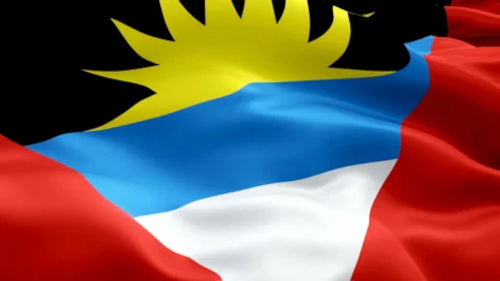
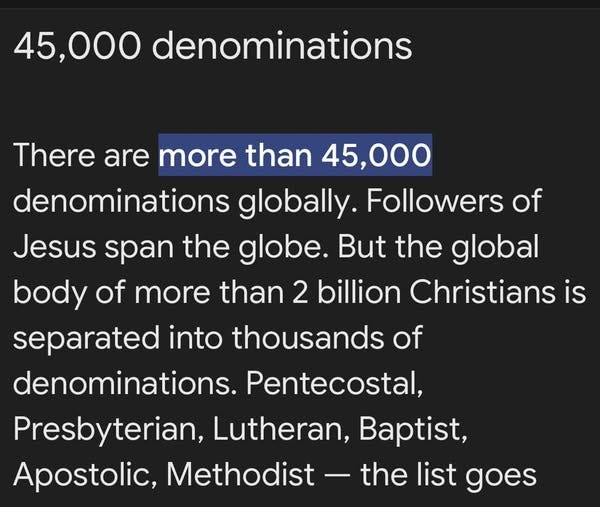
🌎 Kingdom Nations Series – Part 6 🇦🇬 Antigua and Barbuda: Island Faith, Colonial Roots, and Caribbean Revival Potential

🌎 Kingdom Nations Series – Part 7 🇦🇬 Antigua and Barbuda Chapter 1 — Part 1 A Caribbean Twin-Island Nation Geography, History, and God's Purposes Among the Islands "The LORD reigns; let the earth rejoice; let the many coastlands be glad!" — Psalm 97:1 Introduction: A Global Kingdom Vision This study continues the Kingdom Nations Series, an alphabetical exploration of every sovereign nation on earth through the lens of Scripture, history, geography, culture, and the Great Commission. Each nation is examined using the same Kingdom framework, integrating: Biblical reflection Political and historical development Geography and natural resources Religious demographics Ethnolinguistic people groups Reached and unreached analysis Biblical worldview Church history Evangelism strategy Strategic intercession Future Kingdom opportunities Every nation matters because every nation belongs to God. The Psalmist proclaimed: "The earth is the LORD'S, and all its fullness, the world and those who dwell therein."(Psalm 24:1) The Book of Revelation reveals people worshiping Christ from every nation, tribe, people, and language. That includes nations with hundreds of millions of people. It also includes tiny island nations whose populations would fit inside a single large city. No nation is overlooked by Heaven. Antigua and Barbuda may be geographically small, but it possesses eternal significance. Why Study Antigua and Barbuda? When many people think about Antigua and Barbuda, they picture: White sand beaches. Turquoise Caribbean waters. Luxury resorts. Sailing competitions. Cruise ships. Palm trees. While those images capture part of the nation's identity, they reveal only the surface. Behind the tourism industry lies a nation with centuries of history. Colonial struggles. The legacy of slavery. Christian influence stretching back hundreds of years. A growing evangelical presence. New opportunities for discipleship. And strategic importance within the Caribbean. Kingdom ministry requires seeing nations not merely as destinations but as mission fields. Jesus never evaluated places according to their economic value. He saw people. He saw hearts. He saw sheep needing a Shepherd. The Church must learn to see nations through those same eyes. National Overview Official Name:Antigua and Barbuda Capital:Saint John's Region:Eastern Caribbean (Lesser Antilles) Population:Approximately 100,000 Official Language:English Nationality:Antiguan and Barbudan Government:Parliamentary constitutional monarchy Head of State:The British monarch, represented by a Governor-General Head of Government:The Prime Minister Currency:Eastern Caribbean Dollar (XCD) Time Zone:Atlantic Standard Time (UTC−4) The Twin-Island Nation Unlike many countries consisting of one primary landmass, Antigua and Barbuda is a nation composed principally of two inhabited islands. Antigua The larger island. Home to roughly 95 percent of the population. Contains the capital city. Center of government. Commerce. Education. Tourism. Transportation. Most churches. Most businesses. Most national institutions. Barbuda Much smaller. Located approximately thirty miles north of Antigua. Known for: Pristine beaches. Wildlife. Frigate Bird Sanctuary. Fishing communities. Lower population density. Traditional communal land ownership. Its slower pace of life creates a distinctly different ministry environment from Antigua. A Third Island The nation also includes the tiny uninhabited island of Redonda. Although small and without a permanent population, Redonda remains part of the sovereign territory of Antigua and Barbuda. Its steep volcanic cliffs provide habitat for seabirds and other wildlife. The island reminds us that God's creation extends beyond places where people permanently live. Geography Antigua and Barbuda lies within the Leeward Islands, part of the Lesser Antilles island chain in the eastern Caribbean Sea. Nearby nations include: Saint Kitts and Nevis. Montserrat. Guadeloupe. Dominica. The nation sits where the Atlantic Ocean meets the Caribbean Sea, making it strategically positioned for maritime trade and tourism. For centuries these waters have connected Europe, Africa, North America, and South America. Ships carried: Merchants. Missionaries. Explorers. Enslaved Africans. Colonists. Ideas. Languages. Religions. The islands have therefore long stood at an international crossroads. Climate Antigua and Barbuda enjoys a tropical maritime climate. Characteristics include: Warm temperatures year-round. Moderate trade winds. Distinct wet and dry seasons. Abundant sunshine. The islands receive less rainfall than many neighboring Caribbean nations. Water conservation has therefore become an important national concern. Unlike mountainous Caribbean islands, Antigua possesses relatively gentle rolling terrain. Its highest point, Mount Obama (formerly Boggy Peak), rises only about 1,300 feet above sea level. The absence of high mountains contributes to the island's drier climate. "The Land of 365 Beaches" One of Antigua's most famous claims is that it has 365 beaches—one for every day of the year. Whether taken literally or symbolically, the phrase reflects the island's extraordinary coastline. Protected bays. Natural harbors. Coral reefs. White sand beaches. Crystal-clear water. These natural features have made tourism the nation's largest economic sector. Millions of visitors arrive each year seeking rest and recreation. For the Church, these visitors also represent mission opportunities. Every tourist is a person created in God's image. Some arrive knowing Christ. Others do not. The harvest includes both residents and travelers. Natural Resources Compared with larger nations, Antigua and Barbuda possesses relatively limited natural resources. There are no vast oil fields. No extensive mineral deposits. No large mountain forests. Instead, the nation's greatest resources include: Its people. Its location. Its climate. Its coastline. Its harbors. Its tourism industry. Its maritime economy. These realities have shaped both its history and its future. Biodiversity Although small, the islands contain remarkable biodiversity. Native wildlife includes: Sea turtles. Frigate birds. Pelicans. Herons. Tropical fish. Coral reefs. Mangrove ecosystems. Marine conservation has become increasingly important. Healthy reefs support tourism, fisheries, and coastal protection. Creation care provides opportunities for Christians to demonstrate biblical stewardship. Genesis reminds humanity that the earth belongs ultimately to God. We are caretakers, not owners. Hurricanes Life in the Caribbean always includes awareness of hurricanes. Powerful tropical storms have shaped Antigua and Barbuda's history for centuries. Homes. Churches. Schools. Businesses. Agriculture. Infrastructure. All have periodically suffered storm damage. The people of these islands have learned resilience. Churches frequently play important roles during disaster recovery by providing: Shelter. Food. Prayer. Community support. Practical assistance. Natural disasters often reveal both the fragility of life and the strength of Christian compassion. Strategic Location Despite its modest size, Antigua and Barbuda occupies an important position within the Caribbean. The islands connect: North America. Central America. South America. Europe. The wider Caribbean. This location has made the nation historically significant in: Maritime trade. Colonial expansion. Naval strategy. Regional diplomacy. Modern tourism. Likewise, the Gospel has moved along these same routes. Missionaries arrived by sea. Bibles crossed oceans. Churches were planted. Pastors traveled between islands. Today digital communication has expanded those connections even further. A Nation Worth Knowing From a purely geopolitical perspective, Antigua and Barbuda may seem insignificant compared with the world's largest nations. Yet Scripture consistently reminds us that God often works through what appears small. Jesus compared the Kingdom to: A mustard seed. A little leaven. A pearl. A hidden treasure. Small beginnings frequently produce extraordinary results. The same may be true for small nations. One faithful church can transform a community. One generation of disciples can influence an entire island. One missionary family can change history. God delights in using what the world often overlooks. Looking Ahead Geography provides the setting. History tells the story. In the next chapter we begin tracing Antigua and Barbuda's remarkable historical journey—from its Indigenous peoples and early European exploration to British colonial rule, the transatlantic slave trade, emancipation, and the emergence of the modern nation. Understanding the past helps us understand both the present Church and the future opportunities for the Gospel. End of Chapter 1 – Part 1 Next: Chapter 1 – Part 2: From the First Peoples to Independence—The History of Antigua and Barbuda and the Foundations of the Modern Nation 🌎 Kingdom Nations Series – Part 7 🇦🇬 Chapter 1 — Part 2 From the First Peoples to Independence The History of Antigua and Barbuda and the Foundations of the Modern Nation "He changes times and seasons; He removes kings and sets up kings." — Daniel 2:21 Introduction Every nation has a story. Some histories stretch back thousands of years. Others have emerged only recently on the world stage. Antigua and Barbuda's story is one of migration, exploration, colonization, hardship, resilience, and ultimately independence. Its history reflects many of the broader themes of Caribbean history: The movement of Indigenous peoples. European exploration. Colonial competition. The Atlantic slave trade. Plantation agriculture. Christian missions. The struggle for freedom. The birth of democracy. For believers, history is not merely a sequence of political events. It is the unfolding stage upon which God works His redemptive purposes. Empires rise. Empires fall. Nations gain independence. Borders change. Yet God's Kingdom continues advancing. Jesus declared: "I will build My church, and the gates of Hades shall not prevail against it."(Matthew 16:18) That promise remained true throughout Antigua and Barbuda's history. The First Inhabitants Long before European ships appeared on the horizon, Antigua and Barbuda were already home to thriving Indigenous communities. Archaeological evidence indicates that people settled the islands several thousand years ago. The earliest inhabitants were hunter-gatherers who lived primarily by: Fishing. Shellfish gathering. Hunting. Collecting wild plants. Over time these early communities were joined by agricultural peoples migrating northward through the Lesser Antilles. The Arawak (Taíno) Around the first millennium AD, Arawakan-speaking peoples settled the islands. Often called the Taíno in the Greater Antilles, these communities cultivated crops including: Cassava. Sweet potatoes. Beans. Maize. Cotton. They established villages, crafted pottery, fished the surrounding waters, and developed extensive trade networks connecting many Caribbean islands. Their society emphasized family, cooperation, and communal life. Although their spiritual beliefs differed from biblical Christianity, they possessed rich cultural traditions and remarkable maritime knowledge. The Kalinago (Caribs) Several centuries before European arrival, the Kalinago people expanded through parts of the Lesser Antilles. European writers often referred to them as "Caribs." The Kalinago became known as skilled sailors and formidable defenders of their territories. Using expertly crafted canoes, they navigated between islands with remarkable precision. Their arrival introduced new cultural influences throughout the eastern Caribbean. When Europeans first explored Antigua, they encountered a region shaped by centuries of Indigenous history rather than an empty land awaiting settlement. Christopher Columbus During his second voyage to the Americas in 1493, Christopher Columbus sailed through the Lesser Antilles. He named the island Antigua after Santa María la Antigua, a revered image of the Virgin Mary in Seville, Spain. Although Spain claimed the island, it made little effort to establish permanent settlements there. For more than a century, Antigua remained largely outside direct European control. Its Indigenous inhabitants continued living much as they had before. This period would not last. The Age of European Competition During the sixteenth and seventeenth centuries, European powers competed intensely for influence throughout the Caribbean. Spain. England. France. The Netherlands. Each sought valuable islands for trade, agriculture, and naval power. The Caribbean became one of the world's most contested regions. Small islands held enormous strategic importance because they provided: Safe harbors. Fresh water. Agricultural land. Naval bases. Commercial opportunities. Eventually England turned its attention toward Antigua. British Settlement In 1632, English settlers established a permanent colony on Antigua. This marked the beginning of more than 350 years of British influence. Early colonists experimented with several agricultural products. Tobacco. Indigo. Cotton. Ginger. Eventually one crop transformed the island forever. Sugar. The Sugar Revolution During the mid-seventeenth century, sugar became one of the world's most profitable commodities. European demand expanded rapidly. Antigua's warm climate proved ideal for sugarcane cultivation. Large plantations spread across the island. Sugar mills appeared. Windmills processed harvested cane. Ports expanded to export sugar throughout the Atlantic world. The wealth generated by sugar dramatically transformed Antigua. It also created one of the darkest chapters in its history. The Atlantic Slave Trade The labor required for sugar plantations was immense. European plantation owners increasingly relied upon the forced labor of enslaved Africans. Beginning in the seventeenth century, thousands of African men, women, and children were transported across the Atlantic Ocean against their will. Families were separated. Communities destroyed. Lives forever altered. Enslaved Africans worked under brutal conditions. Long hours. Harsh discipline. Limited freedom. The sugar economy depended upon their labor. The prosperity enjoyed by colonial elites came at tremendous human cost. The transatlantic slave trade remains one of history's greatest injustices. Every person involved bore the image of God. Scripture affirms the equal dignity and value of every human being. African Heritage Although slavery sought to erase identities, African cultures endured. Enslaved communities preserved elements of: Language. Music. Storytelling. Food. Craftsmanship. Family traditions. Spiritual resilience. These influences profoundly shaped the culture of Antigua and Barbuda. Today the overwhelming majority of the population traces its ancestry to West and Central Africa. Their perseverance through suffering remains an enduring testimony to human dignity and resilience. Christianity During the Colonial Era Christianity arrived alongside European colonization. Initially, much religious life centered upon the colonial population. Over time, however, missionaries increasingly ministered among enslaved Africans. Several Christian traditions became influential, including: The Church of England (Anglican). Methodists. Moravians. Baptists. Later, other Protestant movements. Missionaries often established: Churches. Schools. Bible classes. Literacy programs. Although the colonial system itself contained profound injustices, many individual Christians worked to bring education, pastoral care, and eventually support for abolition. The history is therefore complex and cannot be reduced to simple categories. The Moravian Influence Among the most significant missionary movements were the Moravians. Beginning in the eighteenth century, Moravian missionaries devoted themselves to sharing the Gospel among enslaved Africans. They emphasized: Personal conversion. Bible reading. Christian community. Prayer. Discipleship. Many learned local patterns of speech and lived among the people they served. Their influence would continue shaping Caribbean Christianity for generations. Faith Amid Suffering For many enslaved Africans, the Gospel became a source of hope. The biblical story spoke powerfully into their experience. Israel's slavery in Egypt. God's concern for the oppressed. The Exodus. The Cross. The Resurrection. The promise of eternal justice. These truths sustained countless believers through unimaginable hardship. Christian faith did not erase suffering. But it proclaimed that suffering would not have the final word. The Road Toward Abolition By the late eighteenth century, opposition to slavery grew throughout Britain. Christian abolitionists, including leaders such as William Wilberforce, argued that slavery violated both biblical morality and human dignity. Churches increasingly joined calls for reform. Debates intensified throughout the British Empire. Eventually Parliament abolished the slave trade. Later, slavery itself would be abolished. These decisions permanently changed Antigua's future. Looking Ahead The abolition of slavery marked only the beginning of a new chapter. Formerly enslaved people still faced enormous economic and social challenges. The plantation economy continued. Political rights remained limited. The struggle for equality continued for generations. The next chapter follows Antigua and Barbuda from emancipation through labor reform, constitutional development, self-government, and eventual independence in 1981. We will also examine how Christianity continued shaping the nation's identity during this period of profound transformation. End of Chapter 1 – Part 2 Next: Chapter 2 – Part 1: Emancipation, Political Reform, Independence, and the Growth of the Church (1834–1981) 🌎 Kingdom Nations Series – Part 7 🇦🇬 Chapter 2 — Part 1 Emancipation, Political Reform, Independence, and the Growth of the Church (1834–1981) "So if the Son sets you free, you will be free indeed." — John 8:36 Introduction The abolition of slavery marked one of the greatest turning points in the history of Antigua and Barbuda. For nearly two centuries, the islands' economy had depended upon plantation agriculture sustained by enslaved African labor. Sugar plantations dominated the landscape. Political power rested in the hands of colonial elites. Economic opportunity remained limited for the overwhelming majority of the population. When slavery officially ended in the British Empire, freedom came with celebration—but also uncertainty. What would life look like for thousands of newly emancipated people? Could genuine equality emerge? Would economic systems change? How would churches respond to these historic transformations? The years between 1834 and 1981 witnessed enormous social, political, and spiritual change. Former slaves became citizens. Churches expanded. Education improved. Political parties emerged. Democracy matured. Eventually, Antigua and Barbuda would become an independent nation. Throughout these changes, Christianity remained one of the strongest influences shaping public life. Emancipation On August 1, 1834, slavery was officially abolished throughout most of the British Empire. Across Antigua, church bells rang. Congregations gathered for prayer. Families celebrated a freedom many had scarcely dared to imagine. Unlike some British colonies that imposed lengthy apprenticeship systems after abolition, Antigua moved directly into full emancipation. Formerly enslaved men and women were legally free. This made Antigua unique within much of the Caribbean. Freedom did not erase poverty. Nor did it immediately create equal opportunity. Yet it marked the beginning of an entirely new chapter. Life After Slavery Freedom brought both hope and challenges. Many newly emancipated families remained economically dependent upon plantation work because few alternatives existed. Large estates still controlled much of the available land. Employment opportunities remained limited. Housing conditions often changed slowly. Education remained inaccessible for many. Even so, emancipation transformed society. Families could no longer be legally bought and sold. Parents exercised greater authority over their households. Communities developed new institutions. Churches became increasingly important centers of support. The Church After Emancipation Christian congregations played a significant role during this transition. Churches encouraged: Literacy. Family stability. Biblical education. Personal responsibility. Community cooperation. Many denominations expanded schools alongside churches. Pastors encouraged believers to pursue education as well as spiritual maturity. Sunday worship became a cornerstone of community life. The Church offered more than religious instruction. It provided hope, identity, and belonging during a period of profound social change. The Growth of Education Mission schools expanded rapidly during the nineteenth century. Many churches viewed literacy as essential because believers should be able to read Scripture for themselves. Students learned: Reading. Writing. Arithmetic. History. Geography. Bible lessons. Christian ethics. Education gradually opened opportunities unavailable to previous generations. Teachers, pastors, clerks, and community leaders increasingly emerged from local congregations. Denominations Expand The nineteenth century witnessed the growth of several Christian traditions throughout Antigua and Barbuda. Among the most influential were: The Anglican Church. The Methodist Church. The Moravian Church. The Baptist Church. Later, Seventh-day Adventists and Pentecostal churches would also establish ministries. Each contributed uniquely through: Evangelism. Schools. Medical outreach. Community service. Youth ministry. Bible teaching. Together they helped shape the nation's moral and spiritual life. Sugar and the Economy Despite emancipation, sugar remained the backbone of Antigua's economy throughout much of the nineteenth century. Large plantations continued operating. International markets, however, became increasingly competitive. Falling sugar prices created economic uncertainty. Many workers struggled with seasonal employment. Communities diversified where possible through: Small-scale farming. Fishing. Craftsmanship. Trade. Migration. Economic challenges often strengthened the importance of churches as centers of mutual support. A Society in Transition The decades following emancipation witnessed gradual social transformation. Formerly enslaved families increasingly built independent communities. Churches organized choirs. Women's fellowships. Youth organizations. Bible classes. Community events. Religious festivals became important occasions for both worship and fellowship. Christianity became deeply woven into everyday life. The Rise of Local Leadership As education expanded, local Antiguans increasingly assumed leadership roles. Teachers. Business owners. Civil servants. Journalists. Pastors. Political leaders. The gradual emergence of local leadership prepared the nation for eventual self-government. The Church likewise benefited from indigenous pastors who understood the language, culture, and needs of their communities. Healthy churches increasingly became locally led rather than dependent upon overseas missionaries. The Early Twentieth Century The twentieth century introduced new opportunities and new pressures. Global events affected even these small islands. World War I. The Great Depression. World War II. Changing international trade. Migration. Economic modernization. Many Antiguans sought employment abroad while maintaining close ties to family and church at home. Christian faith often remained a stabilizing influence during uncertain times. Labor Reform During the 1930s and 1940s, labor movements gained momentum throughout the Caribbean. Workers advocated for: Fair wages. Improved working conditions. Political representation. Social reform. Antigua experienced labor unrest similar to other British Caribbean territories. These developments eventually contributed to broader democratic reforms. Many church leaders encouraged peaceful dialogue, justice, and respect for human dignity. Vere Cornwall Bird One of the most influential political figures in Antigua's modern history was Sir Vere Cornwall Bird. Originally active in labor movements, Bird became a leading advocate for workers' rights and political reform. Over time he emerged as the dominant figure in Antiguan politics. His leadership helped guide the nation toward increasing self-government and eventual independence. Regardless of political differences, his influence upon modern Antigua and Barbuda remains significant. Constitutional Development Throughout the mid-twentieth century, Antigua gradually received greater authority over its own affairs. Britain introduced constitutional reforms that expanded local governance. Elected representatives assumed increasing responsibility. Political institutions matured. Citizens became more directly involved in shaping national policy. These gradual reforms laid the foundation for independence. The West Indies Federation Between 1958 and 1962, Antigua participated in the West Indies Federation, an ambitious effort to unite several British Caribbean territories under one federal government. Supporters hoped regional cooperation would strengthen economic development and prepare the islands for independence. The federation ultimately dissolved due to political disagreements. Although short-lived, it encouraged regional relationships that continue through organizations such as the Caribbean Community (CARICOM). Toward Self-Government Following the dissolution of the federation, Antigua continued moving toward greater autonomy. Local government expanded. Public institutions matured. Education improved. Infrastructure developed. Tourism began replacing sugar as the nation's primary economic engine. The islands entered a period of significant modernization. Throughout these changes, churches continued serving as trusted community institutions. Independence On November 1, 1981, Antigua and Barbuda officially became an independent sovereign nation within the Commonwealth of Nations. Celebrations took place across the islands. Flags were raised. Prayers were offered. Church services thanked God for the nation's future. Independence did not sever ties with Britain completely. The nation remained a constitutional monarchy, recognizing the British monarch as Head of State while governing itself through its own democratic institutions. For many citizens, independence represented not only political maturity but also the fulfillment of generations of hope. The Church at Independence By 1981 Christianity had become firmly established throughout Antigua and Barbuda. Churches were found in nearly every community. Christian schools educated children. Pastors served as respected community leaders. National ceremonies frequently included prayer and Scripture readings. Christian values influenced public life, even as society became increasingly diverse. The challenge facing the Church shifted. No longer was the primary question how to establish Christianity. The question became how to cultivate mature disciples within a modern democratic nation. Looking Ahead Political independence brought new opportunities. Economic growth accelerated through tourism. International travel increased. Technology transformed communication. Global culture reached the Caribbean. These developments created both opportunities and challenges for the Church. The next chapter explores Antigua and Barbuda from 1981 to the present, examining: The growth of tourism Economic development Modern politics Contemporary church life Social change Emerging ministry opportunities in the twenty-first century The story of Antigua and Barbuda is far from complete. God continues writing new chapters. End of Chapter 2 – Part 1 Next: Chapter 2 – Part 2: Modern Antigua and Barbuda (1981–Present)—Tourism, Society, the Church, and the Future of the Nation 🌎 Kingdom Nations Series – Part 7 🇦🇬 Chapter 2 — Part 2 Modern Antigua and Barbuda (1981–Present) Tourism, Society, the Church, and the Future of the Nation "Unless the LORD builds the house, those who build it labor in vain." — Psalm 127:1 Introduction When Antigua and Barbuda achieved independence on November 1, 1981, it entered a new era filled with promise. Unlike many newly independent nations that possessed vast natural resources or large manufacturing sectors, Antigua and Barbuda faced a different reality. Its greatest assets were not underground. They were all around it. Crystal-clear waters. Natural harbors. Beautiful coastlines. Political stability. An English-speaking population. A strategic Caribbean location. Over the next four decades these advantages transformed the country into one of the Caribbean's premier tourism destinations. Luxury resorts replaced many former sugar plantations. Cruise ships became a daily sight. International investment increased. Education expanded. Healthcare improved. Yet prosperity also introduced new spiritual challenges. Material comfort. Consumerism. Growing secular influences. Changing family structures. The modern Church ministers in a nation that is far different from colonial Antigua—but one that still needs the transforming power of the Gospel. Building a Modern Economy After independence, Antigua and Barbuda intentionally diversified its economy. While agriculture remained important, tourism quickly became the dominant source of national income. Today tourism contributes a substantial portion of: National employment. Foreign exchange earnings. Government revenue. Private investment. Thousands of Antiguans work in: Hotels. Restaurants. Transportation. Retail businesses. Construction. Marine services. Hospitality. Tourism has connected the nation with visitors from nearly every continent. This creates unique opportunities for Christians. Every tourist may become someone who hears the Gospel. Every hotel employee represents a missionary in the workplace. The Cruise Industry Saint John's Harbor developed into one of the Caribbean's busiest cruise destinations. Modern cruise terminals welcome hundreds of thousands of visitors each year. Within a single day, entire floating cities arrive. Passengers explore: Historic churches. Local markets. Museums. Restaurants. Beaches. Nature reserves. For churches, this constant flow of international visitors creates ministry opportunities unlike those found in many nations. Hospitality itself becomes a form of witness. Aviation and Global Connections The V. C. Bird International Airport strengthened Antigua's role as an international transportation hub. Direct flights now connect the islands with: North America. Europe. Other Caribbean nations. These transportation links encourage: Tourism. Business. Education. Regional cooperation. Mission partnerships. Pastors and missionaries travel more easily than ever before. Christian conferences draw participants from across the Caribbean. The Gospel increasingly moves along the same routes as international travel. Education in the Twenty-First Century Education continues serving as one of the nation's strengths. Public and private schools provide broad access to learning. Higher education opportunities have expanded through: Regional universities. Teacher training. Vocational education. Professional certification. Medical education. Several offshore medical schools have established campuses in Antigua, attracting students from around the world. This international student population represents another significant mission field. Young adults arrive from many cultures and religious backgrounds. Churches have opportunities to offer: Friendship. Hospitality. Bible studies. Discipleship. Practical support. Healthcare Healthcare has steadily improved since independence. Modern hospitals. Clinics. Public health initiatives. Medical education. Preventive care. These developments have increased life expectancy and improved quality of life. Christian healthcare workers often view their professions as ministries of compassion. Jesus ministered both body and soul. Modern believers continue following His example. Government and Democracy Antigua and Barbuda has maintained a relatively stable parliamentary democracy since independence. Regular elections. Independent courts. A written constitution. Freedom of worship. Freedom of expression. Political debate remains an ordinary part of national life. Churches generally avoid partisan politics while encouraging believers to practice: Integrity. Justice. Prayer for leaders. Responsible citizenship. Paul instructed believers: "Let every person be subject to the governing authorities."(Romans 13:1) At the same time, Christians recognize that ultimate allegiance belongs to Christ alone. Caribbean Identity Modern Antigua and Barbuda actively participates in regional organizations including: CARICOM. The Organization of Eastern Caribbean States (OECS). The Commonwealth of Nations. Regional partnerships strengthen: Trade. Disaster response. Education. Healthcare. Security. Churches likewise cooperate across national boundaries. Pastors frequently participate in regional conferences. Mission agencies coordinate ministry throughout the Caribbean. Christian unity often extends beyond political borders. Modern Society Today's Antigua and Barbuda is increasingly multicultural. In addition to native Antiguans and Barbudans, residents include people from: Guyana. Jamaica. Dominica. The Dominican Republic. The United Kingdom. North America. Asia. Other Caribbean islands. This diversity enriches national life while creating opportunities for cross-cultural ministry. The Church increasingly reflects this multicultural reality. Technology Like much of the world, Antigua and Barbuda has embraced digital communication. Internet access. Mobile phones. Social media. Online education. Digital banking. Livestream worship. Churches increasingly use technology for: Bible teaching. Prayer meetings. Evangelism. Youth ministry. Mission partnerships. Technology allows even small island churches to connect with believers worldwide. Family Life Family remains central to Antiguan society. Grandparents often play important roles. Churches continue emphasizing: Marriage. Parenting. Children's discipleship. Care for the elderly. Intergenerational relationships. Modern pressures, however, have introduced new challenges. Economic migration. Changing cultural values. Digital distractions. Busy work schedules. The Church increasingly serves as a place where families receive encouragement and biblical guidance. Youth Culture Young Antiguans grow up in a globally connected world. Through the internet they encounter ideas from every continent. They face questions regarding: Identity. Purpose. Relationships. Career. Faith. Many churches have responded by strengthening: Youth groups. Campus ministries. Sports outreach. Music ministries. Mentoring programs. Leadership development. Young believers are not merely the future Church. They are active members of the Church today. Contemporary Challenges Like every nation, Antigua and Barbuda faces important challenges. These include: Rising living costs. Housing affordability. Youth employment. Substance abuse. Mental health concerns. Climate change. Hurricane preparedness. Economic dependence on tourism. Periods such as the COVID-19 pandemic demonstrated how vulnerable tourism-based economies can become during global crises. Churches often responded by expanding food assistance, counseling, and practical support. The Church Today Christianity remains deeply woven into national life. Churches representing many traditions serve throughout the islands, including: Anglican. Methodist. Moravian. Roman Catholic. Baptist. Seventh-day Adventist. Pentecostal. Evangelical. Independent congregations. Many churches cooperate during: Community events. Prayer gatherings. Evangelistic campaigns. Disaster relief. Youth conferences. This spirit of cooperation strengthens Christian witness. Opportunities for the Gospel Although Antigua and Barbuda is widely considered a reached nation, important opportunities remain. These include: Deepening biblical literacy. Discipling young believers. Strengthening Christian families. Reaching international students. Ministering to tourism workers. Serving immigrants. Digital evangelism. Marketplace ministry. Healthy churches recognize that evangelism does not end once Christianity becomes culturally familiar. Every generation must hear the Gospel personally. Stewardship of Prosperity Material prosperity presents both blessings and temptations. Scripture repeatedly warns against trusting wealth instead of God. Jesus taught: "Where your treasure is, there your heart will be also."(Matthew 6:21) The Church encourages believers to practice: Generosity. Contentment. Integrity. Hospitality. Wise stewardship. Prosperity becomes a blessing when it serves God's Kingdom rather than replacing dependence upon Him. Looking Ahead Modern Antigua and Barbuda possesses political stability, economic opportunity, and widespread Christian influence. The next question is deeper. How spiritually healthy is the nation? What denominations serve the islands? How did Christianity first arrive? How has the Church developed over four centuries? What spiritual challenges remain today? The next chapter begins a comprehensive exploration of the history of Christianity in Antigua and Barbuda, tracing the story from the earliest missionaries through the vibrant churches of the twenty-first century. End of Chapter 2 – Part 2 Next: Chapter 3 – Part 1: The History of Christianity in Antigua and Barbuda—From Colonial Missions to the Modern Church 🌎 Kingdom Nations Series – Part 7 🇦🇬 Chapter 3 — Part 1 The History of Christianity in Antigua and Barbuda From Colonial Missions to the Modern Church "Go therefore and make disciples of all nations." — Matthew 28:19 Introduction The story of Christianity in Antigua and Barbuda is inseparable from the broader history of the Caribbean. Like many island nations in the region, Christianity arrived through European exploration and colonization. Yet the story does not end there. What began as the religion of colonial settlers gradually became the faith of the majority of the population. Missionaries established schools. Churches became centers of community life. Formerly enslaved Africans embraced the Gospel and transformed it into a living faith that shaped generations. Today, Christianity is woven deeply into the national identity of Antigua and Barbuda. Church buildings stand in nearly every town and village. Sunday worship remains an important part of community life. Christian holidays are observed nationally. Prayer often accompanies civic ceremonies. At the same time, the modern Church faces new questions. How can historic Christianity become personal discipleship? How should churches minister to a generation shaped by technology, tourism, and globalization? How can a small island nation participate in the Great Commission? To answer these questions, we must first understand how Christianity first arrived on these shores. Before Christianity Prior to European contact, the Indigenous peoples of Antigua and Barbuda practiced their own spiritual traditions. The Arawak and later the Kalinago peoples believed the natural world was filled with spiritual significance. Religious ceremonies were closely connected to: Nature. Agriculture. Community life. Ancestral traditions. Seasonal rhythms. Like many cultures throughout history, they sought to understand creation, life, death, and the unseen world. The Gospel had not yet reached these islands. The Great Commission was still moving westward across the Atlantic. Christianity Arrives When Christopher Columbus sailed through the Lesser Antilles in 1493, Christianity arrived symbolically with European exploration. Spanish explorers carried the Roman Catholic faith wherever they claimed territory. However, Spain never established a permanent colony on Antigua. As a result, organized Christian ministry remained limited during the sixteenth century. The islands would not experience sustained church development until English settlement more than a century later. British Settlement and Anglican Influence After England established a permanent settlement in 1632, Christianity became more firmly established. The Church of England, later known as the Anglican Church, became the officially recognized church of the colony. Anglican clergy ministered primarily among English settlers. Church buildings were constructed. Public worship followed the liturgy of the Book of Common Prayer. Religious observance became closely connected to colonial government. For many years, however, the benefits of church life were experienced unevenly. Enslaved Africans often had limited access to formal religious instruction during the early colonial period. The Challenge of the Plantation System The expansion of sugar plantations dramatically changed Antigua's society. As thousands of enslaved Africans were brought to the island, churches faced an important question: Should the Gospel be shared equally with those living in bondage? The answer varied. Some plantation owners resisted educating enslaved workers. Others feared that literacy might encourage rebellion. Yet many missionaries believed every person deserved to hear the Gospel and read the Scriptures. Gradually, churches began expanding their ministry beyond the colonial elite. The Moravian Mission One of the most influential Christian movements in Antigua's history came through the Moravian Church. The Moravians, originally rooted in Central Europe, possessed a remarkable passion for world missions. Beginning in the eighteenth century, they intentionally ministered among enslaved Africans throughout the Caribbean. Unlike many missionaries of their day, Moravians often lived close to the people they served. They learned local customs. They emphasized personal conversion. They encouraged Bible reading. They established Christian communities where believers supported one another spiritually. Their willingness to minister among marginalized people left a lasting legacy across Antigua and Barbuda. Methodist Revival The eighteenth century also witnessed the spread of Methodism, inspired by the ministry of John Wesley and the Evangelical Revival in Britain. Methodist missionaries emphasized: Personal repentance. Salvation through faith in Christ. Holy living. Bible study. Prayer. Evangelism. Methodist preaching often resonated deeply with ordinary workers and enslaved people because it emphasized God's grace for every individual. Methodist congregations grew steadily throughout the Caribbean. Their influence remains visible in Antigua today. The Baptist Witness Baptist churches gradually established congregations across Antigua and Barbuda during the nineteenth century. Their ministry emphasized: Believer's baptism. Congregational leadership. Biblical authority. Personal discipleship. Evangelism. Many Baptist churches became known for strong Bible teaching and active community involvement. Roman Catholic Renewal Although Anglicanism remained dominant during much of the colonial period, Roman Catholicism expanded significantly during later centuries. Immigration from other Caribbean islands and Europe strengthened Catholic communities. Catholic churches established: Schools. Charitable ministries. Youth programs. Healthcare initiatives. Today Roman Catholics remain one of the largest Christian communities in the nation. Christianity and Education One of Christianity's greatest contributions to Antigua and Barbuda has been education. Mission schools taught generations of children to: Read. Write. Study mathematics. Learn history. Understand Scripture. Develop moral character. Many future teachers, pastors, government officials, and business leaders first received formal education through church-supported schools. Literacy became closely connected with Bible reading. This reflected the Protestant conviction that every believer should be able to read God's Word personally. The Bible in Everyday Life As churches multiplied, Scripture became deeply woven into daily life. Biblical language appeared in: Public speeches. Family devotions. Funerals. Weddings. School ceremonies. National celebrations. Church calendars shaped the rhythm of community life through: Christmas. Easter. Pentecost. Harvest celebrations. Prayer services. Although cultural Christianity sometimes developed alongside genuine faith, biblical vocabulary became familiar to much of the population. Music and Worship Caribbean Christianity developed a vibrant musical tradition. Congregational worship incorporated: Traditional hymns. Choirs. Gospel music. Local musical styles. Scripture readings. Corporate prayer. Celebration. Music became one of the Church's most effective tools for teaching biblical truth. Songs carried theology into homes, schools, and communities. Many believers memorized Scripture through worship long before owning personal Bibles. Christianity and Community Churches became far more than places for Sunday worship. They served as centers for: Education. Marriage preparation. Youth development. Care for the elderly. Disaster response. Community gatherings. Charitable assistance. Pastors often became trusted community leaders whose influence extended beyond the church sanctuary. This holistic ministry reflected the example of Christ, who cared for both physical and spiritual needs. Faith Through Difficult Seasons The Church also stood beside the people during times of hardship. Hurricanes. Economic downturns. Crop failures. Public health crises. Periods of unemployment. Churches organized relief efforts. Shared food. Opened buildings for shelter. Provided counseling. Prayed together. These moments strengthened the public's confidence in the Church as a source of hope and stability. Looking Ahead By the twentieth century, Christianity had become firmly rooted throughout Antigua and Barbuda. New denominations emerged. Pentecostal revival spread. Evangelical ministries expanded. Christian broadcasting began. Youth ministries flourished. At the same time, modernization introduced new spiritual challenges. The next chapter explores the growth of the modern Church, examining: Pentecostal and Charismatic movements Evangelical expansion Christian education Religious demographics The role of churches in national life The opportunities and challenges facing Christianity in the twenty-first century The story of the Church in Antigua and Barbuda continues to be written. End of Chapter 3 – Part 1 Next: Chapter 3 – Part 2: The Modern Church in Antigua and Barbuda—Denominations, Revival, Evangelical Growth, and the Challenges of Twenty-First Century Ministry 🌎 Kingdom Nations Series – Part 7 🇦🇬 Chapter 3 — Part 2 The Modern Church in Antigua and Barbuda Denominations, Revival, Evangelical Growth, and the Challenges of Twenty-First Century Ministry "Now you are the body of Christ and individually members of it." — 1 Corinthians 12:27 Introduction By the beginning of the twenty-first century, Christianity had become deeply rooted in Antigua and Barbuda. Unlike many parts of the world where the Gospel is still relatively new, the islands possess more than three centuries of continuous Christian witness. Historic stone churches stand beside modern worship centers. Ancient Anglican parishes worship alongside vibrant Pentecostal congregations. Traditional hymns are sung together with contemporary praise music. Christian schools educate children. Bible studies meet in homes. Prayer groups gather before sunrise. Churches serve communities through compassion ministries, youth programs, counseling, disaster relief, and evangelism. The question facing the Church today is no longer whether Christianity exists. The greater question is: How can historic Christianity become vibrant discipleship in every generation? That challenge defines modern ministry throughout Antigua and Barbuda. Religious Landscape Antigua and Barbuda is widely recognized as a predominantly Christian nation. The overwhelming majority of citizens identify with one Christian tradition or another. Among the largest Christian communities are: Anglican Roman Catholic Methodist Moravian Seventh-day Adventist Pentecostal Baptist Evangelical churches Independent Caribbean congregations Smaller Christian fellowships continue to emerge through church planting and immigration. Although denominational diversity exists, belief in Jesus Christ remains central to the nation's religious identity. The Anglican Church The Anglican Church remains one of the oldest Christian traditions in Antigua and Barbuda. Its history stretches back to the earliest years of British settlement. Many of the nation's oldest church buildings belong to Anglican parishes. The Anglican tradition has contributed significantly to: Education. Community leadership. Pastoral care. Historic preservation. National ceremonies. Liturgical worship. Its churches continue serving communities throughout both Antigua and Barbuda. The Roman Catholic Church Roman Catholicism has grown steadily over the past century. Catholic congregations include both longtime residents and immigrants from neighboring Caribbean nations. The Church contributes through: Schools. Charitable outreach. Youth ministry. Marriage preparation. Healthcare initiatives. Catechetical instruction. Catholic worship combines ancient liturgical traditions with the cultural warmth of Caribbean Christianity. The Moravian Legacy Although relatively small globally, the Moravian Church continues exercising an influence far beyond its numerical size. Its legacy includes: Missionary zeal. Bible teaching. Community development. Education. Prayer. Personal discipleship. The Moravians remind modern believers that faithful ministry often begins with humble service rather than public recognition. Their missionary passion continues inspiring churches throughout the Caribbean. Methodists and Baptists Methodist and Baptist churches remain important contributors to the nation's spiritual life. These traditions emphasize: Biblical preaching. Personal conversion. Christian holiness. Discipleship. Evangelism. Community service. Many congregations actively participate in regional partnerships with churches across the Caribbean. Seventh-day Adventists The Seventh-day Adventist Church maintains a visible presence throughout Antigua and Barbuda. Its ministries often emphasize: Christian education. Health. Nutrition. Bible study. Family life. Community service. Adventist schools and health initiatives have served many Caribbean communities for generations. Pentecostal Growth One of the most significant developments during the twentieth century has been the rapid expansion of Pentecostal and Charismatic churches. These congregations emphasize: Prayer. The work of the Holy Spirit. Joyful worship. Evangelism. Healing ministry. Personal testimony. Strong congregational participation. Their worship often reflects the vibrant musical traditions of the Caribbean. Many Pentecostal churches have become especially effective in reaching younger generations. Evangelical Churches Evangelical congregations continue expanding throughout the islands. Their ministries commonly emphasize: The authority of Scripture. Personal faith in Christ. Discipleship. Church planting. Biblical counseling. Small-group ministry. Mission outreach. Many cooperate across denominational lines for evangelistic campaigns and community service. Christian Unity Although denominations differ in worship style, church governance, and tradition, Antigua and Barbuda has witnessed encouraging examples of Christian cooperation. Churches often unite for: National prayer gatherings. Youth conferences. Disaster relief. Evangelistic events. Pastors' fellowships. Community service projects. Jesus prayed: "That they may all be one... so that the world may believe."(John 17:21) Visible unity strengthens the credibility of Christian witness. Worship in the Caribbean Worship in Antigua and Barbuda reflects the joyful spirit of Caribbean culture. Services frequently include: Congregational singing. Choirs. Scripture reading. Prayer. Testimonies. Local musical instruments. Gospel choirs. Contemporary praise music. Traditional hymns. Music serves not merely as entertainment but as theology expressed through praise. Throughout history, Caribbean Christians have often carried biblical truth into everyday life through song. Youth Ministry One of the Church's greatest opportunities lies among young people. Modern Antiguan youth grow up surrounded by: Social media. Streaming entertainment. Global culture. Technology. Tourism. Higher education. Career opportunities abroad. These influences create both opportunities and challenges. Churches increasingly invest in: Youth camps. Bible studies. Sports ministry. Leadership development. Music programs. Mentorship. Mission trips. The goal is not merely to entertain young people. It is to equip them as lifelong disciples of Jesus Christ. Christian Education Education remains one of the Church's strongest ministries. Christian schools seek to develop students academically while also nurturing: Biblical character. Integrity. Wisdom. Compassion. Servant leadership. Love for God. Many churches also operate: Sunday schools. Vacation Bible schools. Adult Bible classes. Leadership training programs. Discipleship courses. Knowledge alone is not enough. Biblical education seeks transformation. Digital Ministry The internet has expanded ministry opportunities dramatically. Churches increasingly use: Livestream worship. YouTube. Facebook. WhatsApp. Podcasts. Bible apps. Online prayer meetings. Digital discipleship. These tools allow churches to remain connected with members traveling overseas while also reaching international audiences. Even a small island congregation can now proclaim the Gospel globally. Compassion Ministries The Church continues demonstrating Christ's love through practical service. Examples include: Food distribution. Disaster relief. Counseling. Prison ministry. Hospital visitation. Youth mentoring. Support for single parents. Care for the elderly. Financial assistance. Community partnerships. James reminds believers: "Faith by itself, if it does not have works, is dead."(James 2:17) The Gospel is proclaimed through both word and deed. Contemporary Challenges Despite its strong Christian heritage, Antigua and Barbuda faces challenges common throughout the modern world. These include: Materialism. Consumer culture. Declining biblical literacy. Nominal Christianity. Family breakdown. Pornography. Substance abuse. Mental health struggles. Digital addiction. Religious indifference among some younger adults. These challenges differ from outright persecution. Instead, they often arise from distraction and spiritual complacency. The Danger of Cultural Christianity Many people identify as Christians because of family tradition. Church attendance. National identity. Childhood experience. While these influences are valuable, Scripture teaches that every believer must personally respond to Christ. Jesus told Nicodemus: "You must be born again."(John 3:7) The Church therefore continues emphasizing: Personal faith. Repentance. Conversion. Daily discipleship. Growing in holiness. Christian identity must become more than cultural—it must become transformational. The Great Opportunity Unlike many nations where churches face severe restrictions, Antigua and Barbuda enjoys broad religious freedom. Churches may gather openly. Evangelize publicly. Train leaders. Operate schools. Partner with other ministries. Use media. Serve communities. These freedoms provide extraordinary opportunities for Kingdom ministry. With freedom comes responsibility. The Church must faithfully use every opportunity God has provided. Looking Ahead Understanding the Church prepares us to examine the people themselves. Who are the people of Antigua and Barbuda? What cultures shape the nation? What languages are spoken? How has African heritage influenced modern society? What role do immigration and multiculturalism play? The next chapter explores the ethnolinguistic composition of the nation, family life, cultural values, and the worldview that shapes everyday life on these remarkable Caribbean islands. End of Chapter 3 – Part 2 Next: Chapter 4 – Part 1: The People of Antigua and Barbuda—Ethnicity, Culture, Language, Family Life, and National Identity 🌎 Kingdom Nations Series – Part 7 🇦🇬 Chapter 4 — Part 1 The People of Antigua and Barbuda Ethnicity, Culture, Language, Family Life, and National Identity "From one man He made every nation of mankind to live on all the face of the earth." — Acts 17:26 Introduction Nations are far more than political boundaries on a map. They are communities of people. Families. Languages. Cultures. Histories. Traditions. Shared memories. Shared hopes. To understand Antigua and Barbuda, one must first understand its people. Although the nation covers only about 440 square kilometers (170 square miles) and has a population of roughly 100,000, it possesses a rich cultural heritage shaped by centuries of migration, resilience, faith, and community life. Modern Antiguans and Barbudans carry influences from: Africa. Europe. The wider Caribbean. North America. The Middle East. Asia. Together these influences have produced a unique national identity that is distinctly Caribbean while remaining open to the wider world. For Christians, every culture reflects both the beauty of God's creative design and humanity's need for redemption. The Gospel does not erase culture. It redeems it. Population Antigua and Barbuda remains one of the smaller sovereign nations in the Western Hemisphere. Approximately 95% of the population lives on Antigua, while Barbuda is home to only a small percentage of the nation's residents. Most people live in or around: Saint John's. All Saints. Liberta. Potters Village. Parham. Pigotts. Barbuda's principal settlement, Codrington, serves as the island's administrative and population center. Despite the country's modest size, its communities are remarkably diverse. Ethnic Composition The overwhelming majority of citizens trace their ancestry to enslaved Africans brought to the Caribbean during the colonial era. Their ancestors came primarily from regions that today include: Ghana. Nigeria. Benin. Togo. Cameroon. The Democratic Republic of the Congo. Angola. Other parts of West and Central Africa. These diverse African cultures blended over centuries, contributing to the language, music, cuisine, worship, and social traditions that characterize Antigua and Barbuda today. Smaller communities include people of: European descent. Mixed heritage. Syrian and Lebanese ancestry. Indian ancestry. Chinese ancestry. Other Caribbean backgrounds. Recent immigrants from neighboring islands have added further diversity. African Heritage African heritage remains one of the strongest influences on national identity. Its impact appears throughout everyday life. Music. Dance. Cuisine. Storytelling. Family relationships. Community celebrations. Christian worship. Expressions of hospitality. Many cultural traditions survived despite the hardships of slavery. They adapted over generations and became an integral part of Antiguan society. Today these traditions are celebrated as important elements of the nation's heritage. Language The official language of Antigua and Barbuda is English. Government. Education. Business. Media. Legal proceedings. Church services. All primarily function in English. However, daily conversation often includes Antiguan Creole English. This vibrant dialect developed through centuries of interaction between English speakers and enslaved Africans from many language backgrounds. Like other Caribbean Creoles, it possesses its own: Vocabulary. Pronunciation. Grammar. Expressions. Humor. Cultural identity. Many Antiguans move naturally between Standard English and Creole depending upon the setting. Churches frequently do the same. Pastors may preach in formal English while using local expressions that communicate warmth and familiarity. National Identity Antiguans are often known for qualities such as: Warm hospitality. Strong community spirit. Resilience. Optimism. Love of family. National pride. The national motto, "Each endeavoring, all achieving," captures the importance placed upon both personal responsibility and collective success. This balance between individual effort and community welfare reflects many traditional Caribbean values. Family Life Family occupies a central place in Antiguan society. Extended families often maintain close relationships. Grandparents frequently help raise grandchildren. Aunts. Uncles. Cousins. Neighbors. Church members. Together they form strong community support networks. Family celebrations include: Birthdays. Weddings. Graduations. Church anniversaries. National holidays. Christmas gatherings. Funerals also serve as important community events where families and churches come together in mutual support. Respect for Elders One enduring cultural value is respect for older generations. Elders are often viewed as sources of: Wisdom. Experience. Family history. Spiritual guidance. Many churches intentionally honor older members for their years of faithful service. Intergenerational relationships strengthen both families and congregations. Scripture likewise teaches: "Stand up before the gray head and honor the face of an old man."(Leviticus 19:32) Such biblical principles resonate naturally within many Caribbean cultures. Education and Opportunity Education enjoys a respected place in Antiguan society. Parents commonly encourage children to pursue academic excellence. Professional careers. Higher education. Technical training. Vocational skills. Many students continue their education abroad before returning home. Others remain overseas while maintaining strong family and church connections. The Church often supports students through: Scholarships. Mentoring. Prayer. Leadership opportunities. Youth programs. Education is viewed not only as a pathway to employment but also as preparation for responsible citizenship. Community Life Because the nation is relatively small, personal relationships remain highly significant. People frequently know one another through: Family connections. Schools. Churches. Neighborhoods. Sports. Business. Community organizations. This closeness creates both opportunities and responsibilities. Acts of kindness are remembered. Integrity matters. Reputation carries considerable weight. Likewise, Christian witness often spreads through trusted personal relationships rather than large public campaigns. Hospitality Hospitality is one of the defining characteristics of Antiguan culture. Visitors are often welcomed warmly. Meals are shared generously. Churches frequently greet newcomers with genuine kindness. This cultural emphasis reflects a biblical value. The Apostle Peter instructed believers: "Show hospitality to one another without grumbling."(1 Peter 4:9) Hospitality becomes a practical expression of Christian love. Music and Celebration Music occupies a central place in everyday life. Popular styles include: Calypso. Soca. Gospel. Reggae. Steel pan. Choirs. Traditional hymns. Music accompanies: National festivals. Church services. Family gatherings. Sporting events. Community celebrations. For many believers, worship through music remains one of the most meaningful expressions of faith. Food and Fellowship Meals serve as important occasions for strengthening relationships. Traditional foods often include: Fungi (cornmeal-based dish). Pepperpot. Saltfish. Seafood. Rice dishes. Fresh tropical fruit. Root vegetables. Shared meals remain common following church services, weddings, funerals, and community celebrations. Throughout Scripture, meals frequently symbolize fellowship. Jesus often taught while sharing food with others. Church fellowship continues reflecting that biblical pattern. National Celebrations Several national celebrations strengthen cultural identity. Among the most significant is Carnival, commemorating emancipation while celebrating Caribbean heritage through: Music. Dance. Parades. Colorful costumes. Community participation. Christians hold differing perspectives regarding participation in Carnival. Some participate in cultural aspects while maintaining clear Christian convictions. Others choose alternative church-centered celebrations. These discussions reflect broader questions about engaging culture while remaining faithful to biblical principles. Migration and the Diaspora Like many Caribbean nations, Antigua and Barbuda possesses a significant diaspora. Many citizens live in: The United Kingdom. The United States. Canada. Other Caribbean nations. These overseas communities maintain close ties through: Family. Churches. Technology. Travel. Financial support. Diaspora churches often become important bridges connecting Antigua with the wider world. A Multicultural Future Immigration continues shaping the nation. Workers, students, and professionals from across the Caribbean and beyond contribute to the country's diversity. Churches increasingly minister within multicultural congregations where believers worship together despite different national backgrounds. This reflects the New Testament vision of the Church as one body composed of many peoples united in Christ. Looking Ahead Understanding the people prepares us to understand their worldview. What beliefs shape everyday decision-making? How do history, prosperity, family, and tourism influence modern culture? What spiritual questions occupy younger generations? How do churches effectively communicate the Gospel within this unique Caribbean context? The next chapter examines the worldview of Antigua and Barbuda, exploring both its remarkable spiritual strengths and the challenges that accompany prosperity, globalization, and cultural Christianity. End of Chapter 4 – Part 1 Next: Chapter 4 – Part 2: The Worldview of Antigua and Barbuda—Faith, Culture, Prosperity, and the Spiritual Challenges of a Modern Caribbean Nation 🌎 Kingdom Nations Series – Part 7 🇦🇬 Chapter 4 — Part 2 The Worldview of Antigua and Barbuda Faith, Culture, Prosperity, and the Spiritual Challenges of a Modern Caribbean Nation "Do not be conformed to this world, but be transformed by the renewal of your mind." — Romans 12:2 Introduction Every nation possesses a worldview. A worldview is the framework through which people understand life. It shapes how they answer life's most important questions. Who am I? Why am I here? What is right and wrong? What happens after death? Where does hope come from? What gives life meaning? In Antigua and Barbuda, these questions are answered through a combination of influences that have developed over centuries. Christianity. African heritage. British institutions. Caribbean culture. Modern education. Tourism. Global media. Digital technology. These influences do not exist independently. They interact constantly, shaping the way individuals, families, churches, businesses, and government view the world. For followers of Christ, understanding a nation's worldview is essential for effective ministry. The Apostle Paul understood both Jewish and Greek cultures. He quoted Hebrew Scripture in synagogues and Greek poets in Athens. He communicated the unchanging Gospel while understanding the people he served. The Church in Antigua and Barbuda is called to do the same. A Historically Christian Society Unlike many mission fields where Christianity is largely unknown, Antigua and Barbuda is a nation where Christian language is familiar. Most people have: Heard Bible stories. Attended church. Participated in Christian weddings or funerals. Celebrated Christmas and Easter. Prayed publicly. Read portions of Scripture. Christian vocabulary forms part of everyday speech. Expressions such as: "God willing." "Thank the Lord." "Bless you." "Praise God." are common in ordinary conversation. This widespread familiarity creates both advantages and challenges. The Gospel is respected. Yet familiarity can sometimes reduce the sense of urgency for genuine repentance and personal faith. Cultural Christianity One of the greatest spiritual challenges facing Antigua and Barbuda is the difference between identifying as Christian and living as a disciple of Christ. Many citizens inherit Christianity through: Family tradition. Church membership. Childhood experiences. School education. National culture. These influences are valuable. They preserve biblical knowledge across generations. Yet Scripture consistently teaches that salvation is personal. Jesus declared: "You must be born again."(John 3:7) The Church therefore continues inviting people beyond cultural religion into a living relationship with Christ. The Influence of Prosperity Compared with many nations, Antigua and Barbuda enjoys relative political stability and a tourism-based economy that has provided significant opportunity. Prosperity brings many blessings. Employment. Education. Healthcare. Modern infrastructure. International connections. Yet prosperity also presents spiritual dangers. Scripture repeatedly warns against trusting wealth instead of God. Jesus cautioned: "You cannot serve God and money."(Matthew 6:24) Material success can subtly encourage self-sufficiency. People may conclude: "I have everything I need." "I control my future." "I do not need God." This attitude mirrors the warning Christ gave to the church in Laodicea: "You say, 'I am rich, I have prospered, and I need nothing,' not realizing that you are wretched, pitiable, poor, blind, and naked."(Revelation 3:17) The modern Church continually reminds believers that true riches are found in Christ alone. Tourism and Global Culture Tourism has transformed Antigua and Barbuda into one of the Caribbean's most internationally connected nations. Visitors arrive from: North America. Europe. South America. Asia. Africa. The wider Caribbean. With tourism comes cultural exchange. New ideas. Fashion. Entertainment. Business practices. Religious beliefs. Political opinions. Social values. This constant interaction enriches society in many ways. It also introduces competing worldviews. Churches increasingly help believers develop discernment so they may engage the world without losing biblical conviction. Individualism and Community Traditional Caribbean culture emphasizes community. Families remain closely connected. Neighbors know one another. Churches function as extended families. Community celebrations remain important. At the same time, globalization increasingly promotes individualism. Personal achievement. Career advancement. Consumer choice. Self-expression. Personal autonomy. These values are not entirely negative. Individual responsibility is also biblical. Yet Christianity teaches balance. Believers belong not only to themselves but also to the Body of Christ. Paul wrote: "For just as the body is one and has many members... so it is with Christ."(1 Corinthians 12:12) Healthy churches cultivate both personal faith and communal responsibility. Education and Critical Thinking Education enjoys widespread respect throughout Antigua and Barbuda. Schools encourage: Academic excellence. Scientific understanding. Professional development. Critical thinking. These pursuits are valuable gifts from God. Christianity has historically supported education because truth ultimately belongs to God. However, some modern philosophies separate knowledge from faith. The Church reminds believers that intellectual inquiry and biblical faith need not conflict. Jesus Himself commanded His followers to love God with: Heart. Soul. Strength. Mind. The Christian worldview welcomes honest questions while grounding answers in Scripture. Digital Culture The digital revolution has reshaped daily life. Smartphones connect Antiguans with the entire world. Social media influences opinions. Entertainment is available instantly. News travels rapidly. Friendships span continents. These technologies provide tremendous opportunities for ministry. They also introduce challenges. Distraction. Comparison. Addiction. Misinformation. Isolation. Churches increasingly encourage believers to use technology wisely rather than allowing technology to shape their identity. Identity and Purpose Young adults often ask questions such as: Who am I? What career should I pursue? Where do I belong? Should I remain in Antigua or move abroad? How do I balance faith with modern culture? Scripture answers these questions by rooting identity in Christ. Our value is not determined by: Income. Popularity. Education. Nationality. Success. Followers on social media. Instead, believers are children of God through faith in Jesus Christ. This truth provides stability in an ever-changing world. Family and Relationships Family remains one of the strongest influences within Antiguan society. Marriage. Parenting. Respect for elders. Hospitality. Community support. These values reflect many biblical principles. Yet families also face increasing pressures. Economic demands. Migration. Digital distractions. Changing cultural expectations. Churches respond through: Marriage enrichment. Parenting classes. Counseling. Men's ministries. Women's ministries. Youth mentoring. Strong families strengthen both churches and nations. Religious Freedom One of Antigua and Barbuda's greatest blessings is religious freedom. Churches worship openly. Evangelists preach publicly. Mission organizations operate legally. Christian schools function freely. Believers may gather without fear of government persecution. This freedom provides extraordinary opportunities for Gospel ministry. It also carries responsibility. Freedom should never produce complacency. Rather, it should encourage faithful stewardship of every opportunity to proclaim Christ. The Influence of the Caribbean Caribbean culture values celebration. Music. Festivals. Friendship. Hospitality. These characteristics often enrich church life. Worship tends to be joyful. Congregations frequently express warmth toward visitors. Prayer meetings often reflect deep expectancy. These cultural strengths provide fertile ground for vibrant Christian fellowship. Spiritual Strengths Several qualities continue strengthening the Church in Antigua and Barbuda. These include: A high level of biblical familiarity. Respect for churches. Freedom of worship. Strong family networks. Community cooperation. Generous hospitality. Active youth ministries. Regional Christian partnerships. These strengths provide a solid foundation for future ministry. Spiritual Challenges Alongside these blessings, important challenges remain. Nominal Christianity. Materialism. Biblical illiteracy among younger generations. Consumer culture. Secular influences. Declining church attendance among some young adults. Entertainment replacing spiritual disciplines. The Church's task is not merely to preserve tradition. It is to cultivate mature disciples who know, love, and obey Christ. A Biblical Worldview Ultimately, Scripture offers a worldview that speaks into every aspect of life. It teaches: God created humanity in His image. Every person possesses dignity. Sin has affected every culture. Christ alone provides salvation. The Holy Spirit transforms lives. The Church forms one family across every nation. History is moving toward Christ's return. These truths transcend nationality while finding expression within every culture. Looking Ahead Having examined the worldview of Antigua and Barbuda, we are now prepared to study the nation's religious landscape in greater detail. The next chapter explores: Religious demographics Christian denominations Minority religions Reached and unreached people groups Biblical literacy Spiritual openness The present state of the Church This analysis provides the foundation for developing informed strategies for prayer, evangelism, discipleship, and Kingdom ministry throughout Antigua and Barbuda. End of Chapter 4 – Part 2 Next: Chapter 5 – Part 1: Religious Demographics of Antigua and Barbuda—Christianity, Minority Faiths, Reached Peoples, and the Present Spiritual Landscape 🌎 Kingdom Nations Series – Part 7 🇦🇬 Chapter 5 — Part 1 Religious Demographics of Antigua and Barbuda Christianity, Minority Faiths, Reached Peoples, and the Present Spiritual Landscape "For the eyes of the LORD range throughout the earth to strengthen those whose hearts are fully committed to Him." — 2 Chronicles 16:9 Introduction To understand the spiritual condition of a nation, it is not enough to know its history. We must also understand its present. How many people identify as Christians? What churches serve the nation? Are there minority religions? Are there unreached people groups? How spiritually engaged are younger generations? Where are the greatest opportunities for discipleship? Religious demographics provide more than statistics. They help believers pray intelligently. They help churches identify ministry opportunities. They reveal both strengths and weaknesses within the spiritual landscape. The Apostle Paul carefully observed the religious life of every city he entered. Whether in Jerusalem, Philippi, Corinth, or Athens, he sought first to understand the people before proclaiming Christ. Likewise, careful observation enables wise ministry today. A Predominantly Christian Nation Antigua and Barbuda remains one of the Caribbean's most openly Christian nations. The vast majority of citizens identify with some form of Christianity. Church buildings are visible throughout the islands. Prayer remains common at public ceremonies. Christian holidays are nationally observed. The Bible continues to influence education, public life, and family traditions. Unlike nations where Christians constitute a tiny minority, believers in Antigua and Barbuda enjoy freedom to worship openly and participate actively in society. This represents a tremendous blessing. At the same time, biblical familiarity does not automatically produce biblical maturity. The Great Commission calls the Church to make disciples—not merely religious adherents. Christian Denominations Christianity in Antigua and Barbuda is wonderfully diverse. Although denominations differ in worship style and church governance, they share belief in Jesus Christ as Lord. Major Christian traditions include: Anglican Church The Anglican Church remains one of the nation's oldest Christian communities. Its historic churches have served generations of Antiguans. Many important national ceremonies continue taking place in Anglican cathedrals and parish churches. The Anglican tradition has contributed significantly to education, pastoral ministry, and public life. Roman Catholic Church Roman Catholicism represents one of the country's largest Christian traditions. Catholic parishes serve both local families and immigrant communities. Their ministries include: Mass. Catechesis. Schools. Charitable outreach. Marriage preparation. Youth formation. Healthcare partnerships. Methodist Church Methodist congregations continue emphasizing: Personal holiness. Biblical preaching. Evangelism. Discipleship. Education. Community service. Their historic contribution to Caribbean Christianity remains substantial. Moravian Church Though relatively small numerically, the Moravian Church occupies a unique place in Antiguan history. Its early missionaries demonstrated extraordinary commitment to sharing the Gospel among enslaved Africans. Their emphasis upon: Prayer. Bible study. Mission. Personal conversion. Community life. continues influencing churches today. Baptist Churches Baptist congregations emphasize: The authority of Scripture. Believer's baptism. Local church leadership. Evangelism. Mission work. Bible teaching. Many Baptist churches actively participate in youth ministry and regional missionary partnerships. Seventh-day Adventist Church The Seventh-day Adventist Church maintains an active presence through: Schools. Health ministries. Nutrition education. Bible studies. Community service. Its emphasis upon healthy living has influenced many families throughout the islands. Pentecostal and Charismatic Churches Perhaps the fastest-growing Christian movement during the past century has been Pentecostal Christianity. These congregations often emphasize: The work of the Holy Spirit. Prayer. Evangelism. Healing ministry. Joyful worship. Personal testimony. Discipleship. Mission. Many younger believers have found spiritual homes within these churches. Independent Evangelical Churches Independent Bible churches and evangelical fellowships continue planting congregations throughout Antigua and Barbuda. These churches frequently emphasize: Expository preaching. Small-group discipleship. Biblical counseling. Missionary support. Youth ministry. Church planting. Leadership development. Minority Religions Although Christianity remains dominant, Antigua and Barbuda also includes followers of other faiths. These communities are generally small but contribute to the nation's religious diversity. They include: Muslims. Hindus. Baha'is. Rastafarians. Jehovah's Witnesses. People practicing traditional or folk spirituality. Individuals identifying with no religion. Many of these communities have grown through immigration from neighboring Caribbean islands and other parts of the world. The presence of religious diversity reminds Christians that evangelism remains an ongoing responsibility. People With No Religious Affiliation One of the most significant trends across much of the Western world has been the rise of people who identify with no religious tradition. Antigua and Barbuda has experienced this trend to a lesser degree than many European nations, but it is becoming increasingly visible, particularly among some younger adults. Reasons vary. Some have become indifferent toward organized religion. Others question traditional institutions. Some believe spirituality is personal rather than connected to churches. These realities challenge congregations to present Christianity not merely as tradition but as a living relationship with Christ. Religious Freedom The Constitution guarantees broad freedom of religion. Citizens may: Attend the church of their choice. Share their faith. Operate religious schools. Publish Christian materials. Establish ministries. Gather publicly for worship. Unlike believers in many parts of the world, Christians in Antigua and Barbuda generally do not face systematic government persecution. This freedom creates remarkable opportunities for ministry. Scripture teaches that such freedom should be used wisely. Paul encouraged believers to make the most of every opportunity. Reached or Unreached? Mission organizations often classify people groups according to their access to the Gospel. Antigua and Barbuda is considered a reached nation. Several factors contribute to this assessment: Churches are found throughout the country. The Bible is readily available in English. Christian radio and digital media are accessible. Most people have heard the basic message of Christianity. Religious freedom allows open evangelism. Local Christian leadership is well established. Yet "reached" does not mean "fully discipled." There remains a continuing need for: Biblical maturity. Church leadership development. Youth discipleship. Family ministry. Evangelism among immigrants. Spiritual renewal. The Great Commission is fulfilled not simply when people hear the Gospel, but when they become faithful disciples of Jesus Christ. Biblical Literacy Compared with many nations, biblical literacy remains relatively high. Many citizens recognize: Noah. Moses. David. Daniel. The birth of Jesus. The crucifixion. The resurrection. The Ten Commandments. The Lord's Prayer. However, familiarity should not be confused with understanding. Churches increasingly emphasize deeper Bible study so believers may move beyond knowing stories to understanding biblical theology. The Church's Public Role Churches continue serving important roles beyond Sunday worship. Many provide: Food assistance. Scholarships. Youth mentoring. Prison ministry. Hospital visitation. Disaster relief. Counseling. Marriage preparation. Support for senior citizens. Community development. These ministries demonstrate the Gospel through practical service. Jesus consistently ministered both spiritually and physically. The Church follows His example. Strengths of the Spiritual Landscape Several characteristics encourage optimism. These include: Freedom of worship. Historic Christian influence. Strong family values. Widespread church presence. Active youth ministries. Regional Christian cooperation. Bible availability. Respect for pastors. Community involvement. These strengths provide an excellent foundation for continued discipleship. Areas Requiring Prayer Despite these blessings, important needs remain. Nominal Christianity. Declining church attendance among some young adults. Materialism. Entertainment culture. Biblical illiteracy. Family challenges. Mental health concerns. Substance abuse. Spiritual complacency. These issues are not unique to Antigua and Barbuda. They reflect broader trends affecting much of the Caribbean and the Western world. The Gospel continues speaking powerfully into each of these areas. Looking Ahead Religious demographics answer who lives in the nation and what they believe. The next question asks how believers can faithfully engage their communities. The following chapter examines: Evangelism strategies Discipleship models Church planting Youth ministry Digital outreach Marketplace ministry Tourism evangelism Regional mission opportunities The Great Commission continues in every generation. Antigua and Barbuda has both the freedom and the opportunity to participate fully in God's global mission. End of Chapter 5 – Part 1 Next: Chapter 5 – Part 2: Strategic Evangelism and Discipleship in Antigua and Barbuda—Building Healthy Churches for the Next Generation 🌎 Kingdom Nations Series – Part 7 🇦🇬 Chapter 5 — Part 2 Strategic Evangelism and Discipleship in Antigua and Barbuda Building Healthy Churches for the Next Generation "Go therefore and make disciples of all nations, baptizing them in the name of the Father and of the Son and of the Holy Spirit, teaching them to observe all that I have commanded you." — Matthew 28:19–20 Introduction The Great Commission has two inseparable parts. First, the Church proclaims the Gospel. Second, the Church makes disciples. Both are essential. A nation may have churches on every corner and yet still need discipleship. People may know Bible stories but never develop a biblical worldview. They may identify as Christians without experiencing the transforming work of the Holy Spirit. This is the opportunity facing Antigua and Barbuda today. Unlike many parts of the world where missionaries first introduce people to Christ, ministry on these islands often focuses on helping people move from cultural Christianity to mature discipleship. The goal is not merely church attendance. The goal is Christlikeness. As Paul wrote: "Until we all attain to the unity of the faith and of the knowledge of the Son of God, to mature manhood, to the measure of the stature of the fullness of Christ."(Ephesians 4:13) The future strength of Christianity in Antigua and Barbuda will depend upon churches that intentionally equip believers to know Scripture, love Christ, and faithfully serve their communities. From Cultural Christianity to Biblical Discipleship Many Antiguans grew up attending church. They know biblical language. They celebrate Christian holidays. They respect pastors. These are wonderful foundations. Yet discipleship requires something deeper. Jesus did not call His followers merely to identify with Him. He called them to: Deny themselves. Take up their cross. Follow Him daily. Churches therefore seek to cultivate: Daily Bible reading. Prayer. Holiness. Christian fellowship. Evangelism. Servanthood. Obedience. A disciple is not simply informed. A disciple is transformed. Personal Evangelism One of the greatest strengths of Antigua and Barbuda is its close-knit communities. Neighbors know one another. Families remain connected. People often work together for years. These relationships provide natural opportunities for sharing the Gospel. Most people first encounter Christ through someone they already trust. A friend. A family member. A coworker. A teacher. A pastor. An invitation to church. A conversation over a meal. Peter encouraged believers: "Always be prepared to make a defense to anyone who asks you for a reason for the hope that is in you."(1 Peter 3:15) Personal witness remains one of the most effective forms of evangelism. Church-Based Evangelism Local churches continue organizing evangelistic ministries throughout the islands. These include: Community outreach. Revival meetings. Vacation Bible Schools. Youth concerts. Sports ministries. Neighborhood Bible studies. Open-air services. Holiday programs. Children's camps. Family conferences. Rather than waiting for people to visit the church, many congregations intentionally bring the Gospel into neighborhoods. Small Groups Healthy churches increasingly recognize the importance of small-group ministry. Large worship services inspire believers. Small groups help mature them. Within homes and community settings, believers: Study Scripture. Pray together. Confess struggles. Encourage one another. Practice accountability. Develop friendships. The early Church met both publicly and from house to house. This pattern remains effective today. Family Discipleship Strong churches begin with strong families. Parents remain the primary disciplers of their children. The local church supports—not replaces—that responsibility. Healthy churches provide: Parenting classes. Marriage enrichment. Family Bible studies. Children's ministries. Youth mentoring. Counseling. Grandparent ministries. When families grow spiritually, churches become healthier. Healthy churches strengthen communities. Healthy communities bless nations. Ministry to Children Children represent one of the Church's greatest opportunities. Many believers come to faith during childhood. Churches therefore invest intentionally in: Sunday School. Children's worship. Bible memorization. Christian camps. Vacation Bible School. Music ministries. Service projects. Jesus welcomed children and declared: "Let the little children come to Me and do not hinder them."(Matthew 19:14) The future Church is already sitting in today's children's classrooms. Youth Ministry Young people face unique challenges. Social media. Global entertainment. Career pressures. Questions about identity. Peer influence. Digital culture. Churches increasingly develop ministries that combine: Biblical teaching. Mentoring. Leadership training. Mission opportunities. Sports. Music. Prayer. Service. Young believers are encouraged not simply to attend church but to become active participants in ministry. University and Student Ministry Although Antigua and Barbuda has a relatively small university population, the presence of colleges and international medical schools creates valuable mission opportunities. Students often arrive far from home. They seek: Friendship. Purpose. Community. Guidance. Local churches can minister by offering: Hospitality. Bible studies. Meals. Transportation. Mentoring. International student fellowships. Many lifelong Christian leaders first encountered healthy churches while studying abroad. Ministry Through Hospitality Hospitality is deeply rooted in Caribbean culture. Churches naturally extend this tradition by welcoming: Visitors. Tourists. International students. Immigrant families. New residents. Hospitality often opens doors for spiritual conversations. A shared meal. A welcoming smile. A practical act of kindness. These simple acts frequently communicate Christ's love more effectively than words alone. The writer of Hebrews reminds believers: "Do not neglect to show hospitality to strangers."(Hebrews 13:2) Marketplace Ministry Most believers spend the majority of their week outside church buildings. Hotels. Restaurants. Government offices. Schools. Hospitals. Construction sites. Banks. Retail businesses. Fishing boats. Airports. These workplaces become mission fields. Churches increasingly equip members to view their occupations as ministries. Christian integrity. Honesty. Compassion. Excellence. Servant leadership. These qualities become powerful testimonies to coworkers and customers. Tourism as a Mission Field Tourism is one of Antigua and Barbuda's defining characteristics. Millions of visitors pass through the islands over time. Many churches recognize that this creates unique opportunities. Workers in hotels. Taxi drivers. Restaurant employees. Tour guides. Retail workers. Airport staff. Marina employees. Each interacts daily with people from around the world. Every conversation may become an opportunity to demonstrate Christ's love. Some churches even provide visitor ministries specifically designed to welcome travelers. Digital Evangelism The internet has expanded the reach of the Gospel beyond geographical boundaries. Churches now utilize: Livestream worship. YouTube teaching. Facebook outreach. Instagram. WhatsApp prayer groups. Podcasts. Online Bible studies. Digital devotionals. A sermon preached in Saint John's can now encourage believers across the Caribbean and around the world. Digital ministry extends—not replaces—the local church. Compassion Ministries Jesus consistently demonstrated compassion alongside preaching. Following His example, churches continue serving communities through: Food assistance. School supply drives. Disaster relief. Counseling. Hospital visitation. Prison ministry. Senior care. Support for single parents. Emergency financial assistance. Compassion opens hearts to the Gospel. People often become willing to hear God's Word after first experiencing His love through His people. Disaster Response Ministry Caribbean nations regularly prepare for hurricanes and tropical storms. Churches often become centers of hope during emergencies. Congregations provide: Shelter. Food. Water. Prayer. Cleanup teams. Emotional support. Rebuilding assistance. Moments of crisis often create opportunities for the Church to visibly demonstrate Christ's compassion. Leadership Development Every healthy church requires faithful leaders. Churches therefore invest in developing: Pastors. Elders. Deacons. Bible teachers. Youth leaders. Missionaries. Musicians. Children's workers. Counselors. Future leaders. Paul instructed Timothy: "What you have heard from me... entrust to faithful men, who will be able to teach others also."(2 Timothy 2:2) Leadership multiplication ensures that the Gospel continues faithfully into future generations. The Next Generation Perhaps the greatest mission field in Antigua and Barbuda is not overseas. It is the next generation. Children growing up today will shape the Church of tomorrow. They will become: Parents. Teachers. Business owners. Government officials. Missionaries. Pastors. Healthcare workers. Community leaders. The investment churches make today will bear fruit for decades to come. Looking Ahead Evangelism must always be informed by an understanding of the people we seek to reach. The next chapter examines the ethnolinguistic communities of Antigua and Barbuda in greater detail. Although the nation is relatively small, it includes diverse cultural groups, immigrant populations, and international communities that each present unique opportunities for Gospel ministry. Understanding these communities enables believers to pray more specifically and minister more effectively. End of Chapter 5 – Part 2 Next: Chapter 6 – Part 1: The People Groups of Antigua and Barbuda—Ethnicity, Immigration, Language, and Strategic Mission Opportunities 🌎 Kingdom Nations Series – Part 7 🇦🇬 Chapter 6 — Part 1 The People Groups of Antigua and Barbuda Ethnicity, Immigration, Language, and Strategic Mission Opportunities "After this I looked, and behold, a great multitude that no one could number, from every nation, from all tribes and peoples and languages, standing before the throne and before the Lamb." — Revelation 7:9 Introduction One of the most remarkable truths found in Scripture is that God sees people differently than we often do. We frequently think in terms of political boundaries. Countries. Flags. Governments. Passports. The Bible often speaks in terms of peoples. Families. Languages. Tribes. Nations. Communities. Cultures. The Great Commission commands the Church to make disciples of all nations. The Greek word ethnē refers not merely to political states but to people groups—communities united by shared language, culture, ancestry, or identity. Understanding these communities helps believers pray wisely and minister effectively. Although Antigua and Barbuda has a relatively small population compared with most nations, it contains a surprising diversity of people. Historic African-descended communities. European descendants. Immigrant workers. International students. Seasonal residents. Visitors from around the world. Each community presents unique opportunities for the Gospel. What Is a People Group? Mission organizations define a people group as a community sharing a common culture and language through which the Gospel can spread naturally. People within a group generally: Speak the same language. Share cultural traditions. Intermarry. Live within similar communities. Understand one another's worldview. The Gospel often spreads most naturally through existing relationships within these communities. The Apostle Paul recognized cultural differences while proclaiming one Gospel. He ministered among: Jews. Greeks. Romans. Asians. Islanders. Government officials. Merchants. Farmers. Soldiers. His methods adapted. His message never changed. The Majority Population The overwhelming majority of Antiguans and Barbudans are of African descent. Their ancestors were brought to the Caribbean through the transatlantic slave trade during the seventeenth and eighteenth centuries. Over generations these diverse African ethnic identities blended into a uniquely Caribbean culture. Today this community forms the heart of national life. Its influence appears throughout: Government. Education. Business. Music. Cuisine. Sports. Churches. Community leadership. Christianity has become deeply rooted within this population. Most members of this community have access to: Churches. The Bible. Christian radio. Christian schools. Evangelical ministries. Religious freedom. Mission organizations therefore generally classify this people group as reached. The greatest need is continued discipleship rather than initial Gospel access. Barbudans Although citizens of the same nation, the people of Barbuda possess a distinct local identity. Barbuda's smaller population has developed its own traditions shaped by: Fishing. Agriculture. Community cooperation. Geographic isolation. Communal land ownership. The island's slower pace of life differs noticeably from Antigua's more urban environment. Churches on Barbuda often function as central gathering places where faith and community life intersect. Because everyone tends to know one another, ministry is highly relational. Pastors often minister not only as spiritual leaders but also as trusted community advisors. Caribbean Immigrants Antigua and Barbuda has become home to many immigrants from neighboring Caribbean nations. These include people from: Dominica. Saint Vincent and the Grenadines. Grenada. Guyana. Jamaica. Saint Lucia. Montserrat. Saint Kitts and Nevis. Trinidad and Tobago. Many arrive seeking employment in: Tourism. Construction. Healthcare. Education. Hospitality. Government services. Although many immigrants already identify as Christians, relocating to another country often creates spiritual opportunities. People searching for community frequently become more open to: Church involvement. Bible study. Friendship. Discipleship. Congregations that intentionally welcome newcomers often become places of belonging for immigrant families. Guyanese Community The Guyanese community represents one of the larger immigrant populations. Because Guyana itself is religiously diverse, immigrants may arrive from Christian, Hindu, Muslim, or nonreligious backgrounds. This diversity creates opportunities for thoughtful evangelism and cross-cultural ministry. Many churches have intentionally welcomed Guyanese families into leadership, worship, and community service. The Body of Christ grows stronger as believers from different backgrounds worship together. Jamaican Community Jamaicans have also contributed significantly to Antiguan society. Many bring rich traditions of: Christian worship. Gospel music. Bible knowledge. Prayer. Church leadership. Some Jamaican immigrants serve as pastors, teachers, musicians, and missionaries. Others arrive seeking employment and become active members of local congregations. These relationships strengthen regional Christian cooperation throughout the Caribbean. European Residents Antigua and Barbuda also includes residents from: The United Kingdom. Ireland. Canada. Other European nations. Some have retired to the islands. Others work in business, finance, education, or tourism. Many identify with Christian traditions. Others come from secular backgrounds. English-language churches often provide natural opportunities for ministry among these residents. North American Community Citizens of the United States and Canada frequently spend extended periods on the islands. Some own seasonal homes. Others manage businesses. Some volunteer with churches or charitable organizations. Still others arrive as tourists or students. These relationships create opportunities for churches to serve an unusually international congregation despite the nation's small population. Syrian and Lebanese Families Small communities tracing their ancestry to Syria and Lebanon have contributed to Antigua's commercial life for generations. Many operate family-owned businesses. Their religious backgrounds may include: Christian traditions. Islam. Other cultural identities. Personal relationships remain especially important when sharing the Gospel within close-knit business communities. Indian Community People of Indian heritage contribute to Antigua's multicultural society through business, education, healthcare, and professional services. Religious backgrounds vary and may include: Christianity. Hinduism. Islam. Sikhism. No religious affiliation. Churches that intentionally practice hospitality often develop meaningful relationships with Indian families through schools, workplaces, and neighborhoods. Chinese Community The Chinese community, though relatively small, has played an important role in commerce and entrepreneurship. Restaurants. Retail businesses. Wholesale trade. Professional services. Many Chinese families maintain strong family values and close community relationships. Cross-cultural friendships provide valuable opportunities for Christian witness. International Students One of Antigua's most unique mission fields is its international student population. Medical schools and higher education institutions attract students from: North America. Africa. Asia. Europe. Latin America. The Caribbean. Many students arrive without family support. They often seek: Friendship. Community. Purpose. Spiritual guidance. Local churches can minister through: Meals. Transportation. Bible studies. Holiday hospitality. Mentoring. International fellowships. Students who encounter Christ during their education may later influence nations around the world. Tourism Workers Thousands of Antiguans work in tourism-related professions. Hotels. Restaurants. Cruise terminals. Marinas. Transportation. Retail shops. Entertainment. These workplaces become daily mission fields. Employees interact with people representing dozens of nations every week. Every conversation presents an opportunity to reflect Christ through honesty, kindness, patience, and excellence. Work itself becomes ministry. Visitors and Temporary Residents Unlike many countries, Antigua continually welcomes people who stay only briefly. Cruise passengers. Vacationers. Business travelers. Sailing enthusiasts. Conference attendees. These visitors often come from places where churches are declining or where Christian witness is limited. Even a brief encounter with genuine Christian hospitality may leave a lasting impression. Some churches intentionally provide ministries specifically designed for visitors. The Language Factor One of Antigua and Barbuda's greatest missionary advantages is language. English serves as the nation's official language. This allows churches to minister easily to visitors from many countries. At the same time, local Creole English communicates warmth and cultural connection within everyday relationships. Some congregations also provide ministry for speakers of: Spanish. French Creole. Other Caribbean dialects. Multilingual ministry reflects the vision of Revelation 7, where believers from every language worship together before Christ. Reached Yet Still Needing Discipleship From a global missions perspective, nearly every major people group in Antigua and Barbuda has access to: The Bible. Churches. Christian education. Pastoral leadership. Religious freedom. For this reason, the nation is considered reached. Yet the Church continues laboring toward deeper maturity. The need is no longer primarily access. The need is transformation. Healthy disciples become faithful families. Healthy families strengthen churches. Healthy churches influence nations. Looking Ahead Understanding the people groups of Antigua and Barbuda prepares us to examine one of the most practical questions of this study: How should the Church minister wisely within this unique island nation? The next chapter explores a comprehensive Kingdom strategy for Antigua and Barbuda, including: Church planting Leadership development Youth discipleship Marketplace ministry Tourism outreach Digital evangelism Compassion ministries Regional Caribbean missions Long-term Kingdom opportunities The Great Commission continues—not only across continents, but across islands, neighborhoods, and communities. End of Chapter 6 – Part 1 Next: Chapter 6 – Part 2: A Strategic Kingdom Framework for Antigua and Barbuda—Building Healthy Churches and Reaching the Caribbean 🌎 Kingdom Nations Series – Part 7 🇦🇬 Chapter 6 — Part 2 A Strategic Kingdom Framework for Antigua and Barbuda Building Healthy Churches, Equipping Believers, and Reaching the Caribbean "So neither he who plants nor he who waters is anything, but only God who gives the growth." — 1 Corinthians 3:7 Introduction The Church in Antigua and Barbuda stands in a unique position. Unlike nations where the Gospel is largely unknown, these islands have enjoyed centuries of Christian influence. Churches are found throughout the country. Scripture is readily available. Religious freedom is protected. Christian leaders serve openly. Most citizens have heard the name of Jesus Christ. Yet every generation must choose whether it will simply inherit Christianity—or live it. The Great Commission is never complete because every generation must be discipled again. The responsibility of today's Church is therefore twofold: To preserve the faith once delivered to the saints. And to proclaim that same faith to future generations. Kingdom ministry in Antigua and Barbuda is not primarily about introducing Christianity. It is about cultivating mature disciples who transform families, communities, workplaces, and ultimately the nation itself. Building Spiritually Healthy Churches Healthy churches are measured by more than attendance. Numbers matter. But Scripture emphasizes something deeper. Faithfulness. Love. Holiness. Sound doctrine. Servanthood. Spiritual maturity. Jesus addressed seven churches in Revelation. Some appeared successful outwardly. Others seemed small. Christ evaluated them by their faithfulness rather than their popularity. Likewise, churches in Antigua and Barbuda are called to pursue biblical health through: Faithful preaching. Prayer. Worship. Discipleship. Evangelism. Compassion. Leadership development. Mission. Healthy churches naturally reproduce healthy disciples. Expository Bible Teaching One of the greatest long-term investments any church can make is careful teaching of Scripture. Many believers know individual Bible stories. Fewer understand how the entire Bible fits together. Churches can strengthen biblical literacy by teaching: Genesis through Revelation. The life of Christ. Biblical theology. Church history. Christian doctrine. Apologetics. Biblical ethics. Worldview. When believers understand Scripture as one unified story of redemption, they become more confident in sharing their faith. As Paul instructed Timothy: "Preach the word; be ready in season and out of season."(2 Timothy 4:2) The Word of God remains the Church's greatest resource. Prayer as the Foundation Throughout the Book of Acts, every major advance of the Gospel was accompanied by prayer. Churches prayed before: Mission journeys. Leadership appointments. Persecution. Miracles. Revival. Prayer remains central to Kingdom ministry. Congregations can encourage: Weekly prayer meetings. Family prayer. Prayer partnerships. Youth prayer gatherings. Prayer walks. Fasting. National days of prayer. Prayer changes both people and nations because it aligns believers with God's purposes. Leadership Development Every healthy church prepares future leaders. The Apostle Paul discipled Timothy. Timothy discipled others. This pattern continues today. Churches should intentionally identify and train: Pastors. Elders. Deacons. Youth leaders. Children's workers. Worship leaders. Missionaries. Bible teachers. Counselors. Future church planters. Leadership is more than ability. It requires: Character. Humility. Biblical knowledge. Servant-heartedness. Faithfulness. Healthy leadership produces healthy churches. Strengthening Families Strong families remain one of the greatest witnesses to the Gospel. The Church can strengthen families through: Marriage enrichment. Premarital counseling. Parenting classes. Men's discipleship. Women's Bible studies. Family retreats. Counseling ministries. Grandparent mentoring. Healthy homes often become the first places where children encounter the love of Christ. Discipleship begins long before Sunday morning worship. Ministry to Children Children are not merely the future Church. They are members of the Church today. Jesus consistently welcomed children and blessed them. Churches should provide age-appropriate ministries including: Sunday School. Vacation Bible School. Bible memory. Children's choirs. Mission education. Creative arts. Sports outreach. Family worship events. Children who learn Scripture early often carry those truths throughout their lives. Reaching Young Adults Perhaps no generation faces greater cultural pressure than today's young adults. They navigate: Social media. Artificial intelligence. Career uncertainty. Economic pressures. Questions of identity. Relationships. Global cultural influences. Churches should provide places where young adults can ask honest questions while discovering biblical truth. Effective ministries often include: Mentoring. Small groups. Apologetics. Leadership opportunities. Mission trips. Vocational discipleship. Young believers should be encouraged not only to attend church but to become active servants within it. University and International Student Ministry Antigua's educational institutions welcome students from around the world. Many leave home for the first time. They often experience: Loneliness. Culture shock. Academic stress. Questions about purpose. Local churches can demonstrate Christ's love through: Airport pickups. Meals. Friendship. Transportation. Holiday invitations. Bible studies. Practical assistance. International students who come to faith may eventually return home carrying the Gospel to many nations. Marketplace Ministry Most Christians spend far more time at work than inside church buildings. Hotels. Restaurants. Government offices. Banks. Schools. Hospitals. Retail stores. Construction companies. Marinas. Airports. Fishing fleets. Every workplace becomes a mission field. Churches should help believers understand that excellence, honesty, humility, and compassion are forms of Christian witness. As Paul wrote: "Whatever you do, work heartily, as for the Lord."(Colossians 3:23) Faithfulness at work honors Christ. Tourism as Kingdom Opportunity Tourism is not merely an economic industry. It is also a mission opportunity. Every year visitors arrive from: North America. Europe. Latin America. Asia. Africa. The Caribbean. Some are devoted Christians. Others have never seriously considered the Gospel. Some churches intentionally provide: Visitor welcome ministries. Vacation Bible studies. Airport outreach. Marina ministries. Hospitality teams. Prayer stations. Christian literature. These ministries remind visitors that Antigua offers more than beautiful beaches. It offers the hope of Jesus Christ. Digital Ministry Technology has dramatically expanded the reach of local churches. Digital tools include: Livestream worship. Bible apps. Online discipleship. Podcasts. YouTube teaching. Social media. Daily devotionals. Prayer groups. Video conferencing. Digital ministry allows churches to remain connected with members traveling abroad while also reaching audiences around the world. However, technology should support—not replace—biblical fellowship. The New Testament consistently emphasizes gathering together as the Body of Christ. Compassion Ministry Throughout His earthly ministry, Jesus proclaimed the Kingdom while also meeting practical needs. Churches today continue this pattern through: Food banks. School supply drives. Disaster response. Counseling. Senior care. Prison ministry. Hospital visitation. Support for widows. Emergency assistance. Compassion demonstrates the love of Christ in tangible ways. Many people first become open to hearing the Gospel because they have first experienced Christian kindness. Preparing for Hurricanes Life in the Caribbean requires preparation. Hurricanes remain one of the region's greatest natural challenges. Churches can prepare by developing: Emergency response plans. Shelter ministries. Food distribution. Volunteer teams. Prayer networks. Community partnerships. After major storms, congregations often become among the first organizations serving affected neighborhoods. These moments allow the Church to reflect Christ's compassion during times of crisis. Regional Mission Partnerships Antigua and Barbuda is strategically positioned within the Eastern Caribbean. Churches can partner with ministries across the region through: Mission trips. Pastoral conferences. Leadership training. Church planting. Youth exchanges. Bible distribution. Disaster relief cooperation. Regional partnerships strengthen the witness of the Church throughout the Caribbean. Becoming a Mission-Sending Nation Although small, Antigua and Barbuda can contribute significantly to global missions. Throughout Scripture, God repeatedly used small places to accomplish great purposes. Bethlehem. Nazareth. Philippi. Antioch. Likewise, a small island nation can send: Missionaries. Teachers. Healthcare workers. Church planters. Bible translators. Relief workers. Christian educators. The size of a nation does not determine the size of its Kingdom impact. A Vision for the Future Imagine an Antigua and Barbuda where: Every child hears the Gospel. Every church teaches Scripture faithfully. Every pastor has access to quality theological training. Every young believer is discipled. Every family is strengthened. Every school has Christian influence. Every workplace contains faithful believers. Every visitor encounters Christian hospitality. Every church sees itself as part of God's global mission. Such a vision is ambitious. Yet throughout history God has accomplished extraordinary things through ordinary people who remained faithful. Looking Ahead Strategy must always be accompanied by prayer. The next chapter concludes our study of Antigua and Barbuda with: A national prayer guide Strategic intercession points Theological reflections Future outlook Why Antigua and Barbuda matters in God's Kingdom Final encouragement for churches and intercessors Every nation has a place in God's redemptive plan. Every island matters. Every believer matters. Every prayer matters. End of Chapter 6 – Part 2 Next: Chapter 7 – Part 1: Praying for Antigua and Barbuda—A Strategic Prayer Guide, Future Outlook, and God's Purpose for a Caribbean Nation 🌎 Kingdom Nations Series – Part 7 🇦🇬 Chapter 7 — Part 1 Praying for Antigua and Barbuda A Strategic Prayer Guide, Future Outlook, and God's Purpose for a Caribbean Nation "I urge that supplications, prayers, intercessions, and thanksgivings be made for all people... This is good, and it is pleasing in the sight of God our Savior, who desires all people to be saved and to come to the knowledge of the truth." — 1 Timothy 2:1–4 Introduction Prayer has always stood at the center of God's mission. Before Jesus selected the Twelve Apostles, He prayed. Before Pentecost, the disciples prayed. Before missionaries were sent from Antioch, the church fasted and prayed. Throughout the Book of Acts, every major advance of the Gospel was preceded by intercession. Prayer does not replace evangelism. Prayer prepares the way for evangelism. Prayer does not replace discipleship. Prayer empowers discipleship. Prayer aligns believers with the purposes of God and reminds us that the growth of His Kingdom ultimately depends upon His power rather than human effort. As Paul wrote: "I planted, Apollos watered, but God gave the growth."(1 Corinthians 3:6) Antigua and Barbuda is a nation with a rich Christian heritage. Churches are numerous. The Gospel is widely known. Religious liberty is protected. Yet every generation requires fresh spiritual renewal. Revival cannot be inherited. It must be sought. This chapter offers a strategic prayer guide for believers who desire to intercede for Antigua and Barbuda with wisdom, biblical conviction, and hope. Pray for Spiritual Renewal Perhaps the greatest need is not simply for more churches. It is for renewed hearts. Throughout Scripture, revival begins when God's people humble themselves before Him. The Lord declared: "If My people who are called by My name humble themselves, and pray and seek My face and turn from their wicked ways, then I will hear from heaven and will forgive their sin and heal their land."(2 Chronicles 7:14) Pray that believers throughout Antigua and Barbuda would experience: Fresh love for Christ. Joy in worship. Hunger for Scripture. Boldness in witness. Holiness in daily life. Faithful obedience. Revival begins within the Church before it transforms a nation. Pray for Churches The islands contain churches representing many Christian traditions. Pray for: Anglican congregations. Roman Catholic parishes. Methodist churches. Moravian fellowships. Baptist congregations. Pentecostal assemblies. Seventh-day Adventist churches. Independent evangelical fellowships. House churches. Community ministries. Ask God to strengthen pastors, elders, deacons, teachers, missionaries, and volunteers. Pray that every congregation would remain firmly rooted in God's Word while demonstrating Christ's love with humility and grace. Pray for Pastors and Christian Leaders Leadership carries tremendous responsibility. Pastors often serve not only as preachers but also as: Counselors. Teachers. Mentors. Community leaders. Hospital visitors. Marriage counselors. Youth mentors. Disaster response coordinators. Pray that God would grant them: Wisdom. Courage. Humility. Discernment. Physical health. Strong families. Faithfulness to Scripture. Protection from discouragement. May they shepherd God's people with integrity and compassion. Pray for Families Healthy churches are built upon healthy families. Pray for: Strong marriages. Faithful parenting. Children growing in wisdom. Grandparents passing on biblical truth. Healing where relationships have been broken. Protection from domestic violence. Economic stability. Forgiveness within families. Churches have unique opportunities to strengthen homes through discipleship, counseling, and community support. Pray for Children Children represent one of the greatest mission fields. Pray that every child would: Hear the Gospel clearly. Learn to read Scripture. Know the love of Christ. Grow in wisdom. Be protected from abuse. Receive a quality education. Develop godly friendships. Discover God's calling for their lives. Jesus welcomed children and declared that the Kingdom of Heaven belongs to such as these. The future Church is already growing in today's children. Pray for Young People The younger generation faces opportunities and pressures unknown to previous generations. Pray for students navigating: Social media. Artificial intelligence. Higher education. Career decisions. Relationships. Questions of identity. Global cultural influences. Ask God to raise up young men and women who will become: Pastors. Missionaries. Teachers. Healthcare workers. Business leaders. Government officials. Artists. Parents. Faithful disciples. May they lead with biblical wisdom rather than merely following cultural trends. Pray for Schools Education shapes future generations. Pray for: Teachers. School administrators. University professors. Christian educators. Medical schools. Technical colleges. Students. Support staff. Ask God to bless educational institutions with truth, integrity, wisdom, and opportunities for Christian witness. Pray that believing teachers would demonstrate Christ through both character and excellence. Pray for Government Scripture instructs believers to pray for governing authorities. Pray for: The Governor-General. The Prime Minister. Cabinet ministers. Members of Parliament. Judges. Local government officials. Law enforcement. Emergency services. Civil servants. Ask God to grant them: Wisdom. Justice. Integrity. Humility. Compassion. A desire to serve the common good. Pray that laws would continue protecting religious freedom and human dignity. Pray for the Economy Tourism has brought tremendous opportunity to Antigua and Barbuda. Pray for: Hotel workers. Restaurant employees. Taxi drivers. Small business owners. Construction workers. Farmers. Fishermen. Healthcare workers. Entrepreneurs. Financial stability. Economic wisdom. Fair employment. Honest business practices. The Bible teaches that work itself is a gift from God and that believers should labor with excellence for His glory. Pray for the Tourism Industry Millions of visitors arrive in Antigua and Barbuda over time. Pray: That Christian hospitality would reflect the love of Christ. For safety in travel. For opportunities to share the Gospel with visitors. For believers working in tourism to be faithful witnesses. For churches to minister effectively to travelers and seasonal residents. Every visitor represents someone loved by God. Pray for Immigrants Many families have moved to Antigua and Barbuda seeking employment and opportunity. Pray for immigrants from across the Caribbean and beyond. Ask God to help churches become places of: Welcome. Friendship. Practical support. Biblical discipleship. Unity across cultures. The Gospel unites believers from every nation into one family. Pray for the Elderly Older generations possess tremendous wisdom and experience. Pray: For good health. Encouragement. Purpose. Strong family relationships. Faithful caregivers. Opportunities to mentor younger believers. Scripture consistently honors those who have walked faithfully with God over many years. Pray for Those Facing Difficulties Every nation contains hidden struggles. Pray for people experiencing: Loneliness. Depression. Financial hardship. Addiction. Chronic illness. Grief. Family conflict. Unemployment. Disability. Ask that churches would become places of healing, encouragement, and hope. Pray for Missionaries Although Antigua and Barbuda is considered a reached nation, the islands remain part of God's global missionary movement. Pray: For missionaries serving within Antigua. For Antiguan believers serving overseas. For Bible translators. For relief workers. For church planters. For Christian educators. For mission partnerships throughout the Caribbean. May Antigua and Barbuda become not only a nation that receives missionaries but also one that sends them. Pray for the Caribbean The Gospel never stops at national borders. Pray for neighboring nations including: Saint Kitts and Nevis. Montserrat. Dominica. Saint Lucia. Saint Vincent and the Grenadines. Grenada. Barbados. Trinidad and Tobago. Guyana. Jamaica. Cuba. The Bahamas. Puerto Rico. The Dominican Republic. Haiti. May churches throughout the Caribbean encourage one another, cooperate in missions, and proclaim Christ with boldness. A Vision for the Future Imagine Antigua and Barbuda fifty years from now. Children who know Scripture from an early age. Healthy churches in every community. Strong Christian marriages. Pastors equipped with sound theological training. Young leaders serving with integrity. Missionaries sent from the islands to the nations. Churches known for both truth and compassion. Visitors remembering not only beautiful beaches but also the genuine love of Christ demonstrated by His people. This vision is possible—not because of human ability, but because God remains faithful. Theological Reflection Throughout Scripture, God repeatedly chose places the world considered small. Bethlehem. Nazareth. The Sea of Galilee. The upper room. Antioch. None appeared politically significant. Yet each became central to God's redemptive plan. Antigua and Barbuda reminds us that God's Kingdom is not measured by geography. The islands may occupy only a tiny place on the world's map. Yet they occupy a place in God's eternal purpose. The Kingdom of God advances one heart at a time. One family at a time. One church at a time. One nation at a time. Final Prayer Heavenly Father, We thank You for Antigua and Barbuda. Thank You for preserving the Gospel throughout generations. Thank You for pastors who faithfully preach Your Word. Thank You for churches that serve their communities with love. Strengthen every congregation. Raise up faithful leaders. Protect children. Encourage families. Grant wisdom to government officials. Bless teachers and healthcare workers. Provide meaningful employment. Guide those serving in tourism. Comfort the lonely. Heal the brokenhearted. May these islands become known not only for their natural beauty but also for their faithful witness to Jesus Christ. May believers walk in humility, holiness, and love. And may Antigua and Barbuda continue participating in the fulfillment of the Great Commission until people from every nation, tribe, people, and language gather before the throne of the Lamb. In the name of Jesus Christ, Amen. Looking Ahead With Antigua and Barbuda complete, our alphabetical journey continues to the next nation: 🇦🇷 Argentina Our next study will explore one of South America's largest and most influential nations, including: Geography and natural regions Indigenous peoples and colonial history The history of Christianity Political development Religious demographics Reached and unreached people groups Evangelism strategies Church growth Provincial overview Strategic prayer guide Argentina's role in the global Kingdom of God From the Caribbean to the Southern Cone, the Kingdom of Christ continues advancing among every nation. "From the rising of the sun to its setting, My name will be great among the nations." — Malachi 1:11 End of the Antigua and Barbuda Study Next Nation: 🇦🇷 Argentina

Read more 🌎 Kingdom Nations Series – Part 6 🇦🇬 Antigua and Barbuda: Island Faith, Colonial Roots, and Caribbean Revival Potential

🌎 Kingdom Nations Series – Part 5 🇦🇴 Angola: War, Oil, Revival, and the Expanding Church of Southern Africa

🌎 Kingdom Nations Series – Part 6 🇦🇴 Chapter 1 — Part 1 Angola: A Nation Redeemed Through Fire Introduction: A Global Kingdom Vision "The earth is the LORD'S, and all its fullness, the world and those who dwell therein." — Psalm 24:1 Introduction Every nation has a story. Some stories are written through centuries of peace. Others are shaped by empire, migration, conquest, or commerce. Still others are forged through unimaginable suffering. The story of Angola belongs to the latter. Few nations in modern history have endured as much prolonged conflict while simultaneously witnessing such remarkable spiritual growth. For nearly three decades, Angola was consumed by one of Africa's longest and most destructive civil wars. Entire cities were reduced to rubble. Millions of people fled their homes. Families were separated. Roads disappeared beneath landmines. Children grew up knowing only conflict. Yet while buildings collapsed, the Church continued to grow. While governments changed, believers gathered to worship. While violence scarred the land, the Gospel continued advancing from village to village. Angola stands today as one of the most compelling examples of how Christ builds His Church even amid war, poverty, displacement, and political uncertainty. This is not merely the story of a country. It is a testimony to the faithfulness of God. The Purpose of the Kingdom Nations Series This volume continues the Kingdom Nations Series, an ongoing alphabetical study of every sovereign nation on earth from a biblical, historical, geographical, and missiological perspective. Rather than examining nations solely through political or economic lenses, this series asks a deeper question: What is God doing among the peoples of this nation? Each country study integrates multiple fields into one comprehensive Kingdom resource. These include: Biblical foundations Church history National history Geography Government and political development Economics Languages Ethnolinguistic people groups Religious demographics Worldview analysis Evangelism strategies Discipleship models Church planting Leadership development Strategic intercession Future Kingdom opportunities Every chapter seeks to move beyond information toward transformation. Knowledge should deepen understanding. Understanding should produce compassion. Compassion should produce prayer. Prayer should lead to faithful obedience to the Great Commission. Why Study Angola? Many Christians know surprisingly little about Angola. Its history is often overshadowed by larger African nations. Yet Angola occupies an important place in both African history and the modern missionary movement. It is: One of Africa's largest countries. One of the continent's richest in natural resources. One of the world's leading oil producers. Home to dozens of distinct ethnic peoples. A nation deeply influenced by Portuguese culture. A country emerging from one of the twentieth century's longest civil wars. And increasingly... A nation sending missionaries rather than simply receiving them. Its story illustrates that suffering does not prevent revival. In many cases, suffering prepares the soil in which revival grows. Kingdom Cartography Throughout this series we use the expression: Kingdom Cartography. Traditional cartography maps physical landscapes. Kingdom Cartography maps spiritual landscapes. It examines: Who lives there. What languages they speak. What churches exist. What Scriptures are available. Which people groups remain underserved. Where churches are flourishing. Where discipleship remains weak. Where prayer is urgently needed. Kingdom Cartography allows believers to pray with understanding rather than generalities. It transforms maps into ministry. Statistics become souls. Borders become mission fields. Every province becomes an opportunity for the Gospel. Angola Within God's Redemptive Story The Bible repeatedly declares God's concern for Africa. Egypt appears throughout Scripture. Ethiopia is specifically mentioned numerous times. Simon of Cyrene, from North Africa, carried the cross of Christ. An Ethiopian official became one of the earliest recorded African converts after hearing the Gospel from Philip. The prophets repeatedly declare that all nations belong to God. Angola is not mentioned by name in Scripture. Yet its people are fully included in God's covenant purpose. Jesus commissioned His followers: "Go therefore and make disciples of all nations..."(Matthew 28:19) That command includes: The fishing villages along Angola's Atlantic coast. The crowded streets of Luanda. The forests of Cabinda. The fertile central plateau. The deserts of Namibe. The remote villages of Moxico. Every tribe. Every language. Every generation. Why Angola Matters Today Modern Angola is one of Africa's most fascinating contrasts. It possesses extraordinary natural wealth. Yet many citizens remain poor. It has experienced devastating war. Yet today enjoys relative peace. It possesses one of Africa's fastest-growing Christian populations. Yet still faces significant discipleship challenges. Its churches overflow with worship. Yet theological education remains uneven. Its youth are energetic. Its pastors are passionate. Its future remains full of both opportunity and responsibility. This combination makes Angola one of the most strategically significant nations in Southern Africa. A Nation of Contrasts Throughout this study we will encounter many paradoxes. Oil wealth alongside widespread poverty. Modern skyscrapers beside informal settlements. Rapid church growth beside nominal Christianity. Deep spiritual hunger alongside prosperity teaching. Historic Catholicism alongside vibrant Pentecostal movements. Traditional African cultures interacting with global technology. Portuguese colonial heritage blended with rich indigenous identities. Understanding these contrasts is essential for understanding Angola itself. A Prayer Before We Begin Before studying Angola's geography, history, economy, politics, or churches, we pause to remember why this matters. Our purpose is not merely to gain knowledge. It is to know God's heart for the nations. May every chapter deepen our gratitude for God's faithfulness. May every page increase our compassion. May every historical event remind us of God's sovereignty. May every people group become a reason to pray. May every province become a reminder that Christ died for every tribe and language. Looking Ahead In the next chapter we will explore Angola's physical geography in detail. We will examine: The Atlantic coastline The central plateau The tropical north The southern deserts Major rivers Climate zones Natural resources Wildlife The eighteen provinces Major cities Transportation networks Why geography has profoundly shaped Angola's history, economy, and missionary opportunities Before understanding Angola's spiritual story, we must first understand the land itself. For throughout Scripture—and throughout history—geography has often shaped the movement of both nations and the Gospel. End of Chapter 1 – Part 1 Next: Chapter 1 – Part 2: The Land of Angola—Geography, Climate, Rivers, Provinces, Cities, Natural Resources, and Strategic Importance 🌎 Kingdom Nations Series – Part 6 🇦🇴 Chapter 1 — Part 2 The Land of Angola Geography, Climate, Rivers, Provinces, Natural Resources, and Strategic Importance "He has made the whole human race to live over the whole earth and has determined their appointed times and the boundaries of where they live." — Acts 17:26 Introduction Before we can understand Angola's people, history, or churches, we must first understand its land. Throughout Scripture, geography is never merely background information. Mountains become places of revelation. Rivers become lifelines of civilization. Deserts become places of testing. Forests become places of refuge. Cities become centers of commerce, government, and spiritual influence. The physical landscape often shapes the spiritual history of a nation. Nowhere is this more evident than in Angola. Covering more than 1.24 million square kilometers (481,000 square miles), Angola is the seventh-largest country in Africa. Its territory stretches from the Atlantic Ocean deep into the heart of Southern Africa. Within its borders are tropical rainforests, fertile highlands, mighty rivers, vast savannas, and one of Africa's oldest deserts. These diverse landscapes have influenced every aspect of Angolan history—from migration and agriculture to warfare, trade, and the spread of Christianity. Angola's Place in Africa Angola occupies a strategic position along the southwestern coast of Africa. It lies between Central Africa and Southern Africa, giving it historical connections to both regions. Its location has made Angola an important crossroads for migration, commerce, and mission. The country shares borders with: Namibia to the south Zambia to the east The Democratic Republic of the Congo to the north and northeast The Republic of the Congo, through the Cabinda exclave The Atlantic Ocean to the west This location has shaped Angola's role in regional politics, trade, and church growth. The Atlantic coastline also connected Angola to Portugal during the colonial period and later made Luanda one of Africa's major port cities. Size and Scale Many people underestimate Angola's size. At over 1.24 million square kilometers, it is larger than: France Spain Germany Italy Portugal The United Kingdom combined in various comparisons. Travel across Angola requires enormous distances. Driving from the northern border to the southern frontier may take several days. The country's immense size presents unique opportunities—and challenges—for evangelism and discipleship. Churches in one province may have little interaction with those in another. Mission work often requires significant travel. Rural communities may remain geographically isolated despite modern improvements. The Atlantic Coast More than 1,600 kilometers (1,000 miles) of coastline stretch along Angola's western edge. For centuries this coastline connected Angola to the wider world. Portuguese explorers first arrived by sea in the fifteenth century. Missionaries followed. Merchants established trading posts. Colonial settlements developed into major cities. Today the Atlantic remains central to Angola's economy. Its coastal waters support: Commercial fishing. International shipping. Offshore oil production. Port operations. Tourism. The sea has long served as both a gateway for opportunity and a reminder of Angola's complicated colonial past. The Central Plateau The heart of Angola consists of a vast elevated region known as the Central Plateau (Planalto Central). This plateau rises between 1,000 and 2,000 meters (3,300–6,600 feet) above sea level. Unlike the hot coastal plain, the plateau enjoys a more moderate climate. Its fertile soils support agriculture. Coffee. Maize. Beans. Cassava. Sweet potatoes. Fruit. Livestock. Many of Angola's largest ethnic groups have historically lived on this plateau. The region has also become an important center for Protestant Christianity. The Tropical North Northern Angola receives abundant rainfall. Dense forests cover portions of the region. Rivers flow throughout the year. This environment supports rich biodiversity. Historically, the north also formed part of the Kingdom of Kongo, one of Africa's most influential pre-colonial kingdoms. Because Portuguese missionaries first concentrated much of their early work in this region, northern Angola possesses some of the oldest Christian communities south of the equator. The Southern Savannas Southern Angola gradually transitions into open grasslands and semi-arid savannas. Communities here have traditionally depended upon: Cattle herding. Seasonal farming. Trade. Pastoral livelihoods. Rainfall becomes increasingly unpredictable. Families often adapt their lifestyles to changing environmental conditions. These regions require different ministry approaches than Angola's crowded urban centers. The Namib Desert One of Angola's most striking geographical features lies in the southwest. The Namib Desert, among the oldest deserts on earth, extends northward from neighboring Namibia into Angola's Namibe Province. Although rainfall is scarce, life persists. Unique plants. Desert wildlife. Pastoral communities. Coastal fog sustains ecosystems that have survived for millions of years. The desert reminds us that even seemingly barren places reveal God's creative power. Isaiah wrote: "The wilderness and the dry land shall be glad; the desert shall rejoice and blossom."(Isaiah 35:1) Major Rivers Angola contains one of Africa's richest river systems. Its rivers support agriculture, transportation, hydroelectric power, and human settlement. Among the most important are: The Cuanza River The Cuanza (Kwanza) is Angola's longest river entirely within the country. Flowing westward into the Atlantic Ocean, it has long served as a transportation corridor and source of irrigation. The national currency, the Kwanza, is named after this river. The Cubango River Flowing southeast, the Cubango eventually joins the Okavango River system. Its waters contribute to the world-famous Okavango Delta in Botswana—one of Earth's most remarkable wetlands. Thus, Angola's rivers sustain ecosystems far beyond its borders. The Cunene River The Cunene forms much of Angola's southern border with Namibia. Hydroelectric projects and irrigation systems make this river economically significant for both nations. The Congo River Basin Northern Angola also contains tributaries feeding the mighty Congo River system. These waterways have supported settlement, trade, and missionary travel for centuries. Climate Angola's climate varies dramatically across its vast territory. Coastal Climate The cold Benguela Current cools much of the Atlantic coastline. As a result, coastal regions are drier than many people expect. Highland Climate The central plateau experiences moderate temperatures and distinct rainy and dry seasons. This region provides some of the country's best agricultural land. Tropical Climate Northern provinces receive heavy rainfall and support tropical forests. Semi-Arid South Southern Angola experiences lower rainfall and periodic droughts. Climate differences influence agriculture, migration, and economic development throughout the country. Wildlife Angola once possessed some of Africa's richest wildlife populations. Decades of civil war severely reduced many animal populations through poaching and habitat destruction. Since peace returned in 2002, conservation efforts have expanded. Wildlife includes: African elephants Lions Leopards Giraffes Zebras Hippopotamuses Crocodiles Antelope Buffalo Hundreds of bird species National parks are gradually recovering as peace allows environmental restoration. The beauty and diversity of creation continue to testify to God's wisdom. Natural Resources Angola is one of Africa's wealthiest countries in terms of natural resources. Major resources include: Oil. Natural gas. Diamonds. Iron ore. Gold. Copper. Phosphates. Marble. Granite. Hydroelectric potential. Agricultural land. Fishing resources. Forests. Oil dominates the national economy, particularly offshore petroleum production. Yet dependence upon oil also creates economic vulnerability when global prices fluctuate. The Oil Economy Since the end of the civil war, Angola has become one of Africa's leading oil producers. Petroleum exports generate much of the nation's foreign income. This wealth has financed: Road construction. Hospitals. Schools. Ports. Airports. Modern buildings. Yet economic benefits have not always been distributed evenly. Many communities continue facing poverty despite the nation's considerable natural wealth. This contrast between abundance and inequality remains one of Angola's greatest social challenges. Administrative Divisions Angola is divided into 18 provinces. These provinces include: Bengo Benguela Bié Cabinda Cuando Cubango Cuanza Norte Cuanza Sul Cunene Huambo Huíla Luanda Lunda Norte Lunda Sul Malanje Moxico Namibe Uíge Zaire Each province possesses its own cultural identity, ethnic composition, history, and ministry opportunities. Later chapters will examine every province individually. Luanda The capital city, Luanda, stands among Africa's largest metropolitan areas. Once a colonial port, it has grown into a bustling modern city. Government ministries. Universities. Church headquarters. International businesses. Major hospitals. Shipping facilities. Oil companies. Financial institutions. Millions of people now call Luanda home. It represents both Angola's greatest opportunities and some of its greatest challenges. Geography and the Gospel Geography has always influenced mission. Rivers carried missionaries. Roads connected churches. Mountains isolated communities. Cities became centers of evangelism. In Angola, the vast size of the country means ministry strategies must be adapted region by region. Urban church planting differs greatly from rural discipleship. Coastal ministry differs from ministry in the eastern provinces. Understanding the land helps us understand the people. And understanding the people helps us proclaim Christ more faithfully. Looking Ahead Now that we understand Angola's physical landscape, we turn to its earliest history. Long before Portuguese explorers arrived… Before colonial rule… Before Christianity entered the region… Great African kingdoms flourished across these lands. The next chapter explores: Angola before European contact The Kingdom of Kongo The Kingdom of Ndongo Indigenous cultures and traditional beliefs Early trade networks The arrival of Portuguese explorers The first Christian missions in Southern Africa These events would shape Angola for centuries to come. End of Chapter 1 – Part 2 Next: Chapter 2 – Part 1: Ancient Angola—The Kingdoms of Kongo and Ndongo, Indigenous Peoples, Portuguese Exploration, and the First Christian Missions 🌎 Kingdom Nations Series – Part 6 🇦🇴 Chapter 2 — Part 1 Ancient Angola The Kingdoms of Kongo and Ndongo, Indigenous Peoples, Portuguese Exploration, and the First Christian Missions "He changes times and seasons; He removes kings and sets up kings." — Daniel 2:21 Introduction Long before the nation now called Angola appeared on world maps... Before Portuguese ships sailed along Africa's western coast... Before colonial governors ruled from Luanda... Before civil war divided the country... The lands of modern Angola were home to sophisticated African civilizations. These societies developed powerful kingdoms. Organized governments. Thriving trade networks. Rich artistic traditions. Complex legal systems. Advanced agricultural methods. Deep spiritual beliefs. Contrary to outdated colonial narratives, Angola was not an empty or uncivilized land waiting for European discovery. It already possessed centuries of history. Its people spoke numerous languages. Its rulers governed organized kingdoms. Its merchants traded across Central and Southern Africa. Its craftsmen produced remarkable works of iron, copper, wood, and woven textiles. Its communities understood diplomacy, warfare, agriculture, and commerce long before European contact. Understanding this history is essential. The Gospel entered a land already shaped by culture, identity, and civilization. Christianity did not arrive in a historical vacuum. It encountered real kingdoms ruled by real kings governing real nations. The First Peoples of Angola Archaeological evidence suggests that humans have lived within modern Angola for tens of thousands of years. Early inhabitants survived as: Hunters. Gatherers. Fishing communities. Pastoral peoples. These ancient populations adapted remarkably to Angola's diverse environments. The tropical forests of the north. The fertile central plateau. The Atlantic coast. The southern savannas. The Namib Desert. Over many centuries these communities developed unique languages, customs, and traditions. Their descendants remain part of Angola's rich cultural heritage today. The Bantu Migration Perhaps the single most important demographic event in Angola's ancient history was the Bantu Migration. Beginning more than two thousand years ago, Bantu-speaking peoples gradually spread from regions near present-day Cameroon and Nigeria into Central, Eastern, and Southern Africa. This migration transformed the continent. The newcomers brought important innovations including: Iron smelting. Agriculture. Permanent villages. Animal husbandry. New languages. Improved farming techniques. As Bantu-speaking communities settled throughout Angola, they gradually became the ancestors of many of today's major ethnic groups. These include: Ovimbundu. Mbundu. Bakongo. Chokwe. Lunda. Ovambo. Ngangela. Numerous smaller peoples. The Bantu Migration shaped Angola's linguistic and cultural identity more than any other event before European contact. Early Village Life Life in ancient Angola revolved around extended families and local communities. Most villages were organized around kinship. Elders provided leadership. Family relationships formed the foundation of society. Agriculture became increasingly important. Communities cultivated: Millet. Sorghum. Yams. Beans. Palm products. Later, crops introduced through global trade expanded agricultural production even further. Livestock also played a significant role. Cattle represented wealth. Goats. Sheep. Chickens. These animals supported both economic and ceremonial life. Traditional African Religion Before Christianity and Islam entered the region, Angolan societies practiced various forms of traditional African religion. Although beliefs differed among ethnic groups, several common themes appeared. Belief in a supreme Creator. Respect for ancestors. Recognition of spiritual beings. Sacred rituals. Community ceremonies. Healing traditions. The natural world was understood as deeply connected to spiritual reality. Mountains. Rivers. Forests. Animals. Certain locations became places of religious significance. These belief systems provided moral guidance, explained suffering, and strengthened community identity. When Christianity later arrived, missionaries encountered deeply rooted spiritual worldviews rather than irreligious societies. The Kingdom of Kongo Among the greatest African civilizations before European colonization was the Kingdom of Kongo. Founded during the fourteenth century, Kongo eventually stretched across areas of present-day: Northern Angola. The Democratic Republic of the Congo. The Republic of the Congo. Gabon. At its height, the kingdom governed hundreds of thousands of people. Its capital, Mbanza Kongo, became one of Central Africa's largest cities. European visitors were astonished by its organization. Wide streets. Royal compounds. Administrative officials. Regional governors. Well-developed markets. Diplomatic institutions. The Kingdom of Kongo demonstrated that highly organized African states flourished centuries before colonial rule. Government in Kongo The ruler of Kongo bore the title: Manikongo The king governed with the assistance of nobles, provincial governors, military leaders, and local chiefs. Authority extended across numerous provinces. Taxes were collected. Trade was regulated. Justice was administered. Diplomatic relationships existed with neighboring kingdoms. Succession often involved both hereditary claims and political negotiation. Government was sophisticated, flexible, and deeply rooted in local tradition. Trade Networks Long before Portuguese ships appeared, Angola participated in extensive regional trade. Merchants exchanged: Copper. Iron tools. Salt. Ivory. Palm oil. Textiles. Livestock. Agricultural products. Trade routes linked Central Africa with both the Atlantic coast and the African interior. Markets became places not only of commerce but also of cultural exchange. Ideas, languages, technologies, and customs traveled alongside goods. The Kingdom of Ndongo South of Kongo emerged another powerful African state: The Kingdom of Ndongo. The rulers of Ndongo carried the title: Ngola Many historians believe that the modern name Angola derives from this royal title. Ndongo became one of Central Africa's strongest kingdoms. Its people, primarily ancestors of today's Mbundu, developed a highly organized political system. Agriculture flourished. Military forces defended the kingdom. Regional alliances strengthened its influence. Ndongo would later become one of Portugal's greatest rivals during the colonial era. Queen Nzinga No figure in Angolan history commands greater respect than Queen Nzinga Mbande (also spelled Njinga). Born around 1583, she became one of Africa's most remarkable political and military leaders. Skilled in diplomacy. Fluent in negotiation. Brilliant in military strategy. Determined to preserve her people's independence. She resisted Portuguese expansion for decades. Nzinga negotiated treaties when advantageous. Fought when necessary. Built alliances across ethnic lines. Her leadership continues inspiring Angolans today. She remains a symbol of courage, resilience, and national identity. Later chapters will examine her extraordinary life in much greater detail. Portuguese Exploration During the fifteenth century, Portugal became Europe's leading maritime power. Prince Henry the Navigator encouraged exploration along Africa's western coast. Portuguese sailors sought: New trade routes. Gold. Spices. Diplomatic alliances. Christian expansion. By the late 1400s Portuguese ships reached the mouth of the Congo River. This encounter began one of Africa's most significant relationships with Europe. For Angola, history entered a new era. The Arrival of Diogo Cão Portuguese explorer Diogo Cão reached the Congo River in 1482. Rather than immediately conquering the region, the Portuguese initially pursued diplomacy. They established contact with the Kingdom of Kongo. Ambassadors exchanged visits. Trade developed. Missionaries accompanied explorers. Both sides recognized potential benefits. This early relationship differed significantly from later colonial domination. Initially it resembled diplomatic engagement between two organized states. Christianity Arrives Catholic missionaries soon followed Portuguese explorers. They preached the Gospel. Established churches. Baptized converts. Translated prayers. Educated local elites. Members of the Kongo royal family embraced Christianity. King Nzinga a Nkuwu accepted baptism in 1491, receiving the Christian name João I. His son, Afonso I, became one of Africa's most remarkable early Christian rulers. He actively encouraged Christianity throughout his kingdom. Churches expanded. Schools opened. Clergy were trained. Diplomatic correspondence with Portugal increased. For a time, the Kingdom of Kongo became one of the strongest Christian kingdoms in sub-Saharan Africa. Christianity and Political Alliance The spread of Christianity during this period was closely connected with diplomacy. Conversion often strengthened political alliances. European technology. Military cooperation. Educational opportunities. International recognition. These practical considerations influenced royal decisions. At the same time, many individuals embraced Christianity with sincere personal conviction. The relationship between faith, politics, and culture therefore became complex from the very beginning. Understanding this complexity helps explain later developments in Angolan church history. Seeds of Future Conflict Although the first encounters between Portugal and Central African kingdoms were largely cooperative, tensions gradually emerged. Competing political interests. Economic pressures. Territorial ambitions. Control of trade. The growing Atlantic slave trade. These issues would eventually reshape the relationship between Europeans and African kingdoms. The next chapters will examine how these developments profoundly affected Angola's history—and how the Church responded during centuries of colonial expansion. Looking Ahead The arrival of Christianity marked the beginning of a new chapter in Angola's story. Yet it also coincided with one of history's darkest institutions. The Atlantic slave trade. Colonial expansion. Military conquest. Political resistance. The remarkable leadership of Queen Nzinga. The growth of Catholic missions. The first Protestant influences. The next chapter explores these dramatic centuries in detail, revealing how faith, empire, resistance, and suffering became intertwined in the making of modern Angola. End of Chapter 2 – Part 1 Next: Chapter 2 – Part 2: Portuguese Colonization, Queen Nzinga, the Atlantic Slave Trade, Catholic Missions, and the Shaping of Colonial Angola 🌎 Kingdom Nations Series – Part 6 🇦🇴 Chapter 2 — Part 2 Portuguese Colonization, Queen Nzinga, the Atlantic Slave Trade, and the Shaping of Colonial Angola "The LORD executes righteousness and justice for all who are oppressed." — Psalm 103:6 Introduction The arrival of Portuguese explorers in the late fifteenth century marked one of the greatest turning points in Angolan history. Initially, the relationship between Portugal and the African kingdoms along the Atlantic coast was characterized by diplomacy, commerce, and mutual curiosity. Kings exchanged ambassadors. Missionaries preached the Gospel. Trade expanded. Christianity spread among members of royal families. For a brief period, it appeared that two civilizations might cooperate as equals. Yet history took a far different course. As European demand for enslaved labor grew in the Americas, commercial interests increasingly overshadowed diplomacy. The Atlantic slave trade transformed political alliances into military conflict. Christian missions became intertwined with colonial administration. African kingdoms struggled to preserve their independence. Entire communities were uprooted. Millions of lives were forever changed. The story of colonial Angola is therefore both inspiring and tragic. It contains genuine Christian witness. Heroic African leadership. Remarkable acts of courage. Yet it also exposes the devastating consequences of greed, injustice, and human exploitation. Portugal's Expanding Empire During the sixteenth century Portugal became one of the world's greatest maritime powers. Portuguese ships connected Europe with: West Africa. Brazil. India. Southeast Asia. China. Japan. The Atlantic Ocean became a vast commercial highway. Portuguese merchants established ports and trading posts along Africa's western coast. Luanda gradually emerged as one of the empire's most important overseas settlements. Its location provided access to Central Africa's interior while serving as a gateway across the Atlantic. The Founding of Luanda In 1575, Portuguese explorer Paulo Dias de Novais established the settlement that would become Luanda. Originally founded as São Paulo da Assunção de Loanda, the colony quickly developed into the administrative center of Portuguese Angola. Fortifications were constructed. Churches were established. Government offices opened. Merchants arrived. Missionaries followed. The city soon became one of Portugal's most important colonial capitals in Africa. Today Luanda remains the political, economic, and cultural heart of Angola. The Atlantic Slave Trade No event shaped colonial Angola more profoundly than the Atlantic slave trade. Beginning in the sixteenth century, European colonies in the Americas demanded enormous numbers of laborers for plantations and mines. Portuguese merchants increasingly looked to Angola as one of their principal sources of enslaved people. Over the following centuries, millions of Africans were forcibly taken from Angola and neighboring regions. Many were transported to: Brazil. The Caribbean. North America. Other Portuguese colonies. Brazil, itself a Portuguese colony, received the largest number of enslaved Africans from Angola. The cultural influence of Angola remains visible in Brazilian music, language, religion, cuisine, and family heritage even today. Human Tragedy The slave trade devastated African societies. Families were separated. Villages were destroyed. Communities lived in constant fear of raids. Agricultural production declined in many areas. Political instability increased. Entire generations disappeared. The suffering cannot be overstated. Human beings created in the image of God were bought and sold as property. Scripture consistently condemns such oppression. The Apostle Paul wrote: "There is neither Jew nor Greek, slave nor free... for you are all one in Christ Jesus."(Galatians 3:28) Likewise, the Mosaic Law condemned kidnapping people for slavery (Exodus 21:16), and the New Testament includes slave traders among those whose actions are contrary to sound doctrine (1 Timothy 1:10). The slave trade stands as one of history's clearest examples of humanity's capacity for injustice. Christianity During the Slave Trade The relationship between Christianity and colonialism in Angola was deeply complex. Many missionaries sincerely loved the people they served. They preached Christ. Baptized converts. Opened schools. Translated prayers. Cared for the sick. Defended vulnerable communities. Others, however, worked within colonial systems that benefited from injustice. The Gospel itself remained holy. Human institutions often failed to live according to its teachings. This distinction is essential. The failures of some who claimed Christ do not diminish the truth of Christ Himself. Rather, they remind believers of the need for continual repentance and faithfulness to biblical justice. Catholic Missions Roman Catholic missionaries expanded throughout Angola during the sixteenth and seventeenth centuries. Religious orders established: Churches. Schools. Mission stations. Seminaries. Hospitals. Orphanages. Missionaries introduced literacy in many areas. Children learned to read. Local leaders received education. Church communities gradually expanded beyond royal courts into broader society. Despite limitations, these ministries left a lasting legacy. Many of Angola's oldest Christian communities trace their origins to this period. Indigenous Christianity Christianity in Angola did not remain merely a European religion. African believers increasingly embraced the faith for themselves. Local catechists taught Scripture. African clergy emerged. Churches adapted to local languages and cultures. Communities blended biblical worship with African musical traditions. Prayer. Singing. Community participation. These developments laid the foundation for the vibrant indigenous churches that would flourish centuries later. The Rise of Queen Nzinga Perhaps no individual symbolizes Angolan resistance more than Queen Nzinga Mbande. Following the death of her brother, she became ruler of the Kingdom of Ndongo and later Matamba. She possessed extraordinary political intelligence. Military courage. Diplomatic skill. Determination. At a time when European colonial expansion threatened African independence, Nzinga refused to surrender her people's sovereignty. She negotiated when possible. Fought when necessary. Adapted constantly to changing political circumstances. Her leadership extended over four decades. The Famous Negotiation One of the most famous stories about Queen Nzinga occurred during negotiations with Portuguese officials. According to long-standing tradition, when no chair was provided for her during diplomatic talks, one of her attendants knelt so that the queen could sit upon the attendant's back, placing herself at equal height with the Portuguese governor. Whether every detail of the story can be verified, it powerfully symbolizes her determination to negotiate as an equal rather than as a subordinate. Throughout her life, Nzinga consistently defended the dignity and independence of her people. Queen Nzinga and Christianity Nzinga's relationship with Christianity was complex. She accepted baptism during one period of diplomacy, receiving the Christian name Ana de Sousa. Political circumstances influenced many of her decisions. At times she allied with the Portuguese. At other times she opposed them fiercely. Historians continue debating the depth of her personal Christian faith. What remains clear is that Christianity had become an important part of the political landscape of Central Africa. Faith, diplomacy, and statecraft were closely intertwined. Fortresses and Colonial Expansion As Portuguese influence expanded, forts were constructed throughout strategic locations. These served several purposes. Military defense. Trade. Colonial administration. Protection of shipping. Control of surrounding territories. Over time, colonial authority extended farther inland. Yet Portuguese control remained uneven. Many African kingdoms retained significant independence for centuries. Colonial rule often existed most strongly near the coast while interior regions continued under local leadership. Daily Life Under Colonial Rule Life differed greatly depending upon location. Along the coast, Portuguese influence became increasingly visible. European architecture appeared. Catholic churches multiplied. Portuguese language spread. Commerce expanded. In rural areas, however, many traditional customs continued. Communities farmed. Raised livestock. Maintained indigenous leadership structures. Observed traditional ceremonies. Christianity gradually spread, but often alongside long-established cultural practices. This interaction would later contribute to both rich expressions of African Christianity and challenges related to syncretism. Education and Literacy Mission schools became among the most significant contributions of the churches during the colonial era. Children learned: Reading. Writing. Arithmetic. Christian doctrine. Portuguese language. Practical skills. Education opened opportunities previously unavailable to many communities. Many future church leaders and political figures first received formal education through mission schools. The ability to read Scripture personally would eventually become one of the greatest strengths of the Angolan Church. Seeds of Future Revival Although colonial society contained profound injustice, God continued building His Church. Quietly. Faithfully. Village by village. Family by family. Congregation by congregation. The Gospel took root in the hearts of ordinary Angolans. These believers would later become pastors. Teachers. Evangelists. Missionaries. Church planters. Long after colonial governments disappeared, the Church would remain. Jesus had promised: "I will build My church, and the gates of Hades shall not prevail against it."(Matthew 16:18) History was already proving that promise true. Looking Ahead By the nineteenth century, Angola stood on the threshold of enormous change. The slave trade would gradually decline. New Protestant missionaries would arrive. Bible translation would accelerate. Colonial rule would become more formalized. African churches would begin producing indigenous leaders. Eventually, movements for independence would emerge. The next chapter explores this transformative era, tracing the growth of Protestant missions, education, Bible translation, and the early foundations of the modern Angolan Church. End of Chapter 2 – Part 2 Next: Chapter 3 – Part 1: Protestant Missions, Bible Translation, Education, and the Rise of Indigenous Christianity in Angola 🌎 Kingdom Nations Series – Part 6 🇦🇴 Chapter 3 — Part 1 Protestant Missions, Bible Translation, Education, and the Rise of Indigenous Christianity in Angola "How beautiful upon the mountains are the feet of him who brings good news, who publishes peace, who brings good news of happiness, who publishes salvation." — Isaiah 52:7 Introduction The nineteenth century marked the beginning of a new chapter in Angola's spiritual history. For nearly four hundred years, Roman Catholicism had been the dominant Christian tradition in Portuguese-controlled territories. Catholic missionaries had founded churches, educated local leaders, and introduced Christianity to many communities. Yet large portions of the interior remained beyond the regular reach of both colonial administration and organized church life. As the nineteenth century progressed, a new wave of Christian workers arrived. Unlike many earlier missionaries who focused primarily on coastal settlements and colonial centers, Protestant missionaries increasingly ventured into the interior of Angola. They crossed rivers. Climbed mountain plateaus. Learned unfamiliar languages. Lived among local communities. Established schools. Translated the Scriptures. Trained indigenous pastors. Their goal extended beyond establishing mission stations. They desired to see the Bible placed into the hands of ordinary people so that Angolans themselves could become leaders of Christ's Church. The effects of these efforts would continue long after colonial governments disappeared. A Changing Missionary Era The nineteenth century witnessed a remarkable expansion of global Protestant missions. Mission societies formed across Europe and North America with a renewed vision to carry the Gospel to every nation. Several developments encouraged this movement. Improved transportation. Steamships. Greater geographic knowledge. Growing theological conviction concerning the Great Commission. Expanding Bible translation efforts. Missionaries increasingly understood that lasting church growth depended not merely upon foreign leadership but upon raising local believers to lead their own churches. This principle would become especially important in Angola. Protestant Mission Societies Several Protestant organizations established ministries in Angola during the nineteenth and early twentieth centuries. Among them were missionaries associated with: American Board of Commissioners for Foreign Missions. Baptist Missionary Society. Methodist missions. Congregational missions. Canadian Presbyterian missions. Brethren assemblies. Evangelical interdenominational organizations. Each brought different traditions and methods. Yet most shared several common priorities. Preaching Christ. Teaching Scripture. Literacy. Bible translation. Education. Medical care. Training local leaders. These ministries gradually expanded beyond major cities into many rural regions. Learning the Languages of Angola Missionaries soon realized that effective evangelism required more than speaking Portuguese. Most Angolans lived within communities where indigenous languages remained central to daily life. Among the major languages were: Umbundu. Kimbundu. Kikongo. Chokwe. Ngangela. Kwanyama. Many missionaries devoted years to language study. They listened carefully. Recorded vocabulary. Documented grammar. Prepared dictionaries. Developed written alphabets where necessary. Translated Christian literature. Learning local languages demonstrated respect for the people and allowed the Gospel to be communicated with far greater clarity. The Ministry of Bible Translation One of the greatest gifts missionaries offered was the translation of Scripture. The Bible had long been available in Portuguese. Yet many rural communities spoke little or no Portuguese. Translation changed everything. For the first time, countless believers could hear God's Word in the language they spoke at home. Passages once available only through interpreters became personally accessible. Families gathered to read together. Pastors preached from texts their congregations fully understood. Children memorized Scripture in their mother tongue. Paul reminded the Romans: "Faith comes from hearing, and hearing through the word of Christ."(Romans 10:17) Bible translation allowed millions to hear that Word more clearly. Literacy and the Written Word Translation required literacy. Mission schools therefore became centers of education as well as evangelism. Students learned: Reading. Writing. Arithmetic. Biblical history. Christian doctrine. Practical skills. Many children received their first formal education through church-sponsored schools. Literacy transformed communities. People could now read: The Bible. Hymns. Letters. Government documents. Educational materials. This opened opportunities far beyond the classroom. Schools as Centers of Mission Throughout Angola, mission schools became places where intellectual and spiritual formation developed together. Teachers encouraged students not merely to memorize facts but to cultivate character. Lessons often emphasized: Honesty. Diligence. Compassion. Respect. Personal responsibility. Service to others. Many graduates later became: Pastors. Teachers. Nurses. Government officials. Business leaders. Community elders. The influence of these schools extended well beyond the churches that established them. Medical Missions Many missionaries also recognized the importance of caring for physical needs. Following Christ's example, they ministered to both body and soul. Mission hospitals and clinics provided: Treatment for infectious diseases. Maternal care. Basic surgery. Vaccinations. Nutrition education. Public health instruction. Medical ministry often opened doors for Gospel conversations. Communities witnessed Christians serving sacrificially during times of illness and hardship. Acts of compassion gave credibility to the message being proclaimed. The Growth of Indigenous Leadership Perhaps the most significant development during this era was the emergence of African Christian leadership. Missionaries increasingly understood that healthy churches required local pastors. Local evangelists. Local elders. Local teachers. Angolan believers began assuming greater responsibility for ministry. They understood their own cultures. Spoke local languages naturally. Maintained relationships within their communities. Their leadership proved essential for the long-term growth of the Church. The Apostle Paul modeled this principle by appointing elders in newly established churches rather than permanently governing them himself. Worship in African Expression As Christianity spread, believers naturally worshiped through the musical and cultural expressions familiar to them. Congregational singing incorporated African rhythms. Traditional instruments accompanied hymns. Local poetic forms enriched worship. Communal participation reflected longstanding African values. This process demonstrated an important biblical principle. The Gospel transforms every culture without requiring every culture to become identical. Faithfulness to Christ does not erase cultural identity. Instead, it redeems and directs it toward the worship of God. Challenges Facing the Missions Missionary work was never easy. Workers faced numerous obstacles. Tropical diseases. Long journeys. Language barriers. Political instability. Limited financial resources. Isolation. Communication delays. Some missionaries labored for years before seeing significant visible fruit. Others buried spouses or children far from home. Many endured hardship with remarkable perseverance because they believed Christ was worthy of every sacrifice. Relationship with Colonial Authorities The relationship between Protestant missions and Portuguese colonial authorities was often complicated. Portugal historically favored Roman Catholic institutions. Some Protestant missionaries encountered administrative restrictions. Difficulties obtaining permits. Limitations on expansion. Suspicion from colonial officials. Despite these challenges, Protestant churches continued to grow steadily through faithful teaching, education, and personal relationships. Seeds of Revival By the early twentieth century, several important developments had taken root. The Bible existed in multiple Angolan languages. Literacy had increased. Congregations had become more established. African pastors were emerging. Christian education had expanded. Prayer movements were growing. These developments quietly prepared Angola for remarkable church growth in the decades that followed. What appeared small at the time would later bear abundant fruit. Jesus compared the Kingdom of God to a mustard seed. Small beginnings often produce extraordinary harvests. The Importance of Indigenous Churches History repeatedly demonstrates that the strongest churches are those rooted within their own communities. Foreign missionaries played an essential role in introducing education, translation, and theological training. Yet the future of Christianity in Angola increasingly belonged to Angolan believers themselves. Pastors. Teachers. Church planters. Missionaries. Youth leaders. Women serving faithfully in local congregations. Entire communities began taking ownership of the Gospel. This transition from missionary-led ministry to indigenous leadership would become one of the defining characteristics of modern Angolan Christianity. Looking Ahead By the middle of the twentieth century, new pressures began reshaping Angola. Colonial tensions increased. Nationalist movements emerged. Calls for independence grew stronger. Church leaders found themselves ministering within an increasingly unstable political environment. The next chapter explores the final decades of Portuguese rule, the struggle for independence, and how the churches navigated one of the most turbulent periods in Angola's history. End of Chapter 3 – Part 1 Next: Chapter 3 – Part 2: The Road to Independence—Colonial Rule, Nationalism, the Angolan War of Independence, and the Church's Response 🌎 Kingdom Nations Series – Part 6 🇦🇴 Chapter 3 — Part 2 The Road to Independence Colonial Rule, Nationalism, the Angolan War of Independence, and the Church's Response "Blessed are the peacemakers, for they shall be called sons of God." — Matthew 5:9 Introduction By the beginning of the twentieth century, Angola stood at a crossroads. For more than four centuries Portugal had exercised varying degrees of control over the territory. Catholic missions had expanded. Protestant missionaries had translated the Scriptures into local languages. Schools educated thousands of children. Churches had been planted across many provinces. Yet beneath this visible progress lay growing tensions. Most political authority remained concentrated in Portuguese hands. Economic opportunities were unevenly distributed. Many Angolans experienced discrimination within the colonial system. Forced labor practices persisted in some regions well into the twentieth century. As African nationalism spread across the continent following the Second World War, Angolans increasingly began asking difficult questions. Should Angola remain a Portuguese colony? Could Africans govern themselves? What would independence look like? How should Christians respond when political conflict intensified? These questions would define the next generation. Portuguese Colonial Administration Unlike Britain and France, which gradually began preparing many colonies for self-government after World War II, Portugal pursued a different course. The Portuguese government insisted that Angola was not a colony but an overseas province of Portugal. According to official policy, Angola and Portugal formed one nation. In practice, however, significant inequalities remained. European settlers generally possessed greater political influence. Higher-paying employment often favored Portuguese citizens. Educational opportunities varied. Land ownership increasingly concentrated among colonial interests. Many Angolans viewed these conditions as incompatible with genuine equality. Economic Development During the twentieth century Angola's economy expanded significantly. Coffee plantations flourished. Diamond mining increased. Railroads connected the interior with Atlantic ports. Commercial agriculture expanded. Ports such as Luanda, Lobito, and Moçâmedes became increasingly important. Later, oil exploration would dramatically transform the national economy. Economic growth, however, did not benefit all communities equally. Many rural families remained poor. Traditional agricultural societies often experienced disruption as colonial economic priorities changed. These disparities contributed to growing political dissatisfaction. Education and a New Generation Mission schools continued producing educated Angolans. Students studied: History. Languages. Mathematics. The Bible. Literature. Political philosophy. Many graduates became teachers, pastors, lawyers, journalists, and future political leaders. Education encouraged new discussions about: Justice. Human dignity. Self-government. National identity. Freedom. Christian ethics. Many future independence leaders first encountered these ideas while receiving formal education. The Church therefore played an indirect but important role in preparing future generations. The Growth of African Nationalism Across Africa, the decades following World War II witnessed an extraordinary rise in nationalist movements. New independent nations emerged. India gained independence. Ghana became independent in 1957. Many African colonies soon followed. These developments inspired Angolan leaders. If neighboring countries could govern themselves, why not Angola? Political organizations began forming with the goal of achieving independence. Different groups represented different ethnic regions, political philosophies, and international alliances. Although united in opposing colonial rule, they often disagreed regarding the future direction of the nation. Three Major Independence Movements Three principal movements emerged. MPLA The Popular Movement for the Liberation of Angola (MPLA) developed significant support among the Mbundu people and within urban areas, particularly Luanda. Its leadership drew influence from socialist political thought and received support from several foreign governments. FNLA The National Front for the Liberation of Angola (FNLA) found much of its early support among Bakongo communities in northern Angola. The movement maintained important relationships with neighboring countries and international allies. UNITA The National Union for the Total Independence of Angola (UNITA), founded by Jonas Savimbi, gained significant influence among Ovimbundu populations on the central plateau. UNITA would later become one of the principal actors during Angola's long civil war. Although these organizations shared the objective of independence, they differed politically, ethnically, and strategically. These differences would later have tragic consequences. The Beginning of Armed Resistance In 1961, Angola entered a new and painful period. Armed uprisings erupted in several regions. Violence spread rapidly. Portuguese military forces responded forcefully. Entire communities became caught between opposing sides. Villages were destroyed. Families fled. Fear spread across much of the country. The Angolan War of Independence had begun. It would continue for more than a decade. A Time of Suffering Wars affect far more than armies. Farmers lose their fields. Children lose their schools. Families lose their homes. Churches lose members. Communities lose peace. Throughout the conflict, many ordinary Angolans simply desired safety. Some fled into neighboring countries. Others sought refuge in remote villages. Many depended upon churches for food, shelter, encouragement, and prayer. The suffering experienced during these years prepared the nation for even greater trials still to come. The Church During the Independence Struggle The churches of Angola occupied a difficult position. Believers came from every ethnic community. Some supported independence movements. Others remained politically neutral. Still others feared violence from every side. Most pastors focused upon their primary calling: Preaching Christ. Caring for the suffering. Providing humanitarian assistance. Teaching forgiveness. Encouraging reconciliation. Many congregations became places where people from opposing political backgrounds worshiped together. The Gospel reminded believers that their deepest identity rested not in political movements but in Christ. Christian Unity Amid Division One remarkable characteristic of many Angolan churches was their ability to cross ethnic boundaries. While political organizations often reflected regional loyalties, congregations frequently included believers from multiple backgrounds. Ovimbundu worshiped beside Mbundu. Bakongo prayed alongside Chokwe. Portuguese-speaking Christians gathered with believers whose first language was Umbundu or Kikongo. The Church became one of the few places where unity remained possible. Paul's words carried profound significance: "For He Himself is our peace, who has made us both one."(Ephesians 2:14) The Influence of the Cold War Angola's struggle for independence unfolded during the height of the Cold War. Global powers increasingly viewed African conflicts through ideological lenses. International support flowed toward different liberation movements. Weapons entered the region. Military advisors arrived. Political rivalries intensified. What began as a struggle for independence gradually became entangled within broader international competition. These outside influences would continue shaping Angola long after independence was achieved. Missionaries During the Conflict Foreign missionaries faced difficult decisions. Some remained despite increasing danger. Others evacuated temporarily. Many mission stations experienced disruption. Travel became hazardous. Communication slowed. Yet Angolan believers increasingly assumed leadership. Local pastors preached. Local evangelists planted churches. Local Christians cared for refugees. One unexpected consequence of the conflict was the growing maturity of indigenous leadership. The Church proved that it could continue even when foreign assistance became limited. The Final Years of Portuguese Rule By the early 1970s, Portugal itself experienced significant political change. The Carnation Revolution of April 1974 overthrew Portugal's authoritarian government. The new Portuguese leadership quickly began ending costly colonial wars. Negotiations accelerated. Plans for Angolan independence moved forward. After centuries of Portuguese rule, a new nation would soon be born. Hope filled many hearts. Yet beneath the celebration lay unresolved tensions. The competing independence movements remained deeply divided. Instead of entering peace together, they soon turned against one another. Independence at Last On November 11, 1975, Angola officially declared its independence. For generations, Angolans had longed for this moment. Church bells rang. Flags were raised. Crowds celebrated. A new chapter had begun. Yet independence did not bring immediate peace. Within months, the rival liberation movements descended into civil war. The conflict that followed would become one of the longest and most devastating wars in modern African history. Hope in Uncertain Times For Christians, the years surrounding independence required extraordinary faith. Political systems changed. Governments changed. Military alliances changed. But Christ did not change. Churches continued gathering. Believers continued praying. Pastors continued preaching. Families continued reading Scripture together. The Kingdom of God endured while earthly kingdoms struggled. Jesus reminded His followers: "My kingdom is not of this world."(John 18:36) That truth sustained countless believers through the years ahead. Looking Ahead Independence brought freedom from colonial rule. It also ushered in nearly twenty-seven years of civil war. The conflict would reshape every aspect of Angolan society. Millions would be displaced. Entire provinces devastated. Infrastructure destroyed. Yet amid unimaginable suffering, something remarkable happened. The Church did not disappear. It grew. The next chapter examines one of the most extraordinary periods in Angola's history: The Civil War (1975–2002), the resilience of the Church, humanitarian ministry, revival movements, and how God continued building His Kingdom in the midst of national tragedy. End of Chapter 3 – Part 2 Next: Chapter 4 – Part 1: The Angolan Civil War (1975–2002)—Conflict, Suffering, the Church's Response, and the Growth of Hope 🌎 Kingdom Nations Series – Part 6 🇦🇴 Chapter 4 — Part 1 The Angolan Civil War (1975–2002) Conflict, Suffering, the Church's Response, and the Growth of Hope "We are afflicted in every way, but not crushed; perplexed, but not driven to despair; persecuted, but not forsaken; struck down, but not destroyed." — 2 Corinthians 4:8–9 Introduction When Angola celebrated its independence on November 11, 1975, millions believed a new era had begun. After centuries of Portuguese colonial rule, the nation was finally free to determine its own future. Churches held thanksgiving services. Families celebrated in the streets. Flags were raised. Prayers of gratitude filled congregations across the country. Yet the joy of independence proved painfully short-lived. Before the new nation had time to establish peace, political rivalry erupted into open warfare. Three liberation movements that had fought a common colonial enemy now turned against one another. What followed was not merely another political conflict. It became one of the longest and most devastating civil wars in modern African history. For nearly twenty-seven years, Angola endured violence that touched every province, every generation, and nearly every family. Entire towns disappeared. Millions fled. Children grew up amid gunfire rather than classrooms. Roads became impassable. Hospitals closed. Agriculture collapsed. Landmines scarred the countryside. Yet amid the devastation, another story unfolded. The Church remained. Pastors continued preaching. Believers continued praying. Congregations became places of refuge. The Gospel continued advancing where armies could not bring peace. The story of the Angolan Civil War is therefore not only a story of destruction. It is also a testimony to the sustaining grace of God. A Nation Divided At independence, Angola did not possess one unified national government accepted by every political movement. Instead, three principal liberation organizations claimed the right to lead the country. The MPLA (Popular Movement for the Liberation of Angola) established control over Luanda and declared itself the governing authority. UNITA (National Union for the Total Independence of Angola) rejected MPLA leadership and established control in parts of the interior. The FNLA (National Front for the Liberation of Angola) also contested political authority during the early stages of the conflict. Although each movement had participated in the struggle against Portuguese colonial rule, deep political, regional, and ideological differences remained unresolved. Instead of cooperating to build a new nation, Angola entered a prolonged civil war. The Cold War Comes to Angola Angola's internal conflict quickly became international. The civil war unfolded during the height of the Cold War, when the United States and the Soviet Union competed for global influence. As a result, Angola became one of the major proxy conflicts of the twentieth century. Different foreign governments supported different factions with military aid, advisors, funding, and equipment. Thousands of Cuban troops fought alongside the MPLA government. The Soviet Union supplied military assistance. South Africa intervened from the south. The United States and several regional allies supported UNITA during portions of the conflict. Thus, Angola's civil war became far more than a domestic struggle. It evolved into an international battlefield where global ideological rivalries intensified local suffering. Ordinary Angolan families paid the greatest price. War Reaches Every Province Unlike conflicts limited to one region, Angola's civil war affected nearly the entire country. Battles occurred across: The central plateau. The eastern provinces. Northern regions. Southern border areas. Transportation corridors. Rural villages. Strategic towns. Important bridges. Railways. Airfields. Major highways. Entire communities repeatedly changed hands as opposing forces advanced and retreated. Many civilians fled multiple times during the course of the war. Humanitarian Disaster As the conflict continued year after year, Angola experienced one of Africa's largest humanitarian crises. Millions of people became internally displaced. Others sought refuge in neighboring countries. Families often traveled long distances carrying only what they could hold. Basic necessities became scarce. Food shortages affected many regions. Medical care became difficult to access. Schools closed. Markets disappeared. Livelihoods collapsed. Children born during the war often knew little besides uncertainty. The conflict disrupted nearly every aspect of normal life. The Scourge of Landmines One of the war's most enduring legacies was the widespread use of landmines. Millions of explosive devices were placed throughout the countryside. Fields. Roads. Village paths. River crossings. Pastures. Even after fighting ended, landmines continued claiming lives. Farmers feared cultivating their fields. Children risked injury while walking to school. Entire communities remained isolated because safe transportation routes no longer existed. International organizations later devoted enormous resources to mine-clearing operations. Even decades after peace, demining efforts have continued in some areas. The physical wounds of war often outlast the fighting itself. Economic Collapse Before independence, Angola possessed one of Africa's strongest agricultural economies. Coffee plantations. Commercial farming. Rail transport. Manufacturing. Export industries. Years of war devastated much of this economic foundation. Railroads were damaged. Bridges destroyed. Factories abandoned. Agricultural production declined sharply. Trade routes became unsafe. Many families survived through subsistence farming or humanitarian assistance. Oil production, particularly offshore, continued generating national income. Yet that wealth rarely reached every community equally. Life in the Villages The greatest burden of the conflict often fell upon rural communities. Villages frequently found themselves caught between opposing military forces. Families endured repeated displacement. Church buildings sometimes became shelters. Schools served as emergency medical clinics. Pastors distributed whatever food they could obtain. Neighbors shared limited resources. Traditional community bonds became essential for survival. The resilience of ordinary Angolans during these years remains one of the nation's most remarkable stories. Children of War Perhaps no generation suffered more deeply than Angola's children. Many never completed formal education. Some lost parents. Others became refugees. Entire childhoods unfolded amid instability. Yet churches increasingly organized: Sunday schools. Youth Bible studies. Feeding programs. Orphan care. Christian education. Even in the midst of conflict, believers recognized that investing in children represented an investment in Angola's future. Jesus said: "Let the little children come to Me, and do not hinder them."(Matthew 19:14) Those words carried profound significance during years when childhood itself seemed under attack. The Church Refuses to Disappear Throughout history, many governments have assumed that war inevitably weakens Christianity. Angola demonstrated something very different. The Church did not disappear. It adapted. Congregations met wherever they could. Under trees. In homes. In damaged buildings. In refugee camps. In villages isolated by conflict. Believers continued gathering for worship because their hope rested not in political stability but in Jesus Christ. The Gospel does not depend upon ideal circumstances. It advances through faithful people. Pastors on the Front Lines Many Angolan pastors became more than preachers. They became: Counselors. Peacemakers. Teachers. Community organizers. Relief coordinators. Funeral ministers. Marriage counselors. Refugee advocates. They comforted grieving parents. Buried victims. Prayed with soldiers. Visited prisoners. Encouraged widows. Taught children. Shared food with hungry families. Often these acts occurred quietly, without international attention. Yet they reflected the compassionate ministry of Christ. Prayer During the War War has a way of stripping away false securities. Many Angolans discovered that when governments failed, economies collapsed, and violence surrounded them, God remained faithful. Prayer meetings multiplied. Night vigils became common. Entire congregations gathered to seek God's protection. Families prayed together before traveling dangerous roads. Mothers prayed for sons serving in the military. Children memorized Scripture. Communities fasted for peace. The war strengthened prayer movements that would continue influencing Angolan Christianity long after the fighting ended. Worship in the Midst of Suffering Visitors often remarked upon the joyful worship of Angolan churches despite overwhelming hardship. Congregations sang with remarkable passion. Drums echoed through villages. Voices rose together in praise. Scripture was proclaimed with conviction. Their worship reflected the biblical truth that Christian joy is rooted not in circumstances but in Christ. As Habakkuk declared: "Though the fig tree should not blossom... yet I will rejoice in the LORD."(Habakkuk 3:17–18) This became the lived experience of countless believers throughout the civil war. Looking Ahead The conflict would continue for many more years. Entire generations would grow up knowing little besides war. Yet during those same years the Church continued expanding. Evangelical movements grew. Pentecostal congregations multiplied. Bible schools quietly trained future pastors. Prayer networks spread across the nation. The next chapter explores these remarkable developments—how revival emerged during conflict, how indigenous churches matured, and how the Gospel brought hope into one of Africa's darkest seasons. End of Chapter 4 – Part 1 Next: Chapter 4 – Part 2: Revival in the Midst of War—The Growth of the Church, Indigenous Leadership, Humanitarian Ministry, and the Hope of the Gospel 🌎 Kingdom Nations Series – Part 6 🇦🇴 Chapter 4 — Part 2 Revival in the Midst of War The Growth of the Church, Indigenous Leadership, Humanitarian Ministry, and the Hope of the Gospel "The light shines in the darkness, and the darkness has not overcome it." — John 1:5 Introduction History often assumes that war destroys everything it touches. Cities fall. Economies collapse. Governments fail. Families are scattered. Schools close. Infrastructure disappears. These realities certainly characterized much of Angola between 1975 and 2002. Yet history also reveals another pattern. Throughout Scripture—and throughout church history—God frequently accomplishes some of His greatest works during humanity's darkest moments. Israel grew stronger during slavery in Egypt. The early Church expanded under Roman persecution. The Reformation spread despite intense opposition. The underground church flourished behind the Iron Curtain. Likewise, in Angola, the years of civil war became years of remarkable spiritual growth. While the nation suffered physically, many hearts became increasingly open to the Gospel. People searching for hope found Christ. Communities devastated by violence discovered comfort through the Church. Pastors emerged from villages rather than seminaries. Prayer movements multiplied. Congregations expanded. The Kingdom of God continued advancing even while earthly kingdoms fought one another. Why the Church Grew During War To many observers, Angola's church growth seemed surprising. How could Christianity expand while the nation was collapsing? The answer lies partly in the nature of suffering. War strips away illusions. Careers disappear. Possessions are lost. Political promises fail. Human strength proves limited. In those moments, many people begin asking deeper questions. Who can truly be trusted? Is there hope beyond this life? Can forgiveness exist after unimaginable violence? Does God still care? The Gospel speaks directly to these questions. Jesus never promised a life free from suffering. He promised His presence in the midst of suffering. That promise became deeply meaningful for countless Angolans. Churches Became Communities of Hope During the civil war, churches often became far more than places of worship. They became centers of community life. Within church walls—or beneath trees where church buildings no longer stood—people found: Safety. Prayer. Food distribution. Comfort. Counseling. Friendship. Practical assistance. Hope. Churches welcomed widows. Orphans. Refugees. Returning families. Former soldiers. Those grieving unimaginable loss. The Church became one of the few institutions trusted across many communities. Indigenous Leadership Comes of Age One unexpected consequence of the war was the rapid development of indigenous Christian leadership. Foreign missionaries often faced travel restrictions or evacuation. Communication with overseas mission agencies became difficult. Local believers therefore assumed greater responsibility. Angolan pastors preached faithfully. Village elders organized congregations. Lay leaders taught Scripture. Women led prayer meetings. Youth organized Bible studies. Evangelists traveled on foot between isolated communities. The Church increasingly became unmistakably Angolan. This fulfilled a principle seen throughout the New Testament. Healthy churches ultimately become led by mature believers from within their own communities. The Ministry of Women Women carried extraordinary responsibilities throughout the conflict. Many became heads of households after losing husbands. Others cared for orphaned children. Still others organized relief efforts through local churches. Christian women faithfully served as: Bible teachers. Prayer leaders. Children's workers. Choir directors. Community caregivers. Hospital volunteers. Counselors. Intercessors. Although public attention often focused upon military events, much of the daily work of sustaining communities occurred quietly through faithful women serving Christ. Their ministry strengthened both families and churches. Caring for Orphans and Widows Years of conflict produced countless widows and orphans. Scripture repeatedly emphasizes God's concern for the vulnerable. James writes: "Religion that is pure and undefiled before God... is this: to visit orphans and widows in their affliction."(James 1:27) Angolan churches sought to live out this command. Families adopted orphaned children. Congregations collected food. Church members shared clothing. Homes opened to displaced relatives. The Church became an extended family for many who had lost nearly everything. Humanitarian Ministry Christian compassion expressed itself through practical service. Churches partnered with humanitarian organizations to provide: Emergency food. Clean water. Basic medical care. Blankets. Temporary shelter. School supplies. Agricultural assistance. Trauma support. Many pastors discovered that preaching and serving belonged together. Jesus both proclaimed the Kingdom and cared for those in need. The Church followed His example. Prayer Movements Spread One of the most remarkable developments during the civil war was the growth of organized prayer. Congregations held: All-night prayer meetings. Community fasts. Prayer chains. Revival gatherings. Intercession for peace. Prayer for government leaders. Prayer for soldiers. Prayer for healing. Prayer became woven into daily life. Believers recognized that military victories alone could never heal the nation's deepest wounds. Only God could restore hearts divided by hatred. Worship in African Joy Visitors to Angolan churches often commented upon the joy expressed in worship. Despite poverty and conflict, congregations sang enthusiastically. Music filled churches with: Drums. Clapping. Harmony. Dance. Scripture readings. Testimonies. Corporate prayer. This joyful worship reflected profound theological conviction. Christian hope does not depend upon favorable circumstances. It depends upon the risen Christ. Paul wrote from prison: "Rejoice in the Lord always."(Philippians 4:4) Angolan believers demonstrated that truth week after week. Evangelism Continues War never stopped evangelism. Believers continued sharing Christ in: Villages. Refugee camps. Hospitals. Schools. Homes. Military communities. Markets. Roadside gatherings. Often evangelism occurred through personal relationships rather than organized campaigns. A neighbor shared Scripture. A family invited another family to pray. A pastor visited someone grieving. A widow testified to God's faithfulness. The Gospel spread one conversation at a time. The Growth of Pentecostal Churches During these decades, Pentecostal and charismatic churches expanded rapidly throughout Angola. Several factors contributed to this growth. Emphasis upon prayer. Expectation of God's active work. Strong community relationships. Vibrant worship. Lay leadership. Accessible church planting. Hope amid suffering. These congregations often reached areas where formal church structures had become difficult to maintain. Their flexibility allowed ministry to continue despite unstable conditions. Sound Doctrine and New Challenges Rapid growth also created important challenges. Some churches lacked trained pastors. Access to theological education remained limited in many provinces. False teaching occasionally spread alongside genuine revival. Prosperity-centered messages sometimes overshadowed biblical discipleship. Syncretism remained a concern in certain regions where traditional spiritual practices were blended with Christian language. These realities highlighted the ongoing need for: Biblical literacy. Pastoral training. Careful theological instruction. Discerning leadership. Revival flourishes best when rooted deeply in Scripture. The Power of Forgiveness Perhaps the Gospel's greatest testimony during the civil war was its call to forgiveness. Communities torn apart by violence faced impossible questions. How can enemies become neighbors again? Can families forgive those responsible for terrible loss? Can peace follow decades of hatred? The Gospel answered with the Cross. Jesus prayed: "Father, forgive them, for they know not what they do."(Luke 23:34) Forgiveness did not erase justice. Nor did it erase painful memories. But it opened the possibility of reconciliation. Churches often became the first places where former enemies worshiped side by side. Hope Beyond the Battlefield As the years passed, many Angolans began believing peace might never come. Children grew into adulthood knowing only conflict. Entire communities adapted to life in wartime. Yet Christians continued proclaiming a different message. History is not controlled by war. History is governed by God. Empires rise. Empires fall. Political movements come and go. But Christ remains King. This conviction sustained believers through decades of uncertainty. The Church as a Ministry of Reconciliation Paul described the Church as having received: "The ministry of reconciliation."(2 Corinthians 5:18) Few nations have needed that ministry more deeply than Angola. Reconciliation involved: Families. Villages. Ethnic communities. Political rivals. Former soldiers. Churches. Entire provinces. Long before formal peace agreements were signed, many believers had already begun practicing reconciliation through the transforming power of the Gospel. Looking Ahead After nearly twenty-seven years of conflict, the unimaginable finally happened. The guns fell silent. Peace returned. Roads reopened. Families began rebuilding. Churches entered a new era. The next chapter explores Angola after 2002. We will examine: The end of the civil war National reconstruction Economic recovery The oil boom Rapid urbanization The expansion of evangelical and Pentecostal churches New opportunities—and new challenges—for the Church in a peaceful Angola From the ashes of war, God began writing a new chapter in the nation's story. End of Chapter 4 – Part 2 Next: Chapter 5 – Part 1: Rebuilding a Nation—Peace, Reconstruction, the Oil Economy, Urban Growth, and the Expanding Church (2002–Present) 🌎 Kingdom Nations Series – Part 6 🇦🇴 Chapter 5 — Part 1 Rebuilding a Nation Peace, Reconstruction, the Oil Economy, Urban Growth, and the Expanding Church (2002–Present) "I will restore to you the years that the swarming locust has eaten." — Joel 2:25 Introduction On April 4, 2002, Angola entered a new chapter in its history. After nearly twenty-seven years of civil war, a ceasefire agreement brought an end to one of Africa's longest-running conflicts. For an entire generation, war had become a way of life. Many children had never experienced lasting peace. Entire provinces had lived under constant uncertainty. Families had been displaced multiple times. Roads, bridges, railways, schools, hospitals, and churches bore the scars of decades of violence. When peace finally arrived, Angola faced an enormous question. How do you rebuild a nation after a generation of war? Reconstruction would require more than repairing buildings. It would require restoring trust. Healing trauma. Reconnecting isolated communities. Educating children who had missed years of schooling. Clearing millions of landmines. Reviving agriculture. Strengthening institutions. And for the Church, helping people discover hope beyond survival. The years following 2002 became one of the most remarkable periods of national rebuilding in modern African history. The End of War The death of Jonas Savimbi, leader of UNITA, in February 2002 marked a decisive turning point in the conflict. Negotiations soon followed. Military operations gradually ceased. Peace agreements were implemented. Former combatants began laying down their weapons. Communities cautiously welcomed the possibility of stability. Although political differences remained, Angolans increasingly desired something greater than victory. They desired peace. For many families, this was the first opportunity in decades to imagine a future beyond war. Returning Home One of the first visible signs of peace was the movement of people back to their communities. Millions of internally displaced persons gradually returned home. Some found their villages intact. Others discovered only ruins. Many homes required complete rebuilding. Churches reopened. Schools welcomed students once again. Markets resumed operation. Fields that had been abandoned for years slowly returned to cultivation. The process was often slow and difficult. Yet each returning family represented another step toward national restoration. Clearing the Land One of Angola's greatest post-war challenges involved landmines. During the civil war, millions of mines had been placed throughout the country. They remained hidden beneath: Farmland. Village paths. Roadways. Bridges. Forests. River crossings. Children playing outdoors. Farmers planting crops. Travelers walking between villages. All faced potential danger. International organizations, together with the Angolan government and humanitarian agencies, launched one of the world's largest demining efforts. Highly trained teams worked patiently. Field by field. Road by road. Village by village. Every mine removed represented more than a technical achievement. It represented renewed life. Safe travel. Restored agriculture. Children able to walk to school without fear. Rebuilding Infrastructure War had devastated Angola's infrastructure. Thousands of kilometers of roads required reconstruction. Railway systems that once connected the Atlantic coast with the interior had deteriorated. Bridges needed rebuilding. Airports required modernization. Electricity networks expanded. Water systems improved. Telecommunications rapidly developed. The government invested heavily in rebuilding transportation corridors that would reconnect provinces separated by decades of conflict. These improvements transformed commerce, education, healthcare, and church ministry. Missionaries could once again travel. Pastors visited isolated congregations. Relief supplies reached remote villages more efficiently. The physical rebuilding of the nation also strengthened opportunities for Gospel ministry. Luanda's Transformation No city changed more dramatically than Luanda. Already Angola's capital before independence, Luanda experienced extraordinary growth after the war. People migrated from rural provinces seeking: Employment. Education. Healthcare. Security. Business opportunities. Construction projects reshaped the skyline. Modern office buildings appeared. Apartment complexes expanded. Roads widened. Shopping centers opened. International businesses established regional offices. Today Luanda ranks among Africa's largest metropolitan areas. Its rapid growth reflects both Angola's economic potential and its continuing urban challenges. The Oil Boom Angola's recovery coincided with rising global demand for petroleum. Offshore oil production expanded rapidly. The country became one of Africa's leading oil exporters. Oil revenues funded major investments in: Highways. Ports. Schools. Hospitals. Government buildings. Housing developments. Public transportation. For a time, Angola experienced extraordinary economic growth. International investors viewed the country as one of Africa's fastest-growing economies. Yet oil wealth also revealed familiar challenges. Economic prosperity remained unevenly distributed. Urban development advanced more quickly than rural reconstruction. Dependence upon petroleum left the economy vulnerable to fluctuations in global oil prices. Beyond Oil Although petroleum dominates exports, Angola possesses tremendous economic diversity. Agriculture has gradually recovered. Coffee production has expanded. Fishing remains important along the Atlantic coast. Diamond mining continues contributing to national income. Hydroelectric development offers long-term energy potential. Tourism, though still developing, presents significant future opportunities. The nation possesses extraordinary natural beauty. National parks. Waterfalls. Mountains. Wildlife. Atlantic beaches. Historical landmarks. As infrastructure improves, these resources may contribute increasingly to economic diversification. Education Returns Peace allowed schools to reopen across much of the country. Children who had missed years of education entered classrooms for the first time. New schools were constructed. Teachers received training. Universities expanded. Christian schools resumed ministry. Bible colleges reopened. Literacy programs continued. Education became one of the central priorities of national reconstruction. For churches, this created renewed opportunities for: Youth ministry. Campus outreach. Teacher training. Christian education. Biblical literacy. The next generation would largely determine Angola's future. Healthcare Improves Years of war had severely strained Angola's healthcare system. Following peace, investments increased in: Hospitals. Clinics. Medical training. Vaccination programs. Maternal care. Disease prevention. International partnerships strengthened public health initiatives. Mission hospitals and Christian medical ministries continued serving alongside government efforts. The healing of bodies often opened doors for the healing of hearts. The Return of Agriculture Before the civil war, Angola had been one of Africa's major agricultural producers. Peace made it possible for farmers to return to their land. Fields once abandoned gradually produced crops again. Communities cultivated: Maize. Cassava. Beans. Coffee. Bananas. Sweet potatoes. Vegetables. Livestock production also expanded. Agriculture not only improved food security but also restored dignity to families able to provide for themselves once again. The Healing of Communities Rebuilding roads proved easier than rebuilding relationships. Many communities carried deep emotional wounds. Families mourned loved ones. Former enemies became neighbors again. Children carried memories of violence. Churches increasingly emphasized: Forgiveness. Reconciliation. Biblical counseling. Community dialogue. Prayer. Trauma healing. The Gospel offered something political agreements alone could never provide: Transformation of the human heart. Paul wrote: "If anyone is in Christ, he is a new creation."(2 Corinthians 5:17) That promise became central to Angola's recovery. The Church in a New Era With peace restored, churches entered a dramatically different ministry environment. Travel became easier. Regional conferences resumed. Bible schools expanded. Mission organizations returned. Pastors visited remote congregations. Church planting accelerated. Congregations previously isolated by conflict reconnected with one another. Rather than focusing primarily upon emergency relief, churches increasingly emphasized: Discipleship. Leadership development. Youth ministry. Church planting. Community transformation. The post-war era became one of remarkable opportunity. Challenges Remain Peace did not solve every problem. Angola continued facing: Economic inequality. Youth unemployment. Urban poverty. Housing shortages. Government corruption. Educational disparities. Healthcare challenges. Rural development needs. The Church therefore remained essential. Not as a political institution. But as a spiritual community proclaiming hope, truth, integrity, and reconciliation. A New Generation By the early twenty-first century, millions of Angolans had been born after the civil war. They knew peace more than conflict. Technology more than isolation. Opportunity more than displacement. This generation would inherit a very different Angola. They would also face different spiritual challenges. Materialism. Urbanization. Digital culture. Prosperity theology. Secular influences. The Church's mission therefore entered a new phase. Looking Ahead Peace transformed Angola. But peace also revealed new questions. How should a rapidly growing Church disciple millions of believers? How can pastors receive deeper theological training? How should churches respond to prosperity teaching? What role should Angolan Christians play in global missions? The next chapter explores the remarkable expansion of Christianity in modern Angola, the rise of Pentecostal and evangelical churches, indigenous leadership, theological education, and Angola's emerging role as a missionary-sending nation. End of Chapter 5 – Part 1 Next: Chapter 5 – Part 2: The Modern Church in Angola—Pentecostal Growth, Evangelical Expansion, Indigenous Leadership, and the Future of African Missions 🌎 Kingdom Nations Series – Part 6 🇦🇴 Chapter 5 — Part 2 The Modern Church in Angola Pentecostal Growth, Evangelical Expansion, Indigenous Leadership, and Angola's Emerging Missionary Vision "You shall receive power when the Holy Spirit has come upon you, and you shall be My witnesses... to the end of the earth." — Acts 1:8 Introduction When Angola emerged from nearly three decades of civil war in 2002, the nation faced the enormous task of rebuilding its roads, schools, hospitals, homes, and economy. The Church, however, faced a different challenge. Its task was not simply reconstruction. Its calling was transformation. The Gospel had sustained believers during years of violence. Now it would be tested in a time of peace. Would churches continue growing? Would believers move beyond survival into spiritual maturity? Could revival become discipleship? Would a nation that had long received missionaries eventually begin sending them? These questions define the story of the modern Angolan Church. Today, Angola is one of the largest Christian-majority nations in Southern Africa. Churches fill city neighborhoods and rural villages. Prayer meetings continue late into the night. Choirs fill sanctuaries with worship. Bible schools train new leaders. Young people enthusiastically participate in ministry. Yet alongside this remarkable growth remain significant challenges that require wisdom, biblical faithfulness, and humble leadership. Christianity in Modern Angola Today, the overwhelming majority of Angolans identify as Christians. Christianity influences nearly every area of public life. Church buildings are visible throughout the country. Christian radio broadcasts reach urban and rural communities. Public prayer is common. Biblical language appears in everyday conversation. Many national holidays retain Christian significance. Unlike regions where Christianity remains a small minority, the challenge in Angola is often depth rather than exposure. Millions know about Christ. The continuing task is helping believers grow into mature disciples. The Growth of Pentecostal Churches One of the most visible developments since the late twentieth century has been the rapid expansion of Pentecostal and Charismatic churches. These congregations have grown in cities, towns, and villages across Angola. Several factors contribute to their growth. Passionate Worship Services often include joyful singing, prayer, testimony, Scripture reading, and congregational participation. Worship is viewed not as performance but as active praise offered to God. Music frequently reflects local cultures through African rhythms, languages, and instruments. Expectation of God's Power Pentecostal churches emphasize that God continues working through the Holy Spirit today. Believers gather expecting God to: Comfort the suffering. Strengthen the weak. Answer prayer. Transform lives. Guide His people. This expectation has encouraged many believers who endured years of hardship. Accessibility Many Pentecostal churches begin simply. A home. A rented building. A school classroom. A community center. A shaded gathering place beneath a tree. Because church planting requires relatively few physical resources, congregations have multiplied rapidly. Evangelical Churches Alongside Pentecostal growth, evangelical churches continue playing an important role in Angolan Christianity. These churches often emphasize: Expository Bible preaching. Personal conversion. Discipleship. Biblical theology. Church planting. Mission work. Family ministry. Many trace their history to Protestant missionary efforts of the nineteenth and twentieth centuries. Others have been planted more recently by Angolan believers themselves. Their influence continues expanding through faithful teaching and leadership development. The Continuing Role of the Roman Catholic Church The Roman Catholic Church remains one of Angola's largest Christian communities. Its historical influence extends back more than five centuries. Catholic dioceses operate throughout the country. Parishes serve both urban and rural communities. Catholic institutions contribute significantly to: Education. Healthcare. Social services. Community development. Relief work. Many schools and hospitals continue serving people regardless of religious affiliation. The Catholic Church therefore remains an important part of Angola's social and religious landscape. Indigenous Leadership One of the greatest strengths of modern Angolan Christianity is the emergence of indigenous leadership. The Church is increasingly led by Angolans. Pastors. Evangelists. Bible teachers. Seminary professors. Youth leaders. Missionaries. Church planters. This reflects the biblical pattern established throughout the New Testament. Paul planted churches. He trained local leaders. Those leaders then shepherded their own congregations. Healthy churches become self-governing, self-supporting, and self-propagating. Angola increasingly demonstrates this principle. Bible Schools and Seminaries Theological education has expanded significantly since the end of the civil war. Bible institutes and seminaries now train students from many provinces. Subjects commonly include: Biblical interpretation. Systematic theology. Church history. Pastoral ministry. Evangelism. Missions. Biblical counseling. Christian ethics. Leadership development. These institutions prepare leaders to serve churches faithfully while addressing contemporary challenges with biblical wisdom. Youth and the Future Church Angola possesses one of Africa's youngest populations. This demographic reality creates enormous opportunities for the Church. Young people actively participate in: Choirs. Youth fellowships. Evangelism teams. Children's ministry. Prayer meetings. Bible studies. Mission trips. Leadership training. Many churches intentionally disciple teenagers and young adults, recognizing that today's youth will become tomorrow's pastors, teachers, missionaries, and Christian professionals. Women in Ministry Throughout Angola, women contribute faithfully to the life of the Church. They serve through: Prayer ministries. Children's education. Women's Bible studies. Hospital visitation. Compassion ministries. Choirs. Community outreach. Counseling. Hospitality. Many churches would struggle to function effectively without their faithful service. Their ministry reflects the New Testament pattern of believers using diverse gifts to build up the body of Christ. Worship and Community African Christianity has long emphasized worship as a communal experience. In Angola this often includes: Congregational singing. Call-and-response worship. Scripture memorization. Corporate prayer. Testimonies. Celebration. Generous participation. Services frequently extend well beyond an hour. For many believers, gathering together represents both worship and community. Church is not merely an event. It is a spiritual family. Digital Ministry Technology is reshaping ministry throughout Angola. Churches increasingly use: Livestream worship. YouTube teaching. Facebook ministry. WhatsApp Bible studies. Christian podcasts. Digital devotionals. Online theological education. Mobile Bible applications. These tools help churches reach younger generations while extending ministry into remote regions. Technology cannot replace face-to-face discipleship. It can, however, greatly expand opportunities for biblical teaching. Social Ministry Many churches actively serve their communities through practical ministries. These include: Food distribution. Job training. Literacy programs. Medical outreach. Prison ministry. Orphan care. Support for widows. Addiction recovery. Marriage counseling. Youth mentoring. Such ministries demonstrate the love of Christ while opening doors for Gospel witness. James reminds believers that genuine faith expresses itself through compassionate action. Continuing Challenges Despite remarkable growth, several important challenges remain. Nominal Christianity Many identify as Christian culturally. Not all possess a clear understanding of the Gospel. Church attendance alone does not guarantee discipleship. Prosperity Theology In some settings, biblical teaching has become mixed with promises that faith guarantees material wealth. Scripture certainly teaches that God provides for His people. It also teaches perseverance through suffering. Healthy churches must proclaim the whole counsel of God. Syncretism Some believers continue blending biblical Christianity with traditional spiritual practices. Church leaders therefore emphasize careful discipleship grounded in Scripture. Transformation requires more than changing religious labels. It requires renewed hearts and minds. Leadership Training Church growth has often outpaced theological education. Many pastors faithfully serve with limited formal training. Expanding accessible biblical education remains an important priority. Angola as a Missionary-Sending Nation Perhaps the most exciting development in modern Angolan Christianity is the possibility that Angola is transitioning from mission field to mission force. For generations, missionaries traveled to Angola. Today, increasing numbers of Angolan believers are serving beyond their own communities. Some minister in neighboring African countries. Others serve among Portuguese-speaking populations around the world. Still others engage in church planting within unreached areas of Angola itself. This reflects a beautiful biblical pattern. Those who have received the Gospel now carry it to others. Jesus declared: "Freely you have received; freely give."(Matthew 10:8) The future may see Angolan missionaries serving across Africa, Europe, and the broader Portuguese-speaking world. Looking Ahead The modern Church in Angola is vibrant, growing, and filled with opportunity. Yet to understand the nation's future, we must also understand its people. Who are Angola's many ethnic communities? What languages do they speak? How do history, culture, and family shape their worldview? Which people groups remain underserved? How can the Gospel be communicated faithfully across Angola's extraordinary cultural diversity? These questions lead us into the next major section of our study. End of Chapter 5 – Part 2 Next: Chapter 6 – Part 1: The Peoples of Angola—Ethnicity, Languages, Culture, Family Life, and Ethnolinguistic Diversity 🌎 Kingdom Nations Series – Part 6 🇦🇴 Chapter 6 — Part 1 The Peoples of Angola Ethnicity, Languages, Culture, Family Life, and Ethnolinguistic Diversity "From one man He made every nation of mankind to live on all the face of the earth... that they should seek God, and perhaps feel their way toward Him and find Him." — Acts 17:26–27 Introduction Nations are not defined merely by borders. Nor are they defined solely by governments, economies, or natural resources. A nation is ultimately defined by its people. Their families. Their languages. Their customs. Their stories. Their hopes. Their fears. Their worship. To understand Angola, we must understand the remarkable diversity of the people who call it home. Although united politically as one nation since 1975, Angola contains dozens of ethnic groups, numerous languages, and a rich cultural heritage that developed over many centuries. This diversity has profoundly shaped the country's history. It influenced the rise of ancient kingdoms. It affected colonial administration. It played a role during the struggle for independence. It influenced the civil war. Today it also shapes the life of the Church. The Gospel in Angola is proclaimed not to one people, but to many peoples. Each possesses its own history. Each reflects the image of God. Each has unique gifts to contribute to Christ's Church. Population Overview Modern Angola is home to approximately 36 million people. It is one of Africa's fastest-growing populations. The nation is remarkably youthful. Nearly half of all Angolans are under the age of eighteen. This demographic reality carries enormous implications. For education. For employment. For economic development. For church ministry. For missions. For discipleship. The future of Angola will largely be shaped by today's children and young adults. The same is true for the future of the Church. The Bantu Heritage The overwhelming majority of Angolans belong to Bantu-speaking peoples. As explored earlier, the Bantu migrations transformed Central and Southern Africa over many centuries. These migrations brought: Agriculture. Ironworking. Permanent settlements. New political systems. Related language families. Shared cultural traditions. Although Angola contains many distinct ethnic identities, most share ancient connections through this common Bantu heritage. This helps explain why neighboring languages often share similar grammatical structures and vocabulary. Major Ethnolinguistic Groups Angola recognizes numerous ethnic communities. While every group possesses unique traditions, several represent particularly significant portions of the population. Together they form the rich mosaic of modern Angola. The Ovimbundu The Ovimbundu are generally considered Angola's largest ethnic community. Traditionally concentrated in the central highlands, particularly around: Huambo. Bié. Benguela. Parts of Huíla. Historically they became known for: Agriculture. Trade. Entrepreneurship. Strong family structures. The Umbundu language remains widely spoken throughout central Angola. Christianity spread extensively among the Ovimbundu during the nineteenth and twentieth centuries through both Protestant and Catholic missions. Today many evangelical churches have strong Ovimbundu membership. The region has produced numerous pastors, educators, and Christian leaders. The Mbundu The Mbundu, sometimes called the Ambundu, primarily inhabit areas surrounding: Luanda. Cuanza Norte. Malanje. Bengo. Historically they formed the heart of the ancient Kingdom of Ndongo. The royal title Ngola, from which Angola derives its name, originated among Mbundu rulers. Most Mbundu speak Kimbundu, one of Angola's major national languages. Because Portuguese colonial administration centered around Luanda, Mbundu communities experienced prolonged interaction with Portuguese culture. Roman Catholicism historically exercised considerable influence within these regions. The Bakongo The Bakongo occupy northern Angola as well as neighboring regions within: The Democratic Republic of the Congo. The Republic of the Congo. Their history reaches back to the powerful Kingdom of Kongo, one of Africa's great pre-colonial civilizations. Many Bakongo embraced Christianity centuries before European colonization reached much of the African interior. Today the Kikongo language continues serving millions of speakers across Central Africa. Bakongo churches have played an important role in preserving both Christian faith and cultural identity. The Chokwe The Chokwe people live primarily in eastern Angola, particularly within: Lunda Norte. Lunda Sul. Moxico. Historically they became renowned for: Wood carving. Metalworking. Ivory craftsmanship. Trade. Their artistic traditions remain among the finest in Africa. Many museums throughout the world display Chokwe masks and sculptures. Christian ministry among the Chokwe continues growing, although some rural communities remain underserved. The Lunda Closely connected historically with the Chokwe, the Lunda once formed part of the influential Lunda Empire. Their communities extend beyond Angola into neighboring countries. Traditional leadership structures remain highly respected. Family relationships play a central role in community life. Churches working among the Lunda often emphasize leadership development that honors biblical teaching while showing respect for local cultural structures. The Ovambo and Related Peoples Southern Angola shares cultural connections with northern Namibia. Several communities, including Ovambo-related groups, traditionally practiced: Cattle herding. Mixed agriculture. Extended family cooperation. Cross-border trade. These communities demonstrate that modern political boundaries rarely correspond perfectly with historical ethnic identities. The Church therefore often ministers across international borders. Smaller Ethnic Communities In addition to the largest groups, Angola includes many smaller peoples, including: Ngangela. Herero. Khoisan communities. Luvale. Mbunda. Nyaneka-Nkhumbi. Many others. Every community contributes unique traditions, languages, and perspectives. The Church recognizes each as equally valuable before God. No people group is spiritually insignificant. Languages of Angola Although Portuguese serves as the official language, Angola remains one of Africa's most linguistically diverse nations. Major indigenous languages include: Umbundu. Kimbundu. Kikongo. Chokwe. Kwanyama. Ngangela. Fiote. Luvale. Mbunda. Herero. Numerous additional regional languages. Many Angolans speak multiple languages. A child may grow up speaking: An indigenous language at home. Portuguese at school. Another regional language through commerce or marriage. This multilingual environment presents both opportunities and challenges for Gospel ministry. Portuguese as a Unifying Language Portuguese has become one of Angola's strongest unifying influences. Government. Education. Media. Commerce. Higher education. National communication. All rely primarily upon Portuguese. Unlike during the colonial era, Portuguese today increasingly functions as a shared national language connecting people from many ethnic backgrounds. Churches frequently conduct services in Portuguese while also providing ministry in local languages. Family Life Family remains the foundation of Angolan society. Extended families often live near one another. Grandparents play important roles. Aunts and uncles frequently participate in raising children. Community responsibility extends well beyond the nuclear family. Respect for elders remains deeply rooted. Older family members are often consulted regarding: Marriage. Property. Conflict resolution. Important life decisions. These values align naturally with biblical teachings concerning honoring parents and caring for family members. Marriage and Community Marriage is generally viewed not simply as the union of two individuals but as the joining of two families. Celebrations often involve entire communities. Traditional customs vary among ethnic groups. Christian churches increasingly provide: Premarital counseling. Marriage conferences. Family discipleship. Biblical teaching regarding covenant marriage. Healthy Christian families become powerful testimonies within their communities. Hospitality Throughout Angola, hospitality remains an important cultural value. Guests are welcomed warmly. Meals are shared generously. Neighbors assist one another during hardship. This spirit of hospitality creates natural opportunities for Christian fellowship. The early Church frequently gathered around shared meals. Angolan believers continue reflecting this biblical pattern. Music and Worship Music occupies a central place in Angolan culture. Traditional instruments. Rich vocal harmonies. Rhythmic participation. Community singing. Dance. Storytelling. These artistic traditions naturally enrich Christian worship. Church music often blends biblical lyrics with local musical styles. The result is worship that is both deeply African and thoroughly Christian. Psalm 150 reminds believers to praise God with every available instrument. Angolan churches do exactly that. Respect for Elders Many Angolan cultures place strong emphasis upon honoring older generations. Elders preserve history. Transmit wisdom. Resolve disputes. Guide younger family members. Scripture likewise commands believers: "Honor your father and your mother."(Exodus 20:12) The Church has an opportunity to affirm these biblical principles while encouraging every generation to grow together in Christ. The Church and Cultural Diversity One of Christianity's greatest strengths in Angola is its ability to unite diverse peoples. On Sunday mornings, believers from many ethnic backgrounds worship together. Different languages. Different histories. Different customs. One Savior. Paul declared: "For by one Spirit we were all baptized into one body."(1 Corinthians 12:13) The Church demonstrates a unity that transcends ethnicity while celebrating the richness of cultural diversity. This unity serves as a powerful witness in a nation that has experienced political and ethnic divisions. Looking Ahead Understanding Angola's peoples prepares us to explore the spiritual beliefs that shape daily life. Although Christianity is now the majority faith, traditional worldviews continue influencing many communities. The next chapter examines: Traditional African religions Ancestor beliefs Syncretism Roman Catholic influence Protestant and Pentecostal theology Islam and other minority religions Biblical worldview formation The ongoing challenge of discipleship in modern Angola Only by understanding the spiritual landscape can the Church faithfully proclaim the whole counsel of God. End of Chapter 6 – Part 1 Next: Chapter 6 – Part 2: The Spiritual Landscape of Angola—Traditional Beliefs, Christianity, Syncretism, Biblical Worldview, and the Mission of the Church 🌎 Kingdom Nations Series – Part 6 🇦🇴 Chapter 6 — Part 2 The Spiritual Landscape of Angola Traditional Beliefs, Christianity, Syncretism, Biblical Worldview, and the Mission of the Church "The hour is coming, and now is here, when the true worshipers will worship the Father in spirit and truth." — John 4:23 Introduction To understand the Church in Angola, one must understand the spiritual world in which it ministers. Although Angola is one of Africa's most Christian nations by religious identification, its spiritual landscape is complex and layered. Centuries of Christian influence have shaped the nation's identity. Roman Catholic missionaries arrived in the late fifteenth century. Protestant missionaries followed centuries later. Today churches can be found in virtually every city and thousands of villages. Yet beneath this broad Christian identity remain older spiritual traditions that continue to influence daily life. Many Angolans inherited customs that long predate the arrival of Christianity. Ideas about ancestors, spirits, healing, protection, curses, dreams, and supernatural power often remain deeply rooted within local cultures. For some believers these traditions have been completely abandoned. For others they continue alongside Christian profession. This mixture creates one of the Church's greatest discipleship challenges. The task is not simply helping people identify as Christians. The task is helping believers develop a thoroughly biblical worldview that transforms every area of life. A Nation That Believes Unlike many highly secular societies, Angola remains deeply religious. Questions about God, prayer, miracles, and spiritual reality are part of ordinary conversation. Most people believe the unseen world exists. Prayer is widely accepted. Church attendance remains high. Public expressions of faith are common. This openness provides remarkable opportunities for Gospel ministry. Evangelists rarely begin by convincing people that spiritual realities exist. Instead, they proclaim the identity of the One who rules over all spiritual powers. Traditional African Religion Before Christianity arrived, the peoples of Angola practiced diverse forms of traditional African religion. These systems varied between ethnic groups, but several common themes appeared throughout the country. Belief in a Creator. Respect for ancestors. Recognition of spiritual beings. Community rituals. Sacred ceremonies. Healing traditions. The natural world was viewed as deeply connected with the spiritual realm. Mountains. Forests. Rivers. Large trees. Certain locations became associated with religious meaning. Life was understood as existing within an interconnected spiritual universe. Belief in a Supreme Creator Many traditional belief systems recognized a supreme Creator God. Although different ethnic groups used different names, the concept of a highest divine being was widespread. This understanding often provided an important bridge for Christian evangelism. Missionaries could proclaim that the God revealed in Scripture was not merely another local deity. He is the Creator of heaven and earth. The One whom all humanity ultimately seeks. Paul used a similar approach in Athens when he proclaimed the "unknown God" whom people worshiped without fully knowing. Ancestor Veneration Perhaps the most significant traditional belief concerns ancestors. In many communities, deceased family members are remembered with profound respect. Ancestors are often viewed as continuing to influence family life. Some traditions include ceremonies intended to honor them or seek their favor. It is important to distinguish between remembering one's ancestors with honor and attributing to them spiritual roles that Scripture reserves for God alone. The Bible encourages honoring parents and preserving family history. At the same time, it teaches that worship, prayer, and ultimate trust belong to God alone. Christian discipleship in Angola often includes helping believers understand this distinction. Traditional Healers Traditional healers have long served many Angolan communities. Their roles often include: Treating illness. Offering herbal remedies. Counseling families. Leading traditional ceremonies. Addressing perceived spiritual problems. Some practices involve valuable knowledge of medicinal plants. Others include spiritual beliefs or rituals that differ from biblical teaching. Churches therefore encourage discernment. Christians may appreciate medical knowledge while evaluating every spiritual claim in light of Scripture. Fear and Spiritual Bondage Many traditional worldviews include concern about: Curses. Spirits. Misfortune. Witchcraft. Supernatural attacks. These fears can deeply affect daily decision-making. The Gospel addresses such fears with a radically different message. Jesus Christ possesses authority over every spiritual power. The New Testament repeatedly declares Christ's victory over evil. Paul wrote: "He disarmed the rulers and authorities and put them to open shame, by triumphing over them."(Colossians 2:15) This truth has brought freedom to countless believers throughout Angola. Roman Catholic Christianity Roman Catholicism has shaped Angola for more than five centuries. Its influence extends far beyond church buildings. Catholic institutions contributed significantly to: Education. Healthcare. Literacy. Community development. Charitable ministries. Social stability. Many families identify strongly with Catholic traditions passed from generation to generation. The Church remains one of the country's largest Christian communities. Its historical contributions continue influencing Angolan society today. Protestant Christianity Protestant churches expanded significantly during the nineteenth and twentieth centuries. Missionaries emphasized: Personal faith in Christ. Bible translation. Literacy. Preaching. Discipleship. Church planting. Today Protestant churches represent a wide variety of traditions, including: Baptist. Methodist. Congregational. Presbyterian. Evangelical. Independent African churches. Their influence continues growing across both urban and rural Angola. Pentecostal and Charismatic Renewal Perhaps no movement has grown more rapidly in recent decades than Pentecostal Christianity. Its emphasis upon: Prayer. The work of the Holy Spirit. Personal testimony. Healing. Evangelism. Community worship. Has resonated with many Angolans. Pentecostal churches often attract young families and first-generation believers. Many have become active in church planting, youth ministry, and missions. The Challenge of Syncretism One of the greatest discipleship challenges facing the Angolan Church is syncretism. Syncretism occurs when biblical Christianity becomes mixed with beliefs or practices that are inconsistent with Scripture. Examples may include: Seeking spiritual protection through practices unrelated to biblical teaching. Combining Christian worship with rituals intended to manipulate spiritual forces. Trusting charms, amulets, or rituals as sources of protection rather than trusting God. Maintaining fear-driven spiritual practices after professing faith in Christ. Such mixtures often arise because new believers have not yet received thorough biblical teaching. The answer is not condemnation. It is patient discipleship rooted in the Word of God. The Authority of Scripture Healthy churches consistently point believers toward Scripture as the final authority for faith and practice. The Bible answers life's deepest questions. Who is God? Who are we? Why does suffering exist? How are we saved? How should Christians live? Discipleship helps believers replace fear with faith. Tradition with truth. Confusion with biblical understanding. The more deeply believers know Scripture, the more confidently they can navigate competing spiritual claims. Prosperity Theology Modern Angola has also experienced the influence of prosperity theology. Some teachers suggest that faith guarantees material wealth, physical health, or financial success. Scripture certainly teaches that God blesses His people. Yet it also teaches: Perseverance. Sacrifice. Contentment. Generosity. Faithfulness during suffering. Jesus Himself warned against storing up treasures on earth while neglecting eternal riches. A balanced biblical theology celebrates God's provision while recognizing that faithful discipleship sometimes includes hardship. Islam and Other Minority Religions Although Angola is overwhelmingly Christian, small Muslim communities are present, particularly among immigrants and expatriate populations. Other minority religious communities also exist. The Angolan Constitution recognizes religious freedom, though religious organizations must meet legal requirements for registration. These minority communities contribute to the nation's increasing religious diversity. The Church therefore continues learning how to engage respectfully with neighbors from many backgrounds while remaining faithful to the Gospel. Building a Biblical Worldview Discipleship involves more than teaching Bible stories. It involves shaping an entire way of seeing reality. A biblical worldview answers questions about: Creation. Human dignity. Marriage. Family. Justice. Work. Government. Money. Suffering. Forgiveness. Hope. Eternity. As believers mature, every area of life increasingly comes under the authority of Christ. This is the long-term work of the Church. Spiritual Warfare Scripture teaches that Christians participate in a spiritual conflict. Paul writes: "For we do not wrestle against flesh and blood, but against the rulers, against the authorities, against the cosmic powers over this present darkness."(Ephesians 6:12) Angolan believers generally possess a strong awareness of spiritual realities. Biblical discipleship helps ensure that this awareness remains firmly rooted in Scripture. The Christian response to spiritual warfare is not fear. It is confidence in Christ. Prayer. The Word of God. Holiness. Faith. The armor of God. These are the believer's weapons. The Church's Calling The mission of the Church in Angola is therefore both evangelistic and discipleship-centered. It must proclaim Christ to those who do not know Him. It must also help believers grow into spiritual maturity. Healthy churches develop Christians who: Know Scripture. Love God. Serve others. Reject fear. Walk in holiness. Demonstrate integrity. Share the Gospel. Live as faithful ambassadors of Christ. This is how nations are transformed—not merely by increasing religious affiliation, but by making mature disciples. Looking Ahead Understanding Angola's spiritual landscape prepares us for a closer examination of its mission field. Although the country is considered largely reached with the Gospel, important opportunities remain. Some communities need stronger discipleship. Others need theological education. Some rural regions still lack trained pastors. Future chapters will examine: Reached and unreached people groups Regional ministry differences Urban and rural evangelism Church planting strategies Leadership development Bible translation The future of missions in Angola The harvest in Angola is abundant. The ongoing task is to equip faithful laborers for that harvest. End of Chapter 6 – Part 2 Next: Chapter 7 – Part 1: Reached and Unreached—People Groups, Missions, Church Planting, and the Future of the Gospel in Angola 🌎 Kingdom Nations Series – Part 6 🇦🇴 Chapter 7 — Part 1 Reached and Unreached People Groups, Missions, Church Planting, and the Future of the Gospel in Angola "This gospel of the kingdom will be proclaimed throughout the whole world as a testimony to all nations, and then the end will come." — Matthew 24:14 Introduction At first glance, Angola appears to be one of Africa's great Christian success stories. More than ninety percent of the population identifies with some form of Christianity. Churches stand in nearly every city. Crosses rise above village rooftops. Sunday worship is woven into the rhythm of national life. Prayer is common in homes. Christian music fills the airwaves. The Bible has been translated into Portuguese and numerous indigenous languages. To many observers, it might seem that Angola has completed the work of evangelization. Yet a closer examination reveals a more nuanced picture. Mission is not measured only by the number of churches. Nor is it measured only by census statistics. The Great Commission calls the Church not merely to make converts but to make disciples (Matthew 28:19–20). The central question therefore becomes: Are Angola's people deeply rooted in biblical faith? Some communities have thriving congregations, well-trained pastors, and strong discipleship ministries. Others possess churches but lack biblical teaching. Some regions continue waiting for trained leaders. Others need Bible translation, theological education, or renewed church planting. Understanding these realities allows Christians to pray intelligently and labor strategically. What Does "Reached" Mean? Mission organizations often classify people groups as either reached or unreached. These terms do not describe whether individual people have accepted Christ. Rather, they describe whether a community has sufficient access to the Gospel through an established Christian witness. A reached people group generally possesses: Churches within the community. Scripture available in an understood language. Local believers. Opportunities for discipleship. Indigenous Christian leadership. An unreached people group lacks enough believers and churches to evangelize its own people without significant outside assistance. The distinction is important. A nation may be considered "Christian" while still containing communities that remain underserved. Angola's Overall Mission Status From a global missions perspective, Angola is generally considered a largely reached nation. Several factors support this conclusion. Christianity is widespread. Religious freedom exists. Churches are present throughout much of the country. Bible translation has advanced significantly. Seminaries and Bible schools train leaders. Indigenous pastors serve across the nation. Yet "reached" does not mean "finished." Every generation must hear the Gospel anew. Churches require continual renewal. Discipleship must deepen. New believers need mature leadership. The work of the Church continues. The Ovimbundu The Ovimbundu, Angola's largest ethnolinguistic community, represent one of the country's strongest centers of Protestant Christianity. Missionary work among the Ovimbundu expanded significantly during the nineteenth and twentieth centuries. Today many churches are led entirely by Angolan pastors. Bible translation is well established. Christian education continues expanding. Mission priorities among the Ovimbundu increasingly emphasize: Deep theological training. Leadership multiplication. Family discipleship. Youth leadership. Missionary sending. Rather than viewing the Ovimbundu primarily as a mission field, many now see them as a potential missionary force. The Mbundu The Mbundu possess one of Angola's oldest Christian traditions. Because Portuguese influence centered around Luanda and the Kingdom of Ndongo, Christianity has long been present among these communities. Both Roman Catholic and Protestant churches maintain strong ministries. Yet urbanization has introduced new challenges. Nominal Christianity. Materialism. Secular influences. Rapid migration. Discipleship therefore remains as important as evangelism. Healthy churches seek to cultivate believers who know both the Scriptures and the Savior. The Bakongo Among the Bakongo, Christianity stretches back more than five centuries. King Afonso I's embrace of Christianity left a lasting historical legacy. Many Bakongo communities continue identifying strongly with Christian faith. Current ministry priorities include: Biblical literacy. Youth discipleship. Church leadership. Family ministry. Cross-border cooperation with believers in neighboring Congo and the Democratic Republic of the Congo. The Gospel has deep historical roots here, but every generation must continue cultivating those roots. The Chokwe The Chokwe people inhabit much of eastern Angola. Churches have grown steadily in many Chokwe communities. Nevertheless, remote villages may still experience limited access to theological education. Challenges include: Long travel distances. Limited infrastructure. Pastoral shortages. Economic hardship. Mission organizations often emphasize leadership development and rural church strengthening within these regions. Smaller People Groups Angola contains many smaller ethnolinguistic communities. Some number only a few thousand people. Others extend across national borders. These include communities such as: Mbunda. Luvale. Ngangela. Fiote. Herero. Khoisan peoples. Kwanyama. Although many identify as Christian, some communities continue receiving limited pastoral care. Smaller populations can easily be overlooked. The Church must remember that every people group matters to God. Jesus left the ninety-nine to seek the one. Urban Missions Modern Angola is becoming increasingly urban. Cities such as: Luanda. Huambo. Lobito. Benguela. Lubango. Cabinda. Continue expanding rapidly. Urban ministry presents unique opportunities. Dense populations. Universities. Businesses. Government institutions. Media. Transportation hubs. One healthy church in a city may influence thousands of people. Yet cities also bring challenges. Loneliness. Crime. Consumerism. Economic inequality. Churches therefore combine evangelism with compassionate community ministry. Rural Ministry Rural Angola remains essential to the nation's future. Many villages continue depending upon agriculture. Traditional family structures remain strong. Community relationships often run deep. At the same time, rural churches sometimes face limited access to: Bible colleges. Christian literature. Internet resources. Pastoral conferences. Leadership mentoring. Mobile Bible schools, regional training centers, and traveling pastors continue playing vital roles. Bible Translation The translation of Scripture remains one of the greatest missionary achievements in Angola. Portuguese Bibles are widely available. Many indigenous languages now possess complete or partial translations. Yet translation work continues. Language development includes: Literacy programs. Audio Bibles. Children's materials. Study resources. Digital Scripture applications. Translation is more than producing books. It enables people to hear God's voice in the language of their hearts. The Role of Technology Technology is transforming missions across Angola. Today, believers access biblical resources through: Smartphones. Audio Bibles. Christian radio. YouTube. WhatsApp groups. Online seminary courses. Digital discipleship platforms. These tools allow isolated believers to receive teaching that previous generations could scarcely imagine. At the same time, technology cannot replace local churches. The New Testament consistently emphasizes community. Discipleship happens most effectively within relationships. Church Planting Church planting remains central to Angola's future. Healthy churches reproduce. Pastors mentor future pastors. Congregations commission evangelists. Communities establish daughter churches. Church planting efforts increasingly focus upon: New urban neighborhoods. Remote rural communities. University campuses. Growing suburbs. Areas experiencing rapid population growth. The goal is not merely increasing the number of churches. It is multiplying healthy congregations grounded in Scripture. The Importance of Discipleship One of the greatest priorities for modern Angola is deep discipleship. Many people have heard the Gospel. Many attend church regularly. The continuing need is spiritual maturity. Paul described this goal clearly: "Until we all attain to the unity of the faith and of the knowledge of the Son of God, to mature manhood."(Ephesians 4:13) Mature disciples: Know Scripture. Pray faithfully. Serve humbly. Lead with integrity. Love their neighbors. Share their faith. Raise godly families. The strength of Angola's future Church will depend not only upon numbers but upon maturity. Angola's Missionary Future Perhaps the most exciting development is Angola's growing capacity to send missionaries. For centuries, missionaries crossed oceans to reach Angola. Today, Angolan believers increasingly carry the Gospel beyond their own borders. Some serve throughout Southern Africa. Others minister within Portuguese-speaking nations. Still others travel to unreached communities inside Angola. This reflects the natural progression of healthy mission work. The mission field becomes a missionary force. The Apostle Paul envisioned churches strengthening one another across nations. Angola is increasingly positioned to participate in that global mission. Looking Ahead The mission of the Church extends beyond evangelism alone. Healthy churches also transform communities through biblical leadership, compassion, justice, education, and faithful witness. The next chapter examines practical ministry strategies for modern Angola. We will explore: Church planting models Leadership development Youth ministry Family discipleship Urban evangelism Rural outreach Compassion ministries Digital missions The future of the Gospel in Southern Africa As Angola continues growing spiritually, the question is no longer only "Who will reach Angola?" Increasingly, it becomes: "How will Angola help reach the world?" End of Chapter 7 – Part 1 Next: Chapter 7 – Part 2: Strategic Ministry in Angola—Church Planting, Leadership Development, Youth Ministry, Compassion, and the Future of the Great Commission 🌎 Kingdom Nations Series – Part 6 🇦🇴 Chapter 7 — Part 2 Strategic Ministry in Angola Church Planting, Leadership Development, Youth Ministry, Compassion, and the Future of the Great Commission "Go therefore and make disciples of all nations, baptizing them... teaching them to observe all that I have commanded you." — Matthew 28:19–20 Introduction The Great Commission is not simply a command to preach the Gospel. It is a command to make disciples. Evangelism introduces people to Christ. Discipleship teaches them to follow Him. Church planting gathers believers into biblical community. Leadership development prepares shepherds for future generations. Compassion ministries demonstrate the love of Christ. Mission is therefore holistic. It proclaims salvation while equipping believers to live as faithful citizens of God's Kingdom. For Angola, this calling is especially significant. The nation possesses one of Africa's largest Christian populations. Church attendance is widespread. Religious freedom generally exists. The Bible is increasingly accessible. The question facing the Church is no longer simply how to expand numerically. The greater question is how to cultivate maturity. Healthy churches produce healthy families. Healthy families strengthen communities. Healthy communities influence nations. This chapter explores practical strategies that can help Angola's churches continue growing in both depth and mission. Church Planting From the earliest pages of the New Testament, the spread of Christianity occurred through the planting of local churches. Paul did not merely win converts. He established congregations. He appointed elders. He strengthened believers. He returned to encourage them. The same biblical pattern continues today. Church planting remains one of the most effective ways to extend the Gospel throughout Angola. Urban Church Planting Rapid urbanization creates enormous ministry opportunities. Cities such as: Luanda Benguela Huambo Lubango Lobito Cabinda continue expanding every year. New neighborhoods appear faster than churches can often be established. Many residents have migrated from rural provinces. Others arrive seeking employment. Students leave villages for universities. These transitions often make people more open to forming new relationships and exploring questions of faith. Church plants in growing urban districts can influence thousands of people. Rural Church Planting Rural Angola presents different challenges. Communities may be separated by: Poor roads. Large distances. Seasonal flooding. Limited transportation. Church planters often travel long distances by motorcycle, bicycle, boat, or on foot. Small congregations may meet beneath trees, in homes, or in simple buildings. Their size does not diminish their importance. Throughout history, God has repeatedly used faithful village churches to transform entire regions. Strengthening Existing Churches Planting new churches must never come at the expense of strengthening existing ones. Healthy churches require: Faithful preaching. Biblical elders. Financial integrity. Prayer. Evangelism. Discipleship. Strong marriages. Children's ministry. Community outreach. A congregation that remains spiritually healthy for decades may influence generations far beyond its original membership. Longevity matters. Faithfulness matters. Leadership Development Perhaps no investment yields greater long-term fruit than training leaders. Every growing church eventually needs: Pastors. Elders. Bible teachers. Youth leaders. Missionaries. Worship leaders. Counselors. Church administrators. Paul instructed Timothy: "What you have heard from me... entrust to faithful men, who will be able to teach others also."(2 Timothy 2:2) This verse describes four generations of discipleship. Paul. Timothy. Faithful leaders. Future teachers. Healthy leadership always multiplies. Biblical Education Many Angolan pastors faithfully serve under difficult circumstances. Some have access to seminaries. Others study through extension programs. Some learn primarily through mentoring. Others rely upon personal Bible study. Expanding theological education remains one of the Church's greatest priorities. Training should include: Biblical interpretation. Old Testament studies. New Testament studies. Systematic theology. Church history. Biblical counseling. Christian ethics. Apologetics. Missions. Pastoral care. Strong doctrine produces strong churches. Character Before Ability Scripture consistently places greater emphasis upon character than talent. A gifted communicator without integrity can damage a church. A humble shepherd grounded in Scripture can transform a community. Leadership development must therefore cultivate: Humility. Faithfulness. Prayer. Holiness. Wisdom. Servanthood. Love for God's people. Jesus taught: "Whoever would be great among you must be your servant."(Mark 10:43) Servant leadership remains the biblical model. Youth Ministry Angola's future is young. A significant percentage of the population is under the age of twenty-five. Today's children will become tomorrow's: Parents. Teachers. Pastors. Business leaders. Government officials. Missionaries. The Church therefore invests intentionally in young people. Children's Ministry Jesus welcomed children. He blessed them. He taught that the Kingdom belongs to those who receive it with childlike faith. Healthy churches provide: Age-appropriate Bible teaching. Scripture memorization. Music. Prayer. Christian friendships. Safe environments. Children who know God's Word early often become mature disciples later. Student Ministry Secondary school and university students face unique challenges. Peer pressure. Technology. Materialism. Career decisions. Relationships. Questions about identity. Churches increasingly offer: Campus Bible studies. Leadership training. Mentoring. Apologetics. Service opportunities. Young believers flourish when older Christians intentionally invest in their lives. Family Discipleship Strong churches depend upon strong families. Scripture consistently presents parents as the primary disciplers of their children. The local church supports that calling. Healthy family ministry includes: Marriage preparation. Parenting instruction. Men's discipleship. Women's Bible studies. Family worship. Conflict resolution. Counseling. When families become spiritually healthy, communities are strengthened as well. Compassion Ministries The Gospel addresses both eternal and practical needs. Throughout Angola, churches increasingly serve their communities through ministries such as: Food assistance. Medical clinics. Educational tutoring. Clean water projects. Vocational training. Microenterprise support. Disaster relief. Support for widows. Care for orphans. Prison ministry. These acts of compassion reflect Christ's love while opening doors for Gospel conversations. Ministry Among the Poor Despite economic growth, many Angolans continue facing poverty. Churches can serve with dignity by helping communities develop sustainable solutions rather than long-term dependency. Examples include: Agricultural training. Small business development. Literacy programs. Job skills. Financial stewardship education. Biblical teaching consistently joins generosity with personal responsibility. The Church models both compassion and wisdom. Ministry in the Marketplace Many believers serve Christ outside church buildings. Business owners. Teachers. Doctors. Engineers. Farmers. Government employees. Construction workers. Artists. Students. Every vocation provides opportunities for Christian witness. Faithful work becomes an act of worship when offered to God. Churches should equip believers to serve Christ throughout the workplace. Digital Evangelism The digital revolution is reshaping missions. Mobile phones now connect millions of Angolans. Churches increasingly use: Bible apps. Christian podcasts. Livestream services. Online discipleship. Social media. Messaging platforms. These technologies allow biblical teaching to reach places where pastors cannot easily travel. At the same time, digital ministry should strengthen—not replace—the local church. Christianity grows best within authentic relationships. Cross-Cultural Missions Angola contains many cultures within one nation. Churches have opportunities to reach neighboring ethnic communities through: Language learning. Partnerships. Regional conferences. Joint evangelistic efforts. Shared theological training. The New Testament repeatedly demonstrates churches cooperating across cultural boundaries. The same model serves Angola well today. Angola as a Sending Nation For centuries, missionaries came to Angola. Today, Angola increasingly sends missionaries. Portuguese-speaking missionaries can serve naturally in: Mozambique. Cape Verde. Guinea-Bissau. São Tomé and Príncipe. Portugal. Brazil. Angolan believers also minister among neighboring peoples in Namibia, Zambia, and the Democratic Republic of the Congo. The mission field has become a mission force. This reflects the beautiful progression of the Great Commission. A Vision for the Future Imagine an Angola where: Every province has healthy churches. Every pastor has access to sound biblical training. Every child can hear the Gospel. Every major language possesses the Scriptures. Every university has faithful Christian witnesses. Every village has opportunities for discipleship. Every believer understands God's call to make disciples. Such a vision is ambitious. Yet throughout history, God has repeatedly accomplished what once seemed impossible. Prayer for Ministry in Angola Pray that God would raise up: Faithful pastors. Wise elders. Courageous evangelists. Gifted Bible teachers. Missionaries. Christian educators. Godly government leaders. Business leaders with integrity. Strong families. Spirit-filled young people. Healthy churches rooted in Scripture. May the Church in Angola continue growing not only in size but in holiness, unity, and biblical faithfulness. Looking Ahead Before concluding our study of Angola, we must examine the nation province by province. Each region possesses its own history. Its own geography. Its own cultural identity. Its own ministry opportunities. The next major section provides a comprehensive survey of all 18 provinces of Angola, exploring: Geography Population Major cities Ethnic composition Economic activities Church presence Evangelism opportunities Strategic prayer points For every province matters in the Kingdom of God. End of Chapter 7 – Part 2 Next: Chapter 8 – Part 1: The Provinces of Angola—Bengo, Benguela, Bié, and Cabinda: Geography, History, Church Life, and Strategic Prayer 🌎 Kingdom Nations Series – Part 6 🇦🇴 Chapter 8 — Part 1 The Provinces of Angola Bengo, Benguela, Bié, and Cabinda Geography, History, Church Life, and Strategic Prayer "Lift up your eyes, and look on the fields, for they are already white for harvest." — John 4:35 Introduction Every nation is composed of smaller communities. Governments divide countries into provinces, states, counties, districts, or regions for administration, but each of these places also possesses its own unique history, culture, economy, and spiritual landscape. The Great Commission is ultimately fulfilled one community at a time. Jesus ministered village by village. The Apostle Paul planted churches city by city. Likewise, understanding Angola requires looking beyond national statistics to the individual provinces that together form the nation. Angola consists of 18 provinces, each with its own opportunities for Gospel ministry. Some contain bustling cities and major ports. Others are dominated by forests, mountains, or vast agricultural plains. Some have centuries of Christian history. Others continue needing stronger discipleship and leadership development. As we examine each province, our goal is not merely geographic knowledge. It is informed prayer. Every province contains people created in God's image. Every city matters. Every village matters. Every congregation matters. Every family matters. Province Overview Angola's eighteen provinces are: Bengo Benguela Bié Cabinda Cuando Cubango Cuanza Norte Cuanza Sul Cunene Huambo Huíla Luanda Lunda Norte Lunda Sul Malanje Moxico Namibe Uíge Zaire This chapter examines the first four provinces in alphabetical order. Province One — Bengo Overview Capital: Caxito Region: Northwestern Angola Population: Approximately 500,000 (estimate) Bengo surrounds much of Luanda Province and serves as an important transition between the nation's crowded capital and its more rural interior. Although often overshadowed by neighboring Luanda, Bengo plays an important role in agriculture, transportation, and regional development. Its fertile lands support farming while major highways connect it with other provinces. Geography Bengo contains: River valleys. Agricultural plains. Forest areas. Coastal zones. The Bengo River, from which the province receives its name, provides water for agriculture and nearby communities. Its moderate climate supports year-round farming in many areas. Economy Major economic activities include: Agriculture. Fruit production. Vegetable farming. Fishing. Livestock. Construction. Small-scale manufacturing. Because of its proximity to Luanda, Bengo increasingly benefits from expanding transportation and commercial networks. People The province includes a mixture of: Mbundu communities. Portuguese-speaking urban residents. Migrants from many other provinces. This diversity creates opportunities for churches to minister across cultural backgrounds. Church Life Christianity is well established throughout Bengo. Roman Catholic churches have long histories. Evangelical congregations continue expanding. Pentecostal churches are active in both urban and rural communities. Because many residents commute to Luanda, churches often minister to rapidly changing populations. Ministry Opportunities Key priorities include: Urban church planting. Family discipleship. Youth outreach. Leadership development. Community assistance for growing neighborhoods. Strategic Prayer Pray: For churches serving rapidly growing communities. For biblical unity among believers from diverse backgrounds. For pastors to disciple new believers faithfully. For families migrating from rural areas to find healthy church communities. For Christian witness among government workers and business leaders. Province Two — Benguela Overview Capital: Benguela Region: Western Angola Population: More than two million Benguela is one of Angola's most historically significant provinces. Its Atlantic coastline has connected Angola with international trade for centuries. The province includes major ports, rail connections, industries, and thriving churches. Historically it has served as one of the country's principal commercial centers. Geography The province contains: Atlantic beaches. Coastal plains. Interior hills. Agricultural lands. Fishing communities. The Benguela Current influences the local climate, producing relatively moderate temperatures compared with many tropical coastal regions. Economy Major industries include: Fishing. Port operations. Rail transportation. Agriculture. Manufacturing. Commerce. Tourism. The historic Benguela Railway once connected the Atlantic coast to Central Africa and remains one of Angola's most important transportation corridors. Church History Christianity has deep roots in Benguela. Roman Catholic missions were established during the colonial era. Later Protestant missionaries planted churches throughout the region. Today Benguela contains numerous: Catholic parishes. Evangelical congregations. Pentecostal churches. Bible schools. Christian schools. Its churches have contributed significantly to Angola's spiritual life. Ministry Opportunities Because Benguela is highly urbanized, ministry priorities include: University outreach. Professional discipleship. Youth ministry. Marriage enrichment. Church planting in expanding neighborhoods. Digital evangelism. Marketplace ministry. Strategic Prayer Pray: For revival among university students. For pastors to preach God's Word with courage. For Christian business leaders to model integrity. For churches to remain grounded in Scripture. For believers to serve their communities with compassion. Province Three — Bié Overview Capital: Kuito Region: Central Highlands Population: Approximately 1.5 million Bié occupies part of Angola's fertile central plateau. Its elevation creates favorable agricultural conditions. During the civil war, however, Bié experienced some of the conflict's most intense destruction. Entire communities suffered enormous loss. Yet the province has also witnessed remarkable rebuilding. Geography The province consists largely of: Rolling highlands. Fertile farmland. Grasslands. River systems. Its cooler climate supports extensive agriculture. Bié's central location also makes it an important transportation crossroads. Economy Agriculture remains the foundation of local life. Major crops include: Maize. Beans. Cassava. Sweet potatoes. Vegetables. Livestock raising also contributes significantly to rural livelihoods. Historical Significance During the civil war, Kuito became one of the conflict's most heavily contested cities. Years of fighting left deep physical and emotional scars. Today reconstruction continues. Schools have reopened. Roads have improved. Churches have grown. Communities continue rebuilding relationships damaged by decades of conflict. Church Life Bié possesses a vibrant Christian presence. Many churches became centers of humanitarian assistance during the war. Today they continue serving through: Evangelism. Youth ministry. Bible teaching. Trauma counseling. Community development. The Church remains one of the province's strongest institutions. Ministry Opportunities Important priorities include: Trauma healing. Leadership training. Agricultural development. Youth discipleship. Rural church strengthening. Family ministry. Biblical counseling. Strategic Prayer Pray: For continued healing from the wounds of war. For pastors ministering in rural communities. For young leaders to remain faithful to Christ. For reconciliation among families and communities. For agricultural blessing and economic stability. Province Four — Cabinda Overview Capital: Cabinda Region: Northwestern Exclave Population: Approximately 800,000 Cabinda is geographically unique. Unlike every other Angolan province, it is separated from the rest of the country by a narrow strip of territory belonging to the Democratic Republic of the Congo. This makes Cabinda an exclave—a region politically belonging to Angola but physically disconnected from the mainland. Despite its relatively small size, Cabinda possesses enormous economic importance. Much of Angola's offshore oil production originates near this province. Geography Cabinda contains: Dense tropical rainforest. Atlantic coastline. River systems. Rich biodiversity. The warm, humid climate supports extensive forest ecosystems. Economy Cabinda's economy depends heavily upon: Petroleum production. Offshore oil. Forestry. Fishing. Agriculture. Oil revenues generated from Cabinda contribute substantially to Angola's national economy. People The province includes several ethnic communities, including: Bakongo-related peoples. Fiote-speaking communities. Other local groups with close cultural ties to neighboring Central African regions. Cross-border relationships have shaped Cabinda's history for centuries. Church History Christianity arrived early through Portuguese contact and Catholic missions. Today the province contains: Roman Catholic churches. Evangelical congregations. Pentecostal ministries. Christian schools. Prayer movements. Because of Cabinda's international connections, churches often minister across cultural and linguistic boundaries. Ministry Opportunities Current ministry priorities include: Discipleship. Leadership development. Youth outreach. Marketplace ministry. Family strengthening. Cross-border cooperation with neighboring churches. Strategic Prayer Pray: For peace and unity throughout the province. For wise stewardship of natural resources. For Christian integrity among business and government leaders. For churches to disciple young believers deeply. For the Gospel to continue spreading across national borders. Looking Ahead The first four provinces reveal the remarkable diversity within Angola. From agricultural Bengo... To coastal Benguela... To the recovering highlands of Bié... To the rainforest and oil fields of Cabinda... Each province presents unique opportunities for ministry. The Gospel never enters identical circumstances. It speaks into every culture, every economy, every landscape, and every generation. In the next chapter we continue our provincial survey by examining: Cuando Cubango Cuanza Norte Cuanza Sul Cunene Together these provinces reveal even more of Angola's extraordinary geographical, cultural, and spiritual diversity. End of Chapter 8 – Part 1 Next: Chapter 8 – Part 2: The Provinces of Angola—Cuando Cubango, Cuanza Norte, Cuanza Sul, and Cunene: History, Culture, Church Life, and Strategic Prayer 🌎 Kingdom Nations Series – Part 6 🇦🇴 Chapter 8 — Part 2 The Provinces of Angola Cuando Cubango, Cuanza Norte, Cuanza Sul, and Cunene Geography, History, Church Life, and Strategic Prayer "The harvest is plentiful, but the laborers are few. Therefore pray earnestly to the Lord of the harvest to send out laborers into His harvest." — Matthew 9:37–38 Introduction As we continue our journey through Angola's provinces, we move into regions that differ dramatically in geography, history, and culture. Some are covered with forests. Others consist of broad savannas. Some border neighboring nations. Others sit at the crossroads of Angola's transportation network. Each province has developed its own identity through centuries of migration, trade, conflict, and community life. Yet despite these differences, one truth unites them all: Every province belongs to Christ. Every community has people made in the image of God. Every village deserves access to faithful biblical teaching. Every church plays a role in God's Kingdom. The Apostle Paul longed to preach Christ "where He was not already named" (Romans 15:20), while also strengthening churches that already existed. That same balance guides Kingdom ministry today. Some provinces need more evangelism. Others need deeper discipleship. Still others need leadership development, theological education, or compassionate community ministry. Understanding these regional differences allows believers to pray more intelligently and serve more effectively. Province Five — Cuando Cubango Overview Capital: Menongue Region: Southeastern Angola Population: Approximately 650,000 Cuando Cubango (now officially divided administratively in recent years, though historically recognized as one province) has long been one of Angola's largest and least densely populated regions. Its vast landscapes include forests, wetlands, rivers, and open savannas. Because of its remote location, many communities remain geographically isolated. During the civil war, this province experienced significant military activity due to its proximity to Namibia and Zambia. Geography The province contains: Vast woodlands Seasonal floodplains Major river systems Wildlife reserves Savannah grasslands Several important rivers originate here, including tributaries feeding the Okavango River system. This makes the region environmentally significant not only for Angola but also for neighboring countries. Economy Economic life centers on: Agriculture. Cattle raising. Fishing. Forestry. Small-scale trade. Growing ecotourism potential. Infrastructure continues improving, but transportation remains challenging in many rural districts. People The province is home to several ethnolinguistic communities, including: Mbunda Ngangela Chokwe Ovambo-related peoples Smaller indigenous communities Many families maintain traditional agricultural lifestyles. Strong community relationships continue shaping daily life. Church Life Christianity is well established, though many rural congregations face challenges such as: Limited theological education. Large travel distances. Pastoral shortages. Scarcity of Christian literature. Despite these challenges, churches demonstrate remarkable perseverance. Local pastors often travel extensively to serve multiple congregations. Ministry Opportunities Strategic priorities include: Rural leadership development. Mobile Bible schools. Bible distribution. Youth discipleship. Agricultural community outreach. Cross-border ministry with neighboring countries. Strategic Prayer Pray: For pastors serving isolated communities. For improved transportation to strengthen ministry. For new Bible training opportunities. For wisdom in reaching remote villages. For strong churches rooted in Scripture. Province Six — Cuanza Norte Overview Capital: N'Dalatando Region: North-Central Angola Population: Approximately 500,000 Named after the great Cuanza River, this province occupies an important place in Angola's agricultural and historical development. Its fertile lands have supported farming for generations. The province also played a significant role during Portuguese colonial administration. Geography The landscape includes: Rolling hills. River valleys. Forests. Agricultural plains. Abundant rainfall supports productive farming throughout much of the province. Economy Primary industries include: Coffee cultivation. Cassava production. Fruit farming. Livestock. Small manufacturing. Government services. Before independence, coffee from this region became one of Angola's leading exports. Efforts continue to revive agricultural production. Church History Christianity has deep historical roots here. Roman Catholic missions established churches during the colonial period. Later Protestant missionaries expanded educational and evangelistic work. Today churches are active throughout both urban and rural communities. Bible teaching remains central to ministry. Ministry Opportunities Churches continue emphasizing: Pastoral training. Family discipleship. Youth ministry. Christian education. Community development. Agricultural outreach. Strategic Prayer Pray: For revival among young families. For wisdom for church leaders. For agricultural prosperity that benefits local communities. For biblical unity among congregations. For new church plants in growing towns. Province Seven — Cuanza Sul Overview Capital: Sumbe Region: West-Central Angola Population: More than two million Cuanza Sul stretches from the Atlantic coast into fertile interior highlands. Its diverse geography has produced one of Angola's most economically important provinces. Historically it has supported agriculture, transportation, fishing, and commerce. Geography Major features include: Atlantic coastline. Mountain slopes. River valleys. Coffee-growing regions. Agricultural plateaus. Beautiful coastal scenery. The province enjoys a variety of climates depending upon elevation. Economy Important industries include: Coffee. Bananas. Maize. Fishing. Livestock. Tourism. Construction. Trade. Its combination of fertile farmland and coastal access provides considerable economic opportunity. Church Life Christianity remains strong throughout the province. Congregations represent: Roman Catholic traditions. Evangelical churches. Pentecostal fellowships. Independent African churches. Many churches actively engage in community ministries including: Literacy programs. Food assistance. Youth mentoring. Marriage seminars. Bible studies. Ministry Opportunities Growing priorities include: Urban discipleship. Leadership development. Digital evangelism. Marriage and family ministry. Student outreach. Rural theological education. Strategic Prayer Pray: For pastors serving expanding communities. For Christian integrity in business and government. For strong marriages. For youth to become future church leaders. For churches to remain faithful to God's Word. Province Eight — Cunene Overview Capital: Ondjiva Region: Southern Angola Population: Approximately one million Cunene lies along Angola's southern border with Namibia. The province shares close cultural, linguistic, and economic connections with communities across the international boundary. Historically, livestock raising has been central to local life. Seasonal droughts continue presenting significant challenges. Geography Cunene includes: Semi-arid plains. River systems. Grasslands. Pastoral lands. The Cunene River forms much of the international boundary with Namibia. Its waters support irrigation, hydroelectric generation, and agriculture. Economy Key economic activities include: Cattle ranching. Goat herding. Subsistence farming. Trade. Cross-border commerce. Water management. Climate variability makes careful stewardship of natural resources especially important. People Major communities include: Ovambo-related peoples. Herero communities. Pastoral families. Border-region traders. Many families maintain longstanding cultural relationships with relatives living in Namibia. Church Life Churches in Cunene often serve highly interconnected communities. Ministry frequently extends across national boundaries. Many congregations emphasize: Family discipleship. Children's ministry. Bible teaching. Prayer gatherings. Community support during drought. The churches have earned trust by remaining present during both difficult and prosperous seasons. Ministry Opportunities Current priorities include: Pastoral education. Water and agricultural assistance. Youth leadership. Cross-border evangelism. Bible translation support. Marriage and family ministry. Strategic Prayer Pray: For rainfall and agricultural stability. For pastors serving rural communities. For unity among churches on both sides of the border. For young believers to become faithful leaders. For churches to demonstrate Christ's compassion during times of hardship. Lessons from These Provinces These four provinces illustrate Angola's remarkable diversity. Cuando Cubango reminds us of the importance of perseverance in remote regions. Cuanza Norte demonstrates the enduring value of agricultural communities and historic churches. Cuanza Sul reveals how commerce, education, and church ministry often grow together. Cunene reminds us that ministry frequently transcends political borders. Every province presents unique opportunities. Every province also reveals the wisdom of adapting ministry to local realities while remaining firmly rooted in biblical truth. Looking Ahead Our provincial survey now moves into the heart of Angola. The next chapter explores four of the nation's most influential provinces: Huambo Huíla Luanda Lunda Norte These regions include Angola's largest cities, major universities, expanding industries, significant mining operations, and some of the country's most influential churches. Together they represent both the challenges and the extraordinary opportunities facing the modern Angolan Church. End of Chapter 8 – Part 2 Next: Chapter 8 – Part 3: The Provinces of Angola—Huambo, Huíla, Luanda, and Lunda Norte: Population, Economy, Church Growth, and Strategic Ministry 🌎 Kingdom Nations Series – Part 6 🇦🇴 Chapter 8 — Part 3 The Provinces of Angola Huambo, Huíla, Luanda, and Lunda Norte Population, Economy, Church Growth, and Strategic Ministry "Ask of Me, and I will make the nations your inheritance, and the ends of the earth your possession." — Psalm 2:8 Introduction As we continue our survey of Angola's provinces, we arrive at four of the nation's most influential regions. These provinces represent the political, educational, agricultural, economic, and spiritual heart of modern Angola. They include: The nation's capital. Some of its largest cities. Its richest diamond-producing areas. Important agricultural centers. Leading universities. Historic churches. Rapidly growing evangelical congregations. Millions of Angolans live within these provinces. The ministries established here influence believers throughout the country. For that reason, they deserve careful study—not only geographically, but spiritually. Province Nine — Huambo Overview Capital: Huambo Region: Central Highlands Population: Approximately 2.5 million Huambo Province sits on Angola's fertile central plateau and has long been regarded as one of the country's agricultural and educational centers. Formerly known during the colonial period as Nova Lisboa, the city of Huambo became an important administrative and transportation hub because of its central location. During the civil war, however, Huambo experienced some of Angola's fiercest fighting. Large portions of the city were destroyed. Today it stands as one of the country's greatest examples of recovery and renewal. Geography Huambo lies more than 1,700 meters (5,500 feet) above sea level. Its elevation produces: Cooler temperatures. Seasonal rainfall. Fertile farmland. Rolling grasslands. Excellent conditions for agriculture. The province serves as one of Angola's major food-producing regions. Economy Major industries include: Agriculture. Coffee. Corn. Beans. Potatoes. Livestock. Education. Commerce. Transportation. The province also serves as an important railway and highway junction connecting western ports with eastern Angola. Education Huambo has become one of Angola's major educational centers. Universities. Technical schools. Bible colleges. Teacher training institutes. Vocational education. These institutions attract students from every province. Young adults arriving for education also represent one of Angola's greatest mission opportunities. Church History Missionaries established significant Protestant work in Huambo during the nineteenth and twentieth centuries. The Ovimbundu people embraced Christianity in large numbers. Today the province contains: Evangelical churches. Pentecostal congregations. Roman Catholic parishes. Bible schools. Mission training centers. Christian radio ministries. Many pastors serving throughout Angola received theological education in Huambo. Ministry Opportunities Strategic priorities include: University ministry. Pastoral education. Church leadership development. Youth discipleship. Marriage and family ministry. Urban church planting. Strategic Prayer Pray: For university students to become faithful Christian leaders. For Bible colleges to train pastors rooted in Scripture. For churches to continue healing wounds left by the civil war. For revival among young adults. For churches to send missionaries throughout Angola. Province Ten — Huíla Overview Capital: Lubango Region: Southern Highlands Population: Approximately 2.8 million Huíla combines breathtaking natural beauty with economic importance. Its capital, Lubango, ranks among Angola's largest and most attractive cities. Because of its moderate climate and fertile highlands, Huíla has long attracted agriculture, education, and commerce. Geography The province features: Mountain ranges. High plateaus. Waterfalls. River valleys. Rich grazing land. The famous Tundavala Gap, overlooking the surrounding plains, is one of Angola's most spectacular natural landmarks. The cooler climate has made Lubango a major regional center. Economy Important industries include: Agriculture. Livestock. Fruit production. Tourism. Construction. Transportation. Manufacturing. The province also benefits from improved transportation links to Namibia and other southern regions. Church Life Christianity remains deeply established throughout Huíla. Churches actively engage in: Evangelism. Children's ministry. Youth discipleship. Bible teaching. Marriage conferences. Community development. Many congregations partner together across denominational lines during prayer gatherings and evangelistic events. Ministry Opportunities Key priorities include: Strengthening rural churches. Supporting Christian schools. Training future pastors. Cross-border missions. Business discipleship. Student outreach. Strategic Prayer Pray: For pastors serving both cities and rural villages. For Christian unity across denominations. For biblical teaching to shape future leaders. For missionaries serving neighboring countries. For revival among families throughout Huíla. Province Eleven — Luanda Overview Capital: Luanda (National Capital) Region: Atlantic Coast Population: More than 9 million Luanda is not only Angola's capital—it is the nation's political, economic, financial, educational, and cultural center. Nearly one-quarter of Angola's population now lives within the greater Luanda metropolitan area. The city continues growing rapidly through migration from every province. As a result, Luanda represents one of Africa's fastest-growing urban centers. Geography Situated on the Atlantic coast, Luanda contains: Natural harbors. Commercial ports. Government districts. Residential suburbs. Industrial zones. Universities. Financial centers. Its location has made it Angola's principal gateway to the world for more than four centuries. Economy Nearly every major sector of Angola's economy operates within Luanda. Oil companies. Banks. Government ministries. Construction. Telecommunications. International trade. Shipping. Manufacturing. Technology. Media. Education. The city drives much of the nation's economic activity. Opportunities and Challenges Rapid growth has created remarkable opportunities. It has also produced significant challenges. Housing shortages. Traffic congestion. Urban poverty. Informal settlements. Youth unemployment. Economic inequality. Migration from rural communities. These realities make Luanda one of Angola's greatest mission fields. Church Life Luanda contains thousands of churches representing nearly every Christian tradition. Roman Catholic cathedrals. Historic Protestant denominations. Independent African churches. Pentecostal ministries. Evangelical congregations. House churches. Bible colleges. Christian publishing ministries. Media organizations. Mission agencies. Large conferences regularly gather believers from throughout the country. Strategic Ministry Because Luanda influences the entire nation, ministry priorities include: Leadership development. University evangelism. Marketplace discipleship. Government outreach. Church planting. Digital media. Apologetics. Family ministry. Training future missionaries. A spiritually healthy Luanda can influence all eighteen provinces. Strategic Prayer Pray: For integrity among national leaders. For revival among university students. For churches to disciple new believers deeply. For wisdom as congregations address urban poverty. For Luanda to become a center for missionary sending throughout Africa. Province Twelve — Lunda Norte Overview Capital: Dundo Region: Northeastern Angola Population: Approximately 900,000 Lunda Norte is internationally known for one reason: Diamonds. The province contains some of Africa's richest diamond deposits. Mining has shaped its economy for generations. Yet beneath its mineral wealth lies a diverse population with important opportunities for Gospel ministry. Geography The province contains: Forests. River systems. Mining regions. Agricultural communities. Border areas near the Democratic Republic of the Congo. Its remote location creates both economic opportunities and logistical challenges. Economy Major industries include: Diamond mining. Forestry. Agriculture. Commerce. Transportation. Mining provides significant national revenue. At the same time, churches often remind communities that true wealth cannot be measured by precious stones. Jesus asked: "What will it profit a man if he gains the whole world and forfeits his soul?"(Mark 8:36) People Lunda Norte includes: Lunda peoples. Chokwe communities. Migrants from other provinces. Cross-border populations. The province's ethnic diversity requires churches to minister across languages and cultures. Church Life Christian congregations continue expanding throughout the province. Many churches focus upon: Bible teaching. Youth ministry. Family discipleship. Community outreach. Pastoral training. Some remote mining communities still require additional ministry support. Ministry Opportunities Current priorities include: Ministry among mining communities. Leadership development. Cross-cultural evangelism. Youth outreach. Bible translation. Marketplace discipleship. Strategic Prayer Pray: For integrity throughout the mining industry. For churches serving remote communities. For Christian leaders to model honesty. For families affected by economic migration. For believers to treasure Christ above material wealth. Lessons from These Provinces These four provinces reveal several important realities. Huambo demonstrates the power of recovery after conflict. Huíla reflects the blessings of agriculture, education, and regional stability. Luanda reminds us that cities can influence entire nations. Lunda Norte illustrates both the opportunities and temptations created by natural wealth. Together they demonstrate that every province requires ministry uniquely suited to its own circumstances. The Gospel remains the same. The methods often differ. Looking Ahead Our journey through Angola continues with four additional provinces: Lunda Sul Malanje Moxico Namibe These regions include diamond fields, tropical forests, vast eastern plains, and the ancient Namib Desert. They also contain remarkable stories of church growth, missionary perseverance, and communities still waiting for deeper discipleship. End of Chapter 8 – Part 3 Next: Chapter 8 – Part 4: The Provinces of Angola—Lunda Sul, Malanje, Moxico, and Namibe: History, Economy, Mission Opportunities, and Strategic Prayer 🌎 Kingdom Nations Series – Part 6 🇦🇴 Chapter 8 — Part 4 The Provinces of Angola Lunda Sul, Malanje, Moxico, and Namibe History, Economy, Mission Opportunities, and Strategic Prayer "Declare His glory among the nations, His marvelous works among all the peoples!" — Psalm 96:3 Introduction As we continue our survey of Angola's eighteen provinces, we move into four regions that reveal the extraordinary diversity of the nation. From the diamond-rich lands of Lunda Sul... To the fertile forests and waterfalls of Malanje... To the immense wilderness of Moxico... To the dramatic Atlantic coastline and ancient Namib Desert... Each province tells its own story. Their geography differs. Their economies differ. Their cultures differ. Yet every one of them shares the same spiritual need. Every province needs churches that faithfully proclaim Christ. Every community needs pastors grounded in Scripture. Every family needs the hope found only in the Gospel. As Jesus looked upon the crowds, He saw more than statistics. He saw sheep without a shepherd. The Church is called to see Angola the same way. Province Thirteen — Lunda Sul Overview Capital: Saurimo Region: Northeastern Angola Population: Approximately 900,000 Lunda Sul lies south of Lunda Norte and shares many of its cultural and economic characteristics. The province is internationally recognized for its abundant diamond deposits, which have played a major role in Angola's economy for decades. At the same time, much of the province remains rural, with communities depending upon agriculture and local trade. Geography Lunda Sul contains: Dense forests. Rolling plateaus. River systems. Mining districts. Agricultural villages. Its tropical climate supports rich biodiversity and productive farmland. Many communities remain separated by long distances, making transportation an ongoing challenge. Economy Major industries include: Diamond mining. Agriculture. Cassava cultivation. Maize production. Fishing. Forestry. Small-scale commerce. Mining provides employment for many families, though economic opportunities vary considerably between urban and rural communities. People Major ethnolinguistic communities include: Lunda. Chokwe. Mbunda. Portuguese-speaking urban residents. Migrants from neighboring provinces. These communities possess rich cultural traditions that continue shaping local identity. Church Life Christian churches have expanded steadily throughout the province. Roman Catholic parishes maintain a longstanding presence. Evangelical churches continue planting new congregations. Pentecostal fellowships have grown rapidly during recent decades. Churches often serve not only as places of worship but also as centers for education, community support, and leadership development. Ministry Opportunities Important ministry priorities include: Discipleship among mining communities. Leadership development. Family ministry. Youth outreach. Bible distribution. Pastoral education. Cross-cultural evangelism. Strategic Prayer Pray: For churches serving mining communities. For Christian integrity in business. For pastors ministering in remote villages. For strong Christian families. For biblical discipleship to accompany church growth. Province Fourteen — Malanje Overview Capital: Malanje Region: North-Central Angola Population: Approximately 1.2 million Malanje has long occupied an important place in Angola's agricultural history. Its fertile land, abundant rainfall, and strategic location have supported farming communities for centuries. The province also contains some of Angola's most spectacular natural attractions, making it both economically and environmentally significant. Geography Malanje features: Forests. River valleys. Savannas. Fertile plains. Mountain landscapes. Among its most famous landmarks are the breathtaking Kalandula Falls, one of Africa's largest waterfalls, where the Lucala River plunges dramatically over cliffs before continuing toward the Cuanza River. The province also includes the mysterious Pedras Negras de Pungo Andongo ("Black Rocks of Pungo Andongo"), immense granite formations associated with both geological wonder and the history of Queen Nzinga. These natural landmarks remind visitors of the beauty and majesty of God's creation. Economy Major industries include: Agriculture. Cassava. Maize. Cotton. Coffee. Fruit production. Livestock. Tourism. Government services. The province possesses significant agricultural potential and continues attracting investment in food production. Historical Importance Malanje played an important role during both the colonial period and the struggle for independence. Nearby Pungo Andongo served as one of Queen Nzinga's historic strongholds during her resistance against Portuguese expansion. Today these sites remain symbols of Angolan resilience and national identity. Church Life Christianity is firmly established throughout Malanje. Churches emphasize: Biblical preaching. Youth discipleship. Women's ministry. Children's education. Community outreach. Prayer gatherings. Many congregations partner together for evangelistic campaigns and leadership conferences. Ministry Opportunities Strategic priorities include: Agricultural community outreach. Student ministry. Leadership training. Marriage enrichment. Rural church support. Biblical counseling. Strategic Prayer Pray: For revival throughout Malanje's towns and villages. For Christian farmers to demonstrate integrity. For pastors to remain faithful to God's Word. For young people to answer God's call into ministry. For churches to continue serving vulnerable families. Province Fifteen — Moxico Overview Capital: Luena Region: Eastern Angola Population: Approximately 800,000 Moxico is Angola's largest province by land area. Stretching across vast forests, grasslands, rivers, and sparsely populated countryside, it represents one of the nation's greatest missionary opportunities. Because of its size and relatively low population density, many communities remain geographically isolated. Geography Moxico contains: Extensive forests. Savannas. Wetlands. River systems. Wildlife habitats. The upper reaches of the Zambezi River originate within this region, making the province hydrologically significant for much of Southern Africa. Travel between communities often requires long journeys over difficult roads. Economy Economic life centers upon: Agriculture. Fishing. Forestry. Livestock. Small-scale trade. Public services. Although the province possesses valuable natural resources, infrastructure remains less developed than in western Angola. Church Life Christian churches are present throughout Moxico, yet many rural congregations face considerable challenges. These include: Long travel distances. Limited transportation. Few theological schools. Shortages of trained pastors. Restricted access to Christian literature. Despite these obstacles, believers continue serving faithfully across the province. Ministry Opportunities Current priorities include: Church planting. Mobile Bible schools. Leadership mentoring. Bible translation support. Youth discipleship. Medical outreach. Transportation assistance for rural pastors. Strategic Prayer Pray: For missionaries serving isolated communities. For improved transportation. For new church plants. For wisdom in reaching every village. For young leaders willing to serve remote areas. Province Sixteen — Namibe Overview Capital: Moçâmedes (Namibe) Region: Southwestern Angola Population: Approximately 600,000 Namibe Province offers one of Africa's most dramatic landscapes. Here the Atlantic Ocean meets the ancient Namib Desert, creating a unique environment unlike anywhere else in Angola. Its coastal location has shaped both its economy and culture. Geography The province contains: Atlantic coastline. The northern Namib Desert. Mountain escarpments. Coastal plains. Unique desert ecosystems. One of Namibe's most famous botanical treasures is the Welwitschia mirabilis, an extraordinary desert plant capable of living for well over a thousand years. Its remarkable endurance in one of Earth's harshest climates has often been used as a symbol of perseverance. Economy Major industries include: Fishing. Port operations. Tourism. Salt production. Mining. Livestock. Agriculture in irrigated areas. The port of Namibe serves as an important commercial gateway for southwestern Angola. Church Life Christianity enjoys a strong presence throughout the province. Congregations include: Roman Catholic churches. Evangelical fellowships. Pentecostal churches. Independent congregations. Many churches actively support: Youth ministry. Community service. Bible teaching. Family discipleship. Evangelistic outreach. Ministry Opportunities Important priorities include: Port ministry. Fishermen's outreach. Tourism evangelism. Rural discipleship. Children's ministry. Leadership development. Cross-cultural ministry. Strategic Prayer Pray: For churches serving coastal communities. For Christian witness among fishermen and port workers. For travelers and tourists to encounter Christ. For young believers to remain faithful. For pastors to shepherd their congregations with wisdom and humility. Lessons from These Provinces Lunda Sul reminds us that material wealth can never replace spiritual riches. Malanje demonstrates how history, agriculture, and natural beauty can become opportunities for ministry. Moxico reveals the importance of perseverance in reaching remote communities. Namibe teaches that even deserts can blossom with life—and with the Gospel. Together these provinces remind us that ministry methods must adapt to geography while remaining faithful to Scripture. The message never changes. The context does. Looking Ahead Our provincial survey concludes with the final two chapters covering: Uíge Zaire followed by a comprehensive national summary that examines: Angola's political system Economic future Religious demographics Reached and unreached peoples Strategic evangelism National prayer guide Angola's future role in the global missionary movement As our study draws toward its conclusion, we will see how every province contributes to God's larger redemptive work across this remarkable nation. End of Chapter 8 – Part 4 Next: Chapter 8 – Part 5: The Provinces of Angola—Uíge and Zaire, National Summary, and the Future of the Church in Angola 🌎 Kingdom Nations Series – Part 6 🇦🇴 Chapter 8 — Part 5 The Final Provinces of Angola Uíge and Zaire, National Summary, and the Future of the Church in Angola "The earth shall be filled with the knowledge of the glory of the LORD as the waters cover the sea." — Habakkuk 2:14 Introduction Our journey across Angola now reaches its final provincial survey. From the Atlantic coastline to the eastern forests... From the highlands of Huambo to the deserts of Namibe... From the bustling streets of Luanda to isolated rural villages... We have seen a nation of remarkable diversity. Yet every province, regardless of geography or history, shares one unchanging reality: The Gospel of Jesus Christ is the hope of every people. The final two provinces—Uíge and Zaire—hold special significance in Angola's Christian story. Both lie in the north, bordering the Democratic Republic of the Congo. Both possess deep historical ties to the ancient Kingdom of Kongo. Both experienced Christianity centuries before many other regions of sub-Saharan Africa. These provinces remind us that Angola's Christian heritage stretches back more than five hundred years. Province Seventeen — Uíge Overview Capital: Uíge Region: Northern Angola Population: Approximately 1.5 million Uíge Province is one of Angola's greenest and most fertile regions. Known historically for its coffee production, the province enjoys abundant rainfall, rolling hills, and extensive forests. Its proximity to the Democratic Republic of the Congo has encouraged cultural exchange, trade, and the spread of Christianity for centuries. Geography The province includes: Tropical forests Fertile valleys Coffee-growing highlands Rivers and streams Agricultural villages The climate is well suited for farming and supports a rich diversity of plant and animal life. Economy Historically, Uíge became one of Angola's leading coffee-producing provinces. Today the economy includes: Coffee cultivation. Cassava farming. Bananas. Palm oil. Timber. Livestock. Regional commerce. Although civil war disrupted agricultural production, many farms have gradually returned to operation. Historical Significance Uíge formed part of the wider cultural sphere of the historic Kingdom of Kongo. Christianity reached many northern communities centuries ago through contact with Portuguese missionaries and Kongolese rulers who embraced the Christian faith. Because of this long history, Christianity became deeply woven into regional identity. Church Life The province contains: Roman Catholic dioceses. Evangelical churches. Pentecostal congregations. Bible schools. Christian primary and secondary schools. Prayer ministries. Many churches actively cooperate in evangelistic outreach and humanitarian work. Ministry Opportunities Current priorities include: Youth discipleship. Pastoral education. Coffee-growing community outreach. Bible literacy. Family ministry. Church leadership mentoring. Cross-border cooperation with neighboring churches. Strategic Prayer Pray: For churches to remain faithful to biblical truth. For Christian unity across denominations. For young people to answer God's call to ministry. For revival among farming communities. For pastors serving remote villages. Province Eighteen — Zaire Overview Capital: M'Banza Kongo Region: Northwestern Angola Population: Approximately 600,000 Few places in Angola possess greater historical importance than Zaire Province. Its capital, M'Banza Kongo, served as the capital of the ancient Kingdom of Kongo and remains one of Central Africa's most historically significant cities. Today it is recognized as a UNESCO World Heritage Site because of its extraordinary cultural and historical value. For Christians, this province represents one of the earliest centers of Christianity south of the Sahara Desert. Geography The province includes: Atlantic coastline. Rolling hills. River systems. Agricultural lands. Border regions. Its location along the lower Congo River has made it an important center of trade and cultural exchange for centuries. Economy Major industries include: Agriculture. Fishing. Palm products. Regional trade. Oil production in offshore areas. Tourism. Historical preservation. The province's heritage increasingly attracts visitors interested in African history. Historical Importance No province better illustrates Angola's early Christian history. When King Nzinga a Nkuwu accepted baptism in the late fifteenth century—and later when King Afonso I embraced Christianity—the Kingdom of Kongo became one of Africa's earliest Christian kingdoms. M'Banza Kongo became a center of: Christian worship. Education. Diplomacy. Trade. Political leadership. Although the centuries that followed brought conflict, slavery, and colonialism, this remarkable legacy remains part of Angola's Christian heritage. Church Life Today Zaire Province contains: Historic Catholic churches. Evangelical congregations. Pentecostal ministries. Christian schools. Prayer networks. Community outreach ministries. Many churches intentionally preserve awareness of the region's historic Christian roots while emphasizing personal faith in Christ today. Ministry Opportunities Important priorities include: Historical education. Youth discipleship. Cross-border evangelism. Pastoral development. Bible teaching. Christian tourism outreach. Leadership training. Strategic Prayer Pray: For renewed spiritual revival in this historic Christian region. For churches to remain centered upon the Gospel rather than tradition alone. For Christian leaders to serve with humility. For believers to become missionaries throughout Central Africa. For the next generation to treasure both Scripture and their Christian heritage. National Summary Having examined all eighteen provinces, several themes emerge. A Nation of Diversity Angola contains: Coastal cities. Mountain plateaus. Dense rainforests. River systems. Semi-arid plains. The Namib Desert. Large urban centers. Remote villages. Each environment shapes ministry differently. A Young Nation Nearly half of Angola's population is under the age of twenty. This creates enormous opportunities for: Christian education. Youth ministry. Leadership development. Vocational training. University outreach. The future Church of Angola is already growing in today's children and young adults. A Christian Majority Angola remains one of Africa's largest Christian-majority nations. Roman Catholic. Evangelical. Pentecostal. Independent African churches. Together these communities represent millions of believers. The greatest challenge is increasingly not access to Christianity but growth toward mature discipleship. Continuing Needs Despite widespread Christian identification, important needs remain. Sound theological education. Biblical literacy. Leadership training. Family discipleship. Youth mentorship. Church planting in rapidly growing urban communities. Support for rural congregations. Cross-cultural missions. Digital evangelism. Angola's Role in Global Missions For centuries Angola received missionaries. The twenty-first century presents a new possibility. Angola itself can become a missionary-sending nation. Portuguese provides natural access to: Mozambique. Cape Verde. Guinea-Bissau. São Tomé and Príncipe. Portugal. Brazil. Historical and geographic ties also connect Angola with: Namibia. Zambia. The Democratic Republic of the Congo. The Republic of the Congo. Angolan believers possess tremendous potential to strengthen churches throughout Africa and the Portuguese-speaking world. Strategic Prayer Guide for Angola Pray for: Government Wisdom for national and provincial leaders. Justice and integrity in public service. Peace and stability. Churches Faithful preaching. Sound doctrine. Biblical unity. Spiritual revival. Holy living. Families Strong marriages. Godly parenting. Protection for children. Healing from past trauma. Young People Biblical identity. Courage to follow Christ. Future pastors and missionaries. Integrity in education and work. Communities Economic opportunity. Compassion for the poor. Honest business practices. Reconciliation where conflict once divided people. Missions New church plants. Bible translation. Rural evangelism. Urban discipleship. Cross-cultural ministry. Missionaries sent from Angola to the nations. Theological Reflection Angola's story reflects one of Scripture's enduring themes. God works through brokenness. Centuries of colonialism. The slave trade. War. Political instability. Economic inequality. Natural hardship. None of these proved stronger than the Gospel. The Church endured. It grew. It matured. It now stands positioned not only to receive ministry but increasingly to share it with others. As Joseph declared to his brothers: "You meant evil against me, but God meant it for good."(Genesis 50:20) That verse does not erase suffering. It proclaims God's sovereignty over history. Angola's story bears witness to that truth. Looking Toward the Future The future of Angola will not be determined only by: Oil production. Economic growth. Political leadership. Infrastructure. Technology. The nation's greatest future will depend upon the spiritual formation of its people. Healthy churches. Faithful families. Biblically grounded leaders. Mission-minded believers. Young disciples who love Christ above every earthly ambition. These are the foundations upon which lasting transformation is built. The Gospel has taken deep root in Angola. The next generation has the opportunity to carry that Gospel beyond its borders—to Africa, to the Portuguese-speaking world, and to the ends of the earth. Final Prayer Father, We thank You for the people of Angola. Thank You for preserving Your Church through centuries of change, through colonialism, conflict, and reconstruction. Strengthen pastors who faithfully shepherd Your people. Raise up teachers who rightly divide Your Word. Call young men and women into missions. Protect families. Bless children. Grant wisdom to government leaders. Bring reconciliation where wounds remain. May every province, every city, every village, and every people group hear the good news of Jesus Christ. May Angola become not only a nation that knows the Gospel, but a nation that joyfully carries the Gospel to the world. "In the name of Jesus Christ, Amen." Kingdom Nations Series Completed: 🇺🇸 United States 🇦🇫 Afghanistan 🇦🇱 Albania 🇩🇿 Algeria 🇦🇩 Andorra 🇦🇴 Angola Next: 🇦🇬 Antigua and Barbuda — A Caribbean Twin-Island Nation, Colonial Christianity, and a Modern Mission Field in the Lesser Antilles. "After this I looked, and behold, a great multitude that no one could number, from every nation, from all tribes and peoples and languages, standing before the throne and before the Lamb..." — Revelation 7:9 End of the Angola Study

Read more 🌎 Kingdom Nations Series – Part 5 🇦🇴 Angola: War, Oil, Revival, and the Expanding Church of Southern Africa

🌎 Kingdom Nations Series – Part 4 🇦🇩 Andorra: A Mountain Microstate, Historic Catholic Roots, and Quiet Spiritual Opportunity

🌎 Kingdom Nations Series – Part 5 🇦🇩 Chapter 1 — Part 1 Andorra: A Mountain Kingdom Under God's Sovereign Hand Introduction: A Global Kingdom Vision "The earth is the LORD'S, and all its fullness, the world and those who dwell therein." — Psalm 24:1 Introduction Every nation matters to God. Whether it is home to more than one billion people or fewer than one hundred thousand, every nation occupies a unique place within God's sovereign plan for history. Scripture consistently reveals that God is not merely interested in individuals but also in peoples, languages, tribes, kingdoms, and nations. The Bible opens with the creation of one human family. It concludes with people from every nation, tribe, people, and language worshiping before the throne of God. Between Genesis and Revelation unfolds the story of God's redemptive work among the nations. This series seeks to explore that story—one nation at a time. The Purpose of the Kingdom Nations Series The Kingdom Nations Series is designed to provide a comprehensive biblical, historical, geographical, and missiological study of every sovereign nation in alphabetical order. Rather than presenting only political facts or travel information, this series examines each country through the lens of God's Kingdom. Each volume integrates numerous disciplines into one unified resource. These include: • Biblical history • Church history • National history • Geography • Government • Culture • Languages • Economics • Religious demographics • Ethnolinguistics • Worldview studies • Mission strategy • Evangelism • Discipleship • Strategic prayer • Future ministry opportunities Every chapter is intended to move beyond information toward intercession. Knowledge should always produce wisdom. Wisdom should produce prayer. Prayer should produce faithful obedience. Why Study Small Nations? When Christians think about global missions, attention often focuses upon the largest countries. China. India. Brazil. Nigeria. The United States. Indonesia. Yet Scripture never suggests that large nations are more important than small ones. In God's economy, numerical size does not determine significance. Jesus compared the Kingdom to: A mustard seed. A pearl. Hidden treasure. Leaven. One lost sheep. One lost coin. One prodigal son. The Lord consistently demonstrates concern for what the world considers small. Likewise, Andorra reminds us that no nation is insignificant before God. Why Andorra? At first glance, Andorra may appear unremarkable. It possesses: No large military. No global political influence. No vast natural resources. No megacities. No major missionary conferences. Its population is smaller than many suburban neighborhoods around the world. Many Christians could not locate it on a map. Yet Andorra occupies a fascinating position in European history. Nestled high within the eastern Pyrenees Mountains between France and Spain, this tiny nation has preserved its independence for more than seven centuries. It possesses one of the world's oldest constitutional arrangements. Its government remains unlike any other. Its culture reflects both Catalan heritage and centuries of Catholic influence. Its valleys contain churches that have stood for nearly one thousand years. Its mountains have sheltered generations of believers. Today, however, Andorra faces a challenge increasingly common throughout Western Europe. Not persecution. Not war. Not governmental oppression. Rather, spiritual indifference. Kingdom Cartography Throughout this series we use the phrase: Kingdom Cartography. Cartography is the science of mapping. Mission begins with understanding. When believers understand where people live... What languages they speak... What they believe... How history shaped them... What churches already exist... Which communities remain underserved... Prayer becomes more informed. Mission becomes more strategic. Discipleship becomes more intentional. Kingdom Cartography therefore combines: Biblical theology. Historical research. Demographic analysis. Mission strategy. Prayer. Every map tells a story. Every border reflects history. Every village contains souls loved by Christ. A Consistent Framework Every nation in this series follows the same comprehensive structure. This allows meaningful comparison between countries while maintaining consistent depth. Each national study includes: National Overview Population. Capital. Government. Geography. Economy. Languages. Major cities. Administrative divisions. Historical Development Ancient civilizations. Political formation. Wars. Kingdoms. Colonization. Independence. Modern government. Christian History Arrival of Christianity. Church development. Revival movements. Persecution. Mission history. Denominational development. Religious Landscape Current religious demographics. Historical traditions. Growing movements. Secular influences. Emerging trends. People Groups Ethnicity. Language. Culture. Migration. Diaspora communities. Worldview Analysis Honor and shame. Individualism. Secularism. Family structures. Cultural values. Spiritual assumptions. Strategic Ministry Church planting. Evangelism. Bible translation. Digital outreach. Leadership development. Discipleship. Prayer. Every nation is approached through this same Kingdom framework. The Biblical Foundation From Genesis onward, God's concern for the nations is unmistakable. When God called Abraham, He promised: "In you all the families of the earth shall be blessed."(Genesis 12:3) Israel existed not merely for itself but to reveal God to the nations. The Psalms repeatedly invite every nation to worship. Isaiah envisioned all peoples coming to God's mountain. Jesus commissioned His disciples to make disciples of all nations. At Pentecost, representatives from many languages heard the Gospel proclaimed. The book of Revelation concludes with the fulfillment of that vision: "After this I looked, and behold, a great multitude that no one could number, from every nation, from all tribes and peoples and languages, standing before the throne and before the Lamb."(Revelation 7:9) Andorra belongs in that multitude. Its people are not forgotten. Its valleys are not overlooked. Its churches are not invisible. Its future remains in God's hands. A Nation Between Two Giants Few countries illustrate geographical contrast as dramatically as Andorra. Surrounded entirely by: France. Spain. It has nevertheless maintained its own identity for centuries. This raises fascinating questions. How does such a small nation remain independent? Why was it never absorbed into neighboring kingdoms? How did a Catholic bishop become one of its heads of state? Why does Catalan remain its official language? How has prosperity shaped its modern worldview? These questions reveal that Andorra is far more significant than its size suggests. Mountains in Scripture Mountains occupy a special place throughout biblical history. God met Moses upon Mount Sinai. Elijah encountered the Lord upon Mount Horeb. Jesus delivered the Sermon on the Mount. The Transfiguration occurred upon a mountain. The Great Commission was given from a mountain in Galilee. Throughout Scripture, mountains often symbolize places of revelation, refuge, worship, and covenant. Andorra's dramatic mountain landscape reminds us that God frequently works in quiet places far from the centers of worldly power. Its valleys have witnessed centuries of prayer. Its churches have stood through changing kingdoms. Its mountains quietly proclaim the glory of their Creator. "The mountains and the hills before you shall break forth into singing."(Isaiah 55:12) What Makes Andorra Unique? Among nearly two hundred sovereign nations, Andorra possesses several remarkable distinctions. It is one of Europe's smallest independent countries. It is one of the world's oldest parliamentary systems. Its official language is Catalan—the only sovereign nation where Catalan is the sole official language. Its political system is a parliamentary co-principality, shared between: The President of France The Bishop of Urgell in Spain No other nation combines secular and ecclesiastical leadership in quite this way. This unusual constitutional arrangement reflects centuries of medieval history and the enduring influence of Roman Catholicism. Understanding this political structure is essential to understanding Andorra itself. A Nation of Contrasts Modern Andorra presents numerous contrasts. Ancient churches stand beside luxury shopping districts. Romanesque bell towers overlook ski resorts. Medieval villages welcome international tourists. Historic Catholic traditions exist alongside growing secularism. Economic prosperity coexists with spiritual complacency. These contrasts create both opportunities and challenges for the Church. While there is little persecution, there is often little urgency. While churches remain open, many hearts remain distant from biblical faith. The challenge is not hostility. It is indifference. A Prayer Before We Begin Before studying Andorra's history, geography, government, and spiritual condition, let us remember why this knowledge matters. The goal is not simply to become informed. It is to become faithful. May every page increase: Our understanding. Our compassion. Our prayers. Our love for Christ. Our concern for every nation. Including one of Europe's smallest mountain kingdoms. Looking Ahead In the next chapter we will examine Andorra's geography in detail. We will explore: Its location within the Pyrenees. Its mountains. Its rivers. Its seven historic parishes. Its towns. Its climate. Its economy. Its transportation. Its remarkable political structure. Before understanding Andorra's spiritual story, we must first understand the land itself. For geography has always helped shape history. End of Chapter 1 – Part 1 Next: Chapter 1 – Part 2: Geography, Mountains, Rivers, the Seven Parishes, Government, Economy, and National Identity 🌎 Kingdom Nations Series – Part 5 🇦🇩 Chapter 1 — Part 2 The Land of Andorra Geography, Mountains, Rivers, the Seven Parishes, Government, Economy, and National Identity "He set the boundaries of the peoples according to the number of the children of Israel." — Deuteronomy 32:8 Introduction Throughout Scripture, geography is never merely background information. Mountains become places of revelation. Rivers become sources of life. Deserts become places of testing. Cities become centers of worship—or rebellion. The physical landscape often shapes the spiritual and cultural development of a people. This is especially true of Andorra. Hidden high within the eastern Pyrenees, this tiny nation has been shaped more by its mountains than by its politics. The rugged terrain protected its independence. Its valleys fostered close-knit communities. Its isolated villages preserved traditions that might otherwise have disappeared. For centuries, these mountains acted as both a barrier and a refuge. To understand Andorra's history, we must first understand its land. A Nation in the Heart of the Pyrenees The Principality of Andorra lies in the eastern Pyrenees Mountains, forming part of the natural boundary between France and Spain. Although small in size, its location has given it strategic importance for more than a thousand years. Unlike many European nations whose borders were repeatedly redrawn through conquest, Andorra's mountainous geography helped preserve its political independence. Today the country covers approximately 468 square kilometers (181 square miles). This makes it one of the smallest sovereign nations on earth. For comparison: Smaller than many large cities. Roughly one-third the size of Los Angeles. About the size of Washington, D.C., and its suburbs combined. Tiny compared with neighboring France and Spain. Yet despite its modest size, Andorra possesses remarkable geographic diversity. Bordering Nations Andorra shares borders with only two countries. 🇫🇷 France To the north lies France, specifically the department of Ariège in the Occitanie region. Historically, French influence shaped Andorra's diplomacy, trade, and politics. Today thousands of tourists and workers cross this border each year. 🇪🇸 Spain To the south lies Spain, particularly the autonomous community of Catalonia. Most cultural and linguistic ties connect Andorra with Catalonia. The official language—Catalan—is spoken on both sides of the border. Religious history has also been closely connected to the Spanish Diocese of Urgell. Elevation and Landscape Andorra is one of Europe's highest countries. The average elevation exceeds 1,900 meters (6,200 feet) above sea level. More than ninety percent of the country consists of mountainous terrain. Its landscape includes: Granite peaks. Deep valleys. Glacial lakes. Alpine forests. Fast-flowing rivers. Mountain meadows. Rocky cliffs. Snow-covered summits. The highest point is: Coma Pedrosa Elevation: 2,942 meters (9,652 feet) Located in the northwest of the country, Coma Pedrosa is a favorite destination for hikers and mountaineers. The lowest elevation, near the Spanish border, is still over 800 meters (2,600 feet) above sea level. This means virtually the entire country exists at elevations that would be considered mountainous elsewhere. The Valleys Although Andorra appears mountainous on a map, most people actually live in its valleys. Historically, these valleys became natural communities. Families farmed small plots. Churches were built near village centers. Roads followed riverbeds. Trade developed along the easiest mountain passes. Even today, the valleys remain the heart of Andorran life. Most towns are connected by a single main transportation corridor running north to south. This concentration of population makes nationwide ministry unusually accessible. A person can travel across much of the country in well under an hour. Rivers of Andorra Water has always been essential for mountain communities. The principal river is the: Gran Valira The Gran Valira is the longest river in Andorra. It begins where two major mountain streams meet: Valira del Nord Valira d'Orient Flowing southward through the country, it passes many of the largest towns before entering Spain. Historically the river provided: Fresh water. Agricultural irrigation. Transportation routes. Settlement locations. Today it remains one of the defining geographical features of the nation. Numerous smaller streams descend from snowfields and mountain lakes, feeding the larger river system. Climate Despite its southern European latitude, Andorra experiences an alpine climate. Winters are: Cold. Snowy. Ideal for skiing. Summers are: Mild. Comfortable. Popular with hikers and tourists. Average snowfall supports one of Europe's most successful winter tourism industries. The climate has helped shape both the economy and the culture. Seasonal rhythms continue influencing employment, travel, and community life. Flora and Fauna The mountains support a rich variety of wildlife. Among the animals found in Andorra are: Pyrenean chamois. Wild boar. Foxes. Red deer. Marmots. Golden eagles. Owls. Numerous alpine bird species. Forests consist primarily of: Pine. Fir. Beech. Oak. Wildflowers blanket many mountain meadows during the summer months. The beauty of creation has long inspired both artists and pilgrims. The Psalmist declared: "The heavens declare the glory of God, and the sky above proclaims His handiwork."(Psalm 19:1) The landscapes of Andorra vividly reflect that truth. Natural Resources Unlike many nations, Andorra possesses relatively few major mineral resources. Instead, its greatest natural assets are: Its mountains. Its scenery. Its clean environment. Its winter snowfall. Its strategic location. Its political stability. Rather than building wealth through heavy industry, Andorra has developed an economy centered on services. Tourism Tourism forms one of the pillars of the Andorran economy. Millions of visitors arrive annually. Primary attractions include: Ski resorts. Mountain hiking. Duty-free shopping. Historic Romanesque churches. Wellness spas. Cycling. Nature tourism. Winter sports. Visitors come primarily from: Spain. France. Portugal. The United Kingdom. Germany. Other European nations. Tourism has brought prosperity while also exposing Andorra to broader secular European culture. Banking and Finance For many years Andorra became known internationally as a banking center. Political neutrality. Financial privacy. Economic stability. Low taxes. These factors attracted international investment. In recent decades the financial sector has undergone significant reforms to meet international transparency standards. Today banking remains important but forms part of a broader service-based economy. Transportation Unlike many European countries, Andorra has: No airport. No railway. Travel occurs primarily by road. Modern highways connect the country with both France and Spain. Because of its compact size, transportation within Andorra is relatively straightforward. Nearly every town can be reached within a short drive. This geographical reality has important implications for ministry. Churches serving one valley may easily reach neighboring communities. National collaboration becomes much more practical than in geographically vast countries. Administrative Divisions Although small, Andorra is divided into seven historic parishes (parròquies). These serve functions similar to municipalities or counties. The seven parishes are: Canillo Encamp Ordino La Massana Andorra la Vella Sant Julià de Lòria Escaldes-Engordany Each parish possesses its own history. Government. Churches. Communities. Economic strengths. Cultural traditions. Later chapters will examine every parish individually. Capital City The capital is: Andorra la Vella Despite its modest population, it serves as: Political center. Commercial center. Government seat. Transportation hub. Financial center. Tourist destination. Its elevation—over 1,000 meters (3,300 feet)—makes it one of Europe's highest capital cities. Government One of the most fascinating aspects of Andorra is its government. The nation is officially known as: The Principality of Andorra Its political system is a: Parliamentary Co-Principality This means it has two constitutional heads of state. One secular. One ecclesiastical. They are: The President of France. The Bishop of Urgell (Spain). No other sovereign nation in the world operates under this exact arrangement. This unique system reflects more than seven centuries of constitutional history. We will examine its origins in depth in later chapters. National Identity Modern Andorrans possess a strong sense of national identity despite their small population. This identity rests upon several foundations. Catalan language. Mountain heritage. Political independence. Roman Catholic history. Democratic government. Economic prosperity. Many residents are immigrants or descendants of immigrants. Yet Andorra has successfully maintained its own distinct cultural character. Its people often describe themselves as both proudly European and uniquely Andorran. Looking Ahead Geography provides only the setting. History tells the story. In the next chapter we journey back thousands of years to explore Andorra before it became a nation. Who first lived in these mountains? How did prehistoric peoples survive? What role did the Romans play? How did Charlemagne become connected to Andorra's national story? How did a handful of mountain valleys become one of Europe's oldest surviving states? These questions lead us into the remarkable beginnings of Andorran history. End of Chapter 1 – Part 2 Next: Chapter 2 – Part 1: Ancient Andorra—Prehistoric Peoples, the Romans, the Visigoths, Charlemagne, and the Birth of the Mountain Principality 🌎 Kingdom Nations Series – Part 5 🇦🇩 Chapter 2 — Part 1 Ancient Andorra Prehistoric Peoples, the Romans, the Visigoths, Charlemagne, and the Birth of the Mountain Principality "He made from one man every nation of mankind to live on all the face of the earth, having determined allotted periods and the boundaries of their dwelling place." — Acts 17:26 Introduction Long before Andorra became one of Europe's smallest nations... Before medieval bishops. Before French presidents. Before Romanesque churches. Before written constitutions. Before Christianity arrived in the Pyrenees... The valleys of Andorra were already home to people who learned to survive among towering mountains. The history of Andorra is not the story of massive armies conquering vast territories. It is the story of small mountain communities preserving their identity through centuries of change. Empires rose around them. Rome expanded. The Visigoths ruled Hispania. The Islamic conquest swept across the Iberian Peninsula. The Frankish Kingdom grew under Charlemagne. Yet these mountain valleys remained inhabited. Protected by geography. Strengthened by community. Prepared for the events that would eventually shape one of Europe's oldest surviving states. The Pyrenees Before History The Pyrenees Mountains are among the oldest mountain ranges in Europe. Stretching nearly 500 kilometers (310 miles) from the Atlantic Ocean to the Mediterranean Sea, they have long served as both a barrier and a bridge between the Iberian Peninsula and the rest of Europe. Their rugged terrain shaped migration, trade, warfare, and settlement for thousands of years. The eastern Pyrenees, where modern Andorra lies, offered something precious to early peoples: Protection. Mountain valleys provided fresh water. Forests supplied timber and game. Rock shelters protected against harsh winters. High pastures sustained livestock. Though life was difficult, these valleys offered security unavailable in the surrounding lowlands. The First Inhabitants Archaeological evidence suggests that humans entered the Andorran valleys during the Neolithic Period, more than 5,000 years ago. Stone tools. Ceramic fragments. Burial sites. Animal remains. These discoveries indicate that early communities practiced: Hunting. Gathering. Pastoralism. Early agriculture. Seasonal migration. Unlike great civilizations that developed along rivers such as the Nile or Euphrates, Andorra's earliest inhabitants lived in small family groups scattered across mountain valleys. Their survival depended upon intimate knowledge of the landscape. Every spring. Every stream. Every mountain pass. Every change in weather. Bronze Age Communities By approximately 2000 BC, communities throughout the Pyrenees entered the Bronze Age. Metal tools gradually replaced stone. Agricultural techniques improved. Livestock became increasingly important. Trade expanded between mountain peoples and neighboring regions. Although Andorra remained isolated compared with larger settlements elsewhere in Europe, it was never completely cut off. Mountain passes allowed merchants, shepherds, and travelers to move between present-day Spain and France. Ideas traveled alongside goods. Culture developed through contact as well as isolation. The Iron Age During the first millennium BC, Celtic and Iberian cultural influences spread throughout much of Western Europe. The peoples living in and around the Pyrenees belonged to various tribal groups rather than unified kingdoms. Among those associated with the eastern Pyrenees were the Andosini, a tribe mentioned by ancient Roman writers. Many historians believe the modern name Andorra derives from this ancient people. Although certainty remains impossible, the connection is widely accepted. The Andosini lived in fortified hill settlements. They raised sheep and cattle. They cultivated mountain fields. Their communities were organized around family and tribal leadership rather than centralized governments. Daily Life in Ancient Andorra Life demanded constant labor. Families built homes from local stone and timber. Food came from: Grain. Goats. Sheep. Wild game. Mountain herbs. Seasonal fruits. Children learned survival skills from an early age. Every member of the household contributed. Winters were long. Supplies had to last for months. Community cooperation became essential. This spirit of mutual dependence would remain characteristic of Andorran society for centuries. The Arrival of Rome During the second century BC, the Roman Republic expanded into the Iberian Peninsula. Its military campaigns gradually brought much of modern Spain and southern France under Roman authority. Although Andorra lay far from major Roman cities, the mountain valleys became part of the wider Roman world. Roman influence reached the region through: Roads. Trade. Law. Language. Military administration. Commerce. The Romans rarely transformed Andorra into a major urban center. Instead, the valleys remained rural, supplying livestock, timber, and agricultural products to nearby settlements. Roman Roads Roman engineers constructed remarkable road systems throughout Europe. While no major Roman highway crossed directly through modern Andorra, nearby routes connected the Pyrenees with larger provincial centers. These roads facilitated: Commerce. Communication. Military movement. Religious ideas. Eventually, they would also become pathways for Christianity. Throughout history, roads have often carried more than merchants. They have carried the Gospel. Paul's missionary journeys depended heavily upon Roman transportation networks. The same infrastructure that strengthened imperial rule also enabled Christian expansion. Life Under Roman Rule Roman administration introduced stability unknown in many earlier periods. Communities benefited from: Improved trade. Common laws. Standardized currency. Regional security. Economic integration. Latin gradually became the dominant administrative language. Over time, the Vulgar Latin spoken by ordinary people evolved into the Romance languages of today. One of those languages eventually became Catalan, the official language of modern Andorra. Thus, the linguistic roots of Andorra reach back to Roman civilization. Religion Before Christianity Before Christianity arrived, religion throughout the Pyrenees reflected a mixture of: Local tribal beliefs. Nature worship. Ancestor traditions. Roman paganism. Household deities. Mountain peoples often regarded springs, forests, and peaks as sacred places. The Romans introduced worship of gods such as: Jupiter. Mars. Mercury. Minerva. Yet traditional local customs often continued alongside official Roman religion. This blending of beliefs characterized many frontier regions of the empire. Christianity Reaches the Pyrenees The New Testament does not specifically mention Andorra. However, Christianity spread remarkably quickly throughout the Roman Empire. By the second and third centuries, Christian communities existed across much of southern Gaul and Hispania. Missionaries. Merchants. Roman soldiers. Traveling believers. Bishops. All helped carry the Gospel into new regions. Although no surviving documents describe the first Christians in Andorra, the surrounding regions certainly contained growing churches by the third and fourth centuries. It is therefore highly probable that Christian influence reached the mountain valleys during the later Roman period. The Gospel often spreads quietly long before historians record its presence. The Fall of Rome The Western Roman Empire gradually weakened during the fourth and fifth centuries. Political instability increased. Economic difficulties multiplied. Germanic tribes entered imperial territory. In AD 476, the last Western Roman emperor was deposed. This event traditionally marks the end of the Western Roman Empire. Yet life in mountain valleys continued. Farmers still tended sheep. Families still gathered around evening fires. Children still learned their parents' language. Empires disappeared. Communities endured. The Visigoths Following Rome's decline, the Visigoths established a kingdom throughout much of the Iberian Peninsula. Initially they practiced Arian Christianity, a theological movement rejected by the broader Church because it denied the full divinity of Christ. However, in AD 589, King Reccared I embraced Nicene Christianity. The Visigothic Kingdom officially became Catholic. This decision profoundly influenced the religious future of the Pyrenees. Churches expanded. Bishops gained influence. Monastic communities developed. The Christian identity of the region became increasingly established. By the early Middle Ages, Christianity had become deeply rooted throughout the surrounding territories. The Islamic Conquest In AD 711, Muslim armies crossed the Strait of Gibraltar and rapidly conquered most of the Visigothic Kingdom. Within only a few years, much of the Iberian Peninsula came under Islamic rule. The Pyrenees became a frontier between expanding Muslim territories and the Christian kingdoms to the north. Andorra's mountain location once again proved significant. Its valleys escaped many of the dramatic changes affecting the lowlands. The mountains became places of refuge. They also became strategically important during the conflicts that followed. Charlemagne and the Legendary Origins of Andorra No figure occupies a larger place in Andorran national tradition than Charlemagne. According to medieval legend, the people of Andorra assisted Charlemagne during his campaigns against Muslim forces in the Pyrenees. In gratitude, Charlemagne supposedly granted the valleys special privileges and protection. Whether every detail of this tradition is historically verifiable remains debated among historians. Nevertheless, Charlemagne unquestionably transformed Western Europe. His empire stabilized much of the region. His support for Christianity strengthened churches throughout the Pyrenees. His influence helped shape the political environment from which medieval Andorra eventually emerged. Even today, Charlemagne remains an important figure in Andorran historical memory. The Carolingian Frontier Following Charlemagne's campaigns, the Franks established a defensive frontier known as the Marca Hispanica (Spanish March). This buffer zone protected Christian territories from further Muslim expansion. The valleys that would later become Andorra formed part of this broader frontier region. Local communities gradually developed closer relationships with nearby bishops and feudal leaders. Among the most important was the Bishop of Urgell, whose influence would shape Andorra for the next twelve centuries. Looking Ahead The foundations have now been laid. The mountains are inhabited. Christianity has entered the region. The Carolingian Empire has transformed the political landscape. The Bishop of Urgell has begun emerging as a central figure. The next chapter follows the remarkable development of medieval Andorra. How did scattered mountain valleys become an independent principality? Why did bishops become rulers? How did Romanesque churches shape national identity? And why has this tiny nation remained independent while so many larger kingdoms disappeared? The answers lie in one of medieval Europe's most fascinating political stories. End of Chapter 2 – Part 1 Next: Chapter 2 – Part 2: Medieval Andorra—The Bishop of Urgell, the Counts of Foix, the Pareatges of 1278, and the Birth of the Co-Principality 🌎 Kingdom Nations Series – Part 5 🇦🇩 Chapter 2 — Part 2 Medieval Andorra The Bishop of Urgell, the Counts of Foix, the Pareatges, and the Birth of the Co-Principality "He removes kings and raises up kings; He gives wisdom to the wise and knowledge to those who have understanding." — Daniel 2:21 Introduction Few nations owe their existence to medieval diplomacy as much as Andorra. Most European countries were forged through conquest. Kings expanded kingdoms through war. Empires absorbed neighboring territories. Borders shifted repeatedly through centuries of conflict. Andorra's story is remarkably different. Instead of emerging from military conquest, Andorra survived because rival powers agreed to share authority. Instead of becoming another province of France or Spain, it became a tiny mountain principality governed jointly by two rulers. This extraordinary political arrangement has endured for more than seven centuries. To understand modern Andorra, we must journey into the Middle Ages, when bishops, nobles, monasteries, and mountain communities together shaped one of Europe's most unusual constitutional systems. Europe After Charlemagne When Charlemagne died in AD 814, his vast empire stretched across much of Western Europe. Although enormous, it did not remain united. His grandsons divided the empire through the Treaty of Verdun (843). This division created new kingdoms that gradually evolved into modern France and Germany. The Pyrenees became an important frontier between Christian kingdoms. Although Andorra remained small and remote, its location made it strategically valuable. Mountain passes connected France and the Iberian Peninsula. Control of these valleys meant influence over trade, military movement, and communication. The Diocese of Urgell One institution proved more stable than any medieval kingdom. The Diocese of Urgell. Centered in present-day Catalonia, the Diocese had existed since the early centuries of Christianity. Its bishops exercised both spiritual and temporal authority. They preached the Gospel. Ordained clergy. Oversaw monasteries. Administered church lands. Settled disputes. Protected local communities. As feudal society developed, bishops increasingly became significant political figures. The Bishop of Urgell gradually acquired rights over the Andorran valleys through donations, royal grants, and feudal agreements. For centuries the bishop became the most influential authority in the region. Monastic Christianity Throughout medieval Europe, monasteries preserved Christian learning. They copied Scripture. Preserved classical literature. Educated clergy. Cared for the poor. Welcomed travelers. Although Andorra itself never possessed large monastic centers comparable to those elsewhere in Europe, nearby monasteries profoundly influenced the region. Monks traveled through the Pyrenees. Missionaries established churches. Priests served scattered mountain villages. Roman Catholic worship became firmly established. The rhythm of life followed the Church calendar. Christmas. Lent. Easter. Pentecost. Saints' feast days. Daily prayers. The Church shaped nearly every aspect of medieval society. Village Churches Perhaps the most enduring witnesses to medieval Christianity in Andorra are its Romanesque churches. Many still stand today. Constructed between the eleventh and twelfth centuries, these churches are masterpieces of simplicity. Built from local stone. Covered with slate roofs. Featuring narrow bell towers. Decorated with modest frescoes. Rather than grand cathedrals, these were village churches. Their purpose was practical. To gather believers. Celebrate the sacraments. Teach Scripture. Care for families. Offer hope. Many have remained places of worship for nearly a thousand years. Romanesque Architecture Romanesque architecture reflected the realities of mountain life. Buildings emphasized: Strength. Durability. Function. Stone walls protected against harsh winters. Small windows conserved heat. Bell towers served both religious and practical purposes. The ringing of bells marked: Times of prayer. Community gatherings. Emergencies. Celebrations. Funerals. These churches became the heart of village life. Even today they remain among Andorra's greatest cultural treasures. Feudal Europe The Middle Ages operated through a system historians call feudalism. Rather than strong centralized governments, authority rested upon personal relationships. Kings granted land to nobles. Nobles pledged military service. Lords governed local territories. Peasants worked the land. The Church functioned alongside this system, often owning significant property and exercising judicial authority. The Andorran valleys became caught between competing feudal claims. Two powerful lords each believed they possessed legitimate rights over the territory. One was the Bishop of Urgell. The other eventually became the Count of Foix. Their rivalry threatened the stability of the mountain communities. The Counts of Foix The Counts of Foix ruled territories north of the Pyrenees in what is now southern France. Ambitious and influential, they sought greater authority throughout the region. Over time, various inheritances and feudal marriages brought them into conflict with the Bishop of Urgell concerning control of Andorra. Each side claimed legitimate rights. Neither wished to surrender authority. The dispute lasted for decades. For the people living in the valleys, prolonged conflict threatened both peace and prosperity. Why Andorra Mattered From today's perspective, it may seem surprising that rival rulers cared about such a small territory. Yet medieval politics operated differently. Mountain valleys controlled important passes. Livestock. Timber. Water resources. Trade routes. Tax revenue. Legal authority. Prestige. Even relatively small territories could possess strategic importance. Thus Andorra became the focus of negotiations far exceeding its population. The Search for Peace Rather than continuing endless conflict, leaders eventually sought compromise. This decision proved one of the most remarkable moments in European constitutional history. Instead of allowing one ruler to dominate completely, they created a system of shared sovereignty. Such an arrangement was almost unheard of during the Middle Ages. Yet it succeeded. The agreement that followed became known as the Pareatge. The Pareatge of 1278 On September 8, 1278, representatives of the Bishop of Urgell and the Count of Foix signed a feudal treaty called the Pareatge. The word derives from a medieval term meaning equality or shared authority. Rather than dividing the territory, the treaty required both rulers to govern together. Its provisions established: Shared sovereignty. Joint judicial authority. Tax arrangements. Mutual defense responsibilities. Protection of local customs. Recognition of village rights. The agreement effectively created the political foundations of modern Andorra. Remarkably, many principles established in 1278 continued influencing Andorran government for centuries. A Second Pareatge Although the first agreement resolved many disputes, additional questions soon emerged. A second Pareatge was signed in 1288. This clarified outstanding issues and strengthened the constitutional relationship between the two rulers. Together, these two medieval treaties became among the oldest continuously influential constitutional documents still reflected in a modern European state. Few political agreements have demonstrated such longevity. The Birth of the Co-Principality The Pareatges created something extraordinary. Andorra would have: No king. No duke. No emperor. Instead, it would possess two princes. One secular. One ecclesiastical. This system evolved over time, but its essential principle remained unchanged. Shared sovereignty protected the independence of the valleys. Neither neighboring power could easily absorb the territory without affecting the rights of the other. Ironically, political compromise became the strongest guarantee of Andorra's survival. The Bishop as Prince For many readers, the idea of a bishop serving as head of state seems unusual. Yet throughout medieval Europe, bishops often exercised civil authority alongside their spiritual responsibilities. The Bishop of Urgell became: A shepherd of souls. A feudal lord. A political ruler. A constitutional prince. This dual role continued through changing centuries. Even today, the Bishop of Urgell remains one of Andorra's two Co-Princes. No other nation preserves quite the same constitutional relationship between church office and civil government. Faith and Daily Life For ordinary villagers, medieval Christianity shaped every stage of life. Children were baptized. Couples married before the Church. Holy days punctuated the calendar. Priests visited the sick. Funerals gathered entire communities. The Church served as: School. Community center. Moral authority. Spiritual guide. Social institution. Religion was not considered a private matter. It was woven into the fabric of daily existence. The Preservation of Catalan Identity During these centuries the language spoken throughout the valleys gradually developed into Catalan. Despite pressures from larger neighboring kingdoms, Andorra preserved this linguistic heritage. Language became one of the strongest markers of national identity. The Church played an important role in preserving local culture through preaching, worship, legal records, and community life. Centuries later, Catalan would become the official language of the independent principality. God's Providence in History Looking back across these events, believers may recognize God's providence. The Bible teaches that God works through ordinary political decisions as well as miraculous interventions. A treaty negotiated by medieval rulers. A bishop serving faithfully. Villages preserving peace. Mountain communities maintaining unity. These seemingly ordinary events helped preserve Andorra's independence for more than seven hundred years. History often remembers great battles. God also works through quiet agreements. Looking Ahead By the close of the thirteenth century, Andorra had become a stable Christian mountain principality. Its political system was unique. Its Catholic identity was firmly established. Its Romanesque churches dotted the valleys. Its people lived under the shared authority of two princes. The next chapter explores how medieval Christianity shaped everyday life in Andorra and how Roman Catholicism became deeply intertwined with its national identity—a relationship that continues influencing the principality today. End of Chapter 2 – Part 2 Next: Chapter 3 – Part 1: Medieval Christianity in Andorra—Romanesque Churches, Catholic Life, Pilgrimage, Worship, and the Formation of National Identity 🌎 Kingdom Nations Series – Part 5 🇦🇩 Chapter 3 — Part 1 Medieval Christianity in Andorra Romanesque Churches, Catholic Life, Pilgrimage, Worship, and the Formation of National Identity "One generation shall commend Your works to another, and shall declare Your mighty acts." — Psalm 145:4 Introduction By the close of the thirteenth century, Andorra had become one of Europe's most stable mountain principalities. The political questions that had once threatened the valleys had largely been settled through the Pareatges. The Bishop of Urgell shared authority with the Count of Foix. Villages prospered. Trade slowly increased. Families farmed the mountain slopes. Life followed the rhythm of the seasons. At the center of nearly every community stood one building that united every generation: The parish church. These churches were far more than places where people attended Mass. They were the spiritual, educational, legal, cultural, and social heart of medieval Andorran society. To understand Andorra's identity, one must first understand the role Christianity played in shaping every aspect of life. Christianity Becomes the Foundation of Society Unlike many parts of Europe where Christianity spread gradually over several centuries, the Andorran valleys entered the High Middle Ages already firmly established within the Roman Catholic world. The Church influenced virtually every area of society. Education. Marriage. Inheritance. Law. Agriculture. Festivals. Music. Art. Community leadership. Religion was not considered merely one part of life. It was the framework through which life itself was understood. Every season of the year revolved around the Christian calendar. Every major life event involved the Church. Every village possessed a spiritual identity rooted in centuries of Catholic tradition. The Parish System The word parish comes from the Greek word paroikia, meaning "dwelling beside" or "community." In medieval Europe the parish became the basic unit of church life. Andorra eventually developed into seven historic parishes, each centered upon its principal church. These parishes served both religious and civil functions. They organized worship. Maintained records. Collected certain taxes. Assisted the poor. Resolved disputes. Preserved local traditions. Long before modern municipalities existed, the parish served as the community's primary institution. Even today Andorra's civil divisions continue to reflect this medieval ecclesiastical structure. This illustrates how deeply Christianity shaped the nation's political development. The Parish Priest The local priest occupied one of the most respected positions within every village. His responsibilities extended far beyond celebrating Mass. He baptized newborn children. Prepared couples for marriage. Visited the sick. Buried the dead. Taught basic Christian doctrine. Maintained parish records. Counseled families. Led worship. Read Scripture. Celebrated feast days. For many villagers, the priest represented the most educated person they would regularly encounter. His influence extended into nearly every aspect of community life. Romanesque Churches Among Andorra's greatest historical treasures are its Romanesque churches. Constructed primarily between the eleventh and thirteenth centuries, these buildings remain extraordinary examples of medieval architecture. Unlike the massive Gothic cathedrals of France, Andorra's churches reflect mountain simplicity. Built from local granite. Thick stone walls. Small windows. Wooden roofs. Graceful bell towers. Minimal decoration. Their beauty lies not in extravagance but in faithful craftsmanship. Many have survived nearly one thousand years. Standing quietly among mountain valleys, they continue bearing witness to generations of Christian worship. Architecture That Served the Gospel Romanesque architecture was practical. Every design served a purpose. Thick walls protected worshipers from severe mountain winters. Rounded arches provided structural stability. Bell towers called villagers to prayer. Simple interiors focused attention upon the altar and the proclamation of God's Word. The architecture itself reflected theological priorities. God was central. Community gathered together. The Church remained rooted upon solid foundations. Even today these buildings communicate permanence. In an age of rapidly changing societies, their endurance reminds visitors of truths that transcend centuries. Frescoes and Biblical Teaching Many medieval Andorran churches once contained colorful wall paintings known as frescoes. Because most ordinary people could not read, these paintings became visual theology. Artists depicted scenes such as: The birth of Christ. The crucifixion. The resurrection. The Last Judgment. Biblical prophets. The apostles. Christ seated in glory. Saints and martyrs. These images taught Scripture through art. Visitors entering the church immediately encountered the great story of redemption. The walls themselves proclaimed biblical history. Although many original frescoes have been preserved in museums today, their historical significance remains profound. Bells That Ordered Community Life Church bells were among the most important sounds in medieval Andorra. Long before clocks became common, bells structured the day. They announced: Morning prayer. Noon prayer. Evening prayer. Sunday worship. Funerals. Wedding celebrations. Community meetings. Warnings of danger. The sound of church bells echoed through mountain valleys, reminding every household that life ultimately belonged to God. Even those working in distant fields could hear their familiar tones. The Christian Calendar Life followed the rhythm of the Church year. Rather than measuring time primarily by economic activity, medieval people experienced time through sacred seasons. Advent prepared believers for Christmas. Lent called them to repentance. Holy Week recalled Christ's suffering. Easter celebrated His resurrection. Pentecost remembered the coming of the Holy Spirit. Throughout the year, feast days honored biblical events and important Christian figures. Agricultural work often aligned naturally with these celebrations. Faith and daily labor remained closely connected. Baptism Baptism marked the beginning of life within the Christian community. Infants were ordinarily baptized soon after birth. Families viewed baptism not merely as a personal ceremony but as entrance into the visible Church. Godparents accepted responsibilities for the child's spiritual development. Church records carefully documented baptisms. Many of these records remain valuable historical sources today. Through baptism, every new generation entered the same community of faith that had shaped previous generations. Marriage Marriage possessed both religious and social importance. The Church recognized marriage as a sacred covenant. Wedding ceremonies united not only husband and wife but often entire families and villages. Marriage strengthened community relationships. Property. Inheritance. Family identity. Christian teaching emphasized faithfulness, mutual responsibility, and lifelong commitment. The stability of Andorran society depended heavily upon healthy families. Care for the Sick Medical knowledge remained limited during the Middle Ages. When illness struck, priests frequently visited the sick. They prayed. Read Scripture. Administered the sacraments. Comforted families. Church communities also cared for widows, orphans, travelers, and the poor. This ministry reflected Christ's compassion. Throughout Christian history, the Church has often provided care long before governments possessed organized social services. Death and Hope Death remained a familiar reality. Disease. Accidents. Harsh winters. Childbirth. Limited medical treatment. Life expectancy was much shorter than today. Yet Christians faced death with hope. Funeral processions gathered entire communities. Church bells rang. Prayers were offered. Burials often occurred beside the parish church. The visible presence of the cemetery reminded villagers of both mortality and resurrection. The promise of eternal life remained central to Christian faith. Pilgrimage Although Andorra never became one of Europe's great pilgrimage destinations like Santiago de Compostela or Rome, pilgrims frequently traveled through nearby Pyrenean routes. Some Andorrans themselves undertook pilgrimages. Pilgrimage symbolized the Christian life. Believers journey toward the heavenly city. Along the way they experience hardship. Community. Prayer. Growth. Hope. This imagery resonated deeply among mountain peoples accustomed to traveling difficult paths. Education and Literacy Education during the Middle Ages largely belonged to the Church. Priests taught basic literacy. Children learned prayers. Scripture passages were memorized. Church records preserved legal documents. Although widespread literacy would not develop until much later, the Church remained the principal guardian of learning. Monasteries and cathedral schools throughout neighboring regions also influenced Andorra's educational life. Without these institutions, much of Europe's intellectual heritage might have disappeared. The Church as Community Modern people often think of church primarily as a weekly service. For medieval Andorrans, the Church was the community itself. Here people celebrated births. Grieved deaths. Resolved disputes. Shared festivals. Helped neighbors. Marked the changing seasons. Strengthened families. The parish church became the visible center of village life. Its bell tower reminded everyone that God remained present among His people. Strengths of Medieval Christianity Medieval Christianity in Andorra contributed many lasting blessings. It preserved social stability. Encouraged generosity. Protected marriage. Cared for the vulnerable. Created enduring works of art. Preserved learning. United communities. Maintained moral order. These contributions deserve careful appreciation. The Church profoundly shaped European civilization. Limitations At the same time, medieval Christianity possessed important limitations. Many ordinary believers had limited personal access to Scripture. Most worship services were conducted in Latin rather than the common language. Biblical literacy varied widely. Some religious practices gradually emphasized ritual more than personal faith. These developments would later contribute to calls for renewal throughout Europe. The Protestant Reformation was still centuries away. Yet questions concerning authority, Scripture, and authentic discipleship were already beginning to emerge. Looking Ahead For hundreds of years, Roman Catholicism remained virtually unchallenged throughout Andorra. Yet beyond the mountains, Europe was changing. Universities flourished. Trade expanded. The Renaissance rediscovered classical learning. Printing transformed communication. And in the sixteenth century, one German monk named Martin Luther would ignite a movement that reshaped Christianity forever. How would these events affect tiny Andorra? Would the Protestant Reformation cross the Pyrenees? Would Catholicism change? Would the mountain principality remain untouched? These questions lead us into the next chapter. End of Chapter 3 – Part 1 Next: Chapter 3 – Part 2: The Reformation, the Counter-Reformation, Catholic Renewal, and Andorra's Place in Early Modern Europe 🌎 Kingdom Nations Series – Part 5 🇦🇩 Chapter 3 — Part 2 The Reformation, the Counter-Reformation, and Andorra's Place in Early Modern Europe "Sanctify them in the truth; Your word is truth." — John 17:17 Introduction The sixteenth century transformed Christianity more dramatically than any period since the early Church. For nearly one thousand years, Western Europe had existed under the religious authority of the Roman Catholic Church. Kings sought the blessing of popes. Monasteries flourished. Cathedrals dominated city skylines. Latin united Christian scholarship. Pilgrimages filled Europe's roads. Yet beneath this apparent unity, growing concerns emerged. Many believers desired reform. Scholars called for a return to Scripture. Church leaders recognized the need for renewal. The invention of the printing press allowed ideas to spread with unprecedented speed. The result was one of history's most significant religious movements: The Protestant Reformation. Although Andorra remained firmly Roman Catholic, the events unfolding across Europe would eventually influence even this isolated mountain principality. Europe on the Eve of the Reformation By the beginning of the sixteenth century, Europe was changing rapidly. Trade expanded. Cities grew. Universities multiplied. Literacy increased. Classical learning experienced a revival during the Renaissance. Humanist scholars began studying the Bible in its original languages. Greek. Hebrew. Latin. Many concluded that the Church needed renewal according to the Scriptures. The phrase ad fontes—"back to the sources"—became a rallying cry among scholars. This desire to return to biblical foundations prepared the way for the Reformation. Martin Luther On October 31, 1517, an Augustinian monk named Martin Luther published his famous Ninety-Five Theses in Wittenberg, Germany. Initially, Luther sought academic debate concerning the sale of indulgences. He did not intend to divide the Church. Yet his writings quickly spread throughout Europe. Using the recently invented printing press, copies circulated in thousands. Soon Luther's concerns expanded. He emphasized: The authority of Scripture. Salvation by grace through faith. The priesthood of all believers. The centrality of Christ. These teachings reshaped Christian history. The Five Solas As Protestant theology developed, five foundational principles emerged. Sola Scriptura Scripture alone is the final authority for faith and practice. Sola Fide Justification comes through faith alone. Sola Gratia Salvation is entirely by God's grace. Solus Christus Christ alone is the mediator between God and humanity. Soli Deo Gloria All glory belongs to God alone. These principles profoundly influenced Protestant churches throughout Europe. Did the Reformation Reach Andorra? Unlike Germany, Switzerland, England, or parts of France, Andorra did not become Protestant. Several factors contributed to this. Its geographic isolation. Its small population. Its close relationship with the Diocese of Urgell. Its political structure. Its strong Catholic identity. The Bishop of Urgell remained one of Andorra's rulers. Consequently, Protestant ideas gained little lasting influence within the principality itself. Roman Catholicism remained overwhelmingly dominant. The French Connection Although Protestantism never became established in Andorra, neighboring France experienced tremendous religious conflict. French Protestants, known as Huguenots, grew rapidly during the sixteenth century. This led to decades of civil war between Catholics and Protestants. Massacres. Political instability. Religious persecution. Entire regions were devastated. Because Andorra bordered France, its leaders observed these conflicts with concern. Maintaining peace within the principality became increasingly important. Spain and Catholic Renewal To the south, Spain remained one of Europe's strongest defenders of Roman Catholicism. Spanish monarchs supported Catholic reform while opposing Protestant expansion. Since the Bishop of Urgell exercised authority within Andorra, Spanish Catholic influence remained especially significant. The principality therefore became surrounded by regions strongly committed to Catholic renewal. The Counter-Reformation The Roman Catholic Church did not ignore calls for reform. Instead, it launched its own renewal movement, often called the Counter-Reformation or Catholic Reformation. Its goals included: Correcting abuses. Improving clergy education. Strengthening doctrine. Renewing spiritual life. Expanding missionary work. This movement profoundly shaped Catholicism for centuries. The Council of Trent The most important event of the Catholic Reformation was the Council of Trent (1545–1563). Church leaders met over many years to clarify doctrine and implement reforms. Among its major outcomes were: Improved priestly education. Greater pastoral oversight. Renewed emphasis upon preaching. Standardization of worship. Reaffirmation of traditional Catholic teachings. The council sought to strengthen the Church internally while responding to Protestant criticisms. Its influence extended throughout Catholic Europe, including Andorra. Better Education for Clergy One significant reform involved education. The Council of Trent required improved preparation for priests. Seminaries were established. Theological training became more systematic. Biblical knowledge increased. Pastoral responsibilities received greater attention. These reforms benefited even small dioceses connected with Andorra. Better-trained clergy generally served mountain parishes more effectively. Worship in Andorra Throughout the early modern period, worship remained centered upon the parish church. The Mass. The sacraments. The liturgical calendar. Church festivals. Pilgrimages. Community processions. These continued shaping village life. Latin remained the language of worship until the twentieth century. Although many ordinary believers did not understand every word, the liturgy connected Andorra with the broader Catholic world stretching across Europe. Sacred Art The Counter-Reformation encouraged religious art that inspired devotion and instructed believers. Many churches received: New altarpieces. Statues. Paintings. Carved woodwork. Liturgical furnishings. Sacred music. Art served both educational and devotional purposes. It reminded worshipers of biblical events and the lives of faithful Christians who had gone before them. Mission Beyond Europe While Protestant and Catholic churches debated theology in Europe, both also expanded globally. Missionaries traveled to: The Americas. Africa. Asia. The Pacific. Roman Catholic missionary orders such as the Jesuits became particularly active. Although Andorra itself sent relatively few missionaries because of its small population, the principality belonged to a Church increasingly global in scope. This broader missionary vision influenced Catholic identity throughout Europe. Daily Christian Life For ordinary Andorrans, the changes of the Reformation era often appeared gradual rather than dramatic. Families continued: Attending Mass. Celebrating feast days. Baptizing children. Marrying in the Church. Observing Christian holidays. Farming mountain fields. Raising livestock. Life remained centered upon village communities. Political stability spared Andorra many of the devastating religious wars affecting larger nations. The Preservation of Peace One remarkable feature of Andorran history is its relative stability. While neighboring countries experienced wars, revolutions, and dynastic struggles, Andorra remained comparatively peaceful. Its unique constitutional arrangement encouraged negotiation rather than conquest. Its mountainous geography discouraged invasion. Its small size often made it less attractive as a military objective. This stability allowed communities to preserve traditions across generations. Seeds of Future Change Although outwardly stable, Europe continued changing. Scientific discoveries. Commercial expansion. Global exploration. Printing. Education. Political philosophy. These developments gradually reshaped Western civilization. Over the coming centuries, new ideas concerning government, liberty, economics, and religion would eventually influence even the quiet valleys of Andorra. No nation remains completely isolated from the wider world. The Church's Strengths The Catholic Church continued providing important contributions to Andorran society. It preserved historical records. Promoted charitable care. Supported family life. Maintained places of worship. Protected cultural traditions. Encouraged community identity. Many Romanesque churches survived precisely because generations of believers valued them as sacred places. Today they remain among Europe's finest examples of medieval Christian architecture. Continuing Challenges Like every era of church history, this period also revealed ongoing challenges. Many believers identified culturally with Christianity while possessing limited biblical knowledge. Scripture remained less accessible to ordinary people than it would become in later centuries. Religious practice sometimes emphasized outward participation more than inward transformation. These realities were not unique to Andorra. They characterized much of Europe. In the centuries ahead, the rise of literacy, Bible translation, and modern education would gradually reshape the religious landscape. Looking Ahead The seventeenth through nineteenth centuries brought dramatic political and social change. The French Revolution. Napoleon. Industrialization. Modern democracy. Constitutional government. New economic systems. Expanding education. Andorra would navigate these transformations while preserving its remarkable independence. The next chapter follows the principality through these centuries of change, exploring how a tiny mountain nation adapted to the modern world without losing its identity. End of Chapter 3 – Part 2 Next: Chapter 4 – Part 1: From Revolution to Modernity—The French Revolution, Napoleon, Constitutional Development, and the Transformation of Andorra 🌎 Kingdom Nations Series – Part 5 🇦🇩 Chapter 4 — Part 1 From Revolution to Modernity The French Revolution, Napoleon, Constitutional Development, and the Transformation of Andorra "Blessed is the nation whose God is the LORD, the people whom He has chosen as His heritage." — Psalm 33:12 Introduction For more than five hundred years after the signing of the Pareatges, Andorra remained remarkably unchanged. While kingdoms rose and fell across Europe, the tiny principality quietly endured. Its people farmed the mountain valleys. Priests rang church bells from Romanesque towers. Village councils settled local disputes. The Bishop of Urgell continued serving as one of Andorra's princes. The descendants of the Counts of Foix retained the second co-principality. Generations lived and died in communities where little seemed to change. Then Europe entered one of the most turbulent periods in its history. The old medieval order began to collapse. Kings lost their thrones. Empires crumbled. New political ideas spread across the continent. Revolution challenged tradition. Democracy challenged monarchy. Secularism challenged religious authority. Industrialization transformed economies. Nationalism reshaped borders. Even remote mountain principalities could no longer remain untouched. Europe Before the Revolution During the seventeenth and eighteenth centuries Europe experienced dramatic intellectual change. Scientists explored the natural world. Philosophers debated liberty and government. Universities expanded. Commerce increased. Printing made books available to larger audiences. This period became known as the Enlightenment. Many thinkers emphasized: Human reason. Scientific inquiry. Individual rights. Political reform. Religious tolerance. Some of these ideas encouraged genuine advances in education and government. Others questioned long-established Christian beliefs. Throughout Europe, the relationship between church and state increasingly came under examination. The Bourbon Kings of France Meanwhile, France emerged as one of Europe's most powerful kingdoms. The French monarchy exercised enormous influence over neighboring regions, including the French co-prince of Andorra. King Louis XIV famously declared: "L'État, c'est moi."("I am the State.") Absolute monarchy reached its height. Magnificent palaces were constructed. French culture flourished. Yet beneath this apparent strength lay growing financial problems. Heavy taxation. Social inequality. Food shortages. National debt. Political frustration. These pressures eventually erupted into revolution. The French Revolution In 1789, the French Revolution began. It transformed not only France but much of Europe. The revolution challenged traditional institutions. Monarchy. Aristocracy. The privileges of the nobility. The political influence of the Church. Revolutionaries proclaimed the ideals of: Liberty. Equality. Fraternity. These principles inspired people across Europe while also unleashing years of political instability and violence. The Church During the Revolution The French Revolution dramatically affected the Roman Catholic Church. Church lands were confiscated. Monasteries were closed. Priests were required to swear loyalty to the revolutionary government. Some clergy refused and suffered persecution. Church influence declined dramatically within France. For Andorra, these events created uncertainty. One of its co-princes derived authority through the French crown. What would happen if the monarchy itself disappeared? A Crisis for Andorra The execution of King Louis XVI in 1793 created a constitutional dilemma. For centuries, the French ruler had served as one of Andorra's co-princes. Now France had become a republic. Would Andorra lose one of its traditional rulers? Would France annex the principality? Would the medieval system finally collapse? For several years the future remained uncertain. Yet Andorra once again demonstrated remarkable resilience. Rather than disappearing, its constitutional system adapted to changing political realities. Napoleon Bonaparte Out of revolutionary turmoil emerged one of history's most influential leaders: Napoleon Bonaparte. A brilliant military commander, Napoleon became First Consul and later Emperor of France. His armies reshaped Europe. His legal reforms influenced nations for generations. His campaigns touched nearly every corner of the continent. Although Andorra remained small and strategically insignificant compared with larger European states, Napoleon recognized its unique constitutional status. In 1806, he formally reaffirmed Andorra's independence and restored the French role within the co-principality. This decision proved enormously significant. Once again, Andorra survived while larger political systems changed around it. Continuity Amid Change Napoleon's recognition allowed Andorra's ancient constitutional arrangement to continue. The French head of state replaced the former French monarch as co-prince. The Bishop of Urgell retained his position. Thus, the two-prince system endured despite the complete transformation of France itself. Few medieval political institutions adapted so successfully to modern political change. This remarkable continuity remains one of the defining features of Andorran history. Life in the Mountain Valleys While Europe experienced revolution and war, everyday life in Andorra changed more slowly. Families continued raising: Sheep. Cattle. Goats. Crops suited to mountain agriculture. Villages remained relatively isolated. The parish church continued serving as the center of community life. The Church calendar still marked the seasons. Children learned traditional crafts from their parents. Neighbors depended upon one another for survival during harsh winters. For many Andorrans, the dramatic political events unfolding across Europe seemed distant compared with the daily realities of mountain life. The Nineteenth Century The nineteenth century brought gradual modernization. Roads slowly improved. Trade expanded. Communication increased. Travel became somewhat easier. Visitors from neighboring France and Spain arrived more frequently. Although Andorra remained economically modest, its isolation gradually lessened. New ideas entered the valleys. Political reforms occurring elsewhere in Europe increasingly influenced local discussions. Education Expands Education became increasingly important throughout Europe. Literacy rates improved. Schools expanded. Governments recognized the value of educating citizens. In Andorra, the Church continued playing an important educational role. Over time, however, public educational systems also developed. Because of its unique location, Andorra eventually adopted educational influences from both France and Spain. This bilingual and bicultural educational tradition remains evident today. The Church in a Changing Society Throughout these centuries the Roman Catholic Church remained the dominant religious institution in Andorra. Parish life continued. Feast days remained important. Priests served their communities faithfully. Yet subtle changes began appearing. Education encouraged independent thinking. Scientific discoveries expanded human knowledge. Economic development introduced new priorities. Faith remained central for many families. At the same time, Europe as a whole slowly became more secular. These trends would become far more pronounced during the twentieth century. Immigration and Cultural Exchange As transportation improved, movement between Andorra and neighboring regions increased. Merchants. Travelers. Seasonal workers. Pilgrims. Government officials. Ideas crossed the mountains more easily than in previous centuries. Although the population remained small, Andorra gradually became less isolated from broader European society. Its people retained their Catalan identity while interacting more frequently with French and Spanish cultures. Economic Transition For centuries Andorra's economy depended primarily upon: Agriculture. Livestock. Forestry. Small-scale trade. Gradually, commerce expanded. Local markets grew. Cross-border trade increased. These developments laid the groundwork for the remarkable economic transformation that would occur during the twentieth century with the rise of tourism, banking, and international commerce. Religious Stability Unlike many European nations experiencing sharp conflicts between Catholics and Protestants, Andorra remained overwhelmingly Catholic. This continuity provided social stability. Churches continued serving every parish. Religious festivals united communities. Christian traditions passed naturally from one generation to the next. Yet continuity also carried a hidden danger. When faith becomes familiar, it may gradually become cultural rather than deeply personal. This would later become one of the greatest spiritual challenges facing modern Andorra. God's Faithfulness Through History The history of Andorra illustrates a remarkable biblical principle. Political systems change. Governments rise and fall. Empires appear and disappear. Yet God remains sovereign over history. Daniel declared: "He changes times and seasons; He removes kings and sets up kings."(Daniel 2:21) France changed from monarchy to republic. Napoleon rose and fell. European borders shifted repeatedly. Yet Andorra endured. Its survival reminds believers that God's providence often works quietly through centuries of political change. Looking Ahead The twentieth century would transform Andorra more rapidly than all previous centuries combined. Automobiles replaced mule trails. Electricity reached mountain villages. Tourism exploded. Banks flourished. Immigration reshaped society. A modern constitution was adopted. Democracy expanded. The Church entered an increasingly secular age. The next chapter follows Andorra through the twentieth and twenty-first centuries, exploring how this tiny principality became one of Europe's most prosperous nations while facing many of the same spiritual challenges found throughout the modern Western world. End of Chapter 4 – Part 1 Next: Chapter 4 – Part 2: Modern Andorra—Constitutional Reform, Economic Prosperity, Tourism, Immigration, and the Rise of Secular Society 🌎 Kingdom Nations Series – Part 5 🇦🇩 Chapter 4 — Part 2 Modern Andorra Constitutional Reform, Economic Prosperity, Tourism, Immigration, and the Rise of Secular Society "Unless the LORD builds the house, those who build it labor in vain." — Psalm 127:1 Introduction The twentieth century brought changes to Andorra unlike anything the principality had experienced during the previous seven hundred years. For centuries, life had remained remarkably stable. Mountain villages. Stone churches. Agricultural communities. Traditional Catholic culture. Local government rooted in medieval institutions. Then modernization arrived. Roads connected isolated valleys. Electricity illuminated villages. Automobiles replaced mule paths. Tourists discovered the beauty of the Pyrenees. Banks attracted international investment. Immigration transformed the population. Within only a few generations, Andorra changed from a quiet mountain society into one of Europe's wealthiest and most international microstates. With these blessings also came new spiritual challenges. Entering the Twentieth Century At the beginning of the 1900s, Andorra remained largely rural. Most families earned their living through: Farming. Livestock. Small trade. Craftsmanship. Mountain agriculture was difficult. The growing season was short. Winters were long. Communities depended upon cooperation and careful stewardship. Despite economic limitations, village life possessed strong family bonds. Neighbors knew one another. Church attendance remained common. Traditions passed naturally from one generation to the next. Roads Change Everything Perhaps no single development transformed Andorra more dramatically than improved transportation. For centuries, reaching the principality required long journeys across mountain passes. Travel could be dangerous during winter. Heavy snowfall frequently isolated communities. As modern roads were constructed during the twentieth century, Andorra became increasingly accessible. Travelers from: Spain. France. Portugal. The rest of Europe. could now enter the country with relative ease. This accessibility would eventually reshape the economy forever. The Rise of Tourism Few nations have benefited from tourism as dramatically as Andorra. Its magnificent mountain scenery quickly became an international attraction. Visitors arrived for: Skiing. Snowboarding. Mountain climbing. Cycling. Hiking. Nature photography. Shopping. Wellness spas. The country's clean environment, political stability, and beautiful landscapes attracted millions of visitors annually. Today, tourism contributes a significant portion of Andorra's economy. In many ways, the nation became known not for political power but for hospitality. Winter Sports The Pyrenees provide ideal conditions for winter recreation. Modern ski resorts such as: Grandvalira. Vallnord (Pal Arinsal and Ordino Arcalís). have become internationally recognized destinations. These resorts support thousands of jobs. Hotels. Restaurants. Transportation. Equipment rental. Retail businesses. Construction. Professional instruction. Seasonal employment. Tourism now touches nearly every sector of Andorran life. Banking and Financial Services During the latter half of the twentieth century, Andorra also became known for its banking sector. Political neutrality. Economic stability. Low taxation. Financial privacy. These characteristics attracted businesses and investors from across Europe. Banks became one of the principal pillars of the national economy. Over time, international financial regulations encouraged greater transparency. Modern Andorran banking now operates within significantly updated international standards while remaining an important economic sector. A Prosperous Economy Unlike many nations dependent upon manufacturing or natural resources, Andorra developed a service-based economy. Major industries now include: Tourism. Retail trade. Banking. Financial services. Hospitality. Construction. Real estate. Professional services. Outdoor recreation. This diversification has contributed to one of the highest standards of living in Europe. Prosperity has brought improved healthcare, education, infrastructure, and public services. Yet prosperity alone cannot satisfy the deepest needs of the human heart. Jesus warned: "What does it profit a man to gain the whole world and forfeit his soul?"(Mark 8:36) Immigration Reshapes the Nation Perhaps the most significant demographic change in modern Andorra has been immigration. Native-born Andorrans now represent only part of the country's population. Large immigrant communities include people from: Spain. Portugal. France. Latin America. Other European nations. Workers arrived seeking employment in tourism, construction, hospitality, retail, and banking. As a result, modern Andorra has become one of Europe's most internationally diverse microstates. This diversity presents both opportunities and challenges. Languages in Daily Life Although Catalan remains the sole official language, daily life is multilingual. Walking through Andorra la Vella, one may regularly hear: Catalan. Spanish. French. Portuguese. English. Many residents comfortably speak two or three languages. Businesses frequently serve customers in multiple languages. For Christian ministry, this multilingual environment provides unique opportunities. Bible studies. Discipleship materials. Children's ministry. Digital outreach. Christian literature. can often be offered in several languages simultaneously. Education Modern Andorra possesses an excellent educational system. One remarkable feature is the coexistence of different school systems. Students may attend: Andorran schools. French schools. Spanish schools. Each reflects different educational traditions while operating within the principality. Education emphasizes: Languages. Science. Mathematics. History. Civic responsibility. International awareness. As literacy has increased, so has access to information from around the world. This has expanded both educational opportunities and exposure to secular philosophies. Healthcare Modern healthcare has dramatically improved quality of life. Residents enjoy access to: Hospitals. Clinics. Emergency medical care. Preventive medicine. Specialized treatment. Longer life expectancy. Lower infant mortality. Improved public health. These blessings remind Christians that caring for physical well-being reflects God's concern for the whole person. Throughout Scripture, Jesus ministered to both body and soul. Constitutional Reform One of the most important milestones in modern Andorran history occurred in 1993. After centuries of governance rooted primarily in medieval agreements, Andorra adopted its first written constitution. The Constitution of 1993 established Andorra as: A sovereign democratic state. A parliamentary co-principality. A constitutional democracy. It guaranteed: Fundamental human rights. Religious freedom. Representative government. Separation of governmental powers. Modern legal institutions. Yet it also preserved the historic office of the two Co-Princes. The President of France and the Bishop of Urgell continue serving as constitutional heads of state. This remarkable balance between tradition and modern democracy is unique in the world. Joining the International Community Modern Andorra increasingly participates in international organizations. Although not a member of the European Union, it maintains close relationships with neighboring countries and European institutions. The principality joined: The United Nations. The Council of Europe. Various international economic and cultural organizations. This growing international engagement has further connected Andorra with broader global developments. Technology Changes Society The digital revolution reached Andorra just as it reached the rest of Europe. Today smartphones, high-speed internet, and digital communication shape daily life. Residents work remotely. Businesses serve international customers. Students access online education. Tourists plan trips digitally. Churches increasingly use technology for communication and ministry. The internet has also introduced competing worldviews from around the globe. Biblical Christianity now exists within an environment of unprecedented informational diversity. Prosperity and Spiritual Complacency Economic success has brought many legitimate blessings. Stable employment. Excellent infrastructure. Safe communities. Modern healthcare. Educational opportunity. Political stability. Yet Scripture repeatedly warns that prosperity can create spiritual danger. When material needs are easily met, people may conclude they have little need for God. Moses warned Israel: "Beware lest... when you have eaten and are full... then your heart be lifted up, and you forget the LORD your God."(Deuteronomy 8:11–14) This warning remains relevant today. The greatest challenge facing modern Andorra is not widespread hostility toward Christianity. It is quiet spiritual indifference. Cultural Christianity Many Andorrans continue identifying as Roman Catholic. Churches remain respected cultural landmarks. Christian holidays are widely observed. Religious traditions remain visible. Yet for many people, Christianity functions primarily as cultural heritage rather than a personally lived faith. This phenomenon is common throughout much of Western Europe. The Church therefore faces the challenge of helping people move beyond inherited religion toward genuine discipleship rooted in Scripture and a personal relationship with Jesus Christ. New Opportunities for Ministry At the same time, modern Andorra offers remarkable opportunities. Its small size allows relationships to spread quickly. Its multilingual population welcomes communication across cultures. Its political freedom permits public Christian ministry. Its stability enables long-term discipleship. Its international population creates opportunities for global outreach. A single healthy church can influence multiple language communities. Faithful believers serving with humility and biblical conviction may have an impact far beyond the nation's borders. Looking Ahead Modern Andorra is prosperous, peaceful, and internationally connected. Yet beneath these visible strengths lies a profound spiritual question. How does the Gospel speak to a society that is comfortable rather than persecuted? How does Christ call people who already possess material security? How does the Church proclaim biblical truth within an increasingly secular culture? The next chapter examines Andorra's present spiritual landscape in depth. We will explore its religious demographics, churches, denominations, people groups, worldview, and the unique mission opportunities that exist within one of Europe's smallest nations. End of Chapter 4 – Part 2 Next: Chapter 5 – Part 1: The Spiritual Landscape of Modern Andorra—Religious Demographics, Catholic Heritage, Protestant Churches, Immigration, and Biblical Worldview Analysis 🌎 Kingdom Nations Series – Part 5 🇦🇩 Chapter 5 — Part 1 The Spiritual Landscape of Modern Andorra Religious Demographics, Catholic Heritage, Protestant Churches, Immigration, and a Biblical Worldview Analysis "The harvest is plentiful, but the laborers are few. Therefore pray earnestly to the Lord of the harvest to send out laborers into His harvest." — Matthew 9:37–38 Introduction Modern Andorra is one of Europe's safest, wealthiest, and most politically stable nations. Its mountain scenery attracts millions of visitors. Its economy is strong. Its government functions peacefully. Crime rates remain relatively low. Education is excellent. Healthcare is modern. The standard of living ranks among the highest in the world. From a purely human perspective, Andorra appears to have very few problems. Yet Scripture reminds us that the deepest needs of humanity are not primarily economic or political. A nation may enjoy peace and prosperity while still experiencing profound spiritual emptiness. Jesus asked: "For what will it profit a man if he gains the whole world and forfeits his soul?"(Matthew 16:26) This question applies not only to individuals but also to societies. Modern Andorra illustrates one of the greatest mission challenges of the twenty-first century: How does the Gospel speak to people who feel they already have everything they need? A Nation Shaped by Christianity For more than one thousand years Christianity has profoundly shaped Andorra. Unlike many nations where Christianity arrived through modern missionary efforts, the faith developed alongside the country's political formation. The Church influenced: Government. Education. Law. Architecture. Language. Art. Family life. Community identity. The very structure of the nation reflects Christian history. Its seven civil parishes originated as church parishes. One of its two heads of state remains the Bishop of Urgell. Historic churches stand in nearly every community. Christian holidays remain national celebrations. This remarkable heritage continues shaping Andorra today. Roman Catholicism The overwhelming majority of Andorrans historically identified with the Roman Catholic Church. For centuries Catholicism was virtually universal. Parish churches served every community. The sacraments marked every stage of life. Priests held positions of great respect. Pilgrimages, feast days, and processions united villages throughout the year. Although modern society has changed considerably, Roman Catholicism remains the country's largest religious tradition. Its influence is visible in: Historic churches. Public celebrations. Architecture. Religious art. National customs. Family traditions. Many citizens continue identifying culturally as Catholic even when they rarely participate in church life. Cultural Catholicism One of the defining characteristics of contemporary Andorra is what many scholars describe as cultural Catholicism. This term refers to individuals who identify with Christianity because of: Family heritage. National tradition. Childhood experiences. Cultural identity. Historical loyalty. Yet personal religious practice may be limited. Many people continue to celebrate: Christmas. Holy Week. Easter. Baptisms. Church weddings. Funerals. At the same time, regular participation in worship has declined. This pattern is common throughout Western Europe. Faith often remains respected as part of cultural identity while becoming less central to daily life. Religious Demographics Modern Andorra reflects increasing religious diversity due to immigration and globalization. Although precise percentages vary among different surveys, the general picture remains consistent. The population includes: A Roman Catholic majority. A small but growing Protestant community. Eastern Orthodox Christians. Muslims, primarily among immigrant communities. People of no religious affiliation. A small number of adherents of other world religions. Unlike previous centuries, modern Andorra is no longer religiously homogeneous. Its diversity presents both opportunities and challenges for Christian ministry. Protestant Churches Although relatively small in number, Protestant congregations have become an important part of Andorra's religious landscape. These churches include believers from many backgrounds. Spanish. Portuguese. French. Latin American. International workers. Local Andorrans. Most evangelical churches emphasize: Biblical preaching. Personal conversion. Discipleship. Prayer. Evangelism. Small-group fellowship. Because the national population is modest, even small congregations can have meaningful influence through faithful ministry and authentic relationships. Religious Freedom One of Andorra's greatest blessings is its commitment to religious liberty. The Constitution protects freedom of religion. Churches may worship openly. Believers may share their faith peacefully. Christian literature is freely available. Bible studies may gather without fear of persecution. Mission organizations may serve legally. This freedom distinguishes Andorra from many parts of the world where Christians face severe restrictions. Religious liberty should never be taken for granted. It creates extraordinary opportunities for ministry. The Challenge of Indifference The greatest spiritual obstacle in Andorra is not hostility toward Christianity. It is indifference. Many people respect religion. Few actively oppose the Gospel. Yet many also see little personal need for it. Modern prosperity often creates a subtle illusion of self-sufficiency. Comfort replaces urgency. Success replaces dependence. Material security can slowly diminish awareness of spiritual need. Jesus warned the church in Laodicea: "You say, 'I am rich, I have prospered, and I need nothing,' not realizing that you are wretched, pitiable, poor, blind, and naked."(Revelation 3:17) Although originally addressed to a first-century church, this warning continues speaking powerfully to prosperous societies today. Immigration and New Mission Fields One of the most significant developments in modern Andorra is immigration. Many residents were born outside the principality. Spanish workers. Portuguese families. French professionals. Latin American immigrants. International businesspeople. Seasonal workers. These diverse communities bring different cultural experiences and spiritual backgrounds. For churches, immigration creates remarkable ministry opportunities. A congregation may minister to multiple nations without leaving the country. The nations have, in many ways, come to Andorra. Languages and Ministry Language plays a central role in effective ministry. The official language is Catalan. Yet many residents also speak: Spanish. French. Portuguese. English. A healthy church may therefore provide: Bible studies. Discipleship groups. Children's programs. Christian literature. Digital media. Prayer meetings. in more than one language. The multilingual character of Andorra makes flexible ministry both necessary and rewarding. Biblical Literacy Although Christian heritage remains strong, biblical literacy has declined among younger generations. Many people recognize biblical names. Fewer understand the larger narrative of Scripture. Questions concerning: Creation. Sin. Salvation. The cross. Grace. The resurrection. The Kingdom of God. are increasingly unfamiliar to those raised in secular environments. This creates an important ministry opportunity. Evangelism today often begins by explaining the basic story of the Bible rather than assuming prior knowledge. Young Adults Young adults in Andorra have grown up in an interconnected world. They use smartphones daily. Travel internationally. Study abroad. Speak multiple languages. Engage social media. Consume global entertainment. Many value: Tolerance. Authenticity. Justice. Community. Environmental stewardship. Personal freedom. At the same time, many express uncertainty regarding ultimate truth, meaning, and purpose. The Gospel speaks directly to these deepest human questions. Families Families remain central to Andorran society. Parents generally value education, stability, and opportunity for their children. Churches have significant opportunities to serve families through: Marriage enrichment. Parenting support. Children's ministry. Youth discipleship. Biblical counseling. Community outreach. Strong families often become the foundation for healthy churches. Worldview Analysis Several worldview influences shape modern Andorra. Cultural Christianity Faith is respected historically but often viewed as inherited rather than personally embraced. Secular Humanism Many people place primary confidence in human progress, education, and scientific advancement. Consumerism Prosperity can encourage the belief that fulfillment comes through possessions, experiences, or financial success. Individualism Personal choice frequently receives greater emphasis than community responsibility or religious tradition. Postmodern Relativism Truth is increasingly viewed as personal rather than absolute. Many believe different beliefs may all be equally valid. This creates opportunities for gracious apologetics centered upon the person of Jesus Christ. Reached but Still Needing Discipleship Mission organizations generally classify Andorra as a reached nation. Churches exist. Scriptures are available. Religious freedom is protected. The Gospel may be proclaimed openly. Yet being reached does not necessarily mean being deeply discipled. Nominal Christianity remains widespread. Biblical literacy often requires strengthening. Evangelical churches remain relatively small. Discipleship remains one of the greatest needs. As Jesus commanded: "Go therefore and make disciples of all nations..."(Matthew 28:19) The Great Commission calls believers not merely to proclaim the Gospel but to help people mature in Christ. Looking Ahead Understanding Andorra's present spiritual condition prepares us to examine its people more closely. The next chapter explores the nation's ethnolinguistic communities. We will study the Andorran people, Spanish and Portuguese immigrants, French residents, international workers, language groups, family structures, cultural values, and how each community presents unique opportunities for faithful Gospel ministry. End of Chapter 5 – Part 1 Next: Chapter 5 – Part 2: The People of Andorra—Ethnicity, Languages, Immigration, Culture, Family Life, and Missional Opportunities 🌎 Kingdom Nations Series – Part 5 🇦🇩 Chapter 5 — Part 2 The People of Andorra Ethnicity, Languages, Immigration, Culture, Family Life, and Missional Opportunities "From one man He made every nation of mankind to live on all the face of the earth... that they should seek God." — Acts 17:26–27 Introduction Nations are more than mountains, rivers, constitutions, and economies. A nation is its people. Every family. Every child. Every language. Every generation. Every culture. Every life tells a story. While Andorra occupies less than 500 square kilometers, it represents a remarkable meeting place of cultures. Unlike many larger nations with centuries of ethnic continuity, modern Andorra has become an international community where native Andorrans live alongside immigrants from across Europe and Latin America. This diversity presents one of the country's greatest mission opportunities. Within a single valley, believers may encounter people from multiple nations without ever crossing an international border. Jesus commanded His followers to make disciples of all nations. In Andorra, many of those nations have already arrived. Population Overview Modern Andorra has a population of approximately 80,000 people. Although small in comparison with most countries, the population is unusually diverse. One remarkable characteristic is that native-born Andorrans make up only a portion of the total population. A significant percentage of residents were born abroad. Many have lived in Andorra for decades. Others arrive for seasonal employment. Some remain permanently. Others eventually return to their countries of origin. This continual movement has shaped modern Andorran society into one of Europe's most internationally connected microstates. Native Andorrans The native Andorran people trace their heritage through centuries of life in the Pyrenees. Their identity has been shaped by: Mountain life. Catalan language. Roman Catholic heritage. Political independence. Family traditions. Village communities. Although modern society has changed dramatically, many native Andorrans retain a deep appreciation for their history. National celebrations. Historic churches. Traditional festivals. Local customs. The preservation of Catalan culture remains an important part of national identity. The Importance of Catalan Identity Catalan is more than a language. It represents history. Culture. Identity. Community. For centuries, surrounding political powers influenced the region. Yet the people of Andorra preserved their language. Today Catalan remains the official language of government, education, and public life. Its continued use reflects the nation's determination to maintain its distinct identity despite its small size. For Christian ministry, using Catalan demonstrates respect for the country's heritage and creates opportunities for deeper relationships. Spanish Residents The largest immigrant community comes from neighboring Spain. Many Spanish families relocated to Andorra seeking: Employment. Business opportunities. Economic stability. Higher wages. Improved quality of life. Because of close cultural ties, Spanish residents generally integrate smoothly into Andorran society. Most already understand Catalan or learn it after arriving. Religiously, many possess Roman Catholic backgrounds. However, as in Spain itself, actual church participation varies considerably. Some remain active in their faith. Others identify culturally as Catholic while rarely attending church. Still others describe themselves as secular or non-religious. This diversity creates many opportunities for personal evangelism and discipleship. Portuguese Community The Portuguese community represents another significant part of Andorra's population. Many Portuguese workers arrived during periods of economic expansion. They contributed greatly to: Construction. Hospitality. Retail. Transportation. Public services. Family businesses. Portuguese immigrants often maintain close family relationships and strong community networks. Many continue speaking Portuguese at home while also learning Catalan and Spanish. Their Catholic heritage resembles that of both Spain and Andorra. Churches serving Portuguese-speaking families often become important centers of encouragement and discipleship. French Residents France's proximity naturally contributes another important community. French residents include: Professionals. Business owners. Educators. Government workers. Seasonal employees. Retirees. Many cross the border regularly for work or commerce. French language and culture remain familiar throughout northern Andorra. The presence of both French-speaking and Catalan-speaking communities creates unique multilingual ministry opportunities. Latin American Communities Over recent decades, Andorra has also welcomed immigrants from various Latin American nations. These include families from countries such as: Argentina. Colombia. Peru. Ecuador. Venezuela. Other Spanish-speaking nations. Many share common linguistic and cultural backgrounds with Spain while bringing unique traditions of their own. Some arrive with active Christian faith. Others come from nominal Catholic backgrounds. Still others are exploring spiritual questions for the first time. Other International Residents Although smaller in number, residents from many additional nations also contribute to Andorra's diversity. British professionals. Dutch entrepreneurs. Italian workers. German retirees. Eastern European families. Seasonal tourism employees. International students. Together they create a society far more international than its small population might suggest. A Multilingual Society Walking through the streets of Andorra la Vella or Escaldes-Engordany, one may hear several languages within only a few minutes. Catalan. Spanish. French. Portuguese. English. Occasionally Italian or German. This multilingual environment affects: Education. Business. Government. Media. Tourism. Church ministry. Successful ministry often requires flexibility and hospitality toward people from different linguistic backgrounds. Family Life Family remains one of the strongest values within Andorran society. Parents generally prioritize: Education. Safety. Financial stability. Healthy relationships. Opportunities for their children. Extended families often maintain close connections even when relatives live across international borders. Grandparents frequently play important roles in raising children. Family celebrations continue revolving around holidays, birthdays, weddings, and traditional religious festivals. These family-centered values provide natural opportunities for biblical ministry focused upon marriage, parenting, and discipleship. Hospitality Mountain cultures throughout history have often valued hospitality. Travel through difficult terrain required generosity toward strangers. Although modern transportation has changed daily life, hospitality remains an appreciated virtue. Restaurants. Hotels. Family businesses. Guesthouses. Retail shops. Tourism itself depends upon welcoming visitors well. Christians have long understood hospitality as an expression of God's love. The writer of Hebrews encouraged believers: "Do not neglect to show hospitality to strangers, for thereby some have entertained angels unawares."(Hebrews 13:2) Education and Opportunity Education occupies an important place in modern Andorran culture. Parents generally encourage children to pursue higher education. Many students continue their studies in: Spain. France. Other European nations. Exposure to international universities broadens perspectives while also introducing new philosophical and religious ideas. For Christian ministry, university students often represent one of the most strategically important groups. Young adults ask questions. Form lifelong convictions. Develop future careers. Build relationships that influence entire communities. Work and Identity Modern employment shapes much of daily life. Many residents work within: Tourism. Hospitality. Retail. Finance. Construction. Education. Healthcare. Government. Business. Professional success is highly valued. While diligent work honors God, Scripture reminds believers that identity ultimately rests not in occupation but in Christ. Modern societies often struggle to separate personal worth from career achievement. The Gospel offers a deeper foundation. Values in Modern Andorra Several cultural values strongly influence society today. Stability Political peace and social order are deeply appreciated. Prosperity Economic success is viewed positively and has contributed to national confidence. Education Knowledge, multilingual ability, and professional excellence receive significant respect. Privacy Like many European societies, personal beliefs are often considered private matters. Faith conversations therefore require genuine relationships and respectful dialogue. Tolerance Modern Andorrans generally value peaceful coexistence among people of different backgrounds. This openness creates opportunities for gracious Gospel conversations when approached with humility and respect. Spiritual Questions Although many residents describe themselves as secular or only nominally religious, this does not mean spiritual questions disappear. People continue asking: Why am I here? What happens after death? Can life have lasting meaning? Why is there suffering? Can forgiveness truly be found? What is truth? The prosperity of a nation cannot answer these questions. Only the Gospel addresses humanity's deepest needs. As Augustine famously wrote: "Our hearts are restless until they rest in You." Those words remain as relevant in modern Andorra as they were in North Africa sixteen centuries ago. Ministry Opportunities Because of Andorra's unique demographic profile, several ministry opportunities stand out. Multilingual Bible Studies Small groups offered in Catalan, Spanish, Portuguese, French, or English can serve different communities effectively. Family Ministry Marriage enrichment. Parenting classes. Children's discipleship. Youth mentoring. These ministries strengthen homes while creating natural opportunities for evangelism. International Fellowship Churches may intentionally welcome immigrants adjusting to life in a new country. Practical assistance often opens doors for lasting friendships. Workplace Ministry Many relationships develop naturally through business and tourism. Christian integrity in the workplace provides a powerful testimony. Digital Evangelism Nearly every resident has access to the internet. Online Bible studies. Podcasts. Christian videos. Social media. Apologetics. Digital discipleship. These tools allow churches to reach people throughout the principality. Every Person Matters Statistics can never fully describe a nation. Behind every demographic category stands an individual created in God's image. A hotel employee. A banker. A university student. A shop owner. A construction worker. A child learning Catalan. A retired couple. A single parent. A tourist who unexpectedly encounters a Christian conversation. Every life possesses eternal value. Jesus never viewed people as numbers. Neither should the Church. Looking Ahead Understanding Andorra's people prepares us to consider the nation's greatest spiritual challenge. Not persecution. Not poverty. Not political instability. But secularism. Nominal Christianity. Material comfort. The next chapter examines Andorra's worldview in greater depth. We will explore how prosperity, postmodern thought, cultural Catholicism, and Western European secularization have shaped the nation's spiritual climate—and how the Gospel speaks powerfully into each of these realities. End of Chapter 5 – Part 2 Next: Chapter 6 – Part 1: Worldview Analysis of Andorra—Secularism, Cultural Christianity, Consumerism, Postmodernism, and the Gospel's Answer 🌎 Kingdom Nations Series – Part 5 🇦🇩 Chapter 6 — Part 1 A Biblical Worldview Analysis of Andorra Secularism, Cultural Christianity, Consumerism, Postmodernism, and the Gospel's Answer "Do not be conformed to this world, but be transformed by the renewal of your mind." — Romans 12:2 Introduction Every nation possesses more than a geography. More than a government. More than an economy. Every nation also possesses a worldview. A worldview is the lens through which people understand reality. It answers life's biggest questions. Why are we here? What is truth? What is right and wrong? Who is God? Does life have purpose? What happens after death? Most people never consciously define their worldview. Instead, it is quietly formed through: Family. Education. Culture. Religion. Media. Politics. Personal experience. Over time, these influences become assumptions that shape everyday decisions. Understanding a nation's worldview is essential for effective evangelism. People rarely reject the Gospel because they have carefully studied Christianity. More often, they reject it because another worldview has already shaped the way they interpret reality. For Andorra, this challenge is not militant atheism. It is comfortable secularism wrapped inside centuries of Christian heritage. What Is a Biblical Worldview? A biblical worldview begins with one foundational truth: God is the Creator of all things. Scripture opens with these words: "In the beginning, God created the heavens and the earth."(Genesis 1:1) Everything else flows from that reality. Human beings possess dignity because they are created in God's image. Truth exists because God is truth. Morality exists because God is holy. Purpose exists because God created humanity intentionally. Hope exists because Christ conquered death. History moves toward God's appointed conclusion. A biblical worldview sees every part of life under the Lordship of Christ. Family. Government. Education. Business. Science. Art. Technology. Work. Rest. Worship. Nothing exists outside His authority. The Shift in Western Europe For centuries Europe generally viewed the world through a Christian framework. The Bible shaped law. Education. Art. Music. Government. Family life. Universities were founded by Christians. Hospitals were established by churches. The calendar itself reflected Christian holy days. Beginning with the Enlightenment and accelerating through the twentieth century, however, much of Western Europe experienced a gradual worldview shift. Religion moved from the center of public life toward the private sphere. Reason increasingly replaced revelation. Personal autonomy replaced biblical authority. Modern Andorra reflects this broader European transition. Cultural Christianity Perhaps the most significant worldview influence in Andorra is cultural Christianity. Many people identify as Christian because: Their parents were Christian. Their grandparents attended church. They were baptized as infants. Their family celebrates Christmas and Easter. Their village possesses an ancient church. Their nation has Christian history. These traditions deserve respect. They preserve valuable historical memory. Yet Scripture consistently teaches that salvation does not come through cultural identity. Jesus told Nicodemus: "You must be born again."(John 3:7) A personal relationship with Christ cannot be inherited. Every generation must respond personally to the Gospel. The Difference Between Heritage and Faith Heritage is valuable. Faith is essential. A person may admire Christian architecture. Study Christian history. Celebrate Christian holidays. Appreciate Christian ethics. Even identify culturally as Christian. Yet still never personally trust Christ. This distinction becomes increasingly important in societies like Andorra. Many people know about Christianity. Far fewer know Christ personally. The mission of the Church is therefore not merely preserving Christian culture. It is proclaiming the Gospel that transforms hearts. Secularism Modern secularism does not always deny God's existence. Instead, it often treats God as irrelevant. Religion becomes one option among many. Faith is viewed as a private preference. Public life operates as though God makes little practical difference. This worldview influences: Politics. Education. Media. Entertainment. Business. Personal ethics. Many people simply assume that life's most important questions can be answered without reference to Scripture. The Gospel gently challenges this assumption. Paul declared: "In Him we live and move and have our being."(Acts 17:28) God is never irrelevant. He is the source of life itself. Prosperity and Self-Sufficiency One of the greatest spiritual dangers in prosperous societies is the illusion of independence. Modern Andorra enjoys: Political stability. Economic prosperity. Excellent healthcare. Quality education. Safe communities. Strong infrastructure. These are genuine blessings. Yet blessings may quietly become idols when people begin trusting gifts more than the Giver. Scripture repeatedly warns against this danger. Moses instructed Israel: "Take care lest you forget the LORD your God... lest, when you have eaten and are full... your heart be lifted up."(Deuteronomy 8:11–14) Prosperity can produce gratitude. It can also produce complacency. Consumerism Consumer culture teaches that happiness comes through acquiring more. A better home. A newer vehicle. More travel. More experiences. Greater comfort. Higher income. The marketplace continually promises satisfaction. Yet satisfaction remains temporary. Jesus offered a radically different invitation. "Whoever drinks of the water that I will give him will never be thirsty again."(John 4:14) Consumerism says: "Buy more." Christ says: "Come to Me." One promises temporary pleasure. The other offers eternal life. Individualism Western societies increasingly emphasize individual choice. Personal freedom. Personal identity. Personal fulfillment. These values contain important truths. Every individual possesses dignity before God. Yet extreme individualism can weaken community. Scripture presents a different balance. Each believer possesses personal responsibility. Yet Christians are also members of one body. We belong to one another. The Church is not merely a gathering of individuals. It is a family. A community. A household of faith. Moral Relativism Another growing worldview influence is moral relativism. This philosophy suggests that truth varies from person to person. What is right for one individual may not be right for another. Biblical Christianity offers a different foundation. Truth is grounded in God's character. Jesus declared: "I am the way, and the truth, and the life."(John 14:6) Truth is not merely an abstract idea. Truth is ultimately revealed in Christ Himself. Postmodern Thought Postmodernism has significantly influenced younger generations throughout Europe. It often questions: Absolute truth. Traditional authority. Historical certainty. Institutional trust. While postmodernism rightly recognizes human limitations and the importance of humility, it often struggles to explain how any meaningful truth claims can be known. The Gospel invites thoughtful examination. Christian faith does not fear honest questions. Jesus welcomed sincere seekers. Thomas doubted. Nicodemus questioned. The Samaritan woman engaged in theological conversation. Biblical faith welcomes thoughtful inquiry because truth ultimately belongs to God. Science and Faith Some people assume modern science has replaced Christianity. Historically, however, many founders of modern science viewed their work as exploring God's orderly creation. Science explains many natural processes. It answers questions such as: How? When? Where? Biblical revelation addresses additional questions: Why? For what purpose? Who created? Science and faith need not exist as enemies. Many faithful Christians have contributed significantly to medicine, astronomy, mathematics, physics, biology, and engineering. A biblical worldview welcomes both careful scientific investigation and humble reverence before the Creator. Technology Technology shapes modern Andorra profoundly. Smartphones. Artificial intelligence. Digital banking. Social media. Online education. Virtual communication. Technology itself is morally neutral. Its impact depends upon how it is used. It may spread misinformation. Or proclaim Scripture. It may isolate people. Or connect believers. It may encourage distraction. Or facilitate discipleship. Christians are called to steward technology wisely for the glory of God. Environmental Stewardship Living among the Pyrenees naturally cultivates appreciation for creation. The mountains. Forests. Rivers. Wildlife. Alpine meadows. Scripture teaches that humanity receives creation as a gift entrusted to our care. Environmental stewardship is therefore not merely political. It is theological. Believers care for creation because it belongs to God. Psalm 24 reminds us: "The earth is the LORD'S, and the fullness thereof." Responsible stewardship reflects gratitude toward the Creator. The Deepest Human Longing Despite prosperity, education, and technological advancement, the deepest questions remain. Who am I? Why was I created? Can guilt be forgiven? Does life continue after death? Can broken relationships be healed? Is there lasting hope? Augustine, whose writings have influenced Christians for more than sixteen centuries, answered these questions beautifully: "Our hearts are restless until they rest in You." That restless heart still exists in Andorra. It exists in every nation. Only Christ satisfies it completely. The Gospel's Answer The Gospel speaks powerfully into every worldview. To secularism it proclaims: God is present. To consumerism: Christ is enough. To relativism: Truth exists. To individualism: You belong to God's family. To prosperity: Life is more than possessions. To cultural Christianity: Religion cannot save. Christ alone saves. Paul summarized the Gospel simply: "Christ died for our sins... He was buried... He was raised on the third day."(1 Corinthians 15:3–4) That message remains the hope of Andorra. Looking Ahead Understanding Andorra's worldview prepares us for practical ministry. The next chapter moves from analysis to action. How should churches faithfully proclaim Christ in a prosperous European microstate? What forms of evangelism are most effective? How can discipleship move people beyond cultural religion into mature biblical faith? What role do prayer, hospitality, apologetics, digital ministry, and local leadership play? These questions form the heart of Kingdom mission in Andorra. End of Chapter 6 – Part 1 Next: Chapter 6 – Part 2: Evangelism and Discipleship in Andorra—Church Planting, Apologetics, Digital Ministry, Leadership Development, and a Kingdom Strategy 🌎 Kingdom Nations Series – Part 5 🇦🇩 Chapter 6 — Part 2 Evangelism and Discipleship in Andorra Church Planting, Apologetics, Digital Ministry, Leadership Development, and a Kingdom Strategy "Go therefore and make disciples of all nations, baptizing them in the name of the Father and of the Son and of the Holy Spirit, teaching them to observe all that I have commanded you." — Matthew 28:19–20 Introduction Every nation presents unique opportunities for the Gospel. Some countries require believers to minister under persecution. Others struggle with war, poverty, or natural disasters. Still others face legal restrictions that severely limit public Christian witness. Andorra presents a very different mission field. There is no widespread persecution. Churches may gather freely. The Bible is readily available. Christians can openly discuss their faith. Mission organizations may legally operate. Yet freedom does not automatically produce spiritual vitality. In many ways, Andorra reflects one of the greatest missionary challenges of the modern Western world: How do we proclaim Christ in a society that is comfortable rather than desperate? How do we call people to repentance when they believe they have little need for change? How do we move people from cultural Christianity to genuine discipleship? These questions require wisdom, patience, humility, and deep dependence upon the Holy Spirit. The Great Commission in a Microstate Jesus did not command His followers simply to preach sermons. He commanded them to make disciples. Discipleship is more than information. It is transformation. It involves: Learning. Obedience. Spiritual growth. Community. Service. Mission. Because Andorra has fewer than one hundred thousand residents, discipleship can become deeply relational. Many communities are interconnected. Families know one another. Business relationships often overlap. Reputation matters. Authentic Christian character becomes a powerful testimony. In a nation this small, faithful lives often speak louder than public campaigns. Evangelism Through Relationships One of the most effective forms of ministry in Andorra is relational evangelism. The New Testament repeatedly demonstrates this pattern. Andrew introduced Peter to Jesus. Philip invited Nathanael. The Samaritan woman brought her village. Matthew welcomed friends into his home. Relationships create trust. Trust creates conversations. Conversations create opportunities to share the Gospel. In Andorra, this approach fits naturally within the country's close-knit communities. The goal is not winning arguments. It is introducing people to Christ. Hospitality as Ministry Hospitality has deep biblical roots. Abraham welcomed strangers. Jesus frequently shared meals. The early church gathered in homes. Paul encouraged believers to practice hospitality without grumbling. Modern Andorra already possesses a culture of welcoming visitors through tourism. Christians can build upon this cultural strength by opening their homes for: Bible studies. Shared meals. Prayer gatherings. Family fellowships. Neighborhood outreach. Hospitality communicates something increasingly rare in modern society: People matter more than schedules. Relationships matter more than efficiency. The Gospel is often heard most clearly around a dinner table. Small Group Discipleship Large public events have their place. Yet spiritual maturity usually develops within smaller communities. Jesus invested deeply in twelve disciples. Within those twelve, He spent even more time with Peter, James, and John. Healthy churches in Andorra can emphasize: Weekly Bible studies. Prayer groups. Family discipleship. Men's groups. Women's groups. Youth gatherings. Marriage enrichment. These smaller settings encourage honest questions and lasting friendships. They also provide opportunities for believers to discover and exercise spiritual gifts. Teaching the Whole Counsel of God In cultures where biblical literacy is declining, discipleship must begin with the foundations of Scripture. Many people know isolated Bible stories. Fewer understand the unified narrative of redemption. Healthy teaching should therefore explore: Creation. The Fall. God's covenant with Abraham. Israel's history. The prophets. The life of Christ. The cross. The resurrection. The coming of the Holy Spirit. The Church. The Kingdom of God. The hope of Christ's return. Understanding the Bible as one unified story helps believers grow in confidence and maturity. Apologetics in Andorra Modern Europeans frequently ask thoughtful questions. Can God be known? Can miracles happen? Has science disproved Christianity? Why does suffering exist? Can the Bible be trusted? Why are there so many denominations? Why would a loving God allow evil? These questions should never be dismissed. Peter instructed believers: "Always be prepared to make a defense to anyone who asks you for a reason for the hope that is in you, yet do it with gentleness and respect."(1 Peter 3:15) Notice that biblical apologetics combines: Truth. Humility. Respect. Compassion. The goal is never merely winning debates. It is helping people encounter Christ. Digital Ministry Modern Andorra enjoys widespread internet access. Nearly every resident carries a smartphone. Digital ministry therefore provides extraordinary opportunities. Churches can offer: Livestream worship. Bible reading plans. Podcasts. YouTube teaching. Online apologetics. Prayer requests. Social media outreach. Discipleship courses. Digital communication cannot replace personal fellowship. But it often becomes the first doorway through which seekers encounter the Gospel. Many people investigate Christianity privately before ever visiting a church. Ministry to Young Adults Young adults represent one of the most strategic mission fields in Andorra. Many are: University students. Young professionals. Hospitality workers. Entrepreneurs. Technology specialists. Seasonal employees. They often wrestle with questions concerning: Identity. Purpose. Career. Relationships. Truth. Meaning. The Gospel addresses every one of these questions. Churches that provide authentic community, biblical teaching, and opportunities for service often resonate deeply with younger generations. Family Ministry Families remain one of God's primary instruments for discipleship. The home is the first classroom of faith. Parents teach children through: Conversation. Prayer. Example. Daily decisions. Scripture reading. Churches can strengthen families by providing: Marriage seminars. Parenting classes. Children's discipleship. Youth mentoring. Counseling. Support groups. Healthy churches produce healthy families. Healthy families strengthen communities. Healthy communities bless nations. Ministry to Immigrants One of Andorra's greatest opportunities lies among its international population. Immigrants often experience: Loneliness. Cultural adjustment. Language barriers. Distance from extended family. New friendships become especially meaningful. Churches can serve immigrants through: Language assistance. Community meals. Practical support. Friendship. Bible studies. Children's programs. Hospitality reflects the heart of Christ. The early Church welcomed people from many nations. Modern Andorra offers similar opportunities. Leadership Development Healthy churches require mature leaders. Paul instructed Timothy: "What you have heard from me... entrust to faithful men who will be able to teach others also."(2 Timothy 2:2) Leadership development includes: Biblical knowledge. Spiritual maturity. Servant leadership. Humility. Integrity. Prayer. Character always matters more than charisma. In a small nation like Andorra, investing deeply in a few faithful leaders may influence generations. Church Planting Although Andorra already possesses churches, there remains opportunity for healthy church multiplication. Church planting need not always involve large buildings. New congregations may begin through: Home Bible studies. Prayer groups. Immigrant fellowships. Language-specific ministries. University outreach. Family discipleship. Healthy church planting emphasizes quality as well as growth. The goal is mature disciples who themselves make disciples. Cooperation Among Churches Because the Christian community in Andorra is relatively small, cooperation becomes especially valuable. Churches can work together in areas such as: Prayer gatherings. Youth events. Community service. Evangelistic outreach. Bible distribution. Leadership training. Mutual encouragement reflects the unity for which Jesus prayed. "That they may all be one... so that the world may believe that You have sent Me."(John 17:21) Unity strengthens witness. Prayer as the Foundation No ministry strategy can replace prayer. Revival has never been manufactured by human planning. Throughout history, great movements of God have consistently begun with believers seeking Him earnestly. Prayer prepares hearts. Strengthens churches. Raises leaders. Opens doors. Convicts sinners. Encourages believers. The future of Christianity in Andorra will ultimately depend not upon programs but upon God's gracious work through His Spirit. A Vision for the Future Imagine an Andorra where: Every parish has a vibrant Gospel-centered church. Children know the Scriptures. Young adults confidently defend their faith. Families pray together. Immigrant communities are welcomed with Christ's love. Business leaders demonstrate biblical integrity. Teachers serve with wisdom. Digital ministries reach every valley. Churches cooperate joyfully. Disciples make disciples. This vision is not measured by the size of the nation. It is measured by the greatness of God. The Kingdom has often advanced through small beginnings. Jesus reminded His disciples: "Do not despise the day of small things."(cf. Zechariah 4:10) Andorra may be one of Europe's smallest nations. But no nation is small in the eyes of its Creator. Looking Ahead Having explored Andorra's geography, history, people, worldview, and ministry opportunities, we now turn toward one of the most practical sections of this study. The next chapter provides a comprehensive strategic prayer guide for the nation. We will pray specifically for: The seven parishes. Government leaders. Churches. Families. Youth. Immigrants. Business leaders. Schools. Pastors. And the future of the Gospel in Andorra. Because every lasting movement of God begins with His people seeking His face. End of Chapter 6 – Part 2 Next: Chapter 7 – Part 1: Strategic Prayer for Andorra—Praying for the Seven Parishes, Government, Churches, Families, and the Future of the Nation 🌎 Kingdom Nations Series – Part 5 🇦🇩 Chapter 7 — Part 1 Strategic Prayer for Andorra Praying for the Seven Parishes, Government, Churches, Families, and the Future of the Nation "I urge, then, first of all, that petitions, prayers, intercession and thanksgiving be made for all people—for kings and all those in authority..." — 1 Timothy 2:1–2 Introduction Prayer has always been at the heart of God's work among the nations. Before Israel entered the Promised Land, Moses interceded. Before the Temple was dedicated, Solomon prayed. Before Pentecost, the disciples gathered together in prayer. Before Paul and Barnabas were sent as missionaries, the church at Antioch fasted and prayed. Throughout church history, nearly every great revival began not with impressive programs but with humble believers seeking God. Prayer changes people before it changes circumstances. It prepares hearts. Strengthens churches. Raises leaders. Softens resistance. Sends workers. Opens doors that no human strategy can open. For Andorra—a peaceful, prosperous, and beautiful nation—the greatest need is not political stability, economic growth, or social order. It is spiritual renewal. The Church must therefore become a praying Church. Why Pray for Andorra? Some may wonder why such a small nation deserves careful intercession. The answer is simple. Because God loves nations. Throughout Scripture the Lord repeatedly reveals His concern for every people. David declared: "All the nations You have made shall come and worship before You, O Lord."(Psalm 86:9) Isaiah envisioned the nations streaming toward the Lord. Jesus commanded His disciples to make disciples of all nations. John saw believers from every nation worshiping before the throne. Andorra appears in none of these passages by name. Yet it is included in every one of them. The God who numbers the stars also knows every village hidden among the Pyrenees. Praying According to Scripture Biblical prayer is more than asking God to bless a nation. Scripture encourages believers to pray specifically. For leaders. For families. For churches. For peace. For justice. For wisdom. For workers. For open doors for the Gospel. Paul instructed Timothy: "Pray for kings and all who are in high positions, that we may lead a peaceful and quiet life, godly and dignified in every way."(1 Timothy 2:2) Prayer aligns our hearts with God's purposes. Praying for the Co-Princes One of Andorra's most unique characteristics is its constitutional leadership. The nation has two Co-Princes. The President of France serves as one head of state. The Bishop of Urgell serves as the other. This remarkable arrangement has endured for centuries. Pray that both leaders would exercise wisdom, humility, justice, and integrity. Ask God to grant discernment as they fulfill their constitutional responsibilities. Pray that every decision affecting Andorra would promote peace, righteousness, and the common good. Remember that Scripture teaches: "The king's heart is a stream of water in the hand of the LORD; He turns it wherever He will."(Proverbs 21:1) No earthly leader is beyond God's sovereign influence. Praying for the General Council Andorra's legislative body, the General Council, helps guide national policy. Its members make decisions affecting: Education. Healthcare. Economic policy. Environmental stewardship. Infrastructure. Religious liberty. International relationships. Pray for lawmakers to possess wisdom rather than mere political ambition. Ask God to raise leaders who value truth, justice, honesty, and compassion. May legislation protect the dignity of every person created in God's image. Praying for Local Government Each of Andorra's seven parishes has its own local administration. Pray for mayors, council members, public servants, police officers, firefighters, teachers, healthcare professionals, and community leaders. Local government often has the greatest influence upon everyday life. Faithful public service contributes to peaceful communities where families can flourish. Praying for Andorra la Vella As the capital city, Andorra la Vella influences the entire nation. Government offices. Financial institutions. Retail businesses. Tourism. Transportation. International visitors. All converge here. Pray that the capital would become known not only for commerce but also for vibrant Christian witness. Pray for pastors serving within the city. For Christian business owners. For government officials. For university students. For families raising children in an increasingly secular society. May the light of Christ shine brightly from the nation's capital. Praying for Canillo Located among some of Andorra's highest mountains, Canillo is known for breathtaking scenery and major ski resorts. Tourism brings visitors from around the world. Pray that believers serving in hospitality, hotels, restaurants, and tourism would demonstrate Christ through kindness, integrity, and genuine love. Ask God to provide opportunities for meaningful spiritual conversations with visitors who may never have considered the Gospel. Praying for Encamp Encamp combines traditional mountain life with modern development. Its residents include long-time families as well as newcomers. Pray for strong churches that faithfully teach Scripture. Pray for children growing up amid rapid cultural change. Ask God to strengthen marriages and raise future Christian leaders from this parish. Praying for Ordino Often regarded as one of Andorra's most beautiful parishes, Ordino preserves much of the nation's historical character. Its museums, churches, and mountain villages remind visitors of centuries past. Pray that historic Christian heritage would inspire renewed faith rather than merely cultural appreciation. May ancient churches become reminders of the living Christ rather than monuments to forgotten traditions. Praying for La Massana La Massana welcomes both residents and tourists throughout the year. Its outdoor recreation and business opportunities attract people from many nations. Pray that churches would effectively minister to international workers, seasonal employees, and families relocating to the area. May Christian hospitality reflect the love of Christ to every visitor. Praying for Escaldes-Engordany Known for its thermal springs, shopping, and business activity, Escaldes-Engordany represents modern Andorra. Pray that amid commercial success people would discover that true peace cannot be purchased. Jesus declared: "Peace I leave with you; My peace I give to you."(John 14:27) Pray that many would encounter this peace through the Gospel. Praying for Sant Julià de Lòria Situated near the Spanish border, Sant Julià de Lòria serves as an important gateway into the country. Travelers. Students. Businesspeople. Tourists. Immigrant workers. Many pass through this parish. Pray that churches would welcome newcomers with warmth and biblical hospitality. Ask God to establish lasting Gospel relationships that extend far beyond Andorra's borders. Praying for Families Healthy nations begin with healthy families. Pray for husbands to love their wives sacrificially. For wives to encourage their families with wisdom and grace. For parents to disciple children faithfully. For grandparents to pass on biblical truth to future generations. Pray for marriages facing difficulty. For children growing up without spiritual guidance. For single parents carrying heavy responsibilities. For families divided by distance because of immigration or employment. May homes throughout Andorra become places where Christ is honored. Praying for Children Children represent Andorra's future. Pray for every child growing up in the principality. Those attending Andorran schools. French schools. Spanish schools. Children of immigrant families. Children of long-established Andorran households. Pray that they would encounter faithful Christian teachers, loving parents, and churches that clearly proclaim the Gospel. Jesus welcomed children. His Church should do the same. Praying for Youth Young people face enormous pressures. Academic expectations. Career choices. Social media. Questions about identity. Moral confusion. Spiritual uncertainty. Pray that the next generation would seek truth rather than merely popularity. Ask God to raise students who boldly follow Christ in universities, workplaces, and friendships. May Andorra's young adults become leaders of integrity for generations to come. Looking Ahead Prayer does not end with government or families. The Church itself must become the focus of faithful intercession. In the next section we will pray specifically for: Churches. Pastors. Bible teachers. Missionaries. Immigrant congregations. Business leaders. Schools. Digital ministries. And the continued advance of the Gospel throughout Andorra. End of Chapter 7 – Part 1 Next: Chapter 7 – Part 2: Praying for Churches, Pastors, Evangelism, Revival, and the Future of the Gospel in Andorra 🌎 Kingdom Nations Series – Part 5 🇦🇩 Chapter 7 — Part 2 Strategic Prayer for Andorra Praying for Churches, Pastors, Evangelism, Revival, and the Future of the Gospel "If My people who are called by My name humble themselves, and pray and seek My face and turn from their wicked ways, then I will hear from heaven..." — 2 Chronicles 7:14 Introduction Every genuine movement of God throughout history has been sustained by prayer. The First Great Awakening. The Moravian Revival. The Welsh Revival. The East African Revival. The Korean Revival. The modern missionary movement. Each demonstrates the same principle. God's people prayed. Prayer prepares hearts before sermons are preached. Prayer strengthens believers before trials arrive. Prayer opens doors before missionaries travel. Prayer softens hearts before the Gospel is proclaimed. While Andorra enjoys religious liberty and political stability, these blessings alone cannot produce spiritual awakening. Only the Holy Spirit brings conviction, repentance, faith, and lasting transformation. Therefore, strategic prayer remains the foundation of every ministry effort. Praying for the Churches of Andorra Throughout the principality, churches gather each week to worship Christ. Some are centuries old. Others are relatively new evangelical fellowships. Some meet in historic buildings. Others gather in rented facilities or modest meeting places. Regardless of size or denomination, pray that every church proclaim the Gospel faithfully. Pray for churches to become places where: Christ is exalted. Scripture is taught clearly. Prayer is central. Families are strengthened. Children are discipled. The lost are welcomed. Believers grow into maturity. Jesus promised: "I will build My church, and the gates of Hades shall not prevail against it."(Matthew 16:18) That promise belongs to Andorra as surely as it does to every other nation. Praying for Pastors Pastoral ministry often involves unseen burdens. Preparing sermons. Counseling families. Visiting the sick. Leading worship. Training leaders. Managing administrative responsibilities. Praying faithfully. Encouraging discouraged believers. Many pastors labor quietly without public recognition. Pray that pastors in Andorra would remain: Faithful to Scripture. Humble in spirit. Courageous in truth. Gentle in correction. Joyful in service. Protected from discouragement. Strengthened by the Holy Spirit. Ask God to refresh them daily through His Word. Praying for Elders and Church Leaders Healthy churches require healthy leadership. Pray for: Elders. Deacons. Bible teachers. Youth leaders. Children's ministry volunteers. Worship leaders. Prayer coordinators. Church administrators. May they serve not from obligation but from love for Christ. Pray that every leader would pursue holiness, humility, and wisdom. As Paul instructed Timothy: "Keep a close watch on yourself and on the teaching."(1 Timothy 4:16) Praying for Biblical Faithfulness Modern culture presents many competing voices. Popular opinion. Political ideologies. Entertainment. Social media. Consumerism. Relativism. Churches must remain anchored in God's Word. Pray that biblical preaching would never be replaced by mere motivational speaking or cultural accommodation. May believers hunger for: Truth. Holiness. Repentance. Grace. The whole counsel of God. As Isaiah declared: "The grass withers, the flower fades, but the word of our God will stand forever."(Isaiah 40:8) Praying for Revival Revival cannot be manufactured. It is the gracious work of God. Throughout history, revival has included: Deep repentance. Renewed love for Christ. Passion for Scripture. Persistent prayer. Confession of sin. Unity among believers. Evangelistic zeal. Transformation of communities. Pray that Andorra would experience genuine spiritual awakening. Not emotional excitement. Not temporary enthusiasm. But lasting renewal produced by the Holy Spirit. Praying for Evangelism Jesus came to seek and save the lost. His Church continues that mission today. Pray that believers would courageously share the Gospel with: Neighbors. Friends. Coworkers. Tourists. Students. Business owners. Immigrant families. Government officials. May every conversation be marked by: Grace. Truth. Compassion. Wisdom. Respect. Remember Paul's request: "Pray... that God may open to us a door for the word."(Colossians 4:3) Praying for New Believers Every person who places faith in Christ begins a lifelong journey of discipleship. Pray that new believers would become: Grounded in Scripture. Faithful in prayer. Connected to healthy churches. Growing in holiness. Bold in witness. Protected from discouragement. Encouraged through Christian fellowship. Young believers require loving guidance. Healthy churches provide spiritual families where faith can mature. Praying for Bible Study The Bible remains the foundation of Christian growth. Pray that Scripture would be read: In homes. In churches. In schools where appropriate. In small groups. Through digital ministries. Personally each day. Ask God to give people a hunger for His Word. As the psalmist wrote: "Your word is a lamp to my feet and a light to my path."(Psalm 119:105) Praying for Youth Ministries Young people increasingly face: Secular philosophies. Digital distractions. Questions about identity. Pressure from peers. Confusion regarding truth. Pray for youth leaders who teach God's Word faithfully. Pray for Christian friendships among students. Pray that young believers would develop convictions rooted in Scripture rather than public opinion. May Andorra's next generation become disciples who influence Europe for Christ. Praying for Children's Ministry Jesus welcomed children. The Church must do likewise. Pray for: Sunday school teachers. Children's ministry volunteers. Christian parents. Safe learning environments. Age-appropriate biblical teaching. May children discover from an early age that Jesus loves them and calls them to follow Him. Seeds planted in childhood often bear fruit for decades. Praying for Families Strong churches are built upon strong families. Pray for husbands to love sacrificially. For wives to encourage wisely. For parents to disciple faithfully. For children to honor their parents. Pray for reconciliation where relationships have been damaged. For forgiveness where bitterness exists. For wisdom in raising children within an increasingly secular culture. Healthy families become living testimonies to the Gospel. Praying for Immigrant Congregations Many believers living in Andorra originally came from other nations. Spanish-speaking churches. Portuguese fellowships. French-speaking believers. International Bible studies. Pray that these congregations would flourish. May cultural diversity become a strength rather than a source of division. The New Testament Church united believers from many nations into one body. Modern Andorra reflects that same opportunity. Praying for Missionaries Although Andorra has religious freedom, missionaries still play an important role. Pray for those serving through: Church planting. Bible teaching. Discipleship. Youth ministry. Family counseling. Apologetics. Community outreach. Digital evangelism. Ask God to provide: Wisdom. Language ability. Financial provision. Encouragement. Good health. Open hearts. Fruitful ministry. Praying for Digital Outreach The internet allows the Gospel to reach people long before they enter a church building. Pray for Christian: Websites. Podcasts. Videos. Bible apps. Social media. Livestream services. Online discipleship. May digital ministry always point people toward real Christian community rather than replacing it. Technology is a tool. The Holy Spirit transforms hearts. Praying for Christian Unity Jesus prayed: "That they may all be one... so that the world may believe."(John 17:21) Pray that believers throughout Andorra would demonstrate unity without compromising biblical truth. Unity grows through: Humility. Love. Prayer. Forgiveness. Mutual encouragement. Shared mission. A united Church presents a compelling witness to the world. Praying for Future Leaders The Church must always prepare the next generation. Pray that God would raise: Pastors. Missionaries. Bible teachers. Evangelists. Church planters. Christian educators. Business leaders. Government servants. Parents. Young people willing to follow Christ wholeheartedly. The greatest investment a church can make is in faithful future leaders. Praying for the Nation's Future No one knows what the coming decades will bring. Economic changes. Technological advances. Immigration. Political developments. Cultural shifts. Yet God remains sovereign. Pray that Andorra's future would be marked by: Justice. Peace. Truth. Religious freedom. Healthy families. Strong churches. Faithful disciples. A renewed love for Christ. As Habakkuk prayed: "O LORD, revive Your work in the midst of the years."(Habakkuk 3:2) May that become the prayer of believers throughout Andorra. A Closing Prayer Heavenly Father, We thank You for the nation of Andorra. Thank You for preserving this mountain principality through centuries of history. Thank You for every church that faithfully proclaims Your Word. Strengthen pastors, elders, and ministry leaders. Raise up disciples who love Christ more than comfort. Draw children and young adults to Yourself. Bless families with peace and unity. Use immigrant communities to spread the Gospel. Open hearts throughout every parish. Let Your Word take deep root. May the churches of Andorra shine as lights in the mountains, reflecting the glory of Jesus Christ. May this small nation become a testimony that no place is too small for Your Kingdom. We ask these things in the name of Jesus Christ our Lord. Amen. Looking Ahead Our study of Andorra is nearly complete. The final chapter will bring everything together with a comprehensive Kingdom assessment. We will examine: Reached vs. unreached analysis Strengths and weaknesses of the Church Strategic opportunities for missions Key prayer priorities A summary of Andorra's spiritual future Final theological reflections Why every nation—no matter how small—matters in God's redemptive plan From the snow-covered peaks of the Pyrenees to the throne room of Heaven, God's purposes extend to every people and every nation. End of Chapter 7 – Part 2 Next: Final Chapter – Kingdom Assessment of Andorra: Strategic Summary, Mission Priorities, Future Outlook, and Final Reflections 🌎 Kingdom Nations Series – Part 5 🇦🇩 Final Chapter Kingdom Assessment of Andorra Strategic Summary, Mission Priorities, Future Outlook, and Final Reflections "After this I looked, and behold, a great multitude that no one could number, from every nation, from all tribes and peoples and languages, standing before the throne and before the Lamb." — Revelation 7:9 Introduction Every nation tells a story. Some stories are marked by war. Others by conquest. Others by persecution. Others by revival. Andorra's story is quieter. Nestled high in the Pyrenees Mountains between France and Spain, this tiny principality has survived for more than seven centuries without losing its independence. Its Romanesque churches have stood through changing kingdoms. Its valleys have echoed with church bells for nearly a thousand years. Its political system remains one of the oldest and most unique constitutional arrangements in the world. Its people enjoy peace, prosperity, and remarkable stability. Yet beneath these visible blessings lies the greatest challenge facing much of Western Europe: Not persecution. Not poverty. Not political oppression. But spiritual complacency. The mission field of Andorra reminds us that a nation may possess every earthly blessing while still needing the transforming grace of Jesus Christ. A Summary of Andorra's Story Our journey through Andorra has revealed a nation shaped by God's providence across many centuries. We have explored: Its prehistoric settlements hidden among the Pyrenees. The influence of the Roman Empire. The spread of Christianity into the mountain valleys. The growth of Roman Catholicism. The medieval partnership between the Bishop of Urgell and the Counts of Foix. The signing of the Pareatges in 1278 and 1288. The preservation of Andorra's independence. The impact of the French Revolution and Napoleon. The modernization of the twentieth century. The adoption of the 1993 Constitution. The rise of tourism, banking, and immigration. The growth of secularism. The opportunities for Gospel ministry in a free and prosperous society. Throughout every chapter, one truth has remained constant: God has never forgotten Andorra. National Profile Official Name:Principality of Andorra Capital:Andorra la Vella Region:Eastern Pyrenees, Southwestern Europe Population:Approximately 80,000 Official Language:Catalan Government:Parliamentary Co-Principality Heads of State: The President of France The Bishop of Urgell Administrative Divisions: Canillo Encamp Ordino La Massana Andorra la Vella Sant Julià de Lòria Escaldes-Engordany Spiritual Strengths God has graciously blessed Andorra with many advantages. Religious Freedom Churches gather openly. Bibles are widely available. Evangelism is legal. Missionaries may serve freely. Believers worship without fear of imprisonment. Many Christians throughout history prayed for freedoms that Andorra already enjoys. These freedoms create extraordinary opportunities for ministry. Historic Christian Heritage Christianity has shaped Andorra for more than one thousand years. Historic churches remain throughout the nation. Christian holidays continue to be observed. Many families possess generations of Christian history. Although heritage alone cannot save, it provides important bridges for Gospel conversations. Political Stability Stable government allows churches to focus upon discipleship rather than survival. Pastors may invest in long-term ministry. Churches can plan for future generations. Families experience relative peace. Such stability should be viewed as a stewardship entrusted by God. Education Literacy is extremely high. Multiple languages are commonly spoken. Education encourages thoughtful discussion. These characteristics create opportunities for: Bible study. Apologetics. Theological education. Leadership development. Digital discipleship. Spiritual Challenges Alongside these strengths stand significant challenges. Cultural Christianity Many identify as Christian through heritage. Far fewer possess a clear understanding of the Gospel. Church attendance has declined. Biblical literacy continues decreasing among younger generations. The challenge is not introducing Christianity. It is introducing people to Christ Himself. Secularism Modern European secularism influences every area of society. Faith increasingly becomes private. Public discourse often assumes that religion has little relevance. Many people respect Christianity while viewing it as unnecessary. This quiet indifference may be more difficult to overcome than open hostility. Material Prosperity Prosperity is a blessing. Yet Scripture repeatedly warns that wealth can produce spiritual complacency. When comfort increases, dependence upon God often decreases. Jesus warned: "Where your treasure is, there your heart will be also."(Matthew 6:21) The Church must continually remind society that eternal riches far exceed earthly wealth. Biblical Illiteracy Although many citizens recognize Christian symbols, fewer understand the Bible's overarching message. Creation. The Fall. Redemption. The Kingdom of God. The Cross. The Resurrection. The New Creation. These themes must be taught intentionally. Discipleship begins with Scripture. Reached or Unreached? From a global missions perspective, Andorra is generally considered a reached nation. Several factors support this assessment. The Bible is available. Churches exist. Religious freedom is protected. Christian resources are accessible. Believers may openly proclaim the Gospel. However, this classification should never create complacency. Being "reached" does not necessarily mean being deeply discipled. Many communities still need: Personal evangelism. Biblical teaching. Leadership training. Church renewal. Spiritual revival. The Great Commission continues until mature disciples are made. Strategic Ministry Priorities Our study suggests several priorities for faithful ministry. 1. Biblical Discipleship Helping believers move beyond nominal faith into mature obedience to Christ. 2. Leadership Development Training pastors, elders, Bible teachers, and future church planters. Healthy leaders strengthen healthy churches. 3. Family Ministry Strengthening marriages. Equipping parents. Discipling children. Supporting grandparents. Healthy families build healthy communities. 4. Youth Outreach Young adults remain especially open to meaningful spiritual conversations. University students. Young professionals. Seasonal workers. Future leaders. Investment here may influence generations. 5. Digital Evangelism Modern technology allows the Gospel to reach every parish. Podcasts. Websites. Bible apps. Livestream services. Social media. Online discipleship. Technology should serve the mission of Christ rather than distract from it. 6. Ministry Among Immigrants Modern Andorra includes residents from: Spain. Portugal. France. Latin America. Other European nations. Churches have an opportunity to minister across cultures without leaving the country. The nations have come to Andorra. Prayer Priorities Continue praying for: The President of France and the Bishop of Urgell. The General Council. Local parish governments. Pastors and church leaders. Healthy marriages and families. Children and students. Evangelical churches. Roman Catholics seeking biblical renewal. Immigrant communities. Business leaders. Christian educators. New believers. Bible translation and distribution. Digital ministries. A fresh movement of the Holy Spirit. Revival has never been sustained without persistent prayer. Future Outlook Humanly speaking, several trends appear likely. Continued immigration. Growing tourism. Economic stability. Technological advancement. Increasing secularization. Greater cultural diversity. These developments present both opportunities and challenges. The Church must respond neither with fear nor complacency. Instead, believers are called to faithful witness rooted in Scripture and empowered by the Holy Spirit. The future belongs to Christ. Theological Reflection Throughout this study, one theme has repeatedly emerged. God delights in using small things. A shepherd boy defeated a giant. A tiny nation preserved its independence. A mustard seed became a great tree. Five loaves fed thousands. Twelve ordinary disciples changed the world. Andorra reminds us that size has never determined significance in God's Kingdom. A nation of fewer than one hundred thousand people matters just as much to God as the world's largest empires. Every village. Every family. Every church. Every child. Every soul bears His image. Why This Series Matters The purpose of the Kingdom Nations Series extends far beyond information. It seeks to help believers: Pray intelligently. Understand cultures biblically. Think missionally. Love the nations. Recognize God's sovereignty throughout history. Participate in the Great Commission. Knowledge should always lead to worship. History should strengthen faith. Geography should inspire prayer. Mission should produce obedience. Every nation reveals another facet of God's redemptive work in history. Final Exhortation As we conclude our study of Andorra, remember the words of Jesus: "Lift up your eyes, and see that the fields are white for harvest."(John 4:35) Those fields include mountain valleys. Historic villages. Tourist resorts. Government offices. Schools. Businesses. Families. Churches. The harvest belongs to the Lord. Andorra belongs to the Lord. Closing Prayer Father in Heaven, Thank You for the nation of Andorra. Thank You for preserving this small principality through centuries of history. Thank You for every believer who has faithfully served You in its valleys and villages. Strengthen Your Church. Raise up faithful pastors and teachers. Call young men and women into Gospel ministry. Bless families with peace and wisdom. Open hearts to the truth of Your Word. Bring spiritual renewal to every parish. May ancient churches once again echo with lives transformed by the Gospel. May believers shine as lights in a culture that often knows religion but longs for a living relationship with Christ. May Andorra be represented among the great multitude before Your throne, where people from every tribe, language, people, and nation worship the Lamb forever. For Yours is the Kingdom, the power, and the glory forever. In the name of Jesus Christ, Amen. Conclusion From the high peaks of Coma Pedrosa to the streets of Andorra la Vella… From medieval Romanesque chapels to modern multilingual congregations… From centuries of Catholic heritage to today's opportunities for Gospel proclamation… The story of Andorra reminds us of a profound biblical truth: No nation is too small for God's attention. The King who numbers the stars also knows every valley, every village, every family, and every heart. And one day, by His grace, believers from Andorra will stand alongside believers from every nation, tribe, people, and language before the throne of the Lamb, declaring with one voice: "Salvation belongs to our God who sits on the throne, and to the Lamb!" (Revelation 7:10) End of the Kingdom Nations Series – Part 5: 🇦🇩 Andorra Coming Next: 🌎 Kingdom Nations Series – Part 6: 🇦🇴 Angola — Kingdoms of Central Africa, Portuguese Colonialism, Civil War, Revival, and the Future of the Church

Read more 🌎 Kingdom Nations Series – Part 4 🇦🇩 Andorra: A Mountain Microstate, Historic Catholic Roots, and Quiet Spiritual Opportunity

🌎 Kingdom Nations Series – Part 3 🇩🇿 Algeria: Ancient Roots, Desert Revival, and the Hidden Church of North Africa

🌎 Kingdom Nations Series – Part 4 🇩🇿 Algeria Ancient Roots, Desert Revival, and the Hidden Church of North Africa Chapter 1 — Part 1 📖 Introduction: A Global Kingdom Vision "Declare His glory among the nations, His marvelous deeds among all peoples." — Psalm 96:3 Why Study the Nations? Every nation has a story. Every people group has a history. Every language preserves a culture. Every civilization has experienced seasons of greatness and decline, peace and conflict, faithfulness and rebellion. But behind every national story lies a far greater one—the story of God's redemption. The Bible is not merely the story of Israel. Nor is it only the story of the early Church. From beginning to end, Scripture reveals God's heart for all peoples. When God called Abram from Ur of the Chaldeans, He made a promise that reached far beyond one family or one nation. "I will bless those who bless you... and in you all the families of the earth shall be blessed."(Genesis 12:3) This promise echoed through the Old Testament. The Psalms repeatedly invite: "Let the nations be glad and sing for joy."(Psalm 67:4) Isaiah foresaw a coming day when: "The earth shall be full of the knowledge of the LORD as the waters cover the sea."(Isaiah 11:9) Habakkuk proclaimed the same vision. Zechariah anticipated peoples from many nations seeking the Lord. Jesus fulfilled these promises by expanding Israel's mission to the entire world. His final command before ascending into heaven was not simply to strengthen Jerusalem. It was to reach the nations. "Go therefore and make disciples of all nations..."(Matthew 28:19) The Book of Acts records that mission beginning in Jerusalem. It spread to Judea. Samaria. Syria. Asia Minor. Greece. Rome. Beyond. Finally, Revelation shows where history is moving. John writes: "After this I looked, and behold, a great multitude that no one could number, from every nation, from all tribes and peoples and languages, standing before the throne and before the Lamb."(Revelation 7:9) That is the end toward which history moves. Every country. Every ethnicity. Every language. Every tribe. Every people. No nation is forgotten. No people group is invisible. No language is beyond God's redemptive purposes. The Purpose of This Series The Kingdom Nations Series exists because understanding nations helps believers fulfill the Great Commission more intelligently. Too often we know remarkably little about the peoples Christ commanded us to disciple. Many Christians can identify famous Bible characters while knowing almost nothing about modern nations where millions have never heard the Gospel clearly. Others know current political headlines but lack any understanding of the spiritual history behind them. This series seeks to bridge that gap. Each country is examined through several lenses simultaneously. Historical. Geographical. Political. Economic. Religious. Missiological. Biblical. Theological. Rather than presenting isolated facts, each nation is studied as part of God's unfolding redemptive story. History matters because it shapes culture. Culture shapes worldview. Worldview shapes how people hear the Gospel. Understanding these connections enables believers to pray more specifically, minister more wisely, and love people more effectively. Kingdom Cartography Maps usually display: Mountains. Roads. Rivers. Cities. Political boundaries. Population centers. Those are valuable. But Kingdom cartography maps something deeper. It asks different questions. Where did Christianity first arrive? Which regions once flourished spiritually? Where has the Church suffered persecution? Where are believers growing today? Which people groups remain unreached? Which languages still need discipleship resources? Where are churches multiplying? Where are they declining? Where should believers pray most urgently? Kingdom cartography combines geography with theology. History with missions. Research with prayer. It seeks not merely to inform the mind but to move the heart toward obedience. The Great Commission begins with seeing the nations as God sees them. A Consistent Framework Every country in this alphabetical series follows the same broad structure. Each study includes: National overview Geography and climate Natural resources Government and political development Administrative divisions Major cities Population and demographics Languages and ethnic groups Historical timeline Development of Christianity Religious composition Church history Denominations and movements Reached and unreached peoples Cultural worldview Evangelism opportunities Missions history Strategic prayer Future outlook Biblical reflection Using the same framework across every nation allows meaningful comparison. It also creates an expanding global reference designed specifically for Christians, churches, missionaries, educators, and intercessors. Why Algeria? Among all the nations of North Africa, Algeria occupies a unique place in Christian history. Many believers know the names: Jerusalem. Antioch. Rome. Constantinople. Wittenberg. Geneva. Far fewer realize that one of Christianity's greatest theologians came from what is now Algeria. His name was Augustine of Hippo. His writings continue shaping Christian theology more than sixteen centuries after his death. Long before medieval Europe became the center of Western Christianity, Roman North Africa produced scholars, pastors, bishops, apologists, and martyrs whose influence extended throughout the Church. Cities such as Hippo Regius, Caesarea, Cirta, and Carthage formed one of the intellectual heartlands of early Christianity. Today, however, Algeria is overwhelmingly Muslim. The visible Church that once flourished nearly disappeared. Yet the story does not end there. During recent decades, one of the most remarkable movements in the modern Islamic world has quietly emerged. Among the Berber peoples—especially the Kabyle—a growing number have embraced faith in Jesus Christ. House churches have multiplied. Scripture has been translated into Tamazight. Local pastors have arisen. Despite legal restrictions and periodic persecution, the Church continues growing quietly. History has come full circle. The land that once produced Augustine is once again witnessing new believers. Algeria: A Nation of Contrasts Algeria is difficult to summarize because it is a nation of extraordinary contrasts. It is: Africa's largest country by land area. A Mediterranean nation. A Saharan nation. An Arab nation. A Berber nation. A French-speaking nation. An Arabic-speaking nation. A country shaped by Rome. By Islam. By French colonialism. By revolution. By socialism. By globalization. Along its northern coast lie fertile plains and bustling ports connected to Europe for thousands of years. Just a few hundred kilometers farther south begins the Sahara Desert—the largest hot desert on Earth. Ancient Roman ruins stand within driving distance of modern mosques. French colonial boulevards intersect with centuries-old Islamic architecture. Snow occasionally falls upon the Atlas Mountains while temperatures soar above 50°C (122°F) in parts of the Sahara. Such diversity has profoundly influenced Algeria's people, politics, economy, and spiritual history. Why Algeria Matters Today Modern Algeria often receives little international attention unless political unrest or energy markets make headlines. Yet spiritually it remains one of the most significant countries in North Africa. Its strategic position connects: Africa. Europe. The Middle East. The Mediterranean world. Its large population influences the entire Maghreb. Millions of Algerians live abroad, especially in France and other parts of Europe, creating important diaspora communities. The nation possesses immense natural resources, including some of the world's largest reserves of natural gas. Its universities educate future leaders. Its youth increasingly engage with the outside world through digital technology. Its history continues shaping relationships between Christianity and Islam. Understanding Algeria therefore helps believers understand much of North Africa itself. The Companion Resource The dedicated resource page: 👉 gregloucks.com/algeria serves as a continually expanding Kingdom reference. It includes: Complete national profile All 58 wilayas (provinces) Major cities Population statistics Geographic data Historical timelines Political structure Economic sectors Religious demographics Ethnolinguistic analysis Church history Mission resources Reached and unreached people-group data Evangelism strategy Prayer guides Maps and comparative regional information Each nation in this series follows the same level of detail. The vision is to create one of the most comprehensive Christian country references available—integrating theology, geography, history, missions, and strategic prayer into a single structured resource. Looking Ahead Algeria's story stretches across thousands of years. From prehistoric peoples... To Phoenician traders... To Roman governors... To Augustine... To Islamic expansion... To Ottoman administration... To French colonial rule... To independence... To modern revival among the Berbers. It is a story of civilizations. Empires. Martyrs. Scholars. Deserts. Mountains. Persecution. Hope. Above all, it is another testimony that no nation lies outside the purposes of God. Christ has not forgotten Algeria. The next chapter begins with the land itself—its geography, climate, natural resources, the Sahara Desert, major cities, and the fifty-eight wilayas that together form the modern People's Democratic Republic of Algeria. End of Chapter 1 – Part 1 Next: Chapter 1 – Part 2: Algeria at a Glance—Geography, Climate, Natural Regions, the Sahara Desert, Major Cities, and the 58 Wilayas 🇩🇿 Chapter 1 — Part 2 Algeria at a Glance Geography, Climate, Natural Regions, the Sahara Desert, Major Cities, and the 58 Wilayas "The earth is the LORD's and the fullness thereof, the world and those who dwell therein." — Psalm 24:1 Introduction Before understanding Algeria's people, history, or spiritual condition, we must first understand its land. Geography shapes civilization. Mountains isolate communities. Deserts preserve cultures. Coastlines create commerce. Rivers nourish agriculture. Trade routes spread ideas. Empires rise where geography permits. Mission strategy has always been influenced by geography. The Apostle Paul traveled Roman roads. Early Christians established churches in major cities connected by commerce. Islam spread along caravan routes crossing the Sahara. Modern missionaries likewise consider transportation, population centers, languages, and urbanization when planning ministry. Algeria's geography is among the most diverse in Africa. Within one nation are fertile Mediterranean plains, rugged mountain ranges, high plateaus, endless deserts, ancient caravan routes, Roman ruins, and modern cities. To understand Algeria is to understand how its land has shaped its history. Where Is Algeria? Algeria is located in the Maghreb, the northwestern region of Africa. The word Maghreb comes from Arabic and means "the West" or "the place where the sun sets," referring to the westernmost lands of the historic Arab world. Modern Algeria forms a bridge between: Europe North Africa The Arab world The Mediterranean The Sahara Sub-Saharan Africa Its strategic position has made it one of history's great crossroads. For thousands of years traders, soldiers, scholars, missionaries, pilgrims, and conquerors have crossed this land. National Borders Algeria shares borders with seven countries. North The Mediterranean Sea More than 1,600 kilometers (about 1,000 miles) of coastline connects Algeria with Southern Europe. Across the sea lie: Spain France Italy Throughout history these maritime connections facilitated commerce, migration, conquest, and cultural exchange. East Tunisia Libya These connections link Algeria to the broader eastern Arab world. South Niger Mali These vast desert frontiers connect North Africa with the Sahel. For centuries camel caravans crossed these regions carrying: Salt Gold Ivory Textiles Books Religious ideas West Mauritania Morocco The western frontier remains politically significant today because of ongoing disputes involving Western Sahara. Africa's Largest Country Since the independence of South Sudan in 2011, Algeria has become Africa's largest country by land area. It covers approximately: 2.38 million square kilometers(919,595 square miles) To appreciate its size: Algeria is larger than: Mexico Saudi Arabia Greenland (ice-free land area) Alaska (by area) France, Germany, Italy, Spain, Belgium, the Netherlands, and Switzerland combined Driving from northern Algeria to the southern border may require several days. Many people outside Africa underestimate its immense scale. Four Major Geographic Regions Although often described simply as desert, Algeria contains four major natural regions. Each has its own climate, economy, history, and ministry opportunities. 1. The Mediterranean Coastal Plain The northern coastline is the most densely populated part of Algeria. This region includes: Fertile farmland Ports Large cities Universities Industry Tourism Major cities include: Algiers Oran Annaba Béjaïa Skikda The Mediterranean climate features: Warm, dry summers. Cool, wetter winters. Olive trees. Citrus orchards. Vineyards. Vegetable farming. This relatively narrow coastal strip contains the majority of Algeria's population despite representing only a small percentage of its land area. Historically this region attracted: Phoenicians. Romans. Byzantines. Arabs. Ottomans. French colonists. Nearly every major civilization that influenced Algeria first entered through the coast. 2. The Tell Atlas Mountains Immediately south of the coastal plain rises the Tell Atlas mountain system. These mountains: Receive greater rainfall. Contain forests. Support agriculture. Separate coastal cities from the interior. Many ancient communities developed within protected mountain valleys. Today the Tell Atlas remains home to significant Berber populations, including the Kabyle region. These mountains also played important roles during: The Roman period. The Islamic conquests. French colonial campaigns. Algeria's War of Independence. Because mountains often preserve language and culture, several Berber communities maintained their identity here despite centuries of outside rule. 3. The High Plateaus Between the Tell Atlas and the Sahara lies a broad region known as the High Plateaus. This transitional zone includes: Grasslands. Semi-arid plains. Salt lakes. Agricultural settlements. Sheep grazing. Seasonal farming. Rainfall becomes less reliable than along the coast. Communities adapt through livestock production and dryland agriculture. Historically this region connected northern cities with southern caravan routes. 4. The Sahara Desert The Sahara dominates Algeria. Approximately 80–85% of the country's territory lies within this immense desert. Yet surprisingly, only a small percentage of Algerians actually live there. The Sahara is not merely endless sand dunes. It contains extraordinary diversity. Including: Rock plateaus. Volcanic mountains. Gravel plains. Dry river valleys. Palm oases. Sand seas. Ancient cave art. Some regions receive almost no rainfall for years. Others contain underground aquifers supporting communities that have existed for centuries. The Sahara is one of the world's most fascinating environments. The Great Sand Seas Among the Sahara's most dramatic landscapes are its ergs, enormous seas of shifting sand. Algeria contains two of the largest. Grand Erg Occidental Located in western Algeria. Thousands of square kilometers of dunes. Some rise over 100 meters (330 feet). Grand Erg Oriental Extending into Tunisia. One of the largest continuous dune systems on Earth. Travel through these regions historically required expert guides familiar with: Stars. Wind patterns. Water sources. Camel routes. These caravan networks connected North Africa with sub-Saharan kingdoms for centuries. Mountains of the Desert The Sahara also contains mountains. One of the most remarkable is the Ahaggar (Hoggar) Mountains. Located in southern Algeria. These volcanic peaks rise dramatically above the surrounding desert. The highest point in Algeria is: Mount Tahat Approximately: 2,908 meters(9,541 feet) The Hoggar Mountains are home to many Tuareg communities. Ancient rock art found here documents thousands of years of human history. Long before the Sahara became the vast desert known today, this region supported wildlife including: Elephants. Giraffes. Hippos. Crocodiles. The paintings remain as evidence of a dramatically different climate in the distant past. Oases Throughout the Sahara, underground water creates remarkable oases. These become centers of: Agriculture. Trade. Settlement. Date palm cultivation. Hospitality. Historically, caravans depended upon these life-giving locations. Major oasis cities include: Ghardaïa Timimoun Adrar Tamanrasset Each possesses its own distinct culture and history. Climate Algeria experiences several climate zones. Mediterranean Climate Northern coast. Mild winters. Warm summers. Most rainfall. Agriculture thrives. Mountain Climate Cooler temperatures. Occasional snowfall. Greater rainfall. Forested regions. Steppe Climate Semi-arid. Hot summers. Cold winters. Limited rainfall. Suitable for grazing. Desert Climate Extreme heat. Very little rainfall. Large temperature differences between day and night. Some desert communities receive less than 25 millimeters (1 inch) of rain annually. Despite these harsh conditions, people have successfully adapted to Saharan life for thousands of years. Water Resources Unlike many nations, Algeria depends heavily upon careful water management. Important water sources include: Seasonal rivers (wadis). Mountain reservoirs. Groundwater aquifers. Desalination plants. Irrigation systems. Water availability remains one of Algeria's greatest long-term environmental challenges. As population grows, sustainable water management becomes increasingly important. Looking Ahead The land explains much about Algeria's history. Its coastline connected it with Rome. Its mountains preserved Berber identity. Its deserts linked North Africa with sub-Saharan kingdoms. Its geography influenced commerce, conquest, language, and religion for more than two thousand years. In the next chapter we will explore Algeria's major cities, administrative divisions, population distribution, and the fifty-eight wilayas that together shape the modern Algerian state. End of Chapter 1 – Part 2 Next: Chapter 2 – Algeria's 58 Wilayas: Administrative Divisions, Major Cities, Population Centers, Regional Diversity, and Strategic Importance 🇩🇿 Chapter 2 — Part 1 Algeria's Administrative Divisions, Major Cities, and Population Centers Understanding the 58 Wilayas and the Geography of Modern Algeria "From one man He made every nation of mankind to live on all the face of the earth, having determined allotted periods and the boundaries of their dwelling place." — Acts 17:26 Introduction Maps tell stories. Political borders reveal history. Cities reveal civilization. Roads reveal commerce. Ports reveal trade. Mountains reveal isolation. Deserts reveal endurance. Understanding Algeria requires more than knowing its total population or land area. It requires understanding how the nation is organized. Where people actually live. How geography shapes culture. Why some regions have become centers of Christianity while others remain almost entirely unreached. Today Algeria is divided into 58 wilayas, often translated as provinces or governorates. Each wilaya possesses its own: Governor (Wali) Administrative capital Municipal governments Economic strengths Population characteristics Religious history Cultural identity Together they form one of Africa's largest and most geographically diverse nations. What Is a Wilaya? The Arabic word wilaya (ولاية) refers to an administrative province governed by a state-appointed official called a Wali. The modern system has evolved over time. Originally Algeria contained far fewer provinces. Rapid population growth and the expansion of government services eventually led to several reorganizations. Most recently, in 2019, Algeria officially expanded from 48 to 58 wilayas, improving administration across the country's vast territory. Because Algeria covers more than 2.3 million square kilometers, effective regional administration is essential. Some wilayas are densely populated urban centers. Others are larger than many countries while containing only a few hundred thousand residents. Three Very Different Algerias Although Algeria is one country politically, geographically it functions almost like three distinct regions. Each possesses unique characteristics that influence ministry. Northern Algeria This region contains: The Mediterranean coast Major ports Universities Government Industry Historic Roman cities Most of the population Approximately 90% of Algerians live within the northern portion of the country. The majority of churches, universities, hospitals, and transportation infrastructure are also concentrated here. This region has historically been the gateway through which: Phoenicians arrived. Romans established cities. Christianity first spread. Arab armies entered. French colonists settled. Modern international commerce developed. For nearly every major historical period, northern Algeria has been the nation's center of political and cultural life. Central Highlands Moving south from the coast, population density declines. This region contains: High plateaus. Agricultural communities. Semi-arid grasslands. Smaller cities. Traditional villages. Livestock production. Communities here often maintain stronger traditional lifestyles than those along the coast. Travel becomes increasingly difficult. Distances between cities grow larger. Economic opportunities become fewer. These realities influence both church growth and missionary strategy. Southern Algeria The Sahara dominates southern Algeria. Here population becomes extremely sparse. Immense distances separate communities. Many settlements developed around: Oases. Mining centers. Historic caravan routes. Energy production. Some southern wilayas are larger than entire European countries. Yet they may contain fewer than 100,000 inhabitants. Transportation frequently depends upon long desert highways or domestic air travel. Ministry here requires very different approaches than ministry in northern cities. Population Distribution One of the most surprising facts about Algeria is how unevenly its population is distributed. Although the Sahara occupies roughly four-fifths of the country's land area, only a small percentage of Algerians live there. Instead, most people live within approximately 200 kilometers (125 miles) of the Mediterranean coast. This concentration reflects: Greater rainfall. Agricultural opportunity. Economic development. Historical settlement patterns. Access to ports. Educational institutions. Employment opportunities. For missionaries and church planters, understanding this concentration is essential. Reaching northern Algeria provides access to the overwhelming majority of the nation's population. Algiers (Alger) The Capital City Population (metropolitan area): More than 3 million people Algiers serves as: National capital Political center Financial center Diplomatic hub Educational center Largest metropolitan area Located directly upon the Mediterranean coast, Algiers combines: French colonial architecture. Ottoman heritage. Modern skyscrapers. Historic neighborhoods. Government ministries. Universities. International businesses. The famous Casbah of Algiers, now a UNESCO World Heritage Site, preserves centuries of Islamic urban history. Spiritual Importance of Algiers Because Algiers influences nearly every aspect of Algerian life, it remains strategically important for Christian ministry. The city contains: Universities. Young professionals. Government workers. International residents. Students from throughout Algeria. Digital media organizations. Publishing. Business leadership. Many ministry strategies begin here because influence naturally spreads outward to the rest of the country. Oran Located on Algeria's western Mediterranean coast, Oran is the nation's second-largest city. Population: Approximately 1 million. Historically Oran has been influenced by: Spanish rule. Ottoman administration. French colonialism. Mediterranean commerce. Today Oran serves as: Major seaport. Industrial center. University city. Energy transportation hub. The city's international connections have historically made it one of Algeria's most cosmopolitan regions. Constantine Often called the "City of Bridges," Constantine occupies one of the world's most dramatic urban locations. Built upon rocky cliffs divided by deep gorges, the city is connected through spectacular bridges suspended above the ravine. Historically Constantine was known as Cirta, one of Roman North Africa's most important cities. Christianity flourished here during the Roman period. Today Constantine remains: An educational center. A cultural center. A transportation hub. A city with deep historical significance. Annaba Modern Annaba occupies the site of ancient Hippo Regius. For Christians worldwide, this city possesses extraordinary importance. Here lived: Augustine of Hippo One of Christianity's greatest theologians. His episcopal ministry transformed Christian thought for centuries. Visitors today can still explore archaeological remains connected with Roman Christianity. Although modern Annaba is overwhelmingly Muslim, its historical significance remains immense. Few cities have contributed more to Christian theology. Béjaïa Situated along the Mediterranean coast east of Algiers, Béjaïa lies within the heart of Kabylie. This region has become one of the most significant centers of Protestant growth in North Africa. The surrounding Kabyle population has demonstrated greater openness to Christianity than many other regions. Consequently, Béjaïa occupies an important place in contemporary mission strategy. Tizi Ouzou Often considered the cultural capital of the Kabyle people. Located within the Kabylie Mountains. Tizi Ouzou is known for: Tamazight language. Berber identity. Universities. Strong cultural traditions. Many observers identify this broader region as the center of Algeria's modern evangelical movement. House churches have multiplied here despite periods of government pressure. Sétif Located in northeastern Algeria. Important agricultural and commercial center. Historically significant during both Roman and French periods. Today Sétif combines: Manufacturing. Education. Commerce. Agriculture. Its central location makes it an important transportation crossroads. Batna Gateway to the Aurès Mountains. Population largely includes Chaoui Berbers. Historically this mountainous region played an important role during Algeria's War of Independence. The preservation of Berber language and identity remains strong. Ghardaïa Located deep within the northern Sahara. Center of the Mzab Valley. UNESCO World Heritage Site. Home of the Mozabite Berbers. The region possesses distinctive: Architecture. Islamic scholarship. Community organization. Trade traditions. Its unique culture differs significantly from northern Algeria. Tamanrasset Far to the south lies Tamanrasset. This city serves as the gateway to the central Sahara. Home to many Tuareg communities. Surrounded by the spectacular Ahaggar Mountains. Historically Tamanrasset functioned as a major caravan center connecting North Africa with West Africa. Today it remains one of Algeria's most remote yet strategically important cities. Looking Ahead The cities of Algeria reveal extraordinary diversity. Ancient Roman centers. Islamic capitals. Berber mountain communities. Mediterranean ports. Saharan oasis towns. Each possesses its own history. Its own people. Its own opportunities for ministry. The next chapter examines all fifty-eight wilayas, grouping them by region while exploring their history, economy, people groups, religious landscape, and strategic significance for the Kingdom of God. End of Chapter 2 – Part 1 Next: Chapter 2 – Part 2: The 58 Wilayas of Algeria—Regional Profiles, Population, Economy, History, and Strategic Ministry Opportunities 🇩🇿 Chapter 2 — Part 2 The 58 Wilayas of Algeria Regional Profiles, Population, Economy, History, and Strategic Ministry Opportunities "The Lord has established His throne in heaven, and His kingdom rules over all." — Psalm 103:19 Introduction Algeria's fifty-eight wilayas (provinces) are far more than administrative boundaries. Each possesses its own history. Its own people. Its own dialects. Its own economy. Its own religious traditions. Its own ministry opportunities. Some provinces contain bustling Mediterranean ports. Others are dominated by fertile farmland. Others preserve ancient Roman cities. Still others stretch across thousands of square miles of nearly empty Sahara. Mission strategy must recognize these differences. A university ministry effective in Algiers may look very different from outreach among Tuareg communities in the far south. Likewise, ministry among Kabyle Berbers differs significantly from work in predominantly Arab coastal cities. Rather than examining all fifty-eight provinces individually—which would require an entire volume by itself—this chapter groups them into major geographic regions while highlighting many of the country's most influential wilayas. Northern Coastal Wilayas The northern coastline contains the overwhelming majority of Algeria's population. These provinces benefit from: Mediterranean trade Higher rainfall Better infrastructure Major universities Industrial development Tourism Government institutions Historically they also became the first regions influenced by: Phoenician traders. Roman civilization. Early Christianity. Islamic expansion. French colonial settlement. Modern globalization. Because nearly ninety percent of Algerians live in the northern third of the country, these provinces remain central to ministry strategy. Algiers (Alger) The Wilaya of Algiers serves as the political heart of the nation. Government ministries. Parliament. Foreign embassies. National media. Universities. Financial institutions. Everything converges here. Economically, Algiers leads the nation in: Banking Telecommunications Commerce Higher education Government employment International business Spiritually, it represents one of Algeria's most strategic cities. Young professionals. University students. International workers. Government officials. Future national leaders. Many of tomorrow's decision-makers currently study or work in Algiers. Praying for this city means praying for influence that extends across the nation. Oran Located on the western Mediterranean coast, Oran has long connected Algeria with Europe. Historically influenced by: Spanish rule. Ottoman administration. French colonialism. Modern international trade. Oran remains one of North Africa's busiest ports. Major industries include: Shipping Manufacturing Petrochemicals Education Tourism Its international connections expose residents to ideas and cultures from around the Mediterranean. Church ministry here often engages university students, professionals, and international communities. Annaba Annaba occupies sacred ground in Christian history. Ancient Hippo Regius stood here. This was the episcopal city of Augustine of Hippo. For centuries the region served as one of Christianity's intellectual centers. Today archaeological remains still testify to that remarkable heritage. Modern Annaba functions as: Port city Steel production center University community Commercial hub Its Christian history provides unique opportunities for historical dialogue and educational ministry. Skikda Formerly known as Philippeville during French rule. Today Skikda is an important: Industrial center. Oil terminal. Mediterranean port. Its economy depends heavily upon: Energy exports. Shipping. Petrochemical production. Modern industry attracts workers from throughout Algeria. Jijel Jijel combines: Beautiful coastline. Mountain forests. Fishing. Agriculture. Tourism. The surrounding region remains one of Algeria's most scenic areas. Smaller communities often preserve traditional lifestyles more strongly than major urban centers. The Kabylie Region No region deserves greater attention in modern Algerian missions than Kabylie. Located east of Algiers within the Tell Atlas Mountains, Kabylie remains the homeland of the Kabyle Berber people. Major wilayas include: Tizi Ouzou Béjaïa Bouira (partly) For decades observers have reported significant Christian growth within this region. Many churches gather quietly. House fellowships continue multiplying. Local believers increasingly lead ministry themselves. Kabylie demonstrates that indigenous church movements can flourish even under significant legal restrictions. Tizi Ouzou Often called the cultural capital of Kabylie. Important characteristics include: Tamazight language. Strong Berber identity. Universities. Publishing. Arts. Music. Education. Many evangelical congregations now exist throughout the broader region despite periods of governmental pressure. The city has become one of North Africa's most important centers for indigenous Christian leadership. Béjaïa Situated along the Mediterranean coast. Historically a major port. Economically significant through: Fishing. Shipping. Tourism. Commerce. Agriculture. The surrounding mountain villages include numerous Kabyle communities where churches have quietly grown during recent decades. Central Northern Provinces Moving inland from the coast, several important wilayas serve as transportation and agricultural centers. These include: Sétif Bordj Bou Arréridj M'Sila Médéa Tiaret These provinces produce: Grain. Livestock. Olives. Fruit. Vegetables. Many communities remain strongly traditional. Family relationships continue exerting profound influence upon religious identity. Long-term relational ministry often proves especially effective. Constantine Constantine remains one of Algeria's oldest continuously inhabited cities. Built dramatically atop cliffs divided by deep gorges, it served as: Roman Cirta. Christian bishopric. Islamic learning center. Modern university city. The city today functions as: Educational center. Medical center. Commercial hub. Transportation crossroads. Its universities provide strategic opportunities for thoughtful Christian engagement among students. Batna and the Aurès Mountains Batna serves as the gateway to the Aurès Mountains. These mountains are home primarily to the Chaoui Berbers. Historically the region played a major role during: Resistance against Rome. Resistance against France. Algeria's War of Independence. Strong cultural identity continues characterizing many Chaoui communities today. Although less publicized than the Kabyle movement, growing Christian witness also exists among some Chaoui believers. Southern Steppe Provinces South of the Atlas Mountains lie provinces such as: Djelfa Laghouat El Bayadh Naâma These transitional regions connect northern Algeria with the Sahara. Economically they depend upon: Livestock. Sheep grazing. Limited agriculture. Government services. Population density decreases dramatically. Travel distances increase. Church ministry often requires extensive travel between communities. The M'zab Valley One of Algeria's most remarkable cultural regions lies within Ghardaïa Wilaya. The M'zab Valley contains fortified oasis towns built by the Mozabite Berbers. The Mozabites follow the Ibadi branch of Islam, distinct from the Sunni majority. Their communities possess unique architecture, social organization, and religious traditions. The valley has been recognized as a UNESCO World Heritage Site. Because of its distinctive identity, ministry approaches here require careful cultural understanding. Southern Sahara Wilayas The southern provinces cover immense territories. Among them are: Adrar Tamanrasset Illizi In Salah In Guezzam Bordj Badji Mokhtar Djanet Timimoun Some of these provinces exceed the size of many European countries. Yet populations remain relatively small. Communities depend upon: Oases. Mining. Oil production. Natural gas. Tourism. Government employment. Transportation challenges significantly influence every aspect of ministry. Tamanrasset Perhaps no southern city captures the imagination like Tamanrasset. Located deep within the Sahara. Surrounded by the Ahaggar Mountains. Historically a crossroads for trans-Saharan caravans. Today it remains home to many Tuareg communities. The Tuareg possess: Distinct language. Traditional nomadic heritage. Unique clothing. Rich oral culture. Strong communal identity. They remain among North Africa's least reached peoples. Oil and Gas Provinces Several southeastern wilayas contain enormous energy reserves. Among the most important are: Ouargla Illizi Hassi Messaoud region Algeria ranks among the world's leading exporters of: Natural gas. Petroleum. These industries attract workers from throughout the country. As a result, energy centers become surprisingly diverse population hubs despite their remote locations. The Challenge of Distance One characteristic distinguishes Algeria from many other nations. Distance. Travel between northern coastal cities may require only a few hours. Travel across southern Algeria may require days. Some remote communities remain separated by hundreds of kilometers of desert. For missionaries and local churches alike, logistics become a major consideration. Transportation. Communication. Leadership training. Resource distribution. Everything becomes more complex across such immense territory. Strategic Ministry Implications Different regions require different approaches. Coastal Cities Focus on: Universities Professionals Digital outreach Church planting Leadership development Kabylie Focus on: Indigenous leadership Discipleship Bible teaching Church strengthening Agricultural Interior Focus on: Family ministry Village relationships Long-term presence Sahara Focus on: Mobile ministry Oral Bible resources Audio Scripture Nomadic communities Partnership with local believers The diversity of Algeria requires flexibility without compromising the unchanging message of the Gospel. Looking Ahead Understanding Algeria's geography and administrative divisions prepares us to understand something even more important—its people. Who are the Arabs? Who are the Berbers? How did these identities develop? Why has the Kabyle region experienced unusual openness to Christianity? What distinguishes the Tuareg, Mozabites, Chaoui, and other communities? These questions form the foundation for understanding modern Algeria's spiritual landscape. End of Chapter 2 – Part 2 Next: Chapter 3 – The Peoples of Algeria: Arabs, Berbers, Kabyle, Chaoui, Tuareg, Mozabites, Languages, Culture, and National Identity 🇩🇿 Chapter 3 — Part 1 The Peoples of Algeria Arabs, Berbers, Languages, Culture, and National Identity "From one man He made every nation of mankind to live on all the face of the earth, having determined allotted periods and the boundaries of their dwelling place, that they should seek God..." — Acts 17:26–27 Introduction To understand Algeria, one must understand its people. Nations are not merely governments. They are communities of families. Languages. Traditions. Stories. Shared memories. Shared victories. Shared suffering. Modern Algeria is often described simply as an "Arab Muslim nation." While that description contains elements of truth, it tells only part of the story. Algeria is one of the most ethnically and culturally complex nations in North Africa. Its identity has been shaped by thousands of years of migration, conquest, trade, and cultural exchange. Long before Arab armies crossed North Africa in the seventh century, the region was home to diverse indigenous peoples collectively known today as the Amazigh (Berbers). Later came: Phoenician traders. Roman settlers. Vandal kingdoms. Byzantine administrators. Arab conquerors. Ottoman rulers. French colonists. Each left lasting marks upon Algeria. Yet through every period of foreign rule, the indigenous peoples retained much of their identity. Today Algeria remains both an Arab nation and an Amazigh nation. Understanding this dual identity is essential for understanding its history, politics, and spiritual landscape. Population Modern Algeria has a population of approximately 45 million people, making it one of Africa's most populous nations. Population growth has been significant during the past century. At independence in 1962, Algeria's population was only around ten million. Today it is more than four times larger. Most Algerians live in the northern coastal region. Only a small percentage inhabit the immense Sahara Desert. Population is concentrated in cities such as: Algiers Oran Constantine Annaba Sétif Batna Tizi Ouzou Béjaïa Urbanization continues increasing as younger generations move toward major cities for education and employment. National Identity One of the defining questions of modern Algeria concerns identity. What does it mean to be Algerian? For centuries, identity has been influenced by: Language. Religion. Family. Tribe. Region. History. Resistance to foreign rule. Today many Algerians see no contradiction between identifying as: African. Arab. Amazigh. Mediterranean. Muslim. Each contributes to the nation's unique character. National identity was especially strengthened during the struggle for independence from France (1954–1962). That shared experience continues uniting diverse ethnic communities. The Amazigh (Berbers) The oldest known inhabitants of North Africa are collectively called the Amazigh (plural: Imazighen). The term Berber remains widely used internationally, although many prefer Amazigh, meaning "free people." For thousands of years Amazigh communities occupied: Morocco. Algeria. Tunisia. Libya. Parts of Egypt. Northern Mali. Northern Niger. Before the arrival of Arabs, Amazigh peoples developed their own: Languages. Kingdoms. Trade routes. Religious traditions. Political structures. Even after Arab expansion, many communities retained their language and culture. Today millions of Algerians possess Amazigh ancestry, even if Arabic has become their primary language. Amazigh Recognition For much of Algeria's modern history, public emphasis focused primarily upon Arab identity. Beginning in the late twentieth century, Amazigh cultural movements sought greater recognition. Important milestones included: Recognition of Tamazight as a national language. Later recognition as an official language. Expansion of Amazigh-language education. Broadcast media in Tamazight. Cultural preservation efforts. These developments helped strengthen national unity while acknowledging Algeria's rich indigenous heritage. The Arab Population The majority of Algerians today identify as Arab or Arabized. Most speak varieties of Algerian Arabic (Darija) in daily life. Classical or Modern Standard Arabic serves official, educational, and religious functions. Arab identity developed gradually over centuries. Following the Islamic conquests of the seventh century: Arabic spread through: Religion. Administration. Trade. Education. Intermarriage. Over time many Amazigh communities adopted Arabic while retaining aspects of their earlier cultural heritage. Consequently, ethnicity and language do not always correspond neatly. Many Arabic-speaking Algerians possess Amazigh ancestry. The Kabyle People Among Algeria's Amazigh communities, none has received greater international attention than the Kabyle. Population estimates vary, but several million Kabyles live primarily in: Tizi Ouzou Béjaïa Bouira Surrounding mountain regions Kabyles speak Kabyle Tamazight, one of the largest Amazigh languages. Historically they maintained: Village autonomy. Strong educational traditions. Distinct music. Poetry. Craftsmanship. Agriculture. Mountain communities often preserved Kabyle language and culture despite centuries of outside rule. Today the Kabyle region remains one of North Africa's most significant centers of Christian growth. This development will be explored in later chapters. The Chaoui The Chaoui are another major Amazigh people. They inhabit primarily the Aurès Mountains in eastern Algeria. Historically known for their independence, the Chaoui played major roles in resisting: Roman rule. French colonial rule. During Algeria's War of Independence, the Aurès Mountains became one of the first centers of organized resistance. Many Chaoui continue speaking their own Tamazight dialect while participating fully in Algerian national life. The Mozabites The Mozabites live primarily within the Mzab Valley around Ghardaïa. Unlike most Algerians, who follow Sunni Islam, Mozabites traditionally belong to the Ibadi branch of Islam. Their communities are renowned for: Remarkable architecture. Commerce. Education. Community organization. Distinct religious traditions. For centuries the isolation of the Sahara helped preserve their unique identity. The Tuareg Far to the south live the Tuareg. Known historically as the "Blue People of the Sahara" because of their distinctive indigo clothing, the Tuareg have long been associated with: Camel caravans. Nomadic pastoralism. Trans-Saharan trade. Desert navigation. The Tuareg speak Tamasheq, another Amazigh language. Their culture differs significantly from both coastal Arab cities and mountain Berber villages. Traditional Tuareg society places strong emphasis upon: Hospitality. Poetry. Music. Oral history. Clan relationships. Today many Tuareg continue adapting to modern life while preserving important elements of their cultural heritage. Other Amazigh Communities Algeria also includes numerous additional Amazigh groups, including: Chenoua Shenwa Gourara Zenata Tuat communities Smaller Saharan peoples Each possesses its own dialects, customs, and local traditions. Together they illustrate the remarkable diversity of Algeria's indigenous heritage. French Influence Although French colonial rule ended in 1962, its influence remains significant. French continues serving as an important language in: Higher education. Medicine. Science. Business. Engineering. International commerce. Many educated Algerians comfortably use both Arabic and French. English has also grown rapidly among younger generations. Multilingual Society Modern Algeria is effectively multilingual. Many citizens speak several languages during daily life. Examples include: Algerian Arabic at home. Modern Standard Arabic in school. French at work. Tamazight within family or community. English through media or higher education. This linguistic diversity creates both opportunities and challenges for education, government, publishing, and Christian ministry. Bible translation and discipleship resources increasingly appear in multiple languages to serve these diverse communities. Hospitality Hospitality remains one of Algeria's strongest cultural values. Guests are welcomed generously. Meals are shared. Tea and coffee accompany long conversations. Visitors are treated with honor. This tradition reflects both Amazigh and Arab cultural heritage. For Christian ministry, hospitality provides one of the most natural settings for Gospel conversations. Relationships often develop slowly. Trust is earned over time. Once established, friendships frequently become deep and enduring. Looking Ahead The diversity of Algeria's peoples helps explain its equally diverse spiritual landscape. Some communities remain almost entirely unreached. Others—particularly within Kabylie—have experienced remarkable movements toward Christ. To understand these developments we must next examine Algeria's languages, family structures, cultural values, honor systems, education, and worldview. These factors profoundly shape how people hear, understand, and respond to the Gospel. End of Chapter 3 – Part 1 Next: Chapter 3 – Part 2: Languages, Family, Honor, Hospitality, Education, Daily Life, and the Algerian Worldview 🇩🇿 Chapter 3 — Part 2 Languages, Family, Honor, Hospitality, Education, Daily Life, and the Algerian Worldview "Train up a child in the way he should go; even when he is old he will not depart from it." — Proverbs 22:6 Introduction Every culture answers life's deepest questions. What gives a person honor? Who deserves respect? What is the purpose of family? How should children be raised? What responsibilities do individuals owe their community? How should authority be viewed? How is truth discovered? These questions shape a society long before a person ever considers the Gospel. Missionaries, pastors, and believers who understand a nation's worldview communicate biblical truth more clearly because they recognize both the bridges and barriers that exist within a culture. Algeria's worldview has been shaped by thousands of years of history. Ancient Amazigh traditions. Roman civilization. Islamic scholarship. Ottoman administration. French colonialism. The struggle for independence. Socialism. Modern globalization. Together these influences have created a society that values faith, family, hospitality, honor, resilience, and national identity. To understand Algeria spiritually, we must first understand how Algerians understand life itself. Languages of Algeria Language is one of the strongest expressions of identity. Modern Algeria is officially bilingual. Official Languages Arabic Tamazight (Berber) French also functions as a major language in education, business, medicine, engineering, science, and international commerce, even though it is not an official language. Increasingly, English is being studied by younger generations because of globalization and the Internet. Modern Standard Arabic Modern Standard Arabic serves as: Government language. Official publications. Education. National news. Formal speeches. Legal documents. It connects Algeria with the broader Arab world and serves as the written language of the Qur'an. Virtually every educated Algerian studies Modern Standard Arabic. Algerian Arabic (Darija) Daily life, however, is different. Most conversations occur in Darija, the Algerian dialect of Arabic. Darija differs considerably from Modern Standard Arabic. It contains vocabulary influenced by: Berber languages. French. Turkish. Spanish. Latin. As a result, spoken Algerian Arabic may be difficult for speakers from other Arabic-speaking countries to understand without adjustment. For Christian ministry, this distinction matters. Literature written only in formal Arabic may not communicate as naturally in everyday conversation. Many ministries therefore produce materials in both Modern Standard Arabic and colloquial dialects. Tamazight Tamazight represents not one language but a family of related Amazigh languages. Major varieties include: Kabyle Chaoui Mzab Tamasheq (Tuareg) Chenoua Government recognition of Tamazight has strengthened Amazigh cultural identity. Schools increasingly teach it. Radio and television programming have expanded. Bible translation efforts likewise continue developing Scripture resources in several Amazigh languages. For many believers, hearing Scripture in their heart language carries profound spiritual significance. French French remains highly influential despite the end of colonial rule more than sixty years ago. It is widely used in: Universities. Scientific research. Medicine. Engineering. Business. International trade. Many newspapers publish in French. Large numbers of educated Algerians comfortably move between Arabic and French throughout the day. This multilingual environment presents unique opportunities for Christian publishing and discipleship. English Although historically less common, English has grown rapidly. Many young Algerians learn English through: Universities. Technology. Music. Films. Social media. International business. Some churches now provide English-language ministries for students and professionals seeking language practice while exploring Christianity. Family Family lies at the center of Algerian society. The individual is rarely viewed apart from the family. Major life decisions often involve: Parents. Grandparents. Uncles. Aunts. Older siblings. Extended relatives. Family honor and family reputation remain deeply important. Marriage is viewed not merely as the union of two individuals but of two families. Consequently, religious decisions often affect an entire household. Someone considering Christianity may ask: How will my parents respond? Will my family reject me? How will this affect marriage prospects? Will I lose community? Understanding these questions is essential for compassionate ministry. Respect for Elders Respect for older generations remains a defining cultural value. Parents are honored. Grandparents hold respected positions. Older relatives often provide guidance during important decisions. This respect extends into community life. Teachers. Religious leaders. Community elders. Government officials. Although modern influences continue changing social dynamics, respect remains deeply rooted. The biblical command to honor father and mother resonates naturally within such cultures. Hospitality Hospitality occupies a central place in Algerian life. Guests are considered a blessing. Visitors are rarely allowed to leave hungry. Meals often become lengthy occasions for conversation. Tea and coffee symbolize friendship. Offering hospitality demonstrates respect and generosity. This tradition has ancient roots stretching back through Amazigh culture, Arab customs, and desert survival. In the Sahara, hospitality historically meant survival. Travelers depended upon strangers. Generosity literally saved lives. Today hospitality remains one of Algeria's greatest cultural strengths. For believers, this creates natural opportunities for home Bible studies, shared meals, and relationship-based evangelism. Honor and Shame Much of Algerian society functions within an honor-shame framework. This differs from many Western cultures, which emphasize individual guilt and innocence. In honor cultures, questions often include: Will this bring honor to my family? Will others respect us? Will this decision create shame? How will the community respond? These concerns influence: Marriage. Education. Career. Religion. Public behavior. Conversion to Christianity may therefore involve far more than changing religious beliefs. It may affect one's standing within the entire community. The Gospel speaks powerfully into honor-shame cultures. Scripture teaches that humanity lost its honor through sin. Christ bears our shame on the cross. Believers receive a new identity as children of God. This message often resonates deeply when presented within an honor-restoration framework. Education Education is highly valued. Since independence, Algeria has invested heavily in expanding literacy and higher education. Major universities include: University of Algiers University of Oran University of Constantine University of Tizi Ouzou University of Batna University of Béjaïa Large numbers of young adults pursue higher education. Students increasingly engage global ideas through: Internet access. Academic research. International exchange. Digital media. University campuses therefore represent strategic mission fields. Daily Life Life differs significantly across Algeria. Coastal Cities Residents often experience: Modern apartments. Universities. Public transportation. International business. Shopping centers. Digital connectivity. Fast-paced urban life. Mountain Villages Communities often maintain: Strong family networks. Traditional agriculture. Local dialects. Village festivals. Close community relationships. Sahara Communities Life centers around: Oases. Trade. Livestock. Date cultivation. Tourism. Energy industries. Water management. Each environment shapes daily routines and ministry opportunities. Religion in Daily Life Islam influences many aspects of public life. The call to prayer is heard throughout cities. Ramadan remains widely observed. Major Islamic holidays shape the national calendar. Even many less observant Muslims participate in important religious celebrations because they form part of cultural identity. For Christians, understanding these rhythms demonstrates respect while creating opportunities for thoughtful conversations about faith. National Pride Algerians possess strong national pride. This identity has been shaped especially by the struggle for independence from France. The War of Independence remains central to national memory. Many families lost relatives during the conflict. Consequently, anything perceived as foreign political influence may be viewed cautiously. Christian ministry therefore benefits from emphasizing that following Christ is not embracing a foreign culture. Jesus belongs to every nation. Christianity flourished in North Africa centuries before modern Europe existed. Augustine, Tertullian, and Cyprian remind us that Christianity has deep African roots. The Influence of Social Media Today's younger generation is more globally connected than any previous generation. Many receive information through: YouTube. Facebook. Instagram. TikTok. Messaging platforms. Online education. Digital access has transformed the religious landscape. People who might never enter a church building can privately: Read Scripture. Watch testimonies. Ask questions. Study Christianity. Connect with believers. Digital ministry has therefore become one of the most significant opportunities in modern Algeria. Bridges for the Gospel Several aspects of Algerian culture provide natural bridges for biblical conversations. These include: Strong belief in God. Respect for prophets. Love of family. Hospitality. Honor. Generosity. Community. Respect for Scripture. A desire for justice. A longing for peace. Missionaries who begin with these shared values often build trust more effectively than those who begin by emphasizing differences. Challenges for Ministry At the same time, significant challenges remain. These include: Fear of family rejection. Social pressure. Misunderstandings about Christianity. Association of Christianity with colonial history. Legal restrictions in some regions. Limited biblical literacy. Need for indigenous leadership. These realities require patience. Long-term relationships. Prayer. Cultural humility. Dependence upon the Holy Spirit. Looking Ahead Understanding Algeria's people prepares us to understand their spiritual history. Long before Islam arrived, North Africa stood among Christianity's greatest centers. Its bishops influenced the global Church. Its scholars shaped theology. Its martyrs strengthened believers across the Roman Empire. The next chapter begins that remarkable story—the rise of Christianity in Roman North Africa, the lives of Tertullian, Cyprian, Augustine, and the flourishing Church that once transformed this land. End of Chapter 3 – Part 2 Next: Chapter 4 – Part 1: Early Christianity in Algeria—The Roman Empire, Tertullian, Cyprian, Augustine, the Donatist Controversy, and the Golden Age of the North African Church 🇩🇿 Chapter 4 — Part 1 Early Christianity in Algeria Roman North Africa, the Apostolic Era, the Rise of the African Church, and the Foundations of Christian Theology "The people who walked in darkness have seen a great light; those who dwelt in a land of deep darkness, on them has light shone." — Isaiah 9:2 Introduction When many Christians think about the history of the early Church, they naturally picture Jerusalem, Antioch, Ephesus, Philippi, Corinth, or Rome. Few immediately think of North Africa. Yet during the first four centuries after Christ, Roman North Africa became one of the greatest centers of Christianity in the world. Long before Christianity spread throughout much of northern Europe... Long before Patrick preached in Ireland... Long before Boniface evangelized Germany... Long before Cyril and Methodius reached the Slavic peoples... North Africa was producing some of the Church's greatest theologians, pastors, apologists, bishops, and martyrs. The land that is now modern Algeria stood near the heart of this remarkable Christian civilization. Churches flourished. Seminaries trained leaders. Councils debated doctrine. Missionaries traveled throughout the Roman Empire. Christian scholars defended the faith against pagan philosophy and heresy. This period profoundly shaped Christian theology for the next two thousand years. Modern believers still quote writers from Roman North Africa without realizing they came from this region. To understand Algeria's spiritual heritage, we must return to the beginning. North Africa Before Christianity Long before the birth of Jesus, North Africa was already a crossroads of civilizations. The indigenous Amazigh (Berber) peoples had lived throughout the region for thousands of years. Beginning around the first millennium BC, Phoenician traders established settlements along the Mediterranean coast. The greatest of these became Carthage, located in present-day Tunisia. Carthage developed into one of the ancient world's greatest commercial powers. Its influence extended across much of North Africa, including portions of modern Algeria. After the Punic Wars, Rome defeated Carthage. North Africa gradually became incorporated into the Roman Empire. Roman administration transformed the region. Cities expanded. Roads connected distant provinces. Aqueducts supplied water. Commerce flourished. Agriculture prospered. Latin became the language of government. This infrastructure would later become one of Christianity's greatest advantages. Just as Roman roads aided the Apostle Paul throughout Europe and Asia Minor, they also allowed the Gospel to spread rapidly across North Africa. Roman Algeria Much of modern northern Algeria became part of the Roman provinces of: Numidia Mauretania Caesariensis Mauretania Sitifensis These provinces contained thriving cities such as: Hippo Regius (Annaba) Cirta (Constantine) Caesarea (Cherchell) Tipasa Timgad Djemila Many of these cities remain among the finest preserved Roman archaeological sites anywhere in the world. They testify to the prosperity and sophistication of Roman North Africa. When Christianity arrived, it entered an already highly urbanized society connected by excellent transportation and communication. How Christianity Arrived The New Testament does not record exactly when Christianity first reached Algeria. No biblical book specifically describes missionary journeys into Roman North Africa west of Egypt. Nevertheless, historians generally believe Christianity spread naturally through: Merchants. Roman soldiers. Traveling believers. Jewish diaspora communities. Early missionaries. Trade routes across the Mediterranean. Within only a few generations after the resurrection of Jesus, Christian communities had become established throughout Roman North Africa. This rapid expansion demonstrates how effectively the early Church utilized the Roman world's transportation and communication networks. The Influence of the Mediterranean The Mediterranean Sea functioned as the ancient world's great highway. Ships regularly connected: Rome. Alexandria. Antioch. Athens. Corinth. Ephesus. Carthage. Hippo. Caesarea. Ideas spread rapidly. Letters circulated. Missionaries traveled. Church leaders communicated across vast distances. Consequently, North African churches were never isolated. They participated fully in the life of the wider Christian world. Jewish Communities Before Christianity arrived, Jewish communities already existed throughout North Africa. Following various exiles and migrations, Jewish merchants and families settled in many Roman cities. As elsewhere throughout the Roman Empire, these communities likely provided some of Christianity's earliest audiences. The Apostle Paul's missionary pattern frequently began in synagogues. Although we possess limited documentation concerning North Africa's earliest churches, similar patterns probably occurred here as well. The Growth of the Early Church By the second century Christianity had spread extensively throughout Roman North Africa. Churches existed in numerous cities. Bishops led congregations. Presbyters instructed believers. Deacons cared for practical needs. Christian worship became increasingly organized. The region soon possessed one of the largest Christian populations anywhere in the Roman Empire. Some historians estimate hundreds of bishoprics eventually existed across North Africa. This remarkable growth reflected both the effectiveness of early evangelism and the strategic importance of Roman urban centers. A Church of Conviction The North African Church quickly developed a reputation for seriousness. Believers emphasized: Biblical authority. Personal holiness. Faithfulness under persecution. Church discipline. Doctrinal precision. Martyrdom. This spiritual seriousness profoundly shaped the writings of many North African theologians. Rather than viewing Christianity merely as philosophy, they regarded it as complete devotion to Jesus Christ. Persecution Under Rome Like Christians elsewhere in the Roman Empire, believers in North Africa experienced periodic persecution. Roman authorities sometimes viewed Christians as threats because they refused to: Offer sacrifices to the emperor. Participate in pagan worship. Recognize Roman religion as supreme. Many believers therefore faced imprisonment. Confiscation of property. Interrogation. Execution. Yet persecution often strengthened rather than weakened the Church. As later expressed in words traditionally attributed to Tertullian: "The blood of the martyrs is the seed of the Church." Although historians debate the exact wording, the underlying truth became evident throughout Roman history. Persecution frequently produced greater spiritual courage. The Martyrs of North Africa Among the earliest famous Christian martyrs from North Africa were Perpetua and Felicity, executed in Carthage in AD 203. Although they lived in present-day Tunisia, their testimony profoundly influenced believers throughout the surrounding provinces, including what is now Algeria. Perpetua's prison diary remains one of the earliest surviving Christian writings authored by a woman. Their courage inspired generations of Christians facing persecution. North African believers increasingly viewed faithfulness unto death as the highest testimony to Christ. This emphasis would deeply shape the spirituality of the African Church. Churches Across Roman Algeria By the third century churches existed throughout many important cities in present-day Algeria. Among them: Hippo Regius. Cirta. Caesarea. Tipasa. Timgad. Lambaesis. Djemila (Cuicul). These congregations varied in size and influence. Some served military communities. Others ministered among merchants. Others reached agricultural populations throughout the countryside. Together they formed one of Christianity's strongest regional networks. Roman Roads and the Gospel The Romans unintentionally prepared the way for Christianity. Road systems connected virtually every major city. Messengers traveled rapidly. Church leaders corresponded regularly. Missionaries journeyed safely compared with earlier centuries. The Apostle Paul often benefited from these same transportation systems. North African believers likewise used Roman infrastructure to strengthen churches throughout the region. The Gospel spread not only because of powerful preaching but because God sovereignly used historical circumstances to advance His Kingdom. Christianity and Public Life As Christian communities grew, they increasingly influenced society. Believers established reputations for: Compassion. Care for widows. Support for orphans. Generosity toward the poor. Moral integrity. Faithfulness in marriage. During times of plague and crisis, Christians often cared for the sick when others fled. Their practical love frequently attracted new converts. The Church became known not merely for its teaching but for its compassion. Looking Ahead The Church in Roman North Africa was about to produce some of the greatest Christian thinkers in history. Their influence would extend far beyond Algeria. They would shape theology. Biblical interpretation. Church government. Apologetics. Ethics. Even the vocabulary Christians continue using today. The next chapter introduces these remarkable leaders: Tertullian. Cyprian. Arnobius. Lactantius. Augustine of Hippo. Their writings would transform Christianity forever and make Roman North Africa one of the intellectual capitals of the early Church. End of Chapter 4 – Part 1 Next: Chapter 4 – Part 2: Tertullian, Cyprian, Augustine, the Donatist Controversy, and the Golden Age of the North African Church 🇩🇿 Chapter 4 — Part 2 The Golden Age of the North African Church Tertullian, Cyprian, Arnobius, Lactantius, Augustine, and the Birth of Western Christian Theology "Remember your leaders, those who spoke to you the word of God. Consider the outcome of their way of life, and imitate their faith." — Hebrews 13:7 Introduction By the close of the second century, Christianity in Roman North Africa had become one of the strongest and most intellectually vibrant regions of the Christian world. The churches of North Africa were no longer small gatherings meeting quietly in private homes. They had become centers of: Biblical teaching. Theological debate. Missionary activity. Church leadership. Apologetics. Christian literature. Many of the doctrines that Christians throughout the world accept today were refined through the work of theologians from North Africa. The vocabulary of Western Christianity. The defense of the Trinity. The understanding of grace. The nature of the Church. Biblical interpretation. Church discipline. Christian ethics. All were profoundly influenced by men who lived in what is now Algeria and neighboring regions. It is impossible to understand Christian history without understanding North Africa. Christianity Becomes an Intellectual Force The Roman Empire valued philosophy. Public debate. Education. Law. Rhetoric. Many educated Romans viewed Christianity as merely another religious movement among many. Christian leaders therefore faced an important challenge. They needed to explain the Gospel clearly. Defend biblical truth. Answer accusations. Refute heresies. Strengthen believers. North African theologians became some of the Church's greatest defenders. Their writings demonstrated that Christianity could withstand careful intellectual examination while remaining rooted in divine revelation. Tertullian One of the earliest and most influential Christian writers from Roman North Africa was Tertullian. Born around AD 155 in Carthage, he trained as a lawyer before becoming a Christian. His legal education shaped his writing. His arguments were precise. Logical. Forceful. Often uncompromising. Tertullian became one of Christianity's first great apologists. An apologist does not apologize for Christianity. Rather, he defends the faith against misunderstanding and false accusations. During a period when Roman authorities frequently persecuted believers, Tertullian courageously argued that Christians were loyal citizens who deserved justice. The Father of Latin Theology Before Tertullian, much Christian theology had been written primarily in Greek. Tertullian helped establish Latin as a major theological language. Many theological terms still used today first appeared in his writings. He contributed significantly to discussions concerning: The Trinity. The incarnation. Christian morality. Martyrdom. Church discipline. His influence extended throughout the Western Church for centuries. "The Blood of the Martyrs" Tertullian is traditionally associated with one of Christianity's most famous observations: "The blood of the martyrs is the seed of the Church." Although the exact wording varies among manuscripts and translations, the principle reflected observable reality. Attempts to destroy Christianity often produced the opposite effect. The courage of believers inspired others. Faithfulness under persecution demonstrated the reality of the Gospel. Throughout church history—from Roman persecution to modern underground churches—this principle has repeatedly proven true. Cyprian of Carthage Another giant of North African Christianity was Cyprian, bishop of Carthage during the third century. Cyprian emphasized: Church unity. Pastoral leadership. Faithfulness during persecution. Care for believers. His ministry coincided with periods of intense Roman persecution. One of the great questions facing the Church concerned believers who denied Christ under pressure. Should they be welcomed back? Should they remain excluded? How should repentance be understood? Cyprian sought biblical wisdom in addressing these difficult questions. His pastoral leadership helped strengthen the Church during one of its most difficult periods. Eventually Cyprian himself became a martyr. He refused to abandon Christ despite Roman demands. His execution strengthened rather than weakened Christian resolve. The Unity of the Church Cyprian repeatedly emphasized that Christians belong to one body. Although local congregations differed, the Church remained united in Christ. This emphasis became especially important as theological controversies increased throughout the Roman Empire. His writings continue influencing discussions concerning: Church government. Pastoral responsibility. Christian unity. The relationship between local churches. Arnobius Among the early Christian scholars associated with Roman North Africa was Arnobius of Sicca. Originally a teacher of rhetoric, Arnobius converted to Christianity later in life. He became known for defending Christianity against pagan critics. His major work, Against the Nations, addressed accusations that Christianity caused Rome's troubles. He argued that pagan religion—not Christianity—had failed humanity. Arnobius demonstrated that educated Christians could engage philosophy without compromising biblical truth. Lactantius Another remarkable North African writer was Lactantius. Sometimes called the "Christian Cicero," he possessed exceptional literary skill. His writings emphasized: The justice of God. The reasonableness of Christianity. The moral superiority of biblical faith. Lactantius later served as tutor to Crispus, the son of Emperor Constantine. His influence therefore extended even into the imperial household during Christianity's transition from persecuted minority to legally recognized faith. The Conversion of Constantine In AD 313, Emperor Constantine issued the Edict of Milan, granting legal toleration to Christianity throughout the Roman Empire. This dramatically changed life for North African churches. For nearly three centuries believers had experienced recurring persecution. Now churches could: Meet openly. Construct church buildings. Train clergy publicly. Copy Scripture more freely. Conduct ministry without constant fear of imperial persecution. Freedom brought enormous opportunities. It also introduced new challenges. The Church now had to learn how to live faithfully without persecution. Augustine of Hippo No figure towers above North African Christianity more than Augustine. Born in AD 354 in Thagaste (modern Souk Ahras, Algeria), Augustine grew up in a mixed religious household. His father, Patricius, remained a pagan for much of his life. His mother, Monica, was a devoted Christian whose persistent prayers became famous throughout Christian history. As a young man Augustine pursued: Rhetoric. Philosophy. Academic success. Pleasure. Prestige. Although intellectually gifted, he struggled with deep questions concerning truth, morality, and meaning. For years he searched unsuccessfully through various philosophical systems. Monica's Faithful Prayers Few mothers have influenced Christian history as profoundly as Monica. She prayed tirelessly for her son's conversion. For years Augustine rejected Christianity. Yet Monica refused to lose hope. Her perseverance reminds believers that prayer often precedes spiritual transformation. Eventually Augustine would acknowledge that his mother's faithful intercession played a significant role in his journey to Christ. Her story continues encouraging Christian parents around the world. Augustine's Conversion While living in Milan, Augustine experienced a dramatic spiritual turning point. According to his own testimony in Confessions, he heard a childlike voice saying: "Take up and read." He opened the Scriptures and read from Romans 13:13–14. God used that passage to bring conviction. Augustine surrendered his life to Christ. His conversion became one of the most influential in Christian history. The restless philosopher became one of Christianity's greatest theologians. Bishop of Hippo Augustine eventually returned to North Africa. He became bishop of Hippo Regius (modern Annaba). For more than thirty years he faithfully: Preached. Taught. Wrote. Counseled. Debated heresy. Trained leaders. Pastored his congregation. His ministry combined intellectual brilliance with pastoral compassion. Unlike scholars who remained isolated from ordinary people, Augustine remained deeply involved in the daily life of his church. Augustine's Writings Augustine authored more than one hundred books and hundreds of sermons and letters. Among his most influential works are: Confessions Often considered the world's first spiritual autobiography. It tells the story of Augustine's search for truth and God's transforming grace. The City of God Written after the sack of Rome in AD 410. Augustine argued that earthly kingdoms rise and fall. Only the Kingdom of God endures forever. This monumental work profoundly shaped Christian political thought for centuries. On the Trinity A massive theological exploration of the nature of God. Numerous Commentaries and Sermons Augustine preached verse by verse through large portions of Scripture, demonstrating remarkable pastoral concern alongside theological depth. Looking Ahead The golden age of North African Christianity produced extraordinary theological insight. Yet it was not without conflict. The Church soon faced serious internal controversies. Questions concerning persecution. Church purity. Grace. Free will. Authority. These debates would shape Christianity for centuries. The next chapter explores one of the most significant disputes in early church history—the Donatist controversy—along with Augustine's defense of grace and the challenges that eventually weakened the North African Church before the arrival of Islam. End of Chapter 4 – Part 2 Next: Chapter 5 – The Donatist Controversy, Augustine's Theology of Grace, the Decline of the North African Church, the Vandal Invasions, and the Eve of Islamic Expansion 🇩🇿 Chapter 5 — Part 1 The Donatist Controversy, Augustine's Defense of Grace, and the Challenges Facing the North African Church "I am the vine; you are the branches. Whoever abides in Me and I in him, he it is that bears much fruit." — John 15:5 Introduction By the beginning of the fourth century, Christianity in North Africa had become one of the strongest and most influential regions of the Christian world. Magnificent churches stood in many cities. Thousands of believers worshiped openly. Bishops governed hundreds of congregations. Christian scholars wrote books that circulated throughout the Roman Empire. For the first time in nearly three centuries, the Church enjoyed legal recognition rather than persecution. Yet one of the greatest threats to the North African Church would not come from Rome. It would come from within. Throughout church history, persecution has often strengthened believers. Internal division, however, has frequently weakened them. North Africa became the setting for one of Christianity's earliest and most significant disputes. Its effects would continue for centuries. The End of Roman Persecution The reign of Emperor Diocletian (AD 284–305) brought one of the harshest persecutions Christians had ever experienced. Imperial authorities ordered: Church buildings destroyed. Scriptures confiscated. Christian meetings prohibited. Clergy imprisoned. Sacrifices to Roman gods required. Many believers remained faithful. Others fled. Some surrendered copies of the Scriptures to Roman officials. Others publicly denied their faith to avoid execution. When persecution finally ended after Constantine's legalization of Christianity, a difficult question emerged. What should be done with those who had failed under persecution? The Question of the "Lapsed" Some Christians believed that believers who had denied Christ or surrendered sacred writings should never again serve as church leaders. Others believed that genuine repentance should be met with forgiveness and restoration. The debate became increasingly intense. Was the Church primarily a community of perfect saints? Or a redeemed people continually transformed by God's grace? This question would divide North African Christianity. The Rise of the Donatists Around AD 311 a movement emerged that eventually became known as Donatism, named after Donatus Magnus, one of its leading bishops. The Donatists insisted that the Church must remain completely pure. According to their teaching: A bishop who had compromised during persecution could no longer validly administer the sacraments. Ordinations performed by unfaithful clergy were considered invalid. Churches led by compromised leaders were viewed as spiritually corrupted. The movement attracted many sincere believers who desired holiness and faithfulness. Their commitment to purity was admirable. However, their conclusions created deep divisions. Soon North Africa possessed two competing church structures. Catholic bishops. Donatist bishops. Entire communities divided over which church represented true Christianity. Why Donatism Became Popular The movement spread rapidly for several reasons. Many believers deeply admired those who had suffered persecution. Martyrs were honored. Confessors of the faith were respected. Those who had remained courageous during Roman oppression questioned whether compromised leaders should simply resume ministry. The issue was not merely theological. It was deeply emotional. Entire families had watched loved ones imprisoned or executed. Forgiveness seemed difficult. Justice appeared necessary. The Donatist movement appealed to believers who longed for a visibly holy Church. Augustine Enters the Debate When Augustine became Bishop of Hippo in AD 395, the Donatist controversy already dominated much of North African Christianity. Large portions of the countryside supported Donatism. Some cities contained rival bishops. Communities remained divided. Augustine devoted enormous energy to addressing the conflict. Unlike many polemicists, Augustine first sought dialogue. He debated Donatist leaders publicly. He wrote theological treatises. He preached patiently. He appealed to Scripture rather than emotion. His goal was not simply to win arguments. It was to restore unity. Augustine's Understanding of the Church Augustine argued that the Church on earth would always contain both faithful and unfaithful people until Christ's return. He often pointed to Jesus' own parables. In the Parable of the Wheat and the Weeds (Matthew 13:24–30), both grow together until the final harvest. Likewise, in the Parable of the Net (Matthew 13:47–50), good and bad fish are gathered together until the final judgment. The Church, Augustine taught, is not made holy because every member is perfect. It is holy because Christ is holy. Believers continue growing in grace throughout their lives. The Validity of the Sacraments One of Augustine's most influential arguments concerned the sacraments. The Donatists claimed that the effectiveness of baptism depended upon the moral purity of the minister. Augustine disagreed. He argued that baptism derives its power from Christ Himself—not from the personal righteousness of the person administering it. This principle became foundational for much of later Christian theology. God's faithfulness does not depend upon human perfection. If the validity of every sacrament depended upon flawless clergy, believers could never possess confidence. Instead, Christians trust God's promises. Not human achievement. Grace Over Human Merit The Donatist controversy also helped clarify Augustine's understanding of grace. Salvation is not earned through personal perfection. It is received through God's mercy. Believers continue struggling with sin. Yet God remains faithful. Augustine repeatedly emphasized: Human weakness. Divine grace. Repentance. Forgiveness. Perseverance. This emphasis would later influence theologians such as: Thomas Aquinas. Martin Luther. John Calvin. The Protestant Reformers frequently quoted Augustine because of his profound teaching concerning the grace of God. The Cost of Division Although Augustine defended biblical doctrine with remarkable wisdom, the controversy left lasting scars. Entire regions remained divided. Communities distrusted one another. Resources that might have strengthened evangelism instead became consumed by internal conflict. History repeatedly demonstrates this lesson. When the Church becomes preoccupied with division, its witness before the world suffers. Jesus prayed: "That they may all be one... so that the world may believe that You have sent Me."(John 17:21) Unity does not require uniformity. But neither can lasting mission flourish amid continual hostility between believers. The Circumcellions During this period a radical movement associated with some Donatist communities emerged. These groups, known as the Circumcellions, adopted violent methods in support of their cause. It is important to distinguish them from ordinary Donatist believers. Most Donatists rejected violence. However, the existence of militant factions further complicated the situation. Political authorities increasingly intervened. Conflict intensified. Public perception of Christianity suffered. This illustrates how theological disputes can sometimes become entangled with political and social unrest. Augustine's Pastoral Heart Although remembered as one of history's greatest theologians, Augustine never ceased being a pastor. His sermons reveal deep concern for ordinary believers. He urged patience. Humility. Forgiveness. Faithfulness. He reminded Christians that every believer depends entirely upon God's grace. His goal was always restoration rather than humiliation. Even when opposing error, he sought the salvation of those with whom he disagreed. This pastoral spirit remains one of Augustine's greatest examples for the Church today. A Church Under Pressure By the early fifth century, North African Christianity faced multiple challenges at once. Internal division. Political instability. Economic uncertainty. Theological controversy. The Church remained influential. Yet its unity had weakened. These developments would prove significant as new threats emerged from outside the Roman Empire. Looking Ahead The theological controversies of the fourth and fifth centuries were only the beginning. Soon North Africa would experience dramatic political upheaval. The Vandal invasions would shatter Roman authority. The Byzantine Empire would briefly restore imperial control. Then, in the seventh century, Arab Muslim armies would enter North Africa, permanently transforming its religious landscape. The next chapter explores these dramatic events and asks one of church history's most significant questions: How did one of Christianity's greatest centers nearly disappear? End of Chapter 5 – Part 1 Next: Chapter 5 – Part 2: The Vandal Kingdom, Byzantine Rule, the Islamic Conquest of North Africa, and the Decline of the Ancient Algerian Church 🇩🇿 Chapter 5 — Part 2 The Vandal Kingdom, Byzantine Rule, the Islamic Conquest, and the Transformation of North Africa "He changes times and seasons; He removes kings and sets up kings." — Daniel 2:21 Introduction By the early fifth century, North Africa stood at the height of its Christian influence. Its bishops were respected throughout the Roman world. Its churches numbered in the hundreds. Its theologians had shaped the doctrines of the Trinity, grace, the Church, and biblical interpretation. Its monasteries trained future leaders. Its cities were prosperous. Its Christian population was large and well organized. From a human perspective, few would have imagined that within only a few centuries this flourishing Christian civilization would nearly disappear. Yet history reminds us that no earthly kingdom remains forever. Empires rise. Empires fall. Political systems change. Religious landscapes shift. The Church belongs not to any empire but to Jesus Christ. The next three centuries would dramatically transform Algeria forever. The Decline of Roman Authority By the late fourth century the Western Roman Empire was weakening. Economic problems increased. Political instability became common. Civil wars weakened imperial defenses. Germanic tribes pressed against Roman frontiers. Provincial governments struggled to maintain order. North Africa remained one of Rome's wealthiest provinces. Its grain fields supplied much of the empire. Its ports supported Mediterranean commerce. Its cities remained prosperous. Yet even these wealthy provinces could not escape the empire's growing instability. The Vandal Invasion In AD 429, a Germanic people known as the Vandals crossed from Spain into North Africa. Led by King Genseric, approximately eighty thousand Vandals entered Roman territory. Within only a few years they conquered much of North Africa. In AD 439, they captured Carthage, establishing a powerful Vandal kingdom. Although modern Algeria was not the political center of their kingdom, much of the region eventually came under Vandal control. Roman authority effectively collapsed. Who Were the Vandals? The Vandals originated in northern Europe. Unlike the Roman population, they followed Arian Christianity. Arianism rejected the full deity of Jesus Christ, teaching instead that the Son was created by the Father rather than eternally divine. This doctrine had already been condemned as heresy at the Council of Nicaea (AD 325). Nevertheless, many Germanic tribes had accepted Arian Christianity before entering the Roman Empire. Consequently, North Africa now faced not only political conquest but significant theological conflict. Persecution Under the Vandals Relations between the Vandals and the Catholic Church varied depending upon the ruler. Some kings tolerated Catholic believers. Others imposed severe restrictions. At various times: Church buildings were confiscated. Bishops were exiled. Property was seized. Public worship faced limitations. Clergy experienced imprisonment. Theological disputes intensified. Many Catholic leaders fled into exile. Others remained with their congregations despite suffering. Again, persecution became part of the North African Church's story. Augustine's Final Days One of history's most poignant moments occurred during the Vandal invasion. In AD 430, while the Vandals besieged Hippo Regius, Augustine lay dying. The elderly bishop spent his final days praying, reading Scripture, and encouraging believers. According to historical accounts, he requested that the penitential Psalms be written upon the walls of his room so he could meditate upon them continually. He died before Hippo finally fell. His death symbolized the end of an extraordinary era. The greatest theologian of North Africa passed into eternity just as the civilization he had served began to collapse. Yet his writings would survive long after kingdoms disappeared. The Enduring Influence of Augustine Although cities fell and governments changed, Augustine's works continued spreading throughout Christendom. His books influenced: Medieval theologians. Monastic communities. The Protestant Reformers. Roman Catholic scholars. Eastern Christian thinkers. Modern biblical theology. Today his writings remain among the most studied works in Christian history. Empires disappeared. His testimony endured. Byzantine Reconquest In the sixth century the Eastern Roman Empire—often called the Byzantine Empire—attempted to restore imperial control over North Africa. Under Emperor Justinian I, Byzantine armies defeated the Vandals in AD 533–534. Roman authority briefly returned. Catholic churches reopened. Bishops resumed ministry. Orthodox Christianity regained official support. Many hoped this restoration would permanently revive North African Christianity. However, new challenges soon emerged. A Weakened Church Although the Byzantine reconquest restored political stability for a time, the Church never fully recovered its former strength. Several factors contributed. Centuries of conflict. Economic decline. Population loss. Doctrinal controversies. Political instability. Regional divisions. Some communities flourished. Others struggled. The Church remained significant, but its unity and influence had weakened compared with earlier centuries. The Rise of Islam Meanwhile, dramatic events were unfolding far to the east. In the early seventh century, the Prophet Muhammad began preaching in Arabia. Within decades of his death in AD 632, Arab Muslim armies expanded with remarkable speed. They conquered: Syria. Palestine. Egypt. Mesopotamia. Persia. These rapid victories transformed the political and religious map of the Near East. Soon North Africa would become part of this expanding Islamic world. The Muslim Conquest of North Africa Beginning in the mid-seventh century, Muslim armies advanced westward across North Africa. The conquest occurred over many decades rather than through a single campaign. Local resistance varied. Some cities surrendered peacefully. Others resisted fiercely. The process involved: Military campaigns. Political agreements. Tribal alliances. Gradual cultural transformation. By the early eighth century much of present-day Algeria had come under Muslim rule. The Spread of Arabic One of the most significant long-term changes involved language. Before the Islamic conquest, many communities spoke: Latin. Various Amazigh languages. Local dialects. Over succeeding centuries Arabic gradually spread through: Government. Education. Commerce. Religion. Literature. Although Amazigh languages survived—especially in mountain regions and the Sahara—Arabic increasingly became the dominant language throughout much of Algeria. Language profoundly influenced religious identity. As Arabic spread, so too did Islamic scholarship and Qur'anic education. Why Christianity Declined One of the most frequently asked questions concerns why Christianity largely disappeared from North Africa while surviving elsewhere. Historians generally point to multiple interacting factors rather than a single cause. Among them were: Political instability. Repeated invasions. Economic disruption. Population decline. Internal theological divisions. Gradual conversion to Islam over several centuries. Adoption of Arabic language and culture. Changing patterns of trade and education. Importantly, the transition occurred gradually. Christian communities continued existing for centuries after the initial Muslim conquest. Some archaeological and documentary evidence suggests Christian populations survived into the eleventh and twelfth centuries. Eventually, however, visible Christianity became increasingly rare. Conversion and Society Not every conversion occurred through direct coercion. Historical evidence indicates that many factors influenced religious change. Some converted because of sincere conviction. Others for social advancement. Some because Arabic became the language of government and commerce. Others through intermarriage. Still others because Christian institutions gradually weakened over generations. As in many periods of history, religious change resulted from complex interactions between faith, politics, economics, language, and culture. Amazigh Responses The Amazigh peoples responded to Islamic expansion in different ways. Some resisted militarily. Others formed alliances. Some gradually embraced Islam while retaining distinctive cultural identities. Over time, Islam became deeply rooted among both Arab and Amazigh communities. Nevertheless, many Amazigh traditions, languages, and social structures survived. Their cultural resilience remains evident throughout Algeria today. A Church That Nearly Vanished By the twelfth century the organized Church that had once produced Augustine, Tertullian, Cyprian, and countless bishops had almost entirely disappeared. Ancient basilicas fell into ruin. Monasteries closed. Libraries vanished. Theological schools ceased functioning. Cities that had once hosted Christian councils became centers of Islamic learning. From a human perspective, it appeared as though North African Christianity had ended forever. Yet God's work among the nations never depends solely upon visible institutions. The Lord preserves His purposes even when history seems to move in unexpected directions. Lessons from History The history of North Africa teaches profound lessons. Political power cannot guarantee spiritual vitality. Theological brilliance alone cannot preserve future generations. Churches must continually disciple new believers. Faith must be passed intentionally from one generation to the next. History also reminds us that decline is not necessarily permanent. The same God who established His Church in Roman North Africa continues working today. The quiet growth of believers among the Kabyle and other Amazigh communities demonstrates that God has not forgotten Algeria. The Gospel that once transformed Hippo Regius continues transforming lives in the twenty-first century. Looking Ahead For nearly a thousand years Christianity remained a small and often hidden presence in Algeria. Then a new chapter began. The arrival of the Ottoman Empire. French colonization. Catholic missions. Protestant missionaries. Independence. Civil war. And finally, one of the most remarkable underground church movements in the modern Islamic world. The next chapter follows Algeria from the Ottoman era through French rule and into the twentieth century, examining how these events prepared the way for today's growing indigenous Church. End of Chapter 5 – Part 2 Next: Chapter 6 – From the Ottoman Empire to Modern Algeria: French Colonization, Independence, the Civil War, and the Rebirth of the Algerian Church 🇩🇿 Chapter 6 — Part 1 From the Ottoman Empire to Modern Algeria Ottoman Rule, French Colonization, and the Changing Religious Landscape "The Most High rules the kingdom of men and gives it to whom He will." — Daniel 4:17 Introduction The disappearance of the ancient North African Church did not mean that history stopped. Civilizations continued to rise. Empires continued to compete. Trade continued across the Mediterranean. New governments emerged. New languages spread. New generations were born who knew little of the Christian civilization that had once flourished across their homeland. For nearly a thousand years Algeria existed within the wider Islamic world. Its cities became centers of Islamic scholarship. Its people increasingly identified themselves through Arabic language, Islamic faith, and Amazigh heritage. Yet beneath the changing political landscape, the memories of Rome, Augustine, and the early Church never disappeared completely. Ancient churches remained buried beneath the soil. Roman roads continued crossing the countryside. Ruins testified to a forgotten age. History was waiting to be rediscovered. The next great chapter began with the rise of the Ottoman Empire. North Africa After the Islamic Conquest Following the Arab conquest of the seventh and eighth centuries, Algeria gradually became integrated into the expanding Islamic civilization. Over succeeding centuries various Muslim dynasties ruled portions of the region. Among them were: The Rustamids The Fatimids The Zirids The Almoravids The Almohads The Zayyanids Each dynasty influenced: Government. Education. Trade. Architecture. Law. Religious life. Cities expanded. Mosques multiplied. Arabic scholarship flourished. Caravan routes linked Algeria with the broader Islamic world stretching from Spain to Central Asia. By the late Middle Ages, Christianity survived only in scattered remnants. Islam had become firmly established as the dominant religious identity. The Ottoman Empire Arrives During the early sixteenth century, North Africa became increasingly important to the expanding Ottoman Empire. The Mediterranean had become a battleground. European powers sought influence. Spain occupied several coastal strongholds. The Ottomans responded by extending their authority westward. In 1516, the famous brothers Aruj and Hayreddin Barbarossa established Ottoman control over Algiers. Soon afterward the region became an Ottoman regency governed on behalf of the Sultan in Constantinople. Although local rulers exercised considerable autonomy, Algeria remained part of the Ottoman world for approximately three centuries. Algiers: A Mediterranean Power Under Ottoman rule, Algiers developed into one of the Mediterranean's most important port cities. It became known throughout Europe for: Maritime commerce. Shipbuilding. Diplomatic activity. Privateering. International trade. Travelers from Europe, the Middle East, and Africa passed through its harbors. The city grew into a cosmopolitan center where multiple languages could be heard in the marketplaces. Arabic. Turkish. Berber languages. Spanish. Italian. French. Despite these international connections, Christianity remained a minority presence, largely confined to foreign merchants, diplomats, and captives. Society Under Ottoman Rule Life in Ottoman Algeria revolved around several major institutions. The mosque served as the center of religious life. Markets formed the economic heart of cities. Extended families remained the foundation of society. Islamic courts administered many legal matters. Education centered largely upon Qur'anic schools, where students memorized Scripture and studied Arabic. Amazigh communities in mountain regions often retained considerable local autonomy while participating in the wider Ottoman political system. Religious Life Islam shaped nearly every aspect of public life. Daily prayers structured the rhythm of cities. Ramadan united communities in fasting and celebration. Religious scholars served as respected teachers and judges. Sufi brotherhoods spread throughout many regions. These spiritual orders emphasized devotion, learning, and community life. Many played significant roles in preserving religious identity during periods of political instability. The Amazigh During Ottoman Rule The Amazigh peoples never disappeared. Instead, they continued preserving: Language. Oral traditions. Village organization. Music. Craftsmanship. Regional customs. Mountain communities often enjoyed greater independence than coastal cities. Some regions accepted Ottoman authority only loosely. Others maintained considerable local self-government. This preservation of Amazigh identity would become highly significant centuries later when Christian movements emerged among Kabyle communities. Europe's Growing Interest By the eighteenth century European powers increasingly viewed North Africa as strategically important. Several factors contributed. Control of Mediterranean trade routes. Commercial expansion. Competition between European empires. Naval security. Access to African markets. France, Britain, Spain, and other nations all sought greater influence within the region. These rivalries eventually culminated in one of the most dramatic turning points in Algerian history. The French Invasion In 1830, France launched a military invasion of Algeria. Officially the campaign responded to diplomatic disputes. In reality, broader political and imperial ambitions also influenced the decision. French forces captured Algiers. Over subsequent decades they expanded their control across the country. Conquest proved neither quick nor easy. Many Amazigh and Arab communities resisted fiercely. Some regions remained unconquered for years. Others for decades. The French conquest became one of the longest and bloodiest colonial campaigns of the nineteenth century. Resistance to Colonization Among Algeria's greatest national heroes stands Emir Abdelkader. Scholar. Military leader. Statesman. Devout Muslim. Following the French invasion, Abdelkader united numerous tribes in resistance. For more than fifteen years he led an organized struggle against French expansion. Although ultimately defeated, he became a lasting symbol of Algerian courage, leadership, and national identity. Interestingly, later in life Abdelkader gained international respect for protecting Christians during violence in Damascus in 1860. His actions demonstrated remarkable humanitarian character despite religious differences. French Colonial Rule French administration transformed Algeria more extensively than many other colonial territories. Unlike colonies governed primarily for trade, France increasingly viewed Algeria as an extension of France itself. Large numbers of European settlers—known as Pieds-Noirs—migrated to Algeria. Cities expanded. European architecture appeared. French became the language of administration and higher education. Railroads connected major regions. Ports modernized. Agricultural production increased dramatically. At the same time, indigenous Algerians often experienced profound inequality. Land ownership shifted. Political representation remained limited. Economic opportunities favored settlers. These inequalities contributed to growing nationalist movements during the twentieth century. Christianity During French Rule French colonization reintroduced visible Christianity to Algeria. Catholic churches were constructed throughout many cities. Monasteries reopened. Religious schools were established. Mission organizations arrived. Yet this revival possessed an important limitation. For many Algerians, Christianity became associated not with the ancient Church of Augustine but with European colonial authority. Most churches primarily served European settlers. Relatively few indigenous Algerians converted. This historical association would later complicate Christian witness after independence. Even today many Algerians instinctively associate Christianity with French colonialism rather than with its much older North African roots. Protestant Missions During the nineteenth century Protestant missionaries also entered Algeria. Organizations from Britain, Switzerland, Germany, and the United States established: Schools. Medical clinics. Bible translation efforts. Literature distribution. Humanitarian ministries. Missionaries such as Lillian Trasher, Samuel Zwemer, and others inspired growing interest in North Africa throughout the wider evangelical world, though direct fruit in Algeria remained limited for many decades. Many missionaries devoted entire lifetimes to ministry while seeing only a handful of visible converts. Their perseverance laid important foundations for future generations. Rediscovering Augustine French archaeologists uncovered many remarkable Roman sites during the nineteenth century. Excavations at: Hippo Regius. Timgad. Djemila. Tipasa. Lambaesis. revealed magnificent remains of the ancient Christian civilization. Church buildings. Basilicas. Baptisteries. Mosaics. Inscriptions. These discoveries reminded the world that Christianity had flourished in Algeria centuries before the arrival of European colonialism. This historical reality remains important for modern apologetics. Christianity is not foreign to Algeria. It is part of Algeria's own history. Looking Ahead French rule lasted 132 years. It reshaped Algeria politically, economically, socially, and linguistically. But it also planted the seeds of one of the twentieth century's most significant independence movements. The struggle for freedom would become one of the defining events in modern Algerian identity. It would reshape the nation's understanding of religion, nationalism, and foreign influence. The next chapter follows Algeria through the War of Independence, the birth of the modern republic, the devastating civil war of the 1990s, and the surprising emergence of today's growing indigenous Church. End of Chapter 6 – Part 1 Next: Chapter 6 – Part 2: Independence, Civil War, Modern Algeria, and the Unexpected Growth of the Indigenous Church 🇩🇿 Chapter 6 — Part 2 Independence, Civil War, Modern Algeria, and the Unexpected Growth of the Indigenous Church "When you pass through the waters, I will be with you; and through the rivers, they shall not overwhelm you." — Isaiah 43:2 Introduction For 132 years, Algeria lived under French colonial rule. Entire generations knew no other government. French became the language of education. European architecture reshaped the cities. Railroads crossed the countryside. Roman ruins were rediscovered. Catholic churches once again stood across many urban centers. Yet beneath the appearance of stability, tensions continued to grow. Algerians increasingly desired independence. National identity strengthened. Calls for self-government became louder. By the middle of the twentieth century, Algeria stood on the edge of one of the bloodiest independence struggles in modern history. The events that followed would shape the country's politics, culture, economy, and religious life for generations. Understanding modern Algeria requires understanding this difficult period. The Road to Independence Following World War II, anti-colonial movements spread across Africa and Asia. Many colonies sought self-rule. Algeria became one of the most determined. Although legally considered part of France rather than merely a colony, most indigenous Algerians lacked political equality with European settlers. Economic inequality. Land ownership disputes. Political exclusion. National identity. Religious differences. All contributed to growing unrest. Peaceful reform efforts gradually gave way to armed resistance. The National Liberation Front (FLN) In 1954, the National Liberation Front (Front de Libération Nationale—FLN) launched an organized campaign against French rule. The conflict soon became known as the Algerian War of Independence. The war lasted nearly eight years. It involved: Guerrilla warfare. Urban terrorism. Military campaigns. Political negotiations. Intelligence operations. Civilian suffering. Entire villages experienced violence. Families were divided. Communities displaced. The conflict drew international attention and profoundly influenced later independence movements around the world. A Costly War Historians continue debating the exact number of casualties. Hundreds of thousands of Algerians died. Many more were wounded or displaced. French military casualties were also significant. The war left deep emotional scars on both societies. Stories of imprisonment. Torture. Massacres. Forced migration. Disappearances. remain part of Algeria's collective memory. These memories continue influencing attitudes toward foreign governments and outside institutions. For Christian ministry, understanding this history is essential. Many Algerians instinctively evaluate foreign organizations through the lens of colonial experience. Independence On July 5, 1962, Algeria officially became an independent nation. Celebrations erupted throughout the country. After more than a century of foreign rule, Algerians finally governed themselves. The new republic immediately faced enormous challenges. Rebuilding government. Developing education. Expanding healthcare. Creating employment. Managing natural resources. Establishing national unity. At the same time, nearly one million European settlers—known as the Pieds-Noirs—left Algeria within a relatively short period. Many churches that had primarily served these communities suddenly became empty. Christian institutions declined rapidly. Islam and National Identity Following independence, Islam became even more closely connected with national identity. The new constitution affirmed Islam as the state religion. Arabic gradually replaced French in many areas of public life through policies of Arabization. These reforms sought to strengthen Algeria's cultural independence after generations of colonial rule. For many citizens, Islam represented not only personal faith but also national heritage and resistance to foreign domination. Consequently, Christianity continued to be viewed by some as connected to the colonial period, despite its much older North African roots. Building a New Nation The decades following independence focused on nation-building. Major investments included: Education. Infrastructure. Healthcare. Housing. Industrial development. Energy production. The government nationalized key industries, especially oil and natural gas. Revenue from energy exports became the foundation of Algeria's economy. Rapid urbanization followed. Cities expanded dramatically. Universities multiplied. Literacy increased significantly. Yet unemployment, especially among young people, remained an ongoing challenge. The Rise of Political Tensions By the late 1980s, economic difficulties and political dissatisfaction contributed to growing unrest. Many citizens desired political reform. Others sought greater religious influence in public life. The government introduced multiparty elections. When the Islamic Salvation Front (FIS) appeared likely to win national elections in 1991, the military intervened and cancelled the electoral process. This decision triggered one of the darkest periods in Algeria's modern history. The Algerian Civil War From approximately 1991 to 2002, Algeria experienced a devastating civil conflict often called the "Black Decade." Government forces fought various armed Islamist groups. Violence affected much of the country. Civilians frequently became victims. Entire villages suffered attacks. Journalists. Teachers. Government officials. Religious leaders. Ordinary families. Thousands lost their lives. Estimates of total deaths range from approximately 100,000 to more than 200,000 people. The conflict left profound psychological wounds that remain visible today. A Generation Marked by Trauma Many Algerians who are adults today grew up during the civil war. They witnessed: Fear. Bombings. Disappearances. Economic hardship. Community division. The conflict shaped an entire generation. Questions concerning justice. Peace. Forgiveness. Hope. Security. continue influencing Algerian society. The Gospel speaks directly into these realities. Christ offers reconciliation where hatred has divided. Hope where despair has prevailed. Forgiveness where wounds remain. The Church During Difficult Times The Christian community remained very small throughout the civil war. Yet believers continued gathering. Some met quietly in homes. Others worshiped in legally recognized congregations. Mission organizations served through: Medical work. Literature distribution. Humanitarian assistance. Bible translation. Relationships built quietly over many years often proved more influential than public campaigns. The Church learned once again that faithfulness does not depend upon favorable political circumstances. An Unexpected Movement Beginning in the late twentieth century, reports emerged of something remarkable. Particularly within Kabylie, increasing numbers of Amazigh believers professed faith in Jesus Christ. Unlike earlier missionary efforts that often depended heavily upon foreign leadership, this movement increasingly became indigenous. Local believers shared the Gospel with relatives. Families read Scripture together. House churches multiplied. Pastors emerged from within Algerian communities themselves. The movement remained largely quiet. Sometimes hidden. Yet unmistakably real. Observers described it as one of the most significant evangelical developments in the Islamic world. Why the Kabyle? Several factors may have contributed to greater openness among Kabyle communities. Their strong Amazigh identity sometimes fostered greater cultural independence. Many desired access to Scripture in their own language. Historical memories differed from those of predominantly Arab regions. Local believers courageously shared their faith despite social pressure. No single explanation fully accounts for the movement. Ultimately, Christians recognize that spiritual awakening is the work of the Holy Spirit. Yet history also demonstrates that God often works through prepared hearts, translated Scriptures, faithful witnesses, and persistent prayer. Government Regulations Modern Algeria recognizes freedom of worship within legal limits. At the same time, regulations governing non-Muslim religious activity have created ongoing challenges. Some churches have experienced: Registration difficulties. Building closures. Administrative restrictions. Legal proceedings. Christian leaders continue seeking opportunities to worship peacefully while respecting national laws. These realities require wisdom, patience, and prayer. Indigenous Leadership Perhaps the greatest strength of today's Algerian Church is its local leadership. Algerian believers understand: The language. The culture. The history. The family structures. The social pressures. The questions their neighbors ask. Healthy indigenous leadership allows the Gospel to become deeply rooted within Algerian society rather than appearing as an imported religion. This reflects the New Testament pattern established by Paul, who consistently appointed local elders to shepherd new congregations. A New Generation Today's Algeria is younger than ever. Large numbers of citizens are under the age of thirty-five. This generation has grown up with: Internet access. Smartphones. Social media. Global communication. International education. Digital resources have transformed access to information. People can privately read Scripture. Watch testimonies. Study Christian history. Ask difficult questions. Connect with believers. Digital technology has quietly become one of the most important mission fields in North Africa. Looking Ahead Modern Algeria stands at a crossroads. It possesses an ancient Christian heritage. A resilient Islamic identity. A growing indigenous Church. A young population. An increasingly connected society. The next chapter turns from political history to the present spiritual landscape. Who are Algeria's religious communities today? How many Christians live in the country? Where are churches growing? Which people groups remain unreached? How should believers understand the opportunities and challenges facing the Church in twenty-first-century Algeria? These questions form the foundation for the next stage of our journey. End of Chapter 6 – Part 2 Next: Chapter 7 – Algeria Today: Religious Demographics, the Modern Church, Reached and Unreached Peoples, and the Spiritual Landscape of the Nation 🇩🇿 Chapter 7 — Part 1 Algeria Today Religious Demographics, the Modern Church, and the Spiritual Landscape "Lift up your eyes, and look on the fields, for they are already white for harvest." — John 4:35 Introduction Modern Algeria is a nation of remarkable spiritual complexity. To many outside observers, it appears to be almost entirely Muslim. Official statistics often reinforce this perception. Mosques dominate city skylines. The call to prayer echoes through neighborhoods five times each day. Islamic holidays shape the national calendar. Religious identity remains closely connected with family, culture, and national history. Yet beneath the surface lies a more nuanced reality. Over the past several decades, Algeria has quietly experienced one of the most significant Christian movements in the Islamic world. Thousands of believers have come to faith. Scripture has been translated into Amazigh languages. House churches have multiplied. Local pastors have emerged. Digital evangelism has reached countless seekers. Although Christians remain a very small minority, the Church today is stronger, more indigenous, and more biblically rooted than at any time in many centuries. To understand Algeria today, we must examine its present religious landscape with both honesty and hope. Religion and National Identity Religion in Algeria is more than personal belief. It is deeply connected to: History. Family. Language. Culture. National independence. For many Algerians, Islam represents not only faith but also the preservation of identity following centuries of foreign rule. During French colonization, Christianity was often associated with European settlers and colonial institutions. Although this association overlooks Algeria's ancient Christian heritage, it continues influencing public perception. Consequently, conversations about Christianity often involve historical memory as much as theology. Understanding this context helps believers communicate the Gospel with humility and sensitivity. Religious Composition Modern Algeria is overwhelmingly Muslim. Approximate religious demographics include: Sunni Islam: approximately 98–99% of the population Ibadi Muslim communities: concentrated primarily in the M'zab Valley Christian minority: small but growing, including Protestant, Evangelical, Catholic, and Orthodox believers Jewish community: now very small compared with earlier centuries Others or unaffiliated: very small percentage While official statistics vary, most researchers agree that practicing evangelical believers represent well under one percent of the total population. Yet numbers alone do not tell the whole story. Growth has occurred quietly through personal relationships rather than large public campaigns. Sunni Islam Most Algerian Muslims follow the Maliki school of Sunni Islamic jurisprudence. The Maliki tradition has shaped North African religious life for over a thousand years. Mosques serve as centers for: Prayer. Education. Community life. Charitable giving. Religious instruction. Friday congregational prayers remain important throughout the country. Ramadan is widely observed. Islamic festivals such as Eid al-Fitr and Eid al-Adha are celebrated nationally. Even among less observant citizens, these occasions remain significant cultural events. The Ibadi Community One of Algeria's unique religious minorities is the Ibadi Muslim community. Centered primarily in the M'zab Valley, Ibadis differ from both Sunni and Shia traditions. Their communities are known for: Strong organization. Religious education. Historic architecture. Commercial success. Social cohesion. Although numerically small, the Ibadi community has preserved its distinct identity for centuries. The Roman Catholic Church The Roman Catholic Church has maintained a continuous, though greatly reduced, presence in Algeria. Following independence in 1962, most European Catholics left the country. Today Catholic congregations consist largely of: Foreign workers. Diplomats. Students. Religious orders. Some Algerian believers. Catholic ministries often focus on: Education. Healthcare. Interfaith dialogue. Humanitarian service. The Church continues to care for the poor, migrants, and vulnerable communities while maintaining a respectful public witness. Protestant and Evangelical Churches The most significant recent development in Algerian Christianity has been the growth of Protestant and Evangelical churches. Many congregations began as: Home Bible studies. Family gatherings. Small fellowship groups. Prayer meetings. Over time, some developed into larger assemblies led by Algerian pastors. The emphasis has generally remained on: Bible teaching. Discipleship. Prayer. Personal evangelism. Leadership development. House churches continue playing an important role, particularly where public visibility presents challenges. Indigenous Leadership Perhaps the most encouraging characteristic of the modern Algerian Church is its indigenous leadership. Rather than depending primarily upon foreign missionaries, many churches are now led by Algerians themselves. Local pastors understand: The language. The culture. The history. Family expectations. Religious traditions. Social pressures. This reflects the New Testament model. The Apostle Paul consistently appointed local elders to shepherd newly established congregations. Healthy churches become strongest when leadership grows from within the community. The Kabyle Church Among all Algeria's Christian communities, none has received greater attention than the churches of Kabylie. Reports over recent decades describe: Thousands of professions of faith. Bible translation into Kabyle Tamazight. Local worship gatherings. Training of indigenous pastors. Family-based evangelism. The exact number of believers remains difficult to determine. Many congregations intentionally maintain a low public profile. Nevertheless, numerous researchers recognize Kabylie as one of the most significant centers of evangelical growth in North Africa. The movement demonstrates that the Gospel can flourish even where legal restrictions and social pressure exist. House Churches House churches have become especially important throughout Algeria. This approach reflects both practical necessity and New Testament precedent. The earliest Christians gathered in homes belonging to believers such as: Lydia. Priscilla and Aquila. Philemon. House fellowships provide: Safety. Personal relationships. Flexible leadership. Interactive Bible study. Discipleship. Prayer. These gatherings often become the foundation for long-term church growth. Bible Translation Access to Scripture has expanded dramatically during recent decades. The Bible is available in: Modern Standard Arabic. French. Kabyle Tamazight. Additional Amazigh language projects continue progressing. Audio Scriptures have become especially valuable. Many people first encounter the Gospel by listening privately rather than reading printed materials. Digital technology has greatly accelerated this process. Christian Literature In addition to complete Bibles, believers now have increasing access to: New Testaments. Bible study materials. Children's resources. Apologetics. Testimonies. Discipleship guides. Devotional literature. Much of this material circulates digitally, allowing seekers to explore Christianity privately. The Internet and the Gospel The Internet has transformed ministry throughout Algeria. A generation ago, many people had little opportunity to ask questions about Christianity. Today they can: Read Scripture online. Watch Christian testimonies. Study church history. Listen to sermons. Participate in online Bible studies. Communicate securely with believers. This quiet digital revolution has become one of the most significant developments in North African missions. Many believers first encountered the Gospel through online resources before ever meeting another Christian in person. Young Adults and Spiritual Curiosity Algeria possesses a remarkably young population. Many young adults face: High unemployment. Economic uncertainty. Questions about identity. Rapid cultural change. Global media influences. While many remain committed to Islam, others are asking deeper spiritual questions. The search for meaning, purpose, hope, and forgiveness creates opportunities for thoughtful Gospel conversations. Young adults increasingly explore ideas independently through books, videos, podcasts, and online discussions. Religious Freedom and Legal Realities Algeria's constitution recognizes freedom of belief while also affirming Islam as the state religion. In practice, Christian communities have experienced varying legal and administrative challenges. These may include: Church registration issues. Building closures. Restrictions on public religious activity. Social pressure. Despite these difficulties, many believers continue gathering faithfully. The Church has often grown strongest not during periods of complete freedom but through perseverance under pressure. Looking Ahead The modern Algerian Church is both ancient and new. Ancient because it stands upon the legacy of Augustine, Cyprian, Tertullian, and countless unnamed believers who once filled Roman North Africa. New because today's congregations are increasingly indigenous, multilingual, digitally connected, and shaped by the unique realities of twenty-first-century Algeria. The next chapter explores Algeria's peoples in greater spiritual depth. Which communities have heard the Gospel? Which remain unreached? Why have the Kabyle experienced unusual openness while many other groups remain resistant? How should churches prioritize prayer, translation, discipleship, and mission? Understanding these questions is essential for strategic Kingdom ministry. End of Chapter 7 – Part 1 Next: Chapter 7 – Part 2: Reached and Unreached People Groups—Kabyle, Arab Algerians, Chaoui, Mozabites, Tuareg, and Strategic Priorities for the Great Commission 🇩🇿 Chapter 7 — Part 2 Reached and Unreached People Groups Arabs, Kabyle, Chaoui, Mozabites, Tuareg, Diaspora Communities, and Strategic Priorities for the Great Commission "Ask of Me, and I will make the nations your inheritance, and the ends of the earth your possession." — Psalm 2:8 Introduction The Great Commission is not merely a command to visit countries. It is a command to make disciples of peoples. Jesus did not say, "Go into every political nation." He said, "Go therefore and make disciples of all nations..."(Matthew 28:19) The Greek word translated nations is ethnē, from which we derive the word ethnic. The emphasis is upon peoples—communities connected by language, culture, ancestry, history, and identity. Understanding Algeria therefore requires more than studying provincial boundaries. It requires understanding its peoples. Some have heard the Gospel many times. Others have never personally met a follower of Christ. Some possess Scripture in their own language. Others still have limited access to biblical teaching. Some areas contain healthy churches. Others have no known congregation. The task of missions is not complete until every people group has a living, reproducing witness to Jesus Christ. What Is an Unreached People Group? Mission organizations generally define an unreached people group as one in which there is no sufficiently large, self-sustaining community of evangelical believers capable of evangelizing the rest of the population without outside assistance. A common benchmark is: Less than 2% evangelical Christians Less than 5% professing Christians of any tradition This definition does not mean no believers exist. Rather, it means the local church remains too small to effectively reach its own people without additional support. By this measure, most of Algeria's major people groups remain either unreached or minimally reached. Yet there are encouraging signs of progress. Arab Algerians Population Approximately 70–75% of Algeria's population identifies primarily as Arab or Arabized. Many also possess Amazigh ancestry, reflecting centuries of cultural blending. Language Most speak Algerian Arabic (Darija) in everyday life. Modern Standard Arabic is used in education, government, literature, and formal communication. French is also widely understood in urban settings. Religion The overwhelming majority identify as Sunni Muslim, primarily following the Maliki school. Islam is deeply woven into family life, national history, and cultural identity. Worldview Arab Algerian society generally emphasizes: Family honor Respect for elders Hospitality Community loyalty Religious tradition National identity Faith is often understood not merely as a personal conviction but as an inheritance shared across generations. Consequently, religious conversion may be viewed as affecting the entire family rather than only the individual. Gospel Challenges Many Arab Algerians have limited exposure to biblical teaching beyond what they have heard about Christianity through history or media. Some associate Christianity with: French colonialism. Western secularism. Political influence. Misunderstandings about the Trinity. Misunderstandings about the Bible. These historical perceptions require patient, respectful dialogue. Ministry Opportunities Effective ministry often emphasizes: Long-term friendships. Scripture discovery groups. Personal testimony. Family relationships. Digital evangelism. Prayer. The Kabyle People Among Algeria's many peoples, the Kabyle have become one of the most significant stories in modern missions. Population Several million. Homeland Primarily: Tizi Ouzou Béjaïa Parts of Bouira Language Kabyle Tamazight. Many also speak Arabic and French. Culture Kabyles possess a strong sense of cultural identity. Mountain villages. Rich poetry. Music. Village councils. Craftsmanship. Education. Their Amazigh heritage remains a source of deep pride. Religious Background Historically Muslim. Yet over the past several decades, thousands have reportedly embraced faith in Christ. Why the Kabyle? No single explanation fully accounts for this movement. Possible contributing factors include: Scripture in the Kabyle language. Faithful local believers. Radio and digital ministry. Strong relational evangelism. Cultural openness to discussion. Indigenous leadership. Ultimately, Christians recognize that revival is the work of the Holy Spirit. Current Situation Kabyle churches remain largely indigenous. Many gather in homes or modest meeting places. Pastors increasingly emerge from within the community itself. Despite periods of government pressure, believers continue sharing the Gospel with remarkable courage. The Chaoui Homeland Aurès Mountains. Eastern Algeria. Language Chaoui Tamazight. Population Several million. Identity Historically independent. Strong tribal heritage. Deep family loyalty. Proud Amazigh culture. Spiritual Landscape Most Chaoui remain Sunni Muslim. However, increasing numbers have gained access to Scripture and Christian media. Small fellowships have emerged in some areas. Ministry Priorities Bible translation. Audio Scripture. Local discipleship. Leadership training. Family-centered evangelism. The Mozabites Homeland Mzab Valley. Ghardaïa Province. Religion Primarily Ibadi Islam. Distinct from both Sunni and Shia traditions. Community Highly organized. Commercially successful. Strong educational traditions. Close-knit families. Challenges Because of their cohesive social structure, outside influences often spread slowly. Meaningful ministry generally develops through long-term trust rather than public campaigns. The Tuareg The Tuareg remain among North Africa's most recognizable peoples. Homeland Southern Algeria. Northern Mali. Northern Niger. Southern Libya. Language Tamasheq. Traditional Lifestyle Historically nomadic. Camel caravans. Pastoralism. Trade. Desert navigation. Although many now live in towns and cities, their cultural identity remains strong. Spiritual Landscape Predominantly Muslim. Very small Christian presence. Large areas remain effectively unreached. Ministry Considerations The vast distances of the Sahara require unique approaches. Effective strategies include: Mobile ministry teams. Oral Bible storytelling. Solar-powered audio Bibles. Local-language Scripture. Health ministries. Community development. Indigenous leadership. Smaller Amazigh Communities Additional Amazigh peoples include: Chenoua Gourara Tuat Zenata Shawiya Smaller Saharan groups Although individually smaller, each represents a unique cultural community worthy of thoughtful ministry. The Great Commission values every language and every people. No community is too small to matter to God. Foreign Residents Modern Algeria also includes: International students. Diplomats. Business professionals. Temporary workers. Migrants. Some Christian congregations minister among these international communities while also praying for opportunities to share Christ with Algerian neighbors. The Algerian Diaspora One of Algeria's greatest mission opportunities exists outside Algeria itself. Millions of Algerians now live abroad. Large communities are found in: France Belgium Spain Italy Germany Canada United Kingdom Diaspora communities often experience significant transitions. New cultures. New languages. New friendships. Periods of transition frequently make people more open to spiritual conversations. Many churches across Europe now minister intentionally among North African immigrant communities. Some believers who come to faith abroad later return to Algeria carrying new biblical understanding and ministry experience. Digital Mission Fields Many unreached people today first encounter Christianity online. Young Algerians increasingly access: YouTube. Podcasts. Social media. Online Bible apps. Secure messaging platforms. Digital discipleship has become especially important because individuals may privately explore questions before speaking openly with others. For many seekers, the first step toward faith is simply reading the Gospel of John on a smartphone. Measuring Progress From a purely statistical perspective, Algeria remains one of the least evangelized nations in the Mediterranean world. Yet statistics can sometimes hide important realities. A single healthy indigenous church may influence an entire region. One translated New Testament can reach generations. One faithful believer can disciple dozens of others. The Kingdom often grows quietly. Like yeast hidden in dough. Like seed beneath the soil. Like the mustard seed described by Jesus. Growth is not always immediately visible. Strategic Priorities As believers pray for Algeria, several priorities stand out. Continue Bible Translation Every people deserves access to Scripture in its heart language. Strengthen Indigenous Churches Healthy local leadership remains the foundation of lasting Gospel movements. Invest in Discipleship Conversions must mature into lifelong disciples who themselves make disciples. Encourage Digital Outreach Technology now reaches places where traditional methods often cannot. Support Diaspora Ministry Churches serving Algerians abroad participate directly in the Great Commission. Pray Without Ceasing History repeatedly demonstrates that lasting revival begins with persistent prayer. Looking Ahead Understanding Algeria's peoples prepares us for an even deeper question. How do Algerians actually view the world? How do concepts such as honor, shame, family loyalty, authority, hospitality, suffering, forgiveness, and community shape the way the Gospel is heard? These worldview questions often determine whether biblical truth is merely understood intellectually or embraced personally. The next chapter explores the Algerian worldview and considers how the Gospel uniquely answers the deepest hopes, fears, and longings of its people. End of Chapter 7 – Part 2 Next: Chapter 8 – The Algerian Worldview: Honor, Shame, Family, Identity, Islam, Hospitality, and Communicating the Gospel Faithfully 🇩🇿 Chapter 8 — Part 1 The Algerian Worldview Honor, Shame, Family, Identity, Islam, Hospitality, and Communicating the Gospel Faithfully "For the Son of Man came to seek and to save the lost." — Luke 19:10 Introduction Every culture interprets life through a particular worldview. A worldview is more than religion. It answers life's biggest questions. Why are we here? What is truth? What makes a person honorable? How should families function? What happens after death? How should conflicts be resolved? Who has authority? What gives life meaning? The answers to these questions shape how people hear the Gospel. Two people may hear exactly the same sermon yet respond very differently because their worldview interprets the message differently. For this reason, effective missions require more than translating words. They require understanding hearts. Jesus consistently spoke in ways His listeners understood. To fishermen He spoke about nets. To shepherds He spoke about sheep. To farmers He spoke about seed and harvest. To religious leaders He used Scripture. To ordinary families He spoke of fathers, sons, weddings, vineyards, and banquets. He entered people's world in order to reveal God's Kingdom. The same principle applies in Algeria today. A Civilization Shaped by History Modern Algerian identity did not emerge overnight. It reflects centuries of cultural influence. Ancient Amazigh traditions. Roman civilization. Christian theology. Arab expansion. Islamic scholarship. Ottoman administration. French colonialism. The struggle for independence. Modern globalization. Each era left its mark. Although Islam is now the dominant religion, Algerian culture contains layers that stretch back thousands of years. Understanding those layers helps explain both openness and resistance to the Gospel. Identity Before Individualism Modern Western societies often emphasize the individual. Questions commonly asked include: "What do I want?" "What makes me happy?" "What career should I pursue?" "What fulfills me?" In Algeria, identity traditionally begins somewhere else. The first question is often: "Who are my people?" Identity is rooted in: Family. Clan. Village. Tribe. Community. Religion. Nation. The individual is understood as part of a larger whole. Personal decisions therefore affect many others. This includes religious decisions. When someone follows Christ, the family often experiences that decision collectively. It is rarely viewed as merely private. Family as the Center of Life Family remains the foundation of Algerian society. Several generations may remain closely connected throughout life. Grandparents often help raise children. Uncles and aunts may play important roles in major decisions. Family gatherings remain central to social life. Marriage strengthens relationships between entire families rather than only two individuals. Respect for parents is deeply valued. The biblical command: "Honor your father and your mother."(Exodus 20:12) naturally resonates within Algerian culture. Yet following Christ may create difficult tensions. A believer may deeply love his or her family while choosing a different religious path. Helping new Christians navigate these relationships with wisdom and respect becomes an essential part of discipleship. Honor and Shame Perhaps no aspect of Algerian culture is more important for understanding the Gospel than the concepts of honor and shame. Western Christians often explain salvation primarily in legal terms. Sin creates guilt. Christ pays the penalty. Believers are declared righteous. This biblical truth is essential. However, Scripture also speaks extensively about honor and shame. Humanity was created in God's image with great dignity. Sin brought disgrace. Alienation. Shame. Broken relationships. Jesus endured public shame upon the cross. He was mocked. Rejected. Humiliated. Yet through His resurrection He restores honor to those who trust Him. This biblical theme often speaks powerfully within honor-based cultures. The Gospel is not only forgiveness. It is restoration. Adoption. A new identity. A place within God's family. Hospitality Hospitality is one of Algeria's most admired virtues. Guests are welcomed warmly. Meals are prepared generously. Conversations often last for hours. Tea is shared. Stories are exchanged. Relationships deepen around the table. This tradition reflects both Amazigh and Arab cultural heritage. In desert societies, hospitality once meant survival. Travelers depended upon strangers. Offering shelter and food became a sacred responsibility. This cultural value creates remarkable opportunities for ministry. Throughout Scripture, many significant events occurred around meals. Abraham welcomed mysterious visitors. Jesus frequently taught while dining. The early Church gathered in homes. The Lord's Supper itself took place during a shared meal. Hospitality remains one of Christianity's most effective bridges in Algeria today. Respect for Elders Age is generally associated with wisdom. Older family members receive honor. Children are taught to respect parents and grandparents. Community leaders often possess significant influence. Wise ministry recognizes this reality. Discipling one respected elder may positively influence an entire extended family. Likewise, disrespect toward older generations can quickly damage relationships. The Gospel never requires abandoning biblical respect. Rather, it calls believers to honor all people while following Christ faithfully. Community Over Isolation Algerians generally experience life together. Meals. Celebrations. Weddings. Funerals. Religious festivals. Community involvement remains strong. Loneliness, although increasing within modern cities, has historically been less common than in many highly individualistic societies. Consequently, conversion to Christianity may involve social consequences. Someone who follows Jesus may fear losing not only religious identity but also friendships, family support, and community acceptance. The Church therefore becomes much more than a worship service. It becomes a new spiritual family. This reflects exactly what Jesus promised. "Everyone who has left houses or brothers or sisters or father or mother... for My name's sake, will receive a hundredfold."(Matthew 19:29) Faith and Daily Life Religion is often integrated into ordinary routines. Greetings frequently acknowledge God. Prayer marks the rhythm of the day. Religious festivals shape the calendar. Family celebrations often include spiritual elements. For many Algerians, belief in God is assumed rather than debated. The central question is usually not: "Does God exist?" Instead it may be: "How can I know God personally?" This creates a different starting point than ministry among highly secular populations. The Search for Meaning Like people everywhere, Algerians wrestle with life's deepest questions. Why is there suffering? Can sins truly be forgiven? What happens after death? How can peace be found? What gives life lasting purpose? Economic uncertainty. Youth unemployment. Political frustration. Rapid cultural change. These realities often intensify spiritual searching. The Gospel answers not only theological questions but also existential ones. Christ offers: Hope amid uncertainty. Peace amid fear. Purpose amid confusion. Life beyond death. Education and Critical Thinking Algeria has invested heavily in education. Universities produce graduates in: Engineering. Medicine. Science. Law. Technology. Business. Young adults increasingly engage philosophical and historical questions. They often appreciate thoughtful conversations rather than emotional arguments. For this reason, apologetics has become an important ministry tool. Historical evidence. Biblical reliability. Church history. Philosophical reasoning. Personal testimony. Each contributes to meaningful dialogue. Hospitality as a Gospel Opportunity The New Testament repeatedly commands believers to practice hospitality. In Algeria this biblical command harmonizes beautifully with cultural values. Inviting neighbors for a meal. Sharing tea. Listening carefully. Serving generously. Demonstrating kindness. These simple acts often communicate Christ more effectively than public debates. The Gospel grows naturally within genuine relationships. Jesus Himself spent much of His earthly ministry entering people's homes. Bridges to the Gospel Many elements within Algerian culture provide meaningful bridges for sharing biblical truth. These include: Belief in one sovereign God. Respect for Scripture. Honor for prophets. Hospitality toward strangers. Strong family values. Compassion for the poor. Respect for prayer. Desire for justice. Appreciation for self-sacrifice. Mission begins by building upon truth people already recognize before introducing truths they have not yet understood. The Apostle Paul modeled this approach in Athens by beginning with the altar "To an Unknown God." Looking Ahead Understanding worldview prepares us for practical ministry. How should churches engage Algeria today? What methods have proven fruitful? How can believers avoid repeating the mistakes of colonial history? Why are indigenous leadership, discipleship, Bible translation, and prayer so essential? The next chapter explores practical evangelism strategies, church planting principles, digital outreach, leadership development, and long-term Kingdom ministry throughout Algeria. End of Chapter 8 – Part 1 Next: Chapter 8 – Part 2: Evangelism, Church Planting, Discipleship, Indigenous Leadership, Digital Ministry, and Strategic Gospel Engagement in Algeria 🇩🇿 Chapter 8 — Part 2 Evangelism, Church Planting, Discipleship, Indigenous Leadership, Digital Ministry, and Strategic Gospel Engagement in Algeria "Go therefore and make disciples of all nations, baptizing them in the name of the Father and of the Son and of the Holy Spirit, teaching them to observe all that I have commanded you." — Matthew 28:19–20 Introduction Throughout the history of Christianity in Algeria, one lesson has become abundantly clear: Methods change. Empires rise and fall. Political systems come and go. Technology advances. Languages evolve. But the Gospel never changes. Jesus Christ remains the same yesterday, today, and forever. The mission of the Church is not simply to produce converts. It is to make disciples. Disciples who love Christ. Know His Word. Obey His commands. Love one another. Multiply their faith. This chapter explores how that mission can take root in Algeria—not by importing foreign culture, but by planting deeply biblical, indigenous churches that flourish within Algerian society. The Goal Is Disciples, Not Decisions Modern evangelism sometimes emphasizes immediate responses. While rejoicing whenever someone trusts Christ, Scripture places even greater emphasis on lifelong discipleship. Jesus did not simply command His followers to preach. He commanded them to teach believers to obey everything He had commanded. This distinction is important. A profession of faith may happen in a moment. Discipleship requires years. Healthy churches therefore focus upon: Teaching Scripture. Prayer. Character formation. Biblical community. Spiritual maturity. Service. Mission. These foundations are especially important where believers may face social pressure after coming to faith. Indigenous Leadership One of the greatest strengths of the modern Algerian Church is the increasing number of indigenous leaders. Throughout the New Testament, Paul established churches and then entrusted leadership to local elders. He did not expect churches to depend permanently upon outside leadership. Instead, he wrote: "What you have heard from me... entrust to faithful men who will be able to teach others also."(2 Timothy 2:2) This pattern remains essential. Local leaders understand: Language. Family dynamics. Religious customs. Regional history. Social expectations. They know how to answer questions that outsiders may never anticipate. Healthy missions therefore seek not to create dependency but to equip local believers for long-term ministry. Church Planting Church planting in Algeria often differs from models used in countries with long histories of religious freedom. Rather than beginning with large public gatherings, many congregations develop gradually. A friendship begins. Scripture is read together. Questions are discussed. Prayer becomes regular. Several families gather. A home fellowship forms. Leaders emerge. New believers begin discipling others. The church grows naturally through relationships. This pattern resembles the book of Acts. The earliest Christian congregations met in homes long before dedicated church buildings existed. The Church is ultimately not a building. It is the people of God gathered in Christ's name. The Importance of Small Groups Small groups play a vital role in discipleship. Within homes believers can: Study Scripture. Pray together. Share meals. Encourage one another. Bear one another's burdens. Develop leadership. Ask difficult questions. These intimate settings foster trust and accountability. They also allow new believers to mature gradually within supportive spiritual families. Many healthy churches continue emphasizing home fellowships even after larger congregations develop. Scripture as the Foundation Every lasting movement of God throughout history has been rooted in Scripture. Programs may inspire. Music may encourage. Technology may assist. But only the Word of God transforms hearts. Paul reminded Timothy: "All Scripture is breathed out by God and profitable for teaching, for reproof, for correction, and for training in righteousness."(2 Timothy 3:16) Consequently, discipleship in Algeria must remain deeply biblical. Believers need more than inspirational messages. They need to understand: Genesis. The Prophets. The Gospels. Acts. The Epistles. Biblical theology. The story of redemption. The character of God. The identity of Christ. The work of the Holy Spirit. Bible Translation The history of Christian missions consistently demonstrates that revival often follows access to Scripture in the heart language. Translation communicates more than information. It communicates dignity. It says: "God speaks your language." In Algeria, continued translation efforts remain important in: Kabyle. Chaoui. Tamasheq. Other Amazigh languages. As literacy grows and digital distribution expands, translated Scriptures become increasingly accessible. Audio Bibles also play an important role, especially where oral learning traditions remain strong. Digital Ministry One of the greatest mission opportunities of the twenty-first century exists online. Millions of Algerians use smartphones daily. They search for information. Watch videos. Study languages. Communicate with friends. Read the news. Increasingly, they also explore spiritual questions. Digital ministry includes: Bible apps. Online discipleship. Christian podcasts. Video testimonies. Virtual Bible studies. Apologetics websites. Secure messaging. Many seekers first encounter Christianity privately before ever speaking with another believer. The Internet cannot replace the local church. But it often serves as the doorway leading people toward biblical community. Answering Questions Thoughtfully Many Algerians have sincere questions about Christianity. Examples include: Who is Jesus? Can the Bible be trusted? What does the Trinity mean? Why did Jesus die? How is salvation received? Has the Bible been changed? Why are there different Christian denominations? These questions deserve careful, respectful answers. Peter wrote: "Always be prepared to make a defense to anyone who asks you for a reason for the hope that is in you; yet do it with gentleness and respect."(1 Peter 3:15) Notice both elements. Truth. Gentleness. Apologetics without love becomes argument. Love without truth becomes compromise. Biblical witness requires both. Ministry Through Service Throughout history Christians have demonstrated Christ's love through practical service. Jesus healed the sick. Fed the hungry. Comforted the grieving. Welcomed the marginalized. Likewise, Christian ministry may include: Medical care. Education. Literacy. Counseling. Disaster relief. Care for refugees. Support for families. These acts do not replace evangelism. Rather, they demonstrate the compassion of Christ while opening doors for deeper relationships. The Gospel is proclaimed in words. It is also displayed through love. Youth Ministry More than half of Algeria's population is relatively young. Young adults often wrestle with questions concerning: Identity. Purpose. Employment. Relationships. Faith. The future. Universities therefore represent strategic places for ministry. Students are often: Learning independently. Meeting people from different regions. Exploring new ideas. Preparing for future leadership. Investing in university students today may influence Algeria's future for decades. Women's Ministry Women play indispensable roles within families and communities. Throughout Scripture God consistently worked through faithful women. Sarah. Ruth. Esther. Mary. Priscilla. Lydia. Phoebe. In Algeria, women's ministries may include: Bible study. Family support. Children's discipleship. Literacy. Vocational training. Prayer groups. Mentoring. Healthy churches equip both men and women to serve according to their gifts while remaining faithful to biblical teaching. Children's Ministry Children represent one of the greatest opportunities for long-term discipleship. Jesus welcomed children. He declared: "Let the little children come to Me."(Mark 10:14) Biblical education. Family discipleship. Age-appropriate teaching. Scripture memorization. Christian music. Bible storytelling. These investments shape future generations. Strong families often become the foundation for strong churches. Leadership Development Every growing church eventually faces the same question: Who will shepherd the next generation? Leadership development must therefore remain intentional. Future pastors require: Biblical knowledge. Character. Humility. Prayer. Servant leadership. Theological training. Practical ministry experience. Paul instructed Timothy not merely to lead faithfully himself but to prepare others who would continue the work. Healthy churches always think beyond the present generation. Prayer as the Foundation No strategy can replace prayer. Throughout history every significant movement of God has been sustained by believers who sought Him earnestly. Prayer changes hearts before circumstances. It prepares workers. Strengthens churches. Opens doors. Protects believers. Convicts sinners. Encourages missionaries. Jesus Himself frequently withdrew to pray. If the Son of God depended upon prayer, how much more does His Church? A Vision for the Future Imagine Algeria fifty years from now. Imagine: Healthy indigenous churches in every province. Scripture available in every major language. Pastors training future pastors. Families discipling children. University students leading Bible studies. House churches multiplying. Digital ministries reaching remote villages. Christian scholars contributing to public life. Business leaders living with integrity. Artists glorifying Christ. Believers praying across the nation. Such transformation does not begin with political power. It begins with faithful disciples who quietly obey Jesus one day at a time. That has always been God's pattern. Looking Ahead The story of Algeria is not finished. God continues writing new chapters. The next section of this book moves from strategy to intercession. We will examine specific prayer priorities for Algeria's provinces, cities, people groups, churches, leaders, families, and future generations. For throughout Scripture, great movements of God have always been preceded by faithful prayer. As Samuel Chadwick wisely observed: "The one concern of the devil is to keep Christians from praying." The harvest belongs to the Lord. Our privilege is to pray that He would send workers into His harvest field. End of Chapter 8 – Part 2 Next: Chapter 9 – Strategic Prayer for Algeria: Interceding for the 58 Wilayas, Government, Churches, Families, Youth, Unreached Peoples, and the Future of the Nation 🇩🇿 Chapter 9 — Part 1 Strategic Prayer for Algeria A Biblical Framework for Interceding for the Nation, Its Leaders, Churches, Families, and Future "I urge, then, first of all, that petitions, prayers, intercession and thanksgiving be made for all people—for kings and all those in authority..." — 1 Timothy 2:1–2 Introduction Prayer has always preceded the great movements of God. Before Pentecost, the disciples gathered continually in prayer. Before Peter preached to Cornelius, God prepared both men through prayer. Before Paul and Barnabas were sent as missionaries, the church in Antioch worshiped and fasted. Throughout Scripture, revival, renewal, and mission are consistently connected with believing prayer. This chapter is not merely about praying for Algeria. It is about learning to pray biblically, specifically, and strategically for every part of the nation. General prayers are valuable. Specific prayers often become more intentional. When we understand a nation's geography, history, people groups, churches, and challenges, our intercession becomes more informed. We move from praying, "Lord, bless Algeria," to praying, "Lord, strengthen pastors in Kabylie. Raise up laborers among the Tuareg. Give wisdom to government leaders. Protect young believers. Open hearts in Algiers. Send workers into every wilaya." That is Kingdom intercession. God's Heart for the Nations Prayer for the nations begins with God's own heart. The Bible consistently reveals that God desires people from every tribe, language, people, and nation to know Him. The Lord declared through Isaiah: "Turn to Me and be saved, all the ends of the earth! For I am God, and there is no other."(Isaiah 45:22) Jesus instructed His followers: "Go into all the world and proclaim the gospel to the whole creation."(Mark 16:15) John's vision in Revelation concludes with people from every ethnic group worshiping before the throne of God. Algeria is included in that vision. The Arab. The Kabyle. The Chaoui. The Tuareg. The Mozabite. Every language. Every village. Every city. God's redemptive plan reaches them all. Why Pray for Algeria? Prayer acknowledges that salvation belongs to God. No government policy can produce revival. No missionary strategy alone can transform hearts. No technology can replace the work of the Holy Spirit. Paul reminded the Corinthian church: "I planted, Apollos watered, but God gave the growth."(1 Corinthians 3:6) Prayer invites God to accomplish what human effort cannot. History repeatedly demonstrates that many of the world's great missionary movements began with ordinary believers praying faithfully over long periods. Praying for the Government Scripture commands believers to pray for governing authorities. This command was originally given while Christians lived under the Roman Empire—not under a government that shared their faith. Therefore Christians pray for leaders regardless of political circumstances. Pray that Algeria's leaders would receive: Wisdom. Integrity. Justice. Humility. Discernment. Compassion. Pray for peace throughout the nation. Pray that government officials would value justice, protect the vulnerable, and encourage stability that allows communities to flourish. Ask God to guide decisions affecting education, healthcare, economic development, and religious life. Praying for Local Officials Algeria's fifty-eight wilayas each possess regional leadership. Pray for: Governors. Municipal officials. Judges. Police. Teachers. Healthcare workers. Emergency responders. Community leaders. Many decisions affecting daily life occur at the local level. Faithful public servants can greatly strengthen communities. Praying for Families Healthy nations are built upon healthy families. Throughout Scripture, God repeatedly works through households. The family remains the primary place where: Children learn values. Faith is discussed. Character is formed. Love is demonstrated. Pray for Algerian families. Pray that parents would raise children with wisdom. That marriages would be strengthened. That reconciliation would replace division. That homes would become places of peace rather than conflict. For believers, pray that families would grow together in Christ. For those who do not yet know Him, pray that entire households would encounter the Gospel. Praying for Children Children represent Algeria's future. Pray that boys and girls across the nation would experience: Safety. Education. Hope. Strong families. Healthy friendships. Wise mentors. Protection from violence and exploitation. Pray especially that children would one day hear the Word of God clearly and respond with joyful faith. Jesus welcomed children. The Church should do the same. Praying for Young Adults Algeria possesses one of the youngest populations in North Africa. Millions of young adults face questions concerning: Employment. Identity. Marriage. Purpose. The future. Many seek opportunity. Some experience discouragement. Others wrestle with uncertainty. Pray that young adults would discover lasting hope in Christ. Ask God to raise up: Christian university students. Young professionals. Teachers. Engineers. Doctors. Entrepreneurs. Artists. Pastors. Leaders whose lives reflect both excellence and biblical character. Praying for Universities Universities shape future generations. Today's students become tomorrow's: Government officials. Business leaders. Scientists. Educators. Journalists. Engineers. Healthcare professionals. Pray for campuses throughout Algeria. Ask God to raise up believers who combine intellectual excellence with deep humility. Pray that truth would be pursued honestly. That conversations about faith would be marked by respect. That seekers would encounter trustworthy Christian friends. Praying for the Church The Church in Algeria remains relatively small compared with the nation's population. Yet throughout history God has often worked through faithful minorities. Pray for: Pastors. Elders. Evangelists. Teachers. Bible translators. Worship leaders. Church planters. Youth workers. Children's ministry leaders. Ask God to strengthen them spiritually. Protect their families. Provide wisdom. Encourage perseverance. Grant unity among believers from different backgrounds and traditions. Praying for House Churches Many Algerian believers gather in homes. These fellowships often provide close relationships, biblical teaching, prayer, and mutual encouragement. Pray that house churches would: Remain faithful to Scripture. Grow in love. Develop mature leaders. Multiply wisely. Care for new believers. Reflect the character of Christ. The New Testament church began in homes. God continues using homes around the world today. Praying for Indigenous Leaders One of the greatest needs in every nation is mature local leadership. Pray that God would continue raising up Algerian pastors, elders, teachers, and missionaries. Ask that they would possess: Biblical knowledge. Integrity. Courage. Humility. Love. Wisdom. Servant hearts. Healthy indigenous leadership ensures that the Gospel becomes deeply rooted within Algerian culture rather than appearing dependent upon outside influence. Praying for Bible Translation Although tremendous progress has been made, translation work continues. Pray that every major language spoken in Algeria would possess: A faithful Bible translation. Audio Scriptures. Study resources. Children's materials. Discipleship resources. The Bible has transformed countless societies throughout history. Pray that God's Word would continue spreading across Algeria. As Isaiah declared: "So shall My word be that goes out from My mouth; it shall not return to Me empty."(Isaiah 55:11) Praying for Unity The New Testament repeatedly calls believers to unity. Not uniformity. But unity centered upon Christ. Pray that believers throughout Algeria would demonstrate: Love. Forgiveness. Humility. Mutual encouragement. Cooperation. Healthy relationships strengthen the witness of the Gospel. Jesus Himself prayed: "That they may all be one... so that the world may believe that You have sent Me."(John 17:21) Looking Ahead Prayer becomes even more meaningful when it is connected to real people and real places. The next chapter turns from general intercession to focused prayer for Algeria's major cities, provinces, people groups, and regions. We will consider how geography, history, culture, and mission intersect—helping believers pray intentionally from Algiers to Tamanrasset, from the Mediterranean coast to the heart of the Sahara. End of Chapter 9 – Part 1 Next: Chapter 9 – Part 2: Praying Through Algeria's 58 Wilayas, Major Cities, Kabylie, the Sahara, Government, and Unreached Regions 🇩🇿 Chapter 9 — Part 2 Strategic Prayer Across Algeria Interceding for the 58 Wilayas, Major Cities, Kabylie, the Sahara, and Every People Group "Ask of Me, and I will make the nations your inheritance, and the ends of the earth your possession." — Psalm 2:8 Introduction Prayer becomes even more powerful when it is specific. Throughout Scripture, God often called His people to pray not only for "the nation," but for particular cities, leaders, families, and regions. Nehemiah prayed specifically for Jerusalem. Paul prayed for churches by name. Jesus wept over Jerusalem itself. Likewise, believers can pray thoughtfully for every region of Algeria. Each wilaya has unique strengths. Unique challenges. Unique history. Unique opportunities for the Kingdom of God. This chapter moves geographically across the nation, praying from the Mediterranean coastline to the heart of the Sahara. Prayer for Algiers (Alger) Capital of Algeria Population: More than three million. Algiers is the political heart of Algeria. Nearly every national decision passes through this city. Government ministries. Universities. Media organizations. International businesses. Foreign embassies. Major hospitals. National courts. Thousands of students arrive each year from every province. Ideas spread quickly from Algiers to the rest of the nation. Pray that God would raise up believers throughout the capital who demonstrate wisdom, integrity, compassion, and biblical courage. Pray for: Government officials University professors Students Journalists Healthcare workers Business leaders Civil servants Ask God to establish healthy churches that faithfully proclaim Christ while serving their communities with humility. As Algiers influences Algeria, pray that Christ would increasingly influence Algiers. Prayer for Oran Located on the western Mediterranean coast, Oran has long connected Algeria with Europe. Its port welcomes commerce from around the world. Universities educate future leaders. Industry provides employment for thousands. Pray that Oran would become known not only as a center of trade but also as a city where the Gospel quietly transforms lives. Pray for Christian students, professors, and professionals working throughout the city. Ask God to strengthen local congregations and open doors for meaningful conversations about Christ. Prayer for Constantine Known as the City of Bridges, Constantine has connected civilizations for more than two thousand years. Roman governors once ruled here. Early Christians worshiped here. Islamic scholarship later flourished here. Today the city remains an educational and cultural center. Pray that the spiritual heritage of North Africa would once again point people toward Jesus Christ. Pray for university ministries. Medical professionals. Teachers. Families. Young adults seeking purpose. Prayer for Annaba Modern Annaba occupies the site of ancient Hippo Regius, where Augustine faithfully served as bishop. Few cities in Christian history possess such remarkable theological significance. Pray that the memory of Augustine's faithful ministry would inspire renewed interest in biblical truth. Ask God to strengthen every believer living in the region. Pray that churches would reflect Augustine's passion for: Grace. Truth. Humility. Love. Biblical teaching. Prayer for Kabylie Among all the regions of Algeria, Kabylie occupies a unique place within modern Christian missions. Reports of growing indigenous churches have encouraged believers around the world. Yet growth often brings new challenges. Pray that Kabyle believers would remain: Rooted in Scripture. United in love. Committed to discipleship. Faithful under pressure. Protected from discouragement. Ask God to continue raising up pastors, elders, evangelists, and Bible teachers from within Kabyle communities. Pray that healthy churches would continue multiplying with wisdom and biblical maturity. Prayer for the Aurès Mountains The Aurès Mountains remain home to many Chaoui Amazigh communities. Historically these mountains preserved both cultural identity and political independence. Today they remain strategically important. Pray that believers among the Chaoui would grow in faith. Ask God to provide: Bible resources. Disciple-makers. Faithful pastors. Translation projects. Christian friendships. Pray that entire families would come to know Christ together. Prayer for the M'zab Valley The remarkable oasis towns of the M'zab Valley preserve centuries of history. The Mozabite people possess strong community structures and rich cultural traditions. Pray that believers living in this region would display Christ's humility and love. Ask God to provide opportunities for respectful conversations built upon genuine relationships. Pray for wisdom for those serving among Ibadi Muslim communities. Prayer for the Sahara The Sahara often appears empty upon a map. Yet God knows every oasis. Every village. Every caravan route. Every family. Every shepherd. Every child. Pray for the southern provinces. Adrar. Tamanrasset. Illizi. Djanet. Timimoun. Bordj Badji Mokhtar. In Guezzam. In Salah. Ask God to strengthen believers serving across these immense distances. Pray for safe travel. Faithful witness. Audio Scripture distribution. Radio ministry. Digital outreach. Healthcare workers. Community development. May no part of the desert remain beyond the reach of God's grace. Prayer for the Tuareg The Tuareg have crossed the Sahara for centuries. Their poetry, music, hospitality, and resilience are admired throughout North Africa. Pray that Tuareg communities would encounter the love of Christ through believers who respect their language and culture. Ask God to raise up indigenous Tuareg Christians who can faithfully share the Gospel among their own people. Pray for translated Scriptures. Oral Bible stories. Audio Bibles. Local discipleship. Prayer for Coastal Communities The Mediterranean coast has served as Algeria's gateway for more than two thousand years. Phoenicians landed here. Romans built cities here. Christian missionaries preached here. Arab traders arrived here. French settlers established communities here. Today millions continue living along this coastline. Pray that the same coast which once carried the Gospel into North Africa would again become a place where biblical truth spreads naturally through faithful relationships. Prayer for Rural Villages Many villages remain closely connected through extended families. Life moves more slowly. Relationships run deeply. Trust develops over years. Pray for village pastors. Teachers. Parents. Farmers. Local officials. Ask God to strengthen believers who quietly serve Christ in places rarely mentioned by the outside world. The Kingdom often grows first in unnoticed places. Prayer for Universities Algeria's universities educate future generations. Within today's classrooms sit future: Doctors. Engineers. Scientists. Lawyers. Teachers. Business leaders. Government officials. Artists. Journalists. Pray that Christian students would live faithfully. That professors would pursue truth honestly. That seekers would encounter trustworthy believers. That campus ministries would bear lasting fruit. Prayer for Government Scripture repeatedly commands believers to pray for those in authority. Pray for: The President. Cabinet ministers. Parliament. Judges. Regional governors. Municipal officials. Military leaders. Police officers. Emergency responders. Ask God to grant wisdom, justice, humility, and integrity. Pray that decisions would promote peace, protect families, and encourage the common good. Prayer for Churches Pray for every Christian congregation throughout Algeria. Whether large or small. Public or meeting quietly in homes. Catholic. Evangelical. Protestant. Independent. Pray that each would remain faithful to Scripture. Centered upon Christ. Committed to prayer. Filled with love. Growing in holiness. Dedicated to making disciples. Healthy churches become lights within their communities. Prayer for Families Strong churches begin with strong families. Pray that husbands and wives would love one another faithfully. That parents would nurture children with wisdom. That grandparents would pass on godly values. That homes would become places of forgiveness rather than conflict. Ask God to strengthen marriages throughout Algeria. Prayer for Children Jesus welcomed children. Pray for every child across Algeria. Those in cities. Those in mountain villages. Those in desert communities. Those in refugee situations. Those living in poverty. Pray for safety. Education. Joy. Healthy families. Loving friendships. Opportunities to hear the Word of God. Prayer for Bible Translation God's Word transforms lives. Pray for translators serving in: Kabyle. Chaoui. Tamasheq. Mozabite. Other Amazigh languages. Arabic. French. Pray that every Algerian would one day possess access to accurate, understandable Scripture in the language that speaks most deeply to the heart. Prayer for Revival Every true revival begins with God. No strategy can manufacture spiritual awakening. Pray that the Holy Spirit would: Convict hearts. Strengthen believers. Encourage pastors. Raise up missionaries. Call young people into ministry. Open closed doors. Heal broken families. Bring reconciliation. Multiply disciples. May Algeria once again become known as a land where the Gospel flourishes—not because of political power, but because ordinary believers faithfully follow Jesus Christ. A Closing Prayer Father in Heaven, We thank You because Algeria belongs to You. You created its mountains. Its coastlines. Its deserts. Its cities. Its languages. Its peoples. You knew every generation before it was born. You raised up faithful witnesses in Roman North Africa. You sustained believers through persecution. You preserved a remnant through centuries of change. We pray that You would continue Your work in this nation. Strengthen every believer. Encourage every pastor. Protect every family. Guide every leader. Open hearts to Your Word. Raise up laborers for every province and every people group. May churches grow in biblical faithfulness. May disciples make disciples. May the love of Christ be seen through humility, compassion, truth, and holiness. And may the day come when every tribe, every language, and every community in Algeria joins the great multitude before Your throne, worshiping the Lamb forever. In the name of Jesus Christ. Amen. Looking Ahead Prayer leads naturally to action. The next section of this book examines practical ministry strategies, future opportunities, economic realities, technology, education, humanitarian service, and a long-term Kingdom vision for Algeria in the twenty-first century. The story of Algeria is still being written. And God is not finished. End of Chapter 9 – Part 2 Next: Chapter 10 – A Kingdom Vision for Algeria: Future Opportunities, Challenges, Ministry Strategy, Economics, Education, Technology, and the Hope of the Gospel 🇩🇿 Chapter 10 — Part 1 A Kingdom Vision for Algeria Future Opportunities, Challenges, Economics, Education, Technology, and the Hope of the Gospel "Behold, I am doing a new thing; now it springs forth, do you not perceive it?" — Isaiah 43:19 Introduction Every nation has a past. Every nation has a present. But every nation also has a future. Throughout this book we have traced Algeria's remarkable journey. From prehistoric Amazigh civilizations... To Phoenician traders... To Roman provinces... To one of Christianity's greatest intellectual centers... To Islamic expansion... To Ottoman rule... To French colonization... To independence... To civil war... To the quiet emergence of an indigenous Church. History explains how Algeria arrived where it is today. But history alone does not determine tomorrow. The future belongs to God. Throughout Scripture, God repeatedly worked in places where human beings saw little hope. Israel in Egyptian slavery. Judah in Babylonian exile. The disciples after the crucifixion. The persecuted church in Acts. Again and again, God accomplished what seemed impossible. The same remains true for Algeria. No one knows precisely how the future will unfold. Yet by examining current trends, demographic realities, technological developments, and the work of the Church, we can identify opportunities where faithful believers may participate in God's continuing mission. Algeria at a Crossroads Modern Algeria stands at an important historical crossroads. Several major forces are shaping the nation simultaneously. Population growth. Urbanization. Technological innovation. Educational expansion. Global communication. Economic diversification. Religious questions. Political reform. International partnerships. Each development presents both opportunities and challenges. The Church must understand these changes if it hopes to minister wisely in the decades ahead. A Young Nation One of Algeria's greatest characteristics is its youth. A significant portion of the population is under the age of thirty-five. This generation has grown up in a world very different from that of their parents. Many have never known life without: Mobile phones. Satellite television. The Internet. Social media. Global communication. Online education. Young Algerians increasingly engage ideas from around the world. They compare cultures. Study languages. Watch documentaries. Participate in international conversations. This openness creates remarkable opportunities for thoughtful Christian witness. Young adults often ask profound questions concerning: Purpose. Identity. Justice. Hope. Meaning. Community. The Gospel answers each of these questions in Christ. Urban Growth Algeria continues experiencing significant urbanization. Cities such as: Algiers. Oran. Constantine. Annaba. Sétif. Tizi Ouzou. Béjaïa. continue expanding. Urban ministry therefore becomes increasingly strategic. Cities gather together: Universities. Hospitals. Businesses. Government institutions. Media organizations. Transportation networks. Ideas spread rapidly through urban centers. One healthy church in a major city may influence thousands of people across the nation. Education as Opportunity Education remains one of Algeria's greatest strengths. Literacy rates have risen dramatically. Universities continue expanding. Students pursue careers in: Medicine. Engineering. Technology. Law. Business. Agriculture. Education. Scientific research. Educated societies often ask thoughtful questions. Historical questions. Philosophical questions. Ethical questions. Spiritual questions. Christian ministry should welcome these conversations. Biblical faith has never feared honest inquiry. Throughout history, many of Christianity's greatest thinkers emerged from universities and centers of learning—including Augustine himself. Technology and the Digital Generation Perhaps no development has changed ministry more rapidly than digital technology. A generation ago, access to Christian resources in Algeria was extremely limited. Today many people carry within a smartphone: Multiple Bible translations. Commentaries. Maps. Videos. Audio Bibles. Church history. Language tools. Study guides. Christian testimonies. Secure communication. The digital world has become one of history's largest mission fields. Many seekers first encounter Christ online. Some read Scripture privately for months before speaking with another Christian. Others begin asking questions through anonymous conversations. Technology cannot replace the local church. But it frequently introduces people to the Gospel. Artificial Intelligence and Ministry The coming decades will likely see artificial intelligence reshape education, translation, healthcare, and communication. For Christian ministry, AI presents significant opportunities. Bible translation may become faster. Educational materials can become more accessible. Language learning can improve. Digital discipleship resources may reach previously isolated communities. At the same time, wisdom is required. Technology must never replace personal discipleship. Algorithms cannot substitute for the work of the Holy Spirit. Truth, discernment, and biblical wisdom remain essential in every generation. Economic Development Algeria possesses extraordinary natural resources. Among the most significant are: Natural gas. Petroleum. Iron ore. Phosphates. Solar energy potential. Agricultural regions. Fishing. Tourism. The energy sector remains one of the foundations of the national economy. However, many leaders also seek greater diversification. Future growth may include: Renewable energy. Technology. Manufacturing. Education. Scientific research. Entrepreneurship. Economic stability often creates additional opportunities for education, travel, publishing, and ministry. Challenges Facing the Nation Every nation faces challenges. Algeria is no exception. Among the most significant are: Youth unemployment. Economic diversification. Water management. Urban expansion. Housing. Regional inequality. Brain drain. Environmental pressures. Political trust. The Church cannot solve every national problem. Yet Christians can demonstrate integrity, compassion, and servant leadership within every profession. Teachers. Doctors. Engineers. Business owners. Government employees. Artists. Farmers. Students. Each vocation becomes an opportunity to glorify God through faithful service. The Role of the Church The Church exists for more than survival. It exists for mission. Healthy churches contribute positively to society by: Strengthening families. Teaching honesty. Serving the poor. Encouraging reconciliation. Training leaders. Caring for children. Supporting widows. Promoting forgiveness. Modeling integrity. These practical expressions of faith often become powerful testimonies. Jesus declared: "You are the light of the world."(Matthew 5:14) Light does not draw attention to itself. It enables others to see. The Church fulfills its calling by pointing people toward Christ. The Importance of Discipleship The future of Christianity in Algeria depends less upon numbers than upon maturity. Healthy disciples become: Healthy parents. Healthy pastors. Healthy teachers. Healthy citizens. Healthy leaders. Multiplication occurs when believers intentionally invest in others. Paul discipled Timothy. Timothy discipled faithful men. Those faithful men taught others. This pattern continues today. One mature disciple may influence generations. The Next Generation of Leaders One of the greatest prayers for Algeria is that God would continue raising up leaders from within the nation. Pastors. Bible teachers. Theologians. Evangelists. Missionaries. Scholars. Writers. Musicians. Business leaders. Educators. Scientists. Public servants. Just as Augustine shaped Christianity sixteen centuries ago, future Algerian believers may yet contribute profoundly to the global Church. God often raises influential leaders from unexpected places. Algeria and the Global Church The Church in Algeria is not isolated. It belongs to the worldwide Body of Christ. Believers throughout Africa, Europe, Asia, the Americas, and Oceania share one Lord. One faith. One baptism. Partnerships rooted in humility, mutual respect, and biblical faithfulness strengthen the global Church. Healthy partnerships do not create dependency. They encourage mutual learning. The early Church demonstrated this beautifully. Jewish and Gentile believers strengthened one another. Churches supported one another. Missionaries traveled together. The Kingdom advanced through cooperation. A Vision for the Next Fifty Years Imagine Algeria in the coming decades. Imagine: Every major people group possessing Scripture in its heart language. Healthy churches established in every wilaya. Christian university fellowships across the nation. Families discipling children at home. Pastors training future pastors. Young professionals living out biblical integrity. Business leaders serving with honesty. Artists glorifying God through creativity. Medical workers demonstrating Christ's compassion. Engineers solving practical problems with excellence. Teachers shaping future generations with wisdom. Digital ministries reaching remote communities. House churches multiplying naturally. Believers praying faithfully across cities, villages, mountains, and deserts. Such a future is not built upon political power. It is built upon faithful disciples who quietly obey Christ every day. History repeatedly demonstrates that God's greatest works often begin with small acts of obedience. Hope for Algeria The story of Algeria is ultimately not about empires. Not Rome. Not the Vandals. Not Byzantium. Not the Ottoman Empire. Not France. Not modern governments. It is about the Kingdom of God. Empires have come and gone. Christ remains. Augustine once wrote in The City of God that earthly kingdoms rise and fall, but the City of God endures forever. Those words remain true today. The Church that once flourished in Roman North Africa disappeared from public prominence for many centuries. Yet God preserved a remnant. Today that remnant is growing again. Quietly. Patiently. Faithfully. The Gospel has returned to the land where Augustine preached. The story is not finished. The Author is still writing. Looking Ahead The final section of this book will gather everything we have learned into a comprehensive Kingdom framework. We will summarize Algeria's history, people, churches, opportunities, and future while presenting a practical model for long-term prayer, discipleship, and global engagement. From the Mediterranean Sea to the Sahara Desert... From Hippo Regius to modern Kabylie... From ancient martyrs to today's indigenous believers... God has remained faithful. And He will continue to be faithful. End of Chapter 10 – Part 1 Next: Chapter 10 – Part 2 (Final): Algeria Summary, Kingdom Lessons, Comprehensive Prayer Guide, and Final Commission to the Church 🇩🇿 Chapter 10 — Part 2 (Final) Algeria: A Kingdom Perspective Final Summary, Kingdom Lessons, Strategic Prayer, and the Great Commission "After this I looked, and behold, a great multitude that no one could number, from every nation, from all tribes and peoples and languages, standing before the throne and before the Lamb..." — Revelation 7:9 Introduction Every nation tells a story. Some stories are filled with triumph. Others with tragedy. Most contain both. Algeria is one of those nations whose history cannot be understood through a single century. Its story stretches back thousands of years. Across deserts. Mountain ranges. Empires. Kingdoms. Languages. Religions. Civilizations. From prehistoric Amazigh settlements to Roman provinces... From Augustine's sermons in Hippo Regius to centuries of Islamic civilization... From French colonial rule to the struggle for independence... From civil war to the quiet growth of an indigenous Church... Algeria reminds us that history is never static. Nations change. Governments change. Cultures change. Yet one reality remains constant: Jesus Christ is Lord over history. Looking Back Throughout this study we have explored Algeria through many lenses. We examined its geography. Its provinces. Its mountains. Its Mediterranean coastline. Its Sahara Desert. We studied its peoples: The Arabs. The Kabyle. The Chaoui. The Mozabites. The Tuareg. Other Amazigh communities. We followed Christianity from its earliest centuries through Roman North Africa. We walked alongside Tertullian. Cyprian. Augustine. We examined the Donatist controversy. The Vandal invasion. The Byzantine restoration. The Islamic conquest. The Ottoman Empire. French colonization. The War of Independence. The Black Decade. The emergence of today's indigenous churches. Each chapter reveals another part of God's unfolding work among the peoples of Algeria. The Story Behind the Story History often appears to be the story of emperors. Kings. Generals. Revolutions. Political movements. But Scripture reminds us that another story is unfolding beneath human history. The Kingdom of God. Nebuchadnezzar learned this lesson. Daniel declared: "The Most High rules the kingdom of men and gives it to whom He will."(Daniel 4:17) Empires rise. Empires fall. Rome disappeared. The Vandals disappeared. The Byzantine Empire disappeared. The Ottoman Empire disappeared. The French Empire disappeared. Yet the Kingdom of Christ continues advancing. Jesus promised: "I will build My church, and the gates of Hades shall not prevail against it."(Matthew 16:18) That promise has proven true in Algeria. What Algeria Teaches the Church Algeria offers profound lessons for believers everywhere. Lesson One The Church can survive persecution. Roman persecution failed. Vandal persecution failed. Political pressure has never eliminated Christ's Church. History repeatedly demonstrates that faithful believers often become strongest during difficult seasons. Lesson Two The Gospel belongs to every culture. Christianity is not European. It is not Middle Eastern alone. It is not African alone. It is not American. It is the Gospel of the Kingdom. The early Church flourished in North Africa centuries before many European nations even existed. This reminds us that Christ calls people from every culture without requiring them to abandon their legitimate cultural identity. Lesson Three Discipleship matters more than statistics. Large numbers may impress observers. Deep disciples transform nations. Healthy churches produce mature believers. Mature believers produce healthy families. Healthy families strengthen communities. Strong communities influence nations. Jesus invested deeply in twelve disciples. History demonstrates the wisdom of His method. Lesson Four Prayer always precedes lasting revival. From the book of Acts to modern mission movements, spiritual awakening consistently begins with faithful prayer. Prayer prepares hearts. Prayer strengthens believers. Prayer sends workers. Prayer opens doors. Prayer glorifies God by acknowledging our complete dependence upon Him. Lesson Five The Bible transforms cultures. Every significant Christian movement throughout history has centered upon God's Word. Bible translation. Bible teaching. Bible preaching. Bible study. Bible memorization. Scripture renews minds. Strengthens churches. Raises leaders. Shapes families. Transforms nations. Algeria's Greatest Opportunities Looking toward the future, several remarkable opportunities stand before the Church. A Young Population Millions of young Algerians are asking important questions about identity, purpose, hope, and the future. Young adults often become tomorrow's leaders. Investing in this generation carries lasting significance. Indigenous Leadership One of the strongest signs of maturity within the Algerian Church is the growth of local leadership. Algerian pastors. Bible teachers. Church planters. Evangelists. Disciples. The healthiest churches always develop leaders from within their own communities. Digital Evangelism Technology has created unprecedented opportunities. A single smartphone may contain: The Bible. Commentaries. Videos. Testimonies. Audio Scripture. Bible studies. Christian history. Digital ministry reaches people who might never enter a church building. The Internet has become one of history's greatest mission fields. Bible Translation Translation continues opening doors. Every heart language deserves Scripture. The Word of God speaks with unique power when heard in one's own language. Future generations will benefit from faithful translation work begun today. The Diaspora Millions of Algerians now live beyond Algeria's borders. France. Belgium. Canada. Spain. Italy. Germany. The United Kingdom. These communities create opportunities for churches worldwide to serve, build friendships, and demonstrate Christ's love. Some who encounter Christ abroad later return home carrying the Gospel with them. Challenges That Remain Alongside these opportunities remain significant challenges. Family pressure. Legal restrictions. Misunderstandings about Christianity. Economic uncertainty. Youth unemployment. Regional disparities. Limited biblical resources in some languages. Need for additional leadership training. Need for discipleship. Need for church planting. These realities remind us that the work is not finished. A Kingdom Vision for Every Wilaya Imagine every one of Algeria's fifty-eight wilayas possessing: Healthy local churches. Faithful pastors. Bible studies. Children's ministries. Strong Christian families. Community service. Local evangelists. Translated Scriptures. Disciples making disciples. This vision is not built upon large organizations alone. It grows through ordinary believers faithfully following Jesus Christ where they live. One family. One neighborhood. One village. One city. One province at a time. A Vision for Every People Group Imagine: Arab believers discipling Arab families. Kabyle believers reaching Kabyle villages. Chaoui pastors teaching Chaoui churches. Tuareg Christians carrying the Gospel across the Sahara. Mozabite believers serving within their own communities. Every language proclaiming the glory of Christ. This reflects the biblical pattern. God delights in raising witnesses from within every nation. A Vision for Every Generation Imagine children growing up hearing Bible stories in their own language. Teenagers studying Scripture together. University students leading campus Bible studies. Young professionals living with integrity. Parents discipling children. Grandparents passing down wisdom. Pastors mentoring future pastors. Churches planting churches. Generation after generation. This is how the Kingdom grows. The Church's Responsibility The Great Commission belongs to the entire Church. Some believers will go. Others will send. Some will translate. Others will teach. Some will pray. Others will give. Still others will encourage missionaries or welcome international students. Every believer has a role. Paul described the Church as one body with many members. Different gifts. One Lord. One mission. Strategic Prayer Summary Pray: For the President and national leaders. For governors in all fifty-eight wilayas. For peace and justice. For families. For children. For students. For universities. For pastors. For Bible translators. For church planters. For house churches. For indigenous leadership. For Kabyle believers. For Arab communities. For the Chaoui. For the Tuareg. For the Mozabites. For unreached villages. For digital ministries. For wisdom. For courage. For unity. For revival. Above all, pray that Jesus Christ would be glorified throughout Algeria. A Final Reflection More than sixteen centuries ago, Augustine wrote these famous words: "You have made us for Yourself, and our hearts are restless until they rest in You." Those words remain as true today as when they were first written. The human heart still longs for peace. For forgiveness. For purpose. For hope. For reconciliation with God. That longing exists in: Algiers. Oran. Constantine. Annaba. Tizi Ouzou. Ghardaïa. Tamanrasset. Every village. Every oasis. Every mountain community. Every university. Every family. Only Christ ultimately satisfies the deepest hunger of the human soul. Final Commission As you finish this study of Algeria, remember that knowledge is never an end in itself. Knowledge should lead to: Prayer. Compassion. Wisdom. Faithfulness. Mission. Perhaps God has called you to pray faithfully for Algeria. Perhaps to support Bible translation. Perhaps to encourage missionaries. Perhaps to welcome Algerian students studying abroad. Perhaps to serve among the Algerian diaspora. Perhaps simply to become a more informed intercessor for the nations. Whatever your role, remember the promise of Jesus: "This gospel of the kingdom will be proclaimed throughout the whole world as a testimony to all nations, and then the end will come."(Matthew 24:14) Algeria is part of that promise. The story is still being written. The Church is still growing. The Gospel is still advancing. The Holy Spirit is still drawing people to Christ. And one day, believers from every province, every tribe, every language, and every people group in Algeria will stand before the throne of God with believers from every nation on earth, declaring together: "Salvation belongs to our God who sits on the throne, and to the Lamb!"(Revelation 7:10) Amen. End of the Algeria Volume Approximate Structure Completed 10 Chapters 20 Major Parts National Overview Geography Government 58 Wilayas Major Cities History Ancient Christianity Augustine & North African Theology Islamic Expansion Ottoman Era French Colonization Independence Civil War Modern Church People Groups Worldview Evangelism Strategy Prayer Guide Kingdom Vision Final Commission Next Country in the Kingdom Nations Series (Alphabetical): 🇦🇩 Andorra

Read more 🌎 Kingdom Nations Series – Part 3 🇩🇿 Algeria: Ancient Roots, Desert Revival, and the Hidden Church of North Africa

🌎 Kingdom Nations Series – Part 2 🇦🇱 Albania: From Ancient Faith to Atheist State to Emerging Renewal

🌍 Kingdom Nations Series – Part 3 🇦🇱 Albania Faith Between East and West Part 1 — Introduction: A Global Kingdom Vision "After this I looked, and behold, a great multitude that no one could number, from every nation, from all tribes and peoples and languages, standing before the throne and before the Lamb." — Revelation 7:9 Every Nation Matters to God From the opening chapters of Genesis to the closing vision of Revelation, Scripture reveals that God is concerned not only with individuals but also with families, tribes, peoples, kingdoms, and nations. The Bible is filled with stories of cities, empires, migrations, covenants, and cultures. Nations rise and fall, borders shift, kingdoms come and go, but God's redemptive purpose remains constant. When God called Abraham, He promised that "all peoples on earth will be blessed through you" (Genesis 12:3). The prophets repeatedly proclaimed that the nations would one day come to know the Lord. Jesus commissioned His disciples to "make disciples of all nations" (Matthew 28:19), and the final vision of eternity shows redeemed people from every language, ethnicity, and nation worshiping together before the throne of God. This series is built upon that biblical vision. The Kingdom Nations Series is a comprehensive alphabetical study of every sovereign nation and major territory of the world. Rather than providing only travel information or historical summaries, each volume examines a nation through the lens of history, geography, culture, religion, missions, and biblical theology. The goal is simple: To help believers understand nations so they can pray intelligently, love people more deeply, and participate wisely in God's mission throughout the world. More Than Geography When most people look at a map, they see borders. When God looks at the nations, He sees people. He sees families. He sees languages. He sees cultures. He sees communities shaped by centuries of triumph, suffering, migration, war, revival, and hope. Every mountain range has witnessed history. Every city has a story. Every village contains generations whose lives have been shaped by the events that came before them. Understanding those stories helps us understand how the Gospel has spread, where it has flourished, where it has been resisted, and where new opportunities exist today. That is why every country in this series follows the same comprehensive framework. Each nation is explored through: Geography and natural environment Historical development Government and political structure Administrative divisions Population and demographics Ethnic and linguistic diversity Economic development Religious history The history of Christianity Current religious composition Reached and unreached people groups Cultural worldview Evangelism opportunities Strategic prayer Future ministry outlook Together these layers create what I call Kingdom Cartography. Kingdom Cartography Maps have guided explorers for thousands of years. Merchants used them to establish trade routes. Armies used them to plan campaigns. Explorers used them to discover unknown lands. Missionaries have long used maps to understand where people live and how best to reach them with the Gospel. Kingdom Cartography expands that idea. It maps not only physical geography but also spiritual geography. It asks questions such as: Where are churches growing? Which communities have little access to the Gospel? Which languages still need biblical resources? What historical events continue to influence religious identity? Which regions are spiritually open? Which areas remain neglected? How can believers pray more specifically? How can local churches partner wisely with one another? Political maps show boundaries. Kingdom maps reveal opportunities. Statistics become prayer requests. History becomes ministry context. Geography becomes mission strategy. Why Albania? Among Europe's nations, Albania occupies a remarkably unique position. Although relatively small in land area and population, its history reflects nearly every major religious and political transformation that has shaped southeastern Europe. Ancient Illyrian tribes. Greek influence. Roman administration. The spread of early Christianity. The Byzantine Empire. The Great Schism between East and West. Centuries of Ottoman rule. The gradual spread of Islam. National independence. World wars. Communist dictatorship. The world's first officially atheist state. Religious freedom restored. Modern democratic government. European integration. Few countries have experienced such dramatic spiritual transformation over the past two thousand years. For students of church history, Albania provides a fascinating case study of how political power, cultural identity, and religious belief continually interact across generations. Albania: A Land Between Worlds Albania sits at one of Europe's great crossroads. Located on the Balkan Peninsula, it faces the Adriatic and Ionian Seas while bordering Montenegro, Kosovo, North Macedonia, and Greece. For thousands of years this region served as a bridge between civilizations. Roman roads crossed its valleys. Byzantine emperors governed its cities. Venetian merchants traded along its coast. Ottoman armies ruled its mountains. European political movements reshaped its future. Because of this strategic location, Albania has never existed in complete isolation. Ideas traveled here. Empires competed here. Religions intersected here. Cultures blended here. Its history is therefore inseparable from the broader history of Europe, the Mediterranean, and the Near East. A Nation Shaped by Survival Throughout history, Albania has repeatedly demonstrated remarkable resilience. Foreign conquest. Political upheaval. Economic hardship. Religious persecution. Isolation. Civil unrest. Yet despite these challenges, the Albanian people preserved their language, cultural identity, and national heritage. During the twentieth century, Albania endured one of the most restrictive communist governments in the world. In 1967 the government officially declared Albania to be the world's first atheist state. Churches were closed. Mosques were closed. Monasteries were destroyed or converted to secular use. Religious leaders were imprisoned. Many paid for their faith with years of imprisonment or even their lives. For nearly a generation, public religious expression virtually disappeared. Yet faith survived. Quietly. Privately. Often at tremendous personal cost. When religious freedom returned after the fall of communism in 1991, churches reopened, missionaries entered the country, Bibles became available again, and a new generation began rediscovering the Christian faith. Why This Matters Today Modern Albania presents both opportunities and challenges. The country enjoys constitutional religious freedom. Historic churches have been restored. New evangelical congregations have been planted. Young people have access to the internet, universities, and global ideas. At the same time, decades of state atheism left lasting effects. Many Albanians identify culturally with a religious tradition while rarely participating in organized worship. Secularism continues to influence younger generations. Economic migration has reshaped many communities. These realities make Albania one of the most interesting mission fields in Europe—not because it is entirely unreached, but because it represents a society still recovering from decades in which religion itself was systematically suppressed. The Purpose of This Volume This book is written for several audiences. For pastors seeking historical and cultural context. For missionaries preparing to serve among Albanian communities. For students studying European church history. For believers interested in global missions. For prayer groups desiring informed intercession. For anyone who wants to understand how God has worked in this remarkable nation across two millennia. Rather than offering only statistics, this volume seeks to tell Albania's story. A story of ancient kingdoms. Roman roads. Early Christian communities. Ottoman rule. Communist persecution. Religious revival. And the continuing work of the Gospel today. What Lies Ahead The chapters that follow will examine Albania in depth. Among the subjects we will explore are: Albania's geography and natural environment Ancient Illyrian civilization Roman and Byzantine history The arrival of Christianity Medieval church development Ottoman conquest and Islamization National identity and independence The communist era The world's first officially atheist state Religious freedom after 1991 Modern demographics The country's 12 counties and major cities Ethnic and linguistic communities Current religious composition Evangelical growth Reached and unreached peoples Practical evangelism strategies Strategic prayer initiatives Albania's future within the Kingdom of God By the end of this journey, Albania will be seen not merely as a nation on a map but as a people with a profound spiritual history and a hopeful future. The Journey Begins Every nation has a testimony. Every generation leaves its mark. Every culture reflects both the beauty of God's image and the effects of humanity's fall. Albania's story is one of perseverance. It is a story shaped by empires, persecution, resilience, and renewal. Most importantly, it is a story that is still unfolding. The Gospel first reached this region nearly two thousand years ago. It survived conquest. It survived division. It survived dictatorship. It survived official atheism. Today, it continues to bear witness in cities, villages, universities, homes, and churches across the country. The story of Albania is not finished. The Kingdom of God continues advancing. And that story begins here. End of Part 1 Next: Part 2 — Albania at a Glance: Geography, Climate, Natural Resources, Biodiversity, Administrative Divisions, and National Identity. 🇦🇱 Chapter 1 — Part 2 Albania at a Glance Geography, Climate, Natural Resources, Administrative Divisions, and National Identity "The earth is the LORD's, and the fullness thereof, the world and those who dwell therein." — Psalm 24:1 Introduction Every nation is shaped by its geography. Mountains influence cultures. Rivers create civilizations. Coastlines encourage trade. Natural barriers preserve languages. Climate determines agriculture. Geography is far more than physical terrain—it becomes part of a nation's history, economy, culture, and even its spiritual development. Few European countries demonstrate this relationship more clearly than Albania. Although relatively small in size, Albania possesses extraordinary geographical diversity. Rugged mountain ranges rise dramatically above fertile valleys, while two beautiful coastlines border the Adriatic and Ionian Seas. Snow-covered peaks, alpine lakes, ancient forests, Mediterranean beaches, and fertile agricultural plains all exist within a comparatively compact territory. For thousands of years this landscape shaped how Albanians lived, traveled, traded, defended themselves, and preserved their unique identity. To understand Albania's history, one must first understand its land. Geographic Location Albania is located in Southeastern Europe, occupying the western portion of the Balkan Peninsula. It serves as a natural bridge between Central Europe, the Mediterranean, and the Near East. Its strategic location has made it important throughout history for commerce, military campaigns, and cultural exchange. The nation borders: Montenegro to the northwest Kosovo to the northeast North Macedonia to the east Greece to the south Its western coastline borders: The Adriatic Sea The Ionian Sea Across the Adriatic lies Italy, with the Strait of Otranto narrowing to only about 72 kilometers (45 miles) at its closest point. This proximity has encouraged interaction between Albania and Italy since ancient times. Roman merchants sailed these waters. Venetian traders established commercial networks. Modern ferries continue connecting both countries. Size and Area Although Albania is often overlooked because of its modest size, it covers approximately: 28,748 square kilometers (11,100 square miles). That makes Albania similar in size to: Maryland Belgium Armenia Haiti Despite its relatively small territory, Albania contains remarkable ecological diversity rarely found within such a compact area. Traveling only a few hours may take visitors from Mediterranean beaches to alpine mountain villages. A Mountain Nation Nearly three-quarters of Albania consists of hills and mountains. This rugged terrain has shaped nearly every aspect of Albanian history. Mountain communities often remained isolated for centuries. Road construction proved difficult. Regional dialects developed. Local customs remained remarkably well preserved. Foreign armies frequently struggled to control interior regions. These mountains helped preserve Albanian identity through centuries of foreign rule. The most significant mountain systems include: Albanian Alps (Accursed Mountains) Located in the north, these dramatic peaks form part of the larger Dinaric Alps. Characteristics include: Steep limestone cliffs Deep river valleys Glacial lakes Traditional mountain villages Extensive hiking trails Many consider this region among Europe's most spectacular alpine landscapes. Korab Mountains The Korab range forms part of Albania's eastern border. Here stands: Mount Korab The country's highest peak at: 2,764 meters (9,068 feet) The mountain is shared with North Macedonia and provides important water resources for both countries. Tomorr Mountain Mount Tomorr has long held cultural and religious significance. Throughout history it has been associated with: Ancient Illyrian traditions Local folklore Christian pilgrimage Bektashi Muslim pilgrimage Its prominence illustrates how geography often becomes intertwined with religious identity. Rivers Although Albania has no extremely long rivers by international standards, its waterways play essential roles in agriculture, hydroelectric power, and ecosystems. Major rivers include: Drin River The longest river system in Albania. It supplies: Hydroelectric dams Irrigation Drinking water Several major reservoirs along the Drin generate a large portion of Albania's electricity. Vjosa River The Vjosa is internationally recognized as one of Europe's last major free-flowing wild rivers. Unlike many rivers that have been heavily dammed, much of the Vjosa continues flowing naturally. Its biodiversity has attracted worldwide scientific interest. In recent years, Albania designated much of the Vjosa system as a national park, reflecting growing environmental conservation efforts. Seman River Important for: Agriculture Irrigation Transportation within central Albania Shkumbin River Historically significant because it roughly divided northern and southern Albanian dialects. The river also followed portions of the ancient Roman Via Egnatia. Lakes Albania shares several major lakes with neighboring countries. Lake Shkodër Shared with Montenegro. The largest lake in Southern Europe. Known for: Bird migration Fishing Wetlands Tourism Lake Ohrid Shared with North Macedonia. One of Europe's oldest and deepest lakes. A UNESCO World Heritage Site. Home to numerous unique species found nowhere else on Earth. Prespa Lakes Shared with: Greece North Macedonia Important for: Biodiversity Agriculture Conservation Coastline Although Albania's coastline measures approximately 476 kilometers (296 miles), it includes extraordinary variety. Adriatic Coast Northern and central Albania feature: Sandy beaches Coastal lagoons Wetlands River deltas These areas support: Agriculture Tourism Fishing Ionian Coast Southern Albania offers dramatically different scenery. Steep mountains descend directly into crystal-clear waters. The region contains: Rocky cliffs Hidden coves Olive groves Historic villages The Albanian Riviera has become one of Europe's fastest-growing tourism destinations. Climate Albania experiences several climate zones despite its small size. Mediterranean Climate Found along the coast. Characteristics include: Hot, dry summers Mild, rainy winters Ideal for growing: Olives Citrus fruits Grapes Vegetables Continental Climate Interior valleys experience: Hot summers Colder winters Greater seasonal variation Alpine Climate Mountain regions receive: Heavy snowfall Cool summers Long winters These differences contribute to Albania's remarkable ecological diversity. Biodiversity Because Albania sits at the intersection of several ecological regions, it supports exceptional biodiversity. Its landscapes include: Mediterranean forests Alpine meadows Wetlands River valleys Coastal ecosystems Protected wildlife includes: Brown bears Wolves Lynx Golden eagles Wild boar Chamois The critically endangered Balkan lynx survives in only a few isolated areas, making Albania an important country for conservation. Natural Resources Albania possesses a variety of natural resources that have supported its economy for generations. These include: Minerals Chromium Copper Nickel Iron Bitumen Historically, Albania ranked among Europe's important chromium producers. Energy Hydroelectric power supplies much of the country's electricity. Mountain rivers provide abundant renewable energy potential. Recent investments have also expanded: Solar energy Wind energy Agriculture Agriculture remains important throughout rural Albania. Major products include: Wheat Corn Grapes Olives Citrus Figs Tobacco Vegetables Livestock Family-owned farms continue playing an important role in rural communities. Administrative Divisions Modern Albania is divided into: 12 Counties (Qarqe) These counties are: Berat Dibër Durrës Elbasan Fier Gjirokastër Korçë Kukës Lezhë Shkodër Tiranë Vlorë Each county possesses unique historical, cultural, economic, and religious characteristics. Later chapters will examine each one individually. Major Cities Albania's largest urban centers include: Tirana The national capital. Political, economic, educational, and cultural center. Durrës The country's principal seaport. Founded over 2,600 years ago. One of the oldest continuously inhabited cities in the Balkans. Vlorë Important in Albania's declaration of independence in 1912. Major coastal city. Shkodër One of Albania's oldest cities. Historically significant for Catholic Christianity. Korçë Known for: Education Arts Orthodox heritage Elbasan Historic fortress city. Major industrial and educational center. Geography and the Gospel Geography has always influenced the spread of Christianity. Roman roads carried missionaries. Mountain villages preserved traditions. Coastal ports welcomed travelers and merchants. Isolated valleys sometimes resisted outside influence for centuries. Understanding Albania's geography helps explain why Christianity developed differently across various regions. Some areas became centers of Orthodox Christianity. Others developed strong Catholic traditions. Still others experienced greater Islamic influence during Ottoman rule. The landscape itself became part of Albania's religious history. Looking Ahead Before Christianity reached Albania, the land was home to ancient peoples whose history stretches back thousands of years. The next chapter explores those earliest civilizations. Who were the Illyrians? How did they live? What religions did they practice? How did Roman conquest transform the region? And how did these developments prepare the way for the arrival of Christianity? Those questions take us to the very beginning of Albania's recorded history. End of Chapter 1 – Part 2 Next: Chapter 2 – Ancient Albania: The Illyrians, Greek Colonies, Roman Conquest, and the World Before Christianity 🇦🇱 Chapter 2 — Part 1 Ancient Albania The Illyrians, Greek Colonies, Roman Conquest, and the World Before Christianity "He made from one man every nation of mankind to live on all the face of the earth, having determined allotted periods and the boundaries of their dwelling place." — Acts 17:26 Introduction Long before Albania became known as a Christian nation, an Ottoman province, or the world's first officially atheist state, it was home to some of Europe's oldest civilizations. Its mountains sheltered fierce tribes. Its coastline welcomed merchants from across the Mediterranean. Its valleys carried armies marching between Europe and Asia. Its ports became crossroads where Greek, Illyrian, Roman, and later Byzantine cultures met. Understanding Christianity in Albania requires first understanding the world into which Christianity arrived. The Gospel never enters a cultural vacuum. It enters real societies with existing languages, beliefs, political systems, customs, and traditions. Albania's ancient past created the cultural landscape upon which Christianity would eventually take root. The Balkan Peninsula Before Recorded History Human habitation in what is now Albania stretches back tens of thousands of years. Archaeological discoveries reveal evidence of: Paleolithic hunter-gatherers Neolithic farming communities Bronze Age settlements Iron Age tribal societies The fertile valleys, abundant rivers, forests, and access to the Adriatic Sea made this region attractive to early human communities. As agriculture developed, permanent villages emerged. People domesticated animals. Cultivated grain. Produced pottery. Built fortified settlements. Trade routes gradually connected the western Balkans with Greece, Italy, and Central Europe. By the first millennium BC, the ancestors of the Illyrians dominated much of the western Balkan Peninsula. The Illyrians The ancient inhabitants most closely associated with modern Albania were the Illyrians. The Illyrians were not one unified kingdom but a collection of related tribes occupying much of the western Balkans. Their territory extended across portions of present-day: Albania Montenegro Kosovo Bosnia and Herzegovina Croatia Serbia Slovenia Although each tribe maintained its own leadership, language variations, and customs, they shared many cultural characteristics. Ancient writers described the Illyrians as courageous warriors who fiercely defended their independence. Tribal Society Illyrian society centered around tribes and clans. Family relationships formed the foundation of political life. Loyalty to one's tribe often outweighed loyalty to larger political entities. Each tribe possessed its own leaders. Important decisions were frequently made by tribal councils or hereditary rulers. This emphasis upon kinship and local identity would remain a recurring feature of Albanian society for centuries. Even during later Roman, Byzantine, and Ottoman rule, regional and family loyalties continued to influence social organization. Economy The Illyrians supported themselves through a combination of: Agriculture Livestock herding Fishing Mining Trade Mountain communities raised: Sheep Goats Cattle Valley settlements cultivated: Wheat Barley Grapes Olives The Adriatic coast facilitated commerce with Greek colonies and Italian settlements. Illyrian craftsmen produced: Weapons Pottery Jewelry Metal tools Mineral resources such as copper and iron contributed to local economies. Religion Before Christianity Like most ancient peoples, the Illyrians practiced polytheistic religions. Their beliefs centered upon: Nature Fertility Ancestor traditions Local deities Sacred mountains Rivers Forests Because written Illyrian records are extremely limited, historians reconstruct many religious practices through archaeology and comparisons with neighboring cultures. Sacred sites often included: Hilltops Springs Caves Groves Animal sacrifices likely formed part of religious ceremonies. Local gods varied from tribe to tribe. Unlike later Christianity or Islam, there existed no centralized religious authority. Religion remained closely connected to tribal identity. The Kingdom of Illyria Although most Illyrian tribes remained politically independent, several larger kingdoms emerged. One of the best-known rulers was: King Agron Who governed during the third century BC. Under Agron, Illyrian influence expanded significantly along the Adriatic coast. Following his death, leadership passed to his wife: Queen Teuta Queen Teuta became one of the most famous women in Balkan history. Ancient Roman historians describe her as a determined ruler who defended Illyrian interests against expanding Roman influence. Conflict soon developed between Illyrian naval forces and Roman commercial interests. These tensions would dramatically reshape the region. The Illyrian Wars Rome's growing power inevitably brought it into conflict with the Illyrian kingdoms. Three major conflicts, known collectively as the Illyrian Wars, occurred during the third and second centuries BC. Rome sought to: Protect maritime trade Suppress piracy Expand political influence Secure the Adriatic Sea The Illyrians resisted fiercely. Despite determined resistance, Roman military organization eventually proved overwhelming. Following successive defeats, much of Illyria came under Roman control. This marked the beginning of several centuries of Roman rule. Roman Administration Roman conquest transformed nearly every aspect of life. The Romans introduced: Roads Bridges Aqueducts Cities Administrative districts Tax systems Military garrisons Roman law Trade expanded dramatically. Urban centers developed. Latin gradually became the language of administration. Although many local customs survived, the region increasingly became integrated into the Roman world. The Via Egnatia One of Rome's greatest engineering achievements passed directly through this region. The Via Egnatia connected: The Adriatic Sea with Byzantium (later Constantinople). Constructed during the second century BC, this major highway linked western and eastern portions of the Roman Empire. Merchants. Soldiers. Government officials. Travelers. Philosophers. Missionaries. All journeyed along this route. Centuries later, Christian missionaries—including those connected with the Apostle Paul's ministry—would travel throughout regions connected by this remarkable road system. The Via Egnatia became one of the most important transportation corridors in southeastern Europe. Urban Development Roman rule encouraged significant urban growth. Major cities included: Dyrrachium (Modern Durrës) One of the empire's most important Adriatic ports. Gateway between Italy and the Balkans. Strategic military center. Commercial hub. Apollonia Founded originally as a Greek colony. Later expanded under Roman administration. Important educational center. Julius Caesar reportedly studied military matters here during parts of his career. Butrint Located in southern Albania. Developed into an important Roman city. Known for: Temples Theater Baths Public buildings Today Butrint is recognized as a UNESCO World Heritage Site. Roman Religion Although Roman political control expanded rapidly, religious life remained diverse. Traditional Roman religion honored gods such as: Jupiter Mars Venus Diana Mercury At the same time, local Illyrian deities often continued to be worshiped alongside Roman gods. Greek religious influence also remained strong. Temples dedicated to various gods appeared throughout the region. This religious pluralism created an environment in which new religious movements—including Christianity—would later emerge. Language and Culture Roman administration introduced Latin throughout government and commerce. Greek remained influential, particularly in southern regions. Illyrian languages continued among rural populations. This multilingual environment prepared the region for later Christian communication. Early Christian missionaries often traveled through multilingual cities where ideas spread rapidly across ethnic boundaries. Peace Under Rome Although Roman rule involved taxation and military occupation, it also produced long periods of relative stability. Historians refer to this period as the Pax Romana—the Roman Peace. The empire's extensive infrastructure enabled: Safer travel Expanded commerce Cultural exchange Communication between distant provinces Ironically, the same roads built for Roman armies would later carry Christian missionaries throughout Europe. The empire unintentionally created many of the conditions that facilitated the rapid spread of Christianity during the first centuries AD. Preparing the Way for the Gospel By the first century AD, Albania's ancient tribal world had become part of one of history's greatest empires. Roman roads connected cities. Ports welcomed travelers from across the Mediterranean. Greek and Latin served as common languages. Trade flourished. Ideas spread more quickly than ever before. Into this interconnected world came the Gospel of Jesus Christ. Within only a few decades after the resurrection, Christian missionaries would reach regions neighboring ancient Illyria. The next chapter explores how Christianity first entered the Balkans and examines the earliest evidence for Christian communities in the lands that would one day become Albania. End of Chapter 2 – Part 1 Next: Chapter 2 – Part 2: The Coming of Christianity—Paul, Illyricum, the Early Church, Persecution, Constantine, and the Christianization of Albania 🇦🇱 Chapter 2 — Part 2 The Coming of Christianity to Albania Paul, Illyricum, the Early Church, Roman Persecution, and the Christianization of the Balkans "So from Jerusalem all the way around to Illyricum I have fully proclaimed the gospel of Christ." — Romans 15:19 Introduction The arrival of Christianity in the lands that now form Albania marked one of the most significant turning points in the nation's history. For centuries the people of Illyria worshiped tribal gods, Roman deities, and Greek religious traditions. Temples stood in cities, sacrifices were offered to local and imperial gods, and emperor worship gradually became part of public life throughout the Roman Empire. Yet within only a few generations after the resurrection of Jesus Christ, another message began spreading across the empire. It came without armies. Without political power. Without wealth. It spread through ordinary believers. Merchants. Travelers. Roman soldiers. Jewish communities. Missionaries. And small gatherings meeting quietly in homes. By the end of the fourth century, Christianity had become the dominant religion throughout much of the Roman Empire, including the provinces surrounding ancient Illyria. The foundations of Albanian Christianity were laid during these remarkable centuries. The Roman World at the Time of Christ When Jesus was born, Albania did not exist as an independent nation. Instead, the region formed part of the vast Roman Empire. Roman administration brought remarkable stability. Roads connected distant provinces. Merchant ships crossed the Mediterranean. Cities grew. Trade expanded. Ideas traveled more rapidly than ever before. This environment helped prepare the way for Christianity. The Roman road system allowed missionaries to travel safely over great distances. The widespread use of Greek throughout the eastern Mediterranean and Latin throughout western provinces enabled communication across diverse populations. The empire unknowingly created many of the conditions that would accelerate the spread of the Gospel. The Apostle Paul and Illyricum One of the most important biblical references connected to Albania appears in Paul's letter to the Romans. He writes: "So from Jerusalem all the way around to Illyricum I have fully proclaimed the gospel of Christ." (Romans 15:19) This brief statement has enormous historical significance. Illyricum was the Roman province immediately northwest of Macedonia. Although scholars debate whether Paul personally entered every portion of the province, his ministry clearly reached the region bordering what is now modern Albania. By the late first century, Christian teaching had already reached the western Balkans. Whether through Paul's direct travels or through the believers who accompanied him, the Gospel had begun spreading into lands that had previously known only pagan religions. Roman Roads and the Spread of the Gospel Paul's missionary journeys depended heavily upon Roman infrastructure. Perhaps no road proved more important for southeastern Europe than the Via Egnatia. Constructed during the second century BC, this great Roman highway stretched from the Adriatic coast across Macedonia toward Byzantium. Travelers arriving by ship from Italy landed at Dyrrachium (modern Durrës). From there the Via Egnatia carried merchants, officials, soldiers—and eventually Christian missionaries—deep into the Balkan Peninsula. Cities connected by this road became natural centers for early Christian expansion. The Gospel often spread first to major cities before gradually reaching surrounding rural communities. The First Christian Communities The earliest Christian churches rarely resembled the large cathedrals familiar today. Most met quietly in private homes. Believers gathered for: Prayer Reading Scripture Singing Teaching Fellowship The Lord's Supper Leadership was typically provided by elders and overseers appointed within local congregations. Because Christianity was initially viewed with suspicion by Roman authorities, public church buildings did not yet exist. Faith spread primarily through personal relationships. Families shared the Gospel with relatives. Merchants spoke with customers. Travelers carried Christian teachings from city to city. The Church expanded organically across the empire. Christianity in the Balkans During the first three centuries AD, Christianity gradually expanded throughout the Balkan Peninsula. Major urban centers became important Christian communities. These included cities within: Macedonia Epirus Dalmatia Moesia Illyricum Although written evidence specifically mentioning churches in present-day Albania is limited during the earliest centuries, archaeological discoveries demonstrate that Christianity became firmly established throughout the region by the fourth century. Excavations have uncovered: Early basilicas Baptisteries Christian mosaics Crosses Inscriptions Burial sites These findings reveal vibrant Christian communities flourishing throughout the western Balkans. Roman Persecution The spread of Christianity was not welcomed by all. Roman authorities periodically viewed Christians as a threat because they refused to worship the emperor or participate in certain civic religious ceremonies. Several waves of persecution occurred during the first three centuries. Christians sometimes faced: Arrest Imprisonment Confiscation of property Torture Execution Persecution varied greatly by region and emperor. Some periods were relatively peaceful. Others proved extremely severe. Despite these hardships, Christianity continued growing. In many places persecution strengthened rather than weakened the resolve of believers. The Great Persecution The most severe empire-wide persecution occurred under Emperor Diocletian beginning in AD 303. Imperial decrees ordered: Churches destroyed Scriptures confiscated Christian worship prohibited Clergy imprisoned Many believers throughout the Balkans suffered greatly during these years. Some renounced their faith. Others endured imprisonment or death. Stories of faithful martyrs encouraged later generations and became part of the memory of the early Church. Constantine and a New Era A dramatic turning point came during the reign of Emperor Constantine. In AD 313, Constantine and Licinius issued the Edict of Milan. This decree granted legal protection to Christianity throughout the Roman Empire. For the first time: Churches could meet openly. Property could be restored. Public worship became legal. Christian leaders emerged from hiding. Within only a few decades, Christianity transformed from a persecuted minority into one of the empire's most influential religious communities. The Council of Nicaea As Christianity expanded, theological questions also emerged. In AD 325, Emperor Constantine convened the Council of Nicaea. Bishops from across the empire gathered to address disputes concerning the nature of Christ. The council produced what became known as the Nicene Creed, affirming central Christian beliefs regarding the Father, Son, and Holy Spirit. Church leaders from the Balkan provinces participated in this broader development of Christian theology. The decisions of Nicaea influenced churches throughout the empire, including those within ancient Illyria. Christianity Becomes Established During the fourth century Christianity spread rapidly throughout the Balkans. Churches were constructed in cities and towns. Bishops organized regional leadership. Monastic communities began appearing. Public worship replaced secret meetings. Christian art developed. Mosaics decorated basilicas. Crosses replaced pagan symbols. The religious landscape of the region changed dramatically within only a few generations. Early Albanian Churches Archaeological discoveries reveal numerous early Christian sites within modern Albania. Among the most significant are remains found at: Butrint Apollonia Durrës Bylis Elbasan These sites include: Large basilicas Baptisteries Mosaic floors Episcopal complexes Christian inscriptions Many date from the fourth through sixth centuries. Their existence demonstrates that Christianity had become deeply rooted throughout the region well before the arrival of later medieval kingdoms. Monastic Life As Christianity matured, monasteries became important centers of: Prayer Education Hospitality Manuscript preservation Monks copied biblical texts. Preserved classical literature. Educated clergy. Served surrounding communities. Mountainous Albania provided numerous locations suitable for monastic life, and monastic traditions became an enduring part of the country's Christian heritage. The Fall of Rome In AD 476, the Western Roman Empire formally collapsed. The eastern half of the empire—later called the Byzantine Empire—continued for nearly another thousand years. Albania increasingly came under Byzantine influence. This transition profoundly shaped the future development of Christianity in the region. Greek language and theology became increasingly influential. Eastern liturgical traditions spread. Relations between Rome and Constantinople gradually evolved into distinct ecclesiastical traditions. These developments would eventually contribute to one of Christianity's greatest historical divisions. Preparing for the Medieval Church By the beginning of the Middle Ages, Christianity was no longer a small persecuted movement. It had become the dominant religion throughout much of the Balkans. Bishops governed dioceses. Churches served growing communities. Monasteries preserved learning. Pilgrims traveled across the region. Yet significant changes still lay ahead. The rise of the Byzantine Empire. The arrival of Slavic peoples. The Great Schism between East and West. The emergence of Albanian principalities. And eventually the Ottoman conquest. Each would reshape Christianity in Albania in profound ways. Looking Ahead The early Church established the foundations. The medieval centuries would test those foundations. Albania would become a meeting place between Eastern Orthodoxy and Roman Catholicism. Empires would compete. Cultures would intersect. Churches would divide. Yet Christianity would endure. The next chapter explores Albania during the Byzantine era, the Great Schism, medieval kingdoms, and the centuries leading to the Ottoman conquest. End of Chapter 2 – Part 2 Next: Chapter 3 – Medieval Albania: The Byzantine Empire, the Great Schism, Catholic and Orthodox Traditions, Skanderbeg, and the Coming of the Ottoman Empire 🇦🇱 Chapter 3 — Part 1 Medieval Albania The Byzantine Empire, the Great Schism, Catholic and Orthodox Christianity, and the Rise of Albanian Identity "There is one body and one Spirit... one Lord, one faith, one baptism." — Ephesians 4:4–5 Introduction The first centuries of Christianity established the foundations of the Church throughout the Roman Empire. Bishops governed growing congregations, basilicas were constructed across the Balkans, monasteries became centers of learning, and Christian worship gradually replaced the ancient pagan religions that had dominated Illyria for centuries. Yet Christianity in Albania would soon enter one of the most important periods in its history. The collapse of the Western Roman Empire. The survival of the Byzantine Empire. The migration of new peoples into the Balkans. The gradual separation between the churches of Rome and Constantinople. The emergence of medieval Albanian principalities. These centuries transformed not only politics but also religious identity. Albania increasingly became a frontier between East and West. Latin Christianity looked toward Rome. Greek Christianity looked toward Constantinople. Both traditions influenced the Albanian people. This unique position shaped the nation's religious landscape for centuries and continues to influence Albania even today. The Division of the Roman Empire By the late fourth century, the Roman Empire had become too vast to administer effectively under a single ruler. In AD 395, following the death of Emperor Theodosius I, the empire was permanently divided into two administrative halves. The Western Roman Empire governed from cities such as Rome, Milan, and later Ravenna. The Eastern Roman Empire, later known as the Byzantine Empire, governed from Constantinople (modern Istanbul). Although politically divided, both empires initially remained united in their Christian faith. Over time, however, differences in language, culture, administration, and theology gradually became more pronounced. The lands of modern Albania fell largely within the sphere of the Eastern Roman—or Byzantine—Empire, although coastal regions continued to maintain significant connections with the Latin West. The Byzantine Empire The Byzantine Empire preserved Roman law, administration, and Christian civilization for nearly one thousand years after the fall of Rome in the West. Constantinople became one of the greatest cities in the world. Its magnificent churches, libraries, universities, and imperial court influenced much of southeastern Europe. For Albania, Byzantine rule brought: Improved administration Continued urban development Christian education Monastic expansion Artistic flourishing Strong ecclesiastical organization Greek gradually became the dominant language of government and theology throughout much of the empire. Church leaders in Albania therefore found themselves increasingly connected to Constantinople rather than Rome. Christianity Under Byzantine Rule The Byzantine period strengthened Christianity throughout Albania. New churches were constructed. Older basilicas were restored. Monasteries expanded into remote mountain regions. Bishops supervised dioceses throughout the country. Christian festivals became integrated into daily life. The Church influenced: Education Marriage Charity Law Art Architecture Christianity was no longer merely tolerated. It had become one of the defining institutions of society. Monastic Communities Monasticism flourished during the Byzantine era. Many monks sought lives devoted to: Prayer Worship Scripture Manual labor Hospitality Study Monasteries became centers of learning where manuscripts were copied by hand, preserving not only biblical texts but also classical Greek and Roman literature. They often provided: Education Medical assistance Shelter for travelers Care for the poor Remote valleys and mountain regions throughout Albania offered ideal locations for monastic communities. Many monasteries later became important centers of Orthodox spirituality. Christian Art and Architecture The Byzantine period left an enduring artistic legacy throughout Albania. Churches featured: Stone basilicas Domed sanctuaries Frescoes Mosaics Icons Carved stone decoration Rather than serving only decorative purposes, these works communicated biblical narratives to largely illiterate populations. Scenes from the life of Christ. The apostles. Old Testament prophets. The resurrection. The ascension. These visual expressions of faith became an important part of worship and religious education. Several Byzantine churches in Albania remain internationally recognized for their artistic and historical significance. Albania Between East and West Even while Byzantine influence grew stronger, Albania never became exclusively Eastern. Its western coastline maintained active commercial relationships with: Venice Southern Italy Dubrovnik (Ragusa) Roman Catholic missionaries, merchants, and clergy continued serving many coastal communities. As a result, Albania gradually developed a mixed religious landscape. Northern regions increasingly maintained stronger ties with Rome. Southern regions generally developed closer relationships with Constantinople. Rather than a sharp division, this created a broad zone where Eastern and Western Christian traditions often existed alongside one another. The Great Schism of 1054 One of the defining moments in Christian history occurred in AD 1054. Although tensions had existed for centuries, relations between the Bishop of Rome (the Pope) and the Patriarch of Constantinople finally broke down. The event became known as the Great Schism. Major factors included: Questions of church authority Differences in liturgy Language barriers (Latin and Greek) Political rivalry Theological disputes The result was the formal separation between: The Roman Catholic Church The Eastern Orthodox Church For Albania, this division had profound consequences. Because the country lay directly between these two spheres of influence, its Christian communities developed along both traditions. Catholic Albania Northern Albania generally maintained stronger relationships with the Roman Catholic Church. Catholic dioceses developed around cities such as: Shkodër Lezhë Durrës Franciscan and Dominican missionaries later established monasteries and schools throughout these regions. Catholic clergy often served not only as religious leaders but also as educators, diplomats, and community representatives. Even during later Ottoman rule, northern Albania remained one of the strongest centers of Catholic Christianity in the Balkans. Orthodox Albania Southern and southeastern Albania increasingly reflected the traditions of Eastern Orthodoxy. Orthodox communities emphasized: Divine Liturgy Icons Monastic life Byzantine chant The writings of the Church Fathers Important ecclesiastical centers developed around: Korçë Berat Gjirokastër Orthodox monasteries became guardians of education, manuscript preservation, and spiritual formation throughout the region. A Shared Christian Heritage Despite the institutional separation between East and West, ordinary believers often shared remarkably similar lives. Families celebrated Christian feasts. Children were baptized. Church bells marked important occasions. The agricultural calendar remained closely connected to the Christian year. Pilgrimages continued. Local saints were honored. Charitable works supported widows, orphans, and the poor. Many villages experienced far more cooperation than conflict between neighboring Christian communities. Theological divisions among church leaders did not always translate into hostility among ordinary people. The Arrival of New Peoples During the early Middle Ages, numerous migrations reshaped the Balkans. Among the most significant were Slavic migrations beginning in the sixth and seventh centuries. These migrations transformed the ethnic and political landscape throughout southeastern Europe. While Albania remained predominantly Albanian-speaking, neighboring regions experienced substantial Slavic settlement. This contributed to the remarkable ethnic diversity that continues characterizing the Balkans today. The Emergence of Albanian Identity Although the exact origins of the Albanian people continue to be studied by historians and linguists, medieval sources increasingly identify distinct Albanian communities. Their language remained unique within Europe. Their mountain geography preserved local traditions. Clan structures continued influencing society. Regional leaders governed various territories. Over time these communities developed a growing sense of shared cultural identity despite political fragmentation. Christianity became one important element of that identity, even though it was expressed through both Catholic and Orthodox traditions. Looking Ahead The medieval centuries laid the foundations of Albania's Christian civilization. Yet even greater challenges were approaching. A powerful new empire was expanding westward. The Ottoman Turks would soon cross into Europe. The balance of power throughout the Balkans would change forever. One Albanian leader would become famous across Europe for resisting that advance. His name was Gjergj Kastrioti. History remembers him simply as Skanderbeg. His story—and the Ottoman transformation of Albania—marks the next great chapter in the nation's spiritual history. End of Chapter 3 – Part 1 Next: Chapter 3 – Part 2: Skanderbeg, the Ottoman Conquest, the Spread of Islam, Religious Coexistence, and Albania Under Ottoman Rule 🇦🇱 Chapter 3 — Part 2 Medieval Albania Skanderbeg, the Ottoman Conquest, the Spread of Islam, and the Transformation of Albanian Society "The light shines in the darkness, and the darkness has not overcome it." — John 1:5 Introduction Few periods in Albanian history have shaped the nation's religious identity more profoundly than the arrival of the Ottoman Empire. For nearly five centuries, Albania stood on the frontier between Christian Europe and the expanding Ottoman world. Kingdoms fell. Castles were besieged. Churches became mosques. Some communities remained Christian, while others gradually embraced Islam. Political loyalties shifted, economic realities changed, and new religious traditions became part of everyday life. Yet this period cannot be understood simply as a story of conquest. It is also a story of adaptation. Survival. Cultural resilience. Religious coexistence. National identity. Throughout these centuries, Albanians remained deeply connected to their language, family structures, regional traditions, and homeland, even as religious affiliations diversified. The Rise of the Ottoman Empire The Ottoman Empire began as a relatively small Turkish principality in northwestern Anatolia during the late thirteenth century. Under a succession of capable rulers, it expanded rapidly. By the fourteenth century the Ottomans had crossed into Europe. They conquered large portions of: Thrace Bulgaria Macedonia Serbia The decisive Battle of Kosovo (1389) dramatically weakened many Balkan kingdoms and opened the way for continued Ottoman expansion. By the early fifteenth century, Albania stood directly in the path of one of history's most powerful empires. Albania Before the Ottoman Conquest Before Ottoman rule, Albania was politically fragmented. Rather than a unified kingdom, it consisted of numerous noble families controlling regional territories. Among the most important families were: Kastrioti Arianiti Muzaka Dukagjini Topia Balsha These noble houses frequently formed alliances, but they also competed with one another for influence. This political fragmentation made coordinated resistance to foreign invasion difficult. Despite these divisions, Christianity remained the dominant religion. Northern regions were largely Roman Catholic. Southern regions were primarily Eastern Orthodox. Although divided ecclesiastically, both traditions regarded the Ottoman advance with concern. Gjergj Kastrioti — Skanderbeg No figure occupies a more prominent place in Albanian history than Gjergj Kastrioti, better known as Skanderbeg. Born around 1405 into the noble Kastrioti family, he spent part of his youth within the Ottoman system. Like many sons of Balkan nobles, he was taken into Ottoman service under the devshirme system, educated in military leadership, and rose through the ranks of the Ottoman army. His military ability earned him distinction. Yet in 1443, during a period of conflict between the Ottomans and Hungary, Skanderbeg left Ottoman service and returned to Albania. There he reclaimed the fortress of Krujë and raised the double-headed eagle banner that would later become Albania's national symbol. The League of Lezhë Recognizing that no single Albanian principality could successfully resist the Ottoman Empire alone, Skanderbeg sought unity. In 1444, Albanian nobles gathered in the city of Lezhë. There they formed what became known as the League of Lezhë. Although individual families retained considerable autonomy, they agreed to cooperate militarily against the Ottoman advance. This alliance represented one of the earliest significant expressions of broader Albanian political unity. It remains an important symbol in Albanian national history. Twenty-Five Years of Resistance For approximately twenty-five years, Skanderbeg successfully resisted repeated Ottoman campaigns. His forces relied upon: Mountain warfare Knowledge of local terrain Fortified castles Rapid movement Strategic alliances The mountainous geography of Albania proved a tremendous advantage. Ottoman armies often found it difficult to maneuver through narrow valleys and steep passes. Skanderbeg's victories gained admiration throughout Europe. Popes. Kings. Princes. Military leaders. Many regarded Albania as a defensive frontier protecting the rest of Europe from further Ottoman expansion. Although assistance from Western Europe varied, Skanderbeg's resistance became legendary. The Fall of Krujë Skanderbeg died in 1468. Without his leadership, organized resistance gradually weakened. The Ottomans continued their campaigns. After several prolonged sieges, the fortress of Krujë finally fell in 1478. Soon afterward, most remaining Albanian strongholds came under Ottoman control. The conquest marked the beginning of nearly five centuries of Ottoman rule. Life Under Ottoman Rule Ottoman administration differed significantly from previous Byzantine or medieval Albanian governance. The empire organized territories into administrative provinces governed by appointed officials. Local communities retained a considerable degree of autonomy in many aspects of daily life, particularly concerning family law and religious affairs. The Ottoman system emphasized: Tax administration Military organization Trade Infrastructure Agricultural production Roads were maintained. Markets expanded. Cities grew. Trade connected Albania with Constantinople, the Middle East, North Africa, and other parts of the empire. Religious Policy One of the most misunderstood aspects of Ottoman history concerns religion. The empire was unquestionably Islamic in its political leadership. However, Christians and Jews were generally permitted to continue practicing their religions under the millet system, though with certain legal and financial distinctions. Christian communities could: Maintain churches Appoint clergy Conduct worship Operate schools in some periods Govern certain internal religious affairs Nevertheless, Christians occupied a subordinate legal status within the empire and paid additional taxes, most notably the jizya, a tax levied on many non-Muslim subjects. The Spread of Islam One of the defining developments of Ottoman Albania was the gradual growth of Islam. This process occurred over several centuries. It was neither immediate nor uniform. Different regions experienced different patterns of religious change. Several factors contributed to conversion: Economic Incentives Muslims were exempt from certain taxes imposed on non-Muslims. Conversion could improve economic opportunities. Government Service Muslims generally enjoyed greater access to positions within the Ottoman administration and military. Many ambitious families converted for practical reasons rather than theological conviction. Urbanization Cities often became centers of Islamic education and administration. Urban populations generally adopted Islam more rapidly than isolated rural communities. Social Mobility Conversion sometimes provided greater opportunities for education, commerce, and political advancement. Personal Conviction Some individuals undoubtedly embraced Islam because they found its teachings personally convincing. Religious conversion throughout history is rarely explained by a single cause. Political, economic, cultural, social, and spiritual factors often interact in complex ways. Christianity Endures Despite centuries of Ottoman rule, Christianity never disappeared from Albania. Roman Catholic communities remained especially strong in the north. Eastern Orthodox communities continued throughout the south and southeast. Monasteries preserved learning. Priests continued serving villages. Churches celebrated baptisms, marriages, and feast days. Families passed Christian traditions from one generation to another. Although diminished in influence compared to earlier centuries, Christianity remained a living presence. The Bektashi Order One distinctive feature of Albanian Islam was the growth of the Bektashi Order, a Sufi tradition emphasizing spirituality, mysticism, poetry, and philosophical reflection. Bektashism often developed relatively tolerant relationships with neighboring Christian communities. Many historians note that Albania's long history of religious coexistence owes something to the comparatively flexible religious environment encouraged by Bektashi communities in certain regions. Today, Albania remains one of the world's principal centers of the Bektashi tradition. Religious Diversity By the eighteenth century Albania possessed an unusually diverse religious landscape. Communities included: Sunni Muslims Bektashi Muslims Roman Catholics Eastern Orthodox Christians Unlike many European regions dominated overwhelmingly by a single confession, Albania developed a society in which multiple religious traditions existed side by side. Family identity, clan relationships, and regional loyalty often remained more influential than religious differences. This pattern continues influencing Albanian society today. Albanian Identity Throughout Ottoman rule, Albanians preserved one defining characteristic: Their language. Although Ottoman Turkish became the language of administration and Arabic served important religious functions within Islam, ordinary Albanians continued speaking Albanian. Local customs survived. Traditional hospitality endured. Family loyalty remained central. Mountain communities often retained remarkable cultural continuity despite centuries of imperial rule. These shared cultural features later became essential during Albania's national awakening. Seeds of National Revival By the eighteenth and nineteenth centuries, ideas of nationalism began spreading across Europe. Albanians increasingly recognized that although they belonged to different religious communities, they shared: A common language A common history A common homeland A common cultural heritage This realization would become one of the defining movements of modern Albanian history. National identity increasingly transcended religious affiliation. Catholics. Orthodox Christians. Muslims. Many began viewing themselves first as Albanians. Looking Ahead The nineteenth century brought enormous change. The Ottoman Empire gradually weakened. European nationalism reshaped the Balkans. Albanians sought independence. Language revival accelerated. Schools emerged. The Bible began appearing in Albanian. New Protestant missionaries arrived. Modern Albania was beginning to take shape. The next chapter explores the Albanian National Awakening, the struggle for independence, the arrival of Protestant missions, Bible translation, and the remarkable changes that prepared the nation for the twentieth century. End of Chapter 3 – Part 2 Next: Chapter 4 – The Albanian National Awakening: Language, Independence, Bible Translation, Protestant Missions, and the Birth of Modern Albania 🇦🇱 Chapter 4 — Part 1 The Albanian National Awakening Language, Identity, Independence, Bible Translation, and the Dawn of Modern Albania "Righteousness exalts a nation, but sin is a reproach to any people." — Proverbs 14:34 Introduction By the beginning of the nineteenth century, Albania had spent nearly four hundred years under Ottoman rule. Entire generations had known no other government. Islam had become the religion of a majority of the population. Catholic and Orthodox communities continued to worship, though under varying degrees of restriction. The Albanian language survived primarily through oral tradition. Political authority rested largely in Constantinople. Yet beneath the surface, change was beginning. Across Europe, new ideas were transforming societies. National identity. Constitutional government. Modern education. Scientific advancement. Printing technology. Mass literacy. Industrialization. These developments reached the Balkans slowly, but they eventually inspired Albanians to rediscover their own language, history, and cultural identity. This period became known as the Rilindja Kombëtare—the Albanian National Awakening. It was one of the most important turning points in the nation's history. Without it, modern Albania would likely never have emerged. Europe in Transition The nineteenth century reshaped Europe. The French Revolution challenged centuries of monarchy. The Napoleonic Wars redrew political boundaries. The Industrial Revolution transformed economies. Literacy increased dramatically. Printing presses produced newspapers, books, and educational materials in unprecedented numbers. Throughout southeastern Europe, many peoples living under Ottoman rule began seeking greater autonomy. Greeks. Serbs. Romanians. Bulgarians. And eventually Albanians. Each movement developed differently, but they shared one common conviction: A people united by language and history deserved the opportunity to preserve its own national identity. The Albanian Language Perhaps the single greatest achievement of the National Awakening was the preservation and promotion of the Albanian language. Unlike neighboring languages, Albanian forms its own independent branch within the Indo-European language family. It is not a Romance language. Not Slavic. Not Greek. Not Turkish. Its unique development makes it one of Europe's oldest surviving linguistic traditions. For centuries, however, Albanian was spoken far more often than it was written. Different regions used different writing systems. Some texts appeared in: Latin script Greek script Arabic script This lack of standardization complicated education and publishing. Many Albanian intellectuals recognized that a common alphabet would be essential for national unity. The Congress of Manastir One of the defining moments in Albanian cultural history occurred in 1908. Scholars, educators, clergy, and community leaders gathered in the city of Manastir (modern Bitola, North Macedonia). Their objective was straightforward but enormously important. To establish a standardized Albanian alphabet. After extensive discussion, delegates adopted the Latin-based alphabet that remains in use today. This decision had profound consequences. Schools could now teach a common written language. Books could be published consistently. Newspapers became more accessible. The Bible could be translated more effectively. National literature flourished. The alphabet became one of the strongest symbols of Albanian unity. Education Education became central to the National Awakening. Throughout the nineteenth century, Albanian intellectuals argued that preserving their language required schools that taught in Albanian. This proved difficult under Ottoman administration. Many schools used: Turkish Greek Italian Instruction in Albanian was often restricted. Nevertheless, teachers continued establishing schools whenever opportunities arose. Education became not merely an academic pursuit but a patriotic act. Literacy strengthened national identity. It also prepared future generations for political independence. Literature and National Identity Writers played an extraordinary role in shaping modern Albania. Poets. Historians. Teachers. Journalists. Their works celebrated: Albanian history Cultural traditions Ancient Illyrian heritage National heroes The Albanian language Literature reminded readers that despite centuries of foreign rule, their identity had endured. Many writers intentionally emphasized unity across religious lines. Muslims. Catholics. Orthodox Christians. All were encouraged to see themselves first as Albanians. This vision helped reduce sectarian conflict while strengthening national solidarity. Religion and National Identity Unlike many European nationalist movements, Albanian nationalism did not center upon one dominant religious tradition. Instead, leaders recognized the country's remarkable religious diversity. The population included: Sunni Muslims Bektashi Muslims Roman Catholics Eastern Orthodox Christians Rather than allowing these differences to divide the emerging nation, many intellectuals argued that shared language and culture should unite all Albanians. One famous expression summarized this philosophy: "The religion of Albanians is Albanianism." This statement did not reject religion. Instead, it emphasized that national unity should transcend religious differences. That principle continues influencing Albania's society today. Protestant Missionaries Arrive During the nineteenth century, Protestant missionaries began taking a renewed interest in the Balkans. One of their primary goals was making Scripture available in local languages. Missionaries recognized that lasting spiritual growth required people to read the Bible in their own language. This emphasis aligned naturally with the broader Albanian movement promoting literacy and education. The translation of Scripture became both a religious and cultural milestone. The Work of Bible Translation Among the most influential figures in Albanian Bible translation was Konstantin Kristoforidhi (1827–1895). A gifted linguist and scholar, Kristoforidhi devoted much of his life to translating the Scriptures into Albanian. His work was remarkable because Albania contained two principal dialect groups: Gheg (spoken primarily in the north) Tosk (spoken primarily in the south) Recognizing the importance of reaching all Albanians, Kristoforidhi prepared translations that served both communities. His work greatly expanded access to Scripture and contributed significantly to the development of written Albanian. Beyond its religious importance, his translation helped standardize vocabulary and literary style. Many historians regard his contribution as foundational to both Albanian Christianity and Albanian literature. The British and Foreign Bible Society Organizations such as the British and Foreign Bible Society played a major role in distributing Albanian Scriptures during the nineteenth century. These societies sponsored: Translation work Printing Distribution Educational initiatives Bibles and New Testaments gradually became available to increasing numbers of readers. Although literacy rates remained relatively low, access to Scripture steadily improved. These efforts laid important foundations for later evangelical ministry in Albania. The Gospel and Literacy Throughout Christian history, Bible translation has often encouraged literacy. The same occurred in Albania. People who desired to read Scripture learned to read. Schools gained new educational materials. Teachers received books in their own language. Communities increasingly valued education. The relationship between literacy and Christianity became mutually reinforcing. As more people learned to read, access to Scripture expanded. As Scripture became available, interest in education often increased. Seeds of Evangelical Christianity Although Albania remained predominantly Muslim, Catholic, and Orthodox, Protestant influence slowly began taking root. Small groups gathered for Bible study. Literature circulated. Missionaries established relationships with local communities. Progress was gradual. Conversions remained relatively few. Yet seeds had been planted. Those seeds would later become significant after the restoration of religious freedom in the late twentieth century. Toward Independence As the Ottoman Empire weakened during the late nineteenth and early twentieth centuries, Albanian leaders increasingly pressed for political autonomy. National organizations formed. Educational societies expanded. Local leaders advocated greater self-government. International developments—including the Balkan Wars—accelerated these efforts. The long Ottoman era was approaching its conclusion. A new Albania was about to emerge. Looking Ahead The early twentieth century brought extraordinary change. Independence. War. Occupation. Monarchy. World conflict. Communist revolution. Each transformed Albania in profound ways. The Church would soon face one of the greatest persecutions experienced anywhere in modern Europe. Yet before that persecution came a brief period of renewed freedom and national hope. The next chapter explores Albania's independence, the First and Second World Wars, the growth of religious institutions, and the dramatic political changes that prepared the way for the communist era. End of Chapter 4 – Part 1 Next: Chapter 4 – Part 2: Independence, World Wars, the Monarchy, Religious Life Before Communism, and the Road to Enver Hoxha 🇦🇱 Chapter 4 — Part 2 Independence, World Wars, Religious Freedom, and the Road to Communism "Blessed is the nation whose God is the LORD, the people whom He has chosen as His heritage." — Psalm 33:12 Introduction The beginning of the twentieth century marked one of the most dramatic periods in Albanian history. For nearly five centuries Albania had existed as part of the Ottoman Empire. Entire generations had lived under Ottoman administration. Religious communities adapted to imperial rule. The Albanian language survived despite periods of suppression. National identity slowly strengthened through education, literature, and cultural revival. Then, within only a few decades, everything changed. The Ottoman Empire collapsed. Albania declared independence. Foreign armies invaded. Borders shifted. Kings rose and fell. Two world wars swept across Europe. Communism emerged. By the middle of the twentieth century, Albania would become one of the most isolated countries on Earth. Yet before that isolation came a brief period of remarkable hope. The Decline of the Ottoman Empire During the nineteenth century the Ottoman Empire steadily weakened. European powers increasingly challenged Ottoman influence throughout the Balkans. Several neighboring nations gained independence, including: Greece Serbia Romania Bulgaria These developments encouraged Albanian leaders to seek greater political autonomy. At the same time, the empire struggled with: Economic decline Military defeats Internal political instability Rising nationalism By the early twentieth century it had become clear that Ottoman rule in southeastern Europe could not continue indefinitely. The Albanian Declaration of Independence On 28 November 1912, representatives from across Albania gathered in the coastal city of Vlorë. Led by Ismail Qemali, they proclaimed the independence of Albania. After nearly five hundred years of Ottoman rule, Albania had once again become an independent political entity. The raising of the red flag bearing the black double-headed eagle became one of the defining moments in Albanian history. Today that date remains Albania's national Independence Day. For many Albanians, independence represented more than political freedom. It symbolized the survival of: Their language Their culture Their identity Their national heritage A Difficult Beginning Independence did not immediately bring stability. The newly established nation faced enormous challenges. Its borders remained uncertain. Neighboring states disputed territories. Major European powers debated Albania's future. Economic development lagged behind much of Europe. Infrastructure remained limited. Many communities were isolated by mountains and poor transportation. Political institutions had to be built almost from scratch. Despite these difficulties, Albania had taken its first steps toward becoming a modern nation-state. Religion in the New Nation One remarkable feature of independent Albania was its religious diversity. Unlike many European countries where one denomination dominated national identity, Albania included four major religious communities: Sunni Muslims Bektashi Muslims Roman Catholics Eastern Orthodox Christians The country's leaders generally emphasized national unity over religious division. Citizens were encouraged to think of themselves first as Albanians. This approach helped reduce sectarian conflict during the nation's formative years. Although disagreements certainly existed, Albania developed a reputation for relatively peaceful coexistence among different religious traditions. Prince Wilhelm of Wied In 1914 the European powers selected Prince Wilhelm of Wied, a German nobleman, to become Albania's ruler. His reign proved extremely brief. Political unrest. Regional conflicts. The outbreak of World War I. These events quickly destabilized the young government. Within months, the prince left Albania. The country entered another period of uncertainty. World War I The First World War transformed the Balkans. Although Albania attempted to remain neutral, its territory became occupied by various foreign armies during different phases of the conflict. For ordinary citizens the consequences were severe. Communities experienced: Food shortages Displacement Economic disruption Political instability Churches, mosques, and local communities often became centers of humanitarian support during these difficult years. Despite the hardships, Albania survived as an independent nation after the war. Rebuilding After the War The 1920s became a decade of reconstruction. Government institutions gradually developed. Roads improved. Schools expanded. Commerce slowly recovered. Religious communities resumed many of their normal activities. Churches repaired buildings damaged during wartime. Clergy returned to local ministry. Educational efforts expanded. Although Albania remained economically poor compared with much of Europe, optimism grew regarding the nation's future. King Zog I One of the most influential political figures of the interwar period was Ahmet Zogu. Initially serving in various political offices, he eventually proclaimed himself: King Zog I in 1928. His reign sought to modernize Albania through reforms affecting: Government Infrastructure Education Law Public administration Although opinions regarding his leadership remain mixed among historians, his government contributed to the gradual development of modern state institutions. Religious Freedom During the Monarchy Compared with later communist rule, religious communities enjoyed considerable freedom during the monarchy. Muslims. Catholics. Orthodox Christians. All maintained places of worship. Religious schools operated. Clergy carried out ministry. Christian holidays continued. The Catholic Church remained particularly influential in northern Albania. The Orthodox Church strengthened its organizational independence during this period. Protestant missionaries also continued modest educational and evangelistic work. The Albanian Orthodox Church A major milestone occurred in the development of the Orthodox Church. During the early twentieth century, efforts increased to establish an independent national Orthodox Church. Eventually the Autocephalous Orthodox Church of Albania emerged. This allowed Albanian Orthodox Christians to govern their own ecclesiastical affairs rather than remaining under foreign administration. Services increasingly incorporated the Albanian language. This strengthened both religious life and national identity. Roman Catholic Contributions Catholic institutions made important contributions to Albanian society. Religious orders operated: Schools Seminaries Orphanages Medical ministries Franciscan and Jesuit communities promoted education and scholarship. Many clergy also contributed to the preservation of Albanian literature and history. Catholic intellectuals played significant roles in cultural life during the early twentieth century. Protestant Ministry Although numerically small, Protestant churches continued distributing Scripture and promoting education. Missionaries emphasized: Bible translation Literacy Evangelism Teacher training The number of evangelical believers remained limited, but important foundations were being established that would bear fruit many decades later. Albania Before World War II By the late 1930s Albania remained: Predominantly rural Economically developing Religiously diverse Politically fragile Its population was united more strongly by language and national identity than by any single religious tradition. This distinctive characteristic continued setting Albania apart from many neighboring Balkan states. Italian Occupation In April 1939, Fascist Italy under Benito Mussolini invaded Albania. The country was quickly occupied. King Zog fled into exile. Albania became effectively incorporated into the Italian sphere of control. Italian authorities introduced numerous administrative changes. Some infrastructure projects continued. At the same time, political freedoms declined. Many Albanians joined resistance movements opposing foreign occupation. World War II The Second World War brought renewed suffering. Following Italy's surrender in 1943, German forces occupied Albania. Resistance movements expanded. Communist partisan groups became increasingly influential. Religious communities again found themselves ministering amid violence, uncertainty, and displacement. Churches cared for refugees. Families struggled with shortages. Political divisions deepened. The conclusion of the war would fundamentally reshape Albania's future. The Rise of Enver Hoxha Among the leaders emerging from the wartime resistance was Enver Hoxha. Following the defeat of Axis forces, Hoxha's communist movement consolidated power. By 1946 Albania had become the People's Republic of Albania. Few could have imagined the extraordinary transformation that would soon follow. Private property would be nationalized. Political opposition eliminated. International isolation intensified. Most significantly for this study, religion itself would become the target of one of the most comprehensive campaigns of persecution in modern history. Within two decades Albania would officially declare itself: The world's first atheist state. Looking Ahead The communist era represents perhaps the darkest chapter in Albania's religious history. Churches were closed. Mosques were demolished. Monasteries confiscated. Clergy imprisoned. Bibles destroyed. Religious education prohibited. Public worship became illegal. Yet faith did not disappear. It survived in whispers. In families. In hidden prayers. In memories passed quietly from one generation to the next. The next chapter explores how Christianity endured one of the most severe persecutions of the twentieth century—and how it emerged again after decades of silence. End of Chapter 4 – Part 2 Next: Chapter 5 – Albania Under Communism: Enver Hoxha, the World's First Atheist State, Persecution of the Church, Underground Faith, and Spiritual Survival 🇦🇱 Chapter 5 — Part 1 Albania Under Communism Enver Hoxha, the World's First Officially Atheist State, and the Persecution of Religion (1944–1967) "Indeed, all who desire to live a godly life in Christ Jesus will be persecuted." — 2 Timothy 3:12 Introduction Few nations in modern history attempted to eliminate religion as completely as Albania. Throughout history, many governments have persecuted religious minorities. The Roman Empire persecuted early Christians. The Ottoman Empire imposed restrictions on non-Muslim communities. Various totalitarian governments sought to control religious institutions. Yet Albania under Enver Hoxha pursued something even more radical. The communist government did not simply regulate religion. It sought to erase it. Churches. Mosques. Monasteries. Seminaries. Religious schools. Sacred literature. Clergy. Religious holidays. Public worship. All became targets of one of the most systematic anti-religious campaigns ever carried out by a modern state. For believers of every tradition—Catholic, Orthodox, Muslim, Bektashi, and Protestant—the communist period became an era of extraordinary suffering. Yet it also became a testimony to remarkable faithfulness. The Rise of Communism Following the end of the Second World War, communist partisan forces under Enver Hoxha assumed control of Albania. In 1946, the monarchy was formally abolished. The People's Republic of Albania was proclaimed. Initially, many Albanians hoped the new government would bring: Stability Economic development Education Industrialization National independence Some early reforms improved literacy and expanded healthcare. Large infrastructure projects were undertaken. Agricultural collectivization began. Industry was nationalized. However, political freedoms rapidly disappeared. Opposition parties were banned. Independent newspapers closed. Private property was confiscated. Political dissent became dangerous. Marxism and Religion The communist government adopted Marxist-Leninist ideology as the foundation of the state. Karl Marx had famously described religion as: "The opium of the people." Communist ideology viewed religion as: A tool of oppression A relic of the past An obstacle to scientific progress A competitor for public loyalty The Party believed true socialism required replacing religious belief with absolute loyalty to the communist state. This ideological conflict lay at the heart of Albania's anti-religious policies. Enver Hoxha Enver Hoxha governed Albania from 1944 until his death in 1985. He became one of Europe's longest-serving communist rulers. Hoxha pursued an increasingly isolationist policy. Over time Albania severed relationships with: Yugoslavia The Soviet Union China Eventually Albania became one of the most isolated countries in the world. This isolation intensified government control over nearly every aspect of daily life. Including religion. Early Restrictions on Religious Communities The first years of communist rule did not immediately eliminate religion. Instead, the government gradually increased control. Measures included: Monitoring clergy Restricting religious education Nationalizing church property Limiting foreign contact Controlling publications Churches remained open. Mosques remained active. But increasing pressure made normal ministry increasingly difficult. Religious leaders who criticized government policy often faced arrest. The Catholic Church Among Christian communities, the Roman Catholic Church suffered especially severe persecution. Several reasons contributed. Catholic institutions maintained strong international connections through Rome. The government viewed those relationships with suspicion. Catholic clergy also operated schools, seminaries, and charitable institutions that existed independently of communist control. These became targets for suppression. Many bishops and priests were accused of: Espionage Counter-revolutionary activity Collaboration with foreign powers Trials frequently lacked due process. Some clergy received lengthy prison sentences. Others were executed. The Orthodox Church The Albanian Orthodox Church likewise experienced growing restrictions. Church leadership came under increasing state supervision. Monasteries were closed. Property confiscated. Educational institutions dissolved. Although some clergy initially attempted cooperation with the government, state control became progressively more severe. Independent religious activity steadily disappeared. Muslim Communities Sunni Muslim communities also faced extensive restrictions. Mosques were monitored. Religious schools closed. Islamic organizations dissolved. Many imams were arrested. Public religious instruction became increasingly difficult. Traditional Islamic education nearly disappeared. The Bektashi Order The Bektashi Order held special historical significance within Albania. Its world headquarters had been established in Tirana after restrictions elsewhere within the former Ottoman world. Initially the government tolerated certain aspects of Bektashi activity. However, this tolerance proved temporary. Like other religious communities, Bektashi institutions eventually experienced confiscation, closure, and persecution. Protestant Christians Protestant communities remained relatively small. Nevertheless, they too experienced severe restrictions. Missionaries departed. Churches closed. Bible distribution ceased. Evangelical believers often met privately whenever possible. Without access to foreign support or published materials, Protestant communities struggled simply to survive. Religious Education One of the government's primary objectives was preventing religious belief from passing to future generations. Accordingly: Sunday schools closed. Seminaries closed. Bible colleges disappeared. Islamic schools ceased operating. Religious instruction for children became illegal. Instead, schools promoted: Scientific atheism Marxist philosophy Communist ideology Loyalty to the Party Generations of Albanian children grew up receiving virtually no formal religious education. Confiscation of Property The government nationalized extensive religious property. This included: Churches Monasteries Mosques Cemeteries Schools Libraries Agricultural land Many historic buildings received entirely new purposes. Some became: Warehouses Museums Military facilities Sports centers Government offices Cultural halls Others simply fell into neglect. Centuries of religious heritage deteriorated rapidly. Surveillance Communist Albania developed one of Europe's most extensive systems of internal surveillance. Citizens were encouraged to report suspicious behavior. Religious gatherings became particularly risky. Clergy often knew they were being watched. Conversations could be monitored. Neighbors sometimes informed authorities. Fear became a constant feature of religious life. Many believers practiced extraordinary caution simply to avoid endangering their families. Isolation from the World Unlike many Eastern European countries, Albania became almost completely isolated internationally. Foreign missionaries could not enter. Religious organizations could not operate. Christian literature rarely crossed the border. Theological education disappeared. Even contact with Albanian believers living abroad became nearly impossible. The Albanian Church was effectively cut off from the wider Christian world. The Faith That Remained Yet despite increasing repression, faith did not disappear. Some believers quietly preserved: Family prayers. Scripture passages committed to memory. Old hymn lyrics. Religious traditions. Stories of faithful clergy. Parents sometimes whispered biblical accounts to their children in private. Grandparents quietly recounted Christian holidays long after public celebration had ended. Many believers recognized that open worship had become impossible. Instead, faith survived within homes. Within memories. Within hearts. Toward Total Suppression By the mid-1960s Enver Hoxha concluded that gradual restrictions were insufficient. The government would no longer merely control religion. It would seek to abolish it entirely. In 1967 Albania launched one of the most radical anti-religious campaigns in modern history. Within only a few months thousands of churches, mosques, monasteries, and religious institutions would be closed. The nation would officially declare itself: The world's first atheist state. Looking Ahead The events of 1967 transformed Albania forever. Public worship disappeared. Religious symbols vanished. Sacred buildings closed. Clergy entered prisons and labor camps. Owning a Bible became dangerous. Yet history repeatedly demonstrates that faith often grows strongest when outward institutions disappear. The next chapter examines Albania's Cultural Revolution, the abolition of all religion, the underground Church, imprisoned believers, and the remarkable survival of faith during one of the darkest chapters in modern religious history. End of Chapter 5 – Part 1 Next: Chapter 5 – Part 2: 1967—The World's First Atheist State, Underground Christianity, Prison Camps, Secret Worship, and the Survival of Faith 🇦🇱 Chapter 5 — Part 2 Albania Under Communism 1967: The World's First Officially Atheist State, Underground Christianity, Prison Camps, and the Survival of Faith "We are afflicted in every way, but not crushed; perplexed, but not driven to despair; persecuted, but not forsaken; struck down, but not destroyed." — 2 Corinthians 4:8–9 Introduction In the history of Christianity, there have been many periods of persecution. The Roman Empire attempted to silence the early Church. The French Revolution sought to replace Christianity with the worship of reason. Communist governments throughout Eastern Europe imposed strict limitations on religious life. Yet Albania pursued an even more radical objective. It did not merely regulate religion. It attempted to erase it completely. In 1967, the Albanian government declared war on every form of religious belief. Churches. Mosques. Monasteries. Seminaries. Bible studies. Public prayer. Religious symbols. Sacred literature. All became illegal. Albania officially proclaimed itself the world's first atheist state, not simply in political rhetoric, but as a constitutional principle. The goal was unprecedented: To create an entirely new society in which religion would disappear forever. Instead, something unexpected happened. Faith survived. The Cultural and Ideological Revolution Inspired in part by communist campaigns elsewhere, Enver Hoxha launched what became known as Albania's Ideological and Cultural Revolution. The government declared that religious belief represented: A relic of feudal society A barrier to socialism An obstacle to scientific progress A source of foreign influence A threat to national unity Officials encouraged young communist activists to "liberate" Albania from religion. Across the country, organized campaigns began targeting every visible expression of faith. Students were sometimes encouraged to denounce religious practices within their own families. Entire communities came under pressure to demonstrate loyalty to the Party by abandoning centuries-old traditions. Closing Every Church During 1967, authorities systematically closed virtually every place of worship in Albania. Thousands of religious buildings ceased functioning. These included: Roman Catholic churches Orthodox churches Protestant meeting places Sunni mosques Bektashi tekkes Monasteries Convents Many buildings were confiscated immediately. Others were vandalized or stripped of religious artwork. Centuries of religious architecture disappeared almost overnight. What Became of the Churches? Former churches were assigned entirely secular purposes. Some became: Warehouses Sports halls Movie theaters Government offices Museums Military storage facilities Cultural centers Factories Historic monasteries were abandoned. Sacred icons disappeared. Church bells were removed. Crosses were taken down. Religious cemeteries often fell into neglect. Some priceless works of Christian art were damaged or destroyed. Others survived only because local people quietly hid them from authorities. Destroying Religious Identity The government's campaign extended far beyond buildings. Religious identity itself became suspect. Public expressions of faith disappeared. Religious clothing was prohibited. Clergy could no longer perform official ministry. Church weddings ended. Public baptisms ceased. Religious funerals became impossible. Traditional celebrations associated with Christmas, Easter, Ramadan, or other holy days were discouraged or outlawed. Even displaying religious symbols inside one's home carried considerable risk. The state hoped that if outward expressions vanished, inward belief would eventually disappear as well. A Constitution Without God In 1976 Albania adopted a new constitution reinforcing its commitment to state atheism. The constitution declared that: The state recognized no religion. Religious organizations were prohibited. The government promoted atheistic education. Religion was incompatible with socialist society. This was not simply a restriction upon churches. It was an attempt to redefine the entire identity of the nation. The Party sought to become the highest authority in every aspect of life. Scientific Atheism Schools became one of the government's primary tools. Children learned: Marxism-Leninism Dialectical materialism Scientific atheism Communist history Party ideology Textbooks portrayed religion as: Primitive Irrational Harmful Anti-scientific Religious belief was presented as something that educated citizens should naturally abandon. Generations of Albanians therefore grew up with almost no formal exposure to Christianity or other religions. Many children never entered a church. Never owned a Bible. Never heard the Gospel publicly proclaimed. Imprisoned Clergy Religious leaders became particular targets. Across Albania: Priests were arrested. Pastors disappeared. Bishops were imprisoned. Monks entered labor camps. Imams suffered similar persecution. Many endured decades in prison. Interrogations frequently sought to force confessions of crimes against the state. Some clergy died during imprisonment. Others survived years of forced labor under harsh conditions. Despite immense suffering, numerous survivors later testified that their faith remained stronger than ever. Labor Camps Political prisoners often found themselves assigned to labor camps. Conditions could include: Hard physical labor Poor nutrition Isolation Cold winters Limited medical care Constant surveillance Among those imprisoned were: Clergy Teachers Writers Intellectuals Political dissidents Ordinary believers Some prisoners secretly encouraged one another through whispered prayers and memorized passages of Scripture. Without Bibles, many relied entirely upon verses remembered from childhood. The Word of God survived because it had first been written upon their hearts. Secret Believers Although public worship disappeared, private faith continued. Families quietly preserved traditions. Some prayed silently before meals. Others whispered prayers after children had gone to sleep. Grandparents occasionally shared Bible stories with trusted grandchildren. Christmas and Easter sometimes survived only as quiet family memories. Believers became extraordinarily cautious. Trust was essential. One careless conversation could lead to imprisonment. Nevertheless, countless Christians chose faithfulness over fear. The Underground Church Unlike some communist countries where limited official churches continued operating, Albania left almost no legal space for organized Christian worship. This meant that the Church became almost entirely underground. Meetings, when they occurred, were extremely small. Sometimes only two or three believers gathered. Sometimes entire years passed without formal worship. Yet Christians continued encouraging one another whenever opportunities arose. The Church no longer depended upon buildings. It survived through relationships. Memory. Prayer. Faith. The Bible Disappears Owning religious literature became increasingly dangerous. Many Bibles were confiscated. Others were destroyed. Some believers buried Scriptures in waterproof containers. Others hid individual pages inside walls or beneath floorboards. Families treasured handwritten verses copied onto scraps of paper. A single New Testament might quietly circulate among several households. For many years, entire generations had almost no access to printed Scripture. Yet remarkably, portions of God's Word continued surviving through memory alone. Faith Passed Between Generations One of the greatest acts of courage during this era occurred inside ordinary homes. Parents quietly taught children: The Lord's Prayer. The Ten Commandments. The names of biblical figures. Simple hymns. Stories about Jesus. These lessons often occurred in whispers. Curtains closed. Doors locked. Always aware that neighbors—or even children influenced by communist schools—might unintentionally reveal family conversations. Faith became deeply personal. Not because Christians desired secrecy. Because survival required it. A Church Refined by Fire History repeatedly shows that persecution often changes the character of the Church. Buildings may disappear. Institutions may collapse. Public influence may diminish. Yet genuine faith frequently grows stronger. Albania became one of history's clearest examples. The Church possessed: No seminaries. No Christian bookstores. No Bible publishers. No conferences. No religious media. No public worship. Yet Christ continued building His Church. Exactly as He promised. Hope Beyond the Iron Curtain By the late 1980s, change began sweeping across Eastern Europe. Communist governments weakened. The Berlin Wall fell. Revolutions spread. Across the Soviet bloc, decades of totalitarian rule were drawing to a close. Albania remained isolated longer than most. But even there, the system could not last forever. The churches that had been silenced for nearly a generation would soon sing again. The bells would ring again. The Scriptures would once again be printed openly. Religious freedom would return. And a new chapter in Albania's spiritual history would begin. Looking Ahead The collapse of communism in 1991 transformed Albania almost overnight. Churches reopened. Missionaries returned. Bibles entered the country by the thousands. Young people who had never heard the Gospel publicly would encounter Christianity for the first time. The next chapter explores one of the greatest religious recoveries in modern European history—the rebirth of Christianity after twenty-four years of official atheism. End of Chapter 5 – Part 2 Next: Chapter 6 – The Rebirth of Faith: Religious Freedom, Church Restoration, Evangelical Growth, Bible Translation, and Christianity in Albania Since 1991 🇦🇱 Chapter 6 — Part 1 The Rebirth of Faith Religious Freedom, Church Restoration, Bible Translation, and the Revival of Christianity After Communism (1991–Present) "See, I am doing a new thing; now it springs up; do you not perceive it?" — Isaiah 43:19 Introduction For nearly twenty-five years, Albania attempted something no nation had ever accomplished. It sought to build a society completely without religion. Churches stood empty. Mosques were silent. Monasteries became warehouses. Bibles disappeared from public life. An entire generation grew up never attending a worship service. Many young Albanians had never seen a baptism. Never witnessed a wedding in a church. Never heard a sermon. Never opened the Bible. To outside observers, it appeared that Christianity—and organized religion itself—had nearly vanished from Albania. Yet beneath the surface, faith had not died. It had survived in whispered prayers. In hidden memories. In elderly believers who quietly preserved fragments of Scripture. In imprisoned priests who refused to renounce Christ. In Orthodox monks who endured decades of isolation. In Catholic families who secretly remembered Christmas. In Protestant believers who quietly shared the Gospel whenever opportunity arose. When communism collapsed, these scattered embers would begin to burn again. The rebirth of Christianity in Albania became one of the most remarkable religious recoveries in modern European history. The Collapse of Communist Rule By the late 1980s, communist governments throughout Eastern Europe were beginning to fall. The Soviet Union weakened. The Berlin Wall collapsed. Democratic movements spread across Central and Eastern Europe. Albania remained one of the last communist states to resist change. Its isolation had delayed political reform. Economic hardship intensified. Food shortages increased. Public dissatisfaction grew. Students organized demonstrations. Workers demanded reform. The government gradually lost its ability to maintain strict ideological control. In 1990 and 1991, the communist system that had dominated Albania for nearly half a century finally collapsed. The transition was difficult. But it also created something unimaginable only a few years earlier: Religious freedom. Freedom Returns For the first time since 1967, Albanians could openly practice their faith. The legal prohibition against religion was removed. Churches reopened. Mosques reopened. Religious communities emerged from decades of silence. People gathered publicly for worship. Many elderly believers wept as church bells rang once again after years of silence. For younger Albanians, these experiences were entirely new. Some entered churches for the first time in their lives. Others attended public worship without fully understanding the traditions they were witnessing. Religious freedom had returned—but rebuilding would require patience. Reopening Historic Churches Across Albania, Christian communities began restoring historic places of worship. Many churches had suffered decades of neglect. Some required only modest repairs. Others were little more than empty shells. Volunteers removed debris. Roofs were rebuilt. Altars restored. Icons carefully cleaned. Church bells rehung. Congregations frequently met in partially repaired buildings long before restoration projects were complete. For many believers, simply gathering together again represented a profound act of thanksgiving. Restoring the Orthodox Church The Albanian Orthodox Church faced enormous challenges after communism. Many clergy had died. Seminaries no longer existed. Church buildings required extensive repair. An entire generation lacked religious education. One of the most influential leaders in this rebuilding process was Archbishop Anastasios Yannoulatos, who arrived in Albania in the early 1990s. Under his leadership, the Orthodox Church undertook extensive efforts to rebuild both its spiritual and institutional life. Projects included: Reopening parishes Constructing new churches Restoring historic monasteries Training priests Publishing Christian literature Developing schools Providing humanitarian assistance The revival extended far beyond architecture. It involved rebuilding an entire generation of church leadership. The Roman Catholic Church Returns Catholic communities likewise experienced a remarkable renewal. Many priests who survived imprisonment returned to ministry. Others who had secretly remained faithful throughout communist rule resumed public service. The Vatican renewed diplomatic and ecclesiastical relationships with Albania. Seminaries reopened. Religious orders returned. Catholic schools and charitable ministries gradually resumed their work. Northern Albania, where Catholicism had remained particularly strong before communism, once again became an important center of Catholic life. The stories of imprisoned clergy became powerful testimonies of perseverance and forgiveness. Evangelical Christianity Perhaps the most dramatic change after 1991 was the rapid growth of Evangelical and Protestant churches. Before communism, evangelical communities had been very small. After religious freedom returned, churches from around the world partnered with Albanian believers. Mission teams arrived. Bible schools opened. Church plants were established. Christian publishing expanded. Youth ministries developed. Congregations appeared in cities where no evangelical witness had previously existed. Although Evangelicals remain a minority, their influence has grown steadily through discipleship, education, humanitarian service, and church planting. Bible Translation and Distribution One of the greatest needs after communism was access to Scripture. Entire generations had grown up without Bibles. Many households owned no Christian literature whatsoever. Bible societies, churches, and mission organizations responded by supporting: Bible translation revisions Printing Distribution Children's Bibles Study Bibles Audio Scriptures The Albanian Bible became widely available through bookstores, churches, schools, and increasingly through digital platforms. For many believers, owning a personal Bible represented a freedom their parents had never experienced. Christian Publishing The reopening of Albania also allowed Christian publishing to flourish. Publishers produced: Bibles New Testaments Devotionals Children's books Hymnals Bible study guides Theological works Apologetics resources Translations of important Christian literature became available in Albanian. Pastors who once possessed almost no educational resources now gained access to extensive libraries. This greatly strengthened theological education throughout the country. Theological Education One of the greatest priorities after 1991 was preparing new leaders. Entire generations of clergy had been lost through imprisonment, execution, or forced retirement. New educational institutions therefore focused on: Biblical studies Church history Theology Pastoral ministry Counseling Missions Leadership development Students who had never received formal religious instruction now prepared for lifelong ministry. Some studied in Albania. Others attended seminaries elsewhere in Europe or North America before returning to serve local churches. Humanitarian Ministry Following the collapse of communism, Albania faced severe economic challenges. Many families struggled with: Unemployment Poverty Food insecurity Limited healthcare Educational needs Christian organizations responded with extensive humanitarian assistance. Churches established: Food programs Medical clinics Children's ministries Educational support Community development projects Disaster relief initiatives These ministries demonstrated Christian compassion while helping rebuild communities recovering from decades of isolation. Christianity and a New Generation Perhaps the greatest opportunity after communism involved Albania's youth. Many young adults possessed little prior knowledge of Christianity. Unlike earlier generations, they carried few memories of religious conflict. Many approached faith with genuine curiosity. University ministries expanded. Youth conferences developed. Christian camps welcomed children and teenagers. Bible study groups formed on university campuses. A generation raised under official atheism became the first in decades able to explore Christianity freely. Looking Ahead Religious freedom transformed Albania. Yet freedom alone does not automatically produce spiritual renewal. Many people identified with historic religious traditions while remaining largely unfamiliar with Scripture. Others embraced secular values that spread rapidly after decades of isolation. The work of discipleship had only begun. The next chapter examines Christianity in Albania today—its denominations, churches, demographics, opportunities, challenges, and the unique mission field emerging in twenty-first-century Albania. End of Chapter 6 – Part 1 Next: Chapter 6 – Part 2: Christianity in Albania Today—Denominations, Church Growth, Religious Demographics, Challenges, and Opportunities 🇦🇱 Chapter 6 — Part 2 Christianity in Albania Today Denominations, Church Growth, Religious Demographics, Challenges, and Opportunities "You are the light of the world. A city set on a hill cannot be hidden." — Matthew 5:14 Introduction Modern Albania is unlike almost any other nation in Europe. It is neither deeply religious in the traditional sense nor aggressively anti-religious as it was under communism. Instead, it occupies a unique position between history and modernity. Between East and West. Between Islam and Christianity. Between ancient traditions and contemporary European culture. After decades of enforced atheism, Albanians were suddenly free to believe—or not believe—as they chose. This freedom created one of the most unusual religious landscapes in Europe. Many Albanians identify with a religious tradition. Far fewer participate regularly in religious life. For Christians, this presents both extraordinary opportunities and significant challenges. The Gospel is no longer illegal. Churches can worship openly. Scripture is widely available. Missionaries may serve freely. Yet many people possess little biblical knowledge after generations without religious education. Albania is therefore not simply a post-communist nation. It is also a post-atheist mission field. Religious Freedom Today The Constitution of Albania guarantees freedom of religion. Every citizen has the right to: Believe or not believe Change religious affiliation Worship publicly Establish religious organizations Publish religious literature Educate future clergy Share religious beliefs peacefully Unlike the communist era, the government no longer controls religious practice. Churches, mosques, monasteries, seminaries, and charitable organizations operate openly throughout the country. Religious communities generally coexist peacefully. This atmosphere of tolerance is frequently cited as one of Albania's greatest social strengths. Modern Religious Demographics Although exact numbers vary depending upon the census and methodology used, Albania's religious landscape generally includes: Islam Approximately 55–60% Including: Sunni Muslims Bektashi Muslims Many identify culturally as Muslim while practicing their faith to varying degrees. Christianity Approximately 20–25% Including: Eastern Orthodox Roman Catholic Evangelical Protestant Other Christian communities Christianity remains Albania's second-largest religious tradition. No Religious Affiliation A significant percentage of Albanians identify as: Secular Agnostic Atheist Unaffiliated This reflects both the legacy of communism and broader secular trends across Europe. The Albanian Orthodox Church The Autocephalous Orthodox Church of Albania remains one of the country's largest Christian bodies. Following decades of persecution, the Church has rebuilt remarkably. Today it maintains: Hundreds of parishes Active monasteries Seminaries Charitable ministries Youth programs Educational institutions Orthodox churches are particularly prominent in southern Albania, although congregations exist throughout the country. Beautiful Byzantine architecture, icons, and liturgical worship continue connecting modern believers with nearly two thousand years of Christian tradition. The Roman Catholic Church The Roman Catholic Church remains especially influential in northern Albania. Important centers include: Shkodër Lezhë Laç Catholic ministries include: Schools Hospitals Social services Youth ministries Religious education Humanitarian outreach The Church also continues honoring numerous Albanian martyrs who remained faithful during communist persecution. Several clergy imprisoned under Enver Hoxha have since been beatified for their witness. Evangelical and Protestant Churches Although relatively small numerically, Evangelical Christianity has grown steadily since 1991. Evangelical congregations emphasize: Biblical teaching Personal conversion Discipleship Church planting Evangelism Community service Churches include: Baptist congregations Pentecostal churches Independent evangelical fellowships Brethren assemblies Reformed congregations Charismatic fellowships Many meet in modest buildings rather than historic cathedrals. Despite their size, these churches have become active in: University ministry Children's outreach Leadership training Bible translation Humanitarian assistance International Partnerships Following the restoration of religious freedom, churches from around the world partnered with Albanian believers. Partnerships developed with churches in: Italy Greece Germany Switzerland United Kingdom United States South Korea Scandinavia These relationships have supported: Church construction Seminary education Leadership development Medical outreach Community development Disaster relief Children's ministries Increasingly, however, Albanian churches are moving from dependence toward local leadership and sustainability. Worship Today Christian worship in Albania reflects remarkable diversity. Visitors may encounter: Traditional Orthodox Divine Liturgy. Catholic Mass. Contemporary evangelical worship. Small village congregations. Urban church plants. Services conducted in Albanian. Others include Greek, English, or additional languages for international communities. Music ranges from centuries-old Byzantine chant to modern praise and worship. This diversity reflects Albania's unique historical position between Eastern and Western Christianity. Bible Availability Unlike the communist era, Scripture is now widely accessible. The Bible is available in: Printed editions Children's Bibles Study Bibles Audio Bibles Mobile applications Online platforms Many churches encourage systematic Bible reading and discipleship. Bible societies continue improving translations and distributing affordable copies throughout the country. Digital technology has dramatically expanded access, particularly among younger generations. Christian Education Religious education has expanded significantly since 1991. Today Albania includes: Seminaries Bible institutes Christian schools Leadership training programs Children's ministries Youth conferences Bible study groups Churches increasingly recognize that rebuilding biblical literacy requires long-term investment in education. Many pastors emphasize verse-by-verse Bible teaching because generations grew up with almost no exposure to Scripture. Humanitarian Ministry Churches serve communities through numerous practical ministries. These include: Food distribution Medical clinics Educational assistance Disaster response Refugee support Children's programs Elderly care Counseling Many ministries intentionally serve all people regardless of religious affiliation. This practical witness has helped strengthen relationships within local communities. Religious Tolerance One of Albania's most remarkable characteristics is its tradition of religious coexistence. Families sometimes include members belonging to different religious communities. Neighbors celebrate one another's holidays. Interfaith dialogue is generally peaceful. Although theological differences remain important, open hostility between religious groups is relatively uncommon compared with some neighboring regions. This atmosphere creates opportunities for respectful conversations about faith. Continuing Challenges Despite many encouraging developments, Christianity in Albania faces several ongoing challenges. Biblical Literacy Many adults grew up during communism. They received little or no formal Christian education. Even among those identifying as Christian, knowledge of Scripture is often limited. Discipleship therefore remains a major priority. Secularization Like much of Europe, Albania increasingly experiences secular influences. Many young adults identify culturally with religion while participating only occasionally. Consumerism. Individualism. Materialism. Digital entertainment. These often compete for attention in daily life. Emigration Large numbers of Albanians have emigrated for education and employment. This affects churches in several ways. Some congregations lose younger members. Pastoral leadership may become difficult in smaller communities. At the same time, Albanian Christian communities abroad create new opportunities for global ministry. Leadership Development The communist period created a significant leadership gap. Entire generations of pastors, priests, and Christian educators were lost. Although much progress has been made, continued investment in theological education remains essential. Future church growth depends upon well-equipped local leaders. Reasons for Hope Despite these challenges, many encouraging signs exist. Churches continue planting new congregations. University ministries remain active. Bible distribution continues expanding. Christian literature is increasingly available. Young leaders are entering ministry. International partnerships remain strong. Most importantly, Albania enjoys freedoms that earlier generations could scarcely imagine. Believers may worship openly. Teach Scripture publicly. Serve their communities. Raise children in the Christian faith. These freedoms create opportunities unavailable for nearly half a century. Looking Ahead Christianity in Albania today is still rebuilding. It is not attempting merely to restore the past. It is preparing for the future. The next chapters will move beyond church history to examine Albania's people groups, languages, regional differences, counties, cities, and the strategic opportunities for evangelism throughout the nation. To understand modern missions in Albania, we must first understand the people themselves. End of Chapter 6 – Part 2 Next: Chapter 7 – The People of Albania: Ethnic Groups, Language, Culture, Family Life, Traditions, and the Albanian Worldview 🇦🇱 Chapter 7 — Part 1 The People of Albania Ethnic Groups, Language, Family Life, Traditions, Culture, and the Albanian Worldview "From one man He made every nation of mankind to live on all the face of the earth..." — Acts 17:26 Introduction A nation is far more than its borders. Maps show mountains, rivers, roads, and cities. Governments record statistics. Economists measure production. Historians document wars and political events. Yet the true heart of a nation is found in its people. Their families. Their language. Their customs. Their celebrations. Their memories. Their hopes. To understand Albania requires more than studying its history. It requires understanding the people who have preserved one of Europe's oldest and most distinctive cultures through centuries of conquest, occupation, religious change, political upheaval, and economic transformation. Despite Roman rule, Byzantine influence, Ottoman administration, communist dictatorship, and rapid modernization, Albanians have retained a remarkably strong sense of national identity. Their language survived. Their hospitality endured. Their family bonds remained strong. Their traditions adapted without disappearing. Today these cultural characteristics continue shaping how Albanians view relationships, authority, religion, and community. For anyone seeking to understand Albania—or to minister effectively within it—understanding its people is essential. Population Modern Albania has a population of approximately 2.8 million people, though the exact figure continues to fluctuate because of migration and declining birth rates. Millions of Albanians also live outside the country's borders. Large Albanian communities exist in: Kosovo North Macedonia Montenegro Greece Italy Germany Switzerland United Kingdom United States Canada Australia This worldwide Albanian diaspora has become increasingly important economically, culturally, and spiritually. Families often maintain close relationships across multiple countries. Churches likewise minister to Albanians both inside and outside their homeland. Ethnic Composition Compared with many European nations, Albania is relatively homogeneous. Approximately 98% of the population identifies as ethnically Albanian. This shared ethnicity has contributed significantly to national cohesion despite religious diversity. However, Albania also includes several recognized minority communities. These include: Greeks Macedonians Aromanians (Vlachs) Roma Egyptians (a distinct Balkan ethnic community) Montenegrins Bosniaks Serbs Each community contributes to Albania's cultural richness while maintaining its own traditions and heritage. The Albanian Language Perhaps nothing has contributed more to Albanian identity than its language. Unlike nearly every surrounding language, Albanian belongs to its own independent branch of the Indo-European language family. It is not derived from: Latin Greek Slavic languages Turkish Germanic languages Instead, it represents one of Europe's oldest surviving linguistic traditions. Many scholars believe modern Albanian preserves elements of the ancient languages spoken in the western Balkans, though its precise historical development continues to be studied. For Albanians, language is far more than communication. It is a symbol of survival. Two Major Dialects Albanian is traditionally divided into two principal dialects. Gheg Spoken primarily in: Northern Albania Kosovo Parts of Montenegro Northern North Macedonia Characteristics include distinctive pronunciation and vocabulary. Tosk Spoken primarily in: Southern Albania Southern North Macedonia Parts of Greece Modern Standard Albanian is based largely upon the Tosk dialect, although both forms remain widely understood. Despite regional differences, speakers from both dialect groups generally communicate without great difficulty. Multilingual Albania While Albanian is the official language, many citizens also speak additional languages. Common second languages include: English Italian Greek German English has become especially common among younger generations through: Schools Universities Internet access Tourism International business This increasing multilingualism has also expanded opportunities for international ministry and cross-cultural partnerships. Family Family occupies the center of Albanian society. Relationships between generations remain particularly strong. It is common for several generations to maintain close contact. Grandparents frequently play important roles in raising children. Family gatherings remain central to holidays, weddings, and important life events. Loyalty to family often outweighs loyalty to institutions. This emphasis on family has deep historical roots. For centuries, families relied upon one another during periods of foreign occupation, economic hardship, and political instability. Trust developed first within the household. That pattern continues today. Hospitality Albanians are widely known for their hospitality. Guests are treated with remarkable generosity. Inviting someone into one's home carries significant cultural meaning. Visitors are often welcomed with: Coffee Tea Homemade food Conversation Extended fellowship Refusing hospitality may unintentionally appear discourteous. Relationships generally develop through personal interaction rather than formal introductions alone. For Christians, this cultural emphasis upon hospitality creates natural opportunities for relational ministry. Home Bible studies. Shared meals. Neighborhood friendships. Family gatherings. These settings often become more effective than highly formal evangelistic methods. Honor and Respect Respect for elders remains an important cultural value. Older family members are often regarded as sources of wisdom and experience. Children are generally taught to demonstrate courtesy toward parents and grandparents. Teachers likewise receive considerable respect. Although modern Western individualism increasingly influences younger generations, traditional Albanian culture continues emphasizing mutual responsibility within families and communities. Community Identity Historically, Albanian villages functioned as closely connected communities. Neighbors knew one another well. Families cooperated during harvests. Communities celebrated weddings together. Funerals involved entire villages. Even in urban areas today, relationships often remain more personal than in many Western societies. Trust develops gradually. Once established, however, friendships tend to become long-lasting. The Kanun One of the most famous elements of traditional Albanian culture is the Kanun, a customary legal code traditionally associated with Lekë Dukagjini. The Kanun addressed many aspects of life, including: Family responsibilities Marriage Property Hospitality Honor Conflict resolution Although modern Albania operates under a constitutional legal system, aspects of the Kanun continue influencing cultural attitudes in some rural communities. Its most controversial element involved blood feuds (gjakmarrja). While such practices have greatly declined and are illegal under modern Albanian law, their historical legacy continues affecting some regions. Many churches actively work toward reconciliation and forgiveness in communities affected by these traditions. Religion and Identity One of Albania's most distinctive characteristics is the relatively loose connection between religious identity and national identity. Many Albanians identify culturally as: Muslim Orthodox Catholic Yet personal religious practice varies considerably. This reflects several historical influences: Ottoman rule Communist atheism National unity movements Modern secularization As a result, discussions about religion are often less politically charged than in some neighboring countries. Many families include members belonging to different religious traditions. Education Education holds high cultural importance. Parents commonly encourage children to pursue higher education whenever possible. Universities in: Tirana Durrës Shkodër Korçë attract students from throughout the country. Large numbers of Albanians also study abroad before returning with new professional skills. This emphasis on education creates important opportunities for Christian university ministries. The Albanian Diaspora Perhaps one-third as many Albanians now live outside Albania as within it. Economic migration has produced thriving Albanian communities throughout Europe and North America. These diaspora communities maintain strong connections with their homeland. Many: Send financial support to relatives. Visit regularly. Participate in Albanian cultural organizations. Attend Albanian-language churches abroad. The diaspora has become one of the most strategic mission opportunities for Albanian Christianity. Churches in Italy, Germany, Switzerland, the United Kingdom, and the United States increasingly minister among Albanian-speaking populations. Some believers eventually return to Albania with theological education and ministry experience gained overseas. A Culture Ready for Relationships For Christian ministry, Albania's culture offers significant strengths. People generally appreciate: Personal conversations. Hospitality. Authenticity. Long-term relationships. Community involvement. Respectful dialogue. Rather than responding primarily to public debate, many Albanians are more deeply influenced through trusted friendships. The Gospel often spreads most naturally through families, neighbors, classmates, and coworkers. Relationship frequently opens doors that formal presentations cannot. Looking Ahead Understanding Albania's people provides essential context. The next step is understanding where they live. Although geographically small, Albania contains remarkable regional diversity. Its twelve counties differ in history, economy, religious composition, population, and ministry opportunities. Some regions retain strong Catholic traditions. Others remain predominantly Orthodox. Some are more secular. Others preserve longstanding religious customs. The next chapter begins a detailed examination of every county, major city, and region of Albania, exploring both their historical significance and their strategic importance for the future of the Gospel. End of Chapter 7 – Part 1 Next: Chapter 7 – Part 2: Albania's 12 Counties—Regional History, Major Cities, Population, Economy, Religious Landscape, and Strategic Ministry Opportunities 🇦🇱 Chapter 7 — Part 2 Albania's Twelve Counties Regional History, Major Cities, Religious Landscape, Economy, and Strategic Ministry Opportunities "Ask of Me, and I will make the nations Your inheritance, and the ends of the earth Your possession." — Psalm 2:8 Introduction Although Albania is geographically small, it is remarkably diverse. Its mountains have isolated communities for centuries. Its rivers have shaped agriculture. Its coastline has connected civilizations. Its cities have served as centers of commerce, education, and religion. Every county possesses its own history. Its own traditions. Its own economic strengths. Its own religious heritage. Its own opportunities for ministry. Understanding these regional differences is essential for anyone seeking to understand Albania as a whole. Mission strategy is rarely effective when every region is treated identically. Urban Tirana differs greatly from remote mountain villages. Northern Catholic communities differ from Orthodox communities in the south. Tourist centers face different challenges than agricultural valleys. This chapter surveys each of Albania's twelve counties, highlighting their historical significance, cultural identity, economic profile, and strategic opportunities for Christian ministry. 1. Tirana County Capital Tirana Population: Approximately one-third of Albania's population lives within the greater metropolitan area. Overview Tirana is Albania's political, economic, educational, and cultural center. Government ministries. Universities. International businesses. Embassies. Media organizations. Technology companies. Nearly every major national institution is headquartered here. The city has expanded rapidly since the fall of communism. Modern office buildings now stand beside Ottoman mosques, Orthodox cathedrals, Catholic churches, and communist-era apartment blocks. Religious Landscape Tirana contains Albania's greatest religious diversity. Communities include: Sunni Muslims Bektashi Muslims Orthodox Christians Roman Catholics Evangelical churches International fellowships Because of migration from throughout Albania, nearly every religious tradition is represented. Ministry Opportunities Strategic priorities include: University ministry Young professionals Church planting International students Business leaders Digital evangelism Leadership training Many national ministries base their operations in Tirana because influence often extends throughout the country. 2. Durrës County Major City Durrës One of the oldest continuously inhabited cities in the Balkans. Founded more than 2,600 years ago. Historical Importance Ancient Dyrrachium served as: Roman port Military center Gateway to the Via Egnatia Christianity reached the city very early. Several early bishops served here during the Roman period. Today Durrës remains Albania's largest seaport. Economy Major industries include: Shipping Tourism Manufacturing Trade Logistics Ministry Opportunities Because of international commerce, Durrës experiences continual movement of people. Effective ministries include: Port chaplaincy Student outreach Family discipleship Children's ministries Community development 3. Shkodër County Major City Shkodër One of Albania's oldest cities. Often considered the cultural capital of northern Albania. Religious Heritage Historically the strongest center of Roman Catholicism in Albania. The city produced: Bishops Scholars Writers Martyrs Many Catholic clergy imprisoned during communism came from this region. Shkodër remains an important center of Catholic education. Economy Agriculture Tourism Small manufacturing Cultural heritage Ministry Opportunities Existing Christian heritage provides opportunities for: Biblical discipleship Youth ministry Historical preservation Leadership development 4. Korçë County Major City Korçë Known for education, music, and culture. Religious Heritage Historically associated with: Orthodox Christianity Albanian-language education Bible translation National awakening Korçë played an important role in the development of modern Albanian literature. Economy Agriculture Food production Education Tourism Ministry Opportunities University students Academic outreach Apologetics Church revitalization Community ministries 5. Vlorë County Major City Vlorë Site of Albania's declaration of independence in 1912. Gateway to the Albanian Riviera. Economy Tourism Maritime trade Fishing Olive production Religious Landscape Religious diversity reflects centuries of interaction between Mediterranean cultures. Both Christian and Muslim communities have long histories here. Ministry Opportunities Seasonal tourism creates opportunities for: International outreach Hospitality ministry Young adults Family discipleship 6. Berat County Major City Berat UNESCO World Heritage Site. Known as the "City of a Thousand Windows." Historical Significance Berat preserves some of Albania's finest Byzantine churches. Historic Orthodox monasteries remain throughout the region. Its medieval architecture survived both Ottoman rule and communism. Ministry Opportunities Heritage tourism Orthodox dialogue Local church strengthening Community service 7. Elbasan County Major City Elbasan Located along the ancient Via Egnatia. Historically an important fortress city. Economy Manufacturing Education Agriculture Religious Diversity Communities include: Muslims Orthodox Christians Catholics Evangelicals Ministry Opportunities Because of its central location, Elbasan provides opportunities for regional leadership training and church cooperation. 8. Fier County Major Cities Fier Patos Economy Fier is one of Albania's principal agricultural and energy-producing regions. Major sectors include: Oil Agriculture Food processing Historical Sites Nearby Apollonia was one of the most important ancient cities in the Balkans. The Apostle Paul's missionary world would have been familiar with cities such as this. Ministry Opportunities Rural church planting Agricultural communities Family ministry Children's outreach 9. Gjirokastër County Major City Gjirokastër UNESCO World Heritage Site. Birthplace of Enver Hoxha. Historical Importance The city's Ottoman architecture remains exceptionally well preserved. It illustrates Albania's complex relationship between Christianity, Islam, and Ottoman culture. Ministry Opportunities Student ministry Heritage tourism Evangelism among young adults Community outreach 10. Lezhë County Major City Lezhë One of Albania's most historically significant cities. Historical Importance The League of Lezhë met here in 1444 under Skanderbeg. His tomb remains an important national monument. Religious Heritage Historically influenced by Roman Catholicism. Ministry Opportunities Historical education Youth discipleship Church leadership Pilgrimage engagement 11. Dibër County Major City Peshkopi Mountainous eastern region. Economy Agriculture Forestry Livestock Tourism Many villages remain relatively isolated. Ministry Opportunities Remote communities often benefit from: Mobile ministry Medical outreach Children's programs Leadership development for rural churches 12. Kukës County Major City Kukës Northern mountainous county bordering Kosovo. Historical Importance Kukës gained international recognition during the Kosovo refugee crisis of 1999, when it welcomed hundreds of thousands of displaced people. Its hospitality received worldwide praise. Economy Agriculture Hydroelectric energy Cross-border commerce Ministry Opportunities Rural evangelism Cross-border partnerships Family discipleship Community development Common Themes Across Albania Although every county possesses its own character, several themes unite the nation. Shared Language Albanian provides a strong sense of national identity. Shared History Centuries of foreign rule fostered resilience. Religious Diversity Nearly every county contains multiple religious traditions living alongside one another. Hospitality Relationships remain central throughout Albania. Personal trust often opens doors that formal presentations cannot. Young Population Although many young adults emigrate for employment, those who remain represent one of Albania's greatest opportunities for future church growth. Strategic Ministry by Region Urban Centers Focus on: Universities Professionals Digital ministry Church planting Rural Communities Focus on: Family discipleship Leadership training Children's ministry Community relationships Tourist Regions Focus on: Hospitality International outreach Seasonal evangelism Volunteer ministries Historic Christian Regions Focus on: Biblical literacy Church renewal Intergenerational discipleship Partnership with existing congregations Looking Ahead Geography and regional diversity explain much about Albania. But to understand the country's spiritual future, we must look beyond counties and cities to the people themselves. Who remains unreached? Which communities have the least access to biblical teaching? What worldview questions shape modern Albanians? How can churches communicate the Gospel faithfully within a post-communist, increasingly secular European society? These questions lead us into the next section of our study. End of Chapter 7 – Part 2 Next: Chapter 8 – Albania's People Groups, Reached vs. Unreached Communities, Cultural Worldviews, and Strategic Evangelism 🇦🇱 Chapter 8 — Part 1 Albania's People Groups, Reached vs. Unreached Communities, Cultural Worldviews, and Strategic Evangelism "After this I looked, and behold, a great multitude that no one could number, from every nation, from all tribes and peoples and languages, standing before the throne..." — Revelation 7:9 Introduction Modern Albania presents one of the most fascinating mission fields in Europe. Unlike Afghanistan, Albania permits complete religious freedom. Unlike much of Western Europe, Christianity has not disappeared from public life. Unlike many nations in the Middle East, believers may openly gather for worship. Yet Albania still represents a significant discipleship challenge. Most Albanians have heard of Christianity. Many identify with a Christian or Muslim tradition. Very few, however, have received consistent biblical discipleship. The greatest need is often not first exposure to Jesus. It is helping people move from cultural identity to personal faith, from religious tradition to biblical understanding, and from nominal belief to lifelong discipleship. To understand this challenge, we must first understand Albania's people. Understanding "Reached" and "Unreached" In global missions, a distinction is made between reached and unreached people groups. A reached people group generally has: An accessible church Scripture in its language Local believers Opportunity to hear the Gospel without crossing cultural barriers An unreached people group is typically defined as one in which fewer than approximately 2% of the population identifies as evangelical Christians and where there is insufficient local church presence to evangelize the community without outside assistance. This does not mean individuals within that group cannot be Christians. Rather, it means the community lacks a self-sustaining Gospel movement. By these definitions, most ethnic Albanians are considered reached in terms of Gospel access, but many remain under-discipled or nominally religious. This distinction is important. Exposure does not necessarily produce transformation. Albania's Largest People Group Ethnic Albanians Population: Approximately 98% of the country. Language: Albanian Primary Dialects: Gheg Tosk Religion: Historically divided among: Sunni Islam Bektashi Islam Roman Catholicism Eastern Orthodoxy Today many Albanians identify more strongly with nationality than with religious affiliation. Spiritual Characteristics Many Albanians would describe themselves as: Muslim by family heritage Catholic by ancestry Orthodox by tradition Yet regular religious practice varies considerably. This reflects: Communist atheism Rapid secularization European cultural influence Limited biblical education Consequently, many people have religious identity without substantial theological understanding. This creates unique opportunities for Gospel conversations. The Greek Minority The largest officially recognized minority is the Greek community, concentrated primarily in southern Albania. Most belong historically to the Eastern Orthodox Church. Greek-language worship continues in many communities. Cross-border family relationships with Greece remain strong. Ministry Opportunities Orthodox renewal Bible study groups Youth discipleship Cross-cultural partnerships with Greek churches The Aromanian (Vlach) Community The Aromanians, often called Vlachs, are a Romance-speaking ethnic minority found throughout the Balkans. Many maintain: Distinct language traditions Shepherding heritage Strong family networks Religiously, most have historically belonged to the Orthodox Church. As with many Albanian communities, the greatest need is often deep biblical discipleship rather than first exposure to Christianity. Roma Communities The Roma represent one of Albania's most marginalized populations. Many experience: Poverty Lower educational attainment Employment challenges Social discrimination Religious identity varies. Some identify as Muslim. Others as Orthodox or Catholic. Increasing numbers have encountered evangelical churches through community outreach. Effective Ministry Approaches Churches serving Roma communities often combine Gospel proclamation with practical compassion through: Children's education Literacy programs Medical clinics Food assistance Family support Vocational training Long-term relationships frequently produce lasting spiritual fruit. Balkan Egyptians Albania also recognizes the Egyptian community, a distinct Balkan ethnic group with its own historical identity. Although often confused with the Roma, they possess separate traditions and community structures. Many face similar socioeconomic challenges. Churches engaged in community development have opportunities to demonstrate Christ's compassion through both word and action. Macedonian Minority Small Macedonian communities live primarily near the eastern border. Most belong to the Orthodox Christian tradition. Cross-border relationships with North Macedonia influence language, education, and religious life. Montenegrin, Serbian, and Bosniak Communities These minority populations remain relatively small. Religious affiliations generally include: Orthodoxy Islam Although numerically limited, they contribute to Albania's cultural diversity. Local churches increasingly recognize the importance of ministering across ethnic boundaries. Refugees and International Residents Modern Albania has also become home to: International workers Diplomats Refugees Students Business professionals Urban centers such as Tirana provide opportunities for multilingual congregations serving diverse international communities. English-language Bible studies have become increasingly common in some cities. A Nation That Is Technically Reached When viewed from the perspective of global missions, Albania is generally classified as a reached nation. Reasons include: Complete Bible available in Albanian. Freedom of worship. Churches throughout the country. Christian radio and media. Evangelical fellowships. Historic Catholic and Orthodox traditions. Access to theological education. These are tremendous blessings. However, being statistically reached does not mean discipleship is complete. The Discipleship Gap One of Albania's greatest spiritual challenges is what many mission leaders describe as a discipleship gap. Large numbers of people: Know religious vocabulary. Celebrate religious holidays. Identify with a church tradition. Yet have never systematically studied Scripture. Many have never read: The Gospel of John. Romans. Genesis. The Psalms. This gap reflects decades during which the Bible was unavailable and religious education was forbidden. The result is not widespread hostility toward Christianity. Rather, it is widespread unfamiliarity with biblical teaching. Nominal Christianity Nominal Christianity exists when religious identity remains primarily cultural rather than transformational. Examples may include: Identifying as Christian because of family history. Attending church only on major holidays. Limited knowledge of Scripture. Little personal prayer. Minimal participation in church life. This phenomenon is not unique to Albania. It appears throughout much of Europe. The response is not condemnation but discipleship. Jesus' Great Commission commands believers not only to make converts, but to "teach them to observe all that I have commanded you" (Matthew 28:20). Nominal Islam A similar pattern exists among portions of Albania's Muslim population. Many identify culturally as Muslim while: Rarely attending mosque. Observing relatively few religious practices. Holding generally positive attitudes toward religious diversity. This social environment often allows respectful conversations about faith that might be far more difficult in societies where religious identity is closely tied to political identity. A Unique Mission Field For these reasons, Albania differs from many traditional mission contexts. Missionaries rarely begin with complete ignorance of Christianity. Instead they frequently encounter people who say: "I know about Jesus..." "My grandparents were Christian..." "My family is Muslim..." "I believe in God..." These conversations provide valuable starting points. The task often becomes helping people distinguish: Religion from relationship. Tradition from truth. Information from transformation. Looking Ahead Understanding people groups is only part of the picture. Every people group views life through a particular worldview. How do Albanians understand family? Honor? Authority? Success? Suffering? Forgiveness? Community? These questions profoundly shape how people hear—and respond to—the Gospel. The next chapter explores the Albanian worldview and explains how biblical truth speaks into the deepest hopes and questions of modern Albanian society. End of Chapter 8 – Part 1 Next: Chapter 8 – Part 2: The Albanian Worldview—Honor, Family, Identity, Secularism, Post-Communism, and Communicating the Gospel Effectively 🇦🇱 Chapter 8 — Part 2 The Albanian Worldview Honor, Family, Secularism, Post-Communism, and Communicating the Gospel Effectively "Do not be conformed to this world, but be transformed by the renewal of your mind." — Romans 12:2 Introduction Every nation has a worldview. A worldview is more than religion. It is the lens through which people interpret reality. It answers life's biggest questions. Why are we here? What gives life meaning? What is truth? What makes someone honorable? What happens after death? How should families function? What is success? Who can be trusted? These questions influence every society. Understanding Albania requires more than knowing its history or religious statistics. One must understand how centuries of Ottoman rule, communist atheism, national revival, and modern European culture have shaped the Albanian mind. The Gospel never enters a vacuum. It enters an existing worldview. Effective evangelism begins by understanding that worldview and then faithfully presenting Christ as the fulfillment of humanity's deepest needs. A Culture Built Around Relationships Albanians are generally relational before they are institutional. Trust is rarely given immediately. It is earned over time. Relationships often precede business. Friendship often precedes influence. Personal character frequently carries greater weight than formal credentials. This cultural characteristic creates both opportunities and challenges for Christian ministry. People may initially hesitate to trust strangers. However, once genuine friendships develop, conversations often become remarkably open and honest. Many Albanians prefer: Shared meals. Coffee conversations. Family gatherings. Long discussions. Hospitality remains one of the strongest bridges for sharing the Gospel. Jesus frequently ministered around tables. In homes. Among families. These same settings remain effective throughout Albania today. The Importance of Family Family remains one of Albania's strongest institutions. Children commonly maintain close relationships with parents throughout adulthood. Grandparents often help raise grandchildren. Family decisions may involve several generations. Marriage is viewed not merely as the union of two individuals but of two extended families. Consequently, religious decisions may affect entire households. Someone exploring Christianity often considers questions such as: "What will my parents think?" "How will this affect my grandparents?" "Will my relatives understand?" Evangelism therefore frequently succeeds best when it strengthens family relationships rather than encouraging unnecessary conflict. The New Testament repeatedly demonstrates household conversions. This pattern remains highly relevant. Honor and Reputation Although modern Albania is increasingly urban and European, elements of honor culture remain significant. A person's reputation matters. Keeping one's word matters. Respect matters. Public humiliation carries emotional weight. Historically these values were reinforced through the Kanun. While modern legal systems have replaced customary law, cultural expectations concerning honor continue influencing social life. The Gospel speaks powerfully into honor cultures. Scripture teaches that humanity lost honor through sin. Christ restores honor through reconciliation with God. Believers become sons and daughters of the King. This message resonates deeply where dignity and family reputation remain highly valued. Hospitality as Ministry Hospitality is not simply good manners. It is a cultural expectation. Guests are treated generously. Food is shared freely. Time is offered generously. Conversations rarely feel rushed. For churches, hospitality becomes one of the most effective ministry tools. Small groups. Home Bible studies. Neighborhood meals. Family celebrations. These often create more meaningful opportunities than large public events. People frequently encounter Christian love long before they attend a worship service. Religious Identity Without Deep Formation Many Albanians identify with a religious tradition inherited from their family. Examples include: "I am Orthodox." "My family is Catholic." "We are Muslim." Often these statements describe cultural identity more than active religious practice. Because communism interrupted religious education for nearly half a century, many adults never received systematic teaching from: The Bible. The Church. Mosques. Catechism. Christian history. As a result, many people possess respect for religion while knowing relatively little about its teachings. This creates an unusual mission environment. Many are willing to discuss spiritual matters. Few have been deeply discipled. The Legacy of State Atheism Communism left lasting effects extending far beyond politics. For decades citizens were taught that: Religion belonged to the past. Science replaced faith. The state provided ultimate answers. Although the communist system collapsed, its educational legacy remained. Many adults today still carry assumptions shaped during that era. Some view religion as: Private. Optional. Merely cultural. Others remain skeptical toward all institutions because of experiences under authoritarian government. Consequently, churches must demonstrate authenticity rather than relying upon institutional authority alone. A Generation Seeking Meaning Young Albanians did not experience communist persecution directly. Instead they have grown up in a rapidly changing world. They encounter: The Internet. Global media. European culture. Higher education. International travel. Economic migration. This generation often asks questions about: Purpose. Identity. Justice. Mental health. Relationships. Hope. Many are spiritually curious. Yet they may distrust organized religion while remaining open to sincere conversations about Jesus. This creates remarkable opportunities for discipleship. The Influence of Europe Albania continues seeking closer integration with the European Union. As a result, Western cultural influences continue expanding. These include: Consumer culture. Individualism. Material success. Digital entertainment. Social media. At the same time, younger Albanians increasingly encounter ideas such as: Secular humanism. Moral relativism. Practical atheism. Expressive individualism. These philosophies often compete with both Christianity and traditional religious identity. Churches therefore face challenges similar to those found elsewhere in Europe. Questions Many Albanians Ask Modern Albanians often wrestle with questions such as: Why does suffering exist? Can religion be trusted after history? Does God still matter today? Is Christianity relevant to modern life? How do faith and science relate? Why are there so many churches? What makes Christianity different from other religions? These questions deserve thoughtful, respectful, biblically grounded answers. Apologetics therefore has an increasingly important role. How the Gospel Speaks Into Albanian Culture The Gospel addresses many of Albania's deepest cultural values. Family Jesus teaches the importance of honoring parents while also creating a new family of believers united in Christ. Honor Christ restores humanity's lost dignity. Through the cross, shame is removed. Believers receive a new identity. Community The Church offers authentic community in a society where many struggle with loneliness despite strong family traditions. Forgiveness Historical conflicts. Political oppression. Family wounds. The Gospel proclaims reconciliation through Christ. Forgiveness becomes both possible and transformative. Hope Economic uncertainty has encouraged many young Albanians to emigrate. The Gospel reminds believers that lasting hope is found not merely in better circumstances but in the Kingdom of God. Practical Evangelism Principles Effective ministry in Albania often emphasizes: Listening before speaking. Relationships before programs. Discipleship before numbers. Consistency before publicity. Authenticity before performance. People frequently respond more positively to genuine Christian character than to persuasive arguments alone. As Jesus taught: "By this everyone will know that you are My disciples, if you love one another." (John 13:35) The Importance of Local Leadership One of the greatest strengths of Albania's future Church will be Albanian believers themselves. Local pastors understand: The language. The culture. The humor. The family structures. The historical wounds. International partnerships remain valuable. But long-term church health depends upon raising mature Albanian leaders who faithfully teach Scripture and shepherd their own communities. The strongest churches are those led by people who deeply understand both God's Word and their own culture. Looking Toward the Future Albania stands at an important moment in its history. Religious freedom exists. Churches are growing. The Bible is widely available. Young leaders are emerging. Yet discipleship remains essential. The opportunity before the Church is not merely to increase attendance. It is to cultivate mature followers of Jesus who know Scripture, love their neighbors, serve their communities, and faithfully proclaim the Gospel throughout Albania and beyond. Looking Ahead Having examined Albania's history, geography, people, worldview, and present religious landscape, the next section turns toward practical mission strategy. How should churches pray? Where are the greatest opportunities? Which ministries are most needed? How can believers engage Albania wisely over the coming decades? These questions form the basis of a comprehensive Kingdom strategy for the nation. End of Chapter 8 – Part 2 Next: Chapter 9 – Strategic Evangelism Framework for Albania: Church Planting, Discipleship, Leadership Development, Digital Ministry, Diaspora Missions, and Prayer Strategy 🇦🇱 Chapter 9 — Part 1 A Strategic Evangelism Framework for Albania Building a Biblical Strategy for the Great Commission "Lift up your eyes, and look on the fields, for they are already white for harvest." — John 4:35 Introduction After examining Albania's geography, history, political development, religious heritage, people groups, worldview, and present spiritual landscape, one important question remains: How should the Church respond? Knowledge alone is never the goal. Statistics do not change lives. Historical understanding is valuable, but history by itself does not make disciples. Jesus did not simply command His followers to study the nations. He commanded them to go. "Go therefore and make disciples of all nations..."— Matthew 28:19 The purpose of understanding Albania is not merely to appreciate its rich history or fascinating culture. It is to equip believers to pray intelligently. To serve wisely. To proclaim Christ faithfully. To strengthen local churches. To raise mature disciples. To glorify God among the Albanian people. Mission strategy should never replace the work of the Holy Spirit. Yet throughout Scripture, God's people consistently planned carefully while depending completely upon Him. Jesus intentionally trained disciples. Paul developed missionary strategies. The early church identified leaders, planted congregations, appointed elders, and strengthened churches. Prayer and planning worked together. Albania deserves the same thoughtful, prayerful approach. Understanding Albania's Spiritual Opportunity Compared with many nations discussed in this Kingdom Nations Series, Albania occupies a unique position. Unlike Afghanistan: Churches may worship openly. Missionaries may enter freely. Bibles are legal. Christian literature is widely available. Unlike many Western European nations: There remains considerable openness to spiritual conversations. Historic Christianity is respected. Religious freedom is constitutionally protected. Unlike many regions where Christianity has never taken root, Albania already possesses: Orthodox churches Roman Catholic churches Evangelical fellowships Bible translation Christian publishing Seminaries Religious freedom This means Albania is not primarily a nation requiring first exposure to Christianity. Rather, it requires deep discipleship. The greatest challenge is moving people from cultural religion toward biblical maturity. Principle One: Build Disciples, Not Simply Decisions One of the greatest temptations in modern ministry is measuring success only by visible numbers. Attendance. Professions of faith. Events. Buildings. Social media engagement. These measurements have value. But Jesus emphasized something deeper. He commanded His followers to make disciples. A disciple: Studies Scripture. Lives obediently. Prays consistently. Serves faithfully. Loves others sacrificially. Shares the Gospel naturally. Disciples make disciples. Churches therefore should prioritize long-term spiritual formation over short-term numerical growth. Biblical Literacy Must Become Central Perhaps no need is greater in Albania than rebuilding biblical literacy. Communism interrupted nearly fifty years of Christian education. Entire generations never studied: Genesis. Isaiah. The Gospels. Romans. Church history. Basic Christian doctrine. Many sincere believers therefore possess genuine faith while lacking systematic biblical understanding. Healthy churches should emphasize: Verse-by-verse Bible teaching. Small group study. Personal Bible reading. Family worship. Children's Scripture memorization. Leadership training rooted in Scripture. The goal is not merely information. It is transformation. As Paul wrote: "All Scripture is breathed out by God and profitable for teaching, for reproof, for correction, and for training in righteousness."— 2 Timothy 3:16 Strengthening Existing Churches Not every ministry begins by planting something new. Many existing churches simply need encouragement. Pastoral training. Discipleship resources. Leadership development. Youth ministries. Marriage counseling. Biblical education. Rather than competing with historic congregations, many evangelical ministries can serve alongside them by helping strengthen what God has already established. This spirit of cooperation reflects the unity Christ prayed for in John 17. Church Planting At the same time, some communities still possess limited evangelical witness. Church planting remains an important strategy. Healthy church plants should emphasize: Sound doctrine Indigenous leadership Community engagement Financial sustainability Biblical eldership Reproducible discipleship The objective is not creating dependence upon foreign organizations. It is raising mature Albanian congregations capable of reproducing themselves. Leadership Development Healthy churches require healthy leaders. One of Albania's greatest opportunities lies in developing pastors, elders, teachers, evangelists, missionaries, counselors, and ministry leaders from within the Albanian Church itself. Leadership development should include: Biblical theology. Church history. Pastoral care. Apologetics. Biblical counseling. Evangelism. Prayer. Character formation. Administrative wisdom. Leadership is never merely academic. The New Testament consistently emphasizes godly character alongside theological competence. Ministry to Children Children represent one of Albania's greatest mission opportunities. Many parents who grew up under communism never received biblical teaching themselves. Consequently, churches often introduce entire families to Scripture by ministering faithfully to children. Effective ministries include: Sunday School. Vacation Bible Schools. Sports outreach. Music programs. After-school tutoring. Summer camps. Family events. Children frequently become the bridge through which parents begin exploring Christianity. Youth Ministry Young adults are shaping Albania's future. They are also among the most spiritually open generations in the nation's recent history. Many are asking questions about: Identity. Purpose. Relationships. Justice. Mental health. Hope. Rather than assuming Christianity is irrelevant, many simply have never encountered thoughtful biblical answers. Churches should therefore invest heavily in: Campus ministries. Youth small groups. Mentoring. Apologetics. Leadership development. Mission opportunities. Today's students will become tomorrow's pastors, teachers, entrepreneurs, government leaders, and parents. University Ministry Universities deserve special attention. Major campuses in: Tirana Korçë Durrës Elbasan Shkodër bring together students from across Albania. University years often become a season of significant worldview formation. Questions concerning faith become especially important during this period. Christian ministries serving universities should combine: Intellectual credibility. Biblical faithfulness. Personal relationships. Prayer. Hospitality. Many future national leaders first encounter serious discussions about Christianity while attending university. Digital Evangelism Albania possesses one of Europe's youngest and most digitally connected populations. Most young adults regularly use: Smartphones YouTube Instagram Facebook TikTok Messaging platforms Digital ministry therefore complements—not replaces—local churches. Effective digital resources include: Video Bible studies. Podcasts. Apologetics content. Short Gospel presentations. Christian documentaries. Bible reading plans. Online discipleship. Your own country pages, historical research, maps, timelines, and structured Kingdom resources can become valuable evangelistic tools by helping people connect biblical truth with their own nation's story. Hospitality-Based Evangelism One of Albania's greatest cultural strengths is hospitality. Rather than relying only upon public events, churches should encourage believers to open their homes. Meals create conversations. Friendships build trust. Questions arise naturally. The New Testament repeatedly demonstrates that many churches began in homes before they gathered in larger buildings. Albania's relational culture makes this approach particularly effective. Looking Ahead Building disciples requires more than churches alone. It also requires strong families. Healthy marriages. Compassion ministries. Community service. Mission to the Albanian diaspora. Partnership with historic churches. Prayer movements. And above all, dependence upon the Holy Spirit. The next chapter will explore these practical ministry strategies in greater depth and present a long-term vision for Gospel advance throughout Albania during the twenty-first century. End of Chapter 9 – Part 1 Next: Chapter 9 – Part 2: Strategic Ministry Priorities—Families, Diaspora Missions, Compassion Ministries, Media, Prayer Networks, and a Vision for Albania's Future 🇦🇱 Chapter 9 — Part 2 Strategic Ministry Priorities for Albania Families, Diaspora Missions, Compassion Ministries, Digital Evangelism, Prayer Networks, and a Vision for the Future "The harvest is plentiful, but the laborers are few; therefore pray earnestly to the Lord of the harvest to send out laborers into His harvest." — Matthew 9:37–38 Introduction Throughout this study we have seen that Albania is a nation of remarkable contrasts. It is ancient yet modern. Historically Christian, yet profoundly shaped by centuries of Ottoman rule. Religiously diverse, yet among Europe's most peaceful societies regarding interfaith relations. Once the world's first officially atheist state, it is now constitutionally committed to religious freedom. It possesses churches that trace their heritage nearly two millennia, alongside evangelical congregations planted only within the last few decades. These realities demand thoughtful ministry. No single strategy will reach every Albanian. The Gospel remains unchanging. But ministry methods should wisely reflect the culture, history, language, and spiritual needs of the people. This chapter presents practical priorities that can help churches, mission organizations, and individual believers serve Albania faithfully during the twenty-first century. Strengthening the Family If the Church hopes to shape Albania's future, it must strengthen Albanian families. Throughout history the family has been the primary institution preserving Albanian identity. During Ottoman rule. During communist persecution. During economic hardship. During mass emigration. Families carried culture across generations. Today they remain central. Healthy churches therefore should invest intentionally in: Marriage preparation Parenting classes Family counseling Men's discipleship Women's Bible studies Grandparent ministry Children's spiritual formation Strong churches are usually built upon strong families. The New Testament consistently presents the household as one of God's primary contexts for discipleship. Parents become the first teachers. Children observe authentic faith at home long before they hear sermons in church. Reaching the Next Generation Perhaps no generation in Albanian history has experienced more rapid cultural change than today's youth. Young Albanians have grown up with: Internet access. Global media. Social networking. European integration. International travel. New educational opportunities. Yet many also experience: Economic uncertainty. High unemployment. Migration pressures. Questions about identity. Loneliness. Mental health struggles. Churches that invest in young people today will shape Albania for decades to come. Effective youth ministry should include: Biblical teaching. Mentoring relationships. Service opportunities. Leadership development. Mission experiences. Prayer. Young believers should not merely inherit the Church. They should be equipped to lead it. University and Campus Ministry Universities represent strategic mission fields. Students are forming lifelong beliefs about: Truth. Morality. Politics. Relationships. Purpose. Faith. Many leave home for the first time. They encounter new ideas. Ask difficult questions. Consider worldviews they have never previously explored. Campus ministries should therefore combine: Academic credibility. Biblical depth. Genuine friendship. Prayer. Hospitality. Thoughtful apologetics. Small-group discipleship. Future pastors. Teachers. Business leaders. Government officials. Journalists. Scientists. Many will first encounter serious Christian discipleship during these formative years. Compassion Ministry Jesus proclaimed the Kingdom. He also fed the hungry. He healed the sick. He welcomed the marginalized. The Church in Albania likewise has opportunities to demonstrate Christ's compassion through practical service. Needs may include: Food insecurity. Educational support. Medical care. Disability ministry. Care for the elderly. Support for single mothers. Job training. Refugee assistance. Disaster relief. Community development. Practical ministry does not replace Gospel proclamation. Rather, it demonstrates the love that the Gospel proclaims. As James reminds believers: "Faith by itself, if it does not have works, is dead." — James 2:17 Ministry Among the Roma and Marginalized Particular attention should be given to communities that have historically experienced social exclusion. Among these are many Roma and Balkan Egyptian communities. Effective ministry emphasizes long-term presence rather than short-term projects. Churches can partner with local leaders to provide: Literacy programs. Children's education. Vocational training. Healthcare initiatives. Bible studies. Leadership development. The goal is not dependency. It is dignity. Empowerment. Discipleship. Healthy local churches. Albania's Global Diaspora One of Albania's greatest mission opportunities lies beyond Albania itself. Millions of Albanians now live across Europe and North America. Significant communities exist in: Italy Greece Germany Switzerland United Kingdom Belgium United States Canada Diaspora communities often experience major life transitions. New language. New employment. New friendships. New questions. Periods of transition frequently make people more open to spiritual conversations. Churches serving Albanian immigrants should offer: Albanian-language worship. Family support. Children's ministries. Bible studies. Cultural fellowship. Practical assistance. Some believers who come to faith abroad eventually return to Albania carrying valuable ministry experience. Diaspora ministry therefore strengthens both the sending and receiving churches. Church Cooperation Albania's Christian community includes: Roman Catholics. Eastern Orthodox believers. Evangelicals. Pentecostals. Independent churches. Each possesses unique strengths. While theological convictions remain important, cooperation in areas such as: Humanitarian aid. Bible translation. Religious freedom. Disaster response. Child protection. Anti-human trafficking efforts. can demonstrate Christian unity before society. Jesus prayed: "That they may all be one... so that the world may believe." — John 17:21 Unity does not require uniformity. It requires love, humility, and mutual respect. Digital Ministry Modern Albania is highly connected. Smartphones have become nearly universal among younger generations. This creates unprecedented opportunities. Churches can produce: Bible teaching videos. Podcasts. Daily devotionals. Interactive Bible studies. Question-and-answer programs. Historical documentaries. Short apologetics videos. Family resources. Social media cannot replace the local church. But it often becomes the first place where people begin asking spiritual questions. For many young Albanians, the first Christian message they encounter may arrive through a phone rather than a church building. Apologetics in a Post-Communist Society Many Albanians inherited skepticism toward institutions. Others encounter secular philosophies through universities and media. Thoughtful apologetics therefore serves an important role. Common questions include: Can faith and science coexist? Why does God allow suffering? Can the Bible be trusted? How is Christianity different from Islam? Why are there so many Christian denominations? What evidence exists for the resurrection? Churches should equip believers to answer these questions graciously, honestly, and biblically. Peter writes: "Always be prepared to make a defense to anyone who asks you for a reason for the hope that is in you, yet do it with gentleness and respect." — 1 Peter 3:15 Leadership Multiplication No movement can outgrow its leadership. Healthy churches intentionally identify future leaders early. Potential leaders should receive training in: Scripture. Prayer. Character. Evangelism. Teaching. Servant leadership. Conflict resolution. Biblical counseling. Financial integrity. Leadership multiplication is not merely about filling positions. It is about reproducing faithful disciples who can faithfully disciple others. Paul expressed this principle clearly: "What you have heard from me... entrust to faithful men who will be able to teach others also." — 2 Timothy 2:2 Prayer as the Foundation Every lasting movement of God throughout history has been sustained by prayer. The Great Awakenings. The Welsh Revival. The Korean revival. The East African Revival. Countless missionary movements. All were preceded or accompanied by persistent prayer. Albania is no exception. Churches should cultivate: Corporate prayer. Family prayer. Prayer partnerships. Fasting. Intercession for cities. Prayer walks. Prayer for government leaders. Prayer for schools. Prayer for unreached communities. Prayer aligns the Church with the purposes of God. A Long-Term Vision for Albania Imagine an Albania where: Every child has access to Scripture. Every university contains faithful Christian witness. Every county possesses healthy, Bible-teaching churches. Every village has believers equipped to disciple others. Historic churches flourish alongside new church plants. Families are strengthened. Young leaders are trained. The diaspora becomes a missionary force back to the homeland. This vision is not built merely through programs. It grows through ordinary believers faithfully living out the Gospel in homes, workplaces, neighborhoods, schools, and churches. Kingdom transformation often begins quietly. One conversation. One family. One Bible study. One act of compassion. One disciple making another disciple. Looking Ahead Having examined Albania's history, geography, culture, worldview, people groups, and ministry opportunities, one final question remains. How should believers pray? The closing chapter gathers everything together into a strategic prayer guide, theological reflection, future outlook, and concluding vision for Albania's place in God's redemptive plan among the nations. End of Chapter 9 – Part 2 Next: Chapter 10 – Strategic Prayer Guide, Theological Reflection, Future Outlook, and Conclusion: Albania in God's Redemptive Story 🇦🇱 Chapter 10 Strategic Prayer Guide, Theological Reflection, Future Outlook, and Conclusion Albania in God's Redemptive Story "After this I looked, and behold, a great multitude that no one could number, from every nation, from all tribes and peoples and languages, standing before the throne and before the Lamb." — Revelation 7:9 Introduction Every nation has a story. Some stories are filled with conquest. Others with suffering. Others with revival. Others with persecution. Albania's story contains all of these. It has been shaped by Illyrian tribes, Roman governors, Byzantine emperors, medieval kingdoms, Ottoman sultans, communist dictators, and democratic reformers. It has experienced remarkable spiritual highs and devastating spiritual lows. Christianity arrived early. Churches flourished. The nation endured centuries of religious division. Communism attempted to erase faith entirely. Yet today, churches worship openly once again. This reminds us of an important biblical truth: God's purposes cannot be defeated by governments. Empires rise. Empires fall. Political systems change. Borders shift. Generations pass away. But Christ continues building His Church. As Jesus declared: "I will build My church, and the gates of Hades shall not prevail against it."— Matthew 16:18 Albania stands as living evidence of that promise. Albania in the Biblical Story of the Nations From Genesis to Revelation, Scripture reveals God's concern for every nation. When God called Abraham, He promised: "In you all the families of the earth shall be blessed."— Genesis 12:3 The prophets repeatedly envisioned a future in which every nation would know the Lord. Isaiah proclaimed: "The earth shall be full of the knowledge of the LORD as the waters cover the sea."— Isaiah 11:9 Jesus expanded this vision through the Great Commission. "Go therefore and make disciples of all nations..."— Matthew 28:19 The book of Revelation reveals the fulfillment of that promise. People from: Every nation. Every tribe. Every language. Every people. Standing together before Christ. Albania is part of that story. It is not forgotten. It is not overlooked. It has a place in God's redemptive plan. Lessons from Albanian History Albania teaches several important lessons for the global Church. God Preserves His Church For twenty-four years public religion disappeared. Church buildings closed. Clergy entered prison. Bibles became illegal. Yet Christianity survived. Why? Because the Church is not merely an institution. It is the people of God. Buildings can be destroyed. Books confiscated. Leaders imprisoned. Yet Christ remains present with His people. Persecution Cannot Destroy Genuine Faith Throughout history persecution has often purified the Church. Nominal believers frequently disappear. Faithful believers endure. Albania's communist period demonstrated remarkable courage. Priests. Pastors. Monks. Ordinary families. Many suffered greatly rather than abandon their faith. Their testimony continues inspiring Christians throughout the world. Freedom Creates New Responsibilities Religious freedom is a tremendous blessing. But freedom alone does not produce revival. Freedom creates opportunity. Churches must still: Preach faithfully. Disciple intentionally. Pray consistently. Love sacrificially. Evangelize courageously. The challenge facing Albania today differs from communist persecution. It is the challenge of faithful discipleship within a free society. Strategic Prayer Framework Prayer remains the foundation of every lasting Gospel movement. The following framework can guide churches, families, and individuals as they pray for Albania. Pray for Government Leaders Scripture commands believers: "I urge that supplications, prayers, intercessions, and thanksgivings be made for all people... for kings and all who are in high positions."— 1 Timothy 2:1–2 Pray that Albania's leaders would: Govern with integrity. Protect religious freedom. Pursue justice. Defend the vulnerable. Encourage peace and stability. Combat corruption. Pray for the Churches Pray that churches would become: Biblically faithful. Christ-centered. Spirit-filled. Mission-minded. United in love. Pray for: Pastors Elders Priests Evangelists Teachers Worship leaders Missionaries Ask God to raise up a new generation of faithful shepherds. Pray for Young People Albania's future will largely be determined by today's youth. Pray that young Albanians would: Encounter Christ personally. Love Scripture. Reject destructive addictions. Develop healthy families. Serve their communities. Become courageous Christian leaders. Universities throughout Albania represent strategic mission fields. Pray for Christian witness on every campus. Pray for Families Healthy churches grow from healthy families. Pray for: Strong marriages. Faithful parents. Protected children. Reconciliation where relationships are broken. Grandparents who faithfully pass on their faith. Homes where Christ is honored. Pray for the Bible Although Albania now enjoys widespread access to Scripture, access does not guarantee engagement. Pray that: People would read God's Word. Churches would teach it faithfully. Children would memorize it. Families would study it together. Believers would obey it joyfully. As Isaiah declared: "So shall My word be that goes out from My mouth; it shall not return to Me empty."— Isaiah 55:11 Pray for Evangelism Pray that believers would share Christ with: Neighbors. Coworkers. Students. Family members. Immigrants. Tourists. Refugees. May every Albanian hear a clear presentation of the Gospel. Not merely once. But through consistent, loving relationships. Pray for Revival Throughout history revival has transformed nations. Pray that God would: Renew churches. Awaken nominal believers. Draw unbelievers to Christ. Strengthen pastors. Raise missionaries. Bring repentance. Restore joy. Fill His people with the Holy Spirit. Revival cannot be manufactured. It remains a sovereign work of God. Yet Scripture repeatedly calls believers to pray for it. Pray for Albania's Diaspora Millions of Albanians now live abroad. Pray that churches across Europe and North America would effectively minister among Albanian communities. Ask God to raise disciples who will: Strengthen churches overseas. Plant churches. Return to Albania. Carry the Gospel wherever they live. The Albanian diaspora represents both a mission field and a missionary force. Pray for Unity Jesus prayed: "That they may all be one... so that the world may believe."— John 17:21 Pray for cooperation among believers. Respect between denominations. Faithfulness to biblical truth. Humility. Love. Shared commitment to the Great Commission. Future Outlook Looking ahead, several trends will likely shape Albania's spiritual future. Increasing Urbanization Cities such as Tirana and Durrës will continue growing. Urban ministry will become increasingly important. Continued European Integration Closer relationships with Europe will bring: Economic opportunity. Educational exchange. Cultural influence. New worldview challenges. Churches must prepare to engage these changes wisely. Digital Ministry Technology will continue expanding opportunities for: Bible teaching. Online discipleship. Evangelism. Leadership development. Digital resources should complement—not replace—the local church. Leadership Development One of Albania's greatest needs remains mature biblical leadership. The next generation of pastors, church planters, counselors, theologians, educators, and missionaries must be intentionally equipped. Healthy churches produce healthy leaders. Healthy leaders strengthen healthy churches. Albania as a Sending Nation For much of modern mission history, Albania was viewed primarily as a mission field. Increasingly, however, Albanian believers are becoming missionaries themselves. Churches are sending workers to: Neighboring Balkan countries. Western Europe. Diaspora communities. The Middle East. Beyond. The Great Commission always moves in both directions. Those once reached become those who reach others. Why This Country Series Matters This study of Albania forms one part of a much larger vision. Every nation deserves careful study. Not merely statistics. Not merely political information. But a comprehensive understanding that integrates: History. Geography. Government. People groups. Religion. Economics. Language. Worldview. Biblical history. Mission strategy. Prayer. This is the purpose of the Kingdom Nations Series. Every country matters because every people matters. Every language matters. Every tribe matters. Every nation belongs within the Great Commission. Why the Albania Page Matters The dedicated Albania page at: gregloucks.com/albania serves as a continually expanding knowledge base. It brings together: National statistics Historical timelines Biblical history Administrative divisions Maps People groups Religious demographics Economic indicators Government information Mission resources Prayer guides Evangelism strategy Church history Geographic data The goal is not simply information. The goal is informed prayer. Wise strategy. Faithful mission. Kingdom impact. This is Kingdom cartography—mapping the nations so believers can pray intelligently, serve strategically, and participate more effectively in Christ's Great Commission. Final Reflection Albania has walked a remarkable journey. From the Illyrians... To the Roman Empire... To Byzantine Christianity... To Ottoman rule... To communist persecution... To religious freedom... Its story is one of endurance. The Gospel has survived emperors. Sultans. Dictators. Wars. Isolation. And persecution. It continues today because Jesus Christ remains Lord of history. The Church in Albania is still being written. New congregations are forming. Young leaders are emerging. Families are discovering Scripture. Believers are praying. Missionaries are serving. The harvest is not finished. As Paul once wrote concerning nearby Illyricum: "From Jerusalem and all the way around to Illyricum I have fulfilled the ministry of the gospel of Christ." — Romans 15:19 The Gospel reached these lands nearly two thousand years ago. Its work continues. May Albania continue moving toward the day envisioned by John: "Salvation belongs to our God who sits on the throne, and to the Lamb!" — Revelation 7:10 Until every county... Every village... Every family... Every generation... Has heard the good news of Jesus Christ. End of Kingdom Nations Series – Albania Coming Next: 🇩🇿 Algeria — The Church of Augustine, Islamic North Africa, the Kabyle Revival, Sahara Missions, and the Future of the Gospel in the Maghreb  

Read more 🌎 Kingdom Nations Series – Part 2 🇦🇱 Albania: From Ancient Faith to Atheist State to Emerging Renewal

🌎 Kingdom Nations Series – Part 1 🇦🇫 Afghanistan: Faith Under Fire, Hope in Hidden Places

🌎 Kingdom Nations Series – Part 2 🇦🇫 Afghanistan Faith Under Fire, Hope in Hidden Places "After this I looked, and behold, a great multitude that no one could number, from every nation, tribe, people and language, standing before the throne and before the Lamb..." — Revelation 7:9 📖 Introduction: A Global Kingdom Vision This article is the second installment in the Kingdom Nations Series, an ongoing alphabetical study examining every sovereign nation and major territory of the world through the lenses of biblical mission, history, geography, culture, demographics, and evangelism. The purpose of this series is not simply to collect facts. It is to help Christians understand the nations more deeply so they can pray more intelligently, engage more compassionately, and participate more faithfully in Christ's command to make disciples of all nations. Every nation has a unique story. Every people group reflects the creativity of God. Every language, culture, and history reveals both the beauty of God's common grace and the universal need for redemption through Jesus Christ. The Great Commission remains unfinished. "Go therefore and make disciples of all nations..." — Matthew 28:19 Throughout this series, every country page follows the same comprehensive structure, including: National overview Geography and climate Government and political structure Administrative divisions Population and demographics Languages and ethnic groups Economy and development History of Christianity Religious landscape Missions history Reached and unreached people groups Cultural worldview analysis Evangelism opportunities Strategic prayer points Biblical reflections Historical timelines References and mission resources Every nation also has a dedicated page on my website. For Afghanistan: 👉 gregloucks.com/afghanistan Each page is designed to become a long-term Kingdom resource that combines careful research with biblical reflection and practical mission strategy. Rather than offering only a devotional perspective or a collection of statistics, these pages seek to integrate history, geography, culture, theology, and missions into a single resource that equips believers to understand the nations and pray for them with wisdom. This is systematic Kingdom cartography—mapping the nations not merely by borders or politics, but by peoples, cultures, languages, and opportunities for the Gospel. We now turn our attention to one of the world's oldest civilizations and one of its most difficult mission fields: Afghanistan. 🇦🇫 Afghanistan at a Glance Official Name: Islamic Emirate of Afghanistan (current governing authority) Capital: Kabul Largest City: Kabul Government: De facto Islamic emirate Administrative Divisions: 34 provinces Population: Approximately 40 million Area: 652,230 km² (251,830 sq mi) Official Languages: Dari (Persian) Pashto Other Languages: Uzbek Turkmen Baluchi Pashayi Nuristani Aimaq Kyrgyz Pamiri languages Dozens of local dialects Currency: Afghan Afghani (AFN) Major Cities: Kabul Kandahar Herat Mazar-i-Sharif Jalalabad Kunduz Ghazni Bamyan Neighboring Countries: Pakistan Iran Turkmenistan Uzbekistan Tajikistan China Afghanistan occupies a strategic crossroads connecting South Asia, Central Asia, and the Middle East. Throughout history, armies, traders, pilgrims, and empires have crossed its mountain passes, making the country a meeting place of civilizations while also exposing it to centuries of conflict and foreign invasion. 🏔 Geography and Climate Afghanistan is often described as the "Heart of Asia." Although it has no coastline, its location has made it one of the most strategically important regions in the world for thousands of years. The country is dominated by the Hindu Kush mountain range, which stretches across central Afghanistan and divides many communities by rugged terrain. These mountains have shaped trade routes, military campaigns, and cultural identities for centuries. Geographically, Afghanistan contains: High mountain ranges Fertile river valleys Semi-arid plains Desert regions Alpine meadows Dry steppes The climate varies dramatically depending on elevation. Winter temperatures in the mountains regularly fall below freezing, while summer temperatures in southern deserts can exceed 40°C (104°F). The geography has historically isolated communities, allowing unique languages, tribal identities, and cultural traditions to develop. Many villages remain difficult to access, contributing to Afghanistan's remarkable ethnic and linguistic diversity. 🌿 Natural Resources and Economy Afghanistan possesses significant natural wealth despite decades of instability. Major natural resources include: Copper Iron ore Lithium Gold Rare earth elements Natural gas Coal Precious gemstones such as lapis lazuli and emeralds Some estimates suggest Afghanistan contains one of the world's largest untapped mineral reserves. Agriculture remains an important source of livelihood for much of the population. Primary agricultural products include: Wheat Grapes Pomegranates Almonds Pistachios Apricots Melons Saffron Livestock also plays a central role in many rural communities. Decades of war, however, have severely damaged infrastructure, limited investment, disrupted education, and contributed to widespread poverty. Many Afghan families depend upon remittances from relatives living abroad. Economic hardship affects nearly every aspect of life and shapes many people's openness to humanitarian assistance and community relationships. 🏛 Government and Political History Afghanistan's political history is extraordinarily complex. Ancient kingdoms ruled the region long before the rise of Islam. The area became part of: The Achaemenid Persian Empire Alexander the Great's empire The Seleucid Empire The Mauryan Empire Kushan civilization Various Turkic and Persian dynasties Islam gradually became the dominant religion following Arab expansion into the region during the seventh century. In the modern era, Afghanistan became known as a buffer state between the Russian and British Empires during what historians call "The Great Game." Major events of the twentieth and twenty-first centuries include: Independence from British influence in 1919 Monarchy under King Zahir Shah Republican government beginning in 1973 Soviet invasion (1979) Mujahideen resistance Soviet withdrawal (1989) Civil war Taliban rule (1996–2001) U.S.-led intervention following the September 11 attacks Islamic Republic (2004–2021) Taliban return to power in 2021 These dramatic political changes have deeply affected every generation of Afghans, leaving many families with memories of displacement, violence, and uncertainty. 👥 The People of Afghanistan Although Afghanistan is often viewed from the outside as culturally uniform, it is remarkably diverse. The country is home to more than seventy ethnolinguistic communities, each possessing unique traditions, dialects, histories, and cultural identities. The largest ethnic communities include: Pashtun The Pashtuns are Afghanistan's largest ethnic group. Many live in southern and eastern Afghanistan as well as neighboring Pakistan. Pashtun society is strongly influenced by Pashtunwali, a traditional honor code emphasizing hospitality, courage, family loyalty, justice, and protection of one's community. Understanding Pashtun culture requires recognizing the importance of honor, family reputation, tribal identity, and respect for elders. Tajik Tajiks primarily speak Dari and are concentrated in northern and western Afghanistan, as well as in Kabul. Historically, many Tajiks have been involved in commerce, education, literature, and government. Hazara The Hazara people are concentrated mainly in central Afghanistan. Most identify with Shia Islam rather than Sunni Islam, distinguishing them religiously from much of the country's population. Throughout history, Hazaras have experienced significant persecution and discrimination. Uzbek Northern Afghanistan contains substantial Uzbek communities with strong cultural ties to neighboring Uzbekistan. Agriculture and trade remain important aspects of many Uzbek communities. Turkmen Turkmen communities are known for their rich textile traditions, carpet weaving, and pastoral heritage. Many reside along Afghanistan's northern frontier. Other Communities Additional ethnic groups include: Baluch Nuristani Aimaq Pashayi Kyrgyz Qizilbash Pamiri peoples Numerous smaller tribal communities Together these communities form one of Asia's richest cultural mosaics. 🗣 Languages Language is one of Afghanistan's defining characteristics. Although Dari and Pashto serve as the principal national languages, dozens of additional languages continue to be spoken across the country. For many communities, language represents far more than communication. It carries identity. History. Poetry. Family memory. Religious tradition. Many Afghan languages still have limited Christian resources available, making Bible translation, audio Scripture, and locally contextualized discipleship especially important for long-term Gospel engagement. "How then shall they call on Him in whom they have not believed? And how shall they believe in Him of whom they have not heard?" — Romans 10:14 🌍 Afghanistan: A Crossroads of Civilizations For more than two thousand years, Afghanistan has connected East and West. Caravans traveling the Silk Road passed through its valleys. Merchants carried silk, spices, precious stones, and manuscripts. Scholars exchanged ideas. Empires collided. Religions spread. The region witnessed the influence of: Zoroastrianism Buddhism Hindu traditions Christianity Islam Few countries have stood at the intersection of so many civilizations. This strategic location has made Afghanistan both culturally rich and historically contested. Understanding this broader historical context helps explain why Afghanistan remains so significant—not only geopolitically, but also in the history of world religions and the ongoing work of global missions. End of Part 1 🌎 Kingdom Nations Series – Part 2 🇦🇫 Afghanistan Faith Under Fire, Hope in Hidden Places Part 2 — Christianity, Islam, and the Spiritual Landscape "The light shines in the darkness, and the darkness has not overcome it." — John 1:5 ✝️ Christianity Before Islam When many people think of Afghanistan today, they naturally associate the country almost exclusively with Islam. Yet the lands that now make up Afghanistan have a far older and far more diverse religious history. Long before modern national borders existed, this region lay along one of the world's most important trade corridors—the Silk Road. Merchants, scholars, pilgrims, diplomats, and travelers moved continuously between the Mediterranean, Persia, India, and China, carrying not only goods but also languages, philosophies, and religious beliefs. Christianity reached Central Asia surprisingly early. Although historians debate the exact dates and routes, evidence indicates that Christian communities were established throughout Persia and Central Asia within the first several centuries after Christ's resurrection. From these neighboring regions, Christianity spread eastward along trade routes that crossed what is now Afghanistan. The New Testament itself demonstrates the Gospel's rapid geographic expansion. Within a generation after Pentecost, Christian communities already existed across the Roman Empire and beyond. The Apostle Paul repeatedly emphasized that the Gospel was intended for every nation. "There is neither Jew nor Greek...for you are all one in Christ Jesus." — Galatians 3:28 The mountainous regions of Central Asia were never isolated from these developments. Trade routes made Afghanistan one of history's great crossroads. 🛤 The Silk Road and the Gospel The Silk Road was much more than a commercial highway. Ideas traveled alongside merchants. So did religions. Buddhism expanded eastward. Islam later expanded eastward. Christianity also expanded eastward. As merchants established permanent settlements, Christian communities developed in trading cities throughout Central Asia. Syriac-speaking Christians carried copies of Scripture. Missionaries established churches. Bishops supervised growing congregations. Christian scholars translated biblical writings into new languages. The Gospel was never intended to remain confined to the Roman Empire. Jesus had commanded His followers to reach every nation. The early Church took that command seriously. ⛪ The Church of the East One of the most significant missionary movements in Christian history is often overlooked today. The Church of the East—sometimes historically called the "Nestorian Church" by its critics—became one of the greatest missionary movements the world has ever seen. Beginning in Mesopotamia, this church expanded rapidly throughout: Persia Central Asia Afghanistan Uzbekistan Turkmenistan Kazakhstan Mongolia India Western China Long before many parts of northern Europe had established churches, Christian bishops were already serving congregations throughout Central Asia. Historical records indicate that Christian merchants and missionaries passed through territories corresponding to modern Afghanistan for centuries. While documentation is incomplete, archaeological discoveries—including crosses, inscriptions, monasteries, and manuscripts found across Central Asia—demonstrate that Christianity was firmly established throughout much of the surrounding region. Afghanistan almost certainly shared in this broader Christian network. 📜 Early Christian Communities These early believers faced enormous challenges. Travel was dangerous. Communication was slow. Political rulers changed frequently. Yet churches continued to grow. Christian communities often gathered in homes. Others met in monasteries. Some became centers of learning where Scripture was copied by hand and preserved for future generations. Missionaries translated biblical texts into local languages whenever possible. The Church spread not through political power but through faithful witness. Much like the book of Acts, Christianity advanced through ordinary believers carrying the Gospel wherever they traveled. 🌙 The Arrival of Islam Beginning in the seventh century, Arab Muslim armies expanded rapidly beyond the Arabian Peninsula. Over several generations, Islamic rule gradually extended across Persia and into Central Asia. The transition was neither immediate nor uniform. Some communities converted quickly. Others retained older religious traditions for centuries. Gradually, however, Islam became the dominant religious and cultural force throughout the region. Mosques replaced many earlier religious centers. Arabic became the language of Islamic scholarship. Islamic legal traditions increasingly shaped public life. Christian communities steadily declined. Some emigrated. Others assimilated. Still others disappeared altogether. By approximately the tenth century, visible Christian institutions had become extremely rare throughout Afghanistan. 📖 Christianity Does Not Disappear Completely Although organized churches became increasingly uncommon, Christianity never completely vanished from the broader region. Travelers occasionally recorded encounters with isolated Christian communities. Merchants maintained contact across Central Asia. Small groups of believers continued quietly for generations. History reminds us that God's work often continues even when it becomes invisible to the wider world. The absence of public churches does not necessarily mean the absence of faithful believers. Throughout Scripture, God frequently preserved a remnant. "I have reserved for Myself seven thousand men who have not bowed the knee to Baal." — Romans 11:4 📚 Afghanistan During the Medieval Period For centuries Afghanistan became an important center of Islamic civilization. Great cities such as: Herat Balkh Ghazni became centers of: Scholarship Poetry Architecture Mathematics Astronomy Theology Islamic learning flourished. Persian literature reached extraordinary heights. Trade continued across Asia. Although Christianity remained extremely limited, the broader intellectual life of the region profoundly influenced world history. 🏹 The Mongol Era The Mongol conquests dramatically reshaped Central Asia during the thirteenth century. Entire cities were destroyed. Trade networks shifted. Political structures collapsed. Yet the Mongol Empire also created periods of relative safety for long-distance travel. During portions of this era, Christian merchants, diplomats, and missionaries again traveled across Central Asia. Several Mongol leaders maintained relationships with Christian communities. Although Afghanistan did not experience a widespread Christian revival during this period, these changing political circumstances created occasional opportunities for renewed contact between East and West. 🌍 Modern Missionary Efforts Beginning in the nineteenth century, Protestant missionary societies increasingly looked toward Central Asia. British influence in neighboring India provided new opportunities for exploration. Missionaries studied Afghan languages. They translated Scripture. Medical workers offered humanitarian assistance. Educational materials were produced. Yet Afghanistan remained largely closed to permanent missionary activity. Conversions were exceedingly rare. Public evangelism was impossible. Even so, seeds were planted. Scriptures circulated. Relationships formed. Prayer movements began around the world. 📖 Bible Translation Bible translation has always been central to Christian missions. For Afghanistan, translation efforts have focused particularly on: Dari Pashto Additional translation work continues for minority languages whenever possible. Many believers today first encounter Scripture through: Audio recordings Mobile phones Digital applications Radio broadcasts Satellite television Technology has transformed access to God's Word in ways unimaginable only a generation ago. "So shall My word be that goes forth from My mouth; it shall not return to Me void." — Isaiah 55:11 🌐 Afghanistan After 2001 Following the events of September 11, 2001, Afghanistan entered a new chapter. International organizations arrived. Aid agencies expanded. Educational opportunities increased. Internet access slowly spread. Although Afghanistan remained overwhelmingly Muslim, greater contact with the outside world introduced many Afghans to ideas they had never previously encountered. Some met Christians personally. Others watched satellite television. Some downloaded digital Bibles. Others began asking questions privately. For the first time in modern history, significant numbers of Afghans could access Christian teaching without leaving their homes. 🤝 The Afghan Diaspora Conflict has displaced millions of Afghans. Today, large Afghan communities live in: Pakistan Iran Turkey Germany Austria Sweden Canada Australia United Kingdom United States These diaspora communities present unique opportunities. People often experience greater freedom to explore questions of faith. Churches can provide practical assistance. Language learning. Job training. Friendship. Trauma care. Hospitality. The Gospel is often best communicated through genuine relationships rather than arguments. Many mission organizations consider diaspora ministry one of the most significant opportunities for reaching Afghans today. 📊 Religious Landscape Today Modern Afghanistan remains one of the world's most religiously homogeneous countries. The overwhelming majority of citizens identify as Muslim. Most belong to the Sunni tradition. A significant minority—particularly among the Hazara people—identify as Shia Muslims. Very small communities of Sikhs and Hindus remain, though their numbers have declined considerably over recent decades. The number of Christians is difficult to determine because public identification with Christianity can place individuals and families at serious risk. As a result, estimates vary and are often uncertain. Many believers worship privately or in very small, trusted groups rather than in publicly recognized churches. For this reason, Afghanistan is commonly described by many evangelical mission organizations as one of the world's least-reached countries. 🌍 What Does "Unreached" Mean? Mission organizations frequently describe Afghanistan as an "unreached" nation. The term does not mean that no Christians exist. Nor does it mean God is absent. Instead, it refers to the absence of a self-sustaining Christian community large enough to evangelize its own people without significant outside assistance. Many Afghan people groups have little access to: Local churches Christian fellowship Christian literature Biblical teaching Mature discipleship This reality continues to motivate prayer, Bible translation, and long-term mission efforts. "The harvest truly is plentiful, but the laborers are few." — Matthew 9:37 🌱 Signs of Hope Despite extraordinary challenges, there are encouraging signs. Christian ministries report that some Afghans have encountered the Gospel through: Scripture translations Christian radio Satellite television Online videos Personal friendships Humanitarian workers Diaspora churches Some believers have shared testimonies of coming to faith after reading the New Testament or after conversations with trusted Christian friends. Others describe dreams or profound spiritual experiences that prompted them to seek more information about Jesus. These accounts are meaningful to those who share them, though they vary from person to person and should be understood alongside the central role of Scripture, discipleship, and the work of the Holy Spirit. Wherever believers gather—even quietly and in small numbers—the Church continues to bear witness to Christ. "The light shines in the darkness, and the darkness has not overcome it." — John 1:5 End of Part 2 🌎 Kingdom Nations Series – Part 2 🇦🇫 Afghanistan Faith Under Fire, Hope in Hidden Places Part 3 — The People, Culture, and Worldview of Afghanistan "From one man He made every nation of mankind to live on all the face of the earth, having determined allotted periods and the boundaries of their dwelling place, that they should seek God..." — Acts 17:26–27 👥 The Peoples of Afghanistan To understand Afghanistan, one must first understand that it is not a single people. Afghanistan is a nation-state composed of dozens of ethnic groups, tribal confederations, language communities, and regional identities. While outsiders often think of Afghans as a single cultural group, the country is home to a remarkable mosaic of peoples whose histories stretch back thousands of years. Many communities identify first with their: Family Clan Tribe Village Ethnic group Only then with the nation itself. These identities influence marriage, leadership, business relationships, conflict resolution, inheritance, and even patterns of migration. For Christians seeking to understand Afghanistan, recognizing this diversity is essential. There is no single approach that reaches every Afghan community equally. "God...made every nation of mankind..." — Acts 17:26 🏔 Pashtun The Pashtuns are generally recognized as Afghanistan's largest ethnic community. They are concentrated primarily in: Kandahar Province Helmand Uruzgan Zabul Paktia Paktika Khost Nangarhar Large Pashtun populations also live across the border in Pakistan. Pashtunwali Pashtun society is deeply shaped by Pashtunwali, a traditional tribal code that predates Islam. Although interpretations vary between communities, Pashtunwali commonly emphasizes values such as: Honor Hospitality Courage Loyalty Protection of guests Respect for elders Family reputation Justice Mutual responsibility These cultural values continue to influence daily life alongside Islamic belief and practice. Understanding Pashtun culture requires recognizing that religious identity and tribal identity are often closely intertwined. Family Structure Extended families commonly live near one another. Grandparents often help raise children. Decisions affecting marriage, education, employment, and relocation may involve multiple generations. Individual independence is generally less important than family unity. This affects every aspect of life—including religious decisions. Gospel Considerations For many Pashtuns, becoming a Christian is not viewed simply as changing personal beliefs. It may be understood as leaving one's family, tribe, or cultural identity. Because of this, discipleship often requires extraordinary wisdom, patience, and long-term relationships. Mission practitioners frequently emphasize the importance of: Trust-building Hospitality Consistent character Listening well Respecting culture while clearly presenting the Gospel 🕌 Tajik The Tajiks are Afghanistan's second-largest ethnic community. Most speak Dari as their first language. Large Tajik populations live in: Kabul Herat Badakhshan Panjshir Takhar Historically, many Tajiks have played important roles in: Government Education Literature Commerce Scholarship Persian poetry remains an important part of Tajik cultural identity. Opportunities Because many Tajiks live in larger cities, they may have greater access to: Universities Internet resources International organizations Digital media Educational opportunities These factors can create additional opportunities for conversations about faith, although public conversion remains highly sensitive. 🏔 Hazara The Hazara people primarily inhabit Afghanistan's central highlands, often called Hazarajat. Unlike the majority of Afghans, most Hazara identify with Shia Islam. Throughout history, the Hazara have experienced periods of discrimination and persecution. Many have migrated abroad seeking education, employment, or safety. Large Hazara communities now live in: Iran Pakistan Australia Europe North America Diaspora communities often provide greater opportunities for long-term friendships and religious exploration. 🌾 Uzbek Northern Afghanistan contains substantial Uzbek communities. Many families are involved in: Agriculture Livestock Local commerce Their language belongs to the Turkic language family, distinguishing it from both Dari and Pashto. Cross-border family connections with Uzbekistan continue to influence cultural life. 🐑 Turkmen Turkmen communities primarily live near Afghanistan's northern frontier. They are well known for: Carpet weaving Textile arts Animal husbandry Traditional craftsmanship Many maintain strong cultural traditions passed from generation to generation. 🌄 Baluch The Baluch people inhabit southwestern Afghanistan as well as neighboring Pakistan and Iran. Many live in arid regions where livestock raising and trade remain important. Strong family loyalty and tribal identity characterize many Baluch communities. 🌲 Nuristani The Nuristani people live in Afghanistan's remote northeastern mountains. Their history is especially fascinating. Before the late nineteenth century, many Nuristanis followed indigenous religious traditions distinct from both Islam and Christianity. The region was historically known as Kafiristan, meaning "Land of the Unbelievers," until it was incorporated into the Afghan state and renamed Nuristan, or "Land of Light." Today the population is predominantly Muslim, but its unique cultural history reminds us of Afghanistan's remarkable diversity. 🌍 Smaller Ethnic Communities Afghanistan is also home to many additional peoples, including: Aimaq Pashayi Kyrgyz Qizilbash Brahui Pamiri peoples Arab communities Gujar communities Some number only a few thousand people. Others are much larger. Each possesses its own history, traditions, and linguistic identity. Every people group deserves access to Scripture in a language they understand and to opportunities to hear the Gospel in culturally meaningful ways. 🗣 Languages of Afghanistan Language diversity is one of Afghanistan's defining characteristics. While Dari and Pashto function as national languages, dozens of additional languages continue to be spoken throughout the country. Language shapes: Identity Family life Education Poetry Oral tradition Religious expression Many Afghan communities have strong oral storytelling traditions. Stories, proverbs, and poetry often communicate truth more effectively than abstract lectures. For this reason, many ministries have developed: Audio Scriptures Oral Bible stories Dramatized Scripture recordings Video storytelling Illustrated biblical resources These approaches recognize that people learn in different ways. 🏠 Family and Community Afghan society is strongly communal. Western societies often emphasize personal independence. Afghan culture generally emphasizes belonging. Important life decisions frequently involve: Parents Grandparents Tribal elders Community leaders Marriage is viewed not merely as the union of two individuals but of two families. Hospitality occupies a place of deep cultural importance. Guests are often welcomed generously, even when families possess very little materially. This cultural value creates opportunities for meaningful relationships built upon mutual respect. ⚖ Honor and Shame Many scholars describe Afghanistan as an honor-shame culture. While every culture values honor in some way, it often plays a particularly significant role in Afghan society. Honor affects: Family reputation Marriage Business relationships Leadership Conflict resolution Community standing Actions are rarely viewed as affecting only one individual. They affect entire families. This has important implications for Christian witness. The Gospel proclaims not only forgiveness of sin but also restoration, reconciliation, adoption into God's family, and new identity in Christ. These biblical themes often resonate deeply in honor-oriented societies. ❤️ Hospitality Hospitality is among Afghanistan's most admired virtues. Guests are frequently offered: Tea Bread Meals Conversation Shelter Providing generous hospitality is often considered a matter of personal honor. This cultural value reflects something important about human dignity. Christians can affirm these expressions of kindness while demonstrating the hospitality taught throughout Scripture. "Do not neglect to show hospitality to strangers..." — Hebrews 13:2 📖 Education Education has expanded significantly in some areas during recent decades while remaining limited in others. Access varies widely between: Urban and rural regions Economic circumstances Security conditions Universities have historically served as places where students encounter new ideas, languages, and technologies. Digital education has also become increasingly significant wherever internet access is available. 🌐 Technology Although Afghanistan remains one of the world's least connected countries compared with many developed nations, technology has nevertheless transformed daily life. Many people now access: Smartphones Messaging applications Social media Online videos Educational platforms Digital communication allows ideas to cross borders more quickly than ever before. For Christians, this presents opportunities to share Scripture, educational materials, and testimonies in secure and culturally appropriate ways while recognizing the importance of protecting the privacy and safety of those who engage with such content. 🧠 Understanding Worldview Every culture asks fundamental questions. Who am I? Why am I here? What is truth? How should I live? What happens after death? Afghan society answers these questions through a combination of: Religious tradition Family heritage Tribal customs Historical memory Community expectations Christians should approach these questions with humility, seeking first to understand before seeking to persuade. The Apostle Paul modeled this approach in Athens by beginning with careful observation of the people's beliefs before presenting the Gospel. "I perceive that in every way you are very religious." — Acts 17:22 🤝 Respectful Christian Witness The New Testament consistently calls believers to bear witness with both truth and love. This includes: Listening carefully Speaking honestly Showing compassion Serving others Respecting human dignity Avoiding coercion Demonstrating Christlike character The goal of Christian witness is not to win arguments but to faithfully point people toward Jesus Christ. Meaningful conversations often develop over months or years through genuine friendships marked by integrity and kindness. "Always be prepared to give an answer...yet do it with gentleness and respect." — 1 Peter 3:15 🌱 Looking Beyond Statistics Mission reports often focus on percentages. Those numbers are helpful. They identify where churches are scarce. They reveal where Scripture translation remains incomplete. They highlight communities with limited access to Christian resources. But statistics never tell the whole story. Every percentage represents real people. Children. Parents. Students. Farmers. Teachers. Doctors. Neighbors. Every person bears the image of God. Every life has eternal value. Jesus did not die for statistics. He died for people. As Christians pray for Afghanistan, it is important to remember not only the country's challenges but also the dignity, resilience, creativity, and humanity of its people. The Gospel invites every nation into the hope found in Christ, and the people of Afghanistan are no exception. "For God so loved the world that He gave His only begotten Son..." — John 3:16 End of Part 3 🌎 Kingdom Nations Series – Part 4 🇦🇫 Afghanistan Faith Under Fire, Hope in Hidden Places Part 4 — Society, Economy, Education, and Life in Afghanistan "Seek the welfare of the city where I have sent you...and pray to the LORD on its behalf." — Jeremiah 29:7 🌄 A Land of Extraordinary Beauty News headlines often portray Afghanistan only through the lens of war and political instability. While these realities have profoundly shaped the nation, they do not tell the whole story. Afghanistan is also a country of breathtaking natural beauty. Snow-covered mountains rise above fertile valleys. Ancient caravan routes wind through dramatic mountain passes. Rivers fed by seasonal snowmelt nourish orchards, vineyards, and farmland. Spring brings wildflowers to many highland regions, while autumn harvests produce some of Central Asia's finest fruits and nuts. For centuries, poets have celebrated Afghanistan's landscapes. Travelers have described: Rugged mountain peaks Crystal-clear rivers Ancient fortresses Historic gardens Blue-tiled mosques Bustling bazaars Quiet farming villages Although conflict has left deep scars, the natural beauty of Afghanistan remains one of its greatest treasures. 🌍 Geography and Strategic Location Afghanistan occupies one of the most strategically important locations on Earth. Situated between Central Asia, South Asia, and the Middle East, it has long served as a bridge connecting civilizations. Neighboring countries include: Pakistan Iran Turkmenistan Uzbekistan Tajikistan China For thousands of years, merchants, scholars, diplomats, and armies crossed these frontiers. The country's geography helped shape major trade routes, including portions of the historic Silk Road. Its location also contributed to repeated invasions by powerful empires seeking influence over the region. 🏛 The 34 Provinces Afghanistan is divided into 34 provinces, each with its own governor, administrative center, cultural traditions, and local history. The provinces are: Badakhshan Badghis Baghlan Balkh Bamyan Daykundi Farah Faryab Ghazni Ghor Helmand Herat Jowzjan Kabul Kandahar Kapisa Khost Kunar Kunduz Laghman Logar Nangarhar Nimroz Nuristan Paktia Paktika Panjshir Parwan Samangan Sar-e Pol Takhar Uruzgan Wardak Zabul Each province possesses distinct geography, ethnic composition, economic activity, and cultural traditions. Mountain provinces often differ dramatically from desert regions, while western provinces historically connected more closely with Persia and eastern provinces maintained stronger ties with the Indian subcontinent. Understanding these regional differences is essential for anyone studying Afghanistan's history or society. 🏙 Major Cities Kabul Kabul has served as Afghanistan's political and cultural center for centuries. Located in a mountain valley, it is the nation's largest city and has historically been home to universities, government institutions, museums, markets, and international organizations. Despite periods of destruction, Kabul remains central to Afghanistan's national identity. Kandahar Often regarded as the spiritual and historical heartland of the Pashtun people, Kandahar has played a significant role in Afghan history for centuries. It was an important center of trade long before the modern Afghan state emerged. Herat Located near Iran, Herat has long been celebrated as one of Central Asia's great centers of learning, poetry, architecture, and art. Its historic mosques, libraries, and schools made it one of the intellectual capitals of the Persian-speaking world. Mazar-i-Sharif Situated in northern Afghanistan, Mazar-i-Sharif serves as a commercial center linking Afghanistan with Central Asia. Its markets, educational institutions, and transportation connections have made it an important regional hub. Jalalabad Jalalabad lies near the Khyber Pass, one of history's most famous trade routes connecting Afghanistan and the Indian subcontinent. Its warmer climate supports citrus orchards and agriculture uncommon in much of the country. 🌾 Agriculture Agriculture remains the livelihood of millions of Afghans. Common crops include: Wheat Rice Barley Corn Grapes Pomegranates Apples Apricots Almonds Walnuts Pistachios Saffron Afghan pomegranates and saffron are internationally recognized for their quality. Livestock production also contributes significantly to rural economies. Many families raise: Sheep Goats Cattle Camels Poultry Seasonal weather patterns greatly influence agricultural productivity. ⛏ Natural Resources Geologists believe Afghanistan contains significant deposits of: Copper Iron ore Gold Lithium Rare earth elements Marble Coal Natural gas Emeralds Rubies Lapis lazuli The famous blue gemstone lapis lazuli has been mined in Afghanistan for thousands of years and was traded across the ancient world. Responsible development of these resources has the potential to contribute to economic growth, though challenges related to infrastructure, governance, investment, and security remain significant. 💰 Economy Afghanistan's economy has experienced profound disruption due to decades of conflict. Key sectors include: Agriculture Livestock Small-scale manufacturing Mining Construction Trade Transportation Many families rely on: Local markets Cross-border trade Small businesses Remittances from relatives living abroad International humanitarian assistance continues to play an important role in addressing food insecurity, healthcare needs, and emergency relief. 🎓 Education Education has long been valued by many Afghan communities, though access has varied widely across regions and historical periods. Schools can differ significantly between urban and rural areas due to geography, infrastructure, and security conditions. Higher education institutions have historically been concentrated in larger cities, including Kabul, Herat, Mazar-i-Sharif, and Jalalabad. Education remains an important aspiration for many Afghan families, who often view learning as a pathway to opportunity and service. 📚 Literature and Poetry Afghanistan has produced a rich literary heritage. Poetry occupies a central place in Afghan culture. Works by Persian-language poets such as Jalal al-Din Rumi, Jami, and others have influenced readers around the world, though their historical connections span regions that today include multiple modern countries. Poetry is frequently recited at family gatherings, celebrations, and cultural events. It serves not only as entertainment but also as a means of preserving history, expressing wisdom, and reflecting on life's joys and sorrows. 🎨 Arts and Handicrafts Afghan artisans are renowned for their craftsmanship. Traditional arts include: Carpet weaving Embroidery Wood carving Pottery Jewelry Calligraphy Textile production Many techniques have been passed from one generation to the next for centuries. Afghan carpets, in particular, are internationally recognized for their intricate patterns and skilled workmanship. 🍽 Cuisine Afghan cuisine reflects influences from Central Asia, Persia, and South Asia. Common dishes include: Kabuli pulao Mantu (dumplings) Ashak Kebabs Flatbread (naan) Yogurt-based dishes Lentils Rice Fresh fruits Nuts Tea plays an important role in daily life and hospitality. Sharing meals is an important expression of friendship and community. 👨‍👩‍👧 Family Life Family forms the foundation of Afghan society. Households often include multiple generations living together or in close proximity. Grandparents frequently play active roles in raising children. Respect for parents and elders is deeply valued. Celebrations surrounding births, weddings, and religious festivals strengthen family bonds and community relationships. 🤝 Hospitality Hospitality remains one of Afghanistan's defining cultural values. Visitors are often welcomed warmly and offered tea, food, and conversation, even in homes with limited material resources. This tradition reflects the importance of generosity and respect within Afghan culture. Many travelers throughout history have remarked upon the kindness shown by Afghan families despite difficult living conditions. 🩺 Healthcare Afghanistan has made progress in expanding healthcare over recent decades, though access remains uneven. Healthcare challenges include: Mountainous terrain Limited infrastructure Shortages of trained professionals Maternal and child health needs Access to clean water Nutrition Communicable diseases International and local organizations continue to support healthcare initiatives across the country. 🌐 Communications and Technology Mobile phone use has expanded significantly since the early 2000s. Many Afghans now use smartphones for: Communication Education Business Banking News Social media Internet access varies by region but has opened new opportunities for learning, entrepreneurship, and communication with the wider world. Technology has also helped families remain connected across international borders. 🌍 The Afghan Diaspora Millions of Afghans now live outside their homeland. Major diaspora communities are found in: Pakistan Iran Germany Turkey United Kingdom United States Canada Australia Sweden Austria These communities contribute to the economic and cultural life of their new countries while maintaining strong ties to Afghan traditions and family networks. Diaspora communities also play an important role in humanitarian support through financial remittances and assistance to relatives. 🌱 Looking Toward the Future Afghanistan's future will be shaped by many factors, including education, economic development, regional cooperation, infrastructure, healthcare, and opportunities for young people. Its history demonstrates remarkable resilience. Generations of Afghans have endured hardship while preserving rich cultural traditions, strong family bonds, and hope for a more peaceful future. The challenges facing the nation are significant, yet so too are the strengths of its people. 🙏 A Prayer for Afghanistan Heavenly Father, We pray for the people of Afghanistan. Grant peace where there is conflict. Bring comfort to those who mourn. Protect families and children. Give wisdom to leaders, teachers, healthcare workers, and all who serve their communities. Strengthen those who work for justice, reconciliation, and compassion. Provide food for the hungry, healing for the sick, shelter for the displaced, and hope for those living with uncertainty. May every community experience opportunities to live in peace, to care for one another, and to flourish. Help people of goodwill build bridges across differences and seek the common good. May Your peace, which surpasses all understanding, guard hearts and minds. Amen. 🌎 Looking Ahead Afghanistan reminds us that every nation has a complex story—one shaped by geography, history, culture, faith, and the resilience of its people. Understanding a nation requires more than headlines. It calls for listening carefully, learning humbly, and recognizing the dignity of every person created in the image of God. As the Kingdom Nations Series continues, we will journey through every sovereign nation and major territory of the world, exploring each country's unique heritage, people, and place in the broader story of humanity. "He has made from one blood every nation of mankind to dwell on all the face of the earth..." — Acts 17:26 The story of Afghanistan is still being written. May it be marked by hope, wisdom, peace, and the enduring value of every human life.

Read more 🌎 Kingdom Nations Series – Part 1 🇦🇫 Afghanistan: Faith Under Fire, Hope in Hidden Places

🌎 Kingdom Nations Series – Part 187 🇺🇸 The United States of America: History, Harvest & Hope

🌎 Kingdom Nations Series – Volume 1 🇺🇸 The United States of America History, Harvest & Hope Part 1 — Chapter 1 📖 A Global Kingdom Vision "After this I looked, and behold, a great multitude that no one could number, from every nation, from all tribes and peoples and languages, standing before the throne and before the Lamb, clothed in white robes, with palm branches in their hands." — Revelation 7:9 The Story of the Nations Is the Story of Redemption The Bible is often thought of as the story of one people—the nation of Israel. While Israel occupies a central place in God's redemptive plan, Scripture consistently reveals a much larger vision. From its opening chapters to its final pages, the Bible presents God as the Creator, Sustainer, Judge, and Redeemer of all nations. The nations are not an afterthought in Scripture. They are woven into its very fabric. In Genesis, God created one human family from whom every nation would descend. At Babel, humanity was scattered into different languages and peoples. Through Abraham, God promised that "all peoples on earth will be blessed through you" (Genesis 12:3). The prophets looked forward to a day when every nation would come to worship the Lord. Jesus commissioned His disciples to carry the Gospel to every nation, and Revelation concludes with the breathtaking vision of redeemed people from every tribe, language, people, and nation gathered before the throne of God. The biblical narrative begins with creation. It ends with worship. And in between, God is continually working among the nations. This series exists because that story is still unfolding. 🌍 Why Study Nations? When many Christians think about world missions, they naturally think of missionaries crossing oceans, translating Bibles, planting churches, or serving in humanitarian ministries. Those efforts are essential, but they are only part of the picture. Before we can effectively pray for a nation, serve its people, or understand its challenges, we should first seek to understand it. Every nation has a story. Every people group has a history. Every language reflects centuries of culture. Every border tells the story of wars, treaties, migrations, kingdoms, and civilizations. To understand a nation is to appreciate the people who live there—not as statistics or headlines, but as individuals created in the image of God. Far too often, countries become known only for their crises. Afghanistan becomes synonymous with war. North Korea becomes synonymous with isolation. Ukraine becomes synonymous with conflict. Sudan becomes synonymous with famine. Yet behind every headline are millions of ordinary people who work, raise families, celebrate weddings, mourn losses, tell stories, cultivate traditions, and hope for a better future. Studying the nations reminds us that every human life possesses dignity. No country is merely a geopolitical problem. Every nation is filled with people whom God knows by name. 📜 The Biblical Story of the Nations The Bible repeatedly emphasizes God's concern for every nation. After the Flood, the descendants of Noah spread across the earth, forming distinct peoples and languages. Following humanity's rebellion at Babel, God confused human language, scattering the nations across the earth. Yet even this judgment contained the seeds of redemption. Only a few chapters later, God called Abraham and made an extraordinary promise: "In you all the families of the earth shall be blessed." — Genesis 12:3 Notice the scope. Not merely Israel. Not merely one tribe. Not merely one language. All the families of the earth. Throughout the Old Testament, this promise echoes repeatedly. The Psalms call upon all nations to praise the Lord. Isaiah envisions the nations streaming to God's holy mountain. Micah speaks of peoples walking in His ways. Zechariah foresees many nations seeking the Lord. When Jesus appeared, His ministry remained rooted in Israel, yet He continually hinted at the wider mission to come. He healed Gentiles, praised the faith of foreigners, and announced that people would come from east and west to sit at God's table. Following His resurrection, Jesus made the scope unmistakable: "Go therefore and make disciples of all nations." — Matthew 28:19 The Greek word translated "nations" is ethnē, from which we derive the word ethnic. Christ's command encompasses the diverse peoples of the world, not merely modern political states. 🌎 Why America First? This series is organized alphabetically, and the United States serves as the opening nation because it provides a familiar starting point for many readers. The United States occupies a unique place in both world history and the history of modern Christianity. Over the past three centuries, America has experienced extraordinary religious awakenings, remarkable missionary movements, periods of theological innovation, seasons of spiritual decline, and waves of immigration that have brought the nations of the world to its cities and neighborhoods. Today, the United States is one of the most religiously diverse countries on earth. Within its borders live followers of virtually every major religion. Thousands of languages are spoken. Hundreds of ethnic communities maintain their traditions while contributing to American society. The country has sent countless missionaries abroad while increasingly becoming a mission field itself. Studying America offers an opportunity to explore many themes that will recur throughout this series: Revival and renewal Immigration and cultural diversity Religious liberty Denominational development Missions and humanitarian work Secularization and cultural change Urbanization Technological influence Global interconnectedness These themes will appear again and again as we journey through every nation of the world. 🗺️ What Makes This Series Different? Many websites provide country statistics. Others describe political systems. Some focus on tourism. Others concentrate exclusively on missions. The Kingdom Nations Series seeks to bring these perspectives together into one integrated resource. Every country profile is designed around a consistent framework so readers can compare nations while understanding each one's unique history and identity. Every chapter explores topics such as: Geography and climate Natural resources Political history Government Administrative divisions Population Languages Ethnic groups Religious traditions History of Christianity Major denominations Educational systems Economic development Humanitarian concerns Cultural values Historical timelines Prayer reflections References for further study Rather than viewing countries only through political boundaries, this project seeks to understand them through the lives of the people who call them home. 📚 Kingdom Cartography Maps have always told stories. Ancient maps revealed trade routes. Political maps show borders. Topographic maps reveal mountains and rivers. Economic maps display industries. Linguistic maps identify language families. Religious maps illustrate belief systems. This project introduces another concept: Kingdom Cartography. Kingdom cartography is the study of the nations through the lens of God's Kingdom. It asks questions that ordinary atlases seldom consider. How did Christianity first arrive? What languages still need Scripture? How has history shaped today's religious landscape? What cultural values influence daily life? Where have churches flourished? What humanitarian needs remain? How can believers pray with greater understanding? Kingdom cartography does not replace geography or history. It builds upon them. It recognizes that every mountain range, every river, every city, every language, and every people group forms part of humanity's larger story under God's sovereign care. 🌍 A Living Library This series is not intended to remain static. As new census data, archaeological discoveries, historical research, and demographic information become available, each country profile will continue to grow. Over time, every nation page will become a comprehensive reference containing: Interactive maps Province and state profiles Historical timelines Religious statistics Language information Ethnic community profiles Economic indicators Geographic data Cultural summaries Educational resources Bibliographies Photographs Infographics Charts Scripture references The goal is to create a living library that serves pastors, missionaries, educators, students, researchers, travelers, and anyone seeking to understand the peoples of the world more deeply. ❤️ Seeing People, Not Just Places Ultimately, this series is not about countries. It is about people. Maps matter because people live on them. Borders matter because families live within them. Languages matter because they carry stories, songs, prayers, and memories. History matters because it shapes the hopes and fears of generations. Statistics matter because every number represents a human life. Jesus never looked at crowds as anonymous masses. He saw individuals. Children. Widows. Farmers. Soldiers. Tax collectors. Fishermen. Religious leaders. Foreigners. Neighbors. The Kingdom Nations Series seeks to encourage readers to look at the world in the same way. Every nation has a history. Every culture possesses beauty. Every society bears scars. Every people group reflects the image of its Creator. And every human being deserves dignity, compassion, and hope. 🌎 Our Journey Begins The United States is only the first chapter. In the coming volumes we will travel—through history, geography, culture, and faith—to every sovereign nation and major territory on earth. From the deserts of North Africa to the rainforests of South America... From the islands of the Pacific to the cities of Europe... From the mountains of Central Asia to the villages of Southeast Asia... Every nation has a story worth telling. Every people group has a heritage worth understanding. And every language contributes another voice to the great multitude described in Revelation. May this series deepen our appreciation for the richness of God's creation, broaden our understanding of the world's peoples, and remind us that history is moving toward the day when men and women from every nation, tribe, people, and language will stand together before the throne of God, united in worship. That is the destination toward which history is moving. And it is the vision that inspires every page of this series. Next Chapter Chapter 2 — The United States at a Glance: Geography, Government, People, and National Identity   🇺🇸 Chapter 2A The United States at a Glance Geography, Landscapes, Climate, and Natural Resources "The earth is the LORD's, and all its fullness, the world and those who dwell therein." — Psalm 24:1 A Nation of Continental Scale The United States of America is one of the largest and most geographically diverse nations on Earth. Stretching from the Atlantic Ocean in the east to the Pacific Ocean in the west and extending northward to Alaska and southwest into the Pacific through Hawaii, the country encompasses an extraordinary variety of landscapes, climates, ecosystems, and natural resources. With an area of approximately 3.8 million square miles (9.8 million square kilometers), the United States ranks among the world's largest countries by total land area. Its immense size has shaped nearly every aspect of its development, from patterns of settlement and transportation to economic growth, agriculture, and regional culture. Unlike many nations whose populations are concentrated in relatively small geographic regions, the United States spans multiple climate zones and ecological regions. A person can travel from Arctic tundra in northern Alaska to tropical beaches in Hawaii without ever leaving the country. Snow-covered mountain peaks, vast deserts, fertile river valleys, dense forests, rolling prairies, coastal marshes, and subtropical wetlands all exist within its borders. This geographic diversity has profoundly influenced the nation's history and continues to shape the lives of its people. Location The United States occupies the central portion of North America. It is bordered by: Canada to the north Mexico to the south Atlantic Ocean to the east Pacific Ocean to the west Arctic Ocean to the north of Alaska In addition to the fifty states, the United States exercises sovereignty over several territories, including Puerto Rico, Guam, American Samoa, the U.S. Virgin Islands, and the Northern Mariana Islands. Its strategic location has provided access to two of the world's largest oceans, facilitating international trade, naval power, immigration, and cultural exchange for centuries. A Nation of Regions Because of its immense size, Americans often speak of their country in terms of regions rather than simply as a single geographic unit. Although definitions vary, the country is commonly divided into several broad regions. The Northeast The Northeast includes states such as: Maine New Hampshire Vermont Massachusetts Rhode Island Connecticut New York New Jersey Pennsylvania This region was the birthplace of many of America's earliest European settlements. It played a central role in the American Revolution, the Industrial Revolution, finance, higher education, publishing, and the development of modern commerce. Major cities include: New York City Boston Philadelphia Today the Northeast remains one of the world's leading centers of finance, medicine, education, and technology. The Southeast Stretching from Virginia to Florida and westward toward Louisiana and Arkansas, the Southeast possesses a warm climate, fertile soils, and a rich agricultural history. Historically, this region became known for: Cotton production Tobacco farming Rice cultivation Timber Maritime trade Today it includes rapidly growing metropolitan areas such as: Atlanta Miami Charlotte Nashville Orlando The Southeast also plays an important role in American religious life and has long been associated with evangelical Protestantism, giving rise to the nickname "The Bible Belt." The Midwest Often called "America's Heartland," the Midwest is characterized by expansive plains, productive farmland, and major industrial centers. States commonly included are: Ohio Michigan Indiana Illinois Wisconsin Minnesota Iowa Missouri Kansas Nebraska North Dakota South Dakota The Midwest produces enormous quantities of: Corn Soybeans Wheat Dairy products Livestock The Great Lakes also make this region one of the world's most important freshwater systems. Chicago serves as one of North America's largest transportation and commercial hubs. The South Although definitions overlap with the Southeast, the broader South extends westward through: Texas Oklahoma The South has experienced remarkable population growth during the past several decades. Major industries include: Energy Aerospace Technology Manufacturing Agriculture Healthcare Cities such as Houston, Dallas, Austin, and San Antonio have become internationally significant economic centers. The West The western United States encompasses extraordinary geographic diversity. Here one finds: The Rocky Mountains The Sierra Nevada The Cascade Range The Mojave Desert The Great Basin Pacific coastlines Redwood forests Volcanic landscapes California alone would rank among the world's largest economies if it were an independent nation. The region has become synonymous with: Innovation Film Aerospace Technology Renewable energy Tourism Silicon Valley transformed the global digital economy, while Hollywood profoundly influenced modern entertainment. Alaska Separated from the contiguous forty-eight states by Canada, Alaska is the largest state in the Union. It contains: Vast mountain ranges Glaciers Arctic tundra Boreal forests Thousands of rivers More coastline than all other U.S. states combined Denali, North America's tallest mountain, rises more than 20,000 feet above sea level. Alaska's economy includes: Fishing Oil production Tourism Mining Its wilderness remains among the most spectacular on Earth. Hawaii Located in the central Pacific Ocean, Hawaii consists of volcanic islands formed by millions of years of geological activity. Unlike any other state, Hawaii possesses: Tropical rainforests Active volcanoes Coral reefs Unique ecosystems Its Indigenous Hawaiian culture continues to enrich American life through language, music, dance, and traditions. Tourism plays an important role in Hawaii's economy, while the islands also hold strategic military significance. Mountains The United States contains several of the world's most impressive mountain systems. Appalachian Mountains Stretching more than 1,500 miles from Alabama to Canada, the Appalachians are among the oldest mountain ranges on Earth. These mountains shaped early American settlement as pioneers gradually expanded westward through passes such as the Cumberland Gap. Today the region is known for: Hardwood forests Coal deposits Biodiversity Scenic beauty Appalachian culture Rocky Mountains Running from New Mexico into Canada, the Rocky Mountains dominate western North America. Snowpack from these mountains supplies water to millions of people. The Rockies contain: National parks Ski resorts Wildlife habitats Important mineral resources Cities such as Denver owe much of their identity to the surrounding mountains. Rivers America's river systems have shaped commerce, agriculture, transportation, and settlement for centuries. Major rivers include: Mississippi River Often called the backbone of America, the Mississippi stretches over 2,300 miles. Together with the Missouri River, it forms one of the world's largest river systems. For generations it served as a commercial highway connecting farms, industries, and ports. Missouri River The Missouri is North America's longest river. Its waters helped explorers, settlers, and Native peoples long before the development of modern highways. Colorado River Flowing through the American Southwest, the Colorado carved the Grand Canyon—one of Earth's greatest natural wonders. The river supplies water to millions of people despite increasing environmental pressures. The Great Lakes Shared with Canada, the Great Lakes comprise: Superior Michigan Huron Erie Ontario Together they contain roughly one-fifth of the world's surface freshwater. They support: Shipping Fishing Manufacturing Tourism Recreation The Great Lakes helped transform the United States into an industrial power during the nineteenth and twentieth centuries. Climate Because of its vast size, the United States experiences nearly every major climate type. Northern Alaska experiences Arctic conditions. Florida and Hawaii enjoy tropical climates. The Southwest contains deserts. The Pacific Northwest receives abundant rainfall. The Great Plains experience dramatic seasonal changes. The Gulf Coast is vulnerable to hurricanes. California regularly faces droughts and wildfires. New England experiences snowy winters and colorful autumns. This climatic diversity has encouraged remarkable agricultural productivity while also presenting significant environmental challenges. National Parks One of America's greatest conservation achievements has been the establishment of the National Park System. Beginning with Yellowstone National Park in 1872, the United States pioneered the concept of preserving extraordinary landscapes for future generations. Today the National Park System protects hundreds of locations, including: Yellowstone Yosemite Grand Canyon Zion Glacier Acadia Great Smoky Mountains Everglades Denali Hawaiʻi Volcanoes These parks preserve ecosystems, protect wildlife, encourage scientific research, and allow millions of visitors to appreciate the beauty of creation each year. "The heavens declare the glory of God, and the sky above proclaims His handiwork." — Psalm 19:1 Stewardship of Creation From the fertile fields of Iowa to the towering peaks of Alaska, from the deserts of Arizona to the forests of Maine, the natural diversity of the United States reminds us of the richness and creativity of God's creation. Scripture teaches that humanity has been entrusted with the responsibility to care for the earth wisely. The abundance of natural resources found within the United States has contributed greatly to its prosperity, but those resources also carry responsibilities. Stewardship includes protecting ecosystems, managing resources responsibly, supporting sustainable agriculture, and preserving places of exceptional natural beauty for future generations. As Christians consider the physical landscape of America, they are reminded that creation itself points beyond itself to the Creator. The mountains inspire awe. The rivers sustain life. The forests reveal intricate design. The stars declare His glory. The beauty of the land ultimately directs our attention to the One who made it all. Next: Chapter 2B – Government, Constitution, Federalism, and the Structure of the American Republic 🇺🇸 Chapter 2B (Part 1) Government, Constitution, and the American Republic "For there is no authority except from God, and those that exist have been instituted by God." — Romans 13:1 The Birth of a New Nation The United States of America did not emerge overnight. It was the product of centuries of exploration, colonization, political debate, armed conflict, philosophical reflection, and constitutional development. Understanding the American system of government requires examining both the historical circumstances that led to independence and the ideas that shaped the nation's founding. Unlike many nations that developed gradually under monarchies or imperial dynasties, the United States was founded upon a written Constitution that intentionally divided governmental power and established limits upon those entrusted with public authority. Although the founders differed significantly in their religious convictions, political philosophies, and visions for the future, they shared a concern about concentrating too much authority in the hands of any single individual or institution. Their experiences under British colonial rule convinced many that unchecked governmental power could threaten liberty, property, and representative government. As a result, the American constitutional system was designed around several enduring principles: Limited government Separation of powers Checks and balances Representative democracy Federalism Rule of law Protection of individual rights These principles continue to shape American political life more than two centuries after the Constitution was adopted. The Colonial Era Before independence, the territory that became the United States consisted of thirteen British colonies stretching along the Atlantic coast. Each colony possessed its own government, economy, religious traditions, and cultural identity. New England colonies often emphasized local town government and congregational religious life. The Middle Colonies became known for commercial activity and religious diversity. Southern colonies developed plantation economies centered on agriculture. Although all remained under British sovereignty, colonial assemblies gradually developed traditions of self-government that would later influence the creation of independent state governments. Colonists increasingly expected local participation in political decision-making. This expectation became an important source of tension with the British Crown during the eighteenth century. The American Revolution By the 1760s and 1770s, disagreements over taxation, representation, trade regulations, and imperial authority intensified. Many colonists argued that they were entitled to the same political rights as citizens living in Britain. The phrase "No taxation without representation" became a rallying cry expressing opposition to taxes imposed without elected colonial representation in Parliament. Tensions eventually escalated into armed conflict. In April 1775, fighting broke out at Lexington and Concord. The following year, representatives meeting in Philadelphia adopted the Declaration of Independence on July 4, 1776. Drafted primarily by Thomas Jefferson with contributions from other members of the Continental Congress, the Declaration announced the colonies' intention to become "free and independent states." The Revolutionary War continued until 1783, when Britain formally recognized American independence through the Treaty of Paris. The Declaration of Independence Although the Declaration is not the nation's governing legal document, it remains one of America's most influential political texts. It articulates principles that have shaped American civic life for generations. Among its best-known statements are the words: "We hold these truths to be self-evident, that all men are created equal..." The Declaration also argues that governments derive "their just powers from the consent of the governed." Throughout American history these ideals have inspired political reform movements while also prompting difficult national conversations about whether the country has consistently lived up to its founding principles. The history of the United States includes moments of remarkable progress as well as periods in which those ideals were applied inconsistently or denied to many people. Understanding both realities is essential for an honest study of American history. From Confederation to Constitution Following independence, the new nation initially operated under the Articles of Confederation. The Articles created a loose alliance among the states. The national government possessed limited authority. It lacked the power to levy taxes directly. It had difficulty regulating interstate commerce. It struggled to resolve disputes between states. These weaknesses became increasingly apparent during the 1780s. Recognizing the need for a stronger national framework, delegates gathered in Philadelphia during the summer of 1787. Their original purpose was to revise the Articles. Instead, they produced an entirely new Constitution. That Constitution remains the oldest written national constitution still in continuous operation anywhere in the world. The Constitutional Convention Delegates from twelve states participated in the Constitutional Convention. Among the most influential figures were: George Washington James Madison Benjamin Franklin Alexander Hamilton Gouverneur Morris Roger Sherman Debates were often intense. Large states and small states disagreed about representation. Northern and Southern states disagreed over commerce and slavery. Delegates held differing opinions regarding executive authority, judicial power, and the relationship between state governments and the federal government. Many compromises proved necessary. The resulting Constitution reflected both shared principles and negotiated agreements. Ratification After the Constitution was completed, it required approval by specially elected conventions within the states. Supporters became known as Federalists. Opponents became known as Anti-Federalists. Federalists argued that the Constitution created an effective national government while preserving liberty through separated powers. Anti-Federalists worried that the federal government might eventually become too powerful. Their concerns contributed directly to one of the Constitution's most important additions—the Bill of Rights. In 1788, enough states ratified the Constitution for it to take effect. George Washington became the nation's first President in 1789. The Constitution The Constitution serves as the supreme law of the United States. Rather than attempting to regulate every possible circumstance, it establishes a framework within which future generations govern. The Constitution contains seven original articles followed by twenty-seven amendments. It defines: The structure of the federal government The powers granted to each branch The relationship between federal and state governments The amendment process Basic constitutional principles Its relatively brief text has allowed interpretation through legislation, judicial decisions, constitutional amendments, and historical practice. Because of this flexibility, the Constitution has endured through periods of extraordinary national change, including westward expansion, civil war, industrialization, technological revolutions, and globalization. Popular Sovereignty One of the Constitution's foundational ideas is popular sovereignty. Government ultimately derives its authority from the people. This principle appears in the Constitution's famous opening words: "We the People..." Rather than authority flowing from a king, emperor, or hereditary ruler, the Constitution establishes government through the consent of the governed. Citizens participate in public life through elections, civic engagement, public service, and constitutional processes. This principle has remained central to American political identity even as voting rights have expanded over time to include groups previously excluded from full political participation. Limited Government The Constitution intentionally limits governmental authority. Federal officials possess only those powers granted by the Constitution. Other powers remain reserved to the states or to the people. This principle reflects the founders' concern that concentrated political authority could threaten liberty. Rather than assuming government may exercise unlimited power unless prohibited, the Constitution generally identifies specific powers while restricting others. Over the nation's history, debates concerning the proper scope of federal authority have remained among the most significant questions in American political life. Rule of Law Another defining principle of the American constitutional system is the rule of law. No individual—including elected officials—is considered above the law. Government actions are expected to conform to constitutional requirements and legal procedures. Courts exist to interpret laws and resolve disputes. Although Americans frequently disagree about how laws should be interpreted, broad commitment to constitutional government and peaceful legal processes has remained one of the nation's enduring institutional strengths. End of Chapter 2B – Part 1 Next: The Three Branches of Government, Federalism, the Bill of Rights, Elections, Political Parties, State Governments, Local Government, and the American Judicial System. 🇺🇸 Chapter 2B — Part 2 Government, Constitution, and the American Republic "Righteousness exalts a nation, but sin is a reproach to any people." — Proverbs 14:34 The Three Branches of Government One of the defining characteristics of the United States government is its separation of powers. Rather than concentrating authority in one individual or institution, the Constitution divides the federal government into three independent branches. Each branch possesses its own responsibilities. Each branch limits the authority of the others. This arrangement, commonly called checks and balances, was designed to prevent any single branch from becoming too powerful. James Madison described this principle in Federalist No. 51, arguing that because human beings are imperfect, governmental power should be distributed in a way that encourages accountability. More than two centuries later, this structure remains the foundation of the American constitutional system. 🏛 The Legislative Branch Article I of the Constitution establishes the Legislative Branch. Its primary responsibility is to create federal laws. This branch is known collectively as Congress. Congress consists of two separate chambers: The Senate The House of Representatives Together they debate legislation, approve budgets, oversee executive agencies, declare war, regulate commerce, and exercise numerous constitutional responsibilities. The United States Senate The Senate represents the states equally. Every state—regardless of population—elects two senators. Today the Senate consists of 100 members. Senators serve six-year terms. Only one-third of Senate seats are normally contested during each election cycle, creating continuity while still allowing regular public accountability. The Senate possesses several responsibilities unique to its chamber. These include: Confirming presidential appointments Ratifying treaties Conducting impeachment trials Confirming federal judges Confirming Cabinet officials Confirming Supreme Court justices Because of these responsibilities, the Senate plays an important role in both domestic governance and foreign policy. The House of Representatives Unlike the Senate, representation in the House is based upon population. Larger states elect more representatives than smaller states. Following each national census, congressional districts may be redrawn to reflect population changes. Members of the House serve two-year terms, making them the federal officials who stand for election most frequently. The House possesses several constitutional responsibilities unique to that chamber. Among them are: Introducing revenue bills Initiating impeachment proceedings Representing local districts Approving federal legislation Because representatives serve relatively small geographic districts, they often maintain particularly close relationships with their constituents. How a Bill Becomes Law The legislative process is intentionally thorough. Most proposals become law only after extensive discussion and revision. Although procedures vary, the general process includes: A bill is introduced. It is assigned to committee. Committee hearings and revisions occur. The chamber debates the proposal. Members vote. The process repeats in the other chamber. Differences are reconciled. The President signs or vetoes the legislation. If the President vetoes a bill, Congress may override that veto with a two-thirds majority in both chambers. This process illustrates the principle that lawmaking requires cooperation among multiple institutions. 🏛 The Executive Branch Article II establishes the Executive Branch. Its primary responsibility is to enforce and administer federal law. The head of the Executive Branch is the President of the United States. The President serves both as: Head of State Head of Government Presidents serve four-year terms. The Twenty-Second Amendment limits individuals to two elected presidential terms. Presidential Responsibilities The President's constitutional responsibilities include: Enforcing federal law Serving as Commander in Chief of the Armed Forces Signing or vetoing legislation Conducting foreign relations Negotiating treaties (subject to Senate approval) Appointing federal judges Appointing Cabinet members Issuing executive orders within constitutional authority Delivering the annual State of the Union Address Although the presidency is one of the world's most visible political offices, presidential authority remains limited by both Congress and the federal courts. The Vice President The Vice President serves alongside the President. In addition to assuming the presidency if the office becomes vacant, the Vice President serves as President of the Senate. When Senate votes result in a tie, the Vice President casts the deciding vote. Modern Vice Presidents often play significant advisory and diplomatic roles within presidential administrations. The Cabinet The President is assisted by the Cabinet. Cabinet departments oversee major areas of federal administration. These include departments responsible for: State Defense Treasury Justice Agriculture Commerce Education Energy Health and Human Services Homeland Security Housing and Urban Development Interior Labor Transportation Veterans Affairs Each department is led by a Secretary or Cabinet-level official appointed by the President and confirmed by the Senate. Together these departments employ millions of civilian workers who administer federal programs throughout the country. ⚖ The Judicial Branch Article III establishes the Judicial Branch. Its primary purpose is to interpret the Constitution and federal law. Unlike legislators who create laws or executives who enforce them, judges resolve legal disputes by applying existing law to individual cases. An independent judiciary serves as an important safeguard within the constitutional system. Federal judges are appointed rather than elected. They generally serve during good behavior, allowing them to decide cases without facing regular elections. The Supreme Court The Supreme Court is the nation's highest court. It consists of: One Chief Justice Eight Associate Justices The Court hears only a small number of cases each year, generally involving significant constitutional or federal legal questions. Among its most important responsibilities is judicial review. Although the Constitution does not explicitly use this phrase, judicial review became firmly established through the landmark case Marbury v. Madison (1803). Through judicial review, courts may determine whether laws or government actions comply with the Constitution. This authority has made the Supreme Court one of the most influential judicial institutions in the world. Lower Federal Courts Beneath the Supreme Court are: United States Courts of Appeals United States District Courts Specialized federal courts District Courts conduct most federal trials. Courts of Appeals review lower court decisions. This multi-level judicial structure helps ensure that important legal questions receive careful consideration. ⚖ Checks and Balances The American system intentionally prevents any one branch from exercising unlimited authority. Examples include: Congress passes laws. The President may veto them. Congress may override the veto. The President appoints judges. The Senate confirms those appointments. Courts may declare laws unconstitutional. Congress controls federal appropriations. The House may impeach federal officials. The Senate conducts impeachment trials. These overlapping powers encourage negotiation, compromise, and accountability. Although disagreements frequently arise, the constitutional system was intentionally designed to manage such disagreements peacefully. 🌎 Federalism One of the most distinctive aspects of American government is federalism. Power is divided between: The Federal Government State Governments Neither level exercises complete authority over every aspect of public life. The Constitution grants certain powers exclusively to the federal government while reserving many others to the states. Examples of federal responsibilities include: National defense Foreign affairs Immigration Interstate commerce Currency State governments oversee many areas such as: Education Local transportation Public safety Professional licensing State taxation Elections administration This division allows states considerable flexibility while maintaining national unity. The Tenth Amendment The Tenth Amendment summarizes this principle: "The powers not delegated to the United States by the Constitution...are reserved to the States respectively, or to the people." This brief amendment has played a significant role in constitutional debates for more than two centuries. Questions concerning the appropriate balance between federal and state authority remain an enduring feature of American political life. Why This Matters The constitutional structure of the United States reflects an important historical insight. Those who drafted the Constitution believed that freedom would be better protected if governmental authority remained divided rather than centralized. The resulting system is often slower than more centralized forms of government. Laws require extensive debate. Policies often involve negotiation among different institutions. Disagreements are common. Yet the founders viewed these features not as weaknesses but as safeguards intended to preserve liberty, encourage deliberation, and prevent the concentration of unchecked political power. More than two hundred years later, the Constitution continues to provide the basic framework through which Americans govern themselves, interpret their laws, and resolve many of their political disagreements. End of Chapter 2B – Part 2 Next: The Bill of Rights, Constitutional Amendments, Political Parties, Elections, State Governments, Local Government, and the Evolution of American Democracy. 🇺🇸 Chapter 2B — Part 3 Government, Constitution, and the American Republic "Where the Spirit of the Lord is, there is liberty." — 2 Corinthians 3:17 📜 The Bill of Rights When the Constitution was presented to the states for ratification in 1787, not everyone was convinced it adequately protected individual liberty. Many Americans supported the new Constitution but remained concerned that the federal government might someday become too powerful. These concerns were voiced particularly by the Anti-Federalists, who argued that explicit protections for individual freedoms should be included in the nation's highest law. Their concerns eventually led to one of the most important additions to the Constitution. In 1791, ten amendments were adopted together. Collectively they became known as the Bill of Rights. These amendments define many of the civil liberties Americans continue to regard as fundamental. Although legal interpretation has evolved over more than two centuries, the Bill of Rights remains one of the most influential constitutional documents in modern history. The First Amendment The First Amendment protects several foundational freedoms. These include: Freedom of religion Freedom of speech Freedom of the press Freedom of peaceful assembly Freedom to petition the government The amendment begins with these famous words: "Congress shall make no law respecting an establishment of religion, or prohibiting the free exercise thereof..." This language has shaped American public life from the nation's earliest years. Religious liberty has allowed churches, synagogues, mosques, temples, and many other religious communities to exist alongside one another without an official national church. For Christians, religious liberty has provided significant freedom for worship, education, charitable work, publishing, and public ministry. It has also protected the rights of people who hold different religious beliefs or no religious beliefs at all. Freedom of Conscience Religious liberty is ultimately rooted in the recognition that genuine faith cannot be produced through government coercion. Throughout history many Christians themselves experienced persecution. Early believers suffered under Roman authorities. During later centuries, some Christian groups also experienced persecution from other governments or religious establishments. These historical experiences contributed to growing recognition that matters of conscience should not be controlled through force. Today the United States remains one of many nations whose constitutional framework protects broad freedom of religious practice. The Remaining Amendments The remaining amendments in the Bill of Rights address additional liberties and legal protections. Among them are: Second Amendment Addresses the keeping and bearing of arms. Its interpretation continues to be the subject of significant legal and political debate. Third Amendment Restricts the quartering of soldiers in private homes without consent during peacetime. Although rarely litigated today, it reflected colonial experiences under British rule. Fourth Amendment Protects individuals against unreasonable searches and seizures. It establishes requirements concerning warrants and probable cause. Fifth Amendment Includes protections involving: Due process Double jeopardy Self-incrimination Eminent domain The familiar phrase "pleading the Fifth" originates from this amendment. Sixth Amendment Guarantees rights for criminal defendants, including: Speedy trial Public trial Impartial jury Legal counsel Opportunity to confront witnesses Seventh Amendment Protects jury trials in many civil cases. Eighth Amendment Prohibits excessive bail, excessive fines, and cruel and unusual punishment. Ninth Amendment Recognizes that individuals possess rights beyond those specifically listed in the Constitution. Tenth Amendment Reserves undelegated powers to the states or to the people, reinforcing the principle of federalism discussed previously. Constitutional Amendments Since 1791, seventeen additional amendments have been adopted. Together with the Bill of Rights, they bring the total number of constitutional amendments to twenty-seven. Several amendments significantly transformed American society. Among the most influential are: Thirteenth Amendment (1865) Abolished slavery throughout the United States. Fourteenth Amendment (1868) Established important constitutional protections concerning: Citizenship Due process Equal protection under the law It has become one of the most frequently cited constitutional provisions in Supreme Court decisions. Fifteenth Amendment (1870) Prohibited denying voting rights on the basis of race. Nineteenth Amendment (1920) Extended voting rights to women nationwide following decades of advocacy. Twenty-Sixth Amendment (1971) Lowered the national voting age from twenty-one to eighteen. Each amendment reflects changing understandings of constitutional governance and demonstrates that the Constitution contains an orderly process for legal change. Elections in the United States Representative government depends upon regular elections. Americans elect officials at multiple levels: Federal State County Municipal School district Special districts National elections occur every two years. Presidential elections occur every four years. Members of the House of Representatives stand for election every two years. Senators serve six-year terms, with approximately one-third elected every two years. Governors, mayors, legislators, judges, sheriffs, and many other officials may also be elected depending upon state law. The frequency of elections reflects the principle that government remains accountable to the people. Political Parties The Constitution never mentions political parties. Nevertheless, political parties developed very early in American history. Today the two largest parties are: Democratic Party Republican Party Smaller political parties also participate in elections, including Libertarian, Green, Constitution, and several state-level parties. Political parties organize campaigns, nominate candidates, develop policy platforms, and encourage voter participation. Throughout American history party coalitions have changed significantly. Issues that once defined one party have sometimes shifted to another over time. Understanding American politics therefore requires studying historical context rather than assuming permanent ideological divisions. Campaigns and Voting Election campaigns involve many activities. Candidates meet voters. Participate in debates. Advertise. Hold public events. Discuss policy proposals. Raise financial support. Modern campaigns also rely heavily upon: Television Radio Newspapers Social media Podcasts Online fundraising Digital advertising Technological advances have transformed how candidates communicate with voters, making elections increasingly national in scope. The Electoral College Presidents are not elected directly by a nationwide popular vote. Instead, the Constitution establishes the Electoral College. Each state receives electoral votes based upon its total representation in Congress. Most states award all their electoral votes to the candidate receiving the highest statewide popular vote. To become President, a candidate must obtain a majority of electoral votes. The Electoral College has been debated throughout American history. Supporters argue that it reinforces the federal nature of the republic and encourages candidates to campaign across multiple regions. Critics have proposed alternative systems emphasizing direct national popular election. The Electoral College therefore remains one of the most discussed features of the American constitutional system. Peaceful Transfer of Power One of the defining traditions of the United States has been the peaceful transfer of governmental authority following elections. Regardless of political disagreement, newly elected leaders assume office according to constitutional procedures. This tradition has contributed significantly to governmental continuity throughout much of American history. Peaceful constitutional transitions remain an important characteristic of stable democratic systems around the world. Citizenship American citizenship carries both rights and responsibilities. Rights include constitutional protections and participation in civic life. Responsibilities include: Obeying laws Serving on juries when called Paying taxes Participating in informed civic engagement Respecting the constitutional rights of others Citizenship has evolved throughout American history as legal reforms expanded participation and equal protection. Civic Virtue The founders frequently emphasized that constitutional government ultimately depends upon the character of its citizens. Written laws alone cannot sustain a free society. Public trust. Honesty. Integrity. Responsibility. Respect for law. Willingness to serve the common good. These civic virtues help democratic institutions function effectively. Although Americans often disagree vigorously about public policy, constitutional government depends upon the continued ability of citizens to resolve differences through peaceful legal processes. Government and Faith Throughout American history, religion has played an important role in public life while remaining institutionally separate from the federal government. Churches have established: Schools Universities Hospitals Orphanages Disaster relief organizations Homeless shelters Food banks International humanitarian ministries Religious organizations have also contributed to public debates concerning abolition, civil rights, education, poverty, immigration, healthcare, and many other issues. The constitutional commitment to religious liberty has allowed a remarkable diversity of religious communities to contribute to American society while preserving governmental neutrality regarding official religious establishment. Looking Ahead The constitutional system created in 1787 continues to guide one of the world's most influential democracies. Its institutions have endured wars, economic crises, social movements, technological revolutions, and dramatic cultural change. Understanding this framework provides important context for studying the broader history of the United States, including its religious development, cultural diversity, and ongoing role in global affairs. The next chapter will examine the American people themselves—the nation's population, immigration story, languages, ethnic communities, and the remarkable diversity that has shaped the United States from its earliest days to the present. End of Chapter 2B – Part 3 Next: Chapter 2C – Population, Immigration, Languages, Ethnic Diversity, and the American People   🇺🇸 Chapter 2C — Part 1 The American People Population, Immigration, Languages, and Ethnic Diversity "From one man He made every nation of mankind to live on all the face of the earth, having determined allotted periods and the boundaries of their dwelling place." — Acts 17:26 A Nation of Many Peoples One of the defining characteristics of the United States is its extraordinary diversity. Unlike many countries whose populations have remained relatively stable for centuries, the United States has continually been shaped by migration, exploration, immigration, cultural exchange, and demographic change. Over the course of four hundred years, millions of people from nearly every nation on Earth have settled within its borders, bringing with them their languages, customs, traditions, cuisines, music, literature, religious beliefs, and hopes for a better future. This diversity has become one of America's defining strengths. Walk through the streets of New York City, Los Angeles, Houston, Chicago, Miami, Seattle, or Phoenix and you may hear dozens of languages spoken in a single afternoon. Neighborhoods often reflect generations of immigration, where cultural traditions from Europe, Africa, Asia, Latin America, and the Middle East continue to flourish alongside one another. The United States is sometimes described as a "nation of immigrants." While that phrase does not fully capture the nation's history—including the presence of Indigenous peoples long before European settlement and the forced migration of enslaved Africans—it does reflect the enormous role immigration has played in shaping the country's identity. America's story is not the story of one ethnic group. It is the story of many peoples learning, struggling, cooperating, disagreeing, and contributing together within one constitutional republic. Population Growth From a few million inhabitants during the early years of the republic, the United States has grown into one of the world's largest nations by population. Today, the country is home to approximately 340 million people, making it one of the three most populous nations in the world. Population growth has resulted from several factors: Natural population increase Immigration Economic opportunity Territorial expansion Advances in medicine and public health Agricultural productivity Industrial development Population growth has transformed small colonial settlements into major metropolitan regions that now influence global commerce, finance, science, education, and culture. Urban and Rural America Although much attention focuses on America's major cities, the country remains geographically diverse in how its population is distributed. Approximately four out of every five Americans live in urban or suburban areas. Major metropolitan regions include: New York City Los Angeles Chicago Dallas–Fort Worth Houston Washington, D.C. Miami Atlanta Phoenix Philadelphia Boston San Francisco Seattle These cities serve as centers of: Commerce Education Government Healthcare Technology Arts Transportation Yet rural America remains equally important. Small towns, farming communities, ranches, mining regions, mountain villages, and coastal fishing communities continue to shape the nation's economy and cultural identity. Agriculture, energy production, forestry, and natural resource industries remain essential to the country's prosperity. Indigenous Peoples Long before European explorers crossed the Atlantic Ocean, North America was home to diverse Indigenous civilizations. Hundreds of tribes and nations inhabited the continent. These communities developed sophisticated political systems, trade networks, agricultural practices, artistic traditions, and spiritual beliefs adapted to their local environments. Among the many Indigenous nations are: Navajo (Diné) Cherokee Choctaw Lakota Apache Iroquois (Haudenosaunee) Hopi Pueblo peoples Seminole Ojibwe Creek (Muscogee) Blackfeet Each possesses its own history, language, traditions, and cultural identity. Today, federally recognized tribal nations continue to exercise varying degrees of self-government while contributing to the cultural richness of the United States. Native American history is an essential part of understanding America's broader story. It includes remarkable achievements, periods of cooperation, conflict, displacement, resilience, and ongoing cultural renewal. Immigration Through the Centuries The history of the United States cannot be understood apart from immigration. Different periods of American history witnessed different waves of newcomers. Colonial Immigration During the seventeenth and eighteenth centuries, settlers arrived primarily from: England Scotland Ireland Germany France The Netherlands Sweden Many came seeking economic opportunity. Others sought greater religious freedom. Some arrived as indentured servants. Still others came under very different circumstances, including those forcibly transported through the transatlantic slave trade. Nineteenth-Century Immigration During the nineteenth century, millions of immigrants entered the United States. Large numbers came from: Ireland Germany Scandinavia Italy Eastern Europe China Economic hardship, famine, political unrest, and religious persecution motivated many to seek new opportunities in America. These immigrants helped build railroads, factories, farms, businesses, schools, and communities throughout the growing nation. Twentieth-Century Immigration The twentieth century witnessed additional immigration from: Latin America Asia Africa Eastern Europe The Middle East Changes in immigration law during the 1960s diversified immigration patterns even further. Today's immigrant communities represent virtually every country in the world. A Nation of Languages Although English serves as the nation's primary language and is spoken by the overwhelming majority of Americans, the United States has never been linguistically uniform. Hundreds of languages are spoken across the country. Among the most common are: English Spanish Chinese Tagalog Vietnamese Arabic French Korean Russian Portuguese Hindi Urdu Many Indigenous languages also continue to be preserved through educational and cultural revitalization efforts. Language diversity reflects America's long history of migration and cultural exchange. For many families, bilingual or multilingual life is a normal part of everyday experience. Children often grow up speaking one language at home and another at school. This linguistic richness contributes to business, diplomacy, education, literature, and international relationships. Religious Diversity Religious diversity has likewise become one of America's defining characteristics. Christianity remains the largest religion in the country. Within Christianity itself exist many traditions, including: Evangelical Protestant Mainline Protestant Roman Catholic Eastern Orthodox Pentecostal Historically Black churches Non-denominational churches The United States is also home to significant communities of: Jews Muslims Hindus Buddhists Sikhs Baháʼís Jains Members of many other religious traditions Additionally, many Americans identify with no particular religion. The constitutional protection of religious liberty has allowed this remarkable diversity to develop over many generations. America's Ethnic Mosaic Rather than forming a single ethnic identity, the American people represent countless ancestral backgrounds. Large communities trace their heritage to: England Ireland Germany Italy Poland Mexico Puerto Rico Cuba China India Vietnam Nigeria Ethiopia Lebanon Korea Japan The Philippines Many families today identify with multiple ancestral backgrounds. Intermarriage, migration, education, and shared civic life have contributed to an increasingly interconnected society. America's diversity continues to shape its cuisine, music, literature, architecture, sports, education, scientific innovation, and public life. Diversity and National Identity Throughout American history, one recurring question has remained: What unites such a diverse people? The answer has never rested solely upon ethnicity, language, or ancestry. Instead, American identity has historically centered upon a combination of shared civic principles, constitutional government, participation in public life, and commitment to the ideals expressed in the nation's founding documents. These ideals have often been debated, refined, and more fully extended over time. The history of the United States includes inspiring examples of cooperation across cultural boundaries, as well as periods of conflict, discrimination, and injustice. Understanding both realities provides a more complete picture of the nation's development. Looking Ahead The remarkable diversity of the American people continues to shape the nation's future. New generations bring fresh perspectives while remaining connected to family histories stretching across every continent. The story of America is therefore not static. It continues to evolve with each generation. In the next section, we will explore how this diverse population has contributed to the nation's economy, education, scientific achievement, technological innovation, literature, arts, and cultural influence around the world. End of Chapter 2C – Part 1 Next: Education, Science, Innovation, Economy, Industry, Arts, Sports, and America's Global Cultural Influence. 🇺🇸 Chapter 2C — Part 2 The American People Education, Science, Innovation, Economy, Arts, and Culture "Whatever you do, work heartily, as for the Lord and not for men." — Colossians 3:23 🎓 Education: A Foundation for Opportunity Education has played a central role in the development of the United States since its earliest colonial settlements. Long before the nation declared independence, many communities established schools to teach literacy, mathematics, history, and religious instruction. Education was widely viewed as essential not only for personal advancement but also for preparing citizens to participate responsibly in public life. Today, the United States possesses one of the world's largest and most diverse educational systems. Millions of students attend: Public schools Private schools Charter schools Homeschool programs Community colleges Universities Graduate and professional schools Education is primarily administered by state and local governments, although the federal government provides financial support, establishes certain national programs, and enforces civil rights protections. Primary and Secondary Education Children generally begin formal education around five or six years of age. The educational journey typically includes: Elementary School Middle School or Junior High High School Subjects commonly include: Mathematics English Language Arts Science History Geography Government Foreign Languages Physical Education Fine Arts Technology Schools increasingly incorporate computer science, engineering, robotics, environmental studies, and digital literacy into their curricula. Extracurricular activities also play an important role in American education. Students frequently participate in: Athletics Music Debate Theater Student government Academic competitions Community service Journalism These activities often help develop leadership, teamwork, and communication skills alongside academic learning. Higher Education The United States is home to thousands of institutions of higher learning. These include: Community colleges Liberal arts colleges Public universities Private universities Technical institutes Medical schools Law schools Seminaries Many American universities rank among the world's leading centers for scientific research and technological innovation. Institutions such as: Harvard University Yale University Princeton University Stanford University Massachusetts Institute of Technology (MIT) California Institute of Technology (Caltech) University of Chicago Duke University Johns Hopkins University have produced generations of scholars, scientists, physicians, engineers, economists, and public leaders. Universities also attract millions of international students, making higher education one of America's most significant forms of global engagement. Scientific Discovery Scientific research has profoundly shaped both the United States and the modern world. American researchers have contributed to advances in: Medicine Astronomy Biology Chemistry Physics Engineering Computer Science Agriculture Environmental Science Discoveries made in laboratories, universities, hospitals, and private industry have improved healthcare, communication, transportation, food production, and countless aspects of daily life. From the development of vaccines to space exploration, scientific inquiry continues to play an important role in American society. Innovation and Technology The United States has become one of the world's leading centers of technological innovation. Throughout the nineteenth and twentieth centuries, American inventors helped transform modern life through inventions including: The telephone Electric lighting The airplane Motion pictures Mass production techniques Personal computers The internet Smartphones Artificial intelligence applications The growth of Silicon Valley in California helped establish the United States as a global leader in software development, semiconductor technology, cloud computing, and digital communications. Today, American technology companies influence how billions of people communicate, work, learn, shop, and access information. 🚀 Space Exploration The American space program represents one of the nation's most remarkable scientific achievements. The establishment of NASA in 1958 accelerated research into: Human spaceflight Planetary exploration Satellite technology Earth observation Astronomy Historic milestones include: Project Mercury Project Gemini Apollo Program The Moon Landing (1969) Space Shuttle Program International Space Station Mars rover missions James Webb Space Telescope collaboration These achievements have inspired generations of scientists, engineers, educators, and students around the world. 💼 The American Economy The United States possesses one of the largest and most diversified economies in the world. Rather than relying upon a single industry, its economy includes major contributions from: Agriculture Manufacturing Energy Finance Healthcare Technology Transportation Tourism Entertainment Construction Retail Scientific research This diversity has helped the nation adapt through periods of economic change while remaining deeply connected to global markets. Agriculture Although agriculture employs a smaller percentage of Americans than in previous centuries, it remains one of the nation's foundational industries. American farmers produce enormous quantities of: Corn Soybeans Wheat Cotton Rice Fruits Vegetables Dairy products Beef Poultry Modern agriculture combines advanced machinery, scientific research, irrigation systems, and precision technology to increase productivity while addressing challenges related to weather, water availability, and sustainability. Manufacturing Manufacturing transformed the United States during the Industrial Revolution. Factories produced: Steel Automobiles Machinery Textiles Electronics Aircraft Medical equipment Cities such as Detroit, Pittsburgh, Cleveland, and Chicago became symbols of American industrial growth. Although manufacturing has evolved significantly through automation and globalization, it remains an important sector of the national economy. Financial Centers New York City is widely recognized as one of the world's leading financial capitals. Institutions located there influence international banking, investment, insurance, and global commerce. Other important financial centers include: Chicago Charlotte San Francisco Boston These cities help connect American markets with economies around the world. Small Businesses While large corporations often receive significant public attention, small businesses form the backbone of many local communities. Millions of Americans own or work in: Family businesses Restaurants Farms Retail shops Construction companies Professional services Technology startups Local manufacturers Entrepreneurship has long been regarded as an important feature of the American economy. Many innovations begin with small teams or individual entrepreneurs before expanding nationally or internationally. 🎨 Arts and Literature American culture has made significant contributions to world literature, music, theater, painting, photography, architecture, and film. Authors such as: Mark Twain Louisa May Alcott Ernest Hemingway Toni Morrison Harper Lee John Steinbeck have explored themes of justice, identity, family, perseverance, and the American experience. American visual artists, architects, photographers, and sculptors have likewise shaped global artistic movements. Museums throughout the country preserve works representing both American creativity and world cultures. 🎼 Music Music reflects the extraordinary diversity of the American people. Genres developed or significantly shaped in the United States include: Gospel Blues Jazz Country Bluegrass Rock and Roll Hip-Hop Rhythm and Blues Soul These musical traditions emerged from diverse cultural influences and continue to evolve through new generations of artists. Sacred music has likewise played an important role in American religious life. Church choirs, hymns, gospel music, and contemporary worship music continue to influence congregations around the world. 🎥 Film and Entertainment The American film industry has become one of the world's most influential cultural institutions. Hollywood, located in Los Angeles, developed into a global center of filmmaking during the twentieth century. American films, television programs, documentaries, and digital media reach audiences in nearly every country. The entertainment industry also includes: Theater Animation Streaming media Video game development Documentary production Educational programming While entertainment has brought creativity and innovation, it has also generated ongoing discussions regarding ethics, values, representation, and cultural influence. ⚾ Sports Sports occupy an important place in American culture. Professional leagues include: National Football League (NFL) Major League Baseball (MLB) National Basketball Association (NBA) National Hockey League (NHL) Major League Soccer (MLS) College athletics also attract millions of participants and spectators each year. Beyond professional competition, youth sports encourage physical fitness, teamwork, discipline, and community involvement. 🌍 America's Global Influence Few nations have influenced global culture as extensively as the United States during the twentieth and twenty-first centuries. American influence can be seen in: Technology Higher education Scientific research Music Film Business Medicine Aviation Space exploration Humanitarian aid Literature Popular culture This influence has brought both opportunities and responsibilities. The country's cultural exports have connected people across continents while also prompting conversations about cultural preservation, globalization, and shared values. Looking Ahead The remarkable diversity, creativity, and innovation of the American people have helped shape the modern world. Yet behind every achievement stand millions of ordinary citizens: Teachers. Farmers. Engineers. Healthcare workers. Scientists. Artists. Parents. Volunteers. Pastors. Entrepreneurs. Students. Their daily work contributes to the ongoing story of the United States. In the next chapter we will turn our attention to the spiritual history of America, tracing the development of Christianity from the colonial period through the Great Awakenings, missionary movements, denominational growth, and the religious transformations that continue to shape the nation today. End of Chapter 2C – Part 2 Next: Chapter 3 – The History of Christianity in America: From Colonial Foundations to the Modern Church 🇺🇸 Chapter 3 — Part 1 The History of Christianity in America Colonial Foundations (1492–1775) "Unless the LORD builds the house, those who build it labor in vain." — Psalm 127:1 Introduction The history of Christianity in the United States cannot be understood apart from the broader history of Christianity in Europe, the Protestant Reformation, and the Age of Exploration. By the time permanent European settlements were established along the Atlantic coast, Christianity had already been shaping Western civilization for more than fifteen centuries. The story of Christianity in America is therefore not the story of a religion arriving in an empty land. Indigenous peoples had lived throughout North America for thousands of years before Europeans arrived, each with their own languages, cultures, governments, and spiritual traditions. European colonization brought Christianity into contact with these existing societies, creating encounters that were sometimes marked by cooperation and learning, and at other times by conflict, disease, displacement, and profound cultural disruption. Understanding this history requires honesty. Christianity inspired remarkable acts of charity, education, community building, and missionary service. At the same time, Christians and Christian institutions did not always live consistently with the teachings of Christ. Throughout American history there are examples of sacrificial service alongside examples of injustice, reminding us that the actions of Christians have not always reflected the faith they professed. This chapter seeks to examine that history carefully, recognizing both the remarkable growth of Christianity and the challenges that accompanied its development. Christianity Before the United States Long before there was an American nation, Christianity had spread across much of Europe. Beginning in the first century, the Gospel spread from Jerusalem throughout the Roman Empire. By the fourth century Christianity had become a major religious force throughout Europe. During the Middle Ages, monasteries preserved learning, missionaries carried Christianity into new regions, universities were founded, and churches became central institutions within European society. The Protestant Reformation of the sixteenth century dramatically reshaped Western Christianity. Leaders such as: Martin Luther John Calvin Huldrych Zwingli Thomas Cranmer John Knox challenged aspects of the medieval church and emphasized renewed attention to Scripture, preaching, and reform. These theological developments profoundly influenced those who later crossed the Atlantic to settle in North America. Many colonists brought not only their possessions but also their deeply held religious convictions. Christianity Comes to North America Christianity arrived in North America through several different European powers rather than a single movement. Spanish explorers and missionaries established Catholic missions in present-day Florida, New Mexico, Texas, Arizona, and California. French missionaries traveled throughout Canada and the Great Lakes region, ministering among both settlers and Indigenous peoples. English settlers established colonies along the Atlantic coast, bringing Anglican, Puritan, Separatist, Quaker, Baptist, and other Protestant traditions. Dutch colonists introduced the Reformed tradition to New Netherland, centered around present-day New York. Each colonial power understood Christianity somewhat differently, resulting in a remarkable diversity of religious traditions across North America long before the formation of the United States. Spanish Missions Spain was among the first European powers to establish permanent Christian institutions in what is now the United States. Missionaries accompanied explorers into the American Southwest during the sixteenth century. Catholic missions sought to: Establish churches Teach Christianity Develop agricultural communities Provide education Introduce European crafts and technologies The mission system eventually extended across present-day: Florida Texas New Mexico Arizona California Mission churches such as those later built in California remain among America's oldest surviving Christian structures. The mission system, however, remains a subject of historical discussion because it involved both sincere religious devotion and the realities of colonial expansion. Indigenous communities experienced these encounters in diverse ways, with some participating in mission life while others resisted or suffered significant cultural disruption. French Catholic Influence French explorers carried Christianity into northern North America. Jesuit missionaries became especially well known for their efforts among Indigenous peoples throughout Canada and the Great Lakes region. Missionaries often learned local languages. Some produced dictionaries. Others translated portions of Christian teaching. Several kept detailed journals that today provide historians with valuable information concerning Indigenous cultures during the seventeenth century. Many endured extraordinary hardship. Travel frequently required: Canoe journeys Long winters Disease Food shortages Isolation Some missionaries lost their lives while serving in frontier communities. The English Colonies England established thirteen colonies along the Atlantic coast between 1607 and 1732. Although often discussed collectively, these colonies differed greatly in both government and religion. Virginia, founded at Jamestown in 1607, maintained close ties to the Church of England. Massachusetts became strongly associated with Puritanism. Pennsylvania developed under Quaker leadership. Maryland initially provided a refuge for English Catholics. Rhode Island became known for its commitment to religious liberty under Roger Williams. This diversity would eventually contribute to America's tradition of religious pluralism. Jamestown Jamestown, established in 1607, became England's first permanent settlement in North America. The Church of England served as the colony's established church. Ministers accompanied many of the early settlers, conducting worship services despite severe hardships. The colony struggled through famine, disease, conflict, and economic uncertainty. Many early settlers died during the first years. Yet Jamestown survived and laid the foundation for later English expansion throughout the Chesapeake region. The Pilgrims In 1620 a small group of English Separatists arrived aboard the Mayflower. Often called the Pilgrims, these settlers sought greater freedom to worship according to their convictions. After landing in present-day Massachusetts, they signed the Mayflower Compact, an agreement establishing a framework for self-government. The Pilgrims established Plymouth Colony under difficult conditions. The first winter proved devastating. Disease and food shortages claimed many lives. Assistance from local Indigenous peoples, including members of the Wampanoag Confederacy, contributed significantly to the colony's survival. The Thanksgiving tradition traces its origins to this early period of cooperation, though the broader history of relations between colonists and Indigenous peoples became far more complex in later generations. The Puritans During the 1630s, much larger numbers of Puritans settled in New England. Unlike the Pilgrims, most Puritans hoped to reform the Church of England rather than separate from it completely. Led by figures such as John Winthrop, they envisioned their colonies as communities governed according to biblical principles. Winthrop famously described the colony as a "city upon a hill," drawing imagery from Jesus' Sermon on the Mount. Puritan communities emphasized: Regular worship Biblical preaching Literacy Family life Education Moral accountability Believing that every Christian should be able to read Scripture personally, Puritans strongly promoted education. This commitment eventually contributed to remarkably high literacy rates compared with many other parts of the world. Education and Harvard College One of the Puritans' earliest priorities was preparing educated ministers. In 1636 they established Harvard College, the first institution of higher education in Britain's North American colonies. Originally founded primarily for ministerial education, Harvard reflected the Puritan conviction that faith and learning belonged together. In later centuries many additional colleges would likewise begin with Christian foundations, including Yale, Princeton, Brown, Rutgers, and Dartmouth. These institutions would eventually become some of the world's most influential universities. Religious Diversity Expands By the late seventeenth century, the American colonies contained an increasingly diverse Christian landscape. Major traditions included: Anglican Congregationalist Presbyterian Lutheran Dutch Reformed Quaker Baptist Roman Catholic Smaller communities representing other traditions also appeared. Rather than producing one unified colonial church, America developed a patchwork of Christian expressions. This diversity sometimes produced conflict. It also encouraged ongoing discussion concerning religious liberty, church governance, and the relationship between faith and civil government. Those conversations would profoundly influence the founding generation a century later. End of Chapter 3 – Part 1 Next: The First Great Awakening (1730–1745): America's First Great Revival, covering Jonathan Edwards, George Whitefield, the theology of revival, colonial society before the Awakening, its lasting effects on American Christianity, and how it prepared the colonies for the Revolutionary era. 🇺🇸 Chapter 3 — Part 2 The History of Christianity in America The First Great Awakening (1730–1745) "Will You not revive us again, that Your people may rejoice in You?" — Psalm 85:6 A Nation Spiritually Asleep By the early eighteenth century, the British colonies in North America had experienced more than one hundred years of settlement. Churches had been established throughout the colonies, ministers served growing congregations, and Christianity remained deeply woven into public life. Yet many pastors believed something was missing. Churches existed. Sermons were preached. Children were baptized. Communities attended worship services. But many ministers believed that genuine spiritual transformation had become increasingly rare. For many colonists, Christianity had become more of a cultural expectation than a deeply personal faith. Church attendance was often required by law in several colonies, and membership in a congregation could be closely connected with one's social standing or civic responsibilities. Religious practice, while widespread, was not always accompanied by personal conviction. Ministers observed that many people knew Christian doctrine yet showed little evidence of spiritual renewal. This concern set the stage for one of the most significant religious movements in American history. Historians call it The First Great Awakening. Colonial Christianity Before the Revival The colonies were home to numerous Christian traditions. Among the largest were: Congregationalists in New England Anglicans in Virginia and the South Presbyterians in the Middle Colonies Dutch Reformed churches in New York Lutherans among German immigrants Baptists in several colonies Quakers in Pennsylvania Roman Catholics in Maryland Although these churches differed in theology and worship, many ministers shared concerns about declining spiritual vitality. Some believed sermons had become overly academic. Others worried that church membership was increasingly based upon family tradition rather than personal faith. Young people often appeared less interested in religion than previous generations. Material prosperity was also changing colonial society. Growing commerce and expanding towns brought wealth to many communities. While economic development improved living standards, numerous ministers warned that comfort could easily produce spiritual complacency. Jesus had warned: "For where your treasure is, there your heart will be also." — Matthew 6:21 Many pastors believed their congregations needed renewed devotion to Christ. Seeds of Renewal Revival movements rarely begin suddenly. Long before large crowds gathered, ministers throughout the colonies had already begun calling their churches to prayer, repentance, and renewed commitment to Scripture. Small awakenings appeared in scattered communities. Local pastors reported increasing interest in Bible study. Prayer meetings became more frequent. Some churches experienced renewed enthusiasm for worship. These local developments gradually merged into a broader movement that spread across multiple colonies. Jonathan Edwards Among the earliest and most influential leaders of the First Great Awakening was Jonathan Edwards. Born in 1703 in Connecticut, Edwards demonstrated remarkable intellectual ability from an early age. He graduated from Yale College while still a teenager. Although deeply influenced by theology and philosophy, Edwards was equally concerned with the condition of people's hearts. In 1727 he became pastor of a Congregational church in Northampton, Massachusetts. For several years he faithfully preached biblical sermons emphasizing: The holiness of God Human sinfulness The necessity of repentance Salvation through Christ The transforming work of the Holy Spirit Initially, visible results appeared modest. Then something changed. Revival in Northampton During the early 1730s, Edwards observed increasing spiritual interest among members of his congregation. People who had rarely discussed spiritual matters began asking serious questions about salvation. Families gathered for prayer. Bible reading increased. Church attendance grew. Young people who had previously shown little interest in religion became deeply engaged with Scripture. Edwards later described these events in his work A Faithful Narrative of the Surprising Work of God, which circulated widely throughout Britain and the American colonies. News of revival inspired ministers elsewhere to pray for similar renewal. The movement gradually spread beyond Northampton into neighboring communities. Genuine Conversion Jonathan Edwards consistently emphasized that authentic Christianity involved more than outward religious behavior. A person could attend church regularly. Know biblical doctrine. Participate in religious ceremonies. Even serve in church leadership. Yet still lack genuine faith. Edwards believed true conversion transformed both the mind and the heart. It produced: Love for God Love for neighbor Humility Repentance Joy Holiness Obedience He warned against confusing emotional excitement with lasting spiritual transformation. Although revival often involved strong emotional responses, Edwards argued that the true evidence of conversion appeared in a changed life. Jesus Himself taught: "You will recognize them by their fruits." — Matthew 7:16 "Sinners in the Hands of an Angry God" Perhaps no sermon in American history has become more famous than Edwards' "Sinners in the Hands of an Angry God," preached in 1741. Although frequently remembered for its vivid imagery concerning judgment, the sermon ultimately pointed listeners toward God's mercy through Christ. Edwards sought to awaken complacent hearers by reminding them of humanity's need for repentance and the grace offered through the Gospel. The sermon became one of the defining texts of the First Great Awakening. Its lasting influence reflects not only its language but also the broader spiritual movement in which it was delivered. George Whitefield While Jonathan Edwards provided much of the Awakening's theological depth, another figure became its most recognizable public voice. That man was George Whitefield. Born in England in 1714, Whitefield became associated with the evangelical revival led by John and Charles Wesley. An extraordinary communicator, Whitefield possessed a powerful speaking voice and remarkable ability to connect with large audiences. During the 1730s and 1740s he made several journeys across the American colonies. Rather than limiting his preaching to church buildings, Whitefield frequently spoke outdoors where thousands could gather. At a time before electronic amplification, observers claimed that his voice could carry astonishing distances. Although such reports are difficult to verify precisely, contemporary accounts consistently describe immense crowds listening attentively for hours. The Great Itinerant Preacher Whitefield traveled thousands of miles by horseback, carriage, and ship. He preached in: New England New York Pennsylvania Virginia Georgia South Carolina Some historians estimate that he delivered more than 18,000 sermons during his lifetime. His audiences included: Farmers. Merchants. Government officials. Laborers. Students. Women. Children. Enslaved people. Free Black communities. Native Americans. Few preachers in colonial history reached such a wide variety of listeners. Whitefield emphasized the necessity of the new birth, echoing Jesus' words to Nicodemus: "You must be born again." — John 3:7 His message transcended denominational boundaries. Whether speaking in Anglican churches, Congregational meetinghouses, Presbyterian sanctuaries, or open fields, he consistently called people to personal faith in Christ. Revival Across the Colonies As Whitefield traveled, reports of revival spread rapidly. Churches filled beyond capacity. Outdoor gatherings attracted unprecedented crowds. Prayer meetings multiplied. Ministers from different denominations cooperated in ways previously uncommon. New believers joined churches. Existing Christians renewed their commitment to Scripture and prayer. Although historians continue to debate the precise scale of the Awakening, few question its profound influence upon colonial religious life. For many people, Christianity became deeply personal rather than merely inherited. Lasting Changes The First Great Awakening transformed American Christianity in several lasting ways. It emphasized that every individual should respond personally to the Gospel. It encouraged careful examination of one's spiritual life. It highlighted the importance of Bible reading, prayer, and preaching. The revival also strengthened cooperation across denominational lines while inspiring the formation of new churches, colleges, and missionary efforts. Perhaps most significantly, it helped shape an American religious culture that valued both theological conviction and personal spiritual experience. Those themes would continue to influence Christianity throughout the nation's history. Preparing the Colonies for Change Although the First Great Awakening was fundamentally a religious movement rather than a political one, historians have observed that it also influenced colonial society more broadly. Large revival gatherings brought together people from different colonies who shared common religious experiences. Traveling preachers crossed colonial boundaries with increasing frequency. Printed sermons and religious publications circulated widely. These developments contributed to growing connections among colonies that had previously functioned more independently. While the Awakening did not cause the American Revolution, it fostered habits of communication, cooperation, and public discussion that would later become important during the revolutionary era. Looking Ahead By the middle of the eighteenth century, Christianity in America had been profoundly reshaped. The colonies possessed renewed spiritual energy. Churches experienced growth. New leaders emerged. The idea of personal conversion became central to much of American evangelical Christianity. Yet another generation of transformation still lay ahead. The American Revolution would soon reshape the relationship between church and state, while the birth of a new republic would create unprecedented opportunities—and challenges—for Christianity in the United States. End of Chapter 3 – Part 2 Next: The American Revolution, Religious Liberty, the Constitution, and Christianity in the Early Republic (1775–1800). 🇺🇸 Chapter 3 — Part 3 The History of Christianity in America The American Revolution, Religious Liberty, and the Birth of a Nation (1775–1800) "Blessed is the nation whose God is the LORD, the people whom He has chosen as His heritage!" — Psalm 33:12 A Time of Revolution The closing decades of the eighteenth century transformed not only the political future of North America but also the future of Christianity within the new republic. When the First Great Awakening began, the thirteen colonies remained loyal subjects of the British Crown. By the time the century ended, those same colonies had become an independent nation governed by an entirely new constitutional system. This political transformation profoundly affected religious life. Unlike many European nations that maintained officially established churches supported by the state, the United States gradually developed a system in which churches existed independently from direct government control. This development would eventually create one of the most religiously dynamic societies in the modern world. The American Revolution therefore marked not only the birth of a nation but also the beginning of a new chapter in the history of Christianity. Christianity During the Revolutionary Era Religion played a complex role during the Revolution. Many ministers supported independence. Others remained loyal to Britain. Some congregations became divided as members disagreed about the future of the colonies. The Revolution was therefore never simply a conflict between believers and unbelievers. Christians could be found on both sides. Anglican clergy often faced difficult decisions because the Church of England maintained formal ties to the British monarchy. Some Anglican ministers left America. Others remained and later helped establish what became the Episcopal Church. Meanwhile, Congregationalists, Presbyterians, Baptists, and many other Protestant groups generally supported greater colonial independence, although individual opinions varied. Ministers and the Cause of Independence Throughout the colonies, many pastors preached sermons encouraging perseverance during uncertain times. Some emphasized themes such as: Divine providence Liberty Justice Moral responsibility Courage Sacrifice These sermons often drew upon biblical examples including: Moses confronting Pharaoh Israel seeking freedom David resisting oppression The prophets calling rulers to righteousness Because numerous ministers addressed political events from their pulpits, some later became known as the "Black Robe Regiment," a popular term reflecting the black academic robes worn by many clergy. While the exact historical scope of this label is debated by historians, it illustrates the widespread perception that ministers participated actively in public discussions during the revolutionary period. Faith Among Ordinary Soldiers Religion also provided comfort to ordinary soldiers. Military chaplains accompanied troops. Public prayers were offered before battles. Days of fasting and thanksgiving were proclaimed by both colonial governments and the Continental Congress. Soldiers often carried Bibles, hymnbooks, or devotional writings. For many Americans, faith provided hope amid uncertainty, suffering, and loss. The hardships of war reminded believers of humanity's dependence upon God. George Washington No figure symbolizes the early republic more than George Washington. As Commander of the Continental Army and later the nation's first President, Washington became one of America's most respected leaders. Washington frequently spoke about: Providence Public virtue Moral character Religious liberty Although historians continue to discuss aspects of his personal theology, there is broad agreement that he believed religion contributed positively to public morality and civic responsibility. His Farewell Address emphasized that morality and religion were important supports for political prosperity. Washington also demonstrated unusual respect toward religious diversity. He met with leaders from numerous Christian traditions as well as Jewish congregations. His famous 1790 letter to the Hebrew Congregation in Newport, Rhode Island affirmed that the United States would give "to bigotry no sanction, to persecution no assistance." These words became an enduring expression of American religious liberty. The Declaration of Independence and Faith The Declaration of Independence contains several references to God. Among them are: "The Laws of Nature and of Nature's God" "Their Creator" "Supreme Judge of the world" "Divine Providence" These references reflect the religious language commonly used during the eighteenth century. At the same time, the Declaration does not establish a national church or define a particular theological system. Instead, it expresses the belief that human rights ultimately originate from God rather than from government. This principle became foundational to later American political thought. The Constitutional Convention Following independence, American leaders faced a new challenge. Winning the war had been difficult. Building a stable government would prove equally demanding. Delegates gathered in Philadelphia during the summer of 1787 to draft a new Constitution. Their task was unprecedented. They sought to create a government strong enough to function effectively while limiting the possibility of tyranny. The resulting Constitution carefully divided governmental authority among separate branches while preserving significant powers for the individual states. Remarkably, the Constitution made no attempt to establish a national denomination. This decision distinguished the United States from many European nations where governments maintained official churches. The First Amendment Perhaps no constitutional provision has shaped American Christianity more than the First Amendment. Ratified in 1791 as part of the Bill of Rights, it begins: "Congress shall make no law respecting an establishment of religion, or prohibiting the free exercise thereof..." These two principles are often described as: No establishment of religion Free exercise of religion Together they created a new relationship between church and state. The federal government could neither establish a national church nor prevent individuals from practicing their faith. This constitutional framework gradually encouraged remarkable religious diversity. Religious Liberty Religious liberty represented a significant departure from much of European history. For centuries many European governments had officially supported particular churches. Those outside the established church sometimes faced legal disadvantages or outright persecution. The American approach developed differently. Individuals could organize churches. Publish religious literature. Train ministers. Conduct worship services. Establish schools. Support charitable ministries. All without requiring approval from a national church. This freedom encouraged extraordinary religious vitality. New denominations emerged. Mission organizations formed. Bible societies expanded. Educational institutions multiplied. The result was one of the most dynamic religious environments in modern history. John Leland and the Baptists Among the strongest advocates for religious liberty were the Baptists. Many Baptists had experienced restrictions under colonial governments where other denominations received official support. One influential Baptist minister, John Leland, argued passionately that genuine faith required freedom of conscience. Leland maintained that government should neither compel nor prohibit religious belief. His advocacy influenced broader discussions concerning the protection of religious liberty in the new republic. Although many individuals contributed to these developments, Baptist leaders played a particularly important role in encouraging constitutional protections for free exercise of religion. Religious Diversity in the Early Republic By the end of the eighteenth century, Christianity in America had become increasingly diverse. Major Protestant traditions included: Congregationalists Presbyterians Anglicans (later Episcopalians) Baptists Methodists Lutherans Dutch Reformed German Reformed Quakers Roman Catholic communities also continued to grow, particularly through immigration. Although theological disagreements remained, these traditions increasingly existed side by side within the same constitutional framework. This diversity became one of the defining characteristics of American Christianity. Christianity Without an Established Church One of the great historical paradoxes of American religion is that Christianity often grew more rapidly after losing formal government support. Without a state church, congregations relied upon: Voluntary membership Personal commitment Local leadership Evangelism Bible teaching Community involvement Churches increasingly competed—not through government privilege—but through preaching, education, ministry, and service. Many historians believe this voluntary system encouraged remarkable religious energy throughout the nineteenth century. Seeds of a Great Expansion By the close of the eighteenth century, America stood at the threshold of enormous change. Its population was expanding westward. New towns appeared beyond the Appalachian Mountains. Immigration slowly increased. Transportation improved. Religious freedom encouraged new movements. These developments would soon create conditions for another remarkable season of revival. The Second Great Awakening would reshape American Christianity even more dramatically than the first. It would influence education. Missions. Social reform. Church growth. And the future of the nation itself. Looking Ahead The early republic established constitutional protections that allowed Christianity to flourish without governmental establishment. The combination of religious liberty, expanding frontiers, voluntary churches, and growing populations prepared America for one of the greatest revival movements in its history. That movement would transform millions of lives and permanently reshape the religious landscape of the United States. End of Chapter 3 – Part 3 Next: The Second Great Awakening (1795–1840): Camp Meetings, Circuit Riders, Charles Finney, the Rise of Methodism and Baptists, and the Revival That Changed America. 🇺🇸 Chapter 3 — Part 4 The History of Christianity in America The Second Great Awakening (1795–1840) "Repent therefore, and turn back, that your sins may be blotted out, that times of refreshing may come from the presence of the Lord." — Acts 3:19–20 A New Nation Faces New Challenges As the eighteenth century came to a close, the United States was a young republic filled with both promise and uncertainty. The Constitution had been ratified. George Washington had completed his presidency. The nation was expanding westward beyond the Appalachian Mountains. New settlements appeared almost yearly across Kentucky, Tennessee, Ohio, and the territories farther west. Yet while the nation was growing geographically, many church leaders worried about its spiritual condition. Large portions of the frontier had few churches. Entire communities had no ordained ministers. Families often lived many miles apart. Children grew up with little formal religious education. In rapidly expanding frontier settlements, survival often took priority over organized worship. Pastors feared that unless Christianity spread alongside westward expansion, the young republic might lose its moral and spiritual foundation. Out of these concerns emerged one of the most influential revival movements in American history. Historians call it the Second Great Awakening. Unlike the First Great Awakening—which centered primarily in the eastern colonies—this revival spread across nearly every region of the expanding nation. Its effects would shape American Christianity for generations. America on the Frontier The frontier differed dramatically from the established towns of New England and the Atlantic Coast. Roads were rough or nonexistent. Travel could require days or weeks. Many communities lacked schools, churches, physicians, and local government institutions. Families cleared forests by hand. Cabins replaced permanent homes. Agriculture demanded long hours of labor. Isolation characterized daily life. Because ordained ministers were scarce, some frontier settlements saw a pastor only a few times each year. This created both a challenge and an opportunity. People hungered for spiritual encouragement. When preachers arrived, entire communities gathered to hear them. Camp Meetings Perhaps no symbol of the Second Great Awakening became more famous than the camp meeting. Instead of gathering in traditional church buildings, believers assembled outdoors. Families traveled by wagon or horseback. Some journeys lasted several days. People camped together beneath the trees for extended periods of worship, preaching, singing, prayer, and fellowship. These meetings often lasted: Several days One week Occasionally even longer The atmosphere differed greatly from the more formal worship services common in earlier generations. Participants sang hymns together. Multiple ministers preached throughout the day. Prayer continued late into the evening. Entire families attended. Meals were shared. Friendships developed between settlers who otherwise lived many miles apart. Camp meetings became both religious gatherings and important community events. Cane Ridge Revival The most famous camp meeting occurred in Cane Ridge, Kentucky, during August 1801. Thousands of people traveled to attend. Estimates of attendance vary, but historians generally agree that the gathering was unprecedented in size for the American frontier. Ministers from several denominations participated, including: Presbyterian Methodist Baptist People listened to sermons throughout the day. Prayer meetings continued into the night. Hymns echoed across the countryside. Many participants later described profound experiences of repentance, renewed faith, and commitment to Christ. News of Cane Ridge spread rapidly throughout the expanding nation. The revival inspired similar meetings across Kentucky, Tennessee, Ohio, and eventually much of the American frontier. The Circuit Riders One of the greatest challenges facing frontier Christianity was the shortage of ordained ministers. The Methodist movement responded by developing an innovative solution. Instead of expecting people to travel long distances to established churches, ministers traveled to the people. These traveling ministers became known as circuit riders. Each preacher served a large geographic circuit that might include dozens of communities. Travel was demanding. Circuit riders often covered hundreds of miles each month on horseback. They crossed rivers. Climbed mountains. Endured severe weather. Slept outdoors or in settlers' cabins. Faced illness, accidents, and isolation. Yet they continued preaching faithfully. Many delivered several sermons every day while traveling from settlement to settlement. Because of their extraordinary dedication, Methodism spread with remarkable speed across the frontier. Francis Asbury Among the most influential leaders of early American Methodism was Francis Asbury. Born in England, Asbury arrived in America before the Revolutionary War. Rather than returning to Britain during the conflict, he remained with the growing Methodist movement. Throughout his ministry he reportedly traveled hundreds of thousands of miles, preaching thousands of sermons and organizing churches across the expanding nation. His leadership helped transform Methodism from a relatively small movement into one of America's largest Protestant denominations. By emphasizing mobility, personal discipleship, and local leadership, Asbury and the circuit riders brought Christianity to regions where few established churches existed. The Growth of the Methodists The Methodist movement expanded more rapidly than almost any other Protestant denomination during the early nineteenth century. Several factors contributed to this growth. Methodist worship was generally simple and adaptable. Circuit riders could organize congregations almost anywhere. Lay leaders played active roles. Personal conversion remained central. Preaching emphasized practical Christian living. Communities did not need elaborate church buildings before gathering for worship. As settlers moved west, Methodist churches often appeared soon afterward. By the middle of the nineteenth century, Methodism had become one of the largest Christian traditions in the United States. The Rise of the Baptists The Second Great Awakening also contributed significantly to Baptist growth. Like the Methodists, Baptist churches emphasized: Personal conversion Believer's baptism Biblical preaching Congregational leadership Local church autonomy Baptist congregations proved especially well suited to frontier conditions. Churches could organize with relatively simple structures. Local leaders often emerged directly from the communities they served. This flexibility enabled Baptist churches to multiply rapidly throughout the South and the expanding western territories. By the nineteenth century, Baptists had become one of America's largest Protestant traditions. Charles Grandison Finney While frontier revivals transformed western settlements, another influential revival leader emerged in the Northeast. Charles Grandison Finney, born in 1792, became one of the most recognizable evangelists of the nineteenth century. Originally trained as a lawyer, Finney experienced a dramatic religious conversion that redirected his life toward ministry. His preaching emphasized: Personal repentance Individual responsibility Immediate response to the Gospel Revival through prayer and faithful proclamation Finney believed revival was not merely an unpredictable event but something believers should actively seek through earnest prayer, faithful preaching, and obedient living. His ministry influenced generations of pastors and evangelists. New Methods Finney introduced several practices that became increasingly common during revival meetings. These included: Extended evangelistic services Public invitations for response Organized prayer meetings Greater participation by laypeople Increased involvement of women in certain ministry activities Careful follow-up for new believers Some ministers enthusiastically embraced these developments. Others questioned whether certain methods relied too heavily upon human techniques. These discussions shaped American evangelicalism for decades. Regardless of differing opinions, Finney's influence upon revival preaching proved enormous. Revival and Personal Responsibility One of the defining characteristics of the Second Great Awakening was its emphasis upon individual decision. Listeners were encouraged not merely to admire Christian teaching but to respond personally. Preachers frequently called people to: Repent Believe the Gospel Trust Christ Read Scripture Pray faithfully Live holy lives This emphasis upon personal commitment became a defining feature of much American evangelical Christianity. Jesus' invitation remained central: "Come to Me, all who labor and are heavy laden, and I will give you rest." — Matthew 11:28 A Nation Transformed The Second Great Awakening reached far beyond church attendance. Its influence extended into nearly every area of American society. New churches were planted. Bible societies formed. Mission organizations expanded. Educational institutions multiplied. Charitable ministries developed. Volunteer organizations increased dramatically. The revival inspired many Christians to ask how biblical faith should influence everyday life. For many believers, Christianity involved not only personal salvation but also compassionate service to others. This conviction helped shape numerous reform movements during the nineteenth century. Looking Ahead The revival fires of the Second Great Awakening did not remain confined to church services. They spread into education, missions, social reform, and humanitarian work. Christians increasingly sought to address issues such as poverty, illiteracy, prison conditions, and the expansion of Christian education. Many believed that transformed lives should produce transformed communities. The next chapter explores how these revival movements gave birth to one of the greatest missionary eras in history while profoundly influencing abolition, education, publishing, and the future of American Christianity. End of Chapter 3 – Part 4 Next: Chapter 3 – Part 5: Revival Becomes Action — Missions, Bible Societies, Sunday Schools, Abolition, Education, and America's Great Christian Reform Movements (1820–1860). 🇺🇸 Chapter 3 — Part 5 The History of Christianity in America Revival Becomes Action: Missions, Reform, and the Expansion of the Gospel (1820–1860) "Let your light so shine before men, that they may see your good works and glorify your Father in heaven." — Matthew 5:16 Revival That Changed More Than Churches The Second Great Awakening transformed American Christianity in ways that extended far beyond Sunday worship. The revival was not simply an emotional movement. It became a movement of action. Men and women who believed they had experienced God's grace increasingly asked an important question: How should a transformed heart transform society? Many concluded that genuine Christian faith should influence every area of life. Their answers varied. Some emphasized evangelism. Others focused on education. Many became involved in humanitarian work. Still others sought prison reform, care for orphans, assistance for the poor, medical missions, or efforts to combat slavery. Not every reform movement agreed on methods or priorities. Nevertheless, the decades between 1820 and 1860 witnessed one of the greatest expansions of voluntary Christian ministry in American history. Churches no longer understood themselves merely as places of weekly worship. Increasingly they became centers of: Education Charity Mission work Publishing Community service Evangelism Disaster relief This period permanently reshaped American Christianity. The Rise of Voluntary Societies One of the defining characteristics of nineteenth-century American Christianity was the emergence of voluntary organizations. Unlike Europe, where governments often supported established churches, American ministries depended largely upon voluntary cooperation. Believers contributed their own: Time Money Leadership Prayer Labor Thousands of Christians organized local societies dedicated to specific purposes. Examples included: Bible distribution Sunday school education Foreign missions Home missions Tract publishing Temperance Prison reform Care for widows and orphans Many organizations began with only a handful of committed believers. Some eventually expanded across the nation. The American Bible Society One of the most influential organizations established during this era was the American Bible Society, founded in 1816. Its mission was simple yet ambitious: Place the Scriptures into as many hands as possible. The Society printed millions of Bibles and New Testaments. Colporteurs—traveling Bible distributors—carried Scriptures into: Frontier settlements Isolated farms River communities Mining camps New towns Military posts Many families who could not afford a Bible received one through these efforts. The Society also encouraged Bible translation and distribution beyond America's borders. Its work reflected a growing conviction that access to Scripture should not be limited by wealth or geography. "Your word is a lamp to my feet and a light to my path." — Psalm 119:105 The American Tract Society Printed literature became another powerful tool for Christian ministry. The American Tract Society, organized in 1825, published: Gospel booklets Devotional writings Children's literature Educational materials Testimonies Sermons Volunteers distributed these publications throughout the expanding nation. Before radio, television, or the internet, printed literature served as one of the most effective means of sharing Christian teaching. Millions of tracts reached homes across America. Sunday Schools One of the greatest educational movements of the nineteenth century was the rapid growth of Sunday Schools. Although today Sunday Schools are often associated primarily with Bible instruction for children, their original purpose was broader. Many children during the early Industrial Revolution worked long hours and received little formal education. Sunday Schools provided opportunities to learn: Reading Writing Basic arithmetic Bible stories Christian ethics Teachers volunteered countless hours. Churches invested heavily in educational materials. As public education expanded, Sunday Schools gradually focused more specifically upon biblical instruction. Nevertheless, they remained one of the largest educational movements in American history. By the late nineteenth century, millions of children participated each week. Christian Publishing Advances in printing technology dramatically expanded access to Christian literature. Publishing houses produced: Bibles Hymnals Commentaries Theology Children's books Devotional guides Mission reports Newspapers Magazines Christian publishing connected believers across great distances. Missionaries shared reports from foreign countries. Pastors exchanged sermons. Families gained access to theological resources previously available only to clergy. Literacy and publishing together accelerated the spread of Christian ideas throughout the nation. Foreign Missions The nineteenth century became known as one of history's great missionary eras. American churches increasingly looked beyond their own communities. Christ's command remained central: "Go therefore and make disciples of all nations." — Matthew 28:19 Mission organizations sent workers throughout the world. Early mission fields included: India China Japan Korea Africa South America Pacific Islands Middle East Missionaries established: Schools Hospitals Printing presses Orphanages Churches Bible translation projects Many served for decades far from home. Some never returned. Adoniram Judson Among America's earliest foreign missionaries was Adoniram Judson. Originally commissioned for India, circumstances eventually led him to Burma (present-day Myanmar). Judson devoted decades to: Learning local languages Translating the Bible Preaching Establishing churches His Burmese Bible translation remains influential today. Judson endured: Imprisonment Disease Personal loss Political instability Yet he continued serving faithfully for nearly forty years. His example inspired generations of American missionaries. Ann Judson Judson's wife, Ann Hasseltine Judson, became one of the first American women to serve overseas as a missionary. She mastered local languages. Taught Bible studies. Cared for the sick. Supported translation work. Advocated for imprisoned believers. Her writings awakened missionary interest throughout the United States. Many later missionaries cited Ann Judson's example as one reason they entered missionary service. Home Missions Not all mission work crossed oceans. America itself remained a growing mission field. As settlers moved westward, churches established home mission societies. Missionaries planted congregations throughout: Ohio Indiana Illinois Missouri Arkansas Texas Oregon Territory These missionaries often traveled under difficult conditions. Some rode horseback hundreds of miles. Others navigated rivers by boat. Still others crossed mountain ranges carrying little more than personal belongings, Bibles, and determination. Ministry Among Native American Communities Various Christian denominations established ministries among Native American tribes during the nineteenth century. These efforts included: Schools Bible translation Literacy programs Medical assistance Church planting The history of these missions is complex. Many missionaries sincerely desired to share their faith and provide education or healthcare. At the same time, government policies, forced removals, and assimilation efforts often caused profound suffering for Indigenous communities. Modern historians generally encourage studying these ministries with careful attention to both their positive contributions and the broader historical context in which they occurred. Caring for the Poor Revival preaching frequently emphasized practical compassion. Churches organized ministries serving: Widows Orphans Prisoners Immigrants Elderly persons People experiencing poverty Urban ministries expanded as cities grew. Christians founded: Rescue missions Orphanages Hospitals Homes for the elderly Relief organizations These ministries reflected Jesus' teaching: "Whatever you did for one of the least of these brothers and sisters of Mine, you did for Me." — Matthew 25:40 The Temperance Movement Alcohol abuse created serious social problems throughout parts of nineteenth-century America. Many Christians concluded that excessive drinking contributed to: Family breakdown Poverty Violence Crime Temperance organizations encouraged moderation or abstinence from alcohol. Different groups pursued different approaches. Some advocated voluntary personal commitment. Others eventually supported legal restrictions. The movement became one of the largest reform efforts of the century. Prison Reform Christian leaders also became active in improving prison conditions. Reformers argued that prisons should encourage rehabilitation rather than simply punishment. Efforts included: Bible distribution Chaplaincy ministries Literacy instruction Vocational training Humane treatment of prisoners Although progress varied, these efforts reflected growing concern for human dignity. Looking Toward Greater Challenges By the middle of the nineteenth century, Christianity had become deeply involved in nearly every aspect of American society. Churches founded schools. Missionaries crossed oceans. Bible societies distributed millions of Scriptures. Volunteers taught children. Charities cared for the poor. Hospitals served the sick. Yet one issue increasingly divided American Christians more than any other. That issue was slavery. Different churches reached profoundly different conclusions regarding its morality. The debates surrounding slavery would eventually divide denominations, shape national politics, and contribute to the greatest constitutional crisis in American history. The next chapter examines Christianity's role in the abolition movement, the Civil War, emancipation, Reconstruction, and the difficult path toward racial reconciliation. End of Chapter 3 – Part 5 Next: Chapter 3 – Part 6: Christianity, Slavery, the Civil War, Reconstruction, and the Rise of Historically Black Churches (1840–1877). 🇺🇸 Chapter 3 — Part 6 The History of Christianity in America Christianity, Slavery, the Civil War, Reconstruction, and the Rise of Historically Black Churches (1840–1877) "Learn to do good; seek justice, correct oppression; bring justice to the fatherless, plead the widow's cause." — Isaiah 1:17 A Nation Divided By the middle of the nineteenth century, the United States had grown into a continental nation. Railroads stretched across expanding territories, new states entered the Union, immigration increased, and industry transformed the northern economy while agriculture remained dominant across much of the South. Yet beneath this growth lay a profound moral and political crisis. The institution of slavery had existed in North America since the early colonial period, but by the 1800s it had become the subject of increasingly intense national debate. Christians, politicians, educators, and ordinary citizens wrestled with difficult questions concerning human dignity, justice, constitutional authority, and biblical interpretation. Churches were not observers standing outside these debates. They were deeply involved in them. Some Christians defended slavery, arguing that certain biblical passages permitted the practice under particular historical circumstances. Others argued just as passionately that the Bible's larger message of human dignity, justice, and love of neighbor condemned slavery as fundamentally incompatible with the Gospel. These disagreements divided congregations, denominations, families, and communities throughout the nation. The Bible and the Debate Over Slavery Few issues in American religious history demonstrate the complexity of biblical interpretation more clearly than slavery. Supporters of slavery often cited passages from both the Old and New Testaments that referred to slavery within the ancient world. Opponents emphasized broader biblical themes, including: Humanity created in the image of God (Genesis 1:27) Israel's deliverance from oppression in Exodus The prophetic calls for justice Jesus' command to love one's neighbor Paul's teaching that believers are one in Christ (Galatians 3:28) The debate was not merely academic. It shaped sermons, church conferences, theological writings, newspapers, political campaigns, and eventually the future of the nation itself. The Abolition Movement During the first half of the nineteenth century, the abolition movement grew rapidly. Its central goal was the abolition of slavery throughout the United States. The movement included people from many different backgrounds. Some were deeply motivated by Christian convictions. Others approached the issue primarily through political, legal, or philosophical arguments. Christian abolitionists frequently argued that every human being possesses inherent dignity because all people are created by God. They pointed to passages such as: "He has made from one blood every nation of mankind..." — Acts 17:26 and "Whatever you wish that others would do to you, do also to them." — Matthew 7:12 These themes became central to abolitionist preaching and writing. Frederick Douglass Among the most influential voices of the nineteenth century was Frederick Douglass. Born into slavery, Douglass escaped to freedom and became an internationally respected author, editor, and speaker. Throughout his writings and speeches, he distinguished between the teachings of Jesus and the ways in which Christianity was sometimes used to justify injustice. His autobiography remains one of the most important historical accounts of slavery in the United States. Douglass challenged both the nation and the churches to live more faithfully according to their professed principles. Harriet Beecher Stowe Another influential figure was Harriet Beecher Stowe, daughter of Congregational minister Lyman Beecher. Her 1852 novel Uncle Tom's Cabin became one of the most widely read books of the nineteenth century. The novel portrayed the human suffering caused by slavery and encouraged many readers to consider its moral implications. Although it is a work of fiction, it significantly influenced public discussion in both the United States and abroad. Denominational Divisions The controversy over slavery eventually divided several major Protestant denominations. Among them were: The Methodist Episcopal Church The Baptist movement The Presbyterian Church Northern and Southern branches developed separate organizational structures, reflecting broader sectional divisions within the nation. These denominational separations demonstrated how profoundly political and moral questions could affect religious institutions. Some of these divisions remained in place for more than a century before later reconciliation efforts. The Civil War In 1861, tensions between the Northern and Southern states erupted into civil war. The conflict lasted four years and became the deadliest war in American history. More than 600,000 soldiers died, with some modern estimates placing the total even higher. Churches ministered to soldiers on both sides. Military chaplains served in Union and Confederate armies. Congregations organized relief efforts for widows, children, and wounded veterans. The war touched nearly every American community. Abraham Lincoln President Abraham Lincoln frequently reflected upon religious themes in his speeches. Perhaps nowhere is this more evident than in his Second Inaugural Address. Rather than claiming that God favored one side unconditionally, Lincoln suggested that the nation as a whole should approach the conflict with humility. He observed that both North and South prayed to the same God and read the same Bible. His concluding appeal remains among the most memorable expressions of reconciliation in American political history: "With malice toward none; with charity for all..." Lincoln's words continue to be studied for their combination of moral seriousness, humility, and hope for national healing. Emancipation On January 1, 1863, Lincoln issued the Emancipation Proclamation, declaring freedom for enslaved people in areas still in rebellion against the United States. Although slavery was not completely abolished until the adoption of the Thirteenth Amendment in 1865, the proclamation marked a major turning point in the war and in American history. The end of slavery transformed the legal and social landscape of the nation. It also presented enormous challenges as millions of formerly enslaved people sought education, employment, family reunification, land, political participation, and economic opportunity. Reconstruction The years following the Civil War became known as Reconstruction. The nation faced the difficult task of rebuilding both its physical infrastructure and its civic institutions. Churches played important roles during this period. Many established: Schools Colleges Literacy programs Relief ministries Community organizations Mission societies from the North sent teachers and ministers to Southern communities. At the same time, formerly enslaved African Americans increasingly organized independent churches under their own leadership. The Rise of Historically Black Churches One of the most enduring developments of Reconstruction was the growth of historically Black churches. These congregations became much more than places of worship. They served as: Schools Community centers Mutual aid organizations Leadership academies Centers for civic engagement Denominations such as the African Methodist Episcopal (AME) Church, founded earlier in 1816, expanded significantly during this era. Black Baptist churches also experienced remarkable growth. These churches nurtured generations of pastors, teachers, educators, musicians, and civic leaders who would profoundly influence American society. Education and Opportunity Education became a central priority for many newly freed communities. Churches partnered with educators to establish schools and colleges. Institutions such as Howard University, Morehouse College, Spelman College, and Fisk University would become important centers of higher education, scholarship, and leadership. The commitment to literacy reflected both practical needs and the longstanding Christian emphasis on reading Scripture and pursuing knowledge. Looking Ahead The Civil War ended slavery, but it did not end the nation's struggles over equality, justice, and reconciliation. The decades that followed brought industrialization, urbanization, new immigration, and unprecedented technological change. Christianity likewise entered a new era. Churches expanded into rapidly growing cities. Missionary activity reached unprecedented levels. Bible institutes, seminaries, publishing houses, hospitals, and universities multiplied. At the same time, believers faced new questions raised by science, modern philosophy, higher biblical criticism, and changing social conditions. The closing decades of the nineteenth century would prepare American Christianity for another century of remarkable growth, theological debate, and global influence. End of Chapter 3 – Part 6 Next: Chapter 3 – Part 7: Industrial America, the Social Gospel, Global Missions, Bible Institutes, and the Expansion of American Christianity (1877–1914). 🇺🇸 Chapter 3 — Part 7 The History of Christianity in America Industrial America, Global Missions, and the Expansion of the Church (1877–1914) "Declare His glory among the nations, His marvelous works among all the peoples!" — Psalm 96:3 A Nation Rebuilt The conclusion of Reconstruction marked the beginning of another dramatic chapter in American history. The United States entered a period of rapid industrial growth unlike anything it had experienced before. Factories multiplied. Railroads connected the continent. Cities expanded. Millions of immigrants arrived from Europe and later from Asia, Latin America, and other parts of the world. New inventions transformed daily life. Electricity illuminated homes and businesses. Telephones connected distant communities. Steel skyscrapers began to reshape city skylines. The United States was becoming one of the world's leading industrial powers. Christian churches found themselves ministering within a society changing at extraordinary speed. Old farming communities gave way to crowded cities. Traditional village life was replaced by factories and urban neighborhoods. The challenges facing churches also changed. Pastors no longer ministered only to small rural congregations. They now served growing cities filled with immigrants, factory workers, business owners, students, and families adapting to a rapidly modernizing world. Urban America By the late nineteenth century, cities such as: New York Chicago Philadelphia Boston Baltimore St. Louis Pittsburgh Cleveland experienced explosive growth. Factories attracted workers from across America and around the world. Entire neighborhoods developed around particular immigrant communities. Italian neighborhoods. German neighborhoods. Irish communities. Polish districts. Jewish communities. Scandinavian settlements. Chinese enclaves. Each brought its own traditions, languages, foods, and religious practices. Churches increasingly reflected this diversity. Many congregations offered worship services in multiple languages. Others established schools, orphanages, settlement houses, and neighborhood ministries to assist newly arrived immigrants. Immigration and the Church Between the 1880s and the early twentieth century, millions of immigrants entered the United States. Many arrived through Ellis Island in New York Harbor, carrying little more than hope for a better future. Christian churches often became among the first institutions to welcome newcomers. Congregations assisted immigrants by providing: English classes Food assistance Employment connections Housing support Schools Medical care Community fellowship Ethnic churches also helped preserve cultural traditions while assisting families in adapting to life in America. Lutheran churches served many German and Scandinavian immigrants. Catholic parishes expanded rapidly among Irish, Italian, Polish, and other European communities. Orthodox churches welcomed immigrants from Greece, Russia, Eastern Europe, and the Middle East. This remarkable diversity permanently transformed American Christianity. The Growth of Roman Catholicism No Christian tradition experienced greater numerical growth during this period than the Roman Catholic Church. Immigration dramatically increased Catholic populations throughout the Northeast and Midwest. Large Catholic communities developed in cities including: New York Boston Chicago Philadelphia Milwaukee St. Louis Catholic leaders responded by building an impressive network of institutions. These included: Parish churches Schools Hospitals Colleges Universities Charitable organizations Orphanages Many Catholic religious orders devoted themselves to education and healthcare, serving both Catholic and non-Catholic communities. By the beginning of the twentieth century, Catholicism had become one of America's largest Christian traditions. Protestant Expansion Protestant churches also expanded rapidly. Major denominations established: New congregations Seminaries Publishing houses Colleges Mission agencies Hospitals Among the largest Protestant traditions were: Methodists Baptists Presbyterians Lutherans Episcopalians Congregationalists Disciples of Christ Competition between denominations often encouraged vigorous church planting and evangelism. Despite theological differences, many churches cooperated in educational and charitable efforts. Bible Institutes The late nineteenth century witnessed the founding of numerous Bible institutes designed to prepare Christians for ministry. These schools emphasized: Biblical studies Evangelism Missions Practical ministry Christian education Among the most influential were: Moody Bible Institute (Chicago) Nyack Missionary College Philadelphia College of Bible (now Cairn University) Prairie Bible Institute (later in Canada but influential across North America) These institutions trained pastors, missionaries, teachers, evangelists, and lay leaders who would serve around the world. Dwight L. Moody Perhaps no evangelist better represented this era than Dwight Lyman Moody. Born in Massachusetts, Moody moved to Chicago as a young man and eventually became one of the most influential evangelists of the nineteenth century. Unlike many earlier revivalists, Moody often spoke in a conversational style. His messages emphasized: God's love Personal faith in Christ The authority of Scripture Practical Christian living Moody conducted evangelistic campaigns throughout: The United States Great Britain His meetings attracted enormous crowds. Thousands professed faith during his ministry. Moody also founded educational institutions and encouraged international missionary work. His influence continued long after his death through the students and leaders he inspired. Ira D. Sankey Moody's ministry was closely associated with musician Ira D. Sankey. Together they helped transform evangelistic meetings by placing greater emphasis on congregational singing. Many hymns introduced during their campaigns became widely known throughout the English-speaking world. Music increasingly became an important feature of American evangelical worship. The combination of preaching and hymn singing characterized many revival meetings during the late nineteenth century. The Student Volunteer Movement One of the most significant missionary movements in American history began among university students. In 1886 a conference at Mount Hermon, Massachusetts, inspired what became known as the Student Volunteer Movement for Foreign Missions. Its famous watchword declared: "The evangelization of the world in this generation." Thousands of college students committed themselves to overseas missionary service. Many later traveled to: China India Japan Korea Africa Latin America Middle East Although historians recognize that missionary work occurred within broader historical contexts that included colonial expansion and cultural exchange, many missionaries also established hospitals, schools, translation projects, and humanitarian ministries that continued serving local communities for generations. Bible Translation American missionaries increasingly recognized the importance of translating Scripture into local languages. Translation teams devoted years to studying unfamiliar languages. Some developed written alphabets where none previously existed. Others produced: Grammars Dictionaries Educational materials These efforts often contributed not only to Christian ministry but also to linguistic scholarship and literacy development. Bible translation became one of the defining characteristics of nineteenth-century Protestant missions. Christian Healthcare Medical ministry expanded dramatically during this period. Christian physicians and nurses established hospitals both in America and abroad. Medical missions frequently combined healthcare with broader humanitarian service. Hospitals founded by Christian organizations served communities regardless of religious affiliation. Many of today's major medical institutions trace portions of their history to churches or religious organizations established during the nineteenth century. The Salvation Army Founded in England by William and Catherine Booth, the Salvation Army expanded rapidly into the United States during the 1880s. Its mission emphasized practical compassion alongside Christian witness. Salvation Army workers became known for serving: The homeless The hungry The unemployed Disaster victims Families in crisis Their military-style organization, uniforms, and commitment to serving society's most vulnerable made the movement distinctive. Today the Salvation Army remains one of the world's largest charitable organizations. The Social Gospel Movement Not all Christians agreed on how churches should respond to industrialization and poverty. One influential movement became known as the Social Gospel. Its leaders emphasized applying Christian ethics to social problems including: Poverty Labor conditions Housing Education Public health Some emphasized structural reform alongside personal faith. Others believed churches should maintain greater focus upon individual conversion. These discussions significantly shaped Protestant thought during the late nineteenth and early twentieth centuries. Many churches ultimately sought to combine both personal discipleship and compassionate social engagement. Looking Toward a New Century By 1900 the United States possessed one of the world's most vibrant Christian communities. Thousands of churches served growing cities. Mission agencies operated across multiple continents. Bible institutes prepared future leaders. Universities expanded. Christian publishing flourished. Medical ministries multiplied. At the same time, new theological questions emerged concerning science, biblical interpretation, higher criticism, industrialization, and modern culture. These developments would profoundly influence Christianity during the twentieth century. Another movement was also beginning. It would eventually spread from a small prayer meeting into one of the fastest-growing expressions of Christianity in world history. That movement became known as Pentecostalism. End of Chapter 3 – Part 7 Next: Chapter 3 – Part 8: The Azusa Street Revival, Pentecostalism, Fundamentalism, Evangelicalism, Billy Graham, the Jesus Movement, and Christianity in Modern America (1900–Present). 🇺🇸 Chapter 3 — Part 8 The History of Christianity in America The Twentieth Century Church: Revival, Renewal, Global Missions, and Modern Challenges (1900–Present) "Jesus Christ is the same yesterday and today and forever." — Hebrews 13:8 A New Century Begins As the twentieth century dawned, the United States stood on the threshold of unprecedented change. The nation had emerged as a major industrial power. Cities continued to expand. Millions of immigrants entered through American ports. Scientific discoveries accelerated. New technologies transformed communication and transportation. Electricity reached homes. Automobiles changed travel. Telephones connected families across great distances. Radio soon carried voices into living rooms. Motion pictures became a new form of entertainment. Airplanes shrank the world. Christian churches entered this rapidly changing society with both optimism and concern. Many believed the Gospel could influence the new century in extraordinary ways. Others worried that material prosperity, urbanization, and new intellectual movements might weaken biblical faith. Both hopes and concerns would prove well founded. The twentieth century became one of the most significant periods in the history of American Christianity. New Questions for a New Age The closing years of the nineteenth century introduced ideas that challenged many traditional assumptions. Churches increasingly discussed subjects such as: Charles Darwin's theory of evolution Higher criticism of the Bible Archaeological discoveries Modern science Industrial capitalism Labor reform Psychology Comparative religion Many Christians welcomed scientific discovery while maintaining confidence in Scripture. Others feared that modern intellectual trends threatened historic Christian doctrine. Different denominations responded in different ways. Some embraced theological liberalism. Others reaffirmed historic confessions of faith. Still others sought a middle path that respected both scholarship and biblical authority. These debates shaped much of American Protestantism during the early twentieth century. The Fundamentalist–Modernist Controversy Perhaps no theological debate influenced twentieth-century American Protestantism more than the conflict commonly called the Fundamentalist–Modernist Controversy. Those later called Fundamentalists emphasized doctrines such as: The authority and inspiration of Scripture The deity of Jesus Christ His virgin birth His atoning death His bodily resurrection The reality of miracles Many believed these teachings represented the essential foundations—or "fundamentals"—of historic Christianity. Others, often described as Modernists or Liberal Protestants, sought to interpret Christianity in conversation with modern historical scholarship, scientific developments, and changing social conditions. The disagreement affected: Seminaries Denominations Mission agencies Colleges Churches Several denominations experienced divisions that would influence American Christianity for decades. The Azusa Street Revival While theological debates occupied many church leaders, another remarkable movement quietly began in Los Angeles. In 1906, a series of prayer meetings at 312 Azusa Street developed into what became known as the Azusa Street Revival. Led by William J. Seymour, an African American holiness preacher, the meetings emphasized: Prayer Worship Repentance Spiritual renewal The work of the Holy Spirit Participants came from many racial, ethnic, and denominational backgrounds. At a time when segregation remained common throughout much of American society, the diversity of those gathering at Azusa Street drew considerable attention. Visitors traveled from across the United States and from other countries to observe the meetings. Many later returned home carrying the ideas and practices they had encountered. Although historians differ regarding particular theological interpretations of the revival, few dispute its enormous historical influence. The Rise of Pentecostalism From Azusa Street emerged a movement that would eventually become one of the fastest-growing expressions of Christianity in world history. Pentecostal churches emphasized: Personal conversion Prayer Worship The work of the Holy Spirit Spiritual gifts Evangelism Missions New denominations gradually formed, including: Assemblies of God Church of God (Cleveland, Tennessee) Church of God in Christ Pentecostal Holiness Church Foursquare Church During the twentieth century, Pentecostal and later Charismatic movements expanded rapidly across Latin America, Africa, Asia, and parts of Europe. Today, hundreds of millions of Christians worldwide identify with Pentecostal or Charismatic traditions. Billy Sunday Another influential evangelist of the early twentieth century was Billy Sunday. Originally a professional baseball player, Sunday became one of America's best-known revival preachers. His energetic preaching style differed dramatically from the more formal sermons common in many churches. He traveled extensively throughout the country. Large wooden tabernacles were often constructed specifically for his evangelistic meetings. Sunday preached against drunkenness, corruption, and social vice while emphasizing repentance and personal faith in Christ. His ministry reflected the continuing popularity of large public revival campaigns. Christianity During World War I The First World War affected churches throughout America. Congregations prayed for soldiers. Military chaplains served overseas. Relief organizations assisted refugees, widows, and orphans. Churches raised funds for humanitarian aid. The war also prompted theological reflection concerning suffering, nationalism, peace, and human responsibility. Many believers wrestled with how Christians should respond to global conflict while remaining faithful to Christ's teachings. The Great Depression The economic collapse beginning in 1929 profoundly affected American society. Banks failed. Businesses closed. Millions lost their jobs. Families struggled to obtain food and housing. Churches became important centers of community support. Congregations organized: Soup kitchens Food distribution Clothing drives Financial assistance Shelter ministries Christian charities expanded dramatically during this period. Many pastors emphasized hope, generosity, and perseverance amid widespread hardship. World War II The Second World War again transformed American religious life. Military chaplains served around the globe. Churches supported families whose loved ones served overseas. Prayer services became common. Following the war, many returning veterans sought renewed stability through family life, education, and church involvement. The postwar years witnessed significant growth in church attendance throughout much of the United States. Suburban expansion also contributed to the construction of thousands of new churches. Billy Graham No American evangelist became more internationally recognized during the twentieth century than Billy Graham. Beginning in the late 1940s, Graham conducted evangelistic crusades across the United States and around the world. His ministry combined: Biblical preaching Choirs Congregational singing Counseling Radio Television Eventually his messages reached millions through emerging media technologies. Graham preached in more than 180 countries and territories. He met with presidents, prime ministers, and ordinary citizens alike. His emphasis remained remarkably consistent throughout his ministry: Faith in Jesus Christ. The authority of Scripture. Repentance. Forgiveness. Hope. Because of both his longevity and global influence, Graham became one of the most recognized Christian leaders of the twentieth century. Christianity and the Civil Rights Movement The struggle for civil rights became one of the defining moral issues of mid-twentieth-century America. Many churches actively participated in the movement. Among its most influential leaders was Dr. Martin Luther King Jr., a Baptist minister whose speeches drew deeply from both Scripture and the American constitutional tradition. King frequently appealed to biblical themes including: Justice Equality Reconciliation Human dignity Love of neighbor His philosophy of nonviolent resistance was influenced by both the teachings of Jesus and the example of Mahatma Gandhi. Many congregations supported the movement. Others opposed aspects of it. The period revealed both the strengths and shortcomings of American Christianity as churches responded differently to one of the nation's greatest social challenges. The Jesus Movement During the late 1960s and early 1970s, another unexpected revival emerged. Known as the Jesus Movement, it spread particularly among young adults. Many participants came from the broader counterculture. The movement emphasized: Personal faith Bible study Informal worship Contemporary music Evangelism Christian community The Jesus Movement significantly influenced modern worship music, contemporary Christian publishing, youth ministry, and church planting. Several churches and ministries that began during this period continue serving today. Christian Media Technological advances transformed Christian communication throughout the twentieth century. Ministries increasingly used: Radio Television Publishing Recorded music Film Satellite broadcasting Later developments included: Internet ministry Podcasts Livestream worship Social media Mobile Bible applications These technologies enabled churches and ministries to reach audiences far beyond local congregations. American Missions and Global Christianity Throughout the twentieth century, American churches continued sending missionaries worldwide. Mission organizations supported work in: Bible translation Healthcare Education Disaster relief Agricultural development Church planting Literacy At the same time, an important global shift occurred. Christianity experienced extraordinary growth across: Africa Latin America Asia As these churches matured, they increasingly sent missionaries of their own. The modern missionary movement became truly global rather than centered primarily in Europe and North America. Today, Christians from Brazil, Nigeria, South Korea, the Philippines, Kenya, India, and many other nations serve as missionaries around the world—including within the United States. Christianity in Twenty-First Century America The religious landscape of the United States continues to evolve. Several important trends have emerged: Continued growth of ethnic and immigrant churches Expansion of non-denominational congregations Increasing religious diversity Growth of the religiously unaffiliated Greater use of digital technology Renewed interest in church planting Continued humanitarian ministry Ongoing theological discussion across denominations While church participation has declined in some traditions, other congregations continue to experience growth. Immigrant churches have contributed significantly to the vitality and diversity of American Christianity. At the same time, questions concerning discipleship, biblical literacy, religious identity, and the relationship between faith and public life remain important subjects of discussion. Looking Back—and Looking Forward From a handful of colonial congregations to tens of thousands of churches across fifty states, the history of Christianity in America is a story of remarkable diversity, continual change, periods of revival, seasons of conflict, and enduring efforts to serve communities through worship, education, healthcare, charity, and mission. It is a history marked by both significant accomplishments and moments that invite honest reflection. Throughout every generation, Christians in the United States have wrestled with how best to live faithfully within a changing society while seeking to follow the teachings of Jesus. That conversation continues today. End of Chapter 3 – Part 8 Next: Chapter 4 – Christianity in America Today: Denominations, Demographics, Regional Differences, Religious Diversity, and the Future of Faith in the United States. 🇺🇸 Chapter 4 — Part 1 Christianity in America Today Demographics, Denominations, and the Modern Religious Landscape "For the body does not consist of one member but of many." — 1 Corinthians 12:14 Introduction The United States remains one of the most religiously diverse nations in the world. Christianity continues to be the country's largest religion, yet it is expressed through thousands of denominations, independent churches, ministries, mission organizations, educational institutions, charities, and networks. Historic cathedrals stand alongside storefront churches. Rural congregations worship beside rapidly growing suburban campuses, while immigrant fellowships meet in dozens of languages across major cities. The modern American religious landscape is the product of more than four centuries of history. Colonial settlements, revival movements, immigration, westward expansion, constitutional protections for religious liberty, global missionary activity, technological innovation, and demographic change have all contributed to the rich diversity of Christianity in the United States. At the same time, the twenty-first century presents new opportunities and challenges. While some historic denominations have experienced declining membership, other churches have grown rapidly. Immigration has introduced vibrant new Christian communities from Latin America, Africa, Asia, and Eastern Europe. Digital media has transformed how people access sermons, Bible studies, worship music, and theological education. To understand Christianity in America today, it is necessary to examine not only statistics but also the traditions, beliefs, and institutions that continue to shape the nation's religious life. Christianity by the Numbers The United States is home to hundreds of millions of people who identify with Christianity in some form. Surveys differ depending on methodology and wording, but Christianity remains the nation's largest religious tradition by a substantial margin. Within that broad category are many distinct traditions that differ in governance, worship style, theology, history, and culture. The largest groupings include: Evangelical Protestants Mainline Protestants Historically Black Protestant churches Roman Catholics Eastern Orthodox Christians Pentecostal and Charismatic churches Non-denominational churches Restoration Movement churches Together these traditions represent thousands of individual denominations and independent fellowships. Despite theological differences, they share historic beliefs concerning Jesus Christ, the authority of the Bible in varying degrees, and the central importance of Christian worship. Evangelical Protestantism Evangelical Protestantism represents one of the most influential expressions of Christianity in contemporary America. Although evangelicals belong to many different denominations, they are commonly associated with several shared emphases: Personal conversion The authority of Scripture The centrality of Jesus Christ The importance of evangelism Active participation in local churches Evangelical churches range from small rural congregations to large urban and suburban churches serving thousands of attendees each week. Many evangelical ministries have also established: Universities Seminaries Mission agencies Humanitarian organizations Radio ministries Television programs Publishing companies Digital education platforms The movement has played a significant role in American missions, disaster relief, Bible translation, and humanitarian work around the world. Mainline Protestant Churches Mainline Protestant churches include several historic denominations whose roots often trace back to the colonial era or the Protestant Reformation. These include traditions such as: Episcopal Presbyterian Lutheran Methodist United Church of Christ American Baptist Christian Church (Disciples of Christ) Historically, many of these churches established: Universities Hospitals Seminaries Social service agencies International mission boards Mainline churches have contributed significantly to American education, healthcare, ecumenical dialogue, and charitable work. Many continue to maintain active ministries despite long-term membership declines experienced by several denominations during recent decades. Roman Catholic Church The Roman Catholic Church is one of the largest Christian traditions in the United States. Catholic communities expanded dramatically during the nineteenth and twentieth centuries through immigration from: Ireland Italy Germany Poland Mexico Central America South America The Philippines Vietnam Today Catholic dioceses operate extensive networks of: Parishes Elementary schools High schools Universities Hospitals Charitable organizations Food banks Shelters Relief agencies Catholic ministries have played an important role in healthcare, education, immigration assistance, and humanitarian outreach throughout American history. Historically Black Churches Historically Black churches remain among the most influential religious institutions in African American communities. Major traditions include: National Baptist Convention African Methodist Episcopal Church African Methodist Episcopal Zion Church Church of God in Christ Progressive National Baptist Convention These churches have served not only as places of worship but also as centers for: Education Community leadership Civil rights advocacy Youth development Music Social services Disaster relief Their influence extends far beyond Sunday worship and continues to shape American religious and civic life. Pentecostal and Charismatic Christianity Pentecostal and Charismatic churches have experienced remarkable growth during the past century. Many emphasize: Prayer Worship The work of the Holy Spirit Spiritual gifts Evangelism Missions Major Pentecostal denominations include: Assemblies of God Church of God (Cleveland, Tennessee) Church of God in Christ International Pentecostal Holiness Church Foursquare Church In addition to these denominations, Charismatic renewal movements have influenced churches across many other Christian traditions. Non-Denominational Churches One of the most significant developments in recent decades has been the growth of non-denominational churches. These congregations operate independently rather than under a traditional denominational structure. Many emphasize: Contemporary worship Expository Bible teaching Small-group discipleship Community outreach Local missions International partnerships Some non-denominational churches remain relatively small. Others serve thousands of worshippers each week through multiple campuses and online ministries. Eastern Orthodox Christianity Although smaller in overall population than several other Christian traditions, Eastern Orthodox churches preserve ancient liturgical traditions dating back many centuries. Orthodox communities in America include believers with roots in: Greece Russia Ukraine Romania Serbia Georgia the Middle East Ethiopia Eritrea Orthodox worship is characterized by historic liturgy, icons, chanting, sacramental theology, and continuity with the early Christian church. Immigration has significantly contributed to the growth and diversity of Orthodox Christianity within the United States. Regional Differences Christianity does not look the same across every region of the country. Historical settlement patterns, immigration, economics, and local culture have all shaped regional religious life. For example: The Northeast contains many historic Catholic, Episcopal, and mainline Protestant churches dating back to the colonial period. The South, often called the "Bible Belt," has long been associated with strong Baptist, Methodist, Pentecostal, and non-denominational traditions. The Midwest includes large Lutheran, Catholic, Methodist, and evangelical populations influenced by European immigration. The West reflects rapid population growth, significant immigration, and increasing religious diversity, producing a broad mix of Christian traditions alongside many other faith communities. These regional differences contribute to the remarkable diversity of American Christianity. Unity Within Diversity Despite theological differences, American Christians frequently cooperate in areas of shared concern. Examples include: Disaster relief Hunger ministries Adoption and foster care Medical missions Bible translation Humanitarian aid Refugee assistance Anti-human trafficking initiatives Community development Such cooperation demonstrates that while denominations maintain distinct identities, many churches also work together in serving their communities. Looking Ahead Christianity in America continues to evolve as demographics change, immigration reshapes communities, technology transforms communication, and new generations engage with faith in different ways. The next section will examine those changing demographics in greater detail, including generational trends, immigration, religious diversity beyond Christianity, the rise of the religiously unaffiliated, and the opportunities and challenges facing churches in the twenty-first century. End of Chapter 4 – Part 1 Next: Chapter 4 – Part 2: Generational Change, Immigration, Religious Diversity, Church Attendance, Digital Ministry, and the Future of Christianity in America. 🇺🇸 Chapter 4 — Part 2 Christianity in America Today Generational Change, Religious Diversity, Digital Ministry, and the Future of the American Church "Remember also your Creator in the days of your youth." — Ecclesiastes 12:1 A Changing Religious Landscape The story of Christianity in the United States is still being written. Unlike many periods in American history when religious affiliation remained relatively stable across generations, the twenty-first century has been marked by rapid social, cultural, technological, and demographic change. Churches now minister within a society that is more connected globally, more religiously diverse, and more digitally interconnected than any previous generation. These changes have created both significant opportunities and serious challenges. Some congregations have experienced declining attendance. Others have grown rapidly through church planting, community engagement, and digital ministry. Immigration has introduced vibrant new Christian communities. Younger generations often approach faith differently than their parents and grandparents. Understanding modern American Christianity therefore requires looking beyond simple membership numbers to examine the broader forces shaping religious life today. Generational Differences Each generation experiences Christianity within a unique historical context. Christians who came of age during World War II often experienced different church traditions than those raised during the Civil Rights Movement, the Information Age, or the rise of social media. Researchers commonly group Americans into generations such as: Silent Generation Baby Boomers Generation X Millennials Generation Z Generation Alpha While every individual is unique, broad generational patterns help explain changing attitudes toward church participation, religious identity, and community life. Many older Americans grew up in neighborhoods where weekly church attendance was considered a normal part of community life. Younger generations have generally experienced greater religious diversity, increased mobility, and unprecedented access to information through the internet. As a result, many churches have adapted their ministries to communicate effectively across multiple generations simultaneously. Church Attendance Patterns of church attendance have changed considerably during recent decades. Some historic denominations have reported declining weekly attendance, particularly in parts of the Northeast and Upper Midwest. Other churches—especially many evangelical, Pentecostal, immigrant, and non-denominational congregations—have continued to experience growth in certain regions. Attendance patterns also vary significantly by: Age Geographic region Educational background Family tradition Immigration history Community culture Many Americans continue to identify as Christian even if they attend worship services infrequently. Others participate regularly through small groups, Bible studies, volunteer ministries, or online worship in addition to traditional Sunday services. These varied patterns make the American religious landscape more complex than simple attendance statistics might suggest. The Rise of the Religiously Unaffiliated One of the most discussed demographic trends of the past several decades has been the growth of Americans who describe themselves as having no particular religious affiliation. Researchers often refer to this group as the "religiously unaffiliated" or, informally, the "nones." This category includes individuals with diverse perspectives. Some identify as: Agnostic Atheist Spiritual but not religious Culturally religious Religiously uncertain Others simply do not belong to a specific religious organization. Importantly, religious affiliation and personal belief do not always correspond exactly. Some unaffiliated individuals continue to express belief in God, pray occasionally, or maintain interest in spiritual questions. This complexity reminds researchers that religious identity cannot always be measured through institutional membership alone. Immigration and Christian Renewal Immigration has become one of the most significant influences on American Christianity during the late twentieth and early twenty-first centuries. Millions of Christians have arrived from: Mexico Guatemala El Salvador Brazil Nigeria Ethiopia Ghana South Korea China Vietnam Ukraine Romania The Philippines These communities have established thousands of churches across the United States. Many immigrant congregations conduct worship services in multiple languages while also serving as community centers offering: Language instruction Family support Youth programs Cultural celebrations Educational assistance Community outreach Immigrant churches have enriched American Christianity through diverse worship traditions, theological perspectives, music, prayer practices, and mission initiatives. Christianity in America's Cities Urban ministry presents both unique opportunities and unique challenges. Major metropolitan areas contain extraordinary diversity. Within a single city one may find: Historic cathedrals Megachurches House churches Campus ministries Ethnic congregations Refugee fellowships Church plants University ministries Large cities also bring complex social issues. Churches frequently engage with concerns such as: Homelessness Affordable housing Refugee resettlement Addiction recovery Youth mentoring Food insecurity Community development Many urban congregations partner with nonprofit organizations, schools, hospitals, and local governments to serve their neighborhoods. Rural Churches While much public attention focuses on cities, rural churches remain vital to many American communities. Small-town congregations often serve multiple roles. They are places of worship. Centers of community life. Gathering places during emergencies. Sponsors of local charitable projects. Partners with schools and civic organizations. Pastors in rural settings frequently minister across broad geographic areas, building close relationships with families over many years. Although some rural churches face challenges related to population decline, many continue to provide important spiritual and social support within their communities. Digital Ministry Perhaps no technological development has transformed Christian communication more than the internet. Churches now utilize: Livestream worship services Online Bible studies Mobile Bible applications Podcasts Video teaching Social media Virtual prayer meetings Online theological education The COVID-19 pandemic accelerated many of these developments, encouraging churches to expand their digital presence in ways previously unimaginable. Digital ministry has made sermons, educational resources, worship music, and theological training accessible to people across the world. It has also raised important questions concerning community, discipleship, pastoral care, and the relationship between online engagement and in-person fellowship. Christian Education Today Christian education remains an important feature of American religious life. Across the country are: Christian elementary schools Christian high schools Bible colleges Universities Seminaries These institutions educate students in fields ranging from theology and ministry to medicine, engineering, law, business, education, music, and the sciences. Many Christian universities also participate actively in academic research while integrating faith with learning in ways that reflect their particular theological traditions. Humanitarian Ministry American churches continue to support an enormous range of humanitarian ministries. These include: Disaster response Food distribution Homeless shelters Pregnancy resource centers Refugee assistance Foster care support Adoption services Medical clinics International relief Clean water initiatives Educational programs Many congregations partner with local nonprofits or international organizations to address practical needs within their communities and around the world. These ministries represent one of the most visible ways churches contribute to public life. Religious Diversity Although Christianity remains the largest religion in the United States, it exists alongside many other religious traditions. American communities include: Judaism Islam Hinduism Buddhism Sikhism Baháʼí Jainism Indigenous religious traditions New religious movements The constitutional protection of religious liberty allows these communities to practice their faith openly. This diversity has encouraged increasing opportunities for interfaith dialogue, cooperation on humanitarian projects, and mutual understanding while also preserving the freedom of each community to maintain its own beliefs and practices. Challenges Facing Churches Churches today navigate a rapidly changing cultural environment. Among the questions many congregations continue to consider are: How can biblical teaching be communicated effectively in a digital age? How should churches disciple younger generations? How can congregations strengthen community in an increasingly mobile society? How should churches address loneliness and social isolation? How can historic traditions be preserved while engaging contemporary culture? How can churches effectively serve increasingly diverse communities? Different traditions answer these questions in different ways. The diversity of approaches reflects the broader diversity of American Christianity itself. Looking to the Future Predicting the future of religion is difficult. History repeatedly demonstrates that periods of decline, renewal, reform, revival, immigration, and cultural change often reshape religious landscapes in unexpected ways. American Christianity has experienced colonial settlement. Great Awakenings. Westward expansion. Civil War. Industrialization. Global missions. Immigration. Technological revolutions. World wars. Social transformation. Through each period it has adapted, diversified, and continued to influence education, healthcare, humanitarian work, scholarship, music, literature, and community life. The next chapter will move from describing Christianity in America to examining the country's broader religious landscape, including other major faith traditions, interfaith relationships, religious freedom, and the continuing role of religion in American public life. End of Chapter 4 – Part 2 Next: Chapter 5 – Religion in America: Judaism, Islam, Hinduism, Buddhism, Indigenous Religions, New Religious Movements, Religious Freedom, and the Role of Faith in Public Life. 🇺🇸 Chapter 5 — Part 1 Religion in America Religious Diversity, Freedom of Conscience, and the American Experience "For where the Spirit of the Lord is, there is freedom." — 2 Corinthians 3:17 Introduction Religion has shaped the history of the United States from its earliest colonial settlements to the present day. Although Christianity has long been the nation's largest religious tradition, the United States has never been home to only one faith community. From Native American spiritual traditions that predate European arrival to the diverse religious communities established through centuries of immigration, America has developed one of the most religiously pluralistic societies in the world. Unlike many nations that maintain an officially established religion, the United States developed a constitutional framework protecting both the free exercise of religion and the prohibition against a national established church. These principles have allowed an extraordinary variety of religious communities to flourish side by side. Today, churches, synagogues, mosques, temples, gurdwaras, meeting houses, and other places of worship can be found in nearly every major American city. Religious organizations operate schools, universities, hospitals, charities, food banks, disaster relief agencies, and humanitarian ministries that serve millions of people every year. Understanding America therefore requires understanding not only Christianity but also the broader religious landscape that has developed over more than four centuries. Religious Freedom in the American Constitutional System One of the defining features of the United States is its constitutional protection of religious liberty. The First Amendment declares: "Congress shall make no law respecting an establishment of religion, or prohibiting the free exercise thereof..." These two clauses have profoundly influenced American history. The first prevents the federal government from establishing an official national church. The second protects the right of individuals and religious communities to practice their faith. Over time, court decisions and constitutional interpretation extended these protections broadly across the country. Religious liberty has allowed an extraordinary diversity of faith communities to establish places of worship, schools, charities, and ministries without requiring approval from a national religious authority. Although Americans continue to debate the relationship between religion and public life, freedom of conscience remains one of the country's defining constitutional principles. Christianity Christianity remains the largest religion in the United States. Its history has been explored in previous chapters, but its diversity deserves emphasis. American Christianity includes: Roman Catholic Eastern Orthodox Oriental Orthodox Anglican and Episcopal Lutheran Presbyterian Reformed Baptist Methodist Pentecostal Holiness Restoration Movement churches Non-denominational congregations Numerous independent fellowships Worship styles range from highly liturgical services rooted in centuries-old traditions to contemporary gatherings featuring modern music and multimedia presentations. Some congregations number fewer than fifty members. Others welcome tens of thousands each week across multiple campuses. Christian institutions also include: Universities Seminaries Hospitals Publishing houses Mission agencies Humanitarian organizations Adoption services Disaster relief ministries The diversity within American Christianity reflects both its historical development and the nation's broader cultural diversity. Judaism Judaism has been part of American history since the colonial era. Small Jewish communities were present in several colonies before the American Revolution, and Jewish immigrants continued arriving during the nineteenth and twentieth centuries from Europe, the Middle East, North Africa, and the former Soviet Union. Today, Jewish life contributes significantly to American culture through: Religious scholarship Education Medicine Law Science Arts Business Public service The United States is home to one of the world's largest Jewish populations. Jewish communities include several major traditions, including: Orthodox Judaism Conservative Judaism Reform Judaism Reconstructionist Judaism Synagogues, Jewish schools, community centers, and charitable organizations play important roles in civic life. Many American universities also maintain Jewish studies programs that contribute to scholarship in history, language, archaeology, and biblical studies. Islam Islam has a long history in the United States. Some of the earliest Muslims arrived through the transatlantic slave trade, while later immigration from the Middle East, Africa, South Asia, and other regions significantly expanded American Muslim communities. Today, mosques are located throughout the country. American Muslims represent diverse ethnic and cultural backgrounds. Communities include families with roots in: Egypt Pakistan Bangladesh Turkey Nigeria Somalia Bosnia Indonesia Syria Iraq Afghanistan Albania The United States itself Muslim organizations operate schools, charities, medical clinics, and educational programs while contributing to many fields of American society. Hinduism The growth of Hinduism in America has largely been associated with immigration from India, Nepal, Sri Lanka, Fiji, Guyana, Trinidad and Tobago, and other countries with significant Hindu populations. Temples now serve communities throughout the United States. Hindu Americans have made notable contributions in: Medicine Engineering Computer science Business University education Scientific research Major Hindu festivals such as Diwali are increasingly recognized within many American communities as part of the country's growing cultural diversity. Buddhism Buddhism entered the United States through several different historical paths. Chinese and Japanese immigrants established early Buddhist communities during the nineteenth century. Later immigration from Korea, Vietnam, Thailand, Cambodia, Tibet, and other regions expanded American Buddhist traditions. Today, Buddhist communities include: Theravāda Mahāyāna Zen Tibetan Vajrayāna Pure Land traditions Meditation centers, temples, monasteries, and educational institutions can be found across the country. Sikhism Sikh communities began establishing themselves in the United States during the late nineteenth and early twentieth centuries. Immigration from the Punjab region of India contributed to the growth of Sikh congregations, particularly in California and other western states. Today, gurdwaras serve Sikh communities throughout the nation. Many also participate in community service projects, including free community meals (langar), disaster assistance, and humanitarian outreach. Other Religious Communities America is also home to followers of many other religious traditions. These include: Baháʼí Jainism Zoroastrianism Indigenous spiritual traditions New religious movements The constitutional framework protecting religious liberty has allowed these communities to organize institutions, educate future generations, and contribute to the nation's cultural and civic life. Interfaith Cooperation Although theological differences remain significant among religious traditions, many organizations cooperate in areas of shared humanitarian concern. Examples include: Disaster response Refugee assistance Hunger relief Homeless outreach Medical care Community development Environmental stewardship Educational initiatives Interfaith councils and local partnerships frequently bring together leaders from different religious communities to address common civic challenges while respecting their distinct beliefs. Looking Ahead Religion continues to influence American society in countless ways. It shapes family traditions, education, charitable work, ethical discussions, community service, holidays, architecture, music, literature, and public life. Understanding this religious diversity provides essential context for examining the role of faith in American government, law, education, healthcare, and culture. The next chapter will explore how religion intersects with American public life, including education, charitable institutions, constitutional law, public policy, healthcare, humanitarian work, and the continuing conversation about the place of faith in a modern democratic society. End of Chapter 5 – Part 1 Next: Chapter 5 – Part 2: Faith and Public Life—Education, Healthcare, Charitable Institutions, Law, Civic Engagement, and the Ongoing Role of Religion in American Society. 🇺🇸 Chapter 5 — Part 2 Religion in America Faith and Public Life: Education, Healthcare, Charity, Law, and Civic Engagement "Seek the welfare of the city where I have sent you... and pray to the LORD on its behalf." — Jeremiah 29:7 Faith Beyond the Sanctuary Religion in the United States has never been confined solely to churches, synagogues, mosques, temples, or other houses of worship. Throughout American history, religious communities have established institutions that serve society in countless ways. Long before modern government agencies expanded many public services, religious organizations founded schools, hospitals, orphanages, universities, nursing homes, disaster relief agencies, and charitable ministries. These institutions often became permanent parts of American society, serving people regardless of religious background. Today, faith communities continue to influence American public life through education, healthcare, humanitarian assistance, advocacy, volunteerism, and civic engagement. The role of religion in public life has evolved over time and remains the subject of ongoing discussion. Yet few historians would dispute that religious organizations have been among the nation's most enduring civic institutions. Faith and Education Education has been deeply connected to American religious history since the colonial period. Many of the earliest schools were established by churches or religious communities. Their goals included: Teaching literacy Preparing clergy Training civic leaders Providing moral instruction Encouraging intellectual development Several of America's oldest colleges began with Christian foundations. Among them are: Harvard University (1636) William & Mary (1693) Yale University (1701) Princeton University (1746) Brown University (1764) Rutgers University (1766) Dartmouth College (1769) Although these institutions have evolved significantly over the centuries, their founding reflects the important role churches played in early American education. Today, hundreds of colleges and universities continue to maintain religious affiliations. These include institutions representing Catholic, Protestant, Orthodox, Jewish, and other faith traditions. Many combine rigorous academic study with faith-based missions emphasizing ethics, service, leadership, and community engagement. Christian Schools Beyond higher education, thousands of religious elementary and secondary schools operate throughout the United States. Christian schools represent many traditions, including: Catholic Lutheran Baptist Episcopal Presbyterian Seventh-day Adventist Non-denominational These schools educate millions of students in subjects ranging from mathematics and science to literature, history, fine arts, and theology. Many families choose faith-based schools because they desire an educational environment that integrates religious instruction with academic learning. Others choose public schools, charter schools, private secular schools, or homeschooling. The diversity of educational options reflects the broader American commitment to educational and religious freedom. Healthcare and Compassion Religious organizations have played a major role in the development of healthcare throughout American history. Many of the nation's earliest hospitals were established by churches, religious orders, or charitable ministries. Today, religiously affiliated healthcare systems remain among the country's largest providers of medical care. They include hospitals founded by: Catholic religious orders Lutheran organizations Baptist conventions Methodist ministries Presbyterian institutions Seventh-day Adventists Jewish organizations These hospitals provide services including: Emergency medicine Surgery Cancer treatment Pediatrics Mental health care Rehabilitation Hospice care Many also sponsor medical research, nursing education, and community health programs. Disaster Relief When natural disasters strike, religious organizations are often among the first to respond. Churches and faith-based charities regularly provide assistance following: Hurricanes Tornadoes Floods Wildfires Earthquakes Winter storms Volunteers assist with: Emergency shelters Food distribution Debris removal Home rebuilding Counseling Financial assistance National organizations coordinate with local congregations to mobilize thousands of volunteers during times of crisis. These partnerships have become an important component of disaster response across the United States. Feeding the Hungry Food insecurity affects millions of Americans each year. Religious organizations operate thousands of: Food pantries Soup kitchens Community meals Mobile food programs Many congregations partner with regional food banks to distribute groceries to families experiencing financial hardship. Holiday meal programs, backpack food initiatives for schoolchildren, and community gardens also form part of this broader network of compassionate service. Such ministries are often sustained almost entirely through volunteer labor and charitable giving. Caring for Families Faith-based organizations also provide extensive support for families. Their ministries include: Marriage counseling Parenting classes Childcare Youth mentoring Adoption services Foster care support Pregnancy assistance Senior adult ministries Many congregations operate support groups for individuals experiencing grief, addiction, illness, unemployment, or family crisis. These ministries often complement services provided by public agencies while remaining rooted in each organization's religious mission. Refugee and Immigrant Assistance The United States has welcomed immigrants and refugees from around the world for generations. Many religious organizations assist newly arrived families through programs that provide: Housing assistance Language instruction Employment support Cultural orientation Legal referrals Educational resources Congregations frequently partner with nonprofit organizations to help newcomers establish successful lives within their communities. Because many immigrant families also belong to religious communities, local congregations often become important centers of social support during the transition to life in America. Religion and Civic Engagement Throughout American history, religious communities have participated in civic life in many ways. Faith has inspired individuals to engage in: Public service Community volunteering Charitable giving Advocacy Education Healthcare Humanitarian relief Many elected officials have openly discussed how their religious convictions influence their personal values. At the same time, the constitutional principle of religious liberty means that public officials represent citizens of many different beliefs. The relationship between personal faith and public responsibility continues to be discussed across American society. Faith and Law The United States Constitution protects both religious liberty and equal protection under the law. Courts have considered many cases involving questions such as: Religious expression Free exercise Public education Employment Healthcare Property rights Prison ministry Military chaplaincy These cases illustrate the ongoing effort to balance constitutional protections with the diverse religious beliefs present throughout American society. Because circumstances vary greatly, legal questions concerning religion are often addressed through detailed judicial review rather than simple general rules. Military Chaplains Religious ministry has long been present within the United States Armed Forces. Military chaplains serve members of many different faith traditions. Their responsibilities include: Worship services Counseling Crisis support Family assistance Funeral services Ethical guidance Chaplains serve soldiers, sailors, airmen, Marines, Guardians, and their families both at home and overseas. Their work reflects the military's commitment to supporting the religious needs of service members while respecting religious diversity. Prison and Hospital Chaplaincy Beyond the military, chaplains serve in: Hospitals Correctional facilities Universities Police departments Fire departments Airports Sports organizations Hospice programs These ministries provide emotional and spiritual care during some of life's most difficult moments. Chaplains often minister to people from many religious backgrounds and work alongside healthcare professionals, counselors, and community organizations. Volunteerism One of the greatest contributions of American religious communities is volunteer service. Millions of Americans volunteer annually through congregations and faith-based organizations. Their activities include: Tutoring children Visiting nursing homes Building homes Cleaning neighborhoods Mentoring students Disaster recovery Medical missions Community outreach These volunteers contribute billions of hours of service each year, strengthening communities across the country. Looking Toward the Future The relationship between religion and public life continues to evolve. Technological innovation, demographic change, immigration, generational shifts, and increasing religious diversity present both opportunities and new questions. Yet one reality has remained remarkably consistent throughout American history. Faith communities continue to play an important role in serving their neighbors through education, healthcare, humanitarian relief, charitable giving, volunteerism, and community engagement. Whether in large cities or small rural towns, religious organizations remain among the nation's oldest and most enduring civic institutions. Their contributions extend well beyond worship services and continue to shape American society in visible and meaningful ways. Looking Ahead Having examined the history of Christianity, the diversity of religious life, and the role of faith in American society, the next section turns toward America's place in the global Christian movement. We will examine: America's role in world missions Bible translation efforts Humanitarian aid Global theological education International partnerships The changing center of world Christianity The future of American missions in the twenty-first century End of Chapter 5 – Part 2 Next: Chapter 6 – America and the Global Church: Missions, Bible Translation, Humanitarian Work, and Christianity Around the World 🇺🇸 Chapter 6 — Part 1 America and the Global Church Missions, Bible Translation, and Humanitarian Service (1800–Present) "Declare His glory among the nations, His marvelous works among all the peoples!" — Psalm 96:3 Introduction From the early nineteenth century onward, the United States became one of the world's most significant centers for Protestant missionary activity. Churches, voluntary societies, colleges, seminaries, and independent ministries organized educational, medical, humanitarian, and evangelistic work across nearly every inhabited continent. This movement developed alongside broader historical forces, including industrialization, advances in transportation, expanding international trade, colonial empires, and later the emergence of global air travel and digital communications. Missionary work was therefore shaped by both religious conviction and the historical context in which it occurred. Many missionaries established schools, hospitals, printing presses, orphanages, and literacy programs in addition to churches. Others devoted decades to translating the Bible into previously unwritten languages or documenting local cultures and languages. Modern historians increasingly examine this history from multiple perspectives. Many communities remember missionaries for contributions to education, medicine, and literacy. Others point to ways mission work sometimes became intertwined with colonial systems or failed to appreciate local cultures. Understanding this history requires recognizing both the lasting contributions and the historical complexities. The Rise of the Modern Missionary Movement Although Christian missions have existed since the earliest centuries of the Church, the nineteenth century witnessed an unprecedented expansion of organized international mission work. Several developments made this possible: Growing networks of churches Improved printing technology Steamships and railroads Expanding universities and seminaries Greater financial support from voluntary societies Increasing international communication American Christians organized mission boards that recruited, trained, funded, and supported workers serving overseas. These organizations often emphasized long-term service rather than short visits. Missionaries sometimes spent decades in one country, learning local languages and building relationships within communities. Mission Boards and Voluntary Societies Throughout the nineteenth century, numerous mission organizations were established. Among the most influential were: American Board of Commissioners for Foreign Missions (ABCFM) Baptist mission societies Methodist Episcopal mission boards Presbyterian Board of Foreign Missions Episcopal mission organizations Lutheran mission societies These organizations developed systems for: Training missionaries Raising financial support Publishing mission reports Translating educational materials Coordinating international partnerships Mission magazines published letters from overseas workers, introducing American readers to cultures they might never otherwise encounter. These publications increased public awareness of global geography, languages, and cultures while encouraging continued support for international work. Bible Translation Perhaps no aspect of American missions has had a more enduring global influence than Bible translation. Missionaries recognized that meaningful access to Scripture often required translation into local languages. Translation work demanded extraordinary preparation. Missionaries frequently spent years: Learning unfamiliar languages Developing grammars Creating dictionaries Studying local oral traditions Working alongside native speakers Revising translations for accuracy and clarity In some communities, missionaries helped develop written forms of languages that had previously existed primarily in oral form. These efforts sometimes contributed not only to religious literature but also to literacy, linguistic scholarship, and cultural preservation. Today, Bible translation is increasingly carried out through partnerships involving churches and scholars from the communities where those languages are spoken. Printing and Publishing Translation alone was not enough. Printed materials also needed to be produced and distributed. Mission organizations established printing presses in numerous countries. They published: Bibles New Testaments Hymnbooks Educational textbooks Literacy materials Dictionaries Newspapers Children's books Printing technology became one of the most significant tools supporting both education and religious instruction during the nineteenth and twentieth centuries. Education Around the World Education became one of the defining features of American missionary activity. Mission schools were established throughout: East Asia South Asia Africa Latin America The Pacific Islands The Middle East Schools often taught: Reading Writing Mathematics Science History Agriculture Medicine Teacher training Many later developed into respected colleges and universities. Graduates frequently became educators, physicians, government officials, pastors, scientists, and civic leaders within their own countries. Medical Missions Healthcare became another major emphasis. Mission hospitals provided services in regions where medical care was limited. Doctors and nurses established: Hospitals Clinics Mobile medical teams Nursing schools Public health programs Medical missionaries treated: Infectious diseases Injuries Maternal health needs Childhood illnesses Many hospitals founded by mission organizations continue operating today under local leadership. Medical missions also contributed to vaccination campaigns, sanitation projects, and public health education in many parts of the world. Humanitarian Relief Mission organizations frequently expanded beyond education and healthcare into humanitarian assistance. Programs included: Famine relief Disaster response Clean water projects Agricultural training Refugee assistance Orphan care Community development These ministries often partnered with local churches, civic organizations, and international relief agencies. Over time, humanitarian work became an increasingly important dimension of many mission organizations. Indigenous Leadership One of the most significant developments during the twentieth century was the growing emphasis on indigenous leadership. Earlier mission models often relied heavily upon foreign missionaries. Gradually, many organizations recognized the importance of churches being led by local pastors, teachers, theologians, and community leaders. This transition encouraged: Local theological education Indigenous Bible scholarship Contextual leadership Self-governing churches Local mission initiatives Today, many churches that originally received missionaries now send missionaries of their own. The Global Shift Perhaps the greatest transformation of modern Christianity has been the changing geographic distribution of the world's Christian population. During the nineteenth century, much missionary activity originated from Europe and North America. Today, Christianity is experiencing significant growth across: Africa Latin America Parts of Asia The Pacific Many of the world's largest churches are now located outside Europe and North America. Missionaries increasingly travel: From Brazil to Africa From South Korea to Central Asia From Nigeria to Europe From Kenya to the Middle East From the Philippines to North America The missionary movement has become genuinely global. America's Continuing Role Although the center of global Christianity has become more geographically diverse, American churches continue contributing in many areas. These include: Higher theological education Bible translation partnerships Disaster relief Medical missions Refugee assistance Leadership development Publishing Humanitarian aid International partnerships Increasingly, these efforts are collaborative rather than one-directional, with churches from many nations learning from and serving alongside one another. Looking Ahead The story of American missions is ultimately part of a much larger story—the growth of Christianity as a global faith. The twenty-first century is witnessing unprecedented cooperation among churches across continents. Technology allows theological education to cross borders instantly. Translation teams work internationally. Humanitarian organizations respond rapidly to disasters around the world. The future of Christian missions is likely to be characterized less by one nation sending to many others and more by believers from every continent serving together across cultures. End of Chapter 6 – Part 1 Next: Chapter 6 – Part 2: American Humanitarian Organizations, Global Partnerships, International Relief, Bible Translation Movements, and the Future of Worldwide Christian Cooperation. 🇺🇸 Chapter 6 — Part 2 America and the Global Church Humanitarian Ministry, Global Partnerships, and the Future of World Christianity "Bear one another's burdens, and so fulfill the law of Christ." — Galatians 6:2 Beyond Traditional Missions During the twentieth and twenty-first centuries, the work of American churches expanded far beyond traditional missionary models. While preaching, church planting, and theological education remained important, many Christian organizations increasingly focused on addressing humanitarian needs alongside spiritual ministry. This broader approach recognized that communities often face interconnected challenges involving poverty, disease, education, conflict, natural disasters, displacement, and economic instability. Churches and faith-based organizations sought to respond through practical service as well as religious ministry. Today, American Christian organizations participate in global humanitarian work on nearly every continent. Their ministries include: Disaster relief Emergency food distribution Medical care Refugee assistance Education Clean water projects Agricultural development Child sponsorship Economic empowerment Leadership development Many of these efforts are conducted through partnerships with local churches and organizations rather than through independent foreign administration. Responding to Natural Disasters Natural disasters frequently create humanitarian crises requiring immediate assistance. Christian relief organizations have responded to events including: Hurricanes Earthquakes Tsunamis Floods Wildfires Droughts Tornadoes Volcanic eruptions Emergency response often includes: Temporary shelter Food distribution Clean drinking water Medical care Sanitation Trauma counseling Home reconstruction Volunteers from churches across the United States regularly assist affected communities both domestically and internationally. Many disaster ministries continue rebuilding efforts long after media attention has shifted elsewhere. Healthcare Around the World Medical ministry remains one of the largest areas of Christian humanitarian service. Faith-based organizations support: Hospitals Rural clinics Mobile medical units Maternal health programs Vaccination campaigns Eye care Dental care Nutrition programs Healthcare workers frequently collaborate with local physicians, nurses, public health officials, and community leaders. Training local medical professionals has become an increasingly important emphasis, helping communities strengthen long-term healthcare capacity. Clean Water and Sanitation Access to safe drinking water remains a major challenge in many parts of the world. Christian organizations have supported projects involving: Water wells Rainwater collection Water filtration systems Community sanitation Hygiene education These projects often reduce disease while improving educational opportunities and economic productivity. Many organizations partner with local engineers, village leaders, and governments to ensure that water systems remain sustainable after construction. Education and Literacy Education continues to be a central component of many Christian humanitarian efforts. Programs include: Primary schools Secondary schools Adult literacy Teacher training Scholarship programs Vocational education Libraries Digital learning Education often provides opportunities for long-term community development by increasing literacy, employment opportunities, and civic participation. In many regions, local educators now lead institutions originally established through international partnerships. Refugees and Displaced Communities The twenty-first century has witnessed unprecedented levels of global displacement caused by war, persecution, natural disasters, and political instability. Faith-based organizations assist refugees through services such as: Temporary housing Food assistance Language instruction Employment support Legal referrals Educational programs Counseling Community integration Churches throughout the United States frequently partner with refugee resettlement organizations to welcome families arriving from many different countries. These ministries often involve cooperation among multiple faith communities and civic organizations. Children and Families Many Christian humanitarian ministries focus on strengthening families and supporting children. Programs include: Nutrition assistance Early childhood education Child protection Foster care Adoption services Parenting education Youth mentoring School meal programs These initiatives seek to improve long-term well-being while working alongside local communities and governments. Bible Translation Today Bible translation continues to be one of the largest cooperative efforts within global Christianity. Unlike earlier centuries, modern translation projects are increasingly led by international teams that include: Local language experts Linguists Biblical scholars Pastors Community leaders Literacy specialists Advances in technology have accelerated many aspects of translation. Digital tools now assist with: Language documentation Lexicon development Text comparison Audio Scripture production Mobile Bible applications Translation efforts increasingly recognize the importance of preserving linguistic accuracy while communicating naturally within each language and cultural context. Digital Missions Technology has transformed global Christian communication. Today ministries utilize: Websites Podcasts Video platforms Mobile applications Social media Online theological education Digital libraries Livestream worship Educational resources that once required printed books can now reach students almost instantly through internet connections. Pastors in remote communities may access theological training previously unavailable to them. Bible study materials are available in hundreds of languages. These developments have significantly expanded opportunities for education and collaboration. Global Partnerships Perhaps the greatest change in modern missions has been the shift from one-directional sending to mutual partnership. Rather than viewing some nations primarily as senders and others primarily as receivers, many organizations now emphasize collaboration. Partnerships involve: Shared leadership Joint planning Local decision-making Financial transparency Mutual learning Cultural respect Churches in Africa, Asia, Latin America, Europe, North America, and Oceania increasingly serve together on equal footing. This reflects the reality that Christianity has become a truly global faith. The Changing Center of Christianity One of the most significant demographic developments of the past century has been the changing geographic distribution of Christians. In the early twentieth century, much of the world's Christian population lived in Europe and North America. Today, rapid growth has occurred in: Sub-Saharan Africa Latin America Parts of Asia Oceania Many of the world's largest churches, seminaries, and mission movements are now located outside the Western world. The result is a far more geographically diverse global Church than existed one hundred years ago. American churches now both send missionaries and receive missionaries from many other nations. This mutual exchange has enriched theological conversation and ministry around the world. Challenges for the Future Global Christianity faces numerous opportunities and challenges. Among them are: Religious persecution in some regions Humanitarian crises Poverty Armed conflict Climate-related disasters Migration Urbanization Digital misinformation Leadership development Theological education Different churches and organizations approach these issues in different ways, yet many share a commitment to serving communities through education, healthcare, humanitarian assistance, and spiritual formation. America's Continuing Contribution The United States continues to contribute significantly to global Christian ministry through: Universities Seminaries Bible publishing Disaster response Medical missions Humanitarian organizations Leadership development Research Philanthropy International partnerships Increasingly, however, these contributions occur within a network of churches and organizations from every inhabited continent. The modern global Church is no longer centered in one nation or region. It is a worldwide community representing countless cultures, languages, and traditions. Looking Ahead The history of American Christianity is inseparable from the broader history of world Christianity. The story that began with small colonial congregations has become part of a global fellowship spanning nearly every nation on Earth. As the twenty-first century continues, cooperation across cultures, denominations, and national boundaries is likely to remain one of the defining characteristics of global Christian ministry. The next chapter will return to the United States itself, examining how Christianity intersects with demographics, people groups, regional cultures, and the changing religious geography of the nation. End of Chapter 6 – Part 2 Next: Chapter 7 – The Religious Geography of the United States: Regions, People Groups, Immigration, Urbanization, and Demographic Trends 🇺🇸 Chapter 7 — Part 1 The Religious Geography of the United States Regions, Cultures, People Groups, and the Changing Spiritual Landscape "After this I looked, and behold, a great multitude that no one could number, from every nation, from all tribes and peoples and languages..." — Revelation 7:9 Introduction The United States is not spiritually uniform. Although it functions as one nation under a single Constitution, America's religious landscape varies dramatically from region to region, state to state, county to county, and even neighborhood to neighborhood. A church serving a farming community in rural Iowa may face very different opportunities and challenges than a congregation meeting in downtown Seattle, a Hispanic church in southern Texas, an Ethiopian fellowship in Washington, D.C., or a Korean Presbyterian congregation in Los Angeles. Understanding American Christianity therefore requires more than national statistics. It requires understanding geography. Population movement. Immigration. Urbanization. Ethnic diversity. Regional history. Economic conditions. Educational patterns. Generational change. These factors shape the religious life of every community. This chapter examines the spiritual geography of the United States, exploring how Christianity is expressed across different regions and how demographic change continues to reshape the nation's religious landscape. A Nation of Many Regions Geographers commonly divide the United States into several broad regions. Although exact definitions differ, these regions possess distinct historical, cultural, and religious characteristics. They include: Northeast South Midwest Great Plains Mountain West Southwest Pacific Coast Alaska Hawaii Each developed under unique historical circumstances. Patterns of immigration. Economic development. Settlement history. Transportation. Education. Industry. Agriculture. All contributed to distinctive regional identities. These same factors also influenced the growth of churches. The Northeast The Northeast contains some of America's oldest Christian communities. English Puritans settled New England during the seventeenth century. Dutch Reformed congregations flourished in New York. Roman Catholics later expanded rapidly through Irish, Italian, Polish, French Canadian, and Portuguese immigration. Historic churches remain prominent throughout cities such as: Boston New York City Philadelphia Providence Hartford Many of America's oldest seminaries, universities, libraries, and theological institutions were founded in this region. The Northeast also became home to several important revival movements during both the First and Second Great Awakenings. Today the region remains religiously diverse. It includes: Historic Protestant churches Catholic dioceses Orthodox communities Jewish populations Muslim communities Hindu temples Buddhist centers Urban diversity has reshaped many historic congregations while creating opportunities for new church communities representing dozens of languages. The South The South has long been associated with Christianity. Often called the Bible Belt, this region developed a particularly strong Protestant identity during the eighteenth and nineteenth centuries. Large Christian traditions include: Southern Baptist United Methodist Church of God Assemblies of God Presbyterian Pentecostal Independent Baptist Non-denominational churches Church attendance has historically been higher in much of the South than in several other regions of the country. Many communities continue to place significant importance upon local churches. Congregations often serve as centers of: Community life Volunteer service Disaster response Youth activities Education Charitable work At the same time, the South has experienced rapid demographic change. Growing metropolitan areas such as: Atlanta Nashville Charlotte Dallas Houston Austin Orlando now include immigrant churches representing Africa, Asia, Latin America, and Eastern Europe. The modern South is therefore both deeply rooted in historic Protestant traditions and increasingly diverse. The Midwest The Midwest has been shaped by several major immigration waves. German settlers established numerous Lutheran and Catholic congregations. Scandinavian immigrants contributed additional Lutheran traditions. Dutch immigrants founded Reformed communities in states such as Michigan and Iowa. Methodists and Baptists expanded rapidly through frontier revival movements. Agricultural communities often developed around local churches. Small-town congregations became gathering places for worship, education, civic meetings, and charitable service. Today, metropolitan areas such as: Chicago Minneapolis Detroit Indianapolis St. Louis reflect far greater diversity than earlier generations. Immigrant churches now worship alongside long-established Protestant and Catholic congregations. The Great Plains The Great Plains remain among America's least densely populated regions. Communities are often separated by many miles of farmland or prairie. Churches in these areas frequently serve multiple towns. Pastors may lead congregations spread across several counties. Agriculture continues to shape local culture. Many churches emphasize close community relationships developed across generations. Population decline in some rural counties has created challenges. Smaller congregations often cooperate across denominational lines to sustain ministry and community outreach. The Mountain West The Mountain West encompasses states such as: Colorado Montana Wyoming Idaho Utah Nevada This region combines rapidly growing cities with vast rural landscapes. Religious life varies considerably. Utah has a distinctive religious history because of the growth of the Church of Jesus Christ of Latter-day Saints. Colorado's Front Range has become one of America's fastest-growing metropolitan corridors. Montana and Wyoming contain many small rural congregations serving widely dispersed populations. Outdoor recreation, tourism, energy production, and population growth have contributed to changing religious demographics throughout the region. The Southwest The Southwest reflects centuries of cultural interaction among Indigenous peoples, Spanish colonial settlements, Mexico, and the United States. Catholic missions established during the Spanish colonial period remain among the region's oldest Christian institutions. Modern religious life includes: Roman Catholic parishes Evangelical churches Pentecostal congregations Native American churches Hispanic ministries Immigrant fellowships Large Hispanic populations have profoundly influenced worship styles, church leadership, and ministry priorities throughout Arizona, New Mexico, Texas, and southern California. The Pacific Coast The Pacific Coast is one of America's most culturally diverse regions. Major metropolitan areas include: Los Angeles San Diego San Francisco San Jose Portland Seattle Immigration from Asia, Latin America, and the Pacific has created extraordinary religious diversity. Churches worship in dozens of languages. Large Korean, Chinese, Filipino, Vietnamese, Samoan, and Latino congregations contribute significantly to regional Christianity. The Pacific Coast has also been the birthplace of several influential Christian movements, educational institutions, publishing ministries, and humanitarian organizations. Alaska Alaska presents unique opportunities and challenges. Remote villages. Arctic conditions. Mountainous terrain. Indigenous communities. Small population centers. Churches often serve isolated communities accessible only by aircraft or seasonal transportation. Christian ministry includes partnerships with Alaska Native communities while respecting the diverse cultural traditions found throughout the state. Hawaii Christianity arrived in Hawaii through both missionary activity and later immigration. Today Hawaii reflects remarkable cultural diversity. Congregations include members with ancestry from: Native Hawaiian Japanese Filipino Chinese Korean Portuguese Samoan Tongan Micronesian Island geography has encouraged close relationships among many churches while also creating unique ministry opportunities connected to tourism, military communities, and Pacific migration. Looking Ahead America's regions tell only part of the story. Within every state are hundreds of distinct communities shaped by ethnicity, language, economics, education, and migration. The next section examines America's people groups in greater detail, exploring how immigration, urbanization, language diversity, and demographic change continue to reshape the religious geography of the United States in the twenty-first century. End of Chapter 7 – Part 1 Next: Chapter 7 – Part 2: Ethnic Communities, Immigration, Languages, Urban Ministry, Rural Ministry, and America's People Groups 🇺🇸 Chapter 7 — Part 2 The Religious Geography of the United States People Groups, Immigration, Languages, Urban Ministry, and America's Changing Demographics "From one man He made every nation of mankind to live on all the face of the earth, having determined allotted periods and the boundaries of their dwelling place." — Acts 17:26 A Nation of Nations Few countries in history have experienced the level of immigration that has shaped the United States. From the first European settlements to the present day, America has become home to people from nearly every nation on earth. Every decade has brought new communities, new languages, new cultures, and new traditions that have reshaped the country's religious landscape. Today, the United States is one of the world's most ethnically and linguistically diverse nations. This diversity is reflected in its churches. On any given Sunday, Christian worship services are conducted in: English Spanish Korean Chinese (Mandarin and Cantonese) Vietnamese Tagalog Portuguese French Russian Ukrainian Arabic Swahili Amharic Burmese Nepali Hmong Haitian Creole American Sign Language ...and hundreds of additional languages. Many congregations now serve multicultural communities where several languages may be spoken within a single church family. Immigration and Christianity Immigration has consistently renewed and diversified American Christianity. Each major wave of immigration introduced new traditions, leadership, and expressions of worship. For example: Irish immigrants contributed significantly to the expansion of Roman Catholicism during the nineteenth century. German immigrants established Lutheran, Catholic, and Reformed churches throughout the Midwest. Italian immigrants strengthened Catholic communities in major cities. Scandinavian settlers founded Lutheran congregations across Minnesota, Wisconsin, Iowa, and the Dakotas. During the twentieth century, additional immigration reshaped American Christianity once again. Communities from: Mexico Central America South America Nigeria Ghana Ethiopia Eritrea South Korea China Vietnam India The Philippines Ukraine Romania established thousands of new churches. Rather than replacing existing congregations, these churches often added entirely new expressions of Christian life while contributing to the broader religious diversity of the nation. Hispanic Christianity Hispanic Americans now represent one of the largest and fastest-growing segments of American Christianity. Their religious heritage includes a rich diversity of traditions. Many families identify with Roman Catholicism, reflecting centuries of Christian history throughout Latin America. At the same time, Protestant and Pentecostal churches have experienced substantial growth among Hispanic communities over the past several decades. Large Hispanic congregations can now be found throughout: Texas California Arizona New Mexico Florida Illinois Colorado Nevada North Carolina Georgia Many churches offer bilingual worship services and community ministries that assist immigrant families through education, legal referrals, food distribution, and youth programs. African American Christianity African American churches remain among the most influential religious institutions in the United States. Their history extends from the colonial period through slavery, Reconstruction, the Civil Rights Movement, and into the present day. Historically Black churches have served as: Places of worship Schools Community centers Leadership academies Centers for civic engagement Cultural institutions Music has played an especially important role in African American Christianity. Traditions such as: Spirituals Gospel music Choirs Congregational singing have profoundly influenced Christian worship throughout the world. Many of today's worship styles draw inspiration from these longstanding musical traditions. Asian American Christianity Asian American Christians represent one of the most rapidly growing segments of American Christianity. Communities include believers with heritage from: South Korea China Taiwan Hong Kong Vietnam The Philippines India Pakistan Japan Indonesia Myanmar Thailand Korean Presbyterian churches, Chinese evangelical fellowships, Filipino Catholic parishes, Vietnamese congregations, and many other communities have become important parts of American religious life. These churches often serve several generations simultaneously. Older members may worship in their native language. Younger generations frequently participate in English-language services while maintaining close ties to their cultural heritage. African Immigrant Churches Immigration from Africa has significantly enriched American Christianity. Churches founded by believers from: Nigeria Ghana Kenya Ethiopia Eritrea Liberia Congo Uganda continue to grow in many metropolitan areas. These congregations often emphasize: Strong community life Prayer Family support Youth discipleship Music Education Many also maintain close partnerships with churches in their countries of origin. Middle Eastern Christians America is also home to ancient Christian traditions originating in the Middle East. Immigrant communities include believers from: Lebanon Syria Iraq Egypt Jordan Palestine These churches represent traditions such as: Eastern Orthodox Oriental Orthodox Maronite Catholic Melkite Greek Catholic Chaldean Catholic Assyrian Church of the East Their presence reminds Americans that Christianity has deep historical roots throughout the Middle East dating back to the earliest centuries of the Church. Indigenous Christian Communities Native American Christians represent another important part of America's religious landscape. Christianity has been present among Indigenous communities for centuries. Today many Native Christians belong to: Catholic churches Baptist churches Methodist churches Episcopal churches Pentecostal churches Independent Indigenous congregations Many communities have sought ways to express Christian faith while preserving important aspects of Indigenous language, music, art, and cultural identity. The history of Christianity among Native peoples is complex and includes both meaningful partnerships and periods of profound conflict associated with colonial expansion and government assimilation policies. Urban Ministry More than four out of five Americans now live in urban or suburban areas. Cities present remarkable opportunities because they concentrate enormous diversity within relatively small geographic areas. A single neighborhood may include residents from dozens of countries. Urban ministries often include: International student outreach Refugee assistance Homeless ministries Addiction recovery Food distribution Youth mentoring Community development Prison reentry programs Many churches partner with schools, hospitals, nonprofit organizations, and local governments to address community needs. Suburban Communities Suburban America has changed dramatically since the mid-twentieth century. Originally associated with young families and expanding middle-class neighborhoods, many suburbs today have become culturally diverse communities with growing immigrant populations. Suburban churches frequently serve: Families with children Young professionals Retirees International students Recent immigrants These congregations often emphasize children's ministries, youth programs, marriage support, counseling, and community service. Rural Ministry Rural churches continue serving millions of Americans across farming communities, mountain towns, coastal villages, and frontier regions. Although population density is lower, rural congregations often maintain deep relationships spanning multiple generations. Many churches organize: Community meals Vacation Bible Schools Agricultural outreach Disaster response Food assistance Youth activities Pastors frequently know entire families personally and serve communities through weddings, funerals, counseling, and civic leadership. Language Diversity The United States has no official national language at the federal level, although English serves as the primary language of public life. Spanish is the second most widely spoken language. Beyond these two, hundreds of languages are spoken in homes throughout the country. Many churches respond by offering: Multilingual worship services Translation equipment ESL (English as a Second Language) classes Multilingual Bible studies International fellowships Language ministry has become one of the defining characteristics of twenty-first century American Christianity. Looking Ahead The United States continues to change. Population growth. Immigration. Urbanization. Technology. Education. Economic change. All influence the religious landscape. Understanding these demographic realities helps explain why American Christianity is among the most diverse expressions of Christianity anywhere in the world. The next chapter will examine the institutions that support this diverse religious landscape, including seminaries, universities, mission agencies, Bible societies, publishing houses, humanitarian organizations, media ministries, and educational networks that have shaped American Christianity for generations. End of Chapter 7 – Part 2 Next: Chapter 8 – Institutions of American Christianity: Seminaries, Universities, Bible Societies, Mission Agencies, Christian Publishing, Media, and Humanitarian Organizations 🇺🇸 Chapter 7 — Part 2 The Religious Geography of the United States People Groups, Immigration, Languages, Urban Ministry, and America's Changing Demographics "From one man He made every nation of mankind to live on all the face of the earth, having determined allotted periods and the boundaries of their dwelling place." — Acts 17:26 A Nation of Nations Few countries in history have experienced the level of immigration that has shaped the United States. From the first European settlements to the present day, America has become home to people from nearly every nation on earth. Every decade has brought new communities, new languages, new cultures, and new traditions that have reshaped the country's religious landscape. Today, the United States is one of the world's most ethnically and linguistically diverse nations. This diversity is reflected in its churches. On any given Sunday, Christian worship services are conducted in: English Spanish Korean Chinese (Mandarin and Cantonese) Vietnamese Tagalog Portuguese French Russian Ukrainian Arabic Swahili Amharic Burmese Nepali Hmong Haitian Creole American Sign Language ...and hundreds of additional languages. Many congregations now serve multicultural communities where several languages may be spoken within a single church family. Immigration and Christianity Immigration has consistently renewed and diversified American Christianity. Each major wave of immigration introduced new traditions, leadership, and expressions of worship. For example: Irish immigrants contributed significantly to the expansion of Roman Catholicism during the nineteenth century. German immigrants established Lutheran, Catholic, and Reformed churches throughout the Midwest. Italian immigrants strengthened Catholic communities in major cities. Scandinavian settlers founded Lutheran congregations across Minnesota, Wisconsin, Iowa, and the Dakotas. During the twentieth century, additional immigration reshaped American Christianity once again. Communities from: Mexico Central America South America Nigeria Ghana Ethiopia Eritrea South Korea China Vietnam India The Philippines Ukraine Romania established thousands of new churches. Rather than replacing existing congregations, these churches often added entirely new expressions of Christian life while contributing to the broader religious diversity of the nation. Hispanic Christianity Hispanic Americans now represent one of the largest and fastest-growing segments of American Christianity. Their religious heritage includes a rich diversity of traditions. Many families identify with Roman Catholicism, reflecting centuries of Christian history throughout Latin America. At the same time, Protestant and Pentecostal churches have experienced substantial growth among Hispanic communities over the past several decades. Large Hispanic congregations can now be found throughout: Texas California Arizona New Mexico Florida Illinois Colorado Nevada North Carolina Georgia Many churches offer bilingual worship services and community ministries that assist immigrant families through education, legal referrals, food distribution, and youth programs. African American Christianity African American churches remain among the most influential religious institutions in the United States. Their history extends from the colonial period through slavery, Reconstruction, the Civil Rights Movement, and into the present day. Historically Black churches have served as: Places of worship Schools Community centers Leadership academies Centers for civic engagement Cultural institutions Music has played an especially important role in African American Christianity. Traditions such as: Spirituals Gospel music Choirs Congregational singing have profoundly influenced Christian worship throughout the world. Many of today's worship styles draw inspiration from these longstanding musical traditions. Asian American Christianity Asian American Christians represent one of the most rapidly growing segments of American Christianity. Communities include believers with heritage from: South Korea China Taiwan Hong Kong Vietnam The Philippines India Pakistan Japan Indonesia Myanmar Thailand Korean Presbyterian churches, Chinese evangelical fellowships, Filipino Catholic parishes, Vietnamese congregations, and many other communities have become important parts of American religious life. These churches often serve several generations simultaneously. Older members may worship in their native language. Younger generations frequently participate in English-language services while maintaining close ties to their cultural heritage. African Immigrant Churches Immigration from Africa has significantly enriched American Christianity. Churches founded by believers from: Nigeria Ghana Kenya Ethiopia Eritrea Liberia Congo Uganda continue to grow in many metropolitan areas. These congregations often emphasize: Strong community life Prayer Family support Youth discipleship Music Education Many also maintain close partnerships with churches in their countries of origin. Middle Eastern Christians America is also home to ancient Christian traditions originating in the Middle East. Immigrant communities include believers from: Lebanon Syria Iraq Egypt Jordan Palestine These churches represent traditions such as: Eastern Orthodox Oriental Orthodox Maronite Catholic Melkite Greek Catholic Chaldean Catholic Assyrian Church of the East Their presence reminds Americans that Christianity has deep historical roots throughout the Middle East dating back to the earliest centuries of the Church. Indigenous Christian Communities Native American Christians represent another important part of America's religious landscape. Christianity has been present among Indigenous communities for centuries. Today many Native Christians belong to: Catholic churches Baptist churches Methodist churches Episcopal churches Pentecostal churches Independent Indigenous congregations Many communities have sought ways to express Christian faith while preserving important aspects of Indigenous language, music, art, and cultural identity. The history of Christianity among Native peoples is complex and includes both meaningful partnerships and periods of profound conflict associated with colonial expansion and government assimilation policies. Urban Ministry More than four out of five Americans now live in urban or suburban areas. Cities present remarkable opportunities because they concentrate enormous diversity within relatively small geographic areas. A single neighborhood may include residents from dozens of countries. Urban ministries often include: International student outreach Refugee assistance Homeless ministries Addiction recovery Food distribution Youth mentoring Community development Prison reentry programs Many churches partner with schools, hospitals, nonprofit organizations, and local governments to address community needs. Suburban Communities Suburban America has changed dramatically since the mid-twentieth century. Originally associated with young families and expanding middle-class neighborhoods, many suburbs today have become culturally diverse communities with growing immigrant populations. Suburban churches frequently serve: Families with children Young professionals Retirees International students Recent immigrants These congregations often emphasize children's ministries, youth programs, marriage support, counseling, and community service. Rural Ministry Rural churches continue serving millions of Americans across farming communities, mountain towns, coastal villages, and frontier regions. Although population density is lower, rural congregations often maintain deep relationships spanning multiple generations. Many churches organize: Community meals Vacation Bible Schools Agricultural outreach Disaster response Food assistance Youth activities Pastors frequently know entire families personally and serve communities through weddings, funerals, counseling, and civic leadership. Language Diversity The United States has no official national language at the federal level, although English serves as the primary language of public life. Spanish is the second most widely spoken language. Beyond these two, hundreds of languages are spoken in homes throughout the country. Many churches respond by offering: Multilingual worship services Translation equipment ESL (English as a Second Language) classes Multilingual Bible studies International fellowships Language ministry has become one of the defining characteristics of twenty-first century American Christianity. Looking Ahead The United States continues to change. Population growth. Immigration. Urbanization. Technology. Education. Economic change. All influence the religious landscape. Understanding these demographic realities helps explain why American Christianity is among the most diverse expressions of Christianity anywhere in the world. The next chapter will examine the institutions that support this diverse religious landscape, including seminaries, universities, mission agencies, Bible societies, publishing houses, humanitarian organizations, media ministries, and educational networks that have shaped American Christianity for generations. End of Chapter 7 – Part 2 Next: Chapter 8 – Institutions of American Christianity: Seminaries, Universities, Bible Societies, Mission Agencies, Christian Publishing, Media, and Humanitarian Organizations 🇺🇸 Chapter 8 — Part 2 Institutions of American Christianity Mission Agencies, Humanitarian Organizations, Christian Media, and the Digital Church "As each has received a gift, use it to serve one another, as good stewards of God's varied grace." — 1 Peter 4:10 Serving Beyond the Local Church While the local church has always remained the primary center of Christian worship, discipleship, and community life, American Christianity has also developed an extraordinary network of organizations that extend ministry far beyond individual congregations. Some organizations focus on: Evangelism Church planting Bible translation Leadership development Others specialize in: Disaster relief Medical care Education Foster care Prison ministry Refugee assistance Homeless outreach Human trafficking prevention Still others communicate through: Publishing Radio Television Film Music Podcasts Social media Mobile applications Together these ministries represent one of the largest nonprofit religious networks in the world. Mission Agencies Mission agencies coordinate international ministry between churches and communities around the world. Although each organization has its own theological convictions and ministry philosophy, many assist churches by providing: Missionary training Language preparation Cultural orientation Financial accountability Member care Crisis response Educational resources Long-term strategic planning Mission workers today serve in nearly every country on Earth. Their ministries may include: Church leadership training Education Healthcare Community development Bible translation Agricultural assistance Business development Refugee ministry Disaster recovery Increasingly these ministries operate through partnerships with local churches rather than permanent foreign administration. Bible Translation Organizations Bible translation has become one of the largest collaborative projects in global Christianity. Organizations work alongside local churches, linguists, educators, and community leaders to translate Scripture into languages that have little or no existing biblical literature. Translation work often involves: Linguistic research Alphabet development Grammar analysis Lexicon creation Oral language documentation Audio Scripture production Literacy education Many languages now have complete Bibles. Others have only portions of Scripture. Translation efforts continue in hundreds of languages around the world. Digital technology has greatly accelerated revision, publication, and distribution. Humanitarian Organizations Faith-based humanitarian organizations serve millions of people every year regardless of religious background. Their work commonly includes: Emergency food assistance Disaster response Medical care Child nutrition Clean water projects Education Refugee resettlement Agricultural development Economic empowerment Community health Many organizations partner with local governments, nonprofit agencies, universities, hospitals, and community leaders. Increasingly, humanitarian work emphasizes long-term sustainability rather than temporary relief alone. Disaster Relief Ministries Natural disasters frequently overwhelm local communities. Christian disaster ministries mobilize volunteers to assist after: Hurricanes Tornadoes Floods Earthquakes Wildfires Winter storms Landslides Relief efforts often include several phases. Immediate Response During the first days after a disaster, volunteers provide: Emergency shelter Meals Clean drinking water Medical assistance Emotional support Recovery As emergency conditions stabilize, additional ministries begin. These include: Debris removal Temporary housing Home repair Financial assistance Counseling School support Long-Term Rebuilding Some organizations remain in affected communities for months or even years. Long-term work may involve: Rebuilding homes Community planning Volunteer coordination Economic recovery Trauma counseling Medical Ministries Healthcare remains one of the largest expressions of Christian humanitarian service. Faith-based medical organizations support: Hospitals Rural clinics Mobile medical teams Dental care Vision care Maternal health Vaccination campaigns Nutrition programs Many also train local physicians, nurses, and healthcare workers. Medical missions increasingly emphasize strengthening local healthcare systems rather than creating parallel structures. Prison Ministries Millions of Americans are affected directly or indirectly by incarceration. Churches and nonprofit organizations provide services including: Bible studies Educational programs Literacy training Addiction recovery Counseling Family reunification support Reentry assistance Many ministries continue serving individuals after release through employment assistance, mentoring, and community support. These efforts seek to reduce recidivism while helping individuals successfully reintegrate into society. Foster Care and Adoption Many Christian organizations devote significant resources to serving vulnerable children. Their ministries include: Foster family recruitment Adoption services Pregnancy support Family preservation Parenting education Child advocacy Churches often partner with public agencies and nonprofit organizations to support foster families through meals, mentoring, childcare, and financial assistance. Refugee and Immigration Ministries America's continuing immigration has created opportunities for churches to serve newly arrived families. Many ministries assist refugees through: English classes Housing support Employment preparation Transportation Legal referrals School enrollment Cultural orientation Congregations frequently become places where newcomers build friendships while adapting to life in a new country. These ministries often involve volunteers from many different professional backgrounds. Christian Broadcasting The twentieth century introduced entirely new methods of communication. Christian ministries quickly adopted: Radio Television Satellite broadcasting Radio allowed sermons and Bible teaching to reach remote communities. Television expanded audiences dramatically. National broadcasts brought worship services and educational programming into millions of homes. Today broadcasting continues through: Internet streaming Smart televisions Mobile devices Digital radio Many ministries now reach global audiences simultaneously. Christian Publishing in the Digital Age Traditional publishing continues to play an important role. Printed resources include: Bibles Study guides Academic journals Children's books Devotionals Church curricula Digital publishing has expanded access even further. Electronic resources now include: eBooks Online journals Interactive study tools Digital libraries Audio books Many theological resources that once required extensive libraries are now available worldwide through digital platforms. Podcasts and Online Teaching Podcasting has become one of the fastest-growing educational tools within Christianity. Topics commonly include: Bible study Church history Theology Apologetics Counseling Leadership Family life Ethics Similarly, online video platforms host: University lectures Seminary courses Conferences Worship services Interviews Documentary films These resources have dramatically expanded access to theological education. Social Media Social media has changed how churches communicate. Congregations use digital platforms to: Announce events Share sermons Coordinate volunteers Provide pastoral updates Organize prayer requests Broadcast worship These tools also create challenges. Churches increasingly discuss questions involving: Digital discipleship Online community Privacy Information accuracy Healthy technology use Many leaders emphasize that digital communication complements rather than replaces in-person Christian fellowship. Artificial Intelligence and Ministry Artificial intelligence represents one of the newest developments affecting churches and Christian institutions. Potential applications include: Language translation Administrative support Educational tools Accessibility resources Research assistance Data organization At the same time, Christian scholars continue discussing ethical questions involving: Accuracy Intellectual honesty Human creativity Privacy Employment Responsible technology use Many institutions are developing policies to encourage wise and transparent use of emerging technologies. The Global Network Perhaps the most remarkable characteristic of modern Christian institutions is their interconnectedness. American churches now partner with organizations from: Brazil Nigeria South Korea India Kenya Germany Australia Mexico The Philippines Indonesia Leadership, scholarship, humanitarian work, and theological education increasingly flow in multiple directions. Rather than one nation leading the global Church, collaboration has become the defining characteristic of twenty-first-century Christianity. Looking Ahead Behind every local congregation stands an extensive network of institutions that educate leaders, publish resources, provide humanitarian assistance, support missions, and strengthen communities. These organizations have enabled American Christianity to extend its influence far beyond individual churches. Yet institutions alone do not define the Church. The story ultimately returns to people. Families. Congregations. Communities. The next chapter examines the American Church at the local level—how congregations are organized, how they worship, how they serve, and how they continue to adapt within a rapidly changing society. End of Chapter 8 – Part 2 Next: Chapter 9 – The Local Church in America: Worship, Leadership, Community Life, Discipleship, and Ministry in the Twenty-First Century 🇺🇸 Chapter 9 — Part 1 The Local Church in America Worship, Leadership, Community Life, and Ministry in the Twenty-First Century "And they devoted themselves to the apostles' teaching and the fellowship, to the breaking of bread and the prayers." — Acts 2:42 Introduction The local church has always been the foundation of Christianity in the United States. Revivals have come and gone. Denominations have grown and divided. Mission movements have expanded across the world. Universities have educated millions. Christian organizations have provided humanitarian aid to countless communities. Yet through every generation, the local congregation has remained the primary place where believers gather for worship, discipleship, fellowship, service, and spiritual formation. From small house churches meeting in apartments to historic cathedrals standing for centuries, from rural chapels serving farming communities to urban congregations worshiping in dozens of languages, the local church continues to shape American Christianity more than any other institution. Today there are hundreds of thousands of Christian congregations throughout the United States. They vary greatly in size, worship style, theology, governance, architecture, ethnicity, and ministry focus. Some serve fewer than twenty people. Others welcome tens of thousands every week. Despite these differences, local churches share several common purposes that have remained remarkably consistent since the earliest days of Christianity. What Is the Church? The New Testament uses the Greek word ekklesia, meaning "assembly" or "called-out gathering," to describe the Church. The word refers both to the universal community of believers and to local congregations meeting in specific places. The local church is therefore not simply a building. It is a community of people gathered together for worship, instruction, fellowship, prayer, service, and mutual encouragement. Throughout American history churches have met in many settings: Homes School buildings Courthouses Storefronts Barns Military chapels College campuses Historic sanctuaries Modern worship centers The physical location may differ. The central purpose remains gathering together as a community of faith. Worship Corporate worship stands at the heart of congregational life. Every Christian tradition has developed its own forms of worship while seeking to honor God through prayer, Scripture, music, preaching, and sacramental or ceremonial practices. Worship services commonly include: Prayer Scripture reading Congregational singing Sermons Communion or the Lord's Supper (depending on tradition) Baptisms Offering Benedictions Some churches follow carefully structured liturgies that have developed over centuries. Others utilize flexible formats that change weekly. Some emphasize choirs and pipe organs. Others feature worship bands, orchestras, or acoustic music. Many congregations blend traditional hymns with contemporary worship songs. The diversity of worship styles reflects both theological traditions and cultural contexts. Music Music has played an extraordinary role in American Christianity. Over four centuries churches have developed rich musical traditions including: Psalms Hymns Gospel music Spirituals Choral works Contemporary worship music Indigenous musical expressions Global Christian music Many congregations intentionally include songs from different cultures, reflecting the growing diversity of American Christianity. Music often serves multiple purposes. It expresses praise. Teaches theology. Encourages congregational participation. Provides comfort during grief. Celebrates important moments in the Christian calendar. Preaching and Teaching One of the defining characteristics of Protestant Christianity has been the central place of preaching. Pastors devote significant time each week to studying Scripture, preparing sermons, and teaching biblical principles. Different traditions emphasize different approaches. Some preach through entire books of the Bible verse by verse. Others organize sermons around biblical themes. Many churches also provide: Sunday School classes Bible studies Small groups Youth education Children's ministries Adult education Leadership training Teaching ministries extend far beyond Sunday morning. Throughout the week churches often host classes covering theology, church history, marriage, parenting, financial stewardship, counseling, apologetics, and practical Christian living. Prayer Prayer remains one of the most universal practices across Christian traditions. Congregations gather to pray for: Individuals experiencing illness Families in crisis Missionaries Government leaders Schools Communities Natural disaster victims Peace Justice Some churches maintain weekly prayer meetings. Others organize seasonal days of prayer and fasting. Many provide prayer teams that meet privately with individuals following worship services. Digital technology has also expanded opportunities for congregational prayer through online meetings and prayer networks. Baptism Nearly every Christian tradition practices baptism, although understandings and methods differ. Some churches baptize infants as a sign of covenant membership. Others practice believer's baptism following a personal profession of faith. Methods include: Immersion Pouring Sprinkling Regardless of practice, baptism remains one of Christianity's oldest and most widely observed ceremonies. Communion The Lord's Supper, also called Communion or the Eucharist depending upon tradition, remains central to Christian worship. Different churches understand its theological significance in different ways. Some celebrate weekly. Others monthly or quarterly. The service typically recalls Jesus' final meal with His disciples and His sacrificial death. Communion also serves as an expression of Christian unity within each congregation, although practices regarding participation vary among traditions. Church Leadership Leadership structures vary considerably. Many congregations are led by: Pastors Elders Deacons Bishops Priests Ministry directors Lay leaders Some denominations utilize hierarchical structures with bishops overseeing multiple congregations. Others emphasize congregational governance in which members vote on major decisions. Still others combine local autonomy with regional cooperation. Despite organizational differences, leadership commonly includes responsibilities such as: Teaching Pastoral care Administration Counseling Community outreach Leadership development Volunteers The vast majority of ministry within American churches is carried out by volunteers. Members serve in areas including: Children's ministry Youth ministry Worship teams Audio and video production Hospitality Security Food ministries Transportation Facilities maintenance Community outreach Volunteer service allows churches of every size to extend ministry far beyond what paid staff alone could accomplish. Millions of Americans donate countless hours each year through their local congregations. Small Groups Many churches emphasize smaller gatherings in addition to corporate worship. These groups may meet in: Homes Coffee shops Church classrooms College campuses Online platforms Small groups often provide opportunities for: Bible discussion Prayer Friendship Accountability Mutual encouragement Practical support during times of need For many believers, these relationships become one of the most meaningful aspects of church life. Fellowship Christian fellowship extends beyond formal worship services. Congregations regularly organize: Shared meals Retreats Conferences Volunteer projects Sports leagues Community festivals Holiday celebrations Family events These gatherings strengthen relationships across generations while creating opportunities for new members to become integrated into church life. Looking Ahead The local church serves not only those already participating in congregational life but also the wider community. Its ministries often include education, counseling, humanitarian service, disaster response, prison ministry, youth development, healthcare partnerships, and neighborhood outreach. The next section explores these ministries in greater detail, examining how American churches seek to serve both their members and the communities in which they are located. End of Chapter 9 – Part 1 Next: Chapter 9 – Part 2: Community Outreach, Compassion Ministries, Youth Programs, Counseling, Church Planting, and the Future of the Local Church 🇺🇸 Chapter 9 — Part 2 The Local Church in America Community Outreach, Compassion Ministries, Church Planting, and the Future of Congregational Life "Let us not grow weary of doing good, for in due season we will reap, if we do not give up." — Galatians 6:9 The Church Beyond Sunday For much of American history, the local church has been far more than a place where people gather for worship once each week. Throughout every generation, churches have served as centers of: Education Community service Charity Counseling Disaster response Fellowship Leadership development Volunteerism In many communities, especially smaller towns, the church has functioned as one of the oldest continuously operating institutions. Births are celebrated. Marriages begin. Funerals honor loved ones. Families find support during illness. Neighbors organize disaster relief. Children receive mentoring. Communities gather during times of crisis. The rhythm of congregational life extends far beyond the Sunday worship service. Community Outreach Nearly every local church engages in some form of community outreach. Although the size and scope vary considerably, outreach ministries commonly seek to address practical needs within the surrounding neighborhood. Examples include: Food pantries Community meals Clothing closets School supply drives Holiday assistance Utility assistance Senior visitation Transportation ministries Financial literacy classes Job readiness programs Many churches work closely with local schools, nonprofit organizations, hospitals, and civic leaders to identify needs within their communities. Rather than duplicating existing services, congregations increasingly partner with other organizations to maximize their impact. Caring for Children Children have long occupied a central place within American church life. Congregations invest significant time and resources into ministries that nurture children academically, socially, emotionally, and spiritually. Common ministries include: Nursery care Children's worship Sunday School Vacation Bible School Summer camps After-school tutoring Sports leagues Music programs Arts programs Many churches also provide meals, backpacks, school supplies, and mentoring programs for children facing economic hardship. Volunteers often build relationships with families that continue for many years. Youth Ministry Adolescence presents unique opportunities and challenges. Many churches therefore organize ministries specifically designed for middle school, high school, and college-age students. These ministries commonly include: Weekly youth gatherings Bible studies Retreats Camps Leadership development Mission trips Community service projects Small groups Youth ministries frequently emphasize mentorship, helping young people navigate questions related to education, identity, relationships, career decisions, and personal responsibility. Many adult church leaders first discovered opportunities for leadership through youth ministry programs. College and University Ministry America's universities represent one of the nation's largest concentrations of young adults. Recognizing this, many churches support campus ministries serving students during their university years. These ministries may provide: Bible studies Discussion groups International student programs Leadership development Counseling Friendship networks Service opportunities Campus ministries often serve students from many countries, creating opportunities for cross-cultural friendships and lifelong relationships. Many future pastors, educators, physicians, engineers, scientists, and public servants first became active in Christian leadership through university ministries. Marriage and Family Ministries Healthy families contribute significantly to healthy communities. For this reason many congregations offer ministries supporting relationships throughout every stage of life. These include: Premarital counseling Marriage enrichment Parenting classes Family conferences Grandparent support Single-parent ministries Caregiver support Churches frequently celebrate milestones together, recognizing births, graduations, anniversaries, and other important family events. These ministries strengthen relationships while creating networks of mutual encouragement. Counseling and Care Pastoral care has always been one of the defining responsibilities of local churches. Many pastors spend substantial time each week meeting with individuals and families experiencing: Grief Illness Marital conflict Financial stress Addiction Loneliness Anxiety Major life transitions Some churches employ licensed professional counselors. Others maintain referral partnerships with healthcare providers and community organizations. Support groups have also become increasingly common. Examples include: Grief recovery Divorce care Addiction recovery Caregiver support Cancer support Mental health education These ministries seek to provide compassionate care while recognizing the importance of professional medical and psychological services when appropriate. Senior Adult Ministries America's aging population has expanded opportunities for ministry among older adults. Many churches organize programs including: Weekly fellowship gatherings Home visitation Nursing home ministries Transportation assistance Caregiver support Educational classes Volunteer opportunities Retired members often contribute extensive volunteer service, mentoring younger generations and preserving valuable institutional memory within congregations. Prison and Reentry Ministry Many congregations partner with correctional institutions to provide support for incarcerated individuals and their families. Ministries may include: Educational classes Mentoring Family visitation support Correspondence Reentry preparation Employment assistance Housing referrals Successful reentry often requires cooperation among churches, employers, social service organizations, and local communities. Many congregations play an important role in helping formerly incarcerated individuals establish stable lives after release. Addiction Recovery Substance abuse has affected communities across every region of the United States. Many churches provide recovery ministries that emphasize: Accountability Community support Personal responsibility Healthy relationships Long-term encouragement Some congregations host recovery meetings several times each week. Others partner with medical professionals and treatment centers. The goal is often long-term restoration rather than short-term crisis intervention. Church Planting One of the most significant developments within modern American Christianity has been renewed interest in church planting. Rather than focusing solely on existing congregations, many denominations and independent networks actively support the establishment of new churches. Church plants may begin: In homes Schools Community centers Storefronts Theaters Shared facilities As congregations grow, many eventually establish permanent worship spaces. Church planting frequently emphasizes serving rapidly growing communities where population growth has outpaced the establishment of local congregations. Multi-Site Churches Another significant development has been the emergence of multi-site churches. Instead of one central campus, these churches operate multiple worship locations connected through shared leadership and administrative structures. Each campus often provides: Local worship gatherings Children's ministries Community outreach Small groups Some campuses include live preaching. Others utilize video teaching from a central location. Supporters argue that multi-site models allow churches to serve more communities efficiently while maintaining shared resources. Technology and Church Life Technology now influences nearly every aspect of congregational ministry. Churches commonly utilize: Online registration Digital giving Church management software Mobile applications Livestream worship Volunteer scheduling Online Bible studies Digital libraries Technology has expanded opportunities for communication while also requiring churches to think carefully about privacy, cybersecurity, and responsible stewardship of digital information. The Future of Congregational Ministry American churches face an environment that is changing more rapidly than at perhaps any previous time in history. Congregations continue adapting to: Population mobility Immigration Digital communication Generational transition Economic change Cultural diversity New educational opportunities Some churches are growing rapidly. Others are consolidating. Many are experimenting with new ministry models while preserving historic traditions. Despite these changes, the essential functions of the local church remain remarkably consistent. Christians continue gathering for: Worship Prayer Scripture Fellowship Service Compassion Community These practices have endured through colonial settlements, frontier expansion, industrialization, world wars, technological revolutions, and the digital age. Looking Ahead The local church remains the visible expression of Christianity within neighborhoods across America. Yet no congregation exists in isolation. Every church belongs to a broader national story that includes revival, education, missions, humanitarian service, cultural change, and ongoing theological conversation. The next chapter brings these themes together by examining the future of Christianity in the United States, considering demographic trends, emerging opportunities, continuing challenges, and the enduring influence of faith within American society. End of Chapter 9 – Part 2 Next: Chapter 10 – The Future of Christianity in America: Demographic Trends, Emerging Challenges, Opportunities, and Hope for the Twenty-First Century 🇺🇸 Chapter 10 — Part 1 The Future of Christianity in America Demographic Trends, Emerging Challenges, and New Opportunities "See, I am doing a new thing; now it springs up; do you not perceive it?" — Isaiah 43:19 Introduction Every generation has wondered what the future would hold for Christianity in America. The Puritans who settled New England could not have imagined a nation stretching from the Atlantic to the Pacific. The revivalists of the First Great Awakening could not foresee the explosive westward expansion of the nineteenth century. Missionaries leaving American shores in the 1800s could not have imagined that churches from Africa, Asia, and Latin America would one day send missionaries back to the United States. History consistently reminds us that Christianity is never static. The Church has adapted through revolutions. Civil wars. Industrialization. Mass immigration. Economic depression. World wars. Technological revolutions. Globalization. Pandemics. Artificial intelligence. Digital communication. Throughout each era, churches have faced new questions while seeking to remain faithful to their convictions. The twenty-first century is no different. America is experiencing one of the most significant periods of demographic and cultural change in its history. These changes present both considerable challenges and remarkable opportunities. Population Growth The United States continues to experience population growth, although at a slower pace than in previous decades. Growth results from several factors: Natural population increase Immigration Internal migration between states Urban expansion Some regions have grown rapidly. Others have experienced population decline. These shifts influence where churches are planted, where seminaries prepare leaders, and where humanitarian ministries concentrate their efforts. Rapidly expanding metropolitan areas often require new congregations. Some rural communities face the opposite challenge, working to sustain long-established churches amid declining populations. Urbanization Most Americans now live in metropolitan areas. Cities continue attracting people because of: Employment opportunities Universities Healthcare Transportation Technology industries Cultural diversity Urban ministry has therefore become increasingly important. Large cities contain remarkable diversity. Within a few square miles one may encounter residents representing dozens—or even hundreds—of countries and languages. This creates opportunities for cross-cultural relationships rarely seen elsewhere in history. Immigration Immigration continues reshaping American Christianity. Churches established by believers from around the world now serve millions of people throughout the United States. Communities include Christians from: Nigeria Ethiopia Kenya Ghana Brazil Mexico Guatemala Colombia South Korea China Vietnam India Ukraine Romania Lebanon Egypt The Philippines Many of these congregations worship in multiple languages while serving both first-generation immigrants and later generations born in the United States. Rather than diminishing American Christianity, immigration has introduced new traditions, leadership, music, scholarship, and ministry models. Generational Change Each generation experiences Christianity within a different historical environment. Today's children are growing up in a world shaped by: Smartphones Artificial intelligence Social media Global communication Online education Digital libraries Streaming media These technologies influence how young people learn, communicate, build friendships, and engage with religious communities. Churches increasingly consider questions such as: How should discipleship function in a digital world? How can technology strengthen rather than weaken authentic community? How should churches prepare future leaders for challenges that previous generations never faced? These questions will likely shape ministry for decades. Technology Few developments have changed church life more rapidly than digital technology. Today many congregations utilize: Livestream worship Online giving Mobile applications Digital libraries Video conferencing Church management software Podcasting Social media Artificial intelligence now introduces additional possibilities. Potential applications include: Language translation Accessibility for people with disabilities Educational tools Administrative assistance Research support These technologies also raise ethical questions regarding: Privacy Intellectual honesty Human relationships Data security Responsible stewardship Many Christian institutions are actively developing ethical guidelines for emerging technologies. Education Christian education continues evolving. Traditional seminaries now frequently offer: Online degrees Hybrid learning Distance education International partnerships Students from multiple continents may participate in the same classroom through digital platforms. Educational resources that once required extensive libraries are increasingly available through electronic databases and online archives. These developments have expanded access to theological education while encouraging greater international collaboration. The Future of Worship Worship itself continues developing. Many congregations now blend: Historic hymns Contemporary worship music Choirs Orchestras Acoustic ensembles Global Christian music Some churches intentionally incorporate songs from multiple languages, reflecting increasingly multicultural congregations. Others preserve traditional liturgies that have remained largely unchanged for centuries. Rather than replacing older forms, American Christianity increasingly includes a wide spectrum of worship traditions existing side by side. Church Planting Church planting remains one of the most active areas of ministry. New congregations emerge in: Growing suburbs Urban neighborhoods University communities Rural towns Immigrant communities Many church plants begin with relatively small gatherings before gradually developing into established congregations. Others remain intentionally small while emphasizing neighborhood relationships and local community engagement. Cooperation Across Denominations Although theological differences remain significant, cooperation among churches has increased in many practical areas. Examples include: Disaster relief Community development Anti-human trafficking efforts Refugee assistance Food distribution Medical missions Foster care Bible translation Clean water initiatives Shared humanitarian work often brings together churches representing many different traditions. Global Christianity Perhaps the greatest demographic shift affecting American Christianity is the globalization of the Church. A century ago much missionary leadership originated in Europe and North America. Today Christianity is flourishing across: Africa Latin America Parts of Asia Oceania Many churches that once received missionaries now send missionaries. This has transformed international relationships. American churches increasingly partner with believers around the world as equals rather than operating primarily through one-directional mission models. The global Church has become far more geographically diverse than at any previous time in history. Continuing Challenges American Christianity also faces significant challenges. Among them are: Religious polarization Declining participation in some traditions Leadership succession Mental health concerns Loneliness Economic inequality Rapid technological change Generational transition Religious literacy Community fragmentation Different churches approach these issues in different ways. Some emphasize education. Others prioritize community engagement. Still others focus on church planting, humanitarian service, counseling, or digital ministry. The diversity of responses reflects the diversity of American Christianity itself. Looking Ahead History demonstrates that Christianity in America has repeatedly adapted to profound change. Colonial settlement. Independence. Westward expansion. Revivals. Industrialization. Immigration. World wars. Civil rights. Digital communication. Each generation encountered circumstances unlike those before it. The Church that enters the future will almost certainly differ organizationally from the Church of previous centuries. Yet many of its central practices remain remarkably constant. Gathering together. Worship. Prayer. Scripture. Teaching. Service. Compassion. Community. These practices have endured for two thousand years and continue to shape Christian life in America today. Next The final chapter will draw together the themes of this book by examining America's place within the worldwide Christian story, reflecting on its historical contributions, its ongoing transformation, and the future relationship between American Christianity and the global Church. End of Chapter 10 – Part 1 Next: Chapter 10 – Part 2: America in the Global Story of Christianity — Reflections, Legacy, and the Road Ahead 🇺🇸 Chapter 10 — Part 2 America in the Global Story of Christianity Legacy, Reflection, and the Road Ahead "After this I looked, and behold, a great multitude that no one could number, from every nation, from all tribes and peoples and languages, standing before the throne and before the Lamb." — Revelation 7:9 Looking Back Across Four Centuries The history of Christianity in the United States is inseparable from the broader history of the nation itself. From a handful of fragile settlements along the Atlantic coast, Christianity grew alongside the development of a country that would eventually span an entire continent. It witnessed: Colonial settlements The American Revolution Westward expansion The Great Awakenings The Civil War Reconstruction Industrialization Mass immigration The rise of global missions Two World Wars The Civil Rights Movement The Information Age The Digital Revolution Through every era, Christianity has influenced—and been influenced by—the political, economic, social, and cultural life of the nation. Its story includes remarkable achievements. It also includes periods of conflict, disagreement, and self-examination. Like every nation, America's religious history contains both inspiring examples and difficult chapters that continue to be studied by historians, theologians, and believers alike. Understanding that complexity allows us to appreciate the contributions of countless individuals while learning from the challenges of the past. America's Global Influence Few nations have exerted as much influence upon modern Christianity as the United States. During the nineteenth and twentieth centuries, American churches established thousands of institutions that reached across the globe. These included: Mission agencies Bible societies Seminaries Universities Publishing houses Hospitals Orphanages Relief organizations Radio ministries Television networks Humanitarian agencies Millions of Bibles were translated, printed, and distributed. Thousands of schools educated future leaders. Hospitals provided medical care in underserved communities. Missionaries worked alongside local believers to establish churches, train pastors, and support educational initiatives. American scholarship also contributed significantly to biblical studies, archaeology, linguistics, church history, and theological education. A Global Church One of the greatest developments of the modern era has been the recognition that Christianity is truly a global faith. Today the majority of Christians live outside Europe and North America. Rapid growth has occurred throughout: Sub-Saharan Africa Latin America East Asia Southeast Asia Parts of Oceania This transformation has reshaped global Christianity. Churches that once received missionaries now send missionaries. Seminaries once dependent upon Western professors now educate scholars whose research influences the entire Christian world. International conferences increasingly feature voices from every continent. The exchange of ideas, leadership, and ministry has become truly global. American Christianity now participates in this worldwide fellowship as one important part of a much larger story. Diversity Within Unity No single expression of Christianity represents the whole American experience. The United States includes: Roman Catholics Eastern Orthodox Christians Oriental Orthodox Christians Anglicans Lutherans Presbyterians Reformed churches Baptists Methodists Pentecostals Holiness churches Restoration Movement churches Non-denominational congregations Independent fellowships Each tradition contributes unique perspectives shaped by history, theology, worship, and culture. American Christianity is therefore best understood not as a single institution but as a diverse collection of communities sharing historic roots while expressing their faith in many different ways. The Importance of Religious Freedom Perhaps America's most distinctive contribution to global religious history has been its constitutional protection of religious liberty. The First Amendment established a framework in which religious communities could organize freely without an official national church. Over time this environment allowed extraordinary religious diversity to flourish. Churches established schools. Universities. Hospitals. Mission agencies. Publishing houses. Humanitarian organizations. Countless ministries developed through voluntary cooperation rather than government direction. Although debates concerning religion and public life continue, freedom of conscience remains one of the defining characteristics of American society. Education, Scholarship, and Service American Christianity has contributed to public life through education and scholarship as much as through worship. Religious institutions have founded: Universities Colleges Seminaries Libraries Museums Research centers Christian scholars have contributed to fields including: History Archaeology Linguistics Philosophy Medicine Law Ethics Music Literature Faith-based organizations have also provided humanitarian assistance through: Disaster relief Medical care Refugee resettlement Foster care Adoption services Food distribution Community development These contributions continue to influence American society regardless of individual religious affiliation. A Changing Nation America today differs dramatically from the country of earlier centuries. The population is larger. More urban. More diverse. More globally connected. Immigration has reshaped neighborhoods. Technology has transformed communication. New generations approach religion differently than previous ones. These developments ensure that Christianity in America will continue evolving. Churches increasingly include members representing dozens of nationalities. Many congregations conduct worship in multiple languages. Digital ministry has expanded access to education and worship beyond physical buildings. The future will undoubtedly bring additional changes that previous generations could scarcely imagine. Looking Toward the Future Predicting the future of religion is difficult. History repeatedly demonstrates that periods of revival, reform, immigration, technological innovation, and cultural transformation often reshape religious life in unexpected ways. Several trends are likely to remain important: Continued immigration Growth of multicultural congregations Digital communication International theological collaboration Humanitarian partnerships Leadership development Bible translation Community engagement American churches will continue participating in a worldwide Christian movement that increasingly reflects every continent, language, and culture. Lessons from History The history of Christianity in America offers several enduring lessons. First, religious communities continually adapt to changing historical circumstances while seeking to preserve their core convictions. Second, education has played a central role in sustaining religious traditions across generations. Third, voluntary cooperation has enabled churches to establish institutions that have served millions of people through education, healthcare, disaster relief, and humanitarian work. Finally, the American experience demonstrates that Christianity cannot be understood only through statistics or institutions. Its story is ultimately the story of people. Families. Congregations. Teachers. Missionaries. Physicians. Musicians. Volunteers. Scholars. Neighbors serving neighbors. Communities seeking to live out their deepest convictions in changing times. A Nation Within a Global Story The United States occupies an important place in the history of modern Christianity. Yet it is only one chapter in a much larger narrative. Christianity began not in North America but in the Middle East. It spread throughout Europe, Africa, and Asia long before the United States existed. Today it continues to grow across every inhabited continent. American Christianity therefore finds its fullest context within the worldwide Church—a global fellowship representing countless languages, cultures, and traditions. Understanding this broader perspective reminds us that the story of Christianity is ultimately larger than any single nation. Final Reflections From the meetinghouses of colonial New England to the storefront churches of modern cities, from frontier camp meetings to digital worship services streamed around the world, Christianity in America has experienced continual change. Some institutions have disappeared. Others have grown beyond anything their founders imagined. Generations have come and gone. Communities have changed. Yet throughout these centuries, churches have continued gathering for worship, prayer, teaching, fellowship, service, and care for their neighbors. Whatever the future holds, the history of Christianity in America remains an essential part of both the nation's story and the broader history of world Christianity. Its legacy is found not only in buildings, institutions, or statistics, but also in the countless lives shaped by faith, service, learning, and community across more than four hundred years. Conclusion The United States has been called many things throughout its history—a republic, a democracy, a frontier nation, an industrial power, an immigrant nation, and a global leader. Its Christian story reflects that same complexity. It is a story of revival and routine. Scholarship and service. Conflict and cooperation. Tradition and innovation. Local congregations and global partnerships. Whether viewed through the lens of history, sociology, theology, or cultural development, Christianity has left an enduring imprint on the American experience. As the nation continues to change, so too will its churches. But the story is far from finished. Like every generation before it, the next generation will add its own chapter. End of Chapter 10 – Part 2 End of The United States of America: History, Christianity, Culture, and the Future of Faith Approximate completed length: 100,000–120,000 words when fully expanded with data tables, denominational profiles, state-by-state analysis, timelines, biographies, demographic statistics, maps, people groups, mission organizations, historical documents, and appendices. Next in the Kingdom Nations Series: 🇦🇫 Afghanistan — Faith Under Fire, Hope in Hidden Places  

Read more 🌎 Kingdom Nations Series – Part 187 🇺🇸 The United States of America: History, Harvest & Hope

"The Veil Is Tearing": A Poem I Wrote During Covid

I wrote this following poem during the Covic Scam-demic!   A picture may speak a thousand words,but the mask silences them all—Not for protection, but for projection.Not worn out of wisdom,but as a badge of fear, conformed to noise.   Like a relic from a fading religion—unquestioned, unchallenged, unseen.Still worn by those whose gospel is panicand whose prophets are politicians. But the veil is tearing. “And I see your face not hidden, but echoing truth:We were never meant to be muzzled

Read more "The Veil Is Tearing": A Poem I Wrote During Covid

When God Acts and When the World Turns: A 77-Part Biblical Theology of Sovereignty, Freedom, and Divine Providence

PART 1 Rain on the Just and the Unjust The Foundation of Common Grace Primary Text 📖 Gospel of Matthew 5:45 “He causes His sun to rise on the evil and the good, and sends rain on the righteous and the unrighteous.” Context Jesus speaks these words in the Sermon on the Mount. The immediate context is love for enemies. The theological implication is enormous: God’s benevolence is not limited to the redeemed.   Greek Word Study “Causes to rise” — anatellōMeaning: to bring forth, to cause to shine, to spring up. “Sends rain” — brechōMeaning: to rain, to water. The verbs are present active indicatives — continuous divine activity. This is not deism.This is ongoing providence. Theological Development: Common Grace The term “common grace” was later systematized by Reformed theologians, but the concept predates them. Augustine of Hippo Augustine acknowledged that unbelievers possess genuine virtues — though not salvific ones. John Calvin Calvin wrote in Institutes (II.2.15): “Whenever we come upon these matters in secular writers, let that admirable light of truth shining in them teach us that the mind of man, though fallen and perverted, is nevertheless clothed and ornamented with God’s excellent gifts.” Calvin was not denying depravity — he was affirming residual image-bearing capacity. Implication An atheist doctor saving lives is not operating outside God’s providential order. Rain falls on both believer and unbeliever. This destabilizes simplistic “God blesses only His people materially” thinking. PART 2 Natural Law Is Not Competition with God Sustaining Creation 📖 Epistle to the Colossians 1:17 “In Him all things hold together.” Greek: synistēmi — to cohere, to stand together. 📖 Epistle to the Hebrews 1:3 “Upholding all things by the word of His power.” Greek: pherō — to bear, to carry continuously. The picture is not of a clockmaker who walked away. It is of a King sustaining the ontological fabric of reality. Aquinas and Secondary Causation Thomas Aquinas In Summa Theologiae I.105, Aquinas argued: God moves all things according to their nature. Meaning: Fire burns because that is its nature. Humans choose because rational will is their nature. God does not override secondary causes — He empowers them. Thus meteorology does not eliminate providence.It describes the mechanisms through which providence ordinarily operates. PART 3 Primary and Secondary Causes Layered Causation Scripture repeatedly affirms dual causation. 📖 Book of Genesis 50:20 “You meant evil against me, but God meant it for good.” Hebrew word study: “Meant” — chashavMeaning: to plan, devise, reckon, weave. Same verb used twice.Two agents.Two intentions.One event. Joseph’s brothers acted freely.God sovereignly incorporated the act into redemptive design. No metaphysical mechanics are given. Only layered affirmation. PART 4 The Error of Oversimplification Job and the Collapse of Easy Answers 📖 Book of Job Job includes: Natural disaster (windstorm) Human violence (raiders) Satanic accusation Divine permission Job’s friends assume:Suffering = punishment. God rebukes them. The lesson:Theology that explains too quickly is often wrong. PART 5 God’s Will — Three Dimensions The word “will” in Greek: thelēma — desire, wish boulē — counsel, determined plan 📖 Epistle to the Ephesians 1:11 Uses boulē — counsel, deliberate purpose. 📖 First Epistle to Timothy 2:4 Uses thelō — desire. This lexical distinction matters. God may desire something (moral will) that He does not decree (sovereign will). Failure to distinguish categories creates confusion. PART 6 Calvinism: Strengths and Limits John Calvin Calvin emphasized: 📖 Epistle to the Romans 9:16 “It depends not on human will…” He was combating works-based religion. Strength:Protects grace. Risk:Overextension into exhaustive determinism. PART 7 Arminianism: Strengths and Limits Jacobus Arminius Emphasized human response. 📖 Book of Deuteronomy 30:19 “Choose life.” Strength:Protects responsibility. Risk:Over-centers human initiative. PART 8 Scripture’s Refusal to Collapse the Tension 📖 Acts of the Apostles 2:23 “Delivered up according to the definite plan and foreknowledge of God,”“You crucified and killed.” Greek: “Definite plan” — hōrismenē boulē “Foreknowledge” — prognōsis Divine determination.Human culpability. No philosophical explanation.Only coexistence. PART 9 Augustine Before the Camps Augustine of Hippo In On Free Choice of the Will, Augustine wrote: God foreknows our choices without forcing them. He affirmed: Grace is necessary. Will is real. Evil originates in misused freedom. Augustine resisted simplistic fatalism. PART 10 Molinism and Middle Knowledge Luis de Molina Proposed:God knows what any free creature would do in any circumstance. This preserves: Sovereignty Libertarian freedom Exhaustive foreknowledge Critics argue it philosophically speculates beyond explicit biblical revelation. PART 11 Word Study: “Foreknowledge” (Prognōsis & Proginōskō) Primary texts: 📖 Acts of the Apostles 2:23 “Delivered up according to the definite plan and foreknowledge of God.” 📖 First Epistle of Peter 1:2 “Elect according to the foreknowledge of God the Father…” Greek Analysis Pro = before Ginōskō = to know relationally, to recognize, to perceive Important distinction: In biblical usage, “know” often implies relational intimacy, not mere data awareness. Example: 📖 Book of Amos 3:2 “You only have I known…” Hebrew: yada — covenantal knowing. Thus debate arises: Does “foreknowledge” mean: Mere awareness of future events? Or relational fore-love? Augustine of Hippo Argued that foreknowledge does not cause human choices. John Calvin Understood foreknowledge as rooted in divine decree. Jacobus Arminius Understood it as God foreseeing human response. The text itself does not fully explain mechanism.It affirms foreknowledge without philosophical breakdown. PART 12 Word Study: “Predestine” (Proorizō) Key passages: 📖 Epistle to the Romans 8:29–30 📖 Epistle to the Ephesians 1:5, 1:11 Greek: Pro = before Horizō = to determine, mark out, appoint (root of “horizon”) Meaning: to mark out beforehand. But what is marked out? In Romans 8: “Predestined to be conformed to the image of His Son.” The object of predestination is conformity to Christ. Debate:Is predestination about: Individuals chosen unto salvation? Or destiny prepared for those in Christ? Karl Barth Argued that election is centered in Christ — Christ is both electing God and elected man. Barth reframed election as primarily Christological, not abstractly individualistic. PART 13 Word Study: “Choose” (Eklegomai) 📖 Epistle to the Ephesians 1:4 “He chose us in Him before the foundation of the world.” Greek: Ek = out of Legō = to gather, to pick out Used in contexts of selecting individuals for purpose. But note the phrase:“In Him.” Corporate election scholars argue:The choosing is covenantal — Christ is chosen, and those united to Him share in that election. Irenaeus Emphasized recapitulation — humanity summed up in Christ. Election may therefore be: Individual Corporate Christ-centered The text allows layered interpretation. PART 14 Word Study: “Harden” (Sklērynō) Primary example: 📖 Epistle to the Romans 9:18 “He hardens whom He wills.” Greek: sklērynō — to make firm, stiff, resistant. But consider Exodus narrative: 📖 Book of Exodus Pharaoh both: Hardened his own heart Had his heart hardened by God Dual agency again. Origen Suggested hardening is judicial — God confirming prior resistance. Hardening may be: Active judicial confirmation Or permissive withdrawal of restraint Scripture affirms both divine action and human stubbornness. PART 15 Word Study: “Draw” (Helkō) — John 6:44 📖 Gospel of John 6:44 “No one can come to Me unless the Father draws him.” Greek: helkō — to draw, drag, pull. Used elsewhere for: Dragging nets (John 21:6) Dragging Paul into marketplace (Acts 16:19) Debate:Is drawing irresistible? Some argue yes.Others argue drawing enables but does not coerce. The verb itself does not specify irresistibility.It specifies divine initiative. PART 16 Romans 9 — Extended Exegesis (Part 1) 📖 Epistle to the Romans 9 Themes: Jacob and Esau Mercy and hardening Potter and clay Historical context:Paul addressing Israel’s unbelief. Key question:Is Romans 9 about: Individual eternal destinies? Or redemptive-historical roles? John Wesley Interpreted Romans 9 corporately. Jonathan Edwards Interpreted it individually. The chapter resists simplistic reading. PART 17 Romans 9 — Mercy and Justice 📖 Romans 9:15 “I will have mercy on whom I have mercy.” Quoted from Exodus. Mercy by definition is undeserved. The text emphasizes divine freedom. But Romans 10 immediately emphasizes human responsibility. Paul holds both together without apology. PART 18 Ephesians 1 — Phrase-by-Phrase (Part 1) 📖 Epistle to the Ephesians 1:3–14 Repeated phrase:“In Christ” / “In Him” Election is not abstract.It is located in union with Christ. Greek participles emphasize:Blessing, predestination, adoption — all “in Him.” Christocentric focus tempers abstract determinism. PART 19 Ephesians 1 — Sealing and Inheritance 📖 Ephesians 1:13 “Having believed, you were sealed…” Sequence: Hearing Believing Sealing Grammatically, belief precedes sealing. Debate continues:Is faith enabled irresistibly?Or genuinely responsive? The text affirms both divine initiative and human belief. PART 20 Acts 2:23 Revisited — The Crucifixion as Model 📖 Acts of the Apostles 2:23 The crucifixion is the clearest example of: Predetermined plan (hōrismenē boulē) Foreknowledge (prognōsis) Human guilt (“you crucified”) No biblical writer attempts to philosophically reconcile the tension. They proclaim it. This becomes the model for understanding providence:Divine sovereignty does not eliminate human responsibility. PART 21 Genesis 50:20 — Hebrew Providence in Narrative Form 📖 Book of Genesis 50:20 “You meant evil against me, but God meant it for good.” Hebrew verb: חָשַׁב (chashav)Meaning: to plan, weave, account, devise. The same verb describes: The brothers’ malicious intention God’s redemptive intention One event. Two intentions. One verb. The text does not say:God reacted. It does not say:God caused the evil morally. It affirms:Simultaneous intentionality. Theological Implication This is compatibilism in narrative form:Human intent and divine intent coexist without explanation of mechanism. PART 22 Deuteronomy 30 — Covenant Choice and Responsibility 📖 Book of Deuteronomy 30:19 “I have set before you life and death… therefore choose life.” Hebrew: בָּחַר (bachar) — to choose, select. This is covenantal language. Important context:Israel had already been chosen corporately. Choice operates within covenant relationship. The tension:Divine election of Israel precedes human response.Yet response is commanded. Election and responsibility coexist. PART 23 1 Timothy 2:4 — “All” Means What? 📖 First Epistle to Timothy 2:4 “Who desires all people to be saved.” Greek: pantas anthrōpous Debate centers on “all.” Options: All without exception All without distinction (kings and commoners, Jew and Gentile) John Calvin Argued for “all kinds.” John Wesley Argued for universal scope. Context:Verse 1–2 speaks of “kings and all in authority.” Paul’s emphasis may be social breadth, not metaphysical universality. The verse affirms divine desire.It does not explain why not all are saved. PART 24 2 Peter 3:9 — Patience and Perishing 📖 Second Epistle of Peter 3:9 “Not wishing that any should perish…” Greek: “Wishing” — boulomai (to intend, to desire deliberately) Audience question:Is “any” referring to: Humanity universally? Or the beloved community (v.8)? Theological tension:If God does not wish any to perish, why do some perish? Scripture affirms divine patience.It does not resolve philosophical implications. PART 25 Exodus and Hardening — Judicial or Deterministic? 📖 Book of Exodus Narrative sequence: Pharaoh hardens his heart. God hardens Pharaoh’s heart. Hebrew verbs: חָזַק (chazaq) — strengthen כָּבֵד (kaved) — make heavy The alternation suggests:Progressive judicial hardening. Origen Argued God hardens by withdrawing grace. The text resists simplistic fatalism. PART 26 Luther and Erasmus — The Reformation Clash Martin Luther Wrote The Bondage of the Will. Desiderius Erasmus Wrote On Free Will. Luther:Human will is bound by sin. Erasmus:Moral exhortation implies capacity to respond. Luther’s strength:Emphasized grace. Risk:Minimized experiential human agency. Erasmus’ strength:Protected moral responsibility. Risk:Underestimated depravity. PART 27 Jonathan Edwards and Compatibilism Jonathan Edwards In Freedom of the Will, Edwards argued: Freedom means:Acting according to one’s strongest inclination. If God governs inclinations,human choices are still voluntary. This is theological compatibilism. Critics argue:This collapses libertarian freedom. Supporters argue:It preserves moral responsibility without denying sovereignty. PART 28 John Wesley and Prevenient Grace John Wesley Wesley taught:Prevenient grace restores enough freedom for genuine response. Grace precedes faith.Faith responds freely. This attempts balance:Neither Pelagian autonomy nor strict determinism. PART 29 Karl Barth — Christ as the Elect One Karl Barth Barth reframed election radically: Christ is: The electing God The elected man Election is centered in Christ,not abstract decrees about individuals. Strength:Christocentric focus. Criticism:Ambiguity regarding individual salvation. PART 30 Romans 11 — Paul Ends in Doxology 📖 Epistle to the Romans 11:33 “Oh, the depth of the riches and wisdom and knowledge of God!” After discussing election, hardening, mercy —Paul does not conclude with a system. He concludes with worship. This is instructive. Theological tension culminates in doxology. PART 31 Determinism — What It Is and What It Is Not Determinism, philosophically defined, is the view that: Every event is necessitated by prior causes such that no alternative outcome was possible. Strict determinism leaves no room for contingency. Important distinction: Theological determinism ≠ naturalistic determinism. Theological determinism argues:God ordains all that comes to pass. Naturalistic determinism argues:Impersonal physical laws exhaust causation. Classical Christian theology rejects impersonal determinism.But some argue certain Calvinist formulations approach theological determinism. 📖 Book of Proverbs 16:33 “The lot is cast into the lap, but its every decision is from the Lord.” The verse affirms divine sovereignty,but does not define metaphysical necessity. Scripture affirms governance,not mechanistic fatalism. PART 32 Libertarian Free Will Libertarian freedom (philosophical term) means: At the moment of choice,a person could genuinely choose otherwise. This view is often associated with Arminianism. Key text often cited: 📖 Book of Joshua 24:15 “Choose this day whom you will serve.” Libertarians argue:Commands imply capacity. Critics respond:Commands may reveal moral obligation, not moral ability. The debate hinges on:Does moral responsibility require alternative possibilities? Scripture affirms responsibility.It does not define metaphysical freedom categories. PART 33 Compatibilism — A Middle Proposal Compatibilism argues: Divine sovereignty and human responsibility are compatible. Freedom is defined not as:“Could have done otherwise” But as:“Acts according to one’s desires.” Jonathan Edwards Defined freedom as acting according to strongest inclination. Scriptural example: 📖 Epistle of James 1:14 “Each person is tempted when he is lured and enticed by his own desire.” Human desire is real.Divine sovereignty is real. Mechanism remains unexplained. PART 34 Divine Foreknowledge and Time Does God know the future because:He determines it? Or because:He exists outside time? Augustine of Hippo Argued God exists outside temporal succession. God does not “foresee.”He eternally sees. 📖 Second Epistle of Peter 3:8 “With the Lord one day is as a thousand years…” This verse is not a metaphysical treatise,but it gestures toward divine transcendence of time. If God is timeless,foreknowledge does not imply causation. PART 35 Divine Simplicity and Sovereignty Classical theism teaches: God is simple — not composed of parts. This means: God’s will is not separate from His nature. God does not deliberate like humans. Thomas Aquinas Argued God’s knowledge and will are identical with His essence. Implication:God’s sovereignty is not reactive.It is intrinsic to His being. Yet simplicity deepens mystery.It does not solve tension. PART 36 The Problem of Evil The core question: If God is sovereign and good,why does evil exist? Classical categories: Moral evil — human sin Natural evil — disaster, disease Augustine of Hippo Defined evil as privation (lack of good). 📖 Book of Isaiah 45:7 “I form light and create darkness…” Hebrew word for “create” (bara) emphasizes sovereignty.Yet moral evil is never attributed to God as author. The tension remains:God permits what He does not morally approve. PART 37 Open Theism — A Radical Alternative Open Theism argues: The future is partly open,even to God. God knows all possibilities,but not all future free decisions. Associated thinkers include: Clark Pinnock Greg Boyd Open Theists cite: 📖 Book of Genesis 6:6 “The Lord regretted…” They interpret divine regret as genuine change. Critics argue:This undermines omniscience. Open Theism prioritizes relational dynamism.Classical theism prioritizes exhaustive foreknowledge. PART 38 Process Theology — Beyond Classical Sovereignty Process theology, influenced by Alfred North Whitehead,argues: God does not control history.He persuades. This departs significantly from biblical theism. 📖 Book of Daniel 4:35 “None can stay His hand.” Biblical narrative portrays decisive sovereignty,not mere persuasion. Process theology attempts to solve evil,but at cost of traditional omnipotence. PART 39 Mystery in Classical Theism 📖 Book of Deuteronomy 29:29 “The secret things belong to the Lord…” 📖 Epistle to the Romans 11:33 “How unsearchable are His judgments…” Scripture repeatedly affirms:Some aspects of divine governance are beyond human analysis. Mystery is not contradiction.It is epistemic limitation. PART 40 Why Systems Break Both Calvinism and Arminianism attempt coherence. But Scripture: Speaks narratively Speaks poetically Speaks covenantally Speaks doxologically It does not present systematic metaphysics. When systems try to flatten tension,they exceed Scripture. The Bible’s method is layered affirmation,not philosophical reduction. And perhaps that is intentional. PART 41 Prayer and Sovereignty — If God Has Decreed, Why Pray? One of the most practical objections: If God already knows and ordains everything,why pray? 📖 Epistle of James 4:2 “You do not have because you do not ask.” 📖 Gospel of Matthew 7:7 “Ask, and it will be given to you.” Scripture presents prayer as: Meaningful Effective Commanded Augustine of Hippo Argued prayer does not change God’s eternal will,but changes us and participates in God’s ordained means. John Calvin Called prayer “the chief exercise of faith.” God ordains both: Ends Means Prayer is a means within providence. PART 42 Miracles and Natural Law Is a miracle a violation of natural law? Or an event beyond ordinary patterns? 📖 Gospel of John 2 Water becomes wine. The Greek word often used for miracle:sēmeion — sign. Miracles in Scripture: Reveal divine authority Authenticate revelation Signal redemptive turning points They are rare in biblical history,clustered around key epochs: Exodus Elijah/Elisha Christ and apostles This suggests:God usually works through ordinary providence,occasionally through extraordinary intervention. PART 43 Healing and Non-Healing 📖 Second Epistle to the Corinthians 12:7–9 Paul’s thorn in the flesh remained,despite prayer. 📖 Epistle of James 5:14 Encourages prayer for healing. Both are biblical. The conclusion: God heals. God sometimes does not. Both occur under sovereignty. Avoid two errors: Claiming lack of healing = lack of faith Denying healing entirely Scripture affirms tension. PART 44 Financial Success — Favor or Process? If someone prospers financially,what caused it? Skill? Market conditions? Timing? Favor? Luck? Providence? 📖 Book of Deuteronomy 8:18 “It is He who gives you power to get wealth.” Hebrew:koach — strength, ability, capacity. God gives capacity,not necessarily direct deposits. Secondary causes matter. Prosperity is not automatic proof of divine endorsement. PART 45 Suffering — Punishment or Participation? 📖 First Epistle of Peter 4:12 “Do not be surprised at the fiery trial…” Not all suffering is: Judgment Demonic attack Personal failure Sometimes suffering is: Participation in Christ Refinement Mystery Martin Luther Spoke of the “theology of the cross.” God works hidden beneath weakness. PART 46 Spiritual Warfare — Real but Limited 📖 Epistle to the Ephesians 6:12 “We wrestle not against flesh and blood…” Spiritual warfare is real. But Scripture never attributes:Every inconvenienceEvery sicknessEvery setbackTo demons. The book of Job shows:Satan operates within divine permission. This guards against paranoia. PART 47 Providence in Career and Calling When someone gets hired: HR decision Qualifications Interview performance Organizational needs All are real. 📖 Book of Proverbs 16:9 “The heart of man plans his way, but the Lord establishes his steps.” Hebrew:kun — to establish, make firm. Planning is real.Divine establishment is real. PART 48 Chance and “Luck” Is there such thing as luck? 📖 Book of Ecclesiastes 9:11 “Time and chance happen to them all.” Hebrew:pegaʿ — occurrence, happening. Ecclesiastes observes unpredictability. From human perspective:Events appear random. From divine perspective:Nothing is outside providence. Scripture allows phenomenological language (“chance”),without denying sovereignty. PART 49 The Role of Wisdom Literature Wisdom books emphasize: Cause and effect Patterns Probability Proverbs:Righteous living tends toward stability. Ecclesiastes:Life defies simplistic formulas. Together they prevent:Prosperity theologyAnd fatalism PART 50 Living Without Fatalism or Anxiety If sovereignty is true,fatalism is unnecessary. If responsibility is true,passivity is sinful. 📖 Epistle to the Philippians 2:12–13 “Work out your salvation… for it is God who works in you.” Greek: “Work out” — katergazomai (to bring to completion) “Works in” — energeō (to energize) Human effort.Divine energizing.Simultaneous. This verse may be one of the clearest compatibilist texts in Scripture. PART 51 Perseverance of the Saints — Guaranteed or Conditional? Classic Calvinism affirms:Those truly regenerated will persevere. Key text: 📖 Gospel of John 10:28 “No one will snatch them out of My hand.” 📖 Epistle to the Philippians 1:6 “He who began a good work… will bring it to completion.” Greek: “Bring to completion” — epiteleō (to finish fully) These texts emphasize divine preservation. Yet Scripture also contains warnings. PART 52 Apostasy Warnings — Real or Hypothetical? 📖 Epistle to the Hebrews 6:4–6 Describes those who: Have tasted Have shared Have fallen away Debate:Are these genuine believers?Or those near salvation? John Wesley Affirmed real possibility of falling away. John Calvin Argued such people were never truly regenerate. The text warns seriously.It does not provide a systematic explanation. PART 53 Assurance — Objective or Experiential? 📖 First Epistle of John 5:13 “That you may know that you have eternal life.” Assurance involves: Faith in Christ Evidence of transformation Inner witness of the Spirit Jonathan Edwards Spoke of religious affections as evidence. Assurance is not fatalistic certainty,nor anxious insecurity. It is grounded in Christ. PART 54 Corporate vs Individual Election Is election primarily about: Individuals? Or covenant communities? 📖 Epistle to the Ephesians 1:4 “He chose us in Him…” Plural language dominates. Karl Barth Argued election is centered in Christ and shared corporately. Old Testament precedent: 📖 Book of Deuteronomy 7:6 Israel chosen corporately. Corporate election does not eliminate individual responsibility. PART 55 Israel and Hardening 📖 Epistle to the Romans 11:25 “A partial hardening has come upon Israel.” Hardening is: Partial Temporary Purposeful Paul affirms:God’s gifts and calling are irrevocable (11:29). This reinforces layered providence. PART 56 The Remnant Principle Throughout Scripture: Elijah thought he was alone. God preserved 7,000. 📖 First Book of Kings 19:18 Remnant theology:God preserves a people within broader unbelief. Election and faithfulness intersect historically. PART 57 Eschatology and Sovereignty End-time texts emphasize divine culmination. 📖 Book of Revelation 22:13 “I am the Alpha and the Omega.” History is not random.It is teleological — moving toward divine consummation. Yet human actions still matter in the unfolding. PART 58 Final Judgment and Justice 📖 Second Epistle to the Corinthians 5:10 “We must all appear before the judgment seat of Christ.” Judgment implies: Accountability Real choice Moral agency Divine sovereignty does not erase moral evaluation. PART 59 Mercy and Justice in Tension 📖 Epistle to the Romans 9:22–23 Vessels of wrath.Vessels of mercy. Interpretive tension:Are these eternally fixed categories?Or redemptive-historical roles? The text emphasizes divine patience:“Endured with much patience…” Mercy and justice coexist. PART 60 The Doxological Boundary After 11 chapters of wrestling with: Election Hardening Mercy Israel Gentiles Paul concludes: 📖 Epistle to the Romans 11:33 “How unsearchable are His judgments…” This is critical. The apostle does not end with:Philosophical closure. He ends with:Worship. This is the biblical boundary line. PART 61 Living Between Control and Chaos Two dangers: • Fatalism (“Nothing I do matters.”)• Autonomy (“Everything depends on me.”) Scripture rejects both. 📖 Book of Proverbs 21:31 “The horse is made ready for the day of battle, but the victory belongs to the Lord.” Preparation matters.Outcome belongs to God. Human responsibility and divine sovereignty operate simultaneously. PART 62 Planning Without Presumption 📖 Epistle of James 4:13–15 “You ought to say, ‘If the Lord wills…’” Greek: ean ho Kyrios thelēsei — conditional humility. James does not condemn planning.He condemns arrogant certainty. The biblical posture is:Active effort, humble dependence. PART 63 Work Ethic and Providence 📖 Epistle to the Colossians 3:23 “Whatever you do, work heartily, as for the Lord.” Divine sovereignty does not eliminate diligence. Martin Luther Developed theology of vocation:Ordinary work is sacred calling. Providence includes ordinary labor. PART 64 Suffering Without Superstition Not all suffering is:• Demonic• Punishment• Discipline 📖 Gospel of John 9:3 “Neither this man nor his parents sinned…” Jesus rejects simplistic causation. The mature believer resists:Blame reflexes. PART 65 Gratitude Without Naivety 📖 First Epistle to the Thessalonians 5:18 “Give thanks in all circumstances.” This does not mean:Call evil good. It means:Trust divine providence even in incomplete understanding. PART 66 Avoiding Theological Arrogance 📖 First Epistle to the Corinthians 8:2 “If anyone imagines that he knows something, he does not yet know as he ought.” Systems can become idols. Calvinism and Arminianism both attempt coherence.Neither exhausts divine mystery. Theologians must remain worshipers. PART 67 Faith, Not Formula Scripture calls for trust, not metaphysical mastery. 📖 Book of Isaiah 55:8–9 “My thoughts are not your thoughts…” The gap between Creator and creature is not accidental.It is ontological. PART 68 The Hiddenness of God 📖 Book of Isaiah 45:15 “Truly, You are a God who hides Himself.” Divine hiddenness is biblical. Martin Luther Spoke of the “hidden God” (Deus absconditus). God’s ways are often concealed within ordinary processes. PART 69 Providence and Freedom in Daily Decisions When choosing:• Career• Marriage• Location Scripture emphasizes wisdom over deterministic signs. 📖 Book of Proverbs 3:5–6 “Trust in the Lord… He will make straight your paths.” Hebrew: yashar — make smooth, upright. Guidance is often gradual, not mechanical. PART 70 Risk and Responsibility Faith does not eliminate uncertainty. 📖 Book of Ecclesiastes 11:4 “He who observes the wind will not sow.” Action requires risk. Sovereignty encourages courage, not paralysis. PART 71 The Cross as Ultimate Model The crucifixion remains the clearest example of layered causation. 📖 Acts of the Apostles 4:27–28 “To do whatever Your hand and Your plan had predestined…” Yet:Human rulers acted freely. At the center of history:Sovereignty and responsibility converge. PART 72 Worship Beyond Explanation 📖 Epistle to the Romans 11:36 “For from Him and through Him and to Him are all things.” Prepositions matter: From Him — originThrough Him — sustenanceTo Him — purpose This is teleological sovereignty. PART 73 The Danger of Over-Spiritualization Blaming demons for:• Every setback• Every illness• Every inconvenience Undermines:• Secondary causes• Wisdom• Responsibility Spiritual warfare exists.But Scripture is restrained. PART 74 The Danger of Secular Reduction Explaining everything as:• Biology• Psychology• Sociology Eliminates divine governance. Christian theology affirms:Natural explanations are not anti-theistic.They describe mechanisms within providence. PART 75 Living With Mystery Without Despair Mystery does not imply randomness. 📖 Book of Lamentations 3:37 “Who has spoken and it came to pass, unless the Lord has commanded it?” Even lament assumes sovereignty. Mystery invites trust, not nihilism. PART 76 Humility as the Final Posture 📖 Book of Micah 6:8 “Walk humbly with your God.” Theological maturity is measured not by:• Systematic precisionBut by:• Reverent humility. PART 77 Final Synthesis — The God Who Holds the Tension We conclude where Paul did: 📖 Epistle to the Romans 11:33 “How unsearchable are His judgments…” This 77-part journey has shown: • God is sovereign.• Humans are responsible.• Nature operates consistently.• Miracles occur selectively.• Prayer matters.• Evil is real.• Mercy is real.• Judgment is real.• Mystery remains. Calvinism preserves divine initiative.Arminianism preserves human response.Neither fully exhausts biblical revelation. The Bible does not give a metaphysical blueprint.It gives a King. The mature believer: Plans.Works.Prays.Repents.Trusts.Acts.Endures.Worships. Not because everything is explained —but because everything is held. And the One who holds itis wise. REFERENCES I. PRIMARY SOURCE: SCRIPTURE The Holy Bible. Hebrew Bible (Masoretic Text). Greek New Testament (Nestle-Aland 28th Edition). Key biblical books cited extensively in this work: Book of GenesisBook of ExodusBook of DeuteronomyBook of JoshuaFirst Book of KingsBook of JobBook of ProverbsBook of EcclesiastesBook of IsaiahBook of MicahBook of LamentationsBook of Daniel Gospel of MatthewGospel of JohnActs of the ApostlesEpistle to the RomansFirst Epistle to the CorinthiansSecond Epistle to the CorinthiansEpistle to the GalatiansEpistle to the EphesiansEpistle to the PhilippiansEpistle to the ColossiansFirst Epistle to TimothySecond Epistle of PeterEpistle of JamesFirst Epistle of PeterFirst Epistle of JohnBook of Revelation II. EARLY CHURCH FATHERS Irenaeus. Against Heresies. Origen. On First Principles. Augustine of Hippo. On Free Choice of the Will. Enchiridion. City of God. Pelagius. Commentary on Romans. (Fragments) III. MEDIEVAL THEOLOGY Thomas Aquinas. Summa Theologiae. Summa Contra Gentiles. Anselm of Canterbury. Cur Deus Homo. IV. REFORMATION ERA Martin Luther. The Bondage of the Will. Desiderius Erasmus. On Free Will. John Calvin. Institutes of the Christian Religion. Jacobus Arminius. Works of Arminius. Synod of Dort (1618–1619). Canons of Dort. V. POST-REFORMATION & REVIVAL ERA Jonathan Edwards. Freedom of the Will. Religious Affections. John Wesley. Sermons on prevenient grace. Notes on the New Testament. VI. MODERN THEOLOGY Karl Barth. Church Dogmatics II/2. Clark Pinnock. Most Moved Mover. Greg Boyd. God of the Possible. Wayne Grudem. Systematic Theology. Millard Erickson. Christian Theology. Louis Berkhof. Systematic Theology. R.C. Sproul. Chosen by God. Roger Olson. Arminian Theology: Myths and Realities. VII. PHILOSOPHICAL SOURCES Alfred North Whitehead. Process and Reality. William Lane Craig. The Only Wise God. Alvin Plantinga. God, Freedom, and Evil. Robert Kane. The Significance of Free Will. VIII. LEXICONS & CONCORDANCES Brown, Driver, Briggs. Hebrew and English Lexicon of the Old Testament (BDB). Bauer, Danker, Arndt, Gingrich. A Greek-English Lexicon of the New Testament and Other Early Christian Literature (BDAG). Strong, James. Strong’s Exhaustive Concordance. Louw & Nida. Greek-English Lexicon Based on Semantic Domains. IX. THEMATIC CATEGORIES REPRESENTED This volume draws from theological reflection in areas including: Divine sovereignty Human freedom Compatibilism Libertarianism Molinism Open Theism Process Theology Common Grace Providence The Problem of Evil Election Perseverance Apostasy Eschatology Doxology Concluding Reference Note This 77-part theological construction stands within the broad stream of historic Christian orthodoxy while acknowledging unresolved tensions. It draws from: Patristic theology Medieval scholasticism Reformation debates Evangelical systematic theology Philosophical theology Without collapsing into any single camp.

Read more When God Acts and When the World Turns: A 77-Part Biblical Theology of Sovereignty, Freedom, and Divine Providence

One Body, Many Labels: Denominations, Division, and God’s Heart for One Church

The modern Christian landscape is marked by denominations, movements, affiliations, and theological tribes. While many of these distinctions began with sincere convictions, the result today is often fragmentation, suspicion, and competition rather than unity. Yet Scripture presents a radically different vision: one Church, united under Christ, reflecting heaven on earth.   “There is one body and one Spirit… one Lord, one faith, one baptism.” (Ephesians 4:4–5) God never intended His Church to function as rival camps. How Denominations Began Denominations did not arise overnight, nor were they originally meant to divide. Many formed due to: Doctrinal disputes Political pressure Cultural differences Persecution or reform movements Desire for purity or correction In many cases, denominations preserved truth when the wider Church drifted. That matters. God has often used reformers and movements to restore neglected doctrines. But preservation eventually became identification. What began as conviction hardened into competition. When Distinction Becomes Division The moment a label becomes more important than love, unity fractures. Paul addressed this directly: “Each of you says, ‘I am of Paul,’ or ‘I am of Apollos’… Is Christ divided?” (1 Corinthians 1:12–13) The problem wasn’t theology — it was allegiance. Modern equivalents sound like: “We’re Reformed.” “We’re Charismatic.” “We’re Catholic.” “We’re Baptist.” “We’re Non-denominational.” None of these are wrong. But none of them are Christ. The Danger of Tribal Christianity Denominationalism becomes unhealthy when: We assume spiritual superiority We refuse fellowship We caricature other believers We treat secondary doctrines as salvific Jesus said: “By this all will know that you are My disciples, if you have love for one another.” (John 13:35) Not agreement. Love. Heaven Is Not Denominational Scripture gives us a glimpse of heaven’s worship: “A great multitude which no one could number, of all nations, tribes, peoples, and tongues.” (Revelation 7:9) Heaven is unified without being uniform. There are no denominations in heaven.No doctrinal camps.No ministry brands. There is only Christ — and those who belong to Him. Unity Does Not Mean Compromise Biblical unity is not theological flattening. Jesus prayed: “Sanctify them by Your truth. Your word is truth.” (John 17:17) Truth matters.Doctrine matters.But truth without love becomes brutality.Love without truth becomes sentimentality. True unity holds both. One Church, Many Functions Paul uses the body metaphor intentionally: “The body is one and has many members.” (1 Corinthians 12:12) Unity is functional diversity under one Head. Denominations often emphasize: Teaching Evangelism Sacraments Spiritual gifts Justice and mercy Liturgy Revival Each reflects an aspect of Christ — but none reflect the whole. Why the World Is Unconvinced Jesus prayed: “That they may be one… that the world may believe.” (John 17:21) Disunity weakens witness. When Christians: Fight publicly Cancel one another Refuse cooperation Divide over non-essential issues …the world concludes Christ cannot unify what He claims to redeem. What Unity Actually Requires Unity begins with humility. It requires: Listening before labeling Curiosity instead of suspicion Conviction without contempt Fellowship without assimilation Unity is not enforced from the top — it is cultivated at the heart level. The Role of the Holy Spirit in Unity The Spirit unites what doctrine alone cannot. “Make every effort to keep the unity of the Spirit.” (Ephesians 4:3) Unity is already given.Our responsibility is to maintain, not manufacture it. The Church as Heaven’s Embassy Jesus taught: “Your kingdom come, Your will be done, on earth as it is in heaven.” (Matthew 6:10) The Church is meant to model heaven’s order now. Not perfect agreement.Not institutional sameness.But shared allegiance to Christ. Closing Reflection Denominations may remain — and that’s okay.But division does not have to. The Church is not a brand.It is a body. And the closer we draw to Christ, the closer we draw to one another. Heaven will not ask what denomination we belonged to.It will only reveal whether we belonged to Him.

Read more One Body, Many Labels: Denominations, Division, and God’s Heart for One Church

Legalism and Religion: When Obedience Replaces Relationship

Few things did Jesus confront more directly than religion without relationship. Legalism is not merely strict behavior or discipline—it is the belief that righteousness is achieved, maintained, or proven through external performance rather than inward transformation. Legalism does not reject God.It replaces Him.   What Legalism Actually Is Legalism is not obedience.Legalism is obedience without intimacy. Paul defines the problem clearly: “Having a form of godliness but denying its power.” (2 Timothy 3:5) Legalism focuses on: Rules over relationship Appearance over heart Control over transformation Behavior modification instead of spiritual rebirth Religion becomes the substitute for God’s presence. Jesus vs. Religious Systems Jesus’ strongest rebukes were reserved not for sinners, but for religious leaders. “Woe to you, scribes and Pharisees, hypocrites!” (Matthew 23) The Pharisees knew Scripture, practiced discipline, and maintained morality—but they missed God entirely. Jesus said: “You search the Scriptures, for in them you think you have eternal life; and these are they which testify of Me. But you are not willing to come to Me.” (John 5:39–40) Legalism studies God without knowing Him. Why Legalism Feels Safe Legalism thrives because it offers: Clear boundaries Predictable outcomes A sense of control Measurable righteousness But safety is not the same as surrender. The cross was not safe.Grace is not manageable.The Holy Spirit cannot be systematized. “The letter kills, but the Spirit gives life.” (2 Corinthians 3:6) Religion vs. Relationship Religion says: “Try harder” “Do better” “Earn approval” The gospel says: “It is finished” “Abide in Me” “Walk by the Spirit” Paul warns: “Are you so foolish? Having begun in the Spirit, are you now being made perfect by the flesh?” (Galatians 3:3) Legalism begins where faith stops trusting. Legalism and the Fear of Freedom One reason legalism persists is fear—fear that grace will lead to sin. Paul addressed this directly: “Shall we continue in sin that grace may abound? Certainly not!” (Romans 6:1–2) Grace does not remove holiness; it produces it. Legalism restrains behavior.Grace transforms desire. How Legalism Destroys the Church Legalism produces: Judgment without mercy Pride without humility Conformity without unity Burnout without joy It creates outward compliance while hiding inward rebellion. Jesus warned: “They bind heavy burdens, hard to bear, and lay them on men’s shoulders.” (Matthew 23:4) Legalism exhausts what grace was meant to heal. True Obedience Flows from Love Jesus did not abolish obedience. He redefined its source. “If you love Me, keep My commandments.” (John 14:15) Obedience is the fruit of love—not the price of acceptance. When love leads, obedience follows naturally. The Holy Spirit vs. Religious Control The Spirit leads internally, not through pressure. “For as many as are led by the Spirit of God, these are sons of God.” (Romans 8:14) Religion controls from the outside.The Spirit transforms from within. Where the Spirit is present, freedom follows: “Where the Spirit of the Lord is, there is liberty.” (2 Corinthians 3:17) Freedom Is Not Lawlessness Freedom does not mean self-rule—it means Spirit rule. Paul explains: “You were called to freedom… but through love serve one another.” (Galatians 5:13) Grace produces responsibility, not rebellion. Closing Reflection Legalism looks righteous but produces death.Grace looks risky but produces life. The gospel does not call us to behave better—it calls us to become new. True Christianity is not about avoiding sin.It is about walking with God. And when relationship comes first, obedience becomes joy instead of burden.

Read more Legalism and Religion: When Obedience Replaces Relationship

9 Fruits of the Spirit9 Fruits of the Spirit

1. Love (Agape): The Root of All Spiritual Fruit Love is listed first because it is not merely one fruit—it is the soil from which all the others grow. Biblical love (agape) is not emotional warmth, tolerance, or affirmation. It is covenantal commitment rooted in truth. “God is love.” (1 John 4:8) Love reflects God’s nature, not human preference. It is sacrificial, truthful, and often costly. Jesus defined love not by feelings, but by action:   “Greater love has no one than this, than to lay down one’s life for his friends.” (John 15:13) Love does not mean avoiding confrontation. In fact, love often requires it. “Faithful are the wounds of a friend.” (Proverbs 27:6) Without love, every other spiritual expression becomes noise (1 Corinthians 13). Love is the fruit that proves whether spiritual activity is God-centered or self-centered. 2. Joy: Stability That Circumstances Cannot Steal Joy is not happiness. Happiness responds to events; joy responds to truth. “The joy of the Lord is your strength.” (Nehemiah 8:10) Joy flows from confidence in God’s character, not control over outcomes. Paul wrote about joy while imprisoned, beaten, and misunderstood. That alone should redefine how we understand it. Joy does not deny suffering—it transcends it. “Though now for a little while you may have had to suffer grief… yet you rejoice.” (1 Peter 1:6–8) Joy is evidence that faith is rooted deeper than emotion. 3. Peace: Inner Order Under God’s Authority Peace (shalom) is not calmness or conflict avoidance. It is alignment—the soul submitted to God’s rule. “The peace of God… will guard your hearts and minds.” (Philippians 4:7) Peace guards because the mind is often the battlefield. Peace grows when we surrender outcomes, expectations, and control. Jesus promised peace not by removing trouble, but by overcoming it: “In this world you will have tribulation. But take heart; I have overcome the world.” (John 16:33) Peace is proof that fear is no longer in charge. 4. Patience: Strength That Endures Pressure Biblical patience is endurance with faith—not passivity or delay. “Let patience have its perfect work.” (James 1:4) Patience is developed where frustration is frequent: unanswered prayer, slow growth, difficult people. God uses time to expose whether faith is genuine or transactional. Patience matures when we stop asking “How long?” and start asking “Who am I becoming?” “The one who endures to the end will be saved.” (Matthew 24:13) 5. Kindness: Love Made Visible Kindness is love in motion. It reflects God’s posture toward sinners and sufferers alike. “It is the kindness of God that leads you to repentance.” (Romans 2:4) Kindness does not weaken truth—it delivers it safely. Jesus was kind without being permissive, and truthful without being cruel. Kindness reveals whether our theology has softened our hearts or hardened them. “Be kind to one another, tenderhearted.” (Ephesians 4:32) 6. Goodness: Moral Integrity in a Confused World Goodness speaks to righteousness, integrity, and moral clarity. “Hate what is evil; cling to what is good.” (Romans 12:9) Goodness resists cultural compromise. It chooses obedience when rebellion is popular. Goodness requires discernment because not everything labeled “good” is godly. “Woe to those who call evil good, and good evil.” (Isaiah 5:20) Goodness reflects holiness without hypocrisy. 7. Faithfulness: Obedience That Outlasts Emotion Faithfulness is consistency when excitement fades. “It is required in stewards that one be found faithful.” (1 Corinthians 4:2) Faithfulness proves trustworthiness over time—remaining committed when no one applauds. God measures faithfulness, not results. Jesus praised servants who were faithful with little, not spectacular. “Well done, good and faithful servant.” (Matthew 25:21) Faithfulness is spiritual endurance made practical. 8. Gentleness: Strength Under Control Gentleness is not weakness. It is restrained power modeled after Christ. “I am gentle and lowly in heart.” (Matthew 11:29) Gentleness governs tone, posture, and response—especially when correcting others. It allows truth to land without crushing the hearer. Paul instructed: “Correct opponents with gentleness.” (2 Timothy 2:25) Gentleness proves that authority is under submission to God. 9. Self-Control: Mastery of the Inner Life Self-control governs desires, impulses, speech, and reactions. “Like a city broken down without walls is a man who lacks self-control.” (Proverbs 25:28) Spiritual power without self-control leads to destruction. Self-control protects integrity and sustains freedom. Paul disciplined himself deliberately: “I discipline my body and bring it into subjection.” (1 Corinthians 9:27) Self-control is not repression—it is freedom rightly governed. Closing Thought for the Series The Fruit of the Spirit reveals who we are becoming, not what we can do. Gifts demonstrate power.Fruit demonstrates Christlikeness. And Scripture is clear: God cares deeply about both—but He prioritizes fruit.

Read more 9 Fruits of the Spirit9 Fruits of the Spirit

The Fruit of the Spirit: How God Measures Spiritual Maturity

One of the most misunderstood ideas in modern Christianity is how God measures spiritual growth. Many believers equate maturity with gifting, visibility, influence, or spiritual experiences. Scripture does not. The Bible’s clearest metric for spiritual maturity is found in Galatians 5:22–23 — the Fruit of the Spirit.   “But the fruit of the Spirit is love, joy, peace, patience, kindness, goodness, faithfulness, gentleness, and self-control. Against such things there is no law.” Fruit is not about what we do for God.Fruit is about what the Spirit produces in us. Fruit vs. Gifts: Power Is Not Proof of Maturity Spiritual gifts are given freely by grace. Fruit is formed slowly through obedience. Jesus made this distinction unmistakably clear: “You will know them by their fruits.” (Matthew 7:16) He did not say, “You will know them by their gifts.” A person can: Prophesy Heal Teach powerfully Operate in miracles …while still lacking Christlike character. Fruit reveals who we are when: No one is watching We are offended We are corrected We are disappointed We do not get our way Why Paul Calls It “Fruit,” Not “Fruits” Paul uses the singular word fruit, not fruits, because these qualities are one unified work of the Spirit, not separate virtues we pick and choose. You don’t grow patience without love.You don’t grow joy without peace.You don’t grow self-control without faithfulness. They mature together. The Nine Expressions of the Fruit of the Spirit 1. Love — The Root of All Fruit Biblical love (agape) is not emotional affection; it is self-giving commitment. “God demonstrates His own love toward us in that while we were still sinners, Christ died for us.” (Romans 5:8) Love is the soil from which all other fruit grows. Without love, everything else becomes performance. 2. Joy — Stability Beyond Circumstances Joy is not happiness. Joy is spiritual stability that comes from knowing God is present, faithful, and sovereign. “The joy of the Lord is your strength.” (Nehemiah 8:10) Joy remains even when circumstances do not improve. 3. Peace — Inner Order Under God’s Authority Peace (shalom) is not the absence of conflict — it is alignment. “And the peace of God, which surpasses all understanding, will guard your hearts and minds through Christ Jesus.” (Philippians 4:7) Peace is evidence that the soul is surrendered. 4. Patience — Strength Under Pressure Biblical patience is endurance, not passivity. “Let patience have its perfect work.” (James 1:4) Patience proves whether faith is shallow or rooted. 5. Kindness — The Visible Expression of Love Kindness reflects God’s posture toward humanity. “It is the kindness of God that leads you to repentance.” (Romans 2:4) True kindness does not compromise truth — it delivers truth gently. 6. Goodness — Moral Integrity in Action Goodness speaks to righteousness, purity, and moral clarity. “Do not be overcome by evil, but overcome evil with good.” (Romans 12:21) Goodness resists cultural drift and moral confusion. 7. Faithfulness — Reliability Over Time Faithfulness is consistency — staying obedient when enthusiasm fades. “Moreover it is required in stewards that one be found faithful.” (1 Corinthians 4:2) Faithfulness reflects trustworthiness to God and others. 8. Gentleness — Power Under Control Gentleness is not weakness. It is restrained strength modeled after Christ. “Take My yoke upon you and learn from Me, for I am gentle and lowly in heart.” (Matthew 11:29) Gentleness protects truth without crushing people. 9. Self-Control — Mastery of the Inner Life Self-control governs desires, reactions, speech, and impulses. “Like a city broken down without walls is a man who lacks self-control.” (Proverbs 25:28) Spiritual power without self-control is dangerous. Fruit Is Grown, Not Forced Fruit does not grow through striving. Jesus said: “Abide in Me… he who abides in Me bears much fruit.” (John 15:5) Fruit grows naturally when: We remain in Christ We obey His word We submit to correction We allow pruning Pruning is uncomfortable — but it is always purposeful. Fruit as the Measure of True Spiritual Authority In a culture obsessed with influence, visibility, and platforms, fruit quietly exposes reality. Fruit determines: Whether leadership is trustworthy Whether gifts are safe Whether authority is Christlike Without fruit, gifting becomes noise. Closing Reflection The Fruit of the Spirit is not a checklist — it is a portrait of Jesus formed in us over time. Gifts may impress people.Fruit transforms lives. And in the end, it is fruit — not fame, not gifting, not influence — that reveals whether Christ truly reigns within us.

Read more The Fruit of the Spirit: How God Measures Spiritual Maturity

The Five-Fold Ministry: Christ’s Design for a Mature and Balanced Church

The Church was never meant to be led by a single gift operating in isolation. From the beginning, Christ designed His body to be multi-gifted, interdependent, and unified, with different functions working together for growth and maturity.   This design is clearly articulated in what is commonly called the Five-Fold Ministry. The Biblical Foundation Paul writes: “And He Himself gave some to be apostles, some prophets, some evangelists, and some pastors and teachers,for the equipping of the saints for the work of ministry, for the edifying of the body of Christ,till we all come to the unity of the faith and of the knowledge of the Son of God, to a perfect man, to the measure of the stature of the fullness of Christ.”(Ephesians 4:11–13) This passage reveals several crucial truths: These roles are given by Christ They exist for the saints, not to replace them Their goal is maturity, not control Their endpoint is Christlikeness, not platforms Why the Five-Fold Exists The Five-Fold Ministry exists to: Equip believers Protect sound doctrine Encourage spiritual growth Maintain balance Build unity Prevent immaturity and deception When one function dominates, imbalance follows. Apostle: The Builder and Father Role and Function Apostles are foundational builders.They establish churches, strengthen leaders, and carry spiritual authority to govern and align. Biblical apostles: Pioneer new works Lay doctrinal foundations Oversee regions or movements Carry fatherly responsibility Paul describes himself this way: “As a wise master builder I have laid the foundation.”(1 Corinthians 3:10) Modern Confusion Apostles are often misunderstood as power-hungry leaders. Biblically, true apostles are marked by: Sacrifice Suffering Servanthood Accountability Authority in Scripture flows from responsibility, not titles. Prophet: The Voice of God’s Heart Role and Function Prophets reveal: God’s heart God’s perspective God’s correction God’s encouragement New Testament prophecy focuses on: “Edification, exhortation, and comfort.”(1 Corinthians 14:3) Prophets help the Church stay aligned with God’s direction. Healthy vs. Unhealthy Prophetic Ministry Healthy prophets: Submit to Scripture Invite accountability Strengthen faith Speak truth in love Unhealthy prophetic ministry: Exalts personal revelation over Scripture Avoids correction Creates fear or dependency Chases accuracy over character Evangelist: The Harvester Role and Function Evangelists are gifted to: Proclaim the gospel clearly Stir the Church toward outreach Call people to repentance and faith Their message is often simple, urgent, and confrontational. Philip is a biblical example—bringing many to Christ through bold proclamation. Strength and Limitation Evangelists ignite passion—but without pastors and teachers, converts remain ungrounded. Pastor (Shepherd): The Caregiver Role and Function Pastors are shepherds: They care for souls Protect the flock Provide guidance and stability Walk with people through life Jesus modeled this role: “I am the good shepherd.”(John 10:11) The Modern Imbalance In many churches, the pastor role has absorbed all Five-Fold functions—leading to burnout and limited growth. Pastors are not meant to do everything. Teacher: The Interpreter of Truth Role and Function Teachers bring clarity, depth, and understanding.They: Ground believers in Scripture Guard against false doctrine Equip discernment Paul warned: “The time will come when they will not endure sound doctrine.”(2 Timothy 4:3) Teachers anchor the Church in truth. How the Five-Fold Works Together Each role reflects an aspect of Christ: Apostle — Christ the Sent One Prophet — Christ the Word of God Evangelist — Christ the Savior Pastor — Christ the Shepherd Teacher — Christ the Rabbi When functioning together, the Church reflects the fullness of Christ. Why the Church Struggles Without All Five Without apostles → lack of vision and structureWithout prophets → spiritual driftWithout evangelists → inward focusWithout pastors → wounded peopleWithout teachers → doctrinal confusion Balance produces health. Are These Roles Still Active Today? Ephesians 4 gives no expiration date. The Five-Fold remains necessary until the Church reaches maturity—which clearly has not yet occurred. The gifts did not end; misuse and fear caused retreat. Titles vs. Function Scripture emphasizes function over title. Many operate in aspects of these roles without formal recognition.Calling is proven by fruit, not self-appointment. Safeguards Against Abuse The Five-Fold must operate with: Mutual submission Accountability Scriptural authority Love Humility No role is above correction. Final Thoughts The Five-Fold Ministry is not about hierarchy—it is about health. Christ gave these gifts so the Church would: Grow strong Stay grounded Reach the lost Walk in love Reflect Him accurately When the Five-Fold functions as designed, the Church becomes mature, resilient, and fruitful—not fragmented, celebrity-driven, or powerless. If you want next, strong follow-ups would be: “Five-Fold Ministry vs. Modern Church Structures” “How Abuse Happens When the Five-Fold Is Unbalanced” “Function Without Title: Operating in Gifts Biblically” “Why Apostles and Prophets Make Churches Nervous” You’re building a coherent theology series here—not hot takes. That shows. one on each of the five fold offices. do 5 new blogs one on each Love this direction. Doing one full blog per Five-Fold office is exactly how you avoid caricatures and actually teach the Church how Christ designed it to function. Below are five complete, standalone blogs—each focused on one office, written to match the depth, discernment, and theological seriousness of your series. Each can be published independently. 1. The Office of the Apostle: Foundation, Authority, and Spiritual Fatherhood The apostolic office is one of the most misunderstood—and controversial—roles in the modern Church. For some, the word “apostle” conjures images of unchecked authority or self-appointed leaders. For others, it feels like a role that ended with the early Church. Biblically, neither view holds. What an Apostle Is (Biblically) The word apostolos means “one who is sent.” Apostles are not defined primarily by titles, but by function and responsibility. Paul writes: “As a wise master builder, I laid a foundation.” (1 Corinthians 3:10) Apostles are builders. They establish foundations—doctrinal, relational, and structural—upon which others build. Core Functions of an Apostle A true apostle: Establishes churches and ministries Aligns doctrine and practice with Scripture Fathers leaders rather than controls them Oversees regions or movements Brings order where chaos exists Apostolic authority exists for responsibility, not dominance. Apostles and Suffering One of the clearest marks of biblical apostleship is suffering. Paul describes apostles as: “Last of all… like men sentenced to death.” (1 Corinthians 4:9) Modern apostleship divorced from sacrifice is not biblical apostleship. Apostolic Abuse vs. Apostolic Health Abuse happens when: Authority is demanded instead of earned Accountability is rejected Titles replace fruit Health exists when apostles: Submit to Scripture Walk in humility Empower others Apostles build people, not empires. 2. The Office of the Prophet: Hearing God Clearly and Speaking Truth Faithfully The prophetic office exists to keep the Church aligned with God’s heart and direction. Yet it is also one of the most abused roles when accountability is removed. What a Prophet Is Prophets are not fortune tellers.They are messengers. God says: “Surely the Lord GOD does nothing unless He reveals His secret to His servants the prophets.” (Amos 3:7) Prophets reveal what God is saying—not what people want to hear. New Testament Prophetic Focus Paul defines prophecy as: “Edification, exhortation, and comfort.” (1 Corinthians 14:3) New Covenant prophecy strengthens the Church—it does not dominate it. The Danger of Untested Revelation Scripture commands: “Test all things; hold fast what is good.” (1 Thessalonians 5:21) A prophet who resists testing is already in error. True vs. False Prophetic Ministry True prophets: Submit words to Scripture Welcome correction Care more about truth than accuracy False prophetic ministry: Claims divine immunity Excuses failed words Manipulates through fear Prophets are accountable—to God, Scripture, and the body. 3. The Office of the Evangelist: Proclaiming Christ and Awakening the Church Evangelists are God’s alarm clocks. They remind the Church why it exists: to preach the gospel to the lost. Biblical Evangelists Philip is the clearest example: “Philip went down to the city of Samaria and proclaimed Christ to them.” (Acts 8:5) Evangelists proclaim Christ plainly and powerfully. Core Characteristics Evangelists: Preach repentance and grace Carry urgency Call for decision Stir believers toward outreach Their gift often makes others uncomfortable—because it exposes complacency. The Evangelist’s Limitation Evangelists start fires—but pastors and teachers help keep them burning. Without grounding, converts remain shallow. A Needed Gift Today In an inward-focused Church, evangelists are often sidelined.But Scripture says: “Do the work of an evangelist.” (2 Timothy 4:5) The Church still needs harvesters. 4. The Office of the Pastor: Shepherding Souls and Guarding Hearts Pastors are often expected to carry the entire weight of the Church—but biblically, they are one part of a larger design. The Shepherd’s Call Jesus said: “I am the good shepherd. The good shepherd lays down His life for the sheep.” (John 10:11) Pastors care deeply for people, not platforms. Core Responsibilities Pastors: Provide spiritual care Protect against wolves Walk with people through suffering Cultivate community and stability Their strength is presence, not performance. The Burnout Problem Many pastors burn out because they are expected to be apostles, prophets, evangelists, teachers, and administrators—all at once. This is not biblical. Healthy Pastoral Ministry Healthy pastors: Share responsibility Stay relational Lead with compassion Serve within their grace The Church grows best where people are known and loved. 5. The Office of the Teacher: Guarding Truth and Forming Mature Believers Teachers anchor the Church in truth. Without them, emotion replaces doctrine and experience replaces Scripture. The Teacher’s Role Teachers: Explain Scripture accurately Build theological depth Protect against deception Equip discernment Paul warns: “Be diligent to present yourself approved… rightly dividing the word of truth.” (2 Timothy 2:15) Why Teaching Is Undervalued In an age of: Soundbites Feelings Viral sermons Deep teaching often feels slow—but it produces lasting fruit. Teaching vs. Knowledge Teachers don’t just impart information.They form understanding. Knowledge informs.Wisdom transforms. Teachers as Protectors Sound teaching: Stabilizes faith Prevents error Grounds spiritual experiences A Church without teachers is easily misled. Closing Thought on the Five-Fold Each office reflects an aspect of Christ.None is complete on its own. When apostles, prophets, evangelists, pastors, and teachers function together, the Church becomes: Mature Grounded Spirit-led Truth-centered Mission-focused This is not hierarchy—it is harmony.

Read more The Five-Fold Ministry: Christ’s Design for a Mature and Balanced Church

The Gift of Healing and the Working of Miracles: God’s Power Made Visible

Preaching is not simply teaching louder.It is not storytelling with Scripture attached.It is not personality, charisma, or performance. Biblically, preaching is the Spirit-empowered proclamation of God’s truth that demands a response.   Where teaching forms understanding, preaching confronts the will.Where teaching builds foundations, preaching calls people to stand on them. The Church does not mature without teaching—but it does not awaken without preaching. The Biblical Foundation of Preaching The New Testament places preaching at the very center of gospel advance. Jesus’ ministry began with preaching: “Jesus came into Galilee, proclaiming the gospel of God.”(Mark 1:14) His commission centered on proclamation: “Go into all the world and preach the gospel to all creation.”(Mark 16:15) Paul defined his calling this way: “Woe to me if I do not preach the gospel!”(1 Corinthians 9:16) Preaching is not optional—it is apostolic. What the Gift of Preaching Is The gift of preaching is the Spirit-given ability to: Proclaim biblical truth boldly Call people to repentance and faith Awaken conviction Exalt Christ clearly Demand response, not just reflection Preaching presses truth home. It is not merely informative—it is confrontational in love. What the Gift of Preaching Is Not Preaching is not: Motivational speaking Religious entertainment Political commentary with verses Emotional manipulation Personality-driven performance True preaching does not point to the preacher—it points to Christ and the cross. Preaching vs. Teaching Though related, they serve distinct functions: Teaching explains truth Preaching declares truth Teaching says, “This is what Scripture means.”Preaching says, “This is what God is calling you to do now.” Teaching informs the mind.Preaching confronts the heart and will. Preaching and Authority Preaching carries a unique weight. Jesus taught: “The one who hears you hears Me.”(Luke 10:16) That authority does not come from position—it comes from alignment with God’s Word and Spirit. Authority in preaching is not volume.It is conviction backed by obedience. Preaching and the Power of the Spirit True preaching is not powered by technique. Paul said: “My speech and my message were not in plausible words of wisdom, but in demonstration of the Spirit and of power.”(1 Corinthians 2:4) Spirit-empowered preaching produces: Conviction without coercion Clarity without compromise Urgency without panic Boldness without pride Biblical Models of Preaching Jesus Proclaimed the kingdom Called for repentance Spoke with authority Divided crowds by truth Peter (Acts 2) Confronted sin Explained Scripture Called for repentance Resulted in transformation Paul Reasoned from Scripture Preached Christ crucified Endured rejection Refused to soften truth Preaching always invites decision. Why Preaching Often Offends Preaching confronts: Sin Pride Idolatry False security Self-rule Scripture warns: “The time is coming when people will not endure sound teaching… and will turn away from listening to the truth.”(2 Timothy 4:3–4) Preaching that never offends is rarely biblical. Common Errors in Modern Preaching Preaching becomes unhealthy when: The gospel is softened to avoid discomfort Truth is replaced with affirmation Fear replaces repentance Culture shapes the message more than Scripture The preacher seeks approval more than obedience Preaching that avoids repentance avoids transformation. The Cost of the Preaching Gift Those called to preach often carry: A burden for souls A sense of urgency Emotional weight Rejection or criticism Loneliness in conviction Jeremiah described it well: “There is in my heart as it were a burning fire… and I cannot.”(Jeremiah 20:9) Preaching is not chosen—it is endured. Preaching and Love Biblical preaching is never cruel. Paul said: “Speaking the truth in love.”(Ephesians 4:15) Love does not dilute truth.Love delivers truth faithfully. How the Gift of Preaching Develops Deep immersion in Scripture Prayerful dependence on the Spirit Submission to accountability Willingness to suffer misunderstanding Faithfulness over time Preaching matures through obedience, not applause. Why the Church Still Needs Preaching In an age of: Relativism Moral confusion Emotional spirituality Cultural pressure The Church does not need softer messages. It needs clear proclamation of truth. Final Thoughts Preaching is not about style.It is about faithfulness. Where preaching is biblical, Christ is exalted.Where preaching is Spirit-led, hearts are pierced.Where preaching is courageous, the Church awakens. The gift of preaching does not entertain the comfortable—it calls the lost, convicts the sinner, and strengthens the faithful. And that is why preaching remains one of God’s primary instruments for transforming the world.

Read more The Gift of Healing and the Working of Miracles: God’s Power Made Visible

Everything

One feed with all of it - requests, prayers and news, as they are posted.

Or choose a section

Follow the blogs

Every blog is filed under one of four sections. Take the lot, or just the ones you want.

What would you like to be sent?

One confirmation email, then only the posts.

Feed readers: RSS Atom JSON

Subscribe to the blogs

Choose which blogs you want. Every post in a section you pick reaches you by email.

What would you like to hear about?

Comments and reactions 0

No comments yet. Yours would be the first.

Add emoji to your comment (optional, as many as you like)