



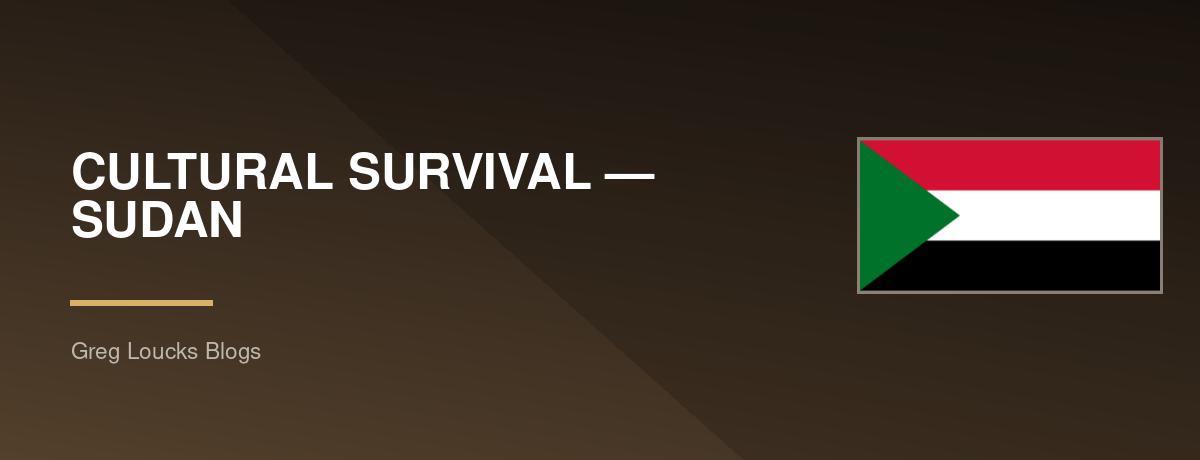
🇸🇩 CULTURAL SURVIVAL — SUDAN
🇸🇩 CULTURAL SURVIVAL — SUDAN PART 1 — THE ANCIENT LAND OF NUBIA The Nile, Early Human Settlement, Kerma, Kush, Napata, Meroë, the Pyramids of Sudan, Ancient Religion, Trade, Writing, Ironworking, and the Foundations of Sudanese Civilization Before Sudan was called Sudan, before Islam, before Christianity, before the Arab migrations, before European colonialism, and even before the kingdoms of Egypt and Kush, people were already living along the Nile Valley. This is one of the most important facts about Sudan. 🇸🇩 SUDAN IS ONE OF AFRICA'S GREAT ANCIENT CIVILIZATIONAL HEARTLANDS. The country is often discussed through the lens of its modern political struggles. But its history reaches back thousands upon thousands of years. The Nile created an environment where human communities could survive in the middle of otherwise harsh landscapes. Along its banks developed: AGRICULTURE. CITIES. KINGDOMS. RELIGIONS. TRADE NETWORKS. WRITING SYSTEMS. MONUMENTAL ARCHITECTURE. And eventually, one of the most powerful civilizations of the ancient African world: KUSH. 🇸🇩 THE LAND Modern Sudan occupies an enormous area in northeastern Africa. It connects several different ecological worlds. THE NILE VALLEY runs through the country. THE NUBIAN DESERT extends across northern Sudan. THE SAHEL transitions across central regions. SAVANNAH covers portions of the south and west. THE RED SEA forms Sudan's eastern coastline. THE HORN OF AFRICA lies farther southeast. THE SAHARA extends across the north. THIS made Sudan a natural crossroads. AFRICA. EGYPT. THE RED SEA. ARABIA. SUB-SAHARAN AFRICA. 🇸🇩 THE NILE The most important geographic feature in Sudanese history is: THE NILE RIVER. TWO GREAT RIVERS meet at modern: KHARTOUM. THE WHITE NILE flows northward from the Great Lakes region of Africa. THE BLUE NILE flows from the Ethiopian Highlands. THEY meet at Khartoum. FROM THERE the united Nile flows north toward Egypt and the Mediterranean. 🇸🇩 THE NILE AS A LIFELINE Outside the river system, much of northern Sudan is extremely dry. BUT along the Nile, water made settlement possible. FISH. WATER. AGRICULTURAL LAND. TRANSPORTATION. TRADE. THE RIVER was simultaneously: HIGHWAY. FOOD SOURCE. WATER SOURCE. BORDER. COMMUNICATION NETWORK. 🇸🇩 EARLY HUMANS Humans have occupied the region of modern Sudan for an extraordinarily long time. ARCHAEOLOGICAL EVIDENCE shows ancient human activity across the Nile Valley and surrounding regions. HUNTERS. FISHERS. GATHERERS. THESE early communities followed seasonal patterns. THE ENVIRONMENT was not always as dry as it is today. 🇸🇩 THE GREEN SAHARA Thousands of years ago, parts of what is now the Sahara were considerably wetter. GRASSLANDS. LAKES. RIVERS. WILDLIFE. HUMAN COMMUNITIES could live across regions that are now desert. ROCK ART provides evidence of ancient people and animals. CATTLE. GIRAFFES. ELEPHANTS. ANTELOPES. THESE IMAGES show that ancient northeastern Africa possessed environments very different from today's Sahara. 🇸🇩 CLIMATE CHANGE Over thousands of years, the African climate changed. RAINFALL declined in many areas. DESERTIFICATION expanded. PEOPLE increasingly concentrated around permanent water sources. THE NILE therefore became even more important. 🇸🇩 NUBIA The region south of ancient Egypt became known historically as: NUBIA. NUBIA was not always a single political state. IT was a broad cultural and geographic region. ITS boundaries changed over time. BUT the Nile corridor of northern Sudan became the heart of ancient Nubian civilization. 🇸🇩 WHO WERE THE NUBIANS? The term: NUBIAN covers a variety of ancient and later peoples of the Nile Valley. THEY developed their own: languages, cultures, political institutions, religions, and kingdoms. NUBIA was therefore not simply an extension of Egypt. IT was a civilization in its own right. 🇸🇩 EGYPT AND NUBIA The relationship between Egypt and Nubia was complicated. SOMETIMES: trade. SOMETIMES: diplomacy. SOMETIMES: war. SOMETIMES: conquest. SOMETIMES: cultural exchange. FOR THOUSANDS OF YEARS, the two civilizations influenced each other. 🇸🇩 THE FIRST GREAT KINGDOM One of the earliest major states in ancient Nubia was: KERMA. 🇸🇩 KERMA Kerma flourished in northern Sudan roughly between: 2500 BCE and 1500 BCE. THIS makes Kerma one of the earliest major urban civilizations in sub-Saharan Africa. 🇸🇩 THE CITY OF KERMA Kerma developed along the Nile. IT became a major center of: agriculture, trade, craft production, and political authority. THE CITY was strategically located between Egypt and the lands farther south. THIS allowed Kerma to become wealthy. 🇸🇩 TRADE Kerma participated in long-distance trade networks. GOODS moving through the region included: gold, ivory, ebony, animal skins, livestock, stone, and other valuable materials. EGYPT wanted access to many of these resources. KERMA could control important routes. THIS gave the kingdom political power. 🇸🇩 GOLD One of Nubia's greatest resources was: GOLD. GOLD was abundant in parts of the eastern desert and surrounding regions. EGYPTIAN RULERS highly valued Nubian gold. IT was used for: jewelry, royal objects, religious objects, and displays of wealth. THIS made Nubia strategically important to Egypt. 🇸🇩 IVORY Ivory was another valuable commodity. ELEPHANTS once lived across much larger portions of northeastern Africa. IVORY could be carved into: ornaments, tools, decorative objects, and luxury goods. 🇸🇩 EBONY Dark hardwoods from farther south were also valuable. THESE could be traded northward through Nubia. THIS made the Nile a commercial corridor connecting different ecological zones. 🇸🇩 KERMA AND EGYPT Egyptian rulers repeatedly sought greater control over Nubia. THE REASON was simple. NUBIA contained resources Egypt wanted. CONTROL OF NUBIA also protected Egypt's southern frontier. EGYPTIAN military expeditions therefore moved south. BUT Kerma was powerful enough to resist Egyptian expansion for long periods. 🇸🇩 KERMA'S POWER Kerma possessed: A KING. AN ARMY. AGRICULTURAL PRODUCTION. CRAFT SPECIALISTS. TRADE NETWORKS. IT was a genuine state. NOT simply a collection of villages. 🇸🇩 DEFFUFA One of the most remarkable surviving monuments at Kerma is the: WESTERN DEFFUFA. IT is a massive mud-brick structure. THE BUILDING was constructed from enormous quantities of mud brick. ITS exact original function has been debated. BUT it clearly demonstrates the organizational ability of Kerma's rulers. LARGE MONUMENTS require: workers, food supplies, engineering knowledge, administration, and political authority. 🇸🇩 KERMA CULTURE Kerma developed distinctive pottery. SOME Kerma ceramics are extraordinarily finely made. THEIR black-topped red surfaces became a recognizable feature of Kerma material culture. THIS shows that Nubian artisans developed their own artistic traditions. 🇸🇩 KERMA AND EGYPTIAN INFLUENCE Kerma imported Egyptian objects. BUT importing Egyptian goods did not mean Kerma became Egyptian. THE KINGDOM maintained its own political and cultural identity. THIS is important when understanding Nubia. CULTURAL EXCHANGE does not necessarily mean cultural replacement. 🇸🇩 THE EGYPTIAN CONQUEST During Egypt's: NEW KINGDOM, Egyptian rulers eventually conquered much of Nubia. BY AROUND the sixteenth century BCE, Egypt had established strong control over Nubian territory. EGYPT built: fortresses, temples, administrative centers, and military installations. NUBIA was incorporated into the Egyptian imperial system. BUT Nubian culture did not disappear. 🇸🇩 NUBIANS IN EGYPT Nubians participated in Egyptian society. SOLDIERS. OFFICIALS. MERCHANTS. ARTISANS. SOME Nubians became important military figures. THE EGYPTIAN ARMY recruited soldiers from Nubia. THIS created cultural exchange in both directions. 🇸🇩 EGYPTIAN TEMPLES IN NUBIA Egyptian rulers constructed monumental temples in Nubia. THESE included temples dedicated to Egyptian gods. BUT over time Nubian rulers would appropriate Egyptian religious traditions for their own political purposes. THIS would become extremely important later. 🇸🇩 THE COLLAPSE OF EGYPTIAN CONTROL Egyptian control over Nubia eventually weakened. THE: BRONZE AGE COLLAPSE and political changes in Egypt created opportunities for local powers. A NEW NUBIAN KINGDOM began emerging. ITS center eventually became: NAPATA. 🇸🇩 KUSH The kingdom that emerged around Napata became known as: KUSH. KUSH would become one of the most powerful states in ancient African history. 🇸🇩 NAPATA Napata was located near: JEBEL BARKAL. JEBEL BARKAL is a distinctive sacred mountain near the Nile. ANCIENT KUSHITES regarded the area as sacred. TEMPLES were built around it. THE SITE became a major religious and political center. 🇸🇩 AMUN The god: AMUN was extremely important in Kush. KUSHITE RULERS associated themselves strongly with the cult of Amun. THIS helped connect Kush with Egyptian religious traditions. BUT Kush developed its own political identity. 🇸🇩 THE KUSHITE KINGDOM Kush expanded its power. IT controlled important parts of the Nile Valley. ITS rulers adopted Egyptian royal symbols. THEY used Egyptian-style: crowns, titles, temples, and religious imagery. BUT they were African rulers governing an African kingdom. 🇸🇩 THE KUSHITE CONQUEST OF EGYPT Eventually, Kush became so powerful that its rulers conquered Egypt. THIS occurred during the eighth century BCE. THE KUSHITE RULERS became: PHARAOHS OF EGYPT. 🇸🇩 THE TWENTY-FIFTH DYNASTY Kushite rulers formed what Egyptologists call: THE TWENTY-FIFTH DYNASTY OF EGYPT. THIS was one of the greatest moments in ancient Nubian history. AN AFRICAN KINGDOM had conquered Egypt. 🇸🇩 PIYE One of the most famous Kushite rulers was: PIYE. HE expanded Kushite authority into Egypt. HIS campaign is recorded on the: PIYE VICTORY STELA. THE INSCRIPTION describes his military campaign and victory over rival Egyptian rulers. IT is one of the most important written sources for Kushite history. 🇸🇩 PIYE'S VICTORY Piye presented himself not merely as a conqueror. HE portrayed himself as a legitimate ruler restoring order. THIS was important to Egyptian political ideology. 🇸🇩 SHABAKA Another major Kushite ruler was: SHABAKA. HE strengthened Kushite rule in Egypt. KUSHITE religious and political influence expanded. 🇸🇩 TAHARQA Perhaps the most famous Kushite pharaoh was: TAHARQA. HE ruled during the seventh century BCE. TAHARQA was a major builder. TEMPLES were constructed and expanded. HIS monuments appear in both: EGYPT and NUBIA. 🇸🇩 KUSH AND ASSYRIA Kush eventually faced another great power. ASSYRIA. THE ASSYRIAN EMPIRE was one of the most powerful states in the ancient Near East. ASSYRIAN military technology was formidable. KUSHITE forces fought to maintain influence in Egypt. THE conflict eventually forced Kushite rulers to withdraw southward. 🇸🇩 KUSH SURVIVES The loss of Egypt did not destroy Kush. INSTEAD, Kush continued as an independent kingdom. ITS political center gradually shifted south. FROM: NAPATA toward: MEROË. 🇸🇩 MEROË Meroë became the most famous later capital of Kush. IT was located farther south along the Nile. THE REGION had several advantages. AGRICULTURAL LAND. ACCESS TO TRADE ROUTES. IRON RESOURCES. DISTANCE FROM EGYPT. 🇸🇩 THE MEROË PERIOD Kush became increasingly distinctive. EGYPTIAN INFLUENCE remained. BUT Kush developed its own: language, writing, art, architecture, and political traditions. 🇸🇩 MEROITIC LANGUAGE The Kushites eventually developed a writing system known as: MEROITIC. IT was written in two forms. MEROITIC HIEROGLYPHS. and MEROITIC CURSIVE. THE LANGUAGE has been partially deciphered. BUT many aspects of Meroitic remain difficult to understand. THIS means there is still much about Kush that historians are trying to recover. 🇸🇩 THE LOST VOICE OF KUSH This is one of the great mysteries of Sudanese history. WE have archaeological remains. WE have inscriptions. WE have temples. WE have pyramids. WE have pottery. BUT we cannot yet read every part of the Kushite historical record with certainty. THE CIVILIZATION therefore still contains unanswered questions. 🇸🇩 KUSHITE PYRAMIDS Kush developed its own pyramid tradition. AND this is one of the most recognizable features of ancient Sudan. SUDAN has more surviving ancient pyramids than Egypt. 🇸🇩 MEROË PYRAMIDS The pyramids at: MEROË are smaller and steeper than many of Egypt's famous pyramids. THEY were primarily royal burial monuments. KUSHITE kings and queens were buried in pyramid complexes. 🇸🇩 WHY PYRAMIDS? The pyramid tradition demonstrates the continuing influence of Egyptian religious ideas. BUT Kushite pyramids were not simply copies. THEY developed distinctive proportions, decoration, and burial traditions. THIS is another example of cultural adaptation. 🇸🇩 QUEENS OF KUSH One of the most fascinating features of Kushite civilization was the prominence of royal women. KUSH was ruled not only by kings. QUEENS could exercise major political power. 🇸🇩 KANDake The title: KANDAKE was used for powerful Kushite queens. THESE women could act as: rulers, regents, military leaders, and political authorities. 🇸🇩 AMANIRENAS One of the most famous Kushite queens was: AMANIRENAS. SHE led Kushite resistance against: ROME. 🇸🇩 KUSH VS. ROME After Rome conquered Egypt, Roman power reached the southern frontier. KUSH did not simply submit. KUSHITE forces attacked Roman territory. THE CONFLICT continued for years. 🇸🇩 AMANIRENAS The Kushite queen: AMANIRENAS became one of the leaders of this resistance. HER forces attacked Roman-controlled Egypt. ROMAN forces eventually invaded Kush. BUT Rome faced enormous logistical difficulties. THE DISTANCE from Egypt to Meroë was considerable. THE DESERT was harsh. KUSHITE resistance was strong. 🇸🇩 THE ROMAN-KUSHITE AGREEMENT Eventually, Rome and Kush negotiated. THE ROMANS withdrew from some disputed areas. KUSH remained independent. THIS was an extraordinary achievement. KUSH had resisted one of the greatest empires of the ancient world. 🇸🇩 KUSHITE MILITARY POWER Kush's military strength depended on several factors. ARCHERS. CAVALRY. INFANTRY. ELEPHANTS may also have been used in some periods. THE NILE provided a transportation corridor. THE DESERT provided natural protection. 🇸🇩 ARCHERY Kush was famous for archers. NUBIAN ARCHERS had long been respected by Egyptian armies. THEIR skills became a major component of Kushite warfare. THIS tradition may have contributed to the ancient reputation of Nubia as a land of powerful archers. 🇸🇩 IRON Meroë is also famous for its association with: IRONWORKING. IRON became increasingly important during the first millennium BCE. MEROË was located near resources needed for metal production. IRON TOOLS could improve: agriculture, construction, and warfare. 🇸🇩 MEROË AS AN INDUSTRIAL CENTER Some scholars have described Meroë as an important center of ancient iron production. FURNACES have been discovered. SLAG provides evidence of metalworking. TOOLS and artifacts demonstrate sophisticated craftsmanship. THE EXACT scale of Meroë's iron industry remains debated. BUT there is no question that metalworking was important. 🇸🇩 AGRICULTURE The Nile remained the foundation of Kushite civilization. FARMERS grew crops along the river. CATTLE were also important. LIVESTOCK had economic and cultural significance. WATER made large settlements possible. WITHOUT THE NILE, Kush could not have existed in the same form. 🇸🇩 TRADE Meroë was positioned between several worlds. EGYPT. RED SEA. HORN OF AFRICA. SAHARA. CENTRAL AFRICA. GOODS could move through the kingdom. GOLD. IVORY. EBONY. ANIMAL PRODUCTS. IRON. POTTERY. TEXTILES. 🇸🇩 RED SEA TRADE Routes toward the Red Sea connected Kush with regions farther east. MERCHANTS could reach: Arabia, the Red Sea, and ports connecting to the wider Indian Ocean world. THIS gave Kush access to international trade networks. 🇸🇩 AFRICAN CONNECTIONS Kush also maintained relationships with societies farther south. THIS is particularly important. KUSH was not simply a civilization oriented toward Egypt. IT was part of a broader African world. PEOPLE. GOODS. ANIMALS. TECHNOLOGY. RELIGIOUS IDEAS. ALL moved through northeastern Africa. 🇸🇩 RELIGION Religion was central to Kushite civilization. AMUN was extremely important. BUT Kushites also worshipped other gods. ISIS. OSIRIS. HORUS. APEDemak. 🇸🇩 APEDEMAK One of the most distinctly Kushite deities was: APEDEMAK. HE was often represented as a: LION GOD. APEDEMAK was associated with: power, war, royal authority, and fertility. HIS importance demonstrates that Kush was developing its own religious identity. 🇸🇩 NUBIAN RELIGION Kushite religion blended: EGYPTIAN TRADITIONS with LOCAL NUBIAN BELIEFS. THIS was not simple imitation. IT was cultural transformation. 🇸🇩 TEMPLE ARCHITECTURE Kushite temples often followed Egyptian architectural traditions. BUT their decoration and religious symbolism could be distinctly Nubian. TEMPLES served as: religious centers, political centers, economic centers, and symbols of royal authority. 🇸🇩 THE KING The Kushite king was not simply a political leader. HE was connected to the religious order. ROYAL POWER was closely tied to divine legitimacy. THIS was common throughout the ancient world. 🇸🇩 WOMEN AND POWER Kushite royal women deserve special attention. QUEENS could hold substantial authority. SOME were buried in monumental pyramids. SOME appear prominently in temple inscriptions. SOME participated directly in military and political affairs. THIS makes Kush particularly important in the study of ancient African women and political power. 🇸🇩 THE ART OF KUSH Kushite art developed its own style. ROYAL STATUES. RELIEF CARVINGS. JEWELRY. CERAMICS. SCULPTURE. KUSHITE rulers were often represented wearing distinctive crowns. THESE could include: double uraei, ram horns, and other royal symbols. 🇸🇩 THE DOUBLE URAEUS Kushite rulers sometimes wore crowns featuring: TWO COBRAS. THIS was distinct from many Egyptian royal traditions. IT could symbolize Kushite control over both: UPPER AND LOWER LANDS. 🇸🇩 MEROË AND THE ROMAN WORLD Even after the Roman conflict, trade continued. ROMAN goods reached Kush. KUSHITE goods reached Roman territory. THIS demonstrates that ancient African civilizations participated in international economies. 🇸🇩 THE DECLINE OF KUSH Like every great civilization, Kush eventually declined. THE REASONS are complex. CLIMATE CHANGE. TRADE ROUTE CHANGES. POLITICAL INSTABILITY. ECONOMIC PRESSURES. COMPETITION FROM NEIGHBORING STATES. A NEW POWER eventually emerged. AXUM. 🇸🇩 AXUM The Kingdom of Aksum was centered farther east, in what is now: ETHIOPIA and ERITREA. AXUM became an important regional power. TRADE through the Red Sea increasingly favored Aksum. THIS could weaken Meroë's economic position. 🇸🇩 THE END OF MEROË Meroë eventually declined during the fourth century CE. THE KINGDOM was eventually replaced by another Nubian political center: NOBATIA, and later Christian Nubian kingdoms. BUT Kush's cultural legacy did not disappear. IT became part of the foundation upon which later Sudanese civilizations developed. 🇸🇩 WHAT KUSH LEFT BEHIND Kush left: CITIES. TEMPLES. PYRAMIDS. WRITING. RELIGIOUS TRADITIONS. ART. TRADE NETWORKS. ROYAL INSTITUTIONS. AND perhaps most importantly: A HISTORICAL MEMORY. 🇸🇩 KUSH WAS AFRICAN For centuries, European interpretations of ancient history sometimes attempted to separate civilizations such as Kush from the broader history of Africa. BUT Kush was an African civilization. ITS people lived in northeastern Africa. ITS kingdom developed along the Nile. ITS rulers conquered Egypt. ITS armies fought Rome. ITS merchants participated in African and Red Sea trade. ITS culture developed from a mixture of local Nubian traditions and external influences. 🇸🇩 THIS MATTERS Sudan's ancient history demonstrates that Africa was never simply a place where civilizations arrived from elsewhere. AFRICANS built states. AFRICANS built cities. AFRICANS developed writing. AFRICANS built monumental architecture. AFRICANS developed international trade networks. AFRICANS fought empires. AND Africans built kingdoms that ruled other major civilizations. 🇸🇩 THE PYRAMIDS OF SUDAN Perhaps nothing symbolizes this better than the pyramids of Sudan. MEROË contains dozens of pyramids. NURI contains royal pyramids. EL-KURRU contains early Kushite royal burials. THESE sites demonstrate the scale of Kushite civilization. 🇸🇩 WHY ARE THEY LESS FAMOUS? Egypt's pyramids became globally famous. SUDAN'S PYRAMIDS received far less attention internationally. PART OF THE REASON is that Egypt became central to Western archaeological traditions. BUT Sudan contains an extraordinary archaeological heritage of its own. 🇸🇩 PRESERVING THE PAST Modern Sudan faces enormous challenges in preserving ancient sites. FLOODING. DEVELOPMENT. LOOTING. CLIMATE. POLITICAL INSTABILITY. ARCHAEOLOGICAL sites can be damaged or destroyed. THIS makes preservation extremely important. 🇸🇩 A LOST CIVILIZATION? Kush was never truly lost. THE physical remains survived. THE pyramids survived. THE temples survived. THE inscriptions survived. BUT the civilization's story was often neglected. TODAY, archaeologists continue reconstructing that story. 🇸🇩 THE NILE AS MEMORY The Nile connects Sudan's ancient and modern history. THE SAME RIVER that supported: Kerma, Napata, and Meroë still supports: modern Sudanese communities. THE RIVER remains central to: agriculture, transportation, settlement, and identity. 🇸🇩 THE ANCIENT FOUNDATION Before Sudan became: MUSLIM, before it became: CHRISTIAN, before it became: ARABIZED, before it became: COLONIAL, there was already a long African civilization along the Nile. KERMA. KUSH. NAPATA. MEROË. THESE form the ancient foundation of Sudanese history. 🇸🇩 PART 1 — FINAL LESSON Sudan's history did not begin with colonial borders. IT did not begin with Egypt's modern influence. IT did not begin with Islam. IT did not begin with the British. IT did not begin with the modern Republic of Sudan. IT began thousands of years earlier. ALONG THE NILE, people built communities. THOSE COMMUNITIES became cities. CITIES became kingdoms. KINGDOMS became empires. KERMA rose beside the Nile. KUSH conquered Egypt. KUSHITE PHARAOHS ruled one of the ancient world's greatest civilizations. MEROË became a center of trade and metalworking. KUSHITE QUEENS commanded armies and ruled kingdoms. KUSH resisted Rome. AND the pyramids of Sudan still stand as monuments to that civilization. 🇸🇩 BUT KUSH WAS NOT THE END. After the fall of Meroë, new Nubian kingdoms would rise. CHRISTIANITY would reach the Nile Valley. NOBATIA. MAKURIA. ALWA. THESE Christian Nubian kingdoms would survive for centuries. THEN Islam would gradually transform the region. ARAB MIGRATIONS would reshape Sudanese society. NEW SULTANATES would emerge. AND eventually the powerful: FUNJ SULTANATE would rise. 🇸🇩 NEXT PART 2 — CHRISTIAN NUBIA AND THE ISLAMIZATION OF SUDAN The Kingdoms of Nobatia, Makuria and Alwa, the Spread of Christianity, Nubian Churches, the Baqt with Egypt, Arab Migration, the Gradual Islamization of the Nile Valley, Sufi Traditions, the Rise of Muslim Sultanates, and the Transformation of Ancient Nubia into Medieval Sudan. 🇸🇩 CULTURAL SURVIVAL — SUDAN PART 2 — CHRISTIAN NUBIA AND THE ISLAMIZATION OF SUDAN Nobatia, Makuria, Alwa, Christian Nubian Civilization, the Baqt, Arab Migration, Islamization, Sufi Traditions, and the Birth of Medieval Sudan The fall of Meroë did not mean the end of civilization in the Nile Valley. It meant the beginning of another chapter. The great Kushite kingdom had disappeared, but the people of Nubia remained. New kingdoms emerged. New religions arrived. New languages developed. New political alliances were created. And gradually, the religious and cultural landscape of the Nile Valley transformed. For several centuries, much of northern and central Sudan became home to one of the most remarkable Christian civilizations in Africa. 🇸🇩 CHRISTIAN NUBIA. This civilization would survive for centuries between two powerful worlds: CHRISTIAN EGYPT to the north, and THE ISLAMIC WORLD to the north and east. Eventually Islam would become dominant. But the transformation was gradual. It took centuries. And Christian Nubia left behind an extraordinary legacy. 🇸🇩 AFTER MEROË The Kingdom of Kush declined during the fourth century CE. MEROË lost political importance. NEW KINGDOMS began emerging farther north and south. THREE became particularly important: NOBATIA. MAKURIA. ALWA. 🇸🇩 NOBATIA Nobatia developed in northern Nubia. ITS territory stretched along the Nile between Egypt and the regions farther south. THE KINGDOM was strategically positioned. EGYPT was directly to its north. THE RED SEA was to its east. THE NILE connected it to the rest of Nubia. 🇸🇩 MAKURIA Farther south, the Kingdom of: MAKURIA became one of the most powerful Nubian states. ITS capital was: DONGOLA. OLD DONGOLA became a major political and religious center. 🇸🇩 ALWA Farther south was: ALWA, also called: ALodia. ITS capital was probably located near the confluence of the: BLUE NILE and WHITE NILE. THIS placed it near the region of modern: KHARTOUM. 🇸🇩 THREE NUBIAN KINGDOMS The broad political landscape therefore included: NOBATIA in the north, MAKURIA in the central Nile Valley, and ALWA farther south. THESE were not identical states. EACH had its own political structures. BUT they shared aspects of: Nubian culture, Nile Valley traditions, Christianity, and interaction with Egypt. 🇸🇩 CHRISTIANITY ARRIVES Christianity had already spread through Egypt by late antiquity. EGYPTIAN CHRISTIANS became known as: COPTIC CHRISTIANS. MISSIONARIES and religious influences gradually moved southward. NUBIAN RULERS eventually adopted Christianity. THIS transformed Nubian civilization. 🇸🇩 CHRISTIANIZATION Christianization was not instantaneous. IT developed over generations. LOCAL RELIGIONS continued for some time. CHRISTIAN beliefs gradually became established. CHURCHES were constructed. MONASTERIES were established. CHRISTIAN ART developed. THE NILE VALLEY became part of the wider Christian world. 🇸🇩 NOBATIA BECOMES CHRISTIAN Nobatia adopted Christianity during the sixth century. MISSIONARIES from different Christian traditions were active in Nubia. THIS was partly connected to religious competition within the broader Christian world. BY THE END OF THE SIXTH CENTURY, Christianity had become firmly established among the Nubian kingdoms. 🇸🇩 BYZANTINE INFLUENCE The Byzantine Empire was the dominant Christian power in the eastern Mediterranean. BYZANTINE political and religious influence reached Egypt. FROM EGYPT, Christian traditions moved into Nubia. BUT Nubia was not simply a Byzantine colony. NUBIANS developed their own Christian culture. 🇸🇩 CHRISTIAN NUBIA Christian Nubian civilization lasted for centuries. THIS is one of the most important forgotten chapters of African history. AFRICA was not simply: PAGAN or MUSLIM. THERE WAS ALSO a major Christian civilization along the Nile. 🇸🇩 NUBIAN CHRISTIANITY Nubian Christianity was strongly connected with: COPTIC CHRISTIANITY. BUT Nubian churches developed distinctive local characteristics. ART. ARCHITECTURE. LITURGY. LANGUAGE. ALL developed within the Nubian environment. 🇸🇩 THE NUBIAN CHURCH Churches were constructed throughout Nubia. SOME were relatively small. OTHERS were substantial basilicas. WALLS were decorated with paintings. RELIGIOUS IMAGES depicted: Christ, Mary, angels, saints, and biblical scenes. 🇸🇩 NUBIAN MURALS Some of the most remarkable evidence for Christian Nubia comes from surviving wall paintings. THEY show: royal figures, saints, biblical scenes, angels, and religious symbols. THESE paintings demonstrate that Nubian Christianity had a sophisticated artistic tradition. 🇸🇩 FARAS One of the most famous Christian Nubian archaeological sites was: FARAS. FARAS was located in northern Nubia. ITS cathedral contained extraordinary murals. MANY were preserved after being buried and protected for centuries. TODAY these paintings provide valuable evidence about Christian Nubian society. 🇸🇩 NUBIAN KINGS Christian Nubian kings continued to exercise strong political authority. THEY were more than political administrators. THEY were also associated with the protection of Christianity. RELIGION and kingship remained closely connected. 🇸🇩 OLD DONGOLA The capital of Makuria, OLD DONGOLA, became one of the great centers of Christian Nubia. PALACES. CHURCHES. MONASTERIES. ADMINISTRATIVE BUILDINGS. ALL developed there. THE CITY was a major political center for centuries. 🇸🇩 THE GREAT CHURCH Old Dongola contained impressive churches. SOME were rebuilt multiple times. THIS suggests a stable and prosperous Christian community. 🇸🇩 MONASTERIES Christian Nubia also developed monastic traditions. MONKS lived in desert and river environments. MONASTERIES could become centers of: prayer, education, manuscript production, and community life. 🇸🇩 THE DESERT MONASTIC TRADITION The desert was not simply empty land. IT could become a place for: spiritual retreat, monasticism, and pilgrimage. THIS connected Nubia to the wider Christian traditions of Egypt. 🇸🇩 NUBIAN LANGUAGES Christian Nubia also developed written traditions in local languages. NOBIIN. OLD NUBIAN. OLD NUBIAN was written using an alphabet based largely on: COPTIC with additional characters. THIS is an extremely important development. NUBIAN was not merely spoken. IT could be written. DOCUMENTS could be recorded. RELIGIOUS TEXTS could be translated. ADMINISTRATION could use written communication. 🇸🇩 OLD NUBIAN DOCUMENTS Archaeologists have discovered Old Nubian texts dealing with: religion, legal matters, letters, contracts, and administration. THESE provide a direct window into medieval Nubian society. 🇸🇩 CHRISTIANITY AND LANGUAGE Religious traditions therefore helped preserve local language. THIS is a recurring historical pattern. A NEW RELIGION arrives. BUT local communities adapt it. THEY translate. THEY build. THEY create local artistic traditions. CHRISTIANITY became Nubian. 🇸🇩 THE BAQT One of the most famous agreements in medieval African history was the: BAQT. IT was an agreement between: MAKURIA and THE MUSLIM RULERS OF EGYPT. IT was established in the seventh century. THE agreement followed an attempted Muslim conquest of Nubia. 🇸🇩 THE MUSLIM CONQUEST After the Arab Muslim conquest of Egypt, Muslim forces moved south. THEY encountered: NUBIAN RESISTANCE. NUBIAN ARCHERS were particularly effective. THEY became famous for their ability to strike enemy forces from a distance. 🇸🇩 NUBIAN ARCHERS Arab sources developed a strong reputation for Nubian archery. THE Muslim armies faced serious difficulties. EVENTUALLY the two sides reached an agreement. 🇸🇩 THE BAQT AGREEMENT The Baqt established a long-term relationship between Egypt and Makuria. IT involved: trade, diplomatic relations, and exchanges of people. THE precise details and interpretation of the Baqt remain debated by historians. BUT its historical significance is enormous. IT helped create a relatively stable frontier between: CHRISTIAN NUBIA and MUSLIM EGYPT. 🇸🇩 A UNIQUE FRONTIER For centuries, a Christian kingdom existed immediately south of Muslim Egypt. THIS was unusual. CHRISTIAN NUBIA survived. MUSLIM EGYPT survived. TRADE continued. DIPLOMACY continued. CONFLICT occasionally occurred. BUT neither side immediately destroyed the other. 🇸🇩 NUBIA'S GOLD Trade remained important. GOLD continued to be one of the region's major resources. OTHER GOODS included: ivory, livestock, slaves, textiles, and agricultural products. EGYPT wanted access to Nubian resources. NUBIA wanted access to Egyptian markets. THIS created economic interdependence. 🇸🇩 SLAVE TRADING It is important to acknowledge that slavery existed in medieval Nubia and the wider Nile Valley. PEOPLE could be captured during warfare. ENSLAVEMENT was part of regional economies. THIS was not unique to one religion or civilization. SLAVERY existed across many societies in Africa, the Middle East, and Europe during the medieval period. BUT its existence became increasingly significant as Muslim trade networks expanded southward. 🇸🇩 ARAB MIGRATION One of the most important long-term transformations was the migration of: ARAB TRIBES into Sudan. THESE migrations occurred over centuries. THEY did not happen all at once. ARAB GROUPS entered the Nile Valley and surrounding regions. SOME settled permanently. OTHERS remained pastoral. SOME intermarried with local populations. THIS began gradually changing the ethnic and linguistic landscape. 🇸🇩 ARABIZATION Arabization was a long process. IT involved more than ancestry. IT also involved: language, culture, religion, political alliances, and social identity. PEOPLE could become Arabic-speaking without being recent immigrants from Arabia. THIS is an important distinction. 🇸🇩 ISLAMIZATION Islamization was similarly gradual. MUSLIM merchants and travelers entered Sudan. TRADERS established communities. RELIGIOUS SCHOLARS arrived. SUFI ORDERS eventually became extremely influential. BUT Christian Nubian kingdoms continued for centuries. 🇸🇩 CHRISTIAN NUBIA SURVIVES By the medieval period, Makuria remained a significant Christian kingdom. ITS rulers controlled the central Nile Valley. ITS churches remained active. ITS monasteries remained active. ITS trade networks remained active. THIS continued long after the rise of Islam in Egypt. 🇸🇩 THE FATIMIDS When the: FATIMID CALIPHATE controlled Egypt, relations with Nubia could be relatively cooperative. THE FATIMIDS were themselves Muslims, but they followed: ISMAILI SHI'A ISLAM. MAKURIA remained Christian. DIPLOMACY continued. 🇸🇩 THE AYYUBIDS Later, the: AYYUBIDS came to power in Egypt. THE Ayyubid dynasty was founded by: SALADIN. THE AYYUBIDS were Sunni Muslims. THEIR relationship with Nubia was more confrontational. 🇸🇩 THE MAMLUKS The next major power in Egypt was: THE MAMLUK SULTANATE. THE MAMLUKS became one of the most powerful states in the medieval Middle East. CAIRO became their great capital. MAMLUK rulers increasingly intervened in Nubian politics. 🇸🇩 NUBIAN POLITICAL FRAGMENTATION By this period, Makuria was experiencing internal problems. SUCCESSION DISPUTES. POLITICAL CONFLICT. ECONOMIC PRESSURES. THE MAMLUKS exploited these weaknesses. NUBIAN rulers became increasingly dependent on political relationships with Egypt. 🇸🇩 THE FALL OF MAKURIA By the fourteenth century, Makuria had weakened dramatically. ITS political structure fragmented. MUSLIM influence increased. CHRISTIAN institutions remained, but their political dominance declined. 🇸🇩 ALWA The southern kingdom of Alwa also eventually declined. THE exact process is not completely understood. BUT by the late medieval period, the great Christian Nubian kingdoms were disappearing. 🇸🇩 WAS CHRISTIANITY DESTROYED? No. CHRISTIAN communities survived for centuries. CHURCHES continued in some regions. MONASTERIES continued. LOCAL Christian traditions survived longer than the political kingdoms themselves. BUT Islam was becoming increasingly dominant. 🇸🇩 THE GRADUAL TRANSFORMATION The religious transformation of Sudan was therefore not: CHRISTIAN → MUSLIM OVERNIGHT. IT was: CHRISTIAN alongside MUSLIM for centuries. THEN Islam gradually became dominant. 🇸🇩 WHY DID ISLAM SPREAD? Several factors contributed. TRADE. MIGRATION. INTERMARRIAGE. POLITICAL ALLIANCES. SUFI MISSIONARY ACTIVITY. ECONOMIC CONNECTIONS. AND the growing influence of Muslim states. 🇸🇩 SUFISM One of the most important forces in Sudanese Islam became: SUFISM. SUFI traditions emphasize: spiritual devotion, remembrance of God, religious teachers, and personal spiritual experience. SUFI ORDERS developed networks throughout Sudan. SHEIKHS could become highly respected local leaders. ZAWIYAS and religious centers became places of: prayer, education, charity, and community life. 🇸🇩 ISLAM BECOMES SUDANESE As Islam spread, it did not simply erase older traditions. LOCAL CUSTOMS continued. LOCAL LANGUAGES continued. TRIBAL STRUCTURES continued. ISLAM became integrated into existing society. THIS created a distinctly Sudanese Islamic culture. 🇸🇩 ARABIC Arabic gradually became increasingly important. IT became the language of: trade, religion, administration, and eventually much of public life. BUT Sudan remained linguistically diverse. NUBIAN LANGUAGES survived. BEJA survived. FUR. NUBA LANGUAGES. NILOTIC LANGUAGES. MANY languages would continue into modern Sudan. 🇸🇩 BEJA The: BEJA people of eastern Sudan have an ancient history in the Red Sea region. THEIR language belongs to the: CUSHITIC language family. THEY maintained pastoral traditions and strong regional identities. 🇸🇩 THE NUBA MOUNTAINS The: NUBA MOUNTAINS became another important cultural region. MANY different peoples and languages developed there. THESE communities maintained distinctive cultural traditions. ISLAMIZATION did not affect every region equally. CHRISTIANITY did not disappear everywhere at the same time. LOCAL RELIGIONS also survived in some areas. 🇸🇩 DARFUR Farther west, the region of: DARFUR developed its own political traditions. THE NAME literally relates to the: LAND OF THE FUR. THE FUR became one of the region's major peoples. ISLAM eventually became important there. BUT Darfur developed separately from the Nile Valley. 🇸🇩 THE SULTANATES As Christian Nubian kingdoms declined, new Muslim states began emerging. THE FUNJ would eventually establish one of the most important. 🇸🇩 THE FUNJ The: FUNJ SULTANATE rose during the sixteenth century. ITS center was: SENNAR. THIS marked the beginning of a new era. 🇸🇩 SENNAR Sennar was located along the: BLUE NILE. ITS position allowed the Funj to control important agricultural and trade routes. THE FUNJ built a powerful Muslim kingdom. THIS state would become one of the foundations of early modern Sudan. 🇸🇩 THE FUNJ AND ISLAM The Funj rulers became Muslims. SUFI ISLAM became particularly influential. RELIGIOUS SCHOLARS gained importance. MOSQUES were built. ISLAMIC EDUCATION expanded. 🇸🇩 THE ABDALLAB Another important political force was: THE ABDALLAB. THEY controlled territories near the Nile north of the Funj heartland. THE relationship between the Funj and Abdallab was an important part of the political system. 🇸🇩 A NEW SUDAN By the early modern period, the region was increasingly recognizable as a Muslim Sudanese civilization. ARABIC was increasingly important. ISLAM was dominant in many areas. SUFI NETWORKS connected communities. SULTANATES controlled territory. TRADE linked the Nile to the Red Sea and Sahara. BUT Sudan remained extraordinarily diverse. 🇸🇩 SUDAN WAS NEVER ONE PEOPLE This is essential. SUDAN has always contained many peoples. NUBIANS. BEJA. FUR. NUBA. ARABIZED COMMUNITIES. NILOTIC PEOPLES. AND MANY OTHERS. THEIR languages, histories, and traditions differed. WHAT connected them was not a single ancient ethnic identity. IT was a constantly evolving network of: RIVERS. TRADE. RELIGION. MIGRATION. POLITICS. CULTURAL EXCHANGE. 🇸🇩 THE NILE AS A BRIDGE The Nile remained the great connector. NORTH. SOUTH. EGYPT. NUBIA. CENTRAL SUDAN. PEOPLE could move. GOODS could move. RELIGIONS could move. LANGUAGES could interact. THIS created the foundations of medieval Sudan. 🇸🇩 CHRISTIAN NUBIA'S LEGACY The Christian kingdoms eventually disappeared politically. BUT their legacy remains. OLD DONGOLA. FARAS. NUBIAN CHURCHES. OLD NUBIAN TEXTS. MONASTERIES. WALL PAINTINGS. THESE remind us that Sudan was once home to one of Africa's great Christian civilizations. 🇸🇩 THE ISLAMIC LEGACY The later transformation created another layer. ARABIC. ISLAM. SUFISM. MOSQUES. SULTANATES. THESE became central to Sudanese civilization. BUT they did not completely erase what came before. 🇸🇩 CULTURAL SURVIVAL This is the central theme. KUSH did not simply vanish. ITS people remained. NUBIAN languages remained. NUBIAN traditions remained. CHRISTIANITY remained for centuries. THEN Islam became dominant. BUT older cultural identities continued underneath the new religious landscape. 🇸🇩 PART 2 — FINAL LESSON After the fall of Kush, Sudan did not enter a dark age. NEW KINGDOMS rose. NOBATIA. MAKURIA. ALWA. CHRISTIANITY became dominant across much of the Nile Valley. NUBIAN churches were built. OLD NUBIAN was written. KINGS ruled Christian kingdoms. NUBIAN ARCHERS defended their homeland. MAKURIA signed the famous: BAQT with Muslim Egypt. CHRISTIAN NUBIA survived for centuries. THEN Arab migration increased. ISLAM spread gradually. SUFI ORDERS became powerful. ARABIC expanded. CHRISTIAN KINGDOMS declined. MUSLIM SULTANATES emerged. AND the foundations were laid for the next great period of Sudanese history. 🇸🇩 THE FUNJ SULTANATE. The Funj would establish a powerful state centered on Sennar. DARFUR would develop its own great sultanate. OTTOMAN-EGYPTIAN power would eventually move south. THE MAHDIST REVOLUTION would challenge foreign rule. AND Sudan would enter the modern age. 🇸🇩 NEXT PART 3 — THE SULTANATES, OTTOMAN-EGYPTIAN RULE, AND THE MAHDIST REVOLUTION The Funj Sultanate, Sennar, Darfur, Kordofan, Sufi Islam, Ottoman-Egyptian Expansion, Slavery and the Slave Trade, European Imperialism, Muhammad Ahmad al-Mahdi, the Siege of Khartoum, General Gordon, the Mahdist State, and Sudan's Resistance to Foreign Rule. 🇸🇩 CULTURAL SURVIVAL — SUDAN PART 3 — THE SULTANATES, OTTOMAN-EGYPTIAN RULE, AND THE MAHDIST REVOLUTION The Funj Sultanate, Sennar, Darfur, Kordofan, Ottoman-Egyptian Expansion, Sufi Islam, Slavery, European Imperialism, Muhammad Ahmad al-Mahdi, the Siege of Khartoum, and Sudanese Resistance By the sixteenth century, the great Christian kingdoms of medieval Nubia had largely disappeared as major political powers. But Sudan did not become politically empty. A new civilization was taking shape. ISLAMIC SUDAN. Power moved southward. New sultanates emerged. Trade expanded across the Nile, the Sahara, and the Red Sea. Sufi Islam became deeply rooted. And eventually, a new foreign power arrived with ambitions to control the entire Nile Valley. That power was: EGYPT. Behind Egypt stood another enormous empire: THE OTTOMAN EMPIRE. And behind the expanding European presence in Egypt stood an even larger imperial struggle. The result would eventually produce one of the most famous anti-colonial revolutions in nineteenth-century Africa: THE MAHDIST REVOLUTION. 🇸🇩 THE FUNJ SULTANATE The most important state in central Sudan during the early modern period was: THE FUNJ SULTANATE. ITS CAPITAL: SENNAR. THE KINGDOM emerged during the sixteenth century. ITS territory extended across much of the central Nile Valley and surrounding regions. THE FUNJ controlled important agricultural areas. THEY also controlled major trade routes. SENNAR became a major political center. 🇸🇩 THE BLUE NILE The location of Sennar was strategically important. THE BLUE NILE provided: water, fertile agricultural land, transportation, and access to trade. FARMERS could grow crops along the river. TRADERS could move goods. ARMIES could move along the river system. THE RIVER therefore remained the foundation of political power. 🇸🇩 FUNJ AGRICULTURE Agriculture supported the state. SORGHUM. MILLET. OTHER GRAINS. LIVESTOCK. FARMING was supplemented by pastoralism. CATTLE were particularly important. AGRICULTURAL SURPLUS allowed rulers to maintain: armies, administrators, religious institutions, and royal courts. 🇸🇩 ISLAMIC SENNAR The Funj rulers became Muslims. ISLAM became central to political legitimacy. BUT the religious transformation was not simply imposed from above. SUFI SCHOLARS. RELIGIOUS TEACHERS. MERCHANTS. LOCAL COMMUNITIES. ALL participated in the development of Sudanese Islam. 🇸🇩 SUFISM Sufi Islam became one of the defining features of Sudanese religious life. SUFI SHEIKHS could become enormously influential. THEY taught: Qur'an, Islamic law, spiritual disciplines, and religious traditions. RELIGIOUS CENTERS could also provide: education, charity, mediation, and community organization. 🇸🇩 THE QADIRIYYA The: QADIRIYYA became one of the important Sufi traditions in Sudan. ITS roots ultimately traced back to: ABD AL-QADIR AL-JILANI of Baghdad. THE ORDER spread across the Islamic world. SUDAN became one of the regions where Sufi traditions became deeply embedded in local society. 🇸🇩 THE SHADILIYYA Other Sufi traditions also reached Sudan. THESE religious networks connected Sudan with the broader Islamic world. BUT they also became distinctly Sudanese. LOCAL SHEIKHS developed their own communities. LOCAL CUSTOMS were incorporated. RELIGIOUS PRACTICE became part of everyday life. 🇸🇩 THE FUNJ AND THE ABDALLAB The Funj state developed a political relationship with the: ABDALLAB. THE ABDALLAB controlled areas farther north. THEIR territory included important sections of the Nile Valley. THE TWO POWERS worked together while maintaining separate political identities. THIS created a political order stretching across much of central Sudan. 🇸🇩 TRADE Sennar benefited from its position between several major trading zones. EGYPT. THE RED SEA. ETHIOPIA. THE SAHEL. THE SUDAN INTERIOR. GOODS moved in multiple directions. GOLD. IVORY. LIVESTOCK. GUM ARABIC. SLAVES. TEXTILES. SALT. WEAPONS. 🇸🇩 THE SAHARA The Sahara was not simply a barrier. IT was also a transportation network. CARAVANS crossed desert routes. CAMELS made long-distance travel possible. TRADERS connected: North Africa, the Nile Valley, and West Africa. 🇸🇩 DARFUR While the Funj ruled much of central Sudan, another major state developed in the west: THE SULTANATE OF DARFUR. DARFUR developed independently of Sennar. ITS rulers belonged to the: FUR. THE SULTANATE became an important regional power. 🇸🇩 DARFUR'S GEOGRAPHY Darfur lies west of the Nile Valley. IT contains: savannah, desert, mountains, and important seasonal water sources. THE: MARrah MOUNTAINS became particularly important. THEY provided: water, agricultural land, and strategic protection. 🇸🇩 THE FUR The Fur people developed a powerful political identity. THEIR language, culture, and traditions remain important to Darfur today. 🇸🇩 DARFUR AND ISLAM Islam became deeply established in Darfur. SULTANS used Islamic institutions. SCHOLARS served royal courts. MOSQUES were constructed. ISLAMIC learning expanded. BUT local traditions remained important. 🇸🇩 DARFUR'S TRADE Darfur connected the Nile Valley with: CHAD. LIBYA. THE CENTRAL SAHEL. CARAVAN ROUTES crossed the region. DARFUR therefore became an important intermediary between: North Africa and central Africa. 🇸🇩 KORDOFAN Another important region was: KORDOFAN. IT lies between the Nile Valley and western Sudan. KORDOFAN became strategically important because it connected: SENNAR, DARFUR, and EGYPT. WHOEVER CONTROLLED KORDOFAN could influence important trade routes. 🇸🇩 THE OTTOMAN EMPIRE Meanwhile, a powerful empire was expanding across the Middle East and North Africa. THE OTTOMAN EMPIRE. THE OTTOMANS had conquered: Egypt in: 1517. EGYPT became part of the Ottoman imperial system. BUT the Ottomans did not immediately establish direct control over all of Sudan. MUCH of Sudan remained under local rulers. 🇸🇩 THE OTTOMAN FRONTIER The Ottoman Empire therefore had influence around the northern Nile Valley, while independent Sudanese states controlled much of the territory farther south. THIS created a political frontier. 🇸🇩 EGYPT'S AMBITIONS By the nineteenth century, Egypt itself was becoming increasingly powerful. MUHAMMAD ALI PASHA had established a powerful dynasty in Egypt. HE wanted to build a strong centralized state. HE also wanted: land, soldiers, gold, and control of trade routes. SUDAN offered all four. 🇸🇩 THE EGYPTIAN CONQUEST In: 1820, Egyptian forces invaded Sudan. THEIR objective was to bring Sudan under Egyptian control. THE invasion was led by forces associated with: ISMAIL KAMIL PASHA. 🇸🇩 THE FALL OF SENNAR The Funj Sultanate was already weakened. EGYPTIAN military power was considerably stronger. THE Egyptians therefore conquered much of the Funj heartland. SENNAR lost its political independence. THE Funj state effectively ceased to be the dominant power. 🇸🇩 KORDOFAN Egyptian forces also moved into: KORDOFAN. THE REGION was brought under Egyptian rule. 🇸🇩 DARFUR RESISTS Darfur initially maintained its independence. THE Sultanate of Darfur remained a major regional power. EGYPT wanted to expand westward. BUT Darfur's distance and geography made conquest difficult. 🇸🇩 EGYPTIAN RULE The Egyptian administration attempted to centralize Sudan. TAXATION was imposed. GOVERNORS were appointed. MILITARY garrisons were established. TRADE was reorganized. SLAVE RAIDS became an important part of the economy. GOLD was sought. AGRICULTURAL production was taxed. 🇸🇩 THE TURKIYAH The period of Egyptian-Ottoman rule is commonly known in Sudanese history as: THE TURKIYAH. IT began in the nineteenth century. "TURKIYAH" refers broadly to the period of Turco-Egyptian rule. 🇸🇩 FOREIGN RULE For many Sudanese communities, the new government represented: FOREIGN RULE. TAX COLLECTORS arrived. SOLDIERS arrived. GOVERNORS arrived. NEW LAWS were imposed. LOCAL RULERS lost authority. THIS created resentment. 🇸🇩 TAXATION One major source of resentment was taxation. THE GOVERNMENT needed revenue. TAXES could be collected in: money, livestock, grain, and other forms. LOCAL COMMUNITIES often viewed these demands as excessive. 🇸🇩 CORRUPTION Corruption also became a serious problem. OFFICIALS could exploit their positions. LOCAL populations could face arbitrary demands. THIS weakened the legitimacy of Egyptian rule. 🇸🇩 SLAVERY The history of nineteenth-century Sudan cannot be understood without discussing slavery. SLAVERY had existed in the region for centuries. BUT under nineteenth-century expansion, slave raiding became increasingly significant. SOUTHERN REGIONS were particularly vulnerable. RAIDERS captured people. CAPTIVES could be transported north. SOME were incorporated into households. OTHERS were used in agriculture, military service, or other forms of labor. 🇸🇩 THE SLAVE TRADE Sudan became connected to broader slave-trading networks. PEOPLE were transported toward: Egypt, the Red Sea, and other markets. THIS had devastating consequences for affected communities. VILLAGES could be attacked. FAMILIES could be separated. COMMUNITIES could be displaced. 🇸🇩 SLAVERY AND THE MILITARY Some enslaved men were recruited into military forces. THESE soldiers could become important components of Egyptian-controlled armies. THE GOVERNMENT therefore had complicated interests in the institution. 🇸🇩 EUROPEAN PRESSURE By the nineteenth century, European powers were increasingly involved in African affairs. BRITAIN had become particularly powerful in Egypt. BRITAIN was determined to protect its route to: INDIA. THE SUEZ CANAL opened in: 1869. THIS made Egypt and the Nile Valley even more strategically important. 🇸🇩 THE SUEZ CANAL The canal connected: MEDITERRANEAN and RED SEA. EUROPEAN TRADE could move much more rapidly toward Asia. BRITAIN therefore became deeply interested in Egypt. AND because Egypt controlled Sudan, Sudan became strategically important to Britain as well. 🇸🇩 ISMAIL PASHA Egypt's ruler: ISMAIL PASHA attempted to expand Egyptian control farther south. HE wanted to build a modern Egyptian empire. HIS government expanded administration into: Sudan, the upper Nile, and areas toward the Red Sea. 🇸🇩 EQUATORIAL EXPANSION Egyptian forces moved southward. THEY established garrisons. ADMINISTRATORS attempted to impose authority. BUT the distances were enormous. SUPPLY was difficult. LOCAL RESISTANCE was common. DISEASE was another major problem. 🇸🇩 CHARLES GORDON One of the most famous Europeans involved in Sudan was: CHARLES GEORGE GORDON. HE became known as: GORDON PASHA. GORDON had previously served in China and had developed a reputation as a military commander. HE was appointed to important positions in Sudan. 🇸🇩 GORDON IN SUDAN Gordon attempted to strengthen administration. HE opposed some aspects of the slave trade. HE also tried to reform government institutions. BUT the political situation was deteriorating. TAXATION. CORRUPTION. MILITARY REPRESSION. FOREIGN RULE. SLAVE RAIDING. ALL created instability. 🇸🇩 THE RELIGIOUS BACKGROUND Sudan's Sufi religious networks had become extremely powerful. SHEIKHS could command enormous loyalty. RELIGIOUS leaders were often seen as more trustworthy than government officials. THIS created the environment in which a revolutionary religious movement could emerge. 🇸🇩 MUHAMMAD AHMAD In: 1881, a religious leader named: MUHAMMAD AHMAD IBN AS-SAYYID ABDALLAH declared himself: THE MAHDI. 🇸🇩 THE MAHDI In Islamic tradition, the: MAHDI is a divinely guided figure associated with the restoration of justice. MUHAMMAD AHMAD claimed that he was the awaited Mahdi. HIS message resonated deeply with many Sudanese. 🇸🇩 WHY? Because Sudanese society was already experiencing enormous pressure. FOREIGN RULE. TAXATION. CORRUPTION. ECONOMIC EXPLOITATION. RELIGIOUS CONFLICT. SLAVE RAIDS. THE MAHDI offered something different. ISLAMIC REVIVAL. JUSTICE. INDEPENDENCE. UNITY. 🇸🇩 THE MAHDIST MOVEMENT Muhammad Ahmad's followers became known as: ANSAR. THE ANSAR were intensely loyal to the Mahdi. THEY came from different regions and communities. THIS allowed the movement to grow rapidly. 🇸🇩 THE REVOLT BEGINS The Mahdist movement began in the countryside. GOVERNMENT forces attempted to suppress it. BUT the movement continued growing. MILITARY victories increased its prestige. 🇸🇩 EL OBEID In: 1883, Mahdist forces captured: EL OBEID. THIS was a major turning point. EL OBEID was the capital of Kordofan. ITS capture demonstrated that the Mahdists were no longer merely rebels. THEY were becoming a rival government. 🇸🇩 THE HICKS EXPEDITION Egypt sent a major military force under: WILLIAM HICKS. THE Hicks expedition attempted to defeat the Mahdists. IN: 1883, the expedition was destroyed at: SHEIKAN. THE DEFEAT was catastrophic. IT demonstrated the enormous military strength of the Mahdist movement. 🇸🇩 THE MAHDI'S ARMY Mahdist forces were often poorly equipped compared with European armies. BUT they possessed: NUMBERS. MOTIVATION. LOCAL KNOWLEDGE. RELIGIOUS ZEAL. THEY could move rapidly. THEY could operate in difficult terrain. THEY could draw support from local populations. 🇸🇩 KHARTOUM The next major target became: KHARTOUM. KHARTOUM was the administrative center of Egyptian Sudan. IT was located at the meeting point of: THE BLUE NILE and THE WHITE NILE. ITS strategic position was enormous. CONTROL KHARTOUM and you controlled a major portion of the Nile Valley. 🇸🇩 GORDON RETURNS The British government sent: CHARLES GORDON back to Sudan. HIS mission was primarily to evacuate Egyptian forces and civilians from Sudan. BUT the situation became increasingly dangerous. THE MAHDISTS were approaching. KHARTOUM became surrounded. 🇸🇩 THE SIEGE OF KHARTOUM The siege began in: 1884. GORDON remained inside the city. COMMUNICATION with the outside world became increasingly difficult. THE CITY was surrounded by Mahdist forces. FOOD became scarce. SUPPLIES declined. THE BRITISH debated whether to send a relief expedition. 🇸🇩 GORDON'S FATE A British relief force was eventually sent. BUT it arrived too late. ON: JANUARY 26, 1885, Mahdist forces captured Khartoum. GORDON was killed. HIS death became a major event in British imperial history. 🇸🇩 THE MAHDIST VICTORY The fall of Khartoum was a tremendous victory. THE MAHDISTS had defeated: Egyptian forces, and British-backed forces. SUDAN was effectively liberated from Egyptian control. 🇸🇩 THE MAHDIST STATE Muhammad Ahmad established a new state. ITS government was based on Islamic principles. THE MAHDI became the central political and religious authority. HIS followers viewed the movement as a restoration of Islamic justice. 🇸🇩 BUT the Mahdi died unexpectedly in: 1885. HIS movement did not collapse. LEADERSHIP passed to: ABDALLAH IBN MUHAMMAD. HE became known as: THE KHALIFA. 🇸🇩 THE KHALIFA Abdallahi consolidated the Mahdist state. HE established: an army, administration, taxation, and a centralized political system. THE Mahdist capital became: OMDURMAN. 🇸🇩 OMDURMAN Omdurman grew into a major city. IT became the center of the Mahdist state. MOSQUES. MARKETS. GOVERNMENT. MILITARY CAMPS. ALL developed around the city. 🇸🇩 THE MAHDIST EMPIRE The Mahdist state controlled enormous territory. IT extended across much of Sudan. BUT maintaining such a large state was extremely difficult. REBELLIONS occurred. FOOD SHORTAGES occurred. INTERNAL POLITICAL CONFLICT occurred. MILITARY PRESSURE continued. 🇸🇩 ETHIOPIA The Mahdist state also came into conflict with: ETHIOPIA. EMPEROR YOHANNES IV fought the Mahdists. THE CONFLICT was complicated by the wider rivalry between regional powers. 🇸🇩 BRITAIN RETURNS By the 1890s, Britain had decided that the Mahdist state could not be allowed to remain independent. EGYPT was increasingly under British control. BRITAIN wanted control of the Nile Valley. THE MAHDIST STATE stood directly in the way. 🇸🇩 KITCHENER The British campaign was led by: HERBERT KITCHENER. HE commanded a modern army. THIS army possessed: modern rifles, artillery, machine guns, and river transport. THE military balance had changed dramatically. 🇸🇩 THE ANGLO-EGYPTIAN RECONQUEST British and Egyptian forces advanced south. RAILWAYS were constructed. STEAMBOATS moved along the Nile. TELEGRAPH lines improved communication. THIS gave the invading army enormous logistical advantages. 🇸🇩 THE BATTLE OF OMDURMAN In: 1898, the decisive battle occurred at: OMDURMAN. MAHDIST forces attacked the Anglo-Egyptian army. THE RESULT was catastrophic for the Mahdists. MODERN machine guns and artillery inflicted enormous casualties. THE Mahdist army was defeated. 🇸🇩 KHALIFA ABDALLAHI The Khalifa escaped. HE continued resistance for another period. BUT the Mahdist state had been effectively destroyed. 🇸🇩 THE END OF THE MAHDIST STATE In: 1899, Khalifa Abdallahi was killed at: UMM DIWAYKARAT. THE organized Mahdist state collapsed. SUDAN was once again under foreign rule. 🇸🇩 BUT THE MAHDI'S LEGACY SURVIVED The Mahdist movement had demonstrated something important. SUDAN could unite across enormous distances. RELIGION could become a political force. FOREIGN RULE could be challenged. LOCAL communities could defeat powerful armies. THE Mahdist revolution became one of the most important examples of African resistance to imperialism. 🇸🇩 THE GREAT PATTERN The history of Sudan during this period follows a recurring pattern. FOREIGN POWER ARRIVES. LOCAL POWER RESISTS. FOREIGN POWER EXPANDS. LOCAL SOCIETY ADAPTS. NEW POLITICAL MOVEMENTS EMERGE. RESISTANCE RETURNS. THIS would continue into the twentieth century. 🇸🇩 PART 3 — FINAL LESSON The collapse of Christian Nubia did not end Sudanese civilization. THE FUNJ built a new Muslim state. SENNAR became a political center. DARFUR developed its own powerful sultanate. KORDOFAN became strategically important. SUFI ISLAM became deeply rooted. TRADE connected Sudan to Africa, Arabia, Egypt, and the Red Sea. THEN Egypt invaded. THE TURKIYAH brought foreign administration. TAXATION and corruption created resentment. SLAVE RAIDS caused enormous suffering. EUROPEAN IMPERIALISM increased the pressure. THEN Muhammad Ahmad declared himself: THE MAHDI. THE ANSAR rose. EL OBEID fell. HICKS was defeated. KHARTOUM was besieged. GORDON was killed. THE MAHDIST STATE was established. THEN Britain returned. OMDURMAN fell. AND Sudan entered another era of foreign domination. 🇸🇩 BUT THE STORY WAS NOT OVER. The twentieth century would bring: BRITISH RULE. THE ANGLO-EGYPTIAN CONDOMINIUM. NATIONALISM. EDUCATION. MODERN POLITICAL PARTIES. SUDANESE INDEPENDENCE. AND THE BIRTH OF THE MODERN STATE. 🇸🇩 NEXT PART 4 — BRITISH RULE AND SUDANESE INDEPENDENCE The Anglo-Egyptian Condominium, Lord Kitchener, British Administration, Northern and Southern Sudan, the Growth of Education, the Graduates' General Congress, Sudanese Nationalism, World War II, Political Parties, the Road to Independence, and the Birth of the Republic of Sudan. 🇸🇩 CULTURAL SURVIVAL — SUDAN PART 4 — BRITISH RULE AND THE ROAD TO INDEPENDENCE The Anglo-Egyptian Condominium, Colonial Administration, Northern and Southern Sudan, Education, Nationalism, World War II, Political Parties, and the Birth of Independent Sudan The defeat of the Mahdist state in 1898 began another chapter in Sudanese history. The country was no longer ruled by the Mahdist government. But Sudan did not become independent. Instead, a new political arrangement was created: THE ANGLO-EGYPTIAN CONDOMINIUM. For nearly sixty years, Sudan would be governed under a system in which Britain and Egypt were formally partners. In practice, however, BRITAIN held the dominant position. This period transformed Sudan profoundly. Modern government institutions developed. Railways crossed the country. Schools expanded. Cities grew. A new educated class emerged. Political organizations appeared. And eventually, Sudanese nationalists began demanding the thing that the colonial system could not permanently prevent: INDEPENDENCE. 🇸🇩 THE RECONQUEST OF SUDAN The decisive defeat of the Mahdist forces occurred at: OMDURMAN in: 1898. BRITISH AND EGYPTIAN FORCES under: HERBERT KITCHENER defeated the Mahdist army. THE MAHDIST STATE collapsed. BUT the question remained: WHO WOULD GOVERN SUDAN? 🇸🇩 BRITAIN'S INTEREST Britain already controlled Egypt. THE NILE was essential to Egypt. EGYPT depended upon the Nile for its survival. BRITAIN therefore considered control of Sudan strategically important. IF another power controlled Sudan, it could potentially threaten Egypt's Nile system. THIS made Sudan central to British imperial strategy. 🇸🇩 THE FASHODA CRISIS British expansion southward also brought Britain into conflict with: FRANCE. IN 1898, French forces reached: FASHODA in the Upper Nile region. BRITAIN considered the Nile Valley part of its strategic sphere. THE TWO European powers faced one another. WAR was possible. EVENTUALLY, France withdrew. THE RESULT was a major British diplomatic victory. 🇸🇩 THE ANGLO-EGYPTIAN CONDOMINIUM In: 1899, Britain and Egypt established the: ANGLO-EGYPTIAN CONDOMINIUM. "CONDOMINIUM" means that two powers formally share sovereignty. ON PAPER: BRITAIN + EGYPT. IN PRACTICE: BRITAIN. THE BRITISH controlled the most important aspects of administration. BRITISH OFFICIALS occupied senior positions. THE MILITARY was heavily influenced by Britain. FOREIGN POLICY was effectively controlled by Britain. 🇸🇩 LORD KITCHENER Kitchener became the first Governor-General of the condominium. HE had defeated the Mahdist state. NOW he faced a different task: BUILDING A COLONIAL GOVERNMENT. 🇸🇩 REBUILDING SUDAN The Mahdist wars had devastated parts of the country. THE NEW ADMINISTRATION attempted to establish: courts, taxation, police, roads, railways, telecommunications, and government offices. THE GOAL was to make Sudan governable. 🇸🇩 KHARTOUM Khartoum was rebuilt. THE CITY had been destroyed during the Mahdist conquest. NOW it became the center of the new colonial administration. GOVERNMENT BUILDINGS were constructed. ROADS were developed. TELEGRAPH LINES were established. RAILWAYS expanded. 🇸🇩 OMDURMAN Omdurman remained an important city. IT was the former capital of the Mahdist state. BUT Khartoum became the primary administrative center. THE TWO CITIES developed different identities. KHARTOUM became increasingly associated with: government, education, business, and administration. OMDURMAN retained strong connections with: religion, traditional culture, and Mahdist memory. 🇸🇩 THE RAILWAY One of Britain's most important projects was railway construction. RAILWAYS connected: Khartoum, Port Sudan, Atbara, and other parts of the country. THIS transformed transportation. BEFORE: goods could take enormous amounts of time to move. AFTER: the railway dramatically reduced travel times. 🇸🇩 PORT SUDAN Britain developed: PORT SUDAN on the Red Sea. THE PORT became Sudan's major maritime gateway. GOODS could move between: Sudan, the Red Sea, Egypt, Europe, and Asia. PORT SUDAN would eventually become one of the most strategically important cities in the country. 🇸🇩 THE NILE The Nile remained essential. STEAMBOATS moved along the river. RAILWAYS connected the interior. PORTS connected Sudan to the global economy. SUDAN was increasingly integrated into international trade. 🇸🇩 COTTON One of the most important colonial agricultural developments was: COTTON. BRITAIN needed enormous quantities of cotton for its textile industry. SUDAN possessed suitable agricultural regions. THE BLUE NILE provided water. THIS led to large-scale irrigation projects. 🇸🇩 THE GEZIRA The most important agricultural project became: THE GEZIRA SCHEME. THE GEZIRA lies between the: BLUE NILE and WHITE NILE. IRRIGATION transformed the region. CANALS carried water to agricultural fields. COTTON became the dominant cash crop. 🇸🇩 ECONOMIC TRANSFORMATION The Gezira Scheme transformed Sudan's economy. FARMERS could produce crops for export. COTTON generated foreign exchange. PORT SUDAN shipped agricultural products overseas. BRITISH INDUSTRY benefited from Sudanese cotton. BUT the system also served colonial economic interests. SUDAN was increasingly integrated into an economy designed partly around supplying raw materials to imperial markets. 🇸🇩 THE COLONIAL ECONOMY This created a complicated legacy. BRITISH RULE introduced infrastructure. BUT much of that infrastructure was designed around: EXTRACTION. ADMINISTRATION. EXPORT. RAILWAYS were useful for development. BUT they also moved cotton and other commodities toward ports. PORTS facilitated international trade. BUT they also served imperial commerce. THIS is a common pattern in colonial history. 🇸🇩 EDUCATION Education became one of the most important long-term changes. BEFORE the colonial period, Islamic schools and religious teachers provided education. DURING British rule, a modern school system expanded. PRIMARY SCHOOLS. SECONDARY SCHOOLS. TEACHER TRAINING. VOCATIONAL EDUCATION. 🇸🇩 GORDON MEMORIAL COLLEGE One of the most important institutions was: GORDON MEMORIAL COLLEGE. IT opened in: 1902. THE institution was named after: CHARLES GORDON. IT trained Sudanese students in: administration, education, science, and other fields. 🇸🇩 THE EDUCATED CLASS A new Sudanese elite began emerging. TEACHERS. LAWYERS. DOCTORS. CIVIL SERVANTS. JOURNALISTS. INTELLECTUALS. THIS would have enormous political consequences. WHY? Because education gave Sudanese people the tools to challenge colonial rule. 🇸🇩 THE COLONIAL PARADOX Britain wanted educated Sudanese administrators. BUT education also produced Sudanese nationalists. THE MORE people learned about: politics, law, history, and nationalism, the more they questioned why Sudan remained under foreign control. 🇸🇩 NORTHERN AND SOUTHERN SUDAN One of the most consequential features of British rule was the development of different administrative policies for: NORTHERN SUDAN and SOUTHERN SUDAN. NORTHERN SUDAN was predominantly: Muslim, Arabic-speaking, and connected to the Nile Valley's long Islamic history. SOUTHERN SUDAN contained many different: African ethnic groups, languages, religious traditions, and local political systems. 🇸🇩 THE SOUTHERN POLICY British authorities developed policies that restricted interaction between northern and southern Sudan in various ways. MOVEMENT could be restricted. TRADE could be regulated. ARABIC was discouraged in some southern administrative contexts. CHRISTIAN MISSIONARIES were given significant educational influence in parts of the south. THIS helped create two increasingly different political and cultural environments. 🇸🇩 MISSION SCHOOLS Christian missionary organizations established schools in southern Sudan. THEY provided education, medical services, and religious instruction. ENGLISH became important in southern education. THIS contrasted with the stronger role of: ARABIC in northern Sudan. 🇸🇩 THE LONG-TERM CONSEQUENCE These policies contributed to differences that would later become extremely important. NORTH: Arabic, Islam, Nile Valley political traditions. SOUTH: many African languages, Christianity and indigenous religions, different political structures. BUT these differences should not be understood as completely separate civilizations. TRADE continued. PEOPLE moved. INTERMARRIAGE occurred. COMMUNITIES interacted. THE colonial administration itself helped harden some of these distinctions. 🇸🇩 CULTURAL DIVERSITY Sudan remained extraordinarily diverse. NUBIANS. BEJA. FUR. NUBA. DINKA. NUER. SHILLUK. AZANDE. AND MANY OTHERS. HUNDREDS of languages and dialects existed across the region. THIS made governing Sudan extraordinarily complicated. 🇸🇩 RESISTANCE TO BRITISH RULE British control did not eliminate resistance. LOCAL communities sometimes resisted: taxation, administration, land policies, and military recruitment. SOME rebellions were religious. SOME were local. SOME were political. THE COLONIAL GOVERNMENT responded with military force. 🇸🇩 THE NYALA AND WESTERN REGIONS Western Sudan remained difficult to govern. DARFUR was particularly important. THE independent Sultanate of Darfur had survived the initial British conquest. BUT in: 1916, British forces invaded Darfur. THE SULTANATE was defeated. DARFUR was incorporated into the Anglo-Egyptian Sudan. 🇸🇩 DARFUR'S LEGACY Darfur had a long political tradition before colonial rule. THE SULTANATE had maintained its own: administration, army, trade, and religious institutions. COLONIAL INCORPORATION therefore represented another major loss of local sovereignty. 🇸🇩 THE FIRST WORLD WAR World War I changed the political environment. THE OTTOMAN EMPIRE entered the war against Britain. THE: OTTOMAN CALIPH declared a jihad against the Allied powers. BRITAIN feared unrest across its Muslim territories. BUT Sudan remained under British control. 🇸🇩 AFTER WORLD WAR I The end of the Ottoman Empire transformed the Middle East. ARAB NATIONALISM grew. EGYPTIAN NATIONALISM grew. AFRICAN NATIONALISM also began developing more strongly. SUDANESE intellectuals increasingly began asking: WHAT IS SUDAN? 🇸🇩 SUDANESE IDENTITY Was Sudan: ARAB? AFRICAN? MUSLIM? NUBIAN? AFRICAN AND ARAB? THE ANSWER would become increasingly complicated. SUDAN was all of these things in different combinations. 🇸🇩 THE 1924 REVOLUTIONARY MOVEMENT One important nationalist uprising occurred in: 1924. THE MOVEMENT included Sudanese officers and intellectuals. IT was influenced partly by Egyptian nationalism. BRITAIN suppressed the movement. BUT the uprising demonstrated that Sudanese nationalism was becoming a real political force. 🇸🇩 THE GRADUATES' GENERAL CONGRESS Sudanese educated elites organized politically through institutions such as the: GRADUATES' GENERAL CONGRESS. ITS members were educated Sudanese who wanted greater political participation. THEY discussed: education, economic development, constitutional reform, and Sudanese self-government. 🇸🇩 POLITICAL ORGANIZATION Political parties gradually emerged. TWO broad currents became especially important. THE UMMA PARTY. and THE NATIONAL UNIONIST PARTY. 🇸🇩 THE UMMA PARTY The Umma Party was associated strongly with: THE MAHDIST TRADITION. THE ANSAR remained a powerful religious and political community. THE PARTY favored Sudanese independence. 🇸🇩 THE NATIONAL UNIONIST MOVEMENT Another political current favored closer relations with: EGYPT. THE NATIONAL UNIONIST PARTY became an important force. THIS created a major political debate. SHOULD SUDAN be: COMPLETELY INDEPENDENT? OR should it become part of a political union with: EGYPT? 🇸🇩 EGYPTIAN CLAIMS Egypt continued to consider Sudan part of its historical sphere. EGYPT had ruled Sudan before British dominance. EGYPTIAN NATIONALISTS therefore argued that Sudan should remain connected to Egypt. SUDANESE NATIONALISTS increasingly rejected this. THEY wanted: SUDANESE SELF-DETERMINATION. 🇸🇩 THE SECOND WORLD WAR World War II had major consequences for Sudan. SUDAN was strategically important because of its position between: Egypt, East Africa, the Red Sea, and the wider Middle East. BRITISH forces used Sudan as a base. SUPPLIES moved through the country. TROOPS moved through the region. THE WAR also accelerated economic change. 🇸🇩 AFTER WORLD WAR II Britain emerged from the war weakened. COLONIALISM was increasingly difficult to sustain. INDIA became independent in: 1947. OTHER colonies began demanding independence. AFRICAN nationalist movements expanded. SUDAN was approaching its moment. 🇸🇩 CONSTITUTIONAL DEVELOPMENT Britain increasingly began discussing Sudan's future. REPRESENTATIVE INSTITUTIONS were expanded. POLITICAL PARTIES became more powerful. LEGISLATIVE BODIES were established. SUDANESE politicians gained greater experience. THIS created the institutional foundations of independence. 🇸🇩 THE 1952 EGYPTIAN REVOLUTION Egypt underwent a revolution in: 1952. THE Egyptian monarchy was overthrown. THE NEW Egyptian government initially continued to demand a role in Sudan. BUT Egyptian policy increasingly accepted the principle of: SUDANESE SELF-DETERMINATION. 🇸🇩 THE 1953 AGREEMENT Britain and Egypt reached an agreement concerning Sudan in: 1953. THE agreement established a transition toward self-government. SUDANESE elections were held. A GOVERNMENT was formed. INDEPENDENCE was becoming increasingly likely. 🇸🇩 THE LAST YEARS OF BRITISH RULE The political momentum became impossible to stop. SUDANESE politicians increasingly agreed that Sudan should become independent. THE QUESTION was no longer: "IF?" IT was: "WHEN?" 🇸🇩 THE FLAG A new national identity began forming. SUDAN would become a sovereign state. BUT the country inherited enormous challenges. REGIONAL INEQUALITY. NORTH-SOUTH DIVISIONS. WEAK INSTITUTIONS. ECONOMIC DEPENDENCE. LIMITED EDUCATIONAL ACCESS. POLITICAL RIVALRIES. 🇸🇩 SOUTHERN CONCERNS Southern Sudanese leaders were especially concerned about what independence would mean. WOULD the new country remain dominated by northern political elites? WOULD southern cultures be respected? WOULD southern regions receive equal political representation? WOULD the new state preserve the colonial distinction between north and south? THESE questions would become extremely important. 🇸🇩 THE TORIT MUTINY In: 1955, southern soldiers in the Sudanese military mutinied at: TORIT. THIS occurred before formal independence. THE mutiny was driven by fears about northern domination and the future of southern Sudan. IT became one of the early events leading toward the: FIRST SUDANESE CIVIL WAR. 🇸🇩 INDEPENDENCE Then came the historic moment. JANUARY 1, 1956. SUDAN became: INDEPENDENT. 🇸🇩 THE REPUBLIC OF SUDAN The new country was one of the first major African states to achieve independence in the postwar era. THE BRITISH left. THE EGYPTIANS left. THE CONDOMINIUM ended. SUDAN was sovereign. 🇸🇩 THE NEW FLAG The country adopted its own national symbols. THE NEW GOVERNMENT inherited the institutions created during the colonial period. BUT the government now belonged to Sudan. 🇸🇩 THE FIRST GOVERNMENT Sudan became a parliamentary republic. POLITICAL PARTIES competed. THE political system remained unstable. NO SINGLE political movement could easily unite all of Sudan. 🇸🇩 A COUNTRY OF MANY IDENTITIES This was perhaps the greatest challenge. SUDAN was not one homogeneous society. IT contained: Muslim communities, Christian communities, indigenous religious traditions, Arabic-speaking peoples, Nubian peoples, Beja peoples, Fur, Nuba, Dinka, Nuer, Shilluk, Azande, and many others. 🇸🇩 THE COLONIAL LEGACY The British had created a modern state. BUT they had not created a single unified national identity. IN SOME WAYS, their policies had reinforced regional divisions. THE NEW GOVERNMENT therefore inherited a state whose borders contained enormous diversity. 🇸🇩 THE GREAT QUESTION Could Sudan build: ONE NATION from all these communities? THE ANSWER would prove extraordinarily difficult. 🇸🇩 PART 4 — FINAL LESSON British rule transformed Sudan. RAILWAYS connected the country. PORT SUDAN connected Sudan to the world. THE GEZIRA SCHEME transformed agriculture. KHARTOUM became a modern capital. SCHOOLS expanded. A NEW EDUCATED CLASS emerged. POLITICAL PARTIES developed. SUDANESE NATIONALISM grew. BUT colonial rule also created deep problems. ECONOMIC DEPENDENCE. REGIONAL INEQUALITY. NORTH-SOUTH DIVISIONS. POLITICAL FRAGMENTATION. AND the struggle for independence did not erase those problems. JANUARY 1, 1956 brought freedom from foreign rule. BUT it also began the most difficult experiment of all: BUILDING A NATION. 🇸🇩 THE NEW SUDAN The country now had to answer: How should power be divided? How should religion relate to government? How should the north and south coexist? How should ethnic and linguistic diversity be represented? How should the economy develop? And could democracy survive? 🇸🇩 THE ANSWERS would be shaped by: military coups, civil wars, Islamic politics, regional rebellions, Cold War rivalries, and eventually the creation of: SOUTH SUDAN. 🇸🇩 NEXT PART 5 — MODERN SUDAN: CIVIL WAR, DICTATORSHIP, DARFUR, AND THE BIRTH OF SOUTH SUDAN The First Civil War, the 1969 Nimeiry Coup, the Second Civil War, Islamism, the 1989 Bashir Coup, Darfur, the Comprehensive Peace Agreement, the 2011 Independence of South Sudan, and the Unfinished Sudanese Revolution. 🇸🇩 CULTURAL SURVIVAL — SUDAN PART 5 — MODERN SUDAN Civil War, Military Rule, Islamism, the Second Civil War, Darfur, Omar al-Bashir, South Sudan, the 2019 Revolution, and the Collapse of the Old Order Sudan entered independence in 1956 with enormous hopes. The country had finally escaped British-Egyptian rule. It had its own government. It had its own army. It had its own parliament. It had its own flag. But independence immediately exposed a fundamental problem: SUDAN WAS A COUNTRY OF MANY PEOPLES, REGIONS, LANGUAGES, RELIGIONS, AND HISTORIES. The new state had inherited colonial borders. But it had not yet developed a political system capable of making everyone feel equally represented. That problem would dominate Sudanese history for the next several decades. 🇸🇩 THE FIRST YEARS OF INDEPENDENCE Sudan initially operated as a parliamentary democracy. POLITICAL PARTIES competed for power. THE UMMA PARTY represented one major political tradition. THE NATIONAL UNIONIST PARTY represented another. RELIGIOUS LEADERS continued to exercise enormous influence. BUT the political system was unstable. GOVERNMENTS rose and fell. COALITIONS collapsed. POLITICAL PARTIES struggled to cooperate. REGIONAL GRIEVANCES continued to grow. 🇸🇩 THE NORTH-SOUTH QUESTION The greatest unresolved problem was the relationship between: NORTHERN SUDAN and SOUTHERN SUDAN. NORTHERN SUDAN was predominantly Muslim and Arabic-speaking. SOUTHERN SUDAN contained numerous African peoples with different languages and traditions. CHRISTIANITY had become increasingly important in parts of the south. INDIGENOUS RELIGIONS also remained important. MANY SOUTHERNERS feared that independence would simply replace: BRITISH RULE with: NORTHERN RULE. 🇸🇩 THE FIRST CIVIL WAR The southern mutiny at: TORIT in 1955, before independence, developed into a much larger conflict. SOUTHERN REBELS fought against the central government. THE WAR became known as the: FIRST SUDANESE CIVIL WAR. IT would continue for years. 🇸🇩 WHY DID THE WAR HAPPEN? There were multiple causes. POLITICAL MARGINALIZATION. REGIONAL INEQUALITY. CULTURAL DIFFERENCES. RELIGIOUS DIFFERENCES. FEARS OF NORTHERN DOMINATION. MILITARY RECRUITMENT. QUESTIONS ABOUT FEDERALISM. THESE problems reinforced one another. 🇸🇩 SOUTHERN AUTONOMY Many southern politicians wanted: REGIONAL AUTONOMY. THEY wanted local control over: education, administration, culture, and political affairs. THE CENTRAL GOVERNMENT was reluctant to surrender substantial authority. THIS deepened the conflict. 🇸🇩 MILITARY COUPS Sudan's parliamentary system eventually collapsed. IN: 1958, the military seized power. GENERAL IBRAHIM ABBoud became the country's ruler. 🇸🇩 ABBoud Abboud suspended political institutions. THE MILITARY attempted to centralize the state. THE SOUTHERN QUESTION remained unresolved. THE GOVERNMENT also pursued policies that encouraged greater Arabization and Islamization in southern areas. THIS intensified resistance. 🇸🇩 RESISTANCE GROWS Southern rebel movements continued fighting. THE: ANYANYA movement became particularly important. GUERRILLA WARFARE spread through southern regions. THE GOVERNMENT struggled to defeat the insurgency. 🇸🇩 THE OCTOBER REVOLUTION In: 1964, mass protests erupted against military rule. STUDENTS. WORKERS. PROFESSIONALS. POLITICAL PARTIES. ALL participated in opposition. THE: OCTOBER REVOLUTION forced General Abboud to step down. SUDAN briefly returned to parliamentary government. 🇸🇩 DEMOCRACY RETURNS A new parliamentary period began. BUT the fundamental problems remained. THE SOUTHERN WAR continued. POLITICAL PARTIES continued fighting. ECONOMIC PROBLEMS continued. RELIGIOUS AND REGIONAL QUESTIONS remained unresolved. 🇸🇩 JA'FAR NIMEIRY In: 1969, another military coup occurred. COLONEL JAAFAR NIMEIRY became the dominant political figure. NIMEIRY initially aligned himself with: ARAB SOCIALISM. HE established a revolutionary government. POLITICAL PARTIES were restricted. THE STATE became more centralized. 🇸🇩 COLD WAR SUDAN Sudan became caught inside the global: COLD WAR. THE UNITED STATES and SOVIET UNION competed for influence across Africa and the Middle East. NIMEIRY initially developed relationships with the Soviet bloc. BUT his foreign policy later shifted dramatically. 🇸🇩 NIMEIRY TURNS WEST During the 1970s, Nimeiry increasingly aligned with: THE UNITED STATES. SUDAN received Western assistance. NIMEIRY also developed relationships with Egypt and other regional powers. 🇸🇩 THE 1972 PEACE AGREEMENT A major breakthrough occurred in: 1972. THE: ADDIS ABABA AGREEMENT ended the First Civil War. SOUTHERN SUDAN received regional autonomy. THE: ANYANYA rebellion ended. THE AGREEMENT brought relative peace. FOR THE FIRST TIME since before independence, large-scale war between the central government and southern rebels stopped. 🇸🇩 PEACE The peace lasted for approximately a decade. SOUTHERN institutions were established. EDUCATION expanded. POLITICAL participation increased. BUT the underlying question of Sudanese national identity remained unresolved. 🇸🇩 NIMEIRY'S ISLAMIC SHIFT During the late 1970s and early 1980s, Nimeiry increasingly moved toward Islamist politics. THIS was a dramatic change from his earlier socialist orientation. SHARIA became increasingly important to government policy. IN: 1983, Nimeiry introduced a new system of Islamic laws commonly known as: THE SEPTEMBER LAWS. 🇸🇩 THE SEPTEMBER LAWS The laws were presented as a major Islamic transformation of Sudan. THEY included strict punishments. THEY also changed the country's legal system. SOUTHERNERS strongly opposed the imposition of these policies. MANY saw them as evidence that the central government was abandoning the 1972 settlement. 🇸🇩 THE SECOND CIVIL WAR The peace agreement collapsed. IN: 1983, a new southern rebellion began. THE: SUDAN PEOPLE'S LIBERATION MOVEMENT and SUDAN PEOPLE'S LIBERATION ARMY emerged as the major southern insurgency. THEIR LEADER was: JOHN GARANG. 🇸🇩 JOHN GARANG Garang did not initially demand immediate separation of the south. HE advocated a different vision: A NEW SUDAN. HIS vision was of a Sudanese state transformed into a more inclusive political system. HE opposed the idea that Sudan should be defined exclusively as: ARAB or ISLAMIC. 🇸🇩 THE SPLM/A The: SPLM/A became one of Africa's most important rebel movements. IT operated primarily in southern Sudan. BUT it also gained support from marginalized communities elsewhere. NUBA MOUNTAINS. BLUE NILE. OTHER PERIPHERAL REGIONS. 🇸🇩 THE SECOND CIVIL WAR The conflict became enormous. MILLIONS of people were displaced. VILLAGES were destroyed. FAMILIES were separated. FAMINE became a devastating weapon and consequence of war. CHILDREN were recruited into armed groups. BOTH government forces and rebel forces committed serious abuses. 🇸🇩 THE LOST BOYS One of the most tragic consequences was the displacement of thousands of southern Sudanese children. MANY became known internationally as: THE LOST BOYS OF SUDAN. THEY walked enormous distances to escape fighting. SOME eventually reached refugee camps in: KENYA and ETHIOPIA. THEIR stories became symbols of the human cost of Sudan's civil wars. 🇸🇩 THE ECONOMIC COST War devastated development. ROADS were destroyed. SCHOOLS were destroyed. AGRICULTURE was disrupted. HEALTHCARE was disrupted. MILLIONS became refugees or internally displaced people. 🇸🇩 NIMEIRY'S FALL By the 1980s, Nimeiry's government faced increasing opposition. ECONOMIC PROBLEMS worsened. POLITICAL OPPOSITION expanded. ISLAMIST and secular opponents challenged the government. IN: 1985, mass protests erupted. THE MILITARY removed Nimeiry from power. 🇸🇩 THE 1985 UPRISING Sudanese workers, students, professionals, and political organizations again demonstrated the ability of popular movements to overthrow authoritarian government. NIMEIRY went into exile. SUDAN entered another period of civilian government. 🇸🇩 DEMOCRACY AGAIN Elections were held. POLITICAL PARTIES returned. SADDIQ AL-MAHDI became prime minister. BUT the Second Civil War continued. THE ECONOMY was weak. POLITICAL divisions remained. ISLAMIST groups became increasingly powerful. 🇸🇩 OMAR AL-BASHIR Then came: 1989. BRIGADIER OMAR AL-BASHIR seized power in a military coup. BEHIND the new regime was an Islamist political movement associated with: HASSAN AL-TURABI. 🇸🇩 THE NATIONAL ISLAMIC FRONT The coup was associated with the: NATIONAL ISLAMIC FRONT. THE NEW GOVERNMENT abolished democratic political institutions. PARTIES were banned. OPPOSITION was suppressed. THE: NATIONAL ISLAMIC FRONT became one of the most powerful forces in the country. 🇸🇩 BASHIR'S REGIME Omar al-Bashir would remain in power for nearly thirty years. HIS government became one of the most controversial regimes in modern African history. POLITICAL OPPONENTS were imprisoned. SECURITY SERVICES became powerful. PRESS FREEDOM was restricted. ISLAMIST policies were strengthened. 🇸🇩 SUDAN AND THE UNITED STATES During the 1990s, Sudan became increasingly isolated internationally. THE GOVERNMENT hosted or maintained relationships with radical Islamist figures. ONE OF THE MOST FAMOUS was: OSAMA BIN LADEN. BIN LADEN lived in Sudan during the 1990s. THIS contributed significantly to Sudan's international isolation. 🇸🇩 U.S. SANCTIONS The United States imposed sanctions on Sudan. INTERNATIONAL economic pressure increased. SUDAN became increasingly isolated from Western financial institutions. 🇸🇩 DARFUR Then another major crisis developed. DARFUR had long experienced: drought, land pressure, political marginalization, and ethnic tensions. BUT during the early twenty-first century, the situation exploded into a devastating war. 🇸🇩 THE DARFUR WAR In: 2003, rebel movements attacked government targets. TWO major rebel movements became especially prominent: SUDAN LIBERATION MOVEMENT/ARMY. and JUSTICE AND EQUALITY MOVEMENT. THE GOVERNMENT responded with military operations. AND with the mobilization of Arab militias commonly known as: JANJAWEED. 🇸🇩 THE JANJAWEED The term: JANJAWEED became internationally associated with atrocities in Darfur. VILLAGES were attacked. CIVILIANS were killed. WOMEN were subjected to sexual violence. HOMES were destroyed. LIVESTOCK was stolen. MILLIONS were displaced. 🇸🇩 THE DARFUR CRISIS The conflict became one of the world's most significant humanitarian crises. REFUGEE CAMPS expanded across Darfur. MANY fled into: CHAD. INTERNATIONAL organizations attempted to provide aid. BUT access to affected populations was often extremely difficult. 🇸🇩 INTERNATIONAL RESPONSE The international community became deeply involved. THE: AFRICAN UNION sent peacekeeping forces. THE: UNITED NATIONS later became heavily involved. THE: INTERNATIONAL CRIMINAL COURT also investigated crimes committed during the conflict. 🇸🇩 OMAR AL-BASHIR AND THE ICC In: 2009, the International Criminal Court issued an arrest warrant for Bashir on charges including: WAR CRIMES and CRIMES AGAINST HUMANITY. LATER, additional allegations including genocide were brought against him. BASHIR rejected the accusations. HE remained in power for years. 🇸🇩 THE DARFUR LEGACY Darfur demonstrated that Sudan's instability was not simply a: NORTH-SOUTH problem. WESTERN SUDAN also faced: political marginalization, economic inequality, land disputes, and armed conflict. THIS expanded the national crisis. 🇸🇩 THE COMPREHENSIVE PEACE AGREEMENT Meanwhile, the Second Civil War was approaching its end. IN: 2005, the: COMPREHENSIVE PEACE AGREEMENT was signed. THE GOVERNMENT and SPLM/A agreed to end the war. 🇸🇩 JOHN GARANG John Garang became a central figure in the peace settlement. HE became: FIRST VICE PRESIDENT OF SUDAN. SOUTHERN SUDAN received substantial autonomy. THE AGREEMENT also provided for: A REFERENDUM. SOUTHERNERS would eventually be able to vote on whether to remain part of Sudan. 🇸🇩 JOHN GARANG'S DEATH In: 2005, only months after the peace agreement, John Garang died in a helicopter crash. HIS death shocked Sudan. BUT the peace process continued. 🇸🇩 SALVA KIIR Garang was succeeded politically by: SALVA KIIR MAYARDIT. THE SOUTHERN GOVERNMENT continued moving toward self-government. 🇸🇩 THE REFERENDUM In: JANUARY 2011, southern Sudanese voted overwhelmingly for independence. THE RESULT was decisive. SOUTHERN SUDAN would become an independent country. 🇸🇩 JULY 9, 2011 The Republic of: SOUTH SUDAN became independent. THIS was one of the greatest territorial changes in modern African history. SUDAN had lost its southern region. 🇸🇸 SOUTH SUDAN became the world's newest country at the time. 🇸🇩 THE COST The independence of South Sudan ended one major war. BUT it did not solve Sudan's problems. BORDER DISPUTES remained. OIL became a major source of tension. ABYEI remained disputed. CONFLICT continued in: Darfur, South Kordofan, and Blue Nile. 🇸🇩 OIL Oil had become extremely important to Sudan's economy. MUCH of the country's oil reserves were located in the south. BEFORE INDEPENDENCE, oil revenues were shared between northern and southern authorities. AFTER 2011, South Sudan controlled most of the oil fields. BUT South Sudan depended heavily on pipelines through Sudan to export its oil. THIS created mutual dependence. 🇸🇩 A DIFFICULT PARTNERSHIP Sudan controlled: pipelines, ports, and infrastructure. SOUTH SUDAN controlled: much of the oil production. NEITHER could easily function without the other. 🇸🇩 BASHIR'S FINAL YEARS By the late 2010s, Bashir's government was facing increasing economic problems. INFLATION. CURRENCY COLLAPSE. FOOD PRICE INCREASES. FUEL SHORTAGES. UNEMPLOYMENT. PUBLIC DISSATISFACTION grew. 🇸🇩 THE 2018–2019 PROTESTS In late: 2018, protests began over economic conditions. BREAD PRICES became one immediate trigger. BUT the demonstrations soon became much larger. PROTESTERS demanded: FREEDOM. PEACE. JUSTICE. 🇸🇩 THE REVOLUTION The protests eventually spread across Sudan. STUDENTS. WORKERS. WOMEN. PROFESSIONALS. ACTIVISTS. ALL participated. WOMEN played an especially visible role. THE revolution became one of the most important popular movements in Sudanese history. 🇸🇩 THE SIT-IN A massive protest camp formed outside the: MILITARY HEADQUARTERS in: KHARTOUM. PROTESTERS demanded that the military remove Bashir and transfer power to civilians. 🇸🇩 BASHIR FALLS On: APRIL 11, 2019, Omar al-Bashir was removed from power. HIS nearly thirty-year rule had ended. BUT the military itself did not immediately surrender political authority. 🇸🇩 THE TRANSITIONAL MILITARY COUNCIL A: TRANSITIONAL MILITARY COUNCIL was established. PROTESTERS rejected military domination. THEY wanted civilian government. 🇸🇩 THE JUNE 2019 CRACKDOWN In: JUNE 2019, security forces violently dispersed the Khartoum sit-in. MANY people were killed. OTHERS were injured. THE crackdown became one of the darkest moments of the revolution. 🇸🇩 THE REVOLUTION CONTINUES Despite the violence, protesters continued demanding civilian government. MEDIATORS from the African Union and Ethiopia became involved. EVENTUALLY, political negotiations produced a transitional arrangement. 🇸🇩 THE TRANSITIONAL GOVERNMENT A power-sharing arrangement was established between: CIVILIAN and MILITARY representatives. ABDALLA HAMDOK became prime minister. THE: SOVEREIGN COUNCIL became the highest transitional authority. 🇸🇩 THE DREAM The goal was to transition Sudan toward: DEMOCRACY. BUT the transition remained fragile. THE MILITARY retained enormous power. ARMED GROUPS remained influential. THE ECONOMY remained extremely weak. REGIONAL CONFLICTS continued. 🇸🇩 THE 2021 COUP In: OCTOBER 2021, the military again seized power. THE TRANSITION was effectively broken. PROTESTS returned. SUDANESE continued demanding civilian government. BUT the political situation became increasingly unstable. 🇸🇩 THE TWO POWER CENTERS Two major military figures became increasingly important: GENERAL ABDEL FATTAH AL-BURHAN and GENERAL MOHAMED HAMdan DAGALO, better known as: HEMETI. BURHAN led the: SUDANESE ARMED FORCES. HEMETI led the: RAPID SUPPORT FORCES. THE RSF had developed from the networks associated with the: JANJAWEED. 🇸🇩 THE POWER STRUGGLE The transitional agreement called for the RSF to eventually be integrated into the regular military. BUT the two sides disagreed over: how quickly, under whose command, and under what political arrangement. TENSIONS grew. TROOPS were mobilized. THE COUNTRY moved toward another catastrophe. 🇸🇩 APRIL 2023 On: APRIL 15, 2023, fighting erupted between: THE SUDANESE ARMED FORCES and THE RAPID SUPPORT FORCES. SUDAN was once again at war. 🇸🇩 KHARTOUM The capital became a major battlefield. GOVERNMENT BUILDINGS were attacked. AIRPORTS were fought over. RESIDENTIAL AREAS were hit. CIVILIANS became trapped. 🇸🇩 DARFUR AGAIN The war also returned to: DARFUR. RSF forces gained control over large parts of the region. AL-FASHIR became one of the most important remaining centers of resistance. THE CONFLICT has involved mass displacement, atrocities, sexual violence, destruction of infrastructure, and severe food insecurity. THE UNITED NATIONS and humanitarian organizations have described Sudan as one of the world's worst humanitarian crises. Current reporting in 2026 continues to describe the war as ongoing, with millions displaced and severe hunger across the country. 🇸🇩 THE HUMAN COST The scale of the disaster is enormous. MILLIONS have been displaced. FAMILIES have been separated. HOSPITALS have been destroyed or severely damaged. SCHOOLS have closed. MARKETS have been destroyed. FOOD SUPPLIES have been disrupted. AGRICULTURE has been damaged. 🇸🇩 DARFUR'S DARK HISTORY RETURNS The current war has revived memories of the Darfur atrocities of the early 2000s. THE RSF has been accused by international investigators of grave abuses. THE SAF has also faced accusations of serious violations. THIS is not simply a conflict between two armies. CIVILIANS have suffered enormously. 🇸🇩 AN INTERNATIONAL WAR Sudan's conflict has also become increasingly internationalized. REGIONAL POWERS have interests in the conflict. WEAPONS. MONEY. LOGISTICS. MERCENARIES. POLITICAL SUPPORT. ALL have influenced the war. Recent investigations have documented complex external supply networks supporting the RSF, including aircraft routes through neighboring countries and alleged involvement of foreign fighters and military equipment. 🇸🇩 THE TRAGEDY Sudan has now experienced repeated cycles of: AUTHORITARIANISM. REVOLUTION. CIVIL WAR. PEACE AGREEMENT. POLITICAL TRANSITION. COUP. WAR. EACH generation has inherited unfinished problems from the previous one. 🇸🇩 BUT SUDAN HAS ALSO SURVIVED This is the other side of the story. SUDANESE have repeatedly organized. THEY overthrew: ABBoud in 1964. THEY helped remove: NIMEIRY in 1985. THEY overthrew: BASHIR in 2019. THESE events demonstrate something important. THE SUDANESE PEOPLE have repeatedly demonstrated a powerful desire for political participation and civilian government. 🇸🇩 SUDANESE WOMEN Women have played an especially important role. WOMEN participated heavily in the 2019 revolution. THEY organized protests. THEY provided food and medical assistance. THEY documented events. THEY demanded political change. 🇸🇩 THE CULTURAL MEMORY Sudan's modern history cannot be separated from its ancient history. NUBIA still matters. KUSH still matters. ISLAMIC traditions matter. CHRISTIAN heritage matters. SUFI traditions matter. AFRICAN identities matter. ARABIC identity matters. THESE different layers coexist. 🇸🇩 SUDAN IS NOT ONE SIMPLE IDENTITY It is tempting to describe Sudan as simply: ARAB. or: AFRICAN. or: MUSLIM. BUT Sudan is more complicated. IT is all of these things in different ways. NUBIAN. BEJA. FUR. NUBA. DINKA. NUER. SHILLUK. ARABIZED. AFRICAN. MUSLIM. CHRISTIAN. INDIGENOUS. 🇸🇩 THIS IS THE CHALLENGE OF BUILDING SUDAN The country's greatest weakness has often been the inability of its political system to accommodate its diversity. WHEN one region dominates another, resentment grows. WHEN one identity is imposed on everyone, resistance grows. WHEN political institutions fail, the military fills the vacuum. WHEN the military dominates, civilian resistance eventually returns. 🇸🇩 THE GREAT CYCLE Sudan's modern history has repeatedly followed this pattern: DEMOCRACY. ↓ INSTABILITY. ↓ MILITARY COUP. ↓ AUTHORITARIAN RULE. ↓ RESISTANCE. ↓ REVOLUTION. ↓ DEMOCRACY. ↓ INSTABILITY. ↓ COUP. THE CYCLE has been extraordinarily destructive. 🇸🇩 THE UNFINISHED REVOLUTION The revolution of 2019 was not simply about removing Bashir. IT was about creating a different Sudan. A SUDAN with: FREEDOM. PEACE. JUSTICE. THAT was the slogan of the revolution. BUT the revolution never fully achieved its goal. THE 2021 COUP interrupted the transition. THE 2023 WAR destroyed much of what remained. 🇸🇩 AND YET the dream remains. CIVILIAN GOVERNMENT. EQUAL CITIZENSHIP. REGIONAL REPRESENTATION. RELIGIOUS FREEDOM. CULTURAL RECOGNITION. PEACE. 🇸🇩 PART 5 — FINAL LESSON Sudan's modern history is not simply a history of war. IT is also a history of people repeatedly trying to build a better country. THE FIRST CIVIL WAR was partly about the failure to accommodate southern aspirations. THE ADDIS ABABA AGREEMENT demonstrated that negotiated autonomy could create peace. THE SECOND CIVIL WAR showed the catastrophic consequences of renewed centralization and conflict. THE COMPREHENSIVE PEACE AGREEMENT showed that even decades of war could eventually end. SOUTH SUDAN'S INDEPENDENCE showed that Sudan's territorial structure could fundamentally change. THE 2019 REVOLUTION showed the power of Sudanese civil society. THE 2021 COUP showed how fragile political transitions could be. THE 2023 WAR showed the terrible consequences when armed institutions compete for control of the state. 🇸🇩 BUT THE STORY CONTINUES. Sudan's future will depend upon whether its people can finally break the cycle. CAN SUDAN build a civilian state? CAN IT reconcile its regions? CAN IT protect its many cultures? CAN IT preserve its ancient heritage? CAN IT rebuild after war? CAN IT create an economy that serves ordinary people? CAN IT replace military competition with political institutions? THESE are the questions of Sudan's future. 🇸🇩 NEXT PART 6 — SUDAN'S FUTURE AND THE STRUGGLE FOR SURVIVAL The Current War, Humanitarian Crisis, Rebuilding Sudan, Darfur, Nubian Heritage, Cultural Survival, the Nile, Natural Resources, Agriculture, the Diaspora, Democracy, Federalism, Regional Identity, and the Future of One of Africa's Oldest Civilizational Lands. 🇸🇩 CULTURAL SURVIVAL — SUDAN PART 6 — THE FUTURE OF SUDAN War, Survival, Reconstruction, Cultural Heritage, the Nile, Sudanese Identity, the Diaspora, Democracy, and the Long Road Toward Peace Sudan's story does not end with war. It does not end with the fall of Omar al-Bashir. It does not end with the 2021 coup. And it does not end with the devastating conflict that began in April 2023. Because Sudan is much older than any of its modern governments. Much older than its military institutions. Much older than its political parties. Much older than its colonial borders. 🇸🇩 SUDAN IS A CIVILIZATION BEFORE IT IS A STATE. For thousands of years, people have survived along the Nile. They survived the rise and fall of: KERMA. KUSH. NAPATA. MEROË. NOBATIA. MAKURIA. ALWA. SENNAR. DARFUR. They survived foreign invasions. They survived colonialism. They survived civil wars. They survived dictatorships. And today, Sudanese people are once again fighting to preserve their families, communities, culture, and future. 🇸🇩 THE WAR OF 2023 On: APRIL 15, 2023, Sudan entered another devastating war. The principal combatants are: SUDANESE ARMED FORCES SAF and RAPID SUPPORT FORCES RSF. THE CONFLICT began as a struggle between two powerful military organizations. But it rapidly became much larger. CITIES became battlefields. VILLAGES were attacked. HOMES were destroyed. HOSPITALS were damaged. MARKETS were disrupted. FAMILIES were separated. MILLIONS were forced to flee. 🇸🇩 THE HUMANITARIAN CATASTROPHE By 2026, Sudan had become one of the world's largest humanitarian crises. The World Health Organization reported in April 2026 that roughly 34 million people needed humanitarian assistance, while about 21 million needed health assistance. More than four million people were estimated to be acutely malnourished during 2026. THIS IS NOT JUST A MILITARY CRISIS. It is: A FOOD CRISIS. A HEALTH CRISIS. A DISPLACEMENT CRISIS. AN EDUCATION CRISIS. AN ECONOMIC CRISIS. A CULTURAL HERITAGE CRISIS. AND A POLITICAL CRISIS. 🇸🇩 DISPLACEMENT Perhaps the greatest tragedy is the enormous number of people forced from their homes. Sudan has experienced the world's largest displacement crisis, with millions displaced internally and millions more crossing international borders. PEOPLE have fled toward: EGYPT. CHAD. SOUTH SUDAN. ETHIOPIA. LIBYA. CENTRAL AFRICAN REPUBLIC. AND OTHER COUNTRIES. SOME have crossed borders. OTHERS have remained inside Sudan. THESE people are: INTERNALLY DISPLACED PERSONS. 🇸🇩 DISPLACEMENT DESTROYS MORE THAN HOMES When someone is forced to flee, they can lose: their house, their land, their livestock, their business, their school, their documents, their community, and sometimes members of their family. A VILLAGE is not merely a collection of buildings. IT contains: MEMORIES. ANCESTRY. LANGUAGE. TRADITIONS. GRAVES. RELIGIOUS SITES. COMMUNITY RELATIONSHIPS. WHEN PEOPLE ARE DISPLACED, their entire social world can be shattered. 🇸🇩 THE HEALTH SYSTEM Sudan's healthcare system has suffered extraordinary damage. WHO reported in April 2026 that 37% of health facilities across Sudan's 18 states remained non-functional, while hundreds of attacks on healthcare had been verified since the beginning of the war. HOSPITALS have been attacked. DOCTORS have been forced to flee. NURSES have been displaced. MEDICINES have become difficult to obtain. AMBULANCES have been attacked or prevented from moving. THIS means that ordinary medical problems can become life-threatening. 🇸🇩 DISEASE War creates perfect conditions for disease. PEOPLE are crowded into shelters. CLEAN WATER may be unavailable. SANITATION can collapse. VACCINATION can be interrupted. FOOD can become scarce. AS A RESULT, Sudan has faced outbreaks of diseases including: CHOLERA. MALARIA. DENGUE. MEASLES. POLIO. HEPATITIS E. MENINGITIS. DIPHTHERIA. WHO reported that cholera, dengue, malaria and other outbreaks continued to threaten communities during 2026. 🇸🇩 HUNGER Food is one of the greatest challenges. WAR disrupts farming. FARMERS may be unable to reach their fields. LIVESTOCK can be stolen or killed. MARKETS can be destroyed. TRANSPORTATION can become impossible. FOOD PRICES rise. FAMILIES run out of money. CHILDREN become particularly vulnerable. 🇸🇩 FAMINE Some areas of Sudan have experienced famine conditions. WHO reported in 2026 that famine had been confirmed in areas including Al Fasher and Kadugli, while the risk was spreading to additional areas. THIS is one of the most devastating consequences of modern warfare. 🇸🇩 CHILDREN Children are among the most vulnerable. THEY can lose: parents, homes, schools, friends, food, healthcare, and a sense of security. EDUCATION can disappear for years. A CHILD who should be learning mathematics, reading, history, science, and languages may instead be learning: HOW TO SURVIVE WAR. 🇸🇩 EDUCATION IS SURVIVAL Rebuilding schools must therefore be one of Sudan's long-term priorities. SCHOOLS are not merely buildings. THEY are where a country creates its next generation. TEACHERS preserve knowledge. STUDENTS become doctors, engineers, teachers, farmers, scientists, artists, business owners, and political leaders. IF SUDAN loses an entire generation of education, the consequences could last decades. 🇸🇩 WOMEN Sudanese women have repeatedly played critical roles in society. THEY have been: teachers, doctors, farmers, business owners, activists, caregivers, community organizers, and political participants. DURING THE 2019 REVOLUTION, women became some of the most visible participants in the movement. THEIR role demonstrated that Sudan's future cannot be built without women. 🇸🇩 THE DIASPORA Millions of Sudanese now live outside the country. THEY are spread across: Egypt, Chad, South Sudan, Ethiopia, Saudi Arabia, the Gulf, Europe, North America, Australia, and elsewhere. THE DIASPORA is not simply a refugee population. IT is also: A KNOWLEDGE NETWORK. A FINANCIAL NETWORK. A CULTURAL NETWORK. A FAMILY NETWORK. 🇸🇩 REMITTANCES Sudanese living abroad can send money home. THAT MONEY can help families survive. IT can pay for: food, medicine, housing, education, transportation, and communication. IN A POSTWAR FUTURE, the diaspora could become one of Sudan's greatest resources. 🇸🇩 THE NILE No discussion of Sudan's future can ignore: THE NILE. THE NILE has supported Sudanese civilization for thousands of years. IT supported: Kerma. KUSH. NAPATA. MEROË. CHRISTIAN NUBIA. SENNAR. MODERN SUDAN. THE SAME RIVER continues flowing through the country. 🇸🇩 WATER The future of Sudan depends heavily upon water. AGRICULTURE requires it. CITIES require it. INDUSTRY requires it. PEOPLE require it. CLIMATE CHANGE could make water management increasingly difficult. THIS makes regional cooperation essential. 🇸🇩 THE NILE BASIN Sudan shares the Nile system with other countries. EGYPT. ETHIOPIA. SOUTH SUDAN. UGANDA. KENYA. TANZANIA. RWANDA. BURUNDI. DEMOCRATIC REPUBLIC OF THE CONGO. AND other Nile Basin countries. THE FUTURE will require cooperation rather than permanent confrontation. 🇸🇩 AGRICULTURE Sudan possesses enormous agricultural potential. IT has: vast land, major rivers, seasonal rainfall, pastoral regions, and important agricultural zones. THE GEZIRA remains one of the country's most important agricultural areas. BUT war can destroy agricultural potential. REBUILDING agriculture could therefore become one of Sudan's most important economic priorities. 🇸🇩 FOOD SECURITY Instead of depending heavily upon imported food, Sudan could potentially strengthen domestic food production. GRAINS. LIVESTOCK. VEGETABLES. FRUIT. COTTON. GUM ARABIC. THE COUNTRY has enormous agricultural possibilities. 🇸🇩 GUM ARABIC Sudan has historically been one of the world's major sources of: GUM ARABIC. IT is used in: food, beverages, pharmaceuticals, cosmetics, and manufacturing. THIS is an example of how Sudan's natural resources can become valuable international commodities. 🇸🇩 GOLD Gold is another major resource. BUT natural resources can become either: A BLESSING or A CURSE. IF resource wealth is controlled by competing armed groups, it can finance war. IF resource wealth is managed transparently, it can finance: schools, hospitals, roads, water systems, and economic development. THE QUESTION is therefore not simply: "WHAT RESOURCES DOES SUDAN HAVE?" IT IS: "WHO CONTROLS THEM, AND WHO BENEFITS?" 🇸🇩 THE FUTURE OF MINERAL WEALTH A peaceful Sudan will need: TRANSPARENT RESOURCE GOVERNANCE. MINING should generate public revenue. COMMUNITIES should benefit. ENVIRONMENTAL DAMAGE should be controlled. CORRUPTION should be prosecuted. ARMED GROUPS should not be allowed to turn natural resources into private war financing. 🇸🇩 INFRASTRUCTURE Sudan will eventually need enormous reconstruction. ROADS. BRIDGES. RAILWAYS. PORTS. AIRPORTS. ELECTRICITY. WATER SYSTEMS. HOSPITALS. SCHOOLS. TELECOMMUNICATIONS. KHARTOUM will require enormous rebuilding. BUT reconstruction cannot stop with the capital. DARFUR. KORDOFAN. BLUE NILE. EASTERN SUDAN. NUBIA. THE GEZIRA. AND SOUTHERN REGIONS. ALL must be included. 🇸🇩 DECENTRALIZATION One possible lesson from Sudan's history is that excessive centralization can be dangerous. KHARTOUM has historically held enormous political power. PERIPHERAL REGIONS have often felt neglected. THIS has contributed to rebellion. A FUTURE SUDAN could therefore require stronger: FEDERALISM. LOCAL GOVERNMENT. REGIONAL AUTONOMY. LOCAL COMMUNITIES should have meaningful authority over local affairs. BUT decentralization must not mean the destruction of national unity. 🇸🇩 UNITY WITHOUT UNIFORMITY This may be one of Sudan's most important future principles. SUDAN does not need everyone to become the same. NUBIANS can remain Nubian. BEJA can remain Beja. FUR can remain Fur. NUBA can remain Nuba. ARABIZED COMMUNITIES can maintain their identities. CHRISTIANS can remain Christian. MUSLIMS can remain Muslim. INDIGENOUS RELIGIOUS COMMUNITIES can preserve their traditions. NATIONAL UNITY does not require cultural uniformity. 🇸🇩 THE LANGUAGE QUESTION Sudan's linguistic diversity is enormous. ARABIC is widely used. BUT Sudan has many indigenous languages. NUBIAN LANGUAGES. BEJA. FUR. NUBA LANGUAGES. NILOTIC LANGUAGES. AND MANY OTHERS. A FUTURE EDUCATION SYSTEM could preserve these languages rather than allowing them to disappear. LOCAL LANGUAGES can be used in: early education, cultural programs, literature, radio, digital media, and community institutions. 🇸🇩 DIGITAL SUDAN Technology could transform the country. INTERNET ACCESS can connect communities. DIGITAL EDUCATION can reach students even when physical schools are unavailable. TELEMEDICINE can help communities where hospitals are limited. DIGITAL GOVERNMENT can reduce bureaucracy. MOBILE BANKING can help rebuild economic activity. ONLINE ARCHIVES can preserve Sudanese history. 🇸🇩 PRESERVING HISTORY This is especially important because Sudan possesses an extraordinary archaeological heritage. UNESCO currently lists three Sudanese World Heritage properties: the Archaeological Sites of the Island of Meroe, Gebel Barkal and the Sites of the Napatan Region, and the Sanganeb Marine National Park and Dungonab Bay–Mukkawar Island Marine National Park. 🇸🇩 MEROË The archaeological sites of Meroë include: THE ROYAL CITY. ROYAL CEMETERIES. NAQA. MUSawwarat ES-SUFRA. THESE are among the most important surviving monuments of the Kingdom of Kush. 🇸🇩 GEBEL BARKAL Gebel Barkal preserves the monumental legacy of the Napatan period. TEMPLES. PYRAMIDS. ROYAL BURIALS. THESE sites demonstrate the enormous cultural sophistication of ancient Sudan. 🇸🇩 CULTURAL HERITAGE UNDER THREAT War creates enormous risks for archaeological sites. LOOTING. ILLEGAL EXCAVATION. DAMAGE. MILITARY USE. TRAFFICKING. UNESCO has warned about these dangers. THE ISLAND OF MEROË has specifically faced concerns related to military activity and looting risks. 🇸🇩 THIS IS MORE THAN ARCHAEOLOGY When a pyramid is destroyed, the world loses history. WHEN an inscription disappears, a voice disappears. WHEN an ancient artifact is stolen, a piece of Sudan's story is removed from its cultural context. PRESERVATION is therefore part of: CULTURAL SURVIVAL. 🇸🇩 THE SUDAN NATIONAL MUSEUM The National Museum in Khartoum contains some of the country's most important archaeological collections. IT holds objects representing: prehistoric Sudan, Kerma, Kush, Christian Nubia, and later periods. THE WAR has put Sudan's cultural institutions under extraordinary pressure. BUT heritage workers have continued efforts to protect collections. In April 2026, UNESCO reported a conservation and collection-management workshop involving Sudanese heritage professionals, museums, antiquities authorities, and security officials. 🇸🇩 CULTURAL SURVIVAL This brings us back to the central theme of this series. CULTURES survive when people remember. LANGUAGES survive when people speak them. HISTORY survives when people teach it. MUSIC survives when people perform it. FOOD survives when families cook it. RELIGION survives when communities practice it. STORIES survive when grandparents tell them to children. 🇸🇩 SUDANESE MUSIC Sudan possesses rich musical traditions. DRUMMING. VOCAL MUSIC. POETRY. RELIGIOUS MUSIC. DANCE. MUSIC can preserve identity even when political institutions collapse. 🇸🇩 POETRY Poetry has historically been important throughout Sudanese culture. POETS have addressed: love, religion, politics, war, exile, identity, and homeland. IN TIMES OF WAR, poetry can become a form of memory. 🇸🇩 FOOD Sudanese cuisine also carries cultural history. STAPLES include foods based on: sorghum, millet, beans, meat, vegetables, and bread. FOOD travels with displaced communities. THIS means culture can survive even when people are forced far from home. 🇸🇩 RELIGION Islam remains central to much of Sudanese society. SUFI TRADITIONS remain particularly important. MAWLID celebrations, religious gatherings, mosques, and Qur'anic education are important elements of Sudanese Muslim life. CHRISTIANITY also remains part of Sudan's historical and contemporary story. THE CHRISTIAN NUBIAN KINGDOMS left an enormous legacy. MODERN CHRISTIAN COMMUNITIES also continue to exist. 🇸🇩 RELIGIOUS FREEDOM A stable future Sudan will need space for: MUSLIMS. CHRISTIANS. INDIGENOUS RELIGIOUS COMMUNITIES. AND PEOPLE OF OTHER OR NO RELIGIOUS BELIEFS. THE STATE should not require citizens to erase their identity. 🇸🇩 THE LESSON OF HISTORY Sudan's history demonstrates what happens when political power becomes concentrated and exclusionary. ONE GROUP dominates. ANOTHER feels excluded. EXCLUSION creates resentment. RESENTMENT creates rebellion. REBELLION creates militarization. MILITARIZATION creates authoritarianism. AUTHORITARIANISM eventually produces another revolt. THE CYCLE must be broken. 🇸🇩 DEMOCRACY A sustainable Sudan will require more than elections. DEMOCRACY also requires: RULE OF LAW. INDEPENDENT COURTS. FREE MEDIA. CIVILIAN GOVERNMENT. ACCOUNTABILITY. LOCAL REPRESENTATION. PROTECTION OF MINORITIES. TRANSPARENT ELECTIONS. ELECTIONS alone cannot solve Sudan's problems. INSTITUTIONS must be stronger than individuals. 🇸🇩 THE MILITARY QUESTION Perhaps the greatest political challenge is the relationship between: CIVILIAN GOVERNMENT and ARMED FORCES. SUDAN has experienced repeated military coups. 1958. 1969. 1989. 2019. 2021. THIS demonstrates how deeply the military has been embedded in political life. A STABLE DEMOCRACY requires the military to answer to civilian institutions. NOT THE OTHER WAY AROUND. 🇸🇩 DISARMAMENT A future peace agreement will have to address armed groups. THE COUNTRY cannot permanently remain divided among competing armies. THERE must eventually be: ONE NATIONAL MILITARY. ONE NATIONAL POLICE SYSTEM. ONE LEGAL SYSTEM. ONE CIVILIAN AUTHORITY. BUT integration must be carefully negotiated. FORCED integration could simply produce another war. 🇸🇩 JUSTICE Peace without justice can be fragile. VICTIMS need recognition. FAMILIES need answers. MISSING PEOPLE need to be identified. MASS GRAVES need investigation. PROPERTY may need to be restored. WAR CRIMES may need prosecution. BUT justice must also be designed carefully enough to support reconciliation. 🇸🇩 RECONCILIATION Sudan has experienced decades of conflict. COMMUNITIES have fought one another. PEOPLE have lost relatives. TRAUMA has been passed from one generation to another. RECONCILIATION will therefore take time. IT cannot be created by a single political agreement. IT must happen: FAMILY BY FAMILY. COMMUNITY BY COMMUNITY. REGION BY REGION. 🇸🇩 RETURNING HOME Eventually, millions of displaced Sudanese may want to return home. BUT returning requires more than opening a border. THEY need: SECURITY. HOMES. WATER. FOOD. SCHOOLS. HEALTHCARE. JOBS. DOCUMENTS. LAND RIGHTS. OTHERWISE returning home may simply produce another displacement. 🇸🇩 THE CITY OF KHARTOUM Khartoum's reconstruction could become one of the largest rebuilding projects in Africa. THE CAPITAL will need: housing, transportation, electricity, water, healthcare, education, business districts, and public institutions. BUT rebuilding Khartoum cannot mean rebuilding only the political center. THE ENTIRE COUNTRY must participate in reconstruction. 🇸🇩 DARFUR Darfur deserves particular attention. THE REGION has experienced repeated cycles of: war, displacement, land disputes, political marginalization, and humanitarian crisis. A LASTING PEACE must address the causes rather than simply stopping the shooting. LAND. WATER. PASTORAL ROUTES. LOCAL GOVERNMENT. SECURITY. RESOURCE DISTRIBUTION. THESE issues must be addressed together. 🇸🇩 EASTERN SUDAN Eastern Sudan also has enormous importance. THE RED SEA connects Sudan to international trade. PORT SUDAN has become particularly important during the war. THE COAST also contains important marine ecosystems. SANGANEB. DUNGONAB. THESE are internationally recognized natural heritage areas. 🇸🇩 THE NUBIAN NORTH Northern Sudan contains some of the country's greatest archaeological treasures. NUBIAN communities continue to maintain cultural traditions. BUT the region faces: water challenges, economic pressures, migration, and heritage preservation challenges. THE FUTURE should allow Nubian communities to benefit from their heritage without losing it. 🇸🇩 THE FUTURE OF TOURISM Sudan could eventually develop an extraordinary cultural tourism industry. IMAGINE: traveling along the Nile. VISITING: KERMA. JEBEL BARKAL. NURI. EL-KURRU. MEROË. NAQA. MUSawwarat ES-SUFRA. OLD DONGOLA. THE RED SEA. THIS could become one of Africa's great historical journeys. BUT tourism must come after security. HERITAGE must come before commercialization. 🇸🇩 THE GREAT OPPORTUNITY Sudan possesses something many countries spend enormous resources trying to create: A UNIQUE CIVILIZATIONAL STORY. KERMA. KUSH. CHRISTIAN NUBIA. ISLAMIC SUDAN. FUNJ. DARFUR. MAHDIST REVOLUTION. COLONIAL RESISTANCE. INDEPENDENCE. REVOLUTION. THIS is an extraordinary historical narrative. 🇸🇩 AFRICA'S NILE CIVILIZATION Sudan should not be treated merely as a country beside Egypt. IT possesses its own ancient civilization. KUSH was not simply Egyptian. NUBIA was not simply a frontier. MEROË was not merely an Egyptian outpost. SUDAN was a center of civilization in its own right. 🇸🇩 AFRICA AND THE WORLD Sudan's history also challenges simplistic ideas about Africa. AFRICA contained: kingdoms, empires, cities, universities, trade routes, religious institutions, writing systems, and monumental architecture. KUSH was one of them. 🇸🇩 THE FUTURE GENERATION The children of Sudan will eventually inherit the country. THEY will inherit: the Nile, the deserts, the farms, the cities, the languages, the memories, the scars, and the archaeological remains. THE QUESTION is what kind of Sudan they will inherit. 🇸🇩 ONE POSSIBILITY A fragmented Sudan. PERMANENT WAR. ARMED GROUPS. POVERTY. DISPLACEMENT. DESTROYED INSTITUTIONS. OR another possibility: A PEACEFUL SUDAN. A SUDAN with: DEMOCRACY. FEDERALISM. ECONOMIC DEVELOPMENT. EDUCATION. HEALTHCARE. CULTURAL FREEDOM. RELIGIOUS FREEDOM. REGIONAL REPRESENTATION. ACCOUNTABILITY. 🇸🇩 THE CHOICE The future is not predetermined. HISTORY does not guarantee success. BUT history provides lessons. SUDAN'S HISTORY shows that domination creates resistance. IT shows that exclusion creates rebellion. IT shows that military rule creates instability. IT shows that peace agreements can work when communities are included. IT shows that ordinary Sudanese people repeatedly demand civilian government. 🇸🇩 THE SUDANESE PEOPLE Ultimately, Sudan is not its governments. SUDAN is not Bashir. SUDAN is not the SAF. SUDAN is not the RSF. SUDAN is not one political party. SUDAN is its people. FARMERS. FISHERS. TEACHERS. DOCTORS. STUDENTS. MERCHANTS. MOTHERS. FATHERS. CHILDREN. ARTISTS. SCHOLARS. RELIGIOUS LEADERS. WORKERS. AND the generations that came before them. 🇸🇩 FROM KERMA TO TODAY Think about the extraordinary length of Sudanese history. KERMA. ↓ KUSH. ↓ NAPATA. ↓ MEROË. ↓ CHRISTIAN NUBIA. ↓ ISLAMIC SULTANATES. ↓ FUNJ. ↓ DARFUR. ↓ TURKIYAH. ↓ MAHDIYAH. ↓ ANGLO-EGYPTIAN SUDAN. ↓ INDEPENDENCE. ↓ CIVIL WARS. ↓ BASHIR. ↓ 2019 REVOLUTION. ↓ 2023 WAR. ↓ THE FUTURE. 🇸🇩 THOUSANDS OF YEARS OF SURVIVAL Empires have come and gone. KINGS have died. SULTANS have disappeared. COLONIAL GOVERNMENTS have vanished. PRESIDENTS have fallen. MILITARY REGIMES have collapsed. BUT the Nile continues flowing. THE PEOPLE continue living. THE LANGUAGES continue being spoken. THE MUSIC continues. THE STORIES continue. THE MEMORY continues. 🇸🇩 CULTURAL SURVIVAL That is ultimately what Sudan's history is about. SURVIVAL. THE SURVIVAL OF: A PEOPLE. A CULTURE. A MEMORY. A CIVILIZATION. 🇸🇩 THE PYRAMIDS STILL STAND The pyramids of Kush remain in the Sudanese desert. THEY were built thousands of years ago. THE PEOPLE who built them are gone. THEIR KINGS are gone. THEIR EMPIRES are gone. BUT their monuments remain. THEY say something extraordinarily powerful: "WE WERE HERE." 🇸🇩 AND SUDAN IS STILL HERE. After thousands of years, Sudan remains. THE NILE STILL FLOWS. THE DESERT STILL STRETCHES. THE RED SEA STILL REACHES THE COAST. THE PYRAMIDS STILL RISE. THE LANGUAGES STILL LIVE. THE PEOPLE STILL REMEMBER. 🇸🇩 THE FINAL LESSON OF SUDAN Sudan's history cannot be reduced to: WAR. It cannot be reduced to: FAMINE. It cannot be reduced to: DICTATORSHIP. It cannot be reduced to: DARFUR. It cannot be reduced to: THE CURRENT CONFLICT. BECAUSE BEFORE ALL OF THAT, there was: KERMA. THERE WAS: KUSH. THERE WAS: MEROË. THERE WAS: CHRISTIAN NUBIA. THERE WAS: SENNAR. THERE WAS: DARFUR. THERE WAS: MAHDIST RESISTANCE. THERE WAS: INDEPENDENCE. AND THROUGH EVERY PERIOD, ordinary Sudanese people continued to live, work, pray, raise families, trade, farm, create, and remember. 🇸🇩 THE FUTURE OF SUDAN The greatest question is therefore not: "CAN SUDAN SURVIVE?" IT ALREADY HAS. THE QUESTION IS: "WHAT WILL SUDAN BECOME?" WILL IT remain trapped in cycles of military rule and war? OR will it finally build institutions strong enough to contain its enormous diversity? WILL IT turn its Nile Valley, agricultural lands, Red Sea coast, gold, gum arabic, and human talent into prosperity? WILL IT protect Nubian and other indigenous languages? WILL IT preserve Kush's archaeological heritage? WILL IT allow Muslims, Christians, and others to live as equal citizens? WILL IT give Darfur, Kordofan, the east, the Blue Nile, Nubia, and other regions a meaningful political voice? WILL IT rebuild schools and hospitals? WILL IT bring displaced families home? WILL IT hold perpetrators accountable while allowing communities to reconcile? WILL IT finally establish civilian government? 🇸🇩 THESE QUESTIONS will determine Sudan's next chapter. 🇸🇩 CULTURAL SURVIVAL And perhaps the most important lesson of all is this: A COUNTRY CAN LOSE ITS GOVERNMENT WITHOUT LOSING ITS PEOPLE. IT CAN LOSE ITS CAPITAL. IT CAN LOSE ITS ROADS. IT CAN LOSE ITS POLITICAL SYSTEM. IT CAN LOSE ITS ECONOMY. BUT if its people preserve their: MEMORY, LANGUAGE, FAITH, CULTURE, FAMILY, and HISTORY, then civilization can begin again. 🇸🇩 SUDAN HAS BEGUN AGAIN MANY TIMES. After Kush, Nubia rose. After Nubia, new Islamic states rose. After foreign conquest, resistance rose. After colonialism, independence rose. After dictatorship, revolution rose. AND after the current catastrophe, another Sudan will eventually have to rise. 🇸🇩 A NEW SUDAN Not necessarily a Sudan that forgets its past. BUT a Sudan that finally learns from it. A SUDAN where: KERMA is remembered. KUSH is honored. NUBIA is preserved. DARFUR is protected. THE NILE is shared. THE REGIONS have a voice. THE PEOPLE choose their government. THE MILITARY serves the state. THE STATE serves the people. AND Sudan's extraordinary cultural heritage becomes a foundation for its future rather than another casualty of its wars. 🇸🇩 SUDAN FROM THE KINGDOM OF KUSH TO THE MODERN REPUBLIC THOUSANDS OF YEARS. COUNTLESS GENERATIONS. ONE LAND ALONG THE NILE. CULTURAL SURVIVAL. Sudan's cultural heritage is still being actively protected despite the war; UNESCO reported in April 2026 that Sudanese heritage professionals were working with national authorities to safeguard museum and archaeological collections. And the ancient sites remain a reminder of just how deep Sudan's history goes: UNESCO recognizes Meroe and Gebel Barkal among Sudan's World Heritage sites. 🇸🇩 END OF SUDAN — 6 PARTS
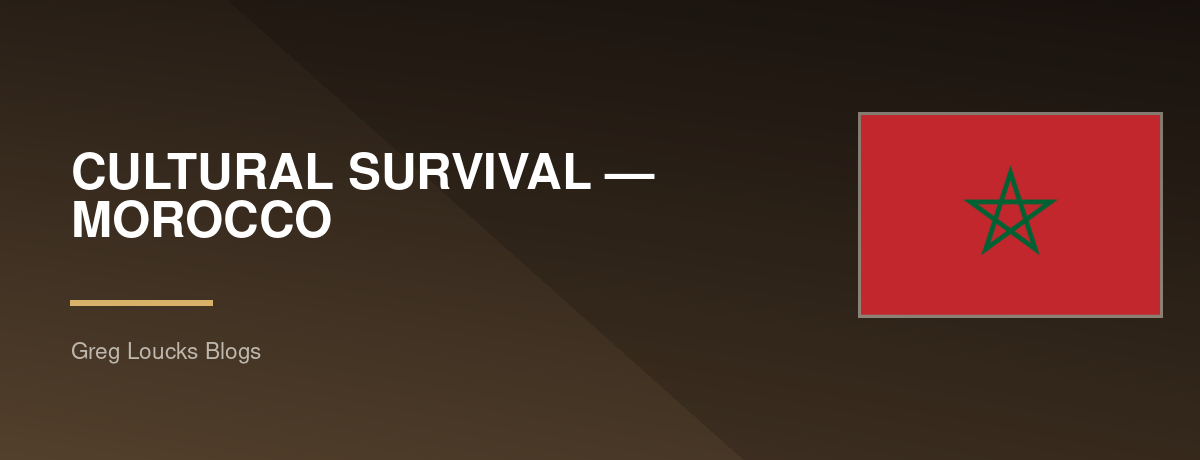
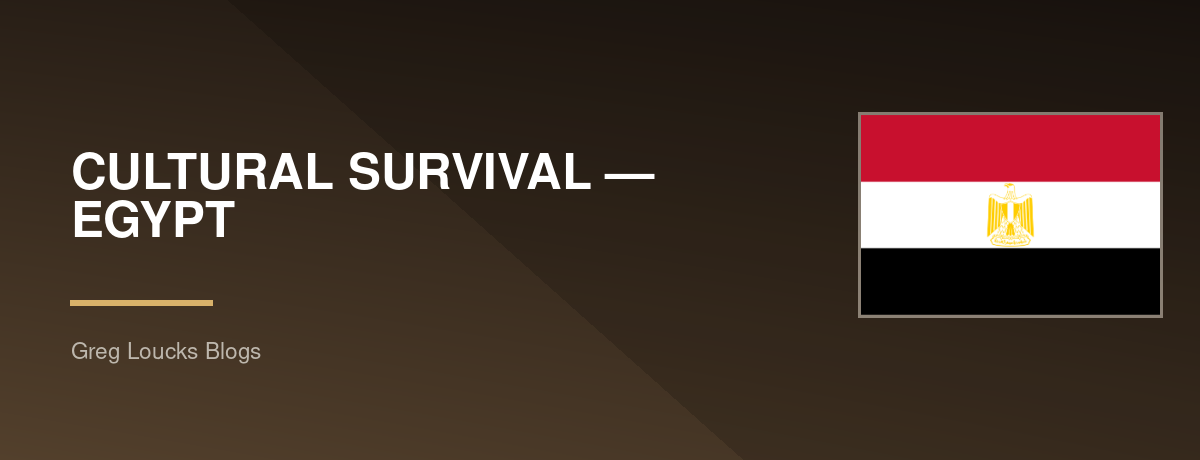

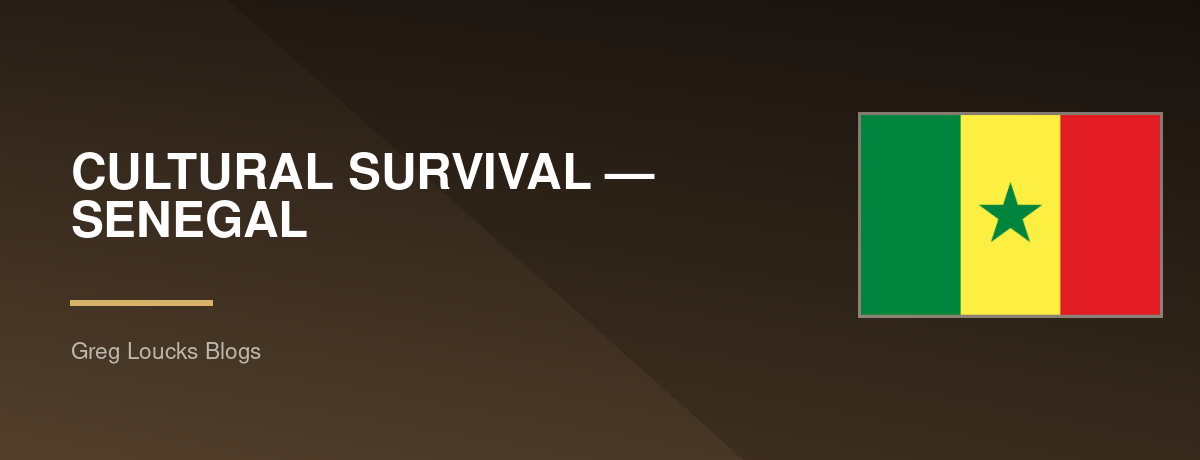






Comments and reactions 0
No comments yet. Yours would be the first.